Hammer Drills
Looking to take your DIY projects to the next level? Our selection of hammer drills is here to help you tackle tough materials with ease. Whether you're a seasoned professional or a weekend warrior, these powerful tools are designed to provide precision and efficiency for all your drilling needs. From concrete to metal, our range of hammer drills offers versatility and reliability to get the job done right. Explore our collection and find the perfect tool to enhance your workshop today.
Sort
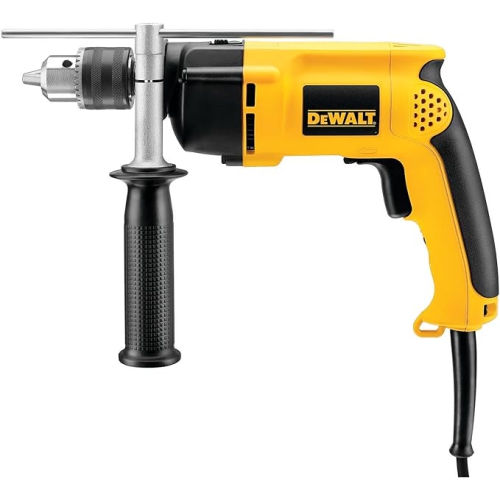
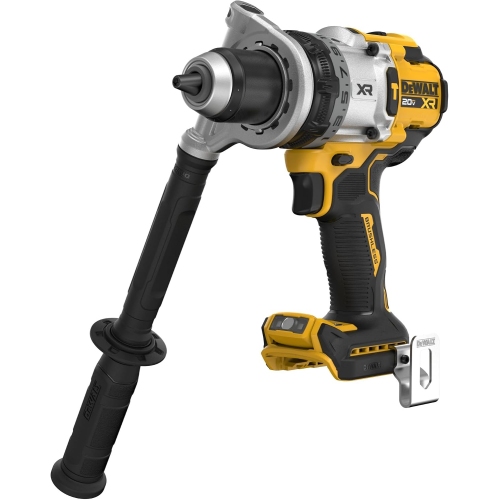
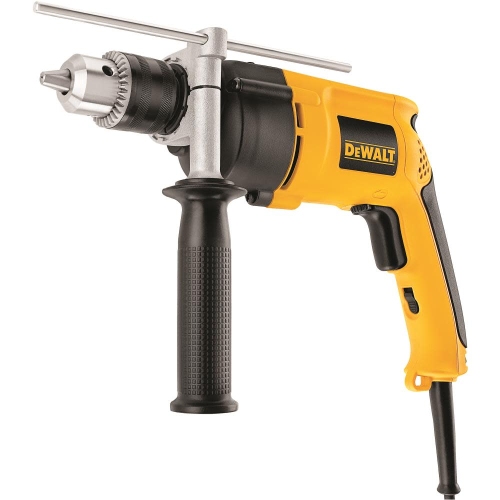
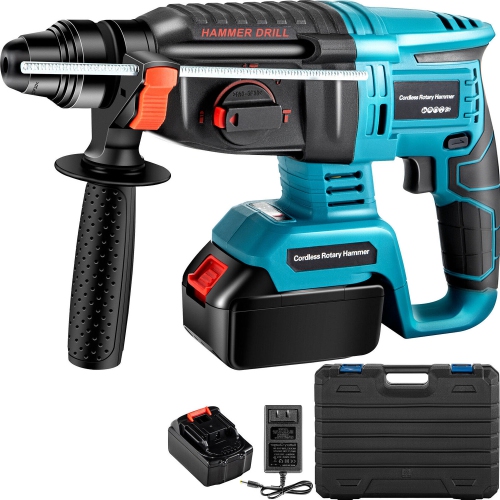

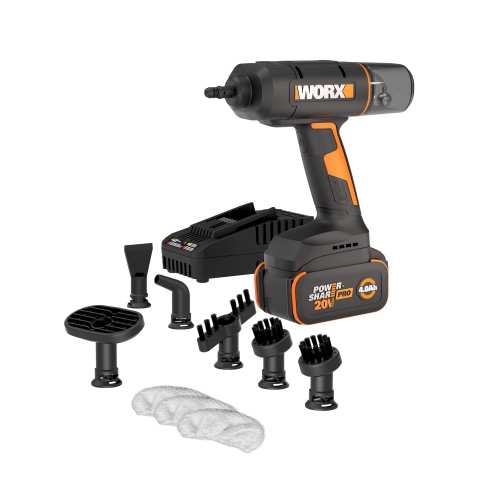
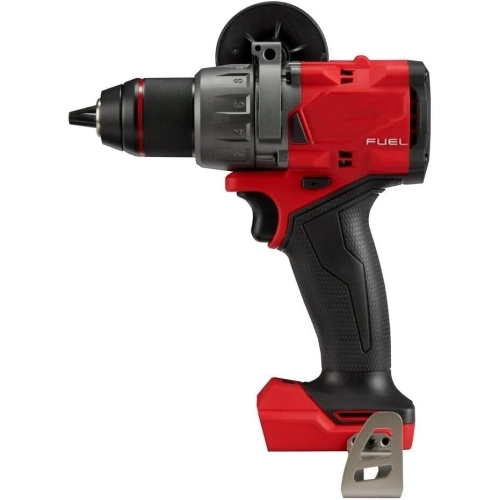


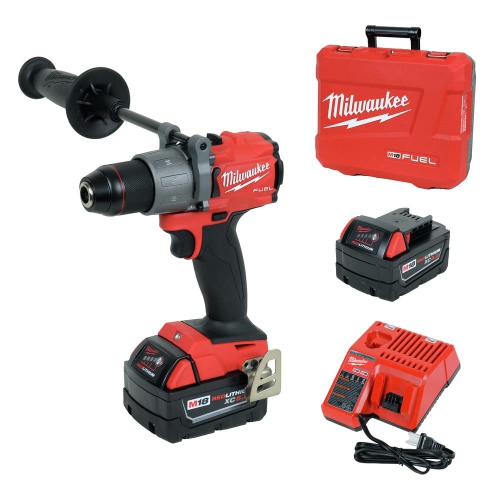
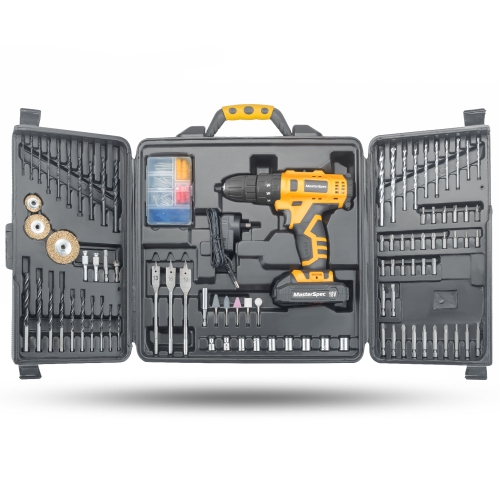

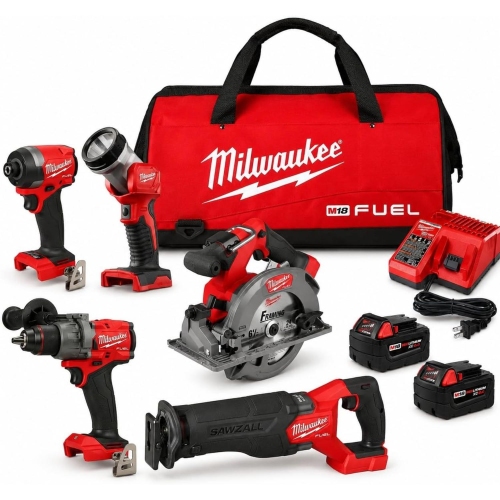
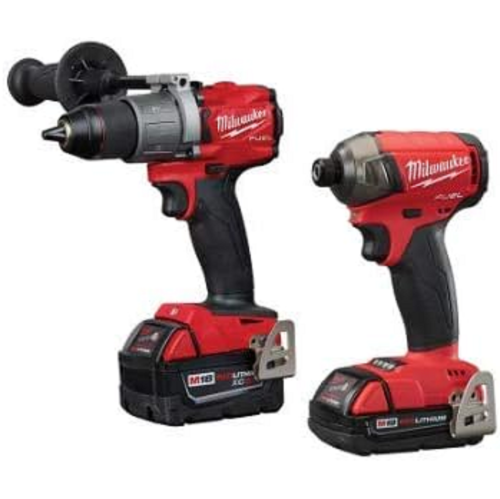
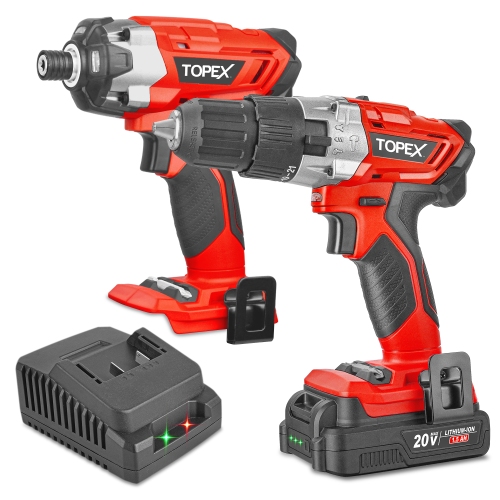

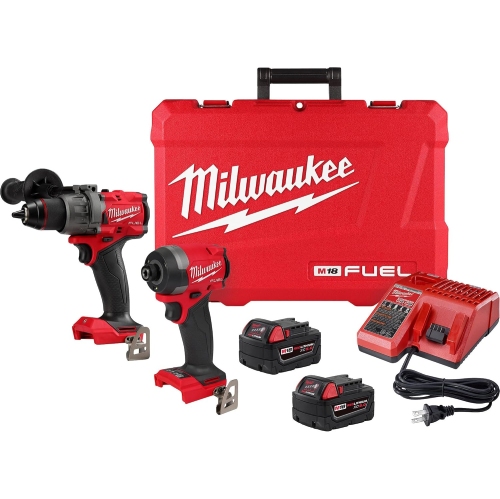
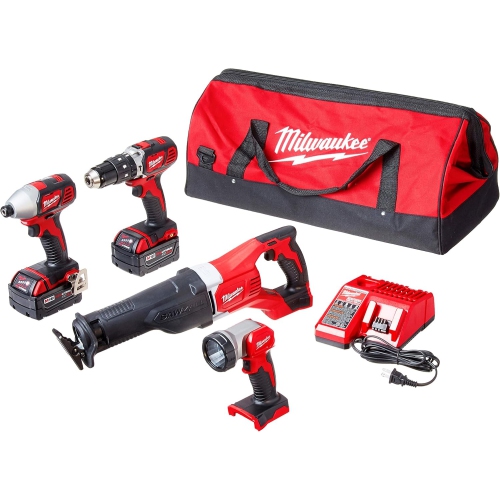
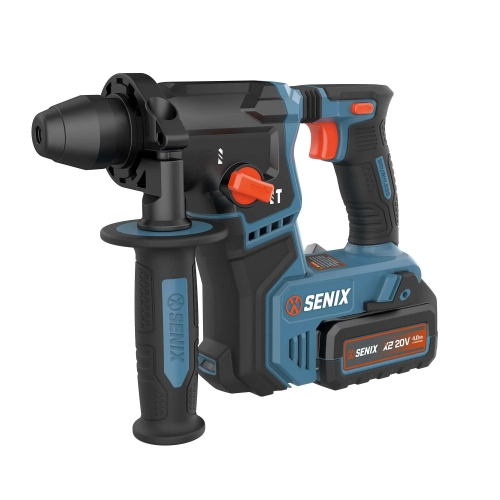

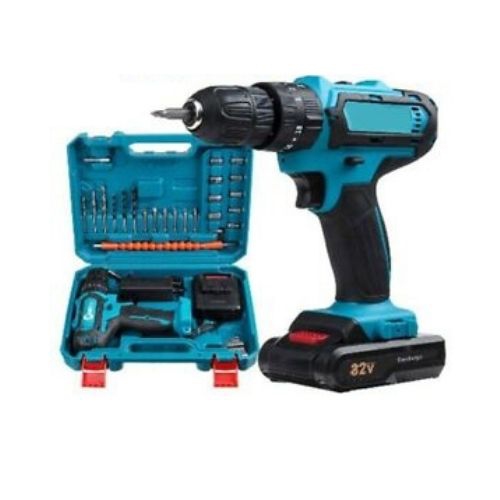
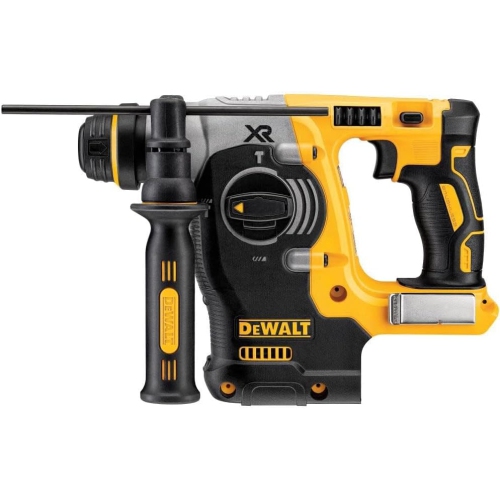
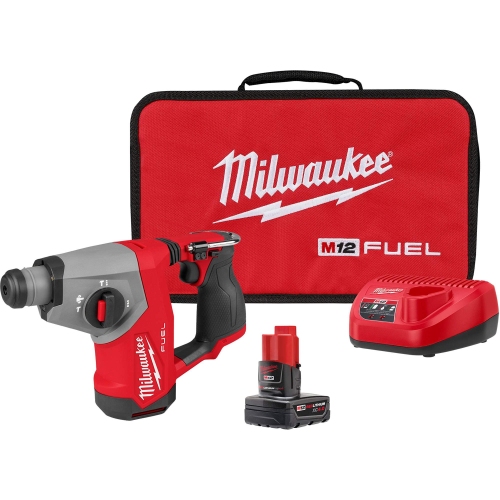
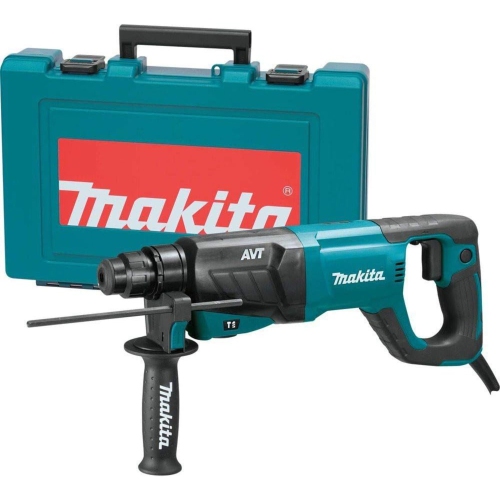

How hammer action helps tackle brick and concrete
Hammer drills are power tools that combine a rotating drill bit with rapid forward-and-back hammering to bore into brick, concrete and other suitable masonry. The rotation cuts the hole while the repeated blows help break up the material at the bit’s tip. In a conventional hammer drill, this action usually comes from ridged discs that move against each other as the mechanism turns. Many hammer drills also have a rotary-only setting, allowing the same tool to drill wood or metal with the appropriate bit and the hammer action switched off. Some include driving modes for fastening screws, although the available settings vary. This versatility suits homeowners mounting brackets on a brick wall, renovators securing fixtures to masonry and tradespeople who need one tool for several lighter drilling tasks. The material and the required hole diameter matter more than the project’s overall size: a small anchor hole in dense poured concrete can be more demanding than a larger hole in softer brick. Conventional hammer drills are generally best suited to occasional masonry drilling and smaller anchor holes within their rated capacity. Repeated concrete drilling, larger openings or particularly hard aggregate may call for a rotary hammer instead. Rotary hammers typically use a piston-driven striking mechanism and a purpose-designed bit connection, such as an SDS system, to deliver stronger individual blows. Some also support chiselling, a function that should not be assumed on a standard hammer drill. The name Impact Drill is sometimes used for a hammer drill, but an impact driver is a different tool: it applies rotational impacts primarily to drive fasteners rather than hammering forward into masonry. These distinctions help match the tool to the actual work, whether that means installing a few shelving anchors or making repeated holes for a renovation. Masonry condition also matters, since brittle brick, hollow block and solid concrete can require different bits, anchors and drilling approaches.
Corded and cordless hammer drills offer different advantages depending on where and how long the work takes place. A corded tool draws power from an outlet without requiring battery changes, making it practical for tasks near a reliable power source. Its working range depends on cord length and access, and any extension cord needs to meet the tool manufacturer’s requirements. A cordless hammer drill offers easier movement between rooms, around a workbench or along a wall where an outlet is inconvenient. Battery capacity affects runtime, but a larger battery can also make the tool heavier and change its balance. For someone who already uses cordless tools, compatibility with an existing battery and charger system can be a useful consideration; matching voltage labels alone does not establish compatibility. Brushless motors can offer efficient operation and reduced motor maintenance, though overall performance still depends on the complete tool design. Power ratings, torque figures, speed ranges and blows per minute describe different aspects of operation rather than providing a single measure of drilling ability. The manufacturer’s rated drilling capacity for each material is a more useful starting point than assuming the highest number means the best fit. Lower gearing can provide greater turning force, while higher speeds may suit smaller bits and certain drilling tasks. Variable-speed control helps with careful starts, particularly when positioning a bit on a marked point. Where included, an adjustable clutch helps control screwdriving torque, but it is not a substitute for selecting the correct drilling mode. Physical fit matters just as much during repeated use. A balanced body, comfortable grip and accessible controls can make a difference when drilling at shoulder height or working close to a corner. An auxiliary handle provides additional control against twisting forces, while a depth stop helps produce consistent holes for anchors. Compact dimensions, an integrated work light and a chuck that securely grips the intended bits are useful details to weigh alongside power.
Bits, accessories and care have a direct effect on how well a hammer drill performs over time. Masonry bits commonly use carbide cutting tips, while bits for wood, metal, tile and glass have different cutting geometries and operating requirements. A bit must suit both the material and the selected mode; hammer action can damage delicate surfaces and is generally unsuitable for drilling wood or metal. Tile and natural stone need particular care, since their hardness, finish and tendency to crack vary considerably. Chuck capacity describes the shank size the chuck can hold, not the maximum hole diameter the tool can safely drill in every material. SDS bits and ordinary three-jaw chucks are not directly interchangeable, and accessory compatibility should follow the tool manufacturer’s specifications. For anchor installations, the specified hole diameter, depth and cleaning method are important to the fastening system’s performance. A clean, accurately sized hole helps an appropriate anchor work as intended, whereas an oversized or poorly prepared hole can compromise its hold. Before drilling into a wall or slab, checking for concealed wiring, plumbing and structural restrictions is essential. Masonry drilling can also generate hazardous silica dust, so suitable dust extraction, eye protection, hearing protection and any required respiratory protection belong in the setup. Durability depends partly on allowing the tool to work within its rated limits rather than forcing a stalled bit or covering ventilation openings. With the tool disconnected from power or its battery removed, routine care includes checking bits for damage, inspecting the chuck and keeping ventilation areas clear according to the manufacturer’s directions. Dry storage in a case helps protect the tool, battery and accessories from moisture and accidental knocks. For a practical gift, a hammer drill makes the most sense for someone with known renovation or workshop needs. Compatibility with their existing tools, manageable weight and the inclusion of any necessary battery and charger are more useful considerations than power alone.
Top selling and popular products
-
 Your price for this item is $1299.99
-
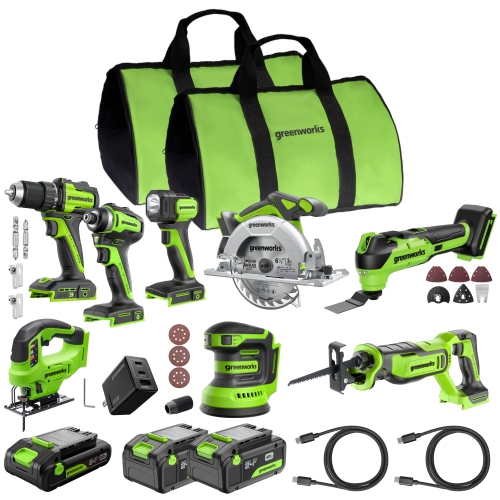 Your price for this item is $799.99
-
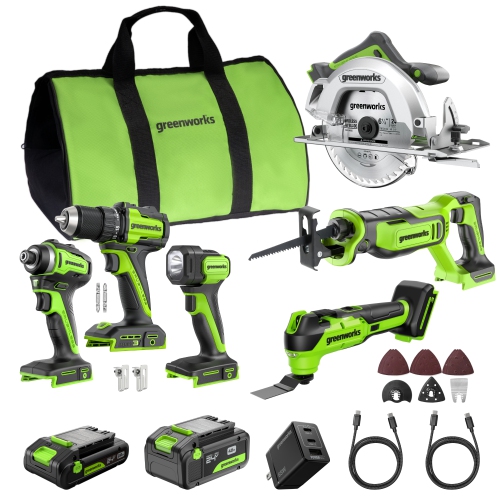 Your price for this item is $589.99
-
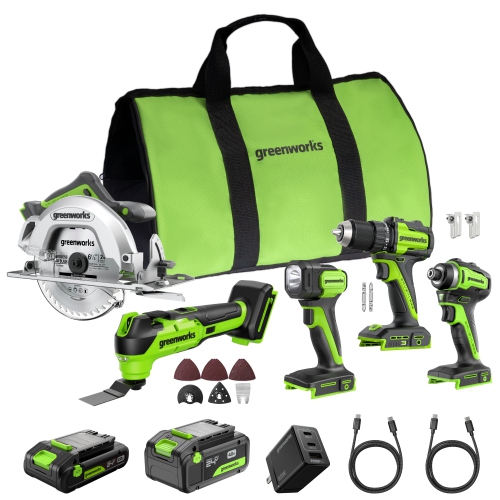 Your price for this item is $529.99
-
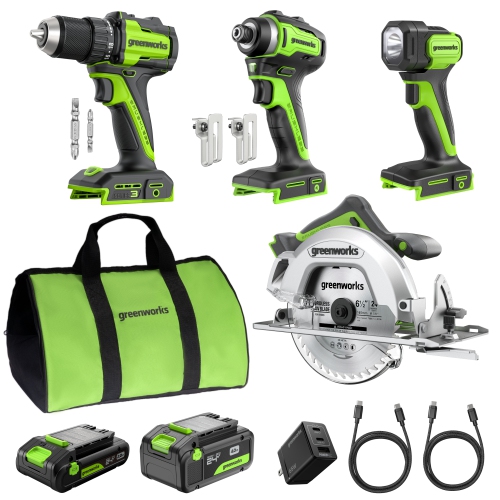 Your price for this item is $399.99
-
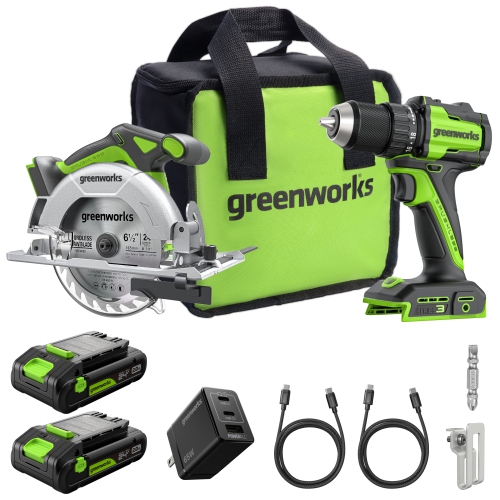 Your price for this item is $329.99
-
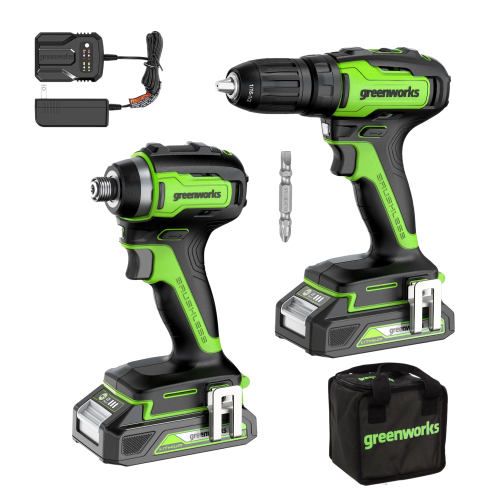 Your price for this item is $199.99
-
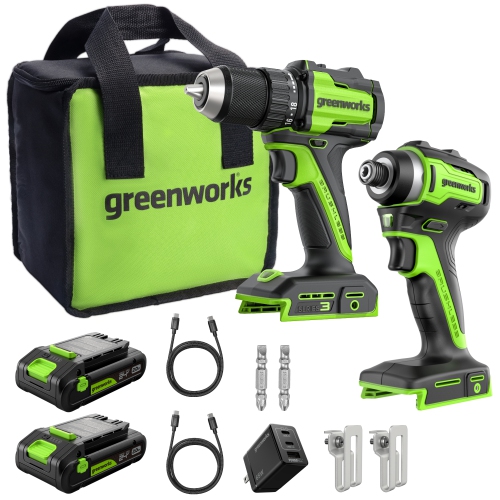 Your price for this item is $255.99
Discover more categories related to Hammer Drills
Top Collections:
Best Black Friday Deals This Year, Best Black Friday Deals On Electronics, Kindle Devices, Pokemon Centers, Best Black Friday Deals On Apple Products, Best Cameras for Sports Photography, Dyson Airwrap, Pokémon 30th Celebration Cards, Apple iPhone 17 Pro, Canon G7X Cameras
Some products may be subject to Environmental Handling Fees
(EHF) depending on your province.
Learn more about EHFs.