Baby Teddy Bear
Discover the perfect companion for your little one with our adorable collection of Baby Teddy Bears. These cuddly and soft companions are designed to provide comfort, joy, and endless hours of playtime for your baby. Crafted with utmost care and attention to detail, our Baby Teddy Bears are made from high-quality materials that are safe for your little one to snuggle and explore. Whether you're looking for a classic teddy bear or a modern twist on this timeless toy, our selection offers a variety of styles, sizes, and colors to suit every preference. Bring home a Baby Teddy Bear today and watch as your baby's face lights up with love and excitement!
Sort




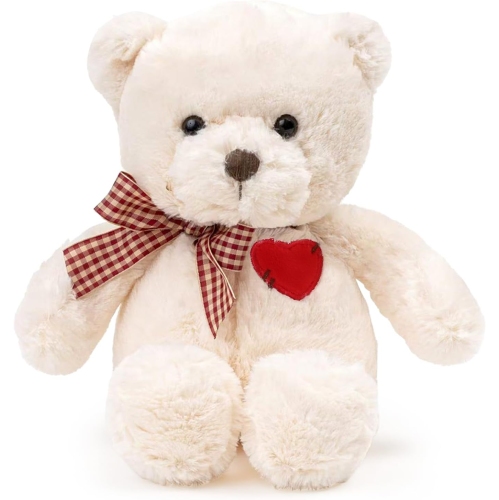

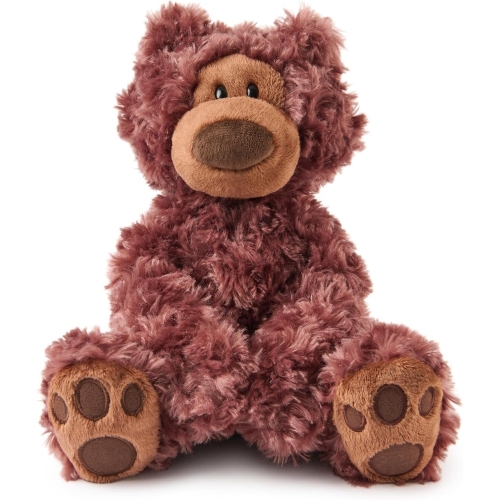


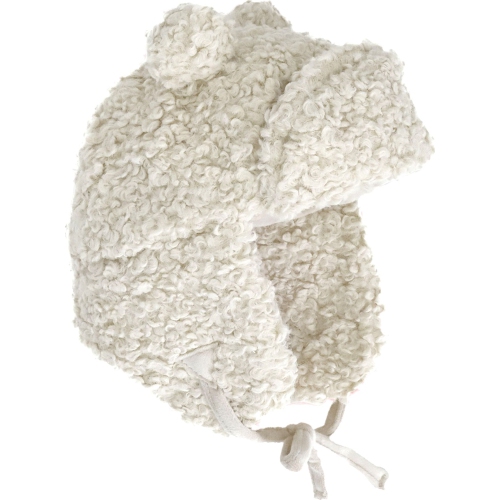

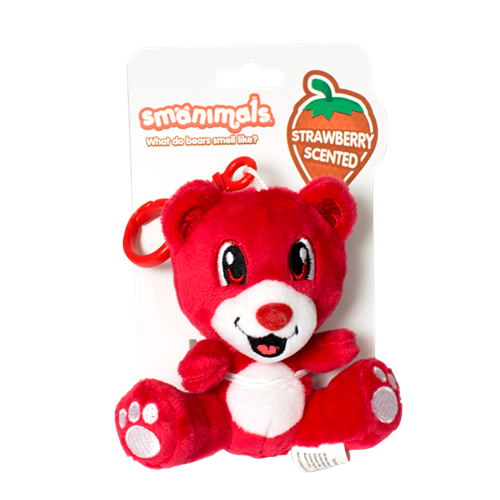
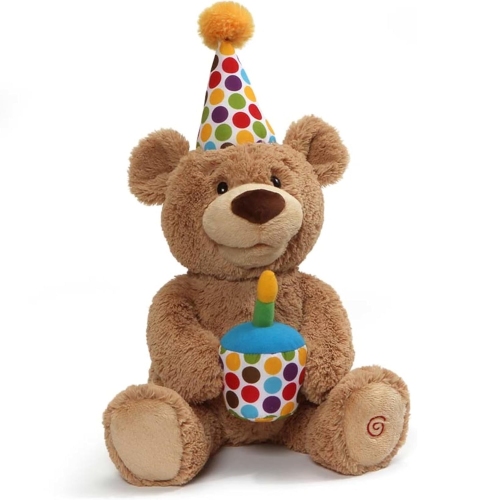

A first plush friend needs more than softness
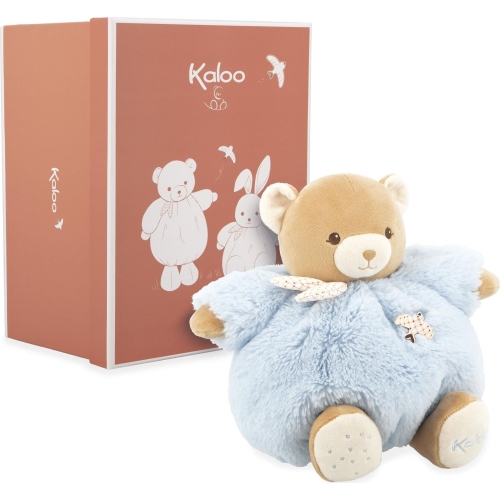
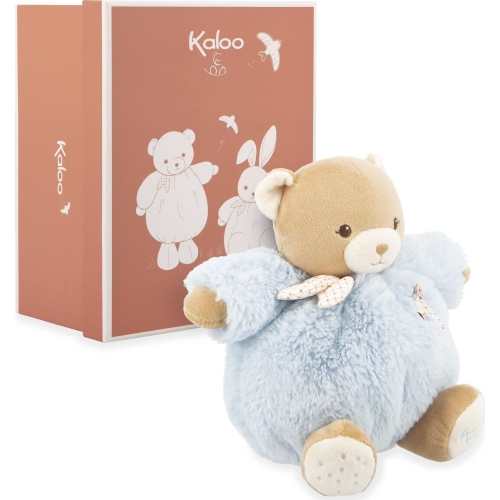
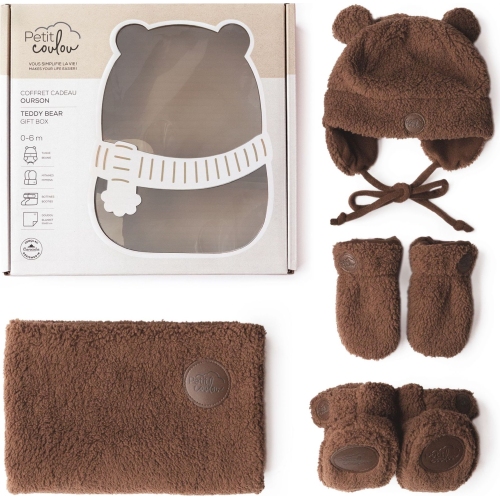
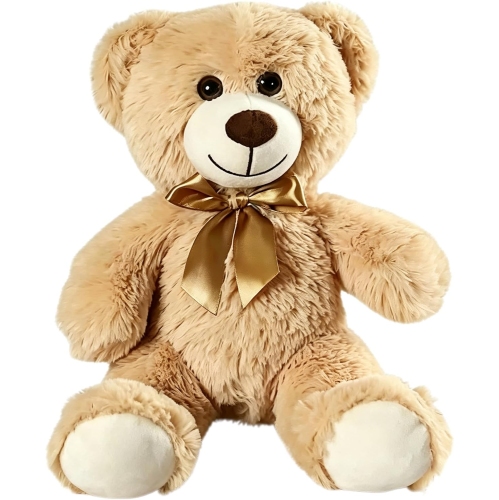
A baby teddy bear is a soft, bear-shaped plush toy intended for age-appropriate play, cuddles while awake, or gifting to welcome a new arrival. Rounded ears, a friendly face, and a body that fits comfortably in an adult’s hand give these familiar toys an appeal that can last beyond the baby stage. Within the broader Teddy Bears collection, baby-focused designs are distinguished less by their colour than by their age rating, construction, size, and care requirements. A pastel bear is not necessarily suitable for an infant, and a decorative keepsake may not be intended as a plaything at all. The manufacturer’s recommended age and safety information matter more than a nursery-inspired appearance. For supervised interaction with a young baby, a lightweight bear with embroidered facial features and no loose accessories offers different qualities from a large display bear with a ribbon or removable clothing. Simple shapes can be easy for an adult to hold during face-to-face play, while a slightly older baby may enjoy reaching towards a soft paw or exploring a short, smooth pile. Teddy bears and other soft toys should stay out of an infant’s crib, bassinet, or other sleep space, including during naps. Their place in an infant’s routine is awake, supervised play rather than sleep. A bear can join a caregiver’s lap during a picture-book session, appear beside a parent during a familiar song, or provide a friendly character for gentle peekaboo. For baby showers, welcoming celebrations, and first birthdays, the appeal is both practical and sentimental: a small plush companion can feel personal without requiring a clothing size or knowledge of the nursery’s exact layout. Cream, brown, grey, and soft pastel shades suit different tastes, while expressive stitching and a distinctive shape often give a bear more character than elaborate decoration. A gift intended for immediate play needs a suitable age rating; one chosen purely as a keepsake belongs out of the baby’s reach until it is appropriate to use.
Materials and construction shape how a baby teddy bear feels, wears, and fits into everyday family life. Plush fabrics vary from velvety short pile to longer, fluffier fibres, with differences in texture, drying time, and how readily crumbs or lint settle into the surface. Polyester is common in plush toys, while some designs incorporate cotton fabrics or mixed-texture panels; the care label provides the details for the outer fabric and filling. Fibre content alone does not establish whether a toy is appropriate for a newborn. A smooth surface, securely attached features, and construction suited to the labelled age are more useful considerations than softness alone. Embroidered eyes and noses avoid the separate hard components found on some traditional bears, although the complete toy still needs to meet its intended age requirements. Seams around ears, limbs, and necks deserve attention because these areas receive repeated pulling and handling. Filling should remain fully enclosed, with no gaps that expose fibres or internal components. Size and weight also affect everyday use. A compact bear may fit neatly into a changing bag, whereas an oversized bear is more likely to serve as room decoration than a manageable infant toy. Care requirements are particularly relevant for something handled with damp fingers or brought close to a baby’s face. Machine-washable construction can simplify cleaning, but wash temperature, cycle, and drying instructions vary. Surface-clean-only plush needs a different routine, and bears with sound components may have restrictions that prevent immersion. Thorough drying, including the filling, helps avoid lingering dampness after cleaning. Repeated washing can also change the feel of the pile, so durability includes both sturdy stitching and a fabric that tolerates its recommended care routine. Regular checks for thinning fabric, loose threads, damaged seams, or exposed filling help identify when a bear needs repair or removal from play. A well-loved appearance is one thing; construction that no longer holds together is another.
Different baby teddy bear designs bring different kinds of interaction, from the quiet familiarity of a classic plush bear to the added interest of textured paws, a gentle rattle, or a musical feature. A simple bear leaves plenty of room for a caregiver’s voice and imagination: it can nod along to a rhyme, greet a baby during tummy time, or take a small role in a story as the child grows. Textured details may invite touching and grasping, but sensory appeal is individual. Some babies enjoy contrasting surfaces and soft sounds, while others engage more comfortably with a plain, quiet toy. Musical designs add another consideration beyond appearance, including how sound is activated, whether the volume can be adjusted, and how easily an adult can switch it off. Any battery compartment should be secured as instructed, and damage that could expose a battery means the toy should be kept away from children. Electronic features can also affect weight and washability, making a straightforward plush bear a different choice from one designed around sound. Neither approach is automatically better; the intended age, household routine, and caregiver’s preferences help determine the more useful fit. For a gift, those everyday details often matter as much as presentation. Parents who regularly clean toys may appreciate clear washing instructions, while a family frequently packing a day bag may find a smaller, lighter bear easier to bring along. A keepsake chosen to mark a birth or first birthday can carry meaning through its colour, expression, or association with the person who gave it, without needing extra embellishment. As children grow, a familiar bear may take on new roles in pretend picnics, toy-doctor visits, and stories invented on the living-room floor. Those possibilities come from a recognisable character and repeated shared moments, not from a promise of a particular developmental result. An age-appropriate baby teddy bear combines a welcoming appearance with suitable construction and manageable care, making room for both everyday play and lasting memories.
Top selling and popular products
-
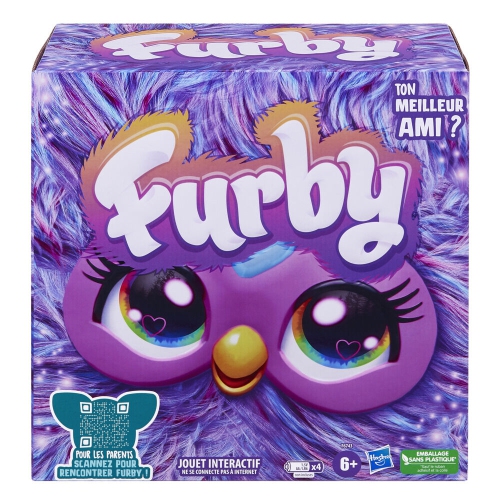 Your price for this item is $79.99
-
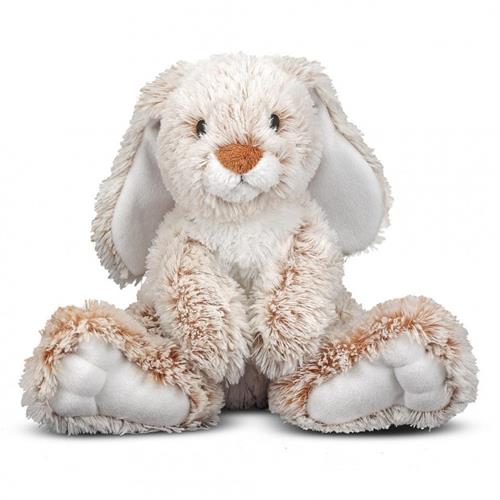 Your price for this item is $38.99
-
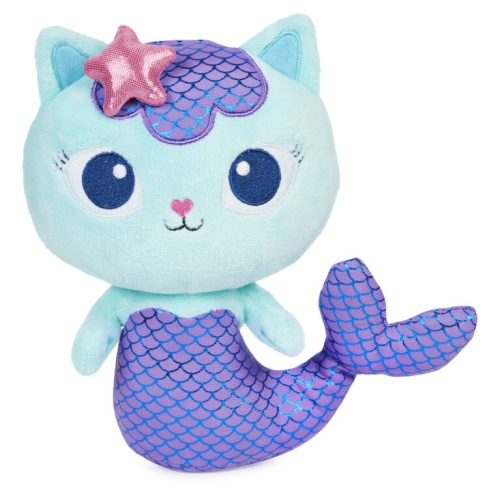 Your price for this item is $37.99
-
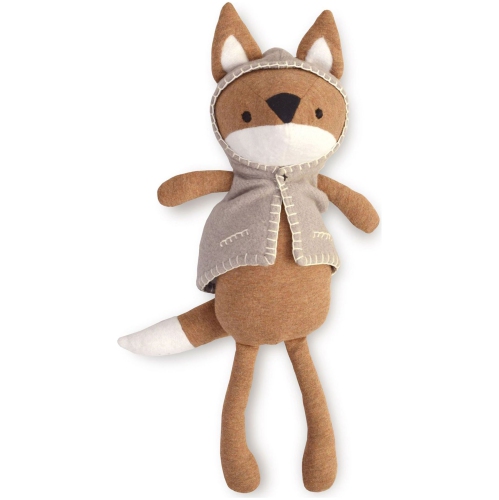 Your price for this item is $34.98
-
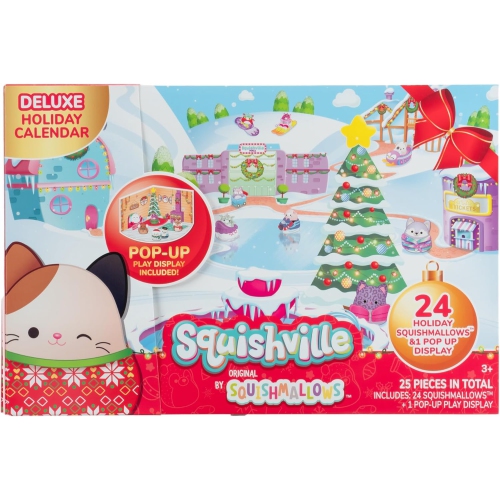 Your price for this item is $45
-
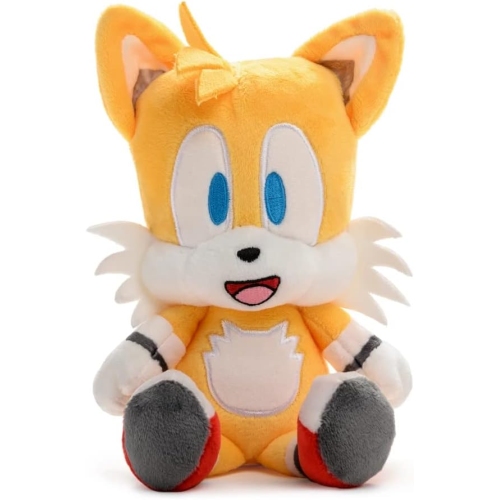 Your price for this item is $39.99
-
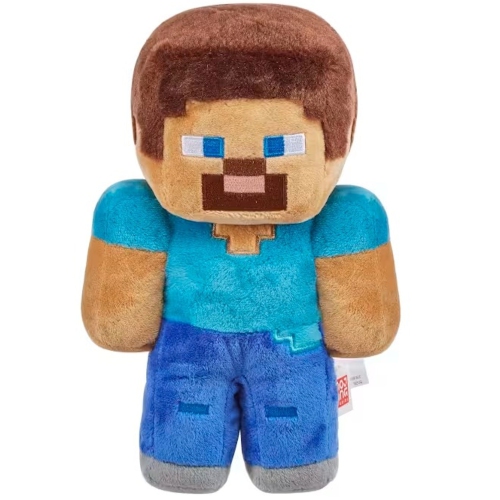 Your price for this item is $27.99
-
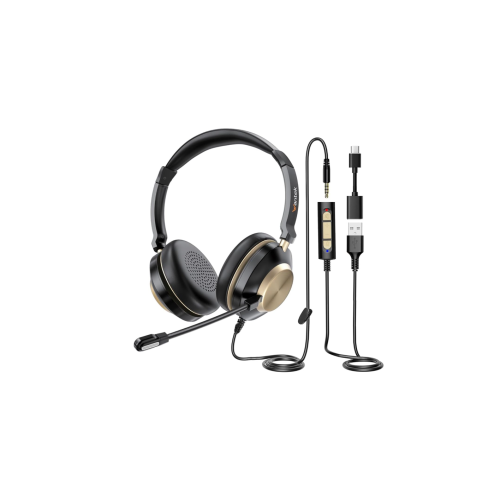 Your price for this item is $74.99
Discover more categories related to Baby Teddy Bear
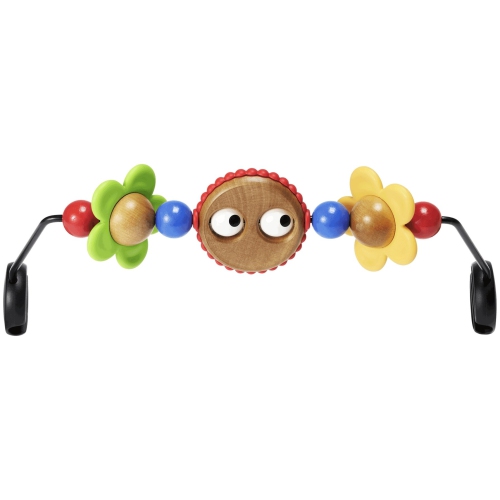
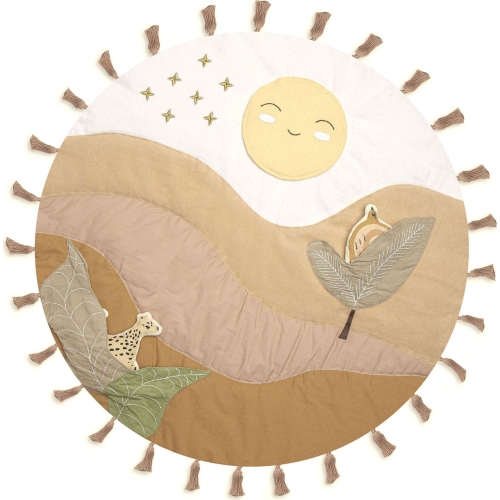
Top Collections:
Pokemon Centers, Kindle Devices, Best Cameras for Sports Photography, Pokémon 30th Celebration Cards, Canon G7X Cameras, Samsung Galaxy Phones, iPhone 15 Apple, Best Black Friday Deals On Electronics, Jackery Power Stations, Solar Generators for Home
Some products may be subject to Environmental Handling Fees
(EHF) depending on your province.
Learn more about EHFs.