Color Matching Games
Enhance your cognitive skills and boost your creativity with our captivating color matching games collection. Dive into a world of vibrant hues and engaging challenges that will keep you entertained for hours on end. Whether you're looking to sharpen your memory, improve your focus, or simply unwind after a long day, these games are the perfect choice for individuals of all ages. Explore a variety of options that cater to different preferences and skill levels, making it easy to find the perfect match for you. Let the colors inspire you as you embark on an exciting journey of fun and mental stimulation.
Sort
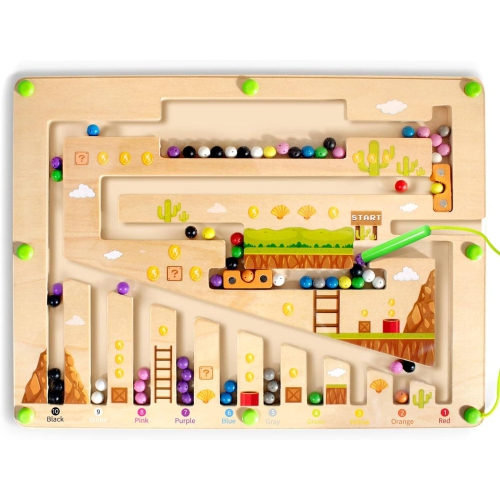
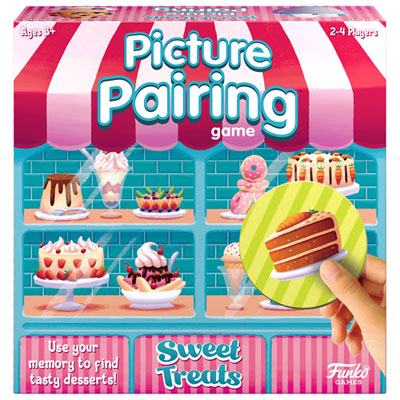
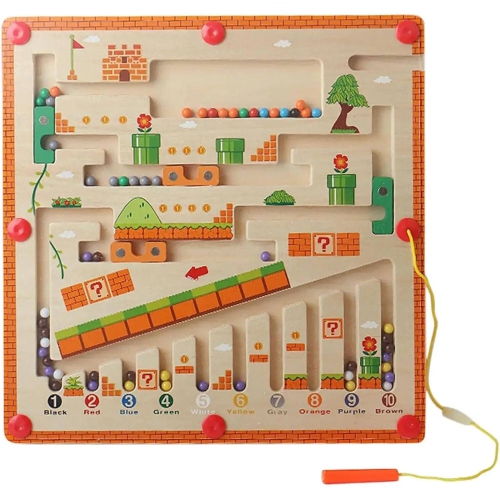
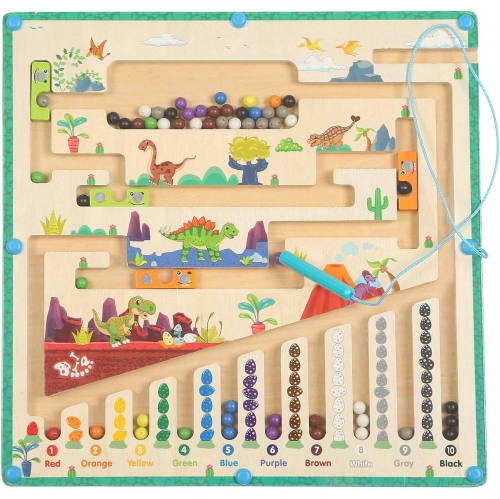
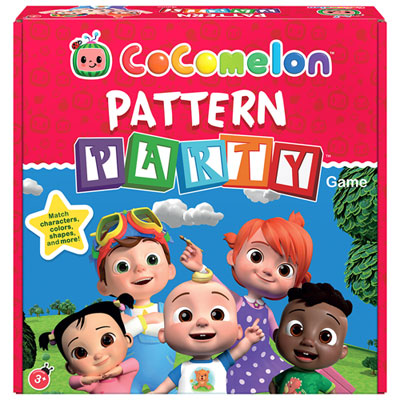
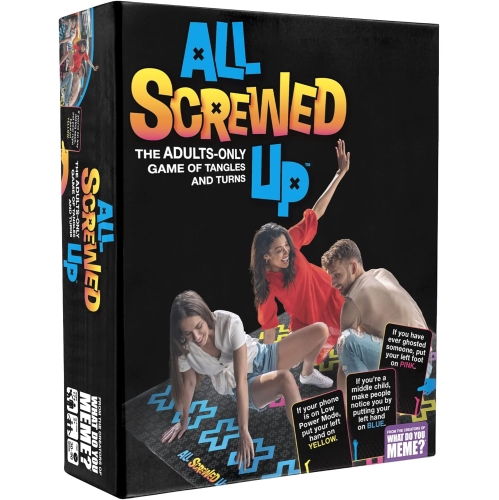
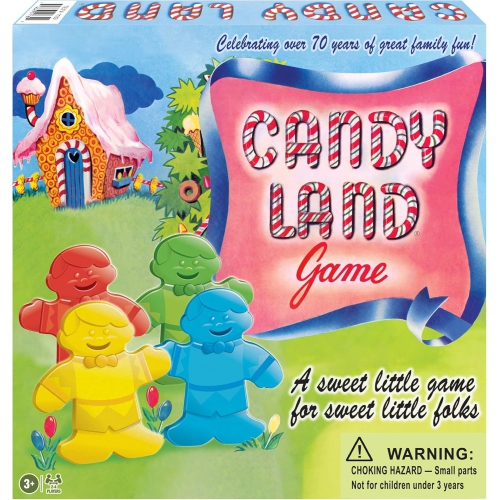
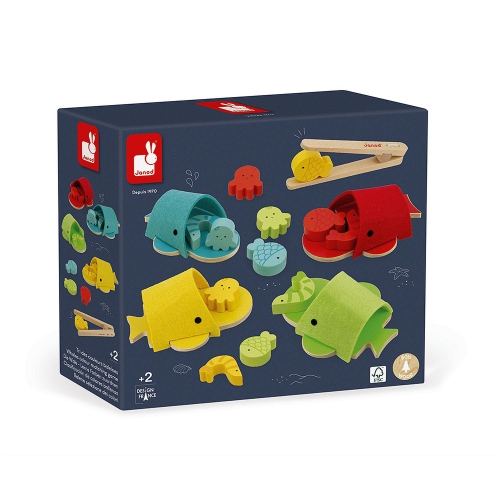
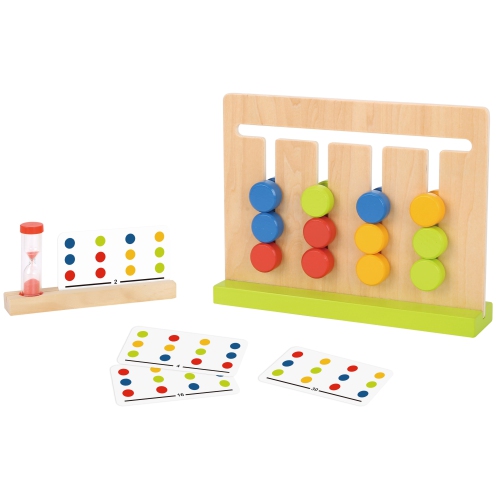


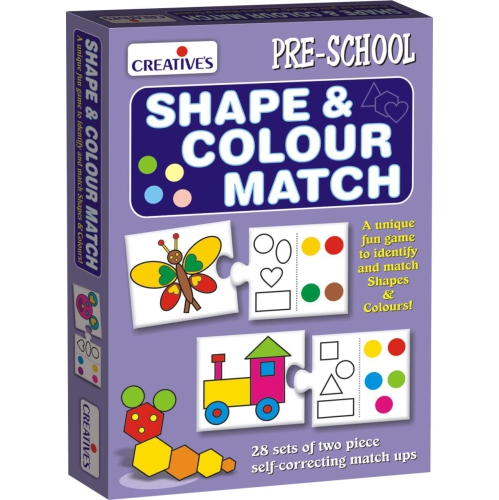
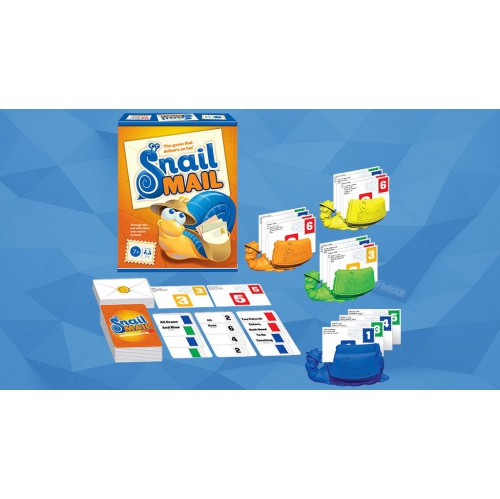

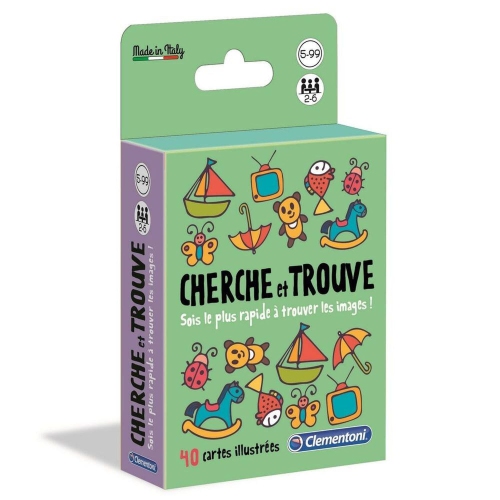

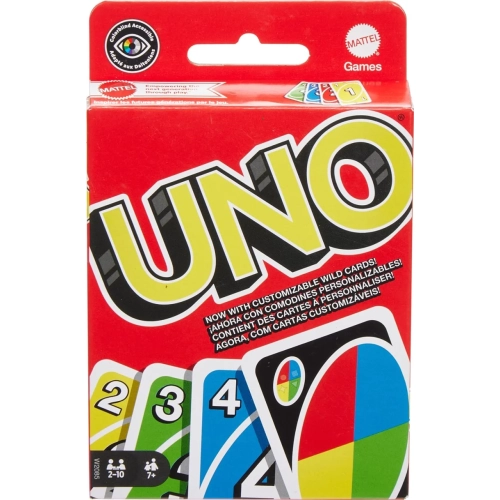

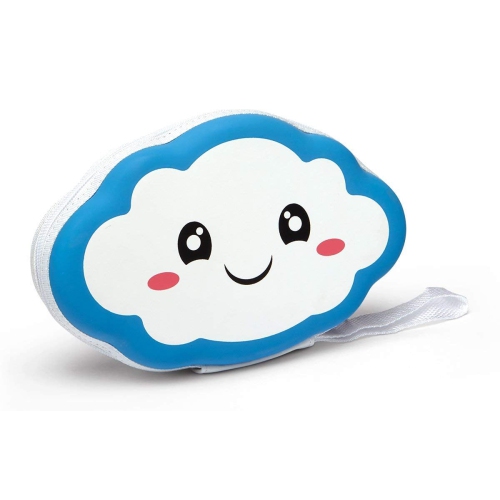
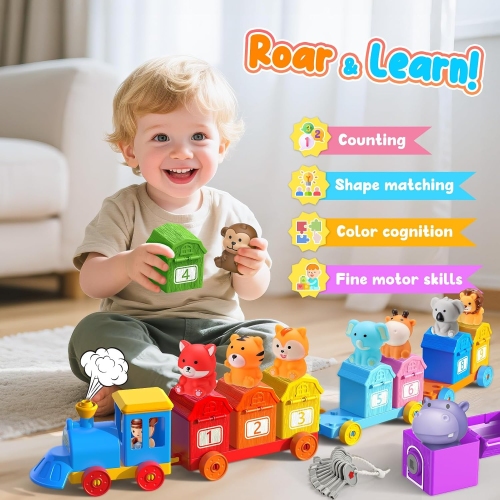
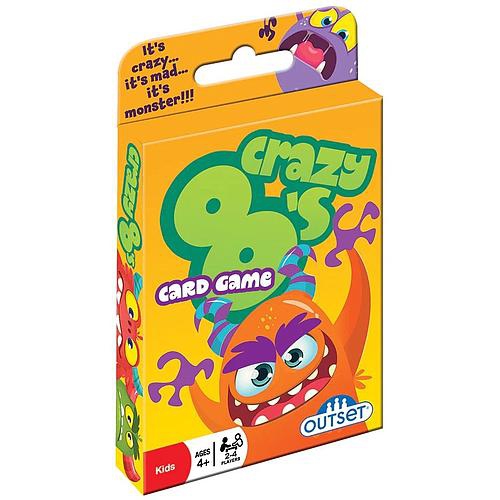
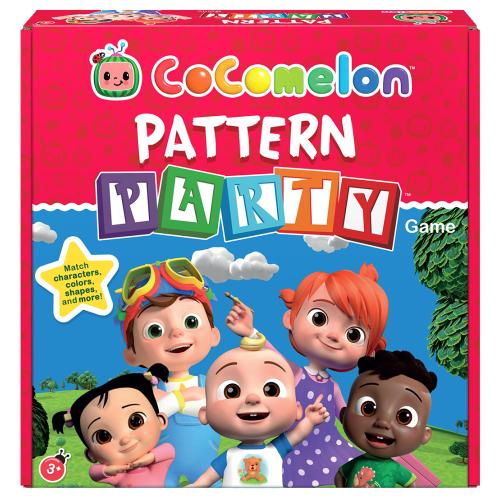
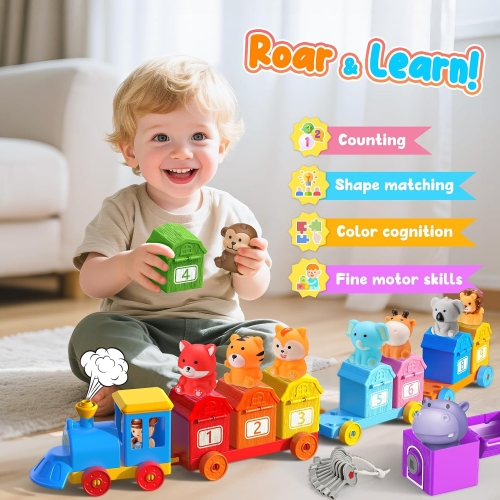
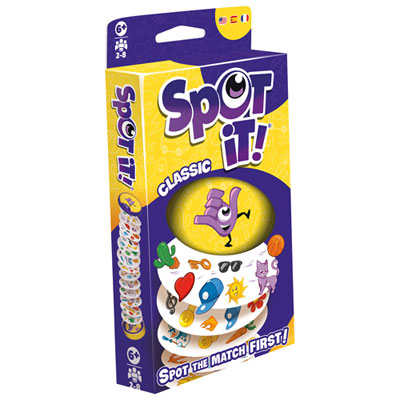
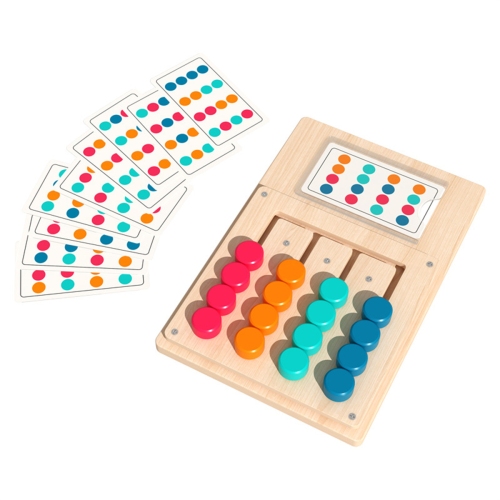
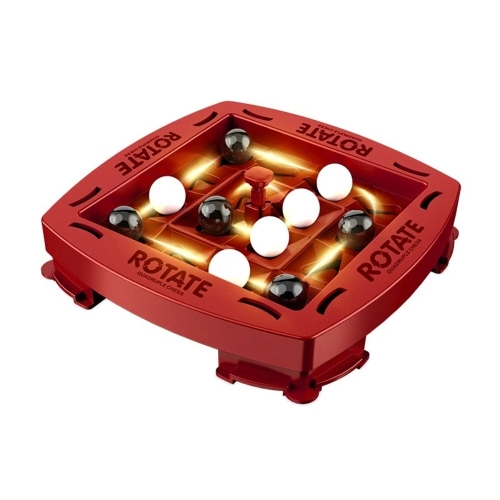
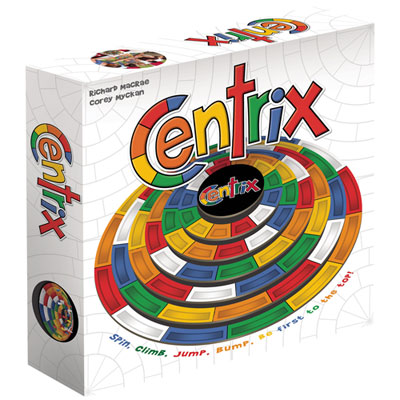

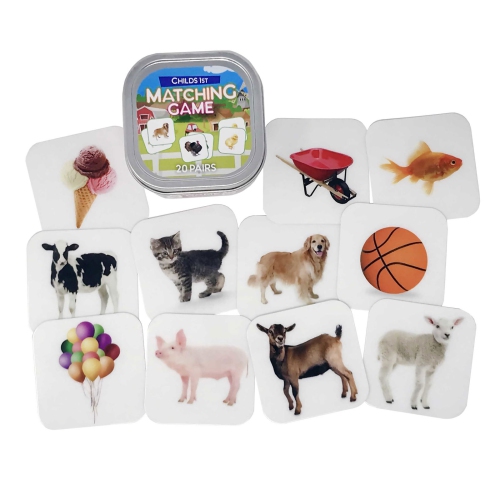
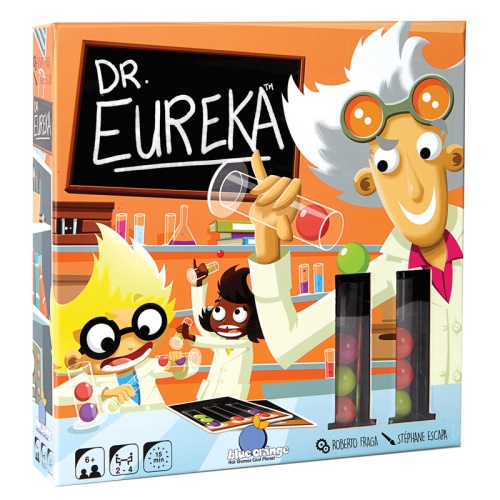
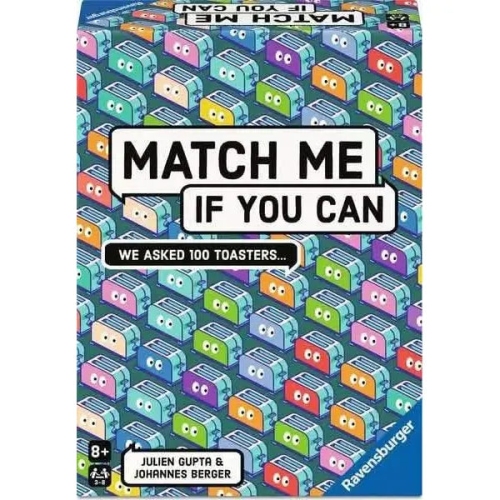
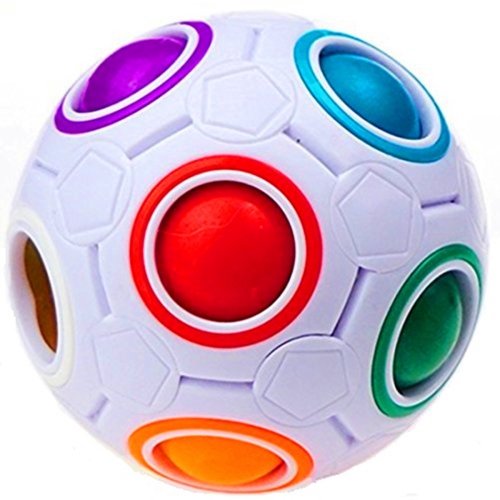
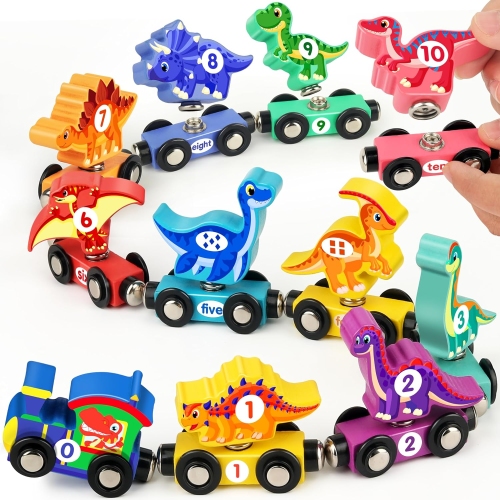
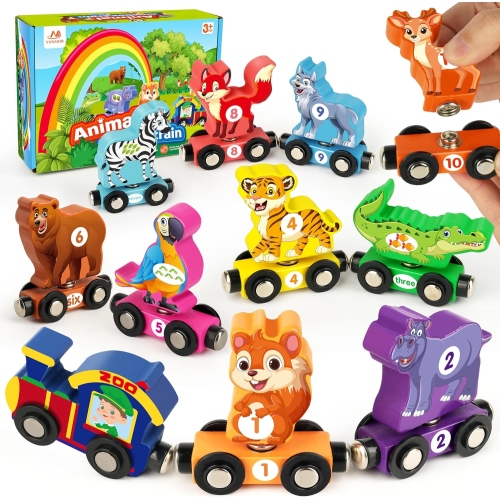
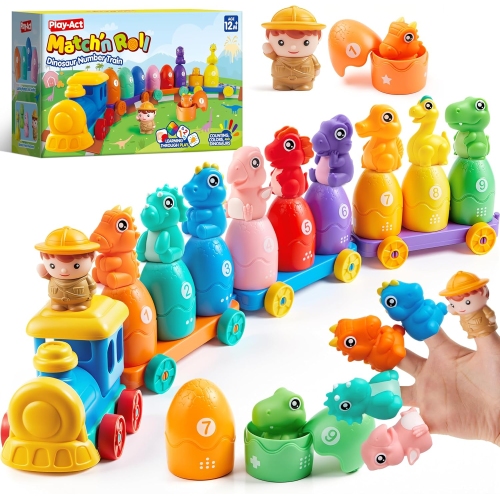
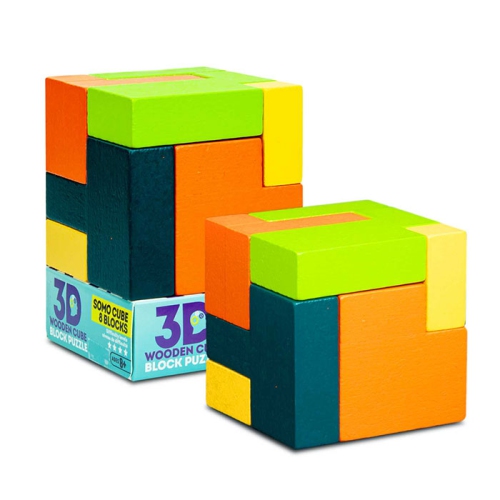
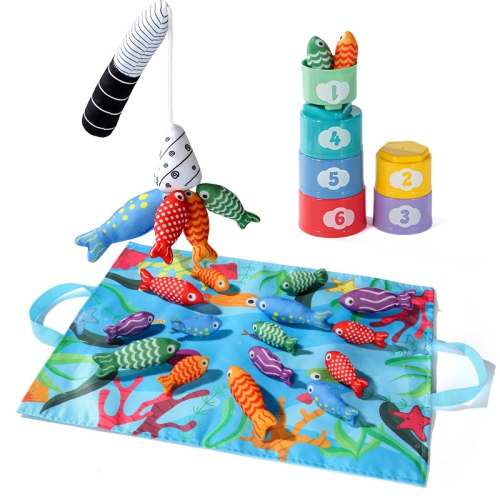
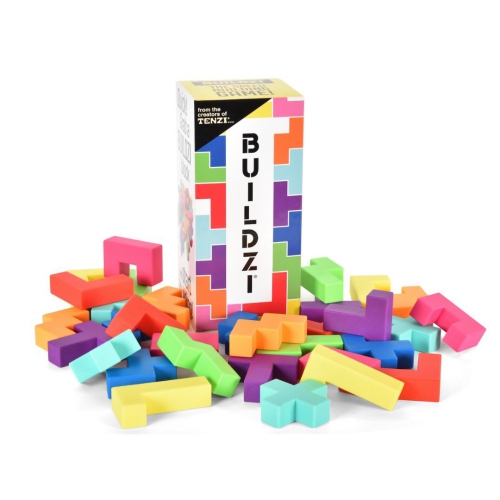

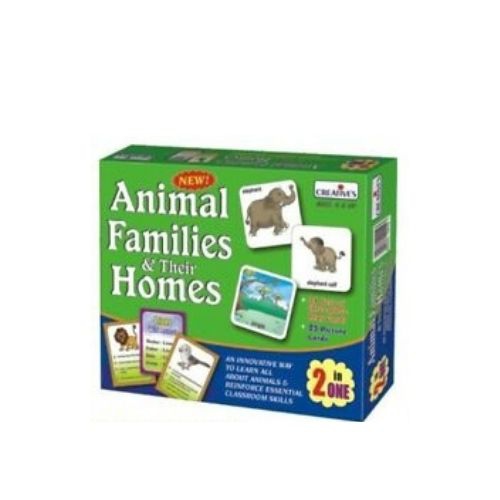


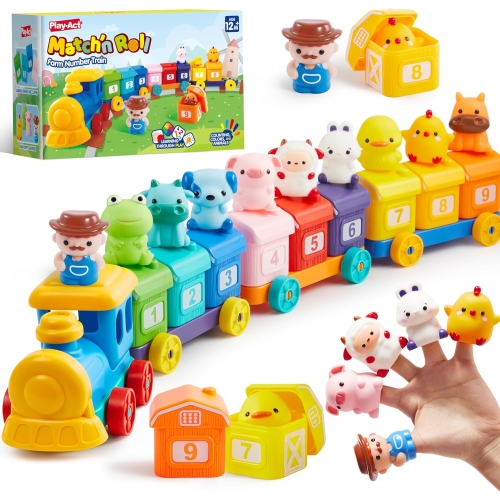
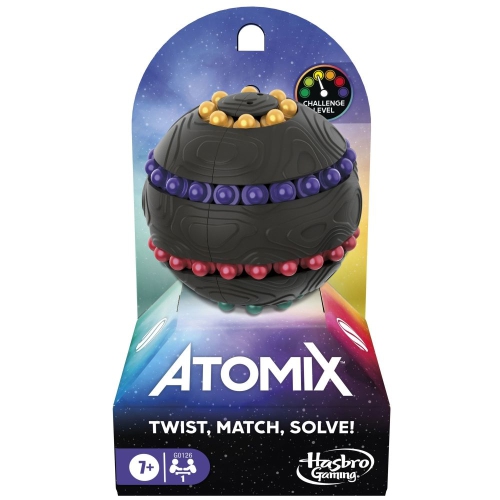
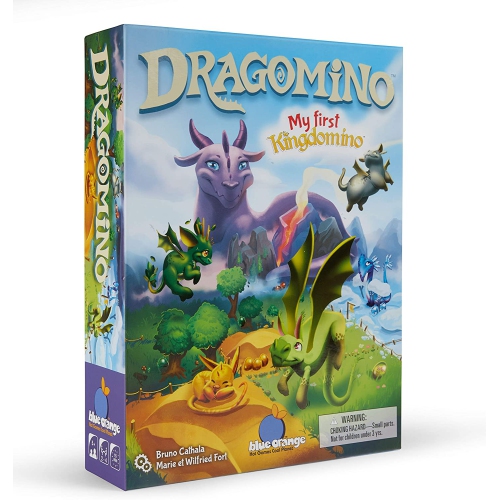
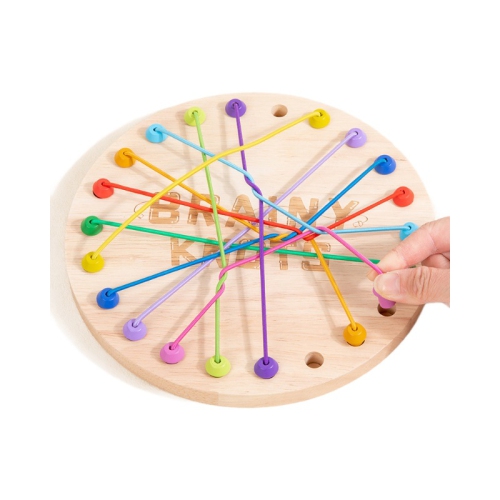
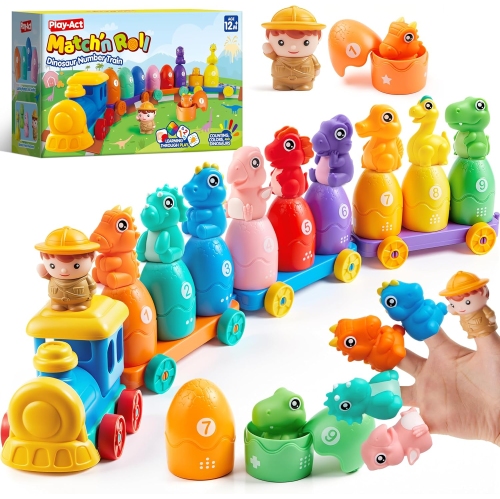
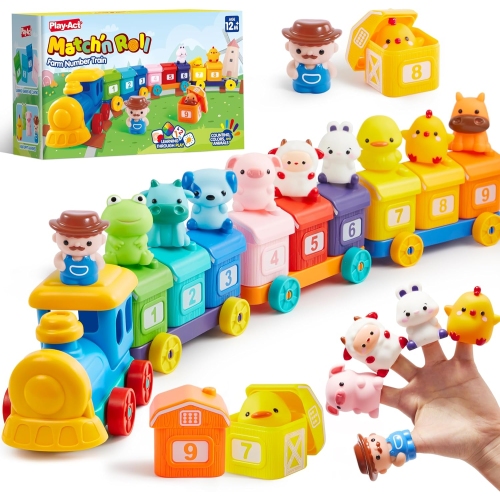

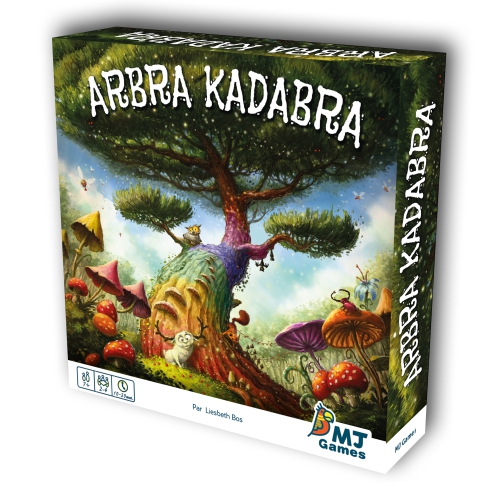


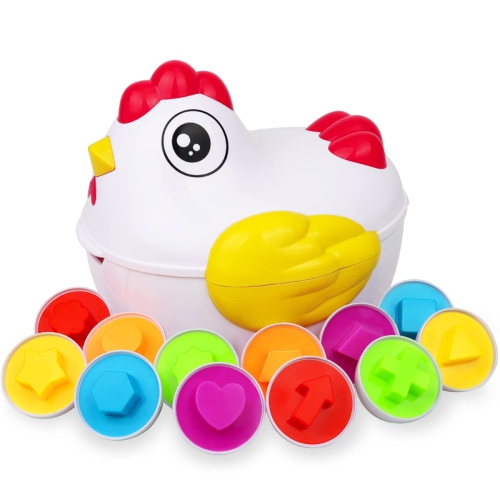
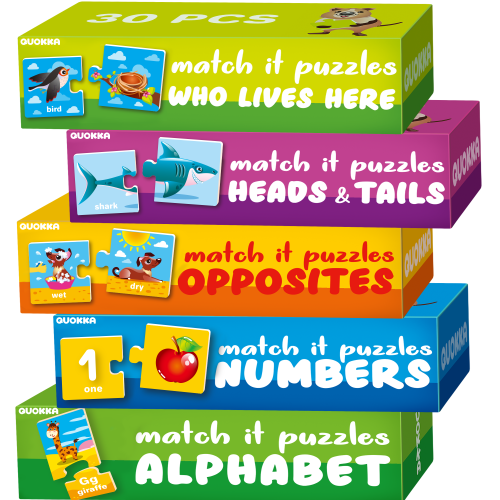

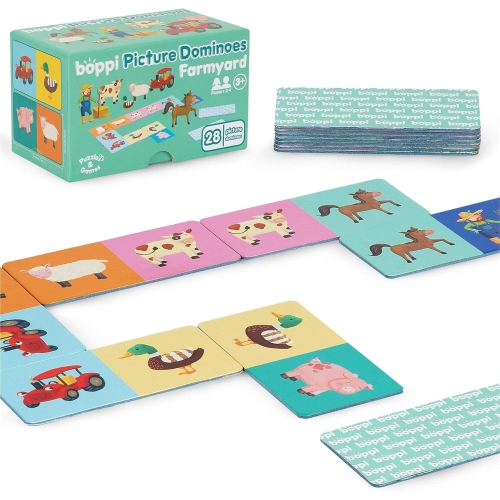
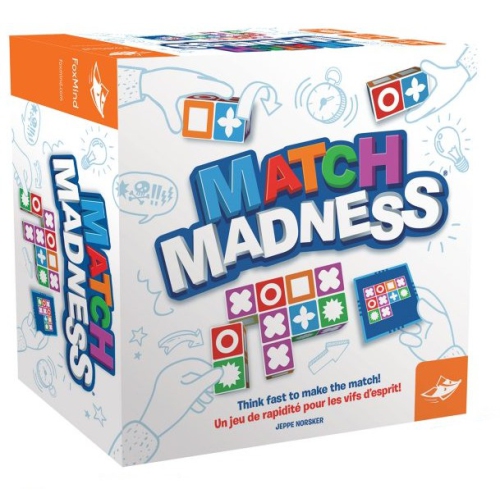
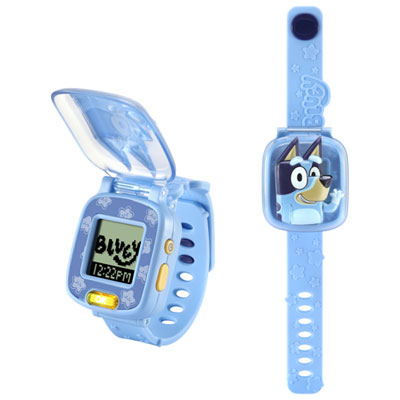
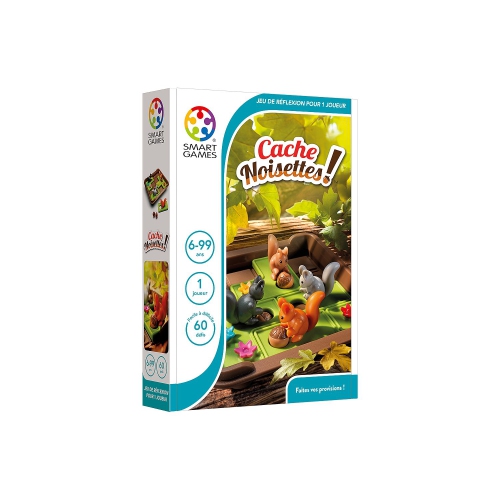
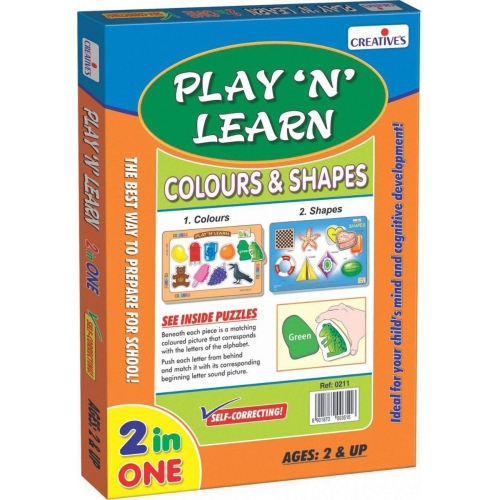
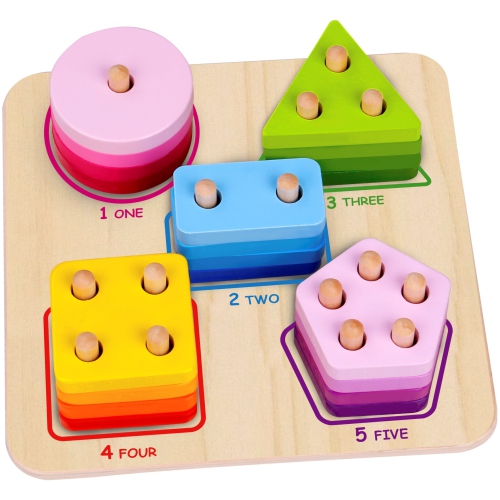
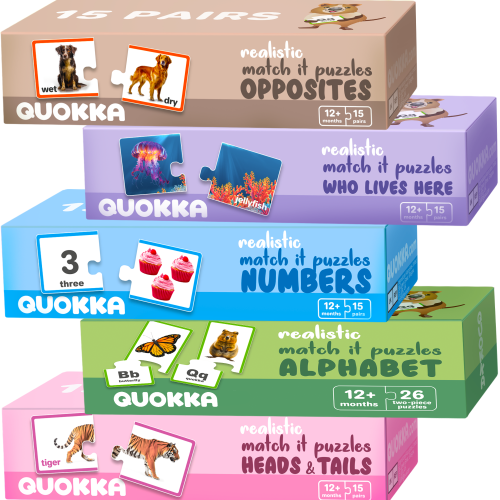
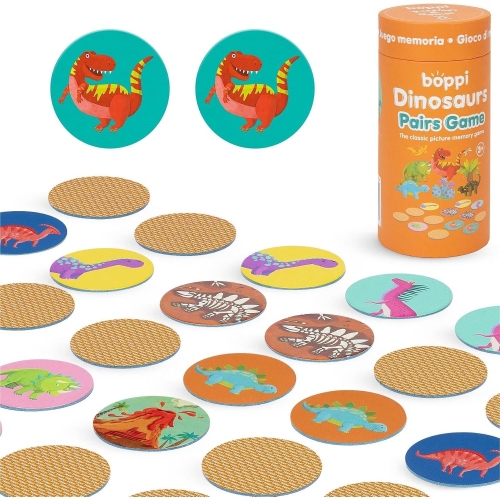
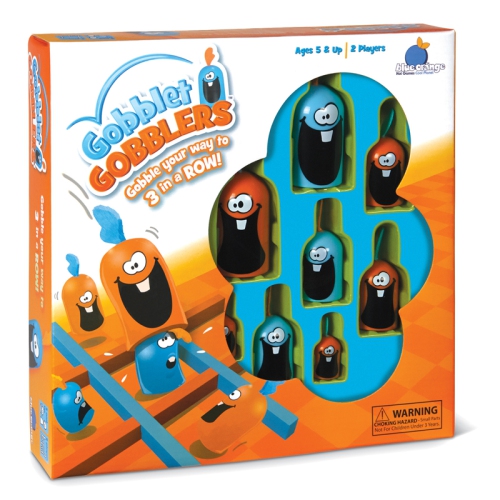
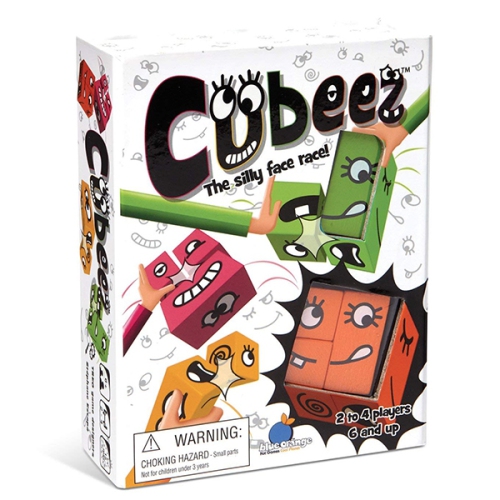
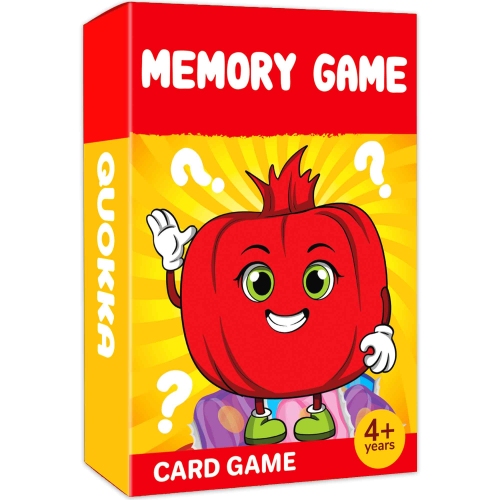
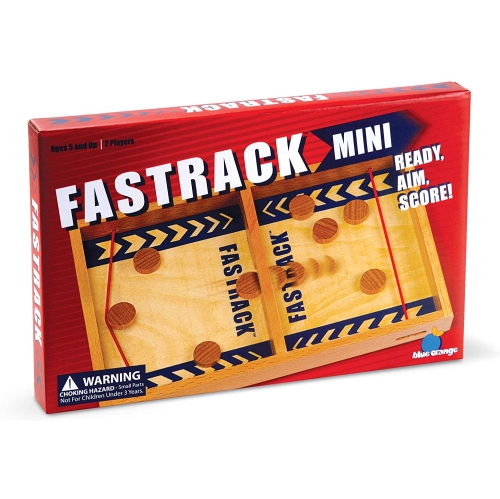
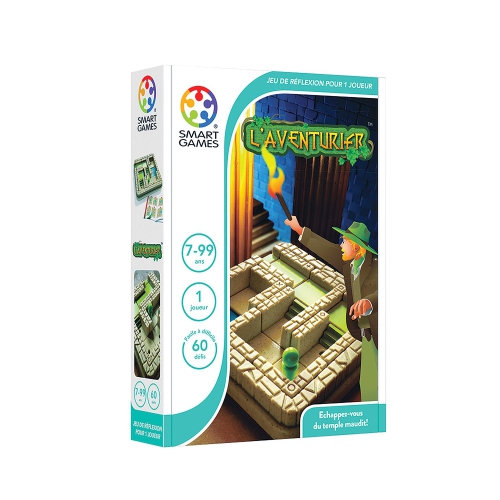
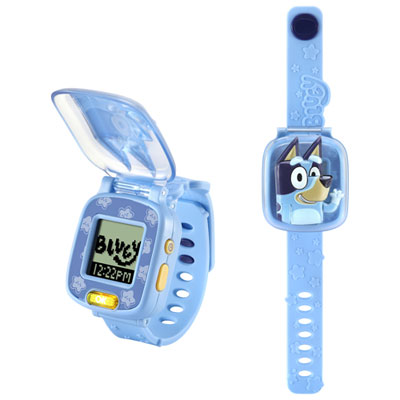
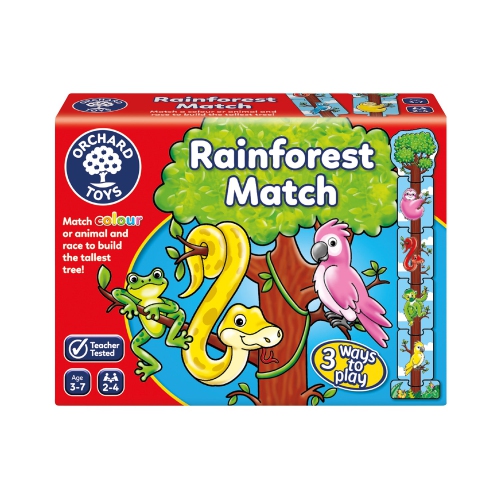

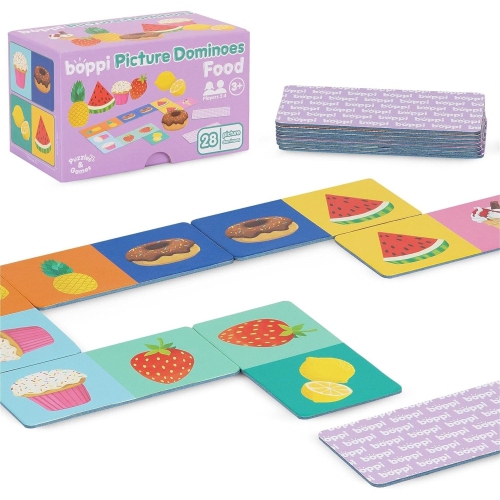
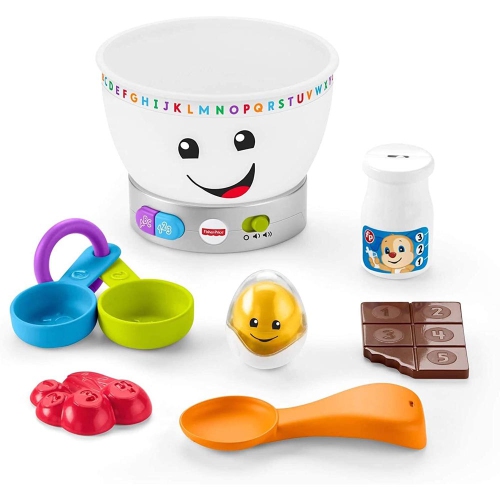
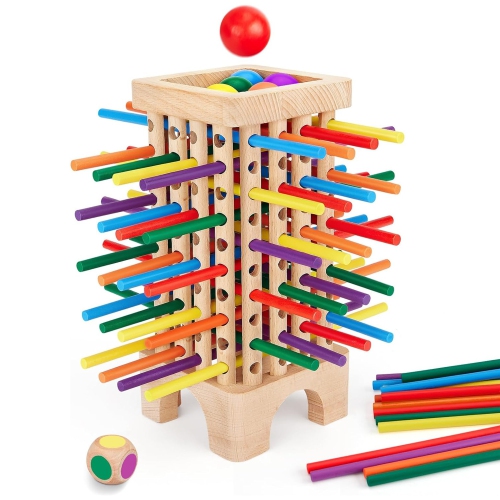


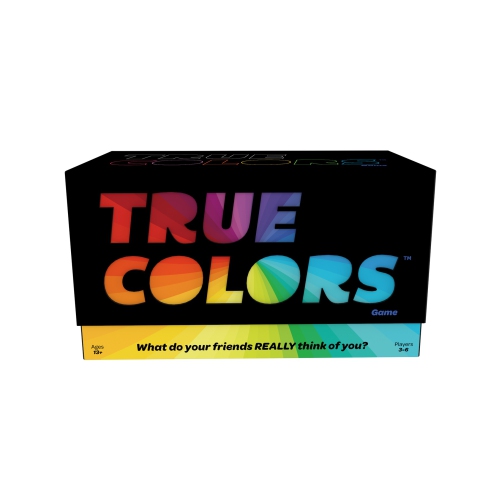
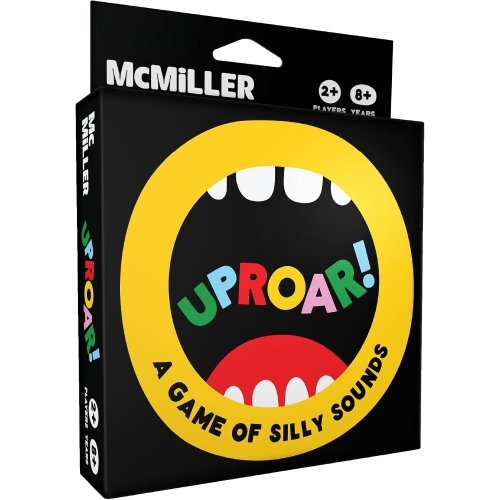
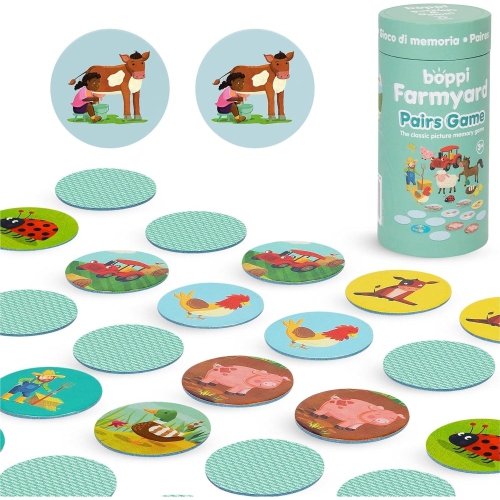
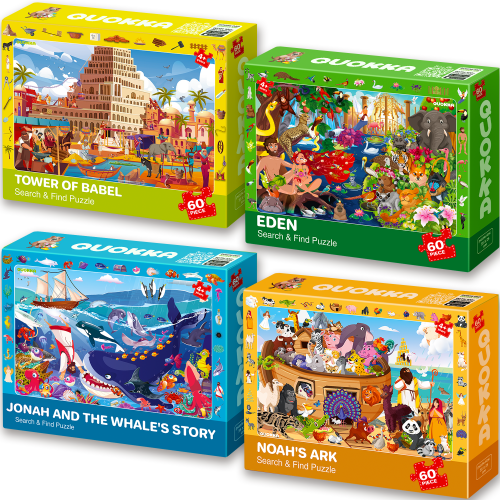
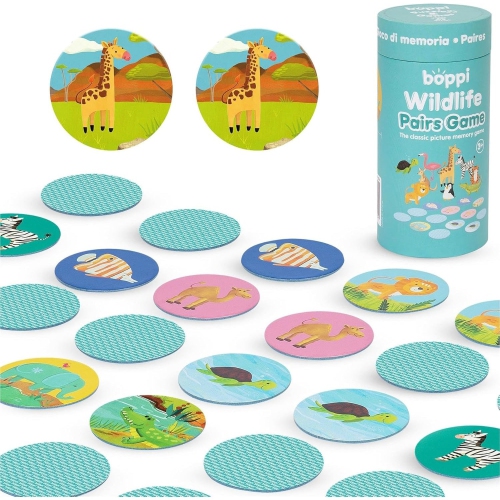
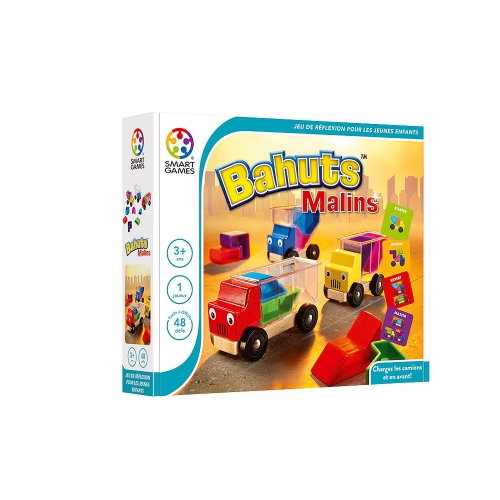
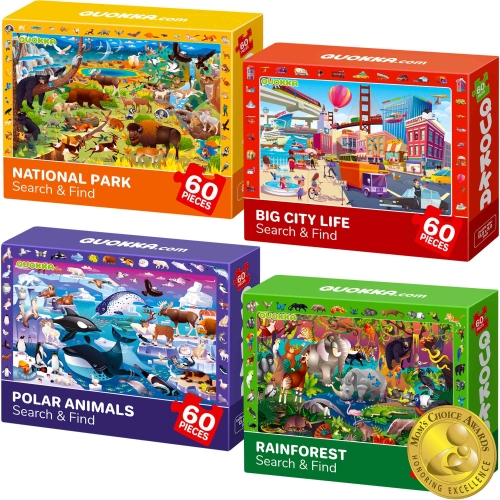
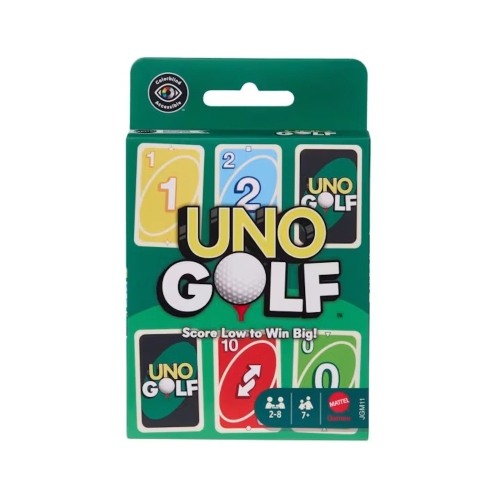

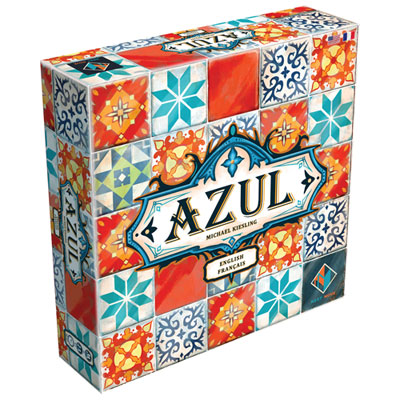
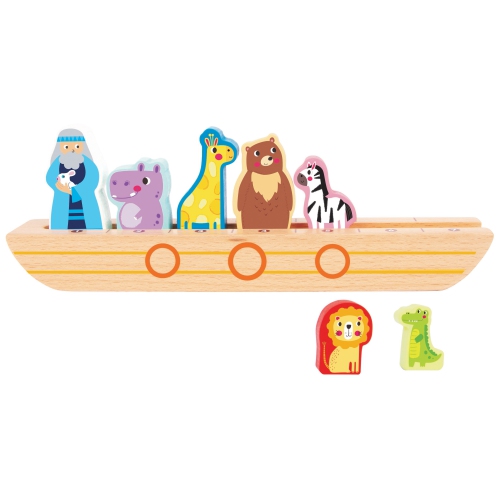
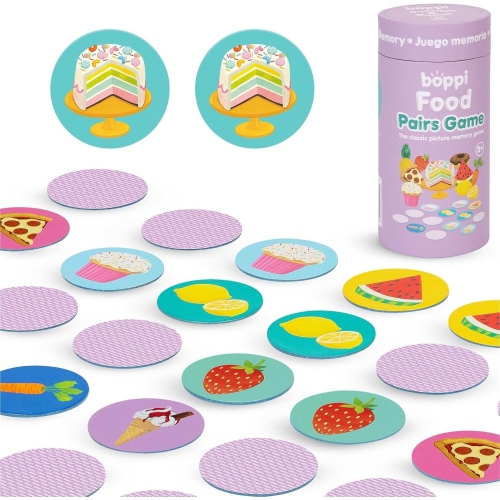
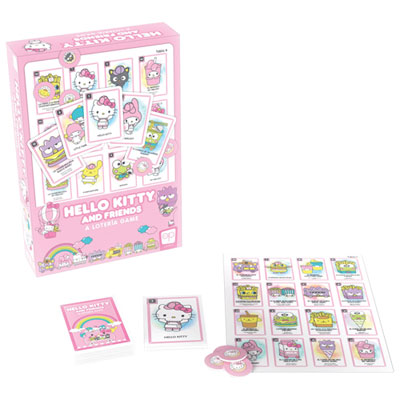

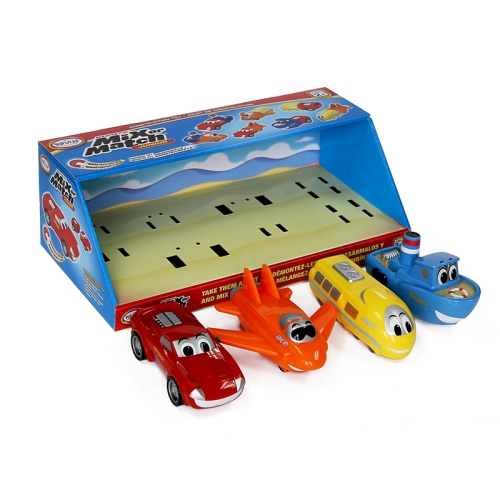
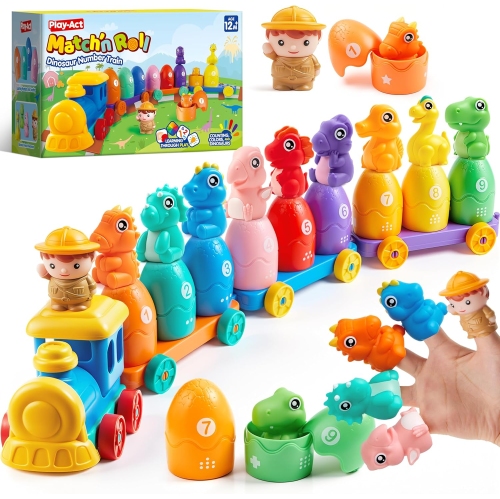
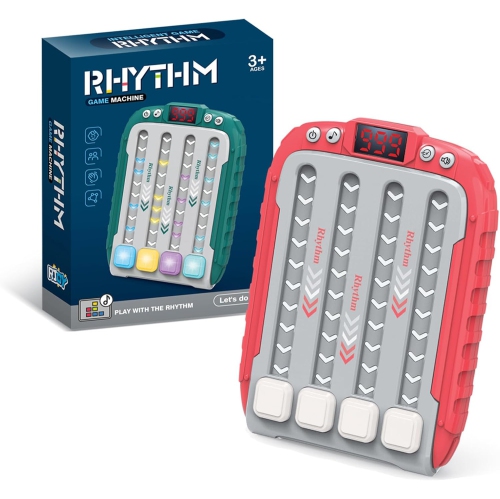
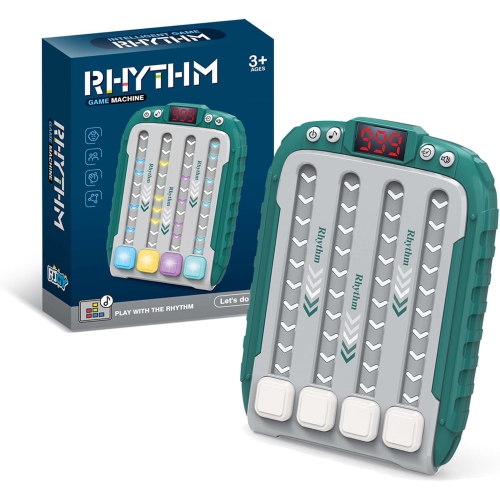
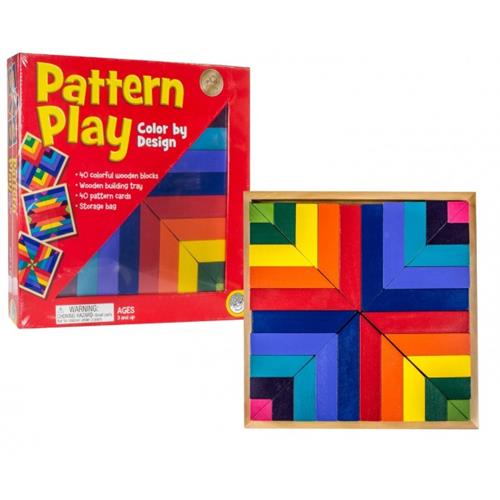
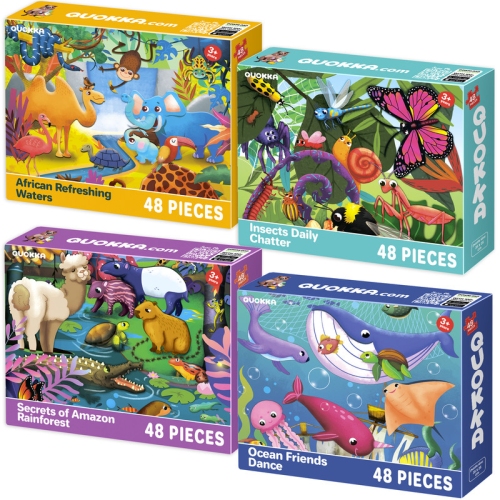
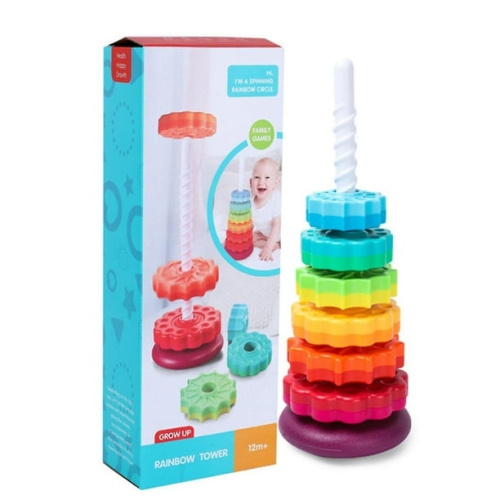
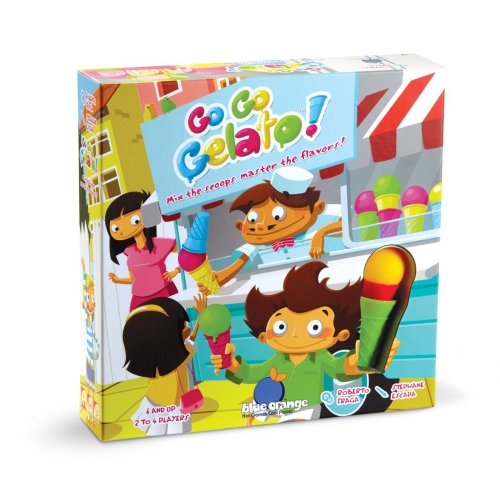

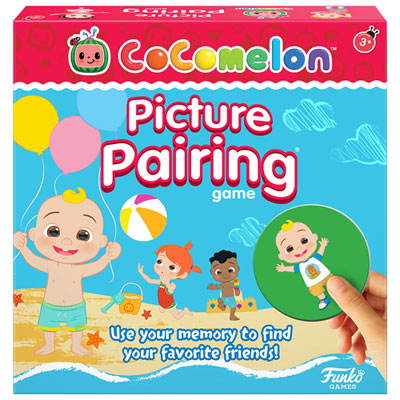
Small differences in shade can change the challenge
Colour matching games challenge players to identify, pair, sort, or recreate colours using visual clues. They range from hands-on games with cards, tiles, and counters to digital puzzles built around colour memory, shade matching, or mixing. The shared goal is to notice how colours relate: two pieces might need to be identical, belong to the same colour family, or fit a sequence shown on a challenge card. A straightforward matching game may ask a child to place a yellow piece beside a yellow picture, while a more demanding puzzle might involve distinguishing pale yellow from mustard or remembering where a particular shade appeared. Different formats bring different kinds of play. Face-up matching keeps the focus on observation, face-down pairs add a memory challenge, and pattern-building games combine colour recognition with position and order. Some games reward speed, while others allow players to take their time, compare possibilities, and change their approach. Digital colour matching games can introduce another variation by asking players to recreate a shade with sliders, select a point on a colour wheel, or blend virtual paint. These activities may explore hue, meaning the colour family; saturation, meaning how vivid or muted a colour appears; and brightness, meaning how light or dark it looks. Screen settings and room lighting can affect the appearance of digital colours, so matching a shade on a display is not the same as matching physical paint or printed material. For hands-on play, the character of a game often comes down to the pieces and rules. A small set of clearly different colours offers an approachable starting point, whereas closely related shades, extra pattern details, or several matching conditions create a more involved challenge. Colour matching can be the entire activity or one part of a broader game involving shapes, counting, sequencing, or simple strategy. That variety makes the category relevant to early learning, family play, and anyone who enjoys a compact visual puzzle without a long setup or an elaborate set of rules.
Materials and construction influence how colour matching games feel in use and how well they hold up to repeated play. Wooden pieces can provide a substantial feel for placing, stacking, or arranging, while moulded plastic allows for a variety of shapes and textured details. Cardboard cards and tiles provide broad surfaces for pictures, patterns, and colour fields, with thicker construction generally better able to resist bending than thin paper components. Smooth edges, clearly printed graphics, and colours that remain easy to distinguish are useful qualities across these formats. Finish also matters: a glossy surface may catch overhead light, while a heavily patterned background can make a matching task more visually demanding. For young children, fit means more than whether a game fits on a shelf. Pieces need to suit the intended age group and the way they will be handled, whether that involves lifting a chunky tile, turning over a card, or fitting a counter into a recess. Manufacturer age ratings and small-parts warnings are especially important in homes where younger siblings share the play space. Larger pieces are not automatically suitable for every age, and damaged components should be kept out of play. The playing surface matters, too. A flat table gives cards room to spread out, while a tray or recessed board can help keep loose pieces together. Storage compartments, sturdy boxes, and clear spaces for each component make it easier to reset an activity and notice missing pieces before the next game. Care depends on the material and finish. Printed cardboard usually needs protection from spills and rough handling, while wooden and plastic components should be cleaned according to the manufacturer's directions rather than assumed to be washable or suitable for soaking. Dry components are easier to store without damaging adjacent cards or packaging. For games that travel between home, childcare, and visits with relatives, secure storage and a manageable number of pieces can matter just as much as the challenge itself.
The intended players help shape which style of colour matching feels rewarding. Preschool-aged children may enjoy naming colours aloud, finding a matching piece, and checking the result with an adult. Games that combine colours with shapes or familiar pictures offer more ways to describe a match, turning a short activity into a conversation about what looks the same and what looks different. Related colour sorting toys focus more directly on grouping pieces by a shared feature, making them a useful companion to games built around pairs, patterns, or rules. For school-aged children, added conditions can make a familiar concept feel fresh: matching both colour and shape, remembering a sequence, or planning a move that leaves room for the next piece. Mixed-age families often benefit from formats with adjustable difficulty, open-ended components, or cooperative play, where participants work towards a shared result instead of competing on speed alone. Adults who enjoy visual puzzles may prefer subtle shade differences, layered patterns, or challenges that depend on careful observation rather than specialist knowledge. Accessibility deserves attention because colours are not equally distinguishable to every player. Symbols, textures, printed names, and distinct shapes can provide additional clues, while a game that relies only on telling red from green may be less suitable for someone with a colour vision difference. Games are recreational activities, not substitutes for a professional vision assessment. At home, in a classroom, or during a family visit, the best fit also depends on how much space, time, and adult involvement the activity requires. A brief matching round can fill a quiet break, while a larger pattern challenge may invite a longer session at the table. As a birthday gift or an activity to share with a grandparent, a colour matching game feels more personal when its complexity, handling requirements, and pace reflect the recipient's interests and abilities. Clear rules and satisfying, repeatable challenges help make it an activity worth returning to.
Top selling and popular products
-
 Your price for this item is $14.99
-
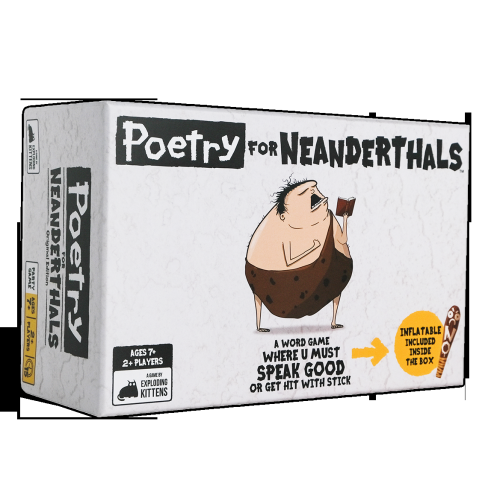 Your price for this item is $34.99
-
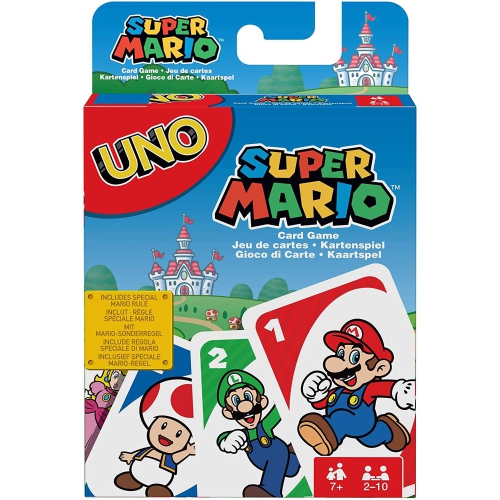 Your price for this item is $15
-
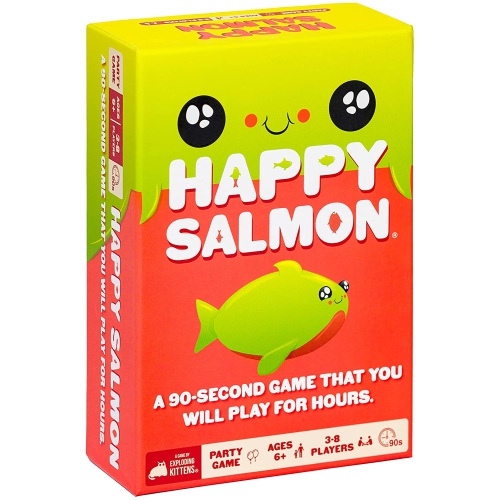 Your price for this item is $21.99
-
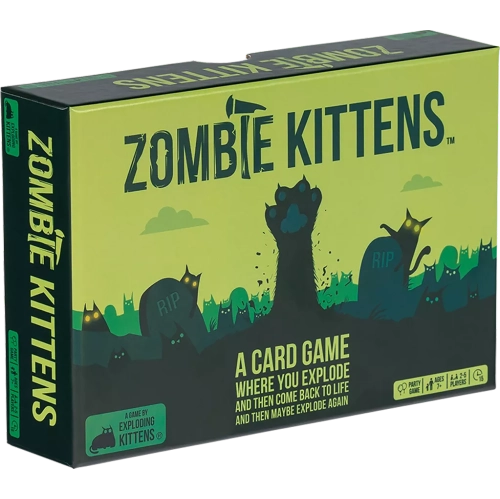 Your price for this item is $34.99
-
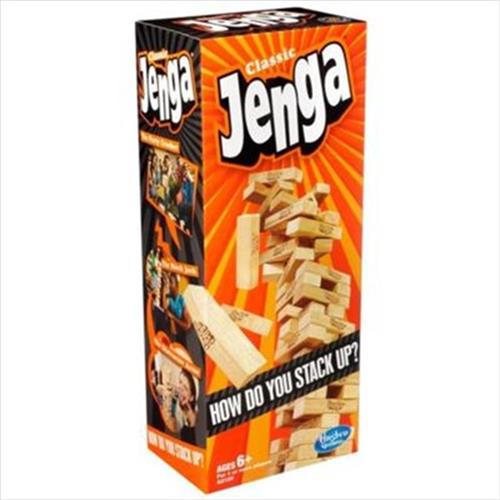 Your price for this item is $24.99
-
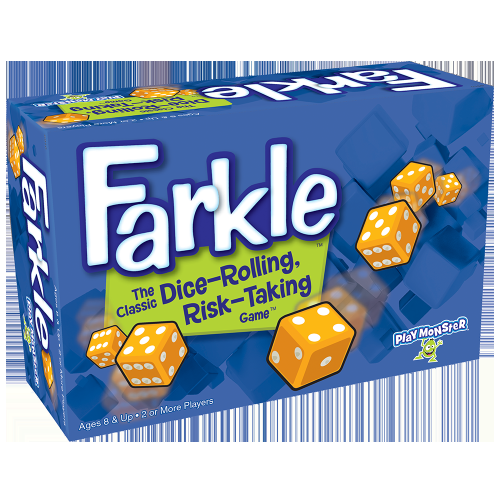 Your price for this item is $20.93
-
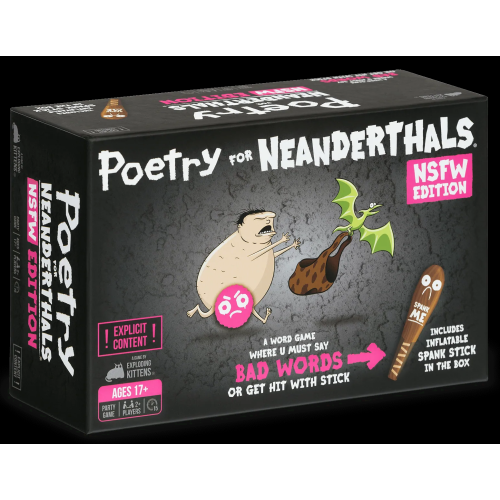 Your price for this item is $31.99
Discover more categories related to Color Matching Games
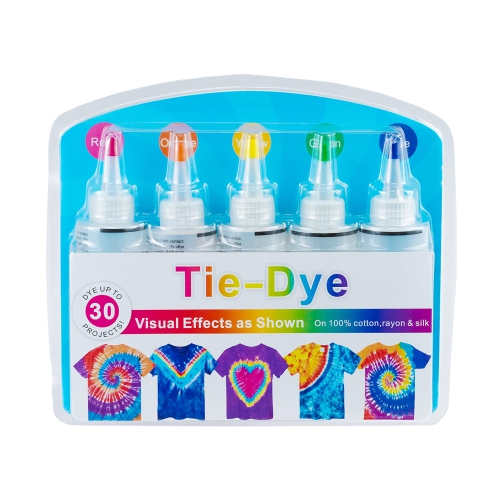
Top Collections:
Pokemon Centers, Best Cameras for Sports Photography, Kindle Devices, Samsung Galaxy Phones, Canon G7X Cameras, Pokémon 30th Celebration Cards, Refurbished Apple Laptops, iPhone 15 Apple, Laptops for Students, Budget Smartphones
Some products may be subject to Environmental Handling Fees
(EHF) depending on your province.
Learn more about EHFs.