Color Sorting Toys
Color-sorting toys are a fantastic way to introduce young minds to the vibrant world of colors while enhancing their cognitive and motor skills. These engaging toys provide endless opportunities for children to explore, organize, and categorize, all while having fun. Designed to captivate curious little hands and eyes, color-sorting toys encourage problem-solving and critical thinking in an enjoyable and interactive manner. Perfect for playtime at home or in educational settings, they offer a playful approach to learning that sparks creativity and imagination. Dive into our diverse selection of color-sorting toys to find the perfect match for your child's developmental journey.
Sort

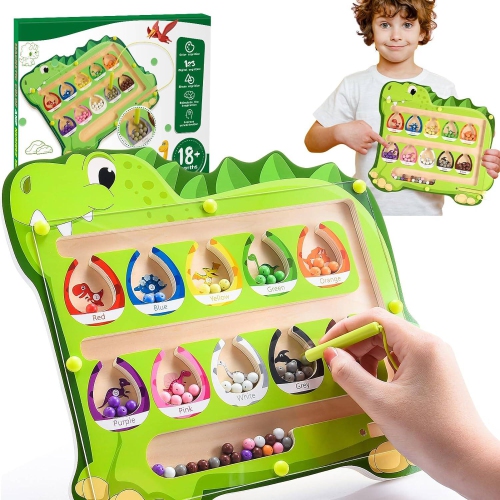
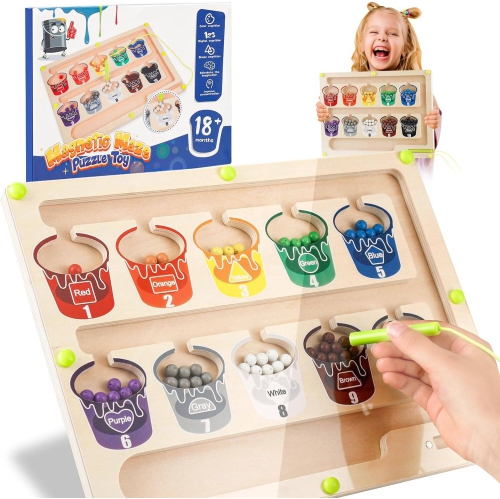
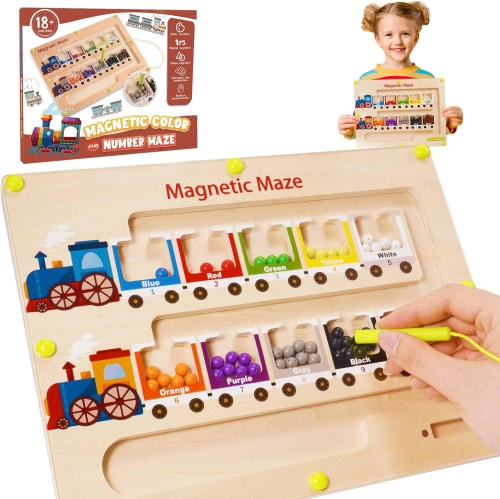
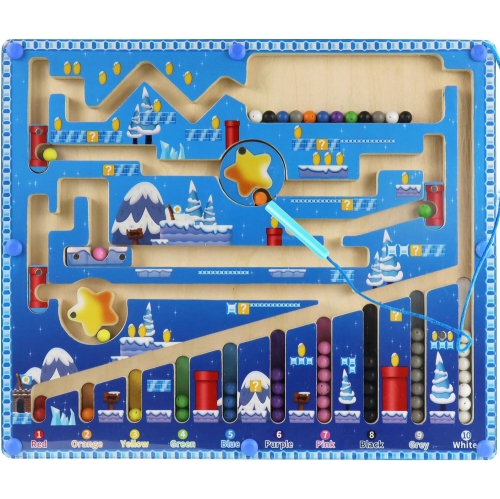
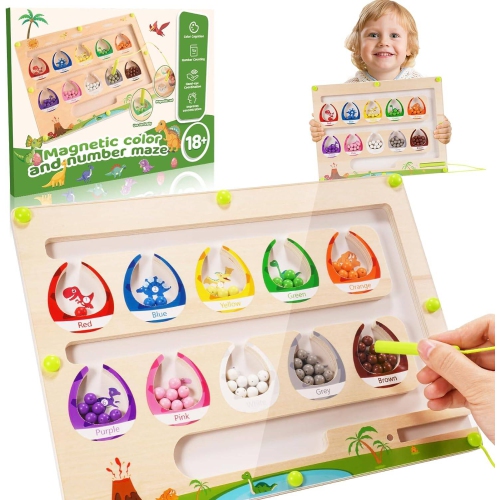
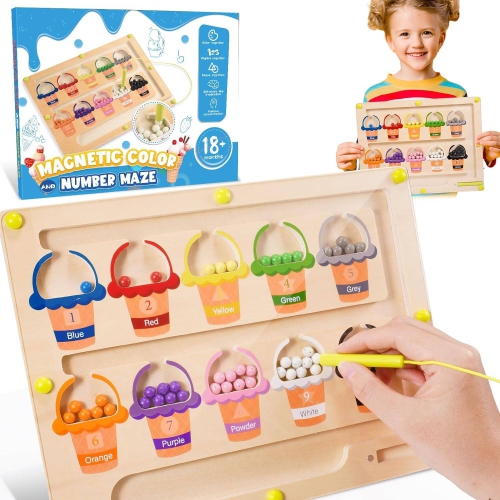
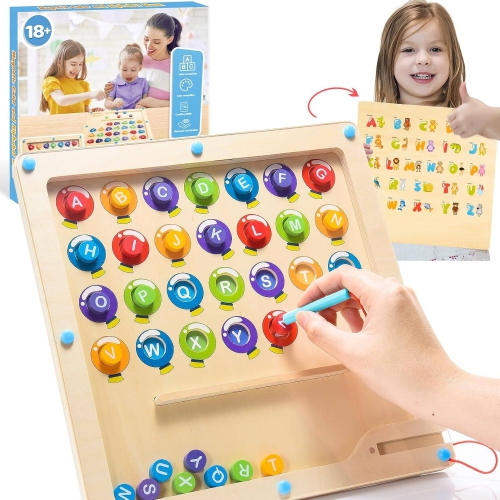
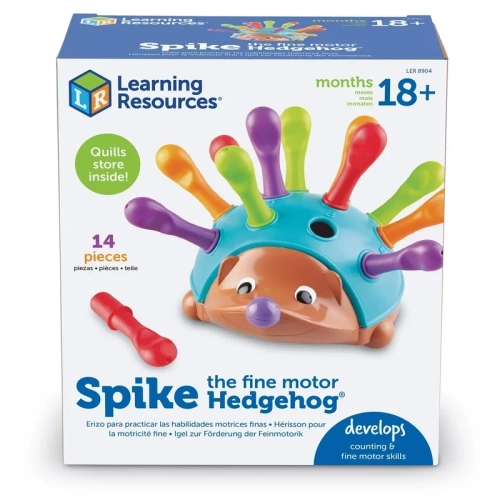


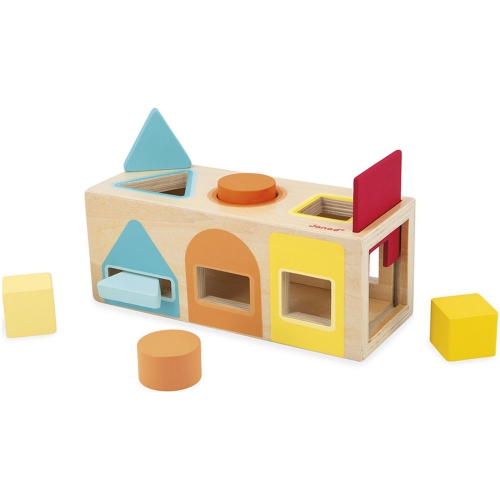
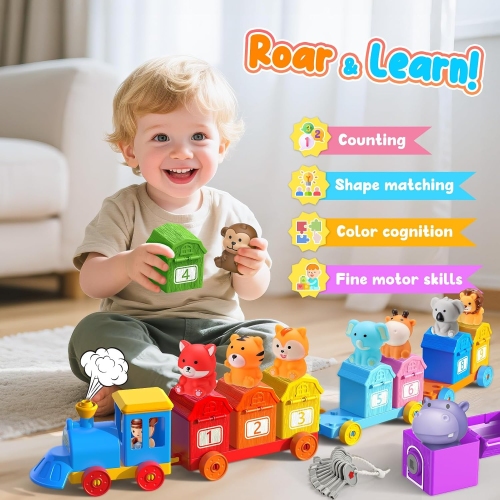
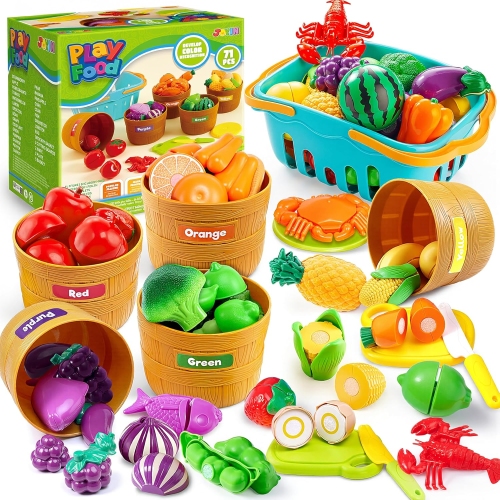
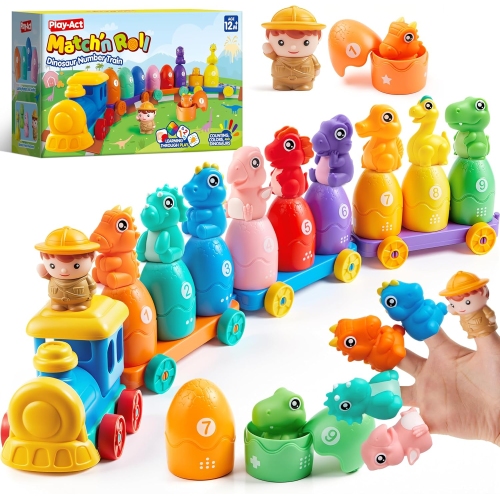
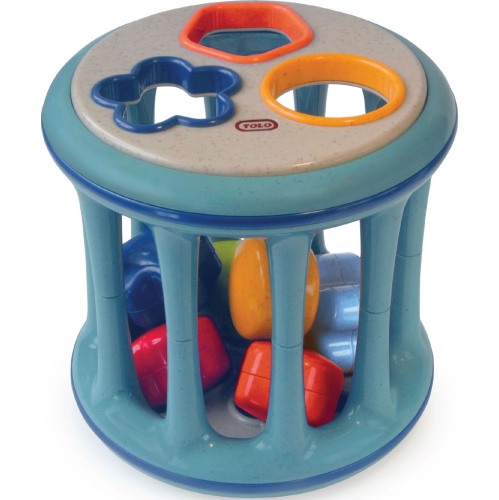
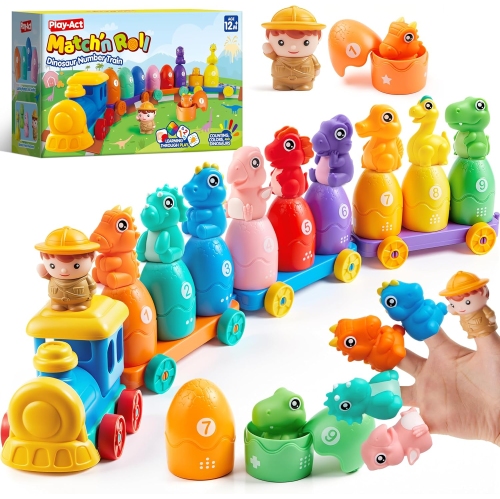
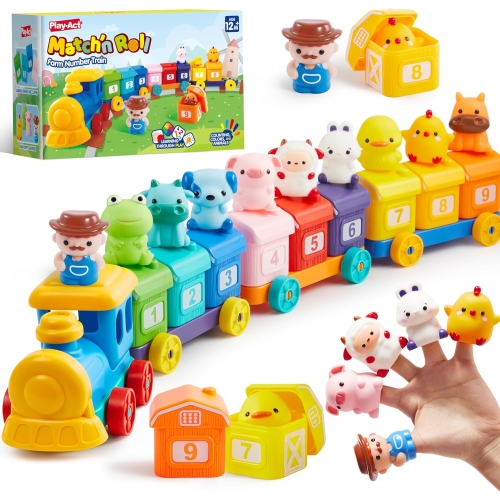

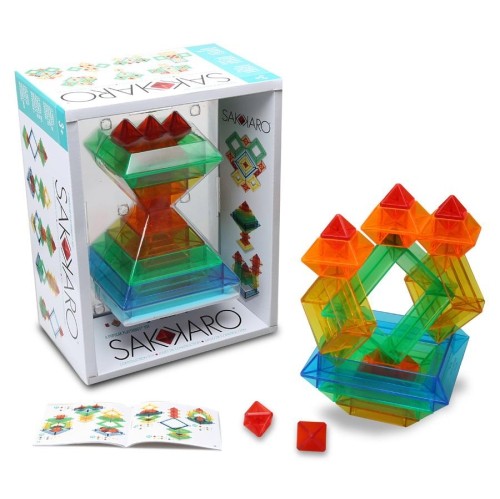
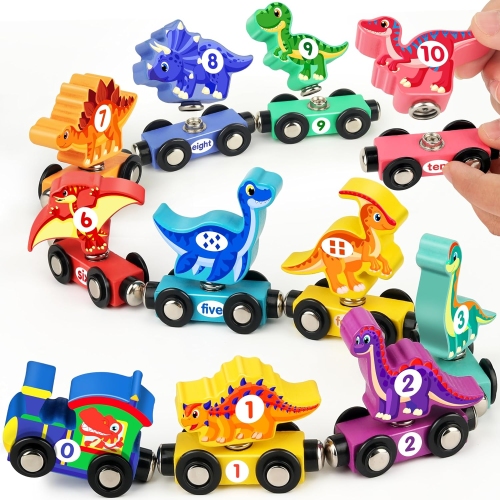
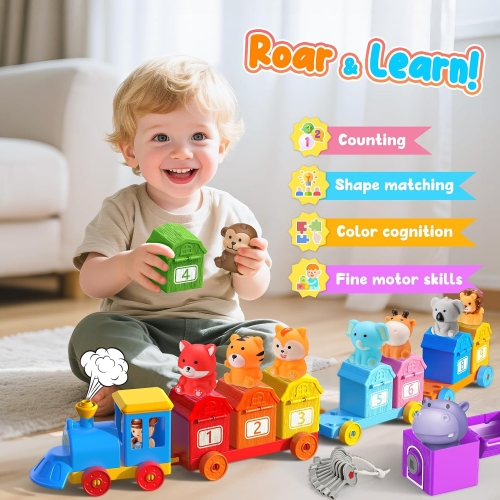
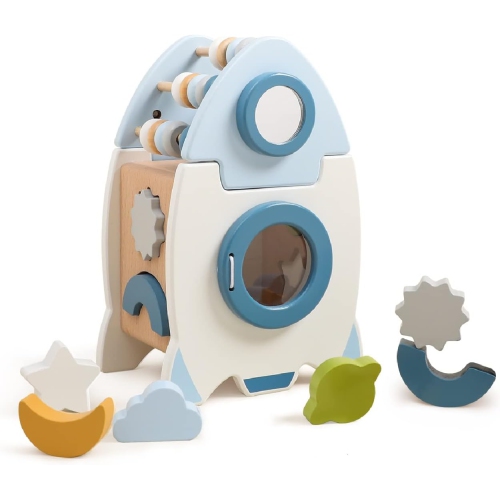
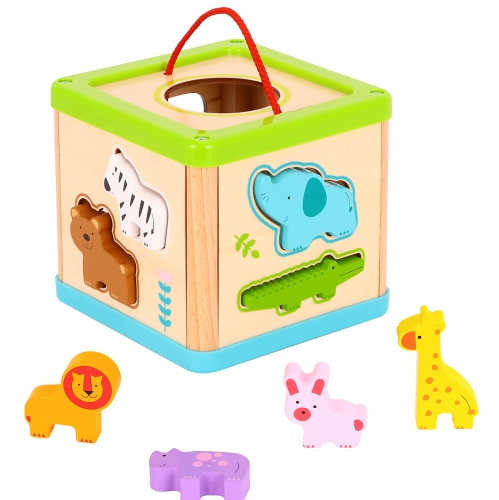
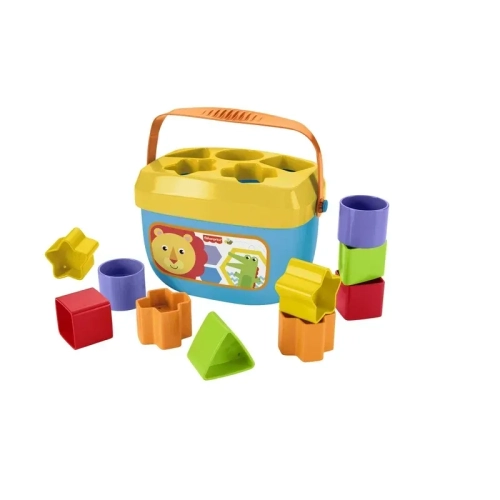
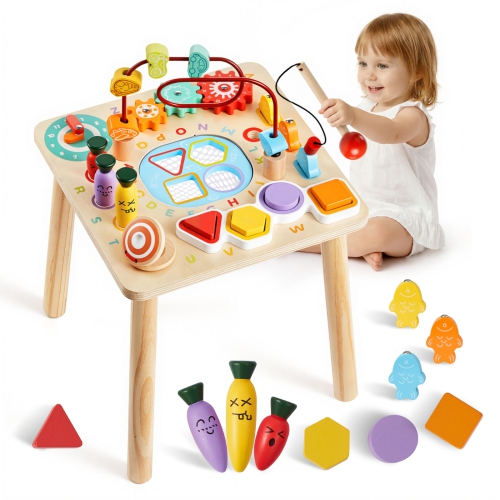
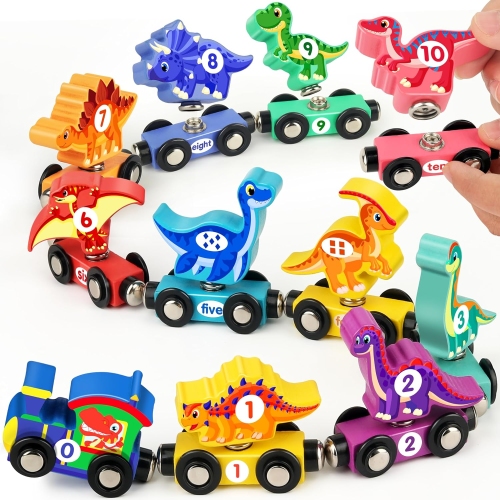
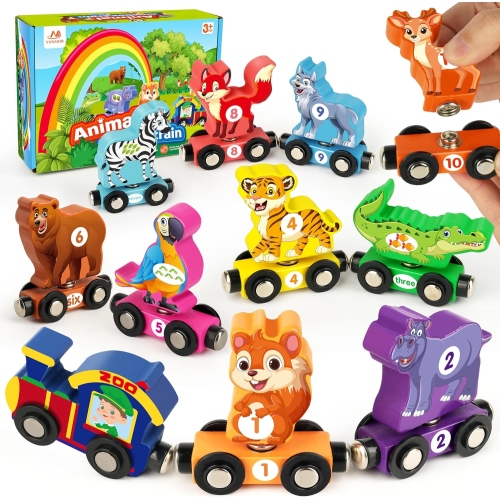
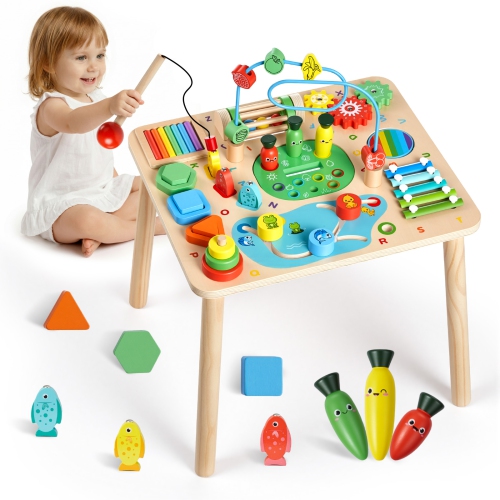
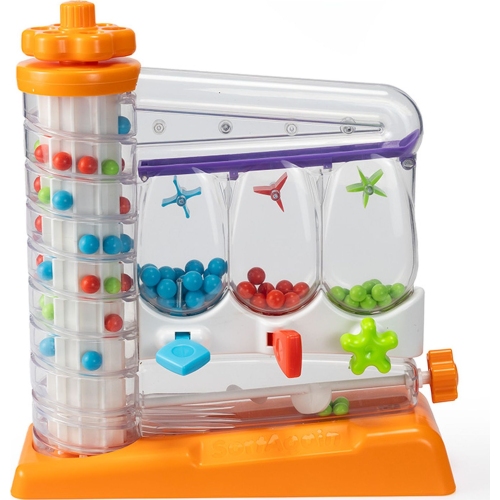
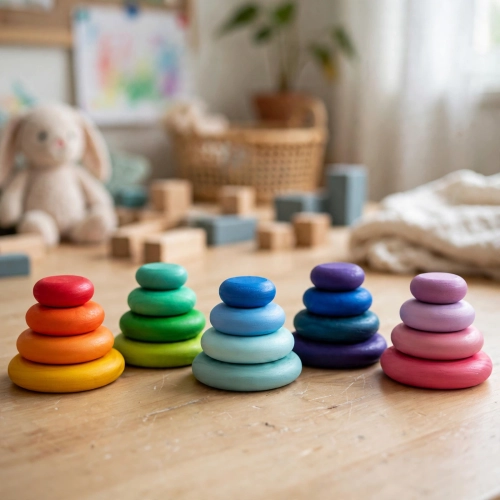
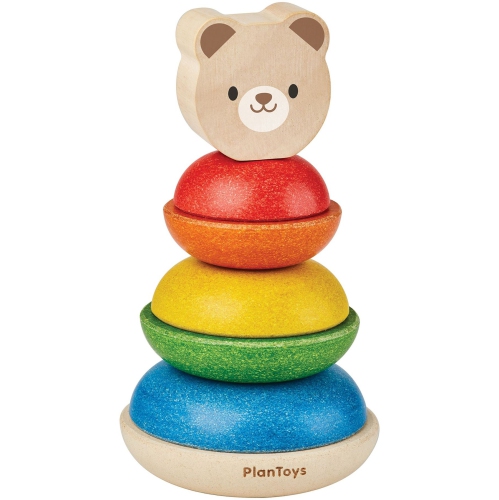
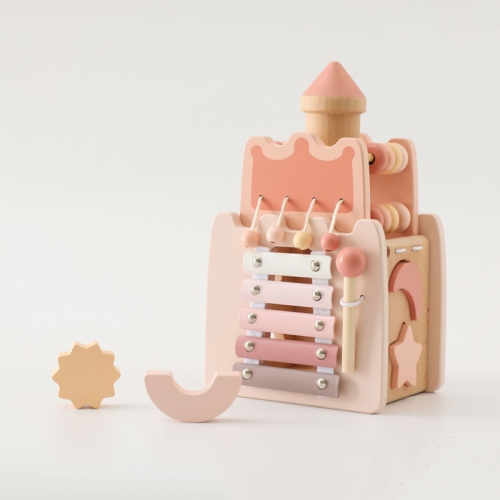
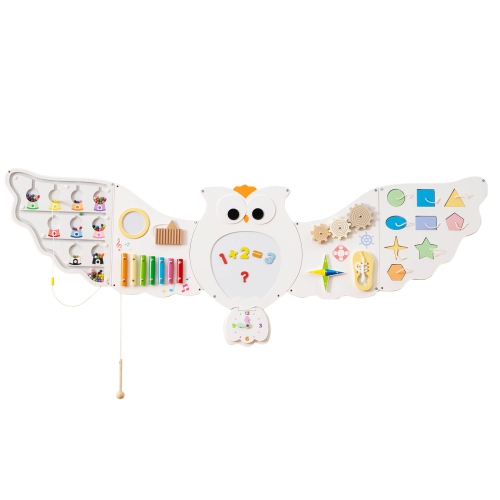
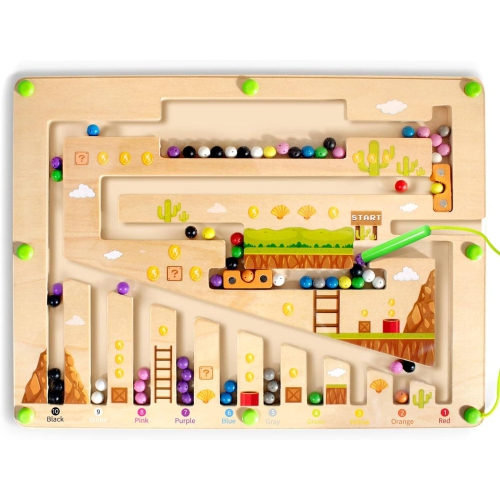


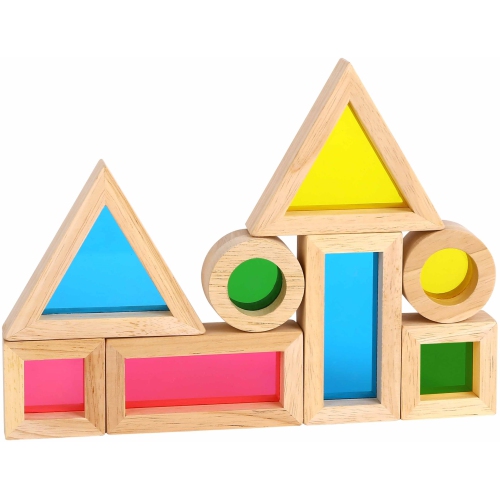
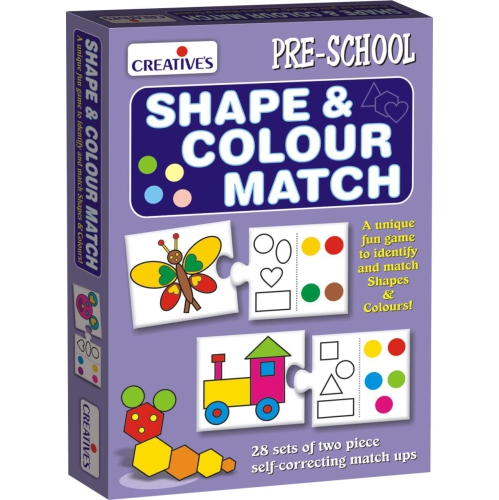
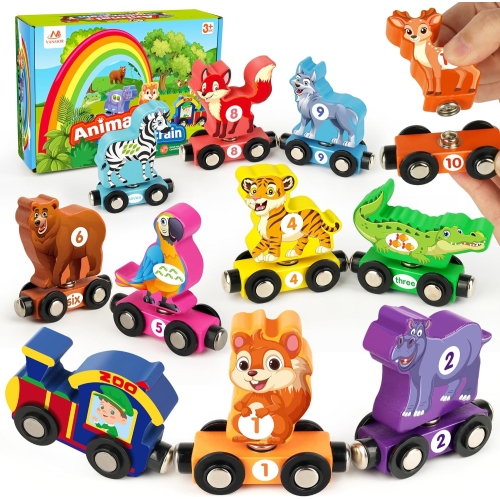
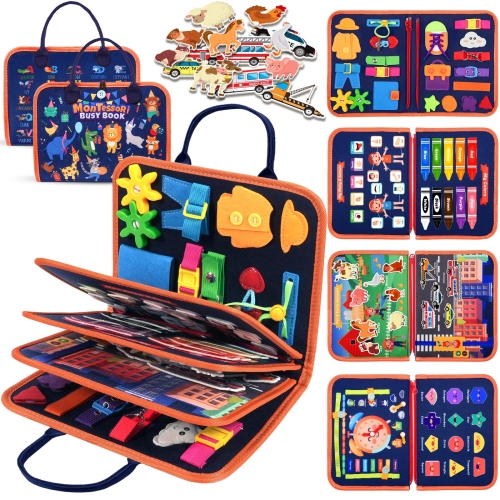
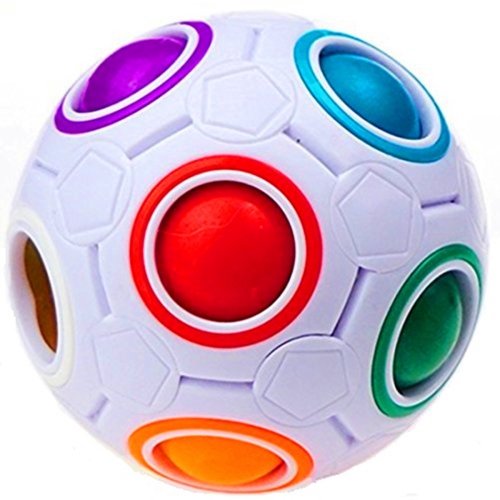
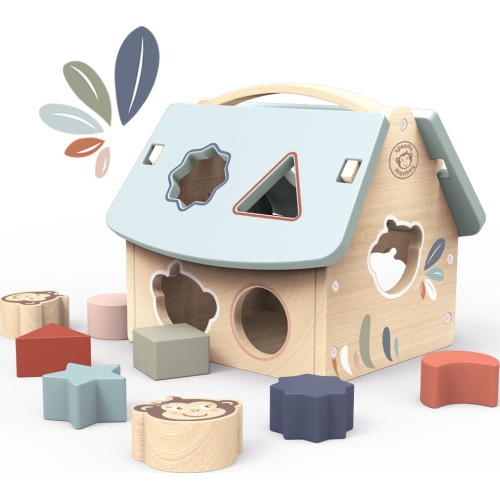
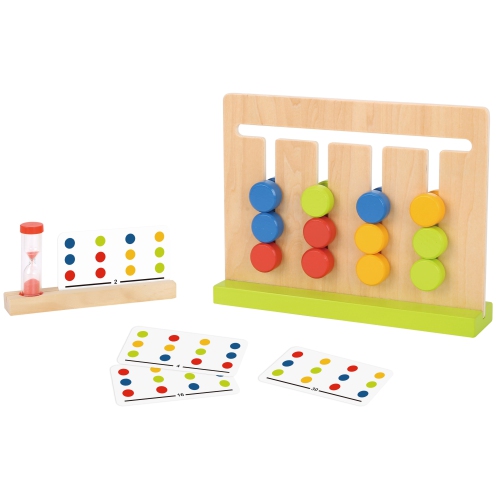

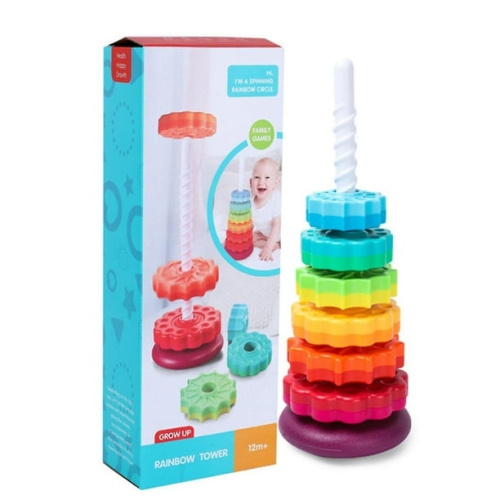
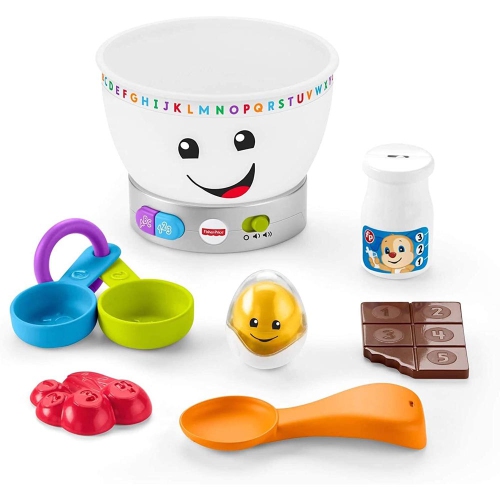
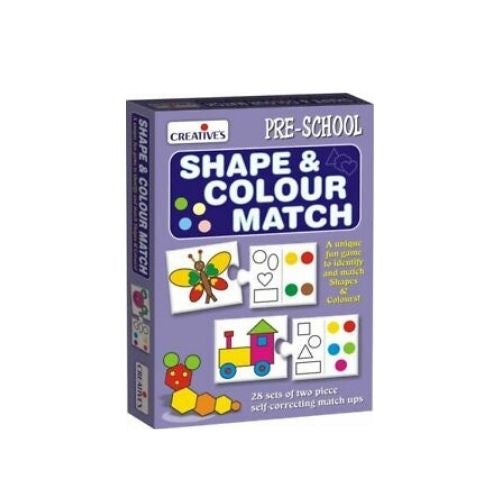
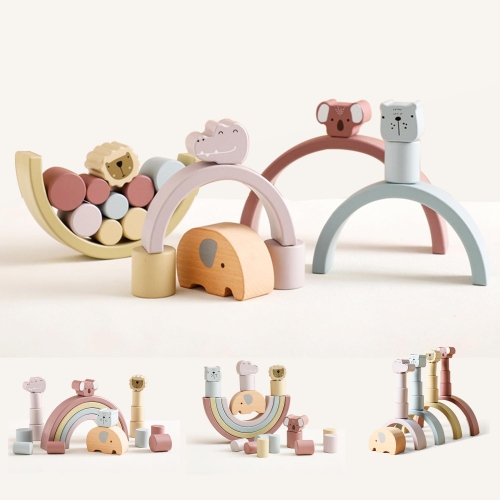
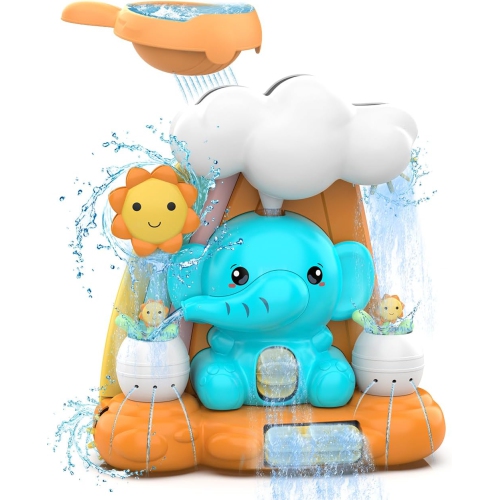
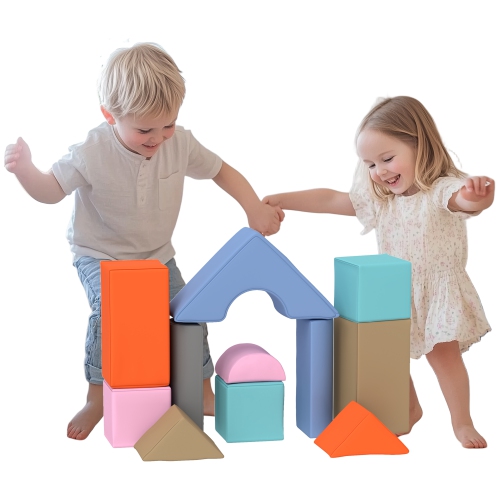
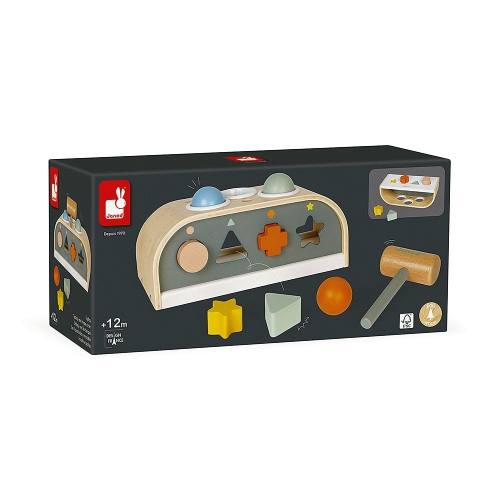
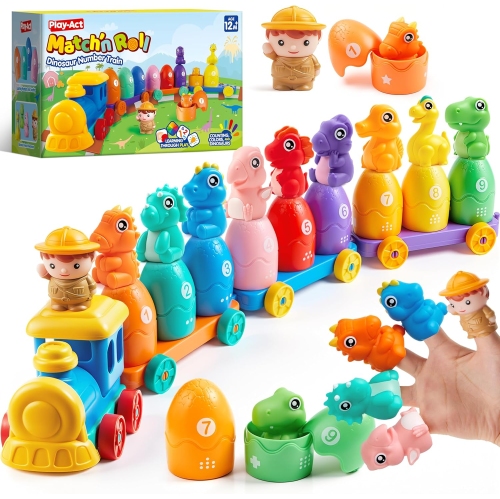
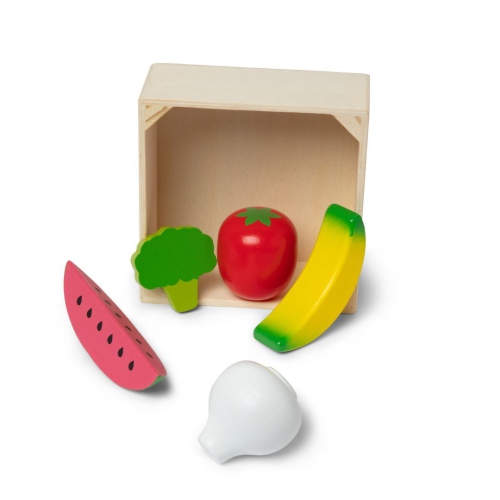
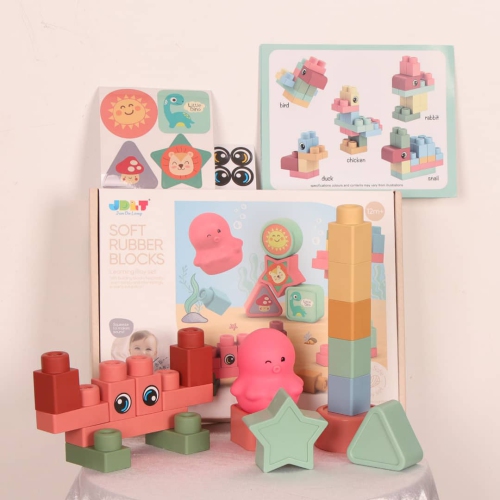

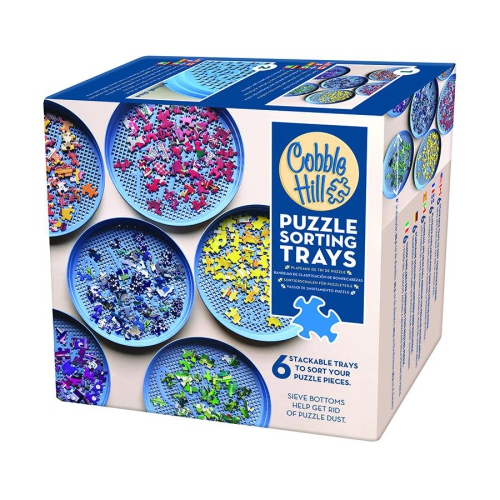
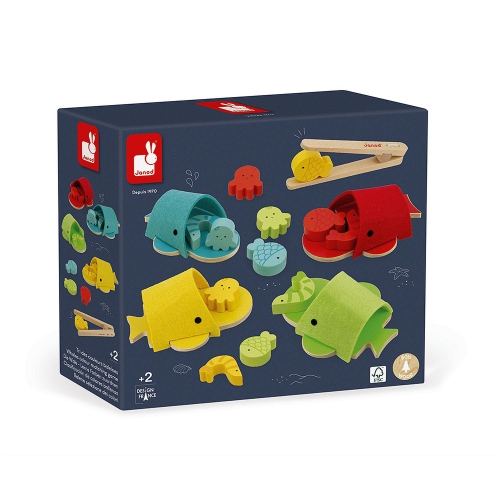
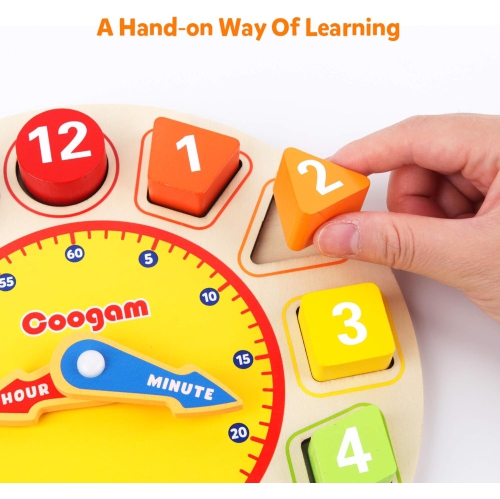
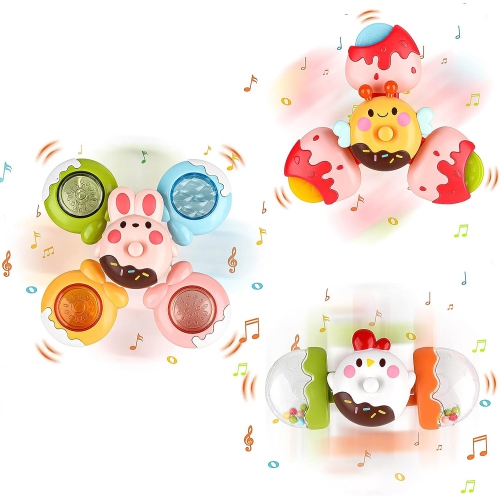
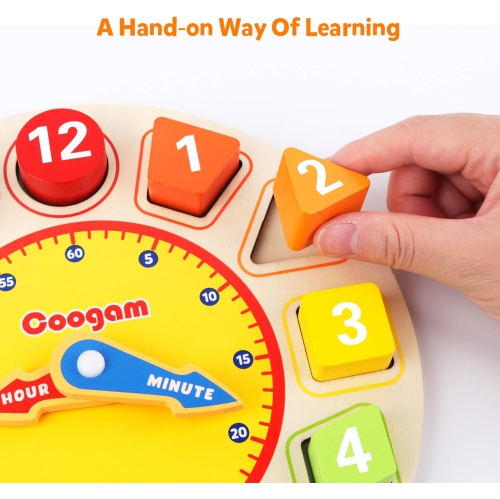
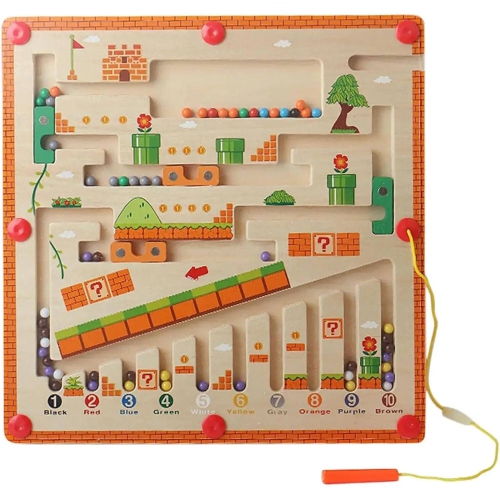
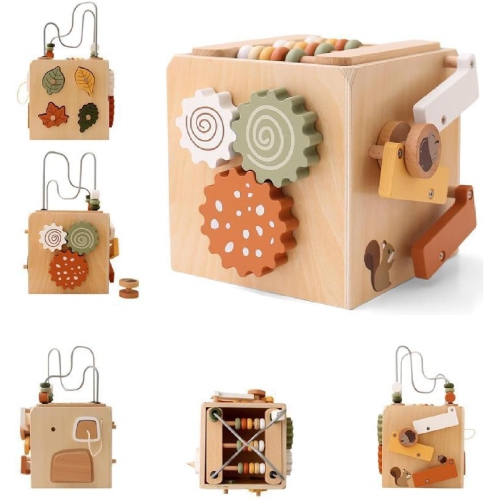
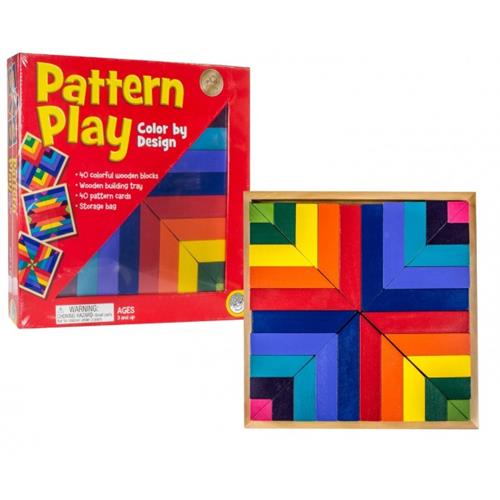
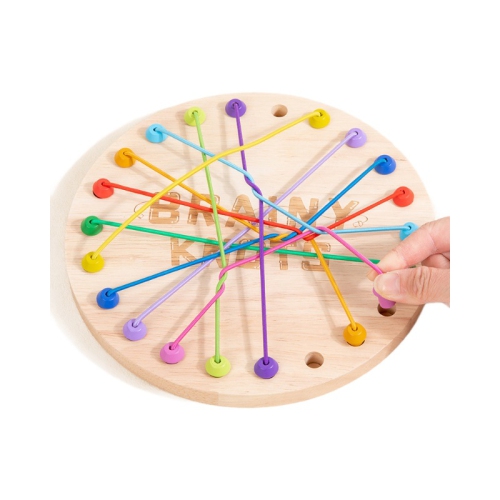
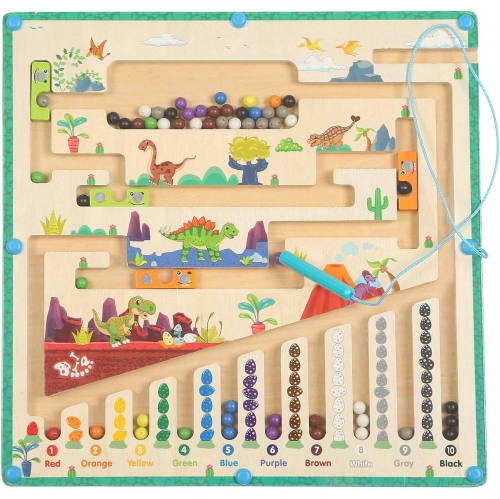
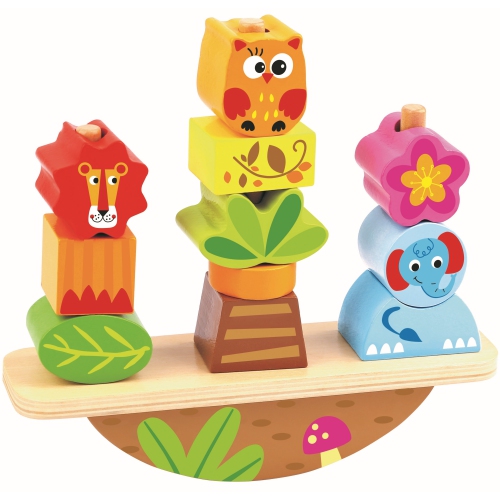

Hands-on play that builds early learning skills
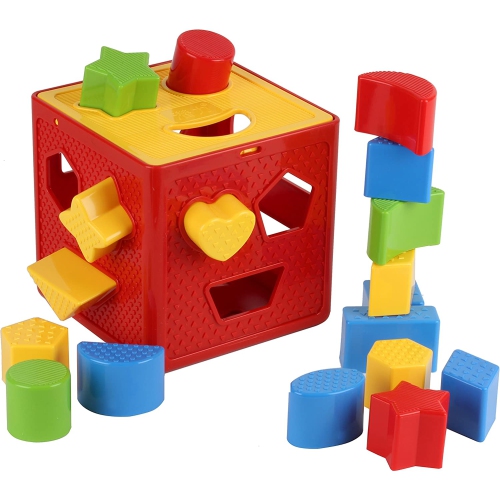
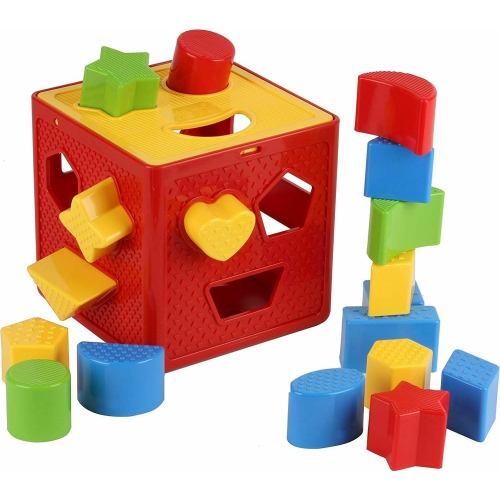
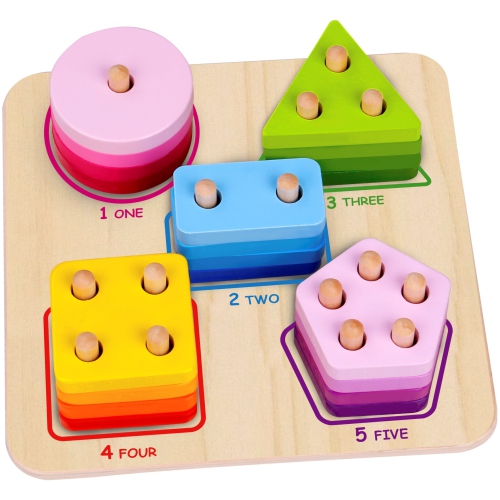
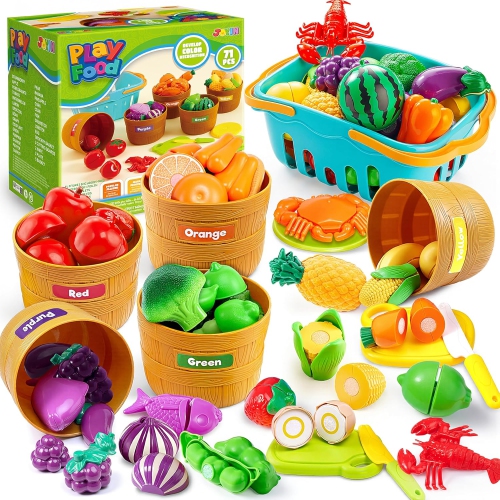
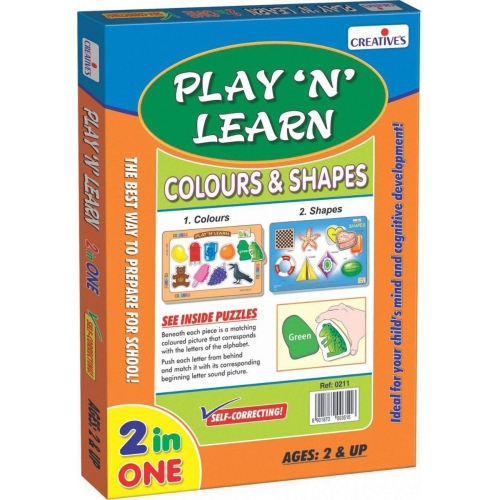
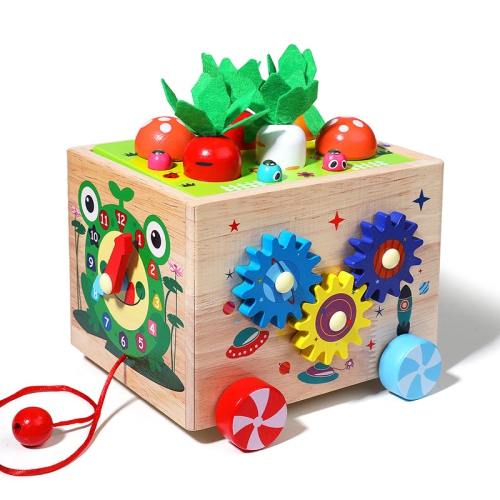
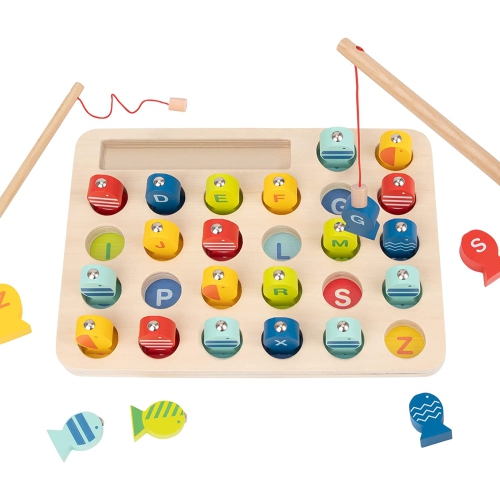
Color sorting toys turn a simple play activity into a hands-on introduction to colour recognition, matching, grouping, counting, and early problem-solving. Designed mainly for toddlers from about 18 months to 3 years and older, these toys give children a chance to explore visual differences while using their hands to move, compare, and organize pieces. A child may begin by placing a red piece into a red cup, then gradually notice that a pale blue piece and a dark blue piece are related but not exactly the same. With repeated play, children can practise identifying colours, naming them aloud, spotting similarities and differences, and following simple patterns. This type of play is open-ended enough to suit different stages of development. Younger toddlers may focus on grasping and transferring objects, while older preschoolers may sort by colour, size, shape, or quantity. Many sets include coloured counters, balls, discs, animals, play food, peg pieces, bowls, or sorting trays, offering different textures and movement styles to keep little hands engaged. Some use spoons or toddler-sized tweezers, which add an extra challenge and help build finger strength, pincer grasp, hand-eye coordination, and controlled movements. Others combine colour sorting with shape matching, stacking, counting, or pretend play, giving children more than one way to use the same pieces. A basket of colourful play food, for example, can become a sorting activity, a make-believe market, or part of a pretend snack routine. Colourful counters can be grouped into matching cups, arranged into repeating sequences, or counted into small sets. These activities are especially useful for children who enjoy moving objects, creating order, or learning through repeated practice rather than sitting through formal instruction.
When choosing colour sorting toys, consider the child’s age, interests, dexterity, and preferred style of play. For toddlers who are still developing a steady grasp, look for larger pieces that are easy to pick up and place, with containers that remain stable during use. Chunky wooden pieces, broad cups, and simple sorting boards can feel satisfying in small hands, while bright, clearly differentiated colours make the matching task easier to understand. Children who are ready for more detailed play may enjoy smaller counters, sorting tools, number markings, pattern cards, or sets that introduce multiple categories at once. It is helpful to check the recommended age range and follow all safety guidance, especially when a set includes small parts. Young children should be supervised, and pieces should be stored securely between play sessions. Material is another practical consideration. Painted wood can provide a sturdy, tactile feel, while plastic pieces are often lightweight, easy to wipe clean, and convenient for playrooms, classrooms, or visits with family. The best choice depends on how and where the toy will be used, as well as whether the child prefers structured activities or imaginative play. Think about storage, too: sorting pieces are easier to use regularly when they can be gathered in a lidded container, fabric bin, or dedicated tray. A well-organized set can become part of a morning play routine, a quiet activity before bedtime, or a simple table activity during the cooler months when indoor play is more appealing. Adults can support learning without taking over by naming colours, demonstrating one or two matches, and then allowing the child to experiment. Gentle prompts such as “Can you find another yellow piece?” or “Which group has more?” can extend play naturally, while mistakes provide useful opportunities to try again. Children often develop their own systems, arranging pieces in rainbows, making rows, creating pretend recipes, or assigning each colour a character. That flexibility makes colour sorting toys a thoughtful gift for toddlers, preschoolers, daycare spaces, grandparents’ homes, and families looking for screen-free activities that can grow with a child’s abilities.
Colour sorting toys also work well alongside other early-learning and family activities. Once a child is comfortable matching colours, the same pieces can support simple counting games, memory challenges, sequencing, and language development. Try placing three coloured objects in a row and inviting the child to copy the pattern, or hide one item from a sorted group and ask which colour is missing. During pretend play, children can organize play food into matching baskets, serve a colourful meal, or create a small shop with prices represented by counters. These activities encourage turn-taking, listening, and storytelling while reinforcing the original sorting concept. Older preschoolers may be ready to compare quantities, group shades from light to dark, or follow instructions with two steps, such as finding four green pieces and placing them beside the blue group. For children who are fascinated by visual design, a related collection of Color Games can provide another way to explore colour through play. Colour sorting toys can be enjoyed independently for short periods, but they are also rewarding when an adult sits nearby and shares the discovery. A grandparent might sort pretend produce with a child at the kitchen table, a caregiver might practise colour names while tidying pieces into matching containers, or siblings might take turns building patterns and checking one another’s work. Their lasting appeal comes from the combination of clear goals and creative freedom: match the colours, count the pieces, make a pattern, invent a story, and start again with a new arrangement. During the warmer seasons, these toys can be brought to a shaded outdoor table or used for a calm activity after active play; when the weather cools, they make an inviting addition to an indoor play corner. By choosing a set that matches the child’s stage and interests, families can offer an engaging way to practise early skills through movement, repetition, and imaginative discovery.
Top selling and popular products
-
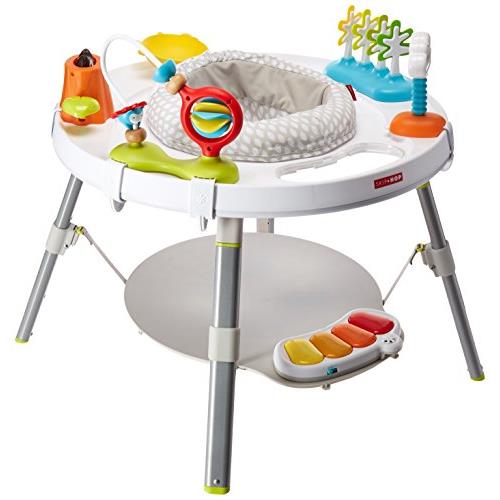 Your price for this item is $299.13
-
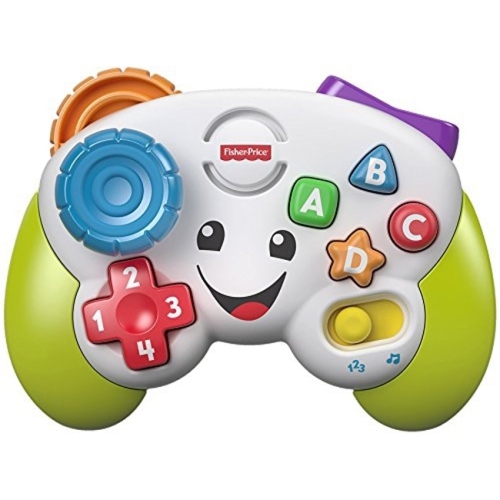 Your price for this item is $24.28
-
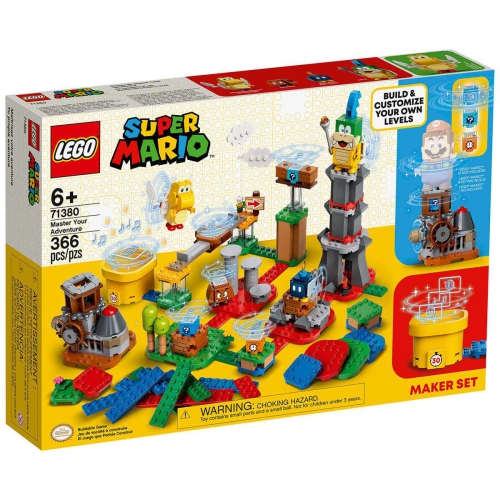 Your price for this item is $103.27
-
 Your price for this item is $17.24
-
 Your price for this item is $56.13
-
 Your price for this item is $19.99
-
 Your price for this item is $29.99
-
 Your price for this item is $39.99
Discover more categories related to Color Sorting Toys

Top Collections:
Pokemon Centers, Best Cameras for Sports Photography, Kindle Devices, Samsung Galaxy Phones, Canon G7X Cameras, Pokémon 30th Celebration Cards, Refurbished Apple Laptops, iPhone 15 Apple, Laptops for Students, Budget Smartphones
Some products may be subject to Environmental Handling Fees
(EHF) depending on your province.
Learn more about EHFs.