Pretend Play Food
Step into a world of imagination and creativity with our wide selection of pretend play food. Whether your little one dreams of being a master chef, hosting a tea party, or running their own grocery store, our collection of play food sets will bring their imaginative play to life. From vibrant fruits and vegetables to delectable desserts and savory snacks, our pretend play food is designed to engage young minds and inspire endless hours of fun-filled play. You can also explore our assortment of realistic Building Toys that are sure to spark your child's imagination and encourage interactive role-playing adventures.
Sort
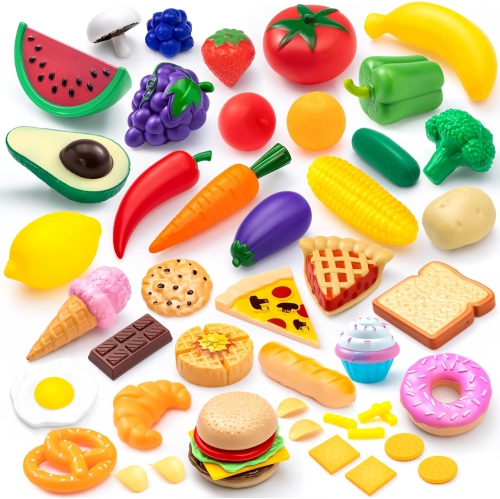
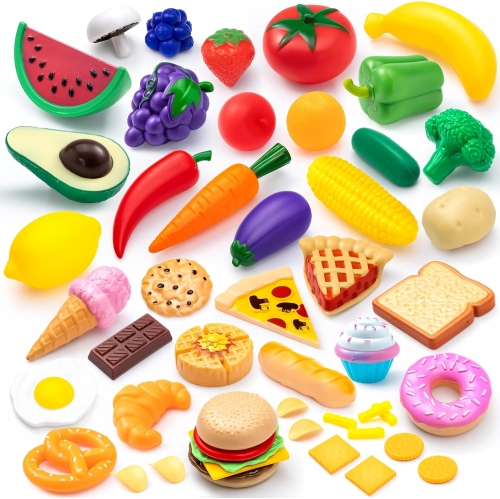
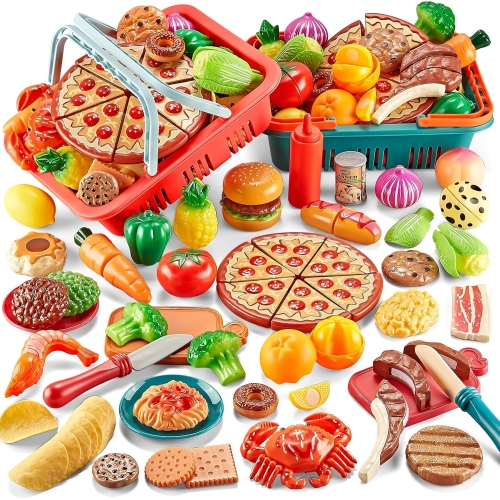
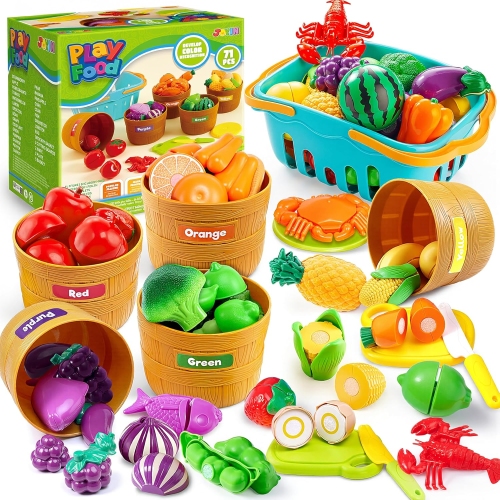
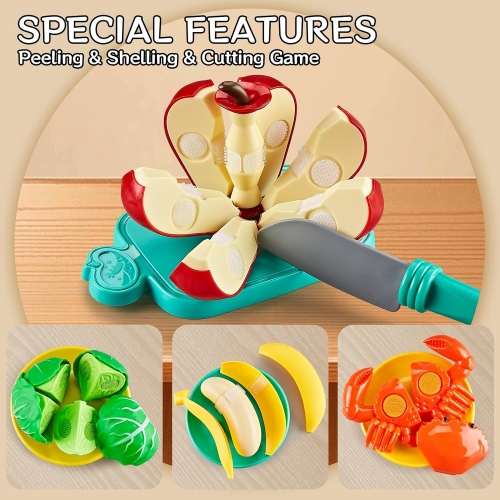
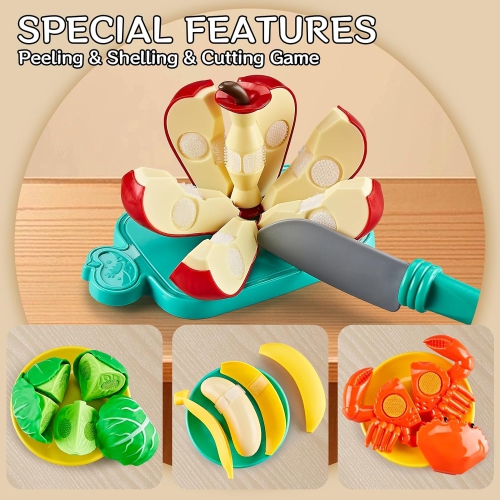
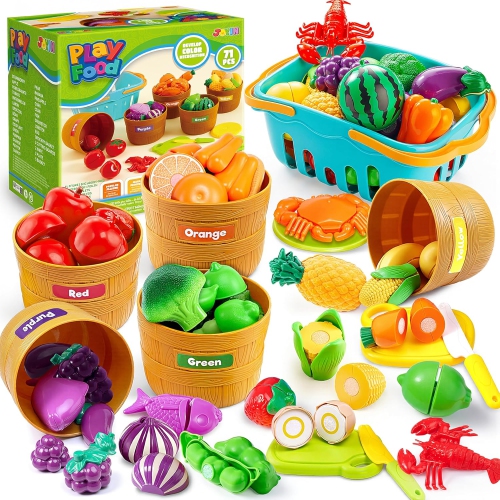
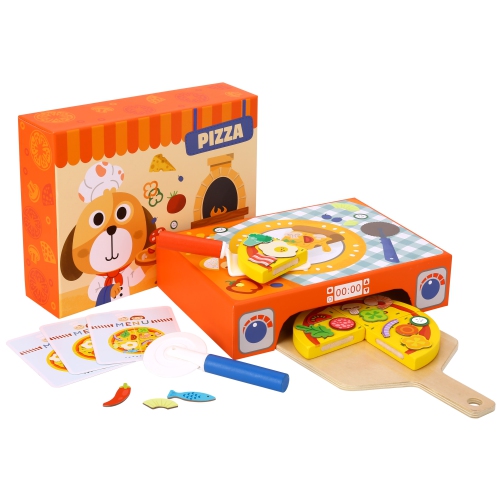
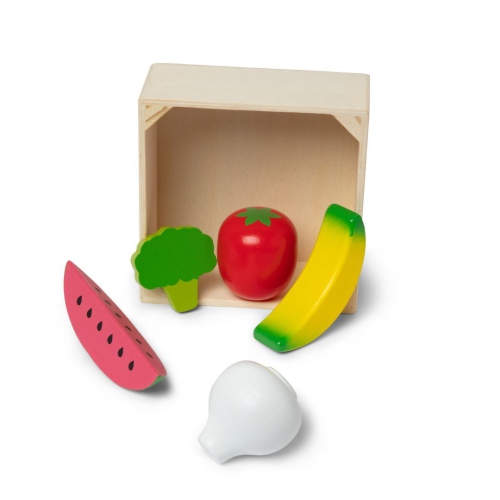
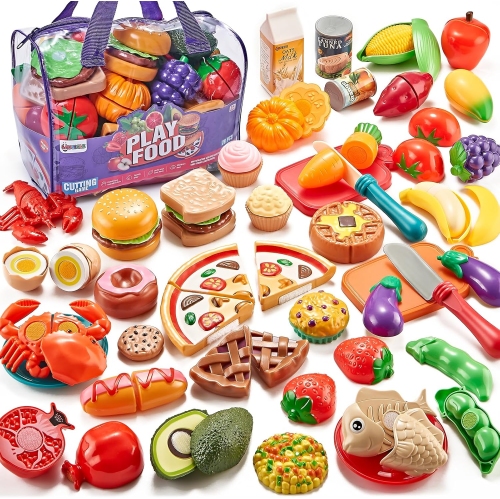
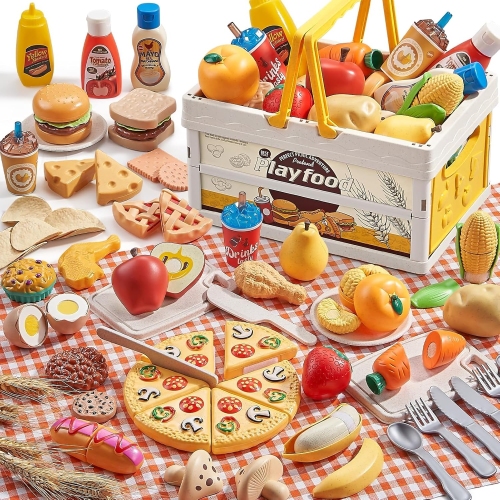
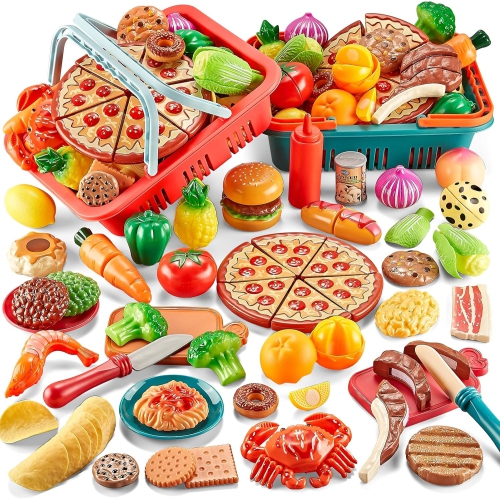
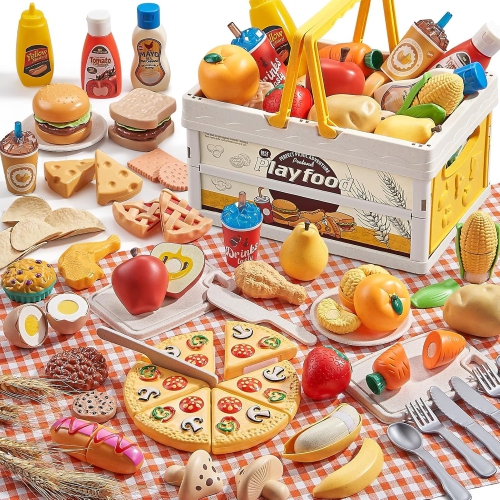
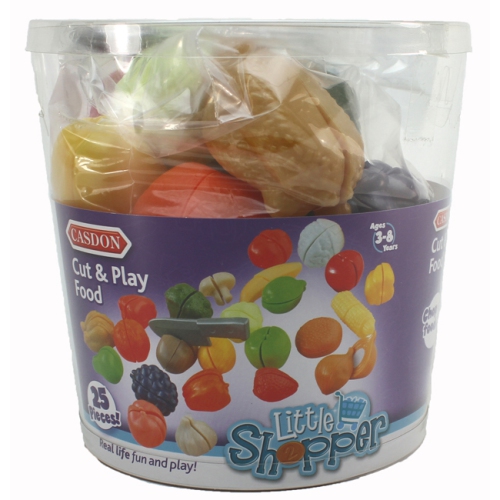
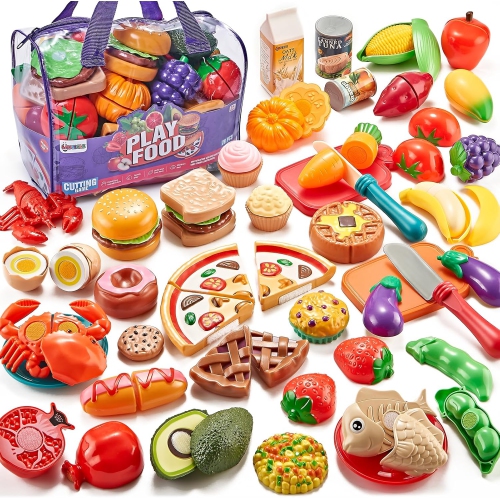
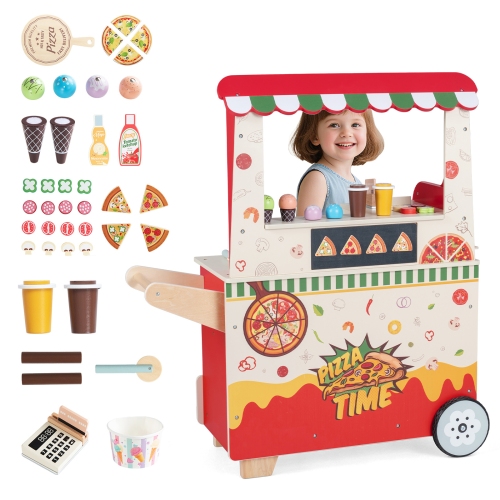

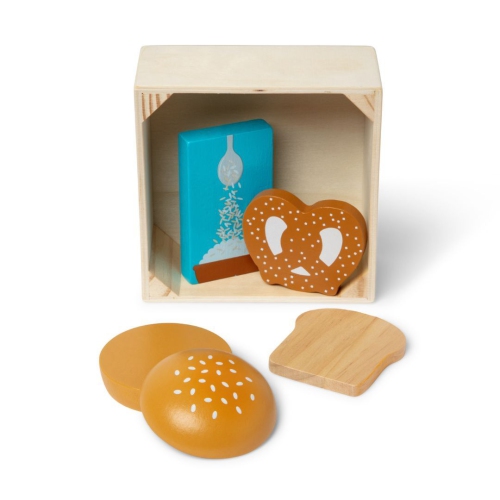
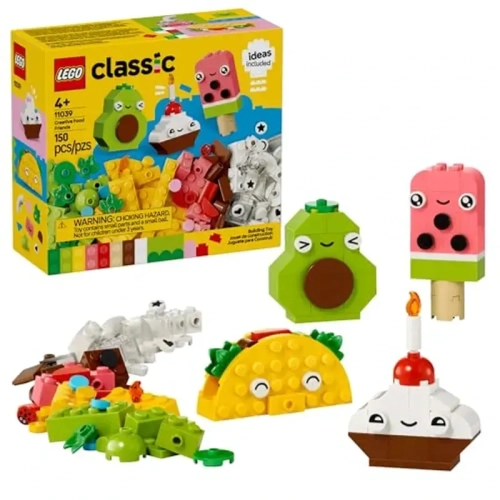

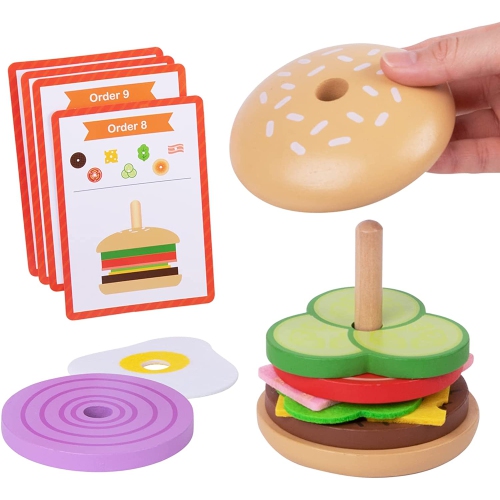

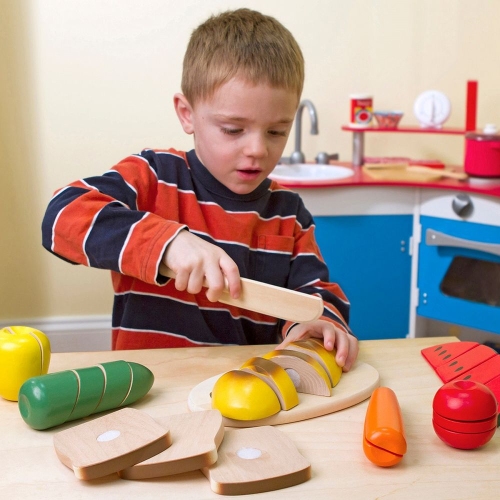
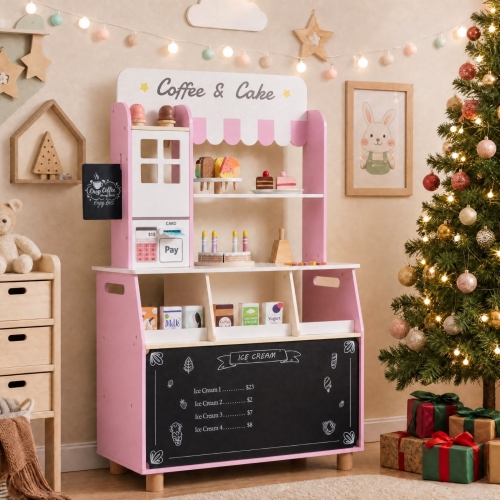
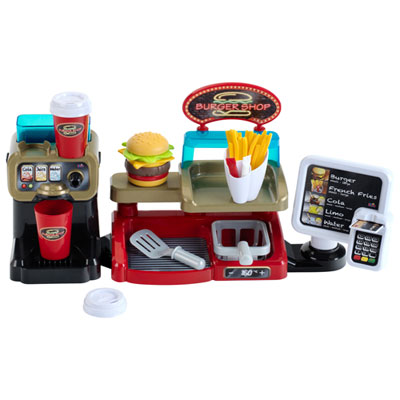

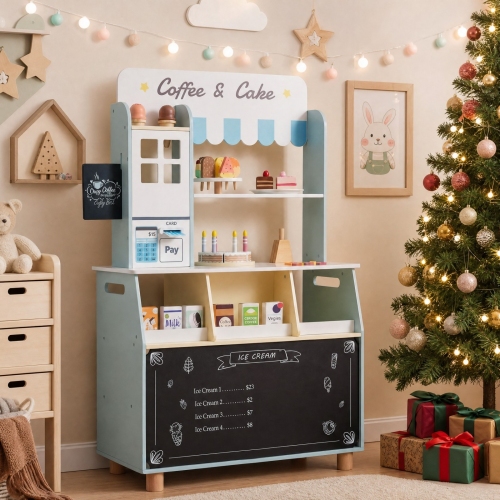


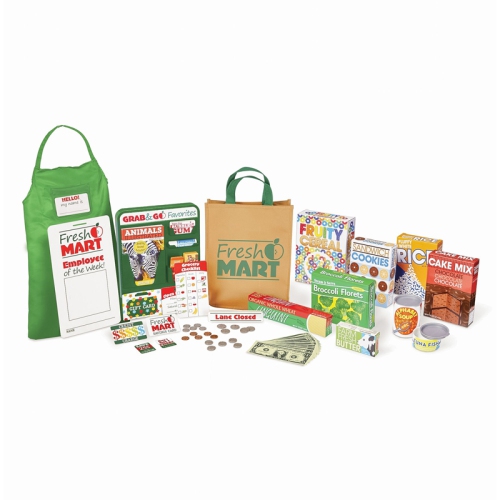
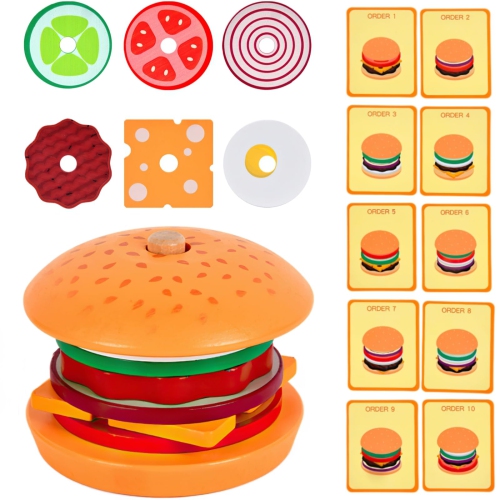
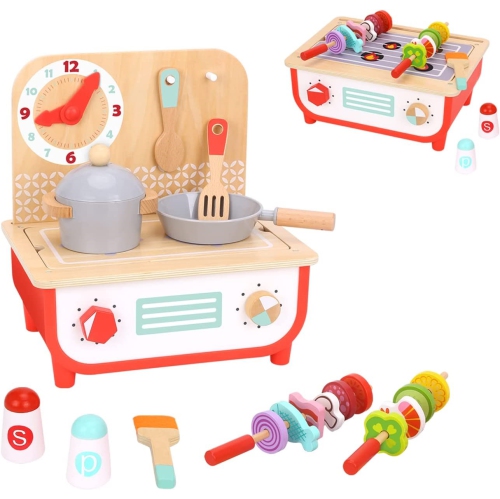


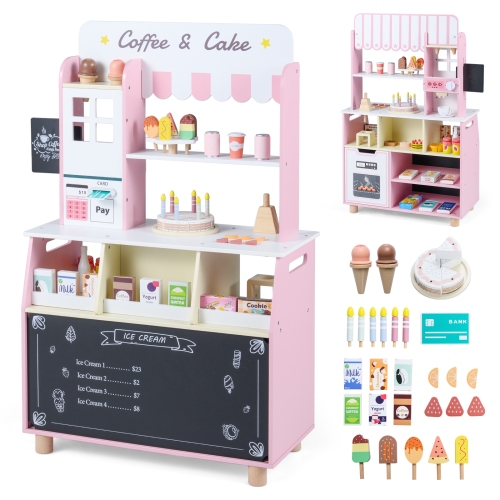
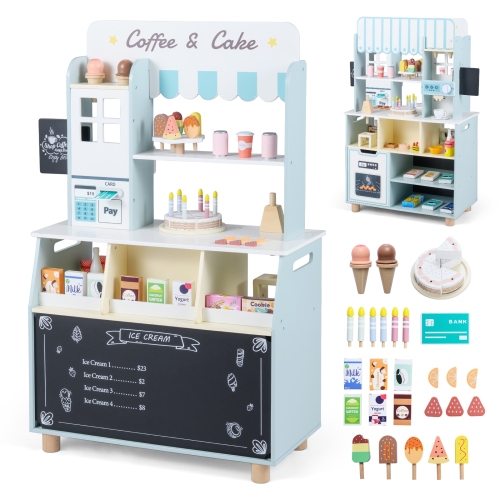
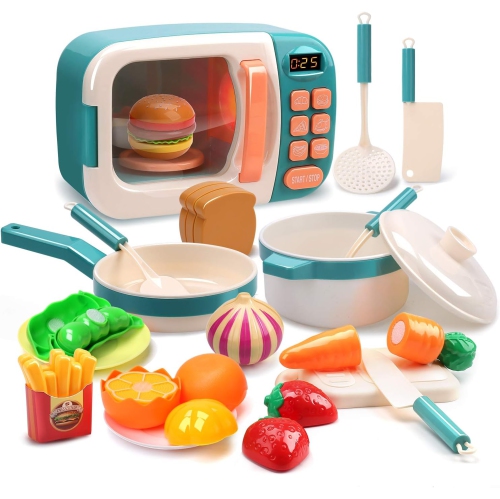
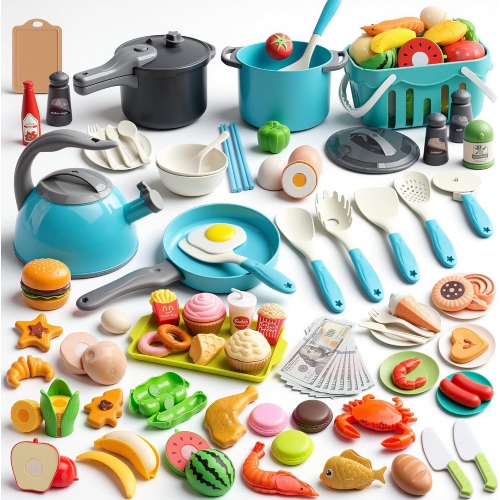
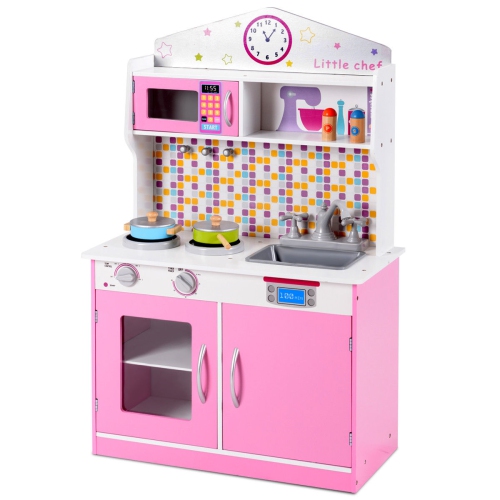
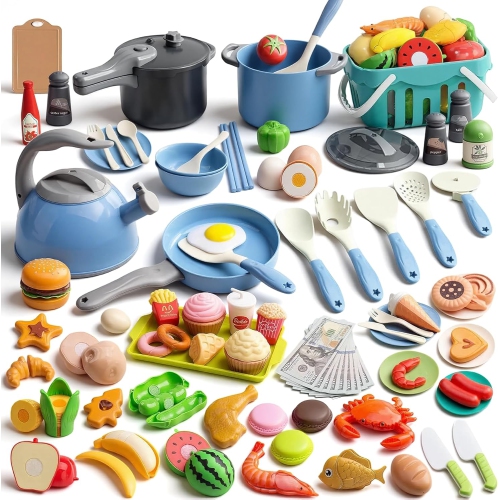
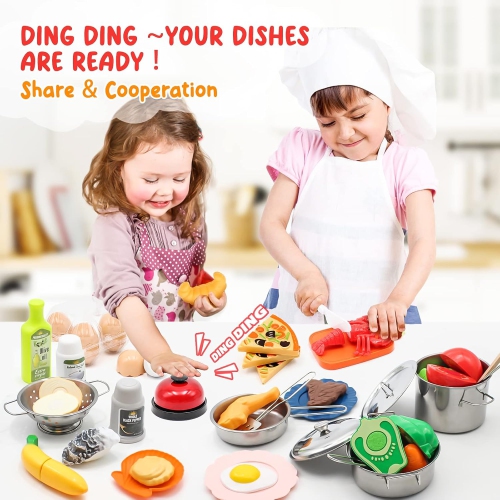
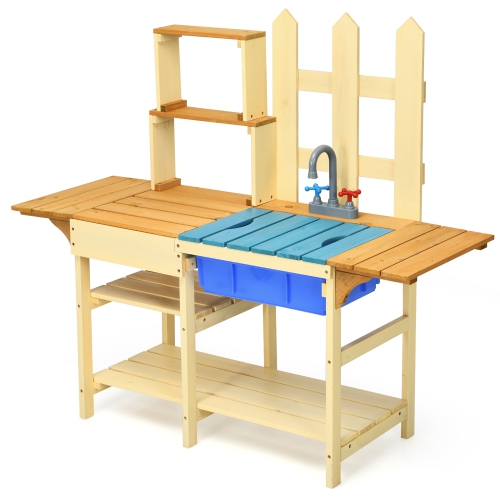

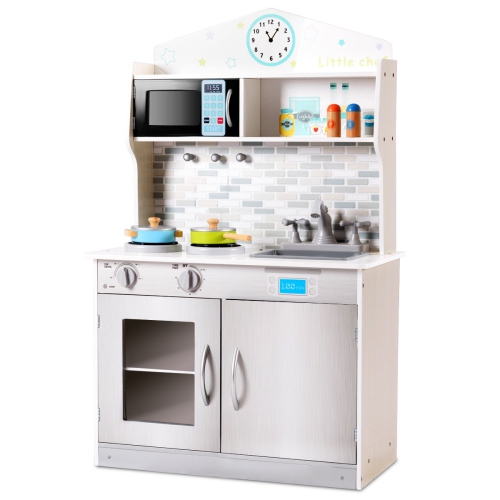
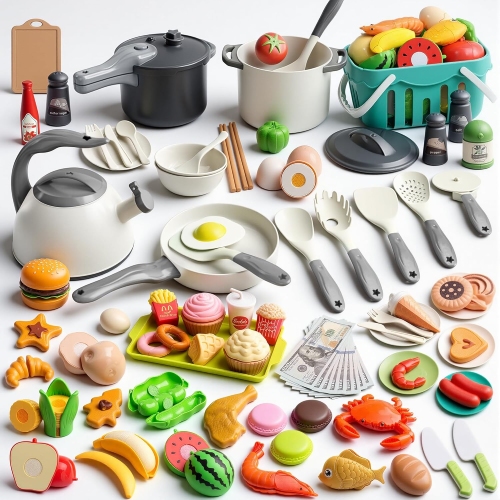
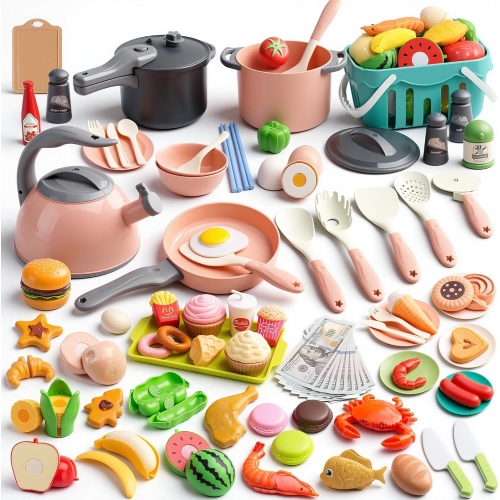
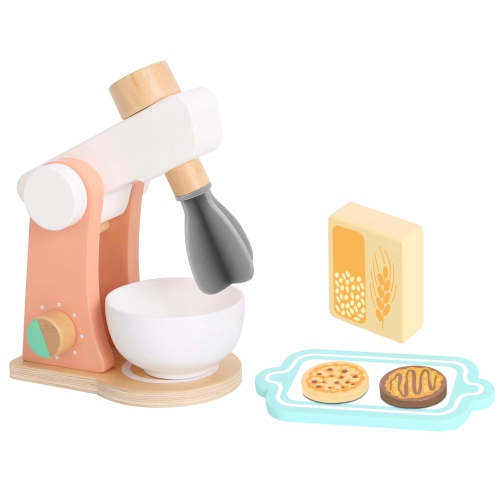
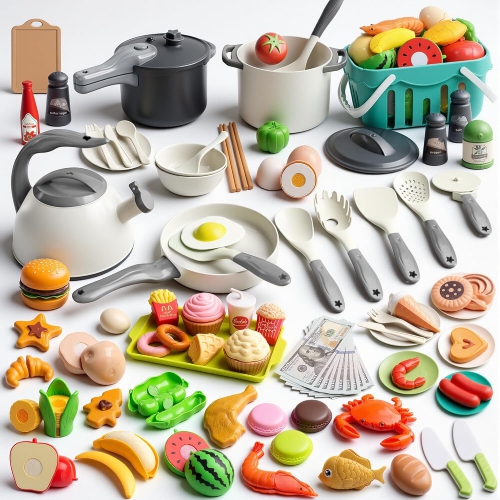
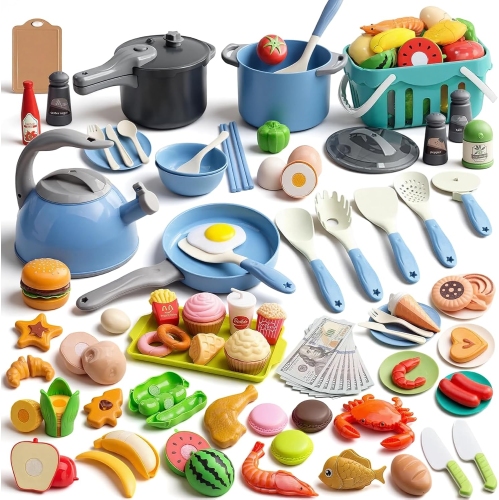
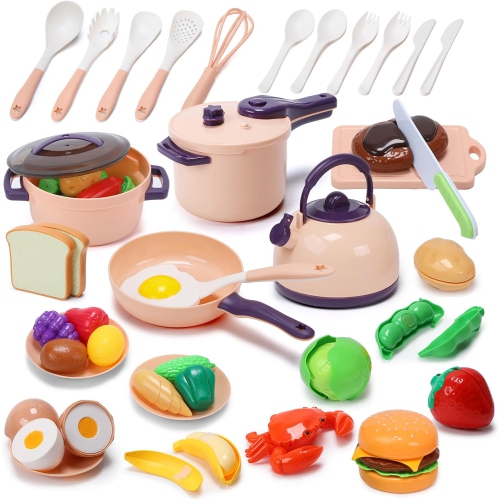
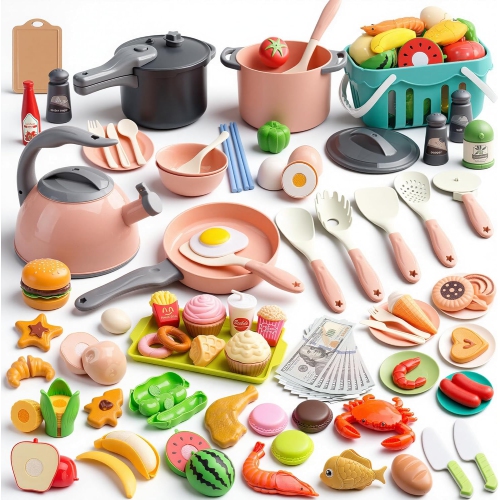

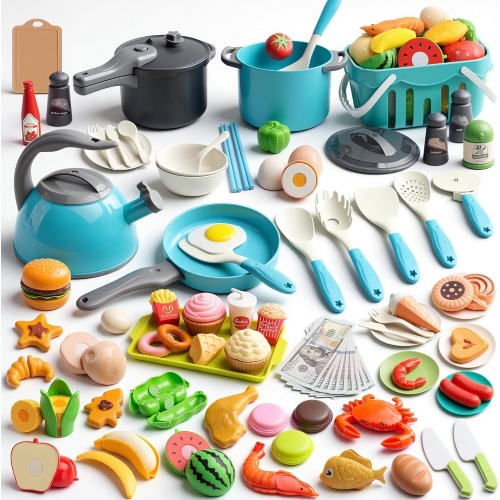
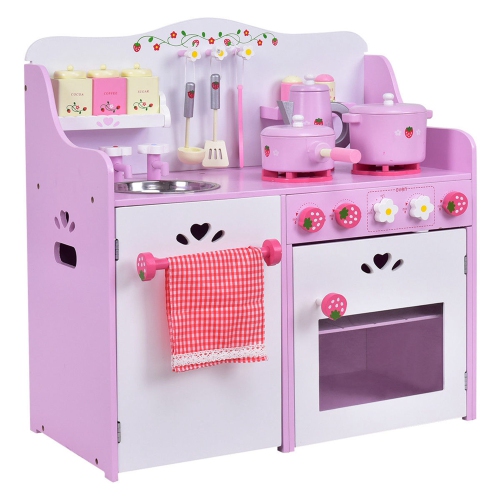
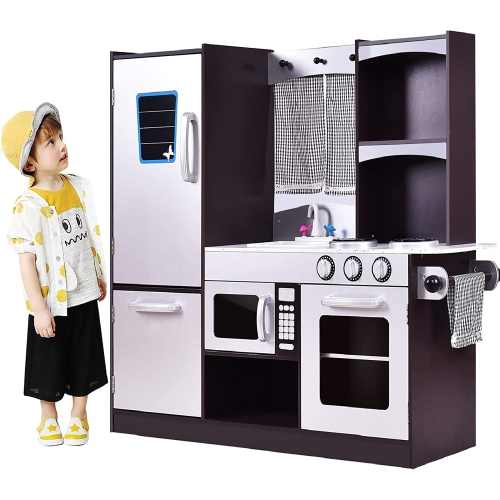
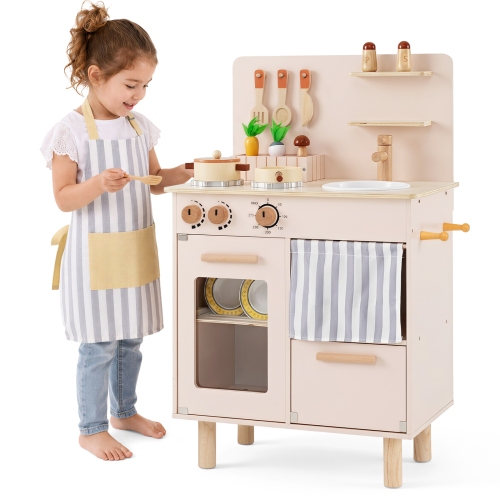
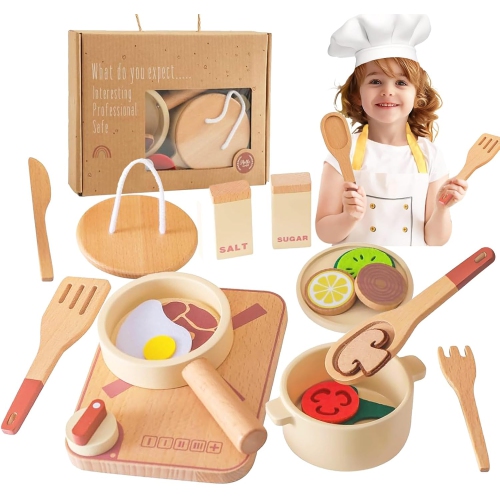
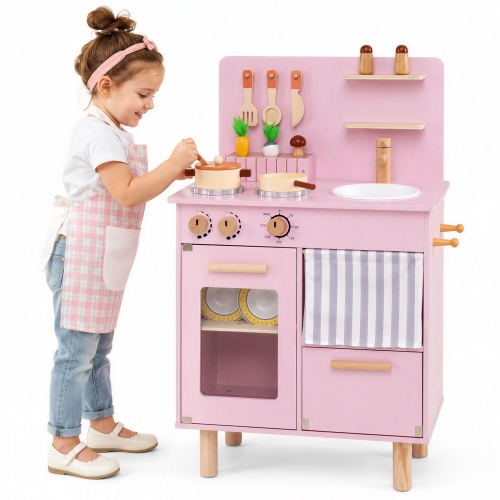
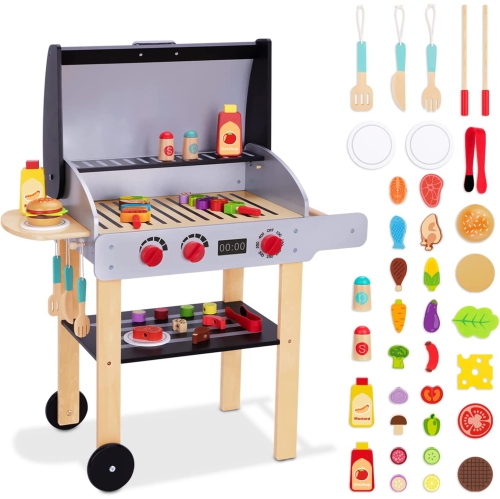
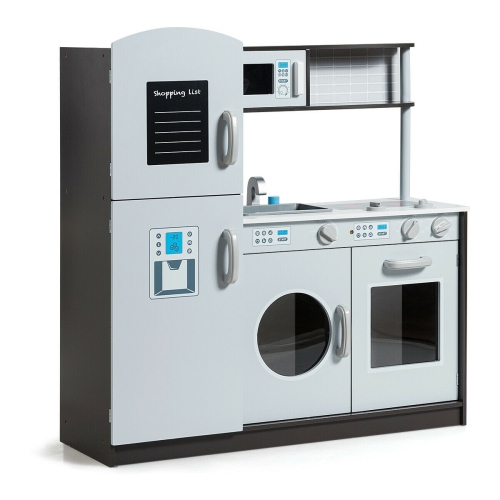
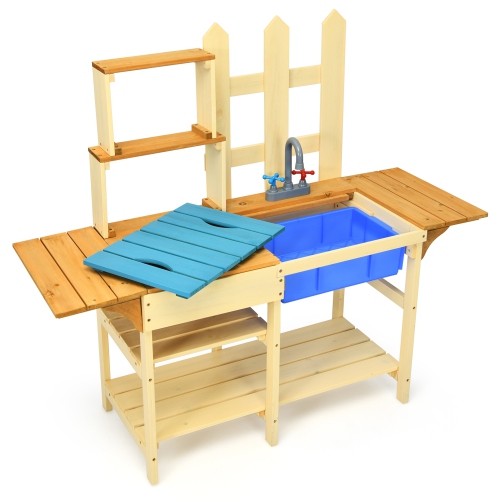
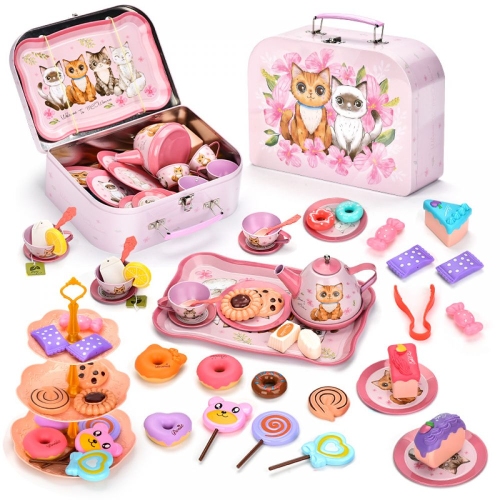

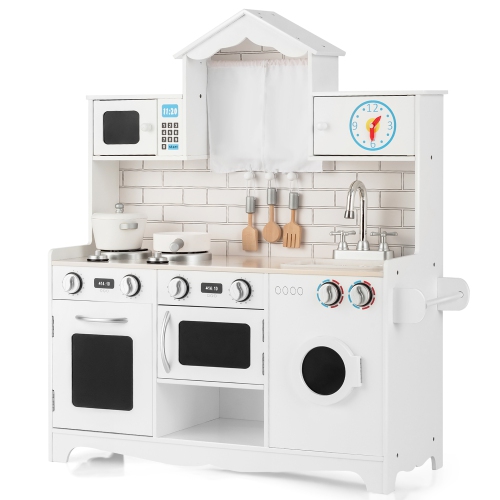
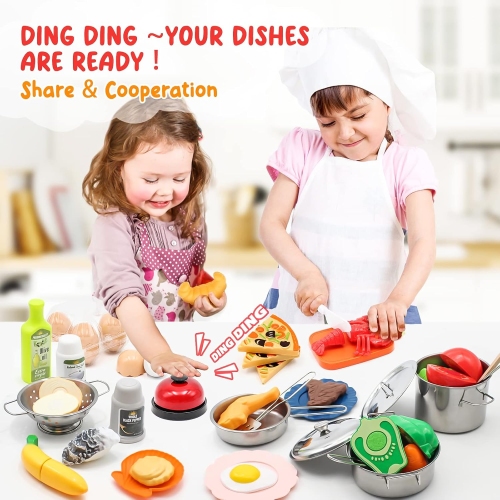
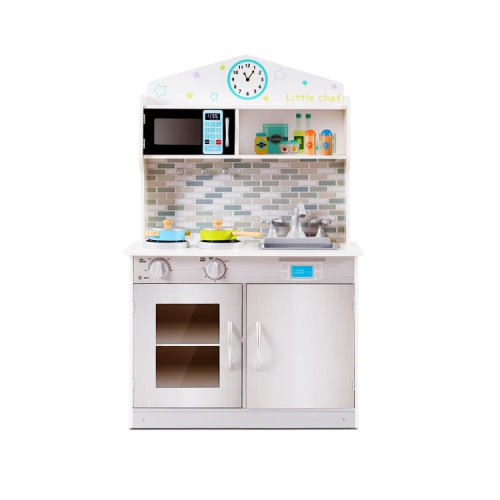

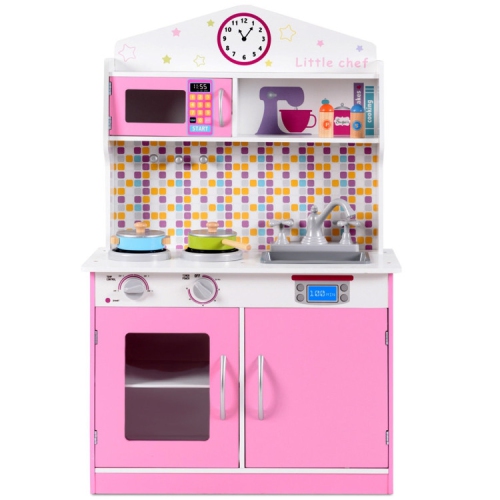
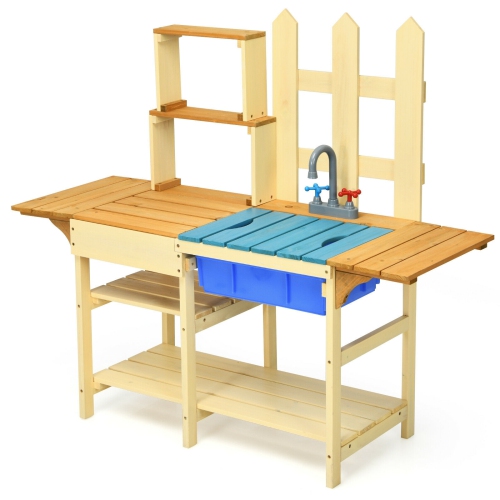
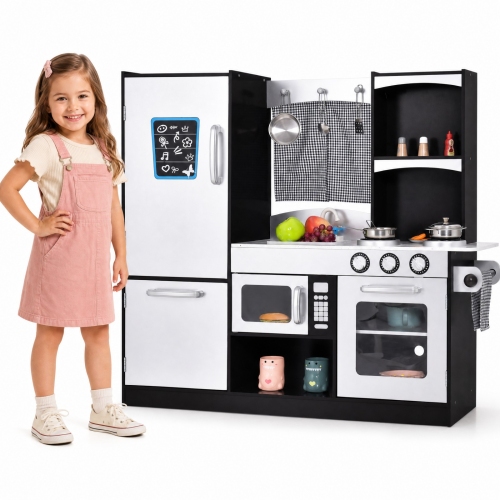
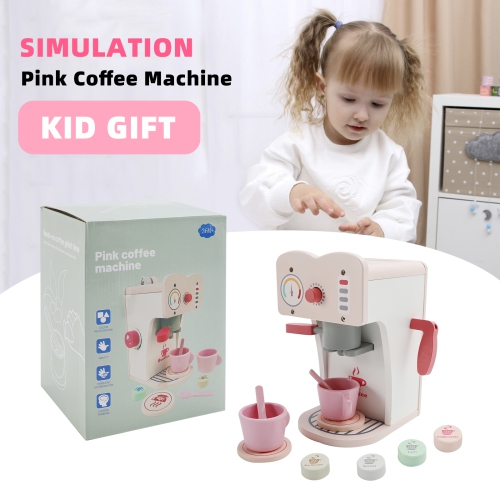


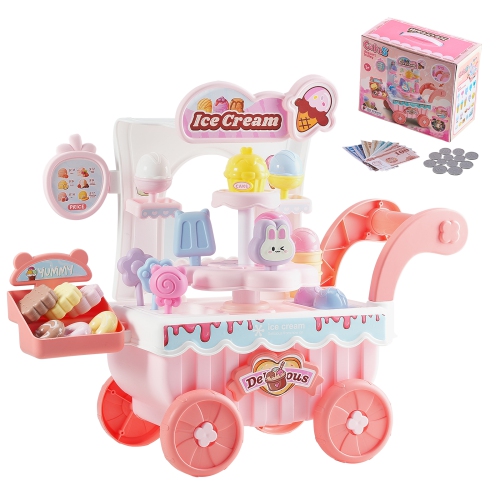
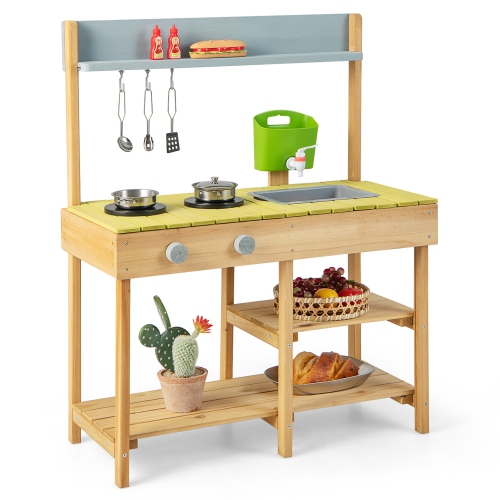
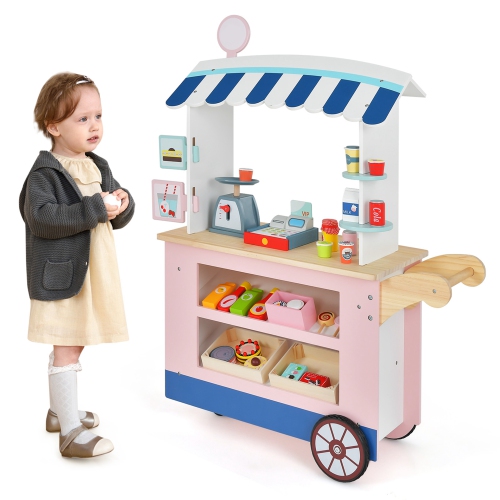

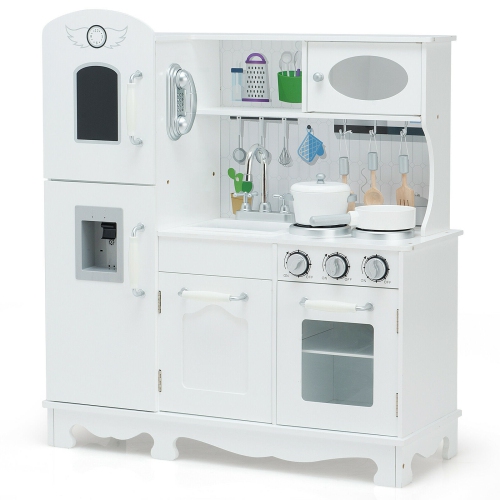
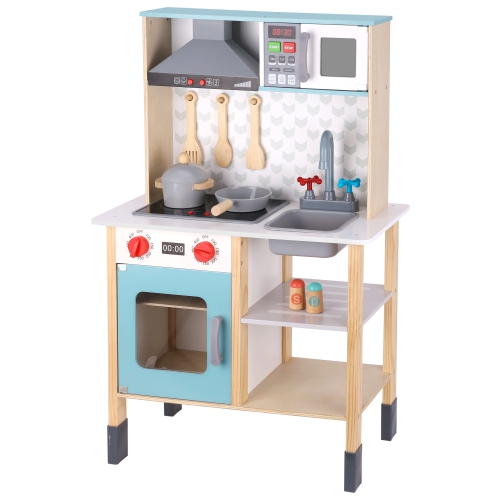



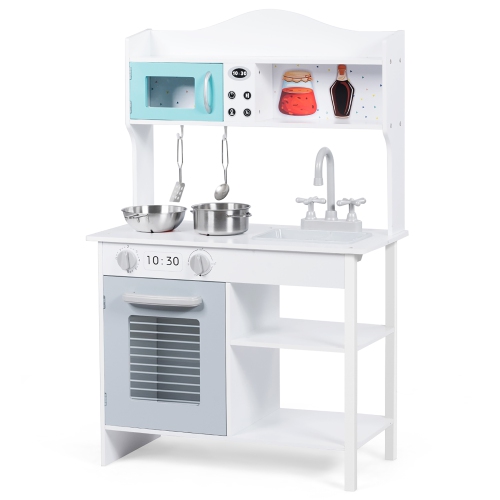
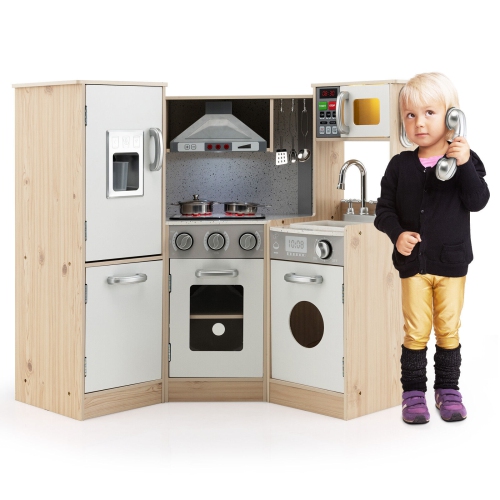
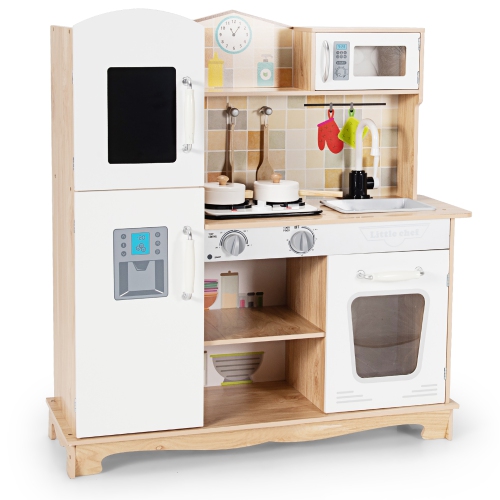
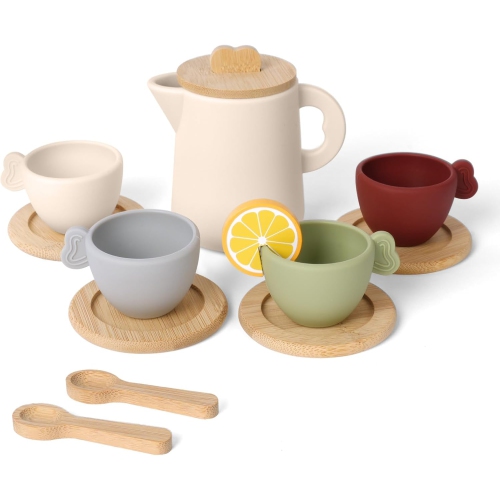
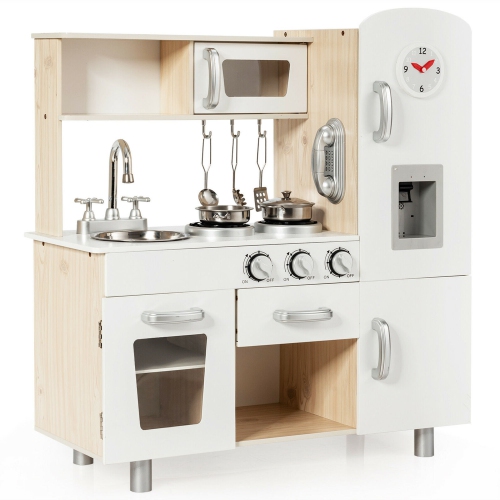
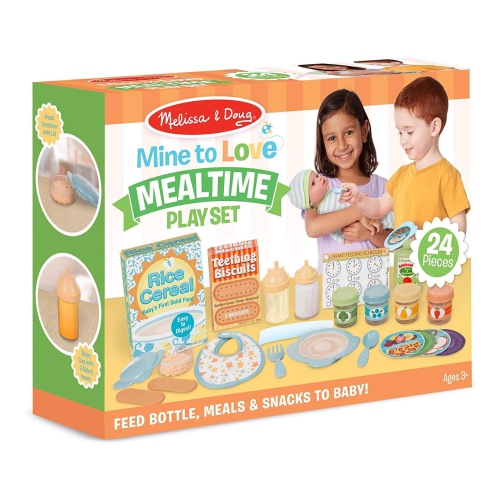
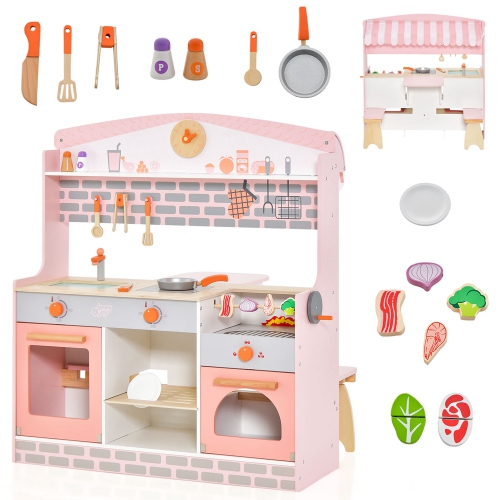

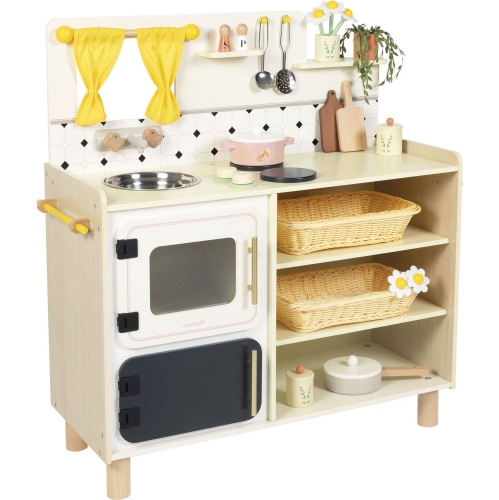
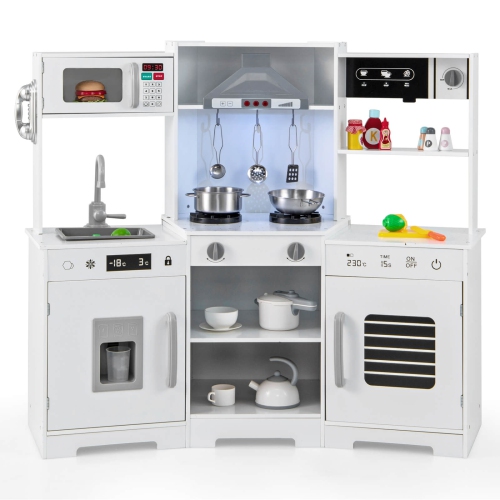

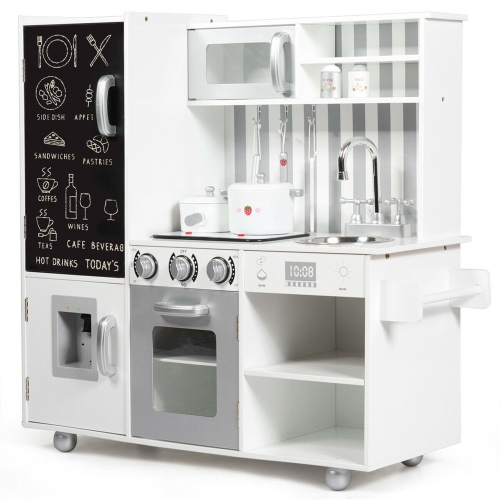

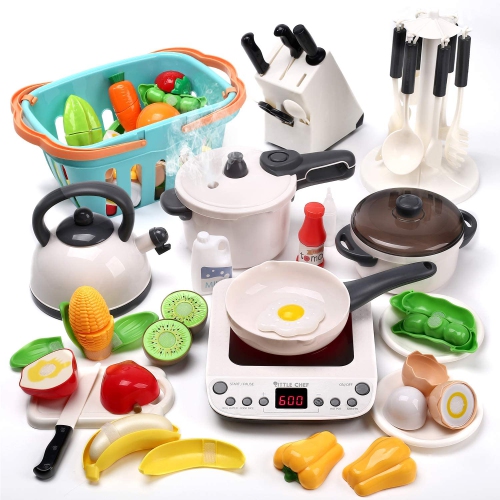
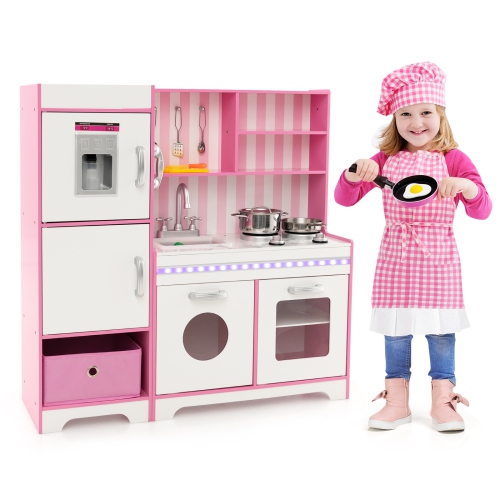
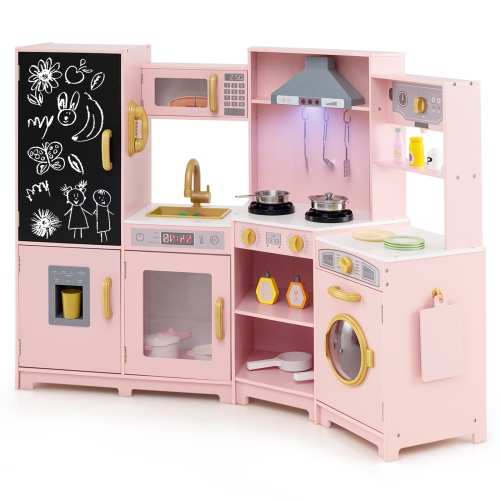
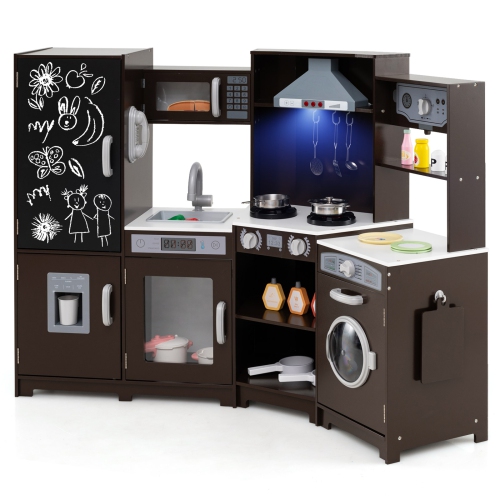
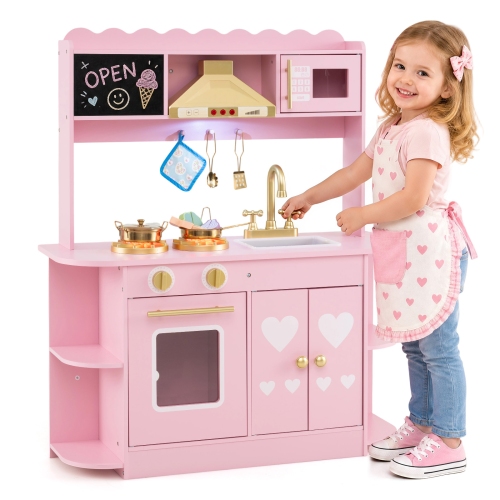
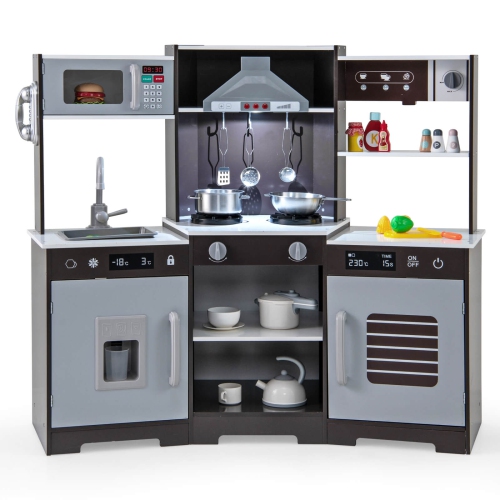



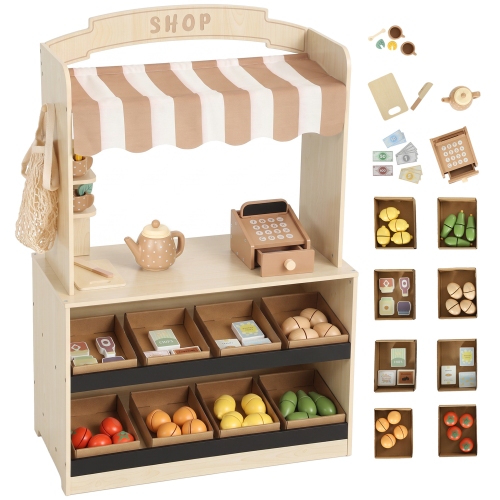
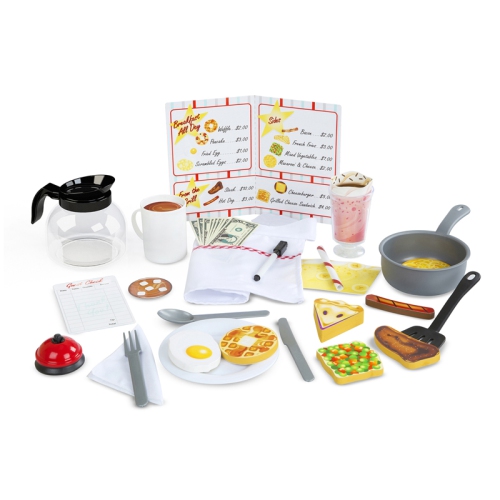

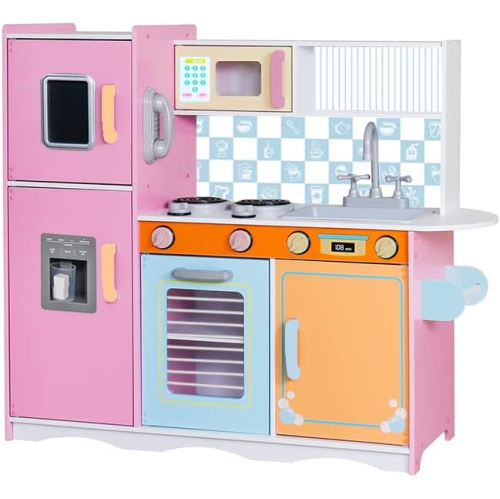
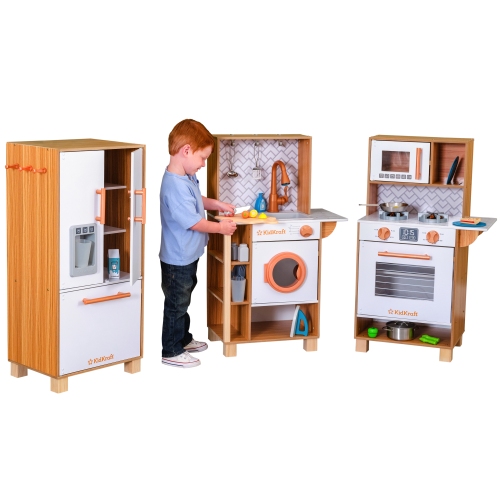
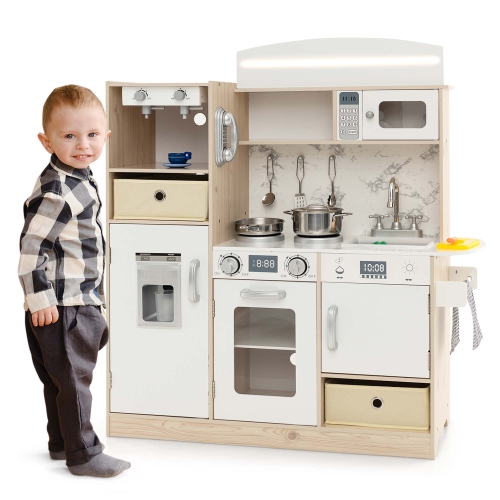
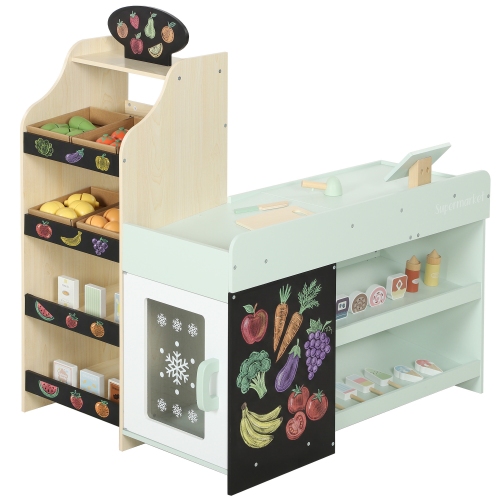
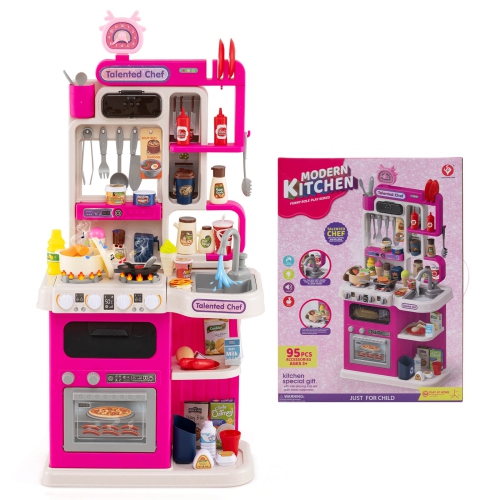
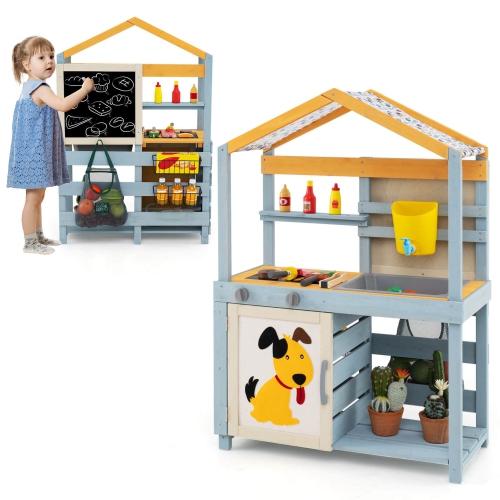
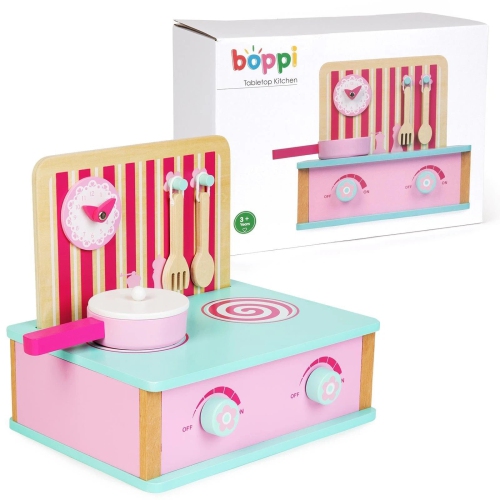
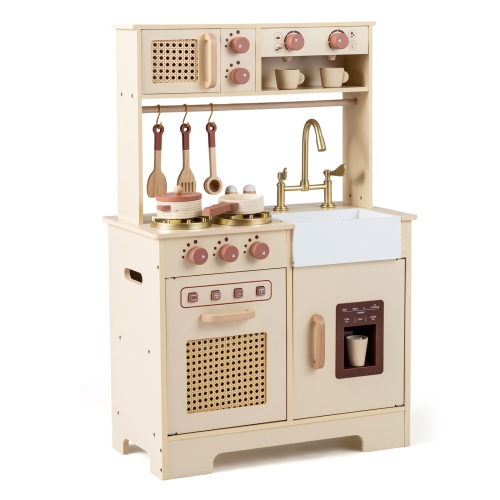
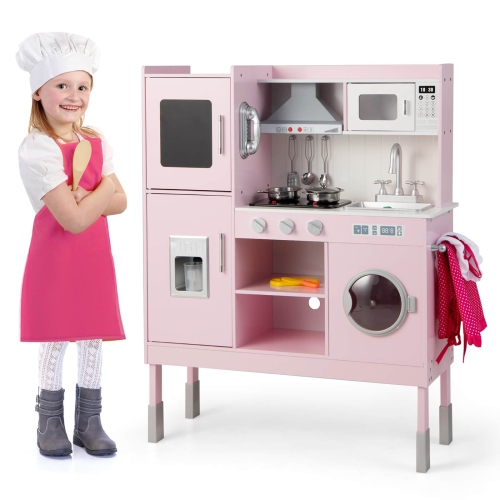


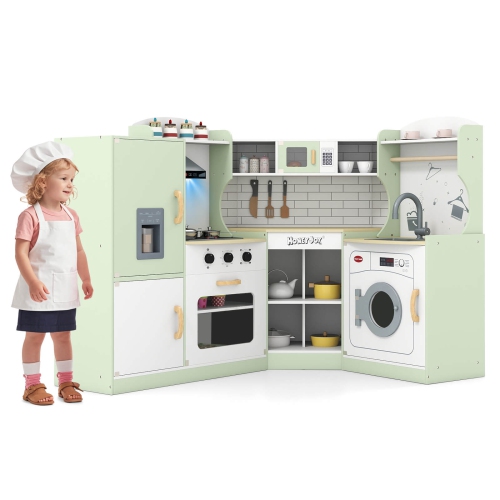
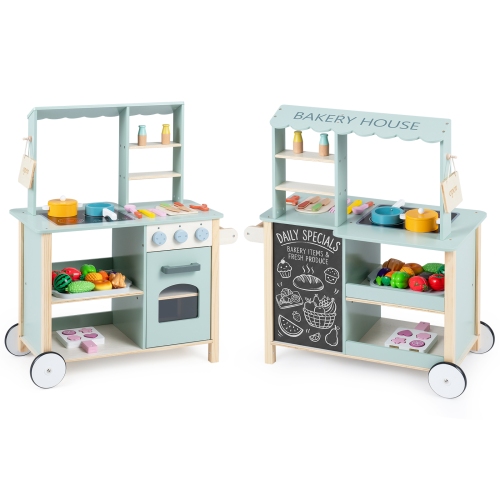


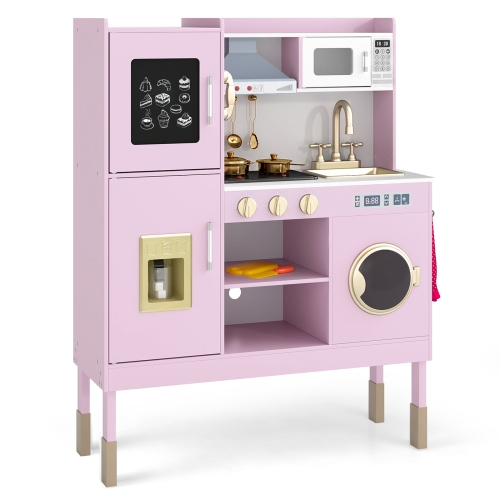
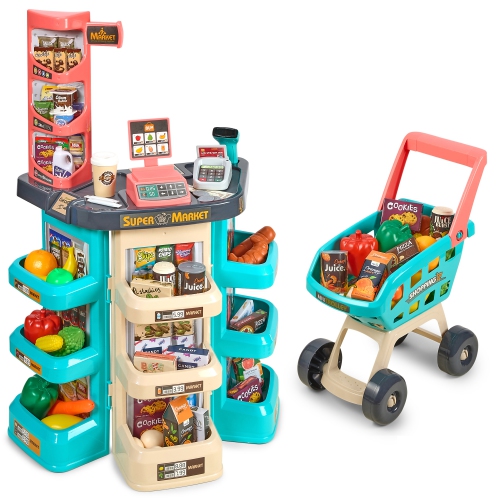
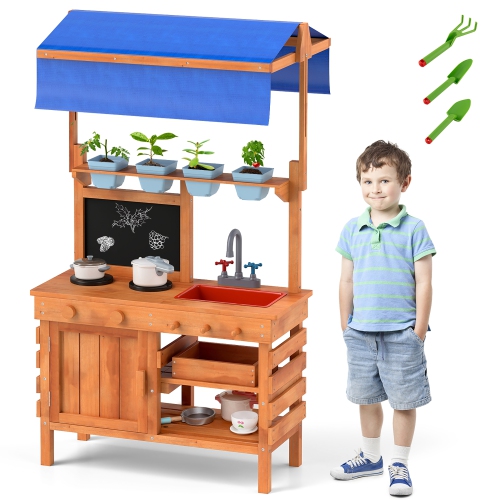
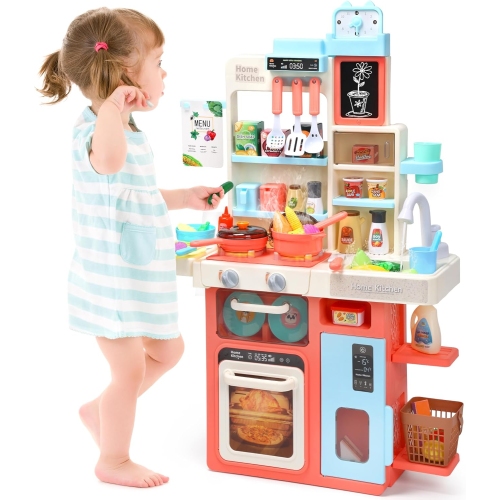
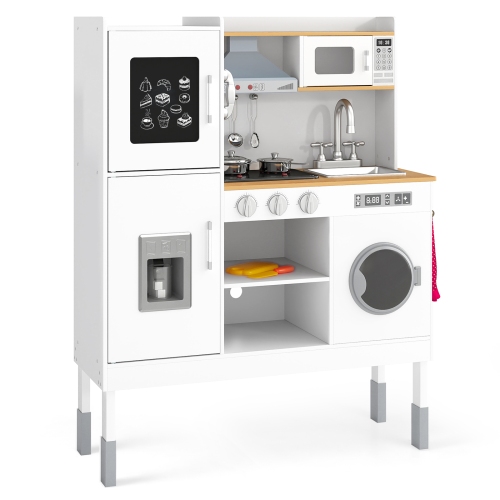
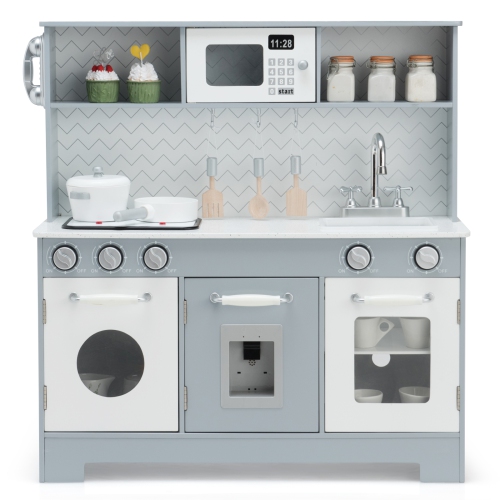
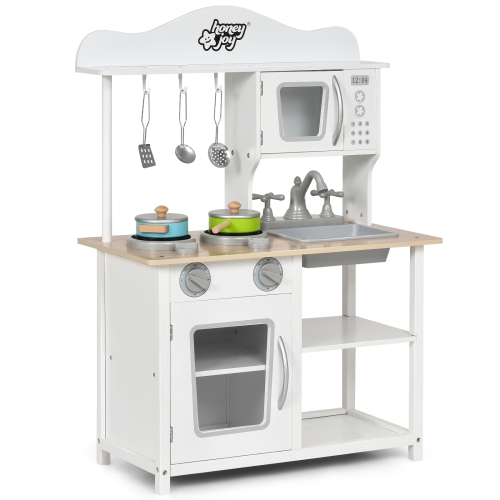
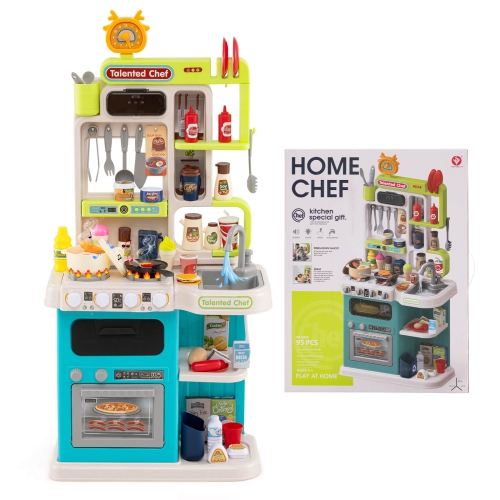
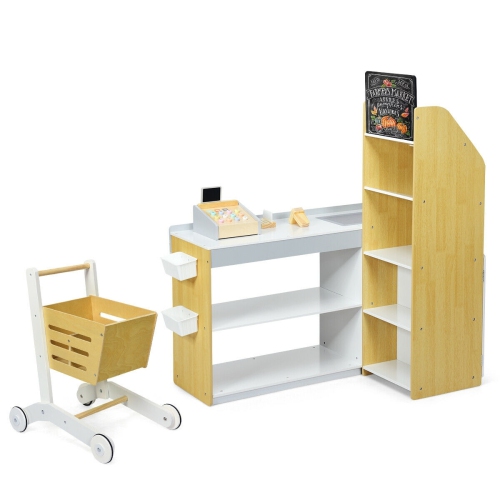
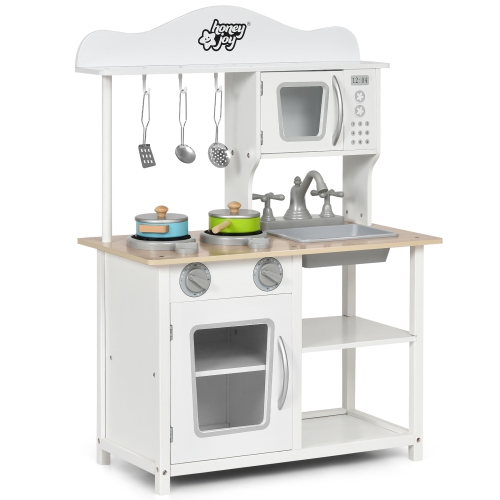

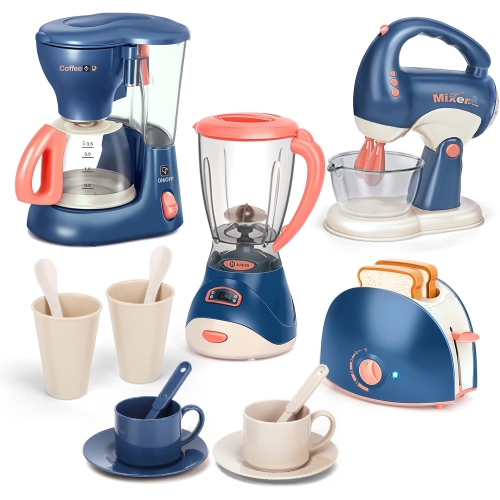
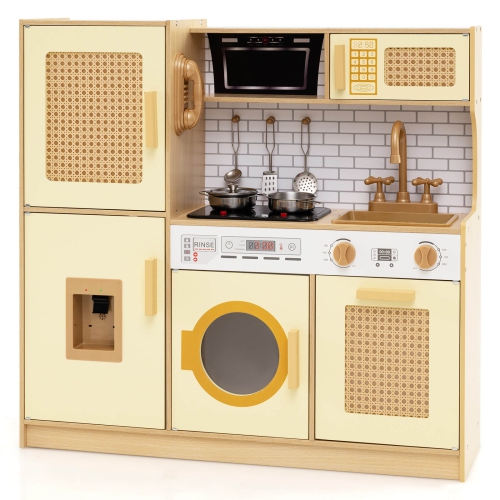
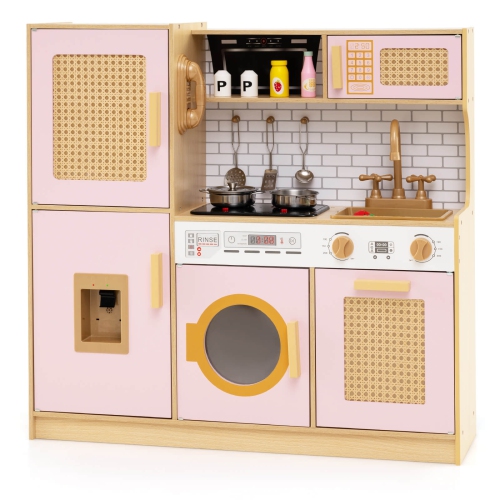
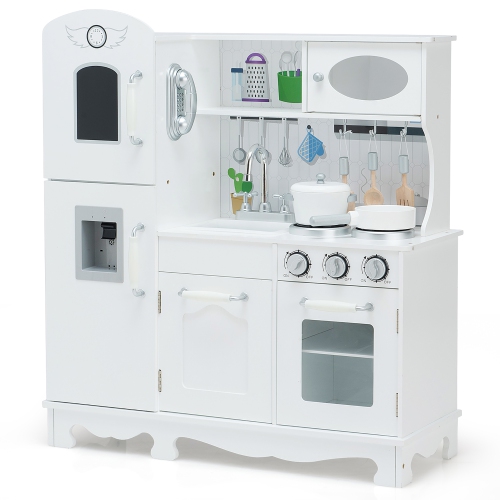
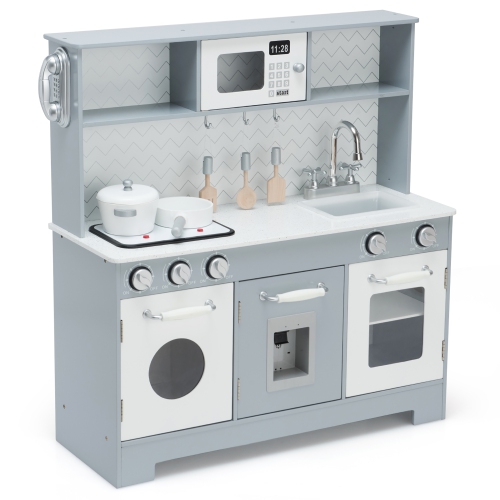
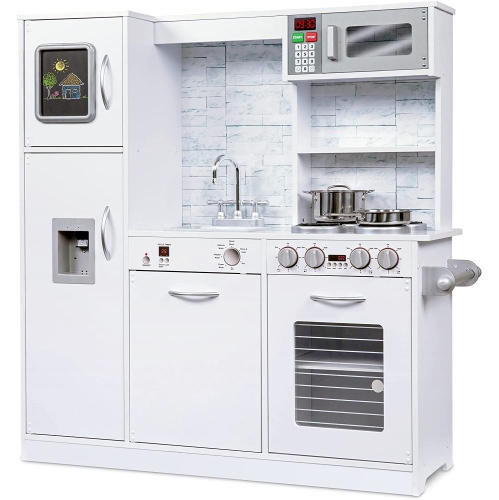
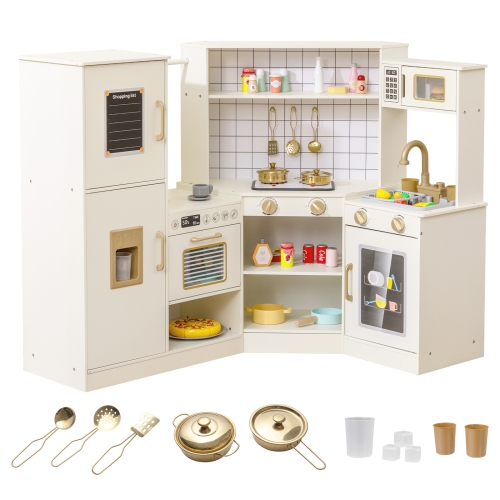
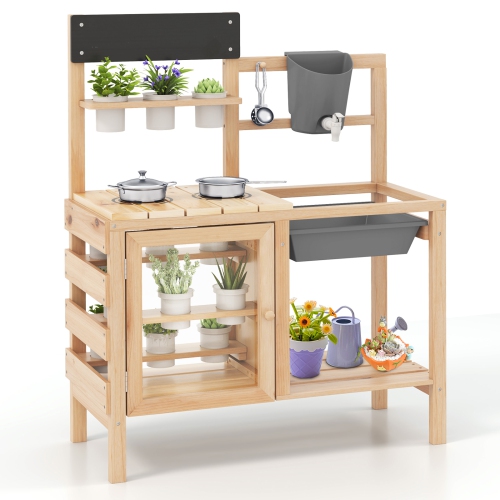
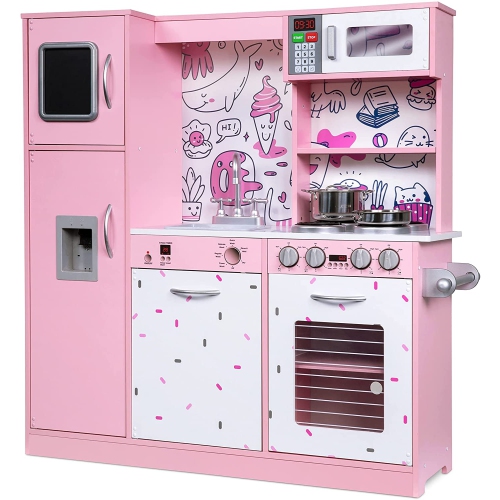
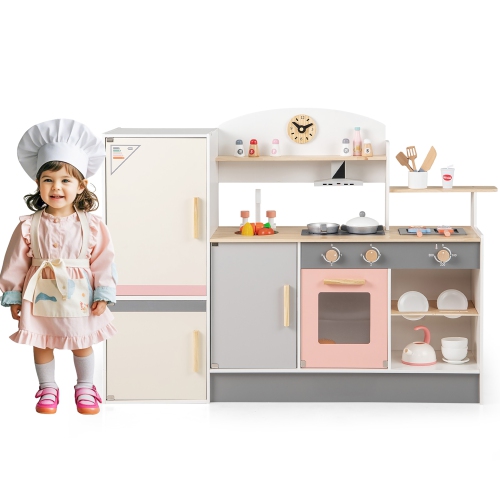
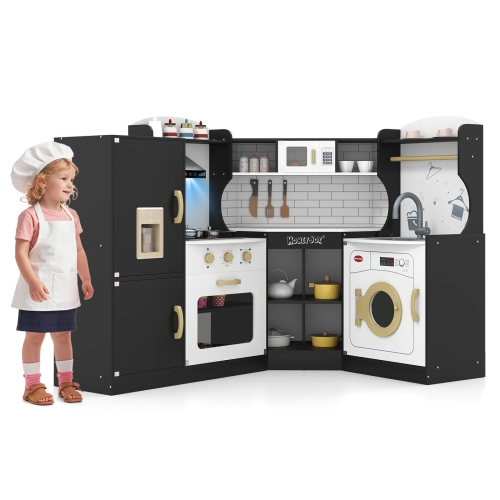
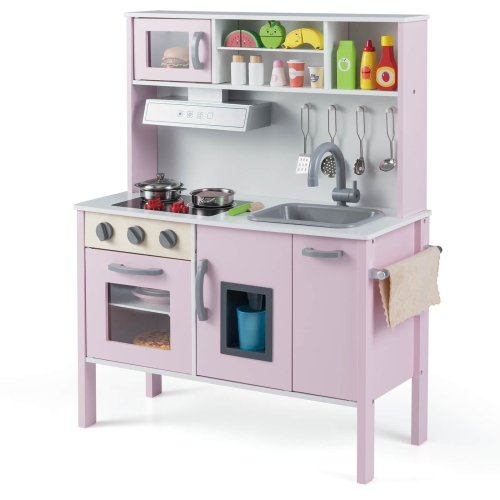
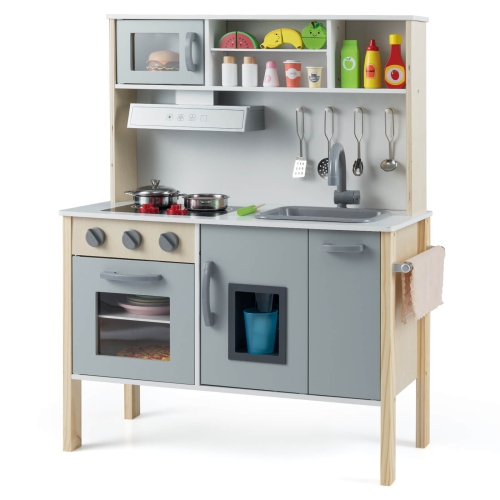
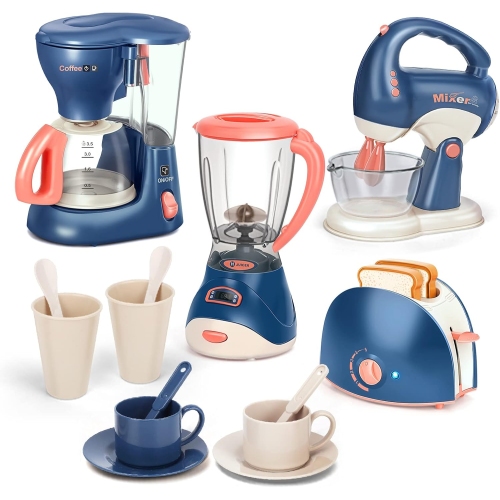
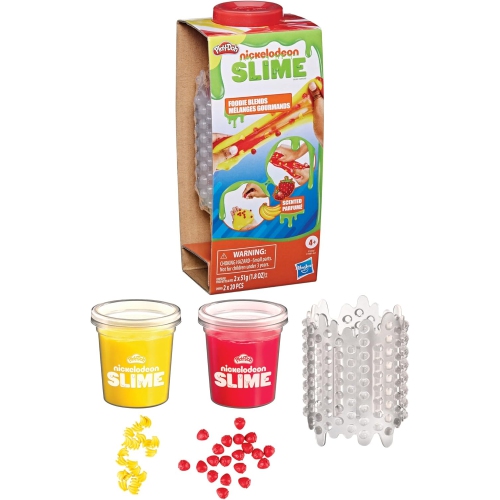
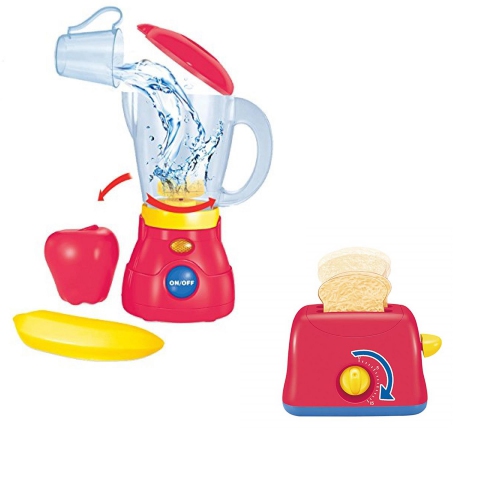
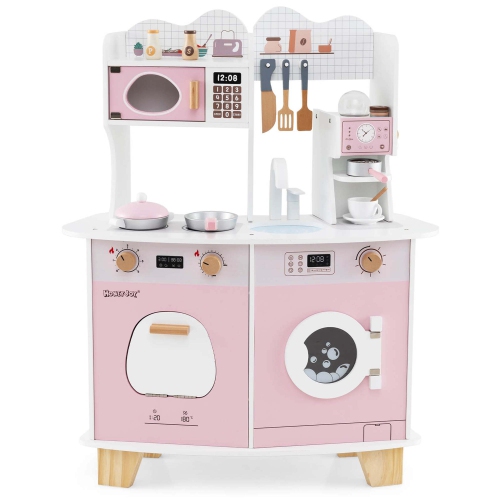
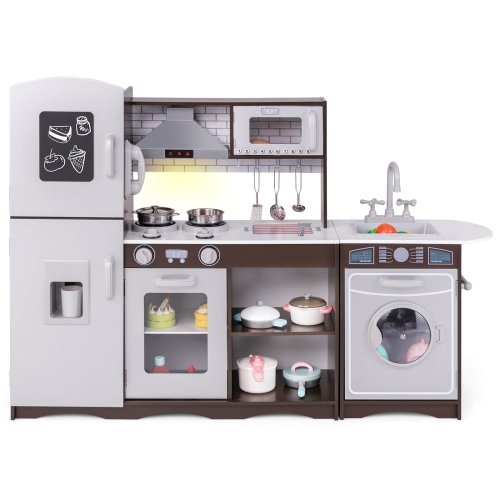
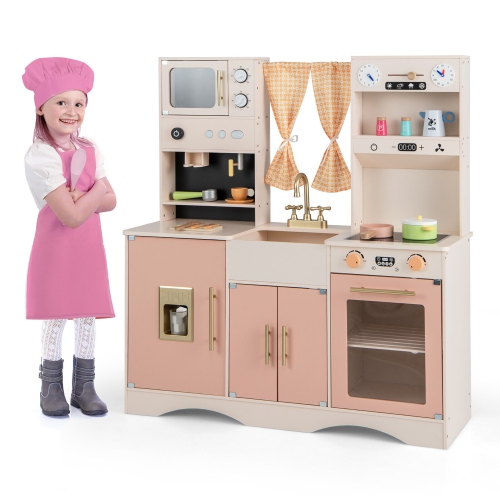


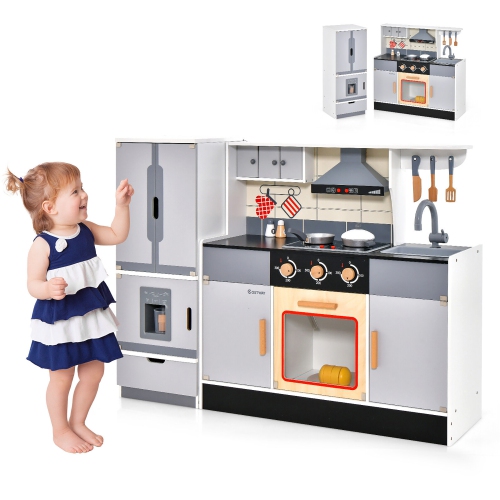
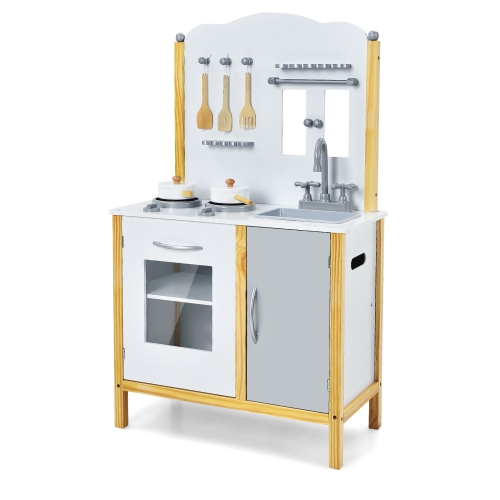
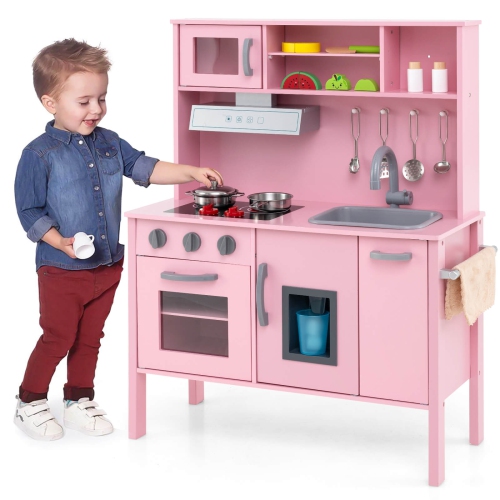
Make-believe meals offer little hands plenty to practise
Pretend play food brings familiar mealtime routines into children’s imaginative play, giving them a way to prepare, serve, shop for, and share make-believe meals. These toys represent foods children might see at home, in a grocery shop, or on a restaurant menu, with designs ranging from simple, chunky shapes to detailed pieces with parts that separate and join together. A child might arrange a picnic for stuffed animals, fill a shopping basket, or take a grown-up’s lunch order before carefully placing each pretend ingredient on a plate. Along the way, play food can support fine motor practice, language development, and social interaction without turning playtime into a formal lesson. Picking up small objects, matching halves, and moving food with toy utensils give children opportunities to practise hand control and coordination. Naming ingredients, describing colours, and explaining what is cooking add vocabulary to a conversation that already has meaning for them. Shared play also creates natural moments for taking turns, asking for help, and listening to someone else’s choices. The same collection can suit different interests: one child may enjoy sorting by shape or food type, while another builds an elaborate café with a menu and assigned roles. Realistic details can help children connect toys with familiar foods, while simpler designs leave room for an object to take on different meanings in a story. Pretend play food is useful in home playrooms, childcare spaces, and early learning settings, provided the age rating and care requirements suit the children using it. It can also make a thoughtful birthday gift for a child who likes helping in the kitchen or acting out everyday routines. A full toy kitchen is not essential; a clear tabletop, a few play dishes, and a basket can provide enough structure for an imaginative meal. The appeal lies in how easily these toys become part of a child’s own stories, whether that means packing a pretend lunch or hosting a crowded dinner for dolls.
Materials, size, and construction affect how pretend play food feels in the hand and holds up to repeated use. Wooden pieces often have a solid feel and painted or printed details, making them appealing for children who enjoy arranging, stacking, and matching clearly defined shapes. For this style of play, Wooden Toy Foods offer a related category to explore, with individual age ratings and construction details still important to check. Plastic play food is often lightweight and can include moulded textures or hollow shapes, although its resistance to squeezing and rough handling varies with the design. Fabric and felt versions have a softer feel and may work well for pretend sandwiches or other meals assembled in layers, but their cleaning needs differ from those of hard-surface toys. Material alone does not establish safety or durability. Smooth edges, firmly attached details, and clear manufacturer information matter across all types. Size deserves particular attention because a piece that fits neatly on a toy plate may still be too small for a younger child. Follow the stated age recommendation and choking-hazard warnings, especially in homes where siblings share a play area. Intended use also matters: pretend food is a toy, not something to eat, use for teething, or place in a working oven or microwave. For sets with pieces that join together, the connection should match the child’s abilities. Hook-and-loop fasteners can provide resistance during pretend slicing, while magnetic designs require secure construction and close attention to any damage that could expose a magnet. Compatibility with existing toys is another practical consideration. Food that is too large for a play saucepan or too small to grasp with toy tongs can interrupt the activity. Checking dimensions, the number of separate parts, and storage space helps establish whether a set suits a compact play corner, a shared classroom shelf, or an established pretend kitchen.
The most useful mix of pretend play food depends on how a child likes to play, rather than simply how many pieces a collection contains. A smaller assortment with familiar shapes may be easier for a young child to manage, while children who enjoy longer role-play stories may appreciate enough variety to create meals, shopping lists, and restaurant orders. Foods that reflect household routines can help children bring their own experiences into play, and different shapes and textures can prompt conversations about meals they have seen elsewhere. Pieces designed for pretend cutting, stacking, or assembling add hands-on tasks, but fixed shapes can be just as useful for serving, sorting, and storytelling. During shared play, enough pieces for each participant to handle can help keep a busy pretend café moving. One child can prepare an order while another sets the table, and an adult can join in by requesting two portions or describing a missing ingredient. These small exchanges offer chances to practise counting, sequencing, and problem-solving in context, without requiring a correct script or a finished result. Care and organization help keep the toys ready for the next story. Follow the manufacturer’s cleaning instructions rather than assuming every material can be soaked, machine washed, or put in a dishwasher. Many wooden toys need gentle surface cleaning and prompt drying, while washable plastic and fabric designs still require attention to seams, openings, and attached parts. Let cleaned pieces dry fully before storing them, and inspect frequently handled toys for cracks, splinters, loose stitching, or damaged connections. Remove damaged pieces from play, particularly if a small component becomes loose. A low basket or divided bin can make it easier for children to find what they need and return it afterwards. Keeping matching halves together reduces frustration, while separating food from utensils can make tidying part of the pretend kitchen routine. With an age-appropriate design, manageable care needs, and room for a child’s imagination, pretend play food can become a familiar part of everyday play, ready for everything from a quiet tea party to a lively make-believe grocery shop.
Top selling and popular products
-
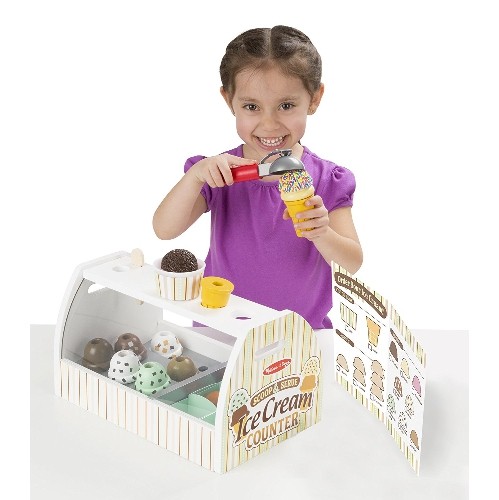 Your price for this item is $103.99
-
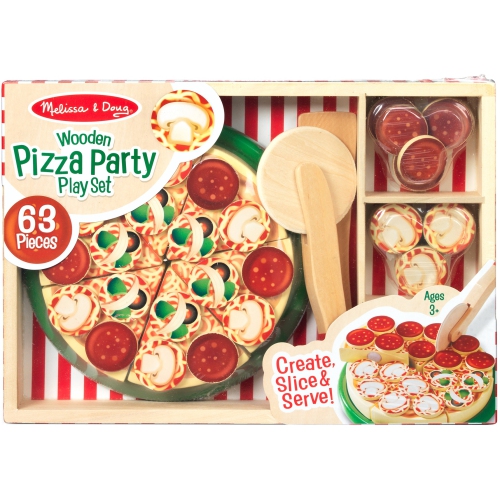 Your price for this item is $25
-
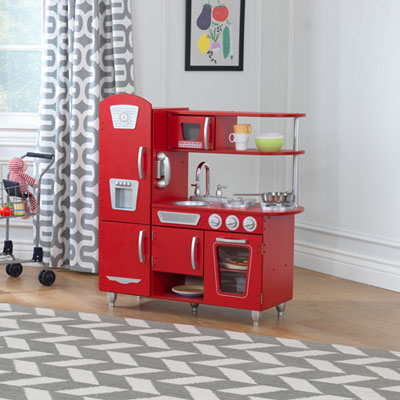 Your price for this item is $149.98
-
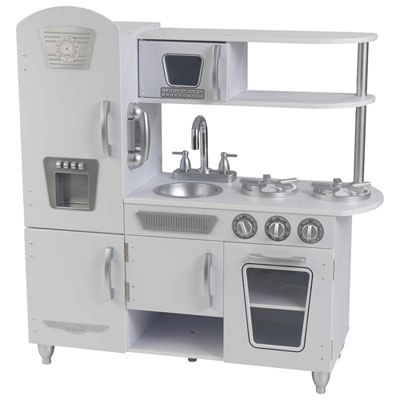 Your price for this item is $155.98
-
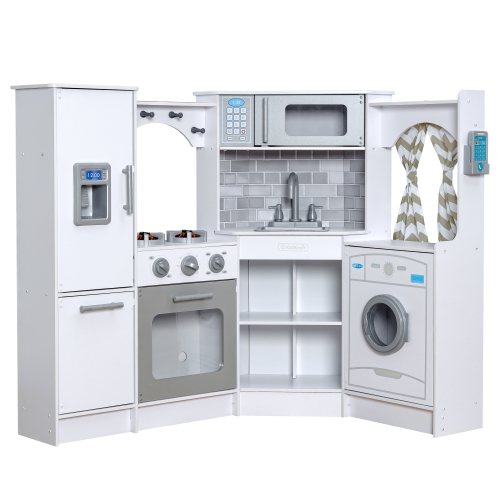 Your price for this item is $319.99
-
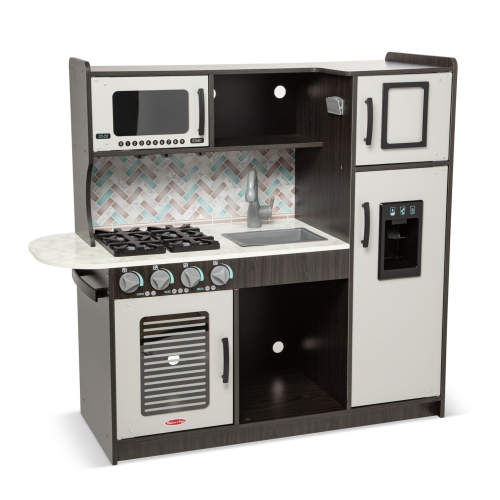 Your price for this item is $239.97
-
 Your price for this item is $319.99
-
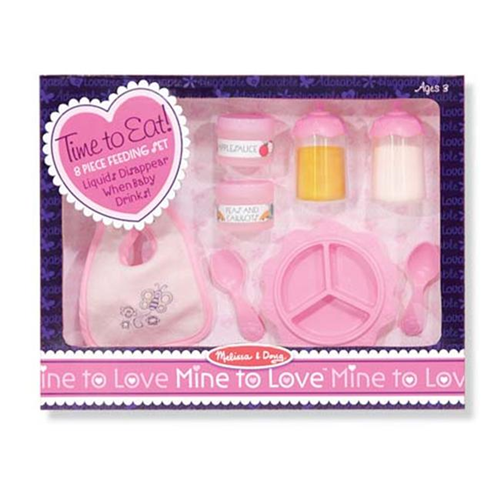 Your price for this item is $43.99
Discover more categories related to Pretend Play Food
Top Collections:
Pokemon Centers, Kindle Devices, Best Budget Office Chairs, Canon G7X Cameras, Apple iPhones 16, Samsung Galaxy Phones, Refurbished Apple Laptops, Laptops for Students, iPhone 15 Apple, Budget Smartphones
Some products may be subject to Environmental Handling Fees
(EHF) depending on your province.
Learn more about EHFs.