Pretend Play Kitchens
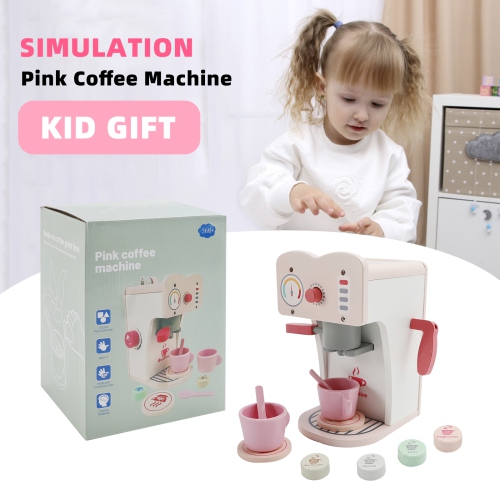
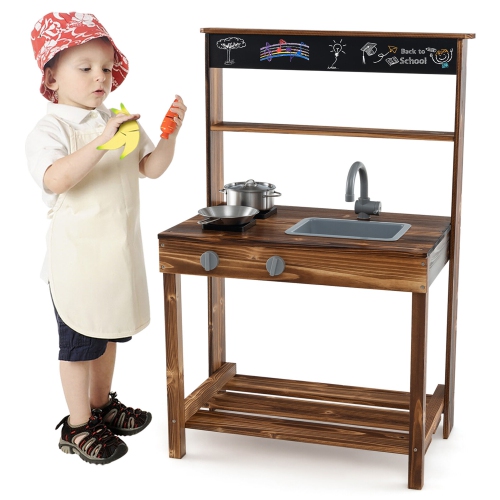
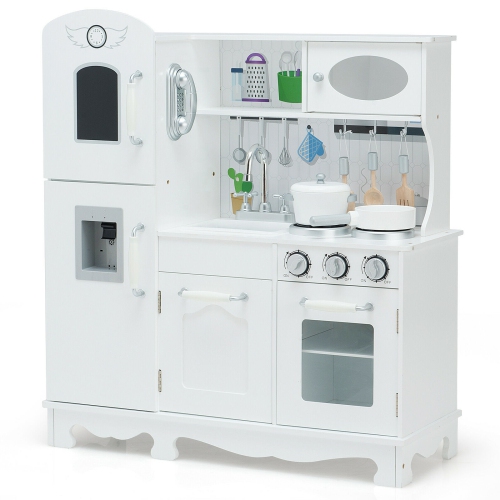
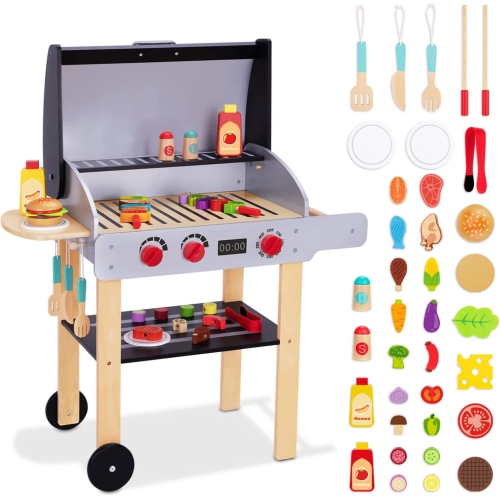
Transform your child's imagination into a world of culinary adventures with our collection of pretend play kitchens. These delightful playsets are designed to ignite creativity and provide endless hours of entertainment for your little ones. From mini chef stations to fully equipped gourmet kitchens, we have a wide range of options to suit every budding chef's taste. Let your child explore the joy of cooking, hosting tea parties, and creating make-believe meals with our selection of pretend play kitchens and other Educational Toys for Preschoolers.
Sort
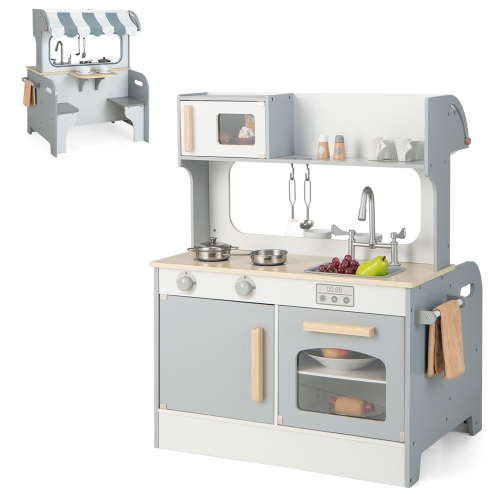
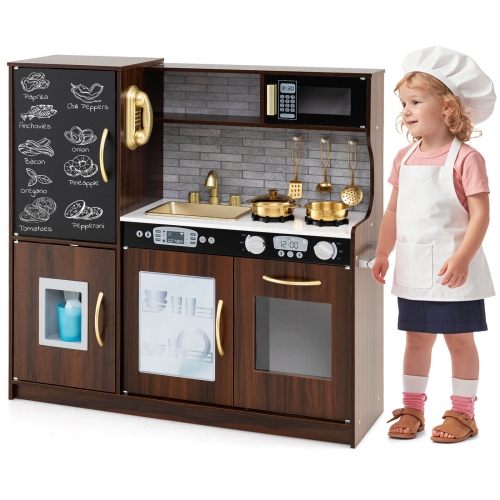
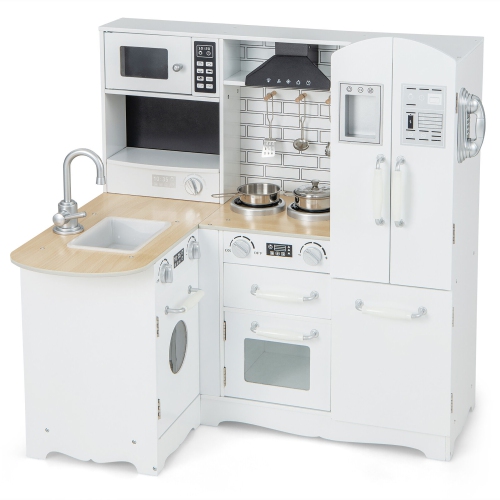
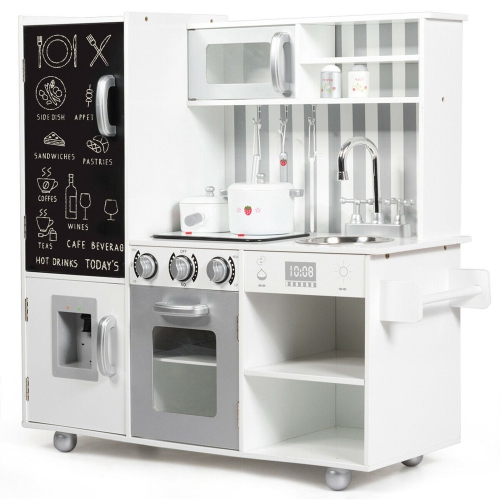

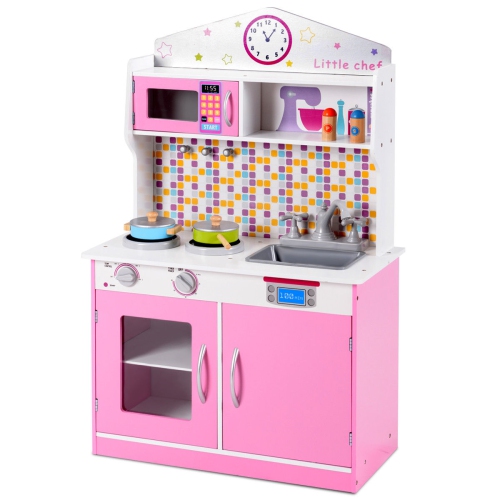
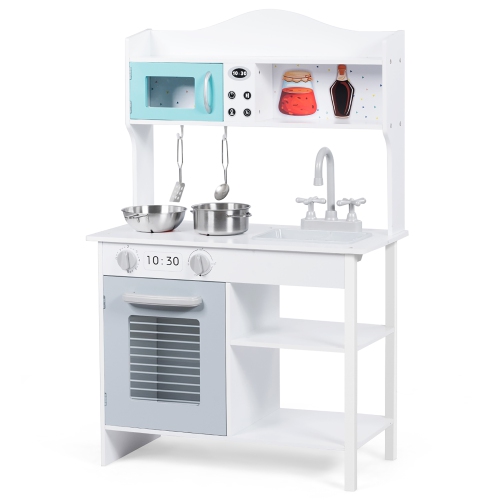
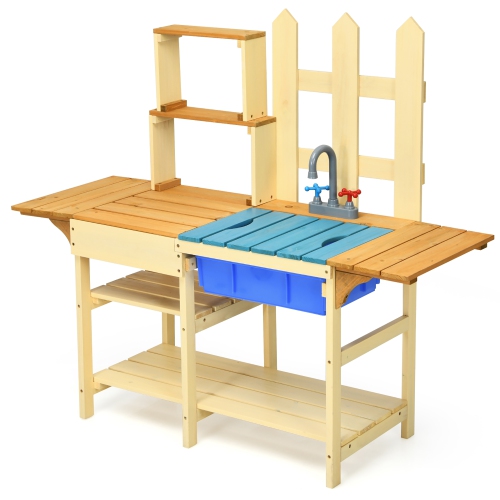
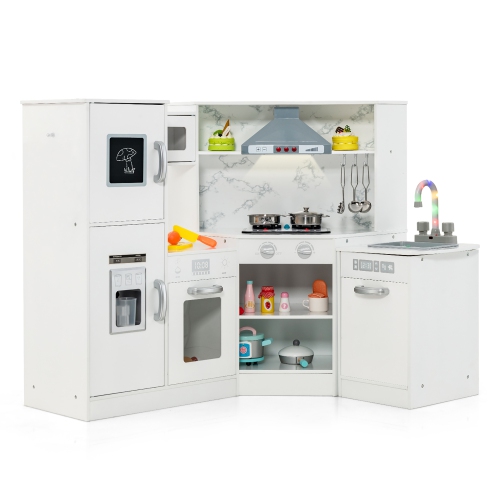
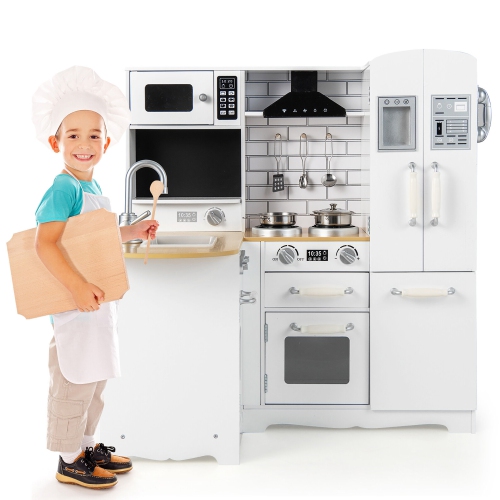
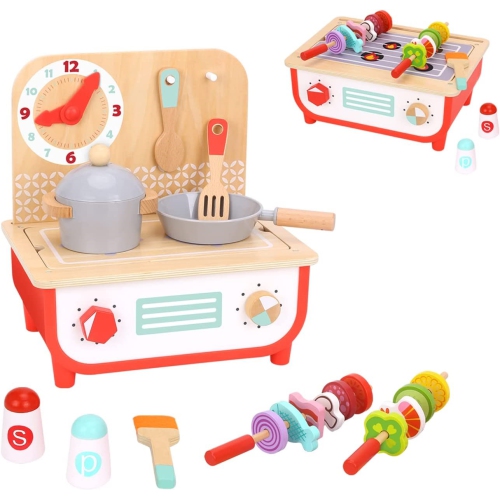
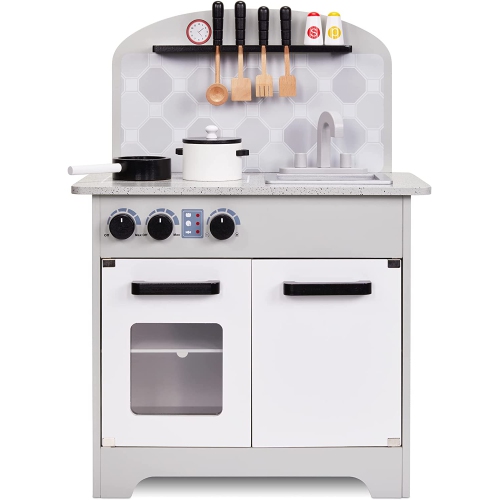
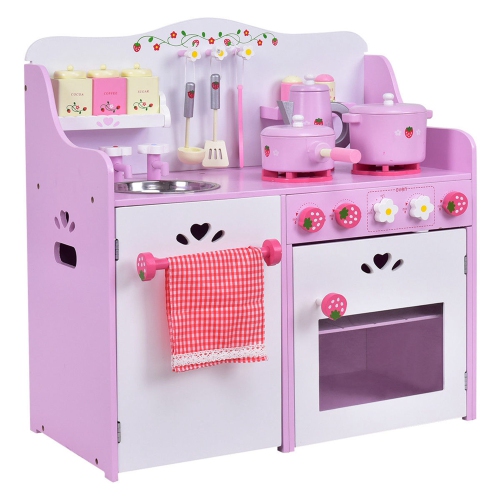
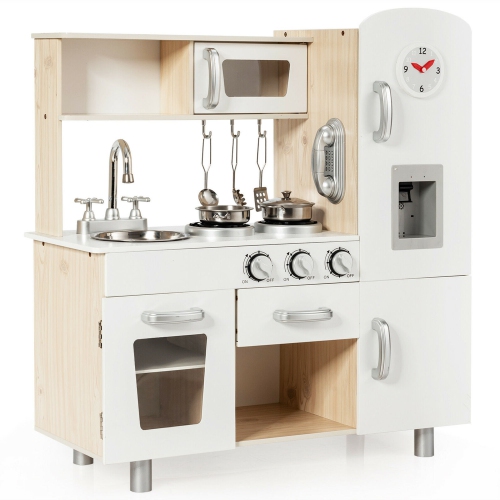
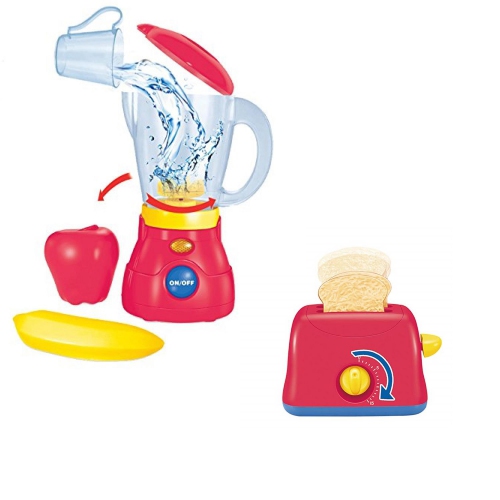
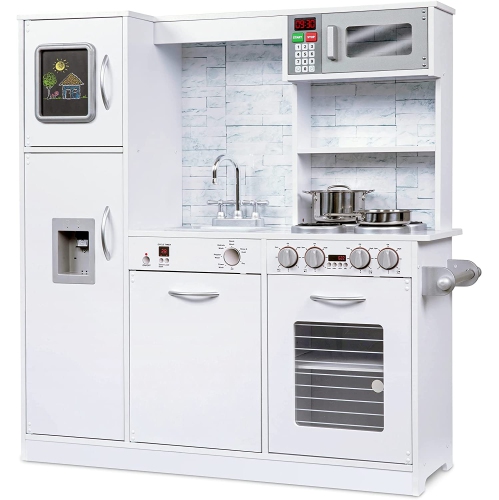
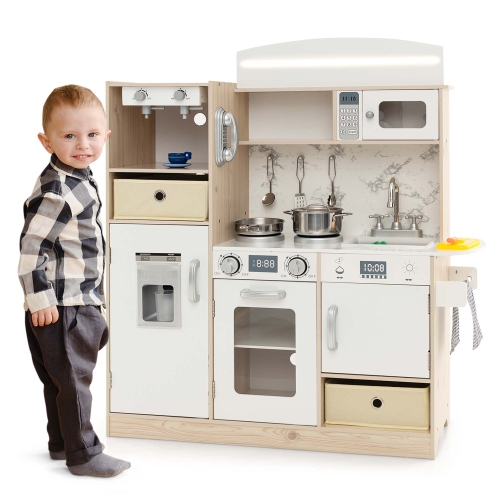
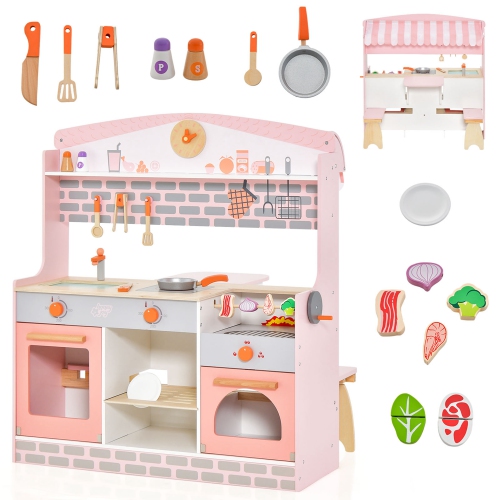
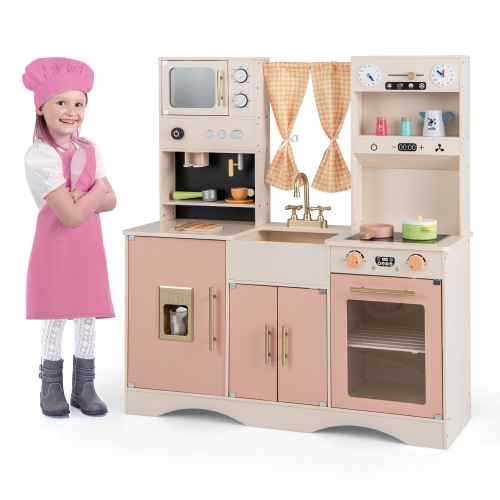
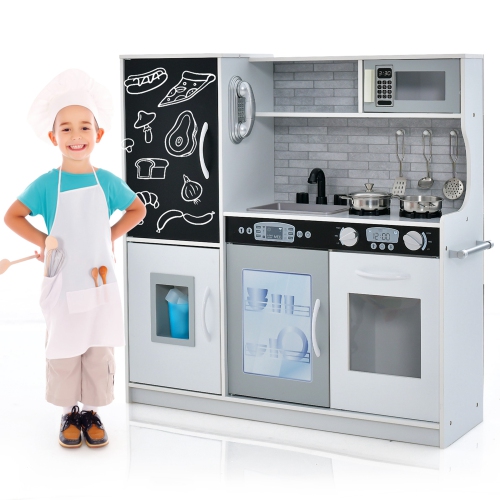

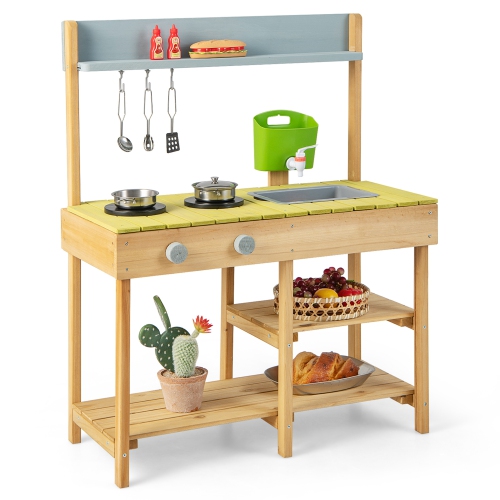
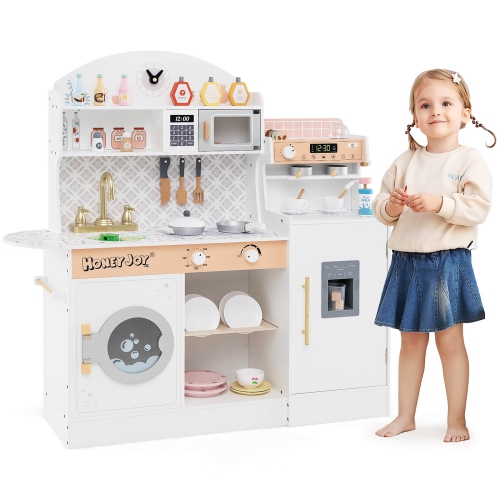
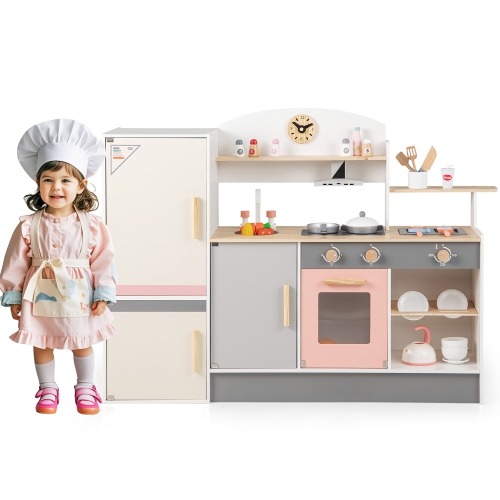
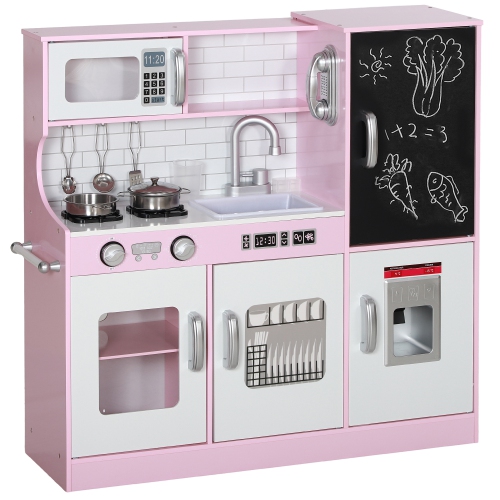
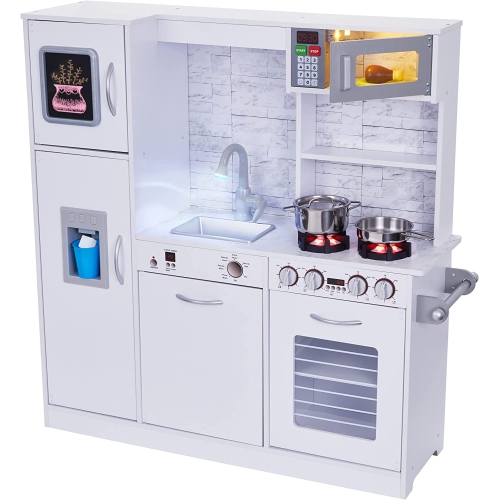

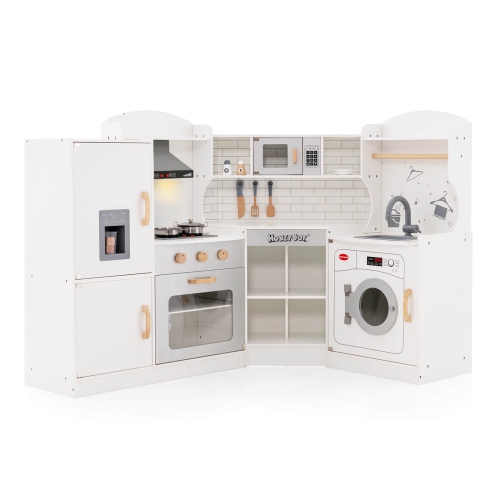
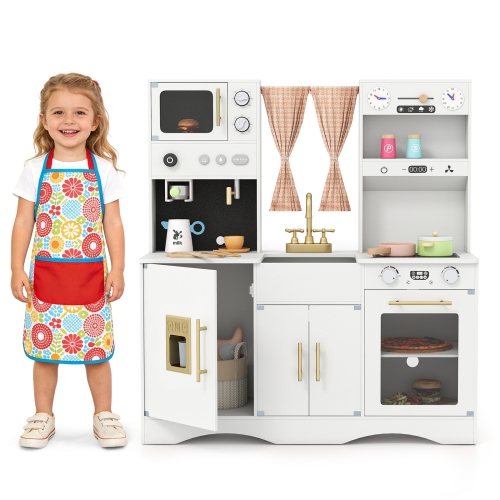
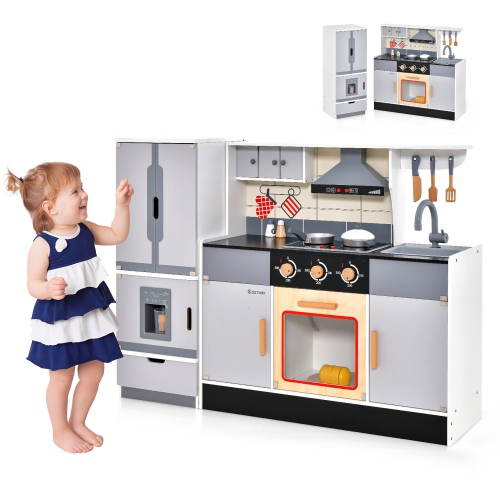
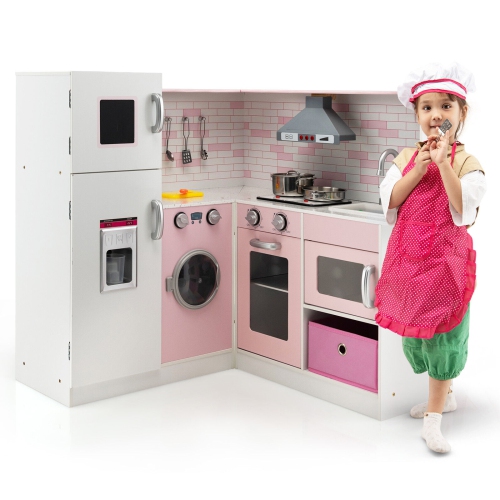
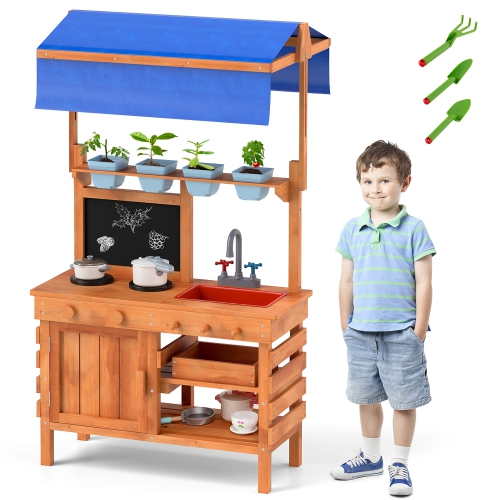
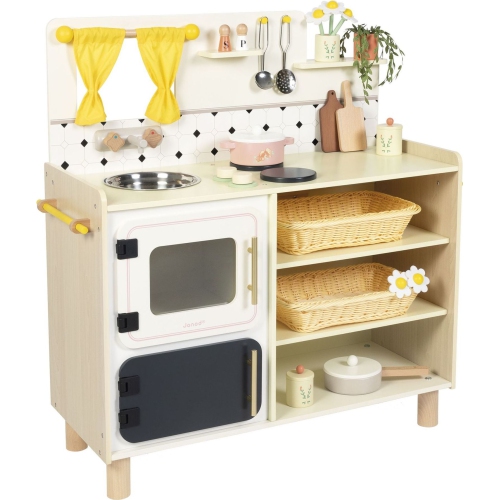
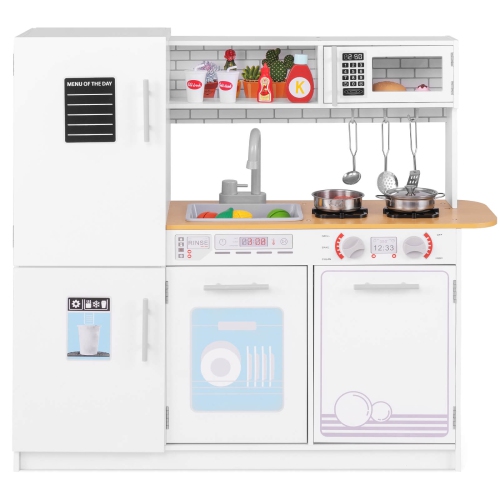
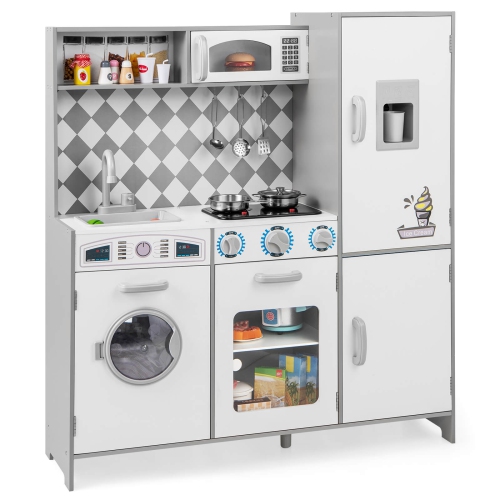
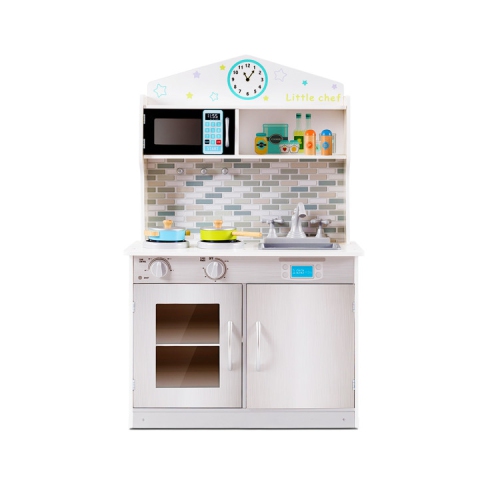
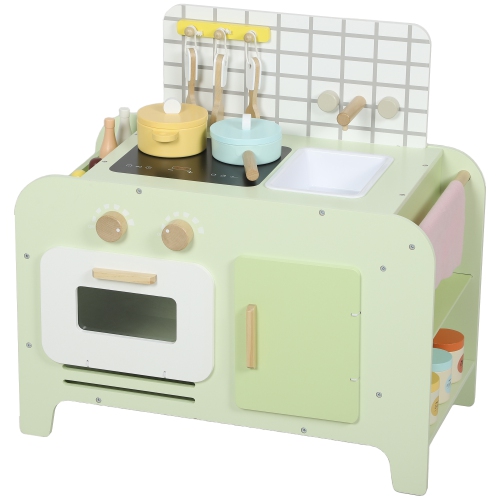
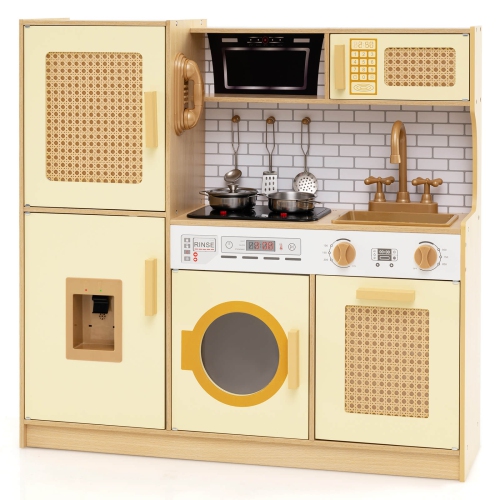
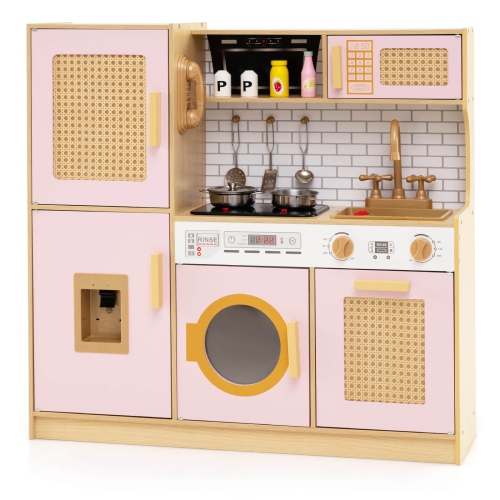


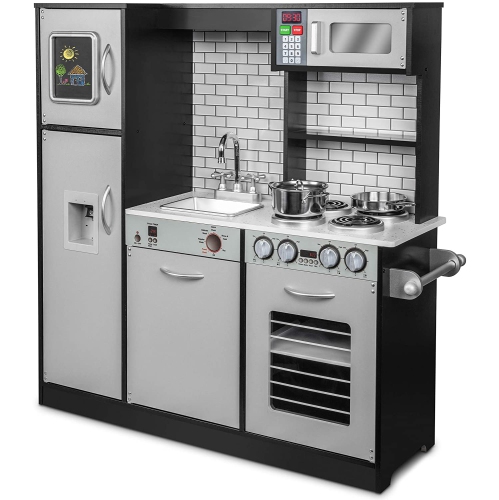

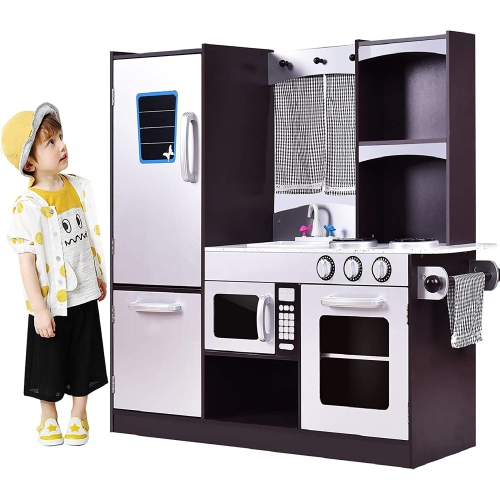
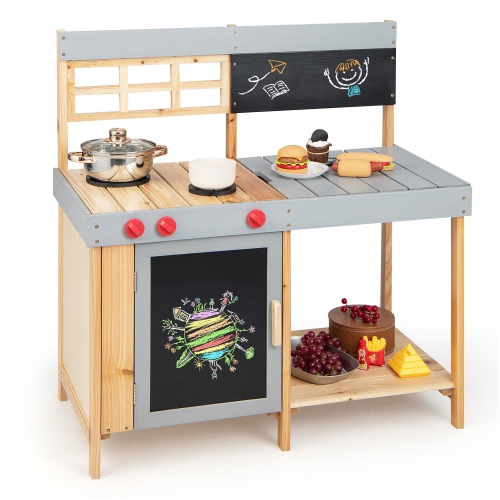

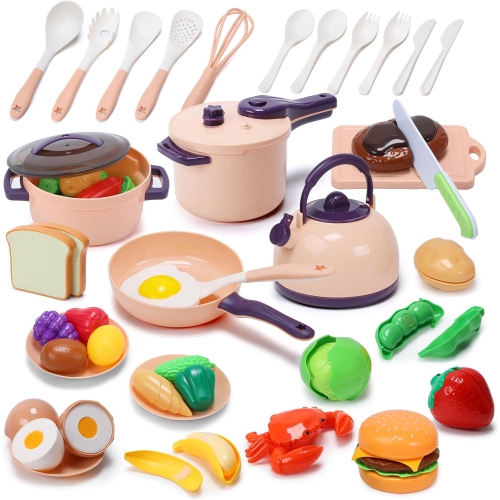
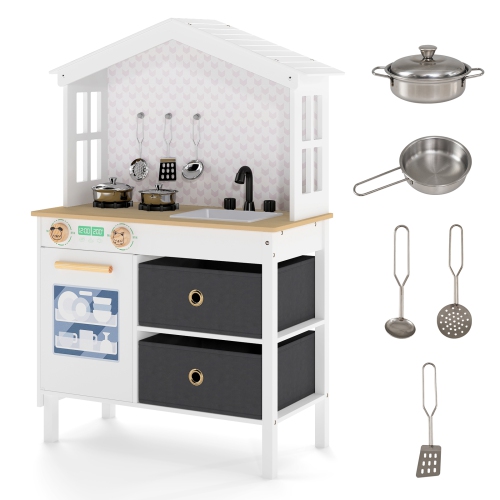
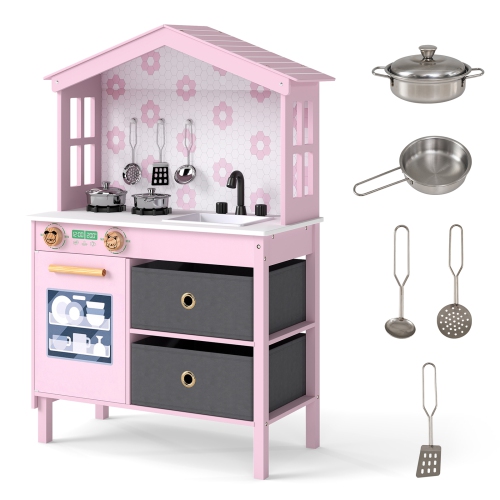
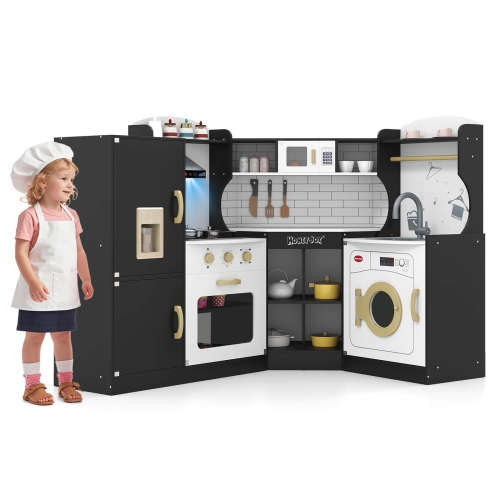
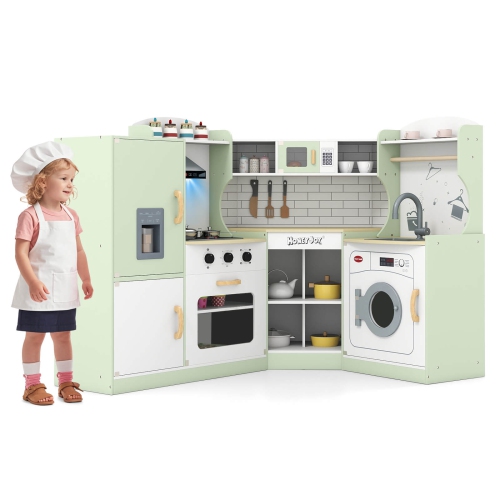
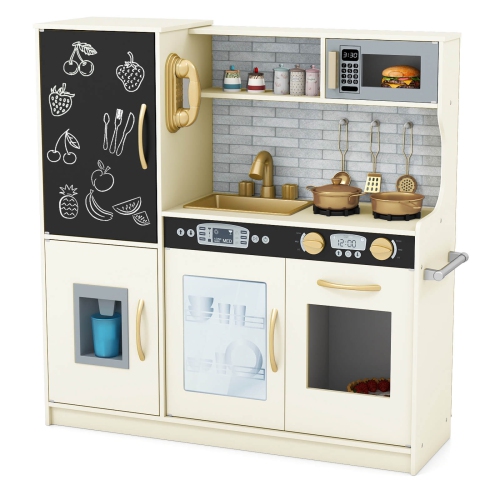
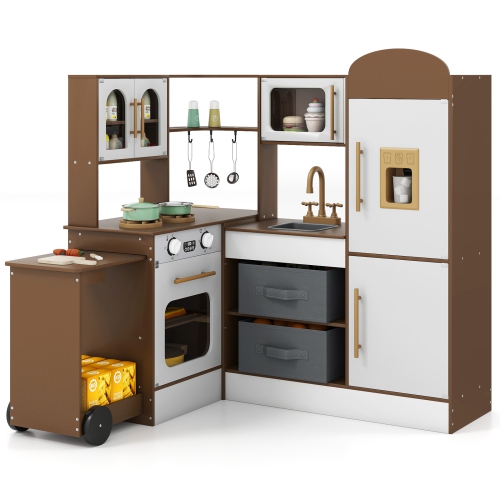
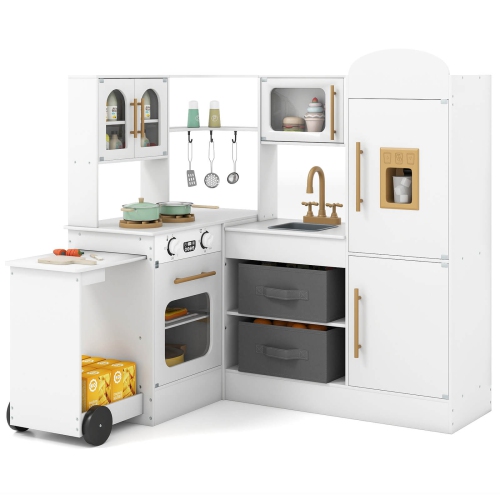
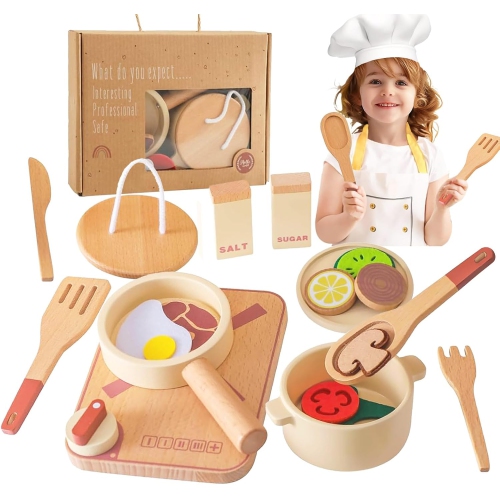
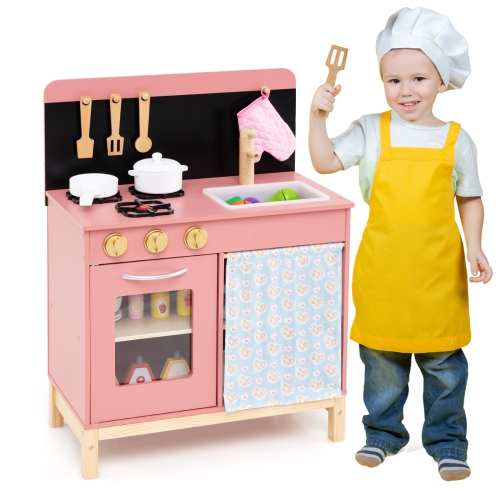
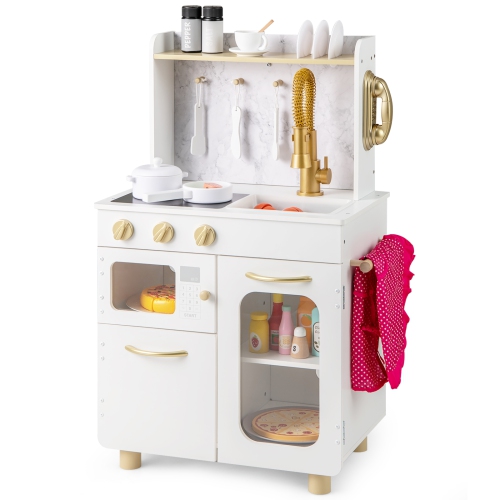
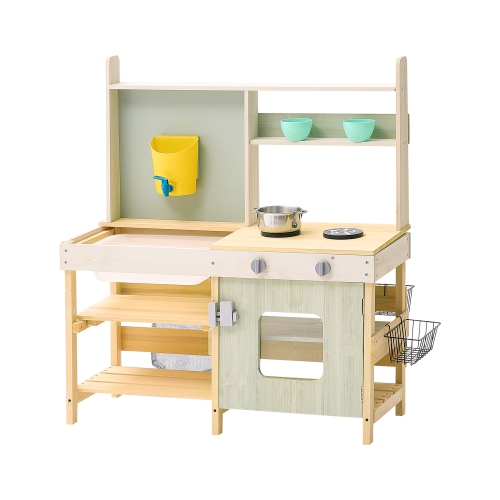
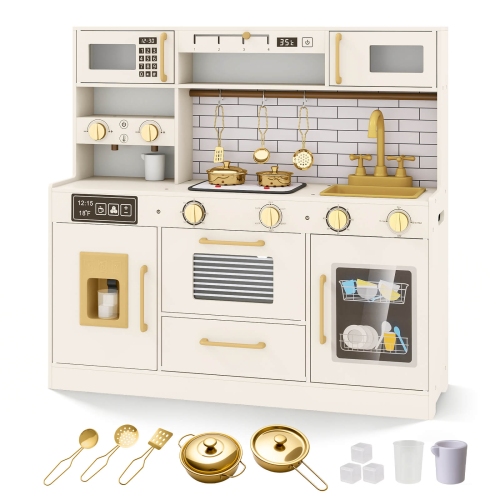
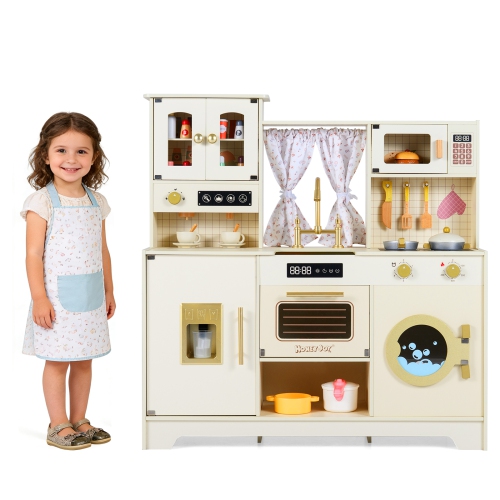
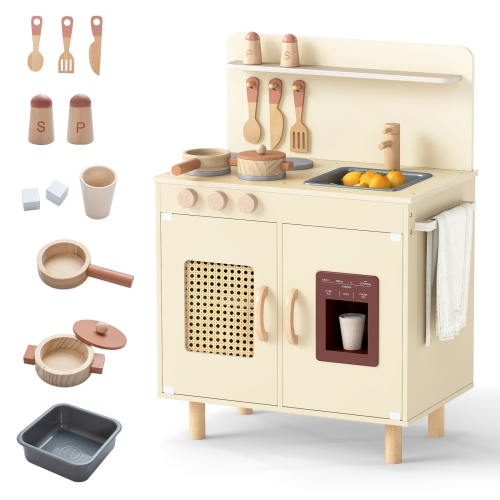
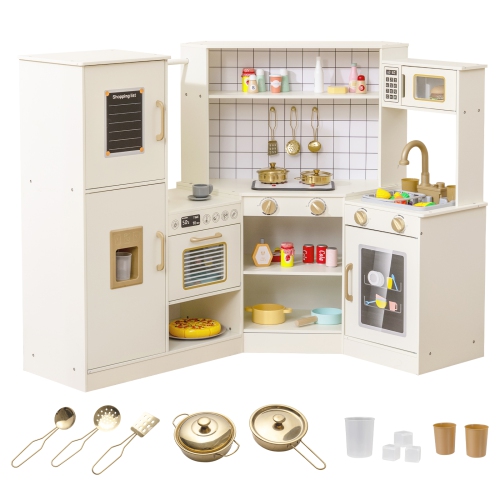
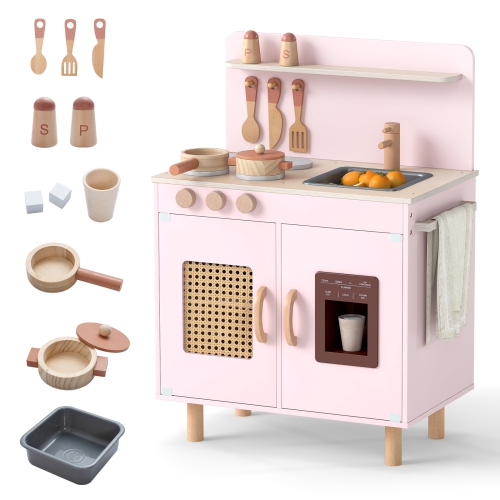
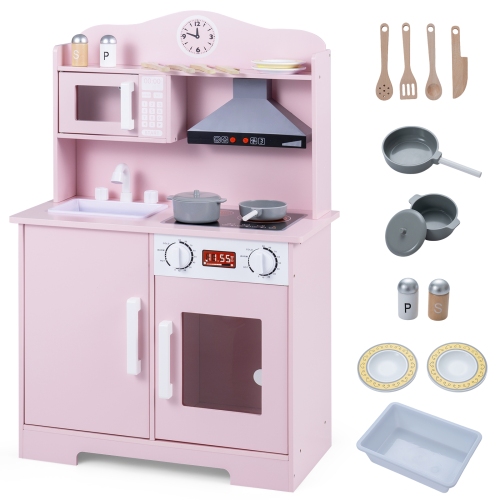
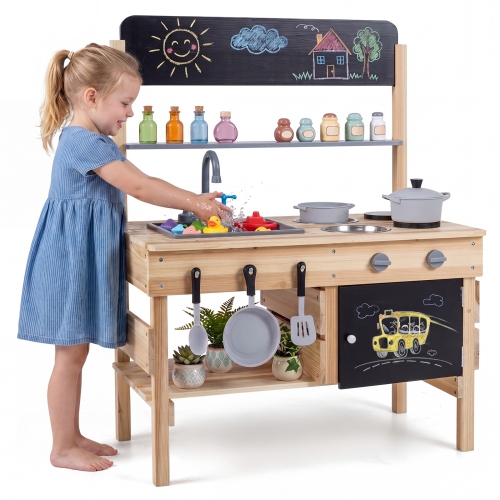
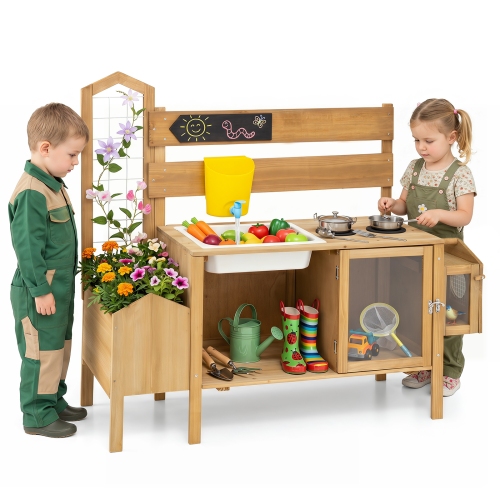
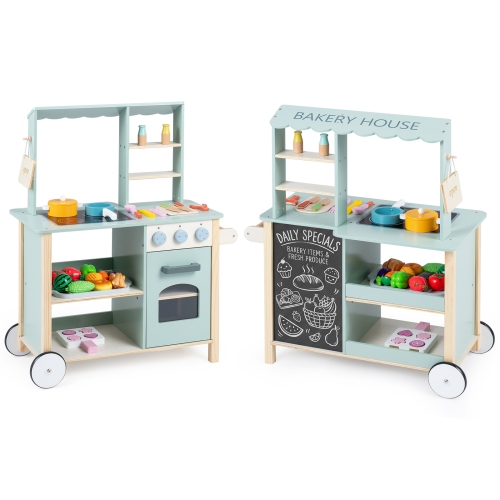
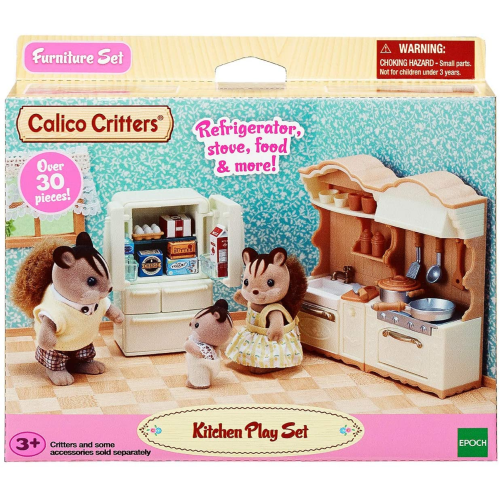
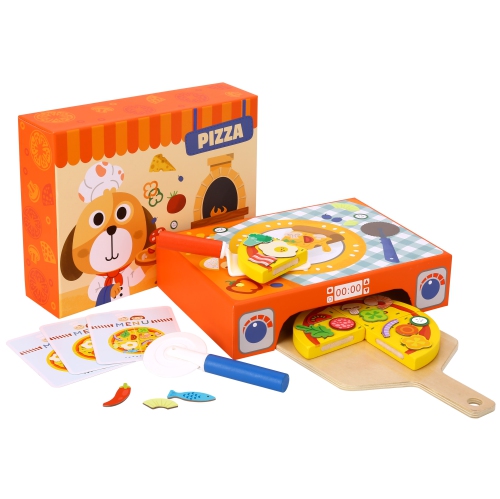
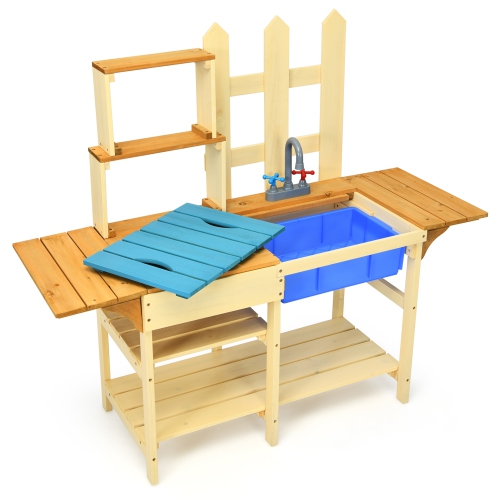
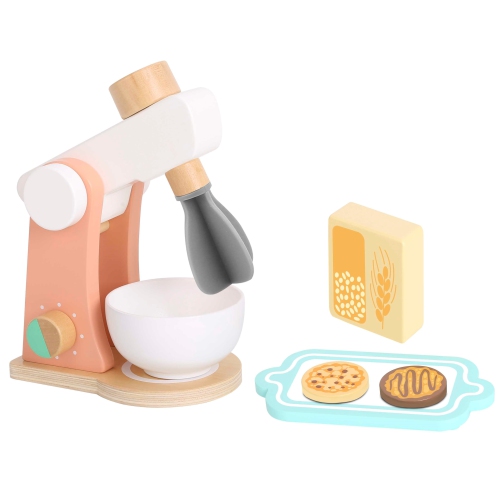
How play kitchens inspire imaginative and cooperative play
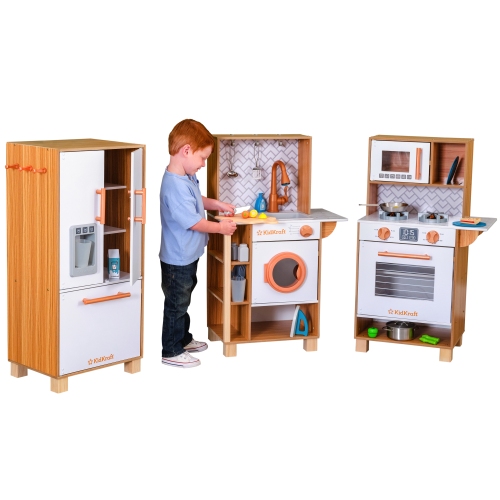
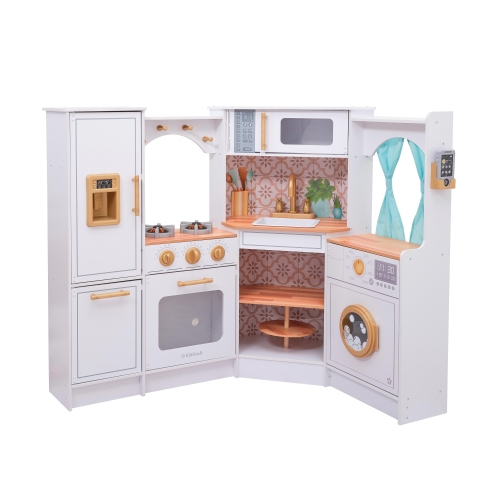
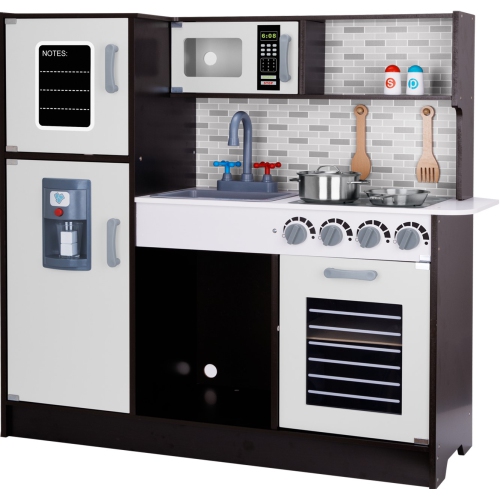
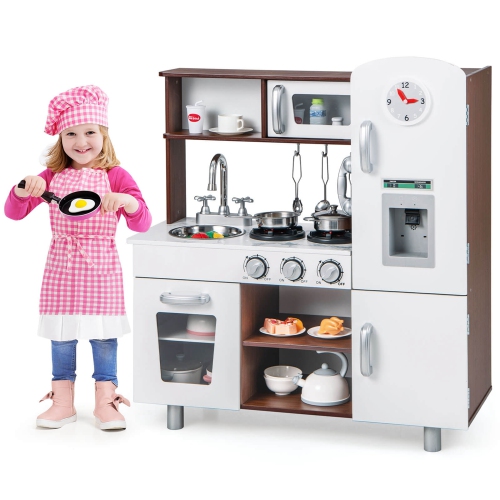
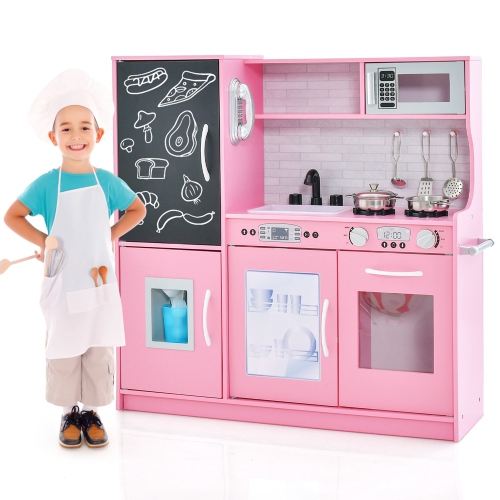
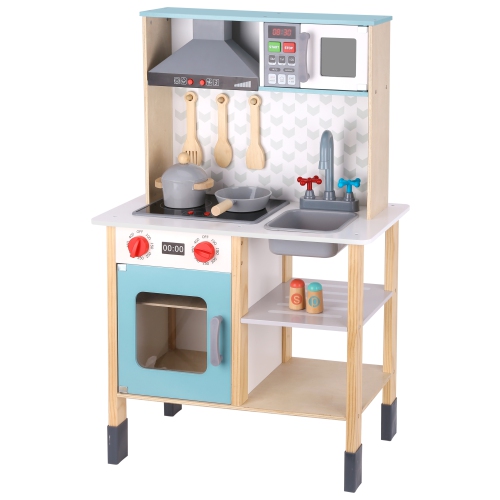
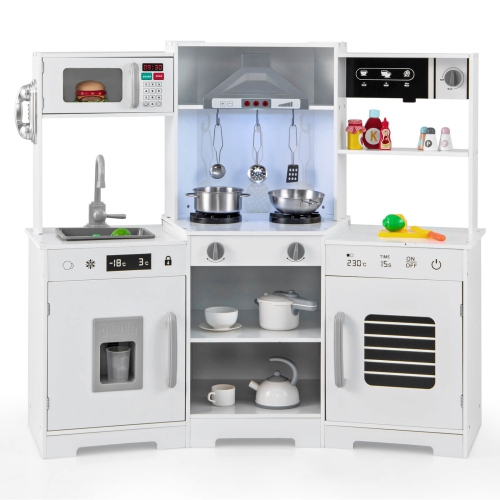
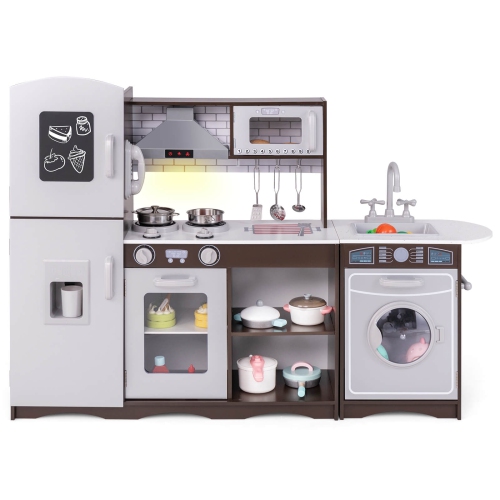
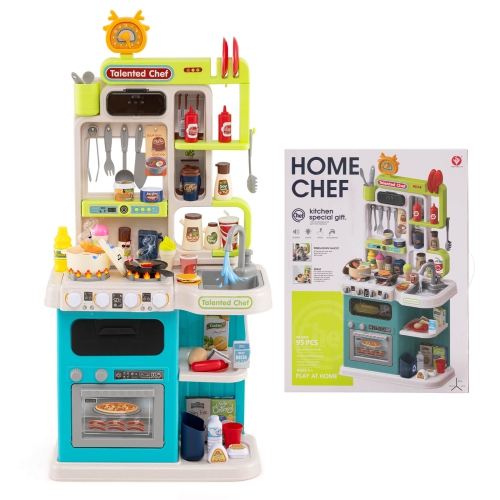
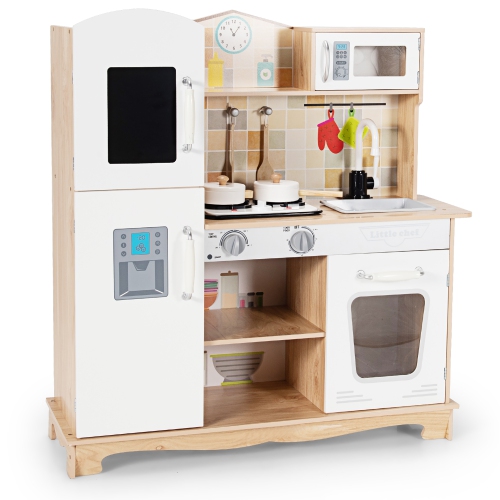
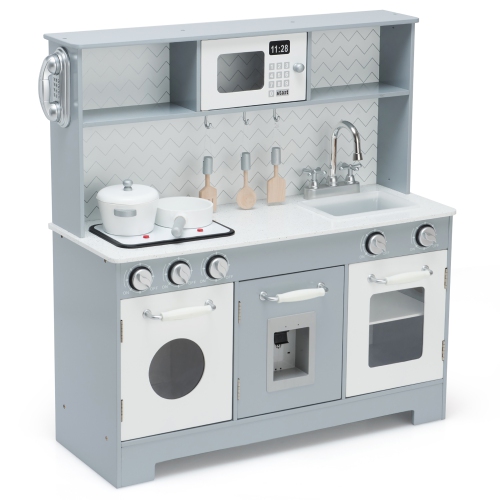
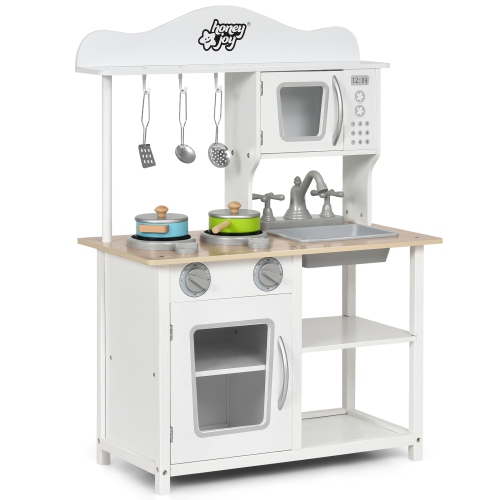
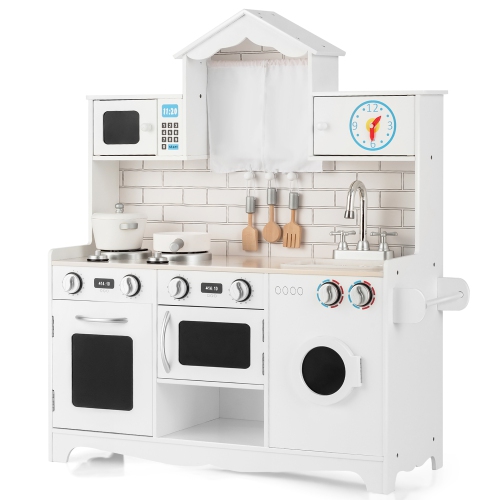
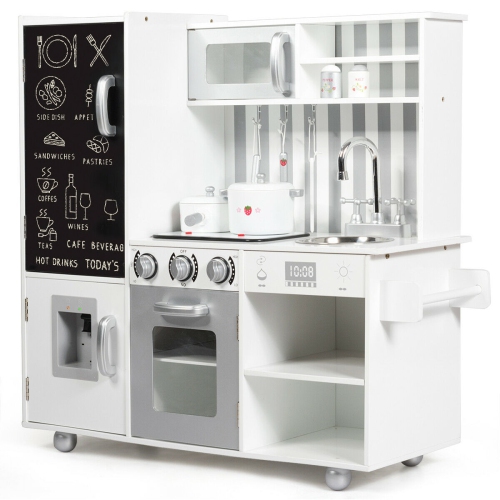
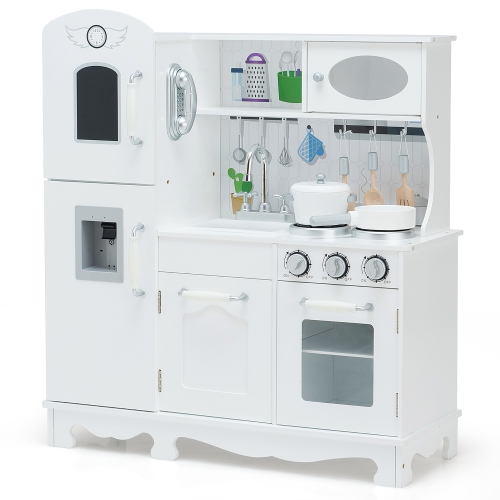
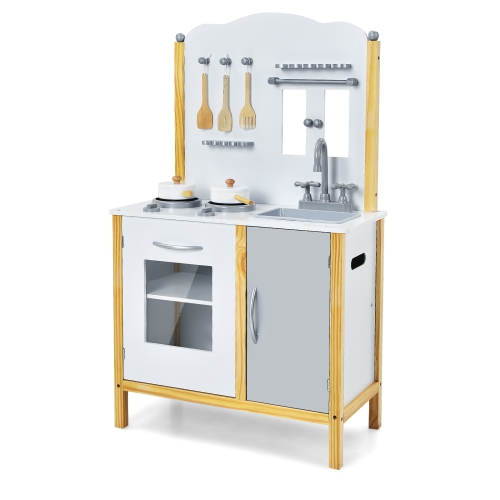
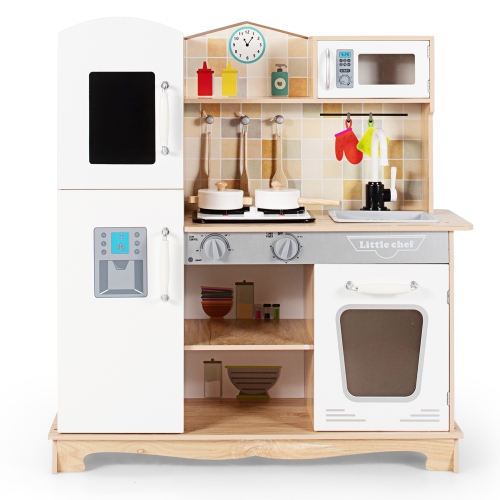
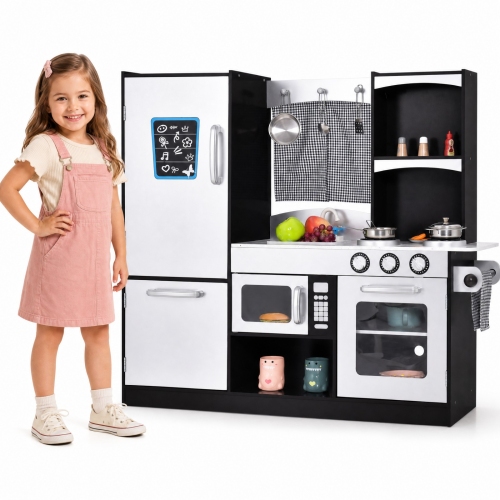
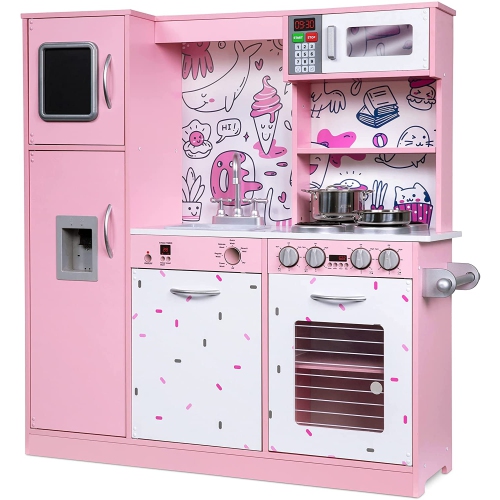
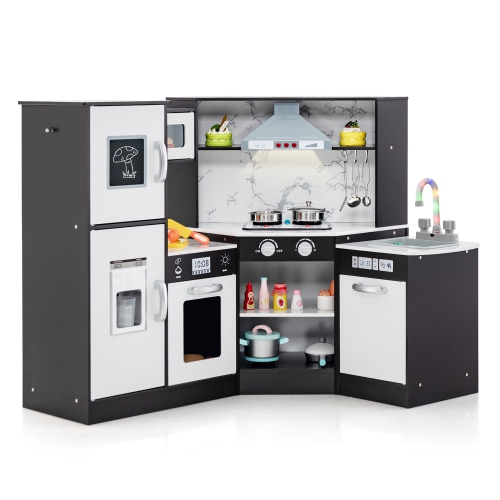
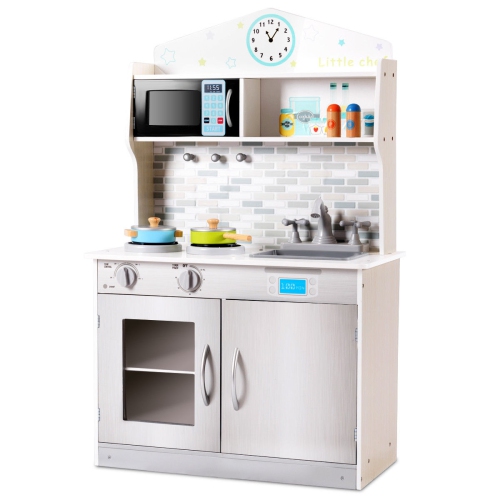
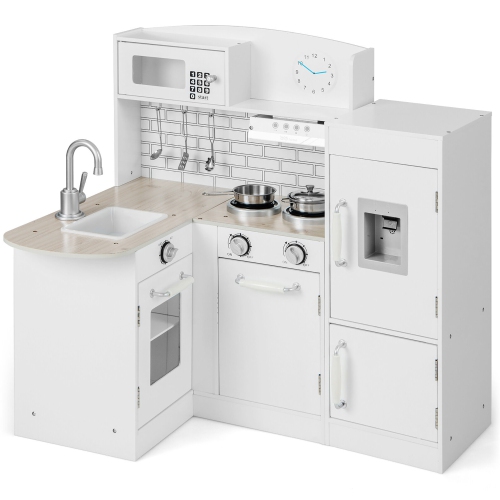
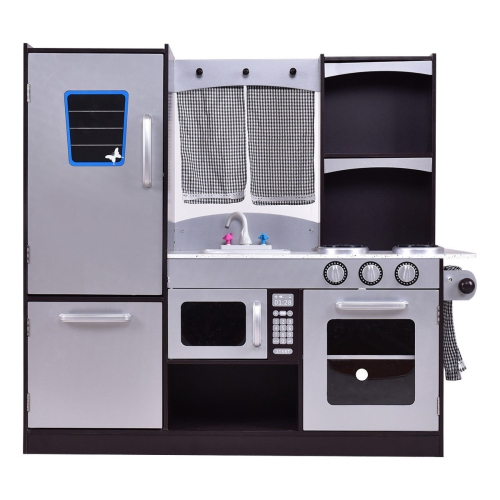
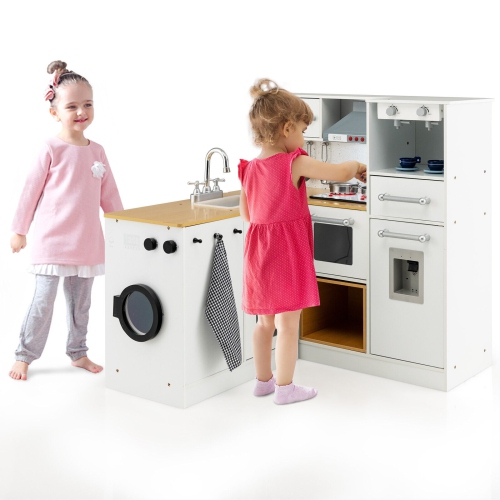
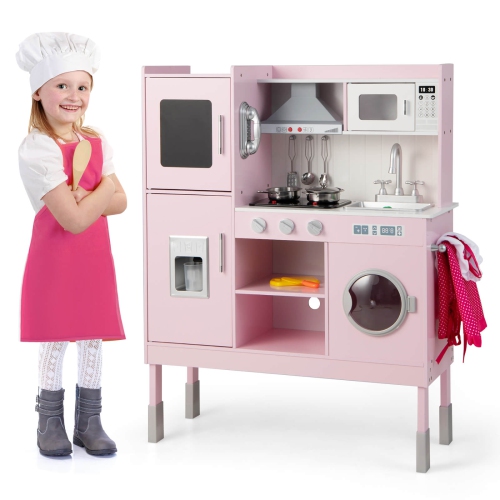
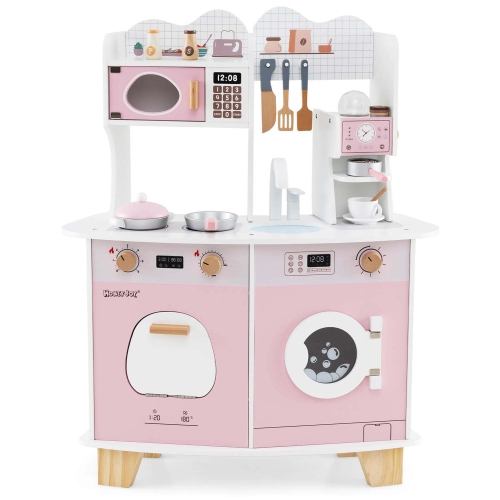
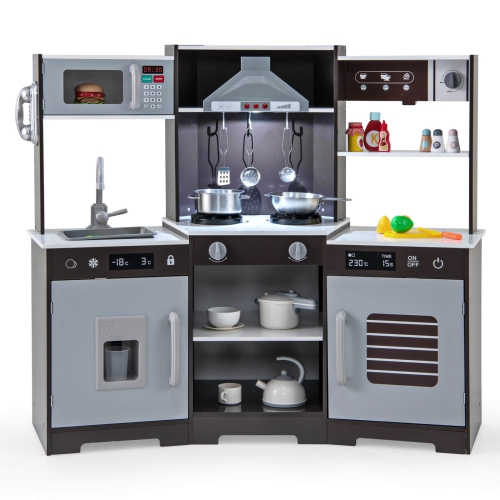
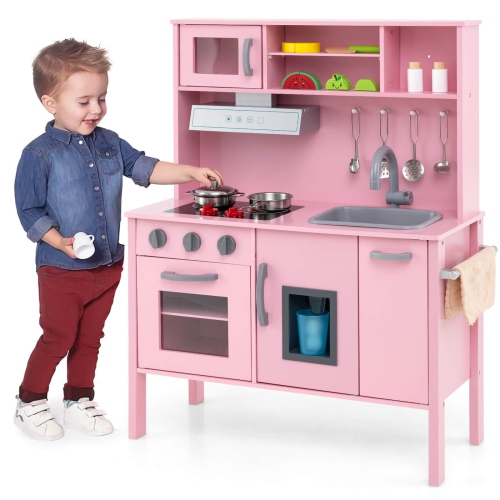
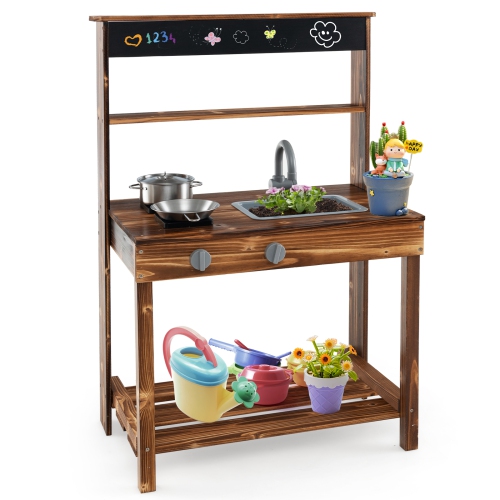
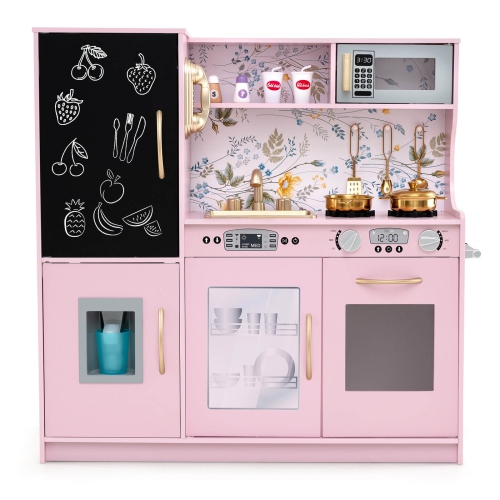
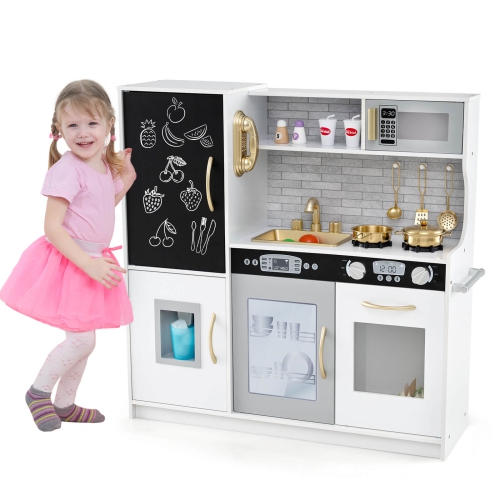
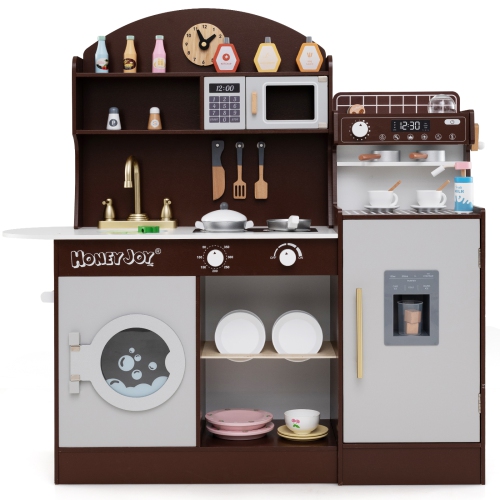
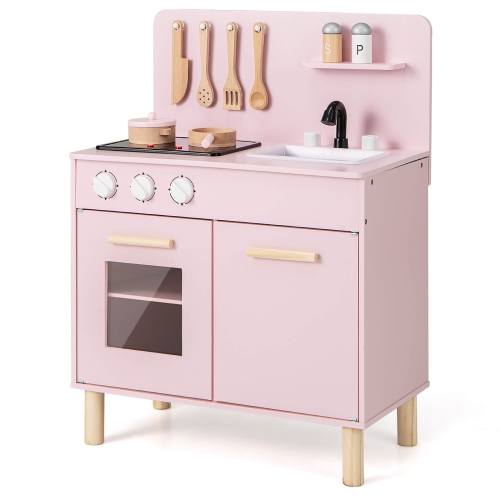
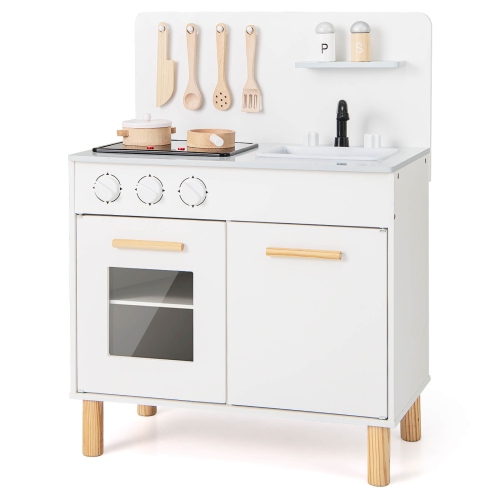
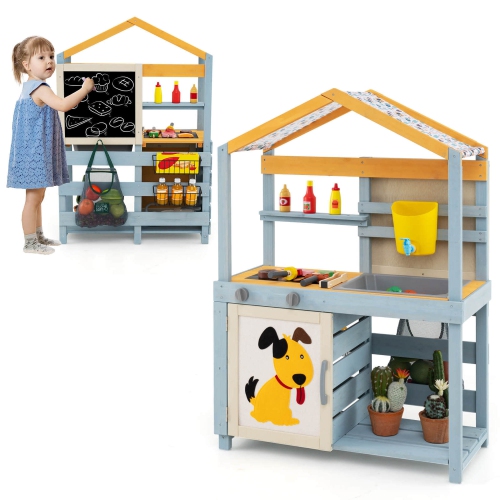
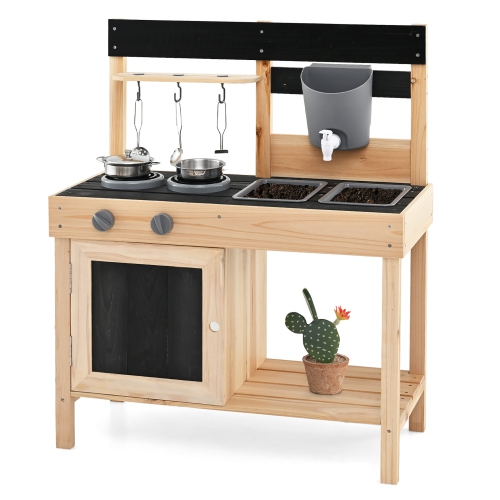
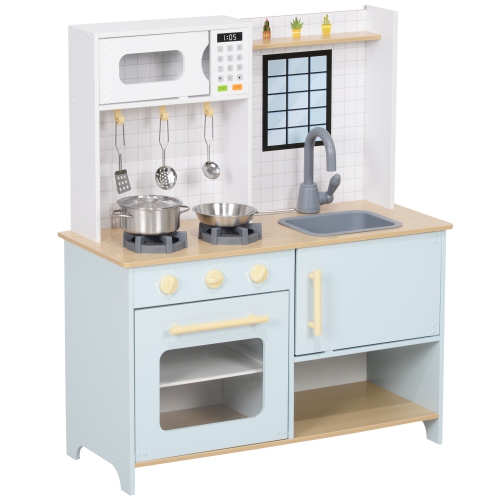
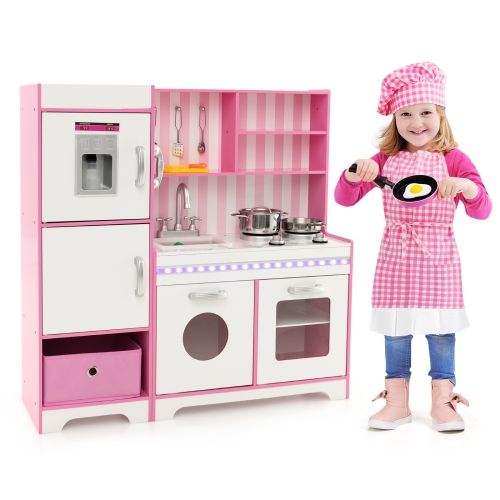
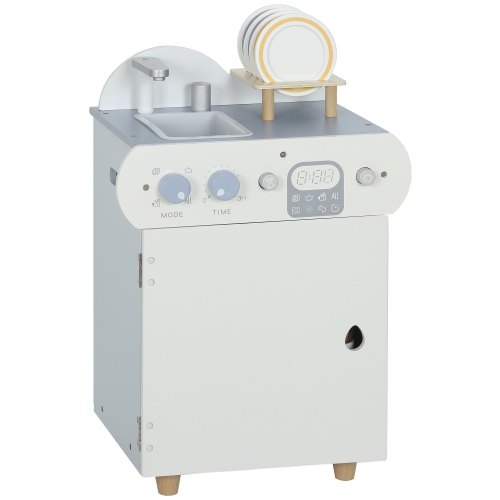
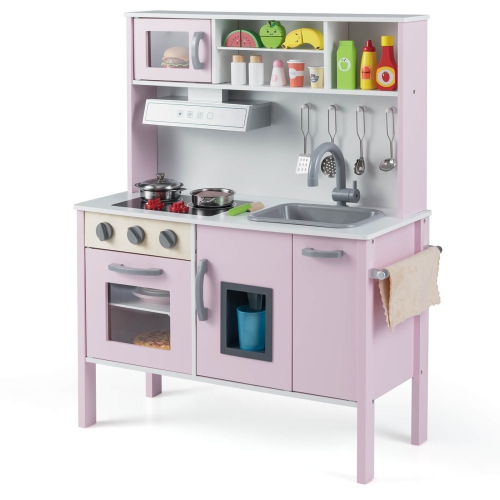
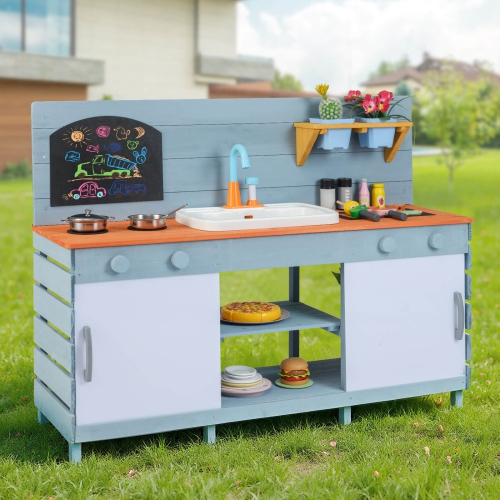
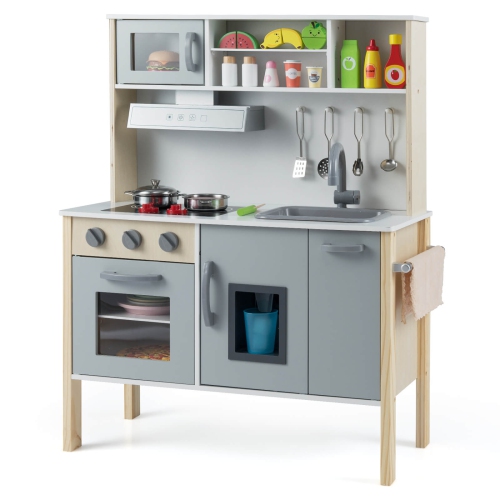
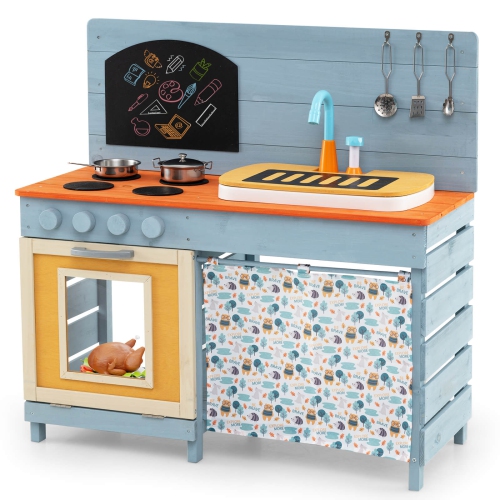
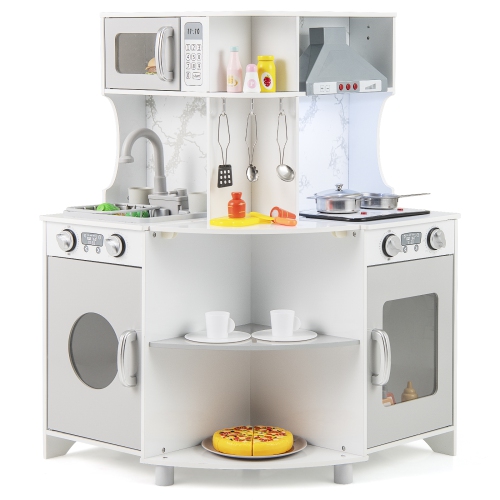
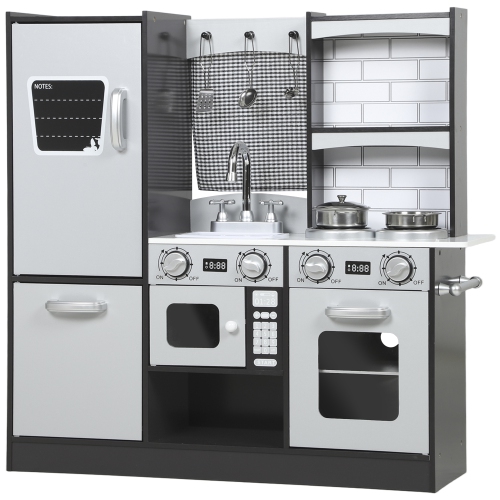
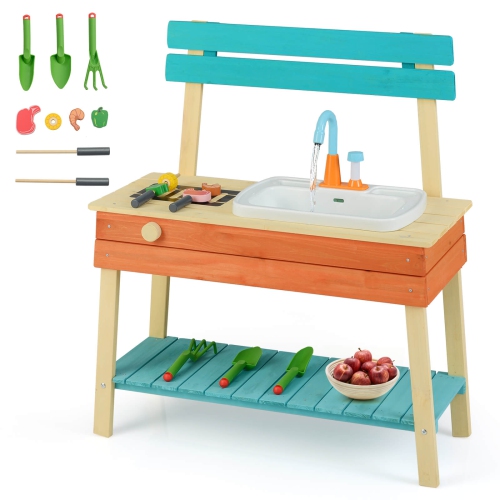
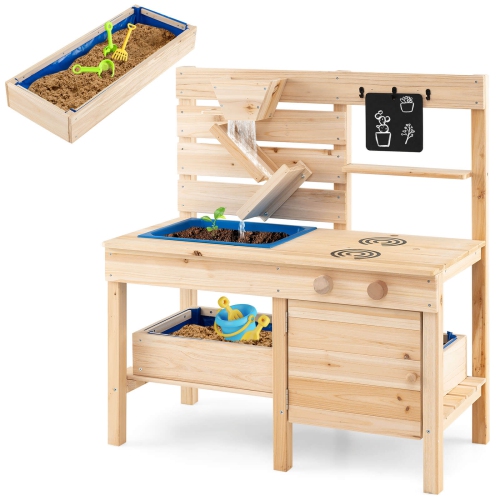
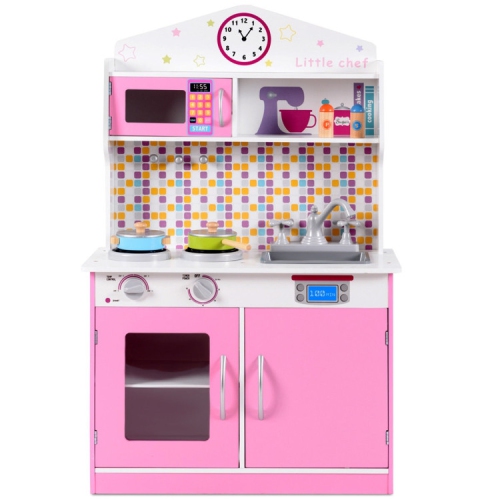
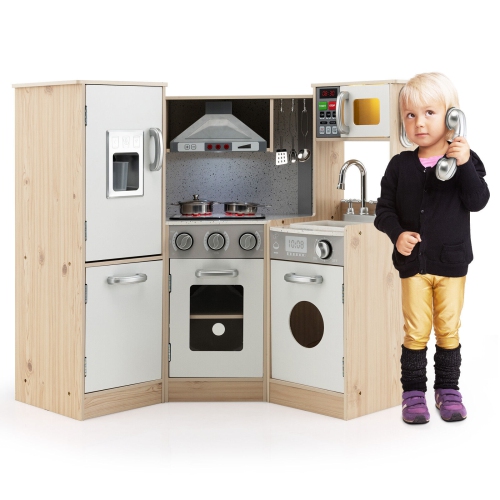
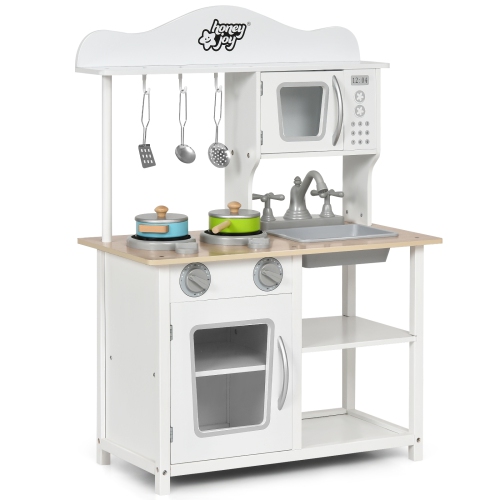
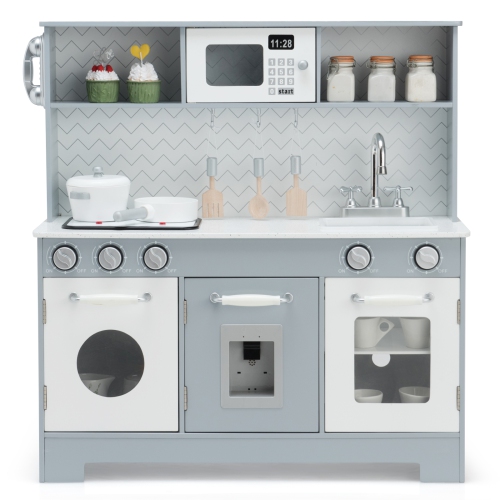
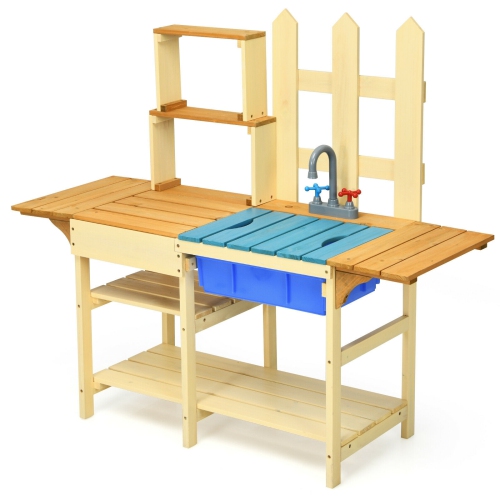
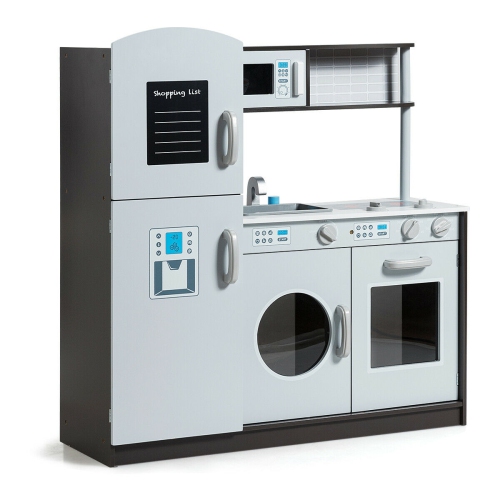
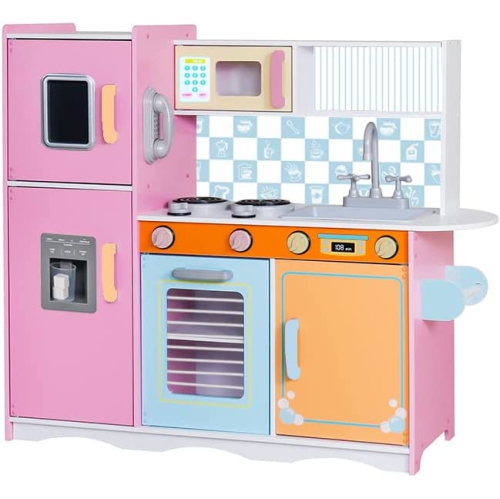
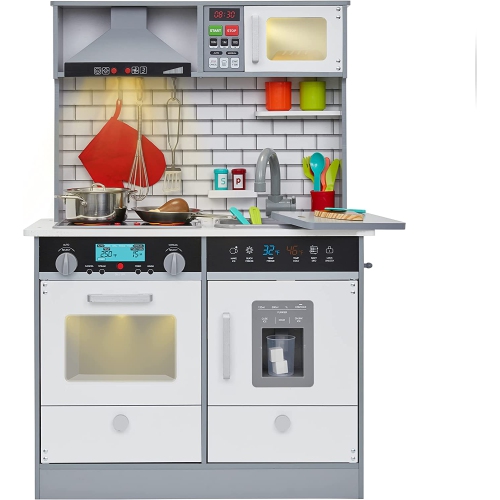
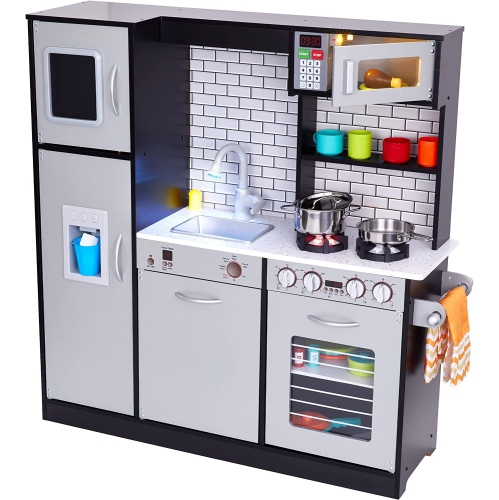
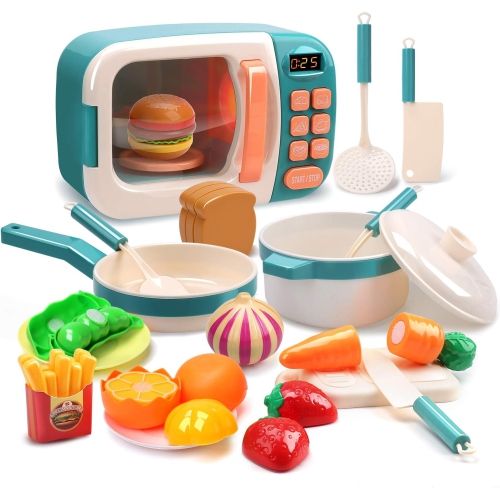
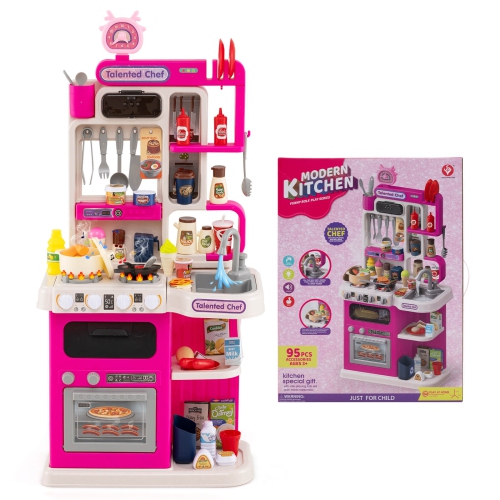
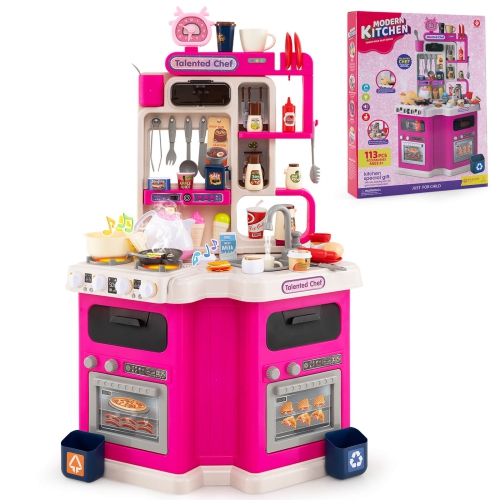
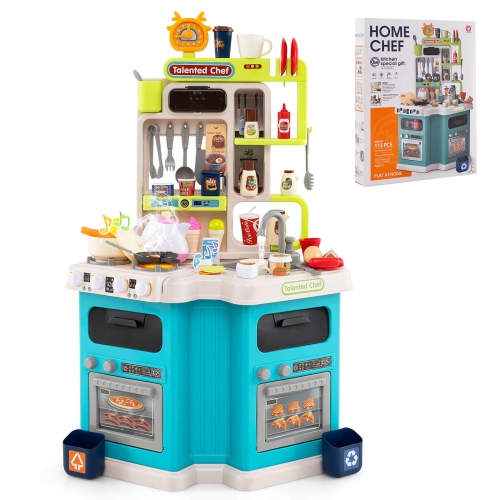
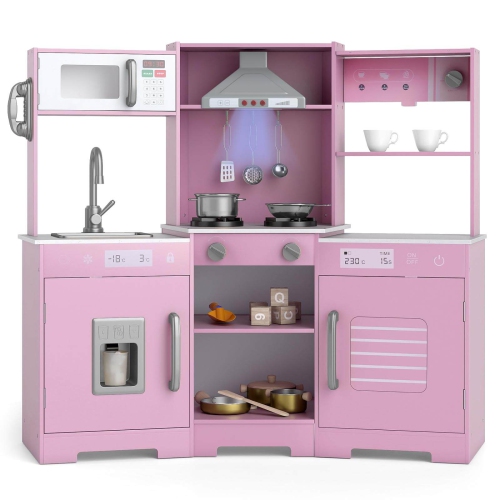
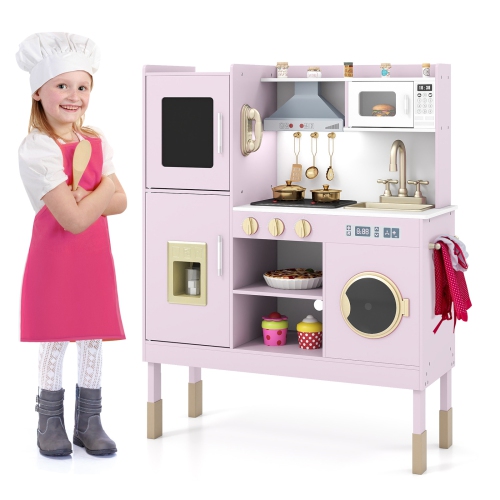
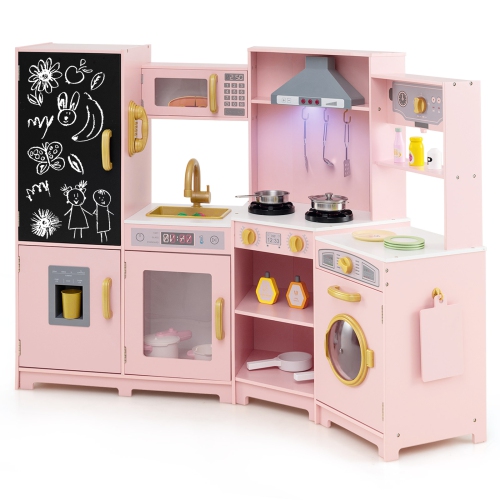
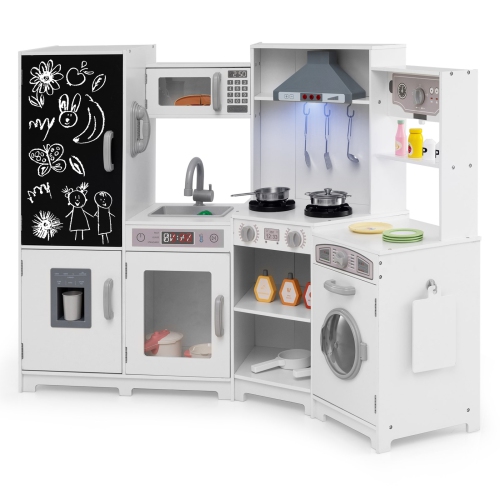
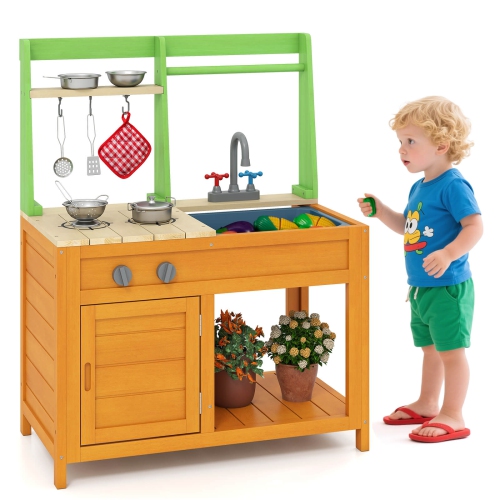
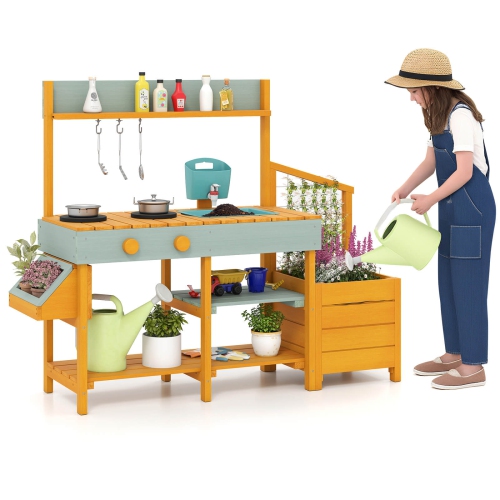
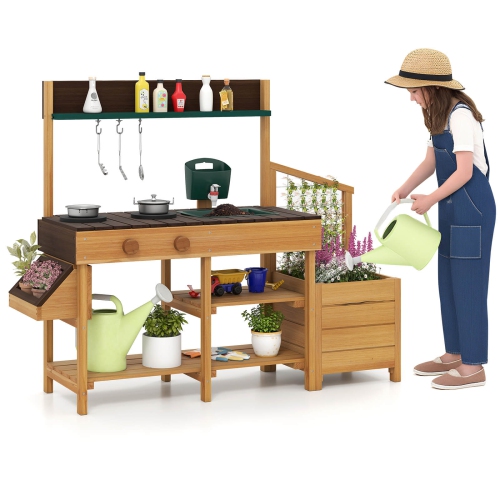
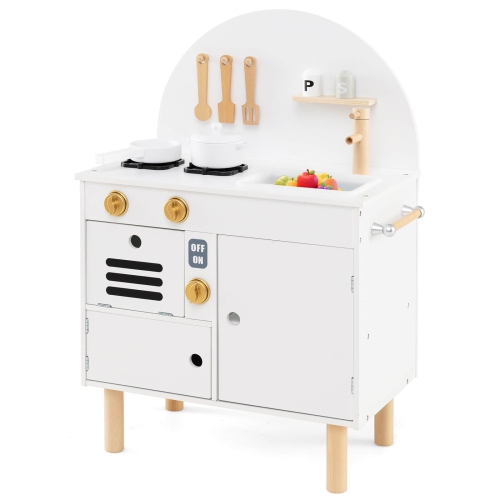
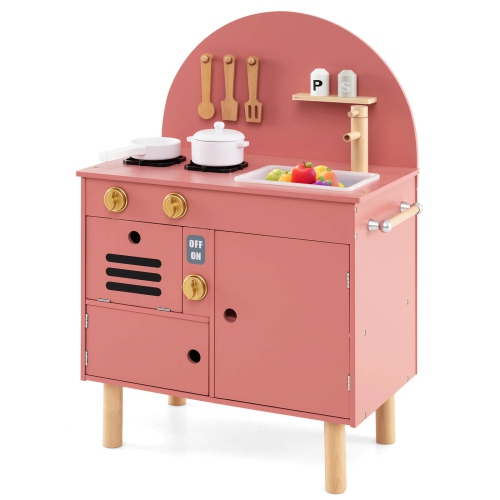
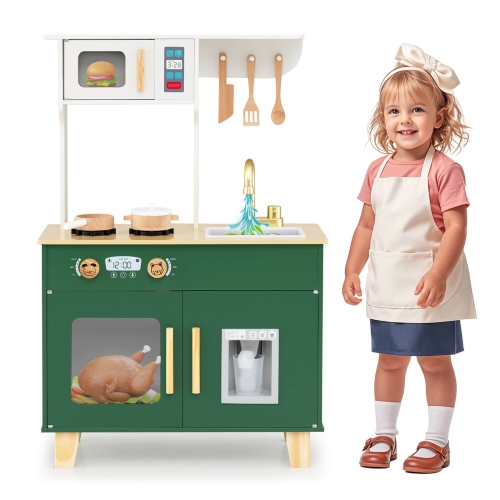
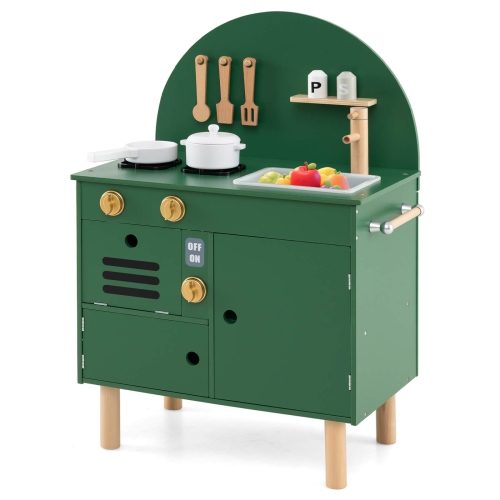
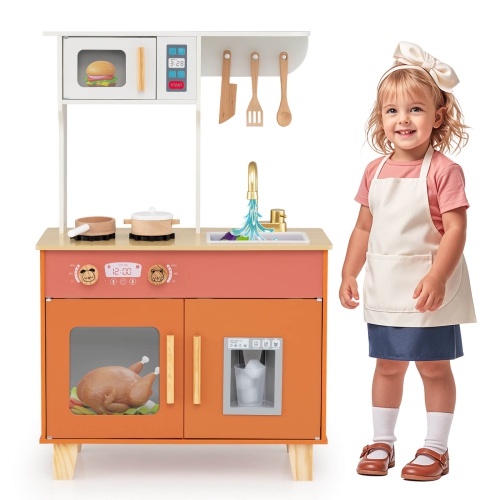
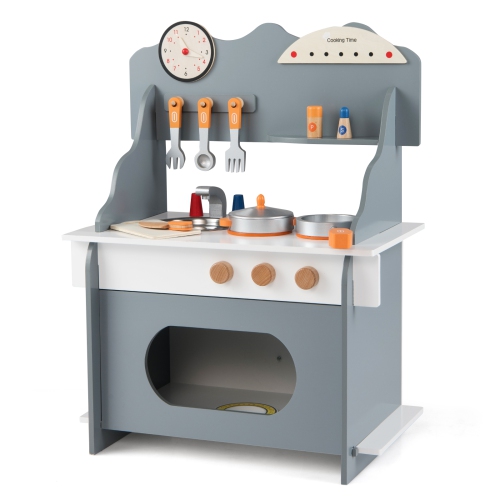
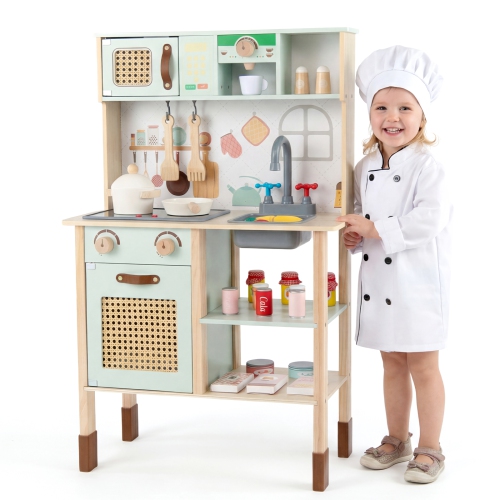
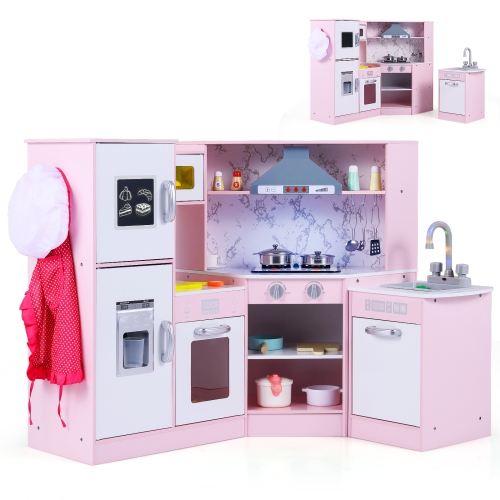
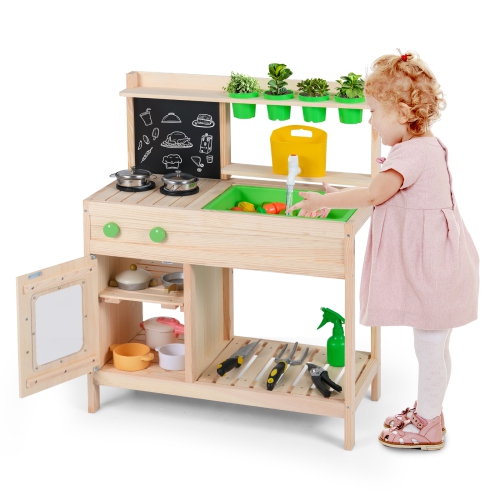
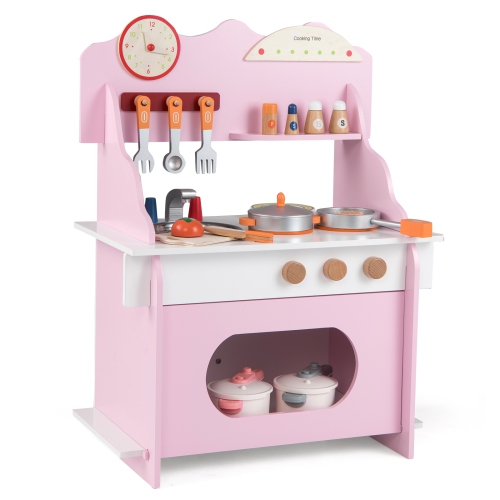
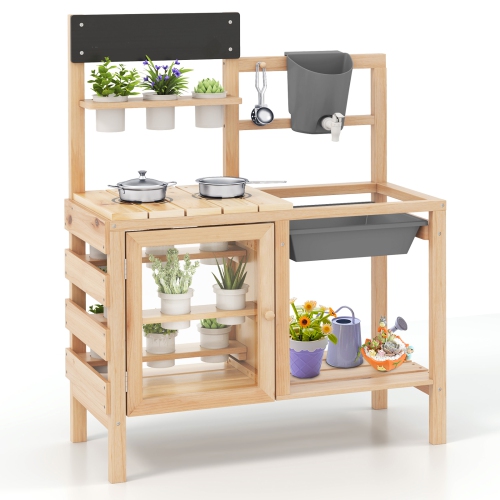
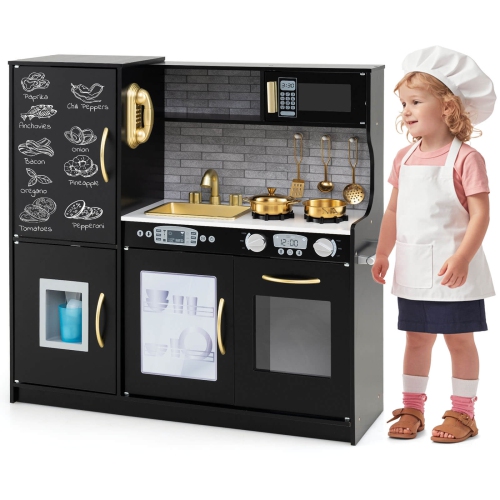
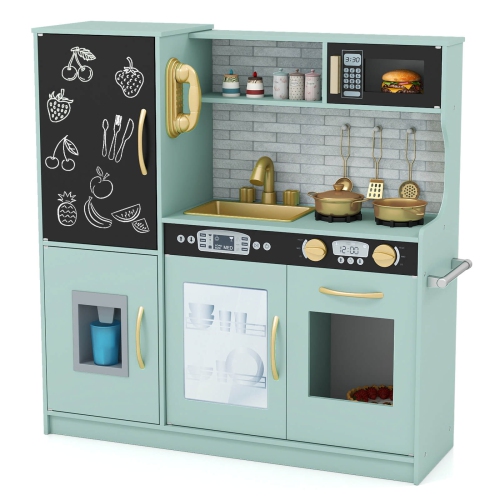
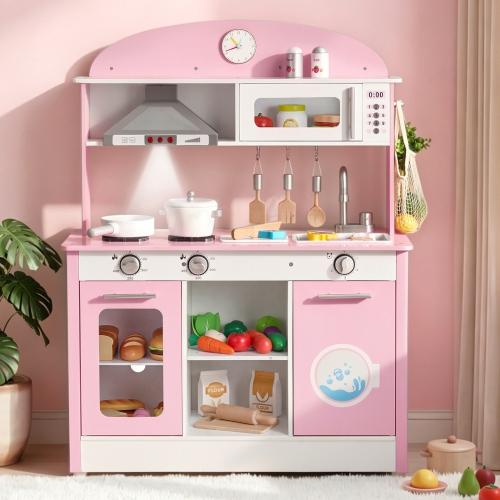
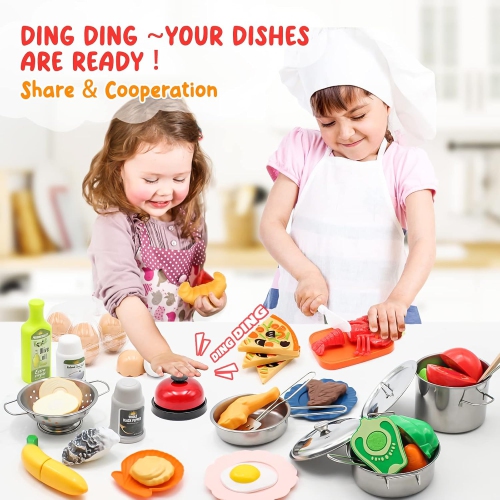
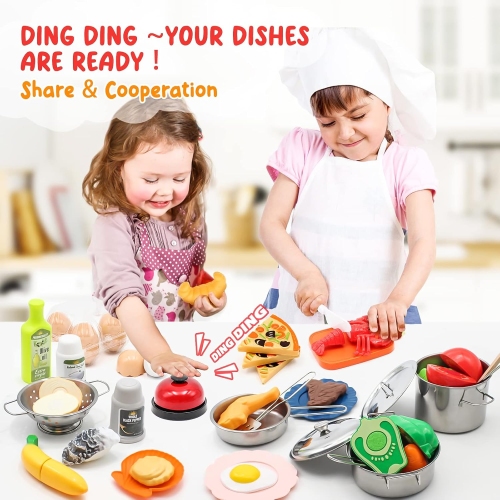
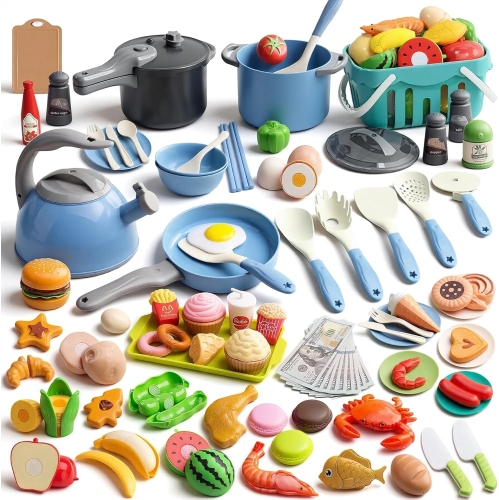
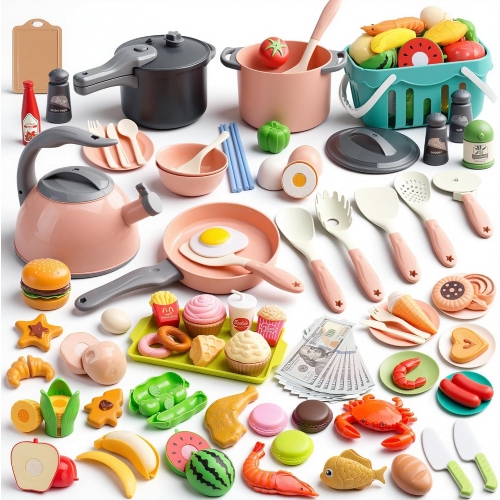
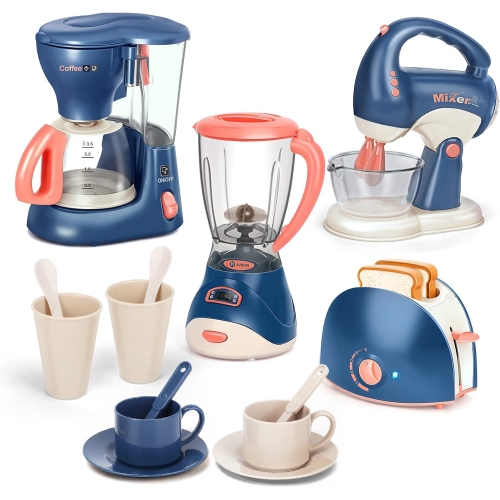
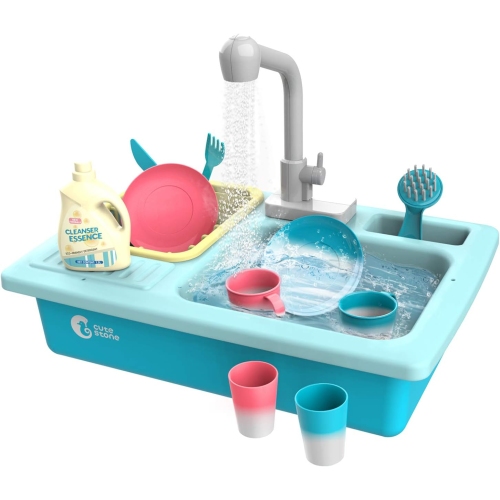
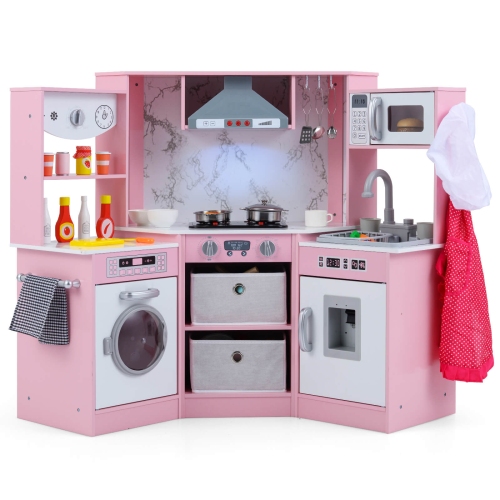
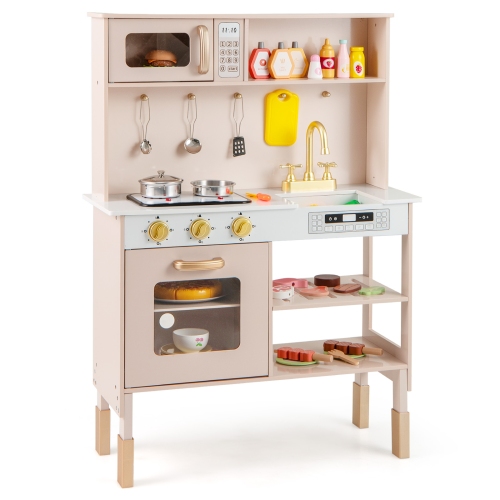
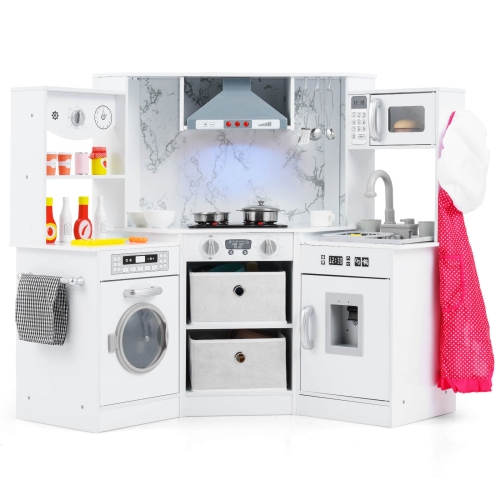
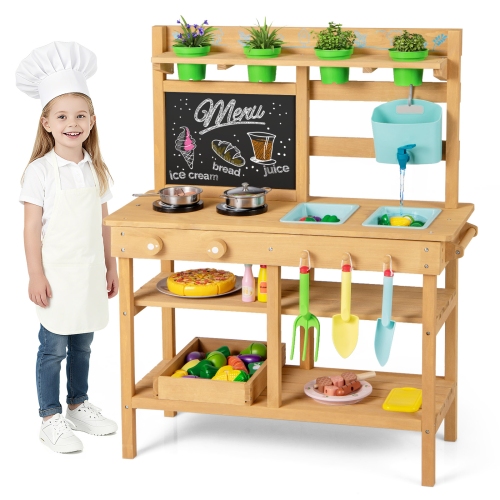
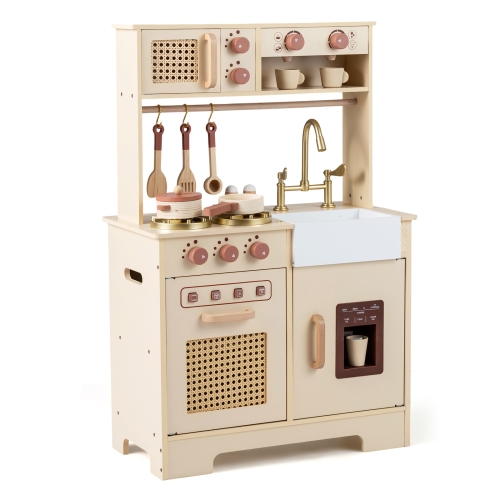
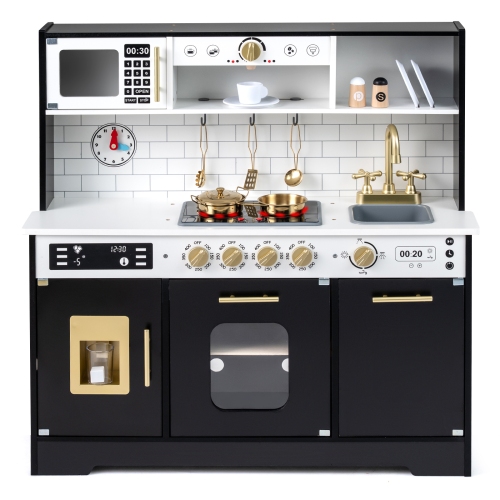
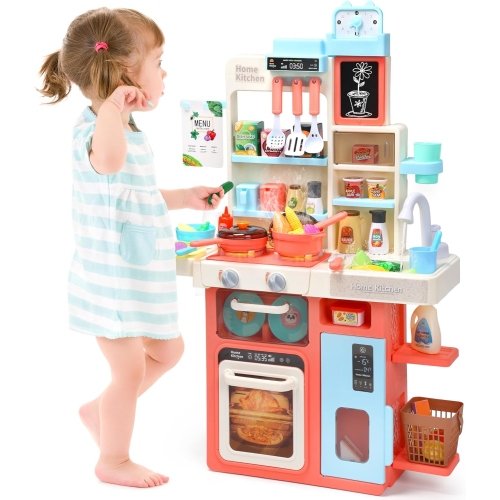
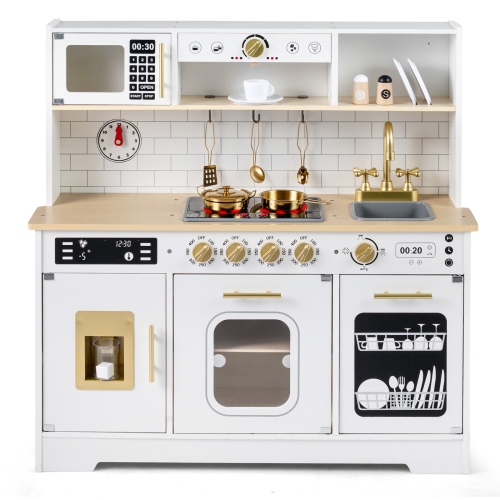
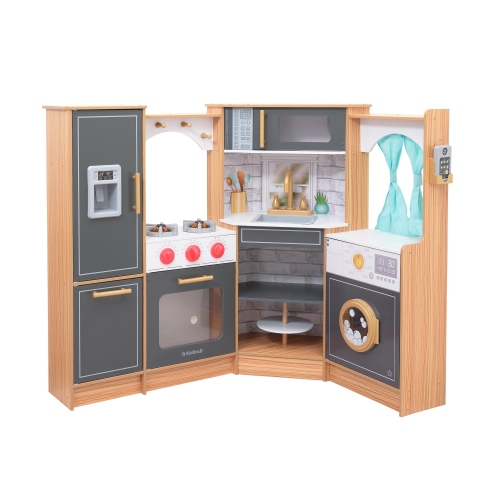
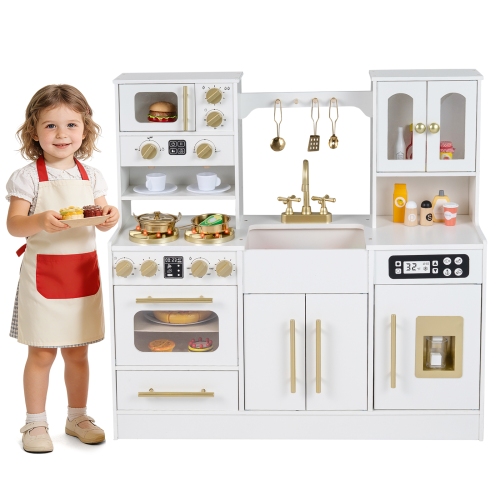
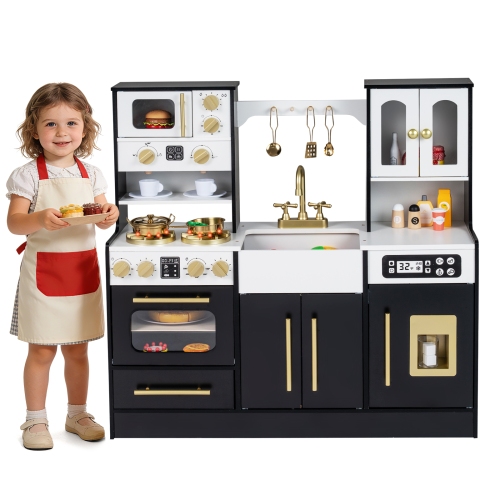
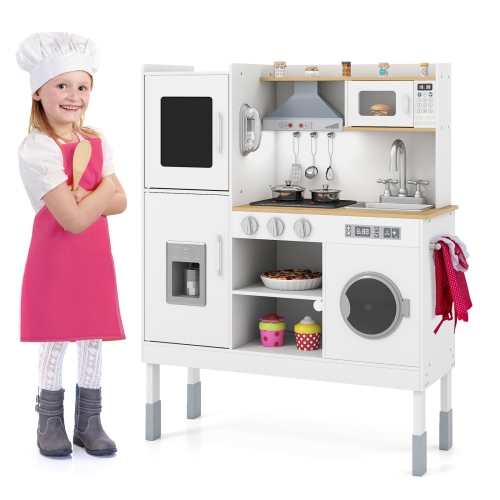
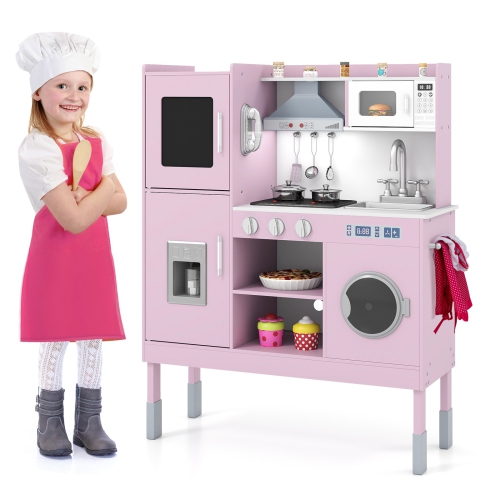
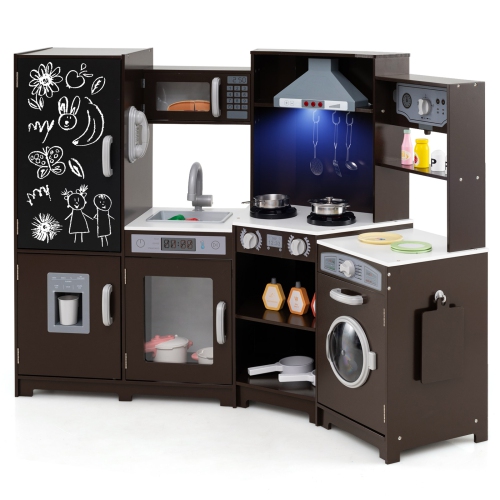
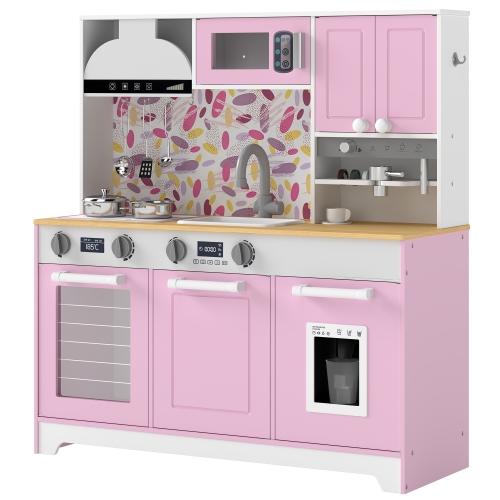
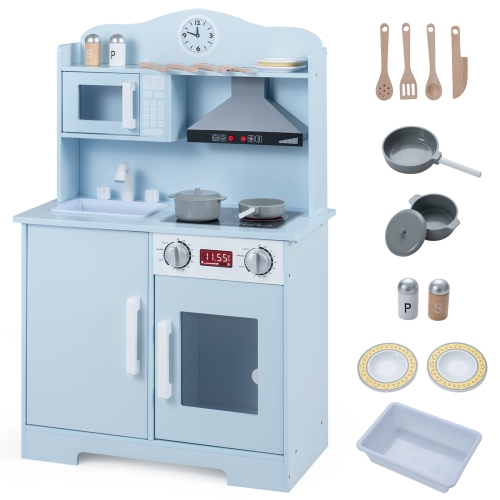
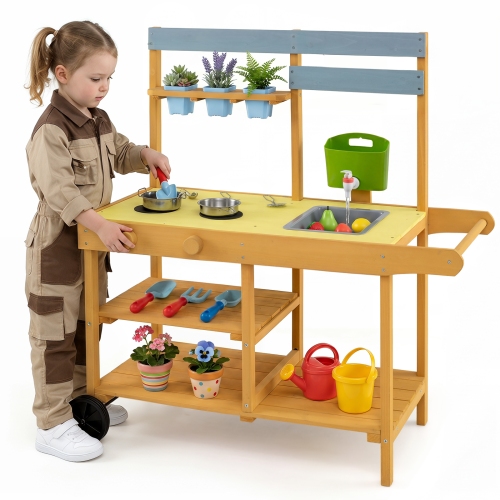
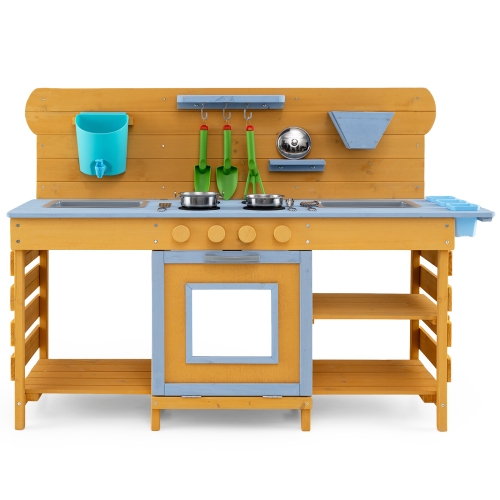
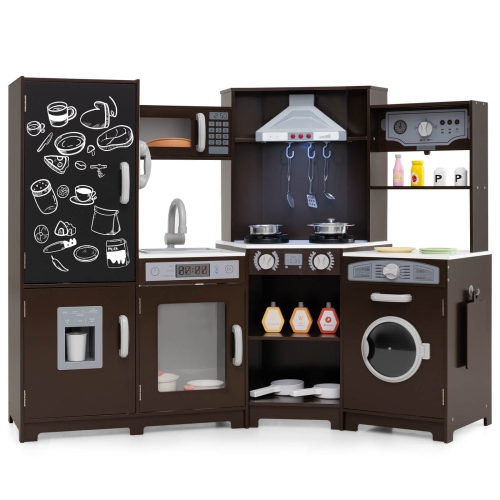
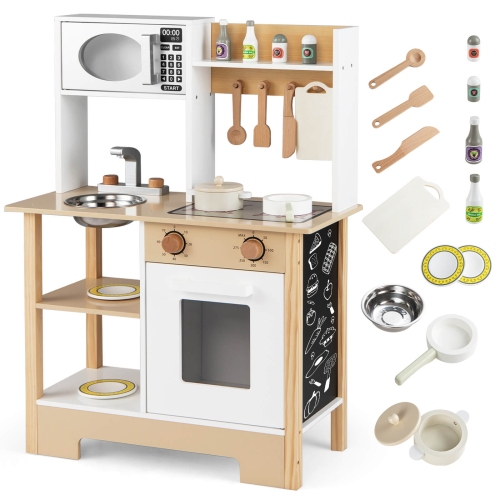
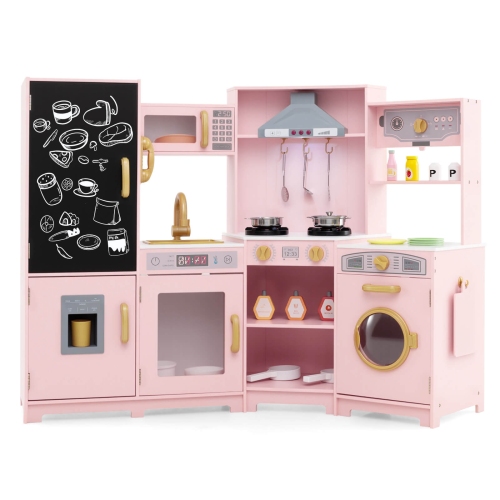
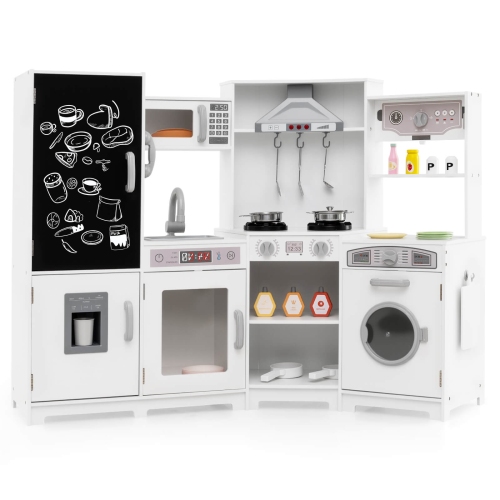
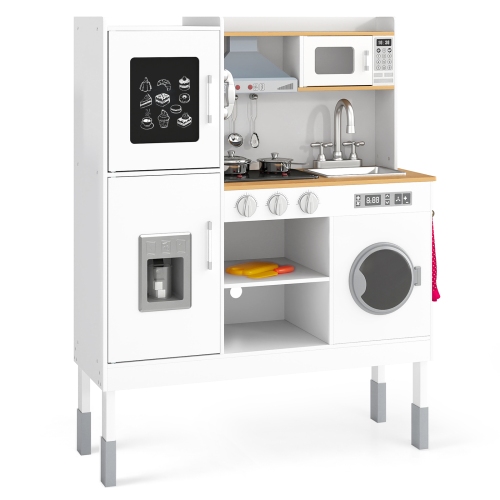
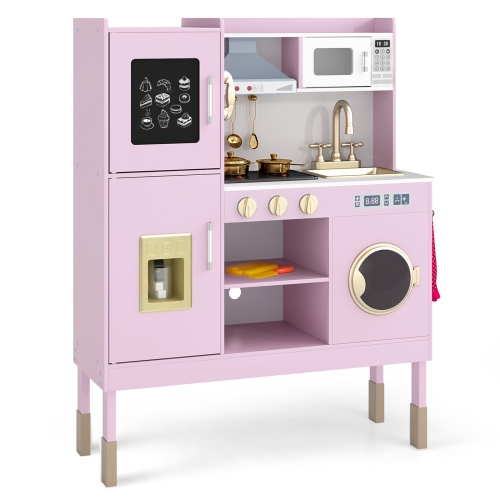
Pretend play kitchens bring the familiar routines of home cooking into a child-sized setting, giving children a place to imagine, create and take the lead in their own stories. A child may spend an afternoon “preparing” breakfast, washing pretend dishes, serving a stuffed animal or inviting family members to sit down for a made-up meal. These simple scenes can change from one day to the next as a kitchen becomes a café, bakery, restaurant, grocery shop or family home. Pretend play kitchens are designed for young children who enjoy imitating everyday activities, and they can also be a thoughtful gift for birthdays, special occasions or those moments when a playroom needs a new centrepiece. Shared play can encourage children to practise taking turns, assigning roles and communicating their ideas, while independent play gives them the freedom to build stories at their own pace. Handling small knobs, opening doors, placing play dishes on shelves and moving pretend ingredients around the counter can support hand-eye coordination and fine motor development. Many children also enjoy sorting items by type, setting up a meal in a particular order or returning accessories to their proper place, making the kitchen a natural setting for early organizing skills. During warmer days, a play kitchen can become a pretend outdoor snack stand or picnic station, while cooler months may inspire indoor baking games, family restaurant stories and imaginative holiday meals without requiring a specific season or theme.
When choosing a pretend play kitchen, consider the child’s age, height, interests and available play space. Compact designs can work well in a bedroom, apartment, playroom or shared family area, while corner units can make practical use of an otherwise empty corner and provide room for more than one child to play side by side. A taller kitchen may offer extra room for growing children, and some designs include adjustable features that can help the play surface remain comfortable as a child gets older. Wooden play kitchens often have the appearance of real furniture, with painted finishes, shelves and built-in storage that suit a variety of room styles. Plastic kitchens can be lightweight, easy to wipe clean and convenient to move when play areas need to be rearranged. The best choice depends on how the kitchen will be used, how much room is available and whether it will stay in one location or travel between rooms. Look for a stable construction, rounded edges and components that are suitable for the intended age group. It is also helpful to check the size of the openings, the weight of removable pieces and the amount of assembly required before making a purchase. Built-in cupboards, shelves, hooks and oven spaces can make it easier for children to keep play accessories close at hand, especially when the kitchen is part of a busy household. If the play kitchen will be shared with siblings or friends, a broader counter area and more than one accessible feature may help reduce crowding. For homes with younger children, make sure small accessories are used only as recommended and stored safely when they are not suitable for a child’s age.
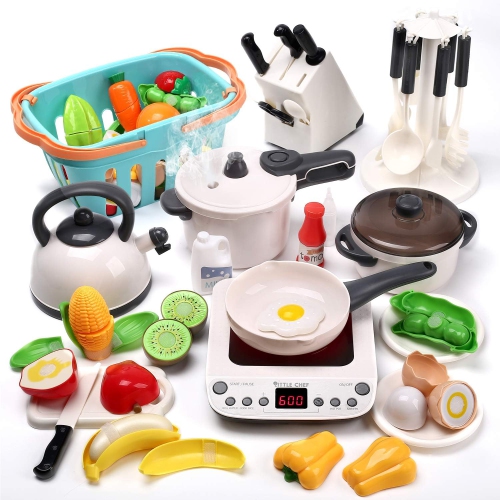
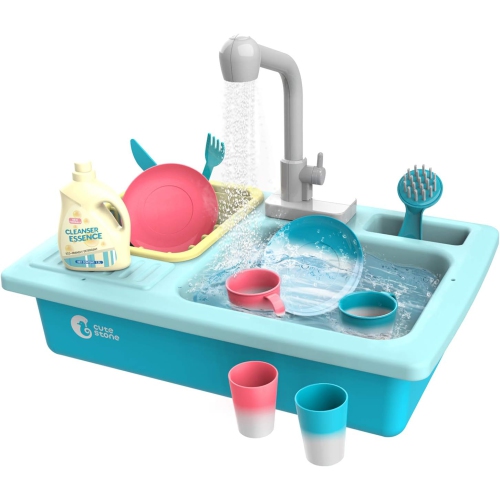
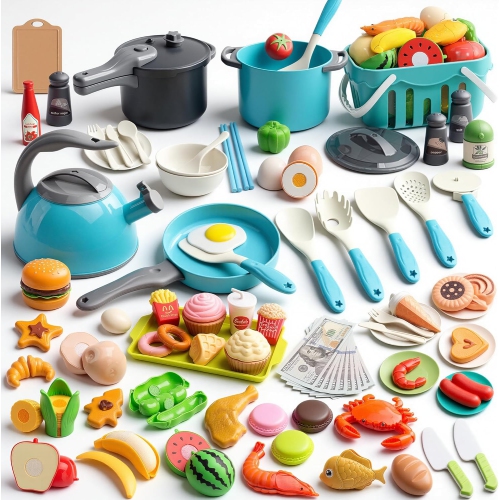
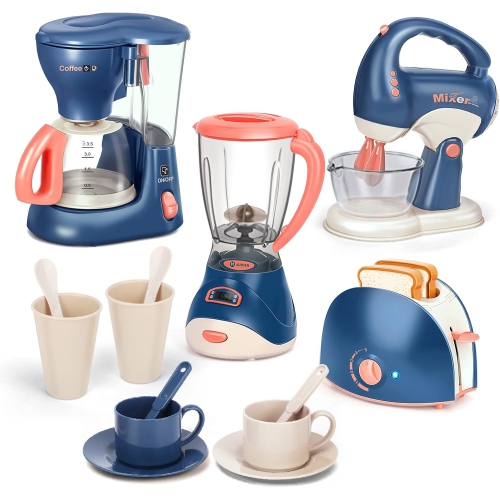
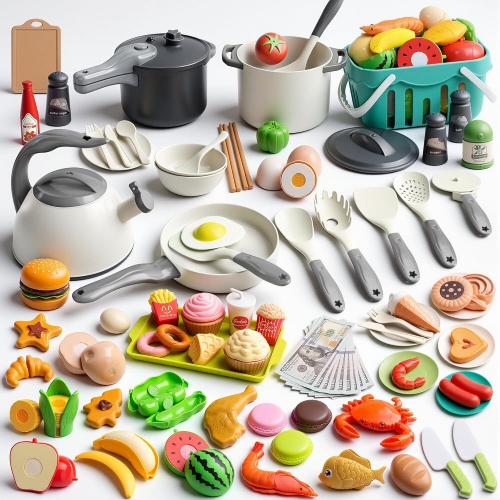
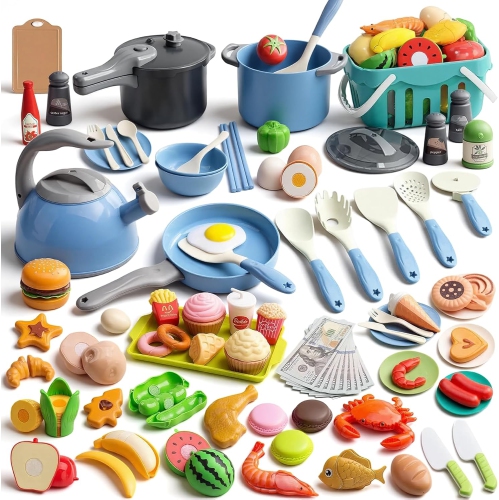
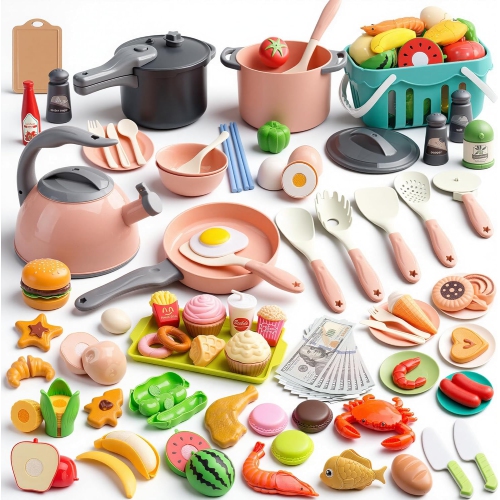
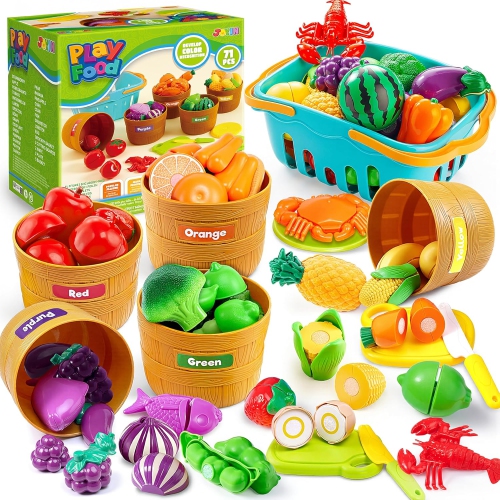
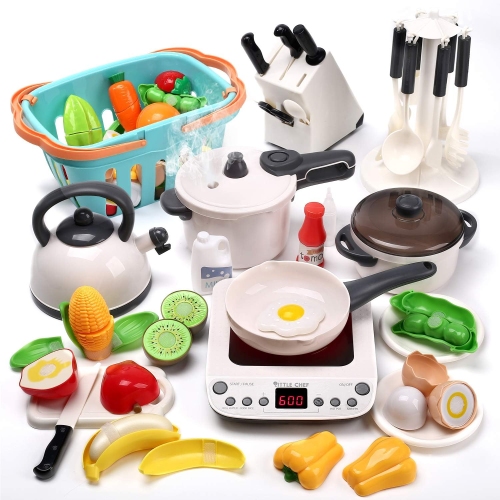
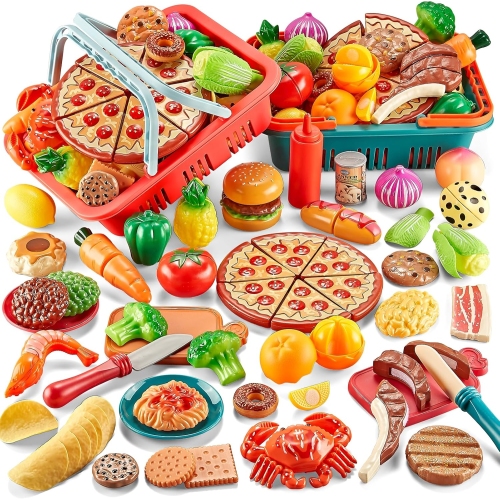
Features can make pretend play kitchens feel more engaging without limiting a child’s imagination. Turning knobs, clicking dials, opening cabinet doors and moving a faucet handle can add satisfying hands-on actions to cooking stories. Some models include pretend stovetop lights, sounds or other interactive details that help children act out familiar kitchen routines, while others keep the design simple so children can supply all the sounds and ideas themselves. Consider whether the child prefers realistic details, open-ended role play or a combination of both. Storage is another important consideration: spaces for cups, plates, utensils and pretend ingredients can help children arrange their own kitchen and make clean-up part of the play routine. Adding a selection of play accessories can expand the possibilities, from chopping and mixing imaginary ingredients to serving a complete meal. A set of Pretend Play Food can complement a kitchen by giving children colourful items to sort, prepare and share in their make-believe recipes. For a child who enjoys hosting, play food can become a buffet or café menu; for a child who likes household routines, it can support stories about grocery shopping, washing produce and preparing dinner. Adults can join in by accepting a pretend order, describing the meal or encouraging children to decide where each item belongs, while still allowing the child to direct the story. Whether placed in a dedicated playroom or tucked into a family living space, pretend play kitchens offer a lasting setting for imaginative storytelling, practical play and social interaction throughout the seasons.
When choosing a pretend play kitchen, consider the child’s age, height, interests and available play space. Compact designs can work well in a bedroom, apartment, playroom or shared family area, while corner units can make practical use of an otherwise empty corner and provide room for more than one child to play side by side. A taller kitchen may offer extra room for growing children, and some designs include adjustable features that can help the play surface remain comfortable as a child gets older. Wooden play kitchens often have the appearance of real furniture, with painted finishes, shelves and built-in storage that suit a variety of room styles. Plastic kitchens can be lightweight, easy to wipe clean and convenient to move when play areas need to be rearranged. The best choice depends on how the kitchen will be used, how much room is available and whether it will stay in one location or travel between rooms. Look for a stable construction, rounded edges and components that are suitable for the intended age group. It is also helpful to check the size of the openings, the weight of removable pieces and the amount of assembly required before making a purchase. Built-in cupboards, shelves, hooks and oven spaces can make it easier for children to keep play accessories close at hand, especially when the kitchen is part of a busy household. If the play kitchen will be shared with siblings or friends, a broader counter area and more than one accessible feature may help reduce crowding. For homes with younger children, make sure small accessories are used only as recommended and stored safely when they are not suitable for a child’s age.
Features can make pretend play kitchens feel more engaging without limiting a child’s imagination. Turning knobs, clicking dials, opening cabinet doors and moving a faucet handle can add satisfying hands-on actions to cooking stories. Some models include pretend stovetop lights, sounds or other interactive details that help children act out familiar kitchen routines, while others keep the design simple so children can supply all the sounds and ideas themselves. Consider whether the child prefers realistic details, open-ended role play or a combination of both. Storage is another important consideration: spaces for cups, plates, utensils and pretend ingredients can help children arrange their own kitchen and make clean-up part of the play routine. Adding a selection of play accessories can expand the possibilities, from chopping and mixing imaginary ingredients to serving a complete meal. A set of Pretend Play Food can complement a kitchen by giving children colourful items to sort, prepare and share in their make-believe recipes. For a child who enjoys hosting, play food can become a buffet or café menu; for a child who likes household routines, it can support stories about grocery shopping, washing produce and preparing dinner. Adults can join in by accepting a pretend order, describing the meal or encouraging children to decide where each item belongs, while still allowing the child to direct the story. Whether placed in a dedicated playroom or tucked into a family living space, pretend play kitchens offer a lasting setting for imaginative storytelling, practical play and social interaction throughout the seasons.
Top selling and popular products
-
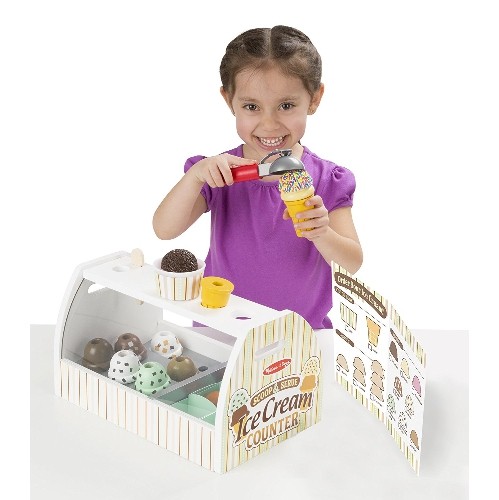 Your price for this item is $103.99
 -
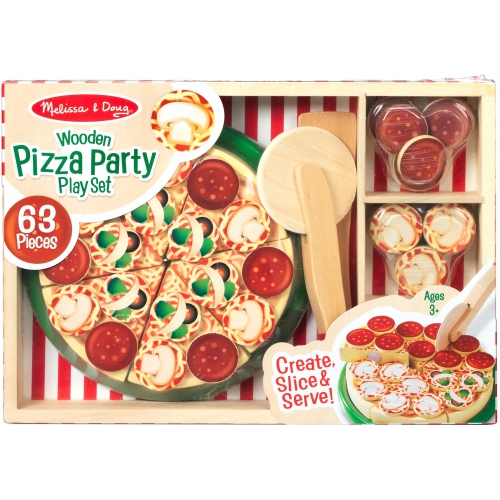 Your price for this item is $25
 -
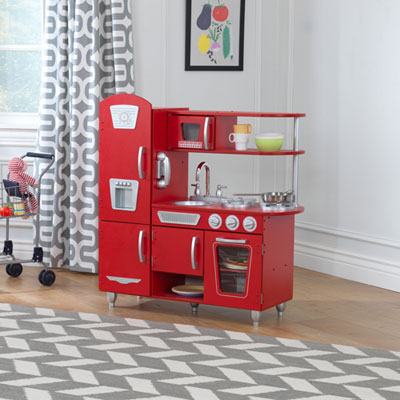 Your price for this item is $149.98
 -
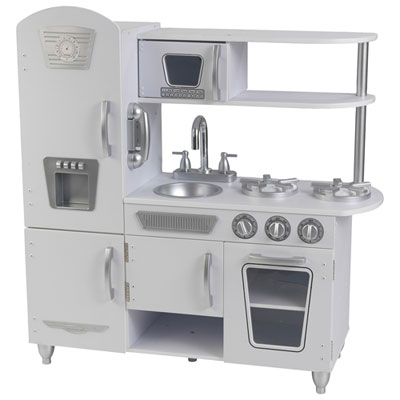 Your price for this item is $155.98
 -
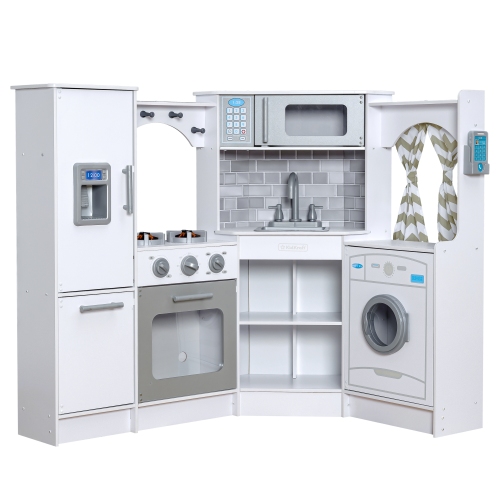 Your price for this item is $319.99
 -
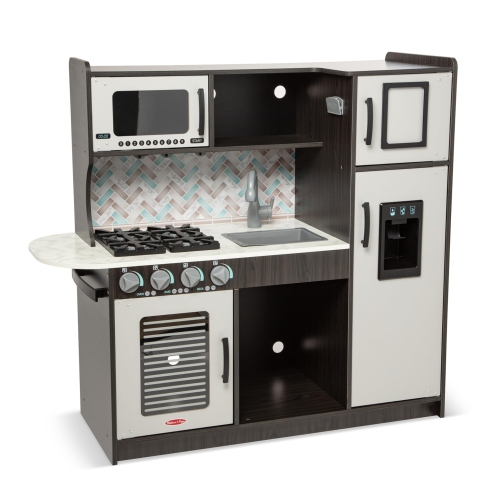 Your price for this item is $239.97
 -
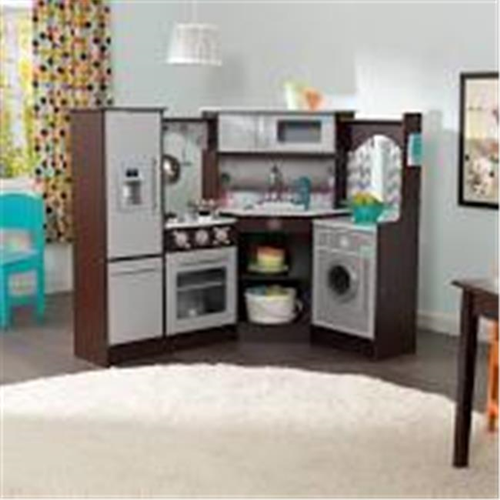 Your price for this item is $319.99
 -
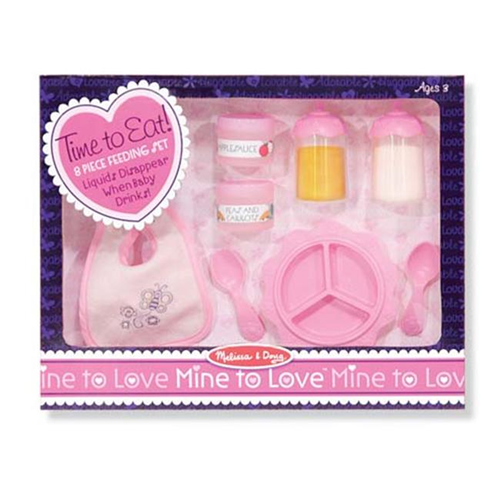 Your price for this item is $43.99
Discover more categories related to Pretend Play Kitchens

Top Collections:
Pokemon Centers, Kindle Devices, Best Budget Office Chairs, Canon G7X Cameras, Apple iPhones 16, Samsung Galaxy Phones, Refurbished Apple Laptops, Laptops for Students, iPhone 15 Apple, Budget Smartphones
Some products may be subject to Environmental Handling Fees
(EHF) depending on your province.
Learn more about EHFs.