Stress Relief Toys
Looking for a way to unwind and destress after a long day? Our Gifts For Relaxation collection is here to help you find the ultimate relaxation. Whether you're seeking a fidget spinner, stress ball, or squishy toy, we have a wide range of options that will keep your hands busy and your mind at ease. Designed to provide sensory stimulation and promote mindfulness, these toys are perfect for adults and kids alike. Browse through our selection and discover the perfect stress relief companion for those moments when you need a little extra calm in your life.
Sort


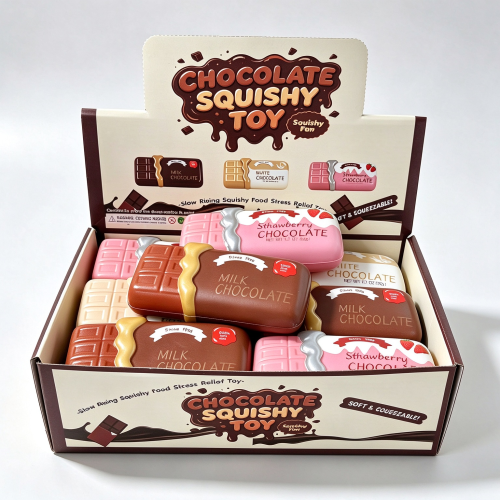
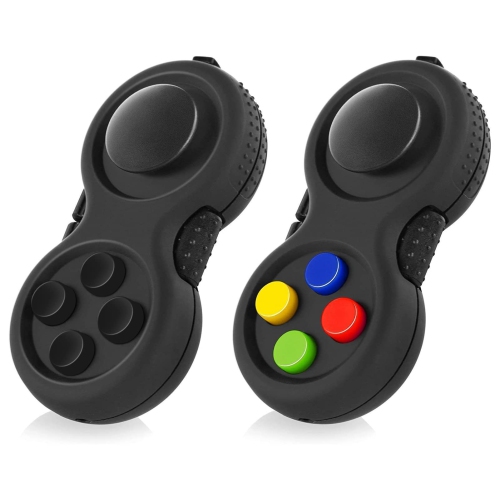
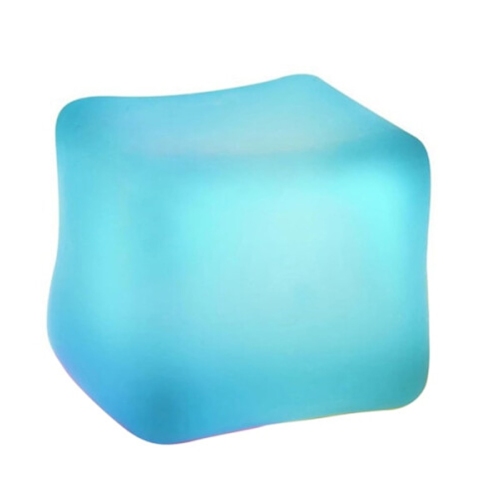
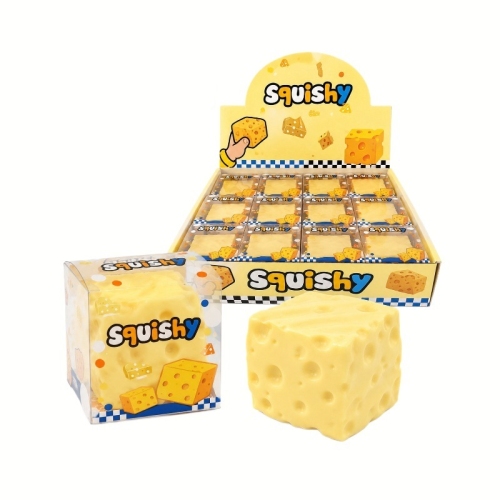







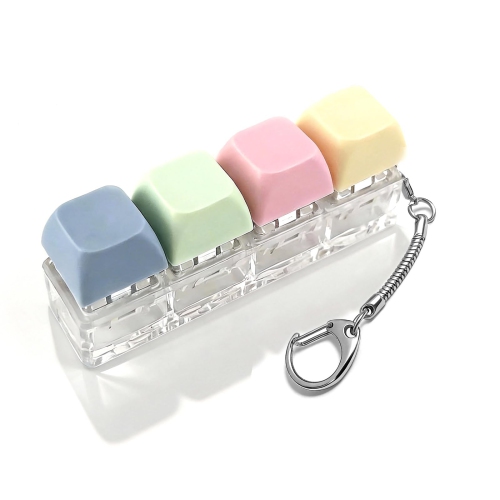
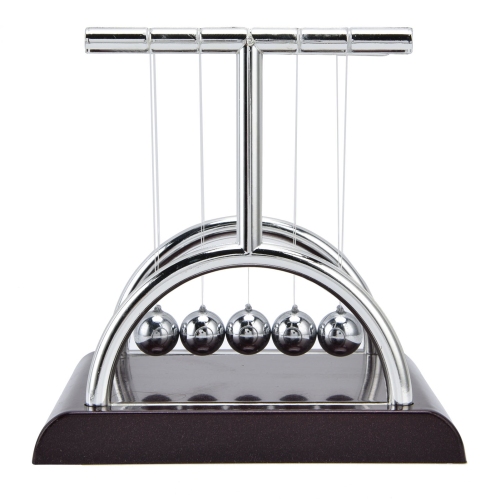


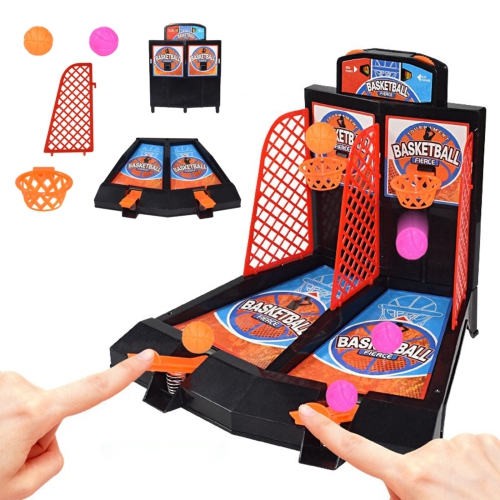


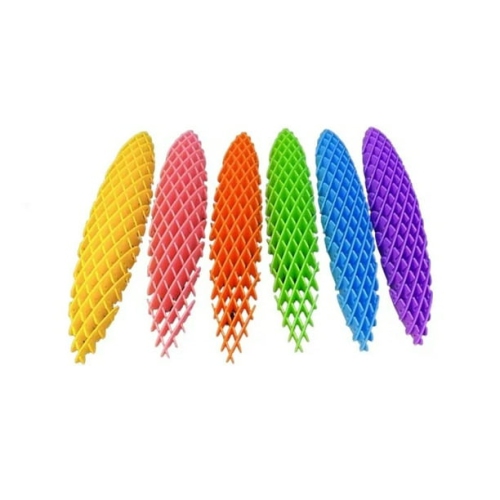








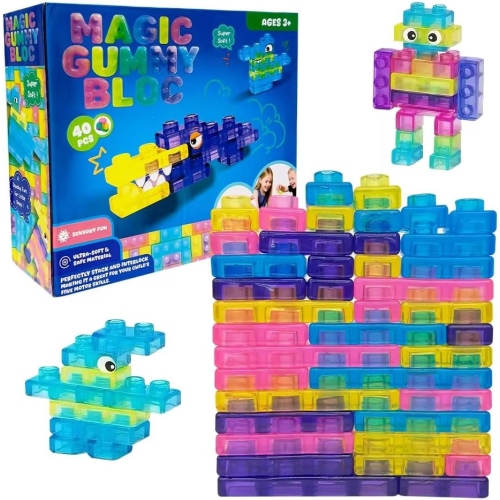

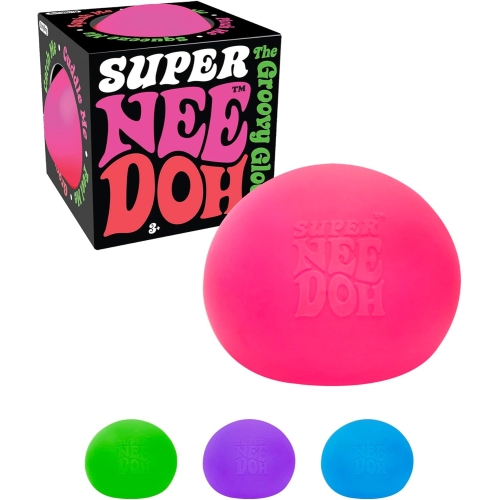
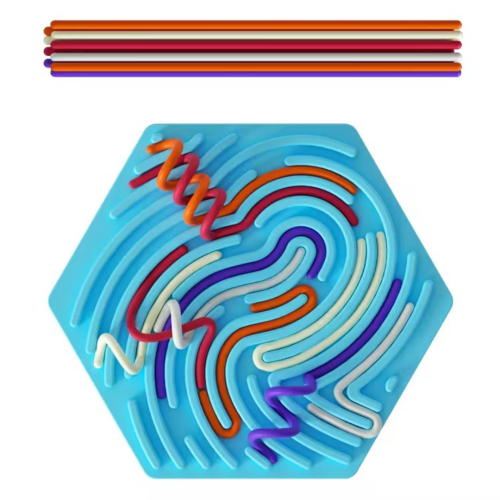

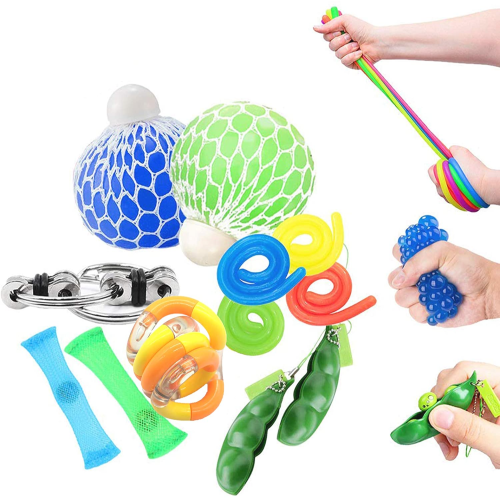





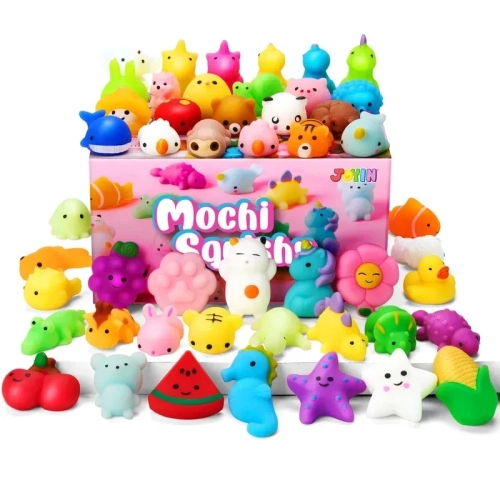

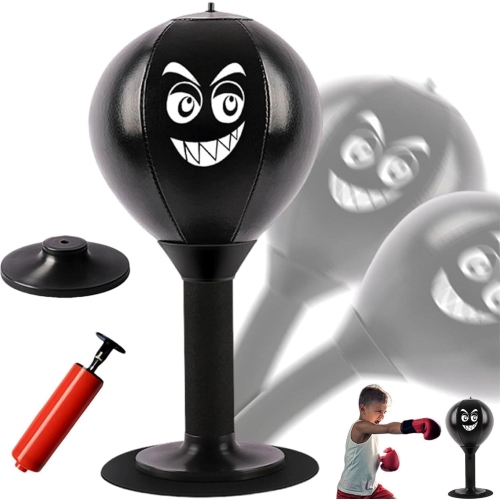

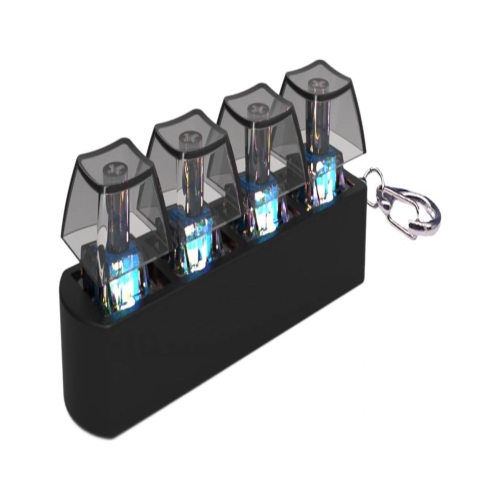
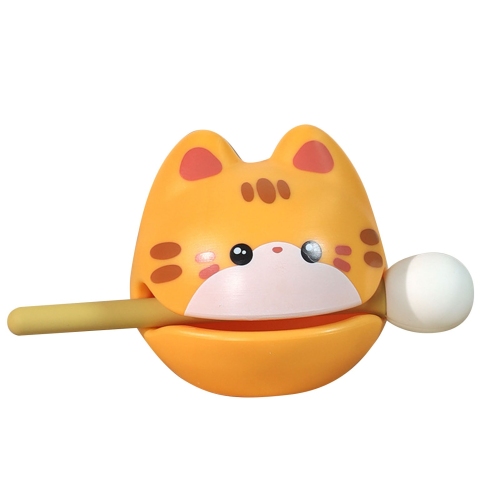
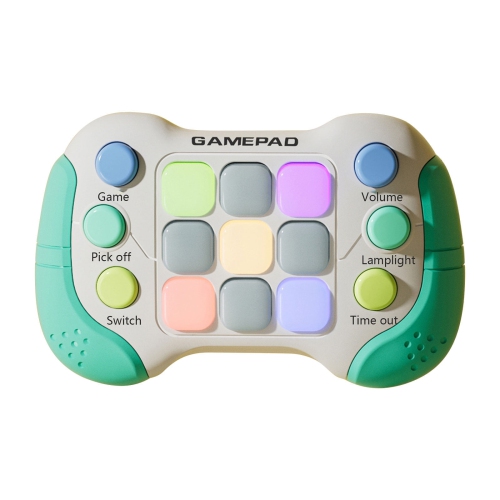
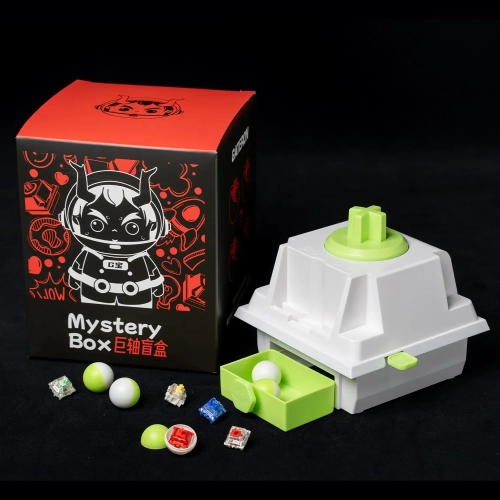
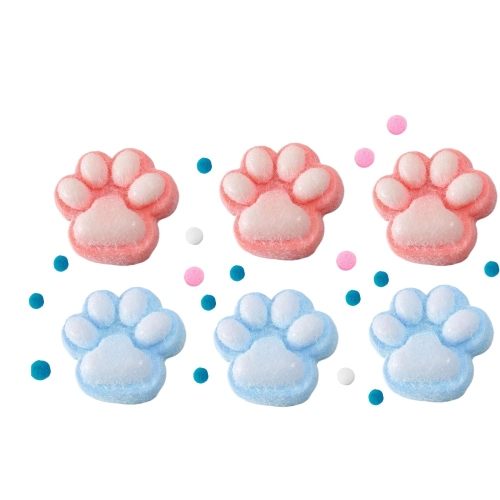
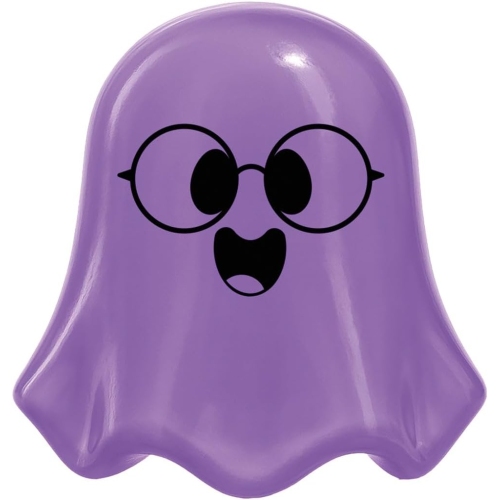

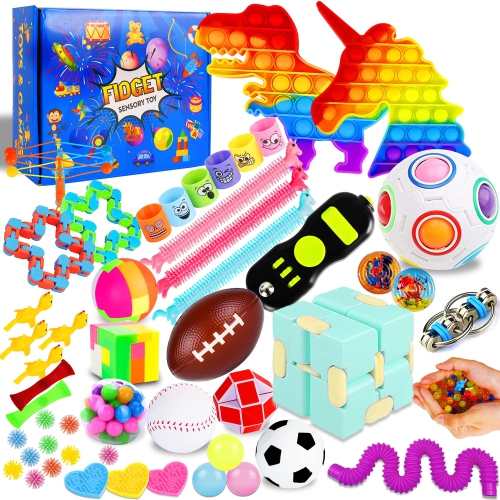

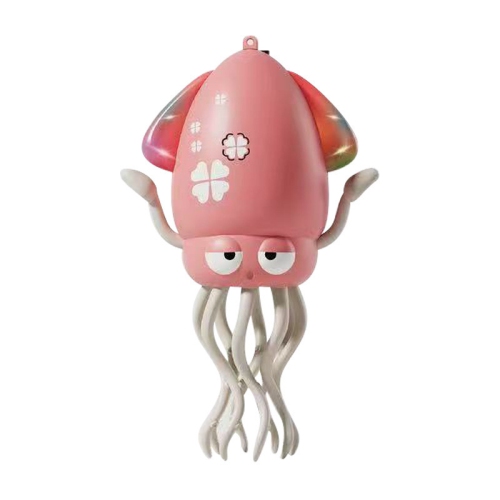
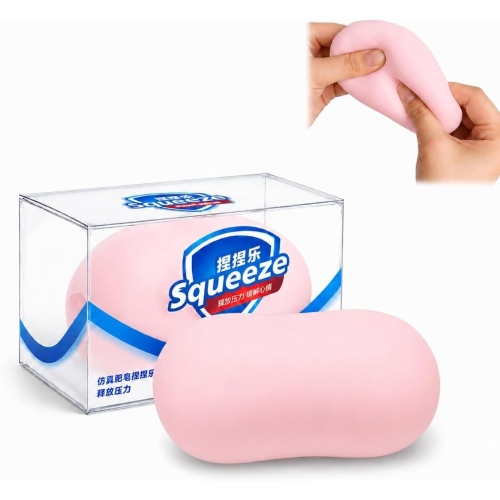
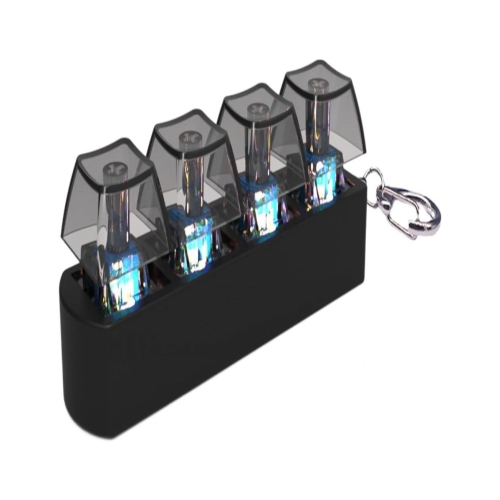





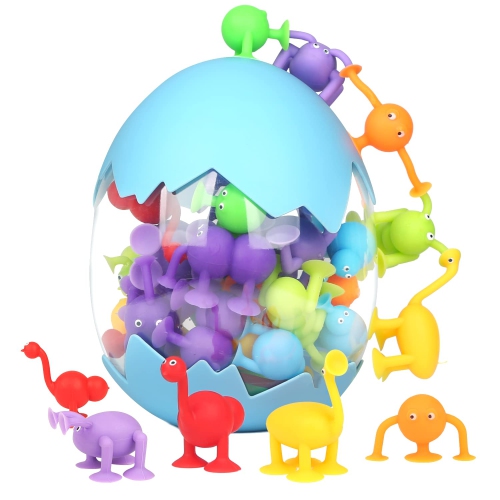
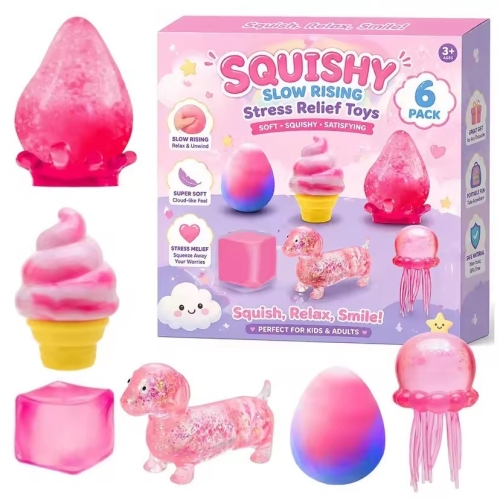
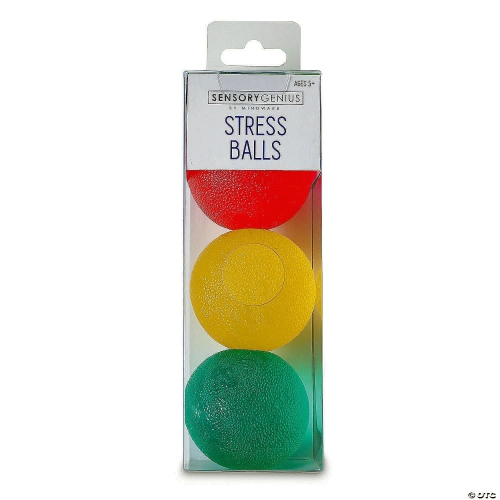
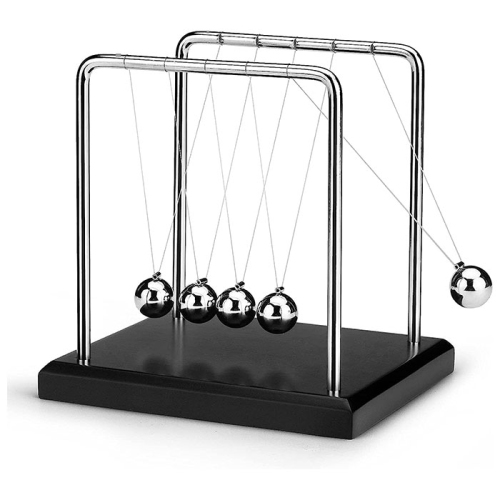
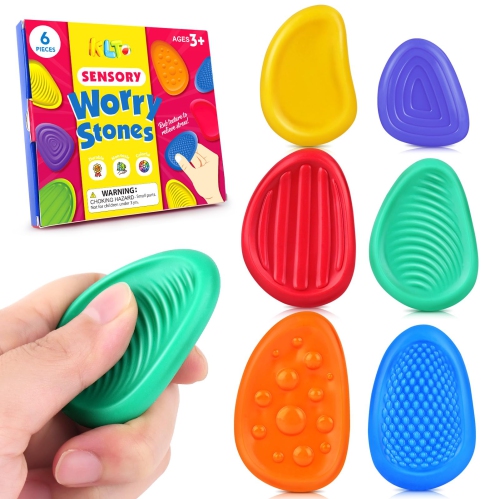


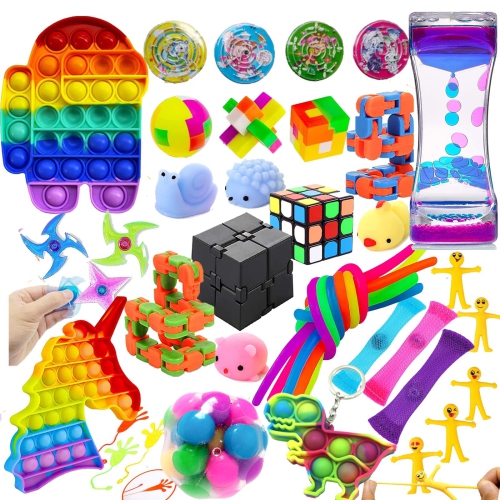


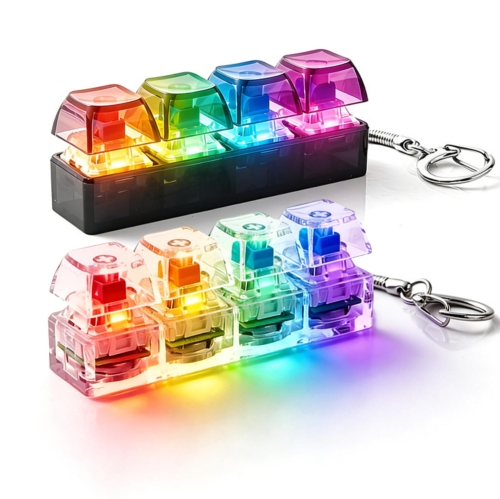
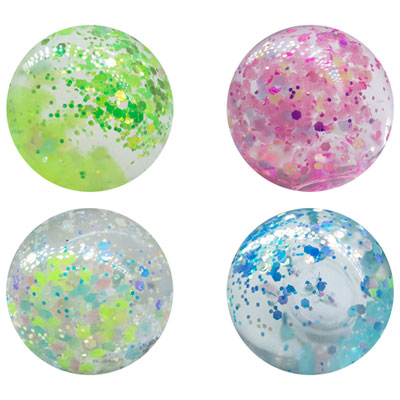




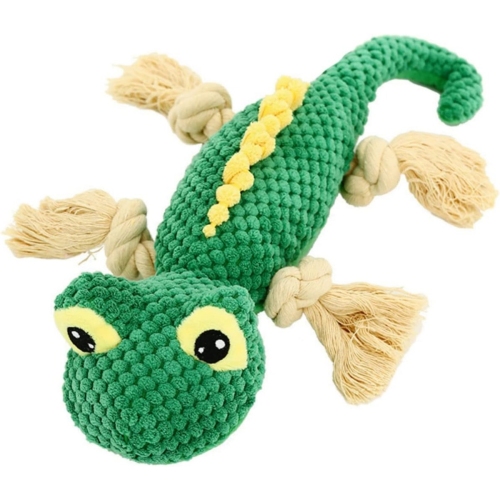
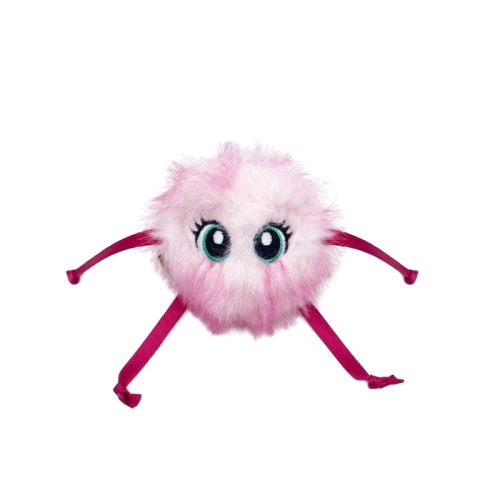
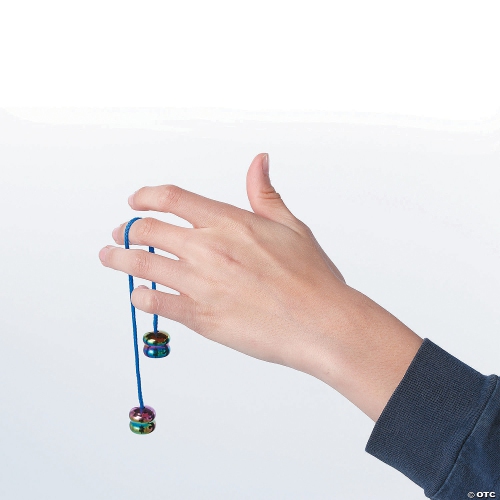
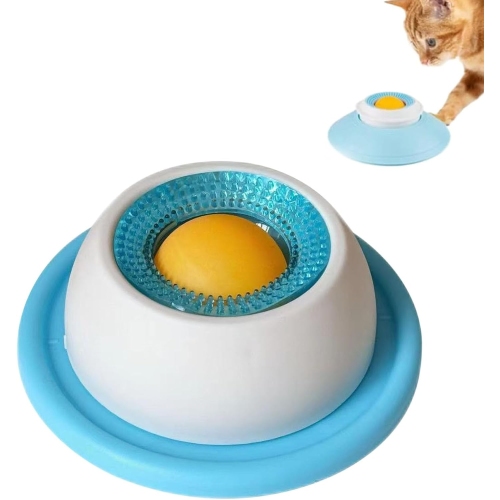















Why texture and movement matter for busy hands
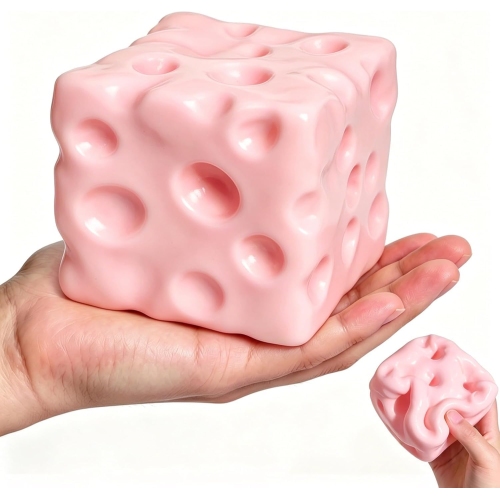
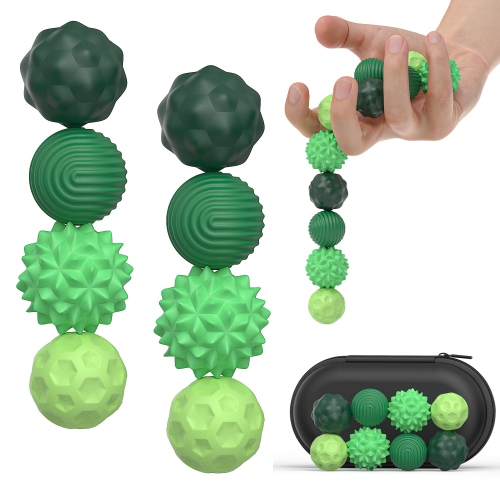
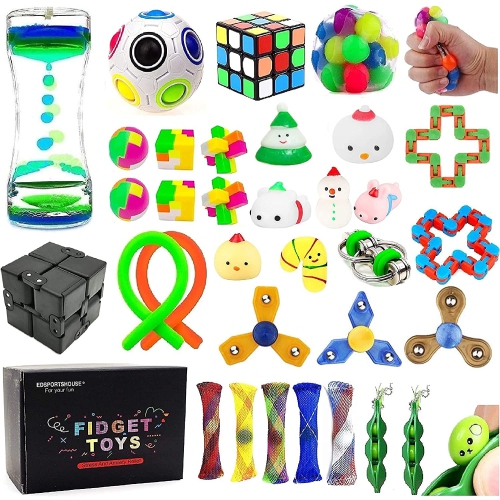
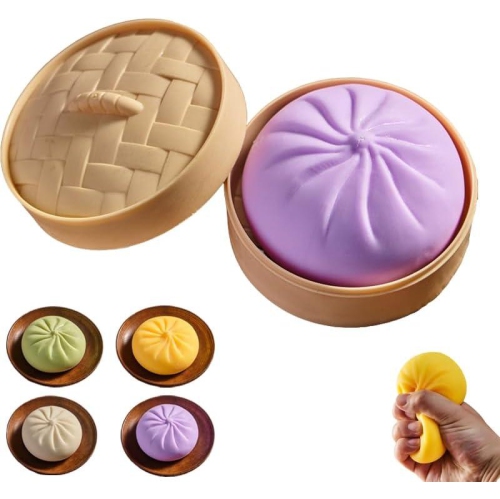
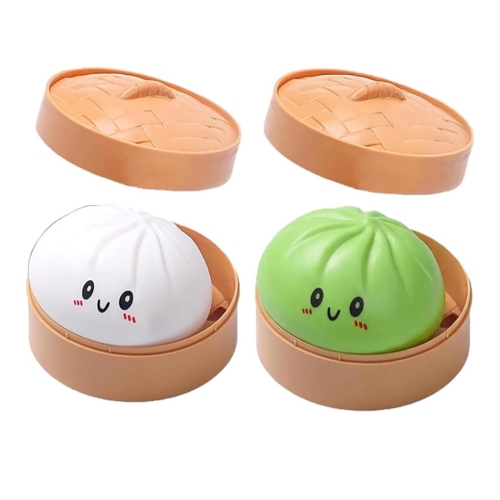
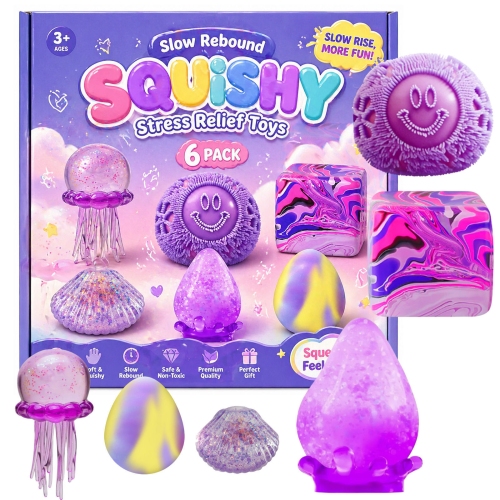
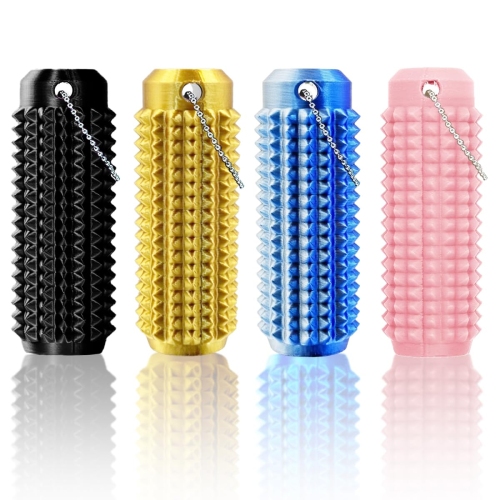
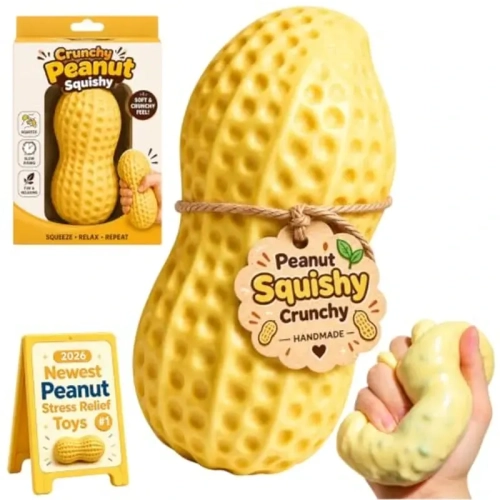
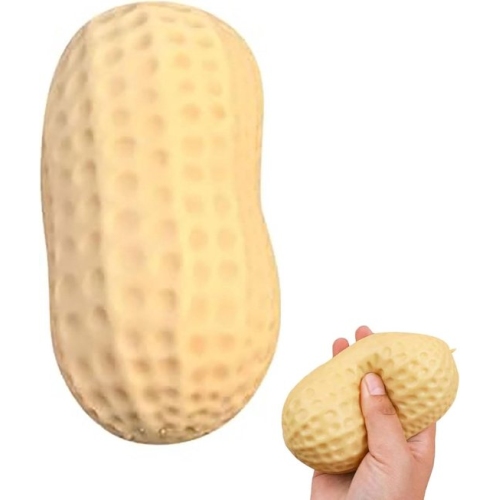
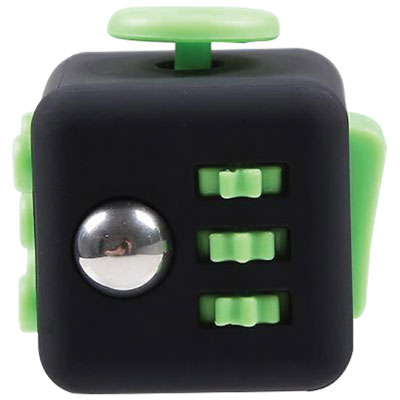
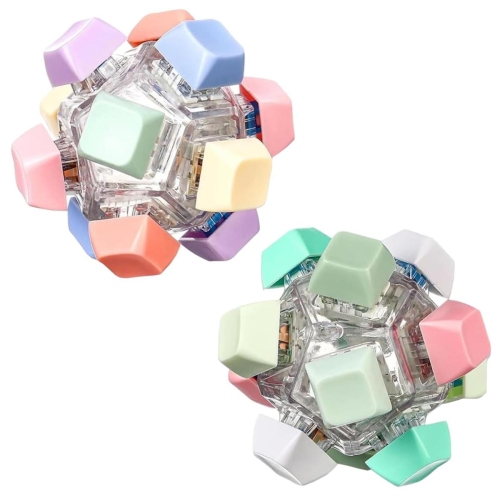
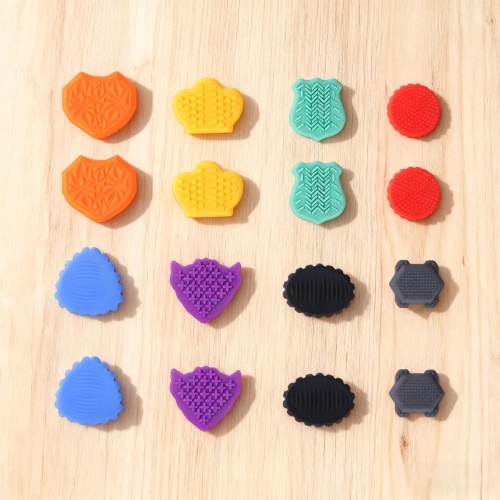
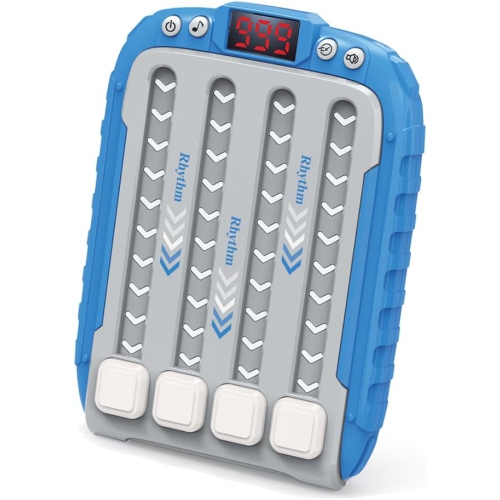
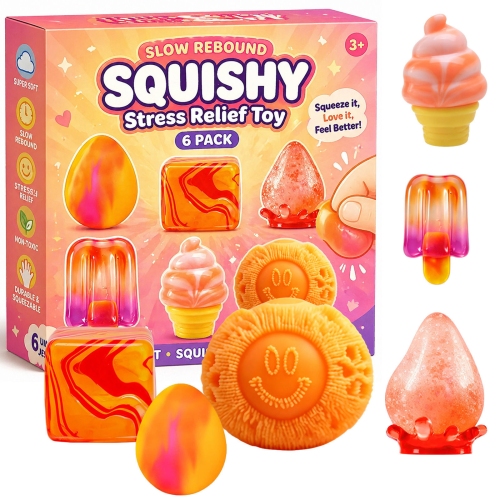
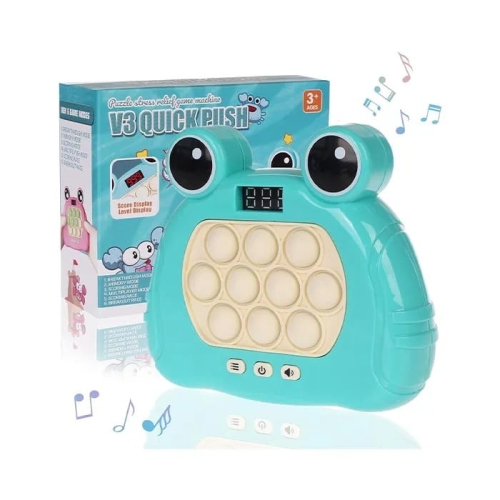
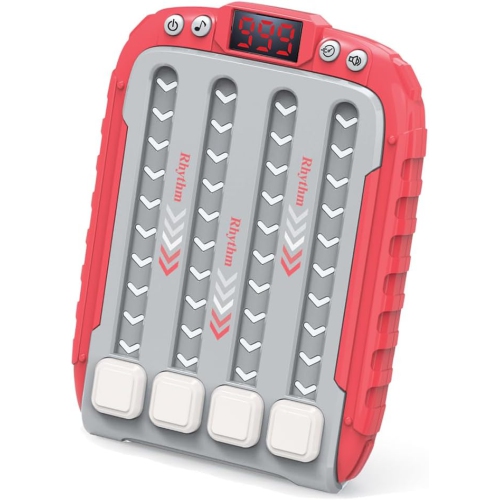
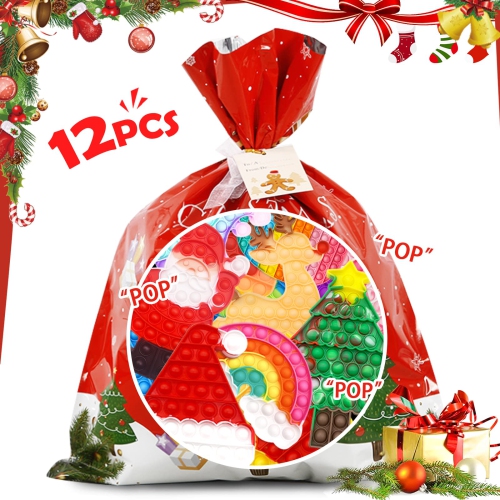
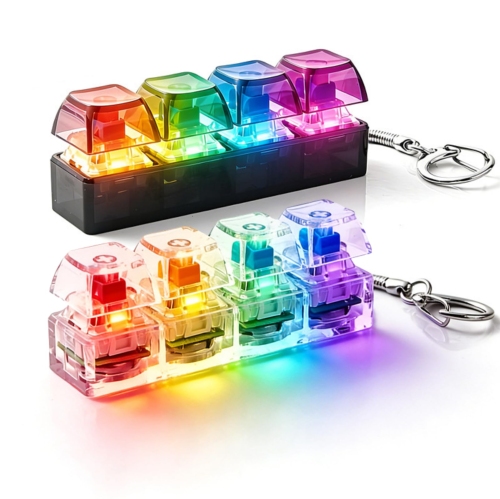
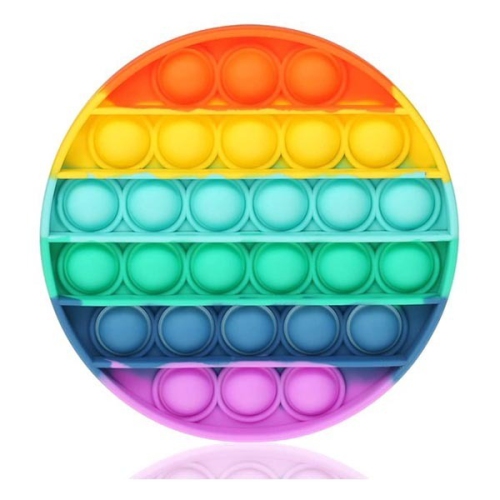
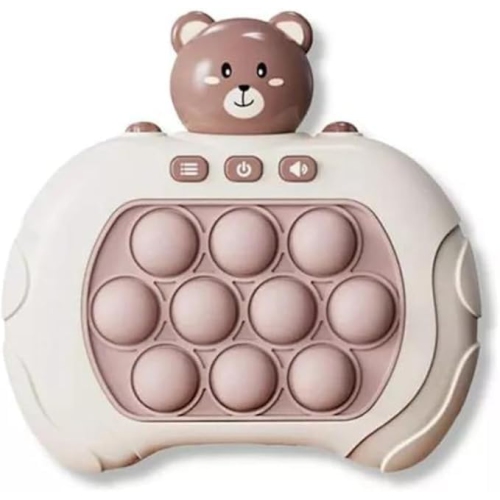
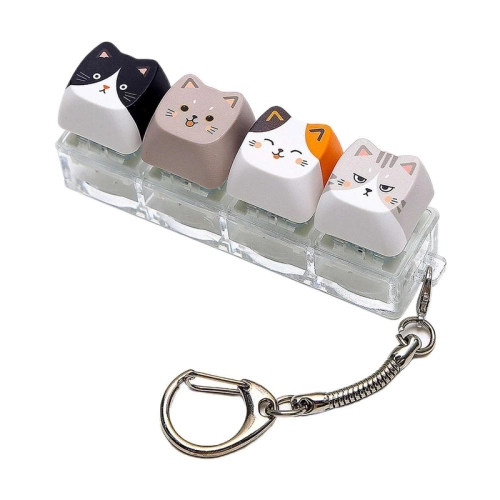
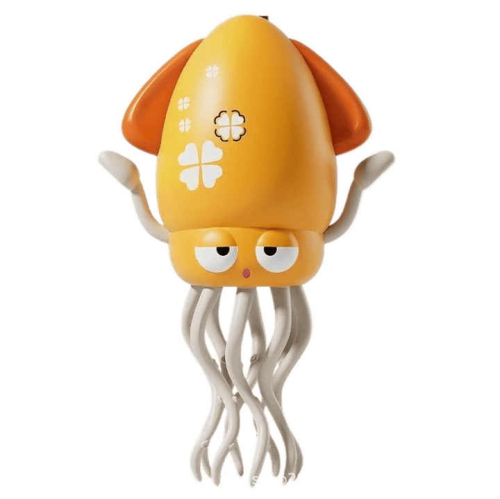
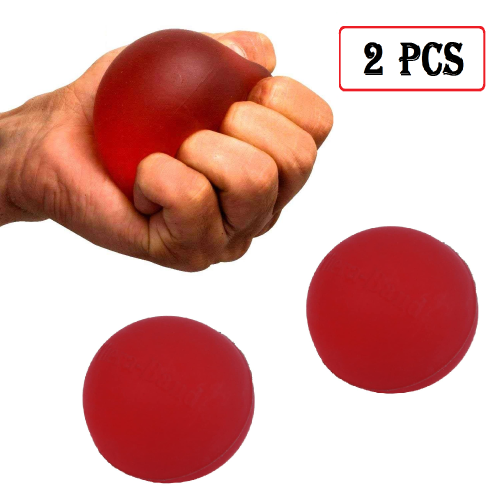
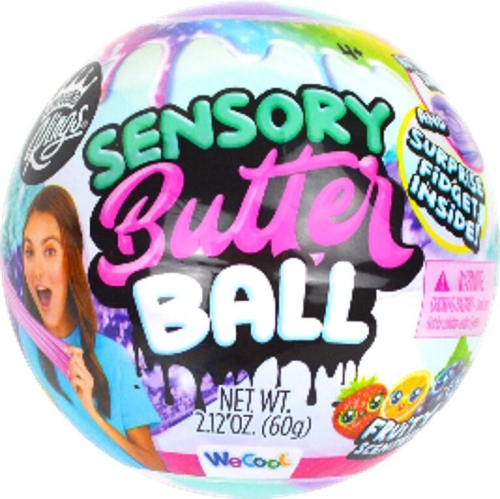
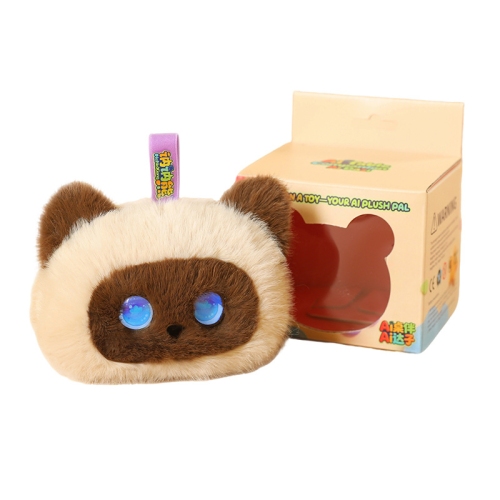
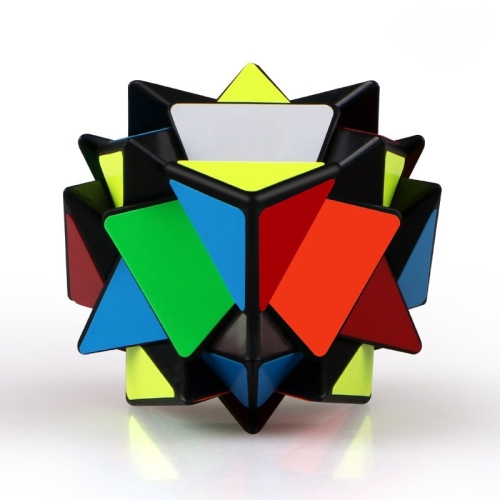
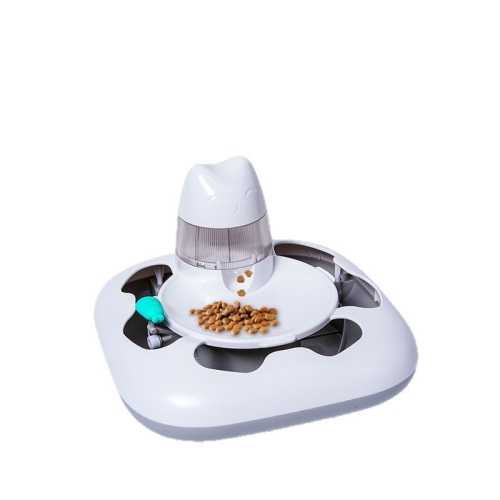
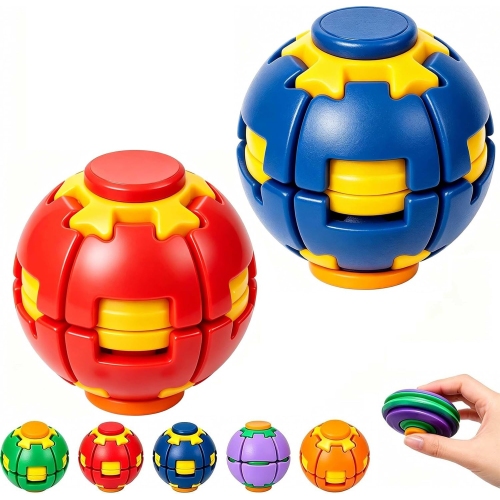
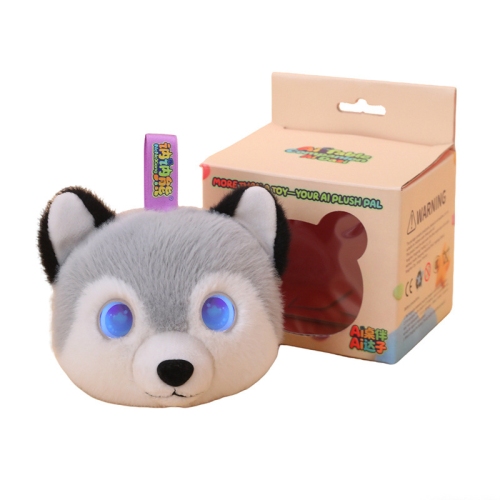
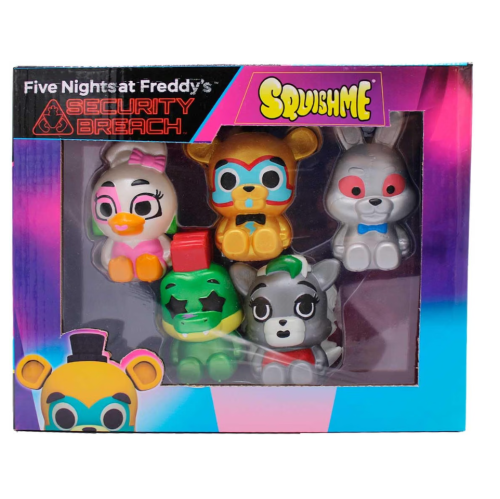
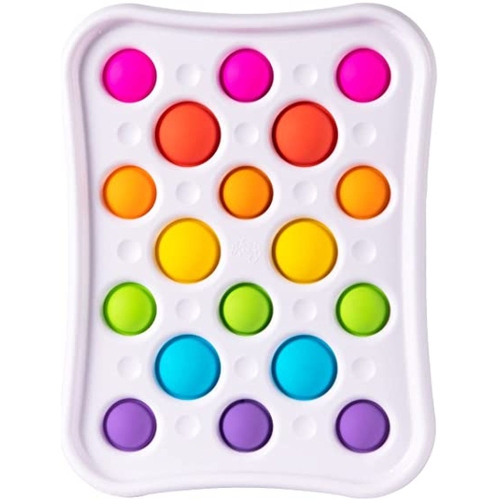
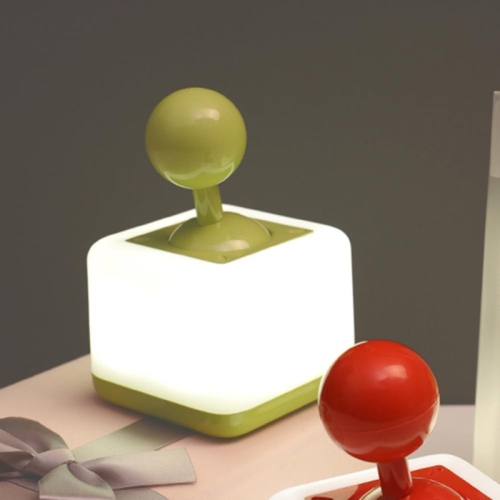
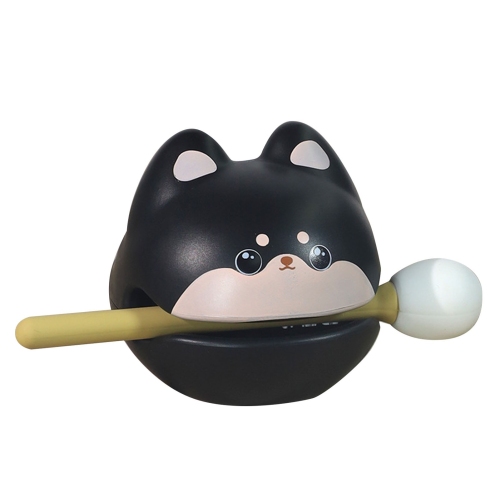
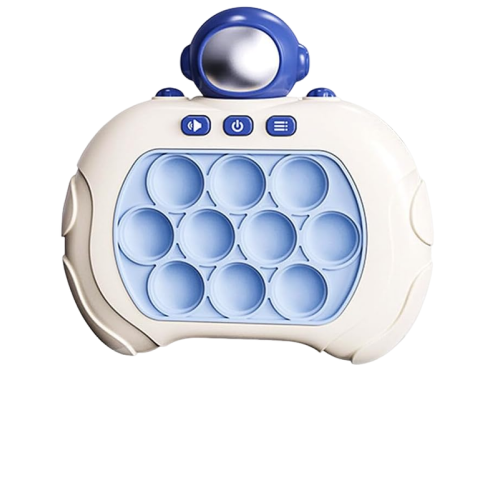
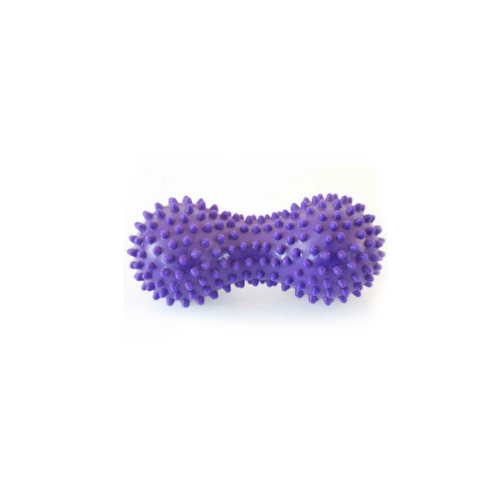
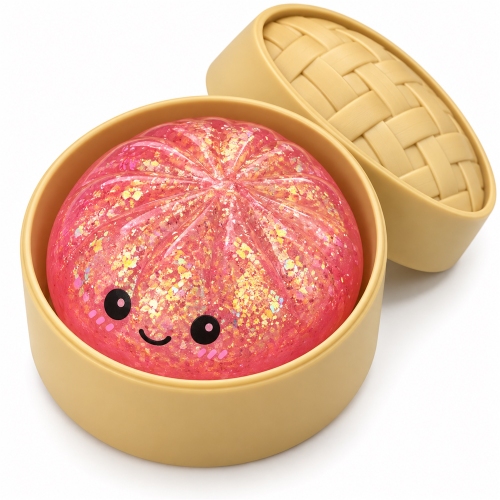
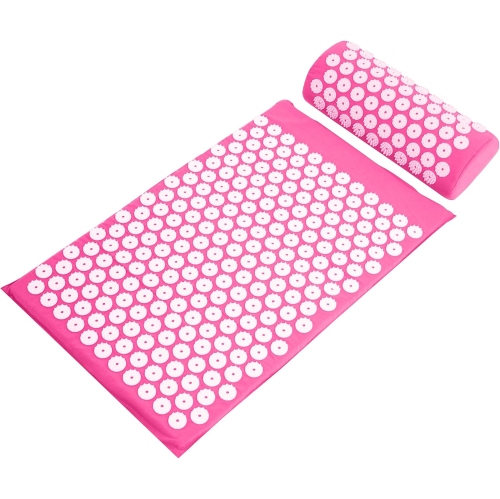
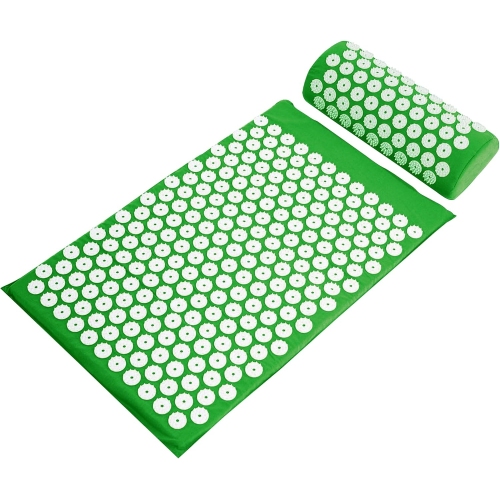
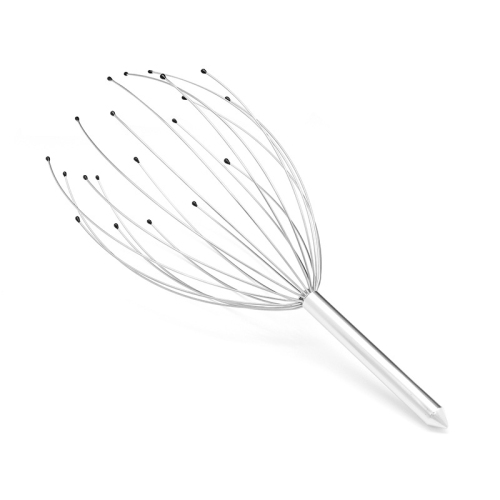
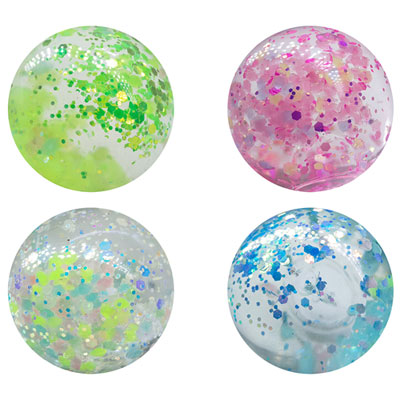
Stress relief toys give busy hands a simple, repeatable activity through squeezing, stretching, rolling, pressing, or spinning. Their appeal is largely tactile: a soft surface yields under the fingers, a textured edge offers something to trace, or a moving part follows a familiar rhythm. Some people find this kind of sensory input relaxing during everyday pauses or helpful when settling into a task, although preferences and experiences vary. The main differences between types are the movement they allow, the resistance they provide, and the sound they make. Stress balls usually concentrate on squeezing and releasing, while slow-rise foam toys gradually return to their original shape after compression. Flexible gel-filled designs can have a denser, more yielding feel, depending on their construction. Fidget toys with rotating, sliding, or pressing components offer more structured movements, and textured designs provide raised patterns or grooves to explore with a fingertip. These distinctions matter more than appearance alone. Someone who enjoys a gentle squeeze may prefer a soft, pliable texture, while another person may find firmer resistance more satisfying. A smooth surface can feel unobtrusive in the palm; ridges and bumps create a more noticeable sensation. Materials also affect weight and handling. Silicone and other flexible materials can bend or compress, foam offers a lightweight feel, and rigid plastic or metal components support different kinds of mechanical movement. Sound deserves equal attention, especially for shared spaces. A squeeze-based design may suit a quiet desk, while an audible click can be enjoyable at home but distracting during a meeting. Even moving parts described as quiet may produce some noise against a tabletop. Understanding these differences makes the category easier to navigate without assuming that every stress relief toy delivers the same experience. Colour and shape add a personal touch, but the most useful match is often the one whose texture and movement feel comfortable enough to return to throughout an ordinary day.
Intended use helps put those features into context. At a work desk, a compact toy that can be handled with one hand may fit naturally into a pause between typing tasks or a phone conversation. During reading or study, a familiar, low-noise movement may be preferable to something that requires watching closely. A small tactile toy can also make waiting at an appointment or travelling as a passenger feel less idle, provided it is suitable for the setting. For children, sensory play may involve exploring different textures, practising simple hand movements, or taking a quiet break with an adult nearby. Classroom use depends on the teacher’s expectations and whether the movement or sound distracts other students. Adults may prefer an understated design that sits neatly beside a keyboard, while a child might be drawn to a bright colour or an easy-to-grasp shape. Neither appearance nor a broad age description tells the whole story: size, resistance, construction, and the manufacturer’s age guidance all matter. A toy should sit comfortably in the intended user’s hand without requiring an awkward grip. A large squeeze shape can be difficult for small fingers to manage, while a very small component can be hard to keep track of and may pose a choking hazard. Young children need particular care around detachable pieces, exposed fillings, magnets, and damaged seams. Unless a toy is expressly designed for chewing, it should stay out of the mouth. People with material sensitivities may also want clearly identified materials, including information about latex where relevant. There is no single texture or motion that suits everyone, and a firmer toy is not automatically a better choice. For someone who experiences hand discomfort, gentle handling within a comfortable range is more sensible than repeatedly forcing a resistant surface. These toys are intended for everyday play and sensory engagement, rather than as a replacement for medical care or prescribed hand exercises.
Care and durability are especially important for something that is handled repeatedly, carried in a bag, or shared among family members. Flexible shells, seams, surface coatings, and moving joints experience different kinds of wear, so cleaning and storage should follow the manufacturer’s directions. Some solid designs allow surface cleaning with a damp cloth, while absorbent foam, fabric coverings, and mechanisms may need a different approach. Immersing a toy or using a strong cleaner without checking its care information can damage the material or leave moisture inside. Thorough drying matters before a toy goes back into a pouch or drawer. Keeping soft toys away from sharp stationery, rough bag contents, and surfaces that could puncture them can help prevent avoidable damage. Filled designs deserve attention if they develop a split, leak, or weakened seam; mechanical designs should be set aside if parts loosen or break. Stretchable toys also have limits, and pulling beyond the intended range can shorten their useful life. For regular desk use, easy cleaning and a stable shape may be more practical than an intricate design with narrow crevices. For carrying between home and school or work, a manageable size and construction suited to repeated handling can matter most. Stress relief toys can make thoughtful small gifts for students, colleagues, friends, or family members who already enjoy tactile play, particularly when the choice reflects the recipient’s preferences rather than assumptions about their stress levels. A quiet, simple movement may be welcome for one person, while another enjoys a pronounced texture or a slower return after squeezing. Gift suitability also depends on age, dexterity, and where the toy is likely to be used. For related options beyond tactile play, browse Stress Relief Products. Whether kept beside a notebook or brought out during a short break, a well-matched toy offers a straightforward way to add a little hands-on play to an everyday routine.
Top selling and popular products
-
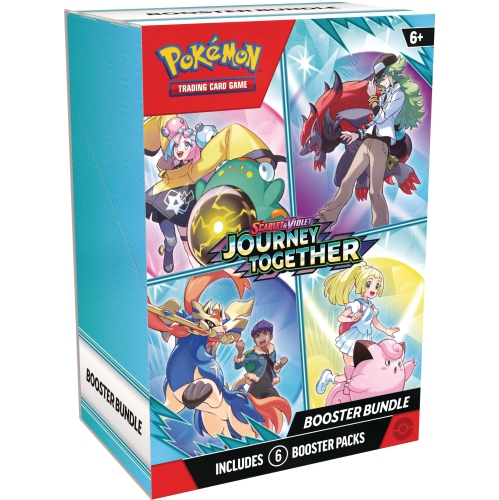 Your price for this item is $94.99
-
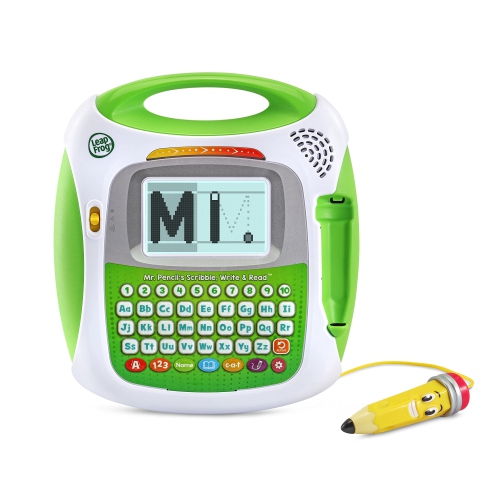 Your price for this item is $99.84
-
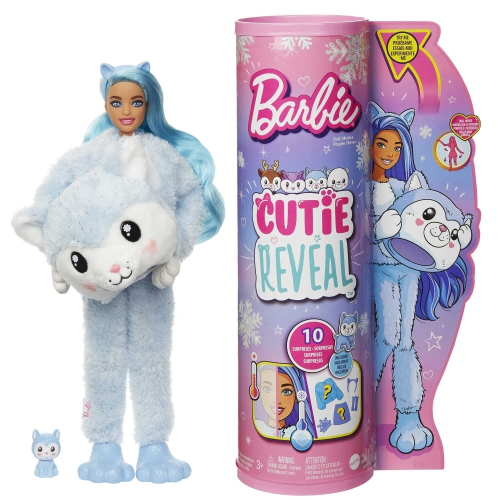 Your price for this item is $150
-
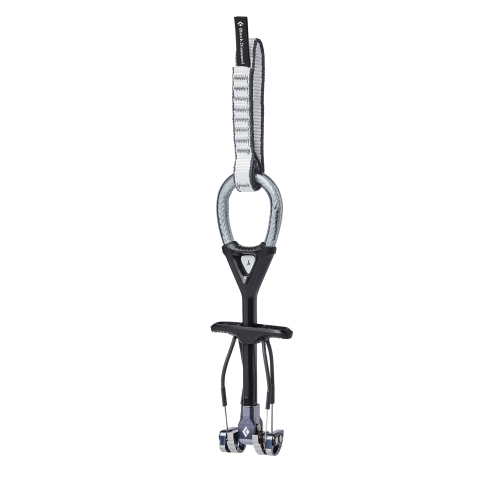 Your price for this item is $151.05
-
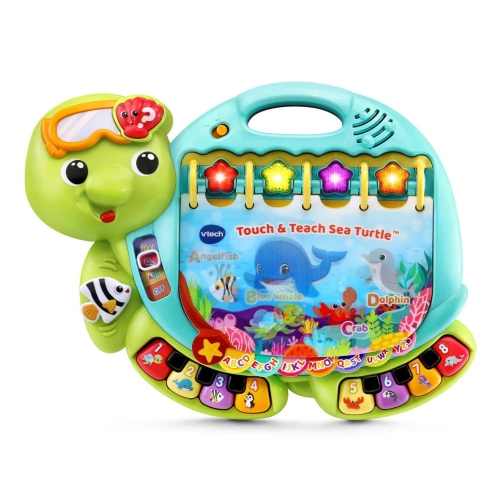 Your price for this item is $44.31
-
 Your price for this item is $45.54
-
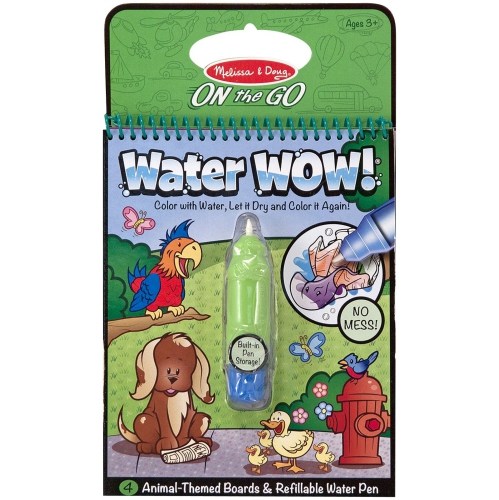 Your price for this item is $24.99
-
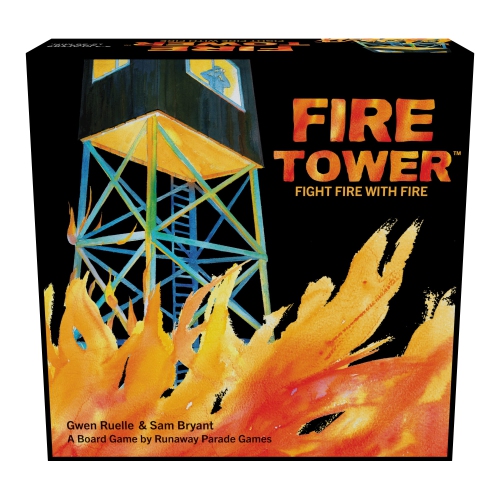 Your price for this item is $43.95
Discover more categories related to Stress Relief Toys

Top Collections:
Best Black Friday Deals This Year, Best Black Friday Deals On Electronics, Kindle Devices, Pokemon Centers, Best Black Friday Deals On Apple Products, Best Cameras for Sports Photography, Dyson Airwrap, Pokémon 30th Celebration Cards, Apple iPhone 17 Pro, Canon G7X Cameras
Some products may be subject to Environmental Handling Fees
(EHF) depending on your province.
Learn more about EHFs.