Themed Playing Cards
Discover a world of fun and creativity with themed playing cards, perfect for game nights, collectors, and enthusiasts alike. These unique decks offer a fresh twist on traditional card games, featuring captivating designs inspired by various themes such as movies, TV shows, art, and more. Whether you're looking to add a touch of personality to your poker night or seeking a special gift for a loved one, themed playing cards provide endless entertainment and charm. Explore our diverse selection to find the perfect set that suits your style and interests.
Sort
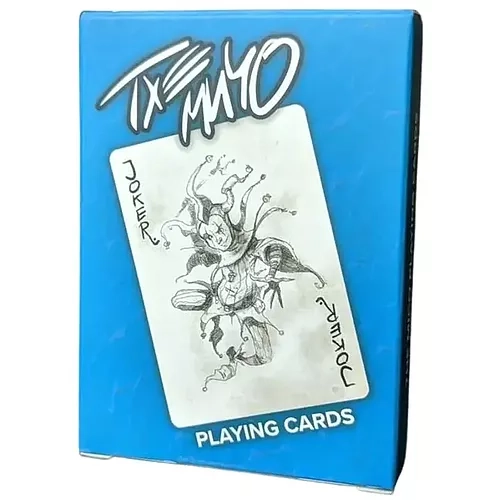
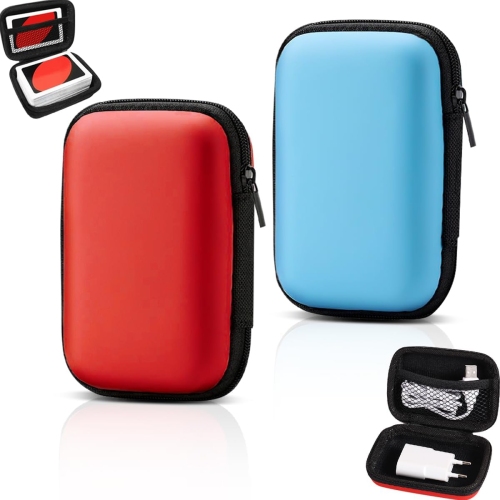
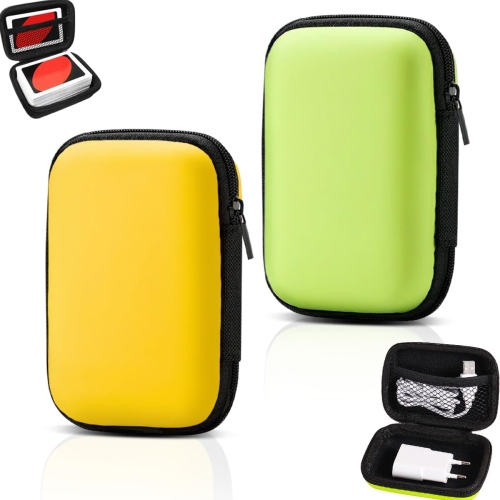
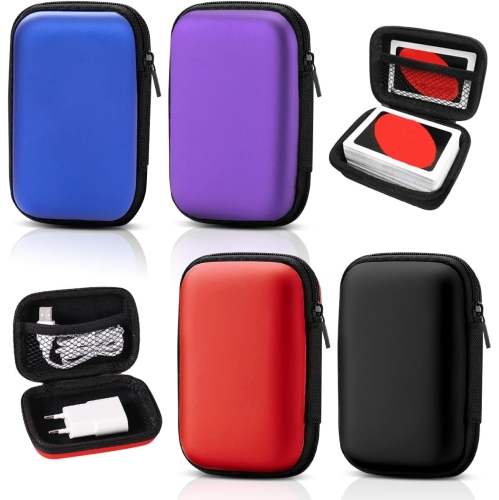
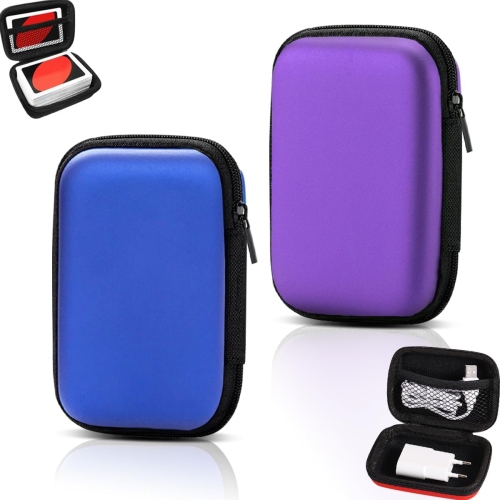
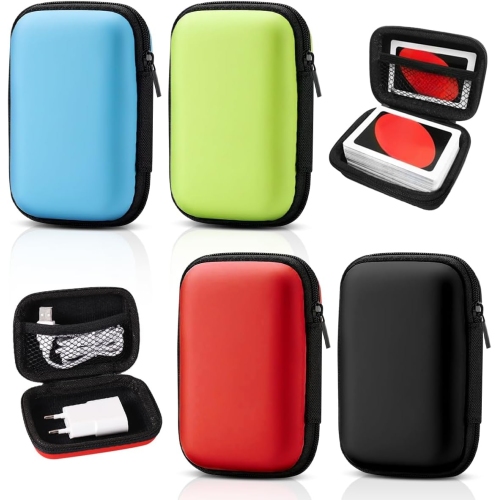
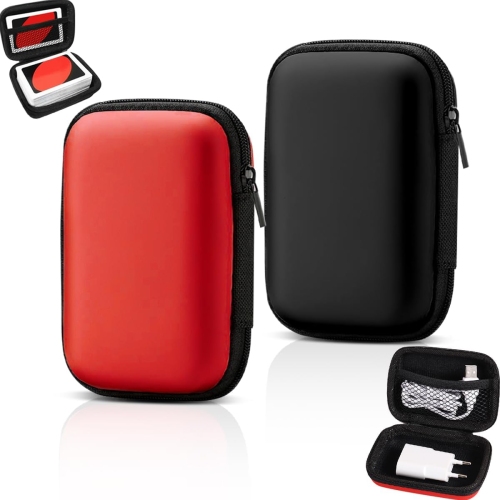
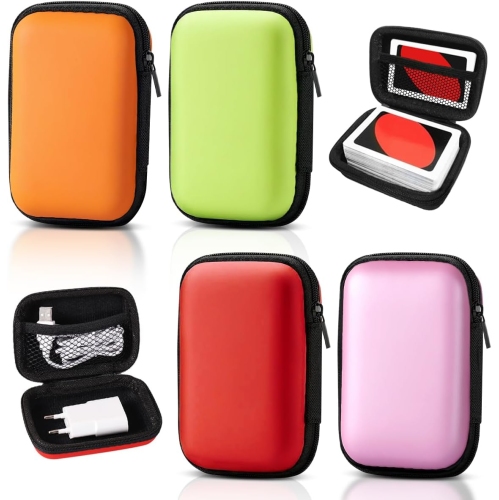
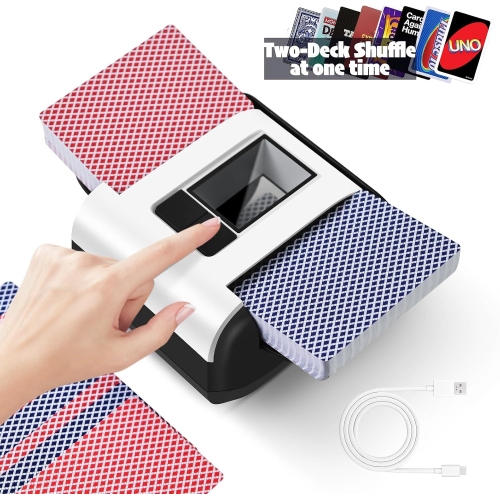

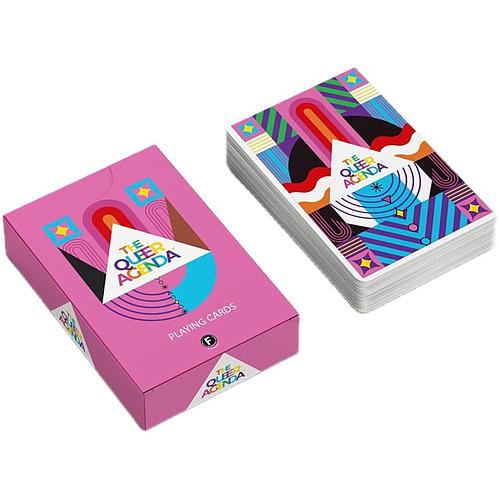
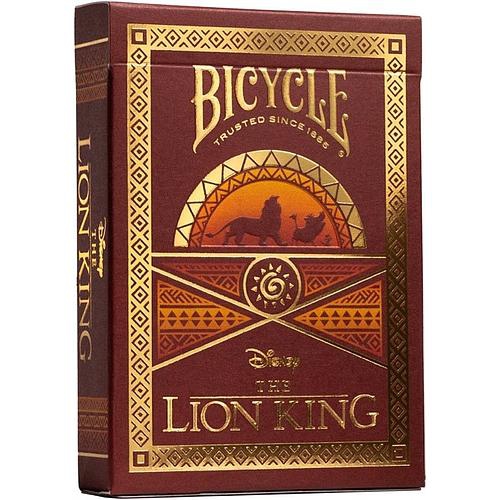
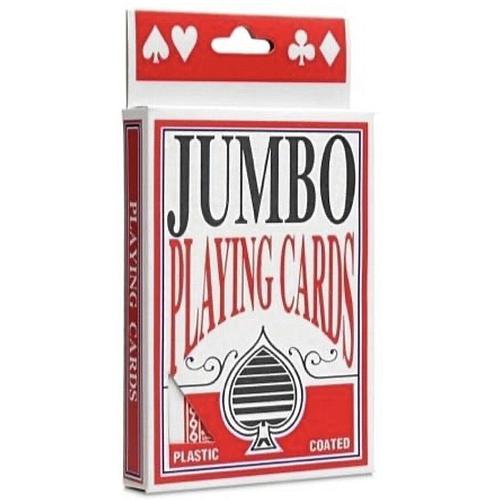

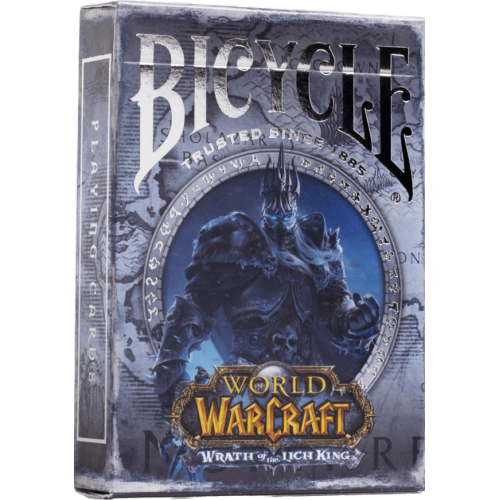

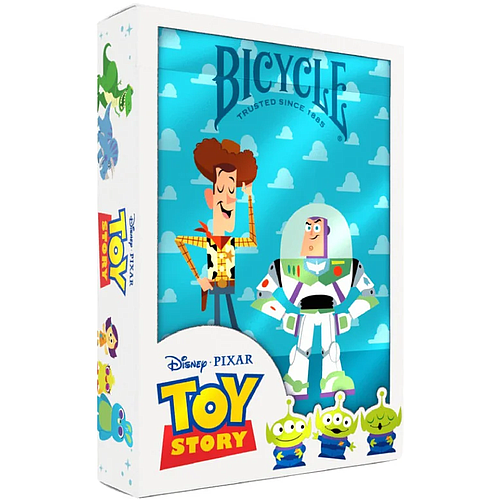
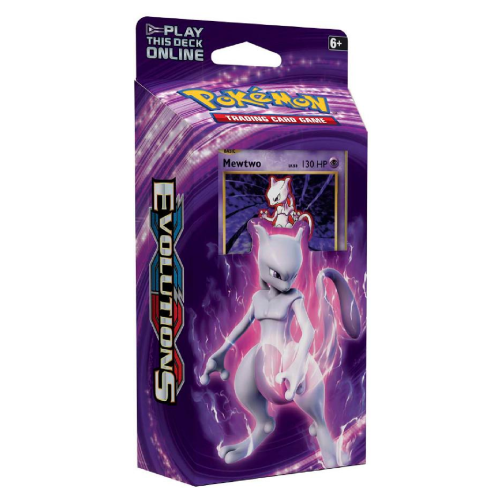
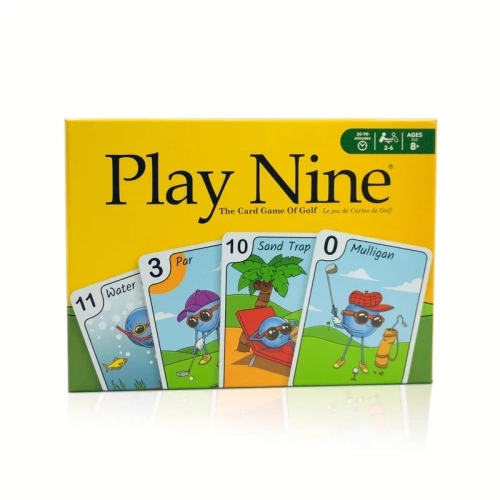

A deck’s personality goes beyond its artwork
Themed playing cards pair the familiar structure of a card deck with artwork inspired by a particular subject, interest, or visual style. Themes can draw on film and television, fantasy, wildlife, food, travel, historical periods, fine art, or abstract patterns. The illustrations may appear only on the card backs and packaging, or extend across the aces, court cards, jokers, and numbered cards. Many themed decks follow the standard 52-card format, sometimes with additional jokers, so they can support familiar games while bringing a different look to the table. Others use altered suits, extra cards, or a less conventional layout, making the deck’s contents important to its intended use. A themed playing card deck is not necessarily a trading card set or a standalone game; its artwork may be distinctive while its ranks and suits remain familiar. For regular play, the most useful designs balance visual character with clear information. A richly illustrated queen can add personality without making the rank difficult to identify, while strong contrast between suit symbols and backgrounds helps players read a hand quickly. Corner indices, the small rank and suit markings near the edges, are particularly helpful when cards overlap in a fan. Some artwork rewards a closer look between rounds, with small details connecting the numbered cards to the courts and aces. Other designs keep the faces relatively traditional and place the theme on the backs, making them a comfortable choice for mixed groups with different levels of card-playing experience. The result can be anything from a playful family-game deck to a miniature collection of coordinated illustrations. The visual approach matters as much as the subject itself: bold graphic shapes, intricate line drawings, painted scenes, and character portraits can give two decks with similar themes very different personalities.
Materials, dimensions, and finish shape how themed playing cards feel in use. Paper-based card stock is common, often with a surface treatment that helps cards slide against one another and reduces friction during shuffling. Thickness and flexibility vary, so a heavier card is not automatically easier to handle or better suited to every game. A deck that bends comfortably can be easier to shuffle by hand, while a firmer stock may appeal to someone who prefers a more substantial feel. Some cards use a paper core designed to limit show-through, helping keep faces concealed under ordinary lighting. Fully plastic cards can offer greater resistance to moisture and may be washable when the manufacturer’s care directions allow it; coated paper cards should not be assumed to have the same properties. Smooth and textured finishes also feel different during dealing, spreading, and gathering cards from a table. Raised or metallic details can add visual interest, but their placement matters if the deck will be shuffled frequently rather than displayed. Poker-size cards are commonly about 2.5 by 3.5 inches, while bridge-size cards are usually narrower at about 2.25 by 3.5 inches. Actual dimensions should be checked, especially for smaller hands, large-print preferences, or storage in an existing card case. A narrower card can make a large hand easier to hold, whereas a larger face may give detailed artwork more room. Readable indices and distinct suit shapes remain useful regardless of size. For care, clean, dry hands and a clear playing surface help protect both the finish and the printed art. Food residue can make cards stick together, and sliding a deck across a rough surface can mark the edges. Returning cards to their box after play helps prevent bent corners and missing cards. Paper decks generally benefit from protection against spills, prolonged direct sunlight, and damp storage, while any cleaning should follow the material-specific instructions rather than a method intended for a different type of card.
Intended use helps distinguish a deck that will become a regular part of game night from one that will be enjoyed mainly for its illustrations. For family games, clear ranks and familiar suits can keep attention on the play rather than on deciphering each card. At a gathering with several tables, distinct back designs can also help keep decks separate when everything is packed away. A travel deck benefits from a secure box or protective case, particularly when it will share a bag with keys, chargers, or other small belongings. For cardistry, where cards are used for visual flourishes rather than a traditional game, back patterns and border shapes can create striking effects as packets turn, fans open, and cards spread across a hand. Consistent handling matters alongside the artwork, and a highly detailed face design does not necessarily indicate how smoothly a deck will perform. Collectors may place more importance on coordinated illustrations, printing detail, packaging, and the relationship between the cards and their theme. A well-designed tuck box can extend the artwork beyond the deck itself, while a complete sequence of illustrated courts gives someone more to examine than a single repeated image. Gift choices can reflect both the recipient’s interests and how they spend their time: a keen card player may appreciate a readable deck with a favourite visual theme, while an art enthusiast may enjoy the illustrations even between games. Birthdays, housewarmings, and a host’s game night are natural occasions for a compact gift that can be opened and shared. For another perspective on distinctive deck design, Unique Playing Cards offers a related theme to explore. Whether the appeal lies in familiar characters, carefully drawn animals, architectural details, or unusual colour combinations, themed playing cards bring personal interests into an everyday pastime without requiring every player at the table to share the same enthusiasm.
Top selling and popular products
-
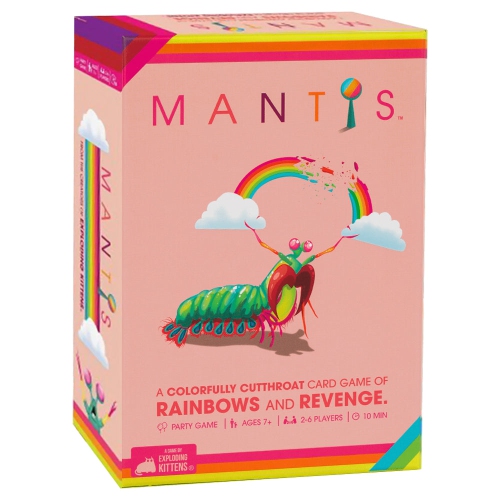 Your price for this item is $31.99
-
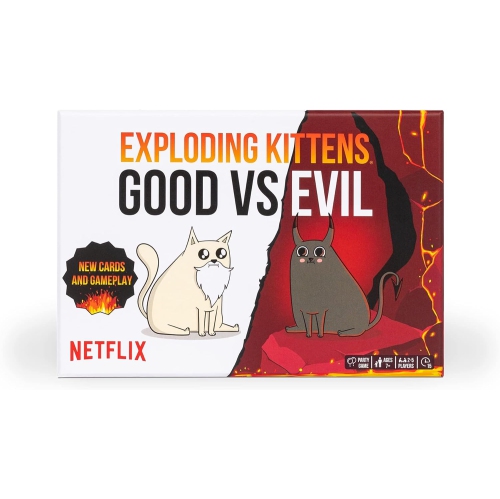 Your price for this item is $34.99
-
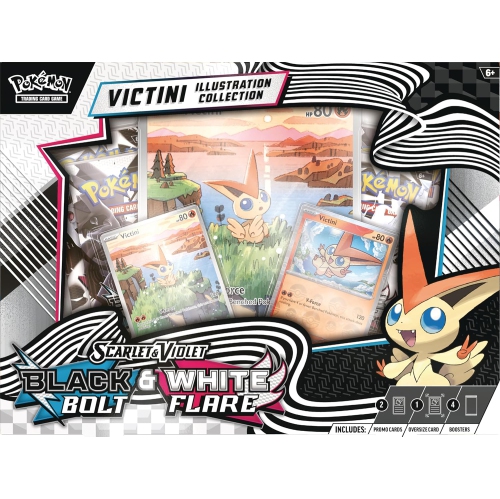 Your price for this item is $154.99
-
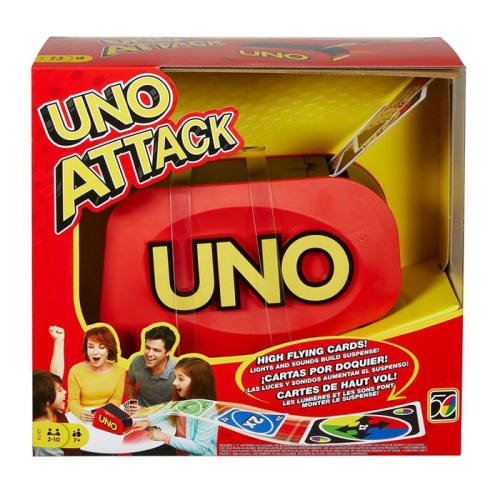 Your price for this item is $43.99
-
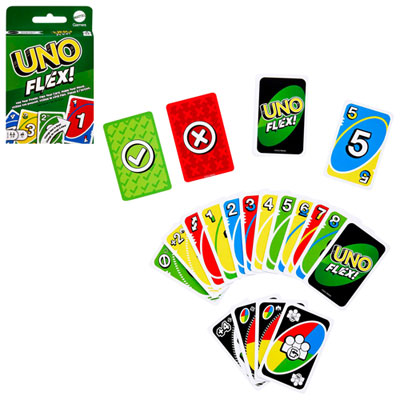 Your price for this item is $7.98
-
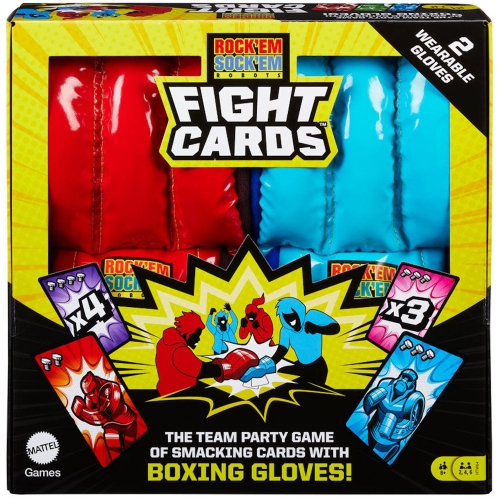 Your price for this item is $24.99
-
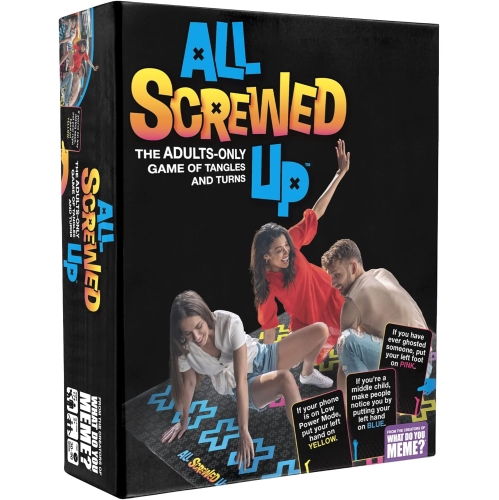 Your price for this item is $40
-
 Your price for this item is $30.99
Discover more categories related to Themed Playing Cards
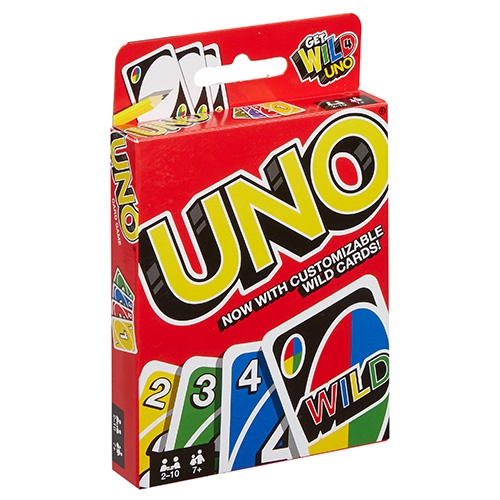
Top Collections:
Best Black Friday Deals This Year, Best Black Friday Deals On Electronics, Kindle Devices, Dyson Airwrap, Best Cameras for Sports Photography, Best Black Friday Deals On Apple Products, PS5 Pro Consoles, Portable Snow Blowers, Canon G7X Cameras, Pokémon 30th Celebration Cards
Some products may be subject to Environmental Handling Fees
(EHF) depending on your province.
Learn more about EHFs.