3d Board Games
Dive into a world of immersive fun with our selection of 3D board games, where strategy meets stunning visuals. These games transform traditional gameplay into a multi-dimensional experience, offering players an engaging and interactive way to challenge their skills. Perfect for family game nights or gatherings with friends, 3D board games bring excitement and creativity to your table, ensuring hours of entertainment. Explore the dynamic landscapes and intricate designs that elevate your gaming adventures to new heights. Discover how these captivating games can add a fresh twist to your collection, making every playthrough a unique and memorable journey.
Sort
![ZOCH VERLAG Nitro Glyxerol [Board Game, 2-4 Players]](https://multimedia.bbycastatic.ca/multimedia/products/500x500/151/15158/15158818.jpeg)
How raised boards add new dimensions to play
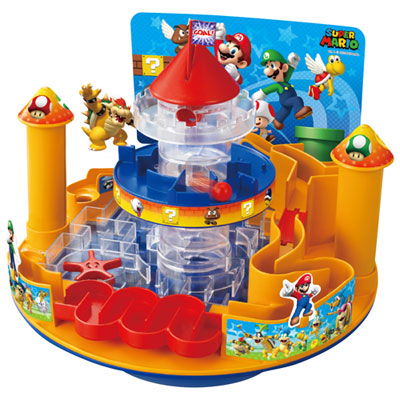
3D board games bring height, depth, and physical structure to tabletop play, using raised platforms, stacked pieces, sculpted terrain, or pop-up boards rather than relying only on a flat playing surface. The term covers several styles of games: some make vertical movement central to the rules, while others use three-dimensional scenery to give familiar activities a more tangible setting. In a multi-level strategy game, a piece positioned above another may open a route, block movement, or create a new scoring opportunity. In a stacking or balancing game, the challenge may come from placing a component without disturbing the structure beneath it. Other designs turn a board into a miniature scene, inviting players to search for details, explore pathways, or move characters through buildings and across bridges. These differences matter because an impressive-looking board does not necessarily mean complicated rules. A compact abstract game can offer considerable tactical depth, while an elaborate pop-up layout may support straightforward family play. Unlike a flat board with printed perspective, a physical 3D board has components that occupy space above the tabletop, although the extent to which that height affects play varies. Three-dimensional construction is also different from 3D printing: a game can have raised features without any printed parts, and a 3D-printed component does not automatically make a game multi-level. For shoppers browsing Games With Boards, this category offers a distinct emphasis on spatial relationships and hands-on interaction. The appeal is often easy to see across the table: a tower grows with each turn, an elevated path changes how players approach a destination, or a layered board reveals possibilities from different angles. Some games are entirely mechanical, while others may include electronic features; physical depth alone does not imply that a screen, app, or powered accessory is required. The defining feature is the way dimensional components shape the appearance, handling, or decisions of a tabletop game.
The playing experience depends as much on the people around the board as it does on the structure itself. Recommended age, player count, typical session length, and reading requirements help distinguish a quick shared activity from a longer strategic challenge. A younger player may enjoy matching shapes or moving chunky pieces through a raised layout, while an experienced player may prefer planning several turns ahead across interconnected levels. Age labels remain important even when the rules look simple, particularly where small pieces are involved. Some formats reward a steady hand, others favour observation or memory, and some centre on anticipating an opponent’s next move. Cooperative play can suit a group that enjoys working towards a shared objective, while competitive designs create direct contests over position, routes, or scoring spaces. For a household with mixed experience levels, the amount of information visible at once can make a meaningful difference. Clearly marked spaces, distinct shapes, and strong colour contrast may help players follow the action, whereas tall scenery can hide pieces from certain seats. A raised board may invite players to lean closer or stand briefly to check a position, so comfortable sightlines and easy reach are practical considerations. Table fit also extends beyond the board’s stated dimensions. Cards, spare pieces, player areas, and space for hands can turn a modest central structure into a much larger setup. A stable dining table may suit a tall balancing game better than a soft or uneven surface, while a lower-profile design can be easier to share across a smaller table. Setup and pack-away time also affect intended use: a structure that stays assembled between sessions suits a dedicated play area, while a folding board or modular layout may be more convenient in a shared room. As gifts, 3D board games can appeal to puzzle enthusiasts, family-game regulars, and people who enjoy tactile objects, provided the challenge and handling demands match the recipient’s interests.
Materials and construction influence how a 3D board game feels in use and how well it tolerates repeated assembly. Moulded plastic can support detailed shapes and wipeable surfaces, though thin projections and tight connectors may need careful handling. Wooden components offer a solid feel, but their finish, weight, and precision vary; smooth edges and consistent shapes are especially useful when pieces must stack or sit neatly together. Thick card and paperboard can create detailed scenes without making every structure heavy, although folds, slots, and exposed edges are potential wear points. Pop-up sections and interlocking buildings generally benefit from patient assembly rather than force, particularly when several tabs need to align at once. No single material guarantees durability. The strength of joints, stability of the base, quality of hinges, and way components fit inside the box all contribute to long-term use. A well-organized insert or separate storage compartments can keep small parts together and prevent heavier pieces from pressing against delicate scenery. Storage height matters, too: some structures fold flat, others come apart, and some need room to remain assembled. Routine care should follow the manufacturer’s directions, with particular attention to surfaces that should not get wet. Dry hands, a clean play surface, and drinks kept away from the board help protect printed artwork and card components. Where cleaning is permitted, gentle wiping is preferable to soaking, and pieces should be fully dry before storage. Electronic sections, if included, require the care specified for those components rather than the same treatment as ordinary playing pieces. Households with young children or pets also need a secure place for small tokens and detachable parts between sessions. Thoughtful construction and manageable storage make it easier for a dimensional game to return to the table regularly, whether it is used for a brief head-to-head match, an unhurried family session, or a gathering where the board itself gives everyone something interesting to examine before the first turn.
The playing experience depends as much on the people around the board as it does on the structure itself. Recommended age, player count, typical session length, and reading requirements help distinguish a quick shared activity from a longer strategic challenge. A younger player may enjoy matching shapes or moving chunky pieces through a raised layout, while an experienced player may prefer planning several turns ahead across interconnected levels. Age labels remain important even when the rules look simple, particularly where small pieces are involved. Some formats reward a steady hand, others favour observation or memory, and some centre on anticipating an opponent’s next move. Cooperative play can suit a group that enjoys working towards a shared objective, while competitive designs create direct contests over position, routes, or scoring spaces. For a household with mixed experience levels, the amount of information visible at once can make a meaningful difference. Clearly marked spaces, distinct shapes, and strong colour contrast may help players follow the action, whereas tall scenery can hide pieces from certain seats. A raised board may invite players to lean closer or stand briefly to check a position, so comfortable sightlines and easy reach are practical considerations. Table fit also extends beyond the board’s stated dimensions. Cards, spare pieces, player areas, and space for hands can turn a modest central structure into a much larger setup. A stable dining table may suit a tall balancing game better than a soft or uneven surface, while a lower-profile design can be easier to share across a smaller table. Setup and pack-away time also affect intended use: a structure that stays assembled between sessions suits a dedicated play area, while a folding board or modular layout may be more convenient in a shared room. As gifts, 3D board games can appeal to puzzle enthusiasts, family-game regulars, and people who enjoy tactile objects, provided the challenge and handling demands match the recipient’s interests.
Materials and construction influence how a 3D board game feels in use and how well it tolerates repeated assembly. Moulded plastic can support detailed shapes and wipeable surfaces, though thin projections and tight connectors may need careful handling. Wooden components offer a solid feel, but their finish, weight, and precision vary; smooth edges and consistent shapes are especially useful when pieces must stack or sit neatly together. Thick card and paperboard can create detailed scenes without making every structure heavy, although folds, slots, and exposed edges are potential wear points. Pop-up sections and interlocking buildings generally benefit from patient assembly rather than force, particularly when several tabs need to align at once. No single material guarantees durability. The strength of joints, stability of the base, quality of hinges, and way components fit inside the box all contribute to long-term use. A well-organized insert or separate storage compartments can keep small parts together and prevent heavier pieces from pressing against delicate scenery. Storage height matters, too: some structures fold flat, others come apart, and some need room to remain assembled. Routine care should follow the manufacturer’s directions, with particular attention to surfaces that should not get wet. Dry hands, a clean play surface, and drinks kept away from the board help protect printed artwork and card components. Where cleaning is permitted, gentle wiping is preferable to soaking, and pieces should be fully dry before storage. Electronic sections, if included, require the care specified for those components rather than the same treatment as ordinary playing pieces. Households with young children or pets also need a secure place for small tokens and detachable parts between sessions. Thoughtful construction and manageable storage make it easier for a dimensional game to return to the table regularly, whether it is used for a brief head-to-head match, an unhurried family session, or a gathering where the board itself gives everyone something interesting to examine before the first turn.
Top selling and popular products
-
 Your price for this item is $14.99
 -
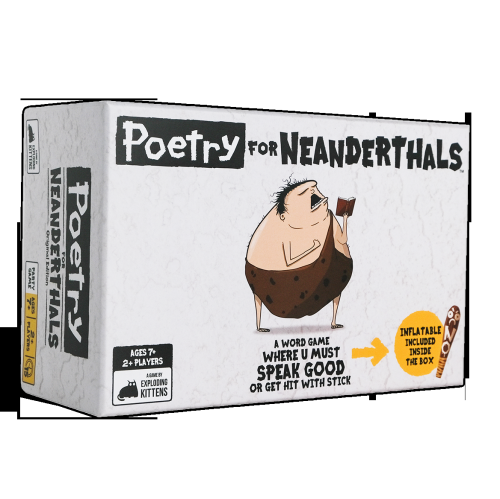 Your price for this item is $34.99
 -
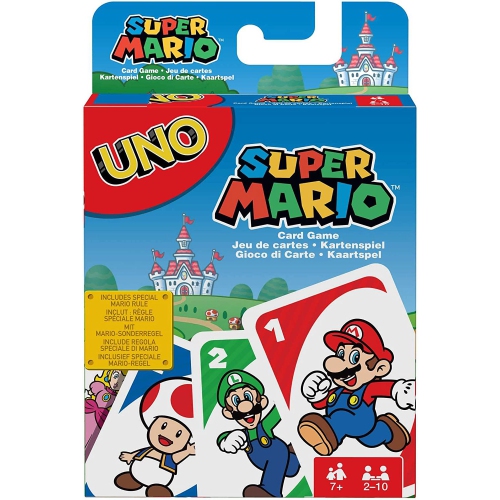 Your price for this item is $15
 -
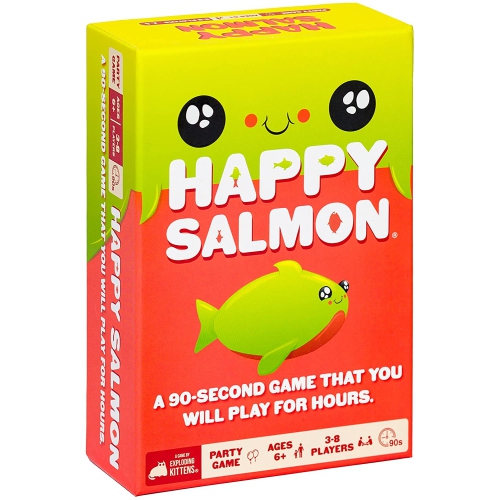 Your price for this item is $21.99
 -
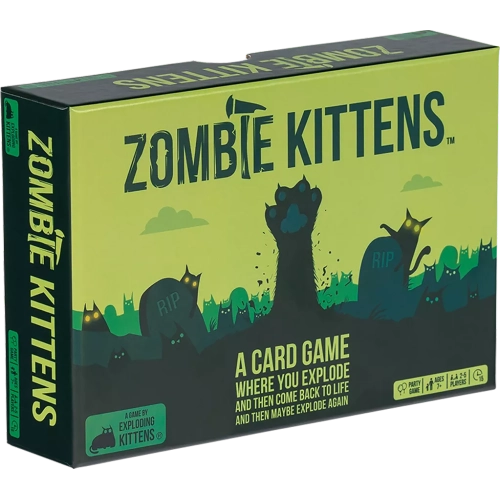 Your price for this item is $34.99
 -
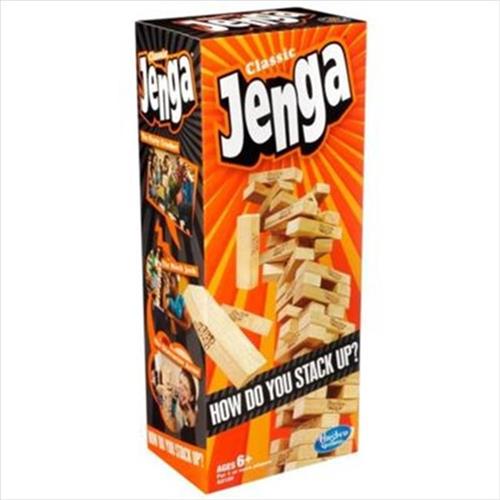 Your price for this item is $35.59
 -
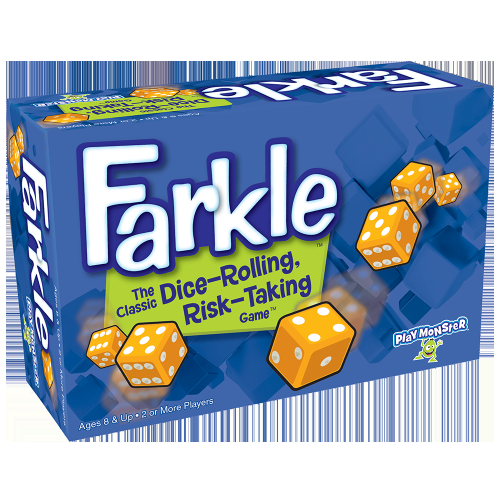 Your price for this item is $20.93
 -
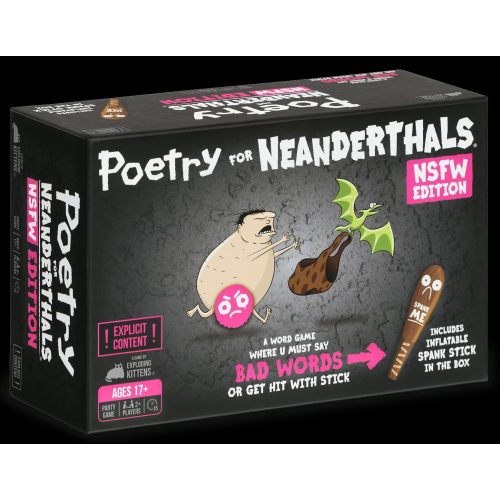 Your price for this item is $31.99
Discover more categories related to 3d Board Games
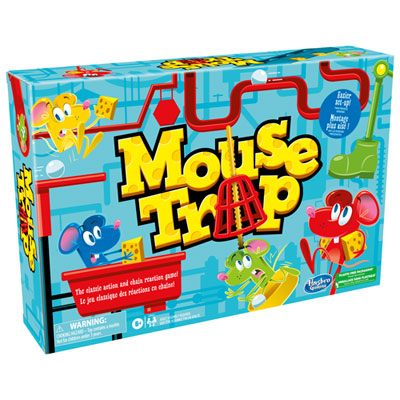
Top Collections:
Pokemon Centers, Kindle Devices, Best Budget Office Chairs, Apple iPhones 16, Best Laptops for Writers, iPhone 15 Apple, Canon G7X Cameras, Refurbished Apple Laptops, Alarm Clock, Motorola Razr Phones
Some products may be subject to Environmental Handling Fees
(EHF) depending on your province.
Learn more about EHFs.