Board Games for Cognitive Development
Board Games For Cognitive Development offer a fun and engaging way to encourage learning and mental growth for all ages. Whether you’re looking to challenge memory, boost problem-solving skills, or enhance strategic thinking, these games provide an enjoyable experience that stimulates the mind. Perfect for family game nights, classroom activities, or solo play, Board Games For Cognitive Development make it easy to combine entertainment with opportunities for intellectual enrichment. Explore a wide selection designed to inspire curiosity and keep players of every age engaged.
Sort

![BRAIN GAMES Deductio [Board Game, 2-4 Players]](https://multimedia.bbycastatic.ca/multimedia/products/500x500/198/19814/19814650.jpeg)
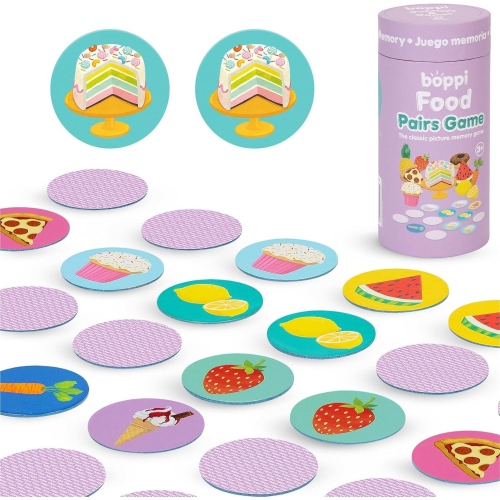
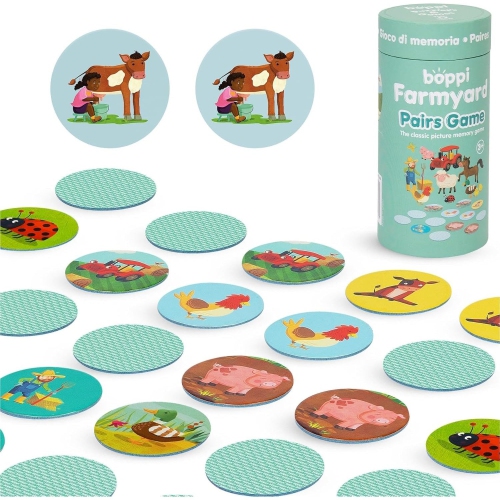
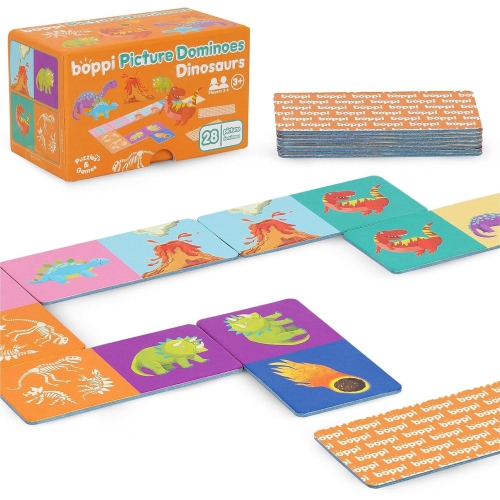
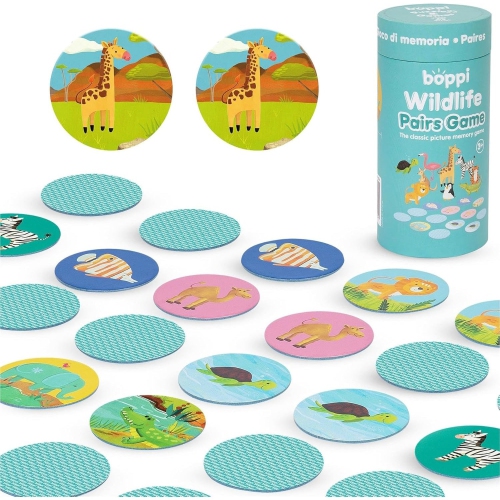
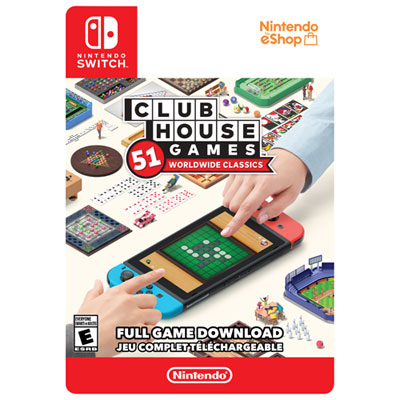

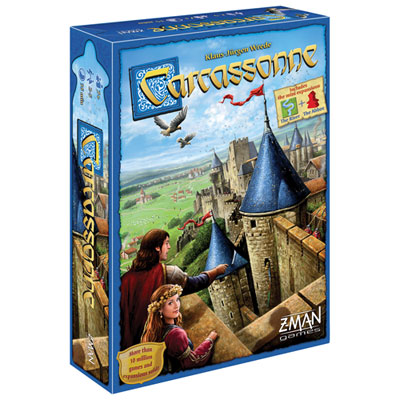
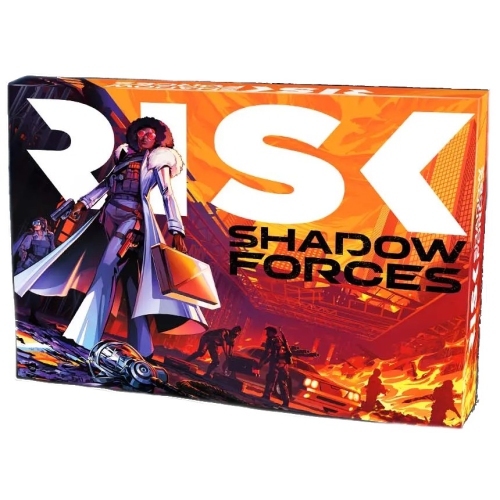
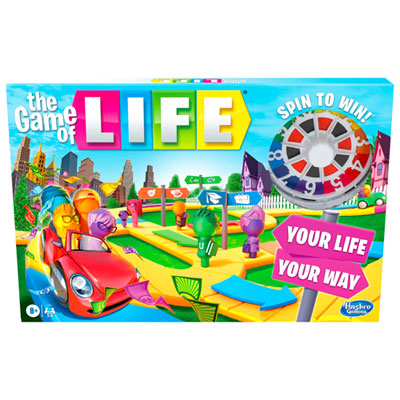
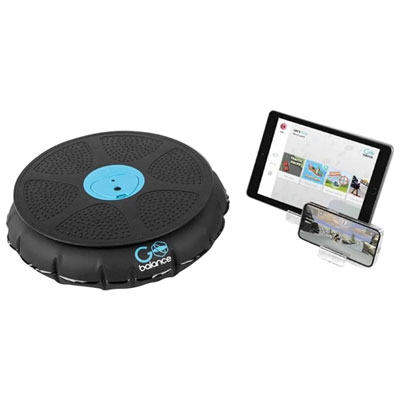

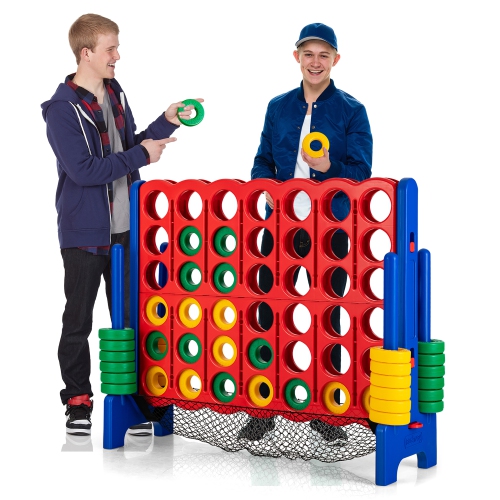
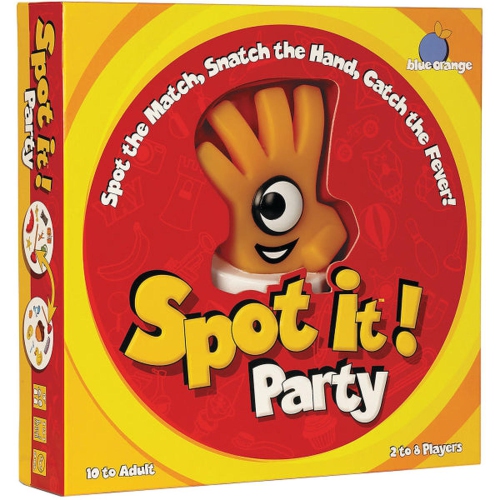
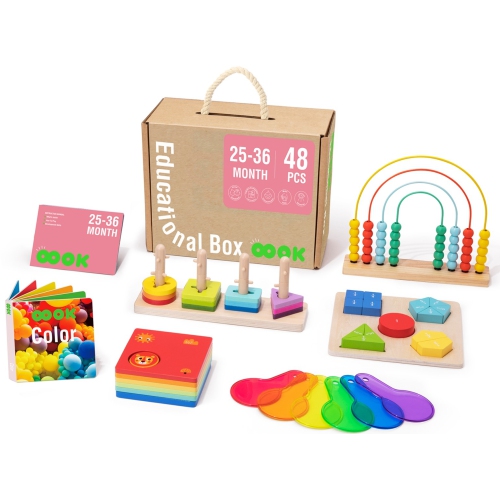
Tabletop play builds thinking and communication through shared challenges
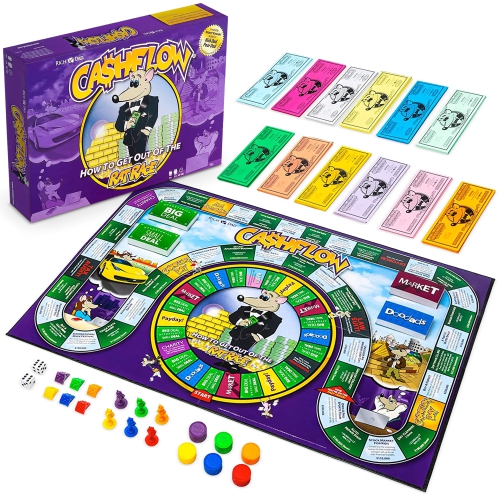
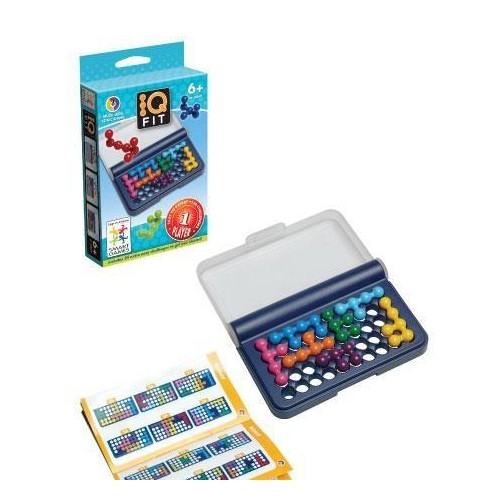
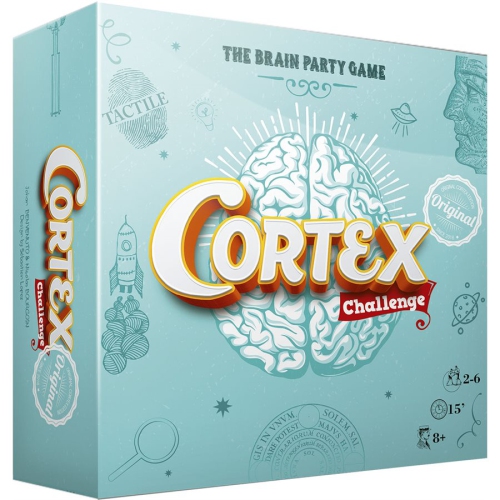
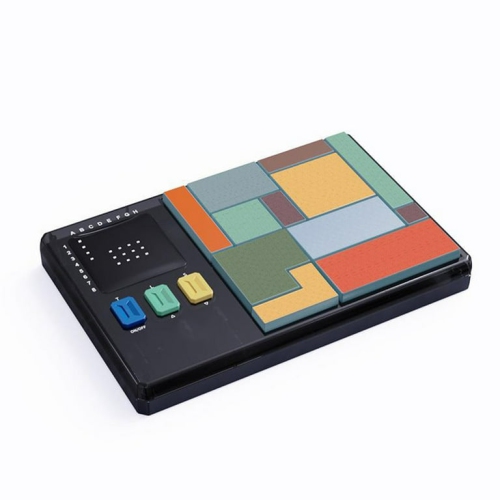
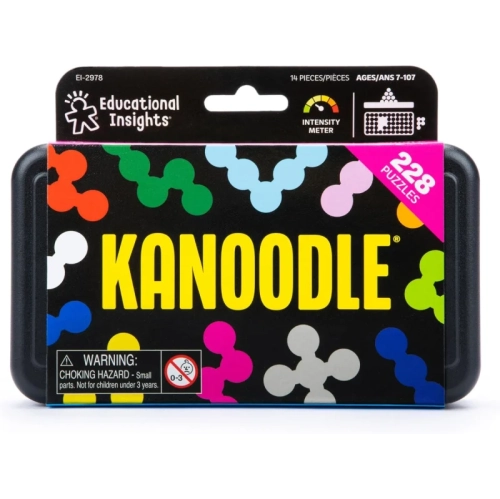
Board games for cognitive development can turn a quiet afternoon, family gathering, or classroom break into an engaging opportunity to practise memory, logic, planning, and communication. Unlike activities that rely on a screen, tabletop play places the action in front of everyone, with players handling pieces, studying a board, remembering rules, and responding to what happens from one turn to the next. A memory-focused game may encourage players to recall locations, patterns, or earlier choices, while a strategy game can invite them to plan several moves ahead, manage limited resources, and adjust their approach when another player changes the situation. Games built around deduction can help children and adults compare clues, identify useful information, and reach a conclusion step by step. Spatial challenges, including those involving grids, shapes, routes, or tile placement, offer practice with visualising how objects relate to one another. These activities are not a substitute for formal learning or professional support, but they can make everyday skill-building feel relaxed and rewarding. A game table often becomes a small training ground for patience, flexible thinking, turn-taking, and decision-making, with mistakes treated as part of the fun rather than as a test.
When choosing board games for cognitive development, start with the player’s age, reading level, attention span, and comfort with rules. Younger children may enjoy large components, bright illustrations, matching activities, and simple turns that can be completed in a few minutes. Older children and teens may be ready for layered rules, hidden information, probability, resource management, or challenges that become more complex as their confidence grows. Adults can appreciate games that provide a thoughtful mental workout while still fitting comfortably into an evening at home. Check the recommended age range, number of players, average play time, and whether the game is competitive, cooperative, or suitable for solo play. Cooperative games can be especially helpful for groups that prefer to work towards a shared goal, since players practise explaining ideas, listening to suggestions, and changing plans together. Competitive games may add excitement and help players learn how to handle an unexpected setback, celebrate another person’s success, and make a fresh decision after a missed opportunity. For a household with mixed ages, look for adjustable difficulty, straightforward instructions, and enough variety to keep experienced players interested without overwhelming beginners. Storage is also worth considering: sturdy boxes, organised compartments, and clearly marked pieces make it easier to set up, pack away, and return to the game during busy weeks.
These games can be thoughtful gifts for children building confidence with problem-solving, teens who enjoy puzzles and tactics, adults looking for a screen-free pastime, or grandparents who want an activity that brings several generations around the same table. They can be used after school, during a rainy afternoon, on a weekend visit, or during the cooler months when indoor gatherings become more appealing. A short game can fit into a family routine before dinner, while a longer session may become the centrepiece of a relaxed get-together with snacks and conversation. Players may strengthen working memory by keeping rules, goals, and changing board positions in mind; executive functioning by weighing choices, delaying an immediate move, and shifting strategies; and spatial reasoning by mentally rotating pieces or mapping a route across the board. Games involving clues and probability can support analytical thinking, while timed activities may encourage quick processing without requiring every player to move at the same pace. For a broader selection of social activities that encourage conversation and shared participation, explore Board Games for Interactive Play. Whether the goal is a lively family tradition, a calm solo challenge, or a welcoming gift for someone who enjoys learning through play, the right board game can make thinking, communicating, and trying again feel naturally rewarding.
When choosing board games for cognitive development, start with the player’s age, reading level, attention span, and comfort with rules. Younger children may enjoy large components, bright illustrations, matching activities, and simple turns that can be completed in a few minutes. Older children and teens may be ready for layered rules, hidden information, probability, resource management, or challenges that become more complex as their confidence grows. Adults can appreciate games that provide a thoughtful mental workout while still fitting comfortably into an evening at home. Check the recommended age range, number of players, average play time, and whether the game is competitive, cooperative, or suitable for solo play. Cooperative games can be especially helpful for groups that prefer to work towards a shared goal, since players practise explaining ideas, listening to suggestions, and changing plans together. Competitive games may add excitement and help players learn how to handle an unexpected setback, celebrate another person’s success, and make a fresh decision after a missed opportunity. For a household with mixed ages, look for adjustable difficulty, straightforward instructions, and enough variety to keep experienced players interested without overwhelming beginners. Storage is also worth considering: sturdy boxes, organised compartments, and clearly marked pieces make it easier to set up, pack away, and return to the game during busy weeks.
These games can be thoughtful gifts for children building confidence with problem-solving, teens who enjoy puzzles and tactics, adults looking for a screen-free pastime, or grandparents who want an activity that brings several generations around the same table. They can be used after school, during a rainy afternoon, on a weekend visit, or during the cooler months when indoor gatherings become more appealing. A short game can fit into a family routine before dinner, while a longer session may become the centrepiece of a relaxed get-together with snacks and conversation. Players may strengthen working memory by keeping rules, goals, and changing board positions in mind; executive functioning by weighing choices, delaying an immediate move, and shifting strategies; and spatial reasoning by mentally rotating pieces or mapping a route across the board. Games involving clues and probability can support analytical thinking, while timed activities may encourage quick processing without requiring every player to move at the same pace. For a broader selection of social activities that encourage conversation and shared participation, explore Board Games for Interactive Play. Whether the goal is a lively family tradition, a calm solo challenge, or a welcoming gift for someone who enjoys learning through play, the right board game can make thinking, communicating, and trying again feel naturally rewarding.
Top selling and popular products
-
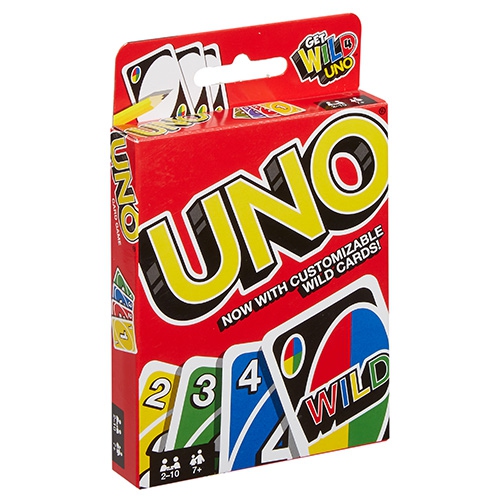 Your price for this item is $14.99
 -
 Your price for this item is $34.99
 -
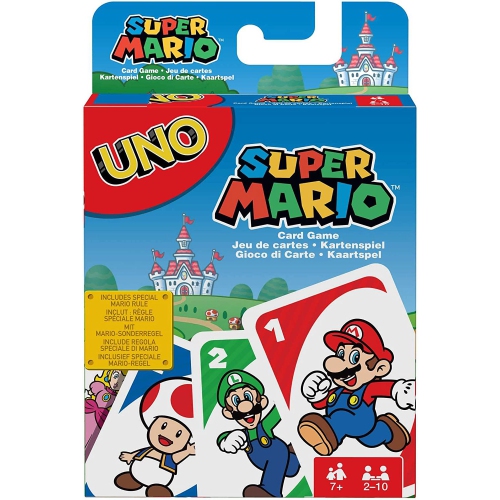 Your price for this item is $15
 -
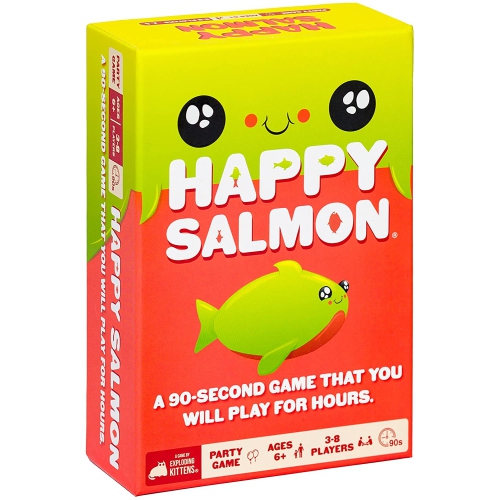 Your price for this item is $21.99
 -
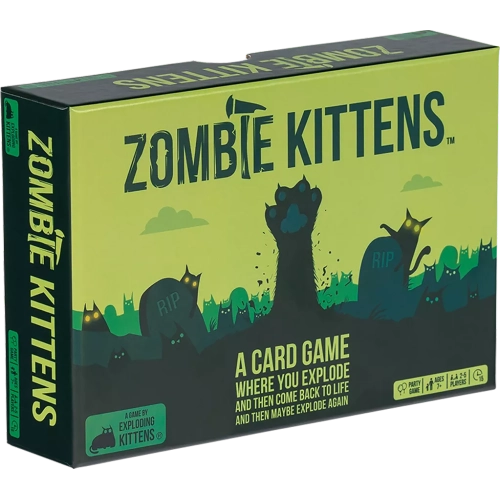 Your price for this item is $34.99
 -
 Your price for this item is $34.11
 -
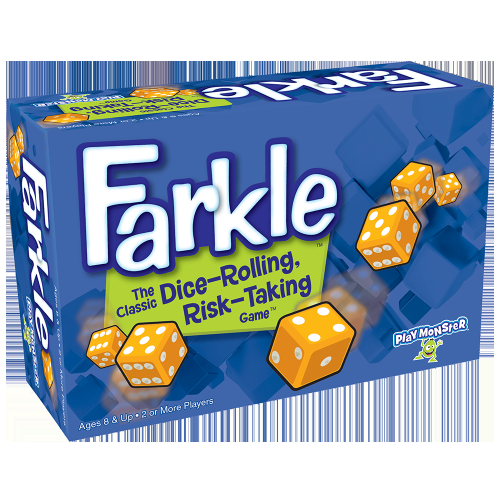 Your price for this item is $17.8
 -
 Your price for this item is $29.99
Discover more categories related to Board Games for Cognitive Development
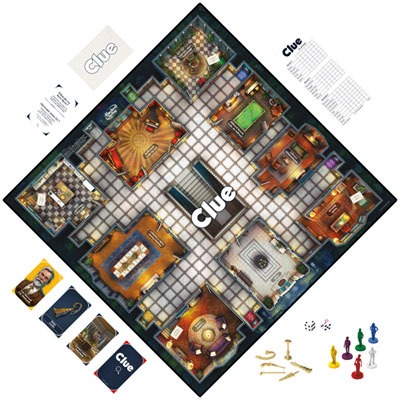

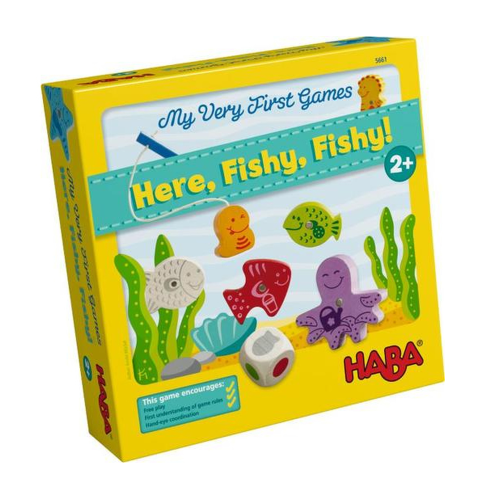
Top Collections:
Pokemon Centers, Budget 4K TVs, Kindle Devices, Canon G7X Cameras, Apple iPhones 16, iPhone 15 Apple, Laptops for Business Work, Flip Phones, Xiaomi Phones, Refurbished Apple Laptops
Some products may be subject to Environmental Handling Fees
(EHF) depending on your province.
Learn more about EHFs.