Cognitive Development Toys
Nurture your child's growing mind with our selection of cognitive development toys, designed to inspire curiosity and enhance learning through play. These thoughtfully crafted toys are perfect for sparking imagination and fostering problem-solving skills, offering endless opportunities for exploration and discovery. Whether your little one is just starting to explore the world around them or is ready to tackle more complex challenges, you'll find a variety of engaging options that cater to their developmental stage. Dive into a world where fun meets education, and watch as your child's potential unfolds with each playful moment.
Sort
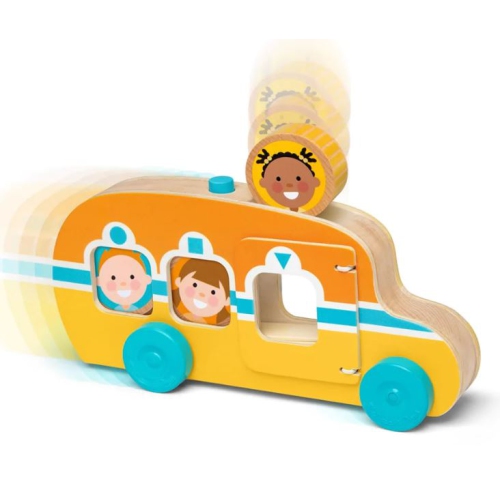

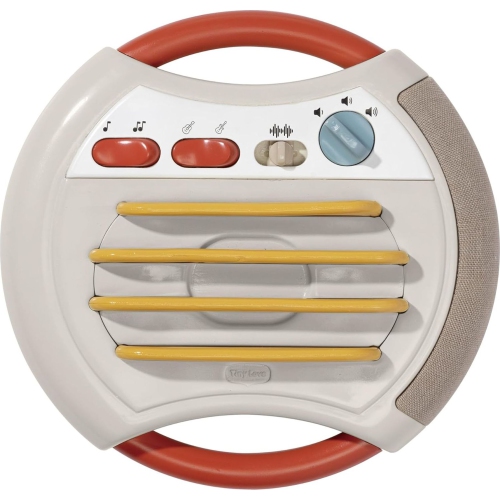
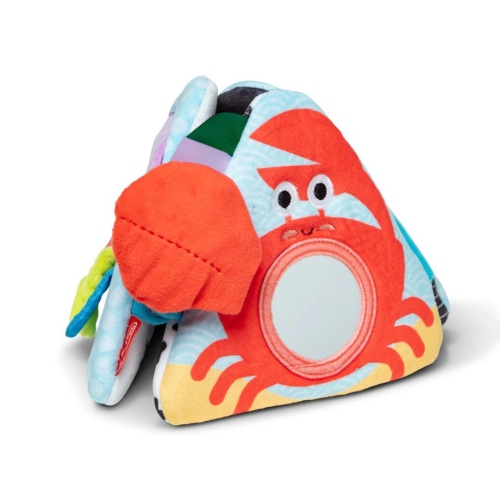
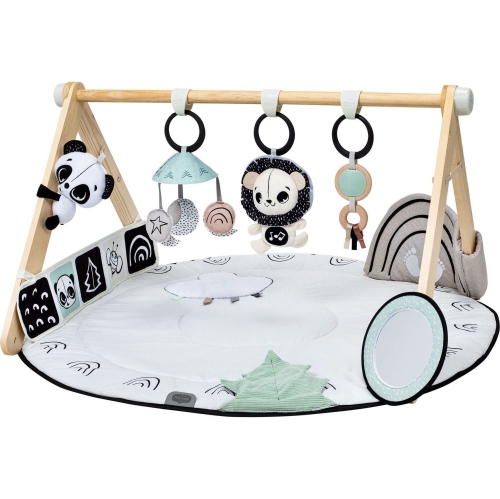
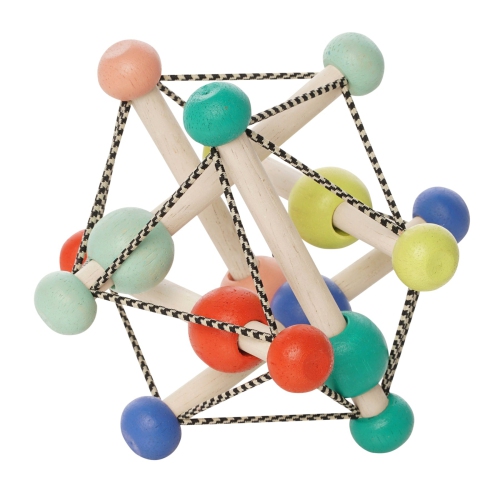
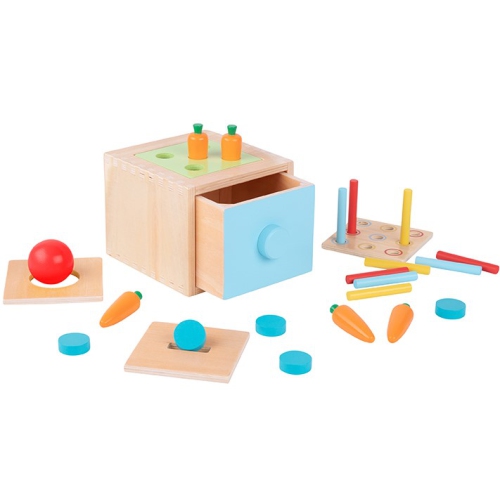
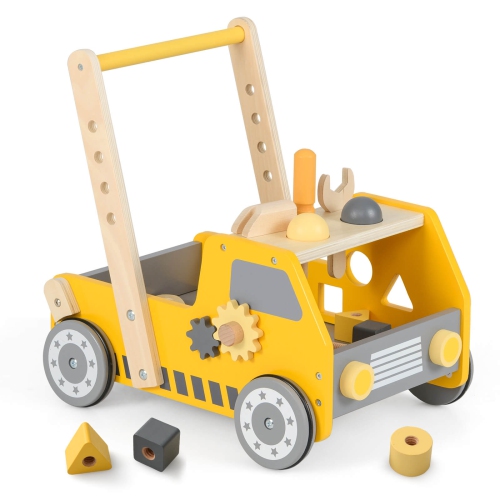

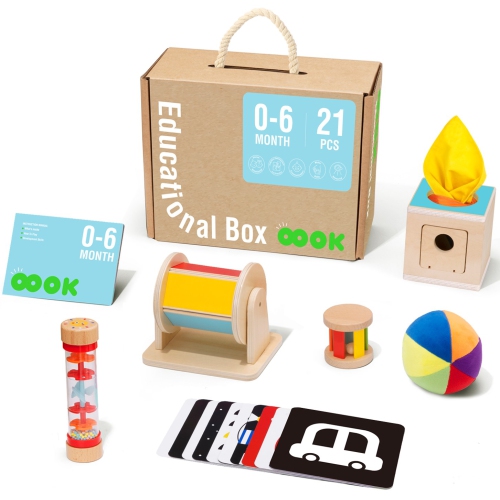
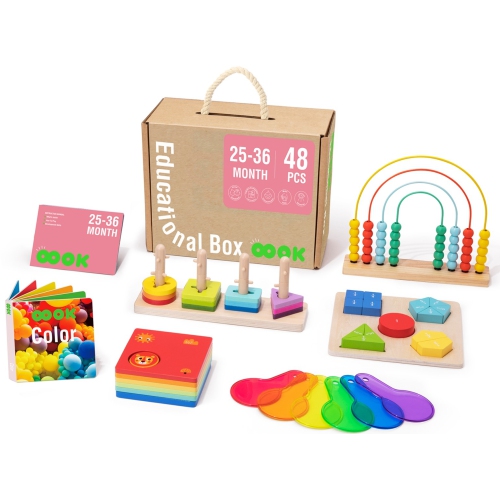
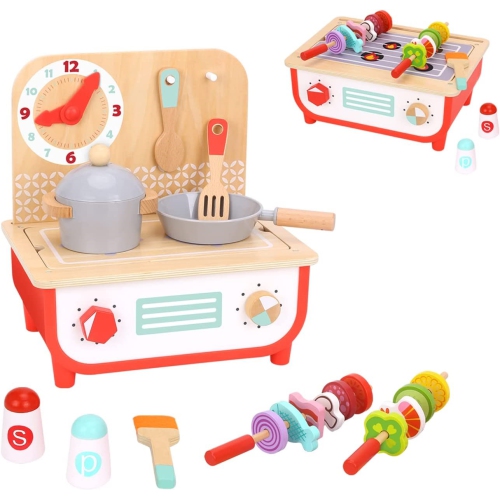

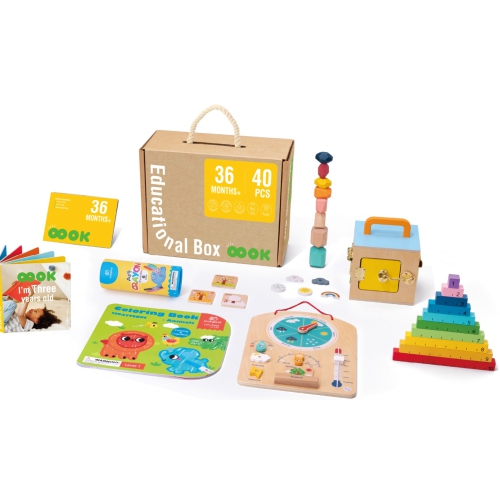
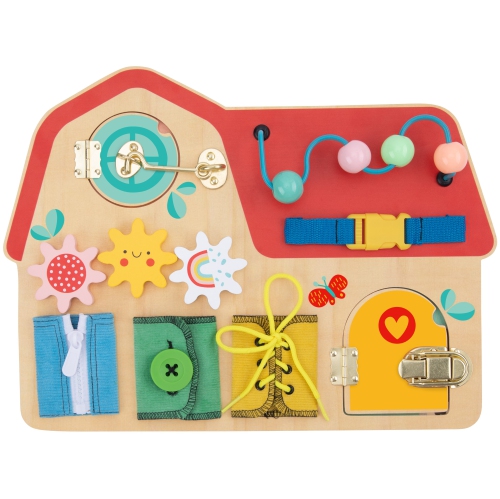

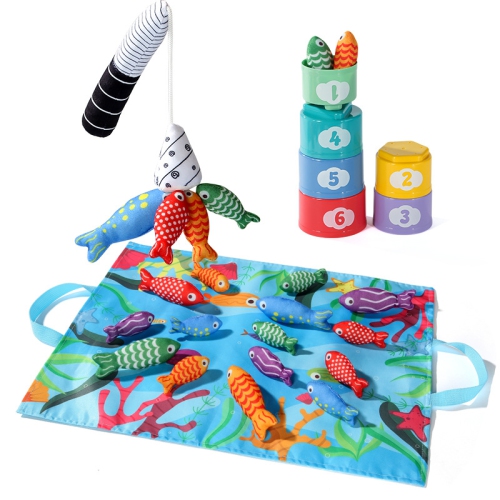
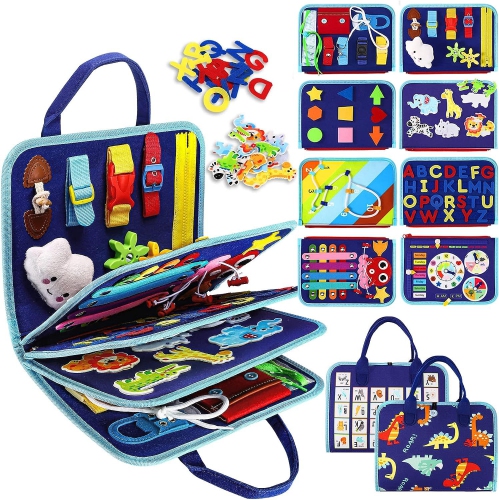
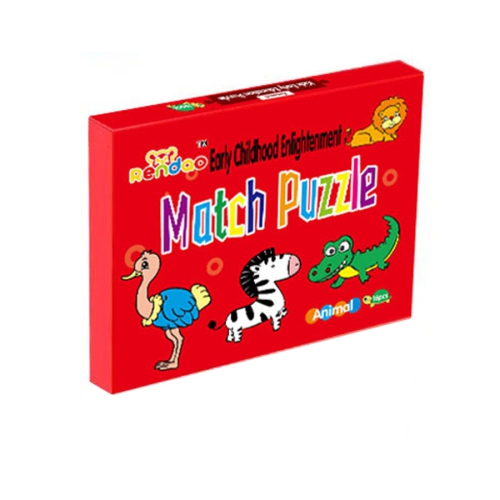
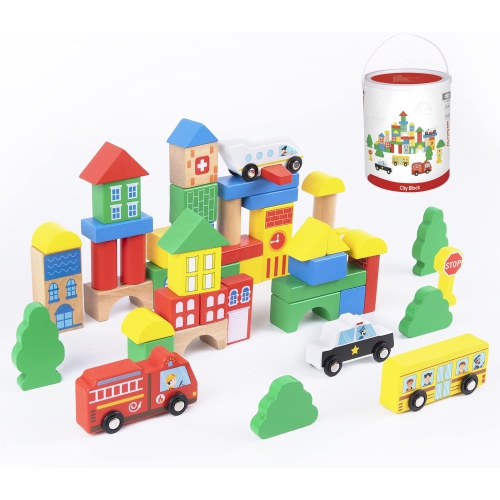
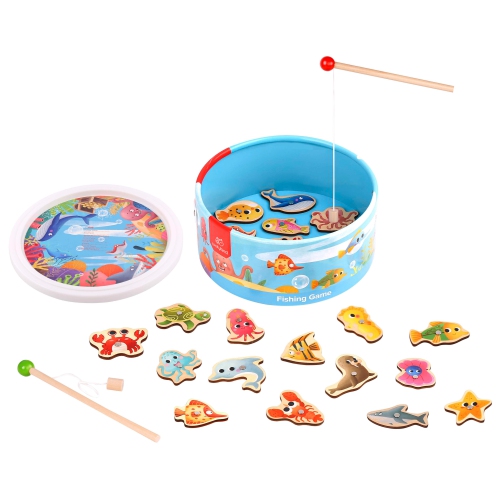
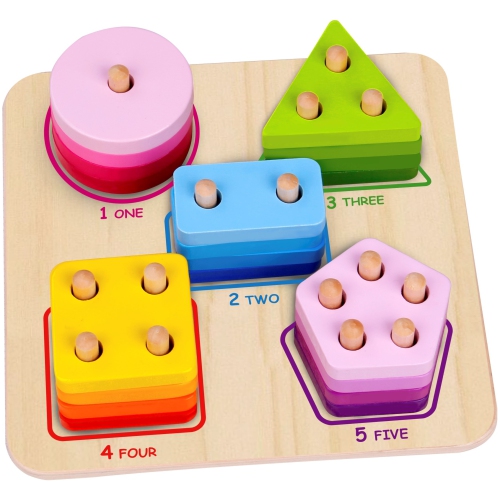
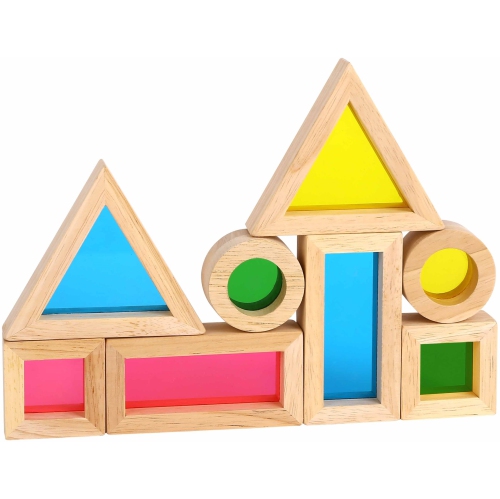
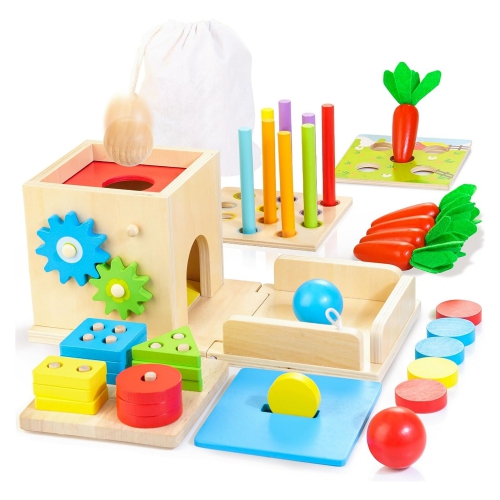

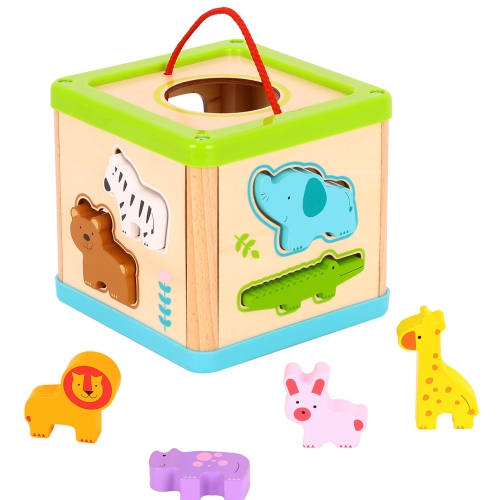
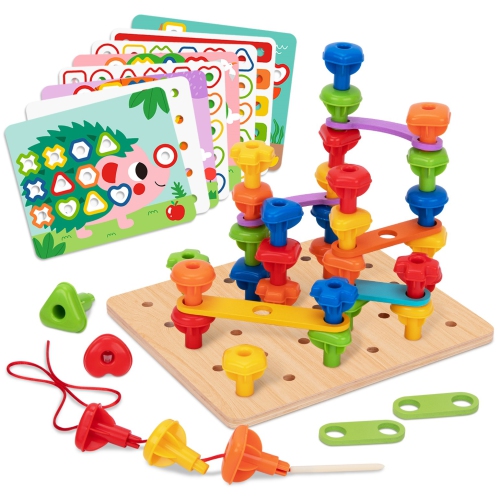
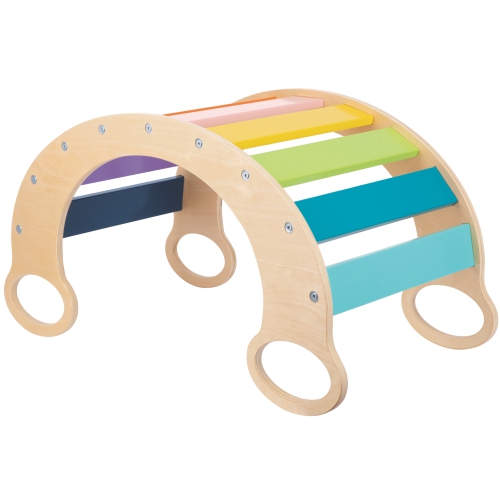
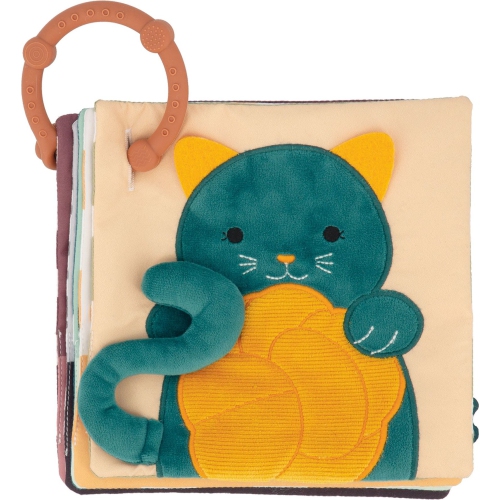
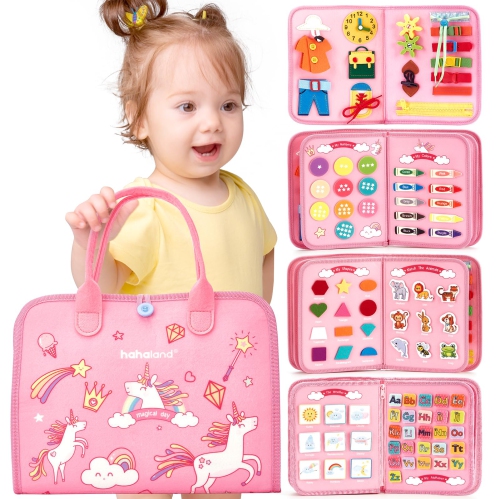
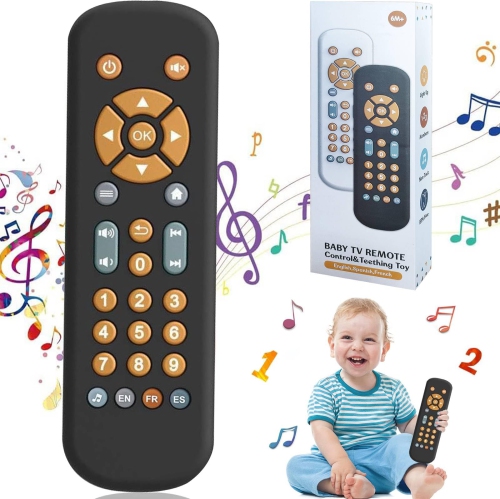
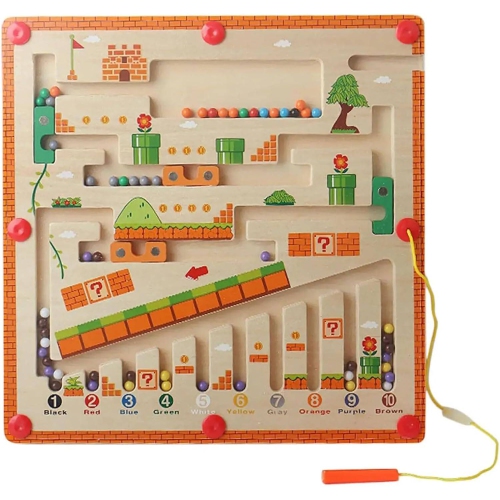
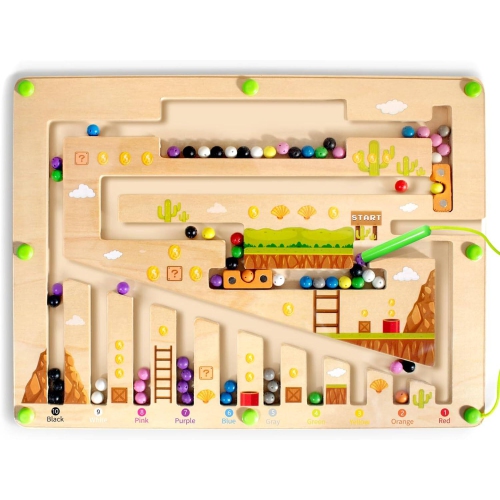
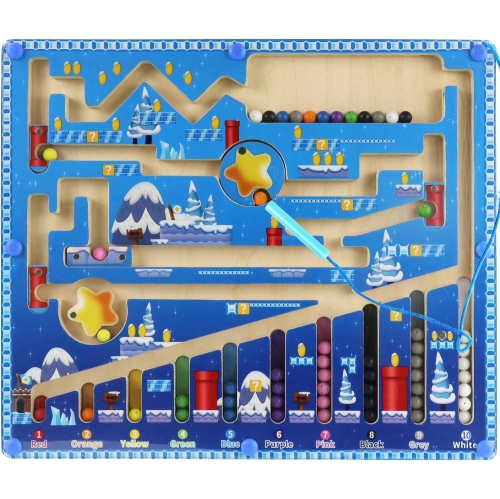
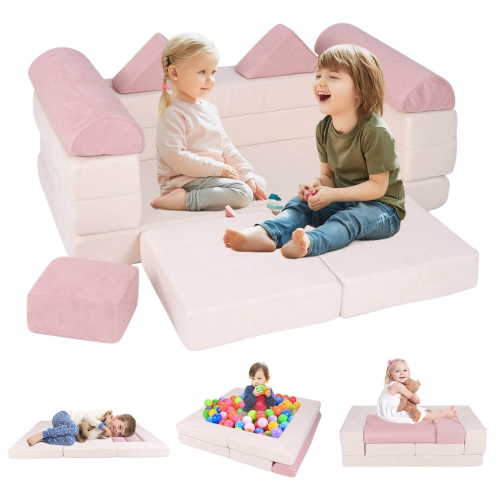
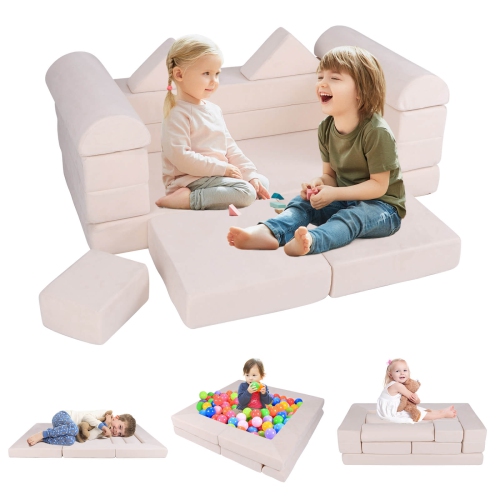
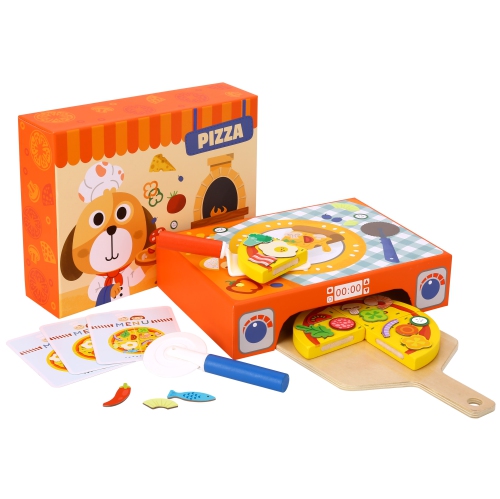
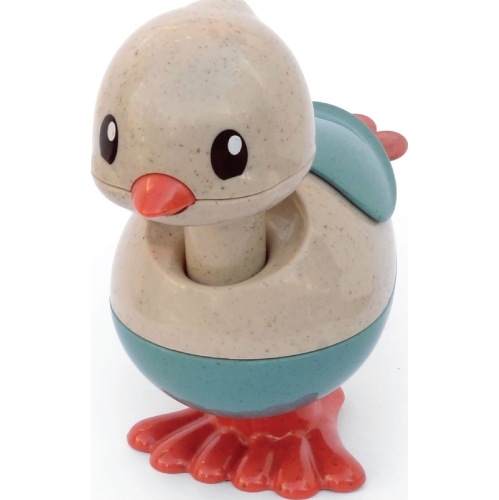
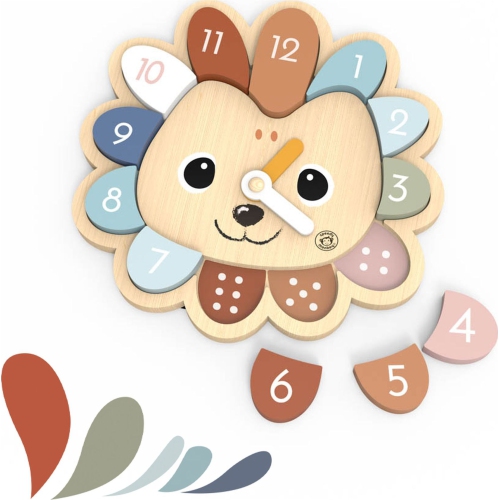
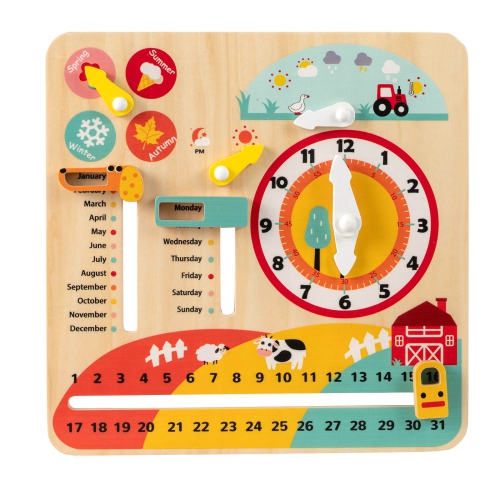
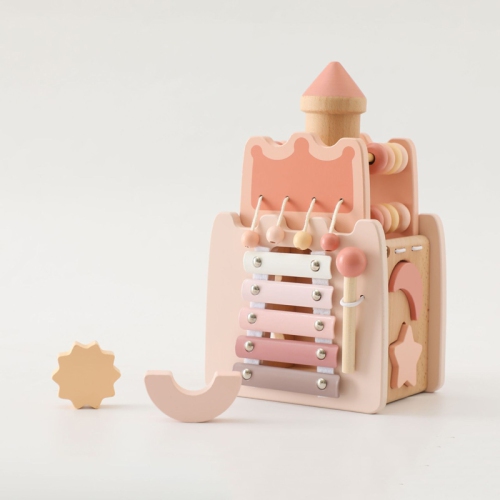
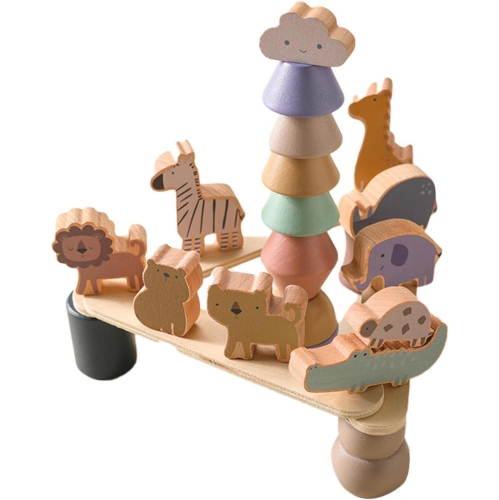
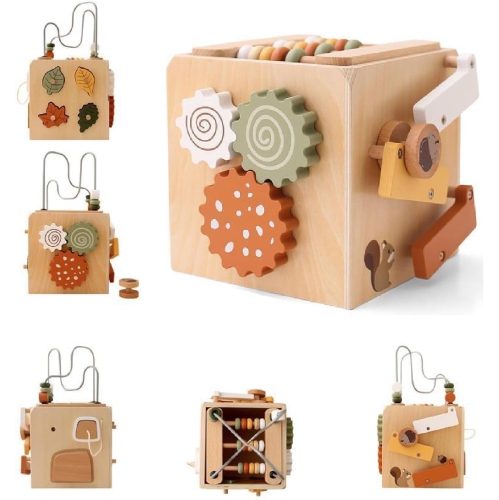
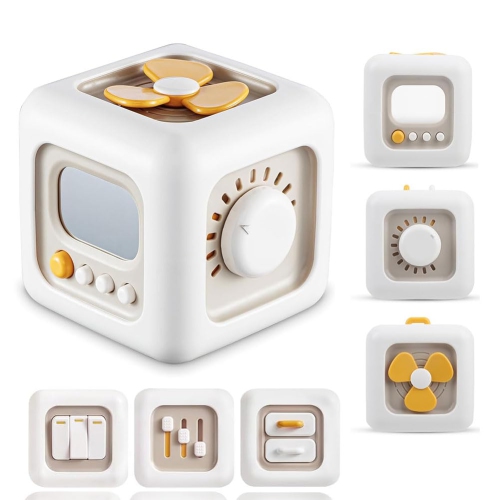
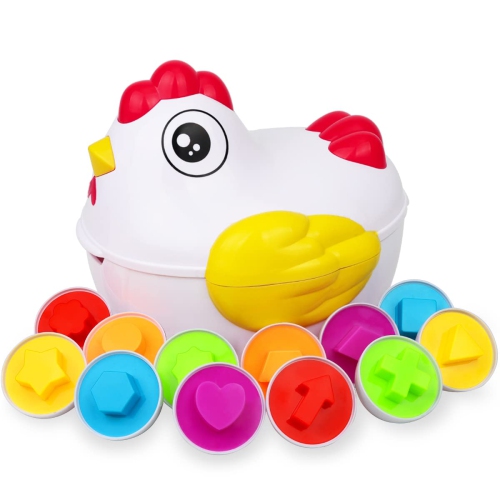
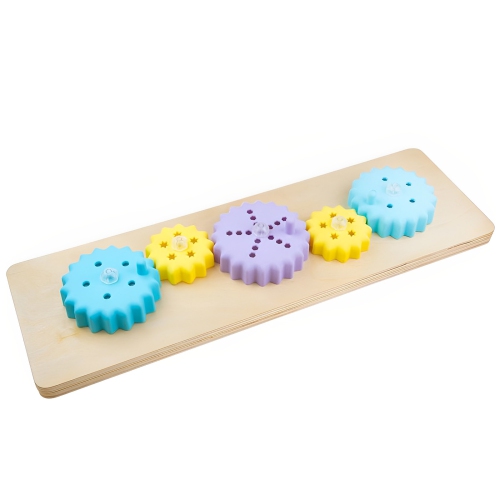
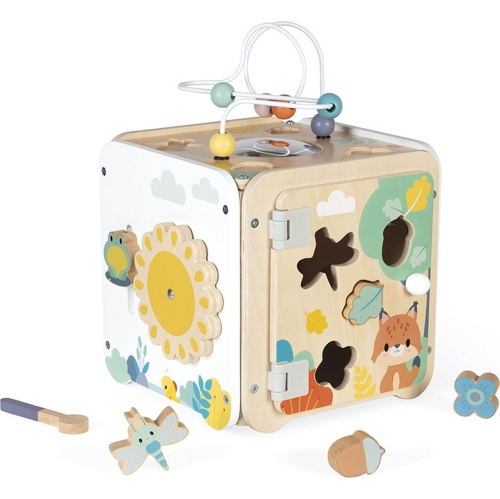
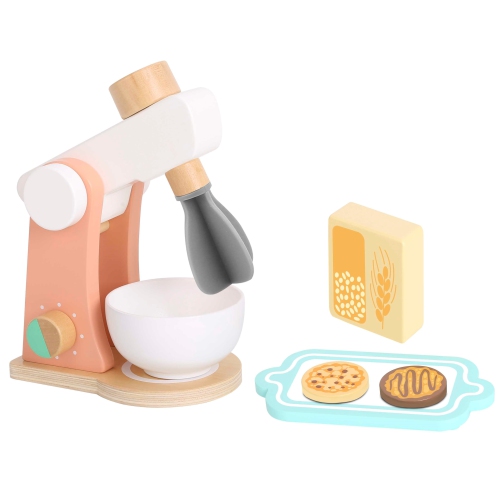
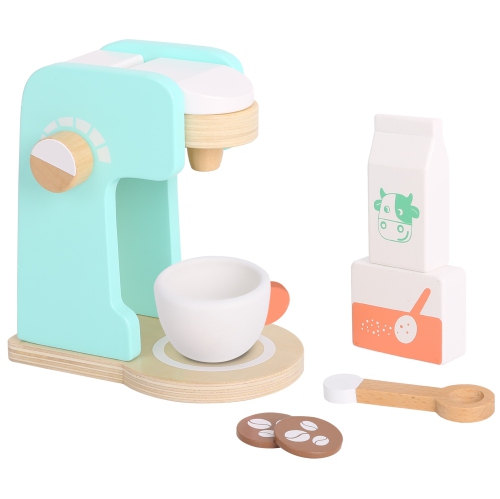
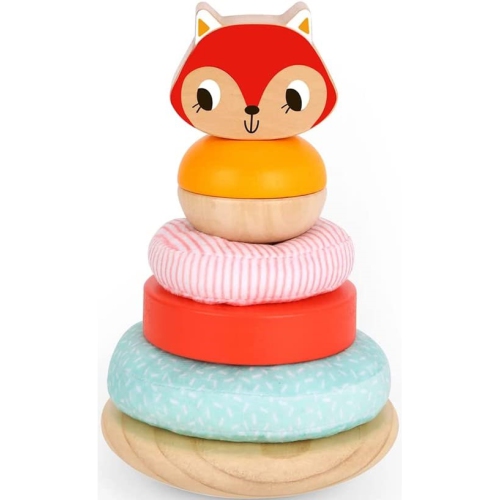
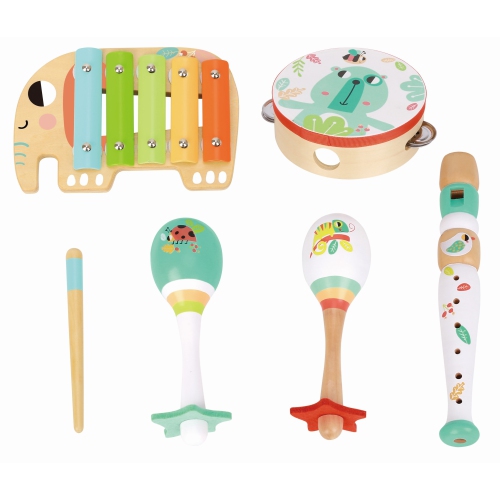
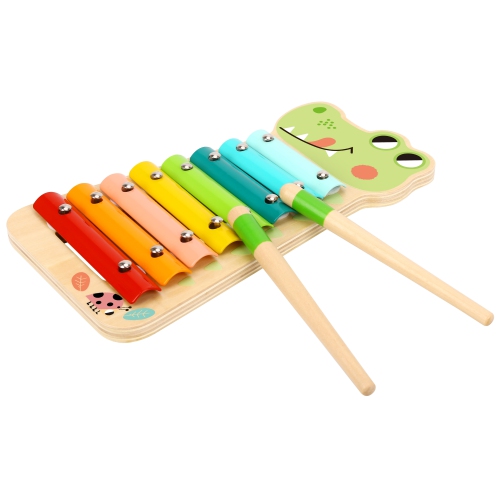
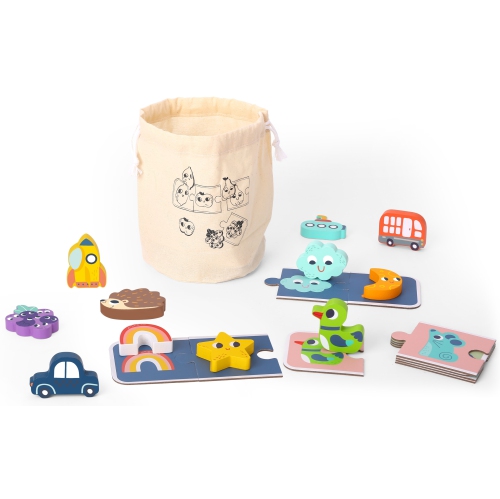

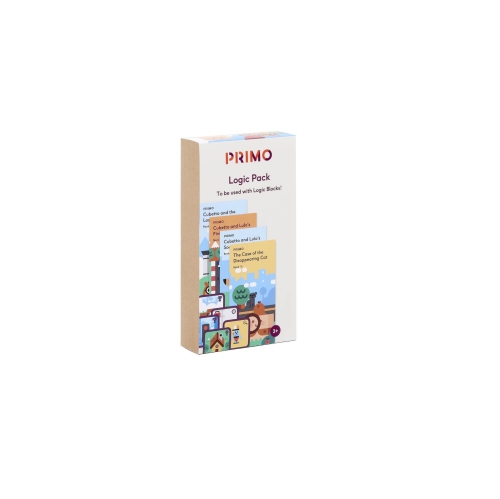


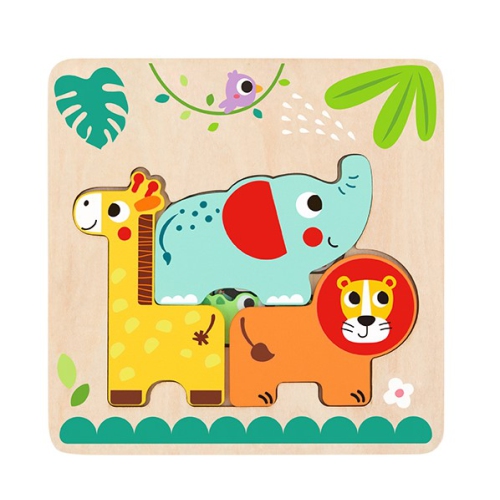
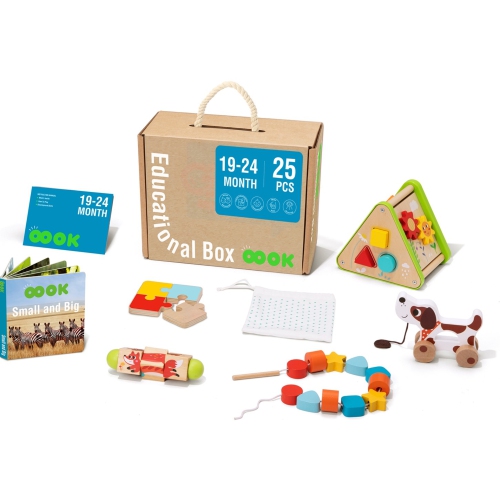
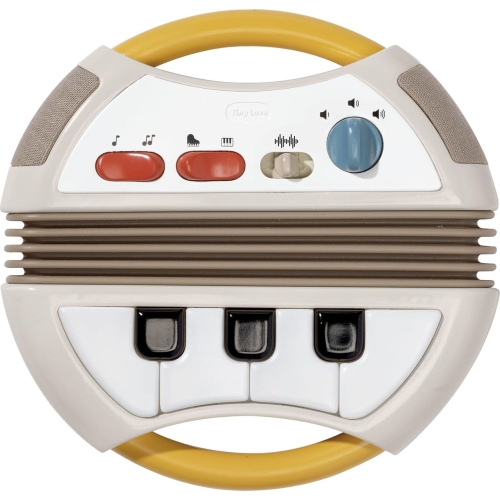
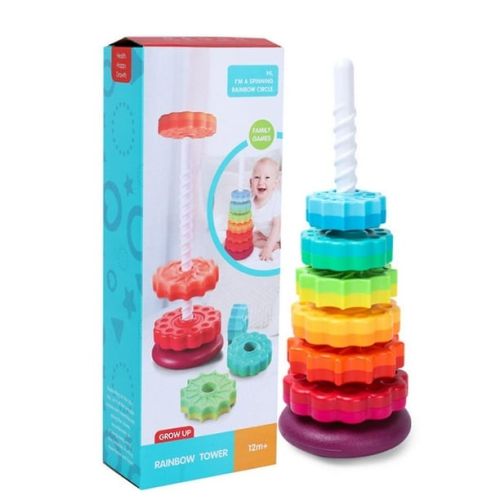
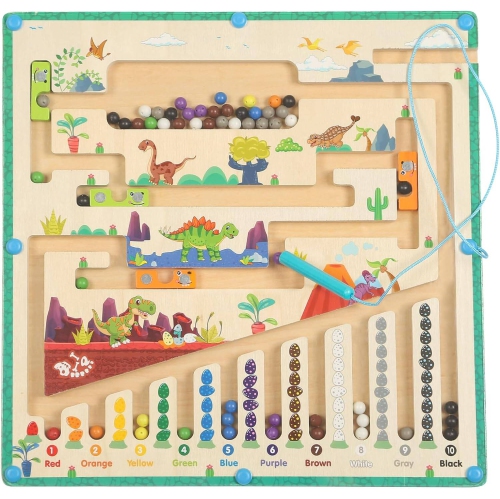
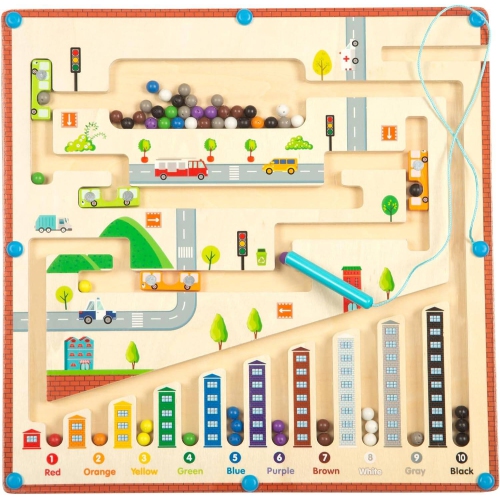
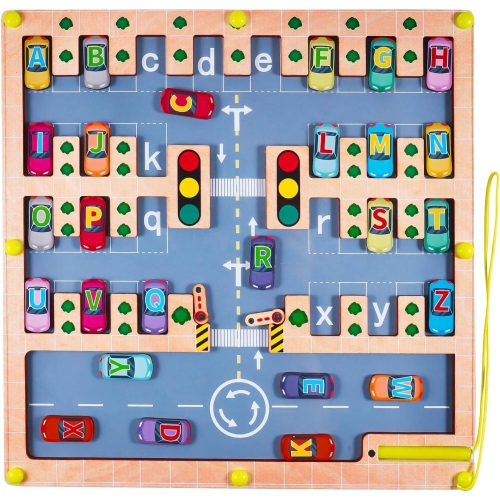
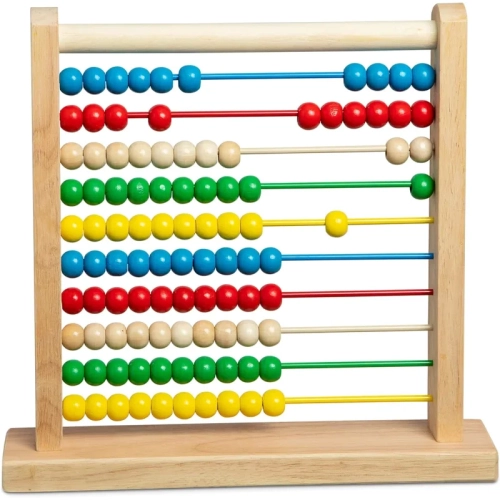
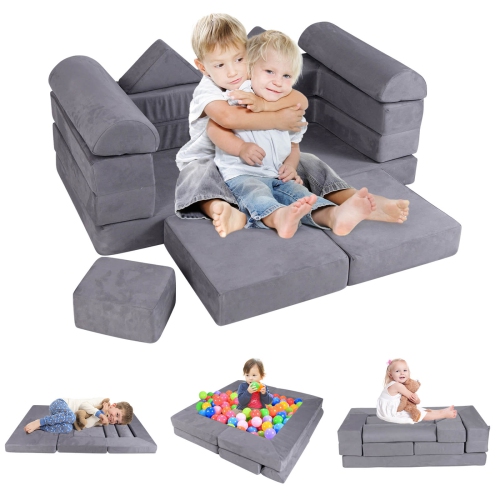
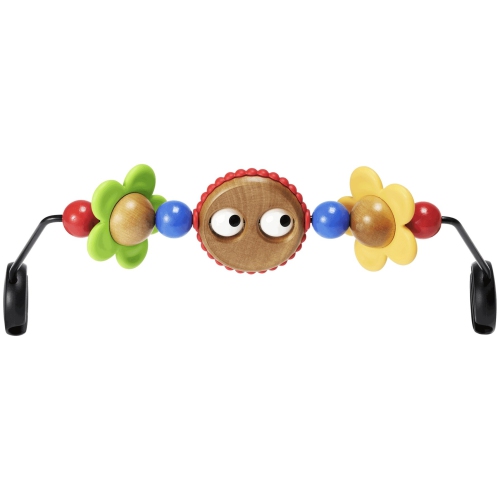
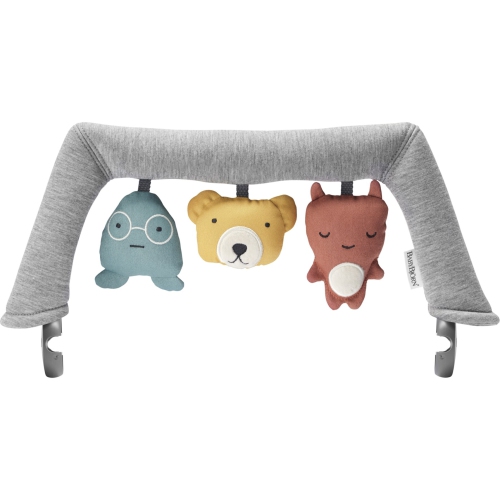

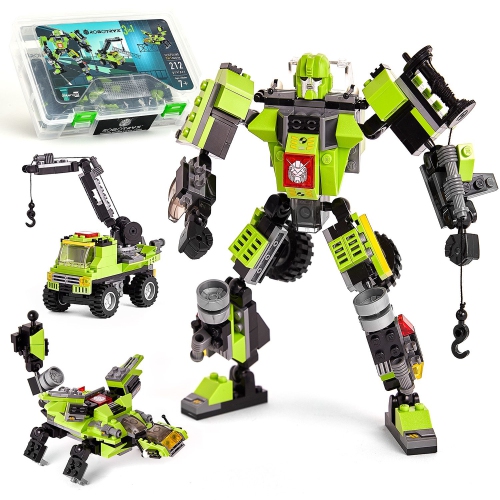
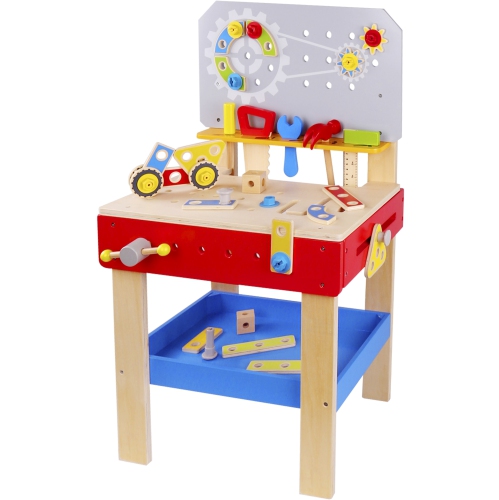
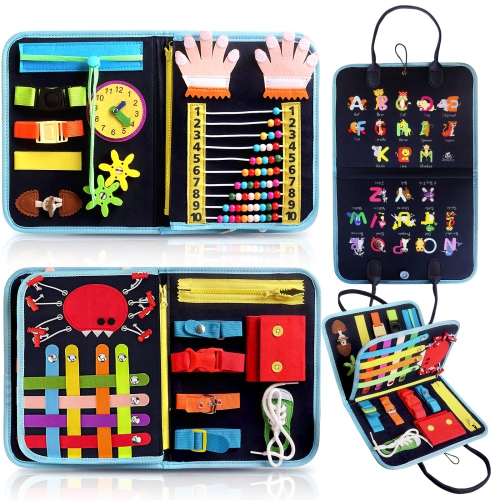
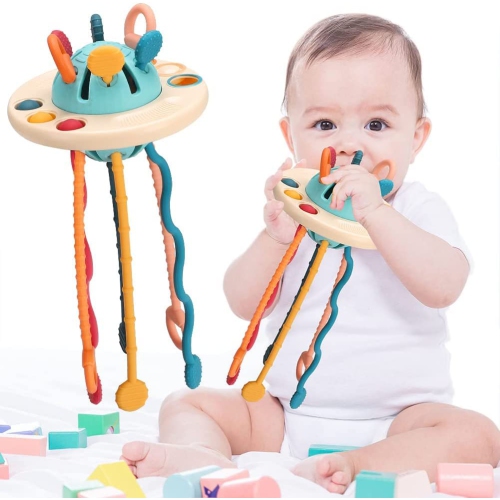
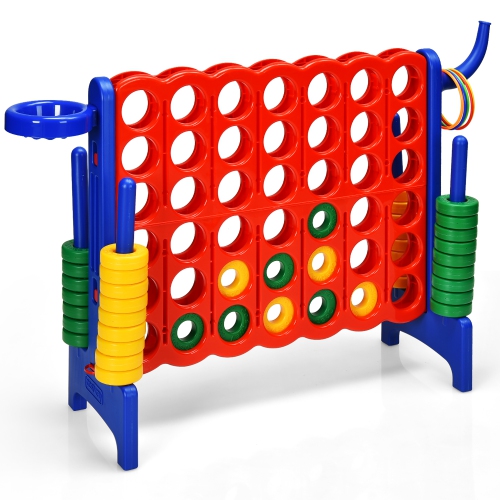
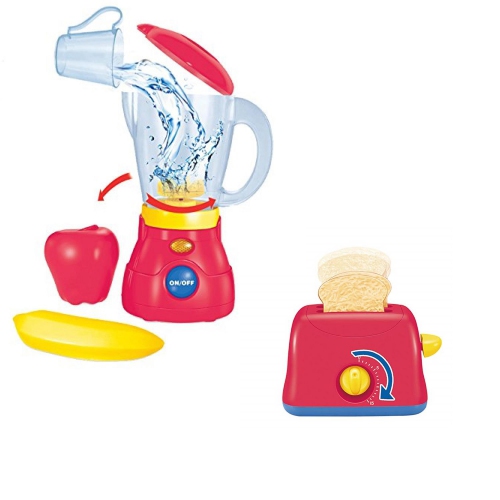

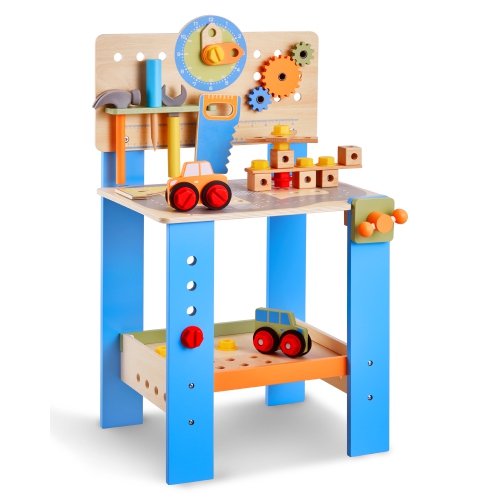
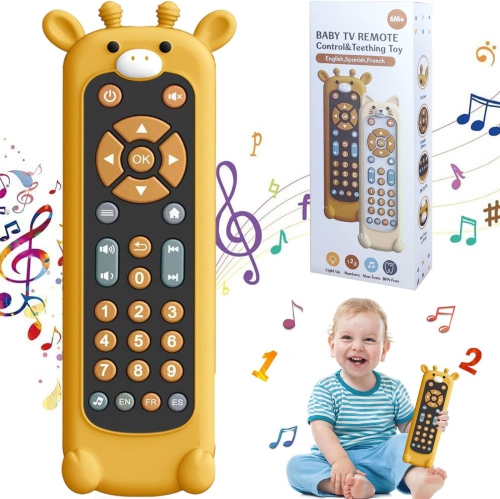
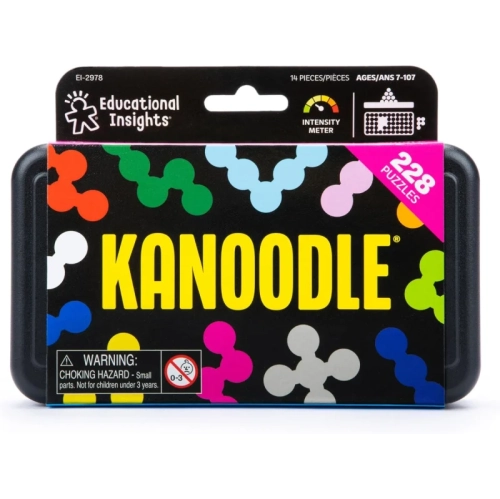
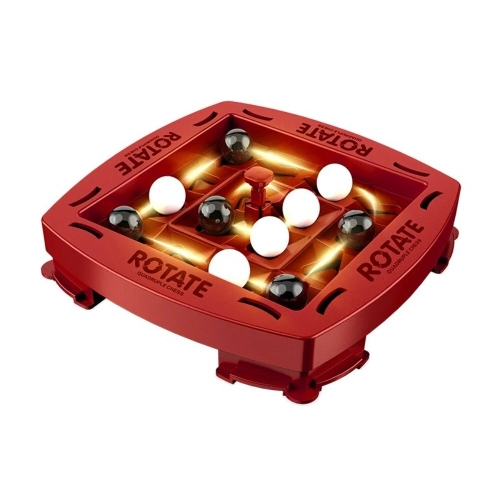
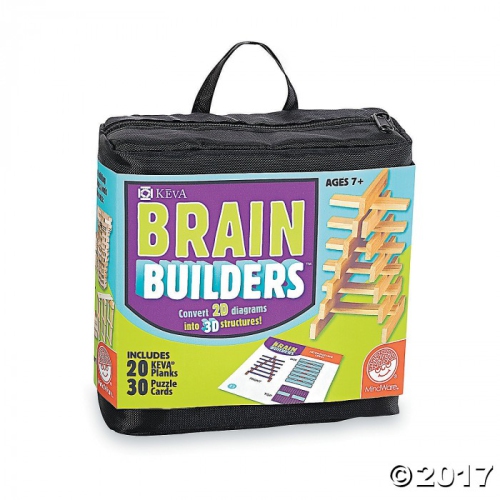
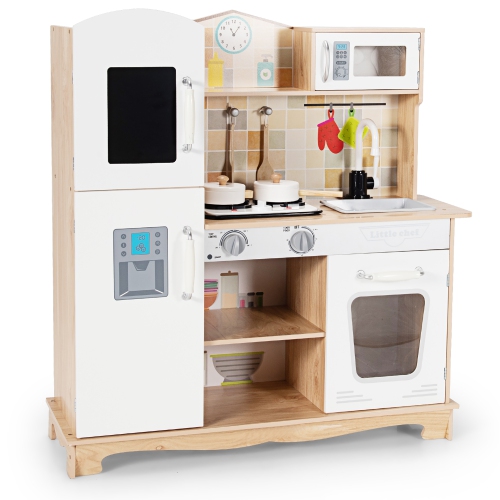
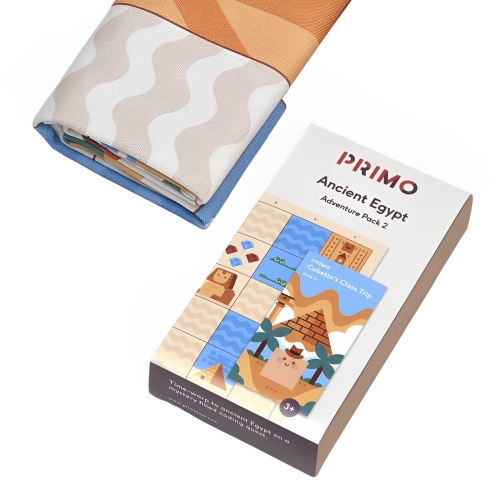
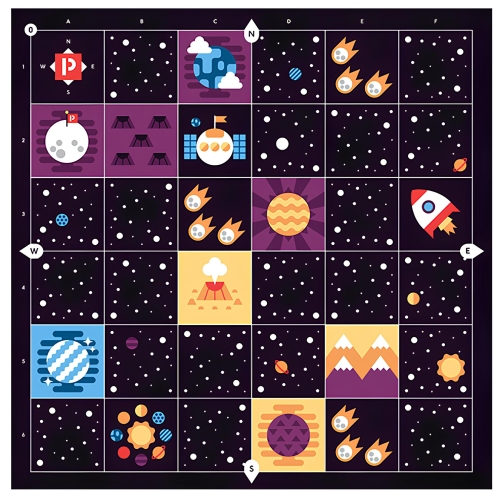
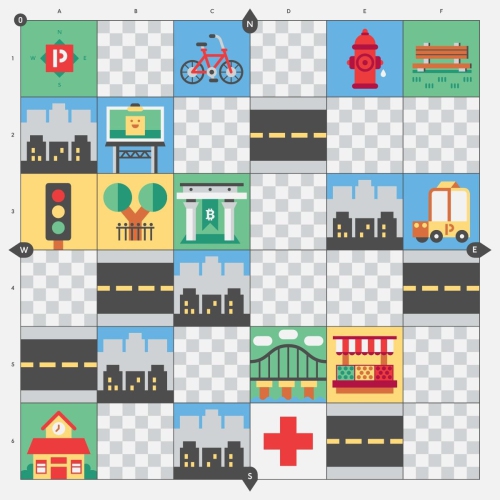
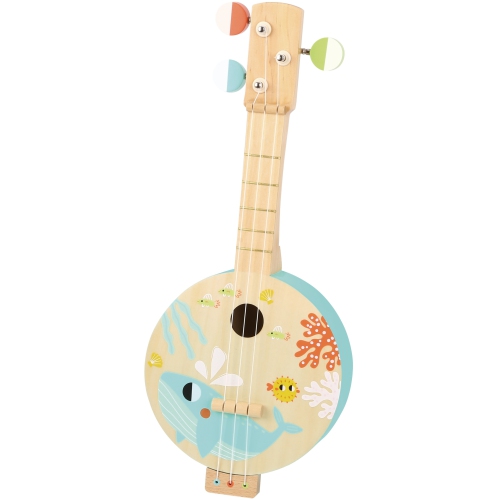

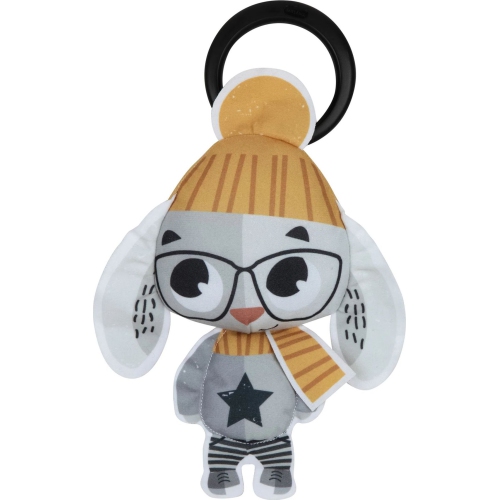
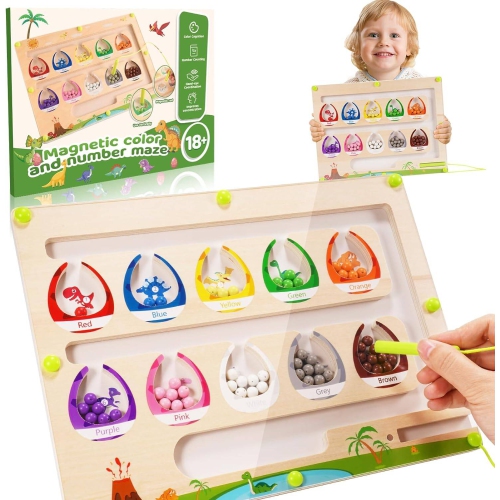
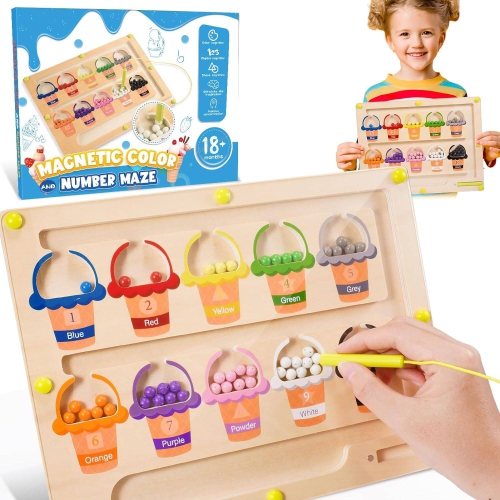
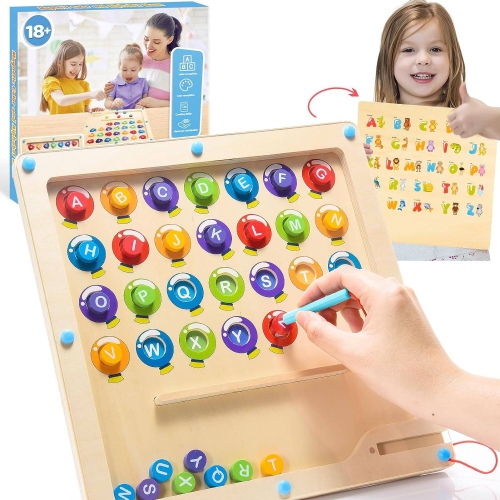
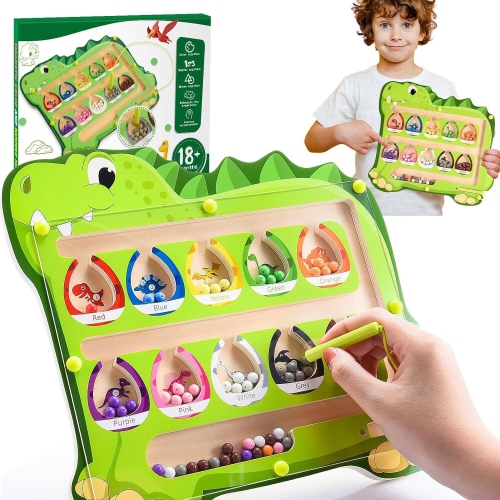
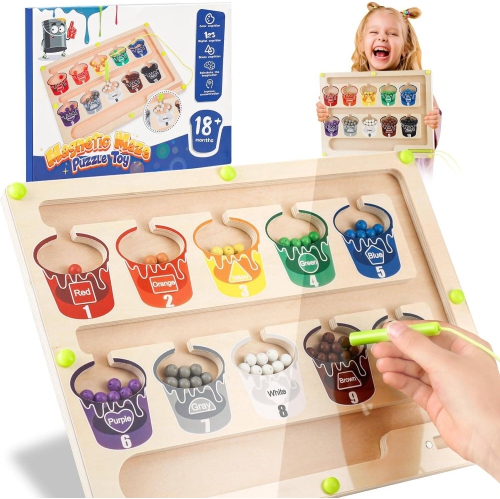
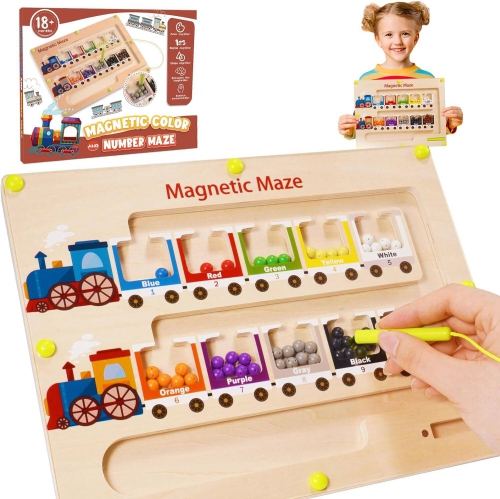
Play that builds focus, problem-solving, and growing confidence
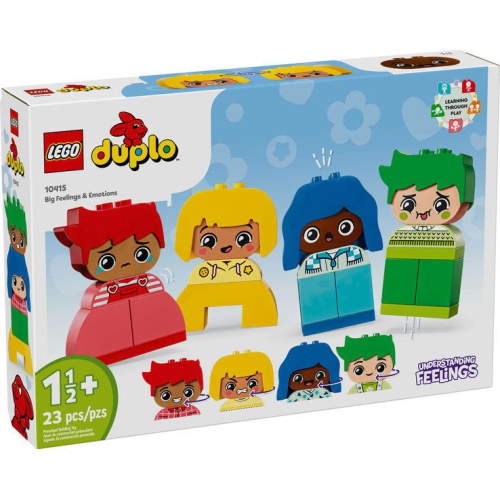
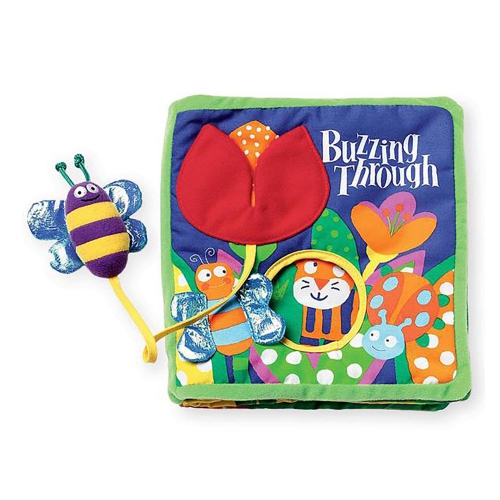
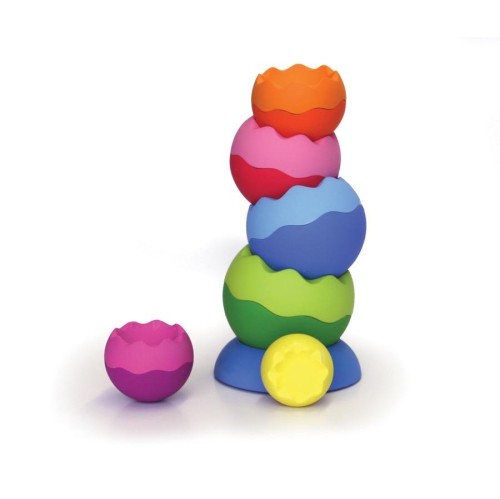
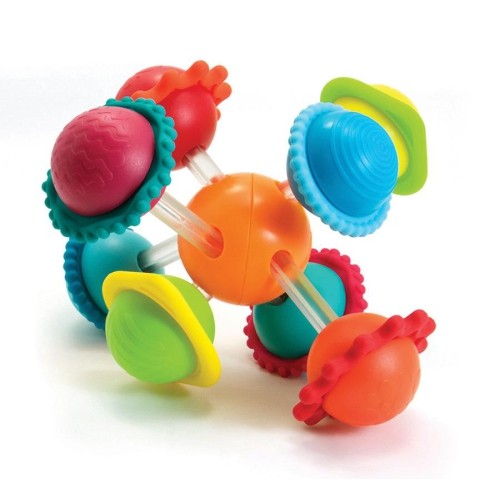
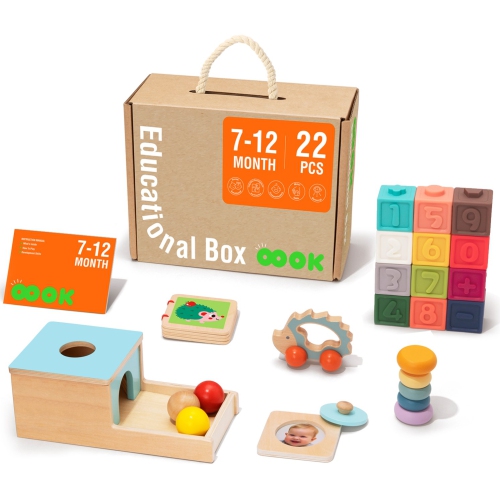
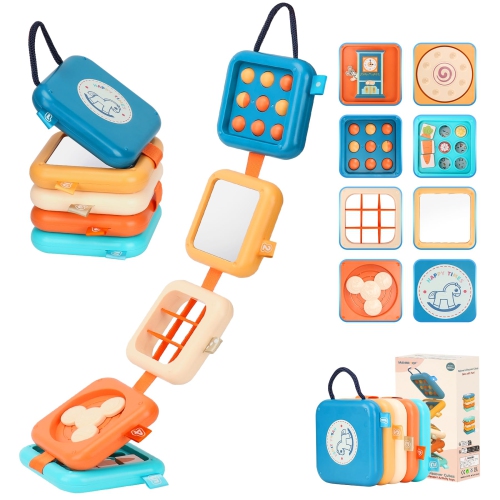
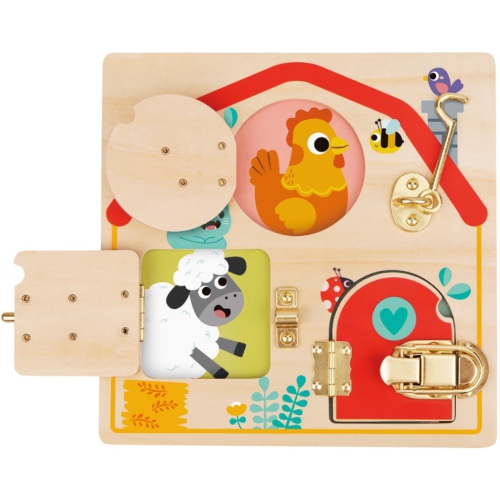
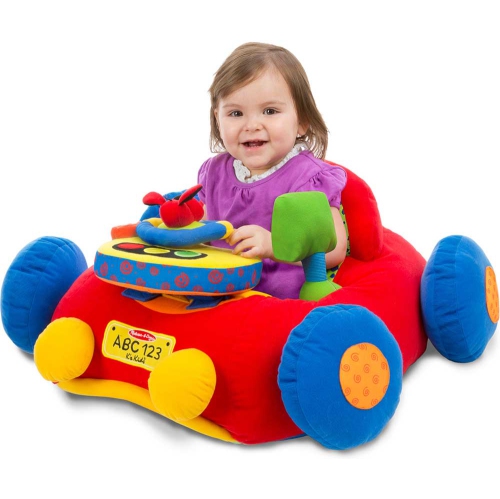
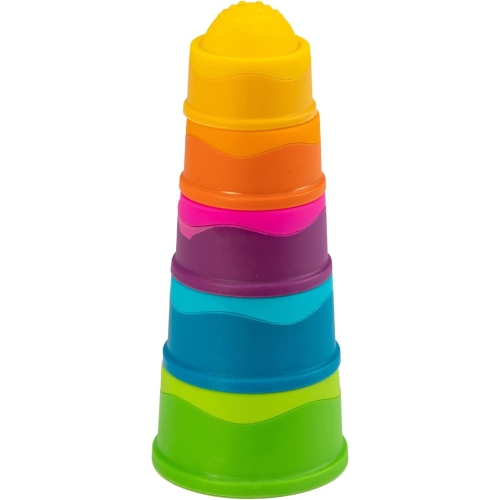
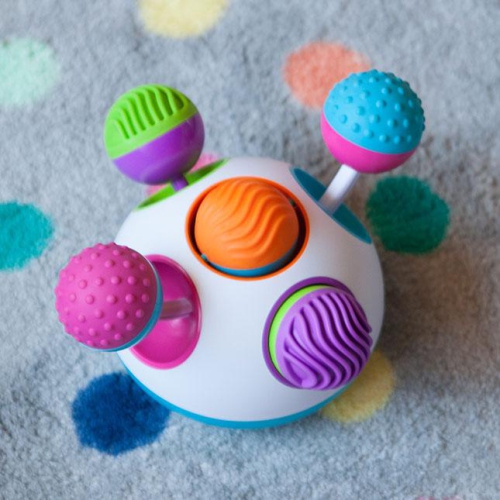
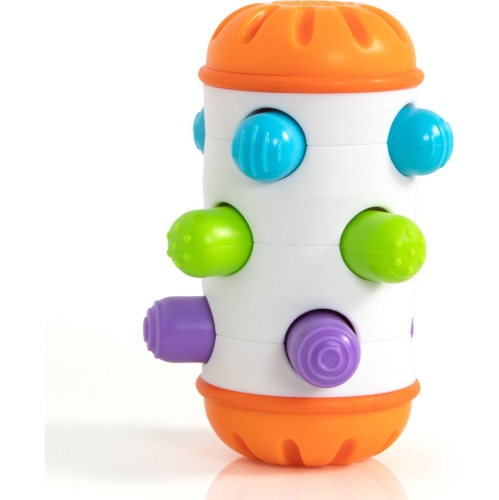
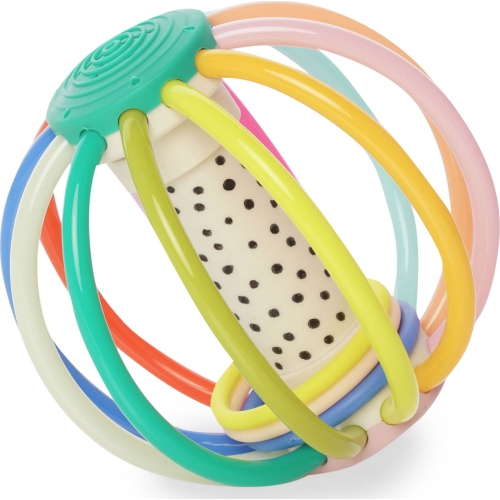
Cognitive development toys turn everyday play into hands-on practice with focus, memory, language, coordination, and problem-solving. Rather than relying on a single right way to play, the best choices invite children to notice patterns, test an idea, make a change, and try again. For infants from birth to around six months, look for age-appropriate toys that support visual tracking, grasping, listening, and tummy-time engagement. High-contrast designs can be easier for young babies to see, while soft rattles, textured teethers, and simple activity mats offer opportunities to follow movement, reach, hold, and explore cause and effect. At this stage, a baby may spend several minutes watching a toy move from one side to the other or repeatedly opening and closing their fingers around a handle. Those small moments are meaningful practice in attention and body awareness. As babies become more mobile, from roughly six to 12 months, toys that encourage reaching, transferring objects between hands, stacking, nesting, and filling and emptying can support developing coordination and early reasoning. Activity boards, simple sorting play, and containers with parts to manipulate can help children discover that actions have results: a button may make a sound, a piece may fit through one opening but not another, or a block may topple when the tower grows too tall. Choose sturdy designs with pieces that are large enough for the recommended age, easy for small hands to hold, and free of loose parts that could present a choking hazard. Always follow the manufacturer’s age guidance and supervise play, especially with infants and younger toddlers.
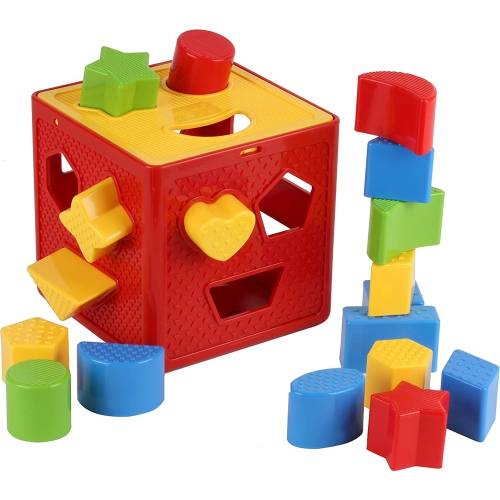
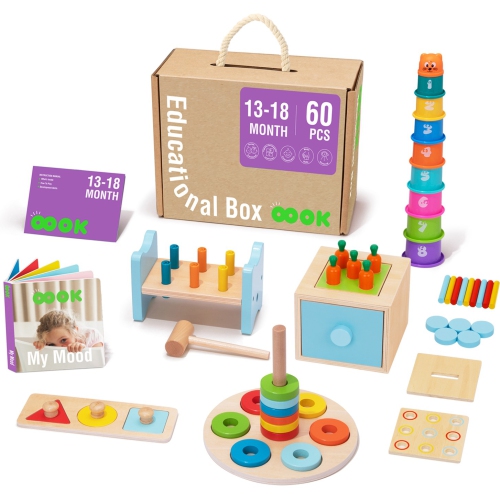
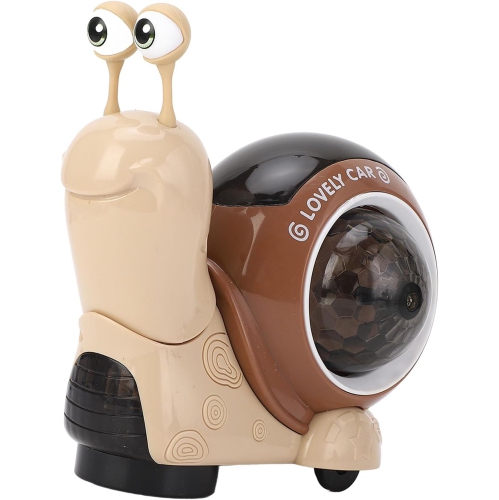
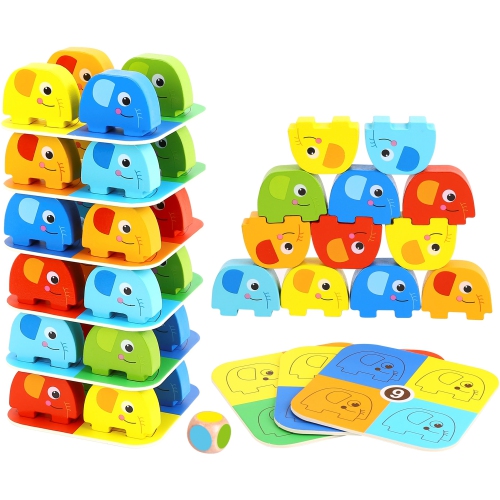
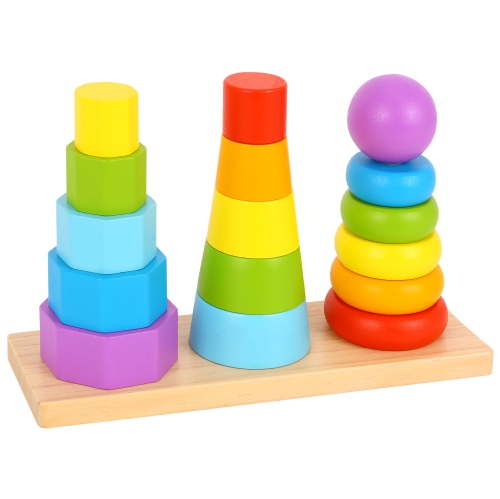
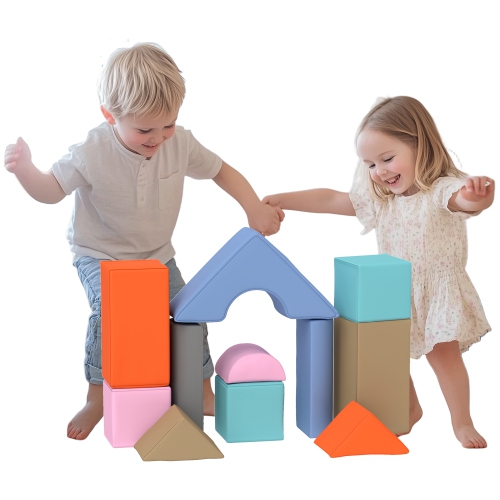
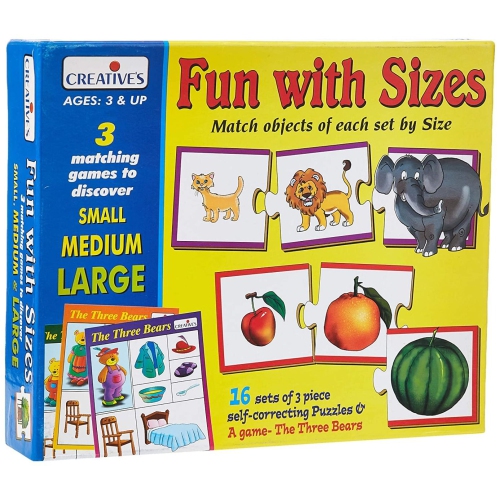
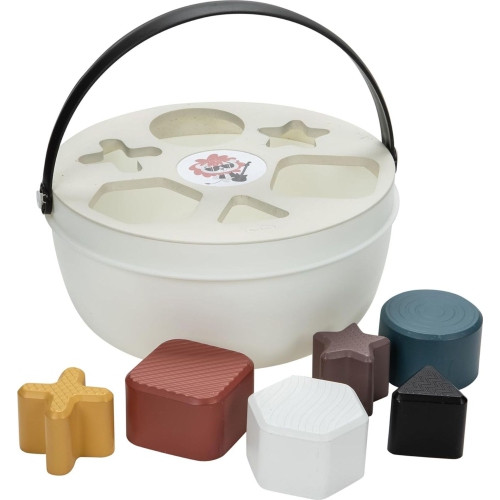
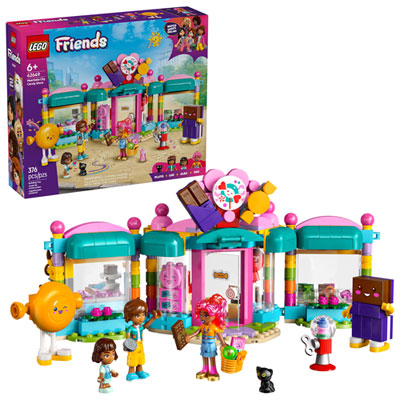
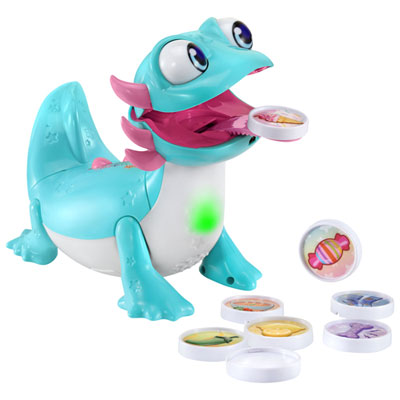
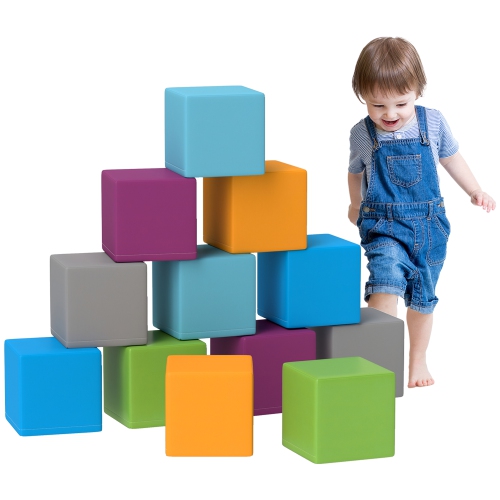
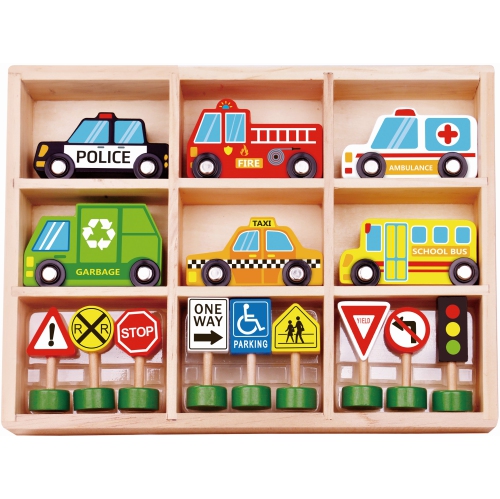
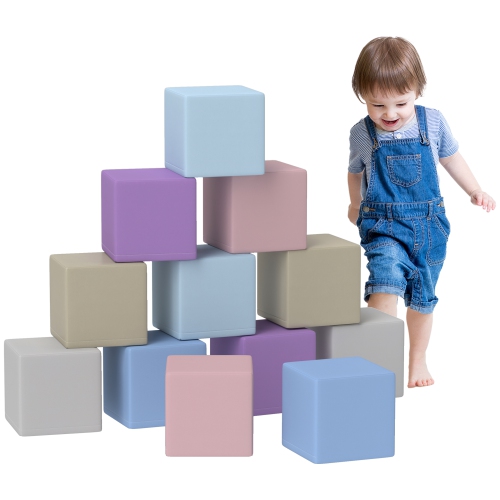
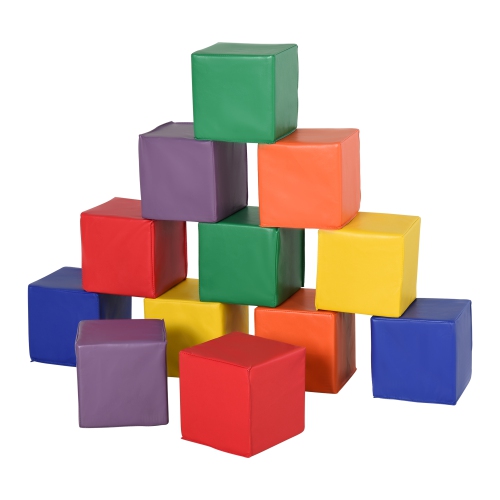
For toddlers and preschoolers, cognitive development toys can support the gradual move from trial-and-error play to more deliberate thinking. Shape sorters, chunky puzzles, nesting pieces, building blocks, lacing activities, and matching games help children practise spatial awareness, hand-eye coordination, memory, and visual discrimination. A toddler may turn a puzzle piece several ways before it settles into place, then proudly repeat the process with a little less help the next time. That persistence matters as much as completing the puzzle: it helps children learn that a difficult task can be approached in smaller steps. Open-ended building toys are particularly useful because they can become a bridge, a garage, a tall tower, or an imaginary animal enclosure depending on the child’s interests. They encourage planning without making creativity feel like a test. For children around two to five years old, consider the complexity of the activity, the size and number of pieces, and how much adult support it is likely to need. A toy that is too simple may lose its appeal quickly, while one with instructions that are far beyond a child’s current abilities can lead to frustration. The most rewarding fit often offers a small challenge with room to grow. Look for clear visual cues, durable materials, comfortable handles, and components that can be stored together. Children with different learning styles or developmental needs may benefit from toys with tactile variety, predictable routines, quiet operation, or multiple ways to participate. A child who finds a traditional puzzle overwhelming might enjoy a matching activity with fewer choices, while another may concentrate longer when building, sorting, or arranging objects in a particular order. Play alongside your child when they need an example, then step back enough for them to make discoveries independently. Offering language such as “You tried the round piece in a different space” or “The tower fell when that block was placed on top” can help connect actions with ideas without taking over the activity.
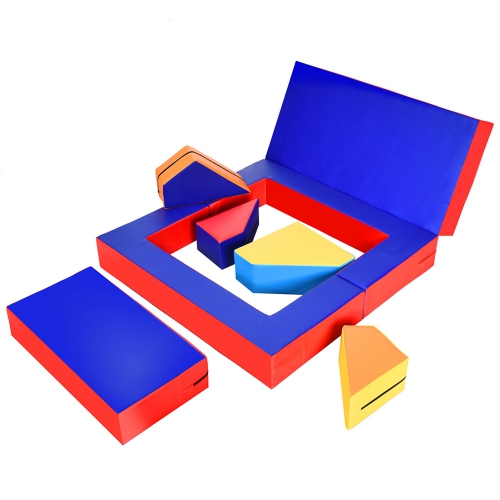
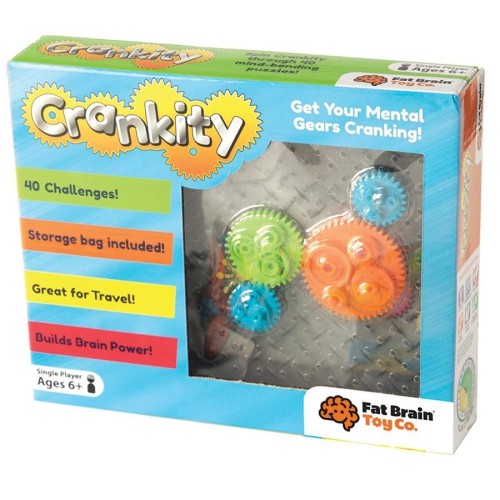
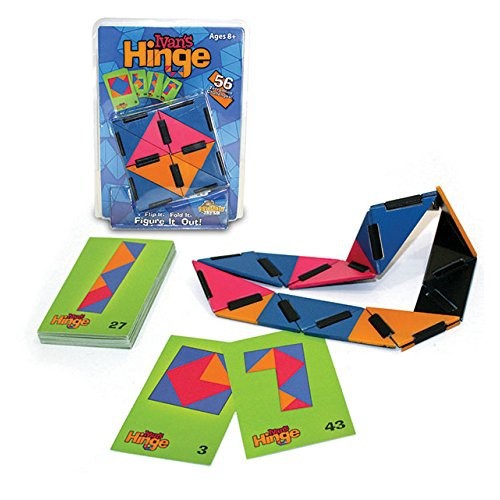
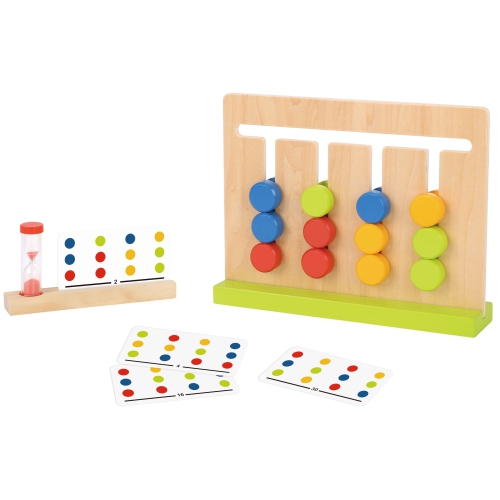
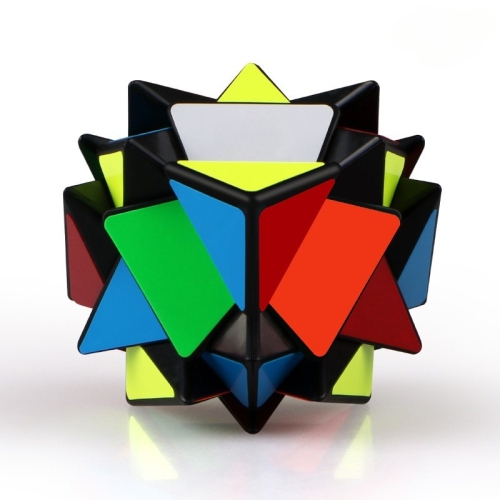
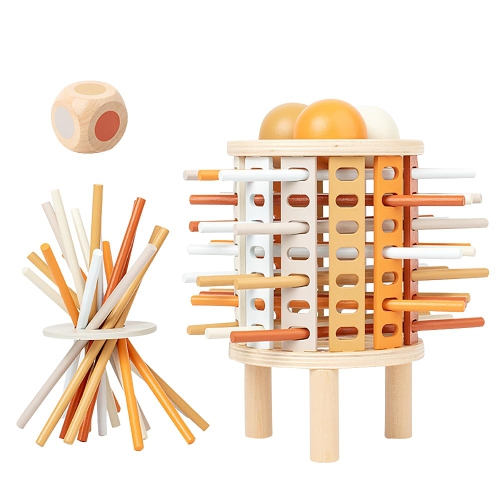
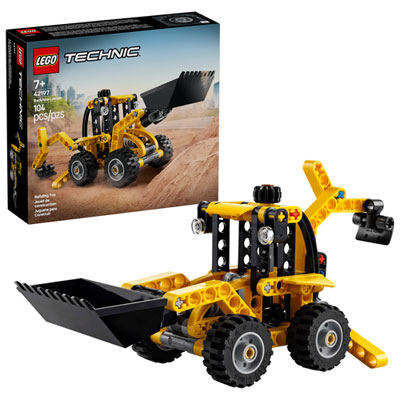
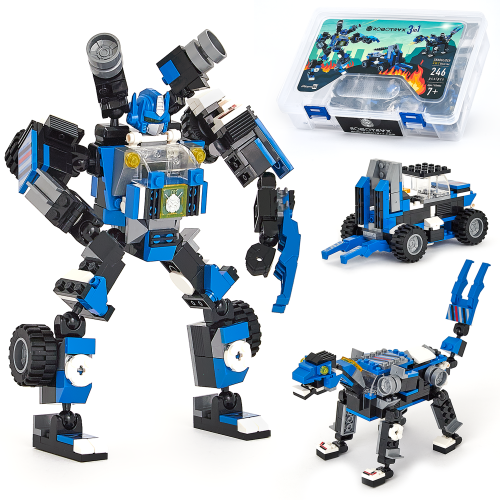
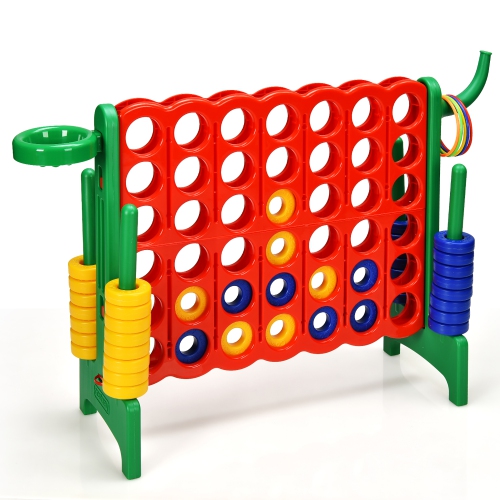
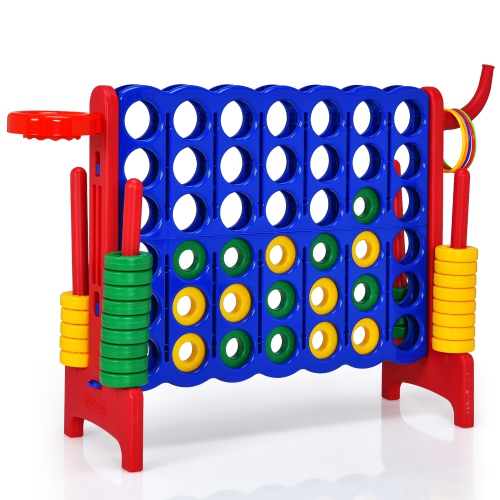
For older preschoolers and school-age children, cognitive development toys can add more layers of strategy, memory, concentration, and flexible thinking to playtime. Puzzles with more pieces, construction sets, pattern activities, logic challenges, and age-appropriate games can help children plan ahead, follow a sequence, remember information, and cope with changing outcomes. Simple games that involve taking turns also build communication, patience, and an understanding of rules. Families looking for more structured play can explore Board Games for Cognitive Development for activities that bring memory, matching, counting, deduction, and decision-making into a shared setting. These toys can be useful gifts for birthdays, family visits, classroom celebrations, or quieter indoor days when cooler weather keeps children close to home. When choosing a gift, consider the child’s age, current interests, attention span, and the people likely to play with them. An activity that can be enjoyed alone may suit a child who likes to work carefully at their own pace, while a cooperative game or building set can create an easy opportunity for siblings, grandparents, or friends to join in. It is also worth considering the space available for play and the practical details that affect regular use, including noise level, clean-up, portability, and storage. During the cooler months, a small tabletop activity can fit naturally into an after-school routine, while a larger building or sorting set may be ideal for a dedicated play area. The goal is not to make every play session instructional. Children learn through repetition, imagination, conversation, and the freedom to make mistakes. A well-chosen cognitive development toy gives them a welcoming starting point, then keeps offering new possibilities as their skills, confidence, and interests grow.
For toddlers and preschoolers, cognitive development toys can support the gradual move from trial-and-error play to more deliberate thinking. Shape sorters, chunky puzzles, nesting pieces, building blocks, lacing activities, and matching games help children practise spatial awareness, hand-eye coordination, memory, and visual discrimination. A toddler may turn a puzzle piece several ways before it settles into place, then proudly repeat the process with a little less help the next time. That persistence matters as much as completing the puzzle: it helps children learn that a difficult task can be approached in smaller steps. Open-ended building toys are particularly useful because they can become a bridge, a garage, a tall tower, or an imaginary animal enclosure depending on the child’s interests. They encourage planning without making creativity feel like a test. For children around two to five years old, consider the complexity of the activity, the size and number of pieces, and how much adult support it is likely to need. A toy that is too simple may lose its appeal quickly, while one with instructions that are far beyond a child’s current abilities can lead to frustration. The most rewarding fit often offers a small challenge with room to grow. Look for clear visual cues, durable materials, comfortable handles, and components that can be stored together. Children with different learning styles or developmental needs may benefit from toys with tactile variety, predictable routines, quiet operation, or multiple ways to participate. A child who finds a traditional puzzle overwhelming might enjoy a matching activity with fewer choices, while another may concentrate longer when building, sorting, or arranging objects in a particular order. Play alongside your child when they need an example, then step back enough for them to make discoveries independently. Offering language such as “You tried the round piece in a different space” or “The tower fell when that block was placed on top” can help connect actions with ideas without taking over the activity.
For older preschoolers and school-age children, cognitive development toys can add more layers of strategy, memory, concentration, and flexible thinking to playtime. Puzzles with more pieces, construction sets, pattern activities, logic challenges, and age-appropriate games can help children plan ahead, follow a sequence, remember information, and cope with changing outcomes. Simple games that involve taking turns also build communication, patience, and an understanding of rules. Families looking for more structured play can explore Board Games for Cognitive Development for activities that bring memory, matching, counting, deduction, and decision-making into a shared setting. These toys can be useful gifts for birthdays, family visits, classroom celebrations, or quieter indoor days when cooler weather keeps children close to home. When choosing a gift, consider the child’s age, current interests, attention span, and the people likely to play with them. An activity that can be enjoyed alone may suit a child who likes to work carefully at their own pace, while a cooperative game or building set can create an easy opportunity for siblings, grandparents, or friends to join in. It is also worth considering the space available for play and the practical details that affect regular use, including noise level, clean-up, portability, and storage. During the cooler months, a small tabletop activity can fit naturally into an after-school routine, while a larger building or sorting set may be ideal for a dedicated play area. The goal is not to make every play session instructional. Children learn through repetition, imagination, conversation, and the freedom to make mistakes. A well-chosen cognitive development toy gives them a welcoming starting point, then keeps offering new possibilities as their skills, confidence, and interests grow.
Top selling and popular products
-
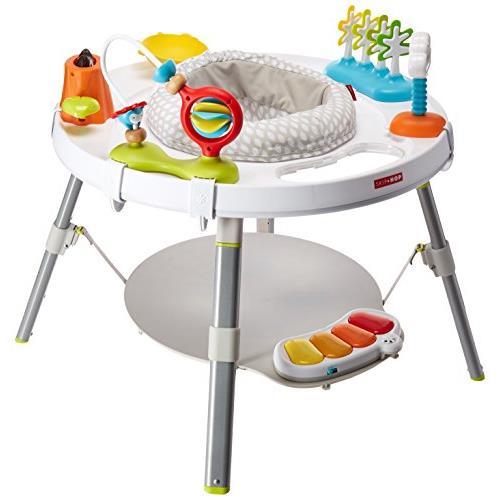 Your price for this item is $299.13
 -
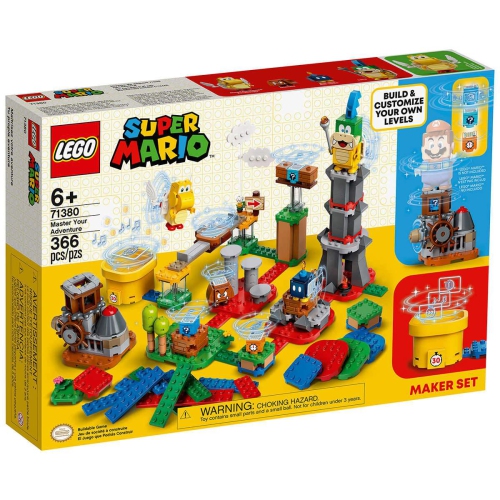 Your price for this item is $103.27
 -
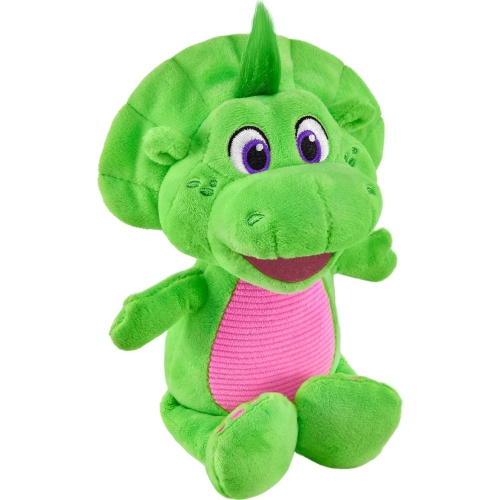 Your price for this item is $17.24
 -
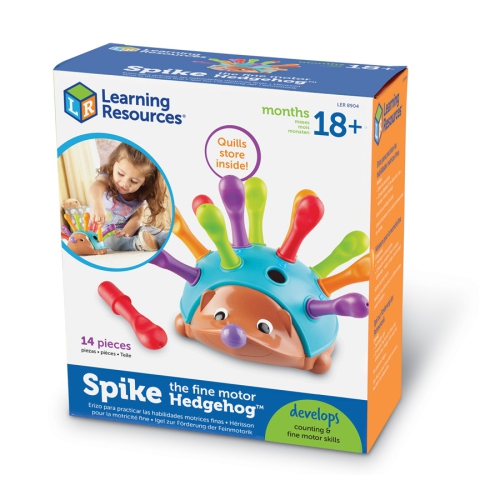 Your price for this item is $56.13
 -
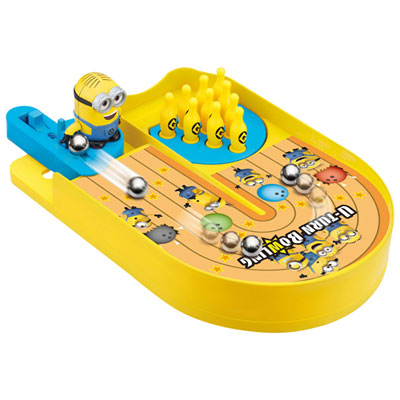 Your price for this item is $19.99
 -
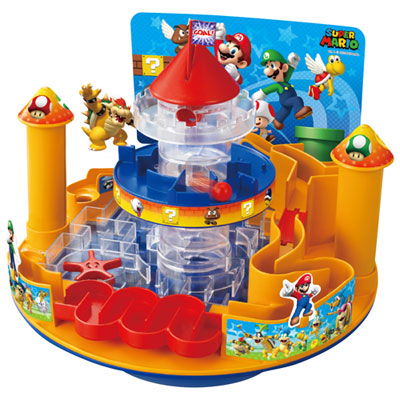 Your price for this item is $39.99
 -
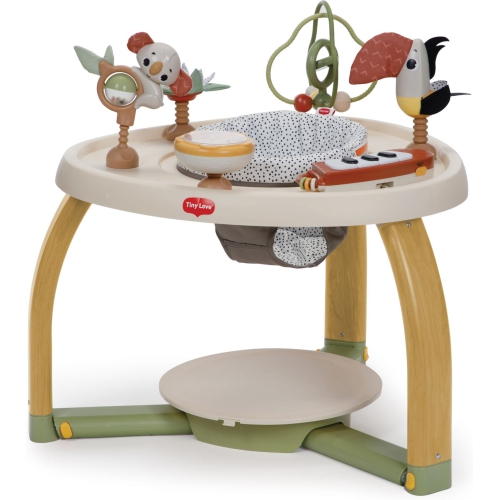 Your price for this item is $229.99
 -
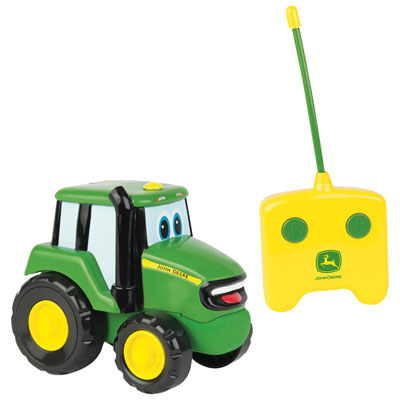 Your price for this item is $49.99
Discover more categories related to Cognitive Development Toys
Top Collections:
Pokemon Centers, Budget 4K TVs, Kindle Devices, Canon G7X Cameras, Apple iPhones 16, iPhone 15 Apple, Laptops for Business Work, Flip Phones, Xiaomi Phones, Refurbished Apple Laptops
Some products may be subject to Environmental Handling Fees
(EHF) depending on your province.
Learn more about EHFs.