Building Kits
Unleash creativity and inspire young minds with our diverse selection of building kits, perfect for budding architects and imaginative builders. Whether you're looking to spark a child's interest in engineering or provide an engaging family activity, these kits offer endless possibilities for fun and learning. Each set is designed to challenge the mind while enhancing problem-solving skills, making them ideal for all ages. From simple structures to complex designs, our building kits cater to every level of expertise, ensuring hours of constructive entertainment. Dive into a world where imagination meets innovation and watch your creations come to life!
Sort

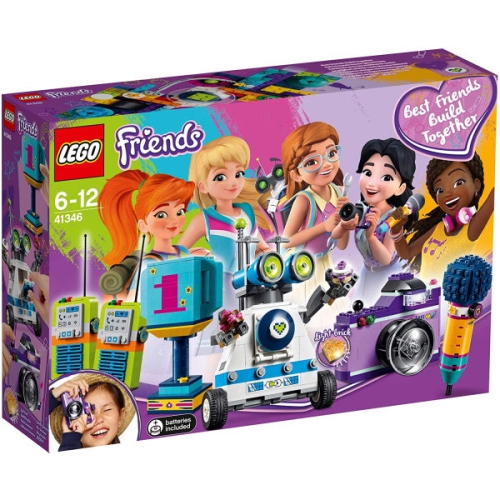
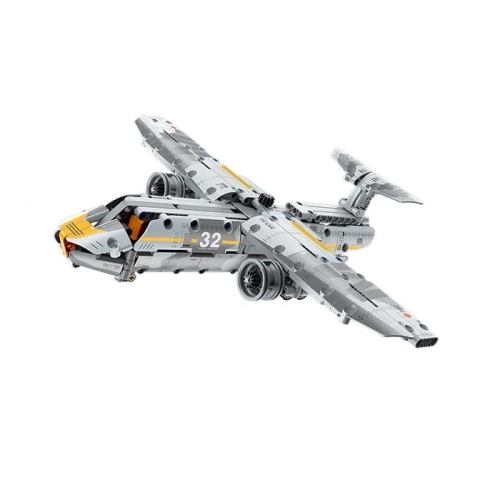
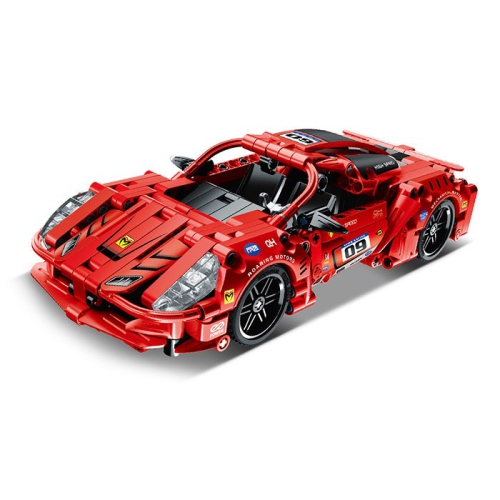
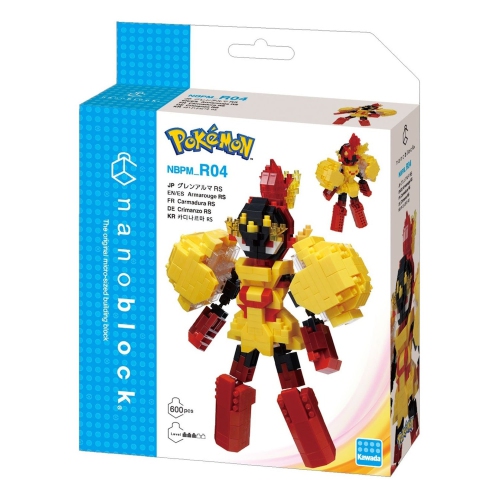
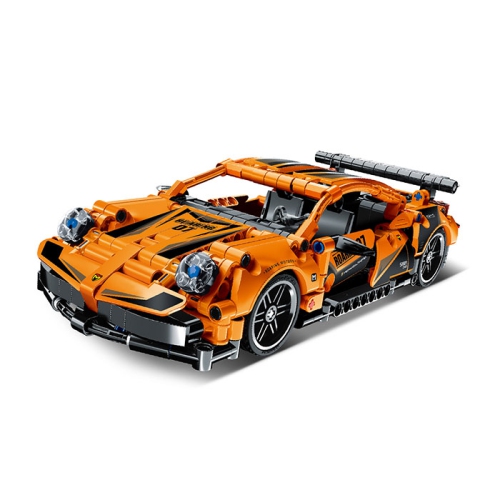
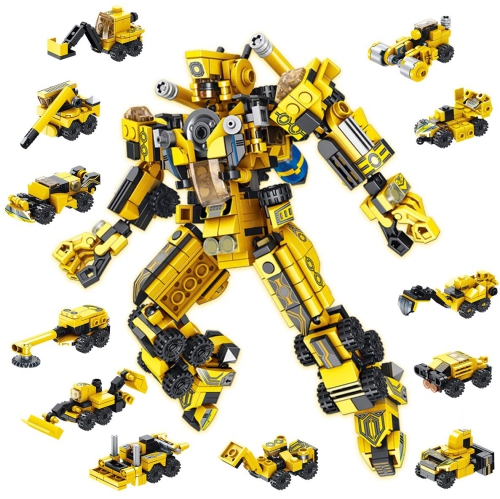
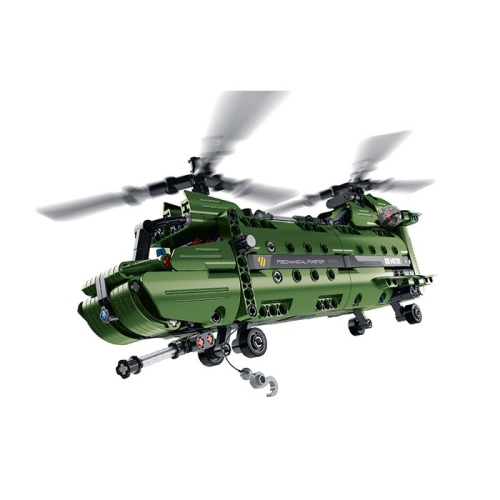
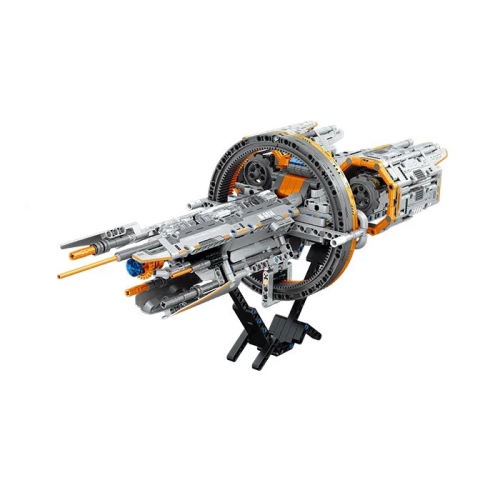
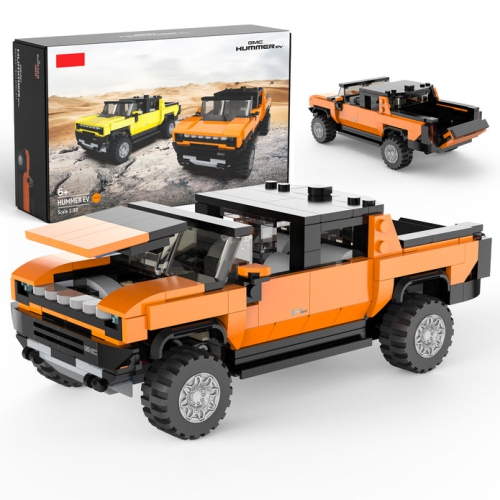
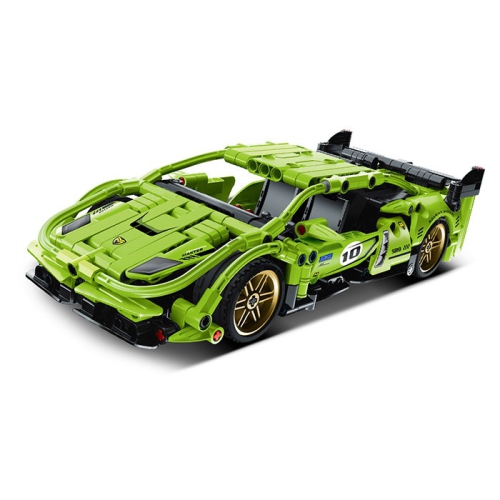

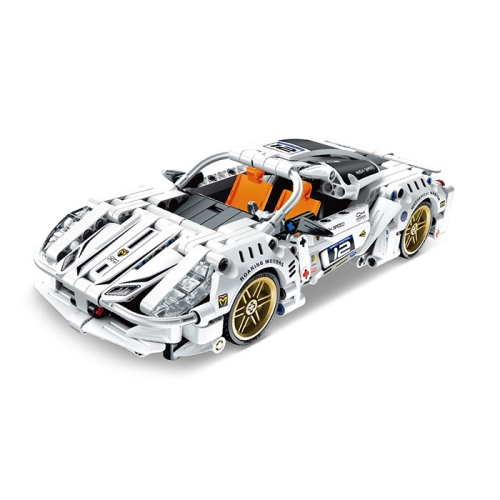
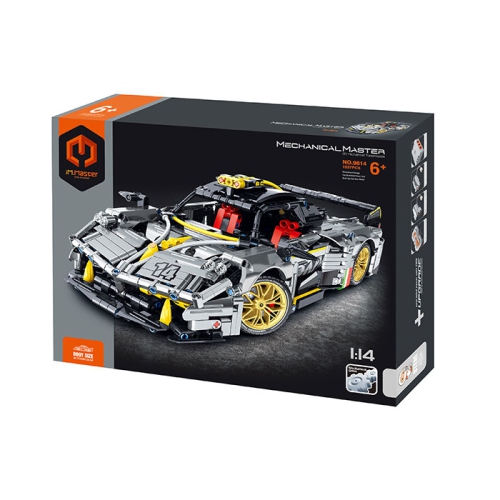
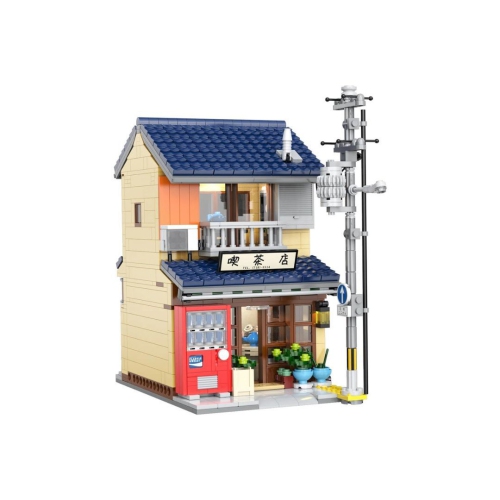
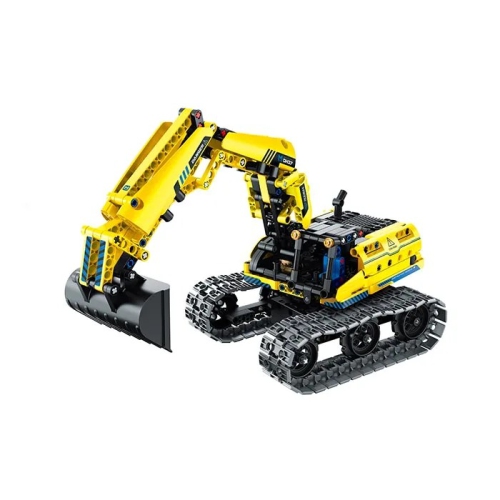
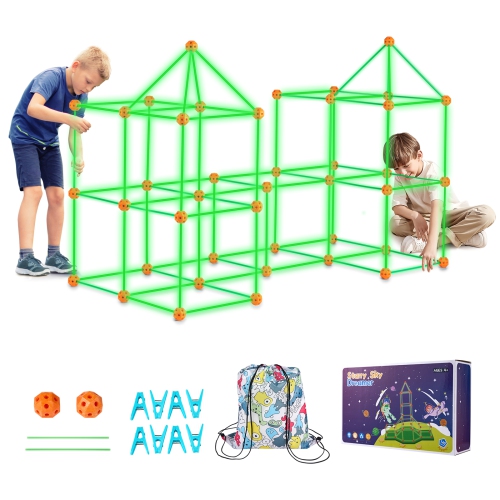
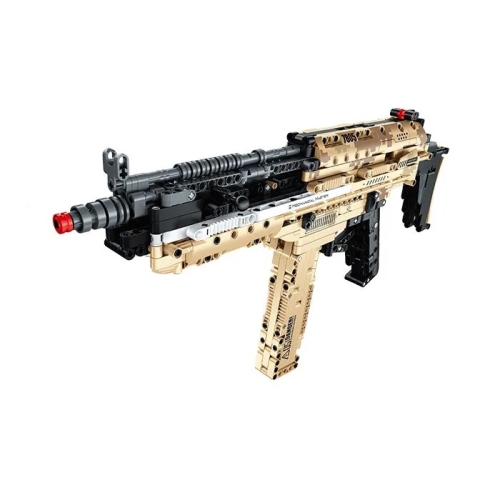
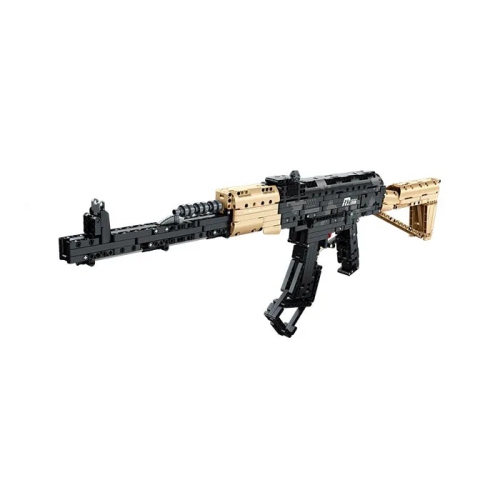
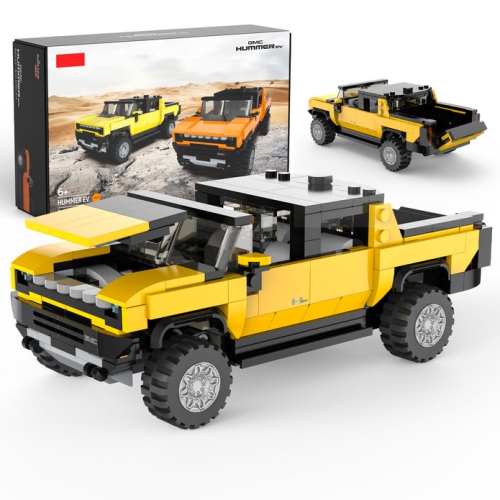
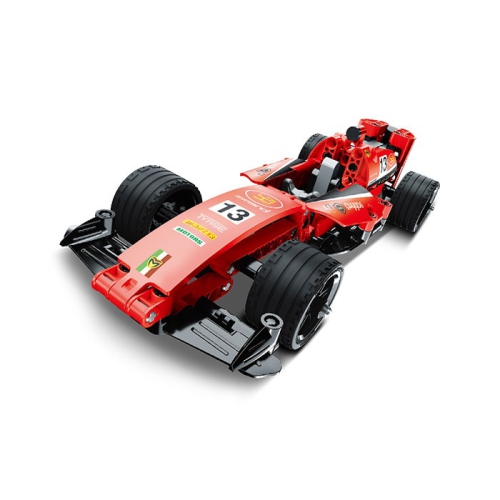
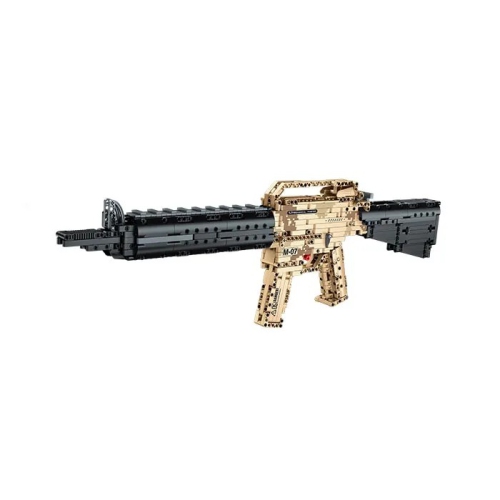
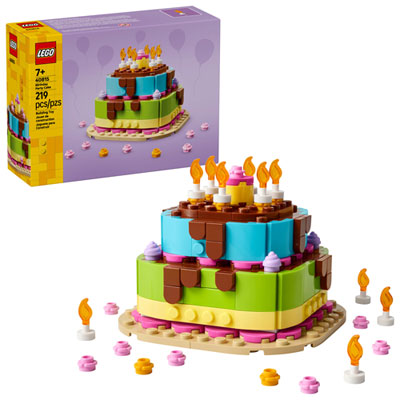
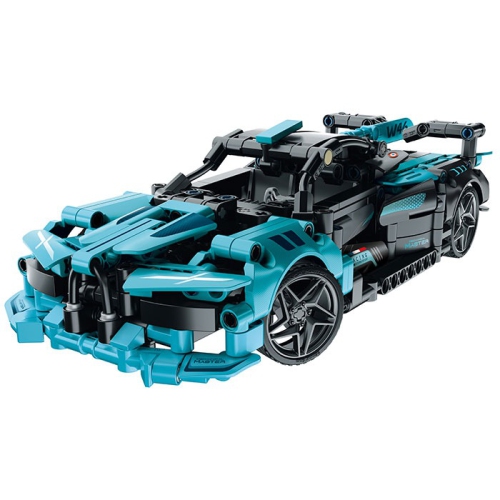
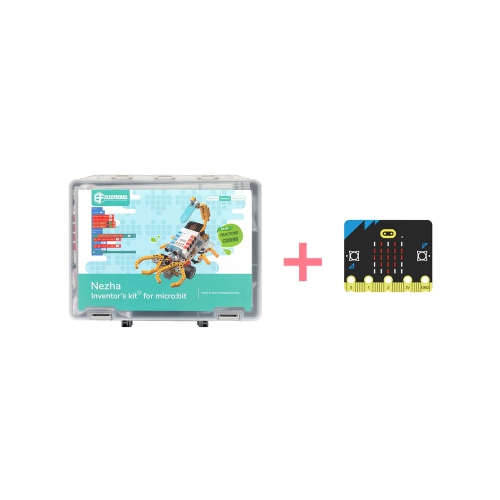
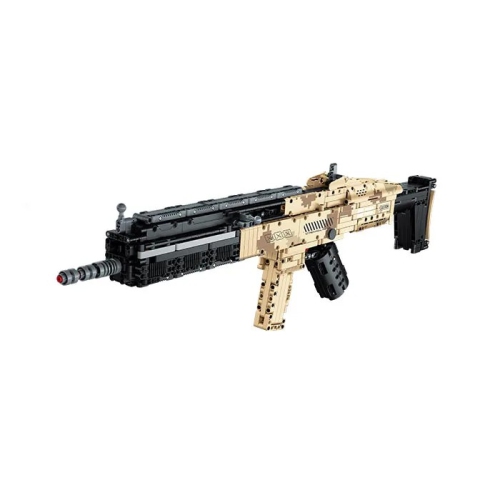


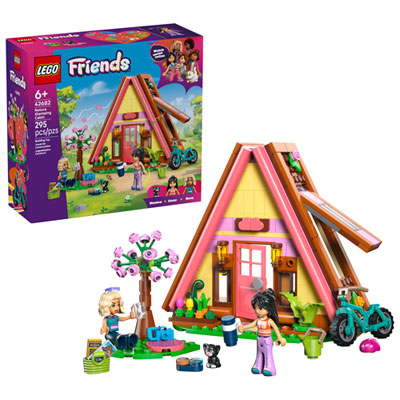
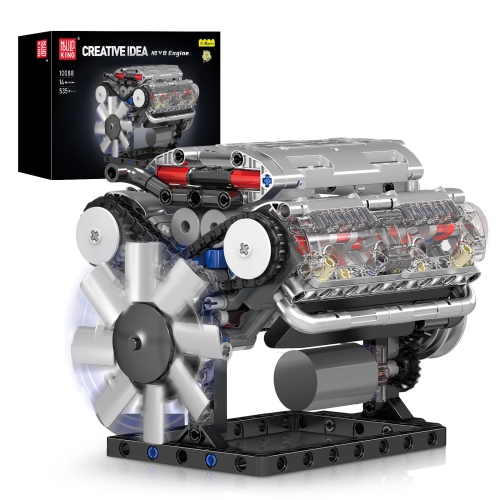
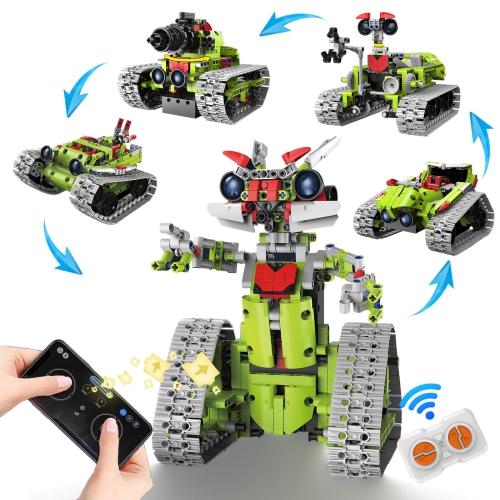
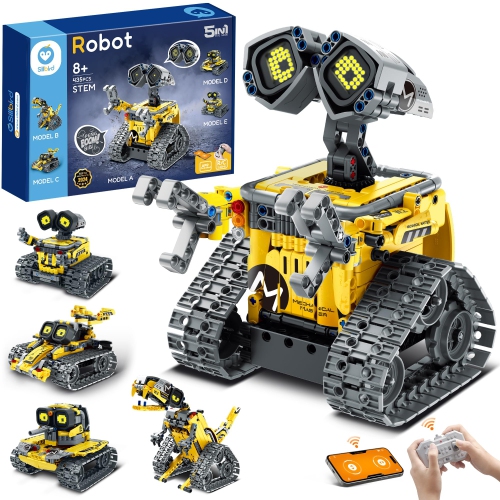

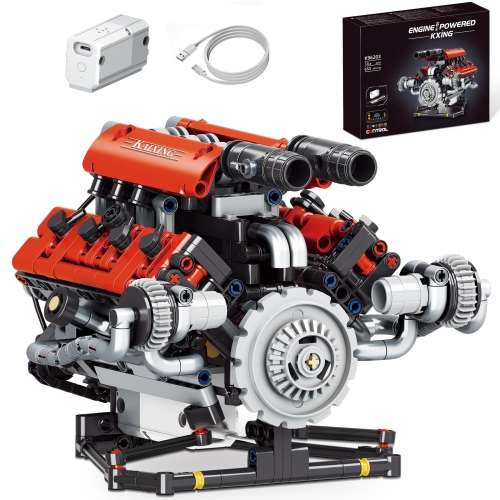
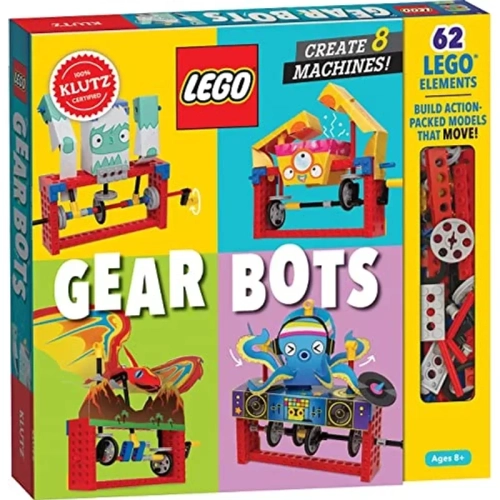
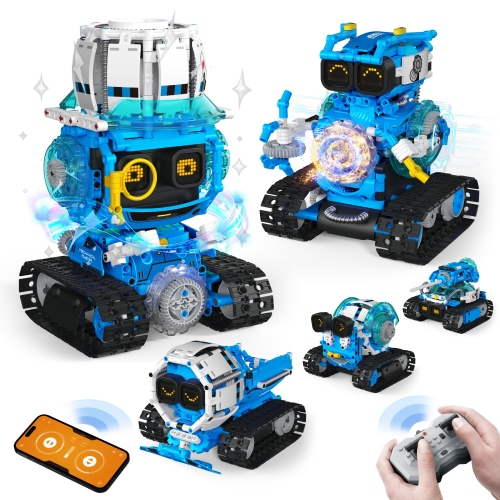
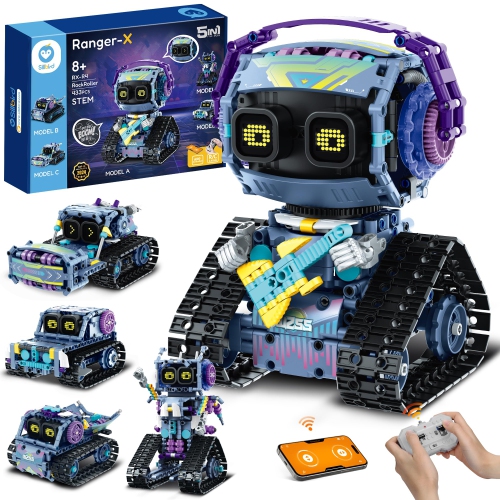
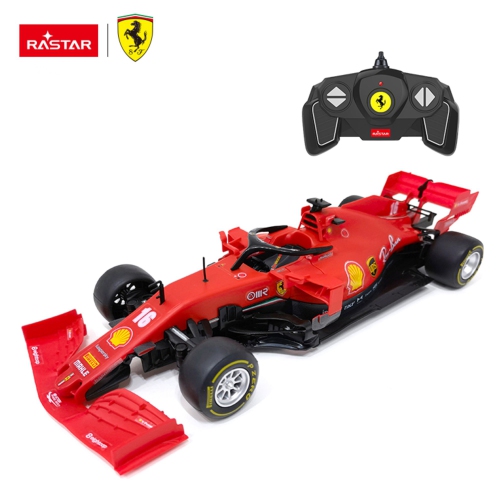
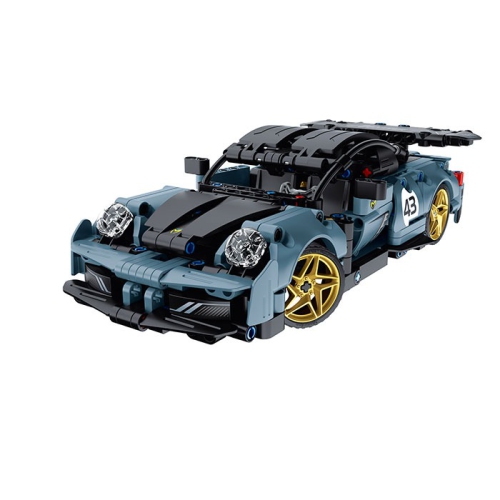
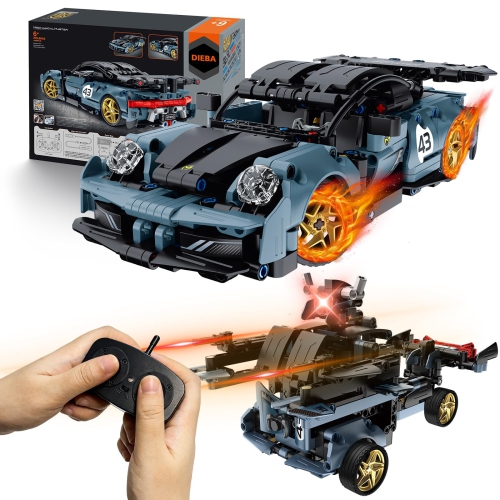
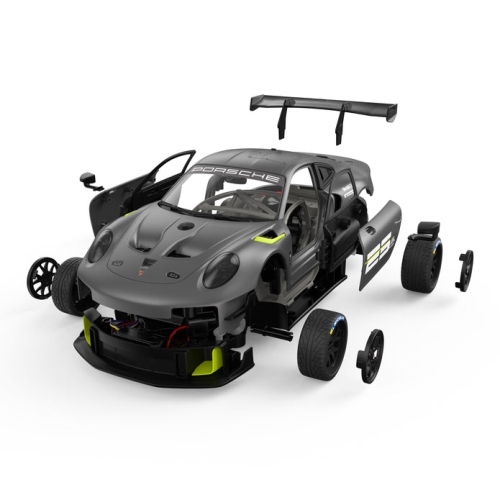
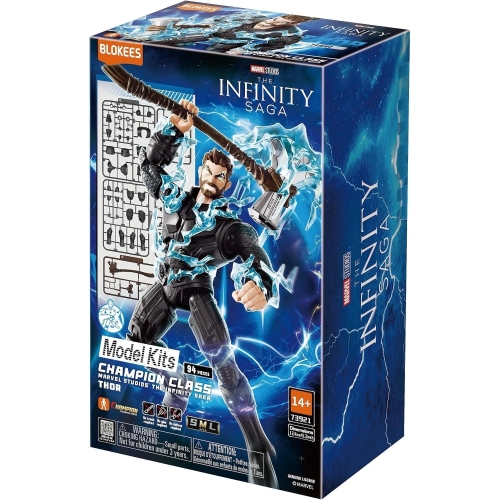
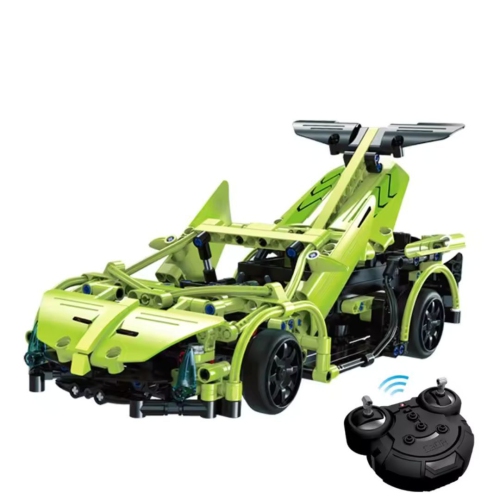
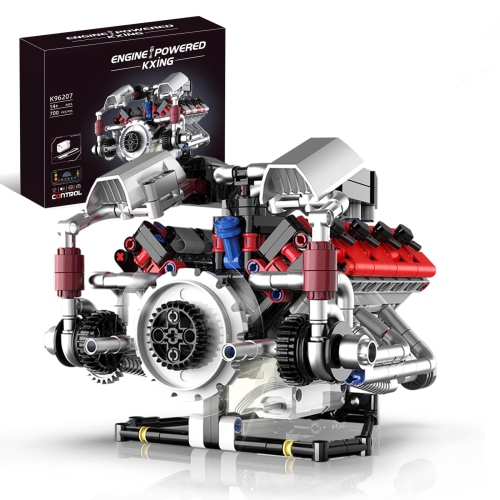
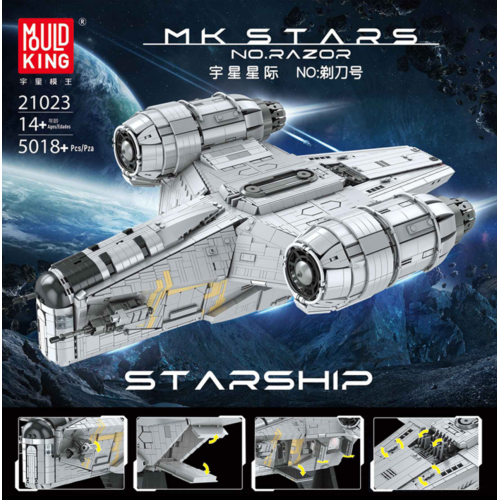
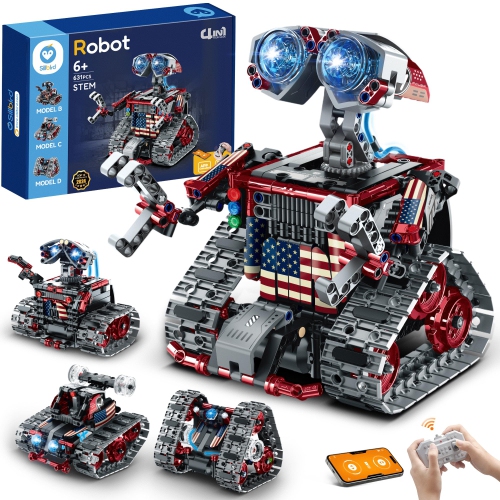
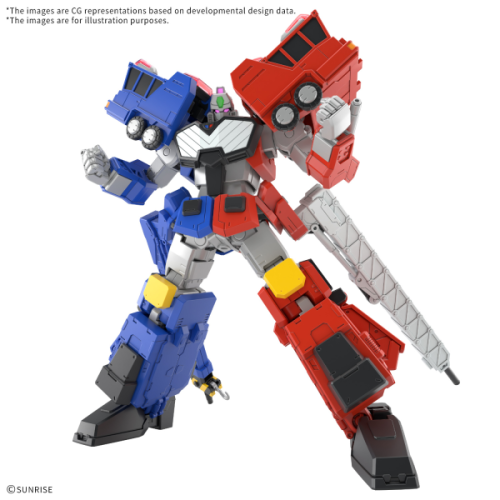

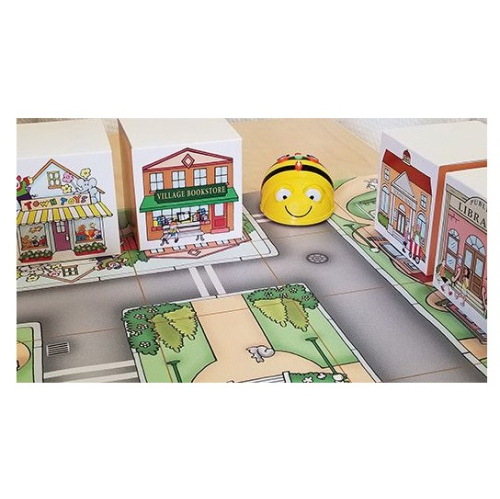

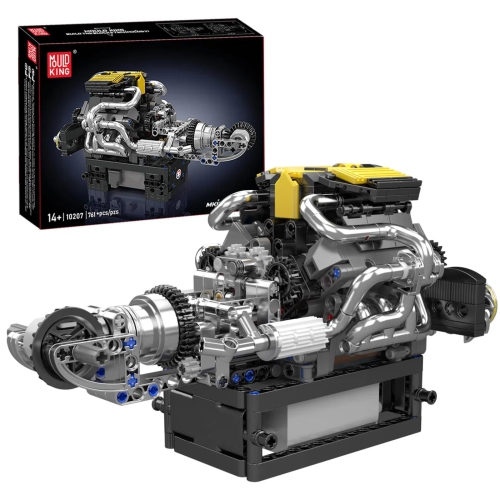
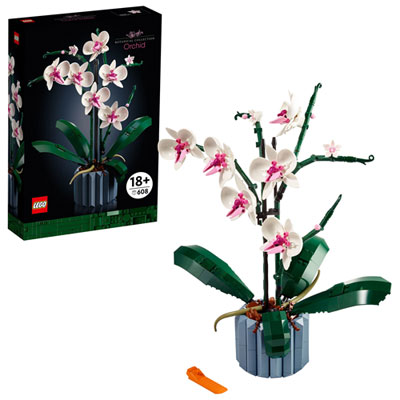
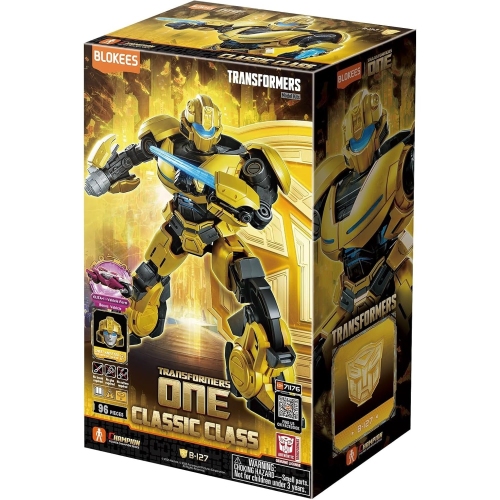
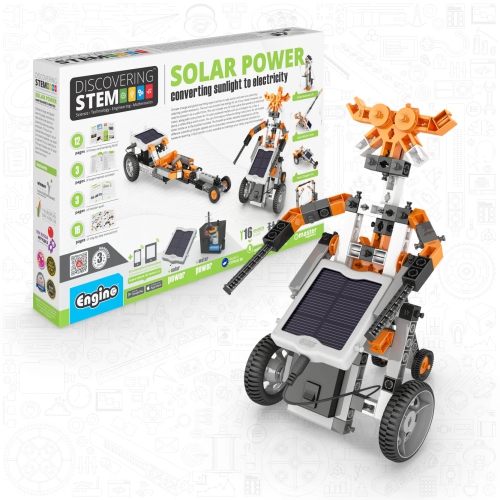
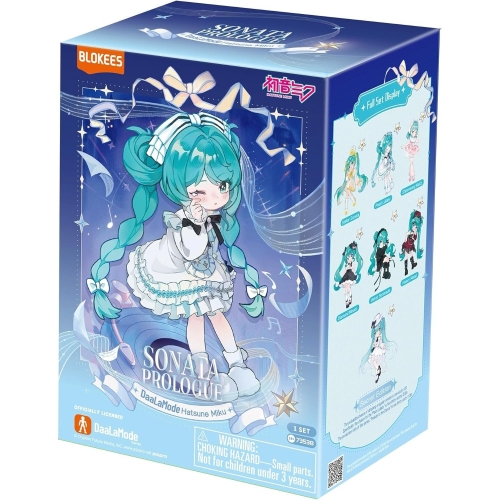
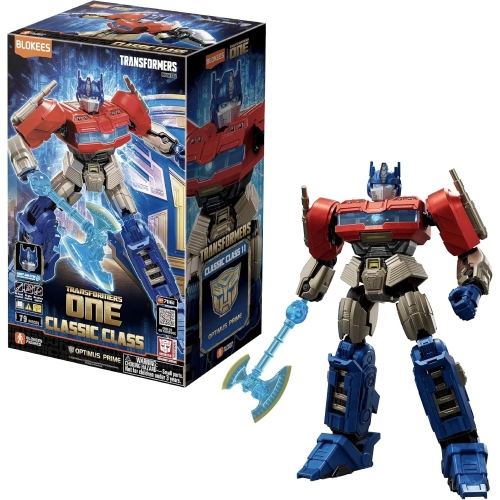

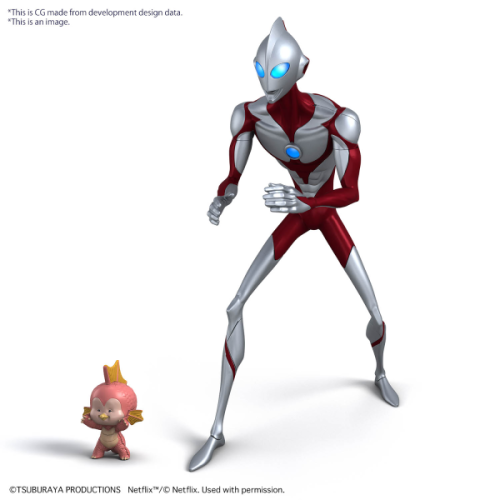
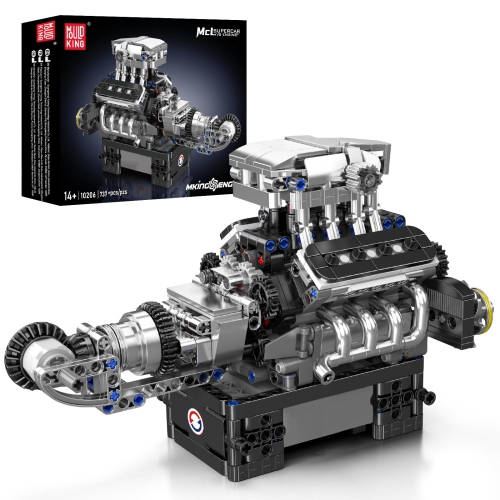
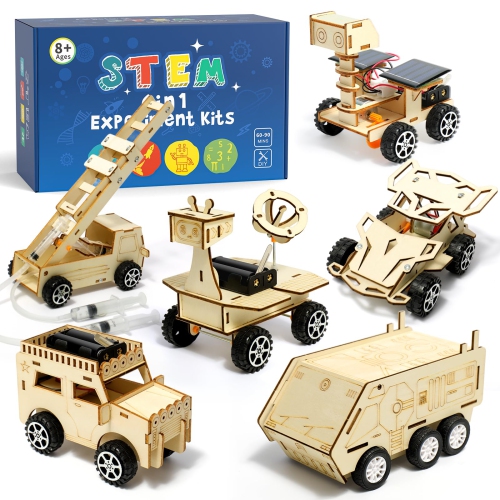
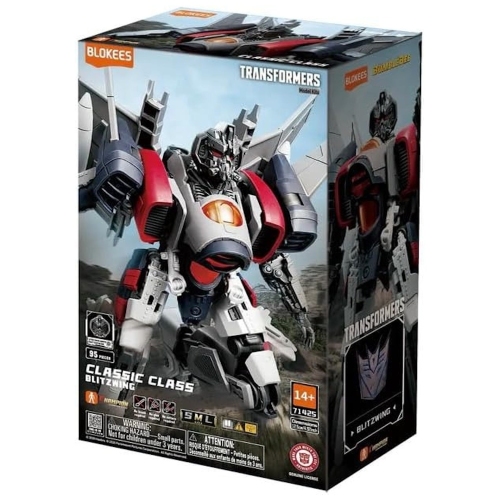
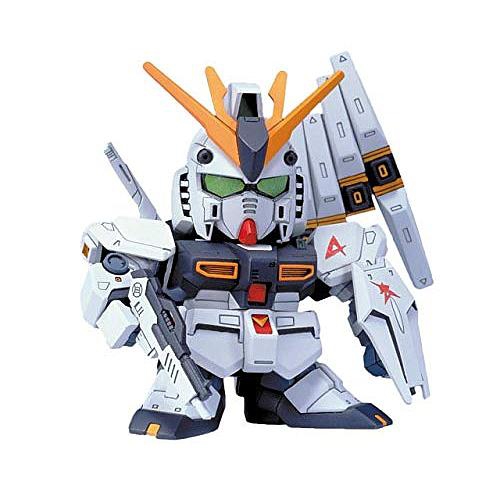
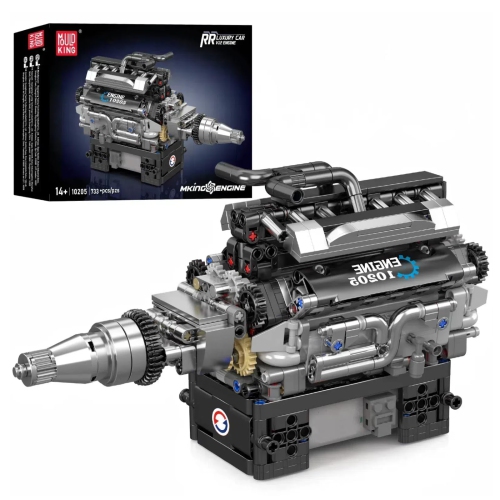
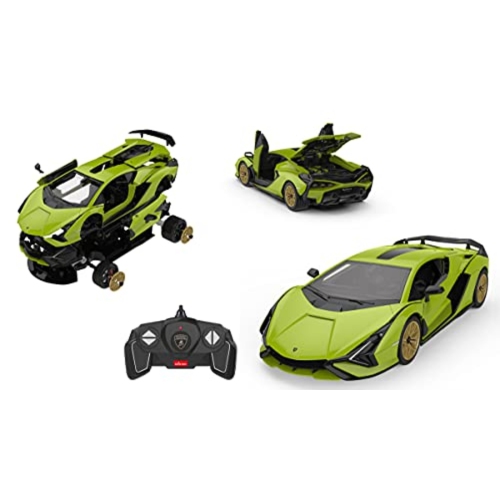
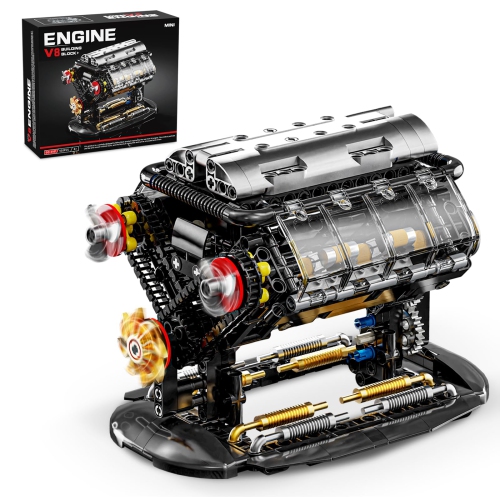
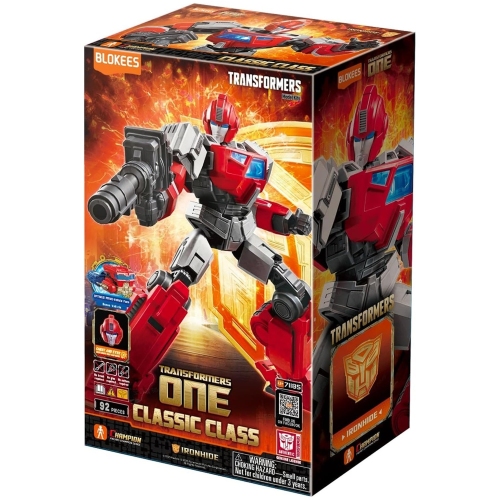
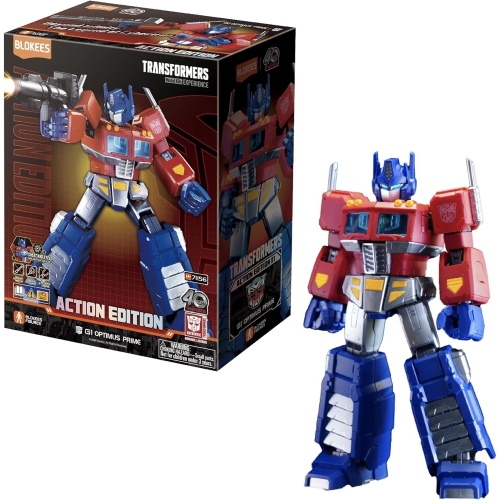
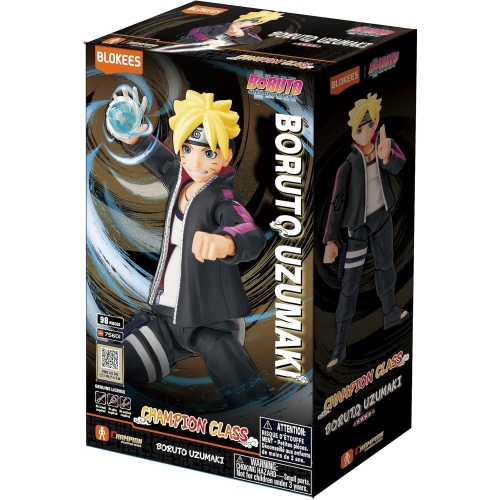
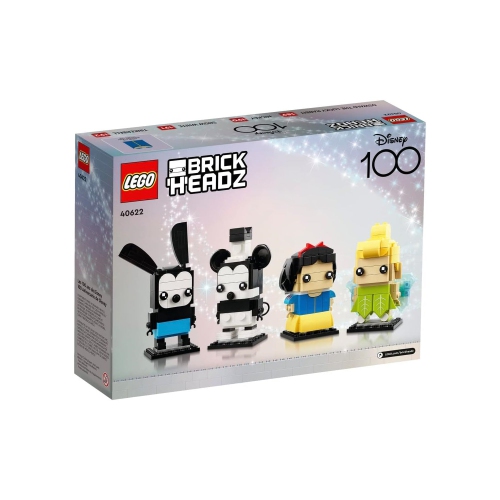
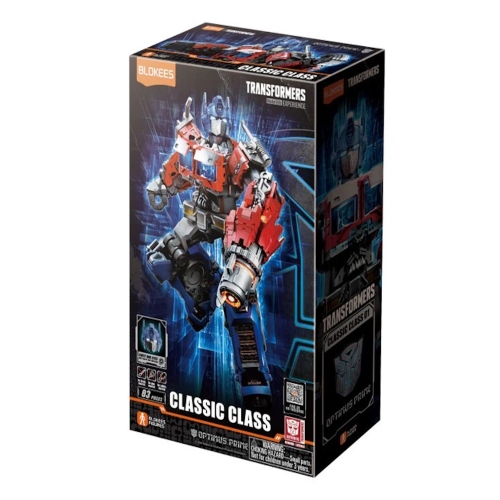
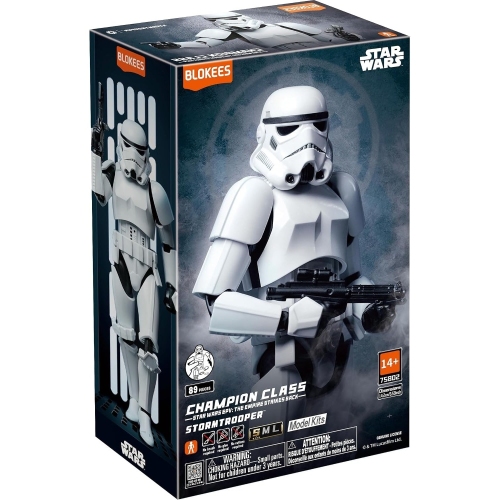
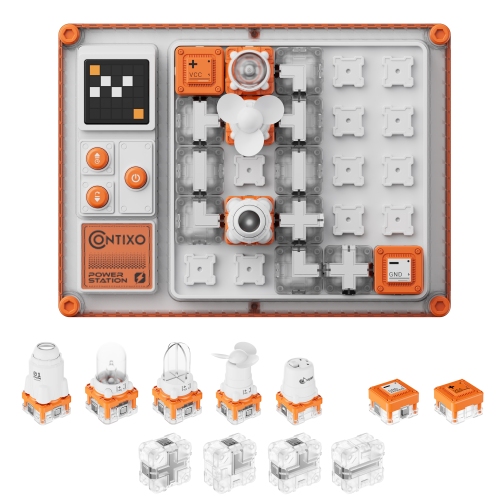
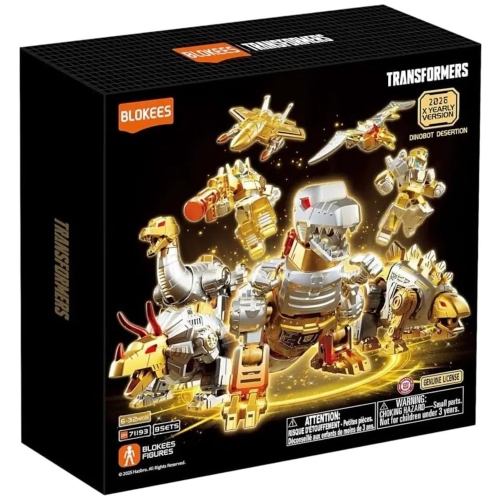
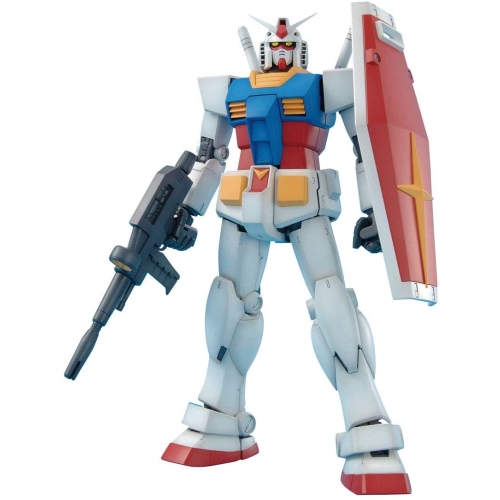

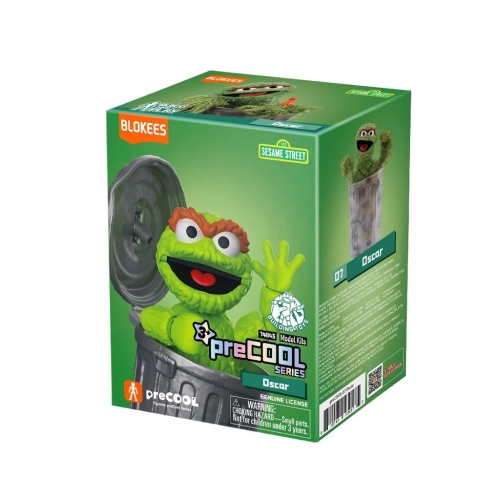
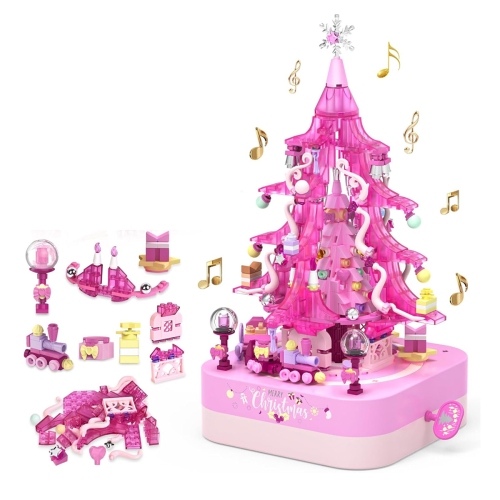


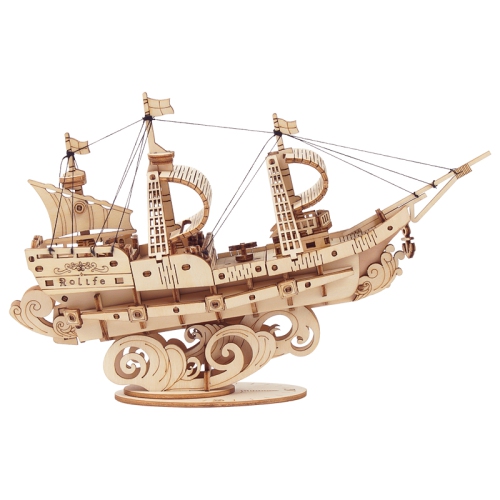
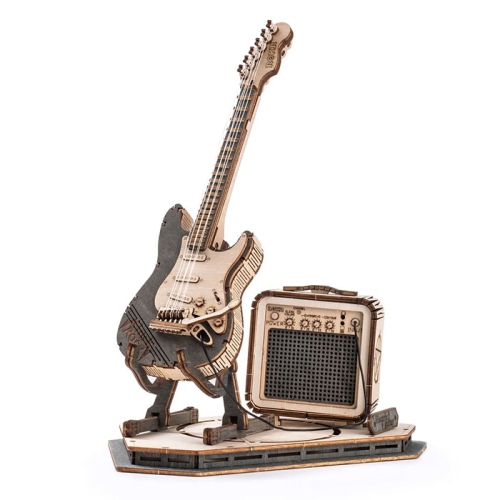
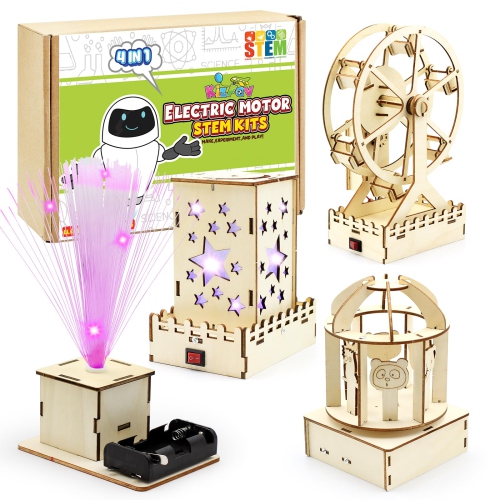
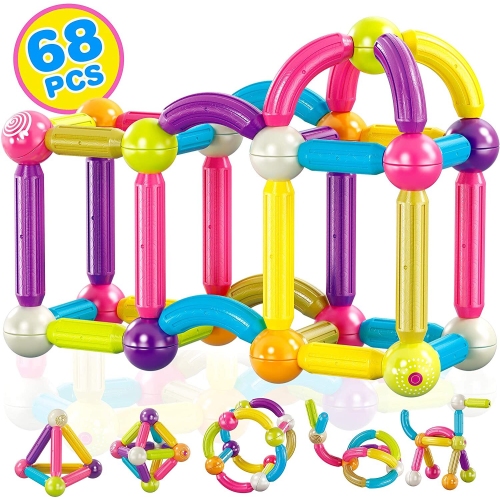
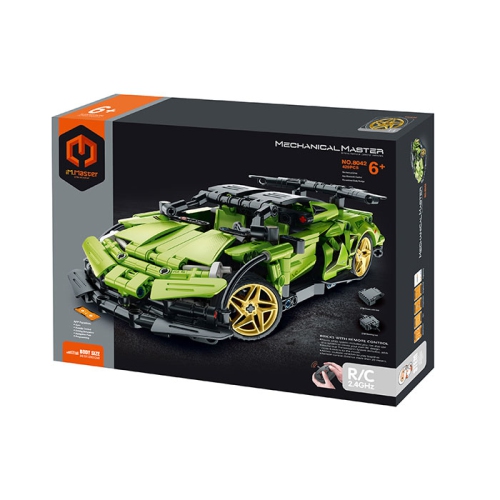



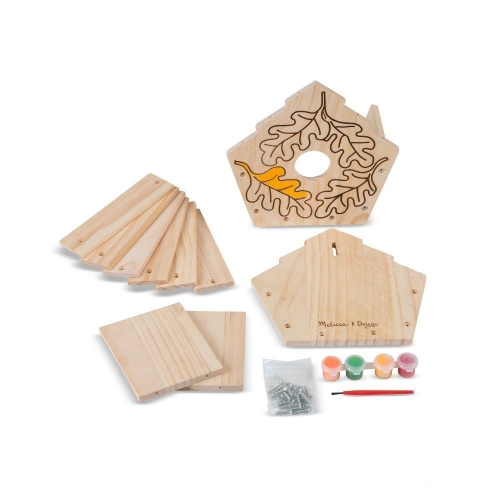
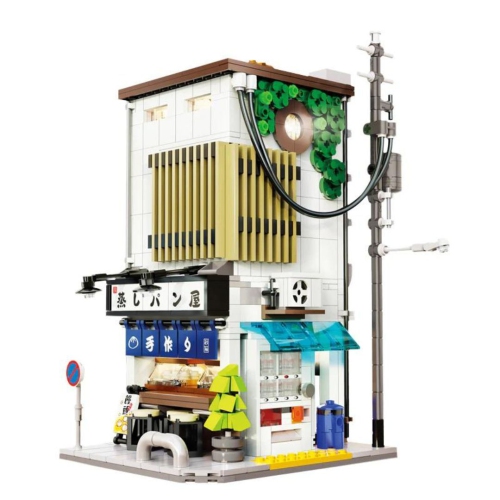
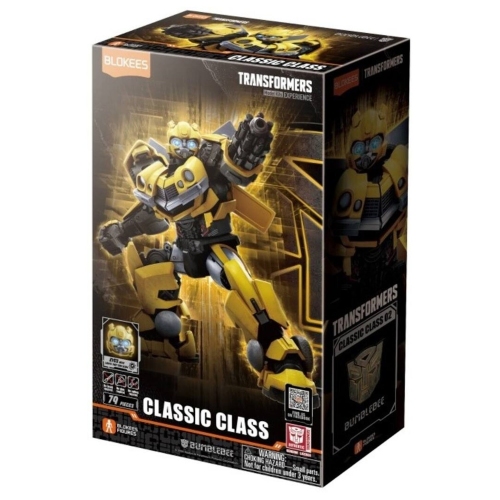
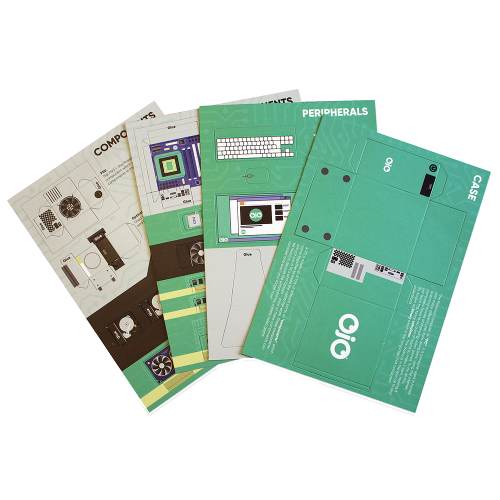
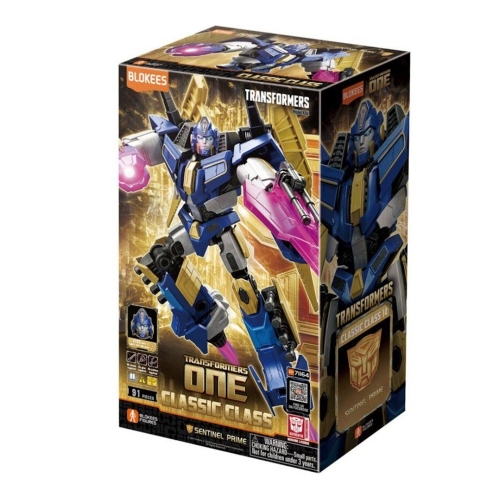
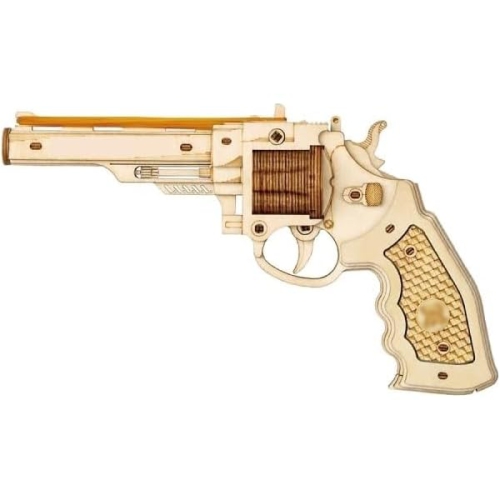
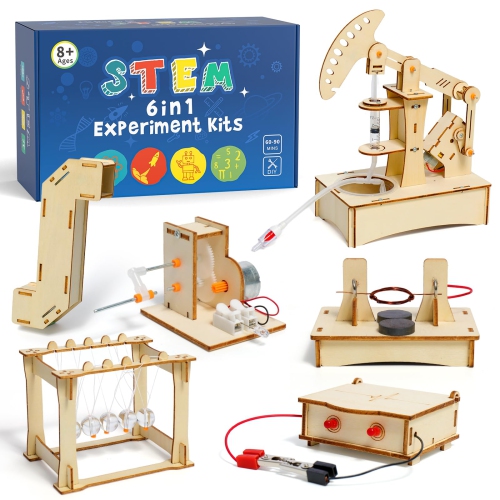
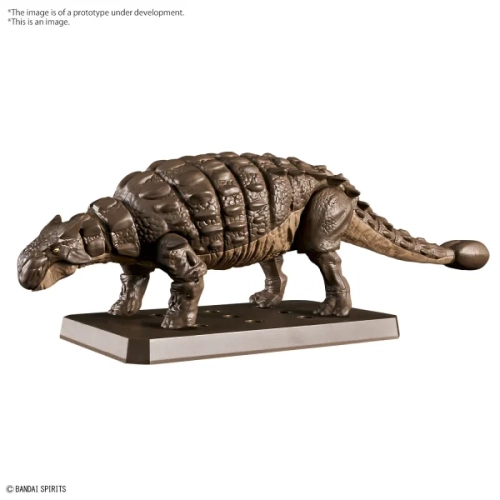
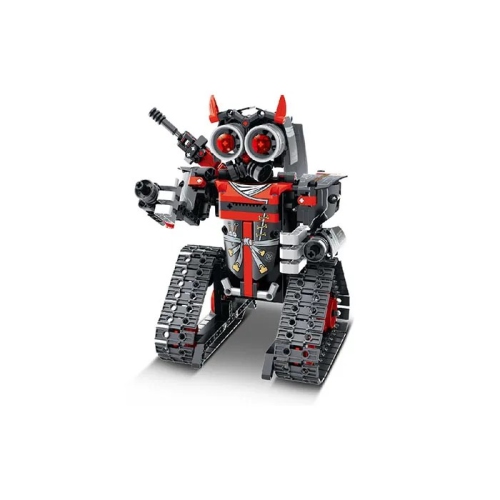
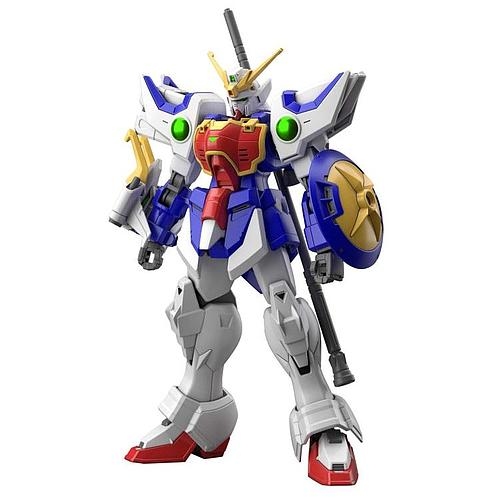
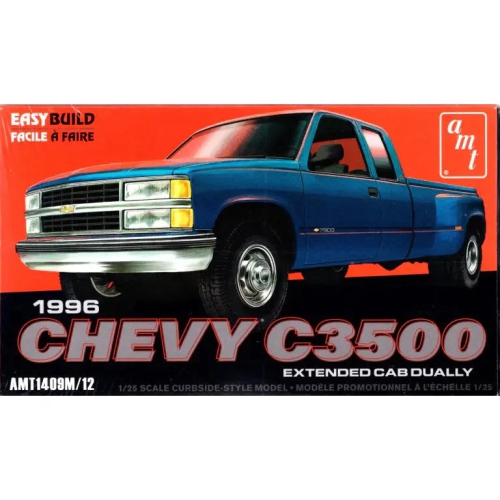



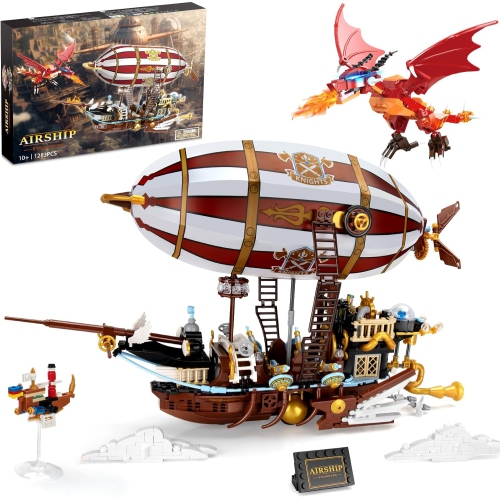
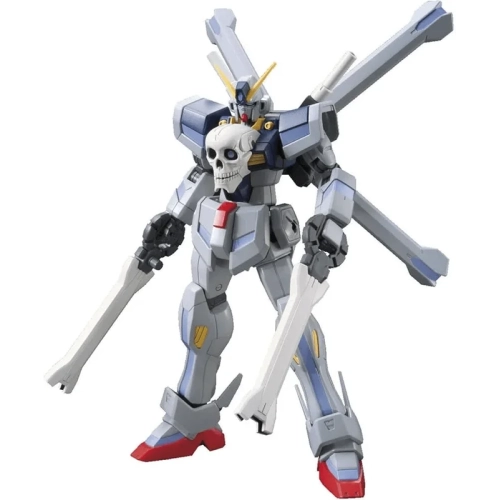
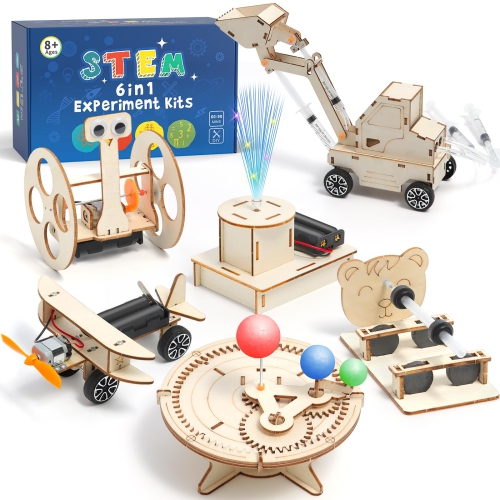

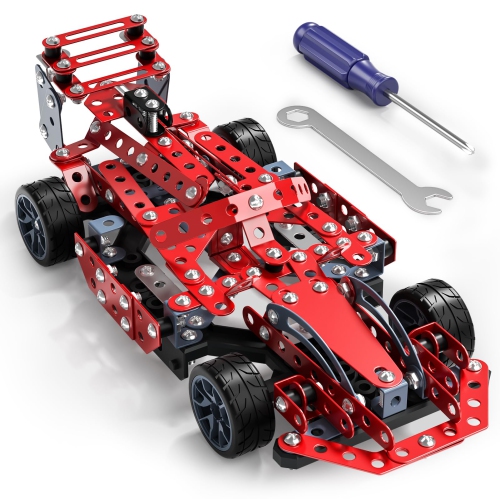
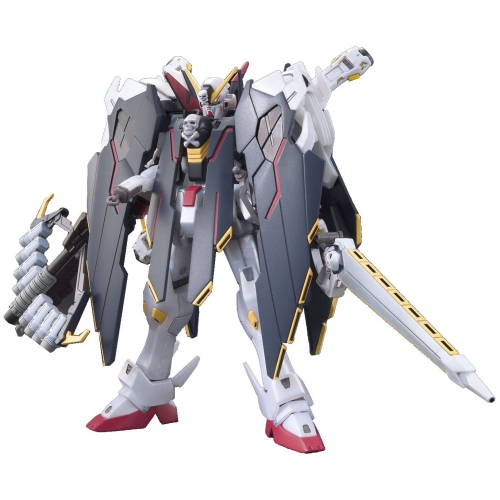
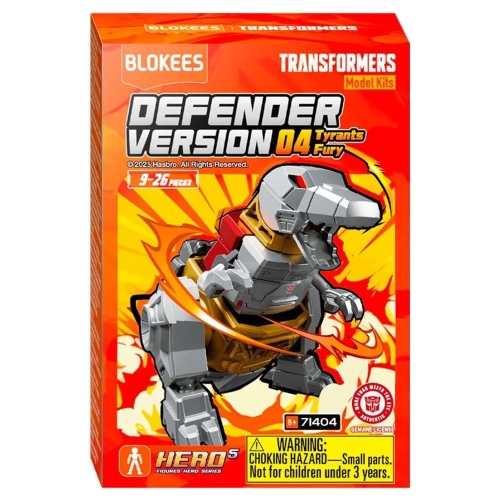
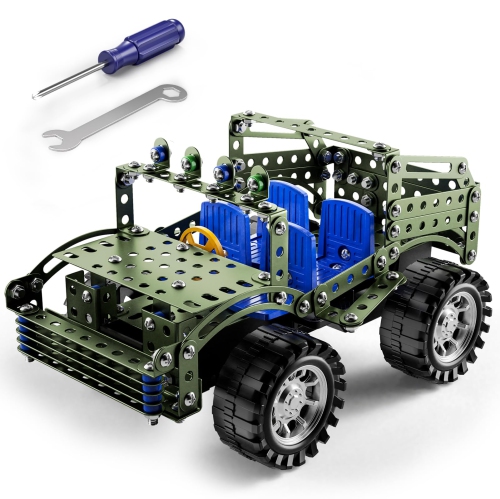
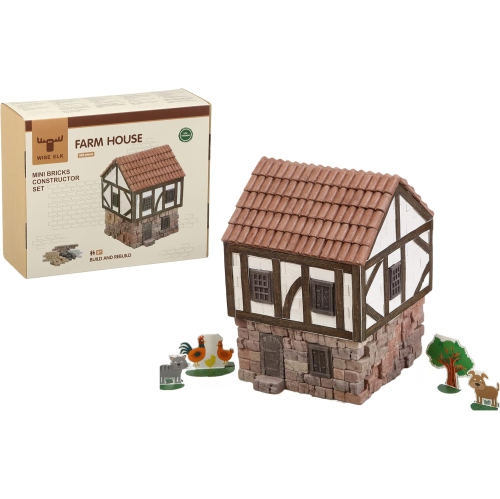
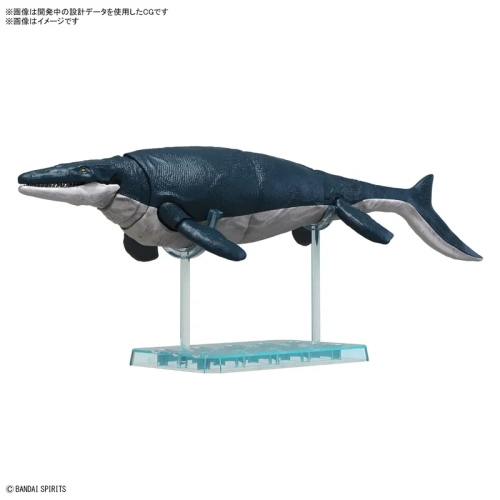
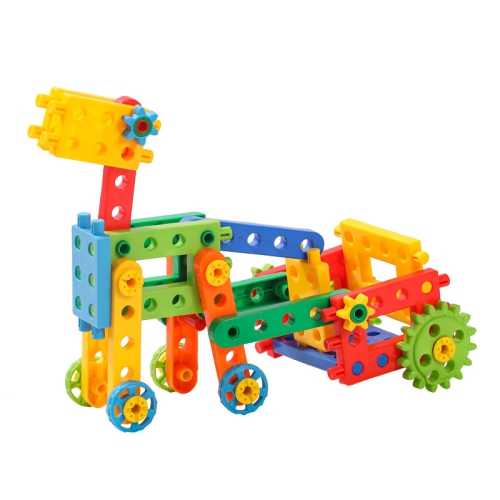
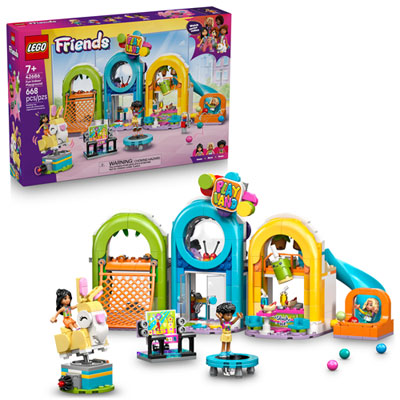
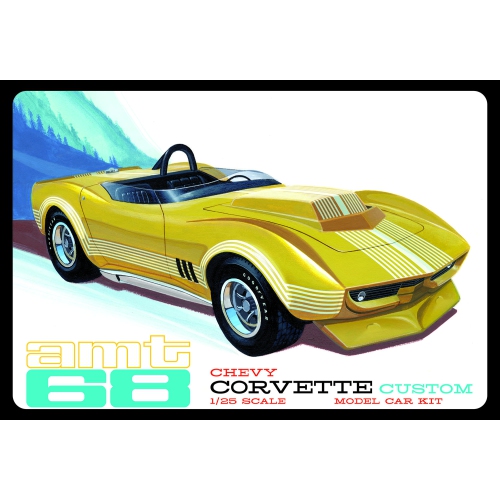
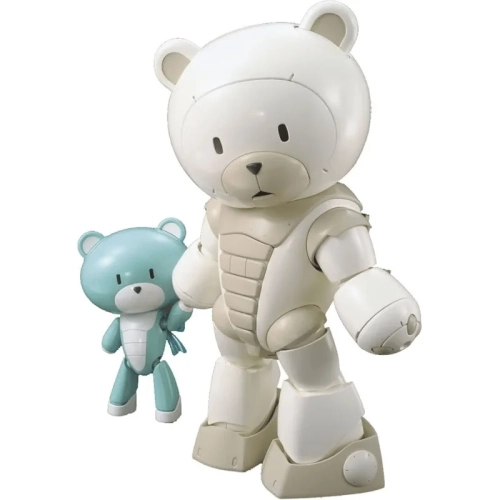
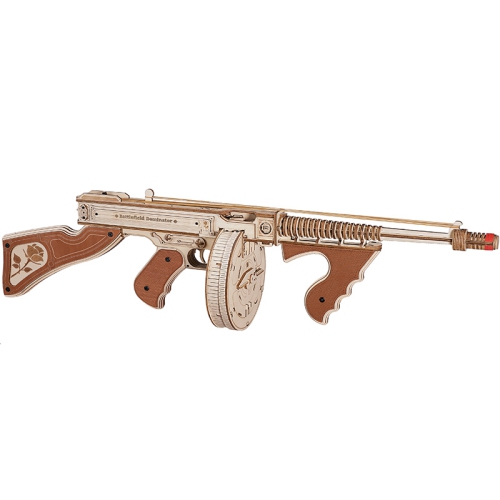
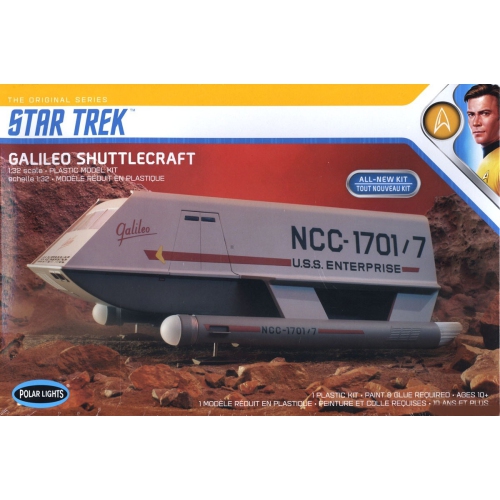

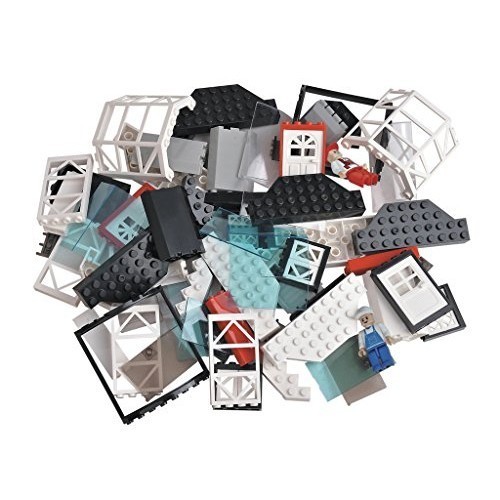

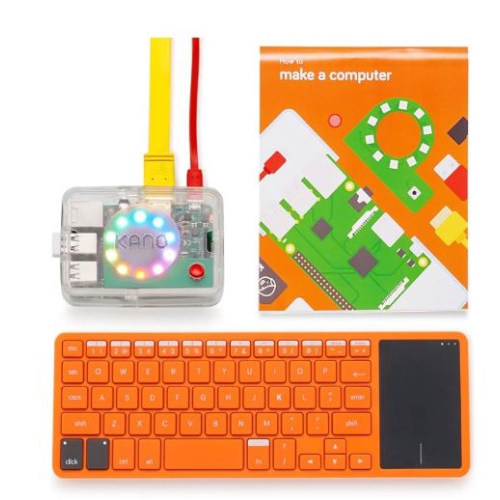
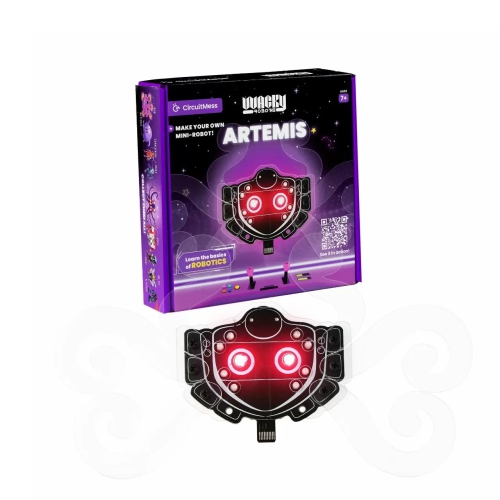
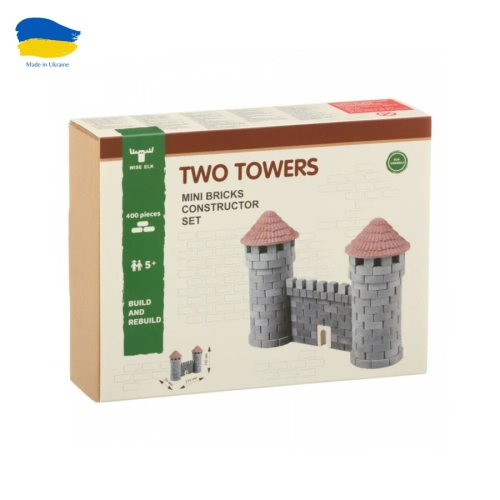
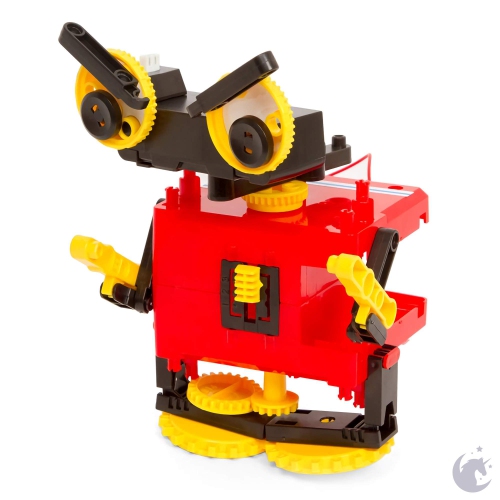

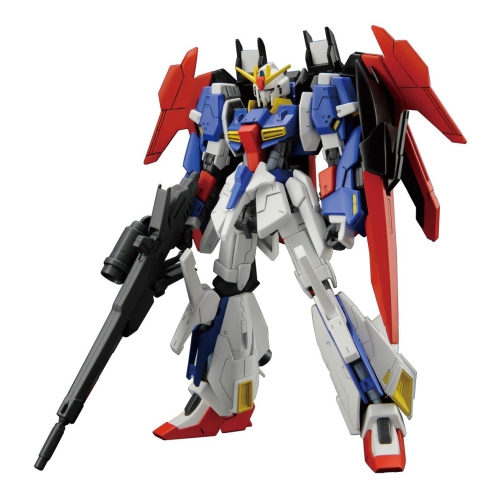
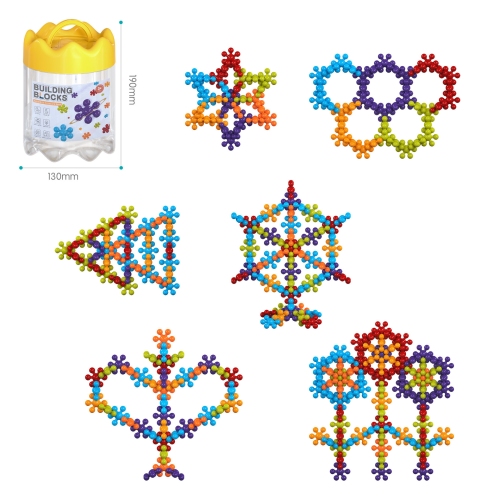
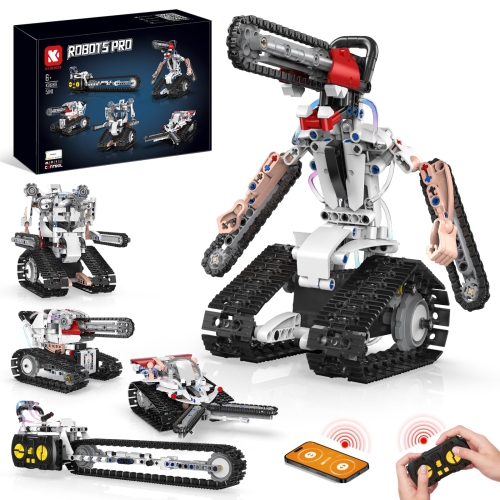

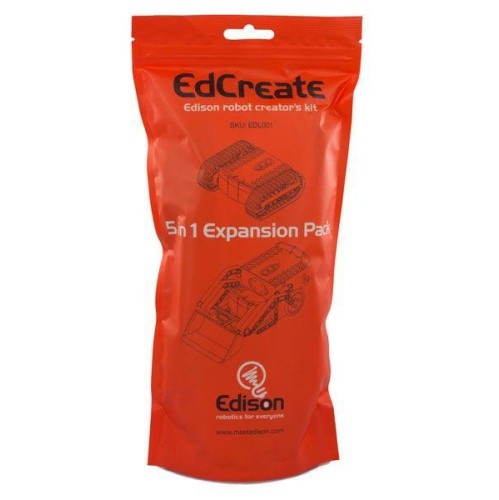
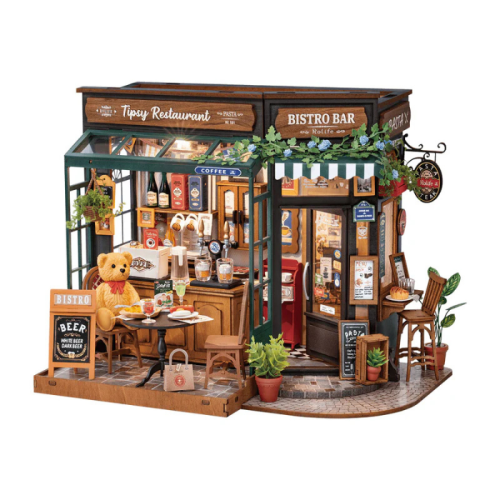
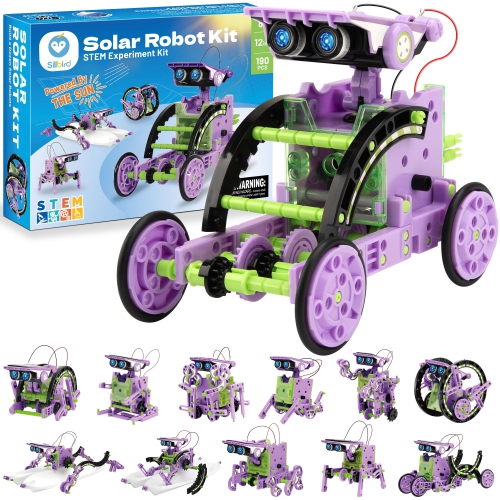
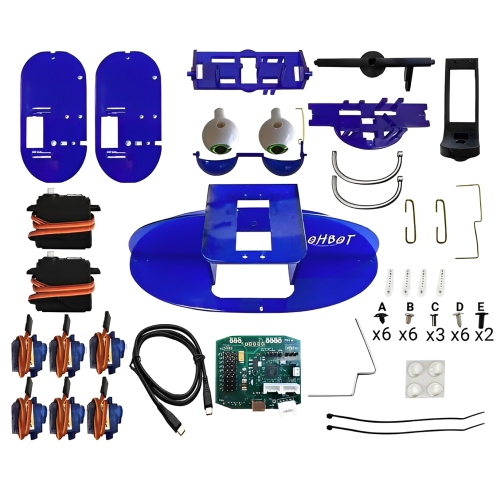
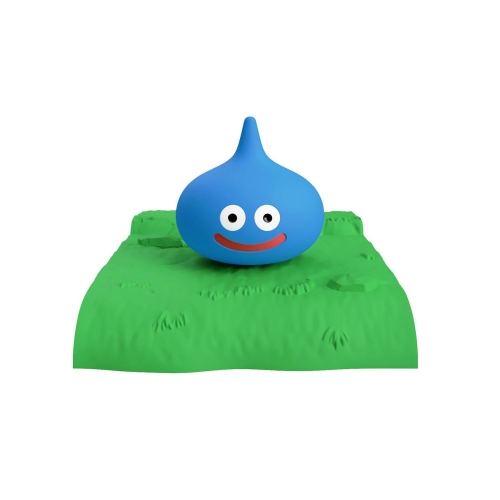
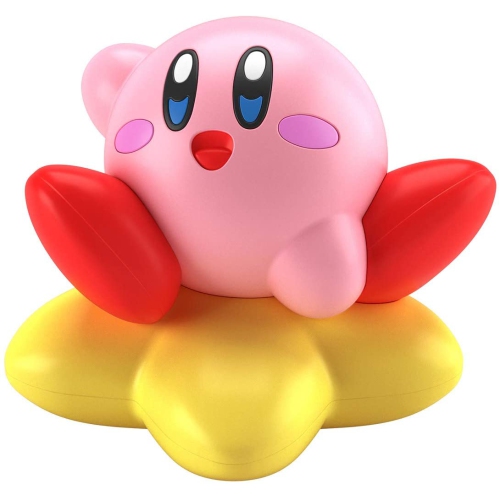
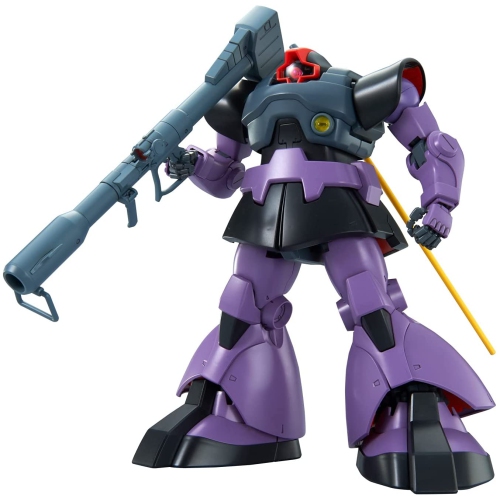
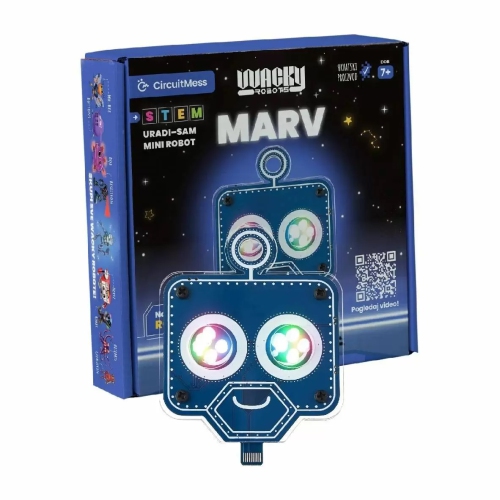


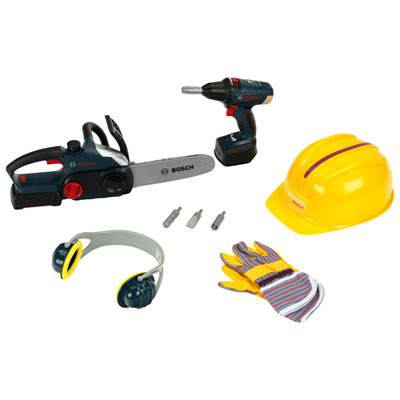

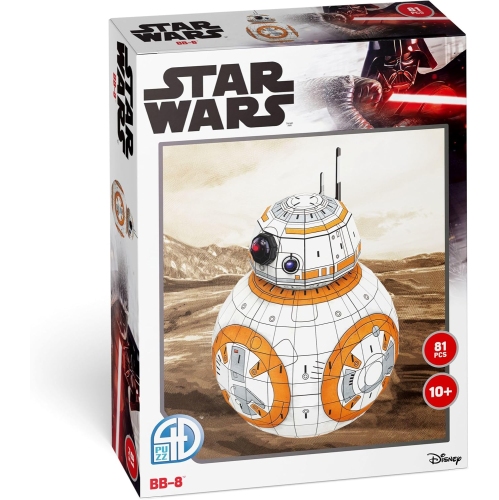
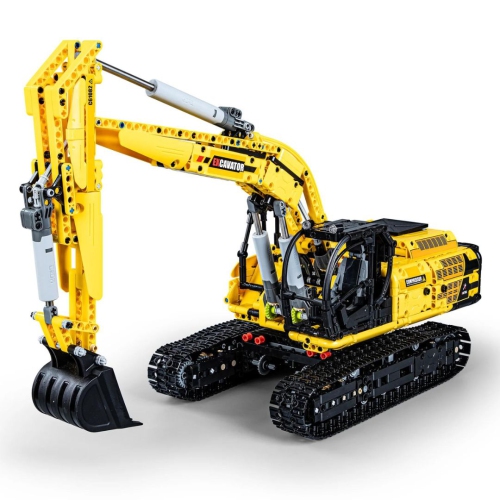
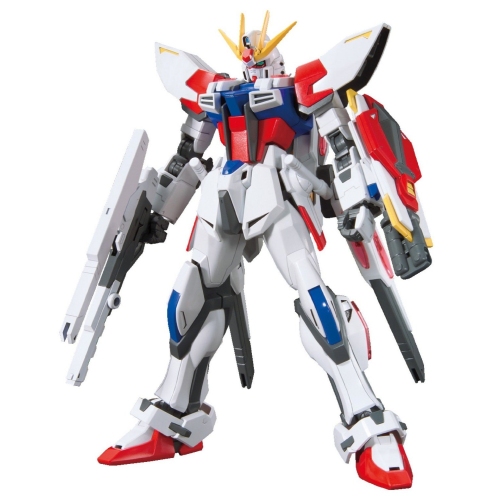
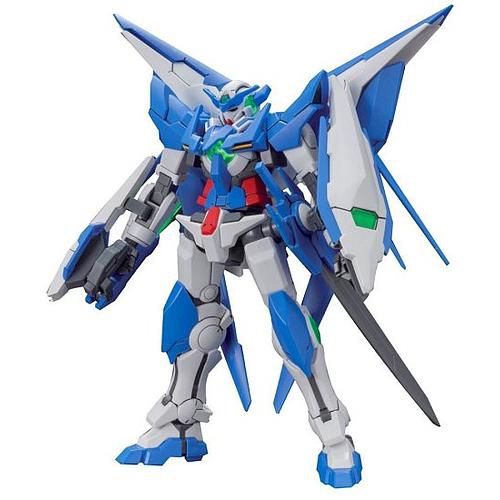
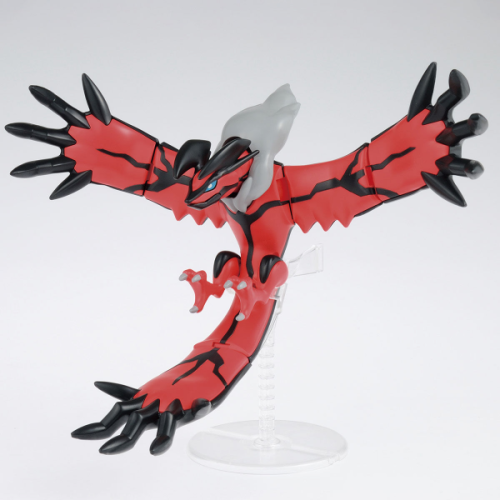
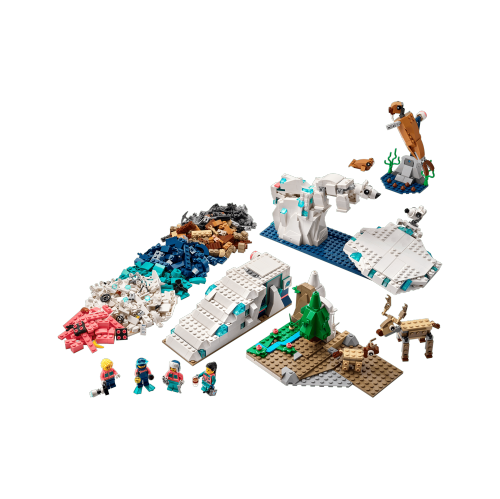
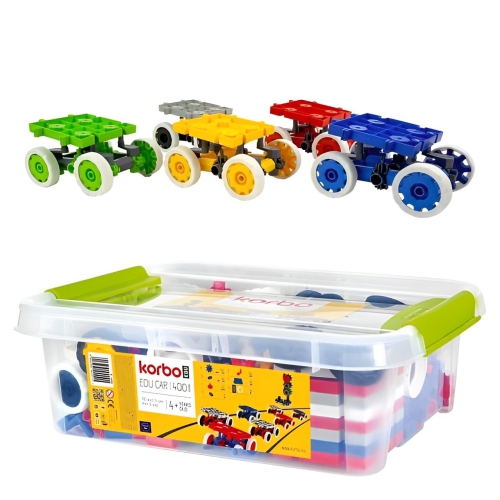
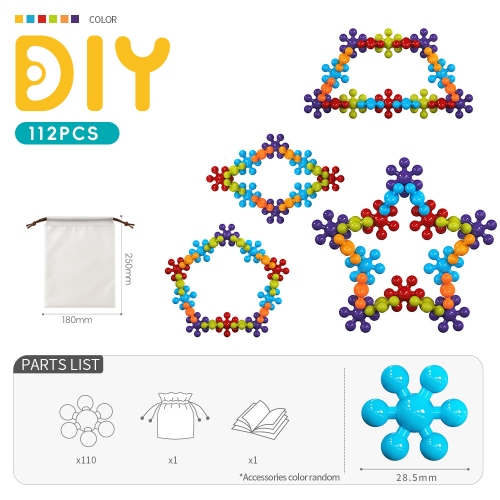
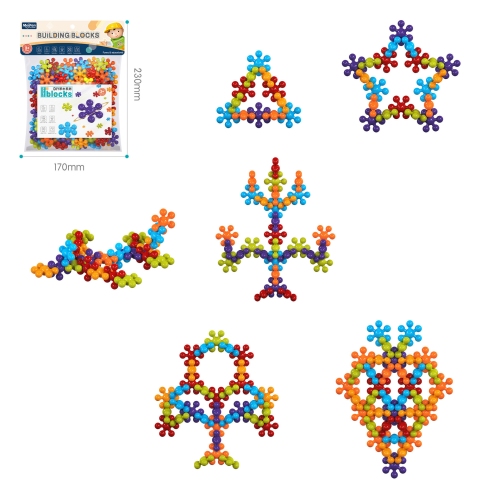
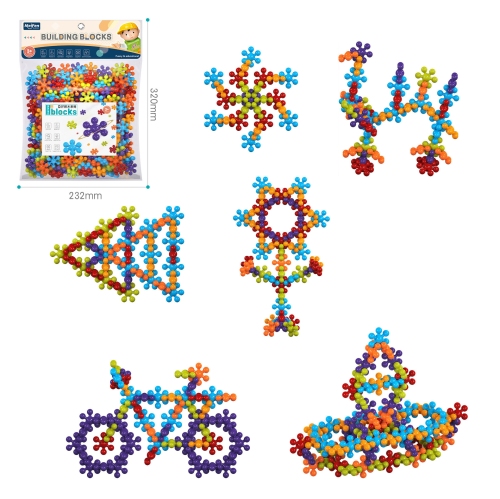
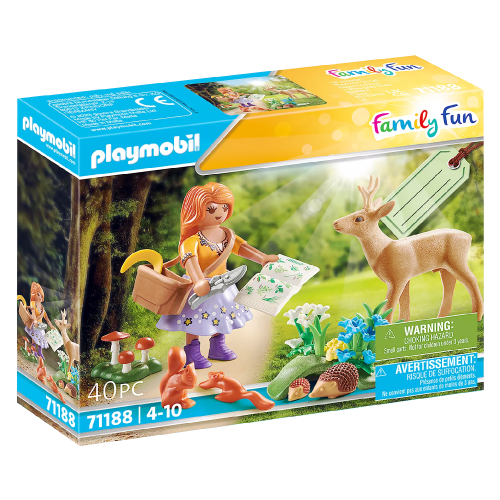
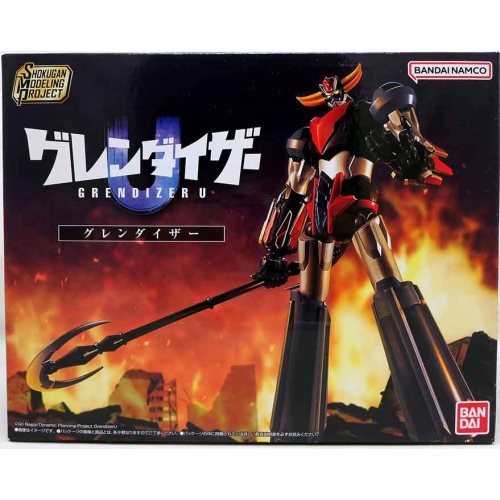

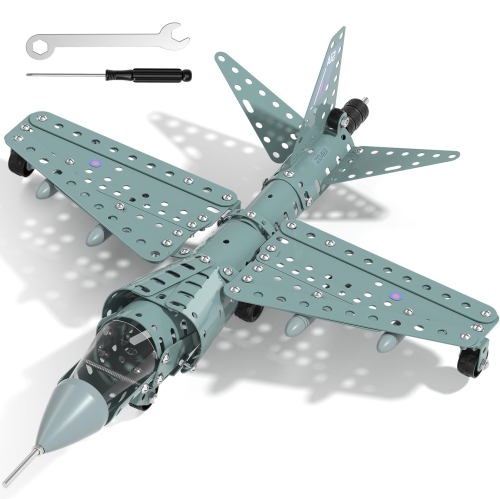

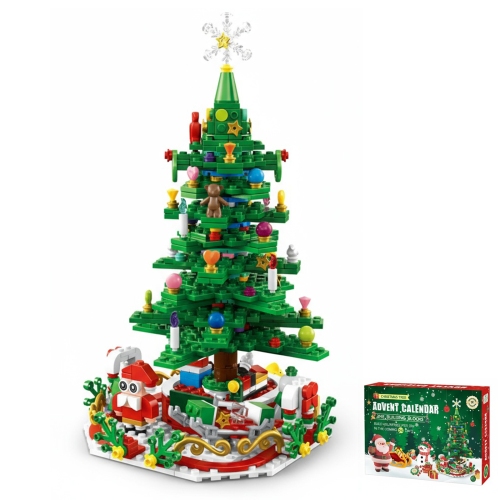
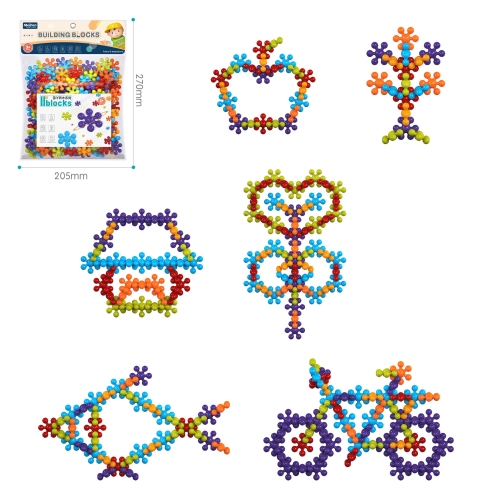
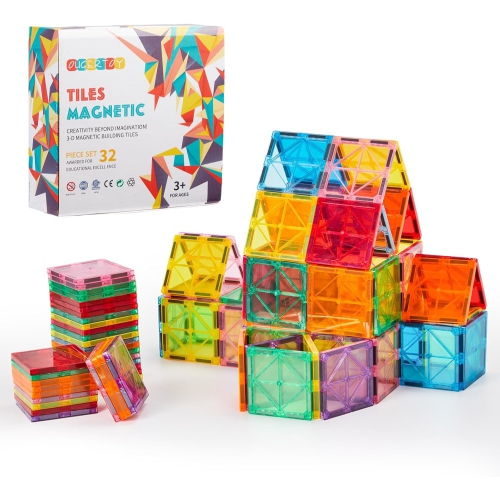
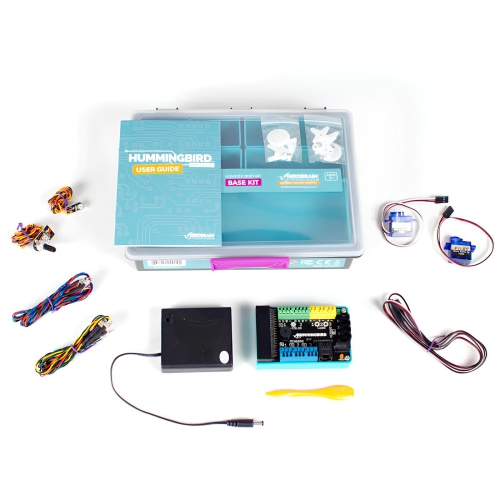

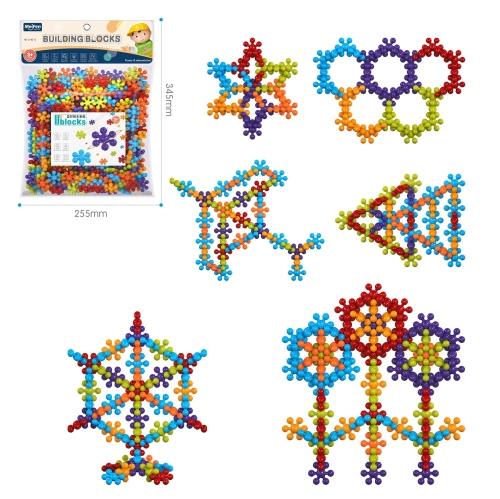
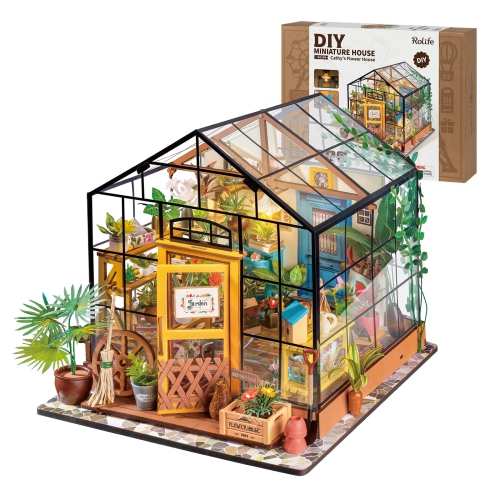
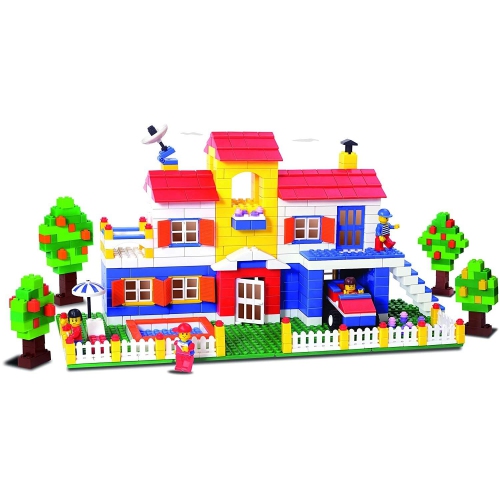
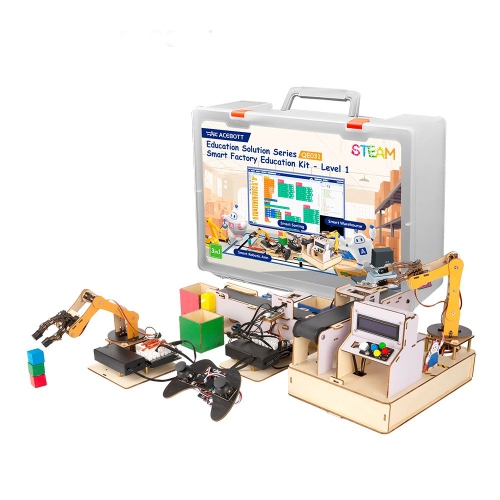
Guided projects and open-ended creativity for every experience level
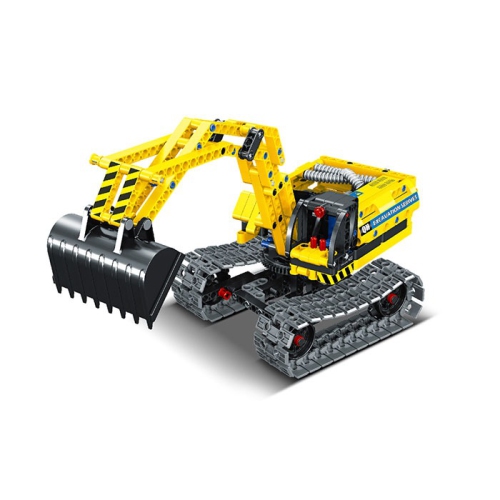
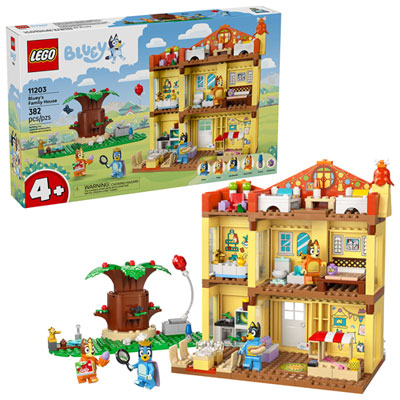
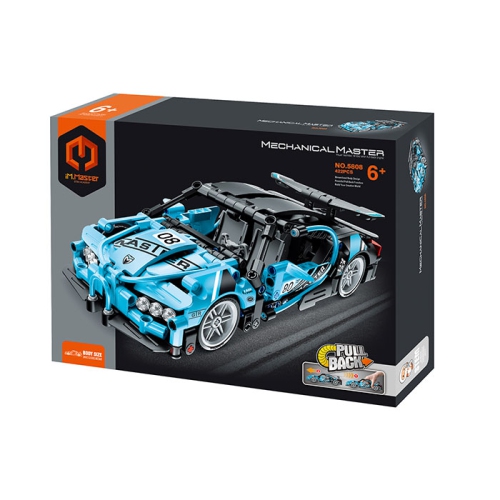
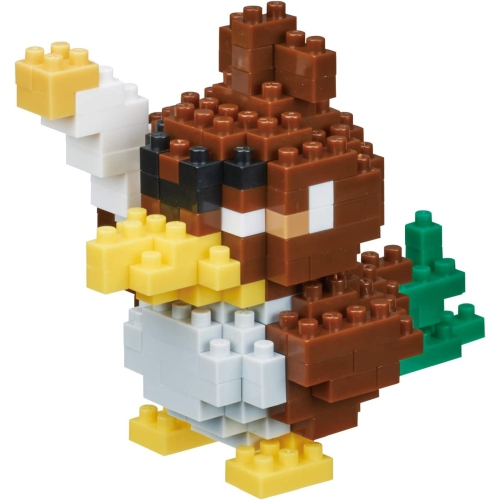
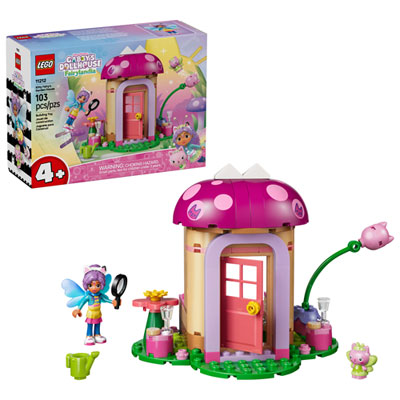
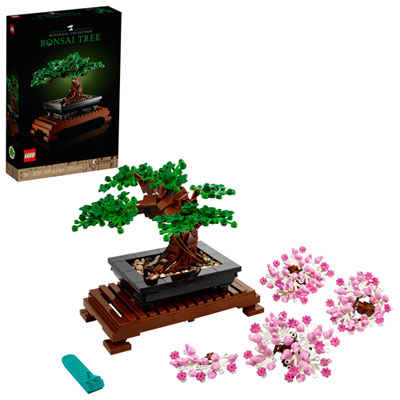
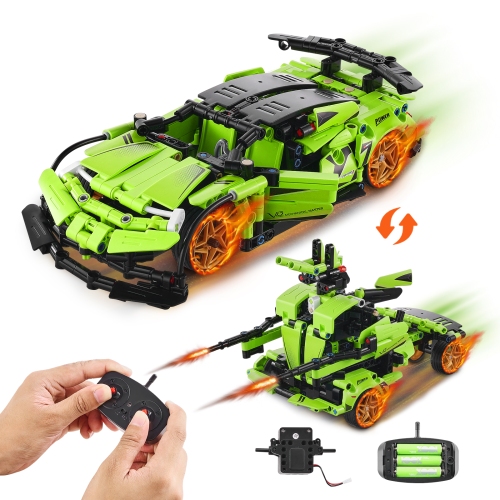
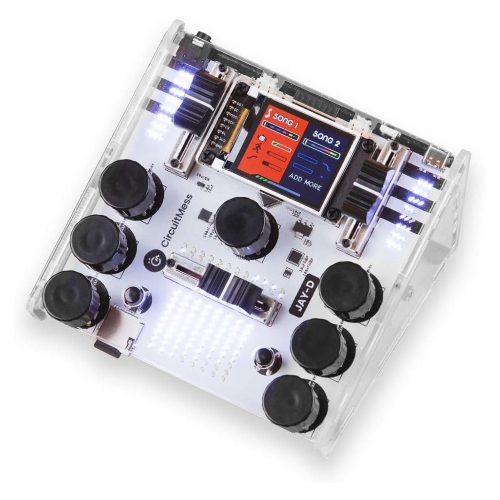
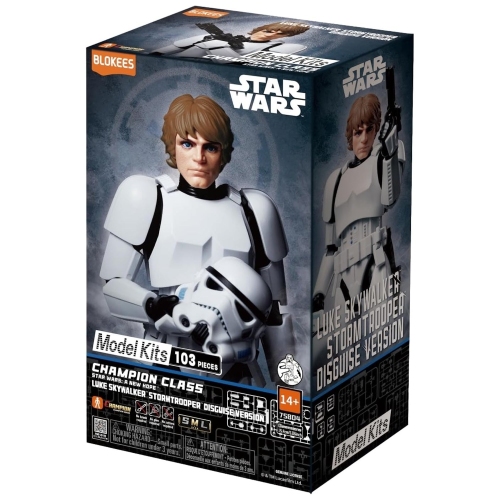
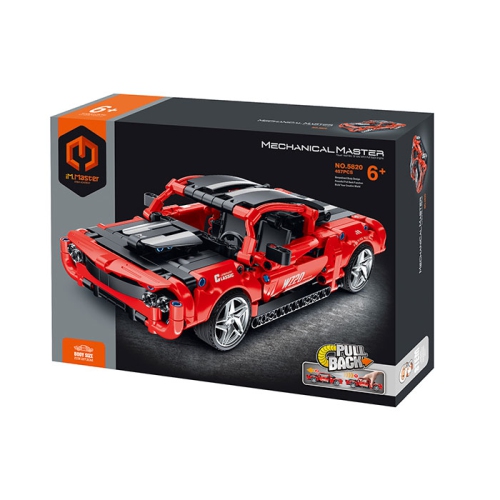
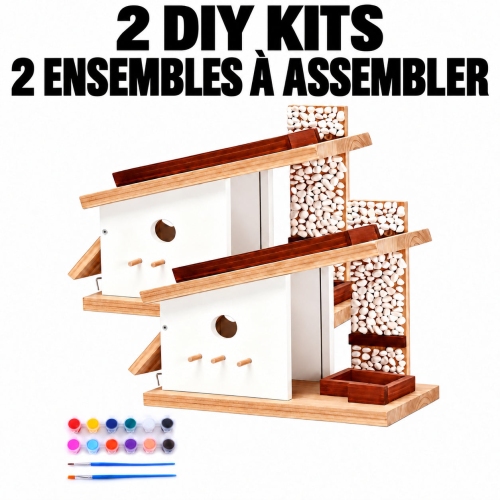
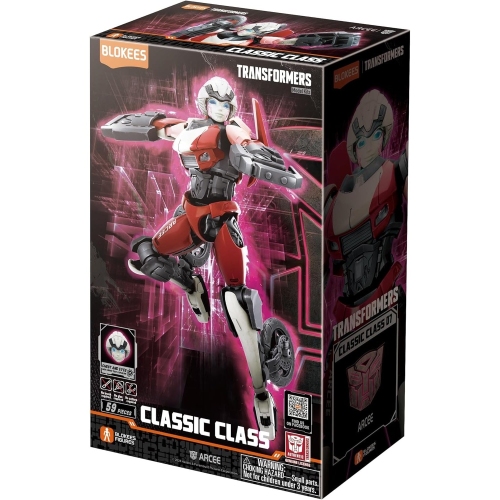
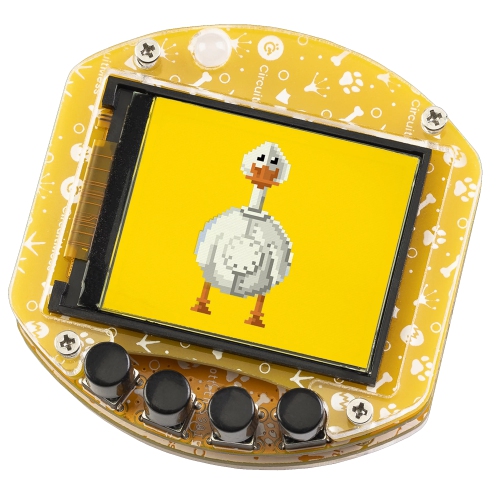
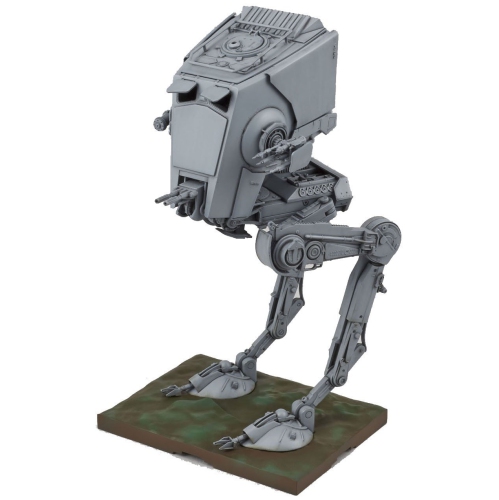
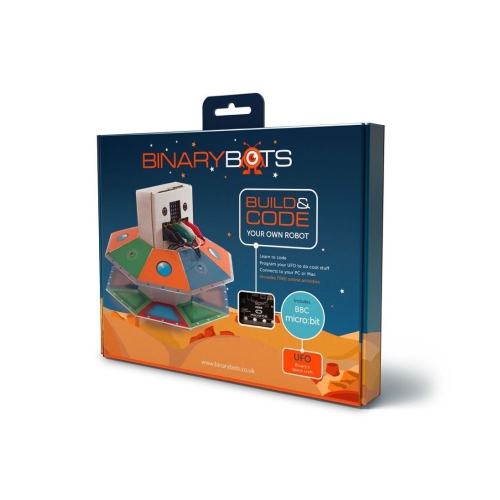
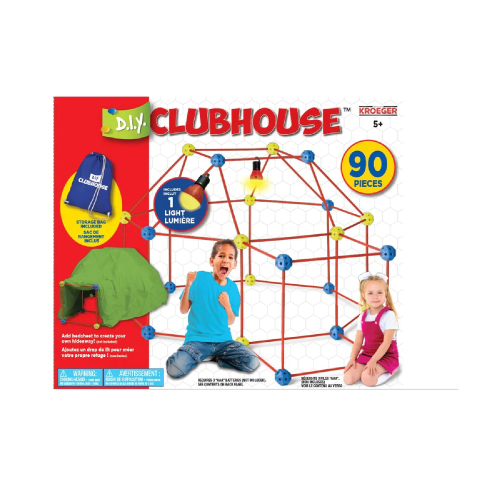
Building kits bring together creativity, problem-solving and hands-on play in a format that can suit a wide range of ages and interests. Some are designed for younger children with larger pieces, simple connections and open-ended construction, while others offer detailed components, moving parts, electronic features or realistic architectural designs for older children, teens and adults. A building kit may invite the builder to follow a step-by-step model, recreate a familiar type of vehicle or structure, or use the included parts as a starting point for completely original creations. For shoppers browsing Building Sets, the most important consideration is how the kit is likely to be used. A child who enjoys imaginative play may appreciate a versatile assortment of pieces that can become a house, space station, bridge or animal one afternoon and something entirely different the next. Someone who prefers careful, methodical projects may be happier with a more structured kit, especially one with numbered stages, illustrated instructions and a finished design to work towards. Building kits can also be a thoughtful gift for birthdays, family celebrations or the holiday season because they offer more than a single moment of entertainment. The building process becomes part of the experience, and the completed model can remain on display or be taken apart for another project.
When comparing building kits, look closely at the recommended age range, the number and size of pieces, the level of detail and the type of connections used. Larger components and uncomplicated joining systems can be easier for small hands, while compact parts, intricate mechanisms and multi-stage instructions are generally better suited to experienced builders. Age guidance is useful for judging both safety and frustration level, but a child’s interests and patience matter just as much. A beginner may enjoy a smaller kit that can be completed in one sitting, whereas a confident builder may welcome a larger project that unfolds over several sessions. Consider whether the set is intended for solo play, shared building or a combination of both. A parent and child working side by side can turn a rainy afternoon into a relaxed project, with one person sorting pieces while the other checks the next step. Siblings can build together when the kit includes enough components for separate roles, and adults may enjoy detailed model-building as a quiet hobby during the cooler months. Storage is another practical detail: sorting trays, resealable containers and a dedicated shelf can help keep small pieces together between sessions. For kits with moving, mechanical or electronic elements, check whether batteries, tools or additional accessories are required so the recipient can begin building without an unexpected delay.
Building kits also differ in the kind of finished experience they provide. Creative brick-style sets encourage experimentation and repeated rebuilding, making them a strong choice for children who like to change direction as their ideas develop. Rod-and-connector systems can be useful for exploring balance, shape and basic engineering concepts, while magnetic construction pieces make it easy to assemble and disassemble geometric forms. Model kits and wooden construction projects tend to place more emphasis on precision, patience and visual detail, offering a satisfying sense of progress as separate parts become a recognizable structure. Some kits introduce simple principles of design, physics or technology through gears, pulleys, motors, lights or programmable components, allowing builders to see how movement and cause-and-effect work in practice. For younger children, choose pieces that are easy to grip and avoid sets with small components when they may present a safety concern. For older children and adults, think about the desired balance between guidance and freedom: a fully illustrated build can provide a rewarding challenge, while a less prescriptive kit leaves room for inventive solutions. Whether it is opened at a family gathering, used as an indoor activity when the weather turns cooler or kept on a desk for occasional evening projects, a well-chosen building kit gives the recipient time to make, adjust and try again. The best fit is one that matches the builder’s interests, ability and available space while leaving enough room for a sense of discovery.
When comparing building kits, look closely at the recommended age range, the number and size of pieces, the level of detail and the type of connections used. Larger components and uncomplicated joining systems can be easier for small hands, while compact parts, intricate mechanisms and multi-stage instructions are generally better suited to experienced builders. Age guidance is useful for judging both safety and frustration level, but a child’s interests and patience matter just as much. A beginner may enjoy a smaller kit that can be completed in one sitting, whereas a confident builder may welcome a larger project that unfolds over several sessions. Consider whether the set is intended for solo play, shared building or a combination of both. A parent and child working side by side can turn a rainy afternoon into a relaxed project, with one person sorting pieces while the other checks the next step. Siblings can build together when the kit includes enough components for separate roles, and adults may enjoy detailed model-building as a quiet hobby during the cooler months. Storage is another practical detail: sorting trays, resealable containers and a dedicated shelf can help keep small pieces together between sessions. For kits with moving, mechanical or electronic elements, check whether batteries, tools or additional accessories are required so the recipient can begin building without an unexpected delay.
Building kits also differ in the kind of finished experience they provide. Creative brick-style sets encourage experimentation and repeated rebuilding, making them a strong choice for children who like to change direction as their ideas develop. Rod-and-connector systems can be useful for exploring balance, shape and basic engineering concepts, while magnetic construction pieces make it easy to assemble and disassemble geometric forms. Model kits and wooden construction projects tend to place more emphasis on precision, patience and visual detail, offering a satisfying sense of progress as separate parts become a recognizable structure. Some kits introduce simple principles of design, physics or technology through gears, pulleys, motors, lights or programmable components, allowing builders to see how movement and cause-and-effect work in practice. For younger children, choose pieces that are easy to grip and avoid sets with small components when they may present a safety concern. For older children and adults, think about the desired balance between guidance and freedom: a fully illustrated build can provide a rewarding challenge, while a less prescriptive kit leaves room for inventive solutions. Whether it is opened at a family gathering, used as an indoor activity when the weather turns cooler or kept on a desk for occasional evening projects, a well-chosen building kit gives the recipient time to make, adjust and try again. The best fit is one that matches the builder’s interests, ability and available space while leaving enough room for a sense of discovery.
Top selling and popular products
-
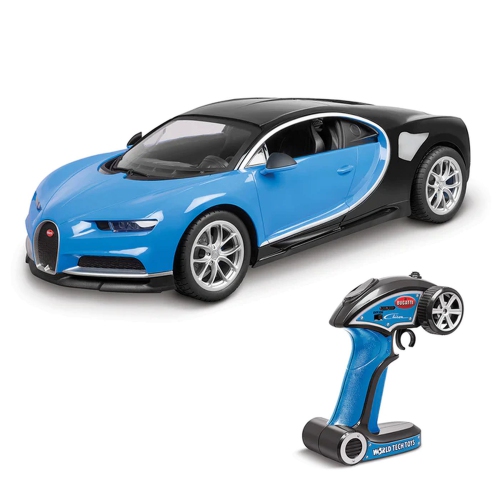 Your price for this item is $119.99
 -
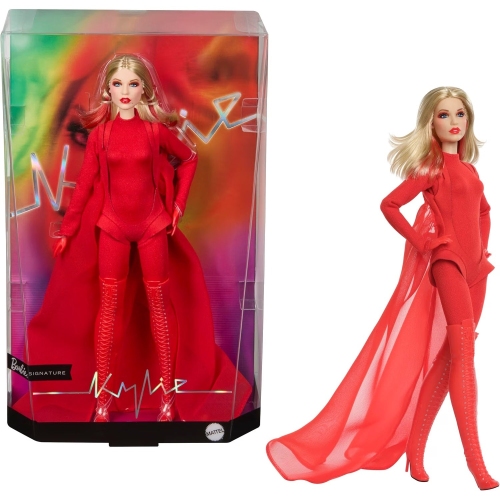 Your price for this item is $103.49
 -
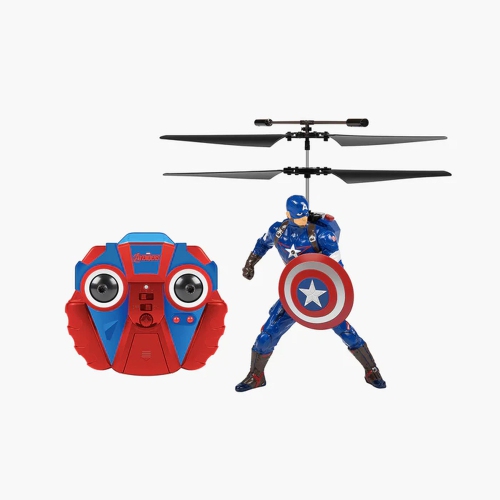 Your price for this item is $59.99
 -
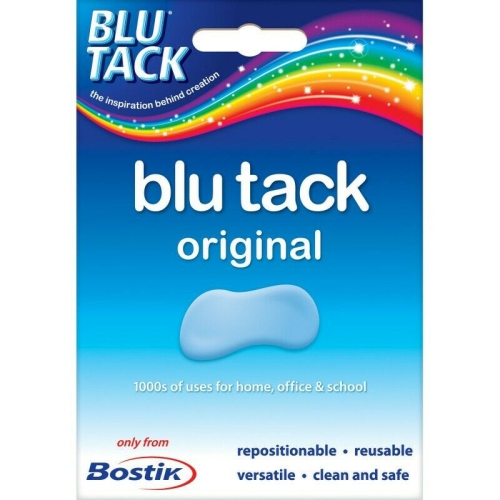 Your price for this item is $6
 -
 Your price for this item is $18
 -
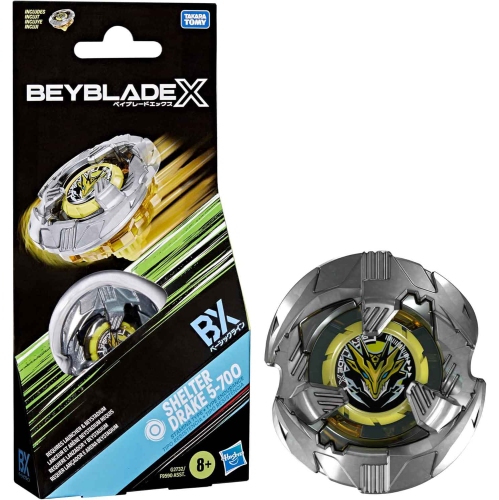 Your price for this item is $13.79
 -
 Your price for this item is $16
 -
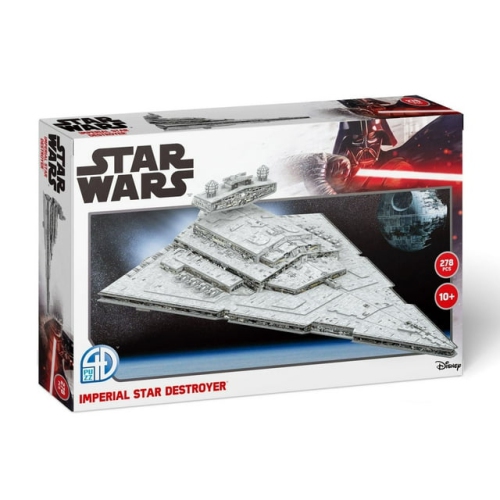 Your price for this item is $64.99
Discover more categories related to Building Kits
Top Collections:
Pokemon Centers, Kindle Devices, Best Budget Office Chairs, Canon G7X Cameras, Apple iPhones 16, Samsung Galaxy Phones, Refurbished Apple Laptops, Laptops for Students, iPhone 15 Apple, Budget Smartphones
Some products may be subject to Environmental Handling Fees
(EHF) depending on your province.
Learn more about EHFs.