Cake Toys
Transform playtime into a delightful baking adventure with an enchanting selection of cake toys. Perfect for budding bakers and imaginative minds, these toys inspire creativity and fun in any playroom or classroom setting. Designed to mimic the joy of real baking, they offer endless opportunities for role-playing, learning, and developing fine motor skills. Whether it's a pretend birthday celebration or a make-believe bakery setup, cake toys are sure to bring smiles and sweet moments to young chefs everywhere. Dive into a world where imagination takes the cake and every day is a special occasion!
Sort
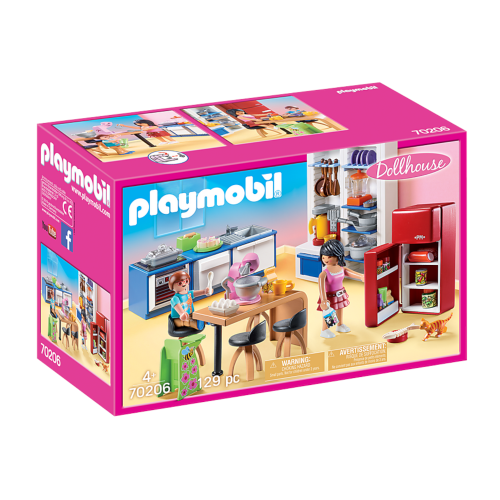
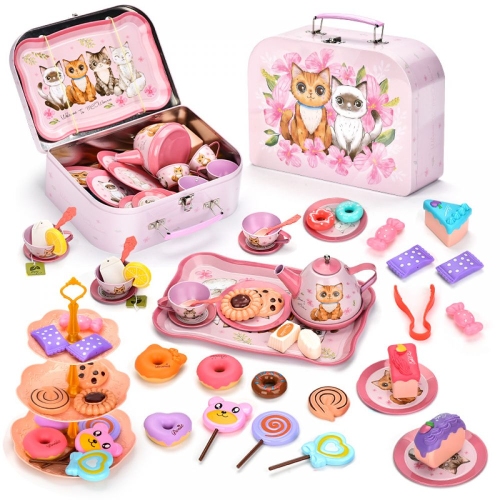
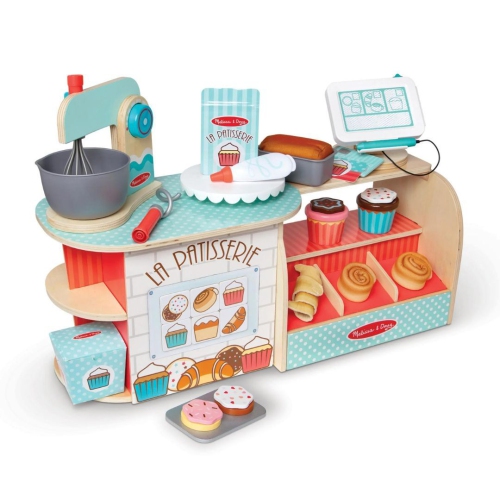
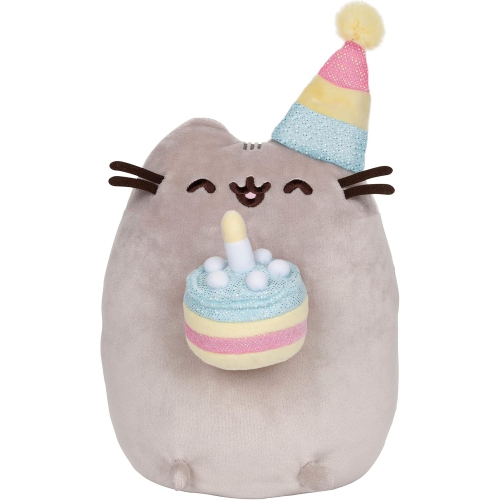
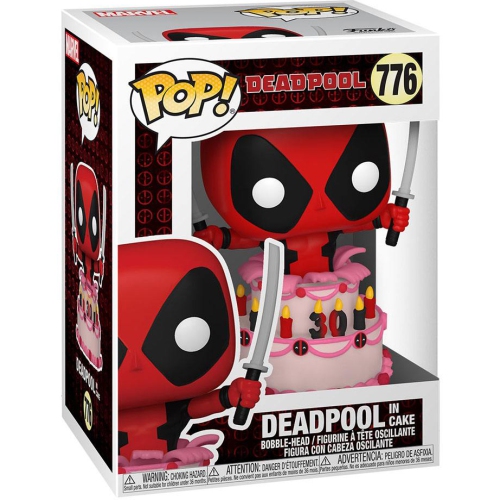
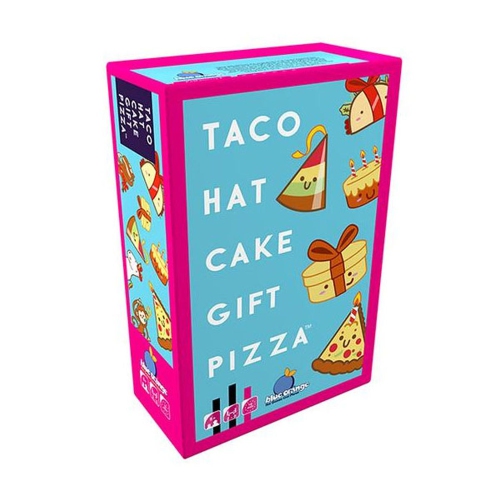
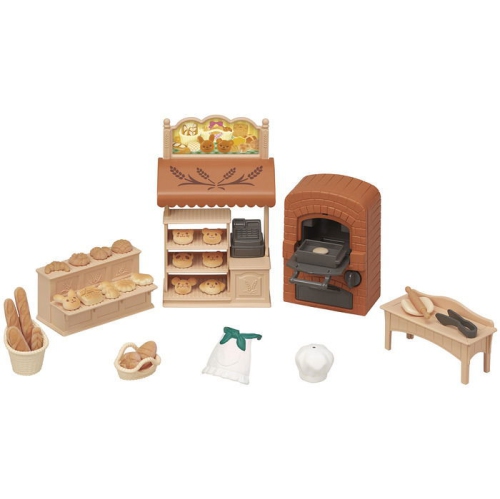
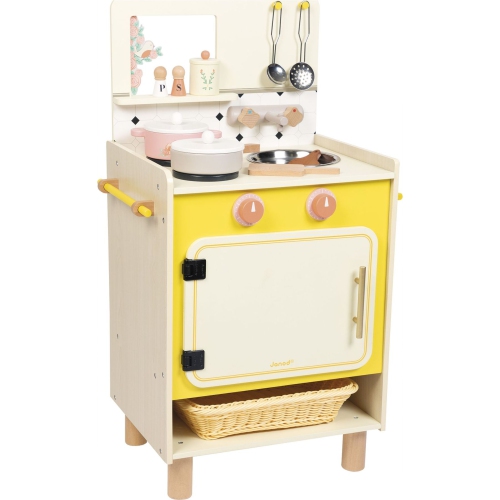
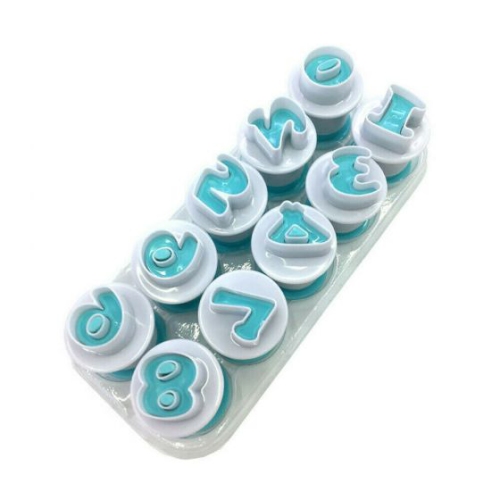
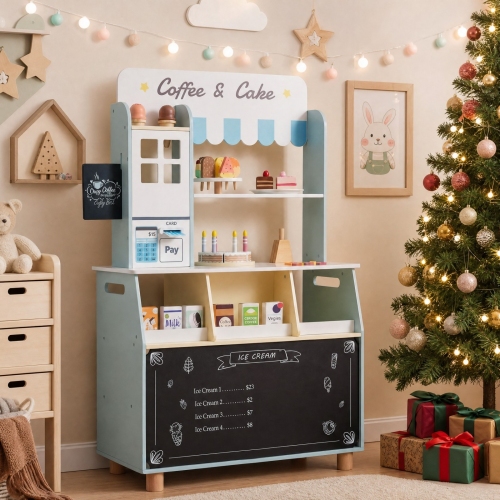
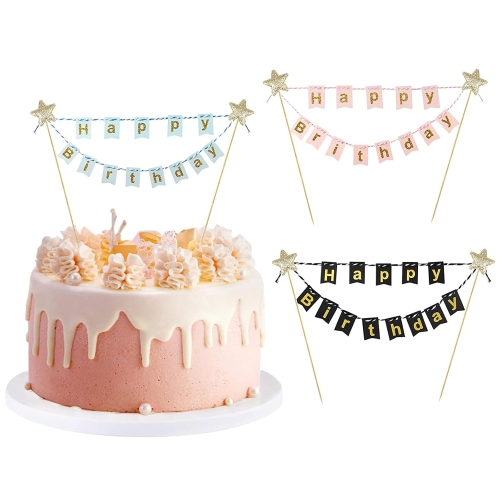
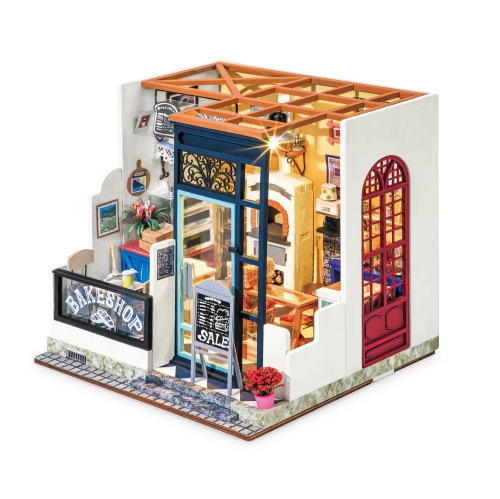

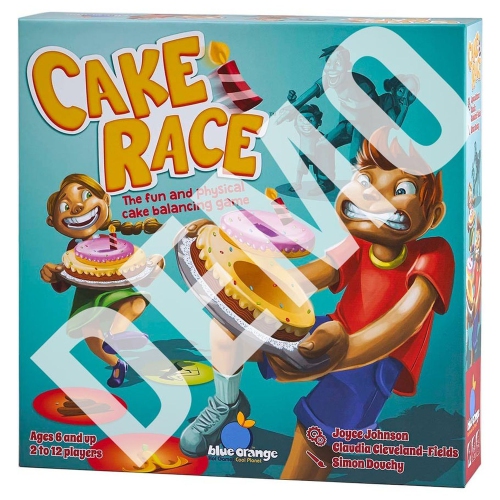
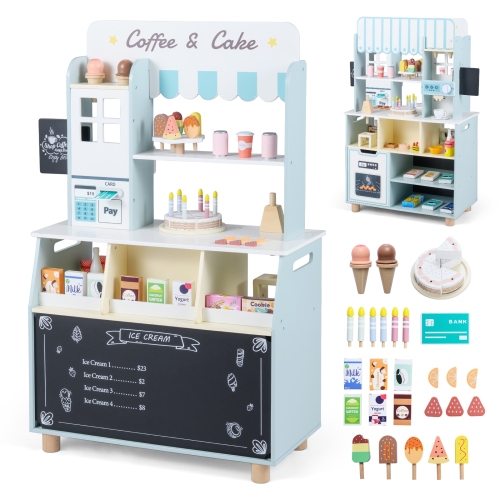
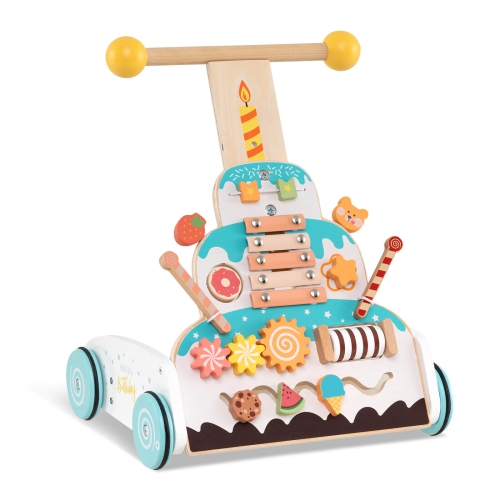
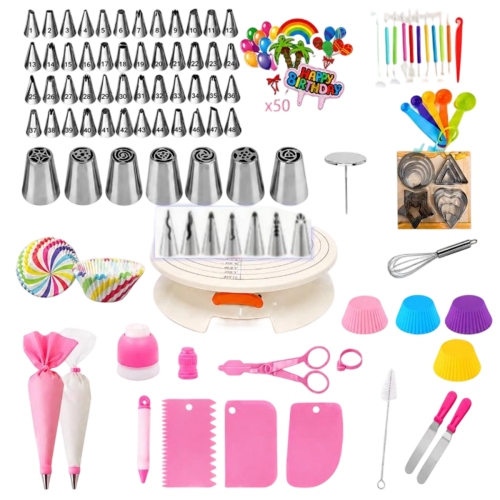
Pretend birthday parties start with a slice to share
Cake toys are pretend-play food toys that let children arrange, decorate, slice, and serve a make-believe cake. Often shaped like birthday cakes or colourful bakery treats, they turn familiar celebrations into hands-on play without real food or kitchen equipment. Depending on the design, a toy cake may have removable slices, stackable layers, interchangeable toppings, or pretend candles, with accessories for serving and sharing. Some designs use self-stick tabs to hold sections together; others have different joining mechanisms, so the way a cake comes apart and goes back together is worth checking in the product details. For a child, that simple action can become the centre of a whole afternoon: placing the cake on a table, announcing a birthday, and carefully handing a slice to each stuffed animal waiting nearby. These toys fit naturally into play kitchens, pretend cafés, and little bakeries assembled on the living room floor. They also offer a familiar starting point for children who enjoy role-play but appreciate having something tangible to build a story around. A cake gives the scene a purpose, whether someone is taking an order, preparing a surprise, or making sure every guest has a plate. Beyond the birthday theme, pretend cake sets can support everyday conversations about colours, shapes, quantities, and sharing. Children might count slices, sort toppings, compare the size of different layers, or work out how many servings are needed for their guests. Moving small accessories into place and lining up adjoining pieces gives them opportunities to practise hand-eye coordination, while passing a server between players creates a reason to take turns. These are possibilities for play rather than promises about learning outcomes; much depends on the child's interests and how the toy is used. Sometimes the greatest appeal is simply the satisfying moment when a whole cake becomes separate portions, ready to be served, then joins together for another celebration.
The most useful purchase considerations for cake toys are the recommended age, materials, dimensions, joining method, and contents of the set. An appealing photograph may show a full party scene, but the included-pieces list gives a clearer picture of what arrives, particularly when plates, utensils, toppings, or other props appear alongside the cake. Piece count alone does not tell the whole story. A smaller set with easy-to-grasp slices may suit a child who enjoys repeating a simple cutting-and-serving routine, while a more elaborate design may appeal to someone who spends longer arranging decorations or running a pretend bakery. Wooden and plastic cake toys can offer different handling experiences, although construction varies from one toy to another. Wooden pieces often have a substantial feel, while plastic pieces may be lighter and shaped with more moulded detail. Neither material automatically makes a toy suitable for a particular age, and finishes, construction, and care instructions all matter. Removable decorations deserve special attention in homes with younger children: small parts can present a choking hazard, and age labels and warnings should take priority over how simple a toy looks. Where a set contains magnets, follow the manufacturer's safety information and stop using it if damage exposes or loosens them. A pretend knife or server should also be designed for the toy and appropriate for its intended user; cake toys are not practice equipment for handling real kitchen knives. Size matters in less obvious ways, too. A cake that fits comfortably on a play kitchen counter leaves space for plates and cups, and accessories that are easy for little hands to hold can make serving less frustrating. For families adding to an existing play area, related collections such as Hape Toys can be part of the browsing process, with dimensions and age suitability checked for each purchase. Compatibility between separate sets should never be assumed, especially when pieces need to connect rather than simply sit beside one another.
Cake toys can make thoughtful gifts for children who like hosting, pretending to cook, or recreating family occasions. They are particularly well suited to a child who offers imaginary tea to visitors, lines up dolls for lunch, or watches closely when a real cake is divided at a celebration. Birthday gifting is an obvious fit, but the play itself need not depend on an occasion. During the cooler months, a small serving tray and a clear patch of floor can become an indoor café, with a child taking orders while a sibling or caregiver plays the customer. In shared play, different roles help give everyone something to do: one person assembles the cake, another sets out servings, and another welcomes the guests. Some children prefer a quieter approach, arranging the same toppings several times until the cake looks just right. Both styles can make good use of the same basic toy, which is part of the appeal of open-ended pretend food. For grandparents or other gift-givers, knowing what the child already owns helps avoid unnecessary duplication and makes it easier to choose a set that adds a new activity rather than more of the same pieces. Storage and cleanup are practical considerations, particularly when a toy includes loose candles or decorations. A container large enough for the assembled cake and its accessories makes it easier to bring the set out again without searching for missing parts; whether storage is included should be confirmed in the listing. Cleaning requirements vary, so follow the manufacturer's directions rather than assuming every piece can be soaked or put in a dishwasher. These are toys, not edible treats or utensils for real food, and keeping pretend accessories separate from food preparation helps maintain that distinction. The lasting attraction of a cake toy is its repeatable little ritual: assemble, decorate, celebrate, serve, and begin again. With a design that matches the child's age, interests, and available play space, that ritual can become a familiar part of imaginative play, from an elaborate party for every teddy in the room to a single carefully offered slice at the kitchen table.
Top selling and popular products
-
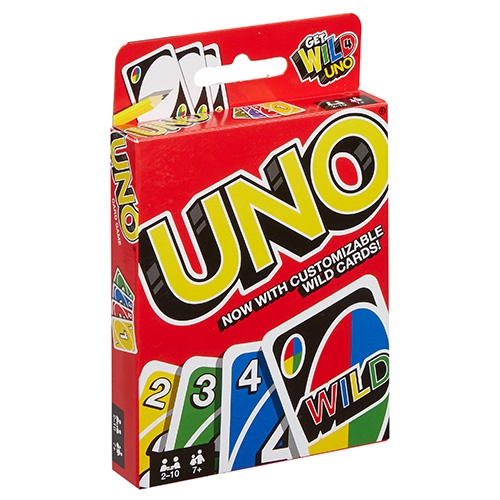 Your price for this item is $14.99
-
 Your price for this item is $34.99
-
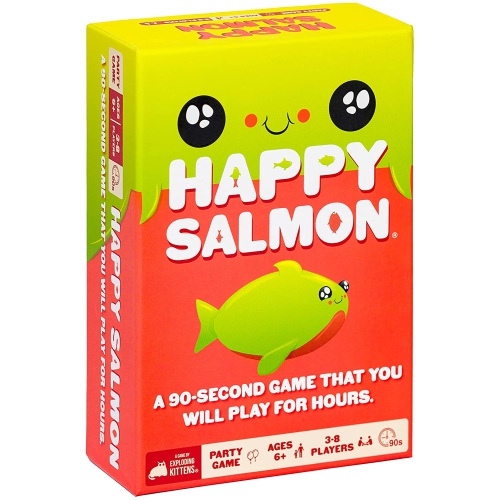 Your price for this item is $21.99
-
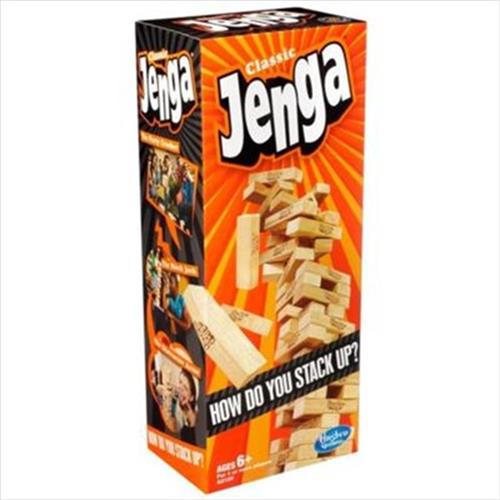 Your price for this item is $24.99
-
 Your price for this item is $31.99
-
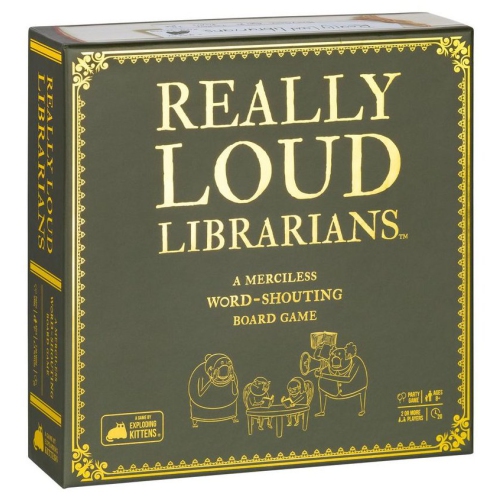 Your price for this item is $29.99
-
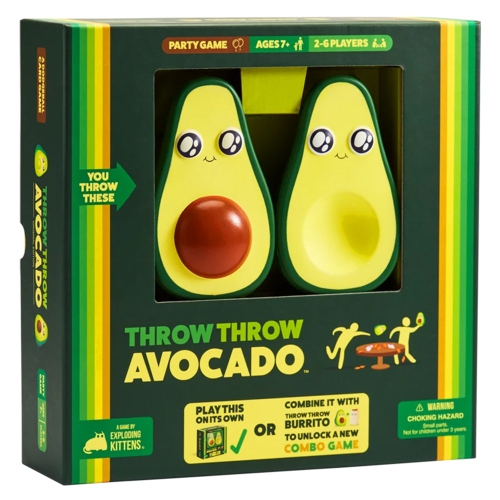 Your price for this item is $44.99
-
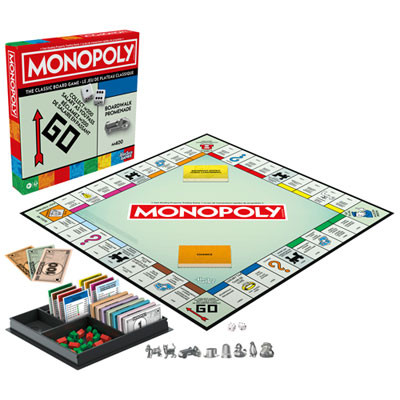 Your price for this item is $27.99
Discover more categories related to Cake Toys
Top Collections:
Best Black Friday Deals This Year, Best Black Friday Deals On Electronics, Kindle Devices, Dyson Airwrap, Best Cameras for Sports Photography, Best Budget Office Chairs, Canon G7X Cameras, PS5 Pro Consoles, Best Black Friday Deals On Apple Products, XBOX One S Consoles
Some products may be subject to Environmental Handling Fees
(EHF) depending on your province.
Learn more about EHFs.