Flower Toys
Bring joy and creativity to playtime with our selection of flower toys. Delightful and colorful, these toys are sure to spark imagination and provide hours of entertainment for children of all ages. From interactive sets to plush flower characters, explore our range of flower toys that are perfect for gifting or adding a touch of whimsy to any toy collection. Discover the magic of floral-inspired playthings and let the fun bloom!
Sort
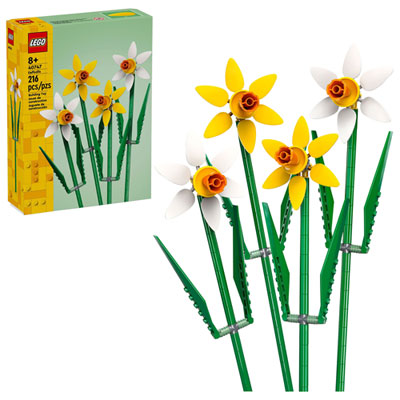
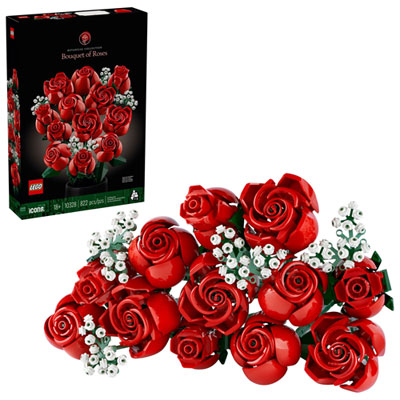
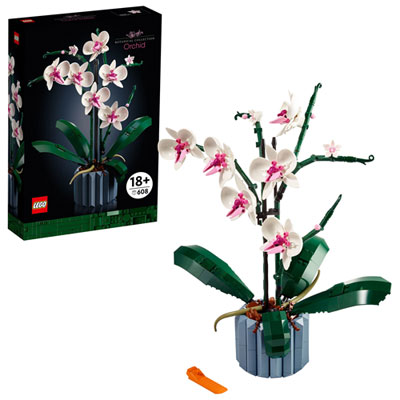

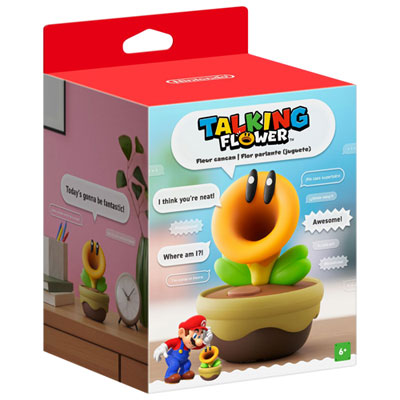
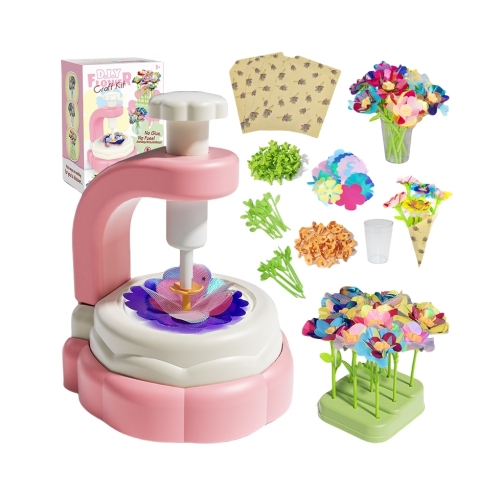
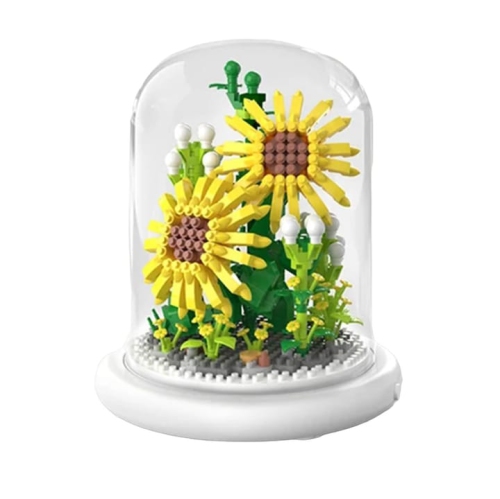
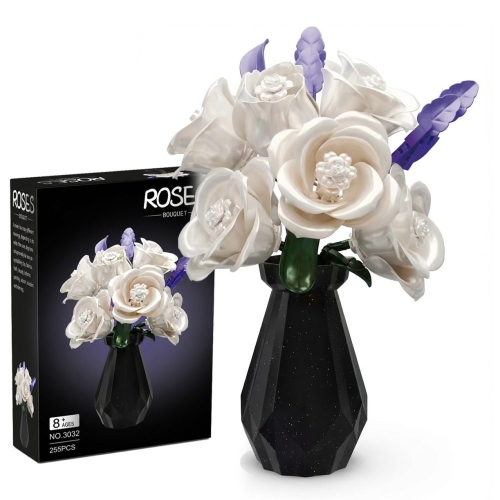
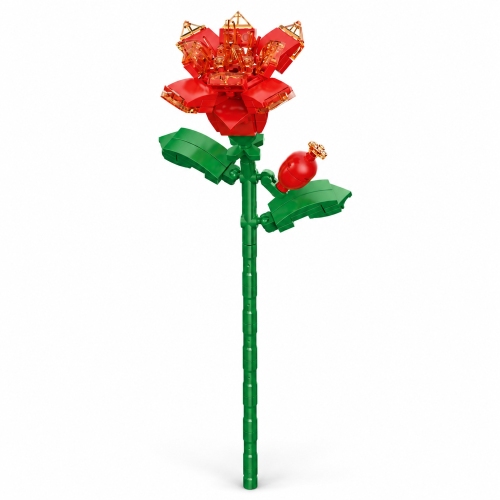
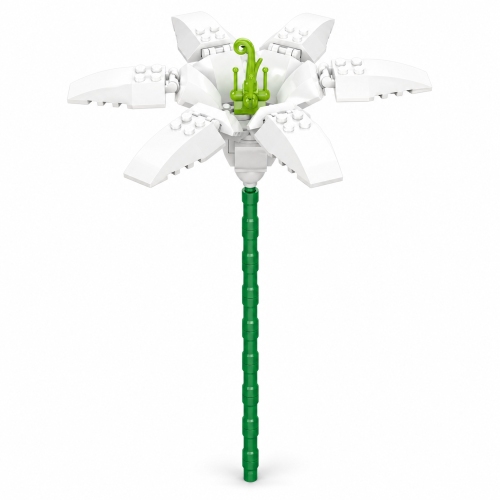
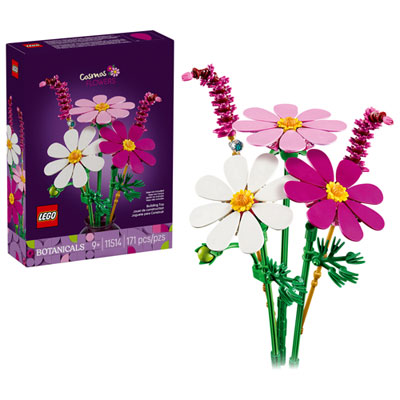
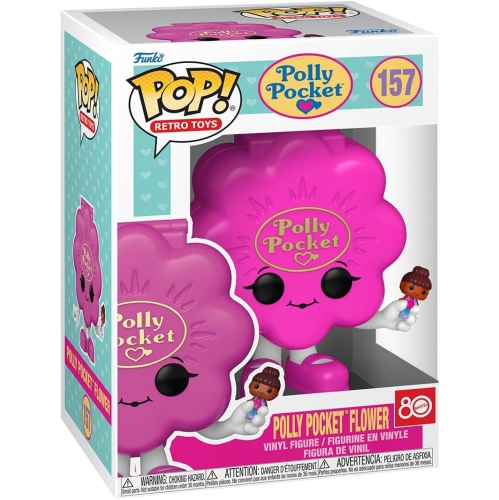

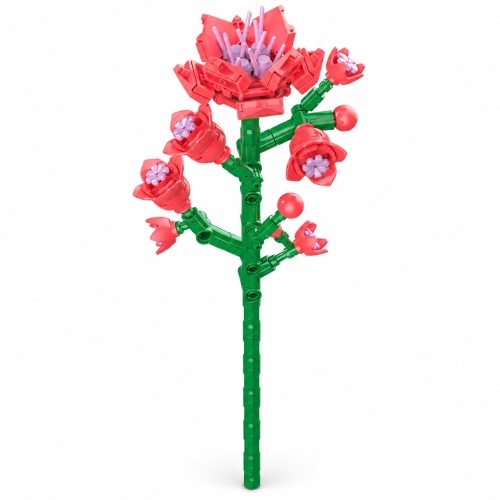
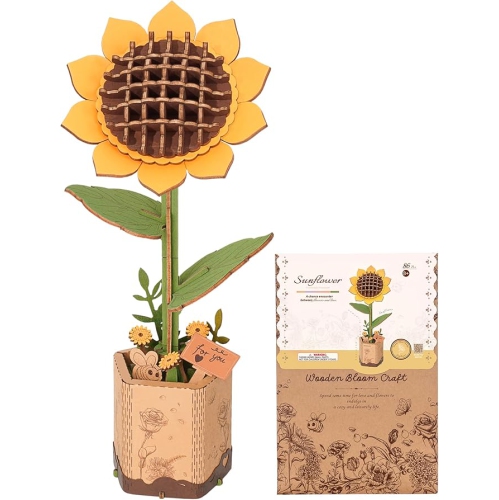
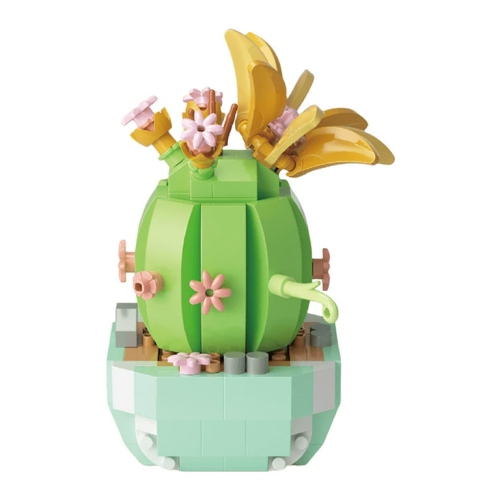
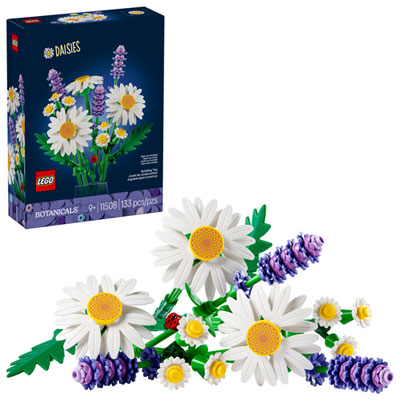

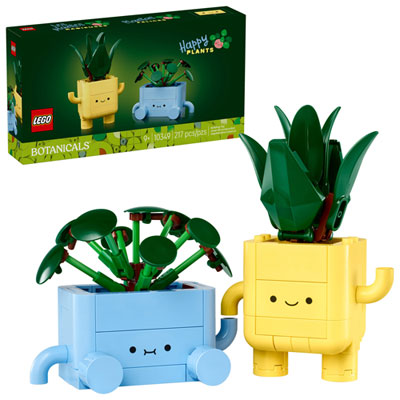
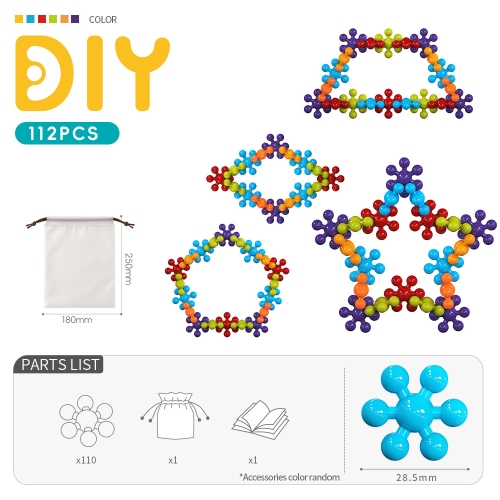
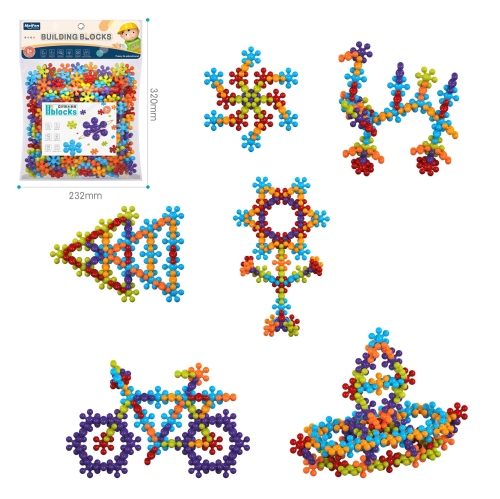
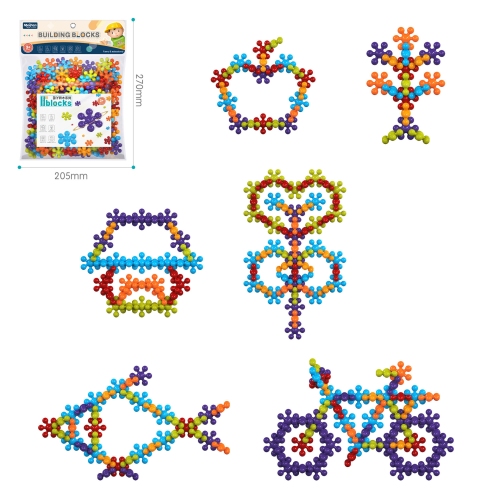
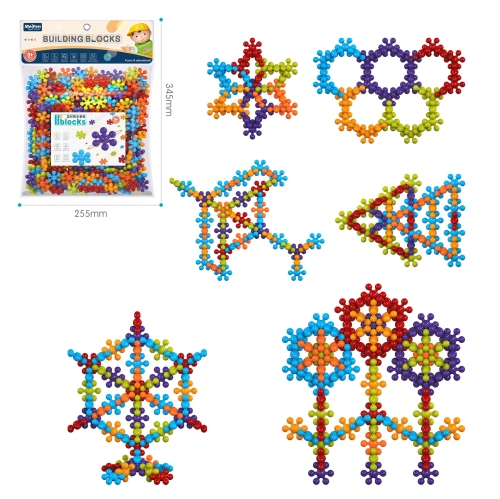
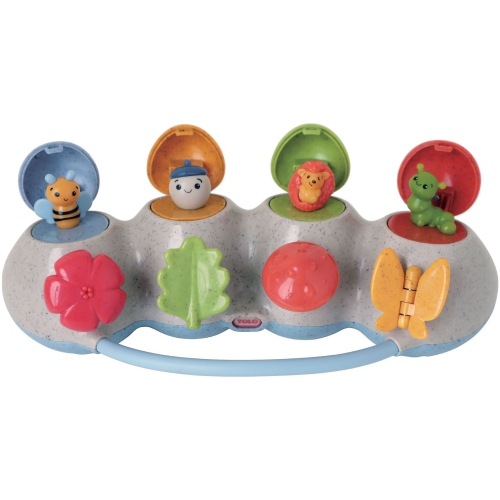
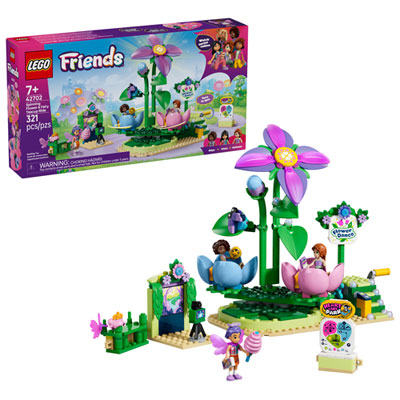
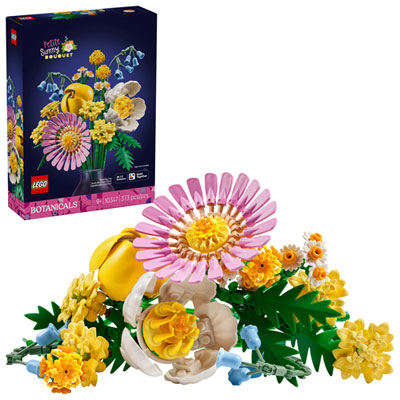
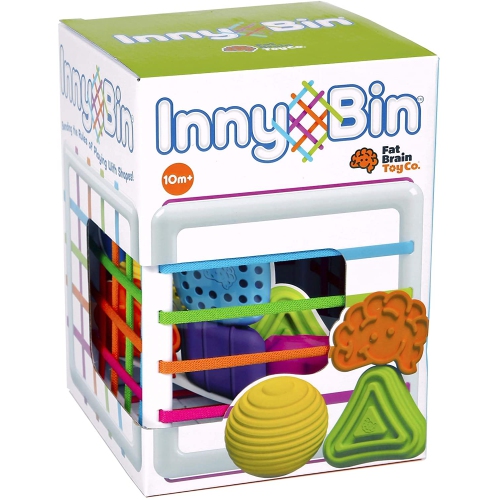
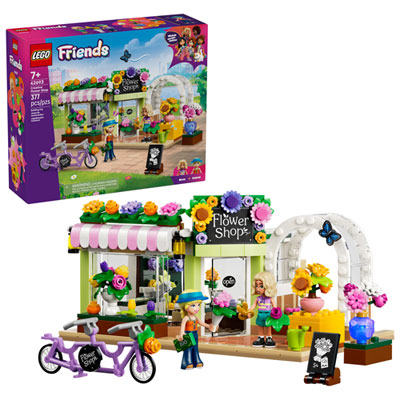
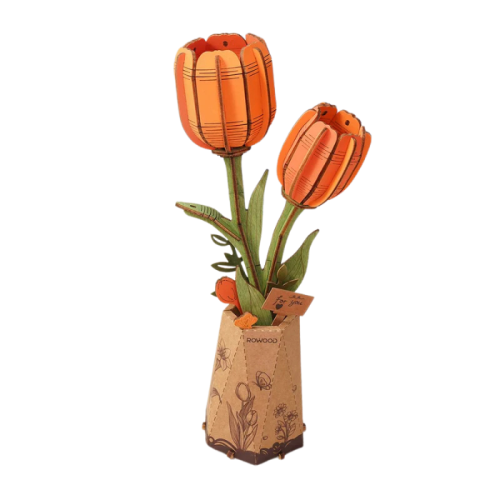
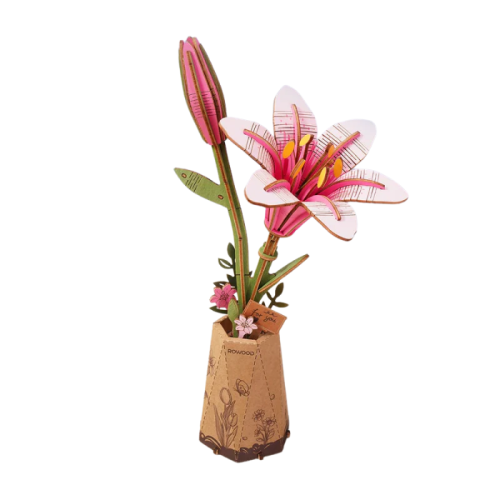
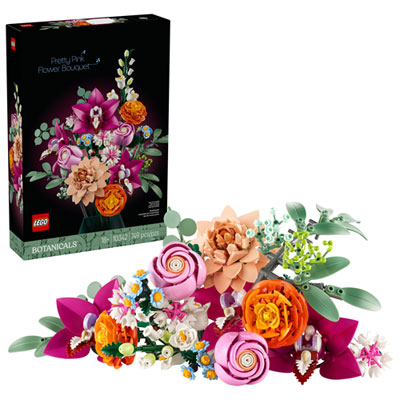
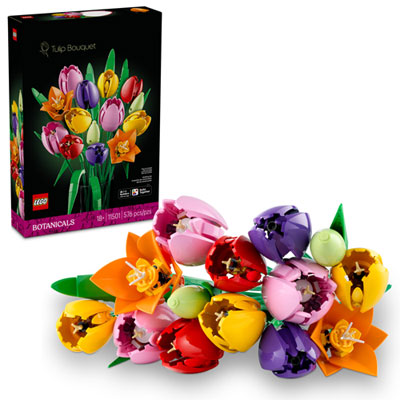
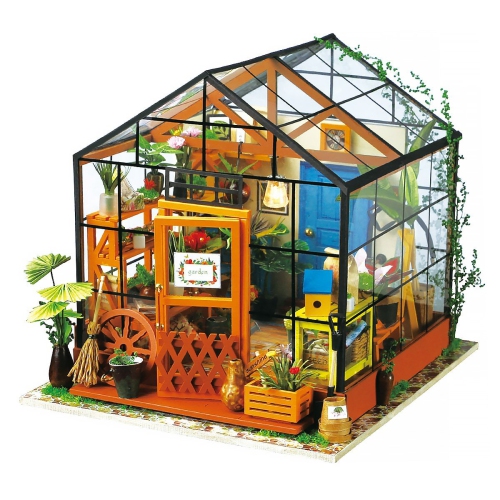
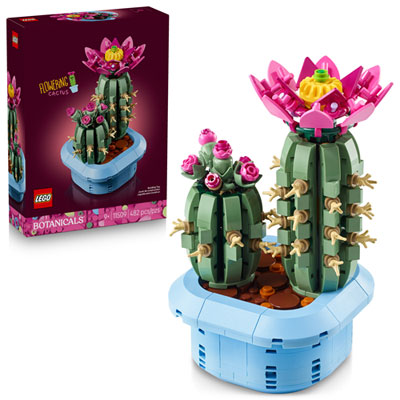
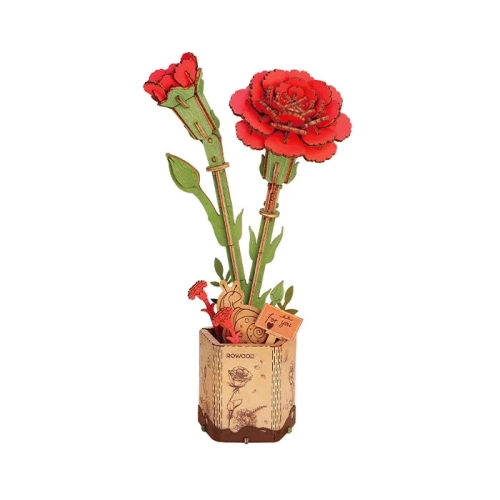
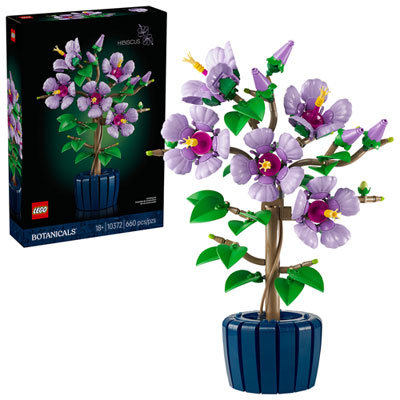
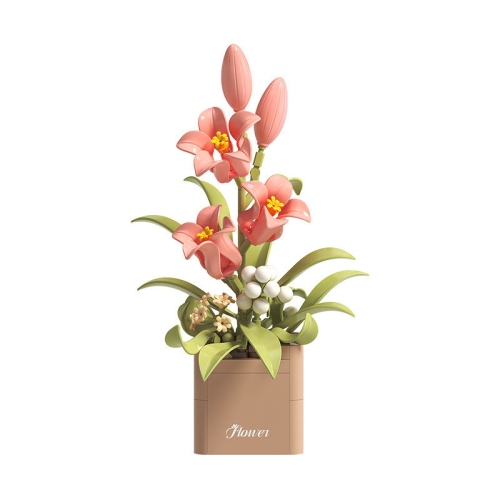
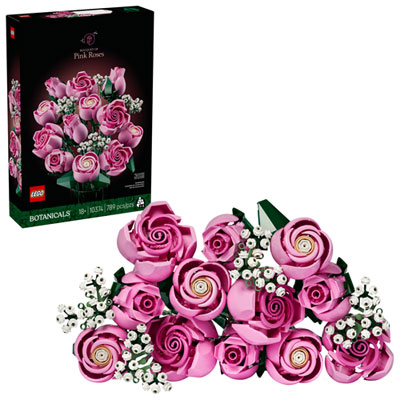
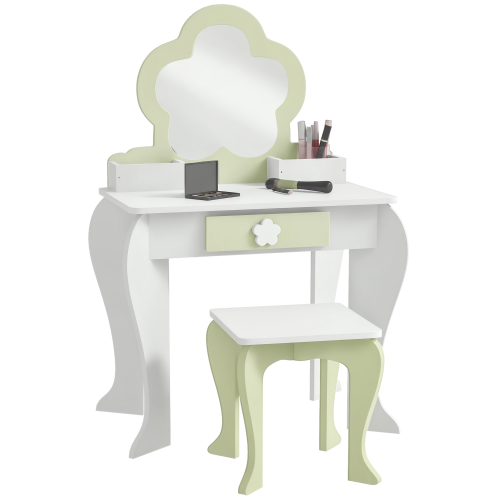

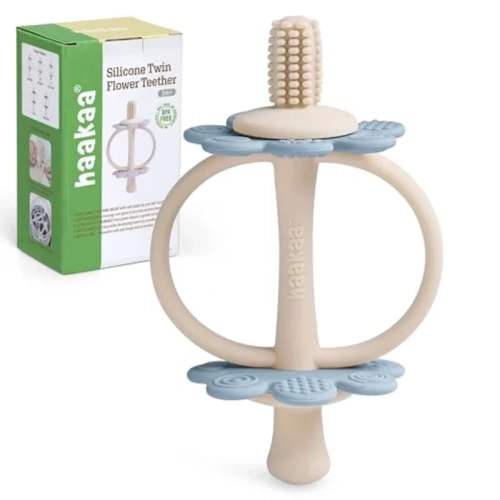
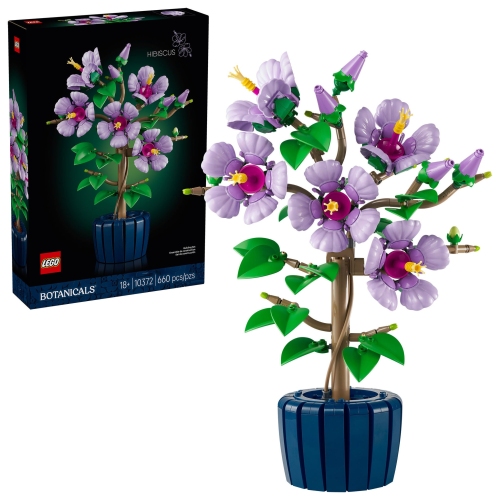
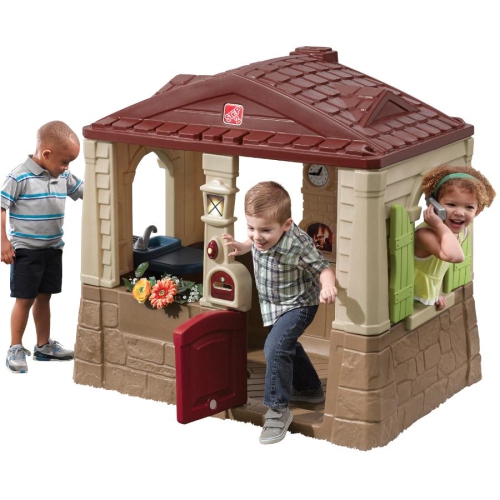
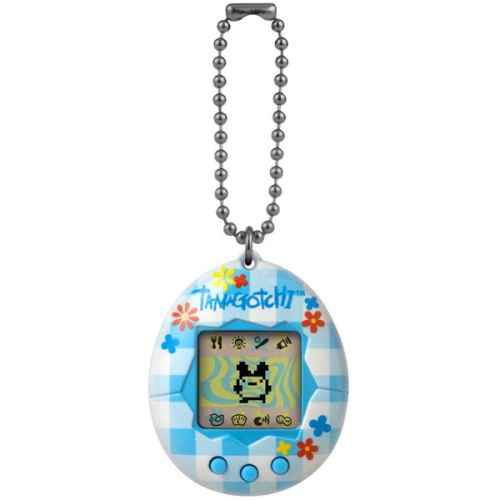
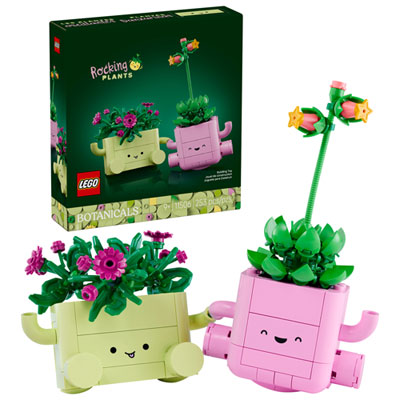
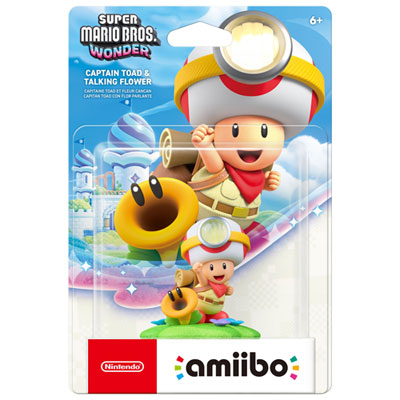
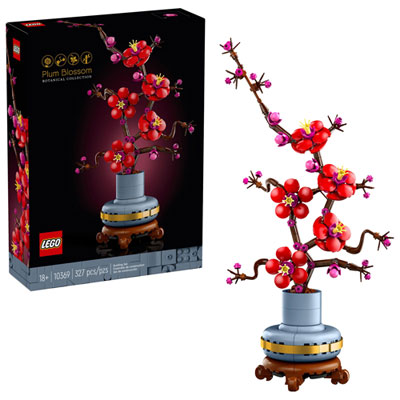
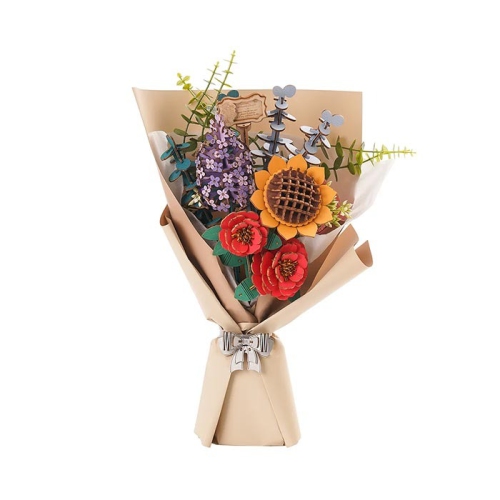
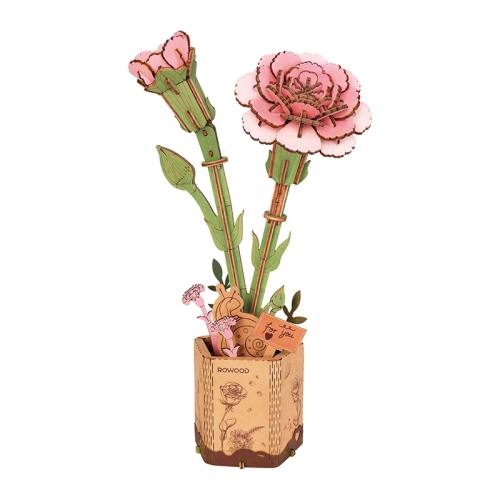
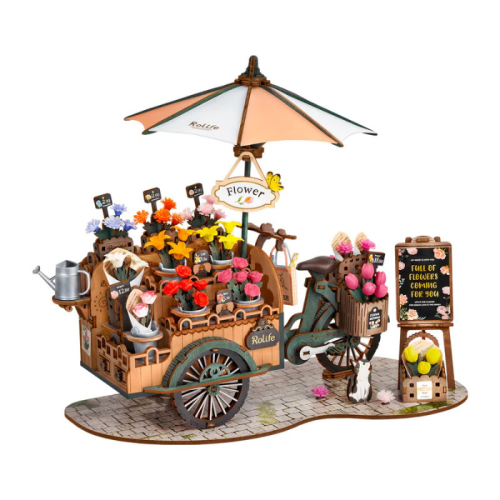
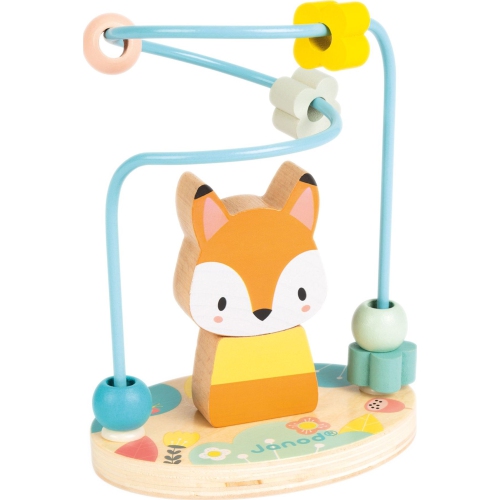
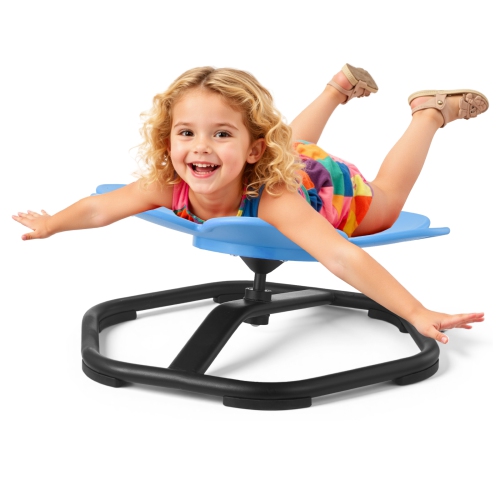
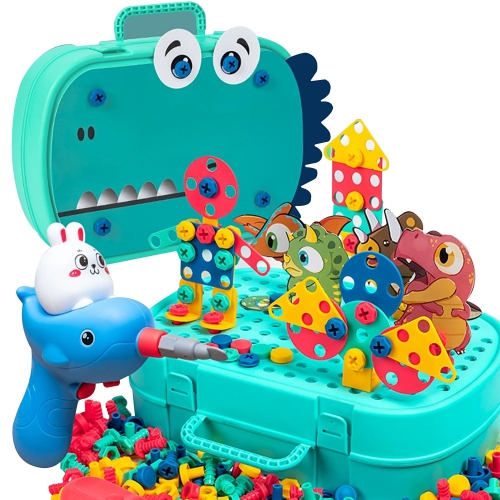
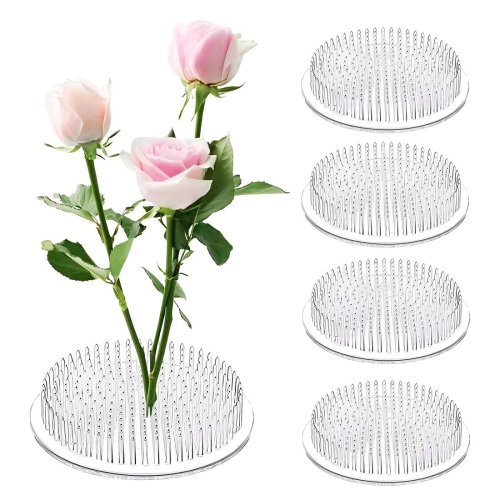
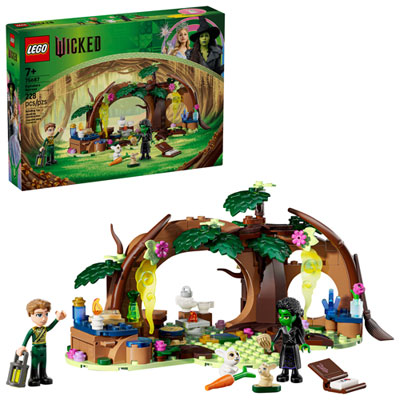
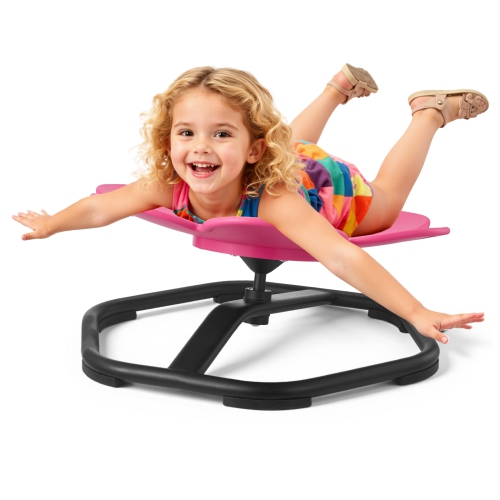
How petals become building blocks for imaginative play
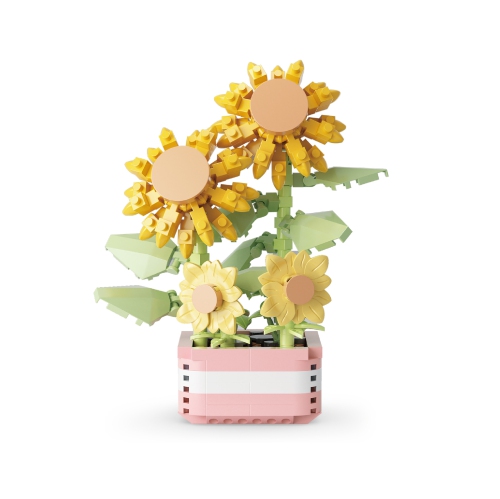
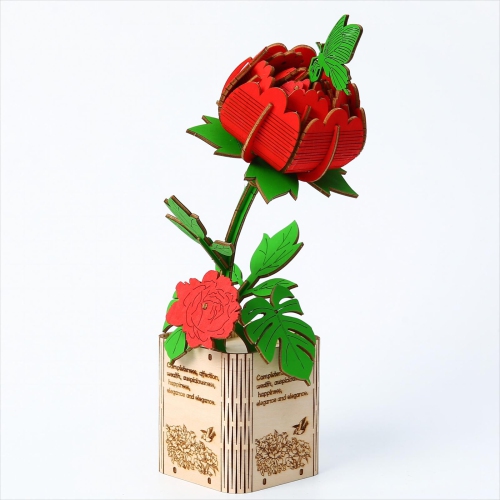
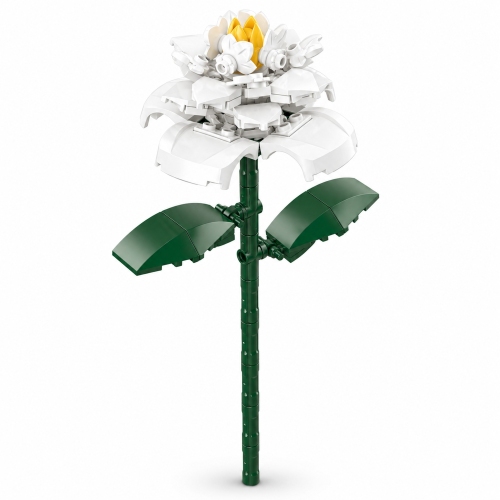
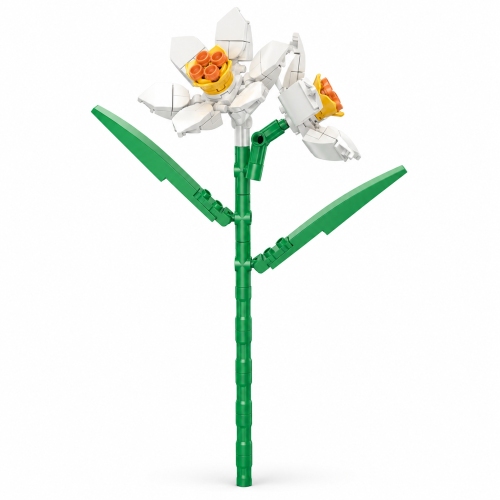
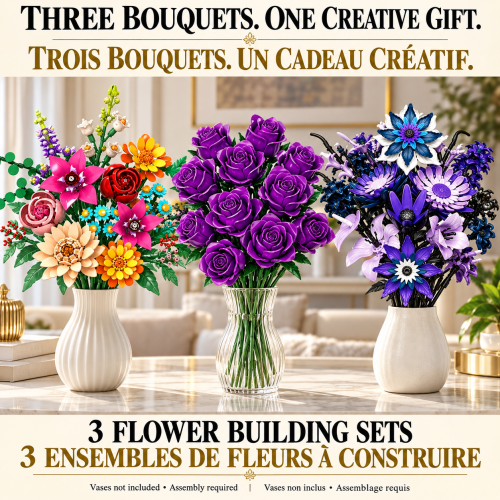
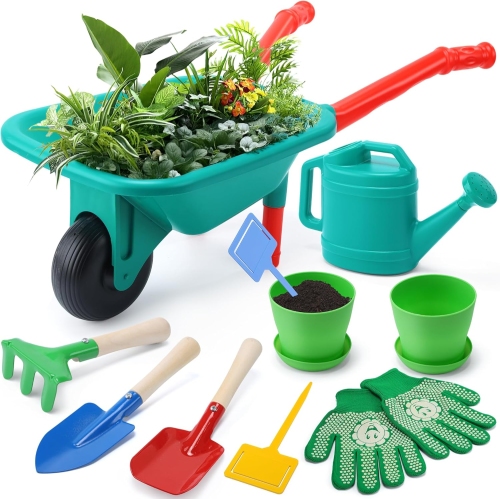
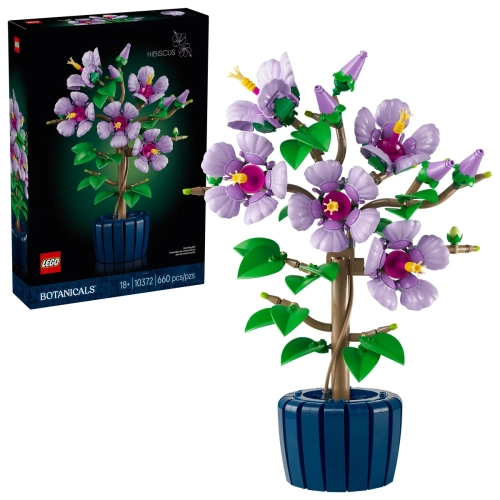
Flower toys are flower-themed playthings that include interactive bath toys, buildable garden sets, and stackable silicone flowers. Their appeal comes from familiar shapes made for hands-on discovery: rounded petals, colourful centres, stems that connect, and pieces that can be arranged into an imaginary garden. Each type offers a different kind of play. Flower bath toys may use pouring cups, spinning petals, or water channels to turn a scoop of water into visible movement. Garden building sets focus on assembling stems, leaves, and blossoms, giving children opportunities to explore balance, patterns, and how separate parts fit together. Stackable flower toys invite nesting, sorting, and simple construction, with the experience shaped by the size, flexibility, and number of pieces. A child might begin by grouping petals by colour, then build a tall bloom or arrange a row of flowers for a pretend shop. Sets with interchangeable parts leave room for experimentation because a finished arrangement does not need to match a single picture. This open-ended format can support fine motor practice and spatial reasoning through repeated handling, while more structured builds introduce following a sequence and checking connections. The STEM connection in a flower building set comes from these practical activities rather than the floral theme alone: testing whether a stem supports a blossom, noticing symmetry, or changing a base to improve stability. Pretend gardening adds another layer, especially when children enjoy arranging bouquets, naming colours, or taking turns tending an imaginary flower bed. Flower toys can suit solo play as well as shared activities, although the experience depends on whether there are enough usable pieces for each participant. A wide base and chunky parts may suit early stacking, while smaller connectors and more elaborate arrangements call for greater dexterity. The most relevant distinction is therefore not simply how a flower toy looks, but what children can actually do with it.
Materials and construction affect how flower toys feel, hold together, and stand up to repeated use. Rigid plastic can provide defined connection points for building and a firm surface for pouring or spinning features, while silicone can offer flexible petals and a softer feel for squeezing or stacking. Fabric flower toys provide a different tactile experience, with stitched shapes and padded surfaces better suited to gentle handling than water play. Material alone does not establish age suitability, and a soft toy is not automatically intended for chewing or teething. The labelled age range, component size, and stated use matter, particularly when a household includes younger siblings who may put loose pieces in their mouths. For a child still developing hand strength, connectors that require a hard push or a precise twist can make independent play frustrating. Larger, easy-to-grasp pieces and stable bases can make arranging flowers more manageable, while a child who enjoys detailed construction may appreciate more ways to connect and reposition parts. Bath use brings additional considerations because a flower-shaped toy intended for dry play should not be treated as a water toy. Designs made for the bath need care that suits their construction, including attention to openings, enclosed spaces, and any removable components. Water trapped inside a stem or blossom can be difficult to dry, whereas accessible channels may be easier to rinse and inspect. Suction-mounted designs also depend on the surface: a smooth bath wall behaves differently from textured tile. Secure placement does not replace close adult supervision around water. For toys with lights, sound, or moving mechanisms, the manufacturer's directions establish whether water exposure is permitted and how battery compartments must be secured. Durability is visible in everyday details such as firmly attached petals, smooth edges, intact seams, and connectors that remain secure after repeated assembly. Cracks, tears, loose parts, or exposed filling are reasons to stop play and assess whether the toy needs replacing.
Flower toys can make thoughtful gifts for children drawn to building, pretend play, tactile activities, or cheerful floral shapes. Matching the play style matters more than choosing by appearance alone. A child who repeatedly rebuilds towers may enjoy flower components that can be taken apart and rearranged, while a child who invents stories may find more possibilities in a pretend garden that becomes a florist's counter, a doll's courtyard, or a centrepiece for a make-believe celebration. For families browsing playful character shapes and other charming designs, Cute Toys offers a related theme to explore. Flower-themed play can also fit shared spaces such as a family playroom or a supervised activity table, where children can contribute separate blossoms to one arrangement. In those settings, the footprint deserves attention: a broad garden base needs clear table space, and loose petals or small connectors need storage that keeps them together between sessions. A shallow container can make larger pieces easy to see, while separate compartments can help keep compatible parts organized. Packaging and care instructions are useful to retain, especially when different materials require different cleaning methods. A wipe-clean surface, washable fabric, and a toy designed for rinsing are not interchangeable care categories; the manufacturer's directions should determine whether washing, soaking, or machine cleaning is appropriate. Thorough drying before storage is especially important for bath designs, and electronic parts may need to stay dry entirely. For a gift, practical details such as assembly requirements, the need for adult assistance, and whether pieces work independently can influence how readily play begins. A compact stacker may fit a small play area, while a larger construction set benefits from a surface where an arrangement can remain undisturbed. Across these formats, the lasting attraction is the chance to handle, combine, and reimagine familiar flower shapes, whether that means watching water turn a petal wheel or rebuilding a colourful garden in a completely different arrangement.
Top selling and popular products
-
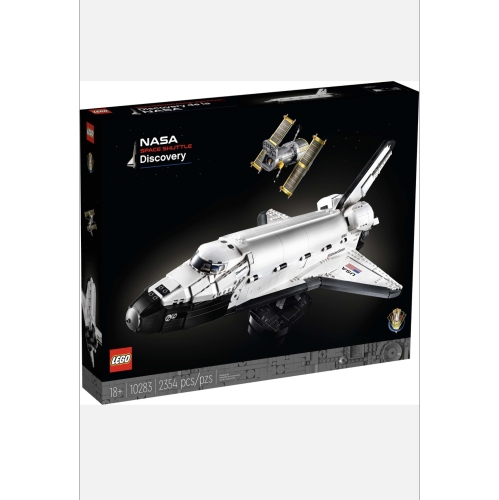 Your price for this item is $389.62
-
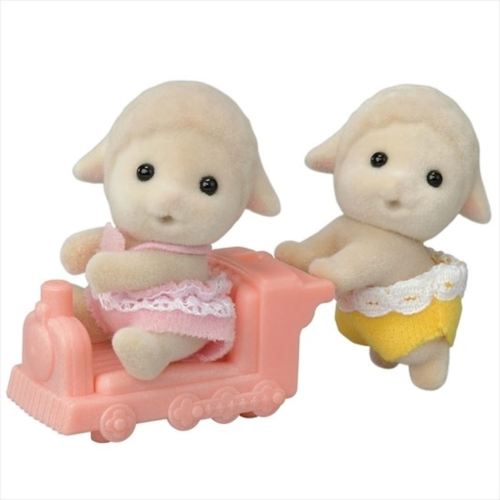 Your price for this item is $93.99
-
 Your price for this item is $53.1
-
 Your price for this item is $49.99
-
 Your price for this item is $38.99
-
 Your price for this item is $24.99
-
 Your price for this item is $29.99
-
 Your price for this item is $92.99
Discover more categories related to Flower Toys
Top Collections:
Best Black Friday Deals This Year, Best Black Friday Deals On Electronics, Kindle Devices, Dyson Airwrap, Best Cameras for Sports Photography, Best Budget Office Chairs, Canon G7X Cameras, PS5 Pro Consoles, Best Black Friday Deals On Apple Products, XBOX One S Consoles
Some products may be subject to Environmental Handling Fees
(EHF) depending on your province.
Learn more about EHFs.