Card Games for Adults
Looking to spice up your next game night with friends or family? Dive into the world of card games for adults, where strategy, wit, and laughter collide for hours of entertainment. Whether you're a seasoned card shark or new to the game, this collection offers a variety of options to suit every player's taste. From fast-paced party games to strategic showdowns, these adult card games are sure to bring out your competitive spirit and keep everyone engaged and entertained. Get ready to shuffle, deal, and play your way to a memorable game night experience!
Sort
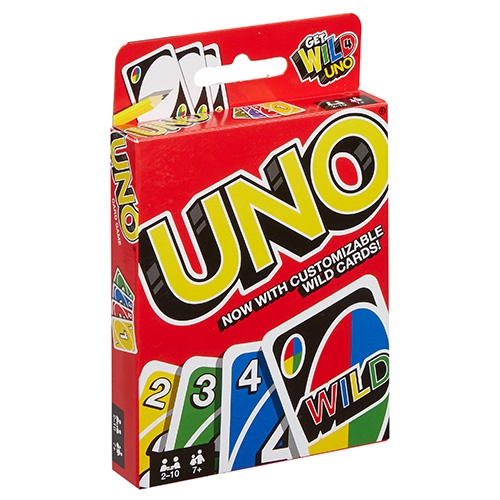



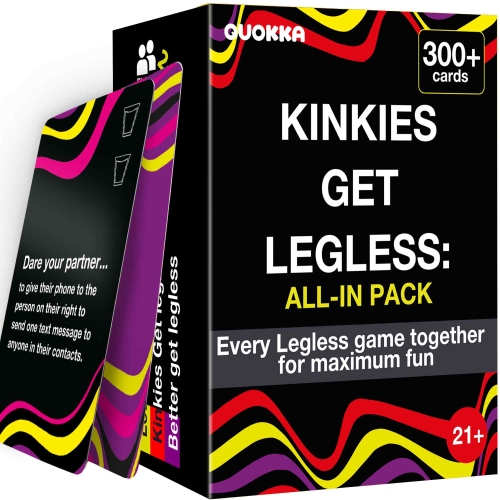

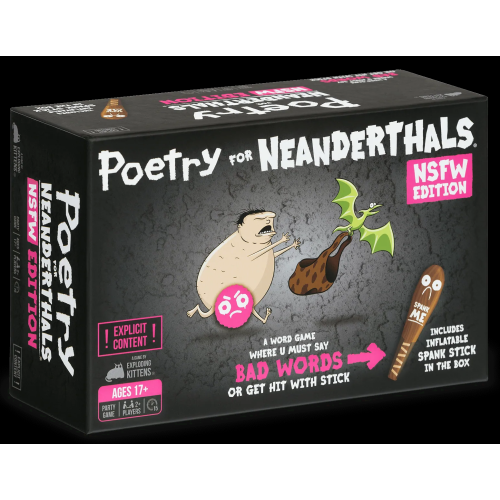


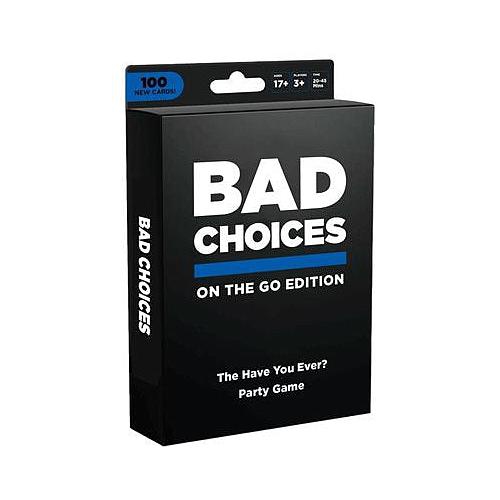









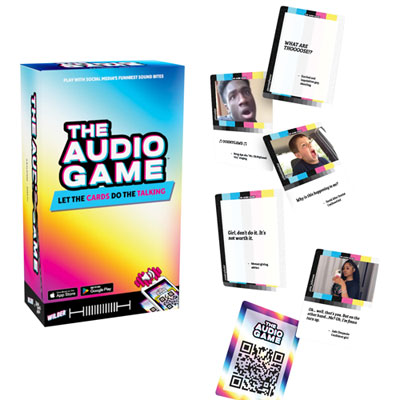
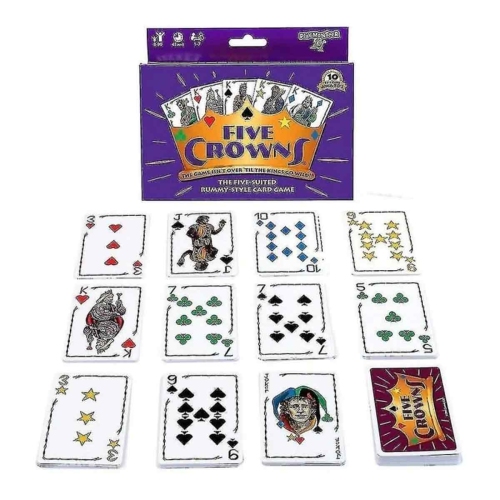
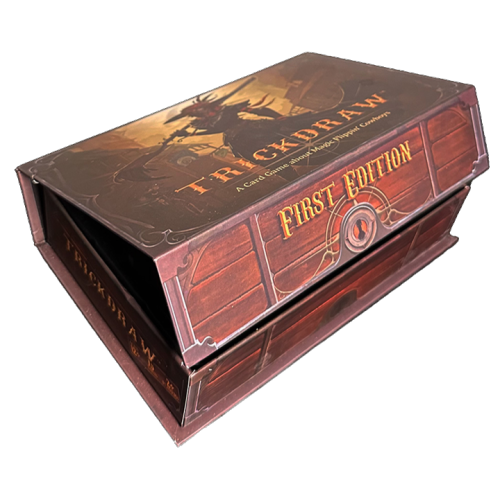

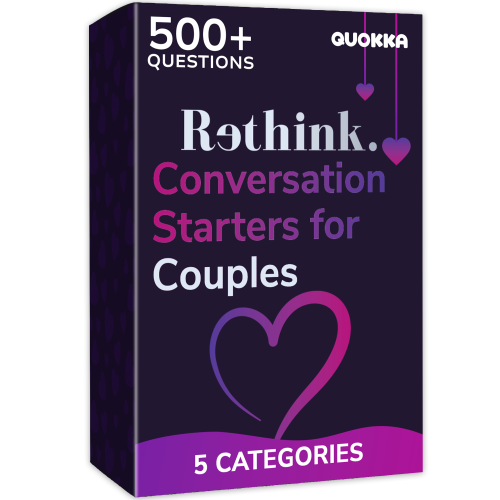





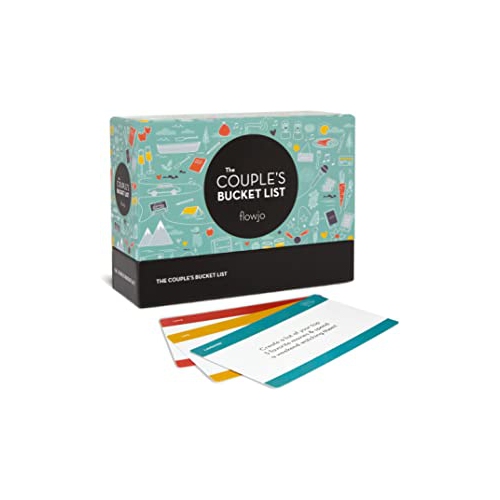
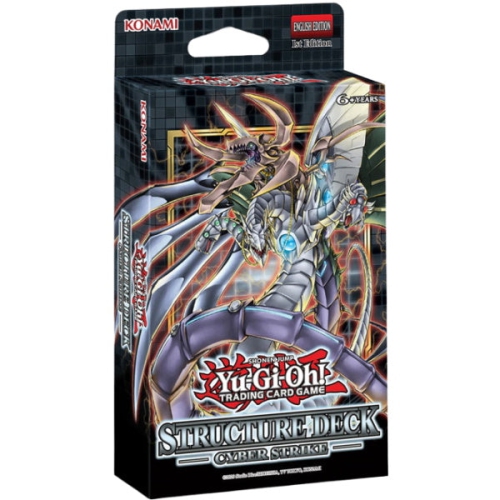





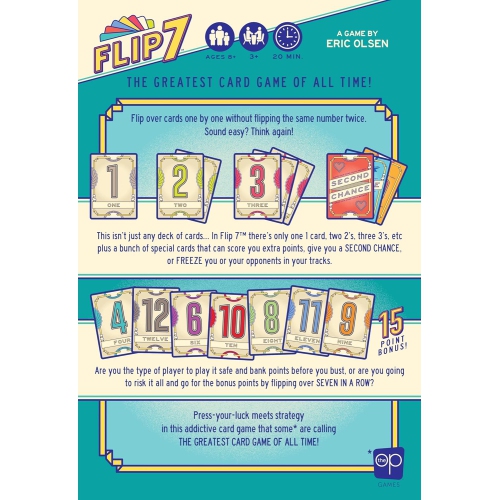

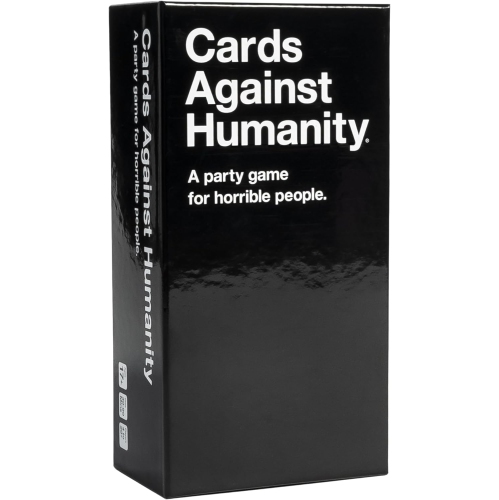

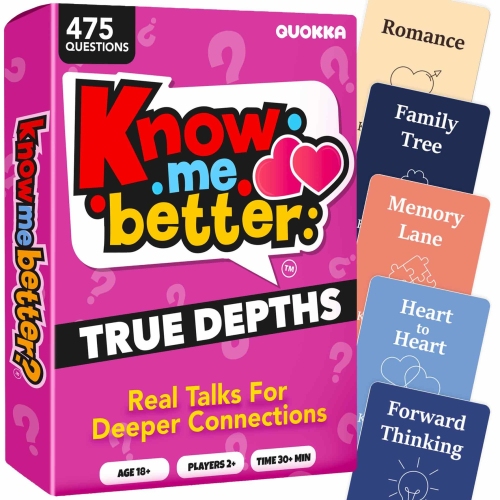
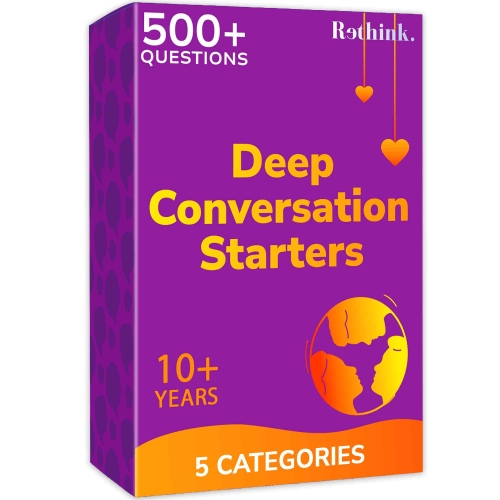

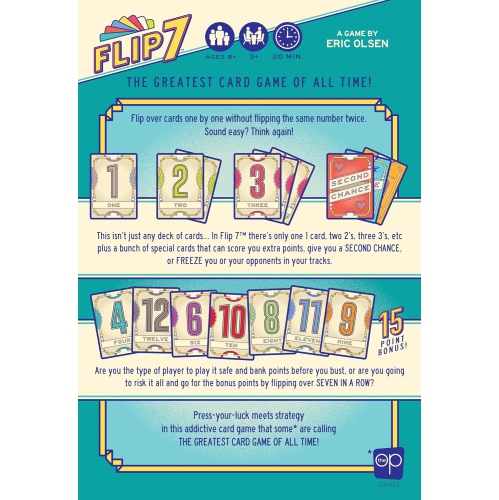
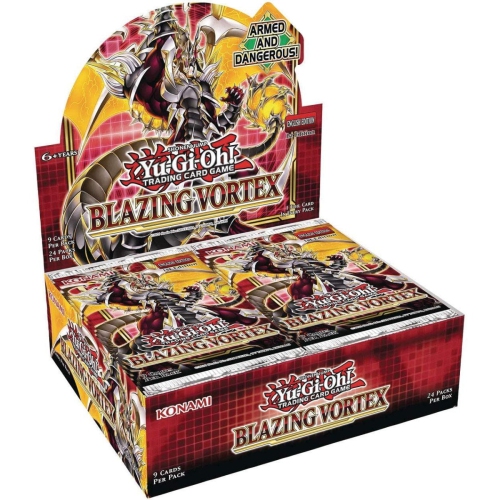







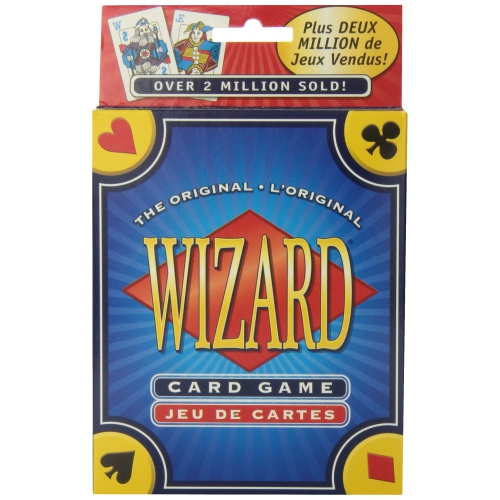

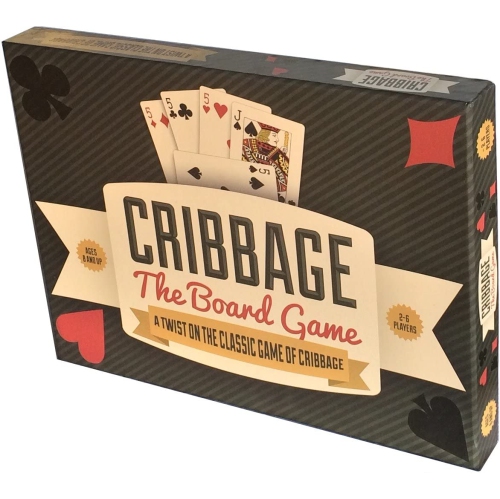


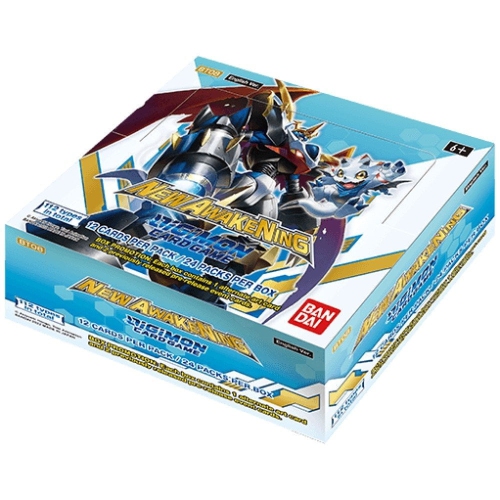

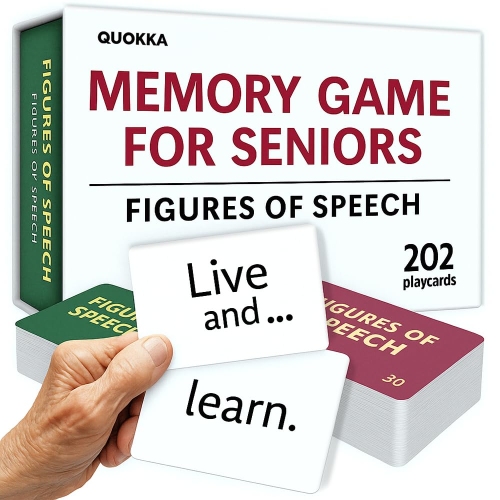
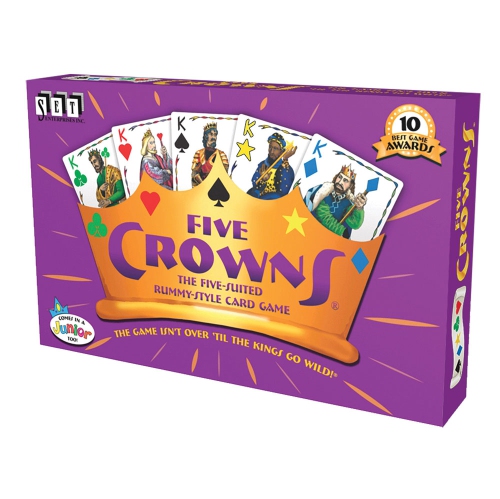
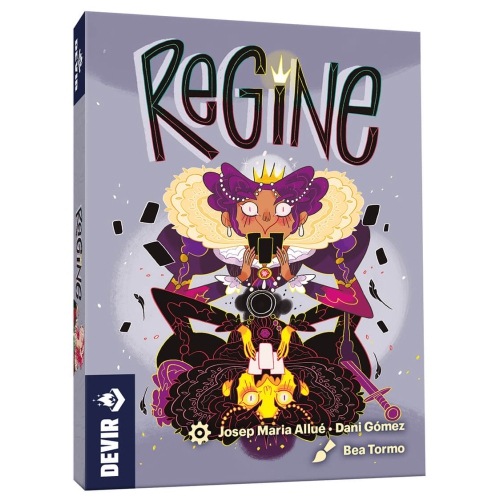
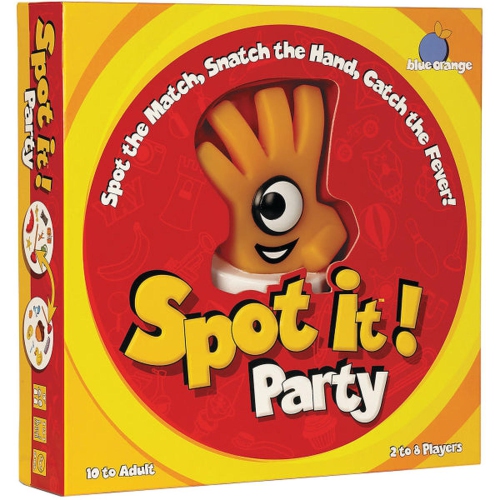
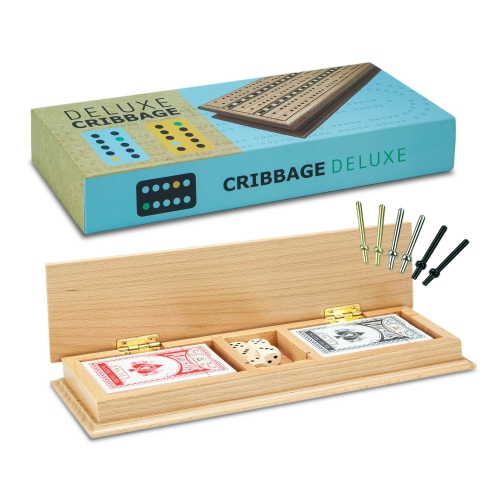





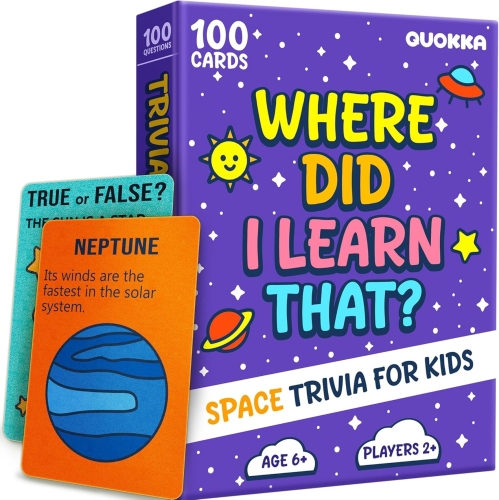

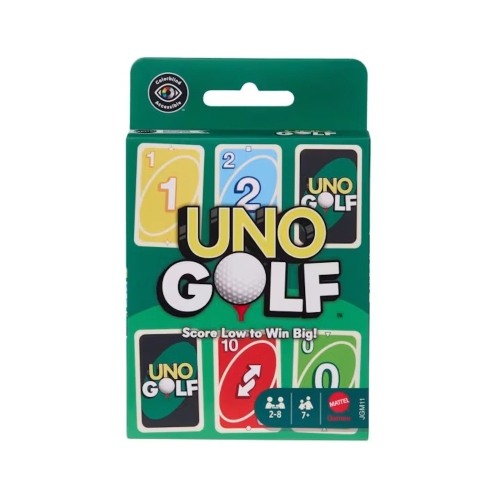
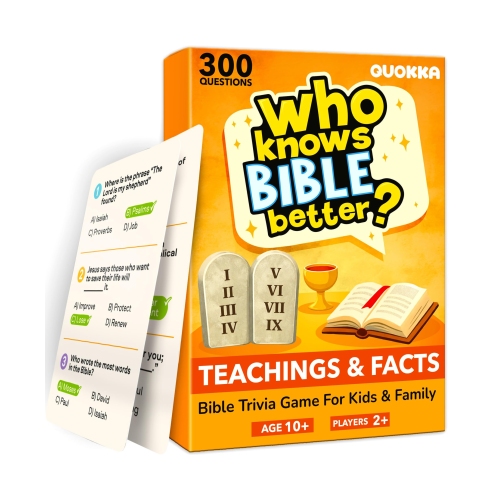
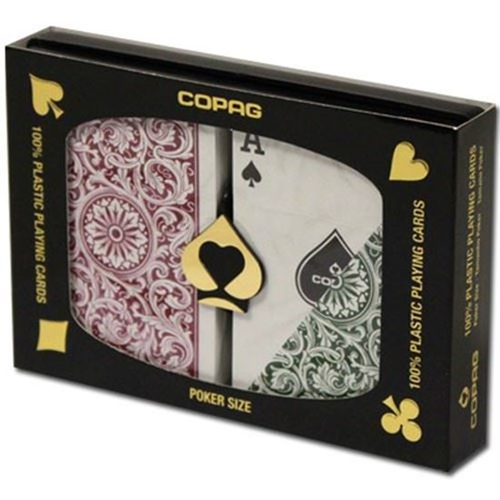
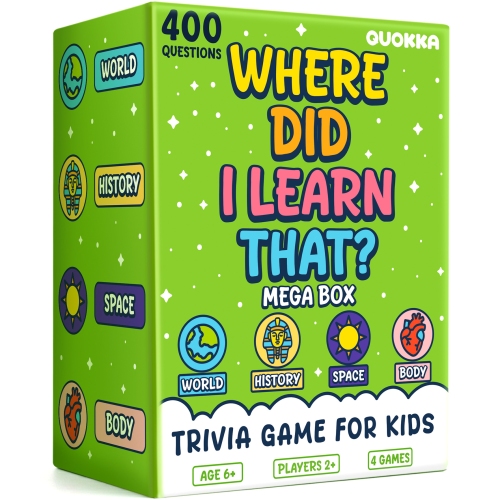

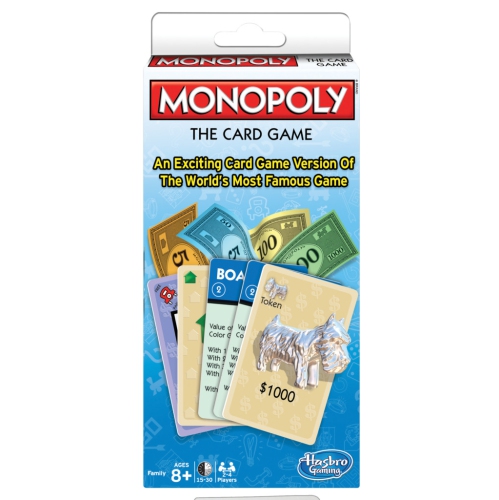
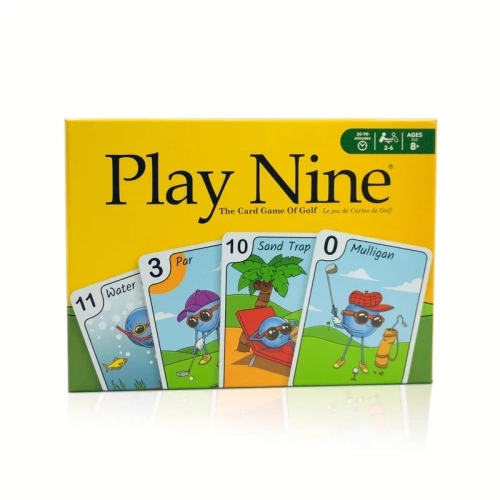
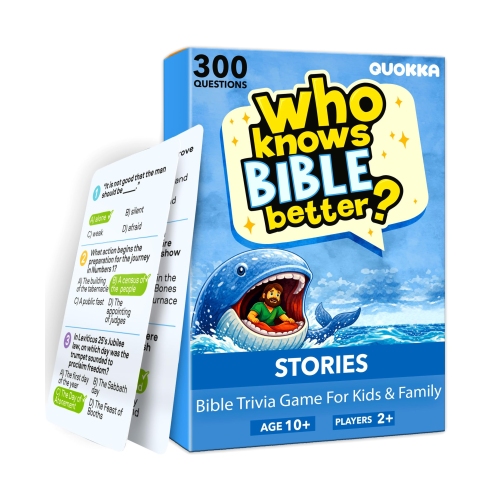





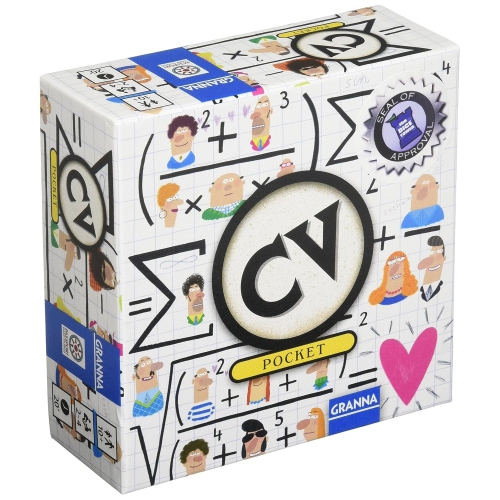
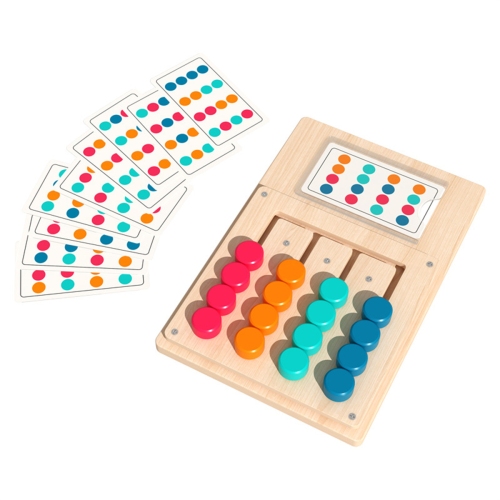
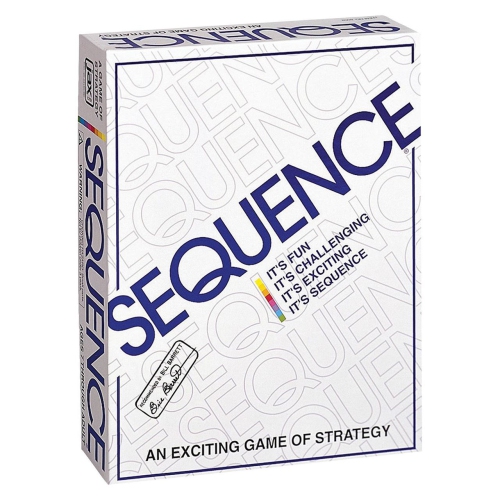
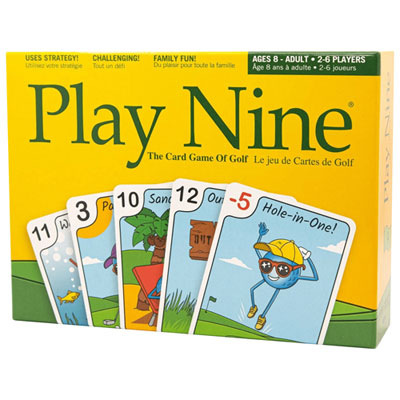

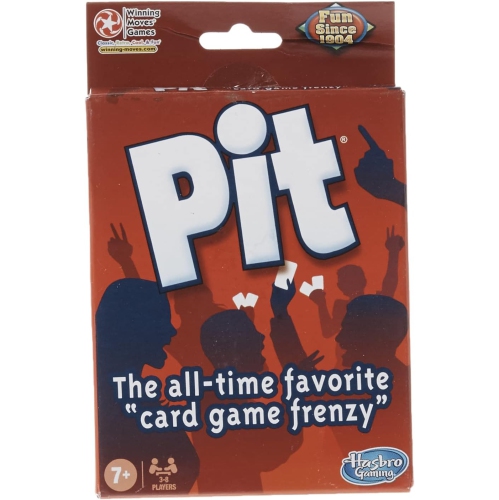
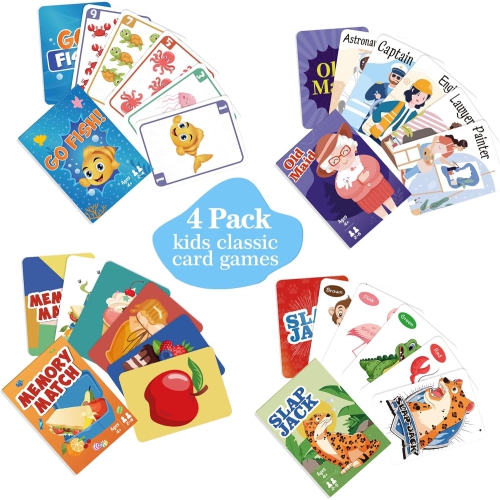

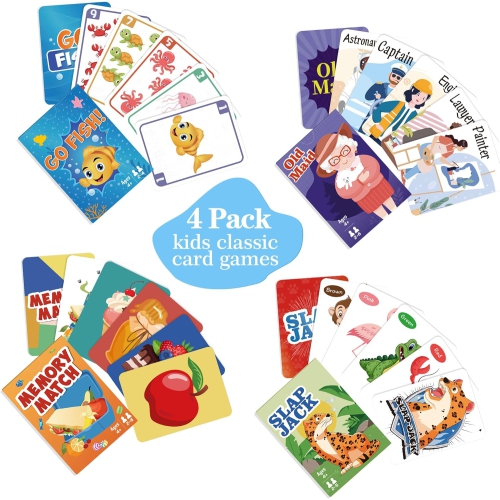
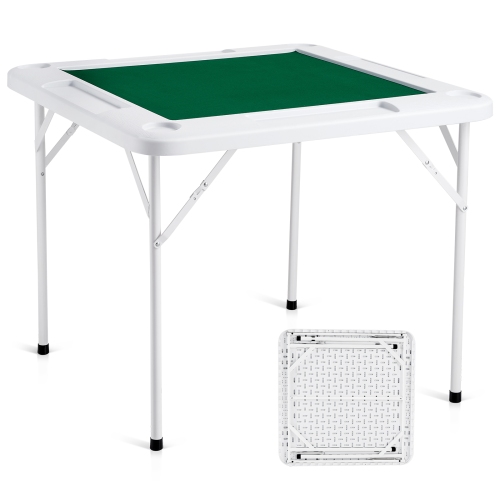

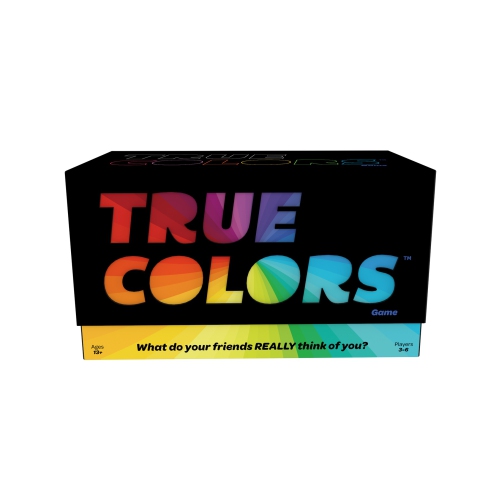
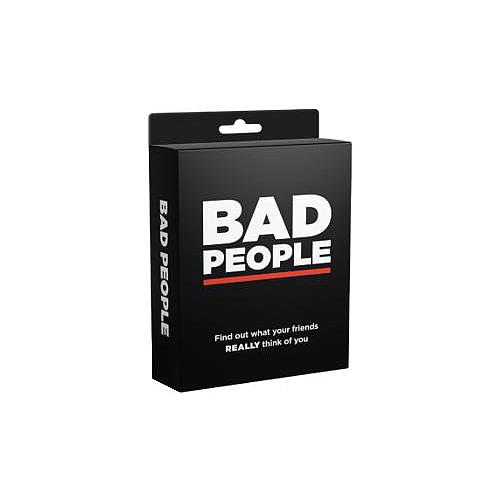

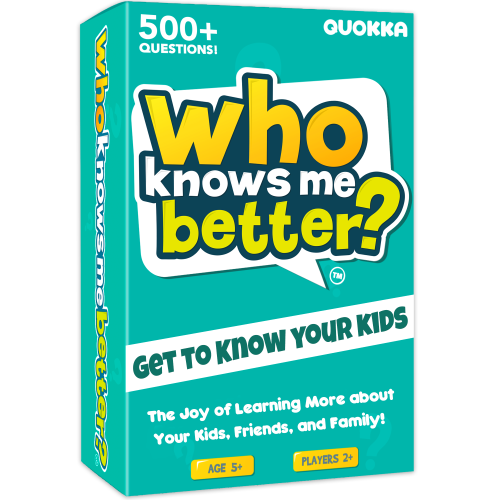


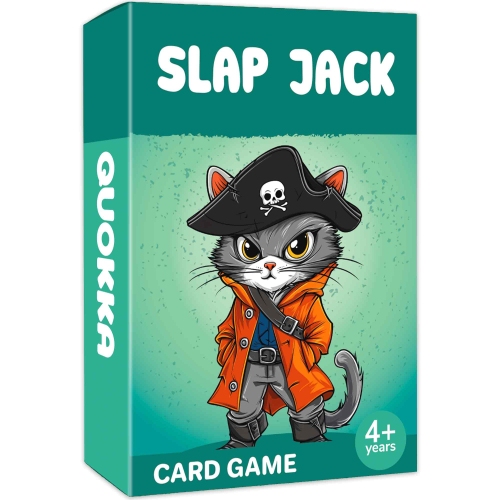
What makes a card game suit your group
Card games for adults span quick party games, strategic contests, cooperative challenges, and mysteries built around deduction. The best fit depends on the number of players, the time available, and whether the group enjoys conversation, competition, or solving problems together. A small deck can hold a surprisingly rich game: a few hidden roles might turn every exchange into a bluff, while numbered cards can create a contest over timing and calculated risks. Party card games often focus on wordplay, associations, drawing, or matching responses, giving a larger group something to react to without requiring everyone to memorize lengthy rules. Strategy card games put more emphasis on managing a hand, building combinations, or deciding when to hold back a valuable card. Trick-taking games revolve around the cards played into each round, with scoring that may reward taking particular tricks or avoiding them altogether. Deduction games invite players to piece together limited information, while cooperative formats give the table a shared objective instead of a single winner. These differences matter more than the size of the box. A compact game can demand close attention, and a larger set can still offer an easygoing experience. For a dinner gathering, short rounds make it easier to pause between games or welcome someone joining the table. For two people who enjoy a regular match, a game with meaningful tactical choices can stay engaging across repeated sessions. Conversation-based card games suit groups interested in storytelling and getting to know one another, although the tone of the prompts matters as much as the mechanics. Adult players do not necessarily need provocative content to have a lively evening; clever wordplay, unexpected combinations, and well-timed bluffs can provide plenty of humour. A clear description of the game’s theme, suggested age range, player count, and typical playing time helps distinguish a relaxed social activity from a more concentrated contest.
Player count shapes the experience of adult card games in ways that are not always obvious from the packaging. A game designed around negotiation or hidden identities may rely on several people contributing competing stories, while a two-player game can give each person more control over the outcome. Some formats accommodate a flexible group, but the pace may change when more players join: turns can take longer, conversations become harder to follow, or a round becomes more unpredictable. Team-based play can keep a larger gathering involved, especially when everyone contributes clues or discusses a shared answer. Games with simultaneous choices reduce waiting because players act at the same time rather than taking individual turns. For a quieter evening, solo-capable card games can offer puzzles or score-based challenges without requiring another player, provided solo rules are included. Playing time deserves similar attention. A stated session length may not account for learning the rules, sorting cards, or explaining scoring, and the first play often moves more slowly than later ones. Clear reference cards, familiar symbols, and a straightforward turn structure can make that first round feel less stop-and-start. Language dependence also affects who can comfortably join in. Text-heavy games may call for fluent reading and familiarity with idioms, whereas number-based or symbol-led games can place less emphasis on vocabulary. Large print, strong contrast, and symbols that do not rely on colour alone can make cards easier to distinguish across the table. Hand size matters too: holding several oversized cards can be awkward, while a card holder may help someone who finds gripping a full hand tiring. Luck and skill create another useful distinction. Random draws can keep outcomes uncertain and give less experienced players opportunities to recover, while games with more visible information often reward planning and familiarity. Neither approach is inherently better. A group that enjoys cheerful surprises may prefer a different balance from players who want to trace the result back to their decisions. Games without early player elimination can be particularly comfortable for social gatherings, keeping everyone involved until the final score rather than leaving someone watching from the sidelines.
The physical construction of a card game contributes to how it feels and how well it handles repeated play. Many game cards use paper-based card stock with a protective surface finish, while some playing-card decks use plastic. Thickness alone does not determine quality: flexibility, surface texture, and consistent cutting all affect shuffling and dealing. Cards that slide smoothly can be pleasant to handle, although a very slick finish may send a loosely stacked deck across the table. Repeated bending, sticky fingers, and drinks placed beside the draw pile can leave marks that make individual cards recognizable from the back, which matters in games built around hidden information. Sleeves can reduce direct wear when they fit the card dimensions, but they also make decks thicker and may change how the cards shuffle or fit inside the box. Care should follow the maker’s directions; paper-based cards generally need dry handling, and liquid cleaners can damage printed surfaces or edges. Returning cards to their compartments after play helps prevent bent corners and keeps different decks or expansions from becoming mixed together. A sturdy box, clear dividers, and room for any included tokens make setup and storage more manageable. Compact sets suit visits with friends or travel, while games with several shared piles need enough table space for everyone to see and reach the play area. Card games can also make thoughtful gifts for hosts, couples, friends, or relatives when their interests and preferred style of play are considered. Someone who enjoys crosswords may appreciate a word-focused challenge, while a regular game-night group may welcome layered tactics or a fresh cooperative objective. A self-contained base game is usually more straightforward as a gift than an expansion that requires another set. For gatherings that also suit shared boards, movement, or larger tabletop layouts, Board Games for Adults offers a related format. Whether the occasion calls for a brief contest or an extended evening together, the appeal lies in a game that fits the people around the table and remains enjoyable beyond its first play.
Top selling and popular products
-
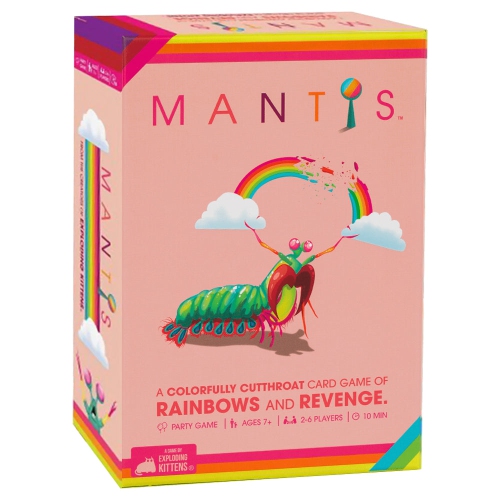 Your price for this item is $43.95
-
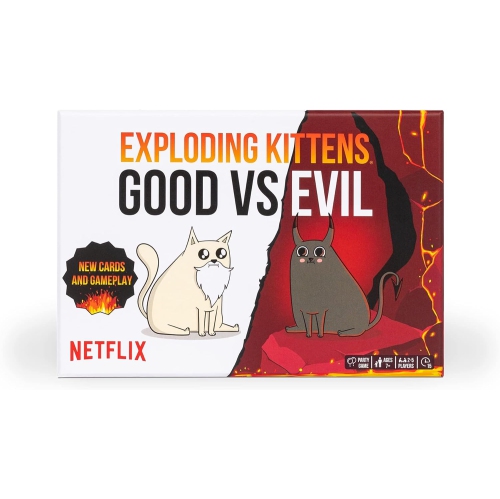 Your price for this item is $34.99
-
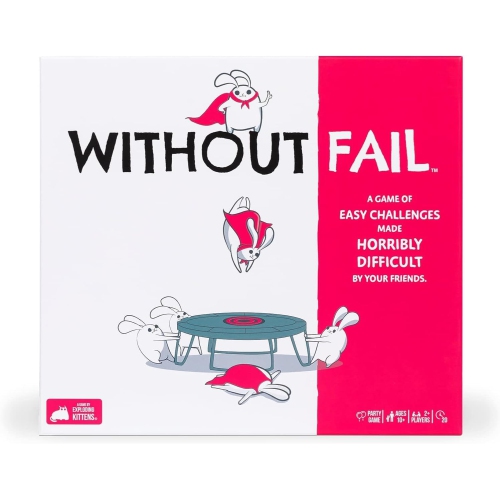 Your price for this item is $19.99
-
 Your price for this item is $154.99
-
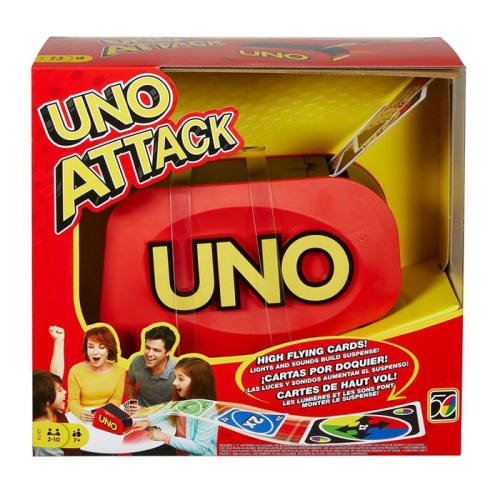 Your price for this item is $43.99
-
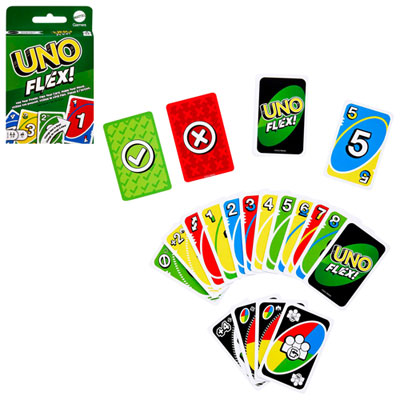 Your price for this item is $7.98
-
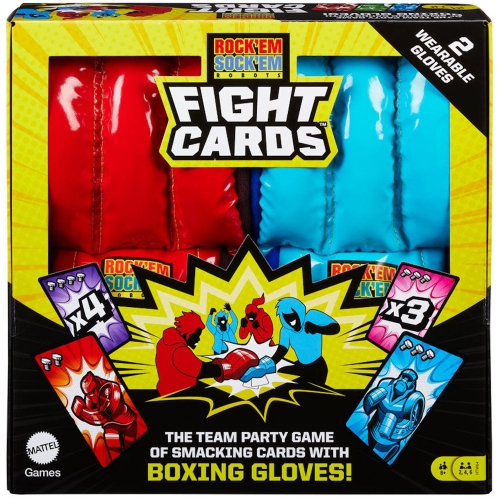 Your price for this item is $22.99
-
 Your price for this item is $40
Discover more categories related to Card Games for Adults


Top Collections:
Pokemon Centers, Kindle Devices, Best Black Friday Deals This Year, Pokémon 30th Celebration Cards, Best Black Friday Deals On Electronics, Best Cameras for Sports Photography, Best Black Friday Deals On Apple Products, Canon G7X Cameras, iPhone 15 Apple, Candle Warmer Lights
Some products may be subject to Environmental Handling Fees
(EHF) depending on your province.
Learn more about EHFs.