Board Games for Adults
Board games for adults are a great way to spend time with friends and family. Whether you're looking for a game to play during the holidays or just want to play something different with your family, there are plenty of options.
Sort





![RIDLEY'S GAMES Cocktail Party Game [Board Games, 2-6 Players]](https://multimedia.bbycastatic.ca/multimedia/products/500x500/194/19478/19478019.jpeg)



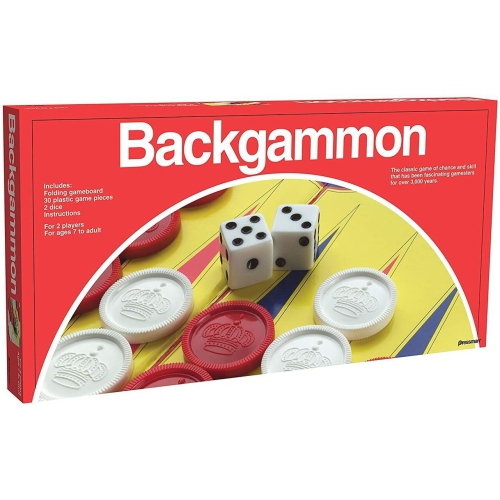
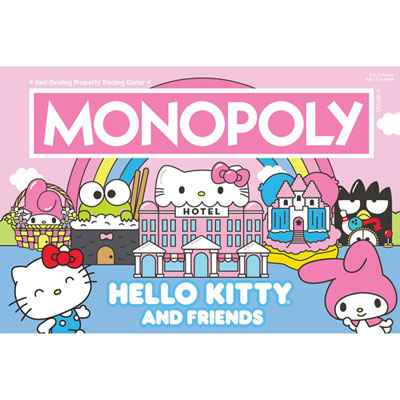
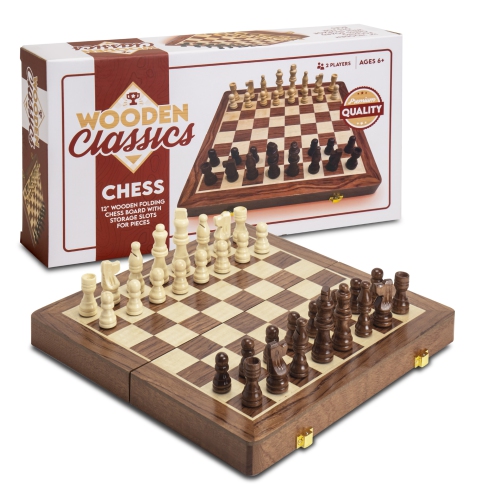
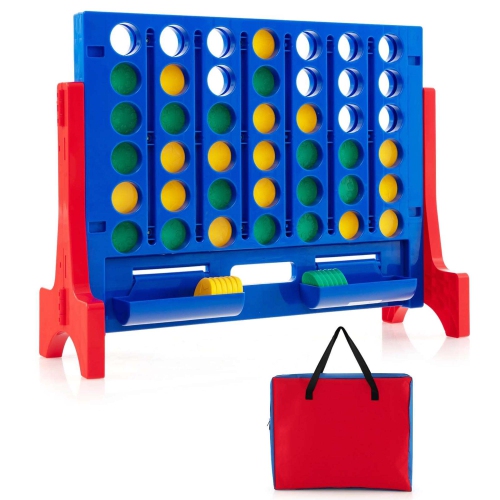
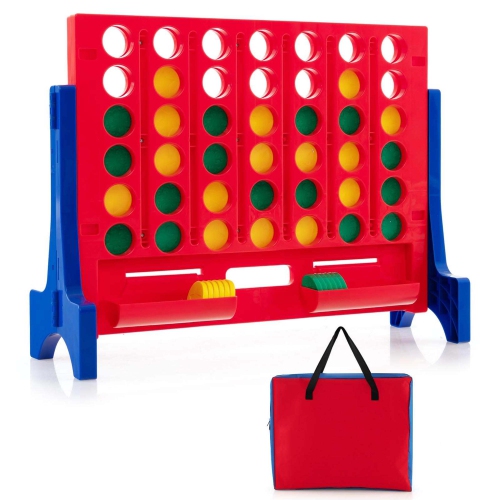
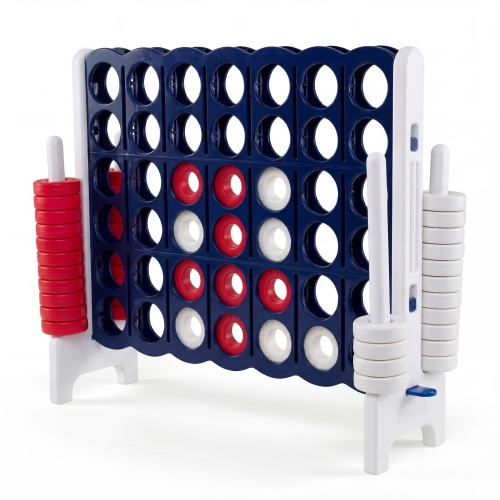
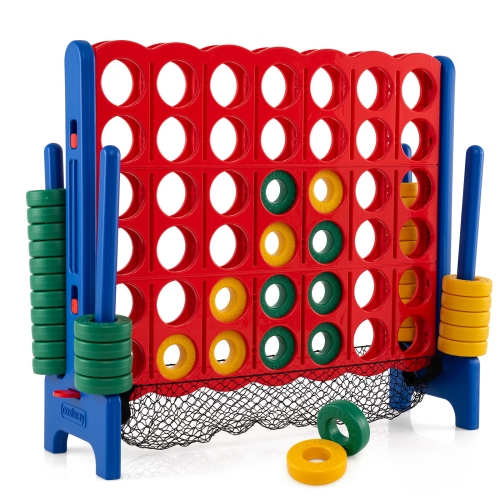
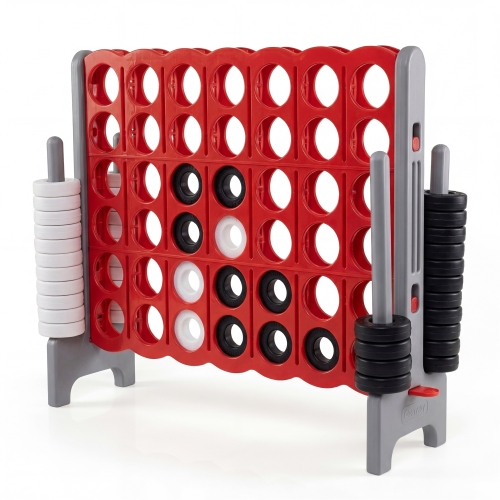
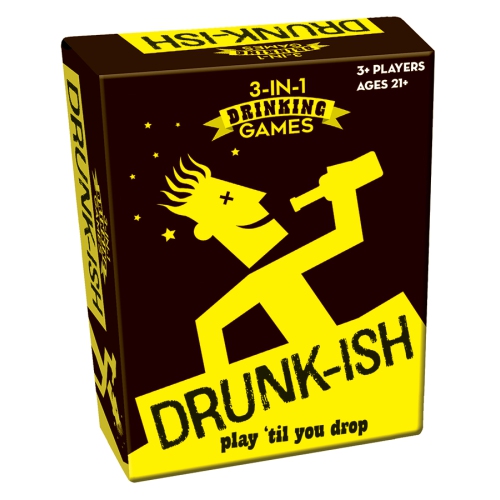
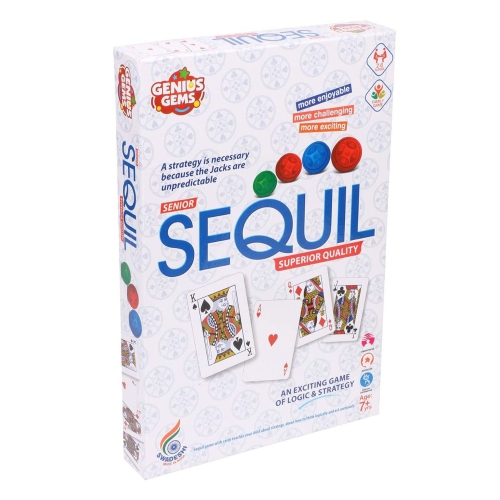
A great game fits the people at the table
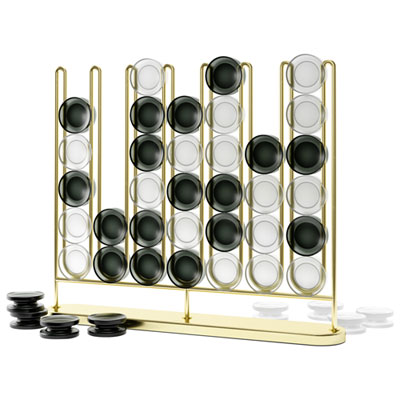
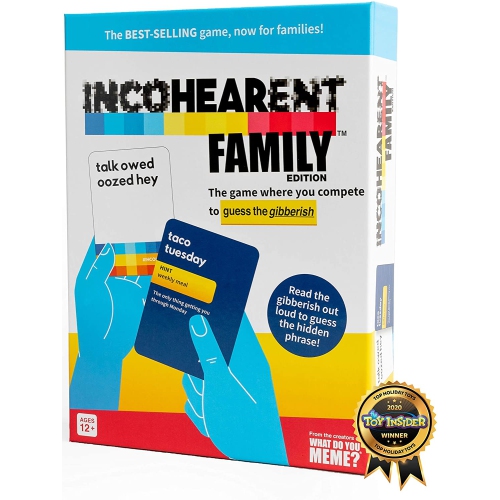
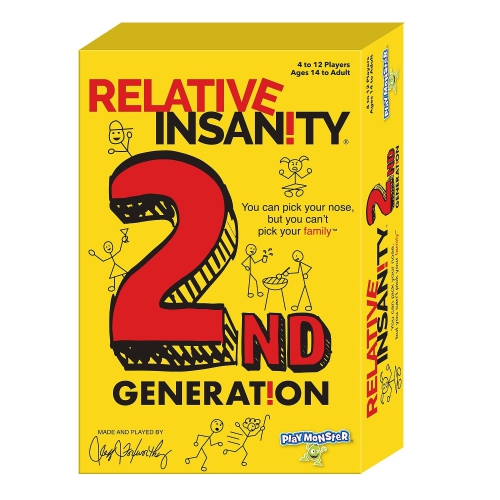
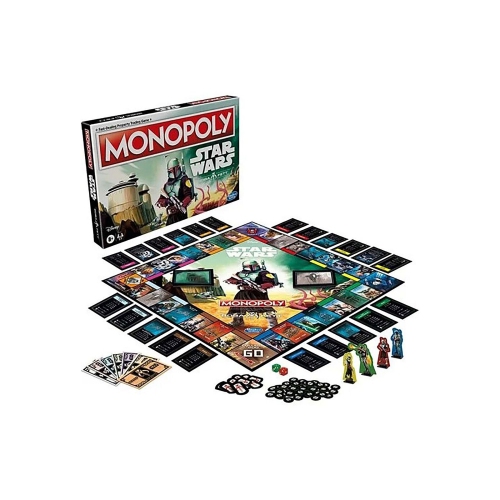
Board games for adults bring people together through quick party rounds, thoughtful strategy, shared challenges, and stories that unfold across the table. The best match depends on the number of players, the time set aside, and how much complexity the group enjoys. A lively gathering might suit wordplay, drawing, or social deduction, where the fun comes from an unexpected answer or a bluff that almost works. A smaller group may prefer a strategy game built around placing workers, collecting sets, building routes, or managing limited resources. Cooperative board games give everyone a common goal, with players discussing their options and working through setbacks together rather than trying to beat one another. Two-player games can offer a focused contest for couples, roommates, or friends, while games with a dedicated solo mode provide puzzles to work through independently. Games designed to appeal to adults do not have to be complicated: straightforward rules can still lead to clever decisions, close finishes, and plenty of conversation. The distinction is often in the depth of the choices, the style of humour, or the level of attention a session invites. For a group that likes chatting while playing, familiar turn patterns and short rounds leave room for conversation. For players who enjoy studying the board and planning several moves ahead, interconnected scoring opportunities can make each turn feel meaningful. Theme also shapes the experience, whether it involves solving a mystery, developing a city, arranging colourful patterns, or exploring an imagined world. Some groups enjoy stepping into a story; others want a clean, abstract puzzle with very little reading. A strong fit between the game and the people at the table matters more than complexity alone. Even a compact game can become a regular favourite when it gives everyone something interesting to do and a reason to look forward to another round.
Player count and playing time are useful starting points, but the rhythm of play matters just as much. A game that supports a large group may involve longer waits between turns, while simultaneous choices can keep everyone involved throughout a round. At a dinner gathering, a game with a brief explanation and a clear stopping point is easier to fit between conversation and dessert. A dedicated game night allows more room for setup, a practice round, and a longer session where early choices influence the final result. Stated playing times are helpful estimates, although learning the rules and checking unfamiliar situations can make the first play take longer. The suggested age range offers some context, but reading demands, arithmetic, memory, and the amount of hidden information give a fuller sense of how a game may suit its players. Clear symbols, readable text, and pieces that are easy to distinguish can make the table more comfortable for a mixed-experience group. Colour-coded components are particularly useful when they also include different shapes or symbols, so players do not have to rely on colour alone. The tone of competition deserves attention, too. Direct challenges and negotiation can create lively exchanges among friends who enjoy a little rivalry, whereas individual puzzles with shared scoring may suit players who prefer less confrontation. Cooperative play can be welcoming, especially when each person has a distinct role and space to contribute. For groups with different confidence levels, open discussion works best when everyone still gets to make their own decisions. Replay value can come from variable board layouts, changing objectives, different character abilities, or simply the choices other players make. Games with campaign elements offer continuity across sessions, though they may ask the same group to return regularly. Compact formats also have a place in an adult game collection, particularly for visits and smaller tables; Card Games for Adults offer another format for gatherings where portability and a modest playing area matter.
The physical design of a board game affects how pleasant it is to play and how well it stands up to repeated use. Common materials include printed cardboard boards and tokens, paper cards, wooden markers, and moulded plastic pieces, each serving a different purpose at the table. A folding board needs enough open space to lie flat, while a game with personal player boards, separate piles of components, and a shared display may occupy much more room than its box suggests. Larger pieces can be easier to pick up and identify, and sturdy player boards help keep frequently handled areas tidy. Cards that are shuffled often tend to show wear at their edges; correctly sized sleeves can help protect them, although sleeved cards may take up more space in the original insert. Wooden and plastic components generally need only gentle handling and cleaning appropriate to their finish, while cardboard and paper should be kept dry. A soft, dry cloth is usually a sensible option for light surface dust, with the manufacturer's care directions taking priority. Drinks placed away from the board and a clear spot for snacks reduce the chance of spills interrupting a session. Storage matters after the final turn as well: small containers or resealable bags can keep tokens separated, and cards stored without bending are easier to shuffle next time. Keeping the rules and reference sheets together saves time when a game returns to the table after a break. For gift giving, a recipient's usual playing group is often the most useful clue. A couple who regularly plays together may appreciate a game designed specifically for two, while a frequent host may get more use from flexible player counts and rules that are easy to explain. Someone who enjoys detailed puzzles may welcome a deeper strategic challenge. A well-chosen board game fits both the recipient's interests and the practical details of their evenings, creating opportunities for shared jokes, satisfying discoveries, and memorable contests over many plays.
Player count and playing time are useful starting points, but the rhythm of play matters just as much. A game that supports a large group may involve longer waits between turns, while simultaneous choices can keep everyone involved throughout a round. At a dinner gathering, a game with a brief explanation and a clear stopping point is easier to fit between conversation and dessert. A dedicated game night allows more room for setup, a practice round, and a longer session where early choices influence the final result. Stated playing times are helpful estimates, although learning the rules and checking unfamiliar situations can make the first play take longer. The suggested age range offers some context, but reading demands, arithmetic, memory, and the amount of hidden information give a fuller sense of how a game may suit its players. Clear symbols, readable text, and pieces that are easy to distinguish can make the table more comfortable for a mixed-experience group. Colour-coded components are particularly useful when they also include different shapes or symbols, so players do not have to rely on colour alone. The tone of competition deserves attention, too. Direct challenges and negotiation can create lively exchanges among friends who enjoy a little rivalry, whereas individual puzzles with shared scoring may suit players who prefer less confrontation. Cooperative play can be welcoming, especially when each person has a distinct role and space to contribute. For groups with different confidence levels, open discussion works best when everyone still gets to make their own decisions. Replay value can come from variable board layouts, changing objectives, different character abilities, or simply the choices other players make. Games with campaign elements offer continuity across sessions, though they may ask the same group to return regularly. Compact formats also have a place in an adult game collection, particularly for visits and smaller tables; Card Games for Adults offer another format for gatherings where portability and a modest playing area matter.
The physical design of a board game affects how pleasant it is to play and how well it stands up to repeated use. Common materials include printed cardboard boards and tokens, paper cards, wooden markers, and moulded plastic pieces, each serving a different purpose at the table. A folding board needs enough open space to lie flat, while a game with personal player boards, separate piles of components, and a shared display may occupy much more room than its box suggests. Larger pieces can be easier to pick up and identify, and sturdy player boards help keep frequently handled areas tidy. Cards that are shuffled often tend to show wear at their edges; correctly sized sleeves can help protect them, although sleeved cards may take up more space in the original insert. Wooden and plastic components generally need only gentle handling and cleaning appropriate to their finish, while cardboard and paper should be kept dry. A soft, dry cloth is usually a sensible option for light surface dust, with the manufacturer's care directions taking priority. Drinks placed away from the board and a clear spot for snacks reduce the chance of spills interrupting a session. Storage matters after the final turn as well: small containers or resealable bags can keep tokens separated, and cards stored without bending are easier to shuffle next time. Keeping the rules and reference sheets together saves time when a game returns to the table after a break. For gift giving, a recipient's usual playing group is often the most useful clue. A couple who regularly plays together may appreciate a game designed specifically for two, while a frequent host may get more use from flexible player counts and rules that are easy to explain. Someone who enjoys detailed puzzles may welcome a deeper strategic challenge. A well-chosen board game fits both the recipient's interests and the practical details of their evenings, creating opportunities for shared jokes, satisfying discoveries, and memorable contests over many plays.
Top selling and popular products
-
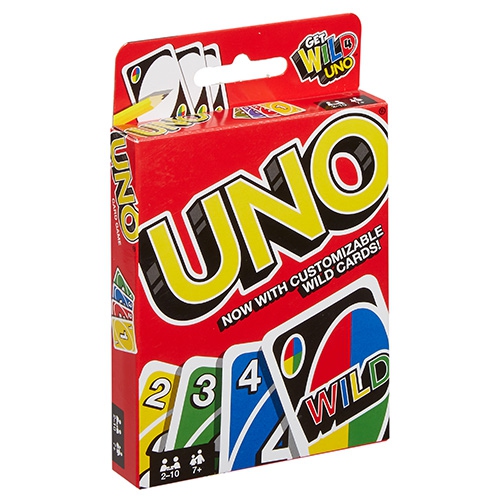 Your price for this item is $14.99
 -
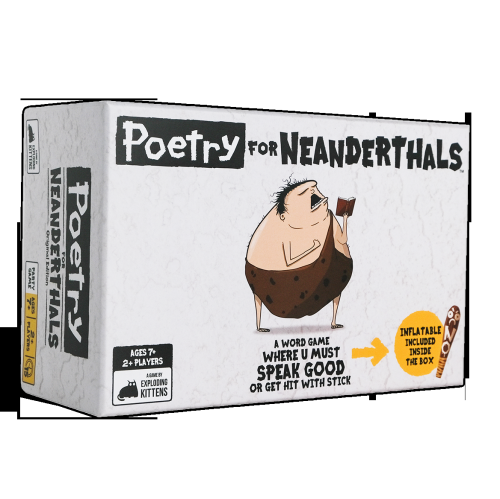 Your price for this item is $34.99
 -
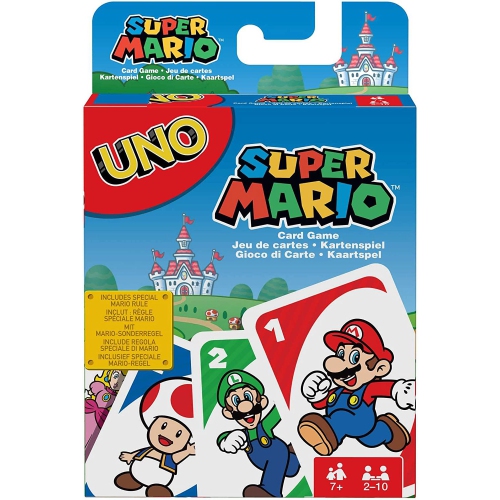 Your price for this item is $15
 -
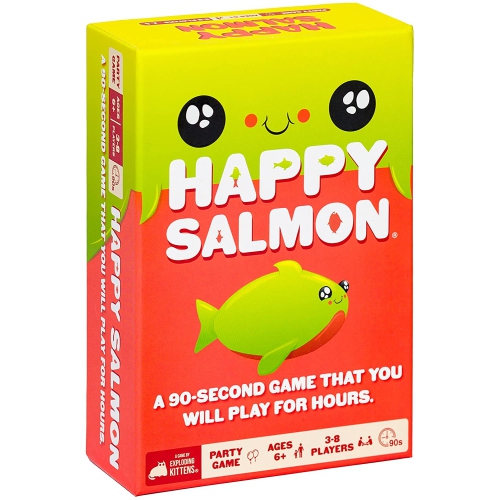 Your price for this item is $21.99
 -
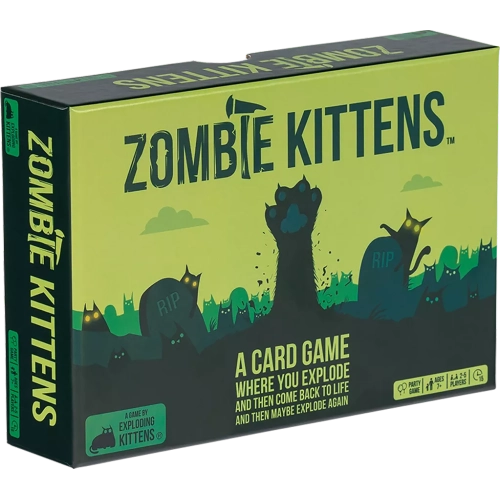 Your price for this item is $34.99
 -
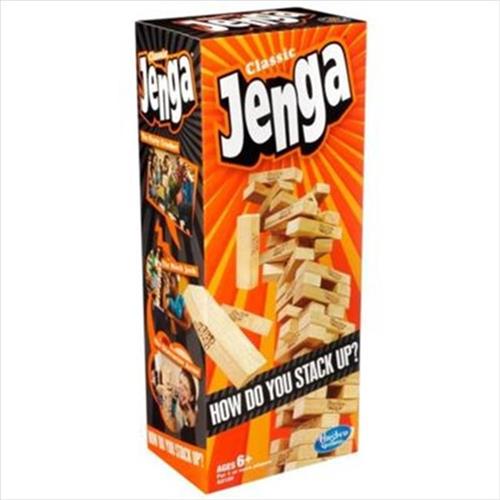 Your price for this item is $28.16
 -
 Your price for this item is $20.93
 -
 Your price for this item is $29.99
Discover more categories related to Board Games for Adults
Top Collections:
Pokemon Centers, Budget 4K TVs, Best Budget Office Chairs, Kindle Devices, Canon G7X Cameras, Apple iPhones 16, iPhone 15 Apple, Laptops for Business Work, Xiaomi Phones, Flip Phones
Some products may be subject to Environmental Handling Fees
(EHF) depending on your province.
Learn more about EHFs.