Card Games for Indoor Play
Card Games for Indoor Play offer endless entertainment and a great way to bring friends and family together. Perfect for game nights, gatherings, or quiet afternoons at home, these games provide fun challenges and engaging experiences for players of all ages. Explore a wide range of options designed to spark laughter, friendly competition, and memorable moments right in your living room. With Card Games for Indoor Play, you can easily create an enjoyable atmosphere no matter the occasion.
Sort





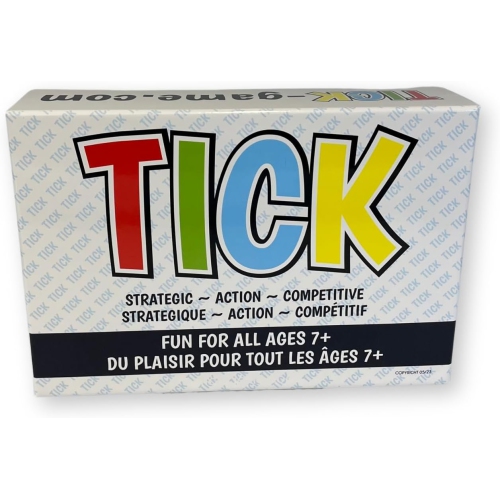
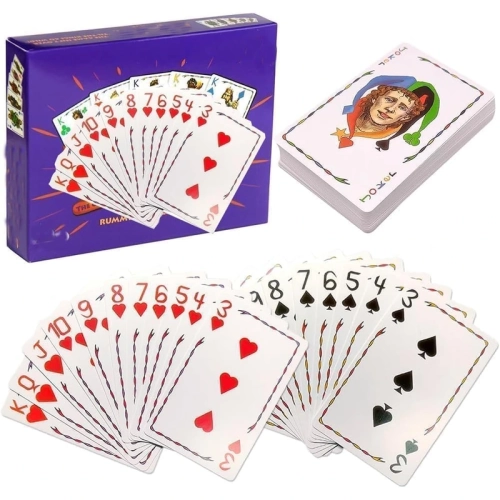
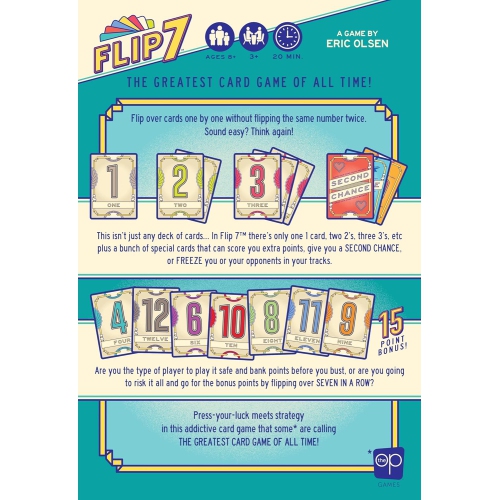

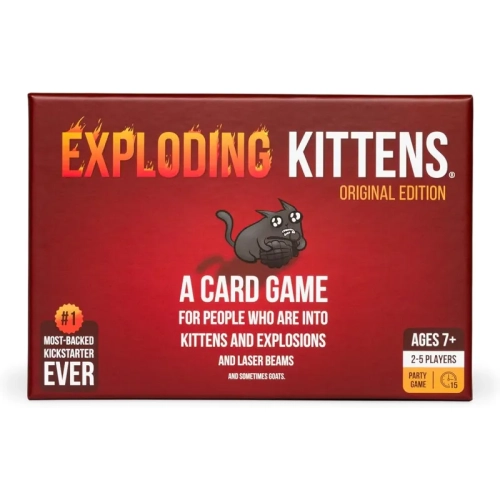
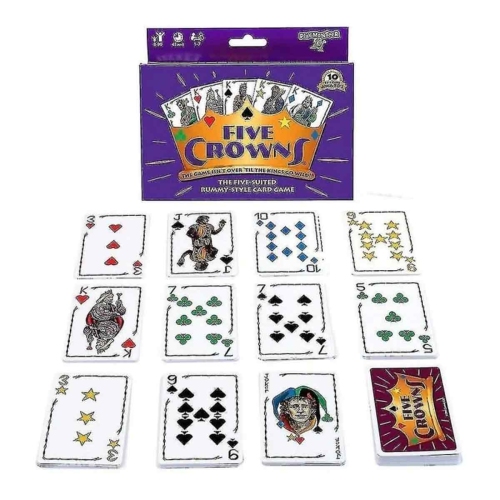

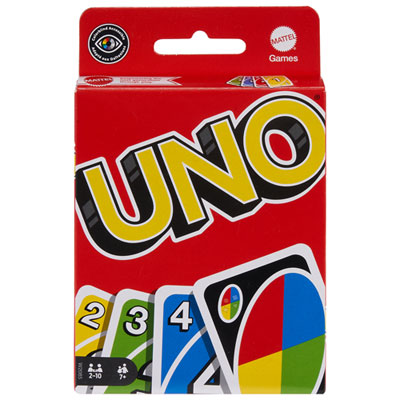
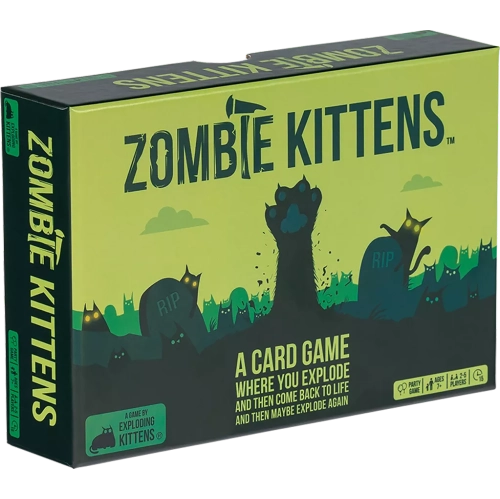
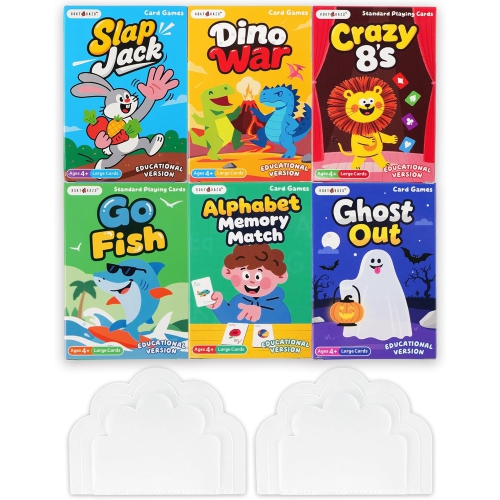
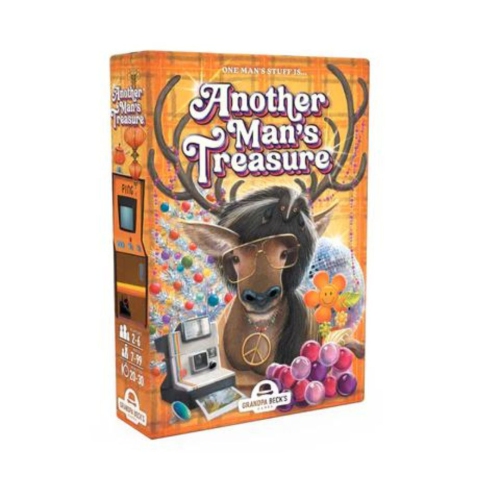



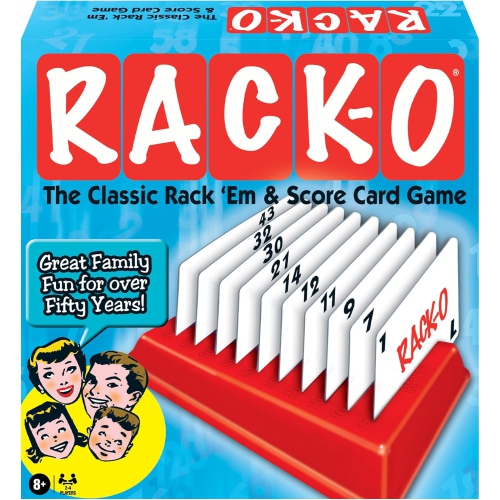

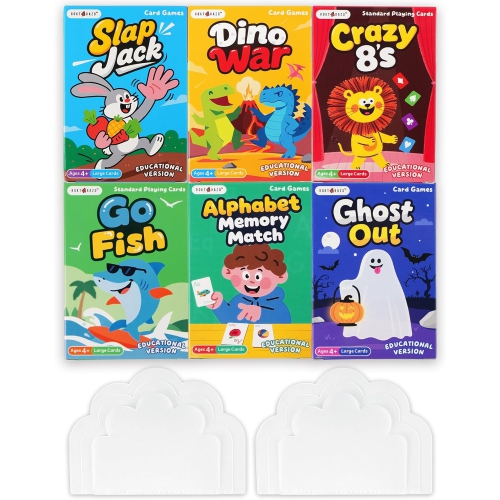
From quiet solo rounds to lively table contests
Card games for indoor play include traditional playing-card decks and purpose-designed games built around matching, memory, strategy, storytelling, or quick reactions. They offer a way to bring people together at a dining table, spread a small activity across a coffee table, or enjoy a quiet solo challenge without needing much equipment. A standard 52-card deck supports many different rule sets, while a dedicated card game usually has its own symbols, actions, scoring system, and instructions. The experience can range from a relaxed conversation between turns to a closely watched contest in which every card changes the next decision. Matching and sequencing formats often have a clear rhythm that is easy to follow, making them approachable for mixed-experience groups. More involved formats may ask players to manage a hand, build combinations, remember previously played cards, or decide when to take a risk. Cooperative games give the group a shared objective, while competitive games can centre on individual scores, partnerships, or being the first to finish a task. Neither approach needs to dominate a gathering: a brief, lighthearted game can fill the gap before dinner, and a longer strategic game can become the main activity for an evening at home. Player count, expected playing time, and the amount of interaction all shape how a game feels in practice. A format that works well for two people may not have the same pace with a full table, while games with simultaneous turns can keep a larger group involved. For households with different preferences, the distinction between chance and decision-making also matters. Some players enjoy the surprise of an unpredictable draw; others prefer having several possible moves to weigh. Indoor card games cover both styles, along with formats that combine simple rules with enough variety to reward repeat play. The most satisfying match is usually one whose pace and complexity suit the people sharing the table, rather than one chosen only for its theme or artwork.
Age recommendations, reading demands, and physical handling are important considerations for family card games. A younger player may be comfortable matching pictures but still need help with written instructions, while an older child may enjoy planning several turns ahead. Suggested ages are a useful starting point, though familiarity with games, patience with turn-taking, and confidence with numbers can make just as much difference. Clear symbols and readable text help players understand a card without repeatedly passing it across the table. Strong contrast can make details easier to distinguish, and symbols used alongside colour can be helpful when colour alone is difficult to interpret. Card dimensions affect comfort, too: larger faces may offer more room for illustrations and text, but a wide hand can be awkward for smaller hands to hold. Games that keep only a few cards in hand at a time may feel more manageable than formats that require a large fan of cards. Material and finish influence everyday handling and durability. Paper-based playing cards commonly have a surface coating, while some decks use plastic; thickness, flexibility, and finish vary. A smooth finish can make shuffling easier, although very slick cards may slide across a polished table. Frequent bending, damp hands, and food spills can shorten the useful life of a deck, particularly when cards have exposed paper edges. Clean, dry hands and a clear playing surface help preserve printed faces and keep cards moving evenly during play. Cleaning should follow the care information supplied with the game, since a method suitable for plastic may damage coated paper. Cards are best returned to their box or a suitably sized case once play is finished, with instructions and any accessories kept together. For games that include counters or other small pieces, the age guidance and warnings deserve attention, especially in homes where younger children may join the table. These practical details can make the difference between a game that is comfortable to use often and one that feels fiddly or difficult to maintain.
The appeal of indoor card games also lies in how easily they fit into familiar routines. Two people can play a short round after a meal, siblings can share an activity that does not depend on a screen, and visiting friends can settle into something more structured than conversation alone. A compact deck can be easy to put away between sessions, although the space required during play depends on whether cards stay in players’ hands or spread into rows, piles, and shared areas. A stable surface with enough room for each player’s cards helps prevent accidental glimpses and keeps the draw pile within comfortable reach. For social gatherings, rules that can be explained through a sample turn often make joining in less intimidating. Short rounds let players step away without disrupting a long session, while cumulative scoring can give a familiar format a longer arc. Games with elimination may leave someone watching from the sidelines, whereas formats that keep everyone involved can better suit groups whose main aim is spending time together. A group planning an overnight get-together may also be interested in Card Games for Sleepovers, particularly when easy setup and opportunities for conversation are part of the appeal. As gifts, card games can suit families, couples, students, hosts, and people who enjoy tabletop activities, provided the theme and level of complexity reflect the recipient’s interests. A familiar style can be welcoming for an occasional player, while a more layered format may appeal to someone who enjoys working through new rules. Language is another useful consideration, especially when players will be sharing the game with relatives or friends who have different reading preferences. Picture-led play and limited text can reduce some barriers, though instructions still need to be understood. Whether the occasion is a casual visit, a family game night, or an unhurried afternoon at home, a well-matched card game offers a shared focus, a reason to gather around the same table, and room for both lively reactions and thoughtful play.
Top selling and popular products
-
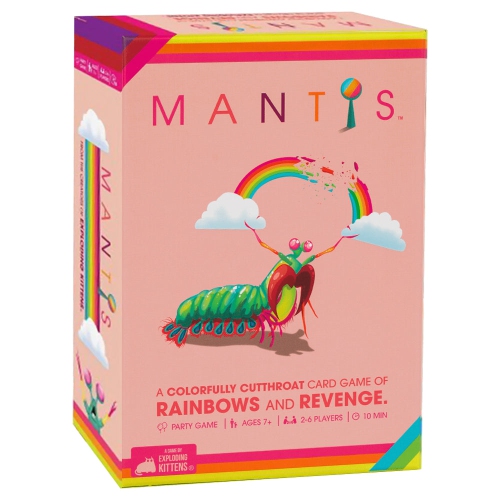 Your price for this item is $31.99
-
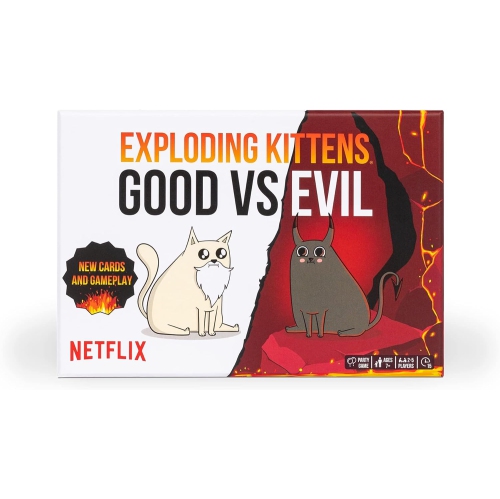 Your price for this item is $34.99
-
 Your price for this item is $154.99
-
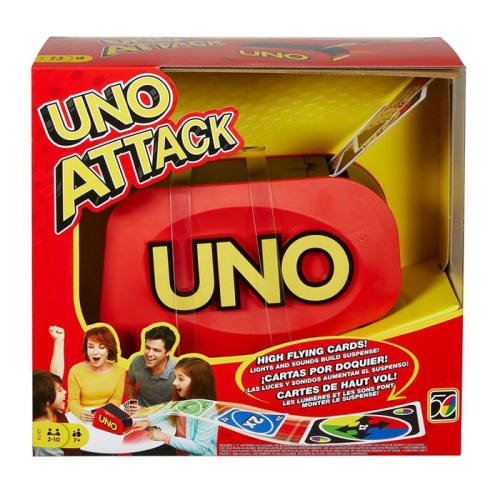 Your price for this item is $43.99
-
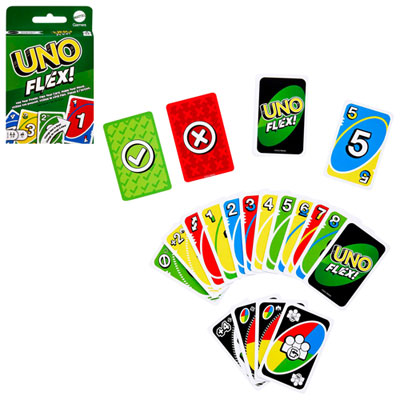 Your price for this item is $7.98
-
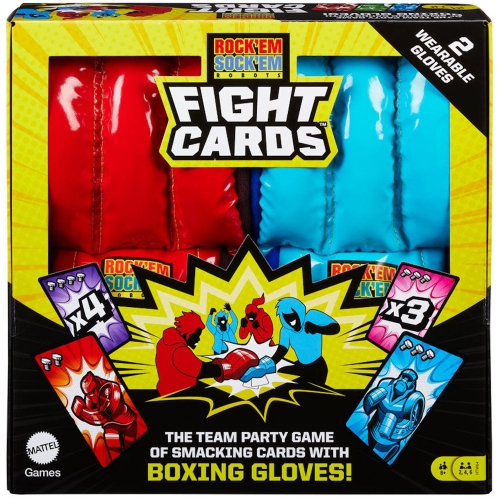 Your price for this item is $24.99
-
 Your price for this item is $40
-
 Your price for this item is $30.99
Discover more categories related to Card Games for Indoor Play
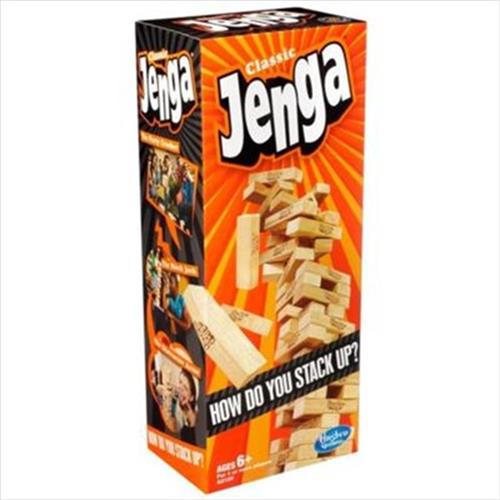

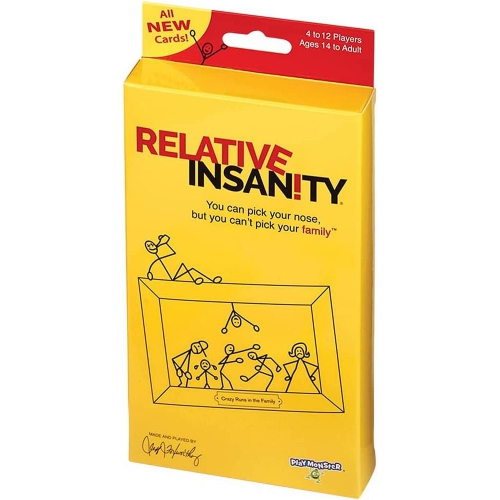
Top Collections:
Best Black Friday Deals This Year, Best Black Friday Deals On Electronics, Kindle Devices, Pokemon Centers, Best Black Friday Deals On Apple Products, Best Cameras for Sports Photography, Dyson Airwrap, Pokémon 30th Celebration Cards, Apple iPhone 17 Pro, Canon G7X Cameras
Some products may be subject to Environmental Handling Fees
(EHF) depending on your province.
Learn more about EHFs.