Children Toys
Looking for the perfect toys to spark joy and creativity in your little ones? Our children's toys collection offers a wide variety of playthings that cater to every child's imagination and interests. From educational toys that promote learning to interactive games that encourage social skills, you'll find something to delight children of all ages. Explore our selection of high-quality toys designed to entertain, educate, and inspire endless hours of fun playtime.
Sort
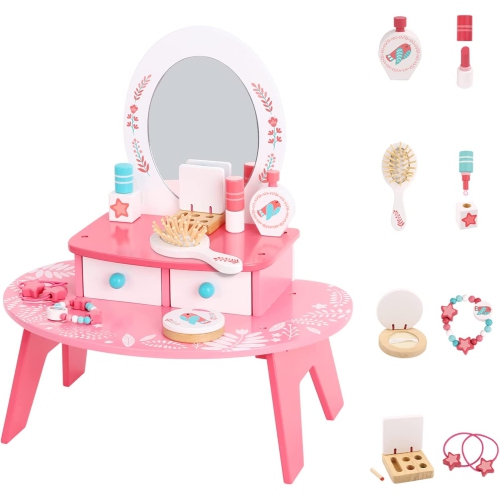
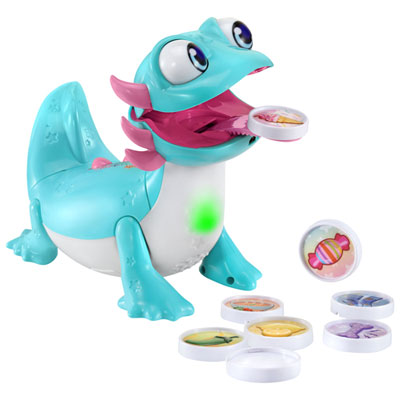
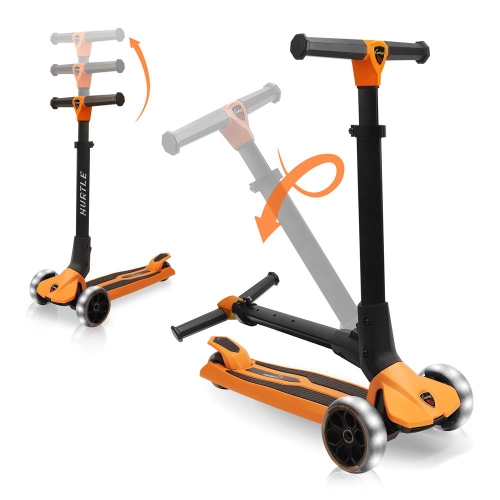
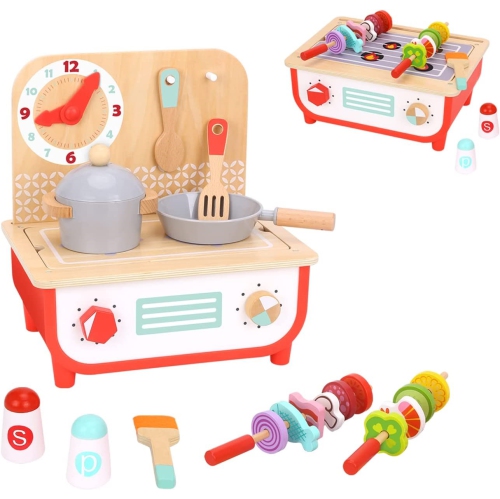
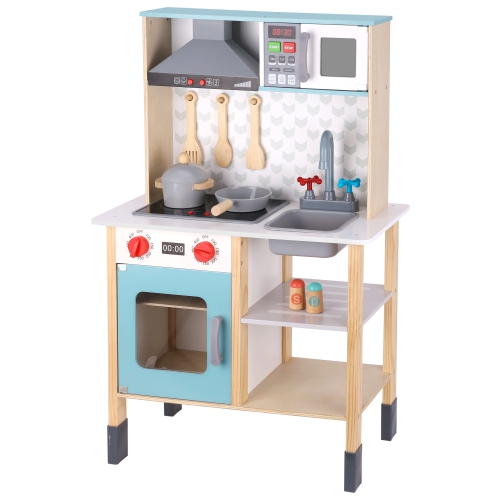
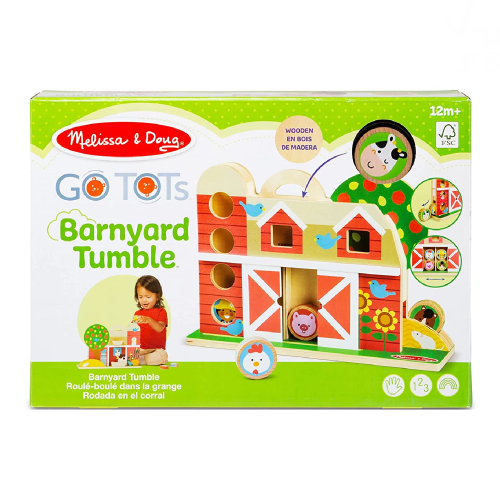
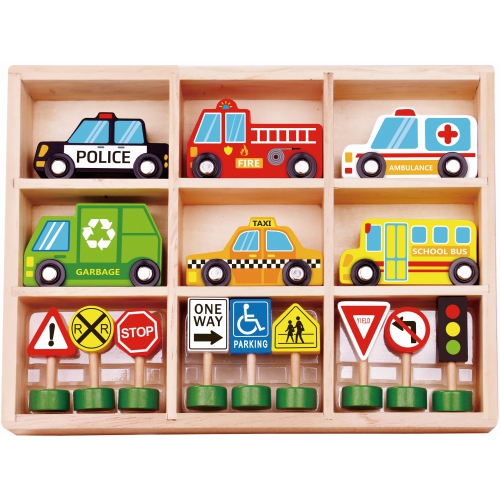
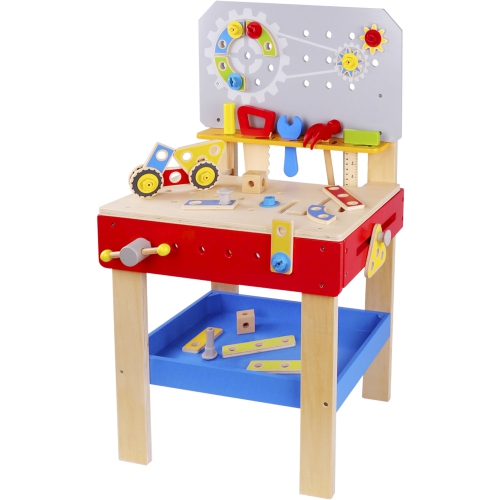
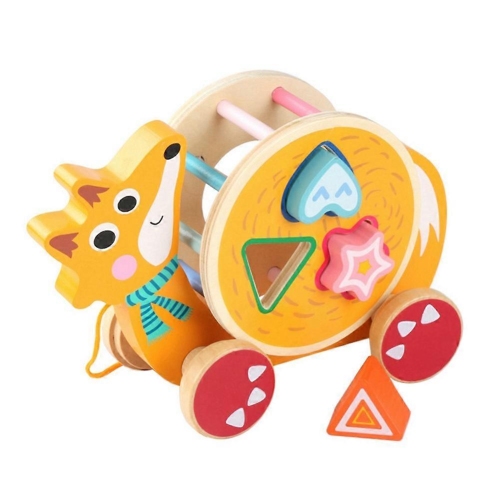
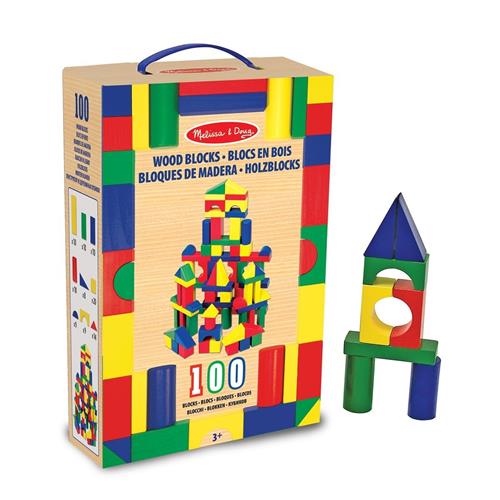
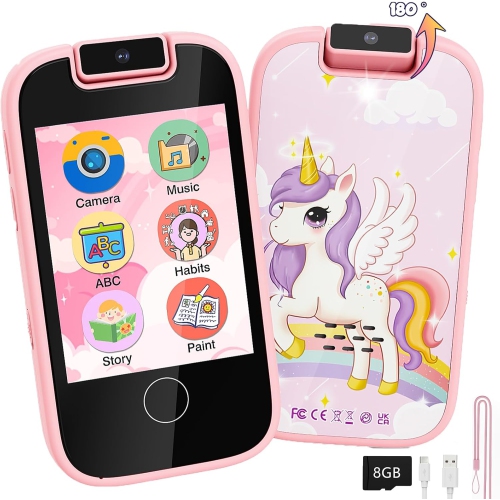
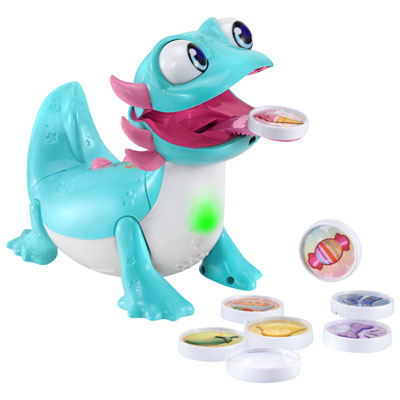
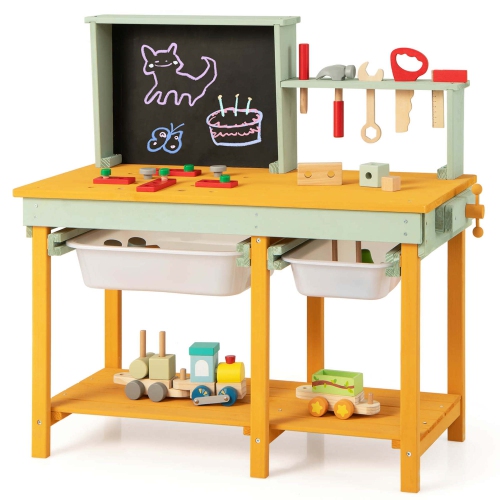
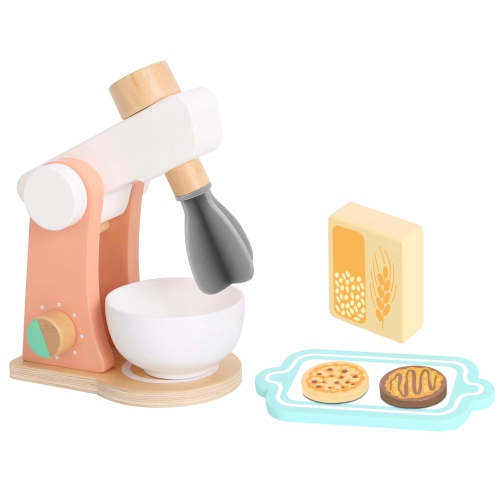
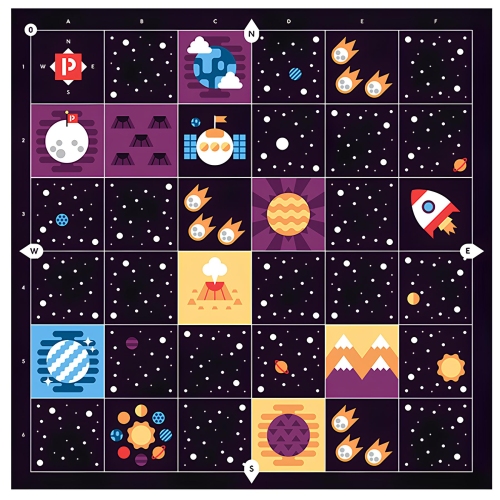
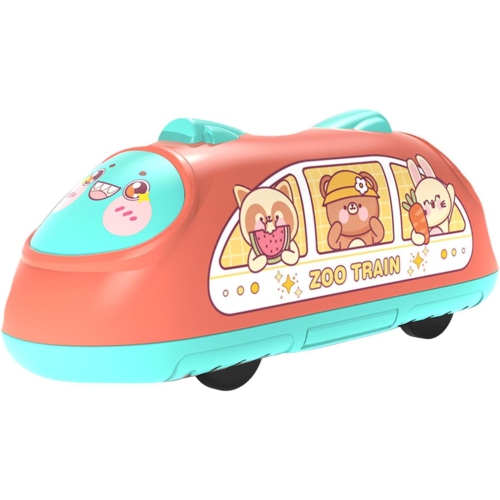
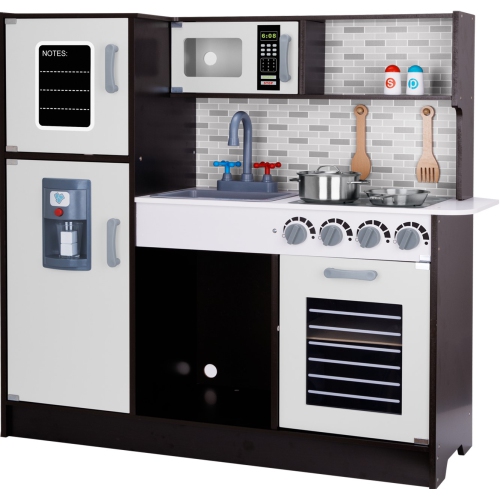
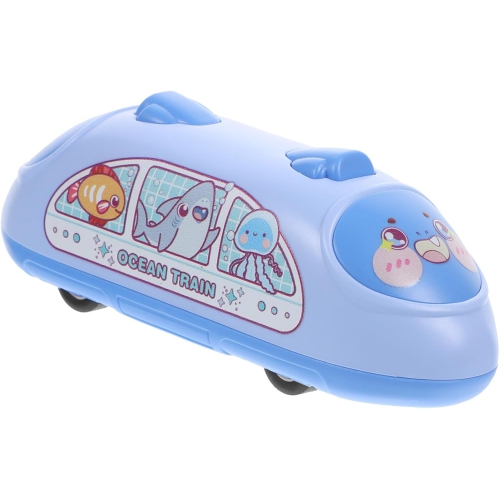

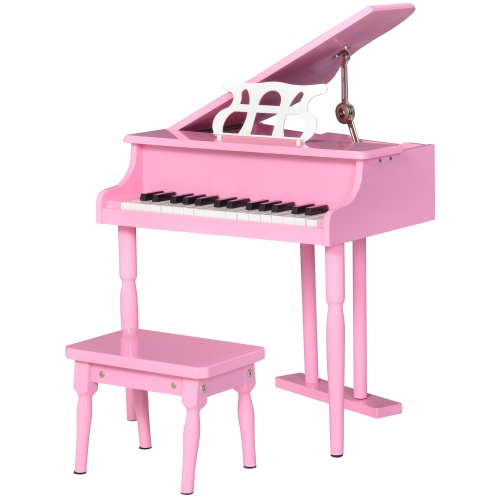
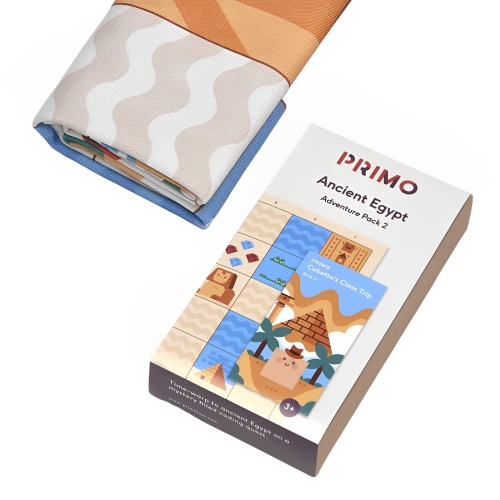

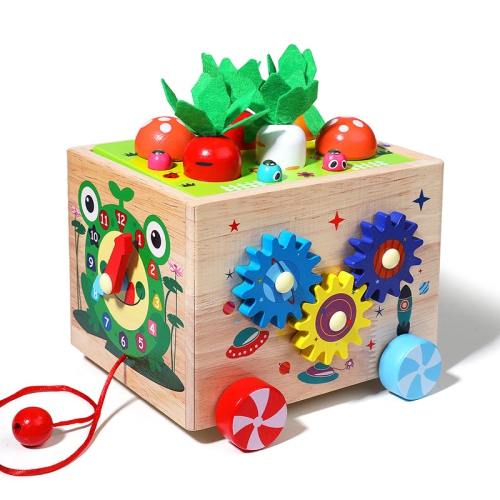
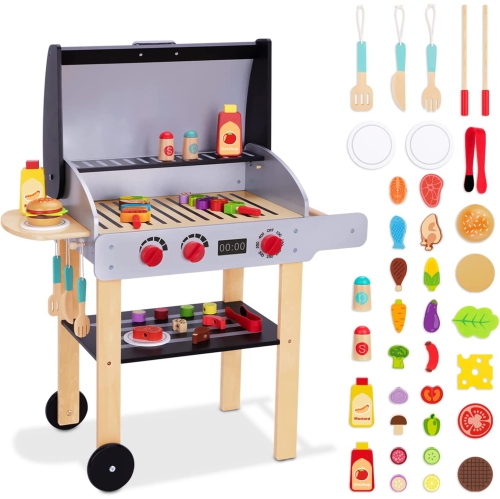
Toys that follow your child’s curiosity through everyday play
Children’s toys bring play into the small moments of a day, from a quiet activity at the kitchen table to an imaginary adventure that stretches across the living room. Different kinds of play give children different ways to explore their interests: building encourages experimentation, pretend play makes room for storytelling, and puzzles invite patience and problem-solving. A child who enjoys taking things apart may gravitate towards construction toys, while another may spend an afternoon inventing conversations between favourite characters. Neither approach needs a fixed outcome to be worthwhile. Toys with several ways to play can hold a child’s attention as their ideas change, especially when pieces can be arranged, sorted, stacked, or worked into a larger story. Age recommendations are an important starting point, but a child’s interests, dexterity, and comfort with a challenge also matter. For younger children, easy-to-grasp shapes and straightforward actions can make play more satisfying. Older children may enjoy more intricate assembly, longer activities, or games that involve planning ahead. A task that feels manageable with a little effort often gets more use than one that requires constant adult help. The way children play together matters, too. Cooperative activities can suit siblings who enjoy working towards a shared result, while turn-taking games create opportunities to practise listening and following rules. Solo activities have their own place, offering something absorbing during a quiet afternoon or while an adult prepares dinner nearby. For children with different sensory preferences, details such as texture, sound level, flashing lights, and the force needed to move a part can make a meaningful difference. Familiar themes may help a child settle into play, while open-ended toys leave room for surprising new ideas. A thoughtful mix can support both: something that connects with an established interest and something flexible enough to follow wherever curiosity leads.
Materials, construction, and care all influence how well children’s toys fit into everyday family life. Smoothly finished wood can offer a solid feel for hands-on play, while moulded plastic may be lighter to carry and easier to wipe clean, depending on its finish and design. Fabric and plush toys provide a softer texture, though washing instructions vary considerably, particularly when a toy contains a sound unit or other electronic parts. Check whether a fabric cover is removable, whether surface cleaning is required, and whether the toy needs to dry completely before being put away. Toys used around food, taken on outings, or shared between children may need more frequent cleaning than those kept in a bedroom. Follow the manufacturer’s care instructions rather than assuming every material can handle soaking, disinfectants, or machine washing. Durability is just as much about small details as the main material: secure seams, firmly attached parts, sturdy connections, and pieces that tolerate repeated handling all deserve attention. Moving parts should work as intended without needing excessive force, and damage such as cracks, splinters, or loose stitching is a reason to pause play and assess the toy. Safety information should always take priority over a child’s enthusiasm for a particular activity. Follow age labels and warnings, keep small parts away from children under three, and consider younger siblings who may enter a shared play area. Toys containing magnets or button batteries need particular care; battery compartments should remain secured, and loose magnets or batteries must be kept out of children’s reach. For toys a child rides, wears, or climbs on, fit includes the stated height or weight limits, stability, and the space needed to use them safely. Adjustable features may help accommodate growth, but they do not replace the manufacturer’s suitability requirements. Electronic toys also involve practical considerations such as charging, battery replacement, volume settings, and adult help with setup. Where a toy connects to an app or online features, checking device compatibility and parental controls in advance can prevent frustration when play begins.
The best fit for a household often comes down to where play happens and how easily it can start, pause, and be tidied away. A large floor activity needs enough clear space to spread out without blocking a busy walkway, while a tabletop activity should leave room for children to reach pieces comfortably. In a shared room, manageable sound levels and a defined play area can help different activities happen alongside one another. Storage is worth considering before an intricate project takes over the dining table: a shallow container can keep loose pieces together, and a suitable tray can make it easier to move unfinished work out of the way. Toys with many components may suit a child who enjoys sorting and organising, but they can be less convenient for outings or quick play between daily routines. For travel and visits with family, compact activities with fewer loose parts are often easier to manage. During the cooler months, a balance of quiet play, imaginative activities, and movement suited to the available indoor space can bring variety to longer stretches at home. Gifts feel especially personal when they reflect what a child actually enjoys doing, whether that means creating stories, solving a challenge, making something by hand, or playing with others. For birthdays, family celebrations, and holiday giving, the recipient’s age is only part of the picture; household space, caregiver preferences, and any younger children nearby are useful considerations as well. Those planning a seasonal gift can explore Children's Christmas Toys with those everyday needs in mind. Think about the experience after the wrapping comes off: whether an adult will need to assemble it, whether play requires extra supplies, and whether the child can return to it independently. A toy that suits a child’s interests and daily routines has room to become part of many different afternoons, rather than just one exciting occasion.
Top selling and popular products
-
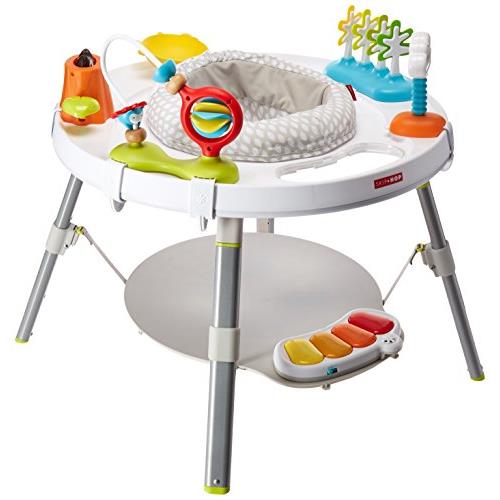 Your price for this item is $299.13
-
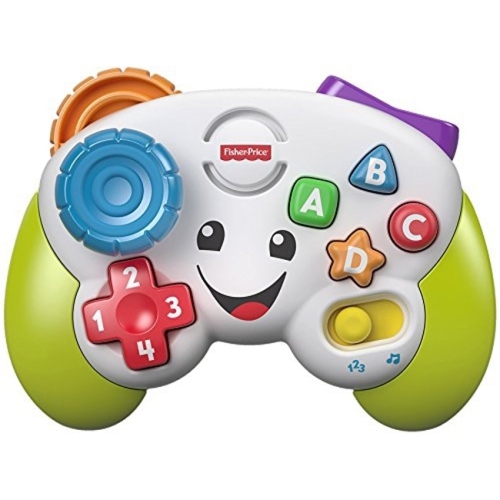 Your price for this item is $24.28
-
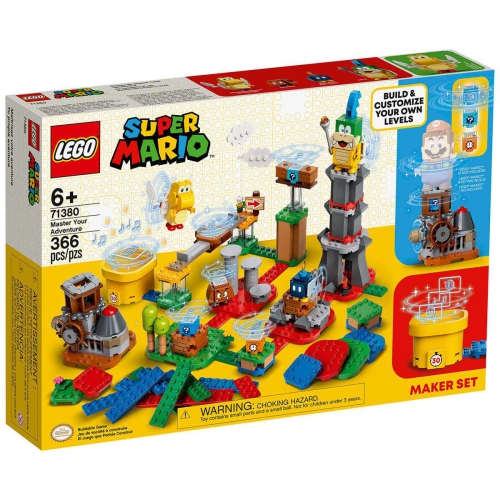 Your price for this item is $103.27
-
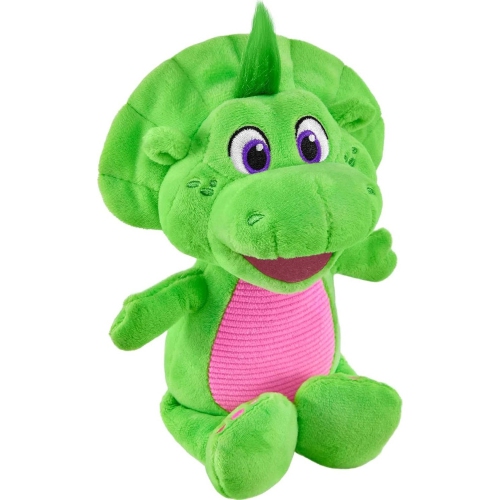 Your price for this item is $17.24
-
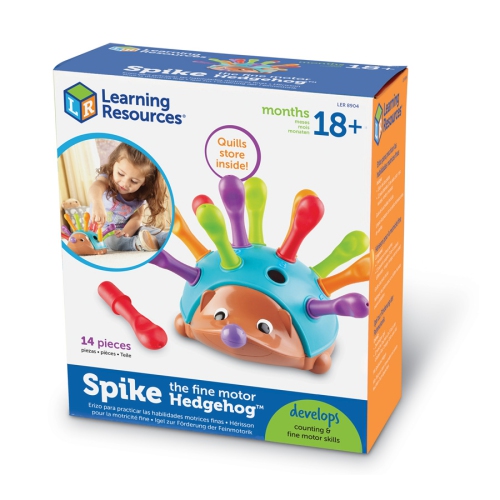 Your price for this item is $56.13
-
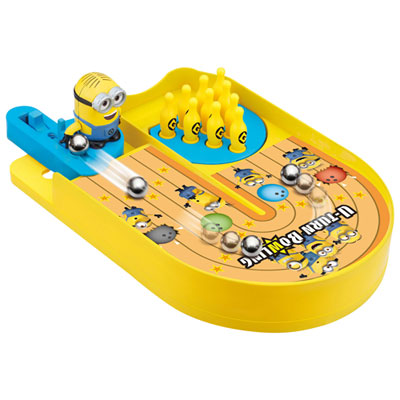 Your price for this item is $19.99
-
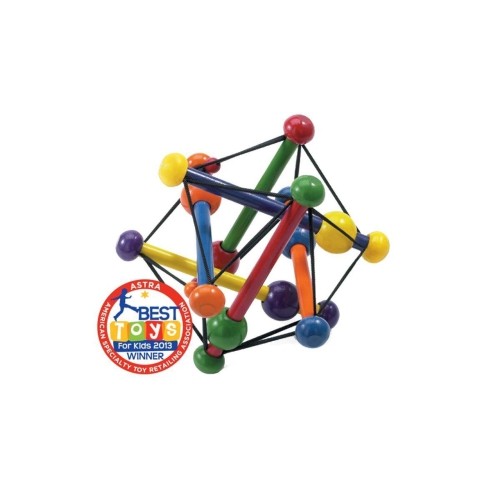 Your price for this item is $29.99
-
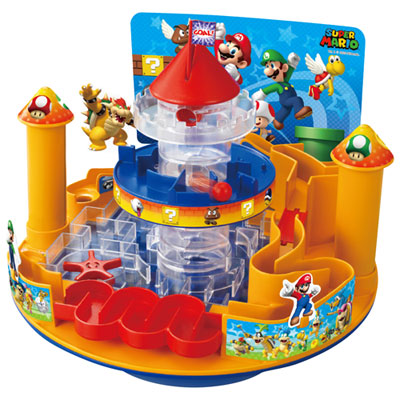 Your price for this item is $39.99
Discover more categories related to Children Toys

Top Collections:
Pokemon Centers, Kindle Devices, Best Cameras for Sports Photography, Pokémon 30th Celebration Cards, Apple iPhones 16, Canon G7X Cameras, iPhone 15 Apple, Flip Phones, Samsung Galaxy Phones, Alarm Clock
Some products may be subject to Environmental Handling Fees
(EHF) depending on your province.
Learn more about EHFs.