Childrens Building Blocks
Unlock a world of creativity and fun with children's building blocks, the perfect tool to inspire young minds. These versatile toys offer endless possibilities for imaginative play, helping to develop essential skills such as problem-solving, hand-eye coordination, and spatial awareness. Whether your child is constructing towering skyscrapers or crafting intricate castles, building blocks provide a foundation for learning and exploration. Available in a variety of shapes, sizes, and vibrant colors, they are designed to captivate the curiosity of children while fostering an engaging and educational playtime experience. Dive into the realm of endless creativity and watch as your child's imagination takes shape one block at a time.
Sort
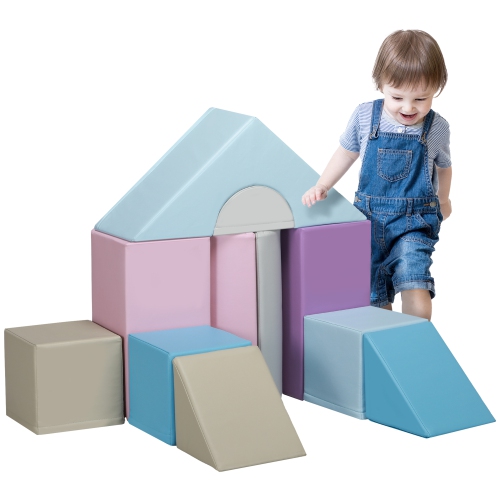
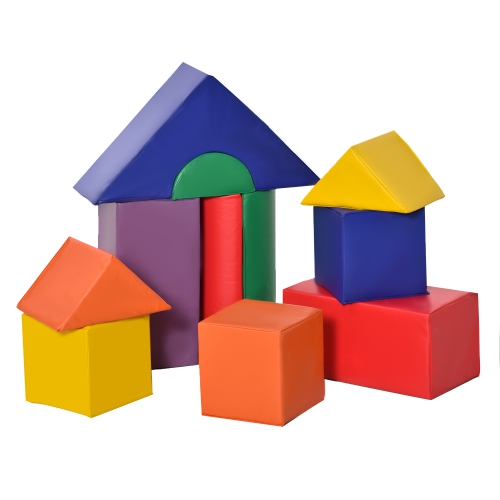
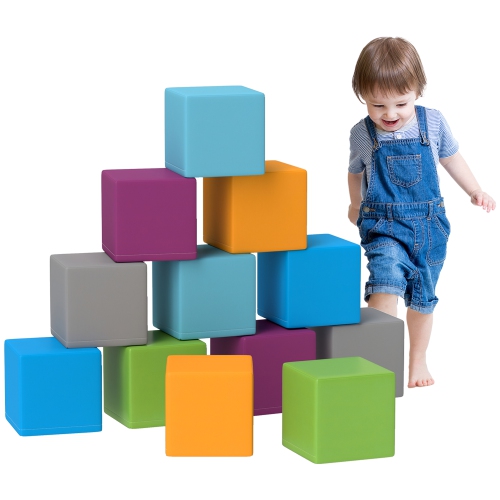
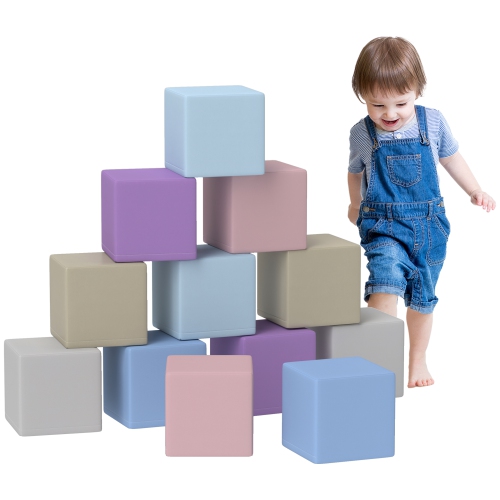
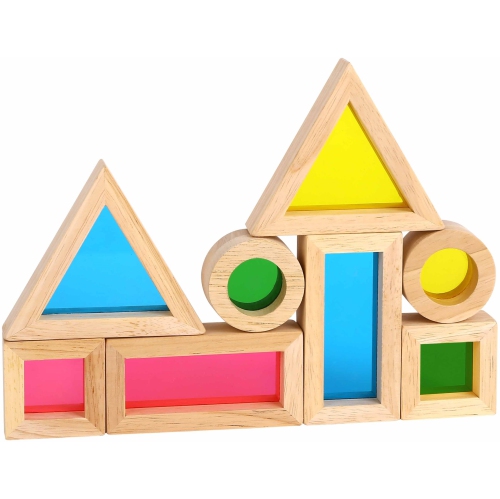
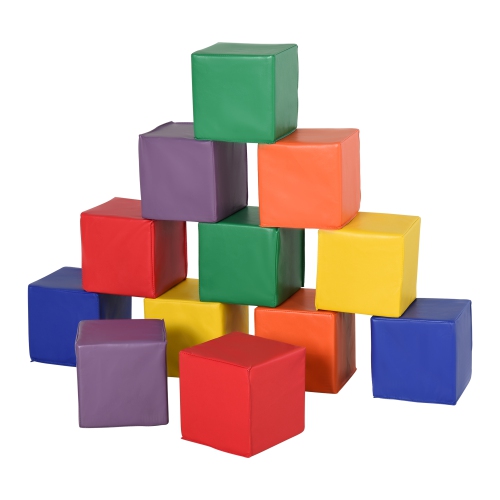
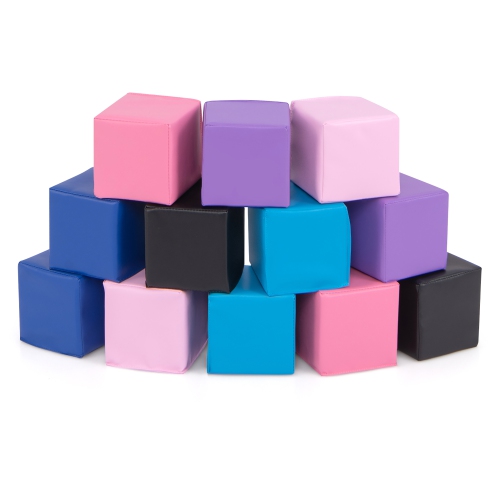
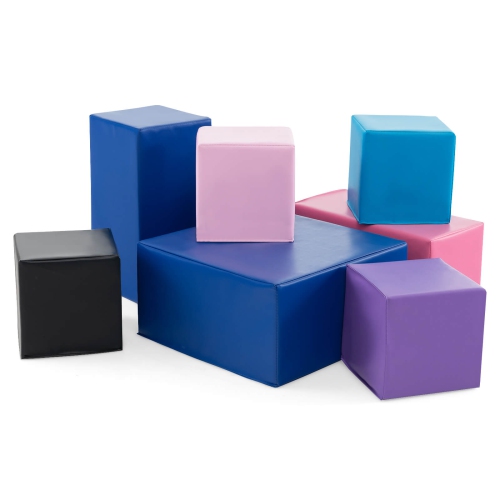
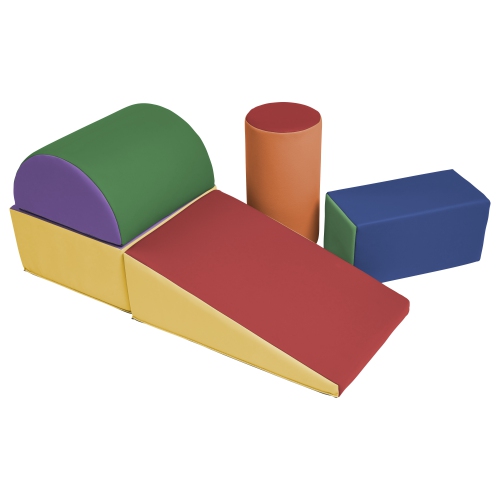
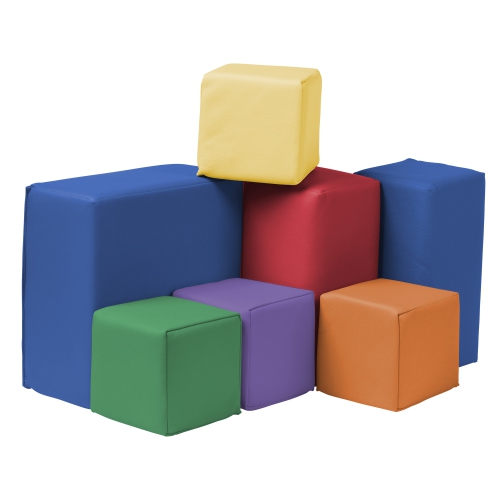
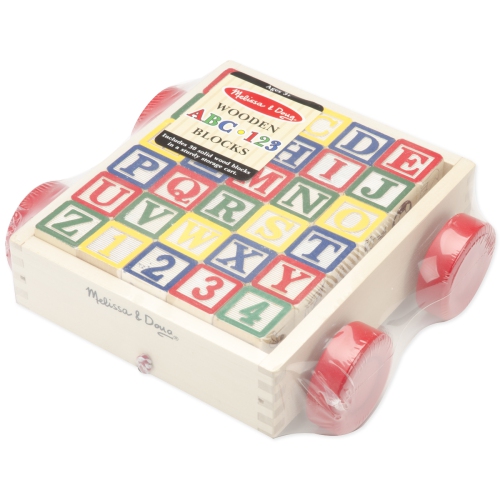
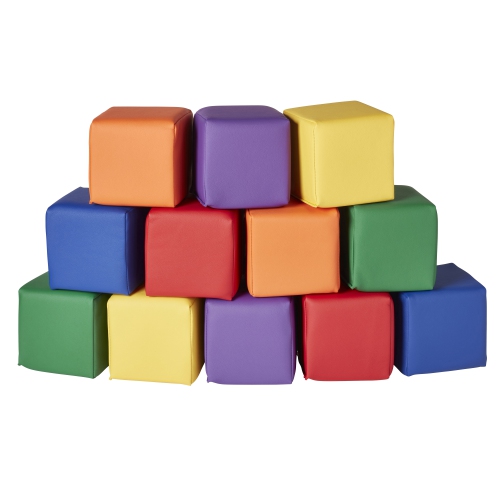
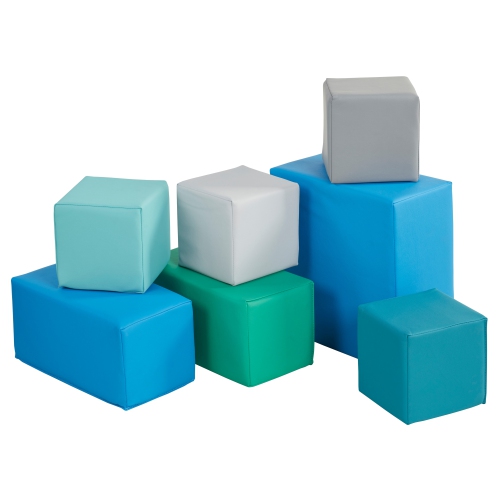

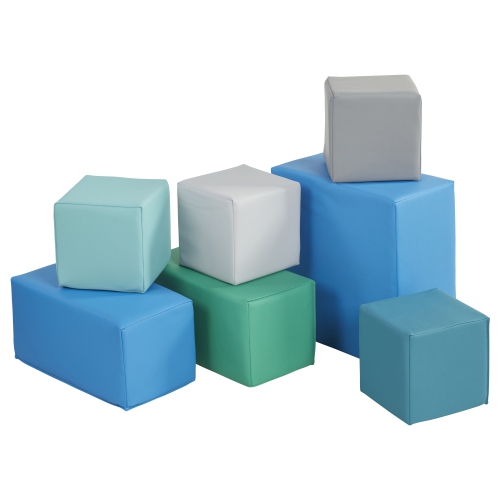
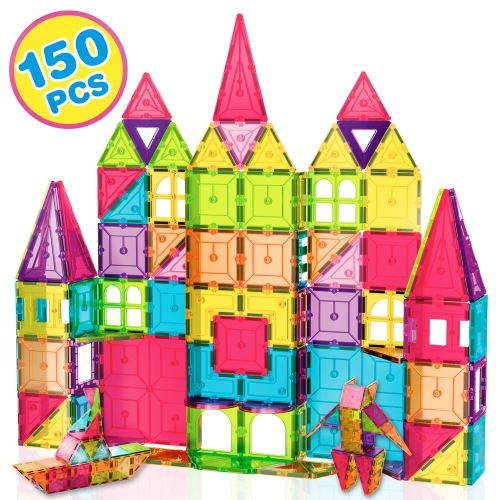
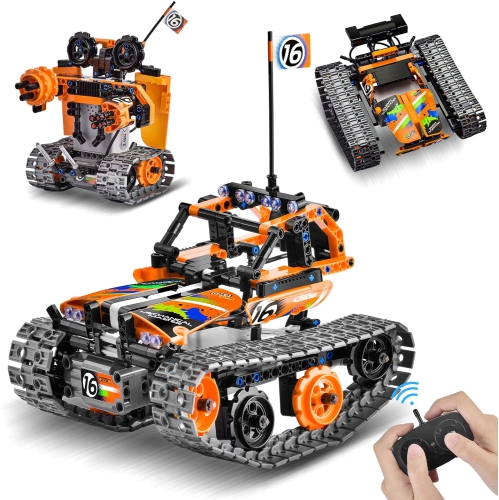
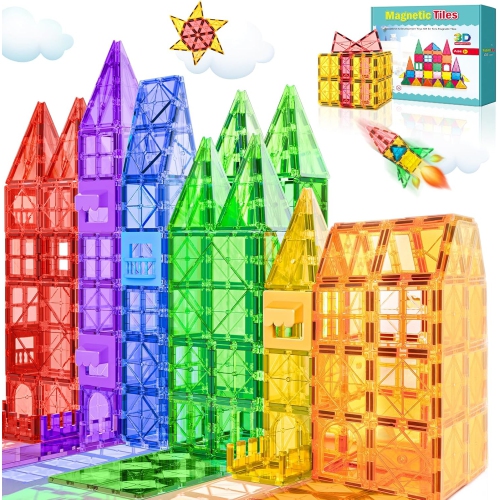
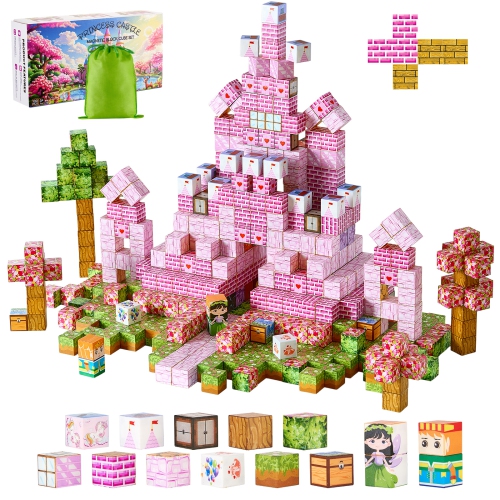

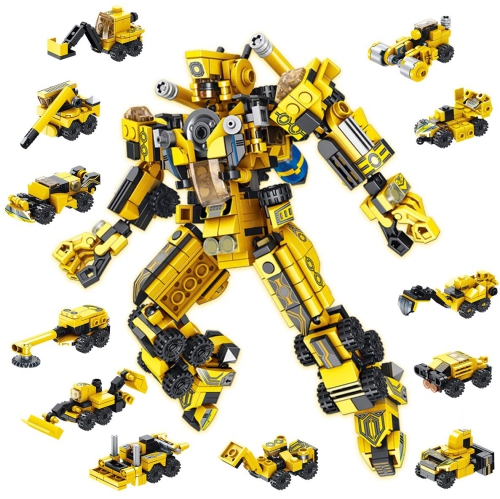
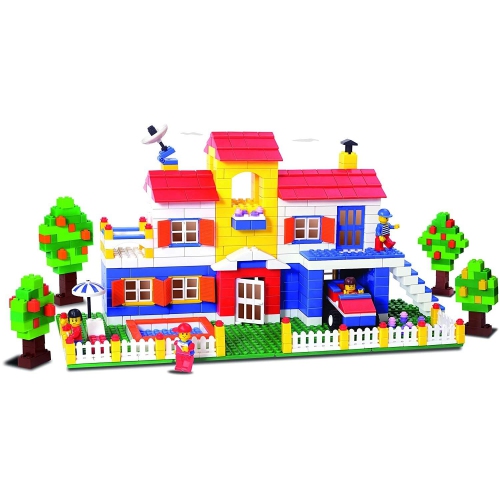

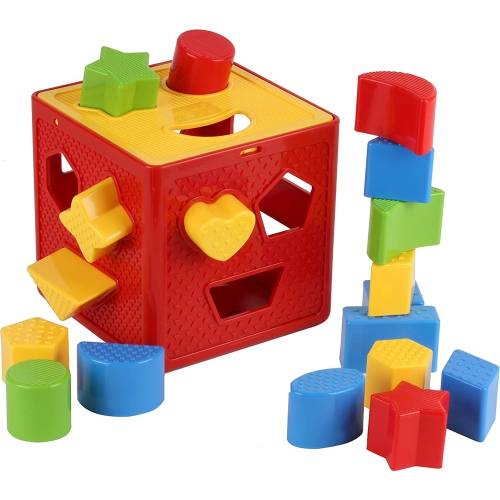
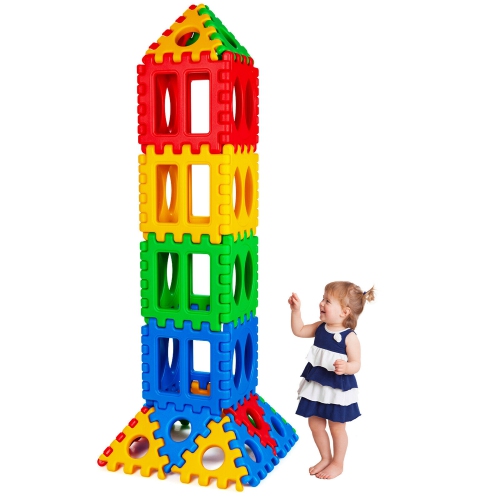
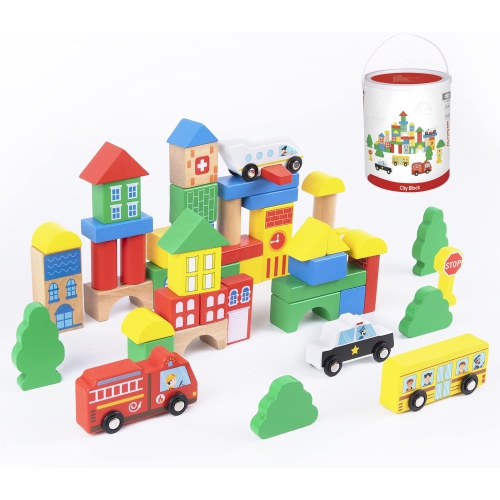
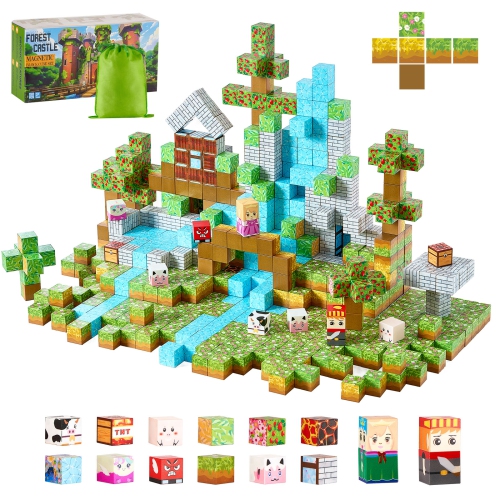

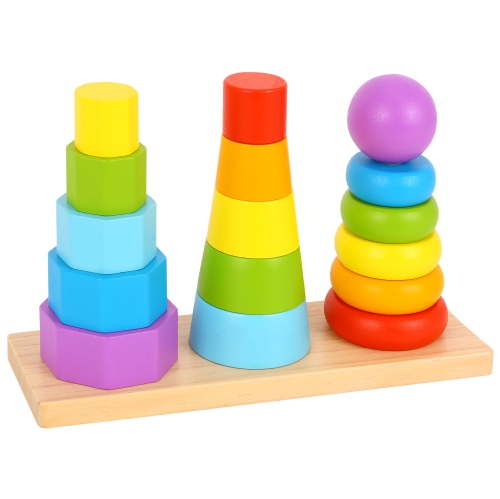
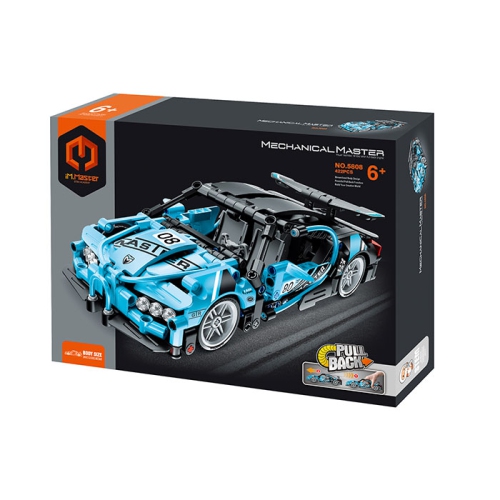
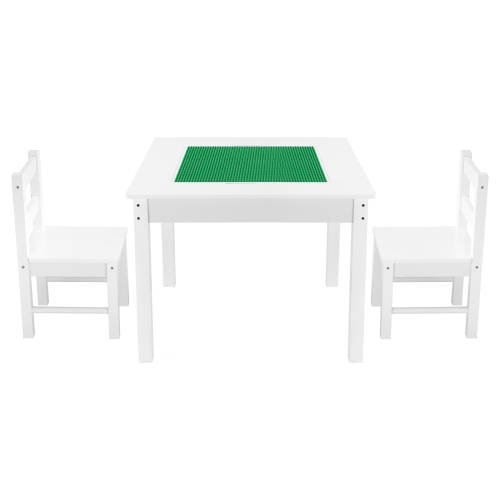
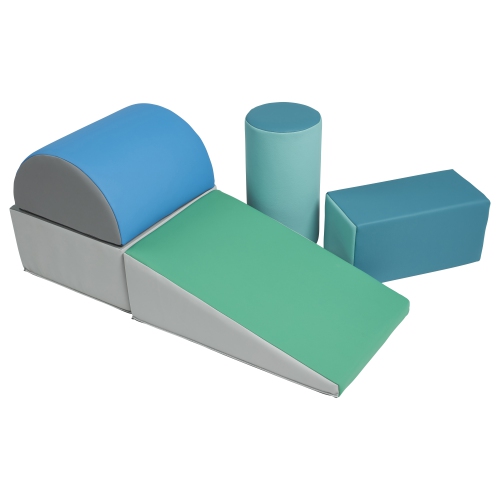
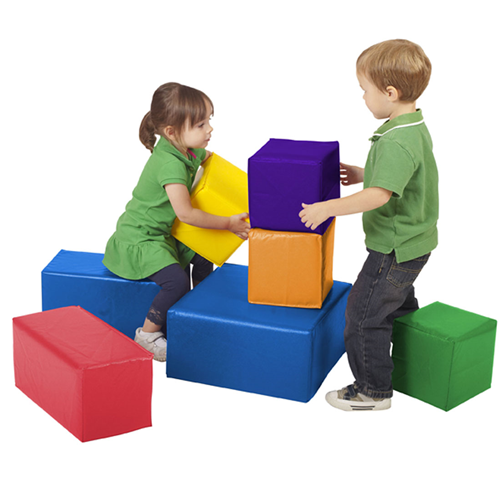
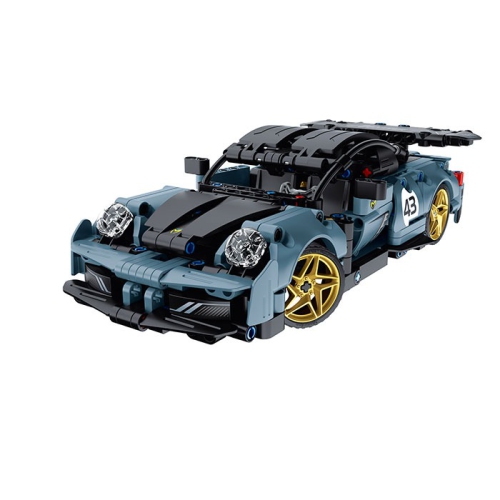
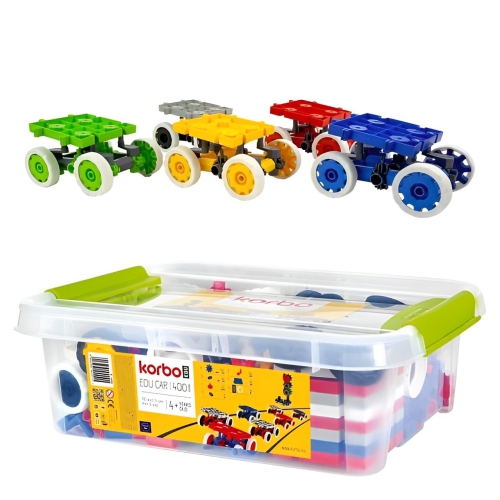
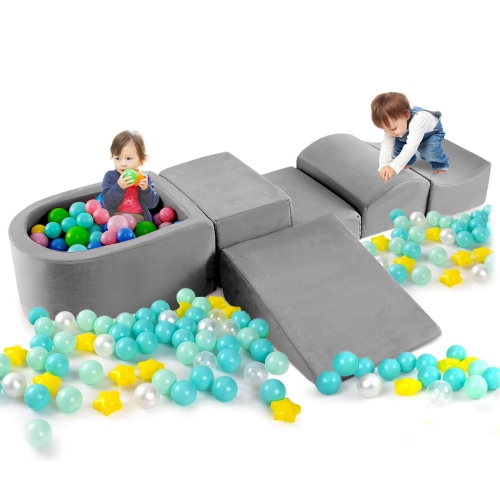
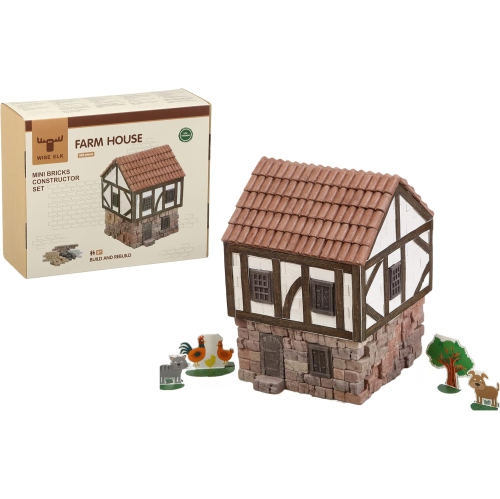
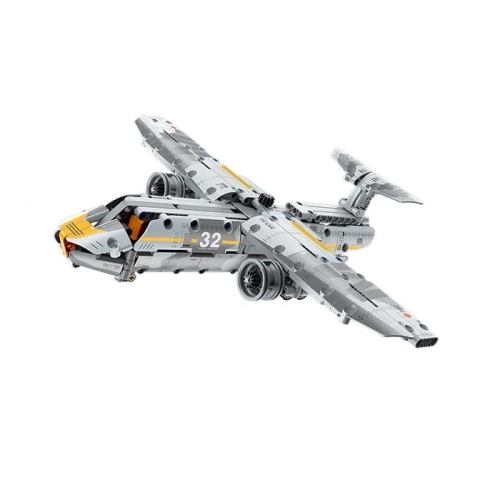
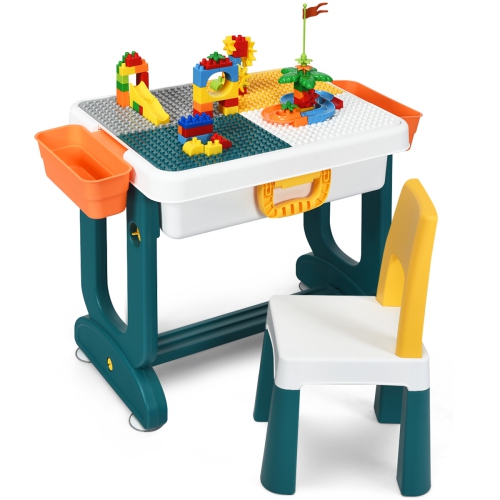
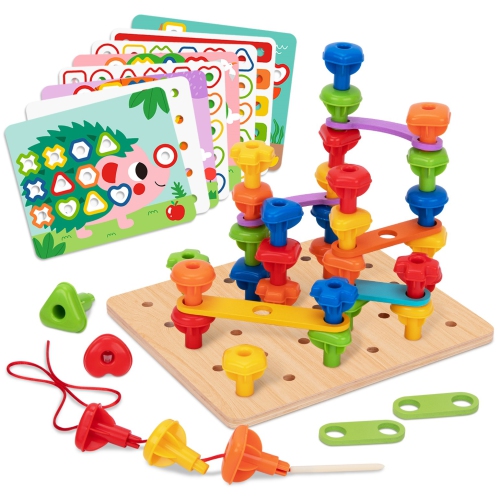
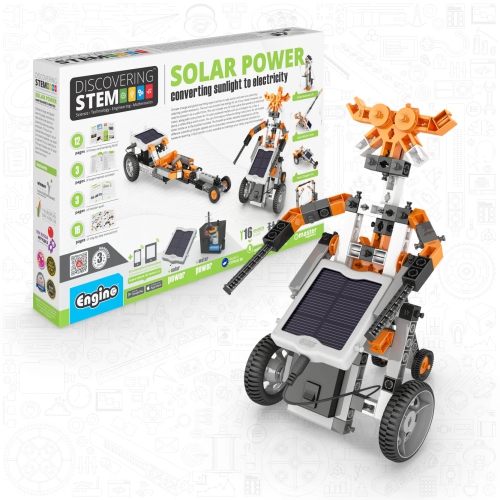
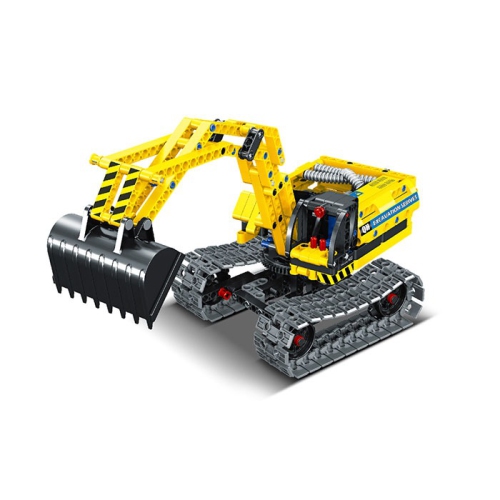
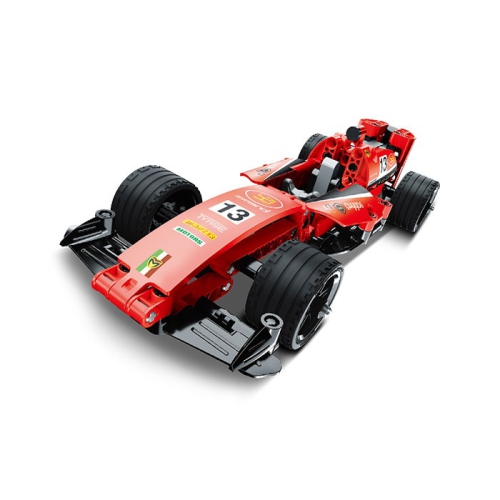
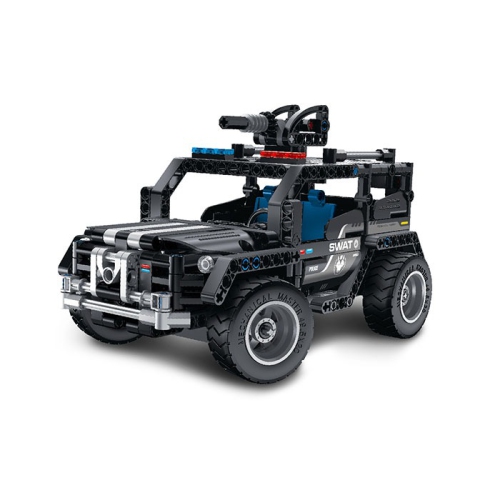
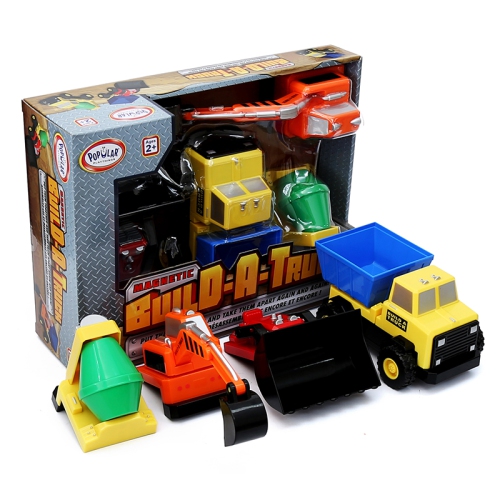
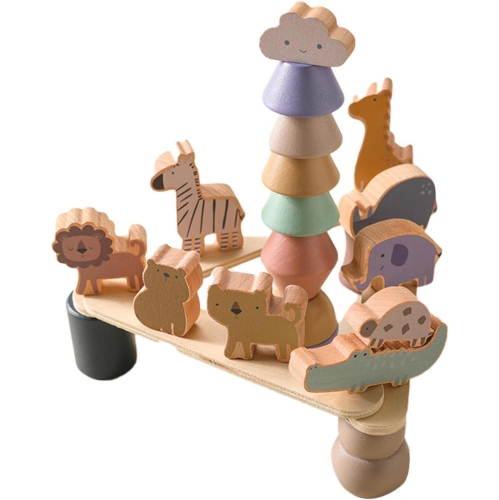
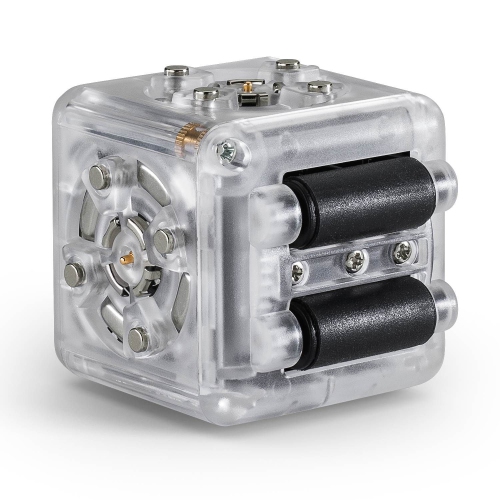
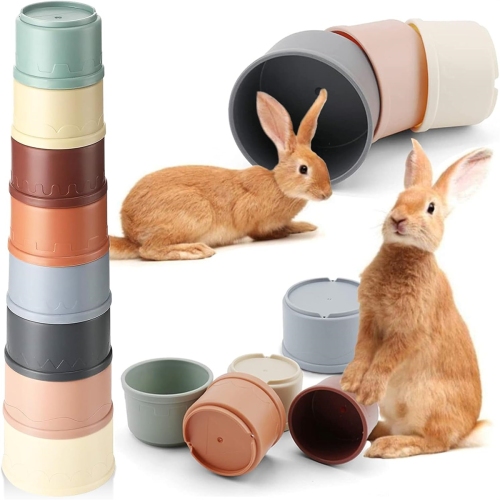
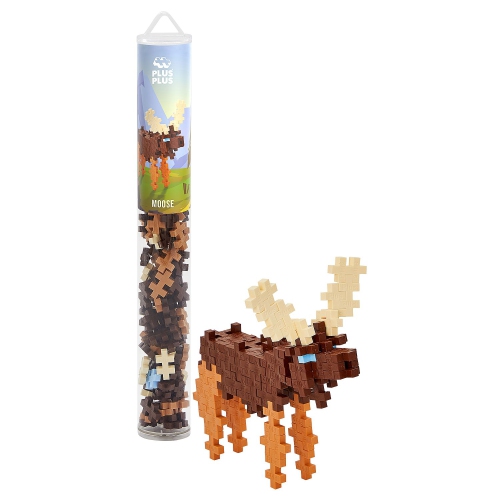
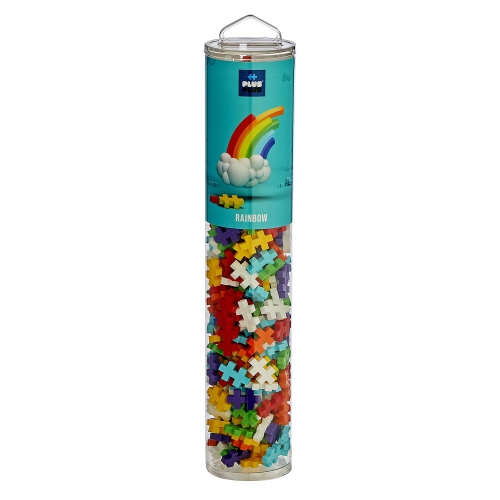
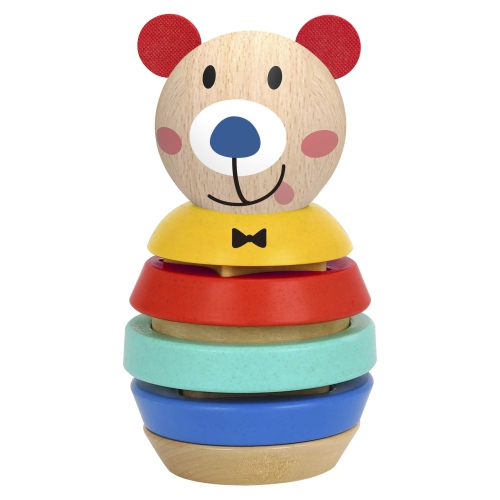
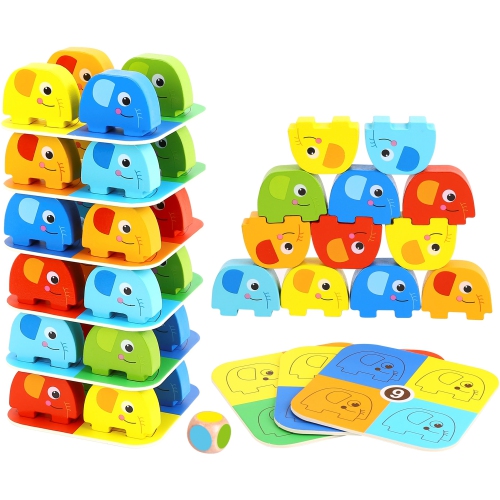
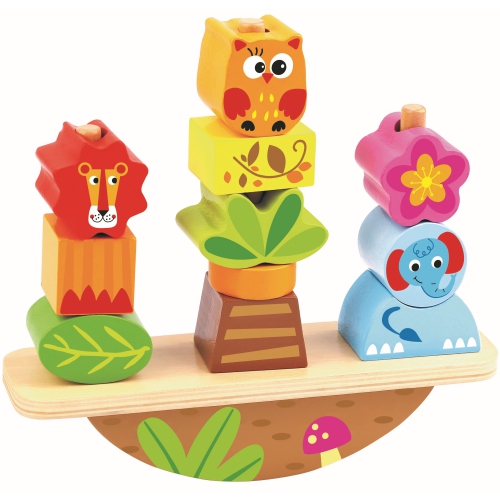
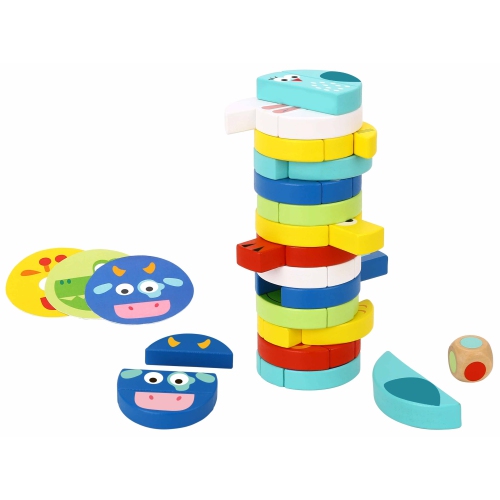
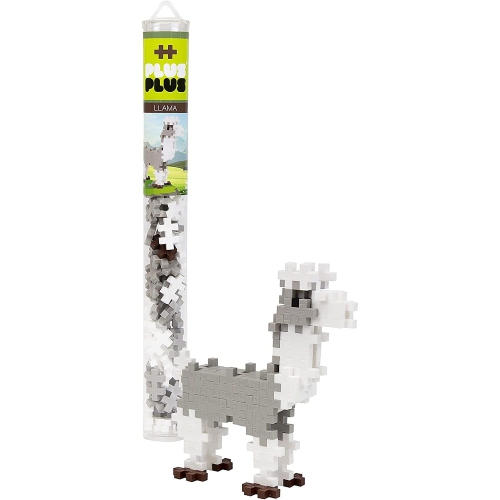
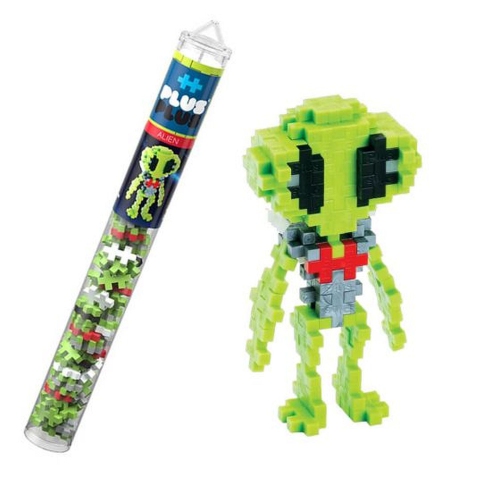
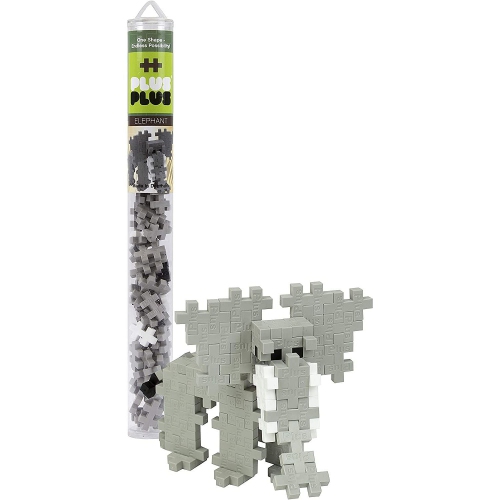
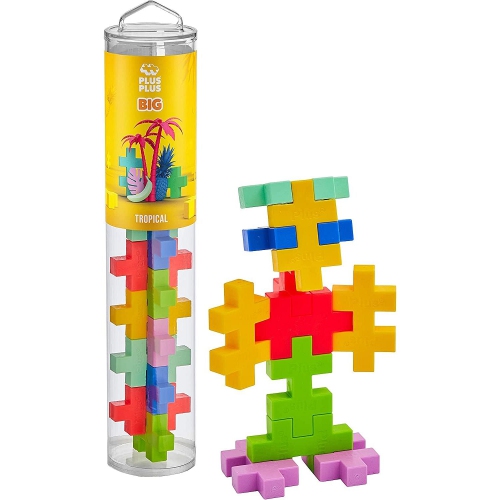
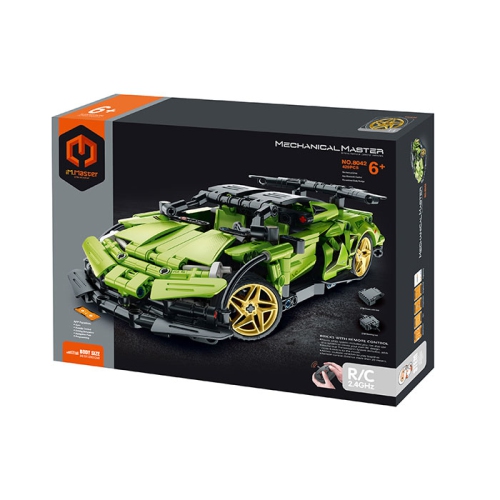
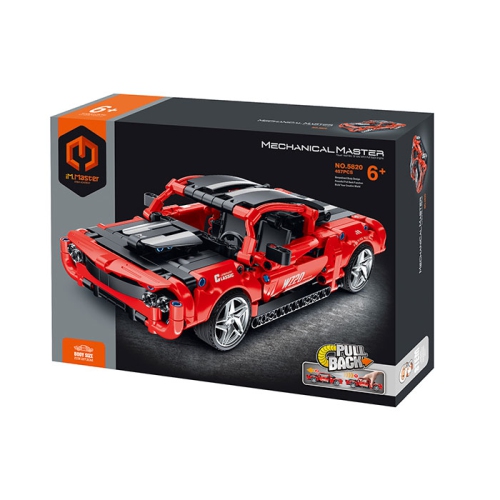
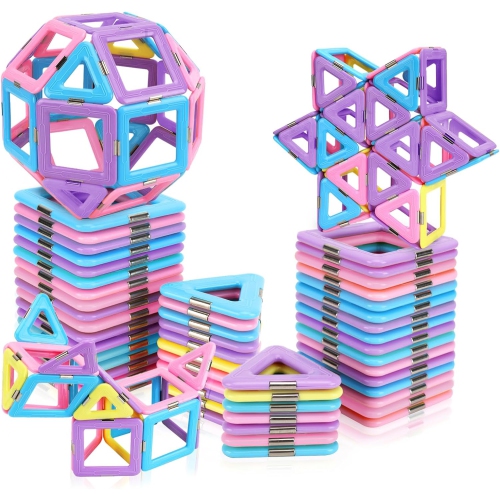

Open-ended building play for creativity, coordination, and problem-solving
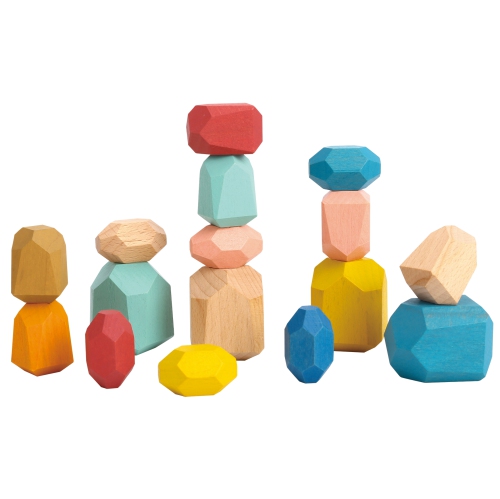
Children’s building blocks are open-ended toys that invite children to create, take apart, and begin again. A simple collection of cubes, arches, cylinders, connectors, or other shapes can become a tower, bridge, house, roadway, animal enclosure, or an entirely new idea that exists only in a child’s imagination. As children stack and balance pieces, they practise hand-eye coordination, fine motor control, spatial awareness, and early problem-solving through hands-on play. They also begin to explore practical concepts such as size, weight, symmetry, stability, and gravity without needing a formal lesson. One of the appealing qualities of building blocks is that there is no single correct result. A young child may enjoy filling a basket, sorting pieces by colour, or making a short row, while an older child may spend an afternoon designing a multi-level structure with rooms, ramps, and moving parts. This flexibility makes building blocks suitable for a wide range of play styles and developmental stages. They can be used independently during quiet time, shared between siblings, or incorporated into imaginative games with figures, toy vehicles, animals, and other playroom favourites. During the cooler months, when indoor activities become especially welcome, a building project can turn a kitchen table or playroom floor into a space for focused creativity. Parents, grandparents, relatives, and friends may also choose building blocks as a practical gift for a birthday, special occasion, or simply to add a fresh challenge to a child’s collection. For more options across different construction styles, explore Building Block Sets.
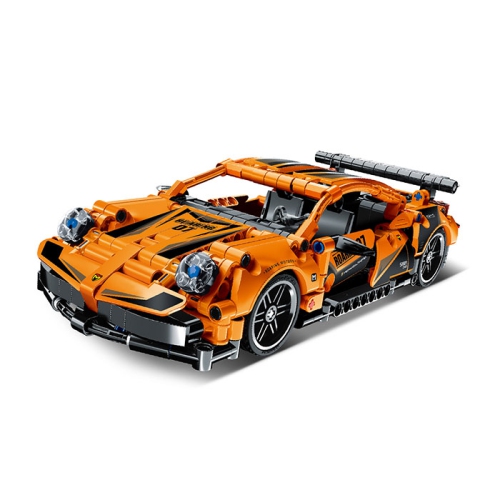
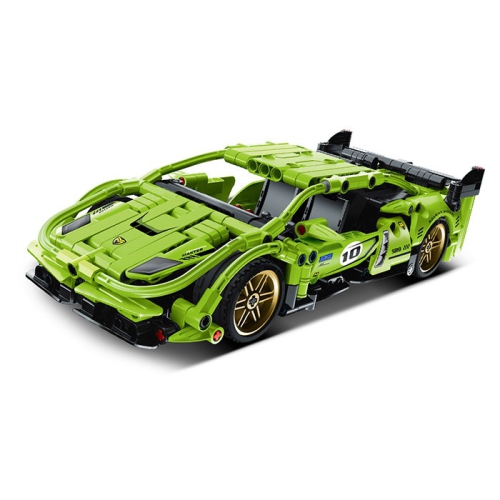
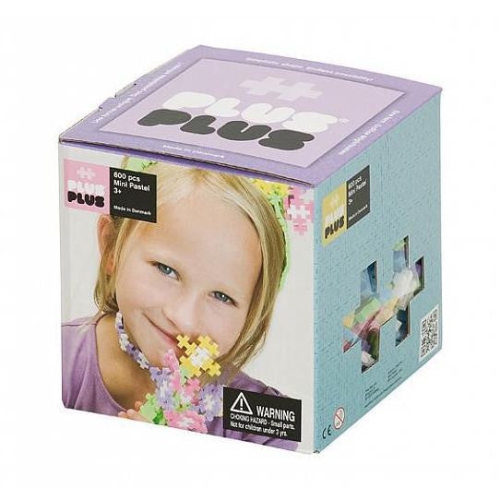
When choosing children’s building blocks, start with the child’s age, abilities, and preferred way to play. Manufacturer age recommendations are an important guide because some sets contain small pieces that may not be appropriate for younger children. For toddlers and preschoolers, look for larger blocks that are easy to grasp, connect, stack, and separate. Chunky interlocking pieces can help children learn how parts fit together, while large foam or plastic blocks may be well suited to building broad walls, tunnels, forts, and other oversized structures. For children who enjoy arranging and sorting, traditional wooden blocks in varied shapes can encourage open-ended construction and early pattern play. Smooth surfaces, rounded edges, and a comfortable weight can make blocks easier for small hands to handle. Older children may be ready for smaller interlocking bricks, more detailed construction pieces, or magnetic tiles that support increasingly complex designs. Magnetic options can be engaging for children who like to experiment with triangles, squares, angles, and three-dimensional forms, though adult supervision and careful attention to the manufacturer’s guidance remain important. Consider how the child usually plays as well as what they are likely to build. A child who enjoys storytelling may appreciate pieces that support homes, castles, shops, or community scenes, while a child who prefers puzzles and engineering challenges may respond to connectors, wheels, ramps, or structures that follow a particular building theme. Colour can also influence play, with bright assortments encouraging imaginative scenes and more uniform sets allowing children to focus on shape, balance, and design. Choosing a set with enough variety to spark new ideas, without overwhelming the child with too many pieces, can help keep play inviting and manageable.
Material, cleaning, storage, and the available play space are also worth considering before making a purchase. Wooden blocks offer a classic feel and a solid weight that makes stacking satisfying, while plastic pieces are often lightweight, easy to wipe clean, and convenient for frequent use. Foam blocks can be gentler for large indoor constructions and may be easier to move when children are building on their own. If blocks are likely to be used in a busy family room, look for durable pieces that can withstand repeated stacking, knocking down, and rebuilding. Smooth, washable surfaces are helpful for toys shared by siblings or used on the floor, and it is wise to follow the care instructions for the selected material. Storage can make a noticeable difference to how often a set is used: a sturdy box, handled container, drawstring bag, or divided case helps keep pieces together and makes tidying up less of a chore. It can also prevent a favourite connector or unusual-shaped block from disappearing under furniture. Before buying, think about whether the child has a shelf, play table, floor area, or dedicated bin where the collection can live. A smaller set may suit a bedroom or compact apartment, while larger blocks need more open floor space for safe building and movement around the structure. Building together can be just as rewarding as independent play. An adult can offer a starting idea, describe what makes a tower stable, or invite the child to explain their design, while leaving plenty of room for the child to lead. The most memorable creations are often the imperfect ones: a leaning tower that survives one more block, a colourful bridge that becomes part of an elaborate story, or a fort rebuilt several times as new ideas take shape.
When choosing children’s building blocks, start with the child’s age, abilities, and preferred way to play. Manufacturer age recommendations are an important guide because some sets contain small pieces that may not be appropriate for younger children. For toddlers and preschoolers, look for larger blocks that are easy to grasp, connect, stack, and separate. Chunky interlocking pieces can help children learn how parts fit together, while large foam or plastic blocks may be well suited to building broad walls, tunnels, forts, and other oversized structures. For children who enjoy arranging and sorting, traditional wooden blocks in varied shapes can encourage open-ended construction and early pattern play. Smooth surfaces, rounded edges, and a comfortable weight can make blocks easier for small hands to handle. Older children may be ready for smaller interlocking bricks, more detailed construction pieces, or magnetic tiles that support increasingly complex designs. Magnetic options can be engaging for children who like to experiment with triangles, squares, angles, and three-dimensional forms, though adult supervision and careful attention to the manufacturer’s guidance remain important. Consider how the child usually plays as well as what they are likely to build. A child who enjoys storytelling may appreciate pieces that support homes, castles, shops, or community scenes, while a child who prefers puzzles and engineering challenges may respond to connectors, wheels, ramps, or structures that follow a particular building theme. Colour can also influence play, with bright assortments encouraging imaginative scenes and more uniform sets allowing children to focus on shape, balance, and design. Choosing a set with enough variety to spark new ideas, without overwhelming the child with too many pieces, can help keep play inviting and manageable.
Material, cleaning, storage, and the available play space are also worth considering before making a purchase. Wooden blocks offer a classic feel and a solid weight that makes stacking satisfying, while plastic pieces are often lightweight, easy to wipe clean, and convenient for frequent use. Foam blocks can be gentler for large indoor constructions and may be easier to move when children are building on their own. If blocks are likely to be used in a busy family room, look for durable pieces that can withstand repeated stacking, knocking down, and rebuilding. Smooth, washable surfaces are helpful for toys shared by siblings or used on the floor, and it is wise to follow the care instructions for the selected material. Storage can make a noticeable difference to how often a set is used: a sturdy box, handled container, drawstring bag, or divided case helps keep pieces together and makes tidying up less of a chore. It can also prevent a favourite connector or unusual-shaped block from disappearing under furniture. Before buying, think about whether the child has a shelf, play table, floor area, or dedicated bin where the collection can live. A smaller set may suit a bedroom or compact apartment, while larger blocks need more open floor space for safe building and movement around the structure. Building together can be just as rewarding as independent play. An adult can offer a starting idea, describe what makes a tower stable, or invite the child to explain their design, while leaving plenty of room for the child to lead. The most memorable creations are often the imperfect ones: a leaning tower that survives one more block, a colourful bridge that becomes part of an elaborate story, or a fort rebuilt several times as new ideas take shape.
Top selling and popular products
-
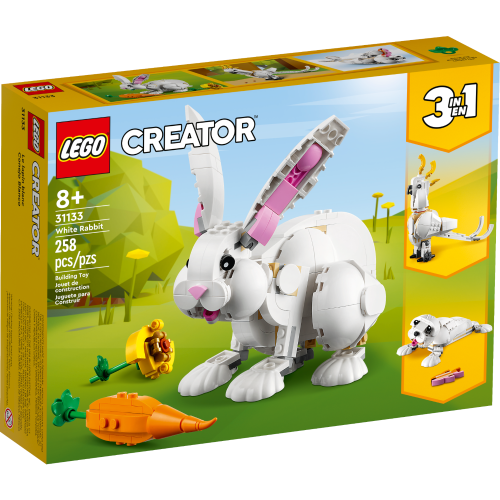 Your price for this item is $38.53
 -
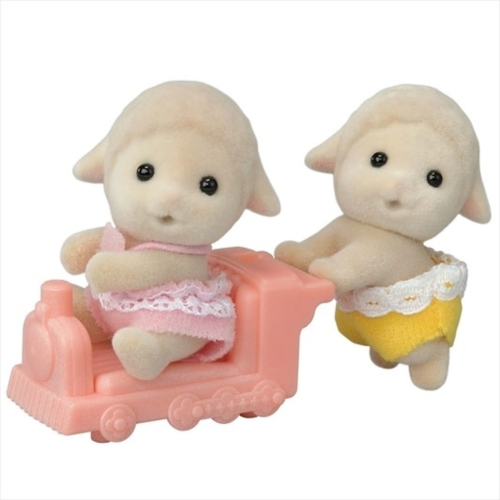 Your price for this item is $93.99
 -
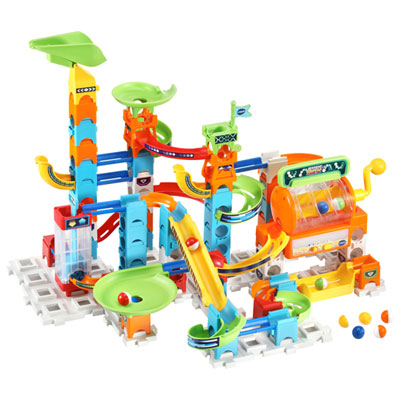 Your price for this item is $59.99
 -
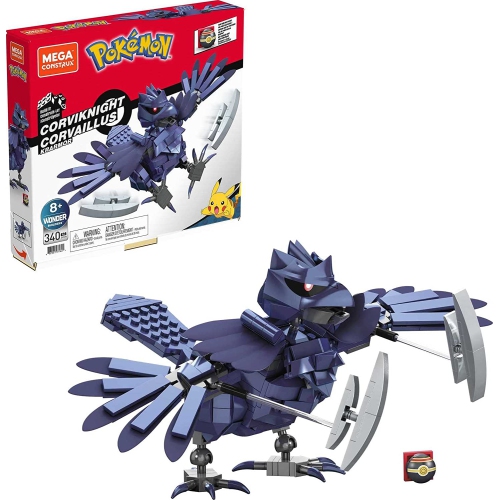 Your price for this item is $51
 -
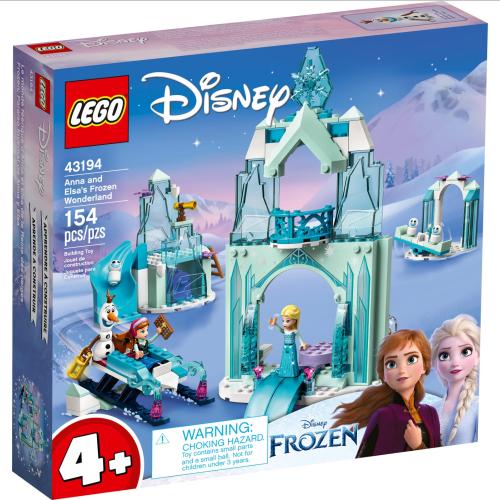 Your price for this item is $108.48
 -
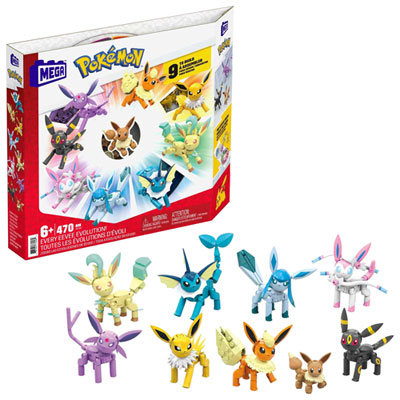 Your price for this item is $82.99
 -
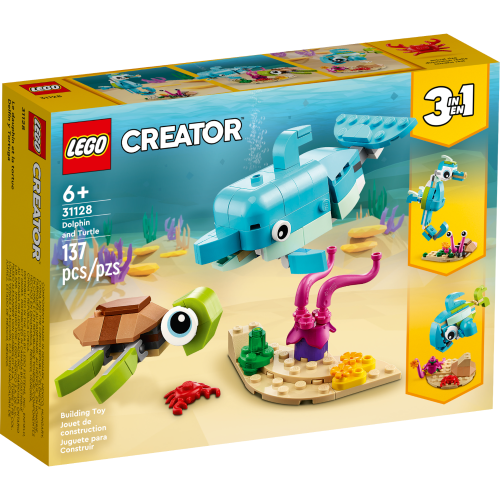 Your price for this item is $55.78
 -
 Your price for this item is $44.99
Discover more categories related to Childrens Building Blocks
Top Collections:
Pokemon Centers, Kindle Devices, Best Budget Office Chairs, Apple iPhones 16, Best Laptops for Writers, iPhone 15 Apple, Canon G7X Cameras, Refurbished Apple Laptops, Alarm Clock, Motorola Razr Phones
Some products may be subject to Environmental Handling Fees
(EHF) depending on your province.
Learn more about EHFs.