Wooden Blocks Toys
Discover the timeless joy of wooden blocks with our collection of quality wooden block toys. Perfect for little ones to explore their creativity and develop essential skills, these classic toys offer endless possibilities for imaginative play. Crafted from durable and sustainable materials, our wooden block toys are designed to withstand years of playtime fun. Check out some great options for your little ones.
Sort
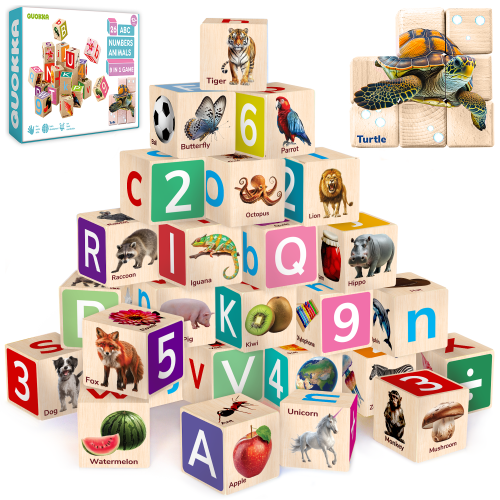
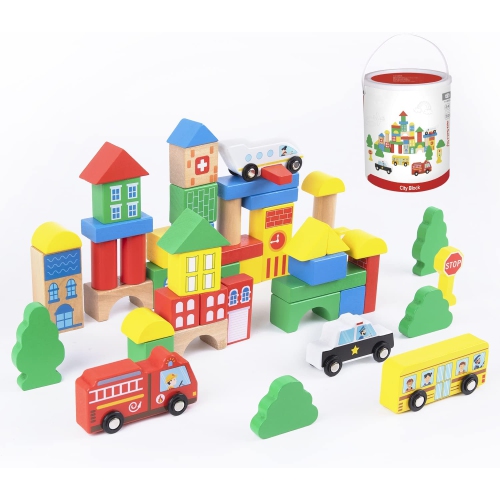
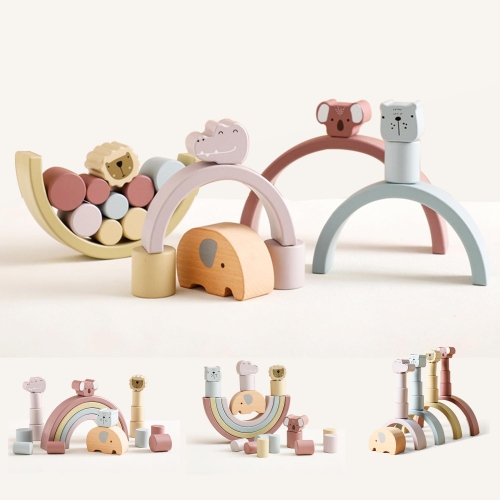
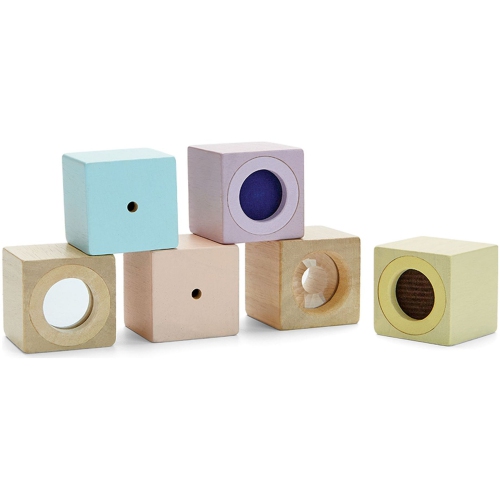
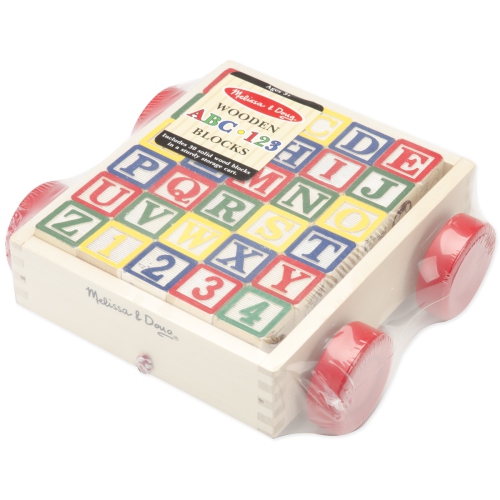
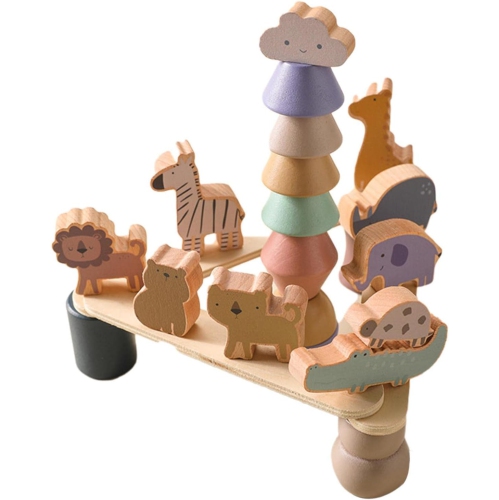
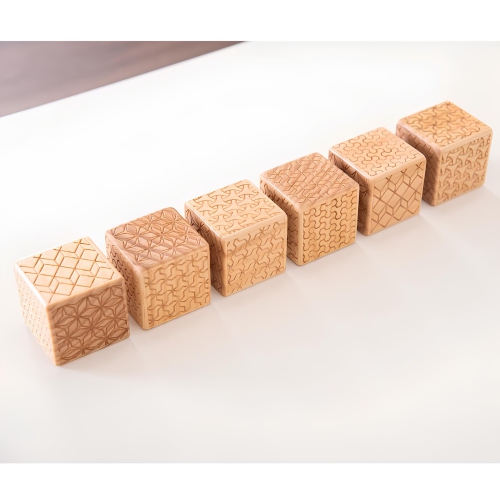
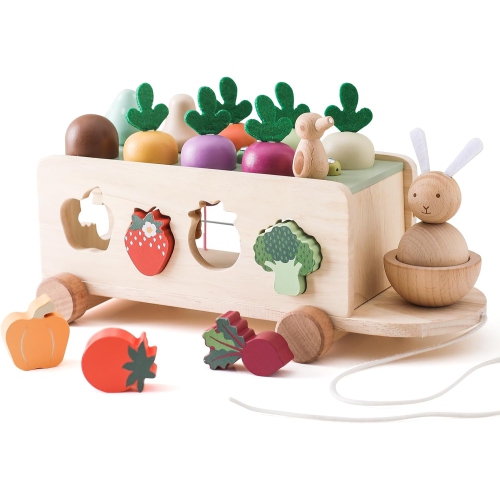
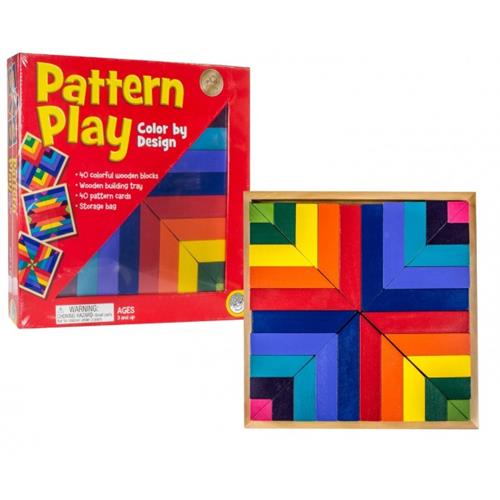
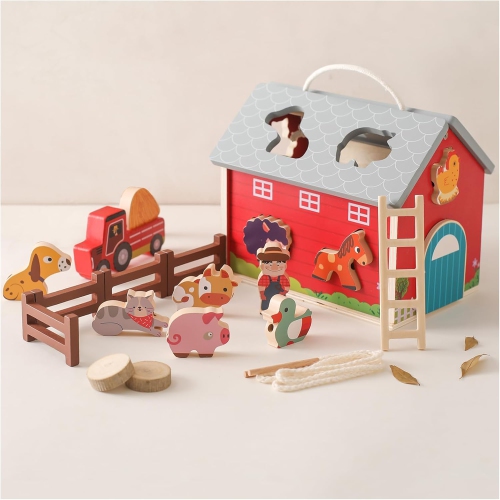

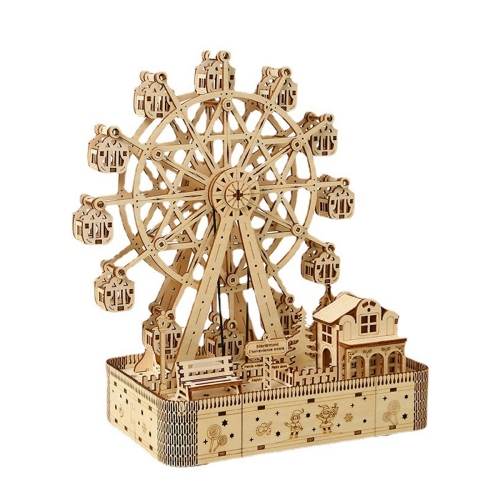
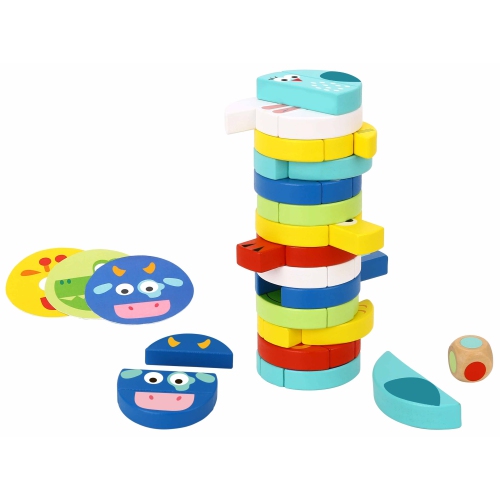

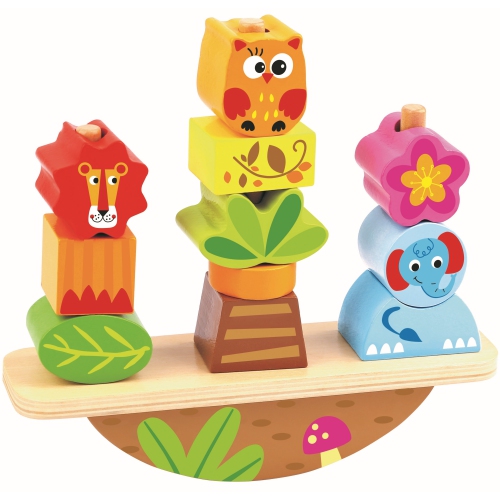
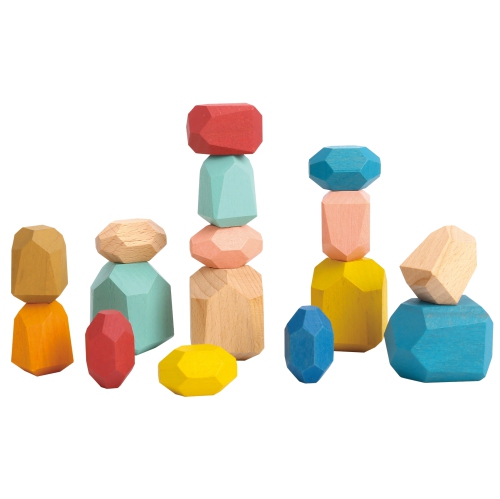
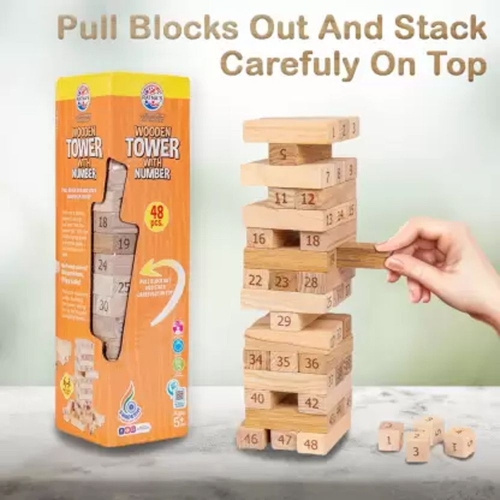
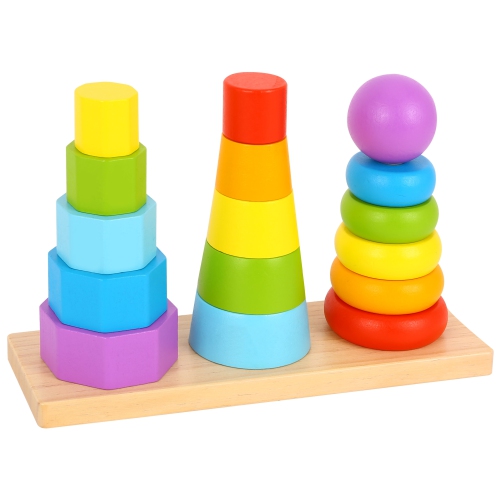
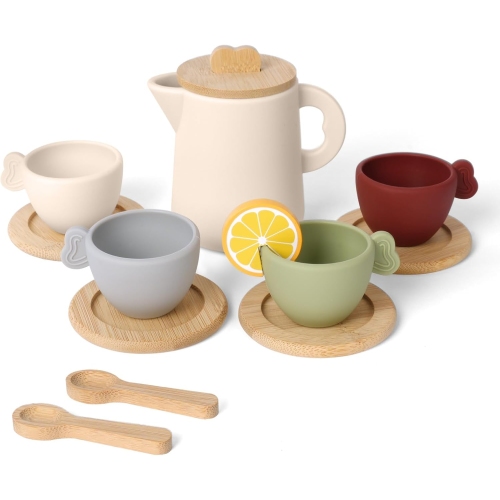
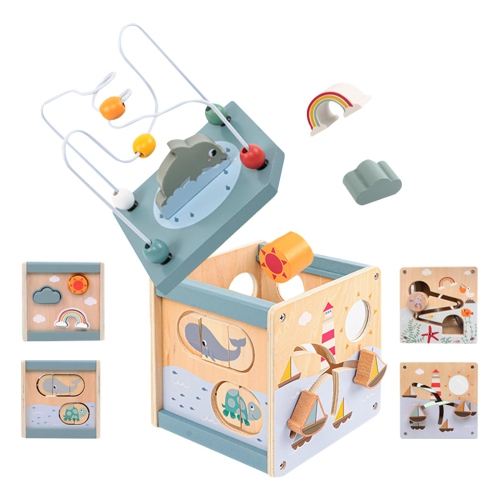
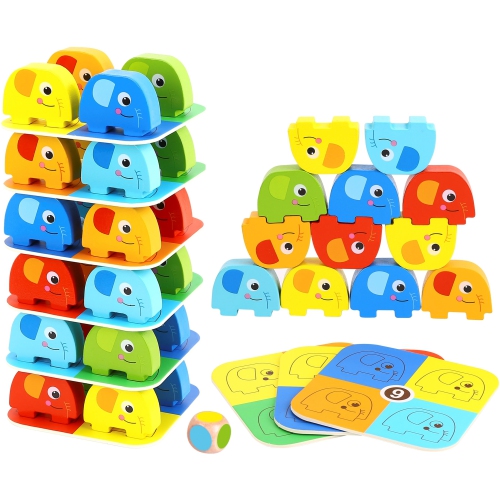
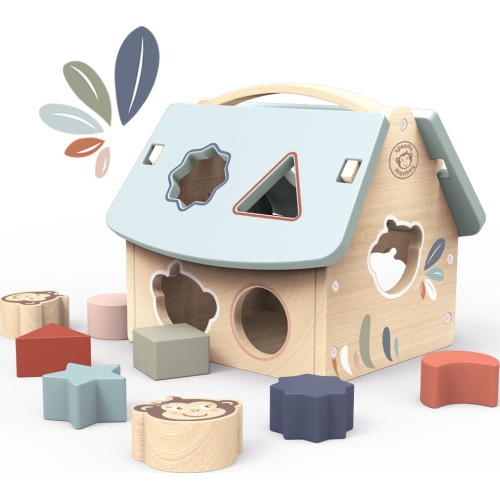
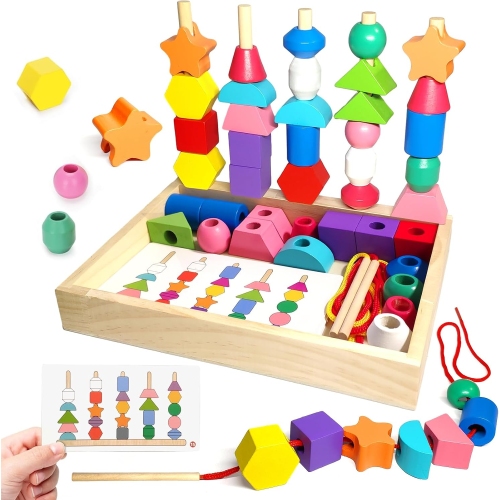
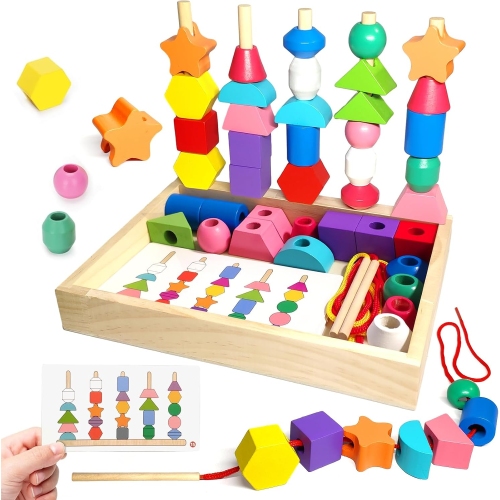
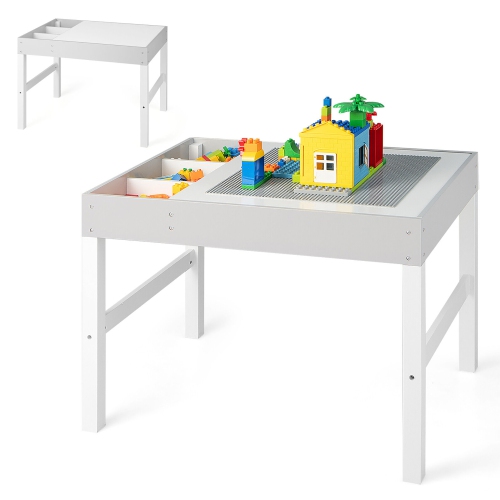
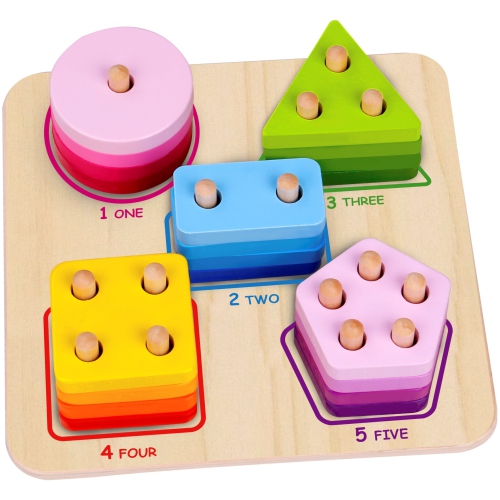
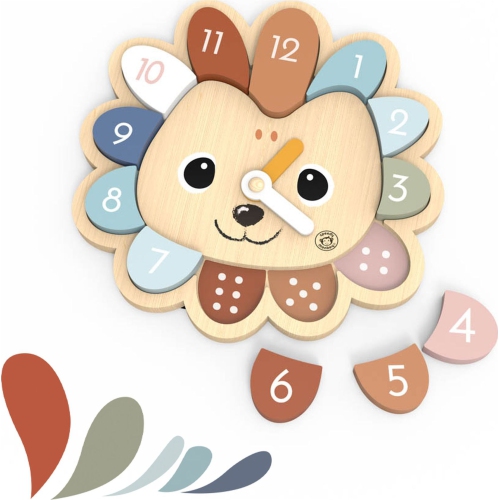
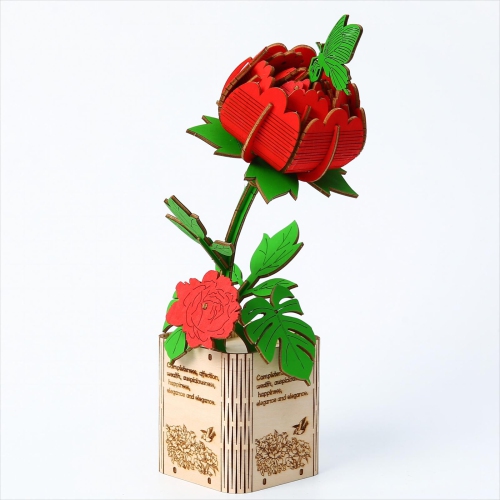
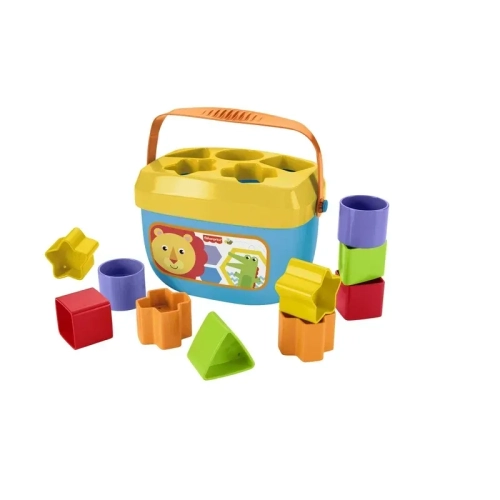
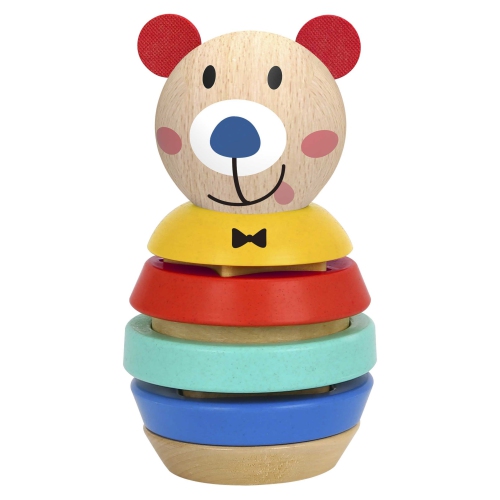
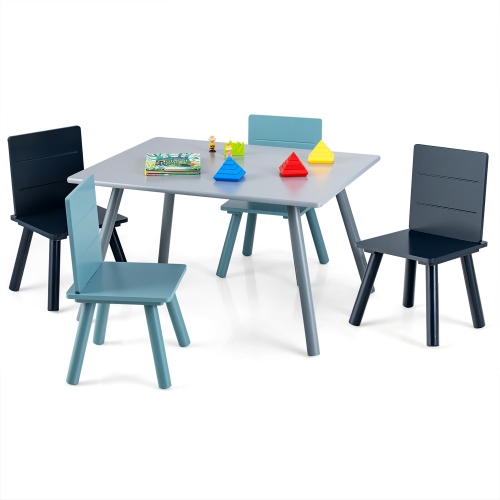
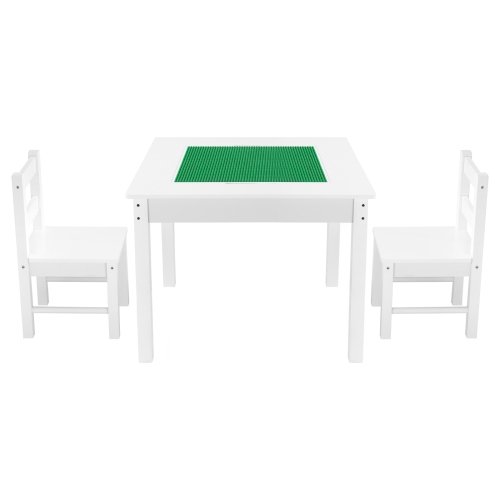

Simple shapes become new worlds with every build
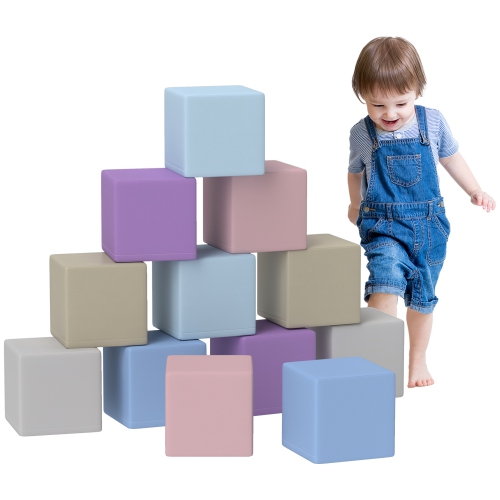
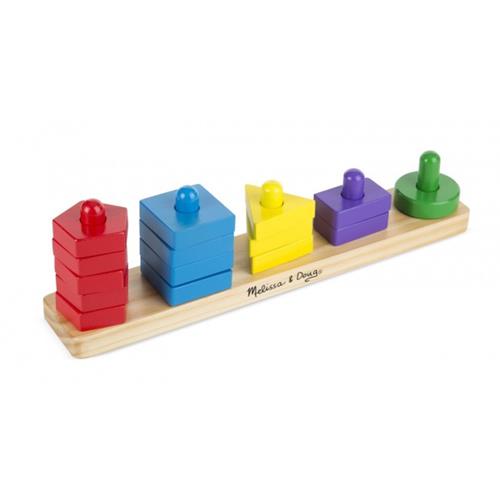
Wooden blocks are open-ended building toys that children can stack, sort, balance, line up, and turn into imaginary places. A handful of cubes can become a garage, while arches, cylinders, and rectangular pieces can form bridges, towers, or a small town spread across the floor. Unlike toys with a fixed sequence or a single finished result, wooden toy blocks leave the purpose of each structure to the child. That flexibility makes them useful for both quiet independent play and shared building with siblings, friends, or an adult. Picking up a piece, turning it to fit a gap, and placing it without toppling a wall gives children opportunities to practise fine motor control and hand-eye coordination. Building also encourages spatial reasoning as children explore height, width, balance, and the relationship between different shapes. A wide base may hold a taller tower; a narrow column may need support; two shorter pieces may span the same distance as one longer piece. These discoveries happen through ordinary play rather than a prescribed lesson. Coloured blocks can support sorting and pattern-making, while blocks with letters, numbers, or pictures can bring familiar symbols into a building activity. Those markings are an added play feature, not a requirement for a rewarding set. Plain blocks offer plenty of possibilities, especially when children use them alongside toy vehicles, figures, or pretend-play scenery suited to their age. For younger builders, the satisfying task may be placing two large pieces together. Preschoolers might construct an enclosure for toy animals, while older children may plan a roadway with tunnels and ramps. A structure that falls can become the starting point for another idea, giving children a practical reason to adjust their approach and try again. With several children sharing the same pieces, block play can also create natural opportunities to describe plans, take turns, negotiate space, and work towards a shared creation.
The feel, size, and construction of wooden blocks matter as much as the number of pieces. Solid woods such as maple, beech, and birch are commonly used for their firmness, although weight, grain, and finish vary. Softer woods can feel lighter but may show dents more readily, and no wood is completely resistant to marks from repeated play. Smooth surfaces, neatly finished edges, and pieces that sit evenly are useful qualities for comfortable handling and stable stacking. Natural wood grain offers a simple appearance, while painted or stained surfaces can make colours and patterns part of the activity. Neither appearance alone establishes suitability for a particular age. The manufacturer’s age recommendation, warnings, and care information should guide the choice, especially for children who still put toys in their mouths. Small blocks and detachable parts can present a choking hazard, and a large piece count does not necessarily make a set suitable for a toddler. Rounded edges also do not replace age-appropriate sizing or supervision. For early building, larger pieces that are manageable for small hands may be more practical than an assortment of tiny shapes. Children developing more precise control may enjoy varied forms that introduce curves, slopes, and more demanding balancing tasks. Weight deserves attention too: heavier pieces can feel substantial, but they may be awkward for a younger child to carry or lift into a tall structure. When blocks are intended for siblings of different ages, the youngest child’s access to smaller pieces needs particular consideration. Claims about coatings should be checked in the product information rather than inferred from a natural-looking finish. Wood should not be assumed suitable for chewing simply because it is unpainted. Regular inspection is worthwhile throughout use, with any cracked, splintered, or damaged pieces removed from play. These details help distinguish a set that merely looks appealing from one that fits the child’s stage, habits, and intended use.
Wooden blocks can fit into a living room play area, a dedicated playroom, or a supervised child care setting, but the space around them affects the experience. A firm, level surface generally makes balancing easier than a deep rug, and an area away from busy walkways gives a growing construction room to spread without becoming a trip hazard. A modest assortment can be satisfying for one child, while shared play or larger layouts may call for more pieces and repeated shapes. Consistent dimensions can make it easier to build matching walls and supports, although blocks from different sets should not be assumed to align. For families expanding their construction play choices, Wooden Building Toys offers a related category to explore alongside classic stacking blocks. Everyday practicality matters after the building is finished, too. A low-sided container or sturdy basket can keep pieces accessible, and storage that allows children to see the shapes makes it easier to choose what they need and participate in tidying up. Blocks should be put away dry and cared for according to the manufacturer’s directions. Many wooden toys are best cleaned with a lightly damp cloth rather than soaked, since excess moisture can affect the wood or finish; dishwasher cleaning and strong cleaners should not be assumed suitable. Letting pieces dry thoroughly before storage helps maintain their condition. For birthdays or other gift-giving occasions, wooden blocks can be a thoughtful choice when the child’s age, interests, existing toys, and available play space are considered together. A child who enjoys lining up vehicles may use blocks for roads and parking spaces, while a storyteller may build a castle or a home for favourite characters. The lasting appeal is that the same simple shapes can take on a different role each time they come out, without requiring every play session to end with a finished model.
Top selling and popular products
-
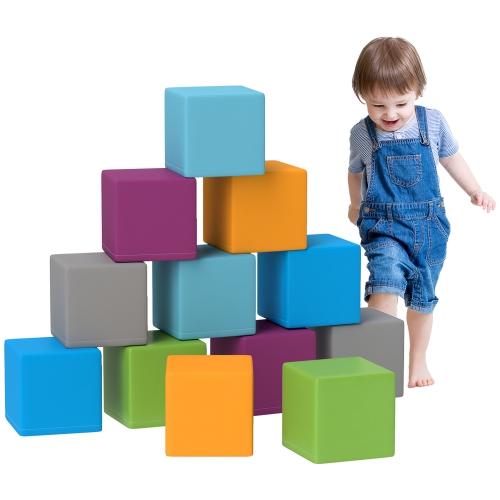 Your price for this item is $106.99
-
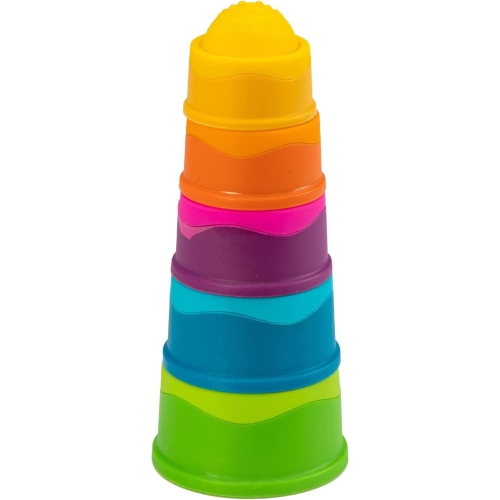 Your price for this item is $36.86
-
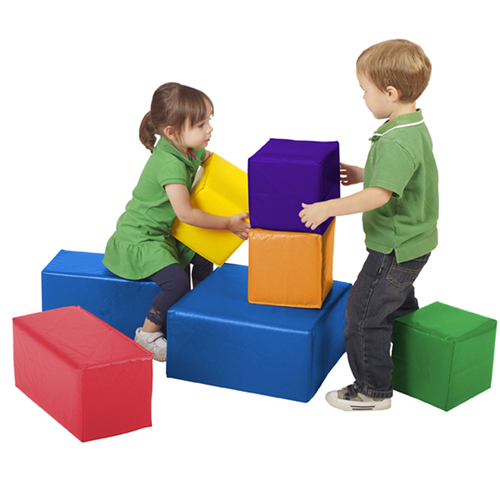 Your price for this item is $199.99
-
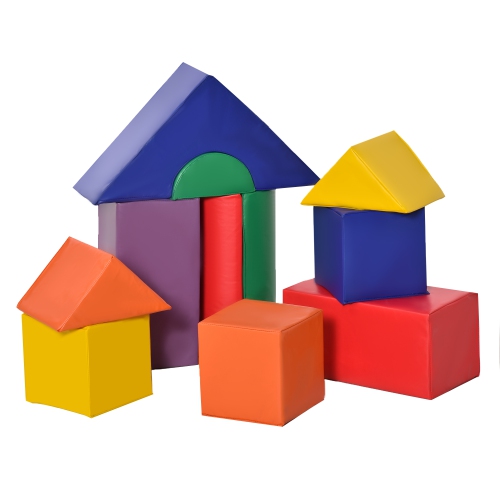 Your price for this item is $180.95
-
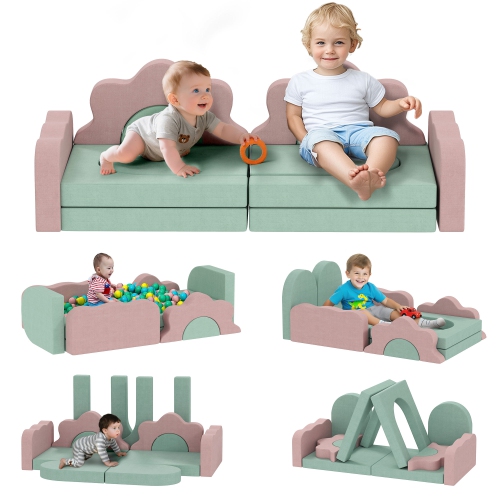 Your price for this item is $150.99
-
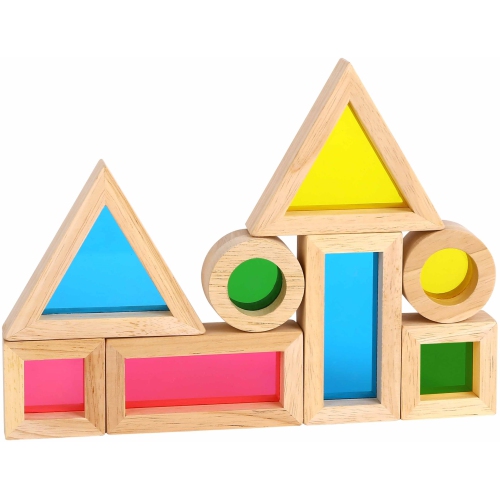 Your price for this item is $16.49
-
 Your price for this item is $109.99
-
 Your price for this item is $34.59
Discover more categories related to Wooden Blocks Toys
Top Collections:
Best Black Friday Deals This Year, Best Black Friday Deals On Electronics, Kindle Devices, Pokemon Centers, Best Black Friday Deals On Apple Products, Best Cameras for Sports Photography, Dyson Airwrap, Pokémon 30th Celebration Cards, Apple iPhone 17 Pro, Canon G7X Cameras
Some products may be subject to Environmental Handling Fees
(EHF) depending on your province.
Learn more about EHFs.