Child's Rocking Horses
Transform your child's playtime into a magical adventure with our delightful selection of rocking horses. These timeless toys offer endless fun and foster creativity, helping little ones develop balance and coordination in an engaging way. Crafted with care and attention to detail, each rocking horse is designed to provide a safe and enjoyable experience for your child. Whether you're looking for a classic wooden design or something plush and whimsical, discover the perfect companion for your child's imaginative journeys right here.
Sort





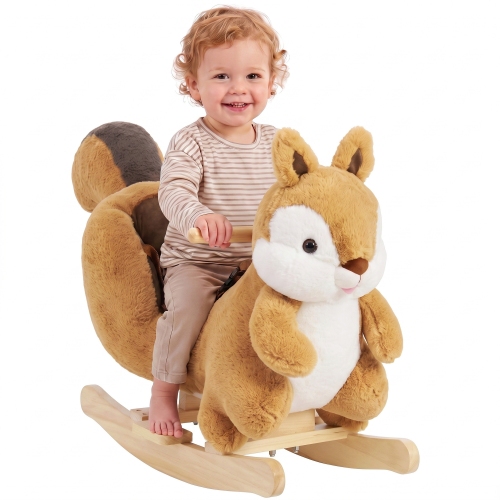
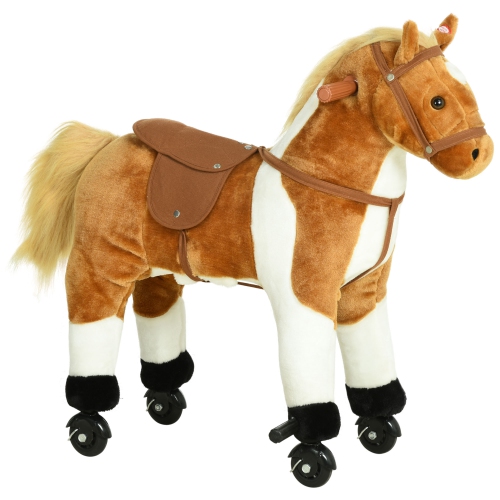
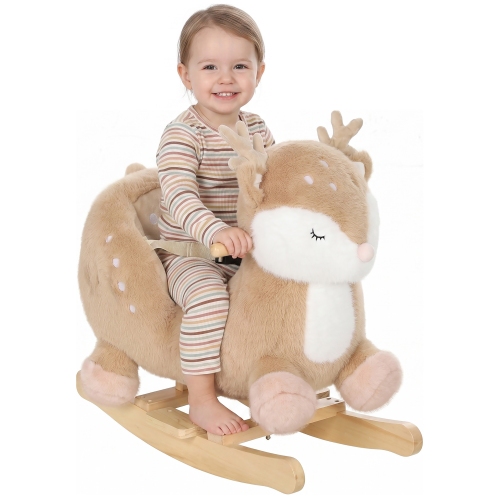
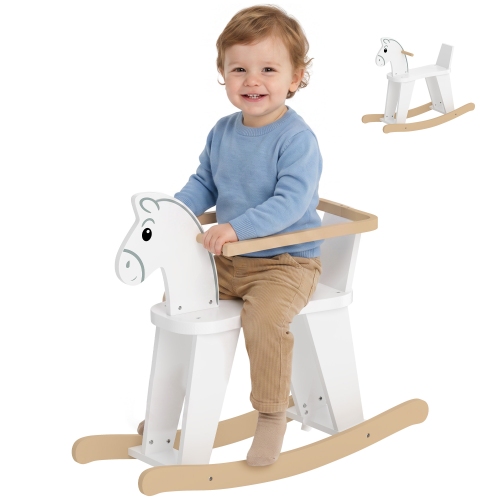



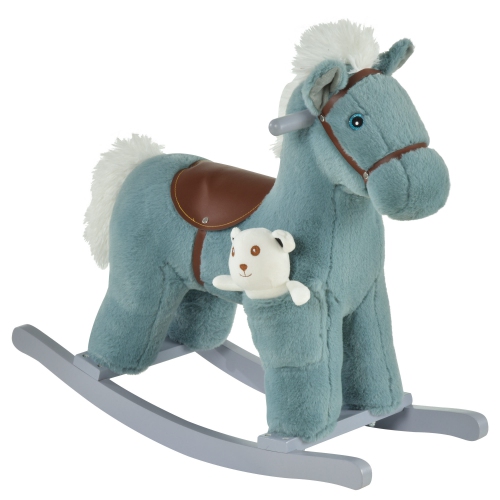


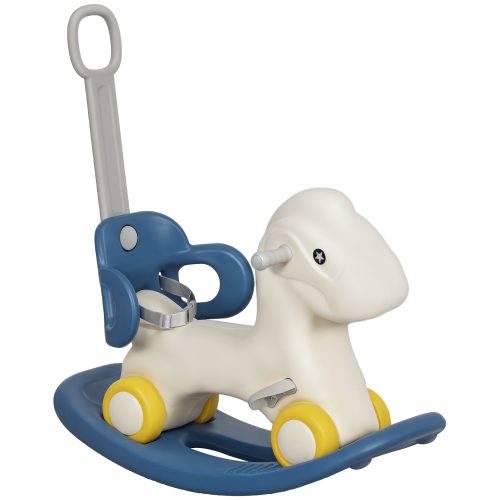
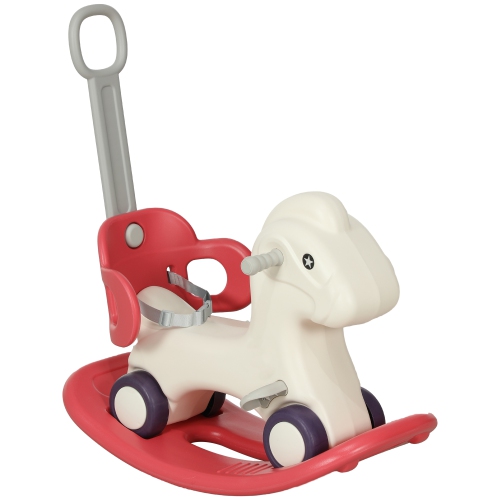
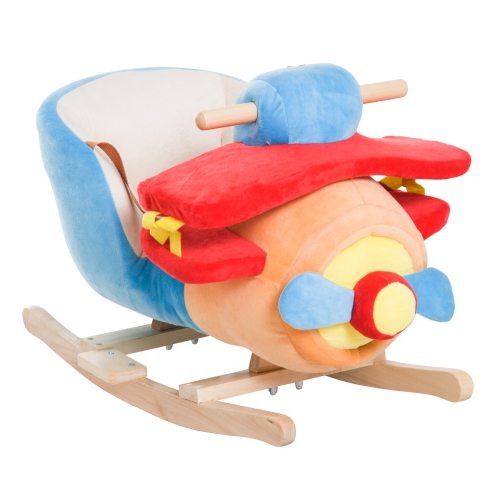


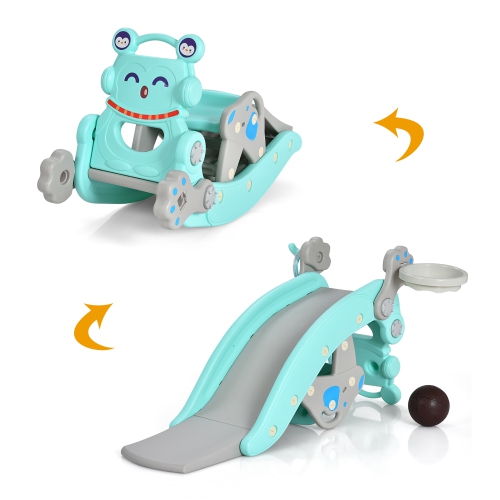

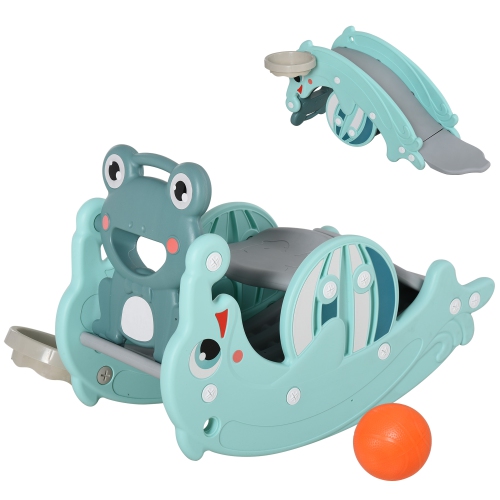
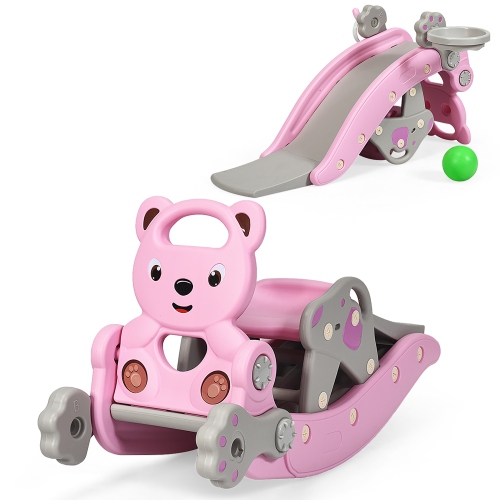
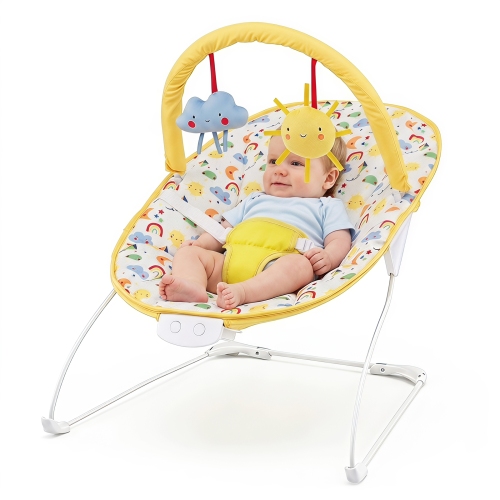
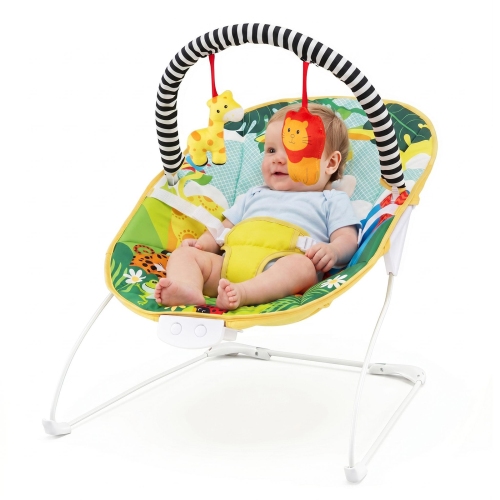
How rocking horses support imaginative play and early coordination
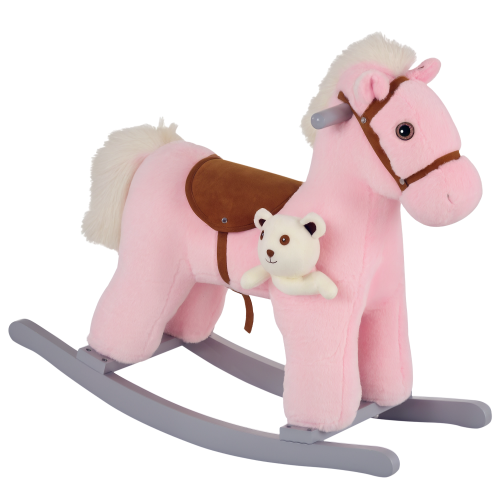
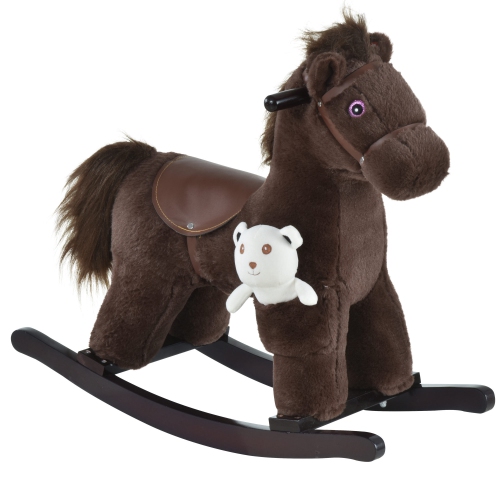
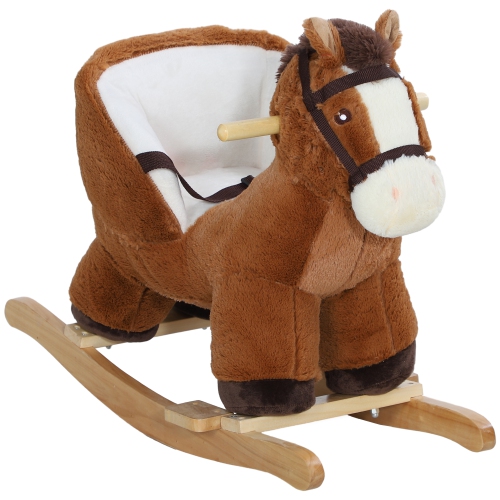
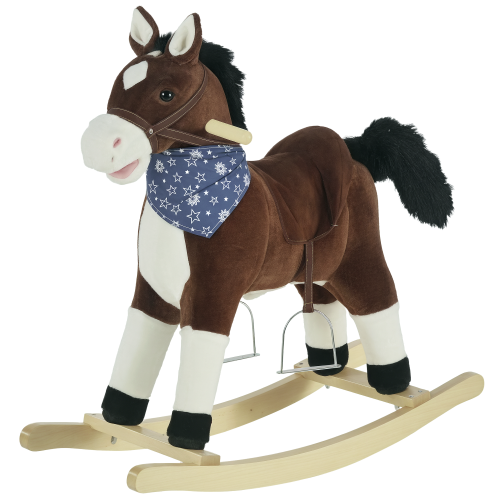
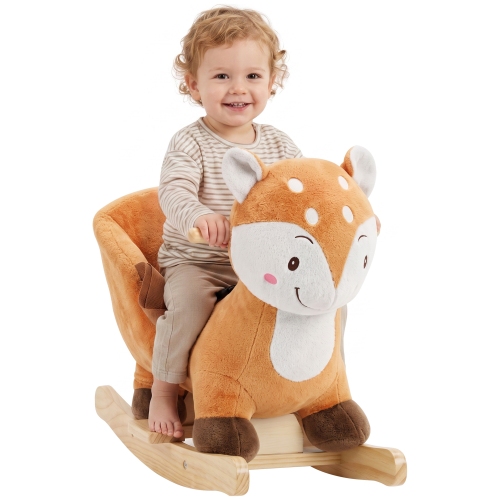
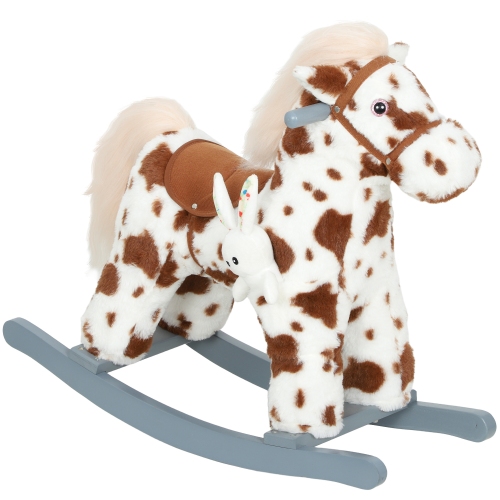
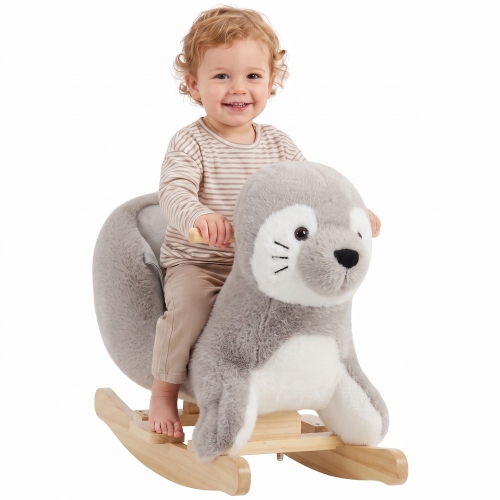
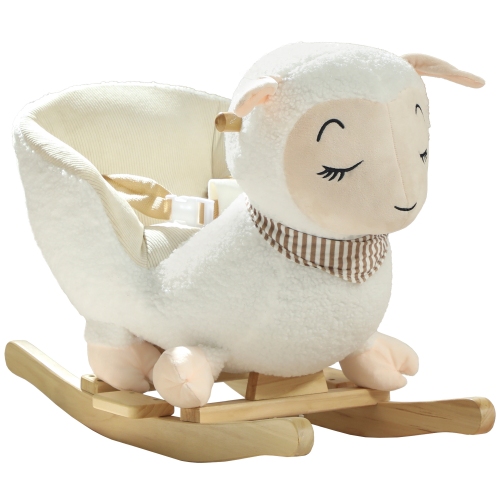
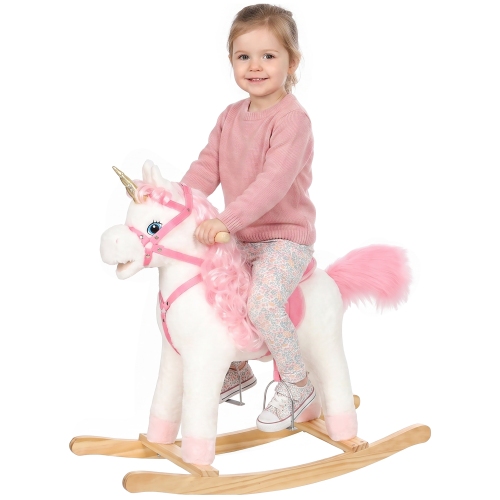
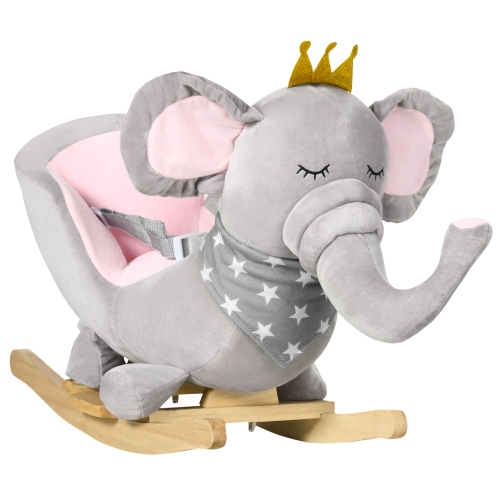
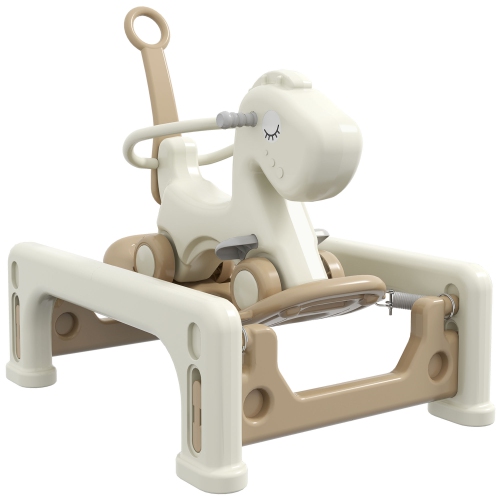
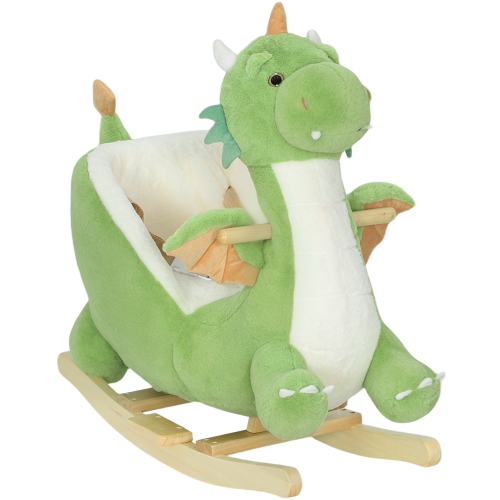
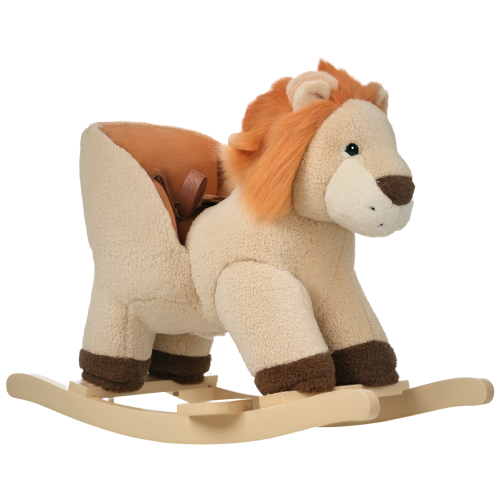
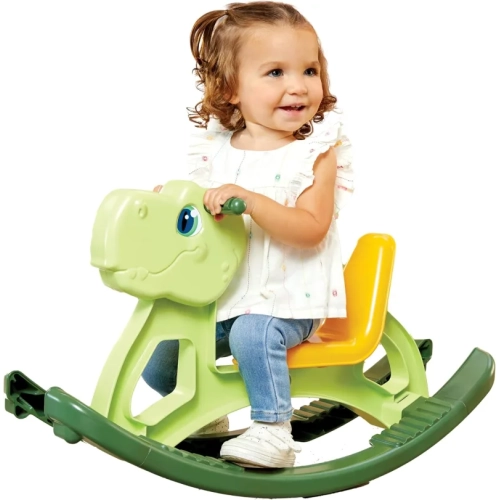
Child’s rocking horses bring classic pretend play into a child’s everyday routine, offering a simple ride-on activity that can encourage movement, imagination and early coordination. Designed for toddlers and young children, these toys typically feature a seated body, sturdy rockers and easy-grip handles that let children gently move back and forth at their own pace. The rocking motion encourages children to practise shifting their body weight, maintaining balance and coordinating their hands, arms and legs. It can also engage the core and upper-body muscles as they hold the handles and rock with control. A rocking horse is not a substitute for active supervision or structured physical activity, but it can add an enjoyable movement option to indoor play, particularly during the cooler months or when outdoor play is not practical. Many children use their rocking horse as part of imaginative games, pretending to ride across a farm, travel through an enchanted forest or care for a favourite animal. Plush designs can provide a soft, comforting place to sit, while wooden designs offer a more traditional appearance and a firm, steady feel. Families comparing styles may also wish to browse a Wooden Rocking Horse selection for classic construction and playroom appeal. Depending on the design, features may include a supportive backrest, a removable safety fence, textured footrests, soft fabric covering, a saddle-style seat or sound effects activated by pressing an ear or another interactive feature. Sound-producing toys can add realism to pretend play, although quieter designs may be better suited to shared spaces, bedrooms or homes where a calmer play environment is preferred.
When choosing a child’s rocking horse, start with the recommended age range, height and weight capacity to ensure the toy suits the intended rider. Some designs are made for younger toddlers and include a surrounding safety bar or removable fence that helps provide added support while children are developing their sitting and balance skills. Other styles have a more open seat and are better suited to children who can sit securely and hold the handles independently. Check the overall dimensions before purchasing, especially if the rocking horse will be used in a smaller playroom, nursery or apartment. The rocker base should sit evenly on the floor, with enough clearance for the child’s feet and room for the motion without contacting nearby furniture. Smooth, rounded edges, secure fasteners and firmly attached handles are important details for regular use. Look for a stable base that resists tipping during ordinary rocking, while remembering that children should always be supervised and encouraged to use the toy as intended. Soft fabric can make a rocking horse feel inviting and comfortable, but it is worth checking whether the seat or cover can be wiped clean or removed for care. Wooden surfaces are often easy to inspect and clean, while plush surfaces may offer extra softness for cuddling and imaginative play. Some rocking horses include batteries for realistic sounds, so consider whether interactive features add value for the child and whether the controls are simple for a parent or caregiver to manage. Prices commonly range from about $75 to $170 CAD, with differences based on size, materials, construction, sound features and included safety supports. Reading the product specifications carefully can help match the rocking horse to the child’s developmental stage rather than choosing based on appearance alone.
A child’s rocking horse can be a memorable gift for a toddler, preschooler or young child who enjoys animals, make-believe stories and active play. It can suit a birthday, a family celebration or a seasonal gift during the cooler months, when children may spend more time playing indoors. Grandparents, relatives and close family friends often appreciate ride-on toys because they combine a playful experience with a distinctive addition to a child’s room or play area. Before giving one as a gift, confirm the child’s age, available floor space and existing interests. A child who loves farm animals may enjoy a horse with lifelike details and sound effects, while a child who prefers a quiet reading corner may be happier with a soft, understated design. At home, place the rocking horse on a level surface away from stairs, doorways, sharp corners and other toys that could interfere with the rocking motion. A washable mat can help define the play area and make it easier to keep small accessories separate. Encourage gentle rocking rather than standing, climbing or leaning far to one side, and inspect the handles, seat, stitching, fasteners and rocker base periodically for signs of loosening or wear. With suitable supervision and care, a child’s rocking horse can become a familiar part of daily play: a cosy perch for storytelling, a pretend ride across imaginary landscapes and a fun way for children to practise balance and coordination through movement.
Top selling and popular products
-
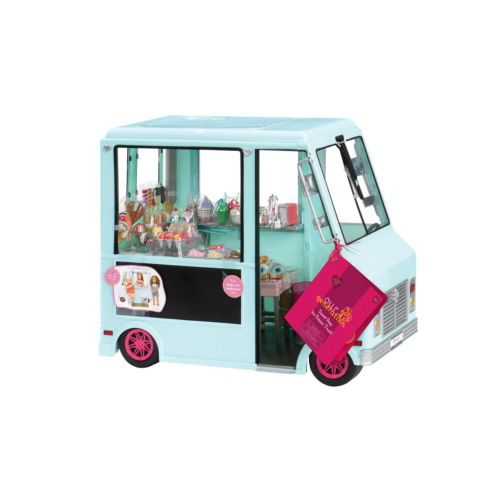 Your price for this item is $219.97
-
 Your price for this item is $64
-
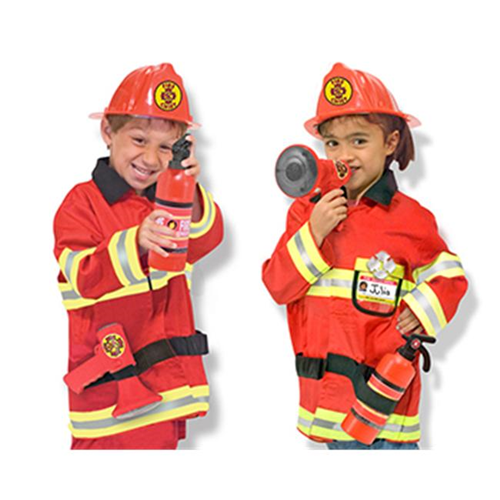 Your price for this item is $57.99
-
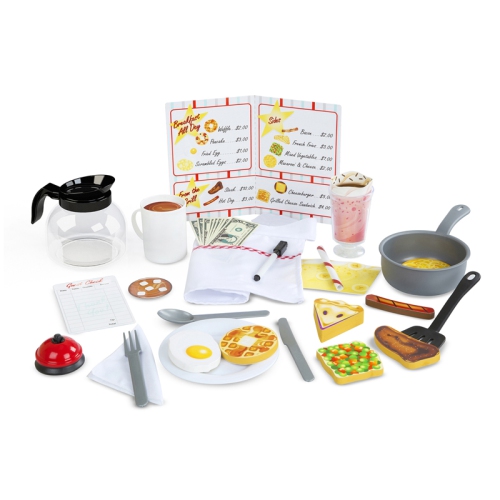 Your price for this item is $57.99
-
 Your price for this item is $28.98
-
 Your price for this item is $152.98
-
 Your price for this item is $95.19
-
 Your price for this item is $85.99
Discover more categories related to Child's Rocking Horses

Top Collections:
Pokemon Centers, Best Cameras for Sports Photography, Kindle Devices, Samsung Galaxy Phones, Canon G7X Cameras, Pokémon 30th Celebration Cards, Refurbished Apple Laptops, iPhone 15 Apple, Laptops for Students, Budget Smartphones
Some products may be subject to Environmental Handling Fees
(EHF) depending on your province.
Learn more about EHFs.