Clue Board Games
Board games are a great way to spend time with family and friends. They're also a great way to make new friends, as people from all over the world get together to play. Whether you're looking for something simple and fun or something that will challenge your mind and soul, Clue has something for everyone.
Sort
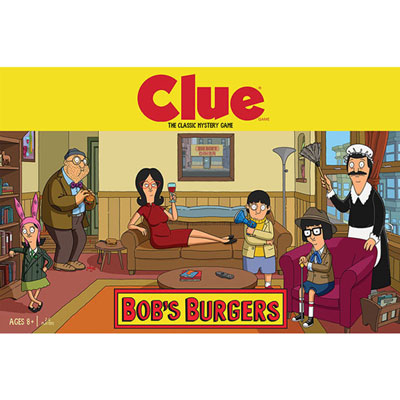
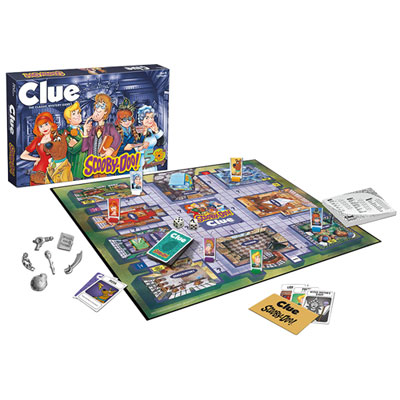
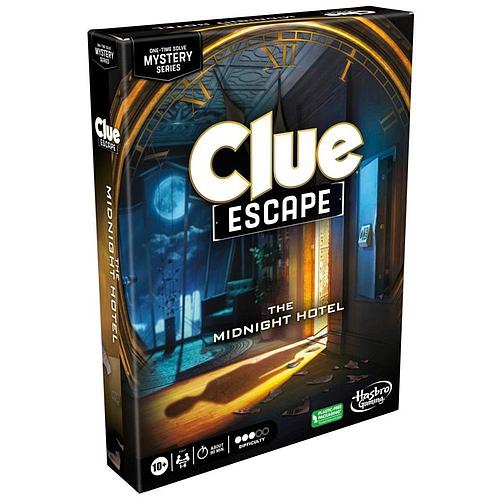
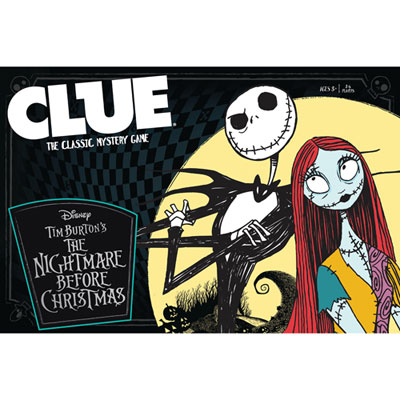
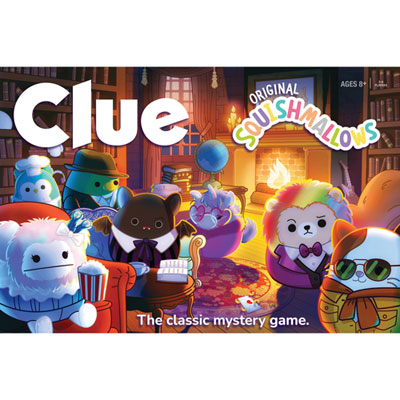
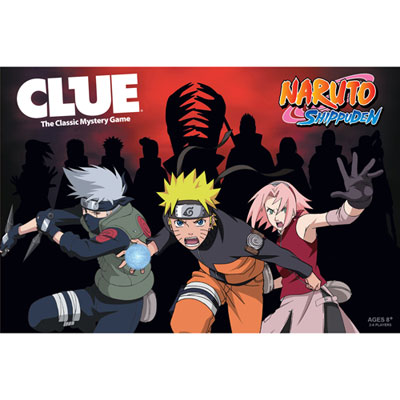

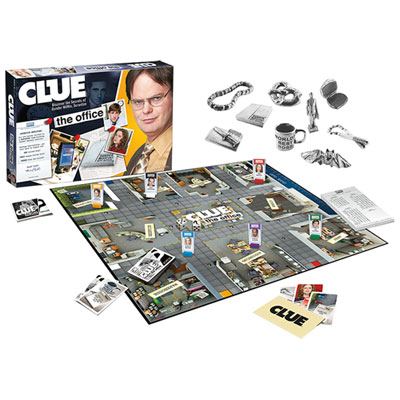
Deduction, bluffing, and table talk shape every mystery
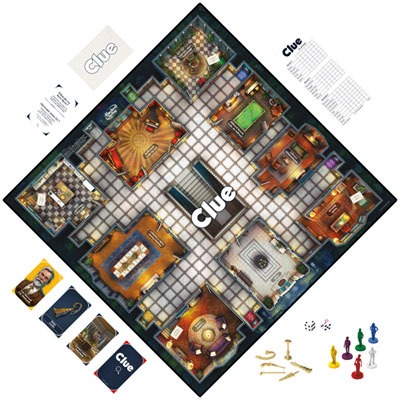
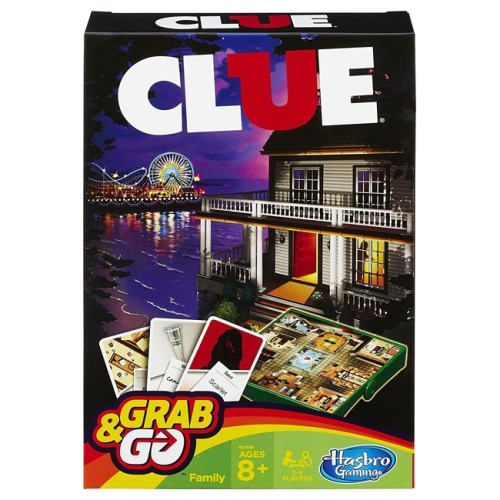
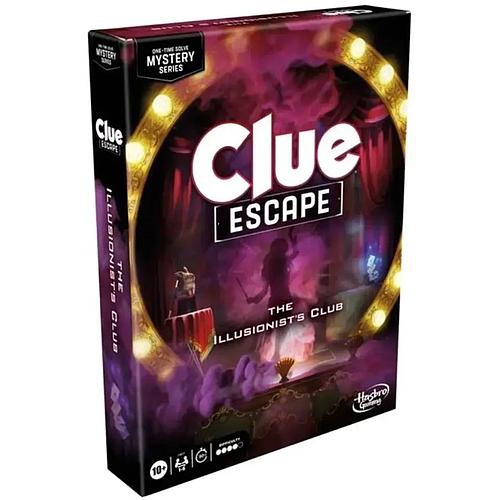
Clue board games bring the atmosphere of a classic detective story to the dining table, combining deduction, memory, bluffing, and a little theatrical flair. The central objective is to determine three hidden details: who committed the crime, which weapon was involved, and where the incident took place. During setup, one suspect card, one weapon card, and one room card are placed unseen inside a confidential file envelope. The remaining cards are shuffled and dealt among the players, giving everyone private information that can help narrow the possibilities. Players move their character tokens around a mansion or another mystery setting by rolling dice, entering rooms, and making suggestions about possible combinations of suspect, weapon, and location. A suggestion might name a character, a weapon, and the room currently occupied, prompting the other players to reveal whether they can disprove any part of the theory. The detective who makes the suggestion may privately view one matching card when another player has one, adding another piece to the puzzle without revealing the full answer to the table. A notepad or deduction sheet is especially useful for recording which cards have been seen, which possibilities have been ruled out, and which details remain uncertain. Once a player believes the evidence points to one complete solution, they can make a formal accusation and check the contents of the envelope. A correct accusation wins the game, while an incorrect one usually removes that player from the race while allowing the remaining detectives to continue. This structure makes every turn meaningful, whether someone is confidently connecting clues, quietly watching the table, or trying to send the investigation in a different direction.
When choosing among Clue board games, start with the intended players and the type of experience they enjoy. Traditional versions are often suited to small groups, commonly accommodating two to six players, while other formats may adjust the player count, presentation, or level of complexity. Check the recommended age range to make sure the reading, note-taking, and reasoning demands fit the group. Younger players may appreciate clear rules, colourful components, and shorter rounds, whereas older children, teens, and adults may enjoy a more involved mystery with several possibilities to track. It is also worth considering how much space is available for play. A full layout may include a board, character pieces, cards, dice, a confidential envelope, and detective notes, so a coffee table or dining table can make the experience more comfortable. Look for an edition with rules that match your household’s preferences, especially if some players are new to deduction games or if the group prefers a relaxed family activity rather than a highly competitive contest. Language and component details can matter as well, particularly for households that want bilingual play or need easy-to-read cards. Before purchasing, review the player count, age guidance, contents, and estimated playing time so the game fits naturally into an afternoon, an evening with friends, or a longer family game session during the cooler months. A mystery game can also make a thoughtful gift for someone who enjoys detective fiction, escape-room puzzles, strategy activities, or hosting gatherings. It works well for a birthday, a family celebration, a housewarming gift, or a quiet night in when everyone wants something more interactive than watching a film. If the recipient already enjoys themed games, browsing related choices such as Disney Board Games can help you find another option with a familiar setting and accessible group play.
The appeal of these games comes from the way they turn ordinary conversation into evidence. A raised eyebrow after a suggestion, a carefully timed question, or a player who repeatedly avoids one room can all become part of the table talk, although strong detectives learn to separate useful information from deliberate misdirection. Keeping notes is the best way to avoid relying on memory alone: cross off cards that are held by the player, mark cards shown during suggestions, and use the order of play to understand who may have been able to refute a theory. It is helpful to remember that a player only needs to show one matching card, even when a suggestion includes several possibilities, so each response may reveal only part of the information being sought. The first round is often about learning the layout and establishing a record, while later turns become more focused as the list of possible suspects, weapons, and rooms grows shorter. Players should also pay attention to movement rules and room access, since reaching a particular location can shape the suggestions available on a turn. For a smoother experience, set out the board before everyone arrives, provide pencils or pens for detective notes, and explain the difference between a suggestion and a final accusation. Encourage new players to make notes openly and take time with each deduction; the enjoyment comes from following a trail of small discoveries rather than rushing to announce an answer. Whether played by relatives gathered around the table, friends sharing snacks, or a parent and child working through clues together, Clue board games offer a repeatable way to practise logic, communication, and observation while creating the kind of memorable suspense that keeps players eager for another case.
When choosing among Clue board games, start with the intended players and the type of experience they enjoy. Traditional versions are often suited to small groups, commonly accommodating two to six players, while other formats may adjust the player count, presentation, or level of complexity. Check the recommended age range to make sure the reading, note-taking, and reasoning demands fit the group. Younger players may appreciate clear rules, colourful components, and shorter rounds, whereas older children, teens, and adults may enjoy a more involved mystery with several possibilities to track. It is also worth considering how much space is available for play. A full layout may include a board, character pieces, cards, dice, a confidential envelope, and detective notes, so a coffee table or dining table can make the experience more comfortable. Look for an edition with rules that match your household’s preferences, especially if some players are new to deduction games or if the group prefers a relaxed family activity rather than a highly competitive contest. Language and component details can matter as well, particularly for households that want bilingual play or need easy-to-read cards. Before purchasing, review the player count, age guidance, contents, and estimated playing time so the game fits naturally into an afternoon, an evening with friends, or a longer family game session during the cooler months. A mystery game can also make a thoughtful gift for someone who enjoys detective fiction, escape-room puzzles, strategy activities, or hosting gatherings. It works well for a birthday, a family celebration, a housewarming gift, or a quiet night in when everyone wants something more interactive than watching a film. If the recipient already enjoys themed games, browsing related choices such as Disney Board Games can help you find another option with a familiar setting and accessible group play.
The appeal of these games comes from the way they turn ordinary conversation into evidence. A raised eyebrow after a suggestion, a carefully timed question, or a player who repeatedly avoids one room can all become part of the table talk, although strong detectives learn to separate useful information from deliberate misdirection. Keeping notes is the best way to avoid relying on memory alone: cross off cards that are held by the player, mark cards shown during suggestions, and use the order of play to understand who may have been able to refute a theory. It is helpful to remember that a player only needs to show one matching card, even when a suggestion includes several possibilities, so each response may reveal only part of the information being sought. The first round is often about learning the layout and establishing a record, while later turns become more focused as the list of possible suspects, weapons, and rooms grows shorter. Players should also pay attention to movement rules and room access, since reaching a particular location can shape the suggestions available on a turn. For a smoother experience, set out the board before everyone arrives, provide pencils or pens for detective notes, and explain the difference between a suggestion and a final accusation. Encourage new players to make notes openly and take time with each deduction; the enjoyment comes from following a trail of small discoveries rather than rushing to announce an answer. Whether played by relatives gathered around the table, friends sharing snacks, or a parent and child working through clues together, Clue board games offer a repeatable way to practise logic, communication, and observation while creating the kind of memorable suspense that keeps players eager for another case.
Top selling and popular products
-
 Your price for this item is $14.99
 -
 Your price for this item is $34.99
 -
 Your price for this item is $15
 -
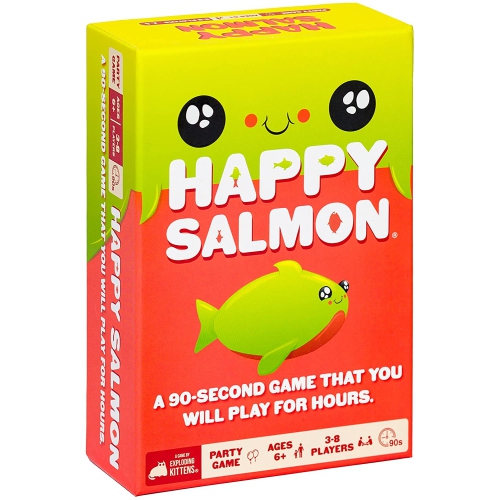 Your price for this item is $21.99
 -
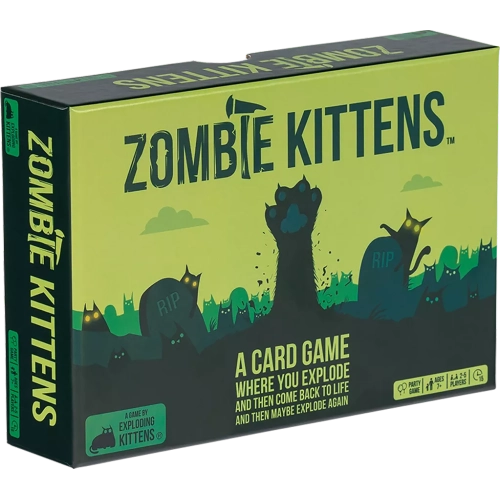 Your price for this item is $34.99
 -
 Your price for this item is $28.16
 -
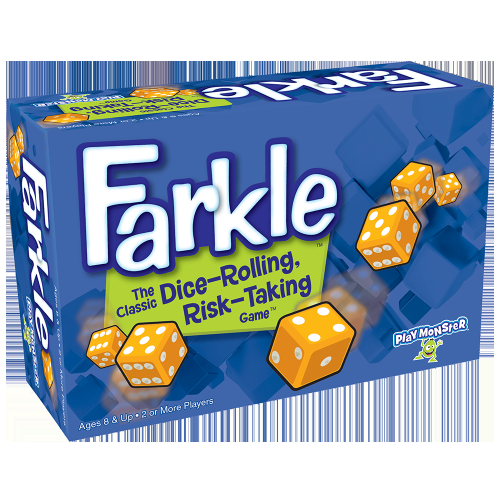 Your price for this item is $20.93
 -
 Your price for this item is $29.99
Discover more categories related to Clue Board Games
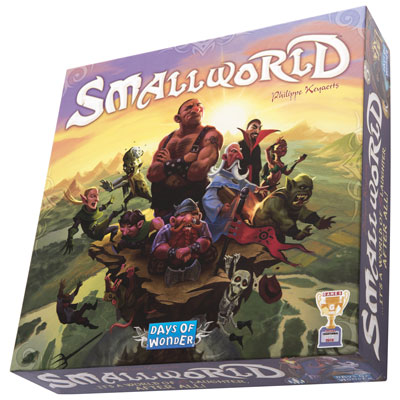
Top Collections:
Pokemon Centers, Budget 4K TVs, Best Budget Office Chairs, Kindle Devices, Canon G7X Cameras, Apple iPhones 16, iPhone 15 Apple, Laptops for Business Work, Xiaomi Phones, Flip Phones
Some products may be subject to Environmental Handling Fees
(EHF) depending on your province.
Learn more about EHFs.