Color Spray Paints
Transform your DIY projects with a splash of color using our wide selection of color spray paints. Whether you're looking to revamp old furniture, add a pop of color to your home decor, or tackle a creative craft project, our range of spray paints offers endless possibilities. From vibrant hues to subtle tones, achieve the perfect finish with ease and precision. Explore our collection and unleash your creativity today!
Sort
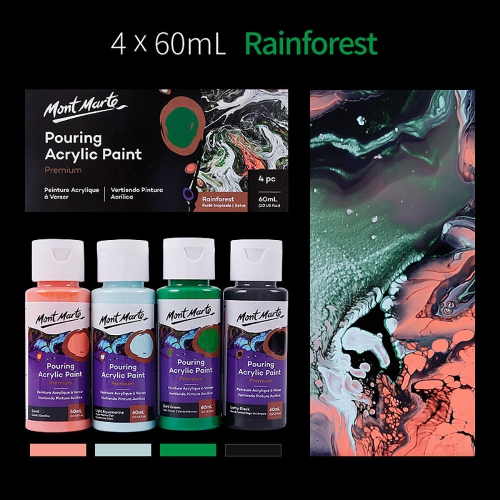
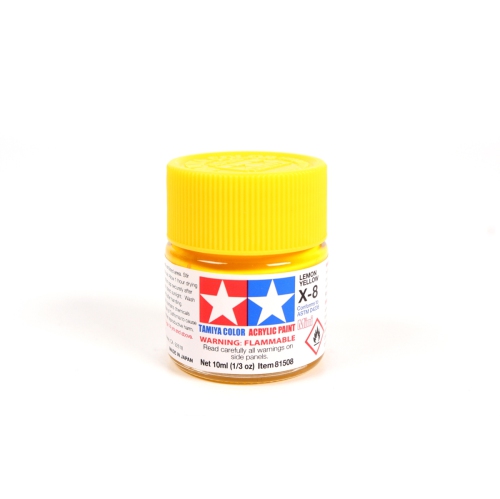
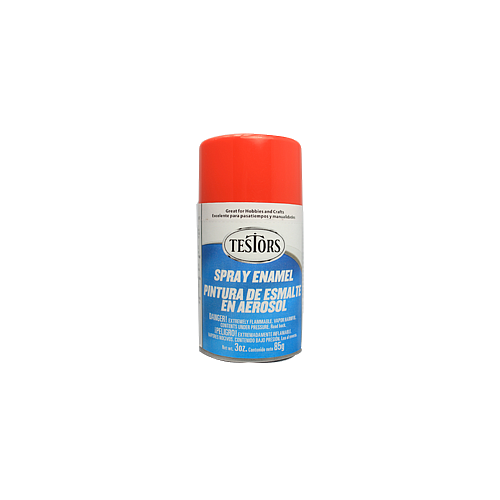
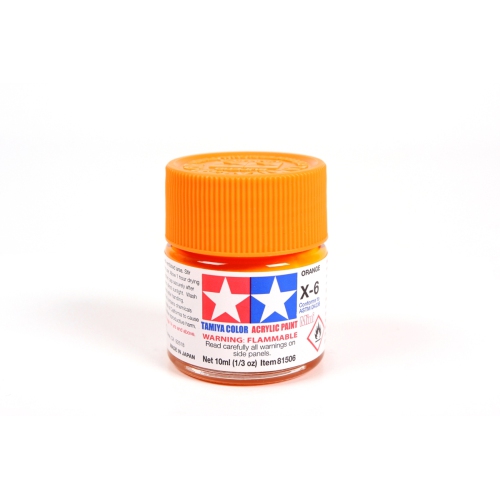
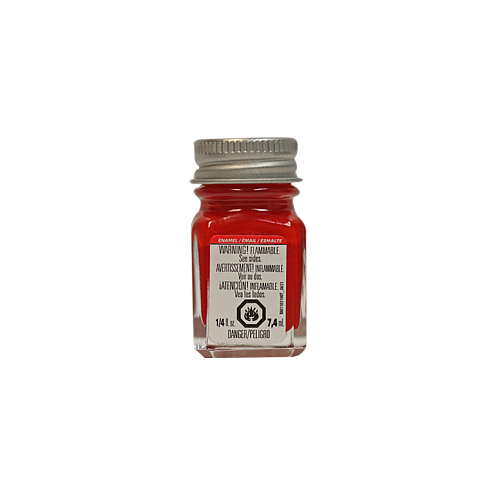
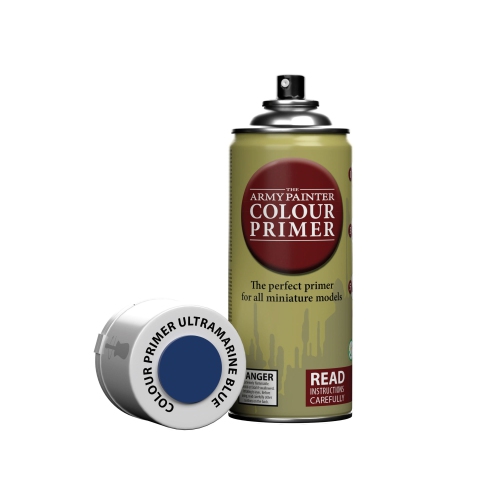
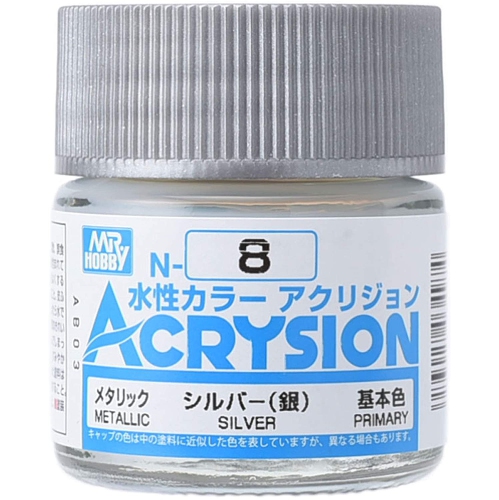
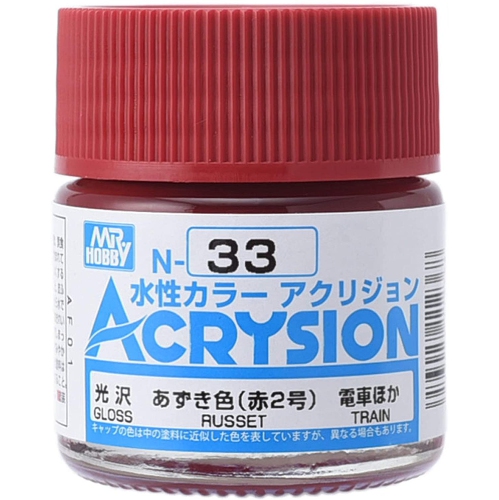
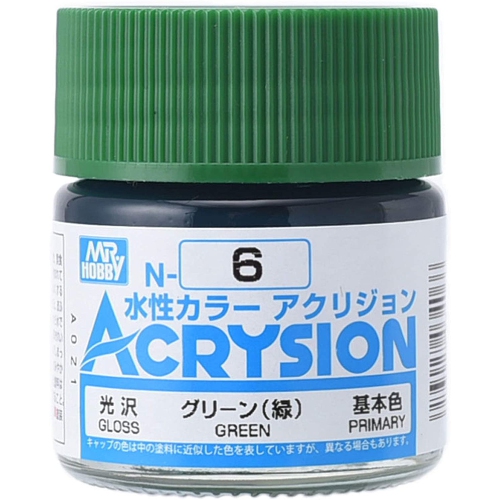
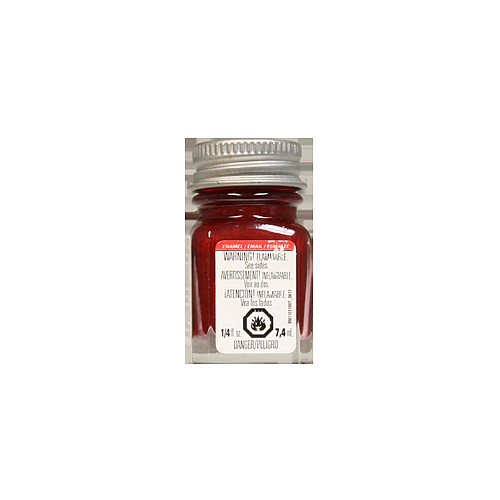
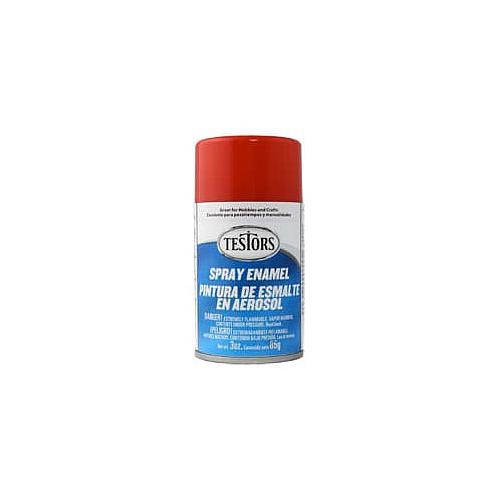
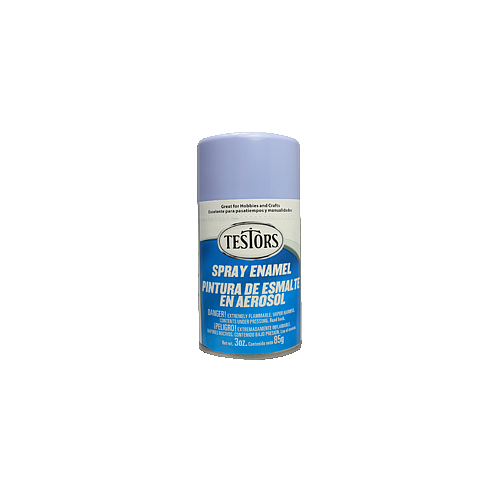
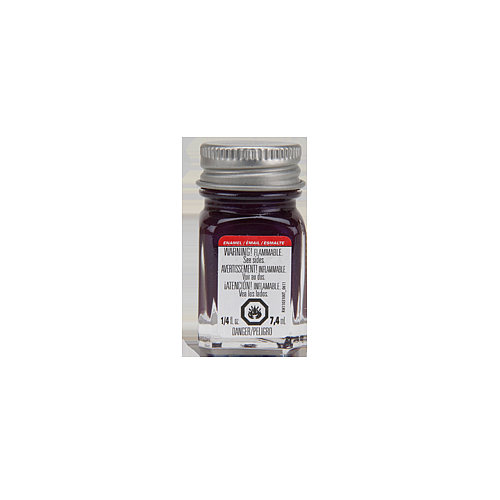
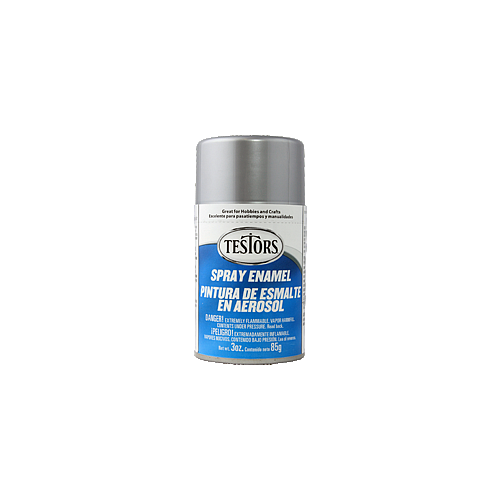
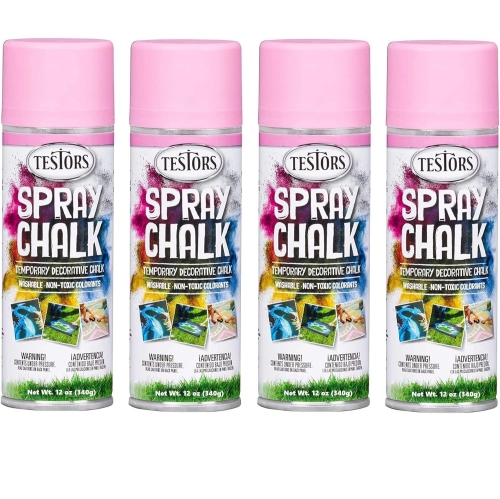
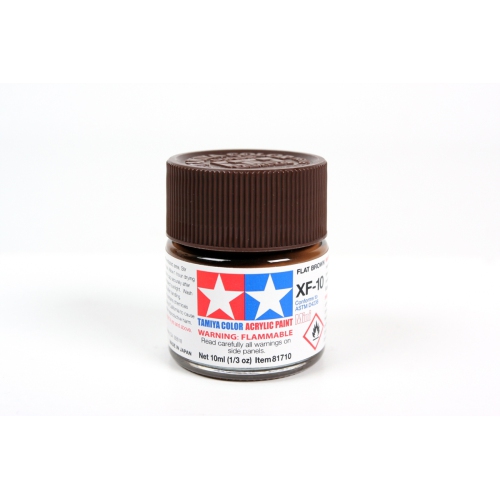
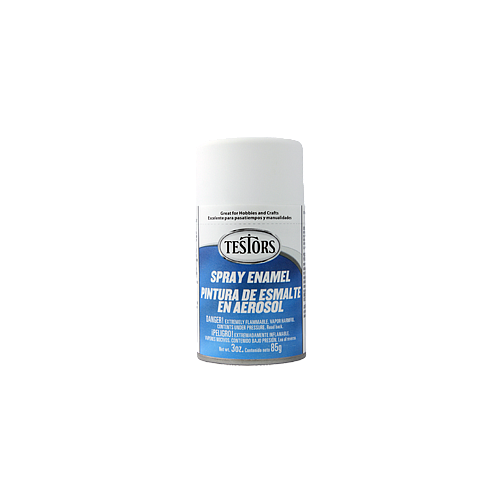
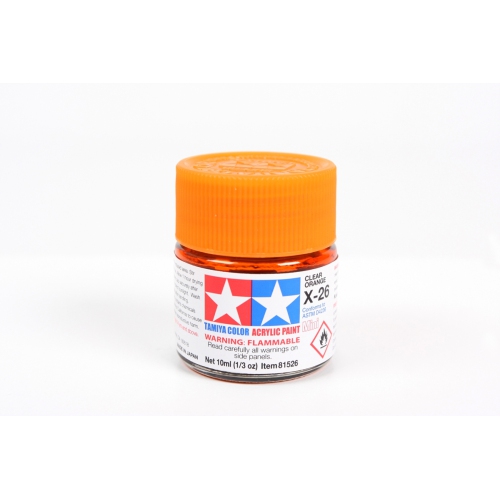
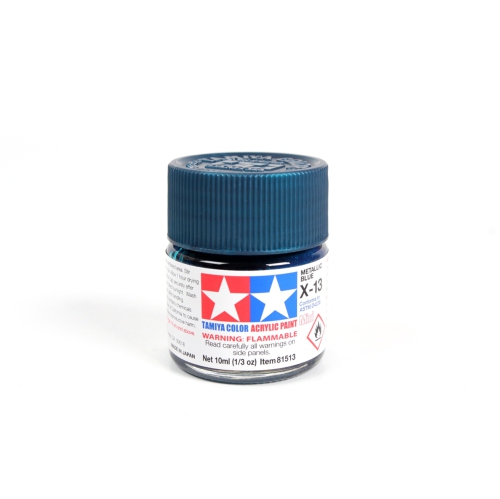
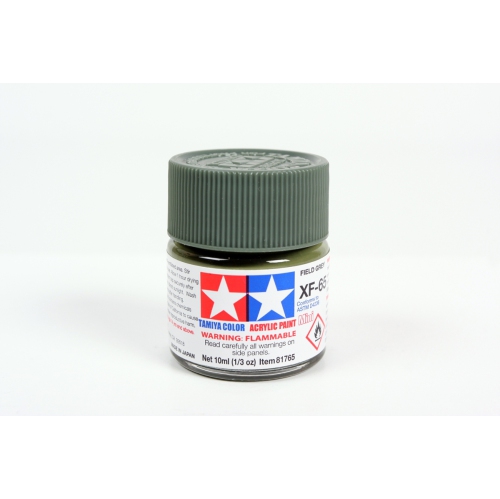
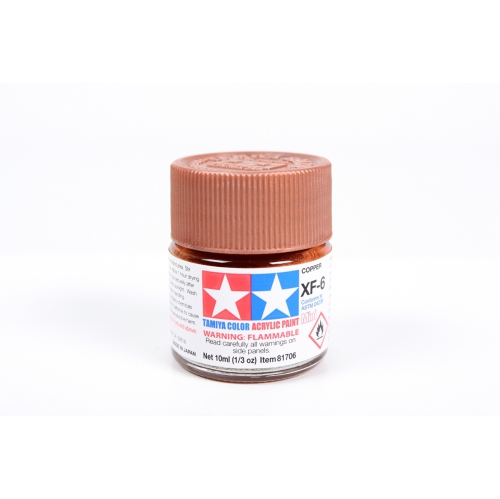
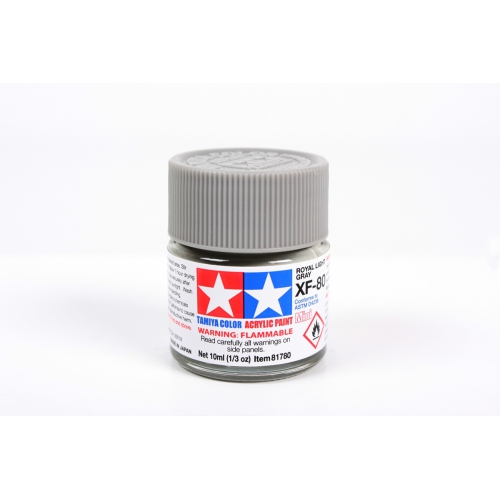
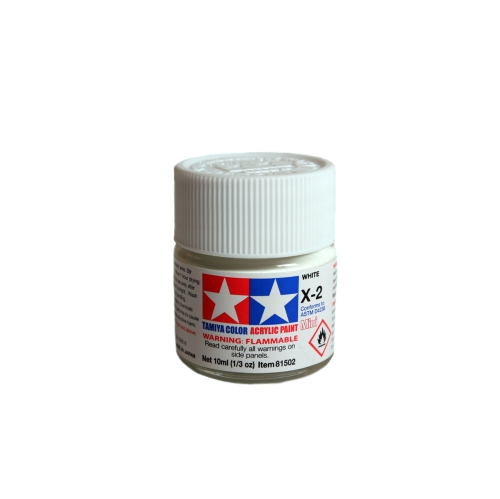
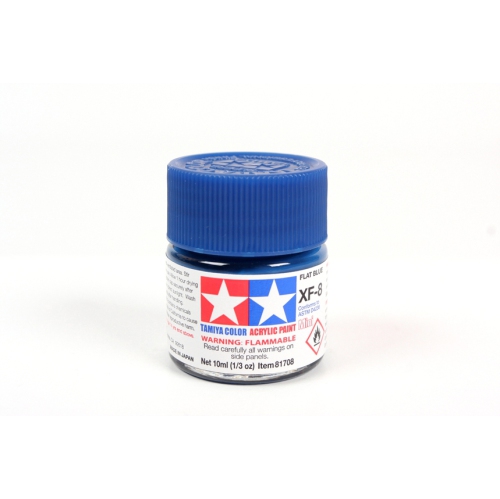
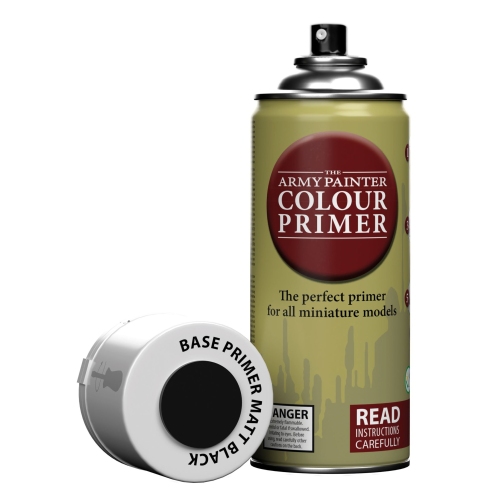
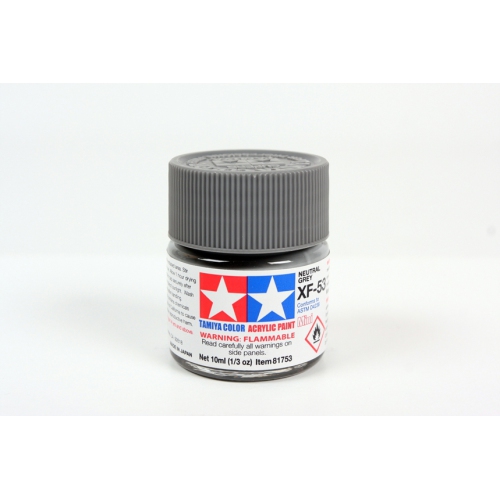
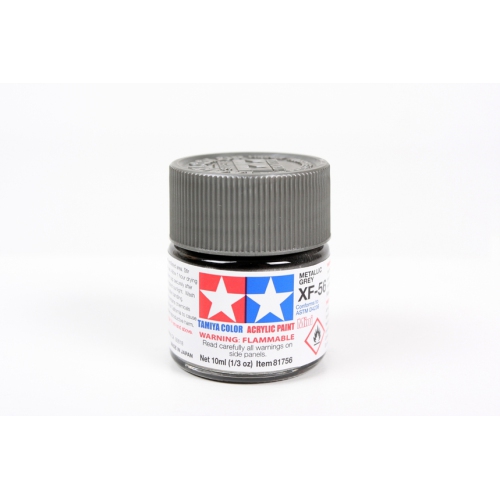
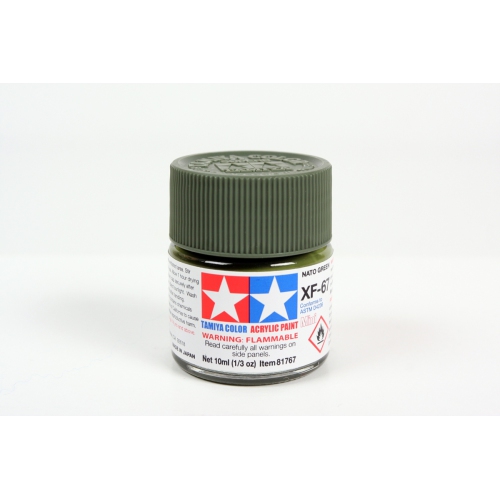
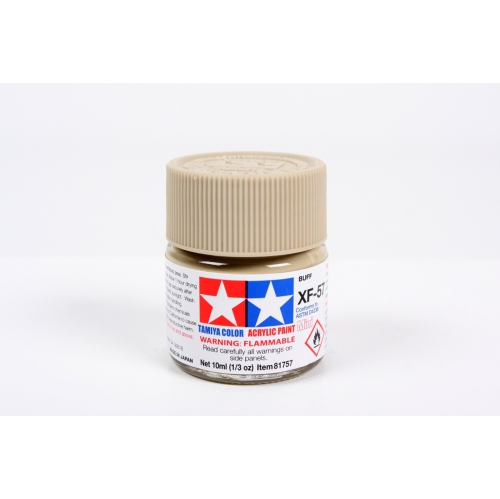
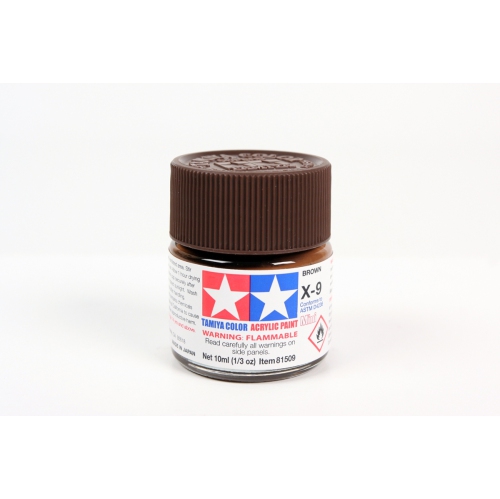
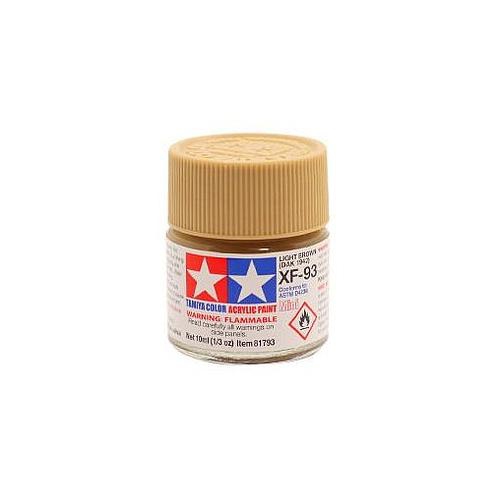
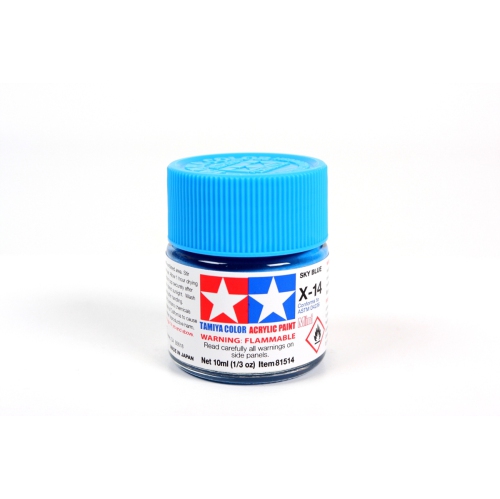
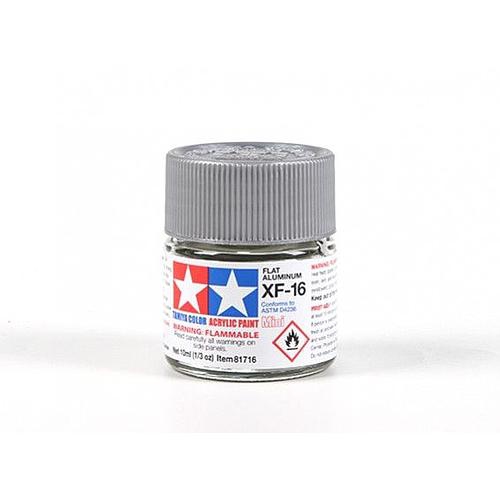
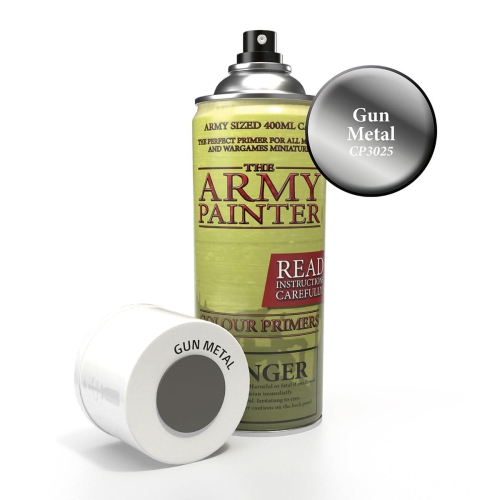
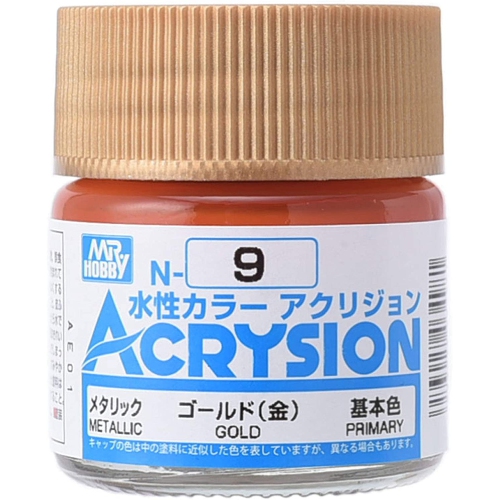
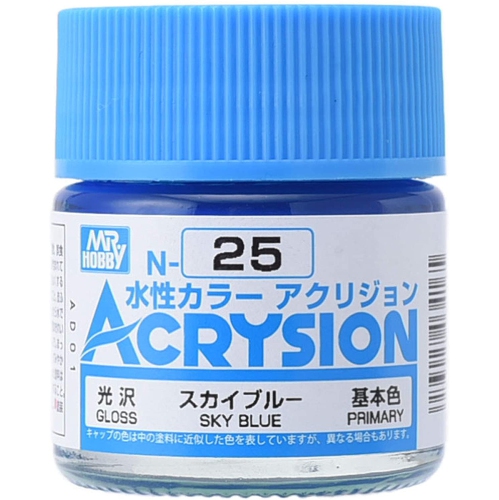
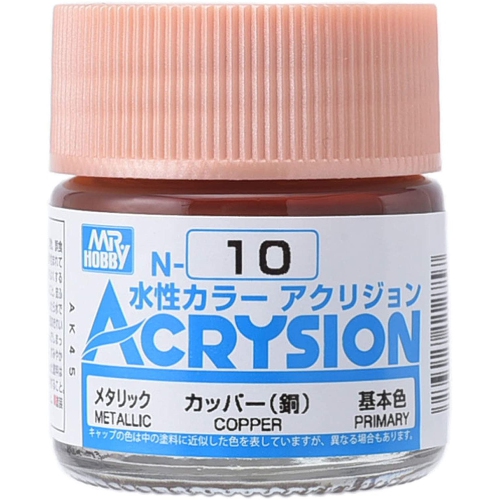
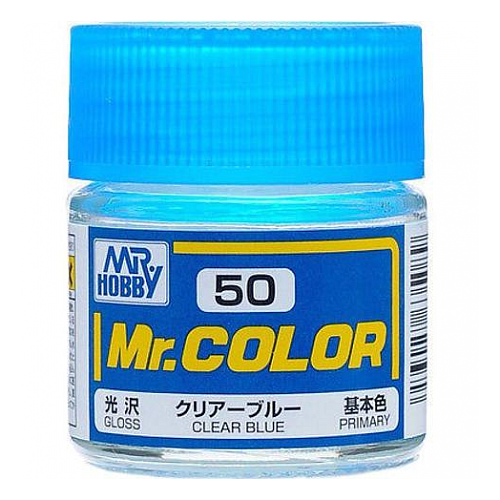
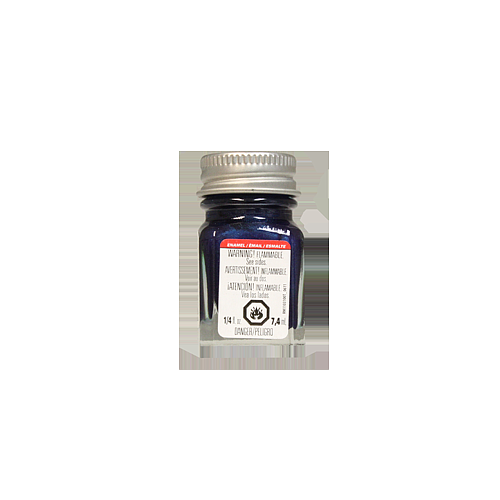
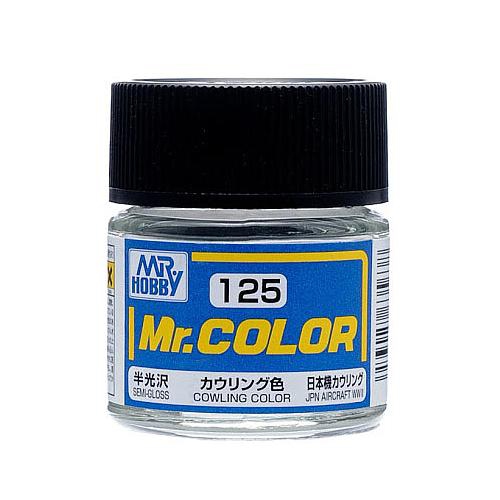
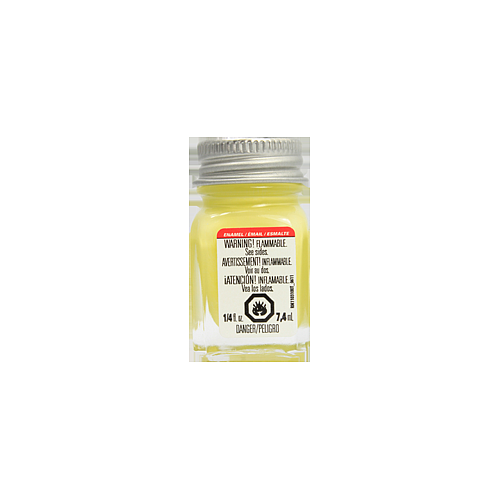
Versatile finishes help refresh surfaces and personalize projects
Color Spray Paints make it easy to refresh, coordinate, customize, and protect a wide range of surfaces with an even layer of colour and a polished finish. Available in classic neutrals, vivid primary shades, soft pastels, fluorescent tones, and specialty effects, aerosol paints can help bring a single project together or add a distinctive accent to a larger space. Black, white, grey, brown, and clear finishes are useful for understated updates, touch-ups, and base coats, while red, orange, yellow, blue, green, and purple can make decorative pieces stand out. Metallic options in gold, silver, brass, and other reflective tones add a bright, decorative look to frames, hardware, ornaments, and craft details. Depending on the formulation, you can also find gloss, matte, satin, chalk-style, textured, and granite-inspired finishes. Gloss creates a smooth surface with noticeable shine, matte has a softer low-reflective appearance, and satin offers a balanced look between the two. Colour spray paints are commonly used on wood, metal, plastic, glass, ceramic, and craft materials, although the surface compatibility listed on the can should always guide your selection. Some formulas combine paint and primer to help simplify preparation, while others are designed for particular materials or creative applications. Fast-drying options can help you complete a project in stages, especially when several light coats are needed, and durable coatings are well suited to items that will be handled regularly. A comfortable nozzle and controlled spray pattern can also make a noticeable difference, particularly when covering broad surfaces or working on detailed shapes.
Before choosing a can, consider the material, the condition of the surface, the finish you want, and how the finished item will be used. A clean, dry, lightly sanded surface generally gives paint a better foundation than one with dust, grease, loose coating, or rust. On plastic and other smooth materials, a suitable primer or plastic-specific formula may help the colour adhere more evenly. Metal surfaces may need rust removal and careful preparation, while wood can benefit from sanding and filling before painting. Glass and ceramic often require a formula intended for those surfaces, along with gentle handling while the coating cures. For a strong result, apply several thin, even passes rather than trying to achieve full coverage with one heavy coat. Hold the can at a consistent distance, begin spraying just before moving across the surface, and release the nozzle after passing the opposite edge to reduce drips and uneven patches. Lightly shaking the can as directed helps keep the colour and ingredients mixed, and testing the spray on scrap cardboard or an inconspicuous area can reveal how the shade and finish will look once dry. Colour can appear different depending on the original surface, nearby lighting, and whether a primer or previous coat is underneath, so a test area is especially helpful when matching décor or coordinating multiple pieces. Work in a well-ventilated area, protect surrounding surfaces with a drop cloth or paper, and use appropriate eye and respiratory protection according to the label. Avoid spraying near flames, sparks, heat sources, or food-preparation areas, and allow the painted item to dry and cure as instructed before bringing it indoors or putting it back into service. During the warmer season, spray painting can be convenient outdoors when conditions are calm and dry; during cooler months, a properly ventilated workspace with suitable temperature and humidity can help prevent slow drying, cloudiness, or an uneven finish.
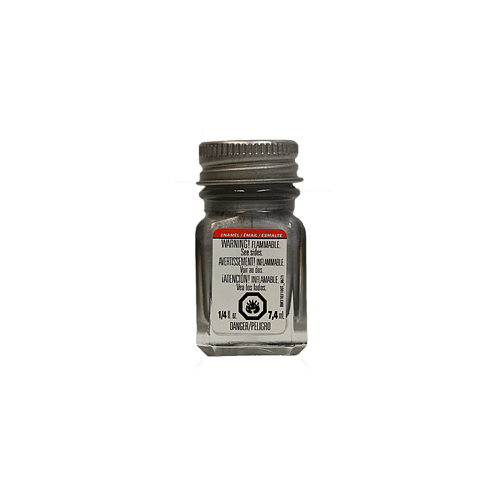
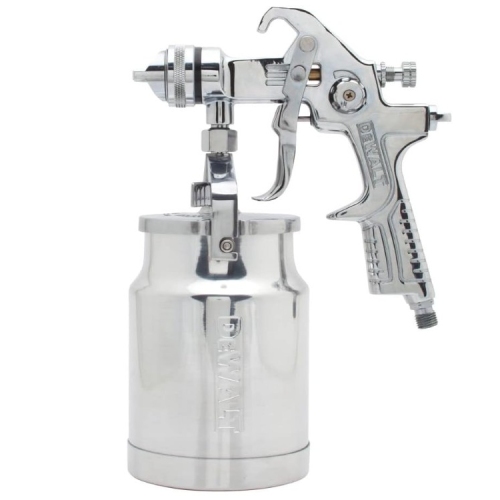
These paints appeal to DIY decorators, hobbyists, artists, collectors, model builders, crafters, and anyone who enjoys giving familiar objects a personal touch. A plain wooden box can become a bright storage accent, an old metal stool can take on a modern satin finish, and a collection of small frames can be unified with one carefully chosen colour. Metallic and fluorescent shades are useful for creating eye-catching details on craft projects, seasonal decorations, costumes, signs, and display pieces, while chalk-style and matte finishes can lend a softer, handcrafted character to décor. Solvent-based model paints and specialty acrylic sprays may be suited to hobby kits, miniatures, and plastic components, but these products can have different application and drying requirements than general-purpose paint. Reading the intended-use information helps prevent choosing a formula that is too aggressive, too delicate, or unsuitable for the surface. Colour spray paints can also make a thoughtful gift for someone setting up a craft area, restoring furniture, building models, decorating for an event, or experimenting with mixed-media artwork. Pairing a colour with a complementary neutral can give a beginner flexibility, while a metallic, neon, pastel, or textured shade can add inspiration to an experienced maker’s collection. For larger projects or frequent use, other application tools such as Spray Guns may offer a different way to apply coatings, depending on the paint and the project requirements. Whether you are adding a bold accent, refreshing a practical item, or creating a carefully layered piece of décor, the right colour, finish, surface preparation, and application technique can make the final result look deliberate, smooth, and ready to enjoy.
Before choosing a can, consider the material, the condition of the surface, the finish you want, and how the finished item will be used. A clean, dry, lightly sanded surface generally gives paint a better foundation than one with dust, grease, loose coating, or rust. On plastic and other smooth materials, a suitable primer or plastic-specific formula may help the colour adhere more evenly. Metal surfaces may need rust removal and careful preparation, while wood can benefit from sanding and filling before painting. Glass and ceramic often require a formula intended for those surfaces, along with gentle handling while the coating cures. For a strong result, apply several thin, even passes rather than trying to achieve full coverage with one heavy coat. Hold the can at a consistent distance, begin spraying just before moving across the surface, and release the nozzle after passing the opposite edge to reduce drips and uneven patches. Lightly shaking the can as directed helps keep the colour and ingredients mixed, and testing the spray on scrap cardboard or an inconspicuous area can reveal how the shade and finish will look once dry. Colour can appear different depending on the original surface, nearby lighting, and whether a primer or previous coat is underneath, so a test area is especially helpful when matching décor or coordinating multiple pieces. Work in a well-ventilated area, protect surrounding surfaces with a drop cloth or paper, and use appropriate eye and respiratory protection according to the label. Avoid spraying near flames, sparks, heat sources, or food-preparation areas, and allow the painted item to dry and cure as instructed before bringing it indoors or putting it back into service. During the warmer season, spray painting can be convenient outdoors when conditions are calm and dry; during cooler months, a properly ventilated workspace with suitable temperature and humidity can help prevent slow drying, cloudiness, or an uneven finish.
These paints appeal to DIY decorators, hobbyists, artists, collectors, model builders, crafters, and anyone who enjoys giving familiar objects a personal touch. A plain wooden box can become a bright storage accent, an old metal stool can take on a modern satin finish, and a collection of small frames can be unified with one carefully chosen colour. Metallic and fluorescent shades are useful for creating eye-catching details on craft projects, seasonal decorations, costumes, signs, and display pieces, while chalk-style and matte finishes can lend a softer, handcrafted character to décor. Solvent-based model paints and specialty acrylic sprays may be suited to hobby kits, miniatures, and plastic components, but these products can have different application and drying requirements than general-purpose paint. Reading the intended-use information helps prevent choosing a formula that is too aggressive, too delicate, or unsuitable for the surface. Colour spray paints can also make a thoughtful gift for someone setting up a craft area, restoring furniture, building models, decorating for an event, or experimenting with mixed-media artwork. Pairing a colour with a complementary neutral can give a beginner flexibility, while a metallic, neon, pastel, or textured shade can add inspiration to an experienced maker’s collection. For larger projects or frequent use, other application tools such as Spray Guns may offer a different way to apply coatings, depending on the paint and the project requirements. Whether you are adding a bold accent, refreshing a practical item, or creating a carefully layered piece of décor, the right colour, finish, surface preparation, and application technique can make the final result look deliberate, smooth, and ready to enjoy.
Top selling and popular products
-
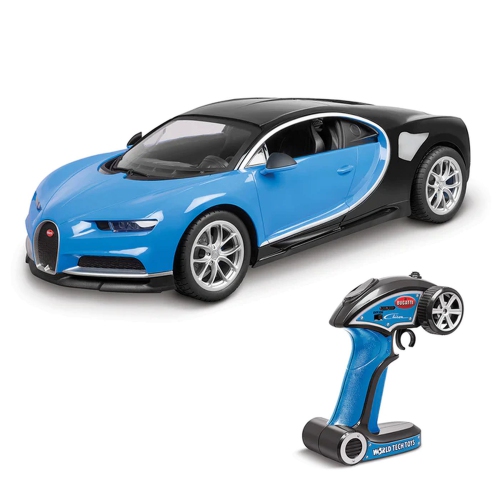 Your price for this item is $119.99
 -
 Your price for this item is $103.49
 -
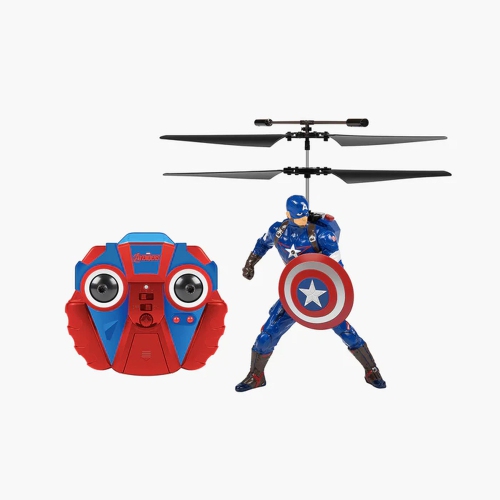 Your price for this item is $59.99
 -
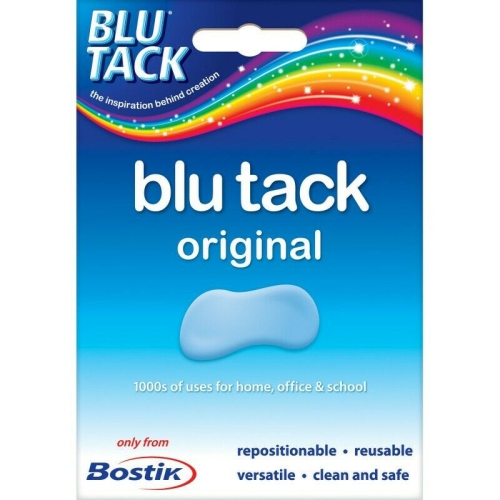 Your price for this item is $6
 -
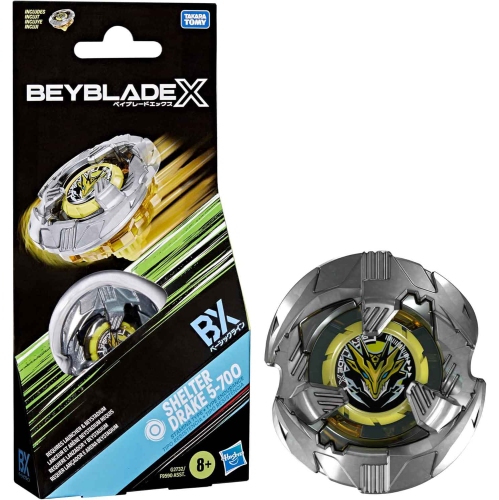 Your price for this item is $13.79
 -
 Your price for this item is $16
 -
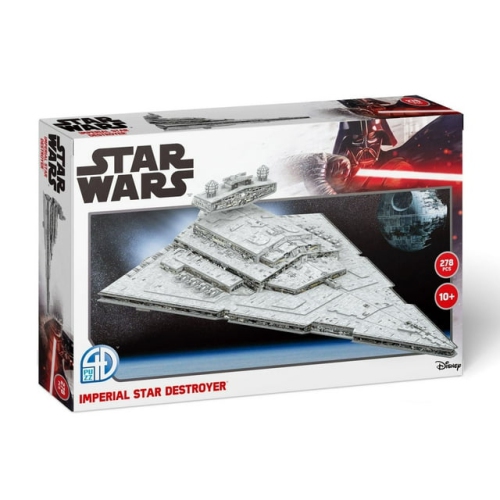 Your price for this item is $69.99
 -
 Your price for this item is $38.21
Discover more categories related to Color Spray Paints
Top Collections:
Pokemon Centers, Kindle Devices, Best Budget Office Chairs, Apple iPhones 16, Best Laptops for Writers, iPhone 15 Apple, Canon G7X Cameras, Refurbished Apple Laptops, Alarm Clock, Motorola Razr Phones
Some products may be subject to Environmental Handling Fees
(EHF) depending on your province.
Learn more about EHFs.