Colour Toys
Dive into a vibrant world of imagination and learning with our exciting range of colour toys, designed to spark creativity in children of all ages. These captivating toys are perfect for enhancing visual skills and encouraging playful exploration through a spectrum of hues and shades. Whether you're looking to stimulate cognitive development or simply add a splash of fun to playtime, our selection offers endless opportunities for discovery and joy. Explore our collection today and bring the magic of colour into your child's playroom.
Sort

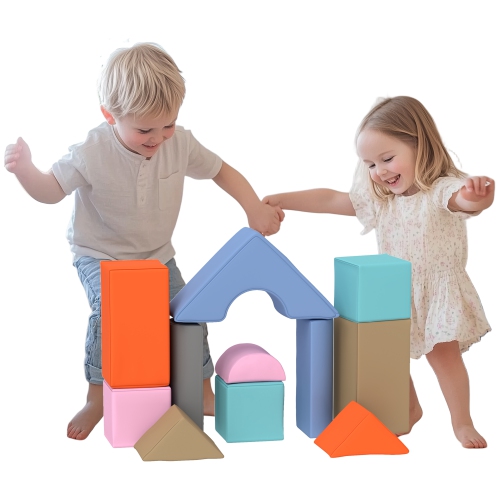
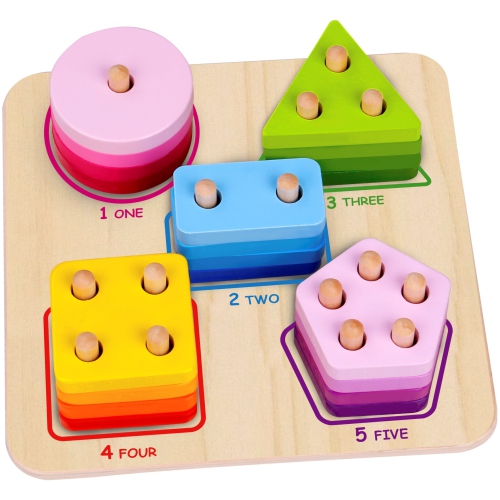
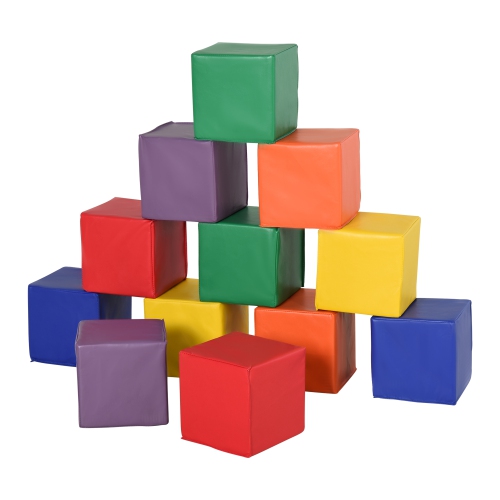


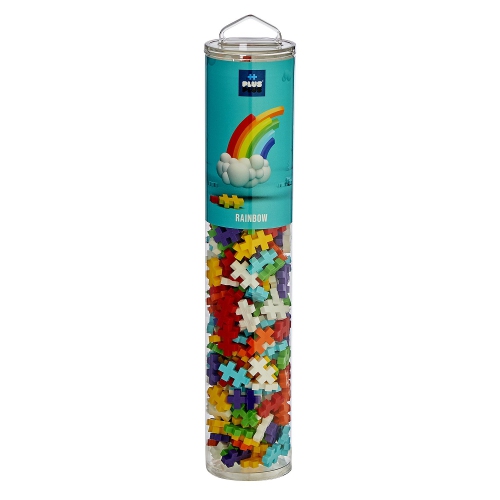
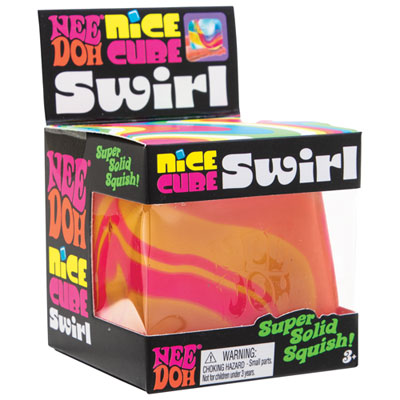
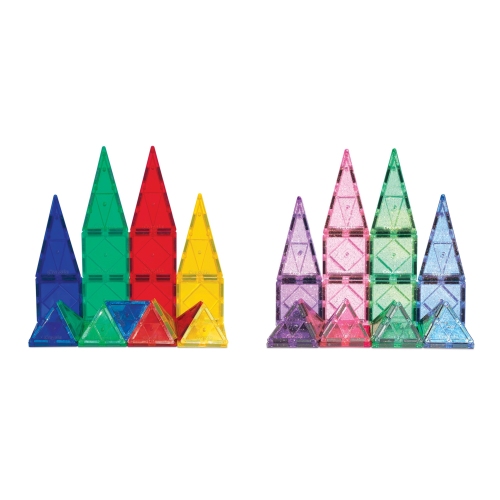
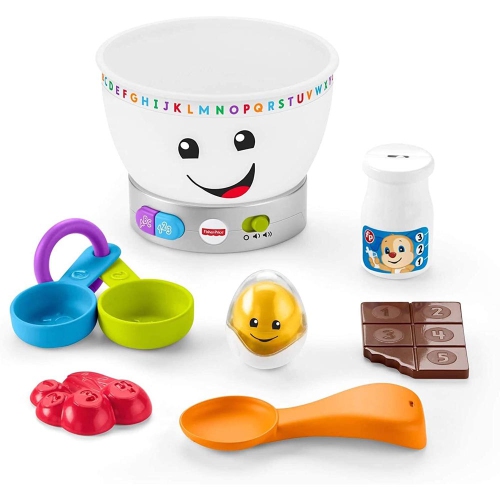
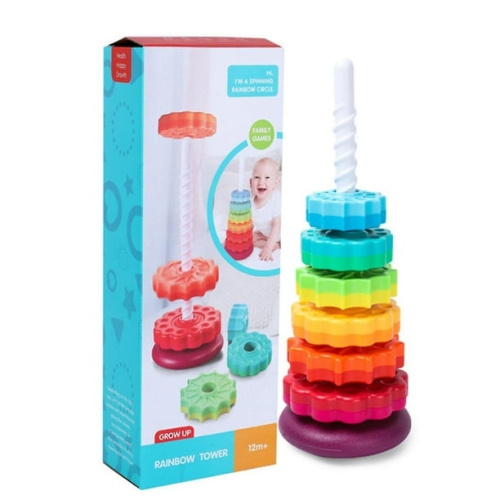


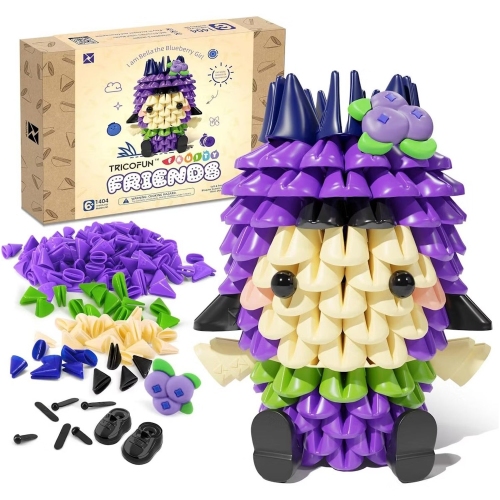
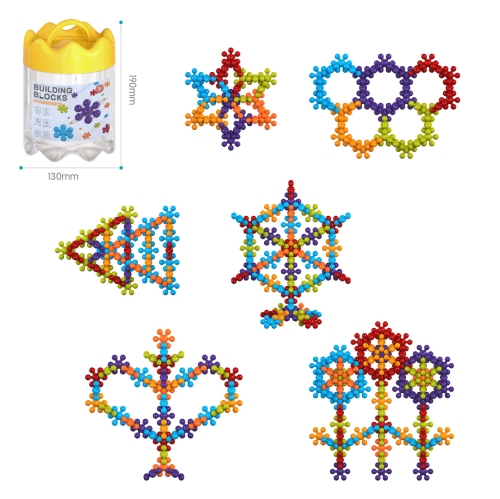

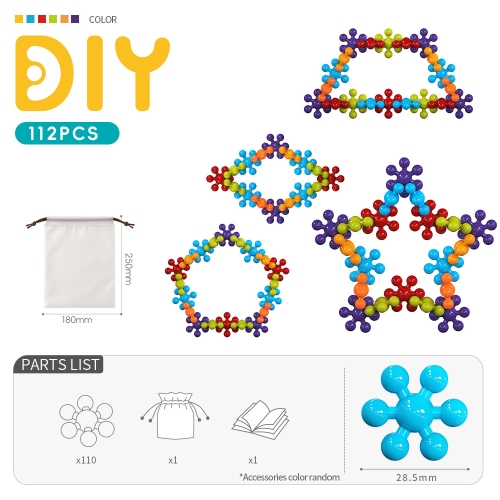

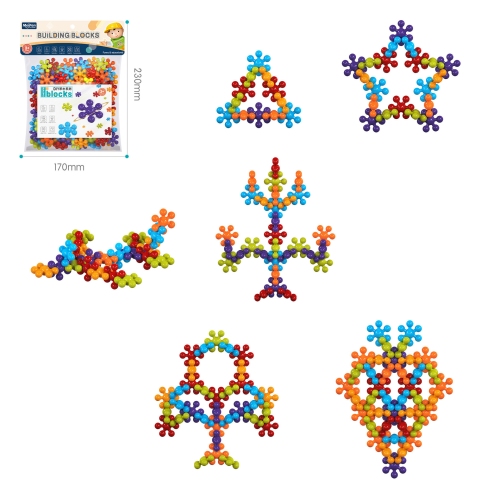


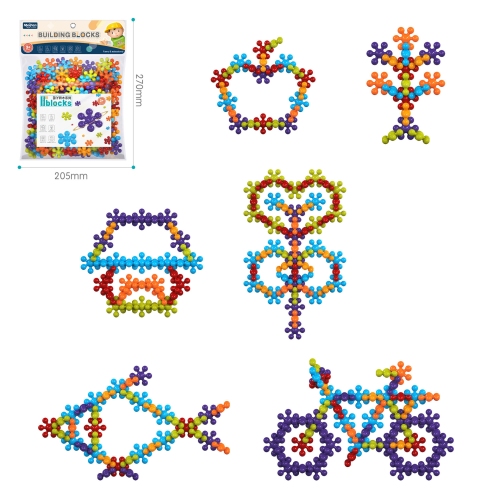
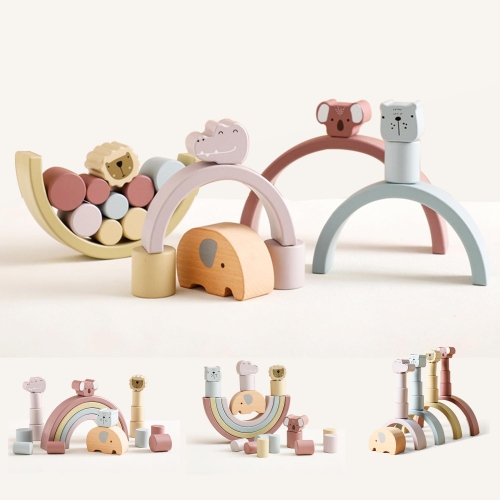
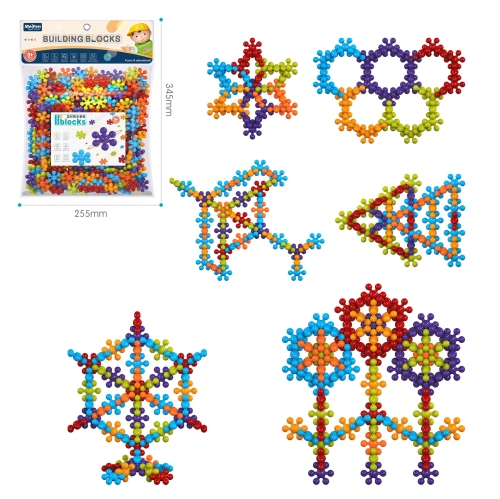


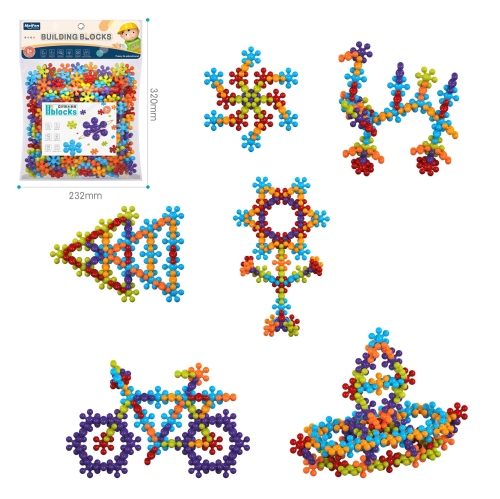

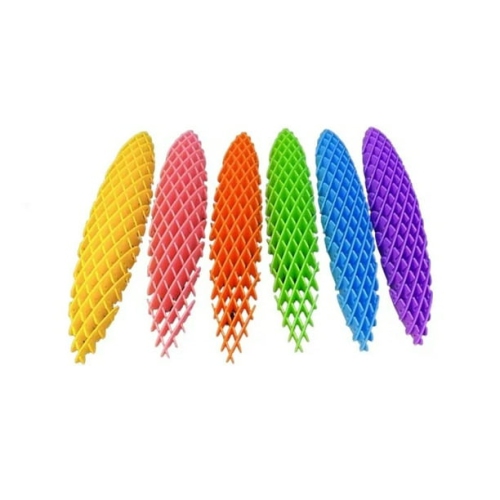
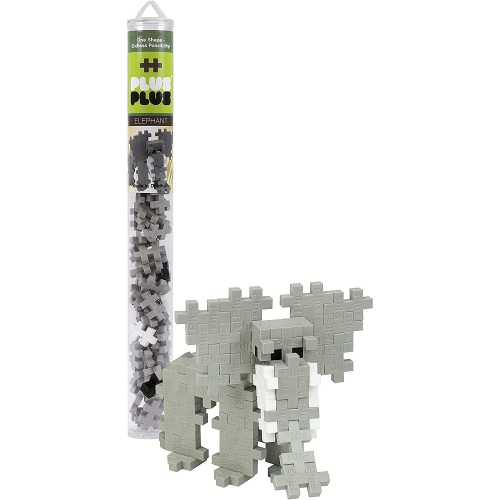

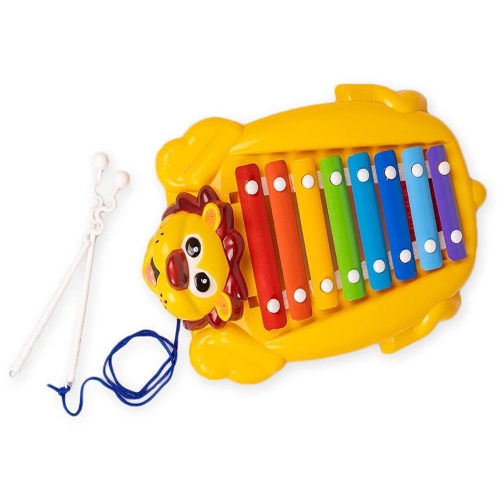


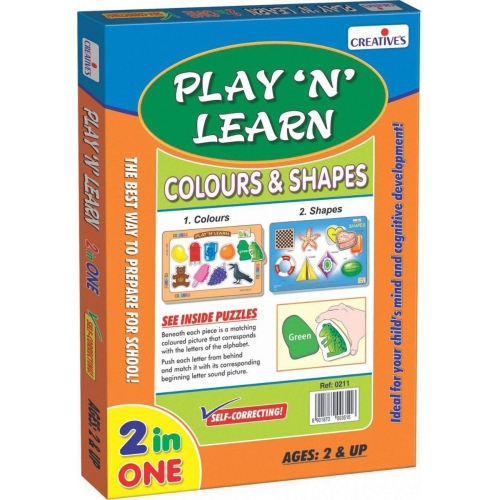

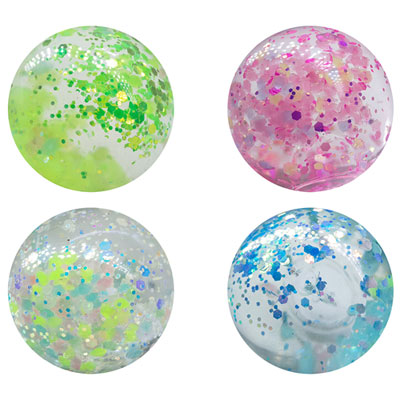
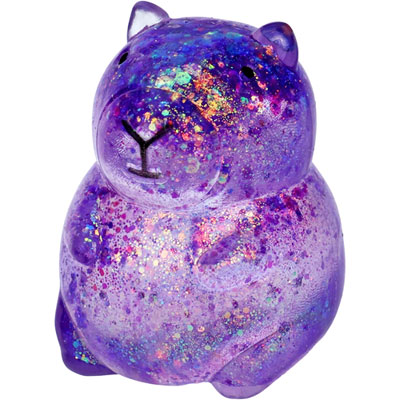


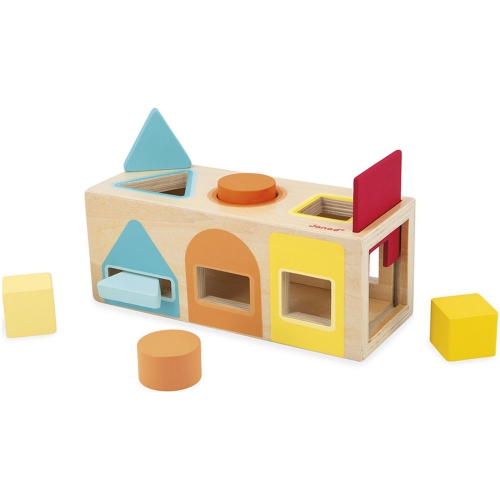


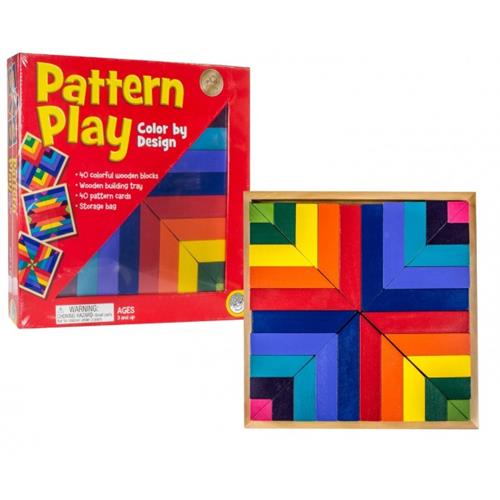
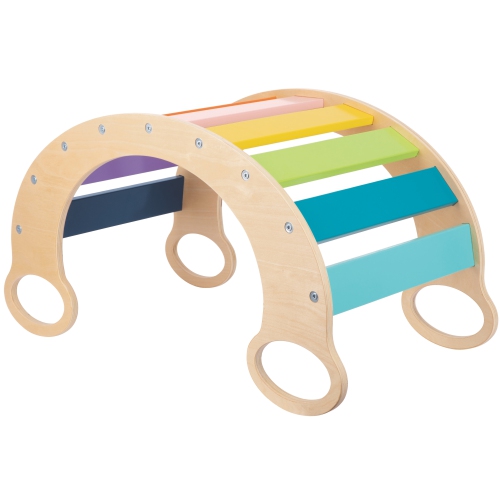

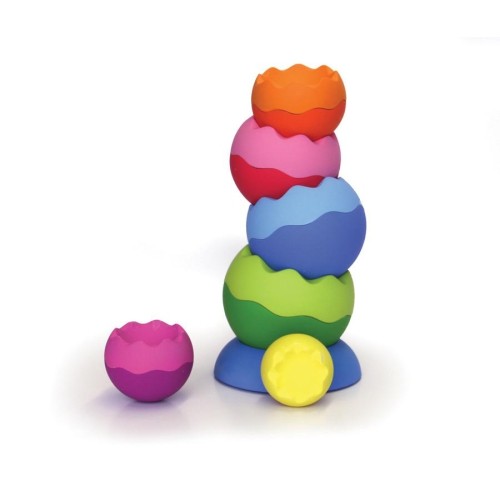

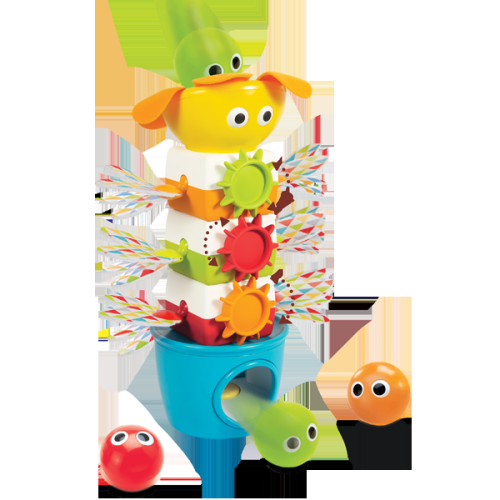

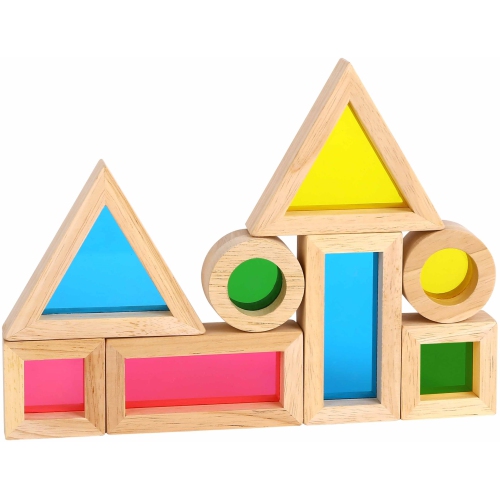
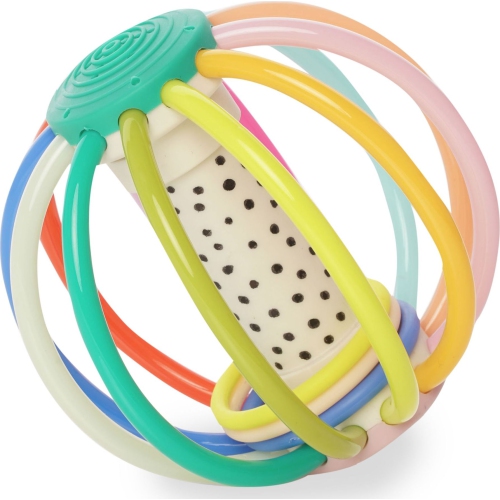

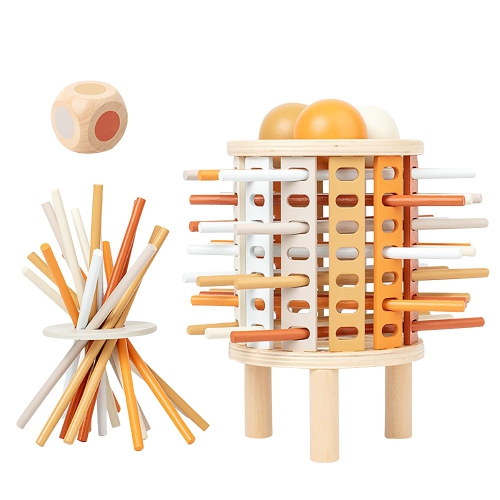



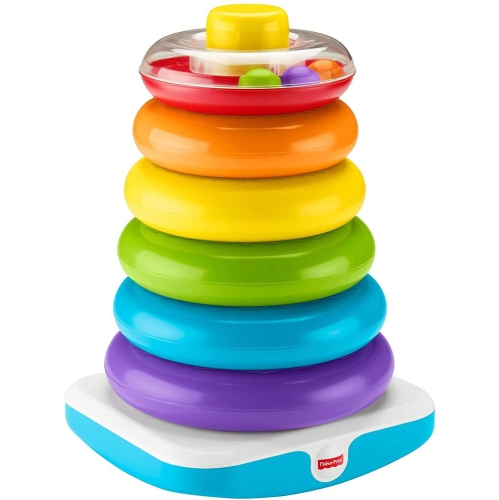




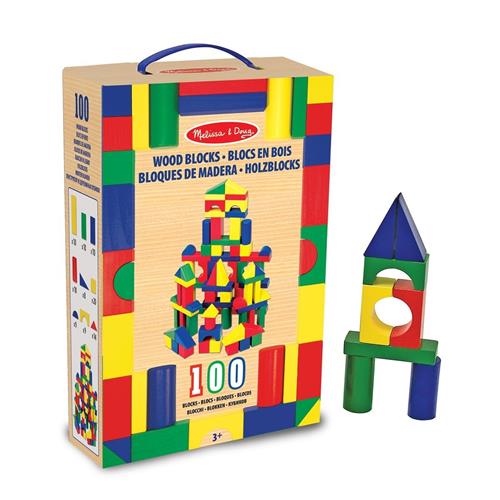
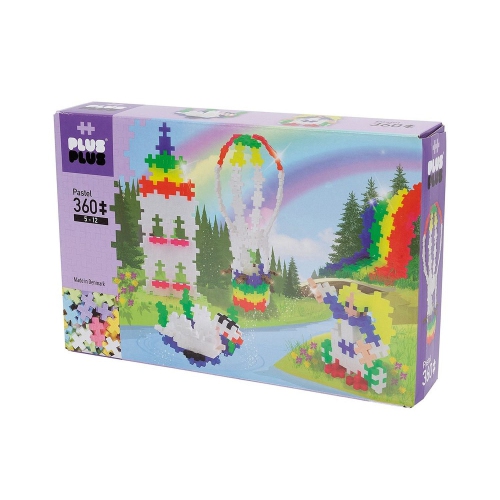

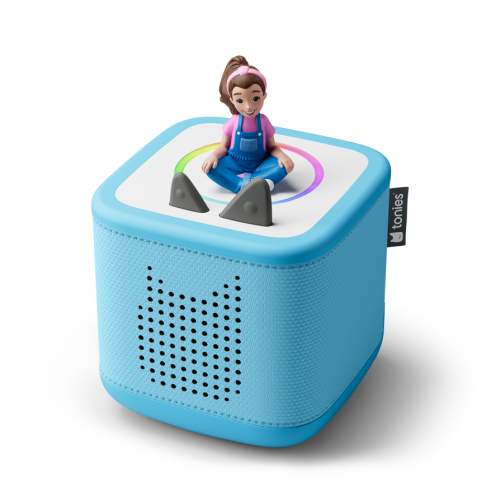


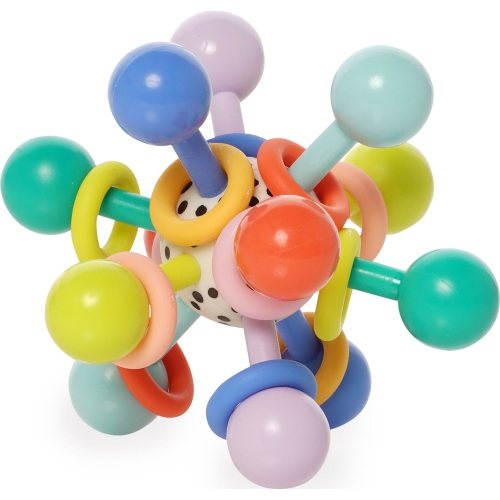

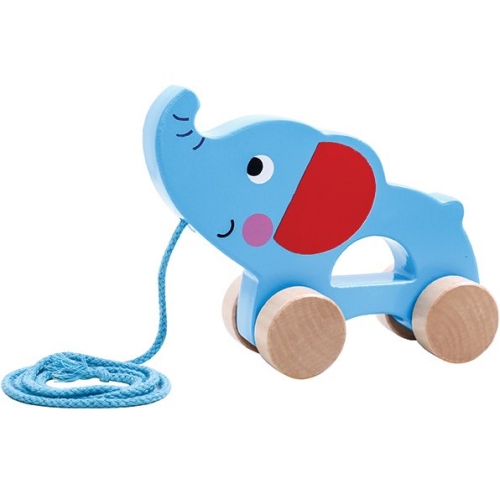
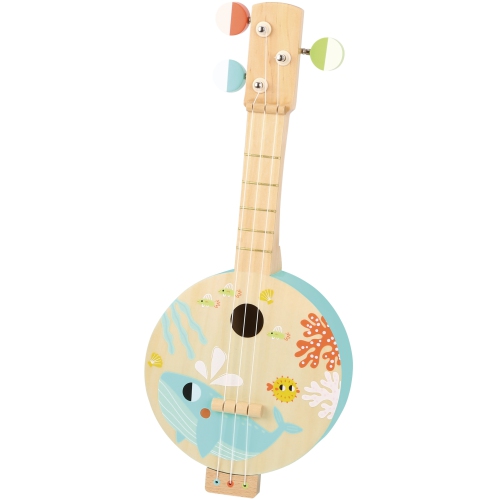

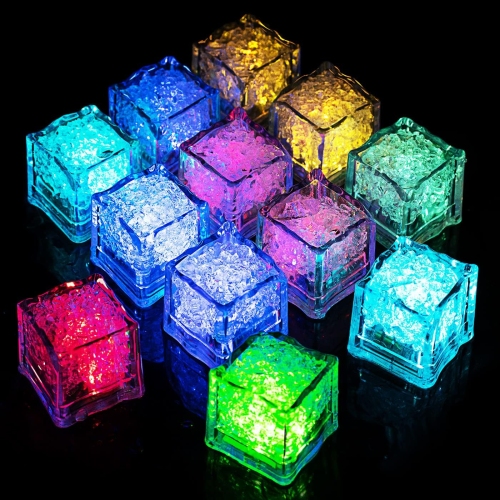
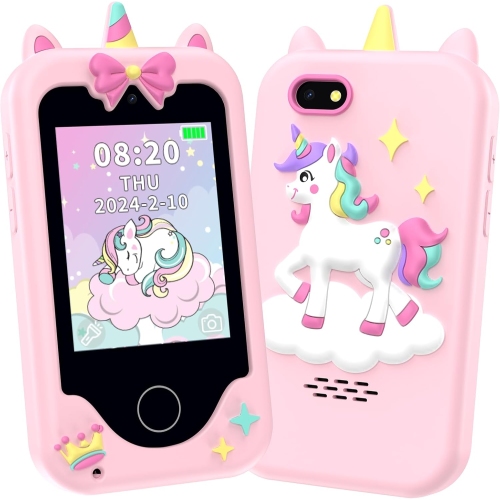
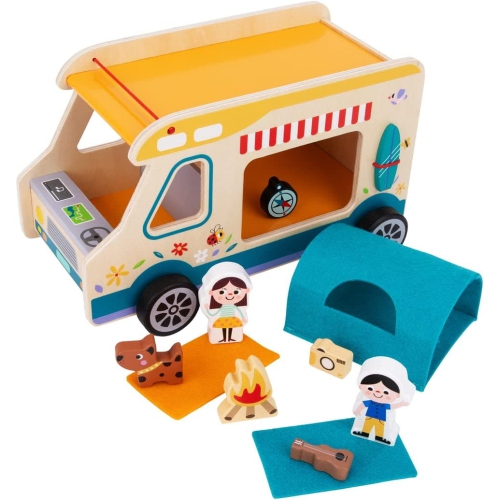
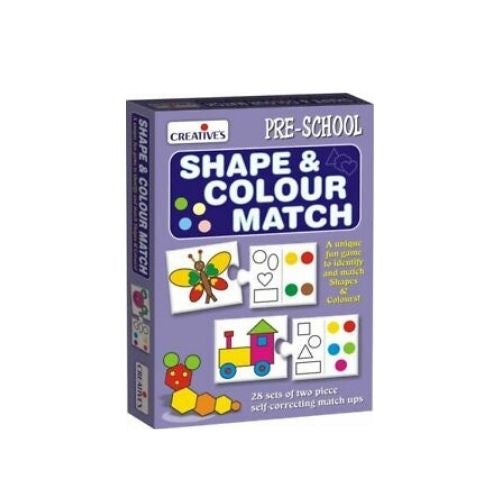
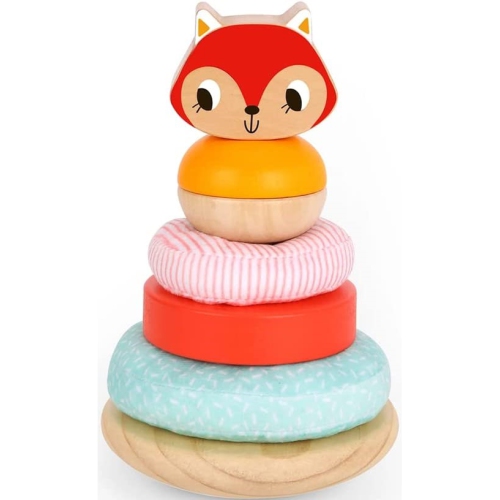


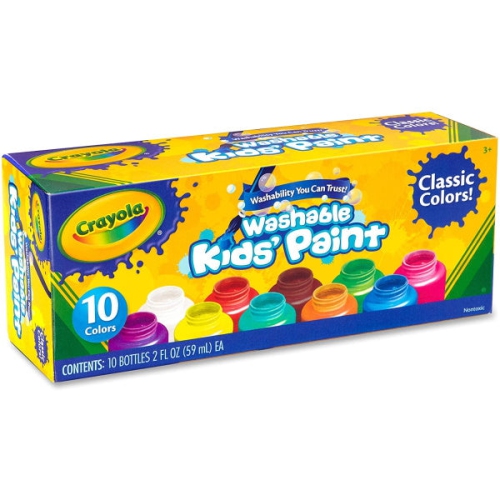


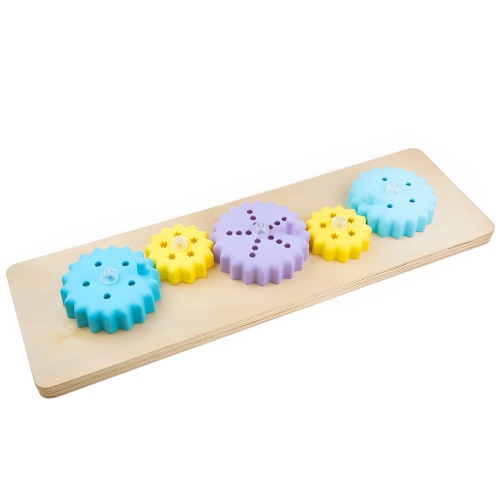
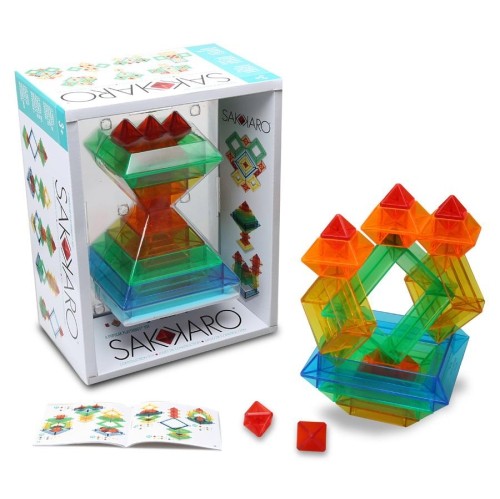


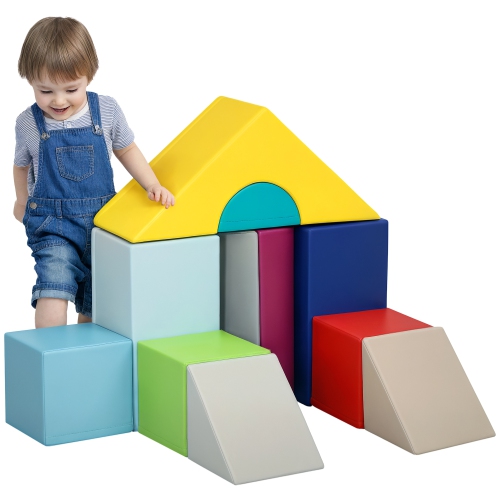
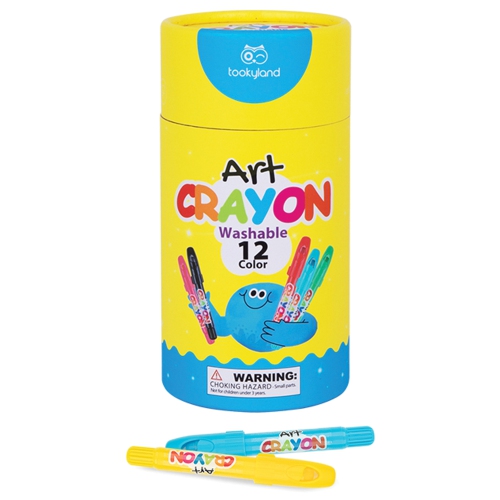


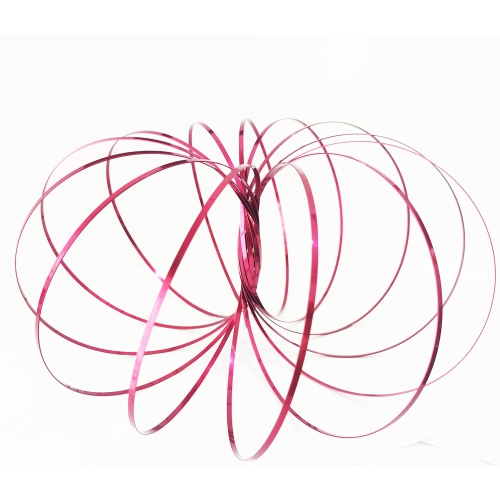
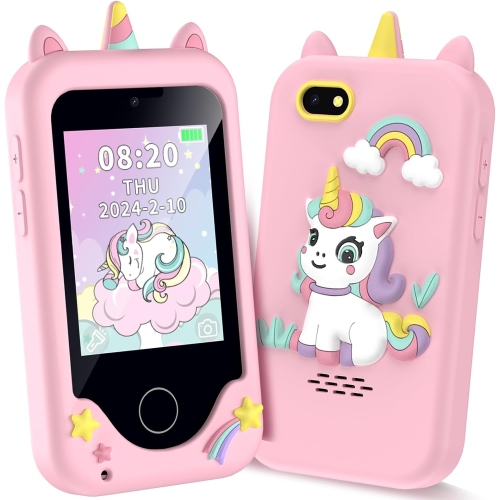
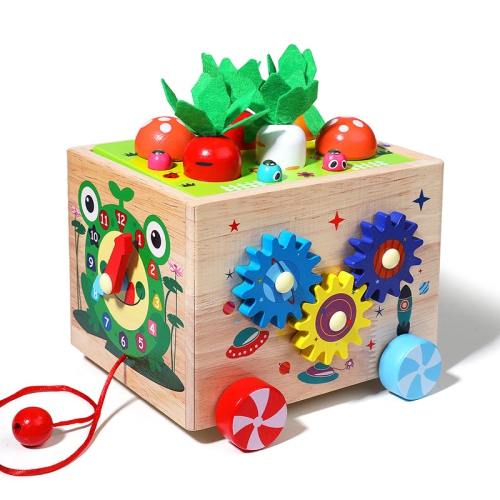
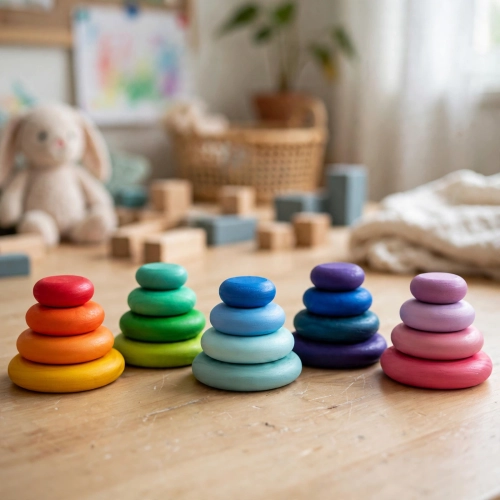
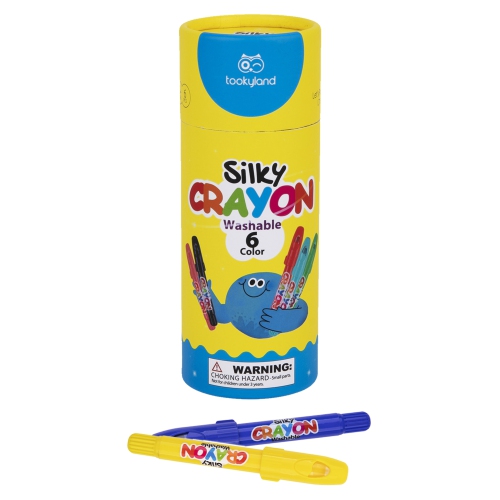
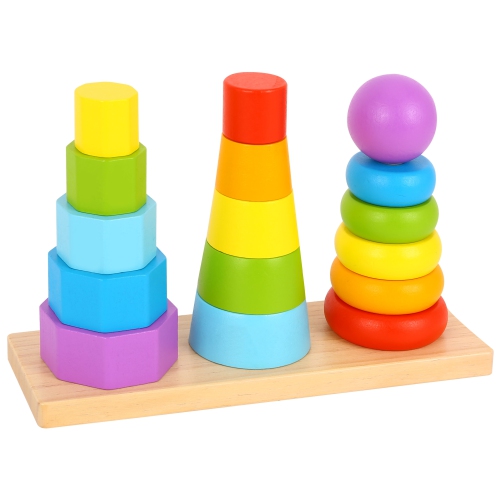


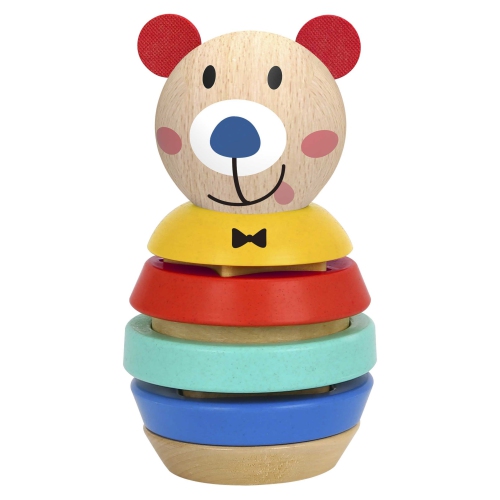
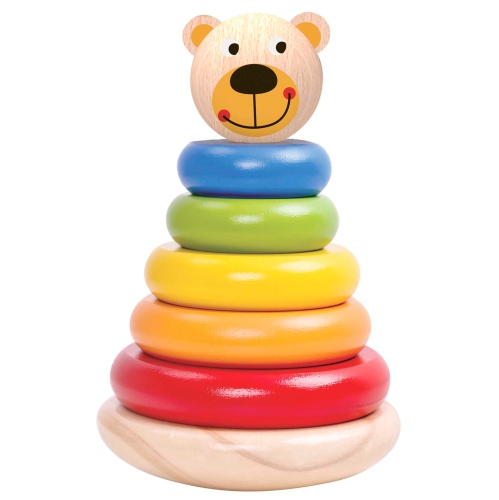

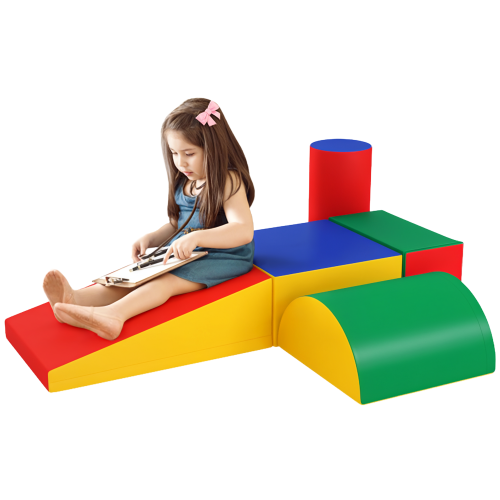

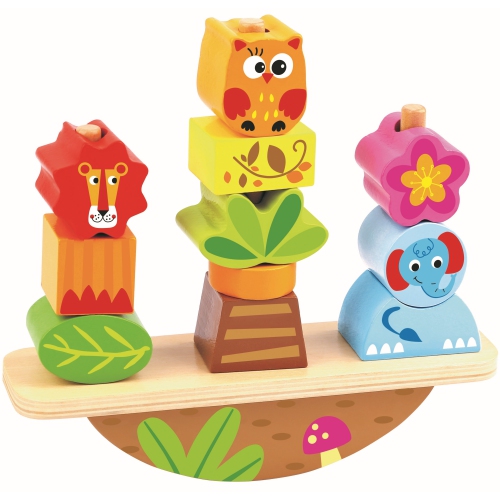
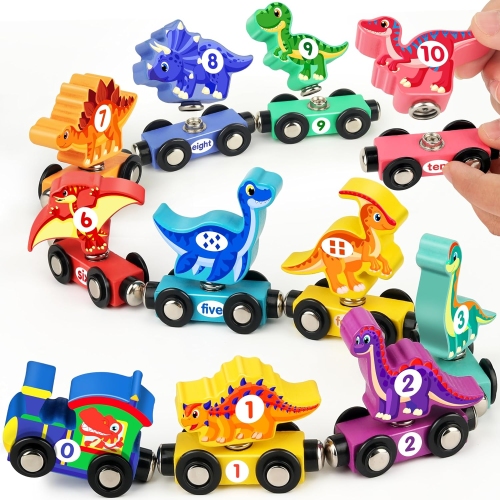


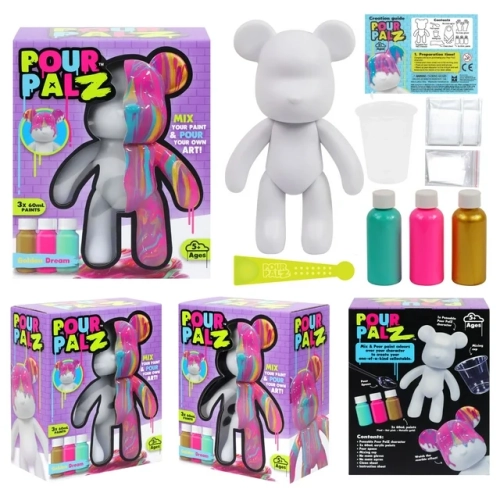
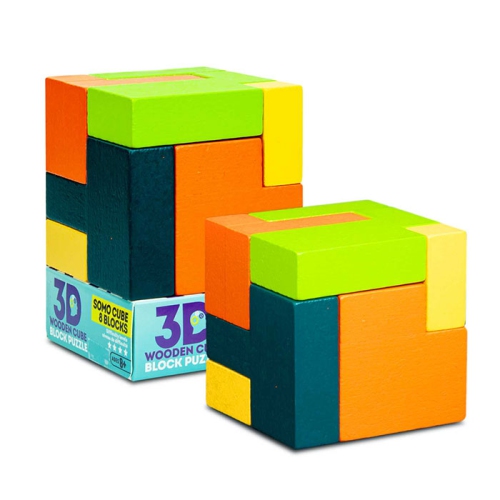

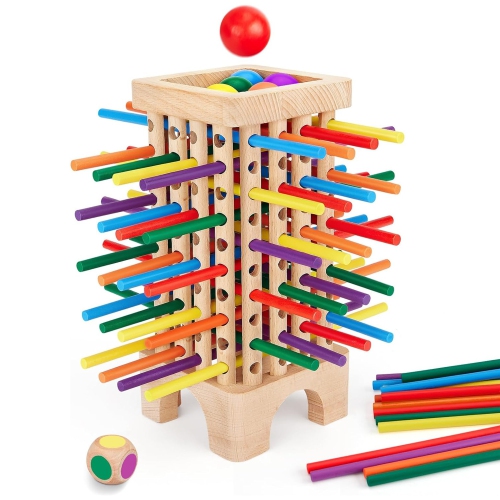
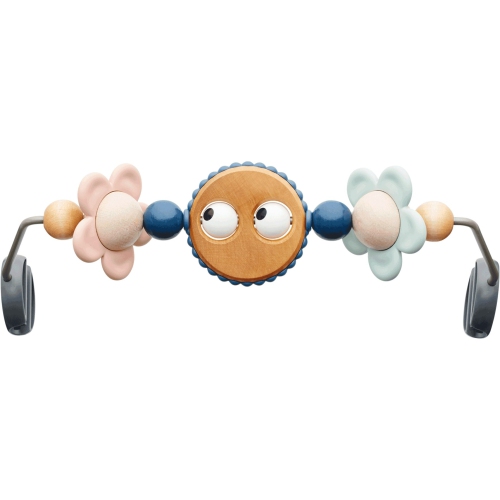


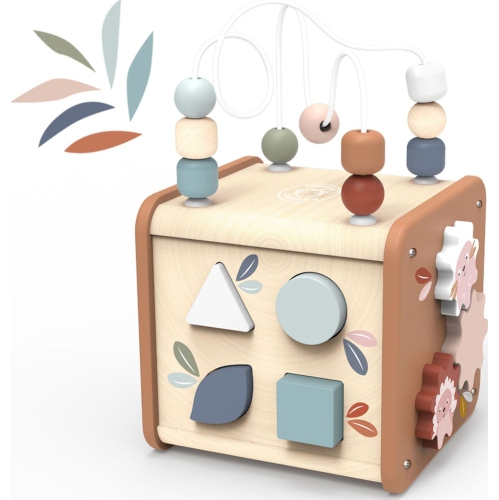

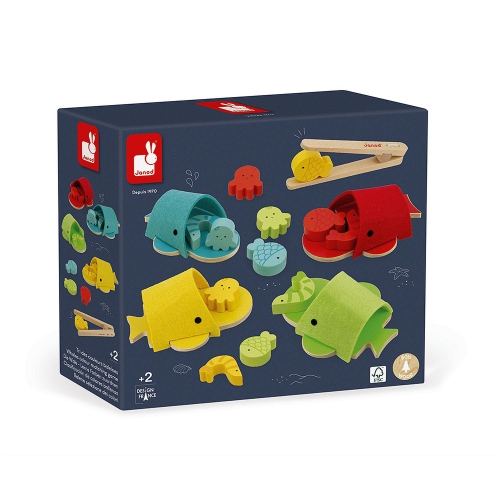

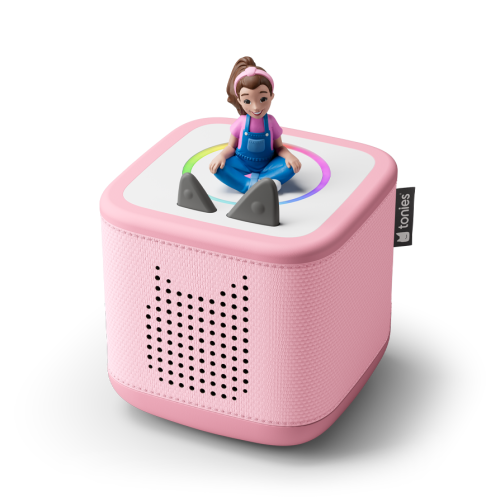

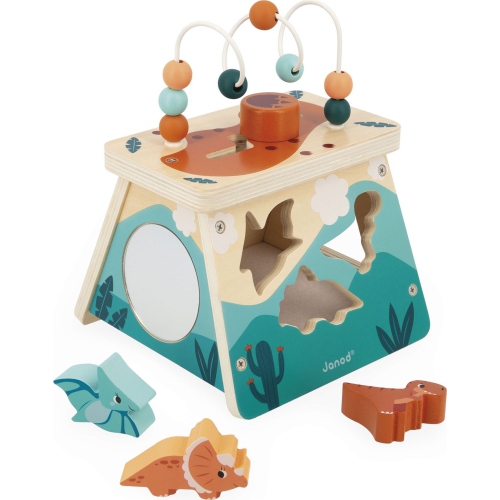
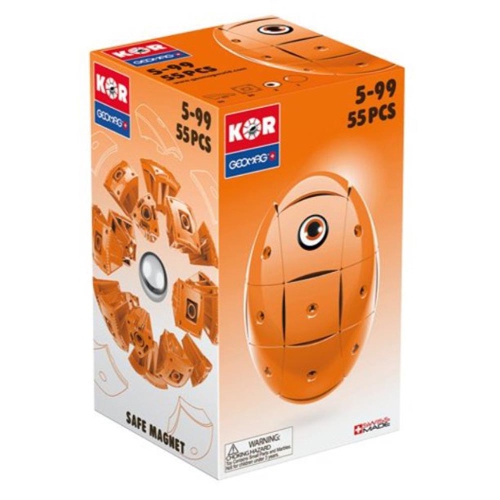


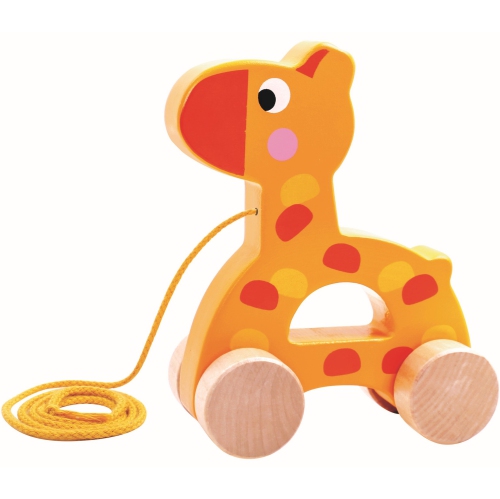
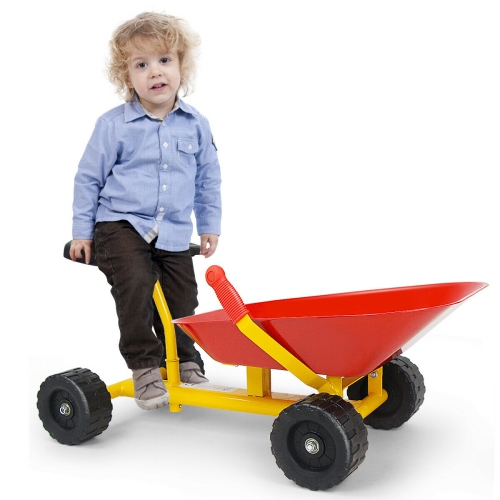

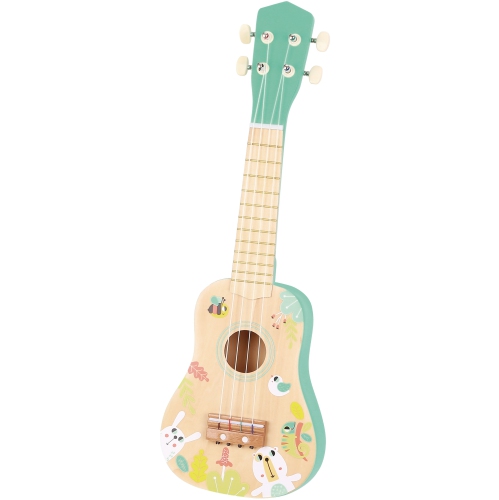
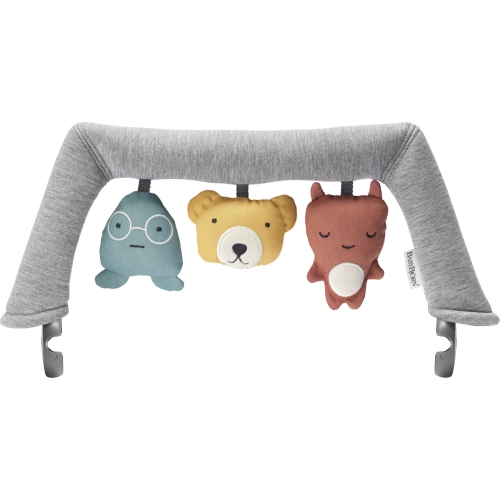

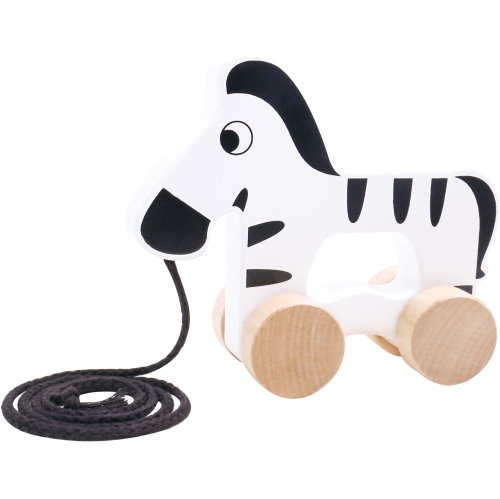
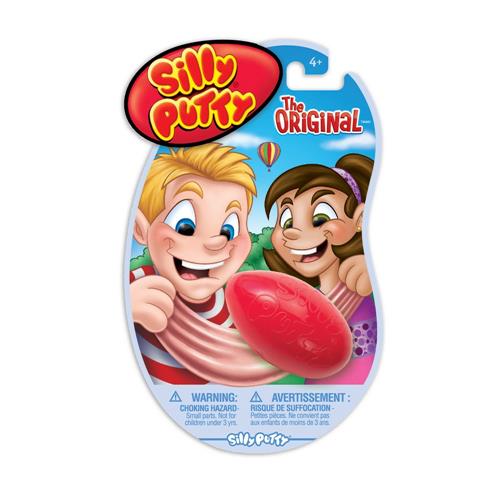

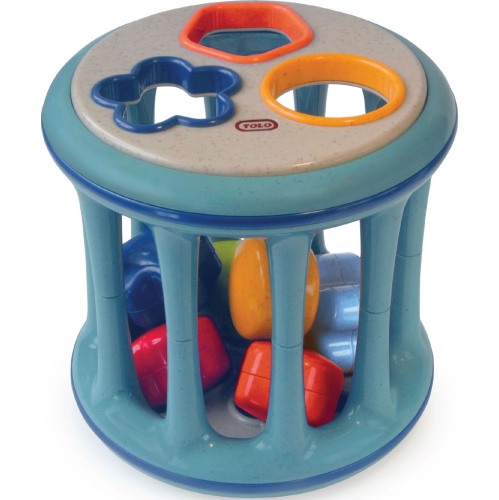
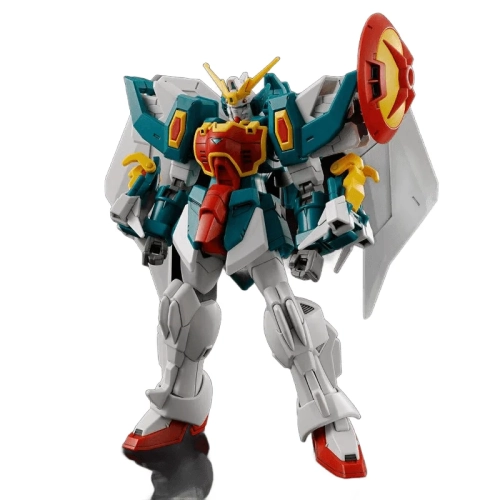
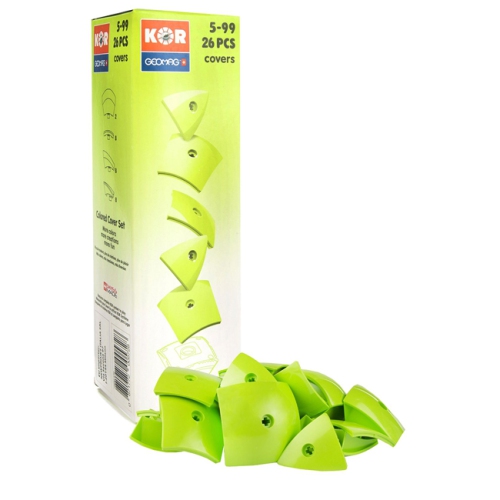

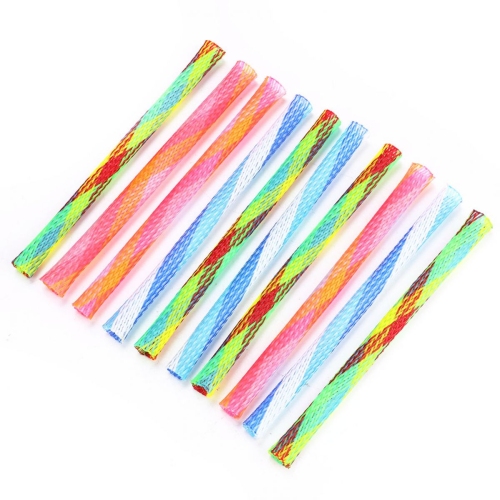
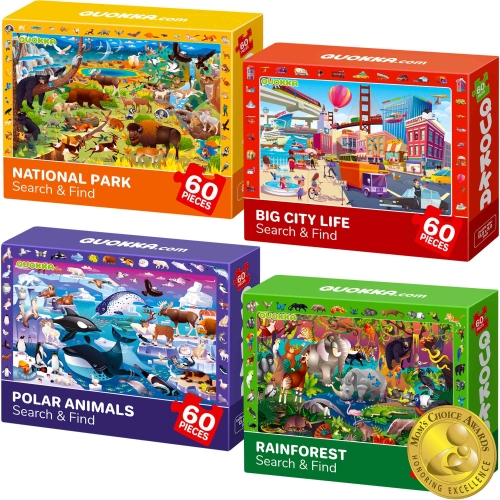
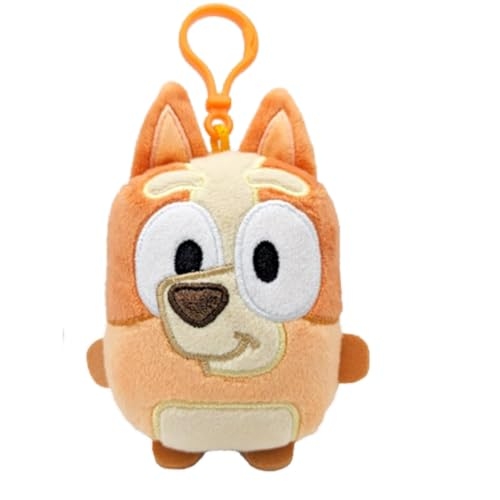


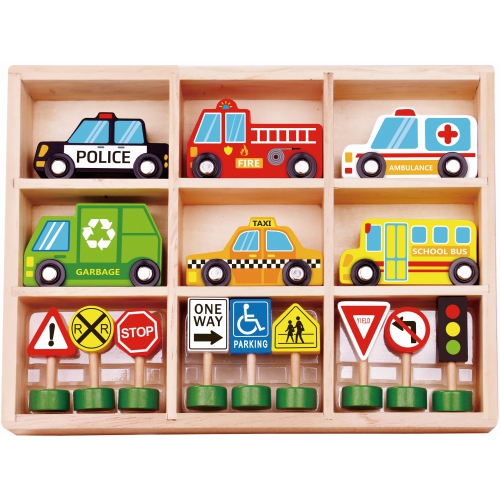
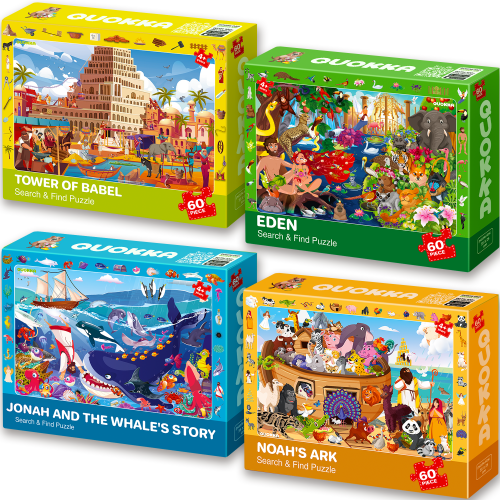
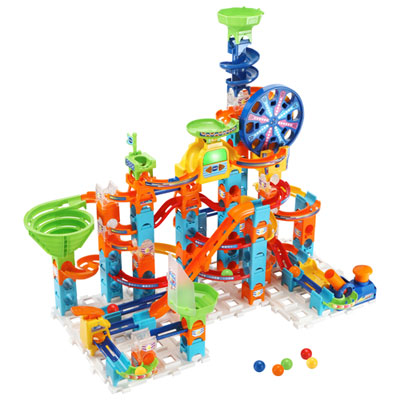
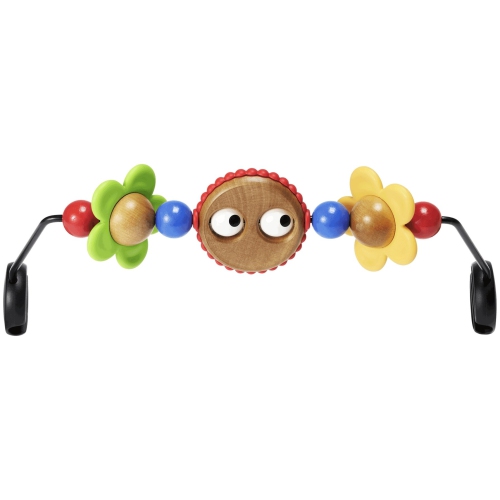
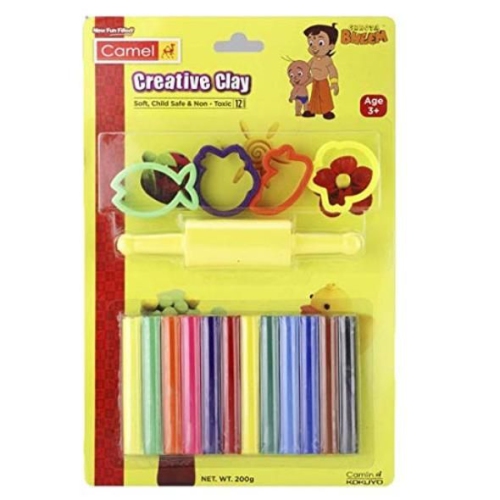


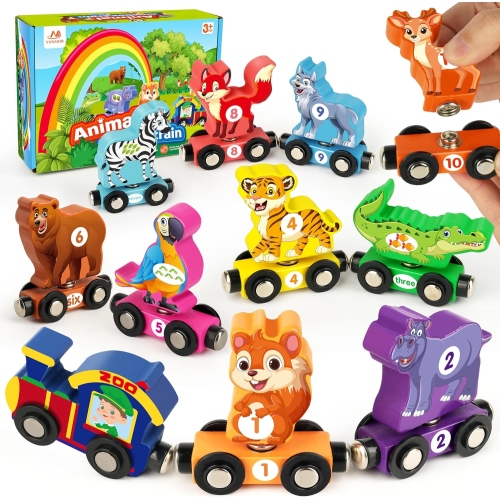

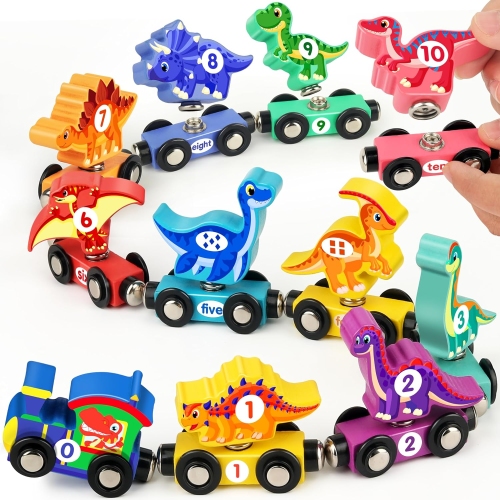
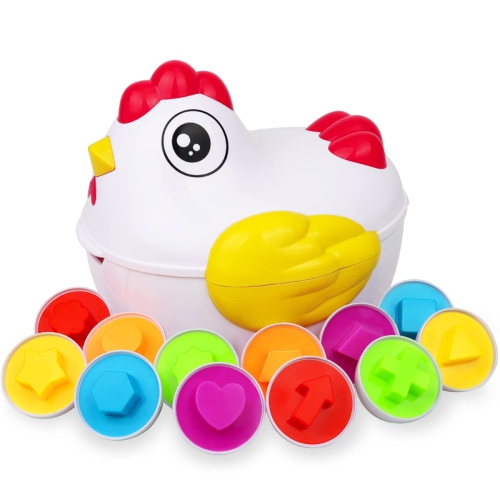



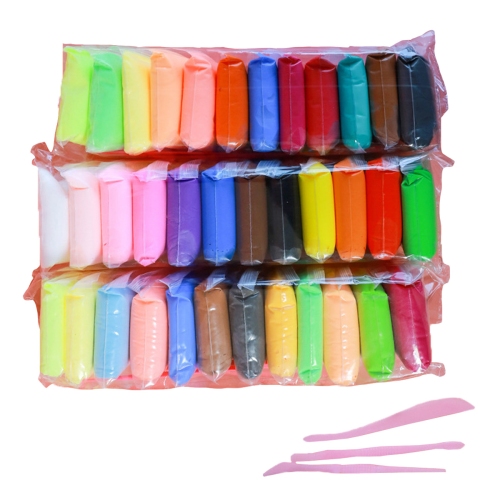
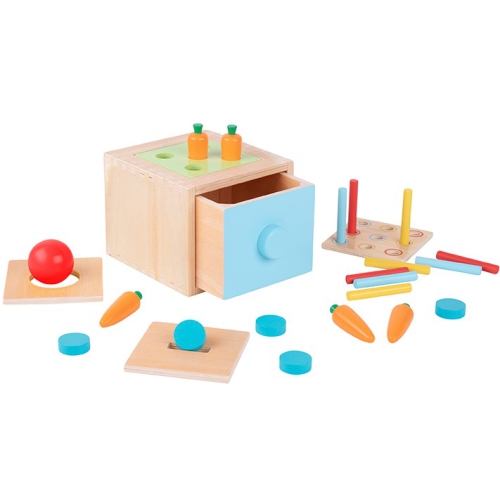

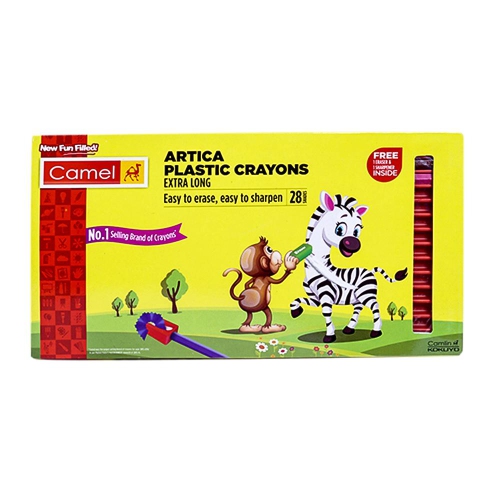

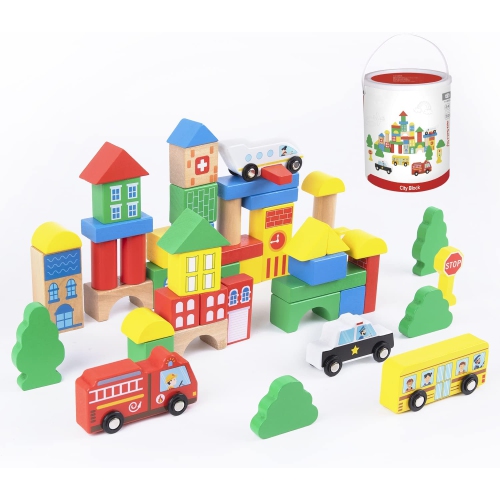
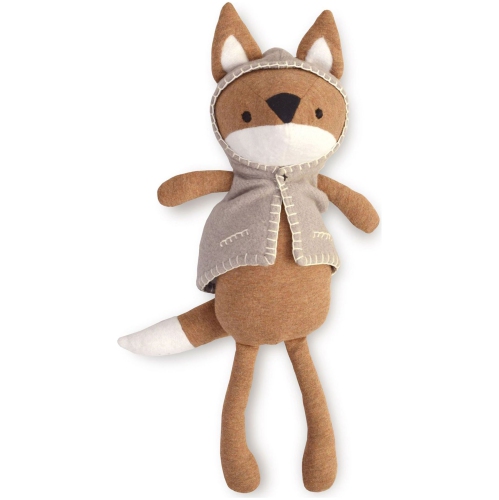
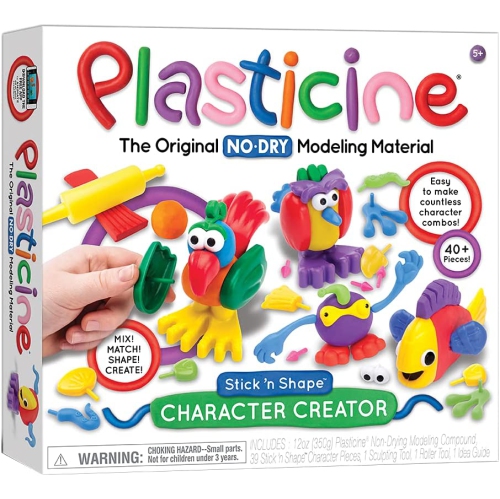


Hands-on play builds colour recognition, sorting, and early skills
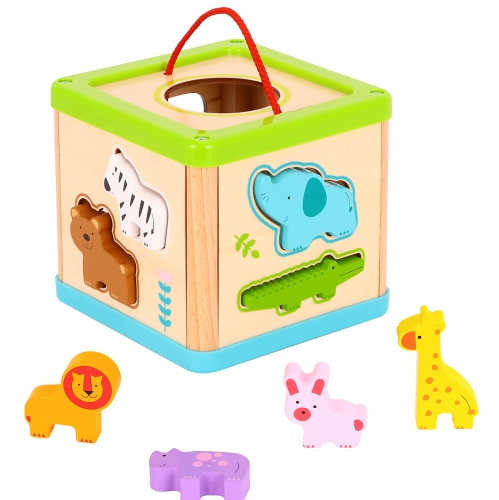
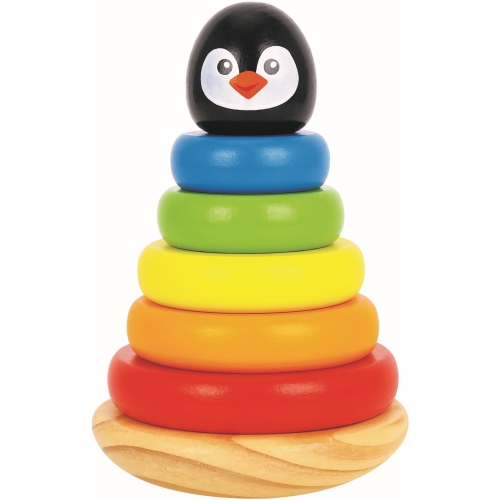
Colour toys turn early learning into hands-on play, giving toddlers and young children a lively way to notice, name, match and sort different hues. Rather than relying only on flashcards or spoken instructions, these toys let children handle pieces, compare shades and see the results of their choices. A simple sorting activity might involve placing red, blue, yellow and green pieces into matching cups, while a stacking or peg-board toy can combine colour recognition with size, shape and counting practice. Counting bears, coloured counters and other small learning pieces can help children build one-to-one counting skills as they group items by colour. Wooden shape and colour matchers add another layer by encouraging children to fit pieces into the correct spaces, recognize basic geometry and develop hand-eye coordination. Electronic sorters can offer lights, sounds or spoken prompts that make each correct match feel rewarding, while sensory toys with soft gel, movable beads or textured surfaces provide tactile feedback as children explore and organize colours. The best choice depends on the child’s age, interests and stage of development, so check the recommended age range and choose a design that feels manageable without being too easy. Younger toddlers often benefit from large, easy-to-grip pieces and a small number of clearly contrasting colours. Older preschoolers may enjoy more detailed patterns, graduated shades, shape combinations or activities that include counting and memory challenges. Adult supervision is important when a toy includes small parts, particularly around children who still put objects in their mouths. Look for sturdy construction, smooth edges and materials that are easy to wipe clean, and keep loose pieces stored together between play sessions.
Colour toys can fit naturally into everyday routines at home, in a classroom, at daycare or during visits with grandparents. A child might start by matching pieces to coloured cups, then move on to sorting laundry by colour, finding objects around the room or creating a simple rainbow pattern with blocks. These activities support language development because adults can describe what children see and do: “You found the blue piece,” “These two colours are the same,” or “Let’s place the small yellow shape beside the large one.” Repeating colour names in a relaxed way helps children connect words with visual details without turning play into a formal lesson. Open-ended toys are especially useful because they can be used at several levels. A toddler may simply stack, scoop or group pieces, while a preschooler can follow a sequence, copy a pattern, count each item or identify which colour is missing. Sorting also encourages early problem-solving. Children learn to pause, compare and try again when a piece does not fit or when a group contains one item that looks different. Sensory colour toys can be helpful during quiet play, travel or transition times, when a child may appreciate a calming activity that keeps their hands busy. For active learners, interactive sounds and movement can maintain attention for longer stretches. For children who prefer a slower pace, wooden boards, stacking rings and textured pieces offer a more peaceful experience. A colour toy can also become a shared activity: an adult can take turns with the child, create a pattern for them to copy or invite them to explain how they decided where each piece belongs. This kind of play supports confidence and communication while leaving plenty of room for imagination.
When choosing a colour toy as a gift, consider the child’s interests as well as the practical setting where it will be used. A compact sorter or small set of chunky pieces can be convenient for a playroom, bedroom or visit to family, while a larger activity board may suit a dedicated learning area. If the gift is for a toddler, prioritize pieces that are easy to grasp, brightly differentiated and simple to place or stack. For preschool-aged children, look for activities that grow with their skills by offering matching, sorting, counting, pattern-making and shape recognition in one format. Gifts for siblings or playgroups may work best when they include enough pieces for more than one child to participate, although shared play is usually smoother when an adult helps establish turn-taking. Storage is another useful consideration: trays, divided compartments or a lidded container can make cleanup easier and prevent pieces from becoming scattered. During cooler months, colour toys can provide an inviting screen-free activity for indoor afternoons, quiet mornings or relaxed family time, while their compact format also makes them practical for travel and visits. They pair well with other early-learning activities, including drawing, painting, picture books and simple Color Games, allowing children to keep practising colour vocabulary in different ways. Whether the goal is to introduce basic colour names, strengthen sorting skills, encourage sensory exploration or offer a thoughtful gift, the right toy should feel enjoyable first and instructional second. Choose an activity that matches the child’s abilities, offers clear visual feedback and leaves room for discovery, repetition and plenty of imaginative play.
Top selling and popular products
-
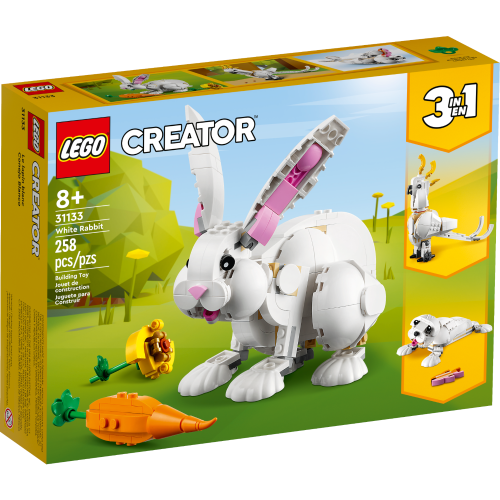 Your price for this item is $38.53
-
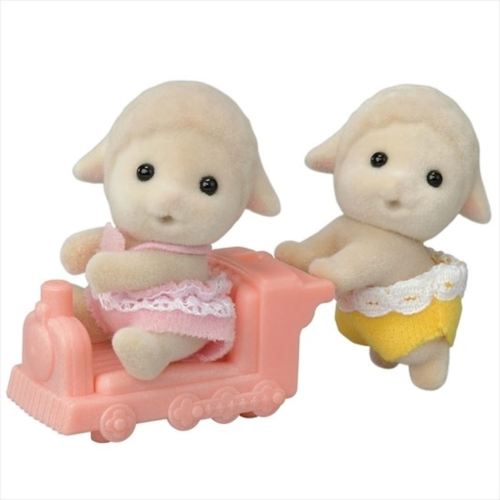 Your price for this item is $93.99
-
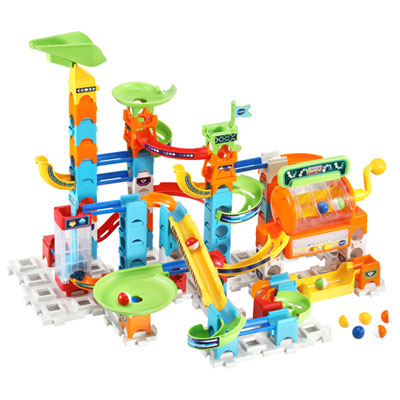 Your price for this item is $59.99
-
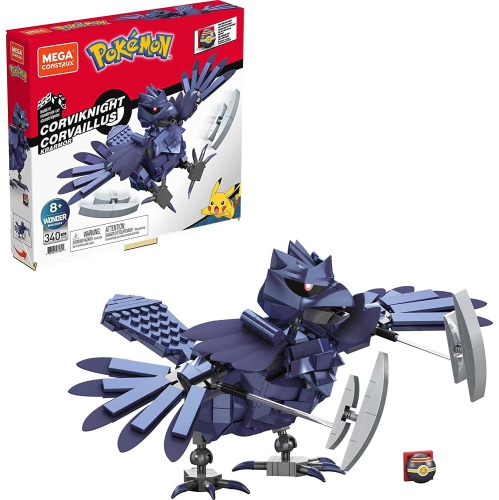 Your price for this item is $51
-
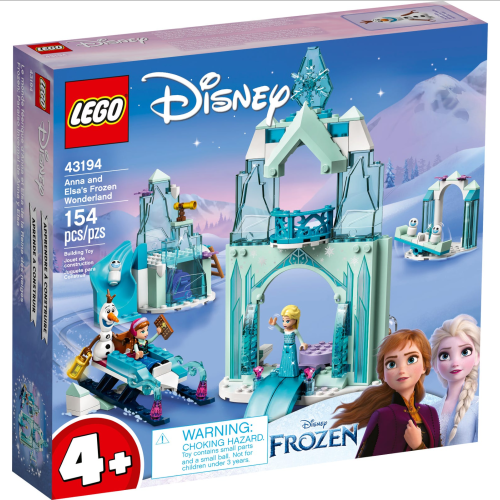 Your price for this item is $108.48
-
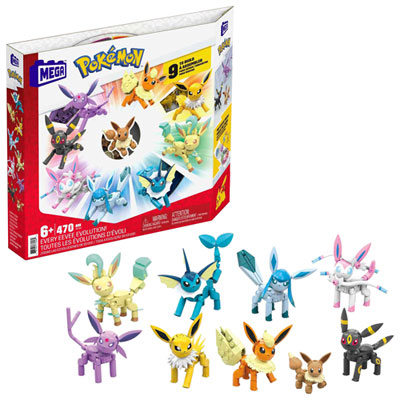 Your price for this item is $82.99
-
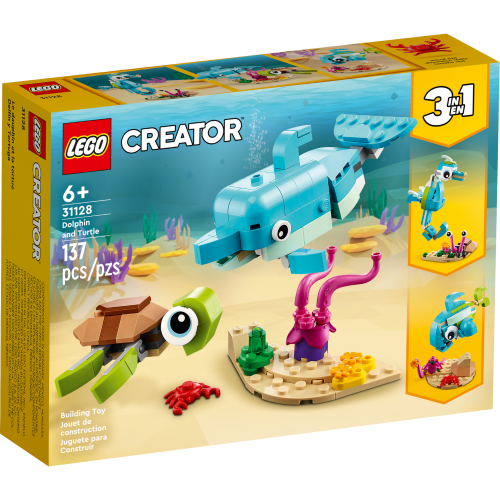 Your price for this item is $55.78
-
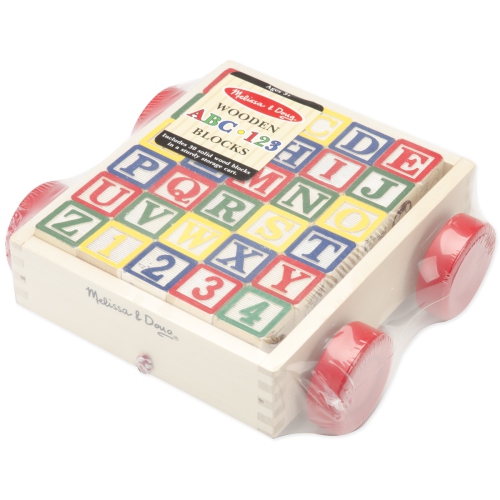 Your price for this item is $38.99
Discover more categories related to Colour Toys

Top Collections:
Pokemon Centers, Best Cameras for Sports Photography, Kindle Devices, Samsung Galaxy Phones, Canon G7X Cameras, Pokémon 30th Celebration Cards, Refurbished Apple Laptops, iPhone 15 Apple, Laptops for Students, Budget Smartphones
Some products may be subject to Environmental Handling Fees
(EHF) depending on your province.
Learn more about EHFs.