Competitive Board Games for Adults
Elevate your next game night with a wide selection of competitive board games for adults. Designed to challenge strategy, quick thinking, and teamwork, these games bring excitement and friendly rivalry to any gathering. Whether you’re looking to outwit opponents or test your skills in head-to-head matchups, competitive board games for adults offer engaging experiences that keep everyone on their toes. Discover options that are perfect for parties, casual get-togethers, or dedicated game nights with friends and family.
Sort


![STONEMAIER GAMES Rolling Realms [Board Game, 1-6 Players]](https://multimedia.bbycastatic.ca/multimedia/products/500x500/194/19478/19478038.jpeg)
![DAYS OF WONDER Ticket to Ride: Europe [Board Game, 2-5 Players]](https://multimedia.bbycastatic.ca/multimedia/products/500x500/151/15158/15158850.jpg)
![ASMODEE Orbis [Board Game, 2-4 Players]](https://multimedia.bbycastatic.ca/multimedia/products/500x500/151/15158/15158881.jpeg)
![SAS CREATIVE Carthage - The Deckbuilding Board Game [Board Game, 1-5 Players]](https://multimedia.bbycastatic.ca/multimedia/products/500x500/151/15158/15158860.jpeg)
Strategy, rivalry, and memorable game nights around one table
Competitive board games for adults bring strategy, planning, and lively player interaction to the same table. Unlike quick-play games that can be completed in a few minutes, these experiences often reward careful decisions made over several rounds, with each choice shaping what becomes possible later. Players may compete to control territory, develop an economic network, build an efficient production engine, draft the most valuable cards, or complete shared objectives before their opponents do. Some games focus on direct conflict and changing borders, while others create tension through limited resources, auction-style decisions, trading, or subtle competition for turn order. The most satisfying titles usually offer more than one path to victory, allowing one player to focus on building income, another to collect powerful combinations, and another to secure strategic spaces on the board. That variety gives the game a different rhythm each time it reaches the table. A group may begin with cautious planning, move into a period of tight competition as resources become scarce, and finish with a dramatic final round in which a single well-timed action changes the standings. For players who enjoy thinking several steps ahead, competitive board games for adults can provide a richer alternative to casual entertainment, while still creating the social energy of a shared evening. Browse the broader selection of Board Games for Adults to find options that suit different interests, experience levels, and group sizes.
When choosing a competitive board game, start with the people who will be playing and the kind of interaction they enjoy. Player count matters because a game designed for two people can feel intensely focused, with every move carrying immediate consequences, while a larger group may create shifting alliances, more negotiation, and greater uncertainty. It is also worth checking the recommended age range, estimated play time, and complexity level. A title described as a heavier strategy game may involve a substantial rulebook, multiple stages of play, and a longer setup, but that depth can be exactly what experienced players are looking for during a dedicated game night. For a mixed-experience group, a medium-weight game with clear iconography and a gradual introduction to its systems may be more approachable. Look for mechanics that match the group’s personality. Area control suits players who enjoy claiming regions and responding to opponents’ movements. Engine-building games appeal to anyone who likes turning modest early actions into a powerful system that produces more resources later. Card drafting rewards players who can evaluate several options quickly while noticing which cards their opponents may need. Worker placement, route building, set collection, hidden information, and negotiation each create a different kind of competition. Components and table space deserve attention as well. A game with a large board, individual player mats, tokens, cards, and resource pieces can make a dining table feel like a command centre, but it may need a clear surface for setup and storage between sessions. Sturdy pieces, readable text, helpful player aids, and an orderly insert can make a meaningful difference when a game returns to the table often. For households with limited space, consider how easily the box, boards, and components can be packed away after play.
Competitive board games can be an engaging choice for couples, families with older children, roommates, and established game groups that enjoy learning a system together. They also make thoughtful gifts for adults who appreciate puzzles, strategy, storytelling, or social gatherings, especially when the game reflects the recipient’s interests. Someone who enjoys history and planning may prefer a setting built around commerce, industry, or exploration, while a nature enthusiast may appreciate a collection and management theme. Fans of fantasy or science fiction may be drawn to games with asymmetric abilities, evolving objectives, and a sense of building a world across the table. For a gift, consider whether the recipient already has a regular group, how many people typically attend, and whether they prefer competition that is direct or more understated. A game that allows players to develop their own plans while still interacting through a shared board can work well for groups with different comfort levels. During the cooler months, a long table game can become the centre of an evening: mugs of coffee nearby, score sheets filling with notes, and players pausing mid-conversation to weigh one final investment or card choice. Some groups enjoy a relaxed first session focused on learning, followed by a more competitive rematch once the rules feel familiar. Others prefer a shorter format that can fit after dinner or alongside several different games. Before purchasing, review the play time, complexity, player range, theme, and space requirements together rather than relying on one feature alone. The right choice should feel challenging without becoming frustrating, support the number of players in the household, and offer enough strategic variety to remain interesting after the first victory. With a well-matched game, an ordinary evening can turn into a memorable contest filled with clever plans, unexpected setbacks, good-natured rivalry, and the satisfying sound of pieces moving into place.
When choosing a competitive board game, start with the people who will be playing and the kind of interaction they enjoy. Player count matters because a game designed for two people can feel intensely focused, with every move carrying immediate consequences, while a larger group may create shifting alliances, more negotiation, and greater uncertainty. It is also worth checking the recommended age range, estimated play time, and complexity level. A title described as a heavier strategy game may involve a substantial rulebook, multiple stages of play, and a longer setup, but that depth can be exactly what experienced players are looking for during a dedicated game night. For a mixed-experience group, a medium-weight game with clear iconography and a gradual introduction to its systems may be more approachable. Look for mechanics that match the group’s personality. Area control suits players who enjoy claiming regions and responding to opponents’ movements. Engine-building games appeal to anyone who likes turning modest early actions into a powerful system that produces more resources later. Card drafting rewards players who can evaluate several options quickly while noticing which cards their opponents may need. Worker placement, route building, set collection, hidden information, and negotiation each create a different kind of competition. Components and table space deserve attention as well. A game with a large board, individual player mats, tokens, cards, and resource pieces can make a dining table feel like a command centre, but it may need a clear surface for setup and storage between sessions. Sturdy pieces, readable text, helpful player aids, and an orderly insert can make a meaningful difference when a game returns to the table often. For households with limited space, consider how easily the box, boards, and components can be packed away after play.
Competitive board games can be an engaging choice for couples, families with older children, roommates, and established game groups that enjoy learning a system together. They also make thoughtful gifts for adults who appreciate puzzles, strategy, storytelling, or social gatherings, especially when the game reflects the recipient’s interests. Someone who enjoys history and planning may prefer a setting built around commerce, industry, or exploration, while a nature enthusiast may appreciate a collection and management theme. Fans of fantasy or science fiction may be drawn to games with asymmetric abilities, evolving objectives, and a sense of building a world across the table. For a gift, consider whether the recipient already has a regular group, how many people typically attend, and whether they prefer competition that is direct or more understated. A game that allows players to develop their own plans while still interacting through a shared board can work well for groups with different comfort levels. During the cooler months, a long table game can become the centre of an evening: mugs of coffee nearby, score sheets filling with notes, and players pausing mid-conversation to weigh one final investment or card choice. Some groups enjoy a relaxed first session focused on learning, followed by a more competitive rematch once the rules feel familiar. Others prefer a shorter format that can fit after dinner or alongside several different games. Before purchasing, review the play time, complexity, player range, theme, and space requirements together rather than relying on one feature alone. The right choice should feel challenging without becoming frustrating, support the number of players in the household, and offer enough strategic variety to remain interesting after the first victory. With a well-matched game, an ordinary evening can turn into a memorable contest filled with clever plans, unexpected setbacks, good-natured rivalry, and the satisfying sound of pieces moving into place.
Top selling and popular products
-
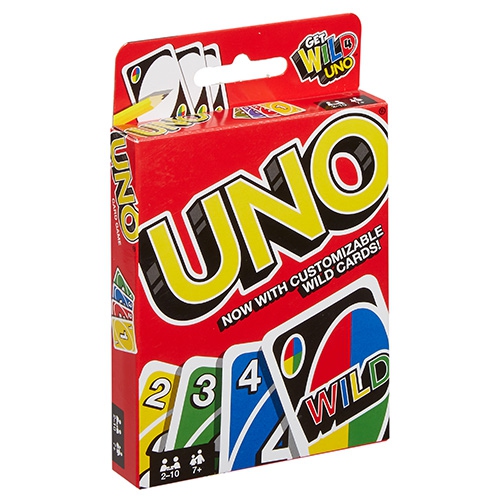 Your price for this item is $14.99
 -
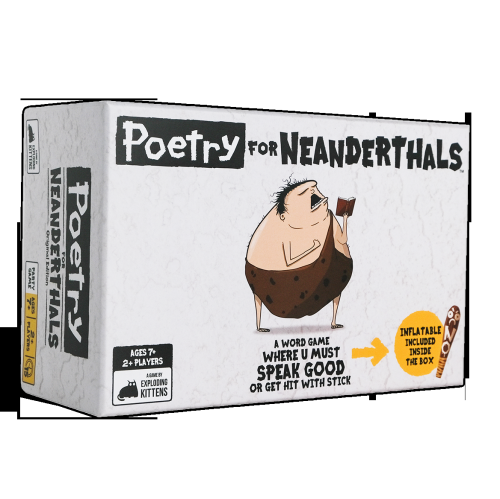 Your price for this item is $34.99
 -
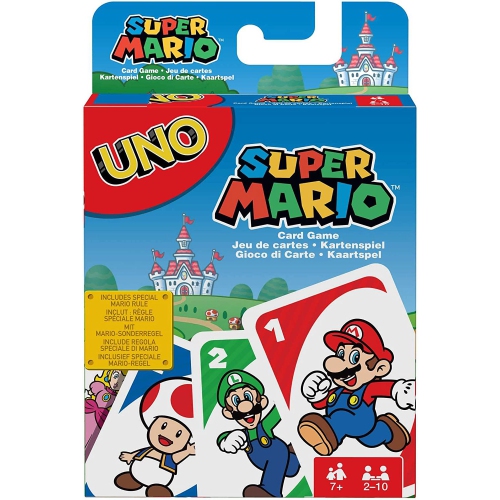 Your price for this item is $15
 -
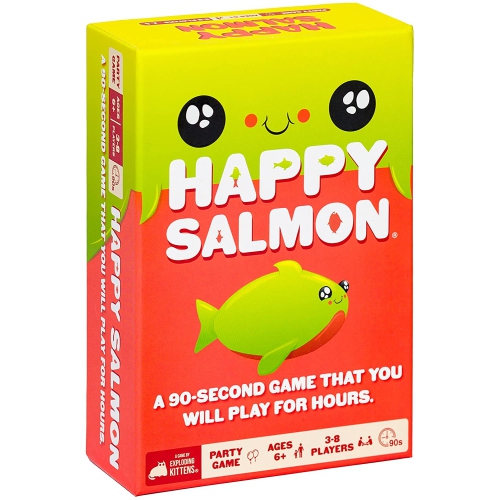 Your price for this item is $21.99
 -
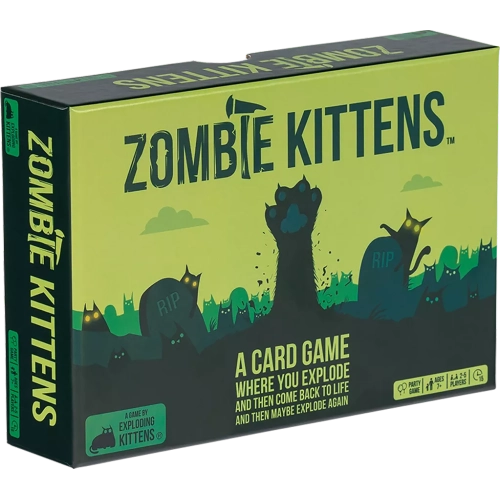 Your price for this item is $34.99
 -
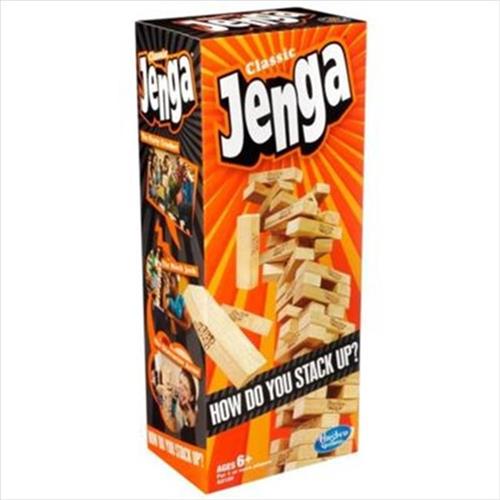 Your price for this item is $28.16
 -
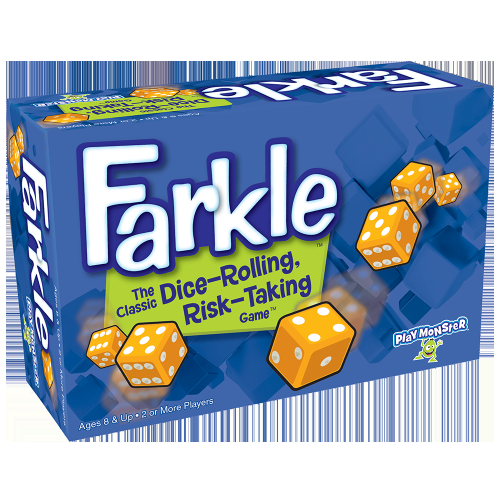 Your price for this item is $20.93
 -
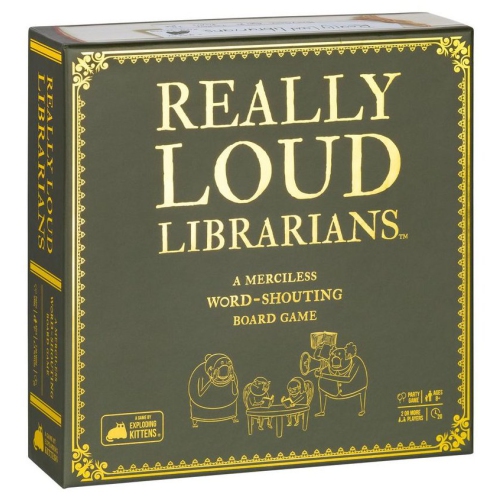 Your price for this item is $29.99
Discover more categories related to Competitive Board Games for Adults
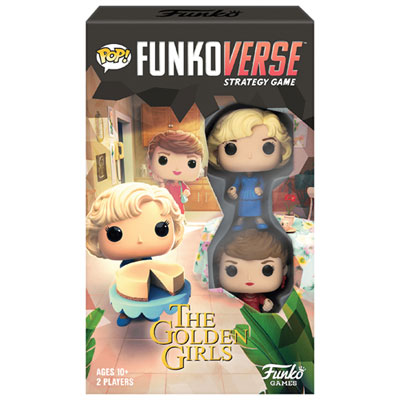
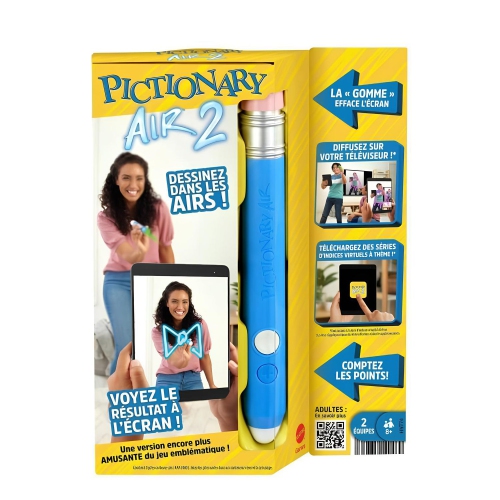
Top Collections:
Pokemon Centers, Budget 4K TVs, Best Budget Office Chairs, Kindle Devices, Canon G7X Cameras, Apple iPhones 16, iPhone 15 Apple, Laptops for Business Work, Xiaomi Phones, Flip Phones
Some products may be subject to Environmental Handling Fees
(EHF) depending on your province.
Learn more about EHFs.