Compound Microscopes
Explore the fascinating world of microscopic organisms and intricate scientific discoveries with our collection of compound microscopes. Designed to provide high magnification and exceptional clarity, these powerful instruments are essential tools for scientists, researchers, educators, and hobbyists alike. Whether you're studying cells, analyzing specimens, or simply satisfying your curiosity about the hidden wonders of the microscopic realm, our range of compound microscopes offers a variety of options to suit your needs. Discover the endless possibilities that await you in the world of microscopy and unlock a whole new level of scientific exploration with our exceptional selection of compound microscopes.
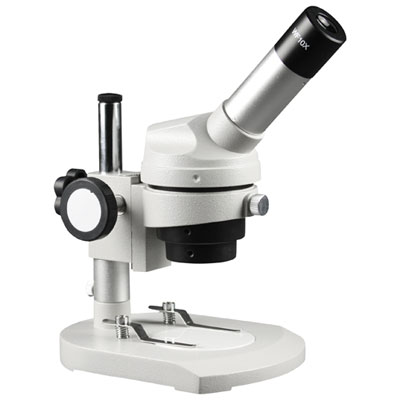

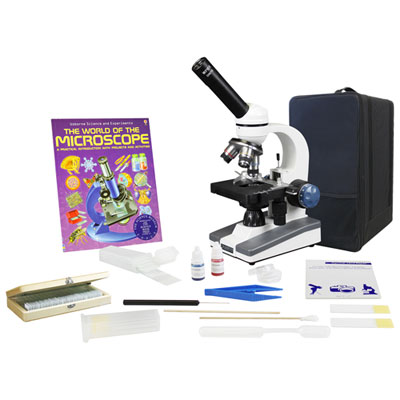
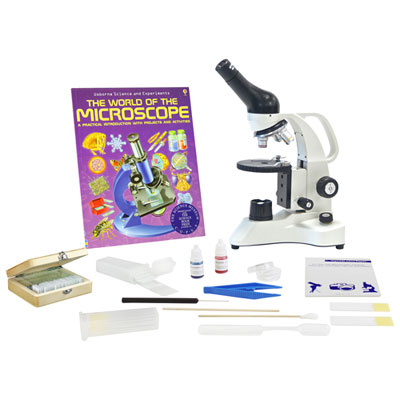
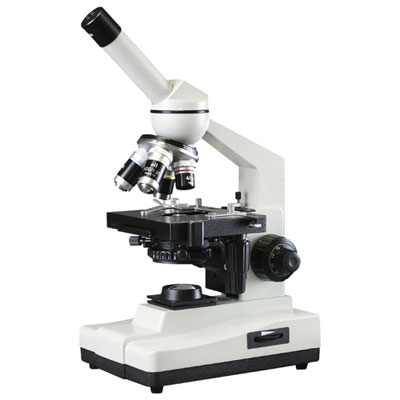
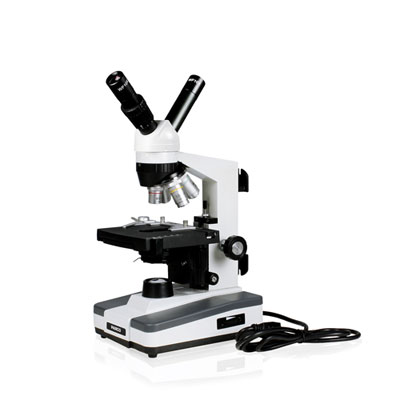

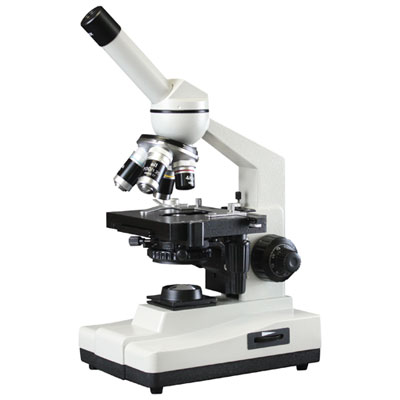
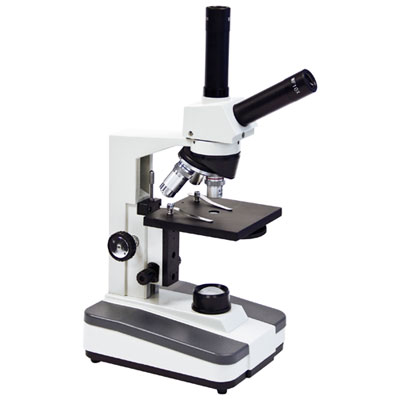
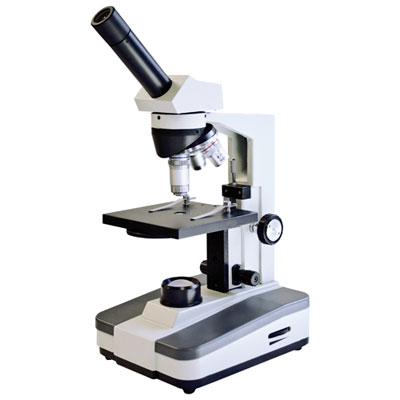
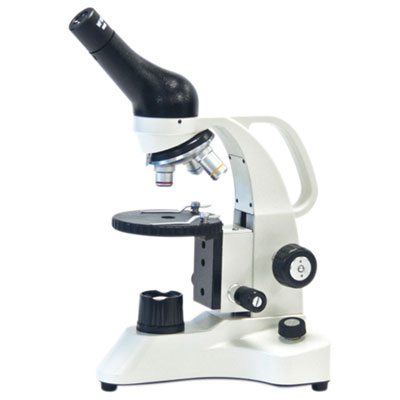
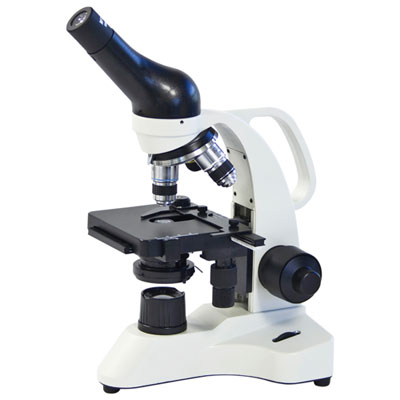
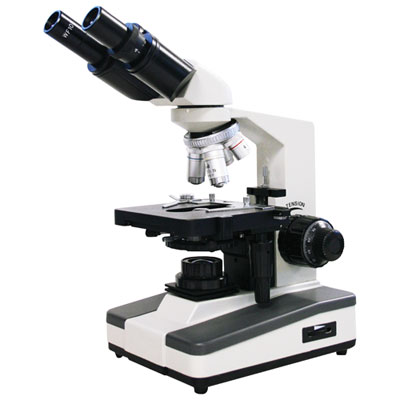

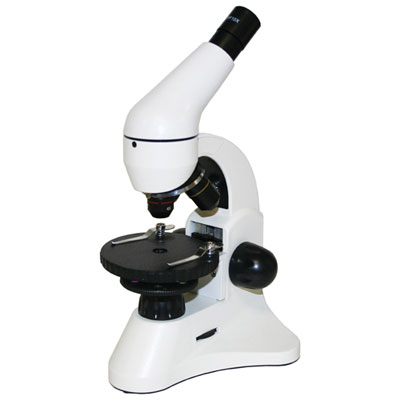
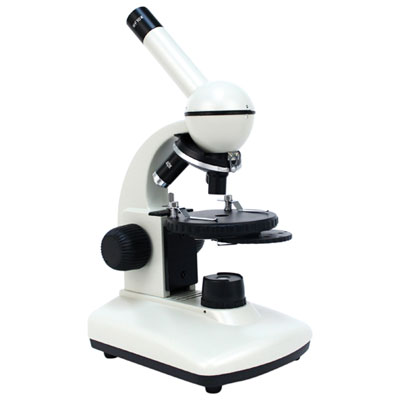
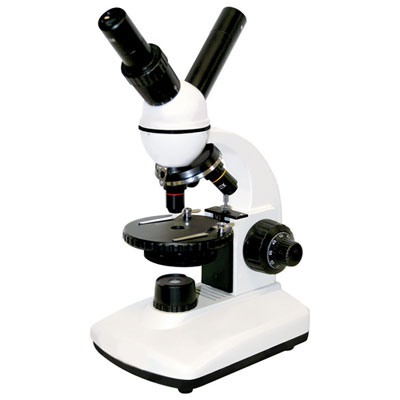
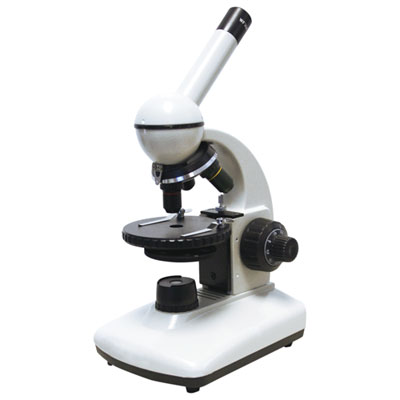
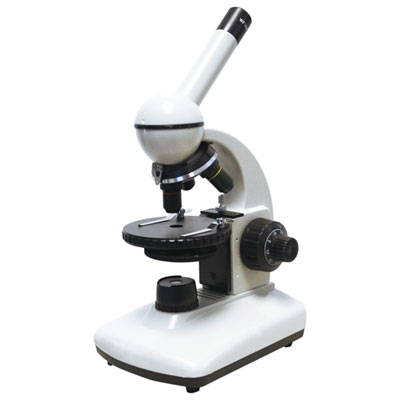
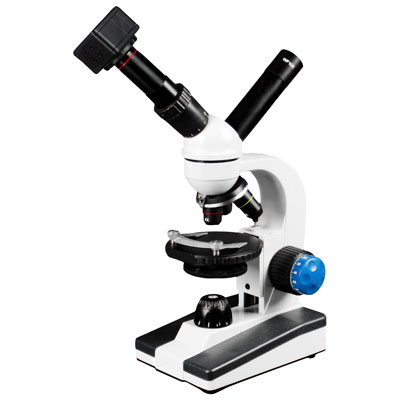
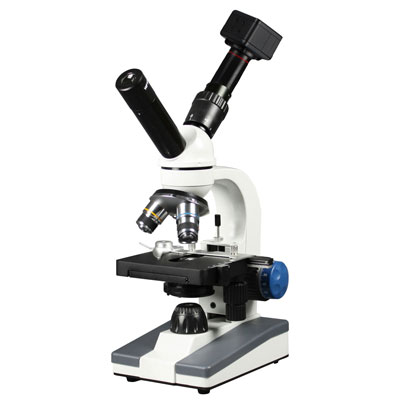
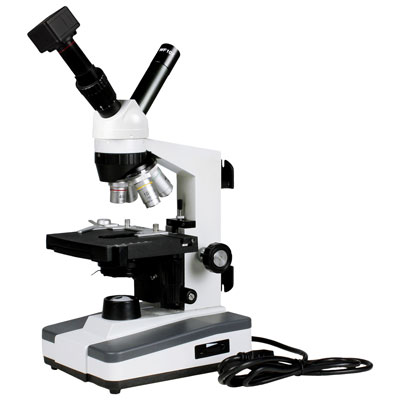
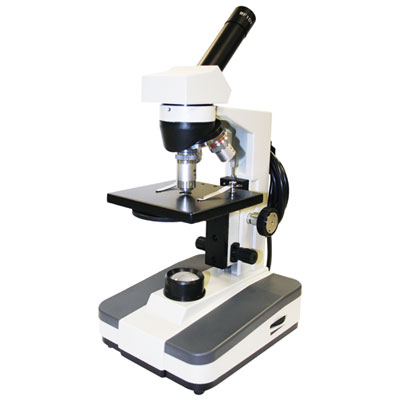
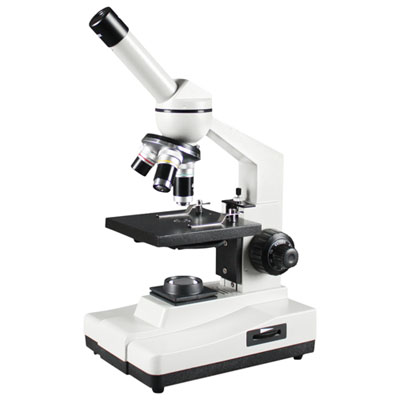
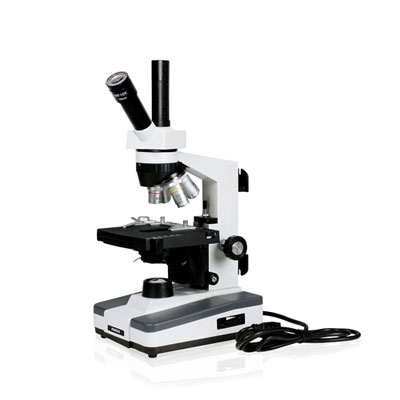
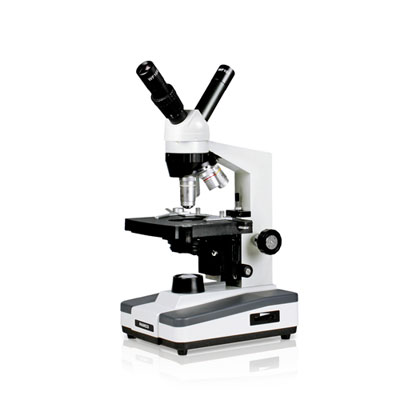
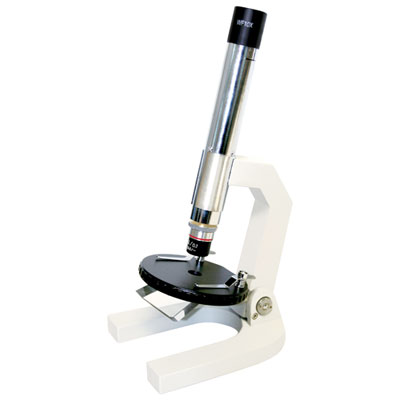
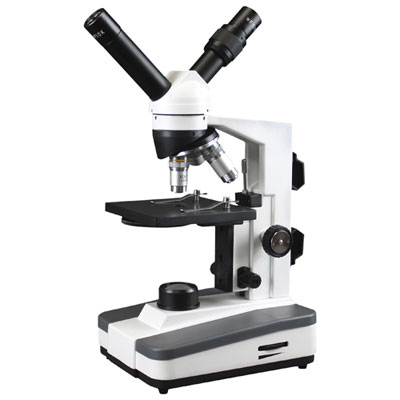
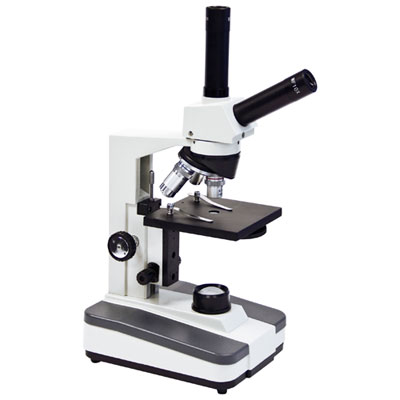
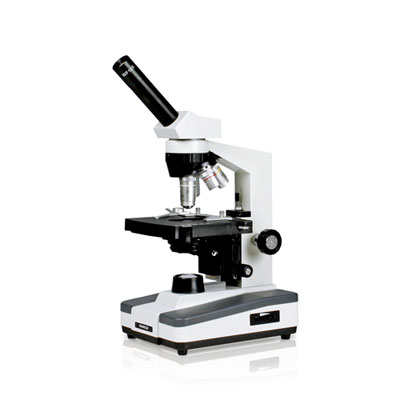
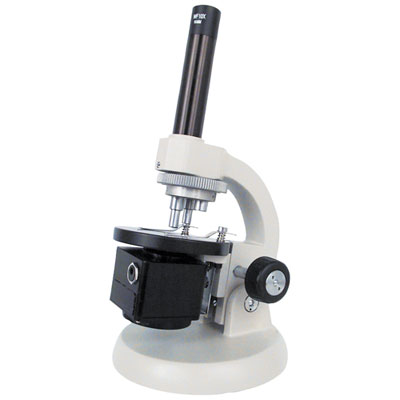
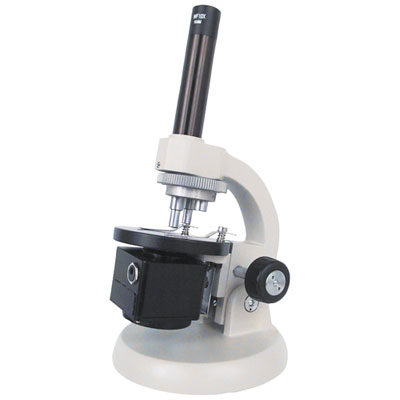
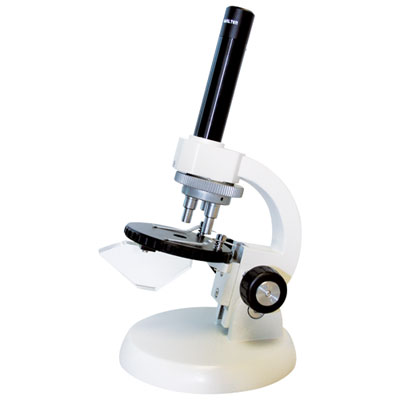
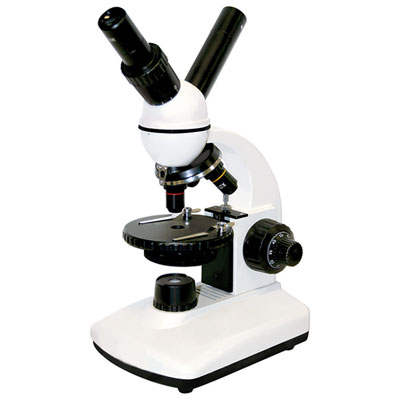
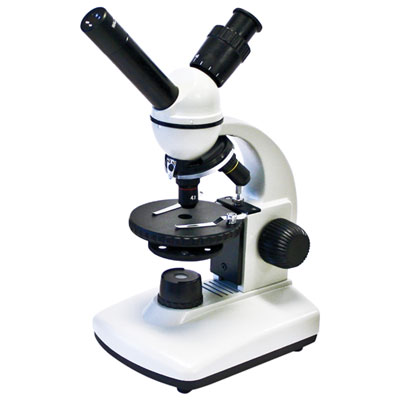
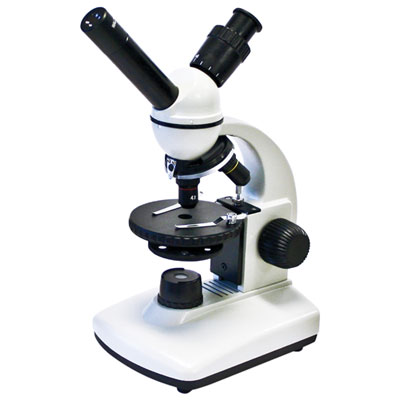

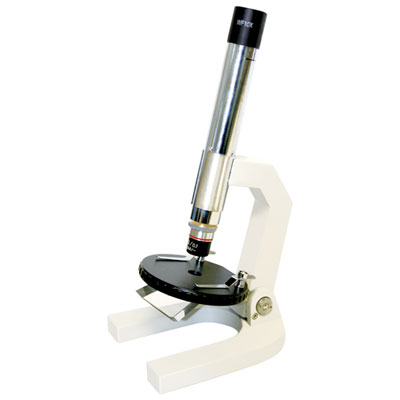
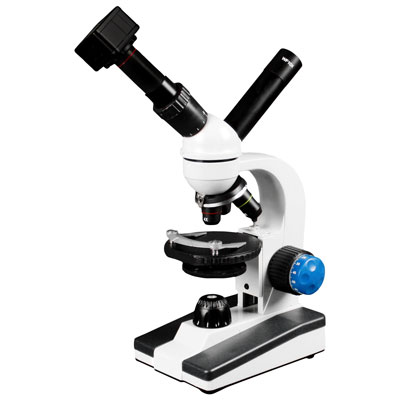
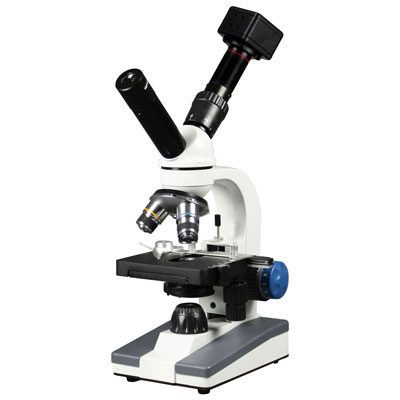
A closer look at the hidden world of cells
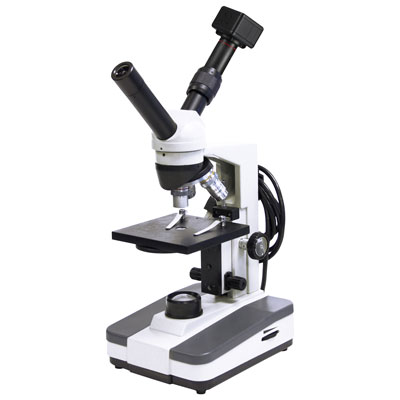
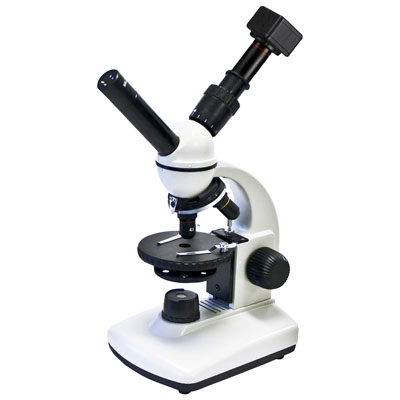
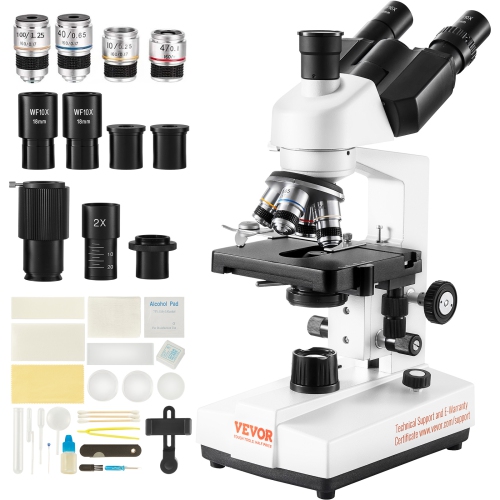
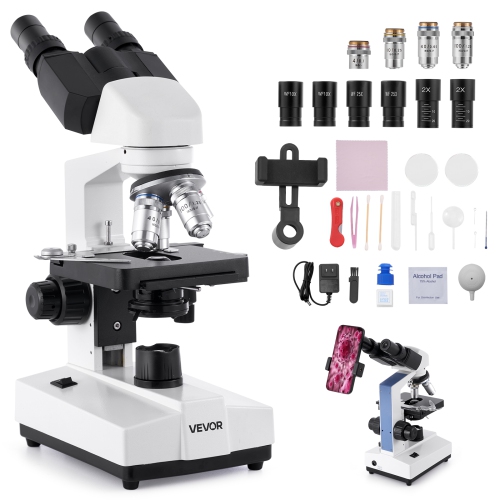
As the seasons shift from the warmth of late summer to the cooler days of fall, compound microscopes become particularly popular for back-to-school preparations and early academic projects. Students returning to class may use them to examine pond water, identifying protozoa and algae collected during outdoor science activities, or to study prepared slides of plant and animal tissues. For educators, a reliable compound microscope is an indispensable part of any science curriculum, bringing textbook diagrams to life and sparking curiosity in young minds. These microscopes also make thoughtful gifts for budding scientists or curious teens, providing hours of hands-on exploration during weekends or school breaks. Families might gather around the kitchen table, passing slides back and forth and marvelling at the hidden patterns inside a leaf or the structure of a feather. Amateur naturalists and hobbyists often use compound microscopes to investigate samples collected during hikes or garden walks, while advanced users rely on them for detailed research or laboratory tasks. When selecting a compound microscope, it’s important to consider factors such as magnification range, quality of optics, illumination type, and ease of focusing. Some models feature LED lighting for consistent brightness and cool operation, while others offer mechanical stages for precise slide movement. Whether you’re setting up a home science corner or equipping a classroom, choosing the right microscope ensures a rewarding and educational experience.
For those interested in exploring a broader range of optical instruments, or looking for more advanced features, a visit to the Lab Microscopes page offers additional options to suit every level of expertise. From introductory models for young learners to professional-grade microscopes for laboratory use, there’s a solution for every need. Investing in a compound microscope not only supports academic achievement but also encourages a lifelong appreciation for science and discovery, making it a valuable addition to any home, classroom, or research space.
Top selling and popular products
-
 Your price for this item is $328.99
 -
 Your price for this item is $250
 -
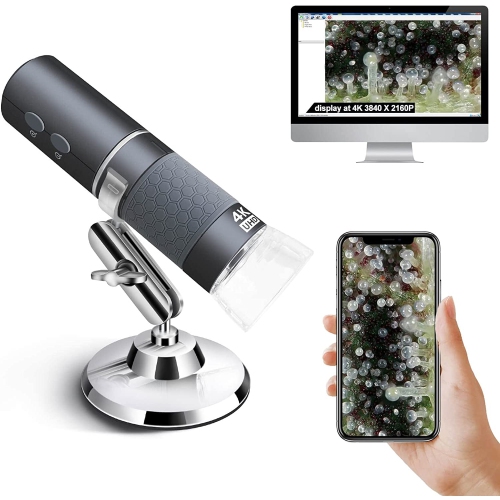 Your price for this item is $74.99
 -
 Your price for this item is $19.99
 -
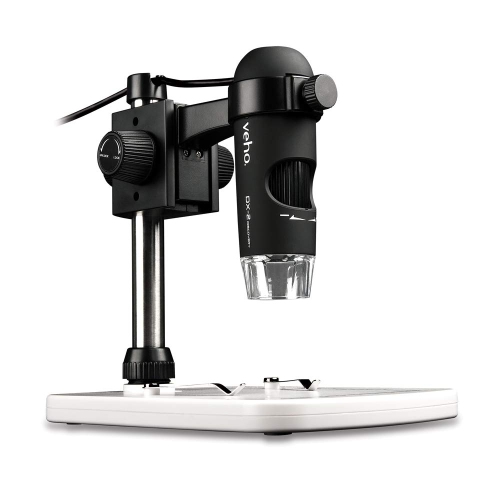 Your price for this item is $189.97
 -
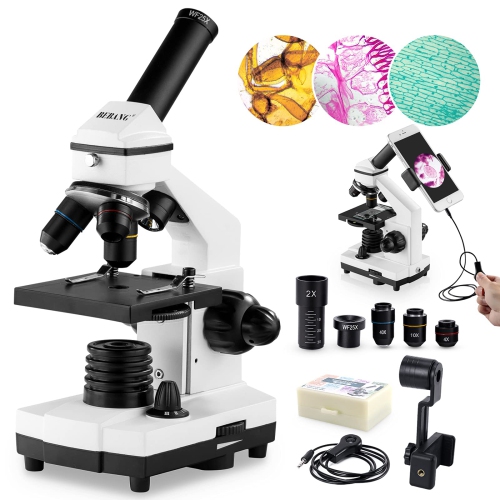 Your price for this item is $150.55
 -
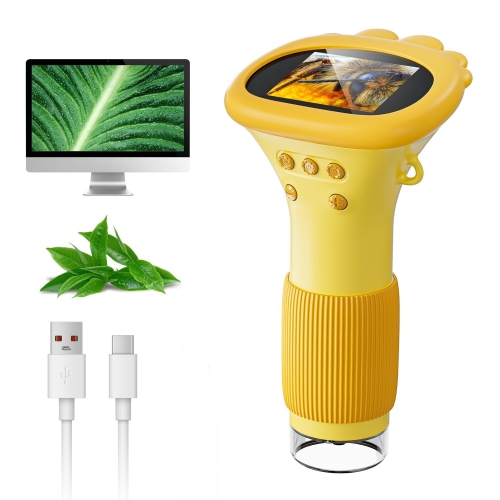 Your price for this item is $58.99
 -
 Your price for this item is $399.99