Lab Microscopes
Explore the fascinating world of scientific discovery with our collection of lab microscopes. Whether you're a student, a researcher, or simply curious about the intricacies of the microscopic realm, these powerful instruments are designed to provide clear and detailed views of specimens. From studying cells and bacteria to examining crystals and minerals, our selection of lab microscopes offers a range of features and magnification levels to suit your needs.
Sort

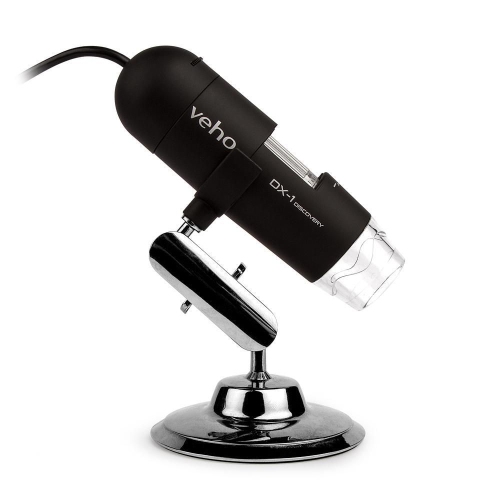
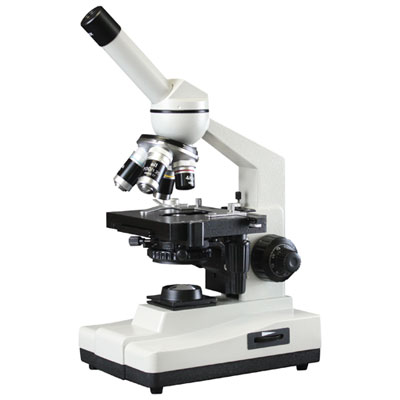
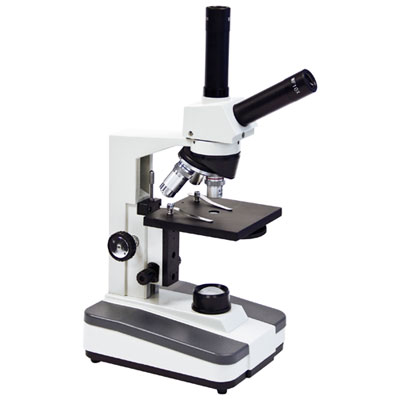
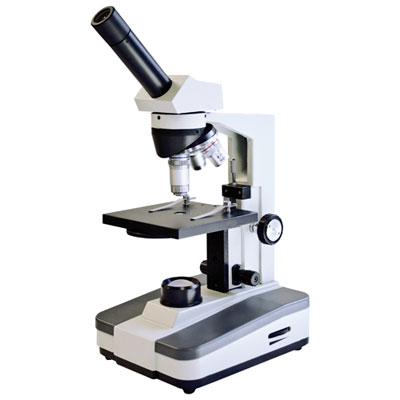

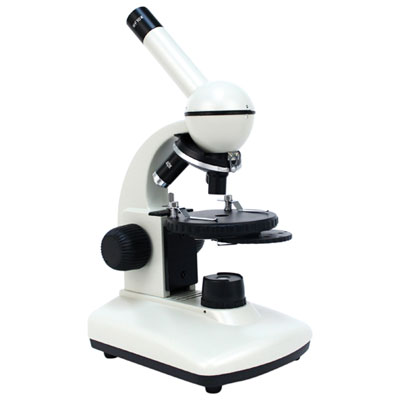
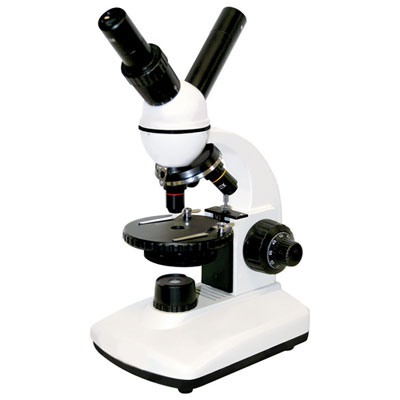
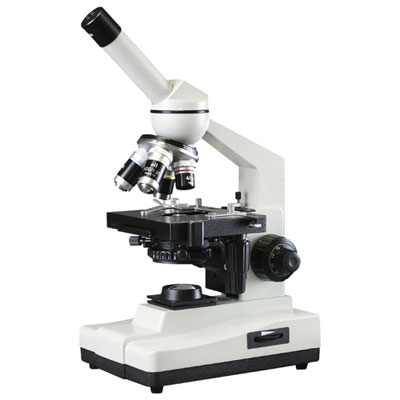
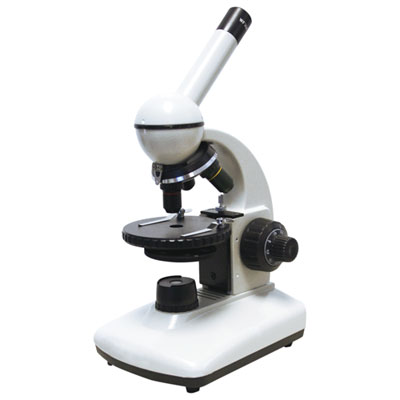
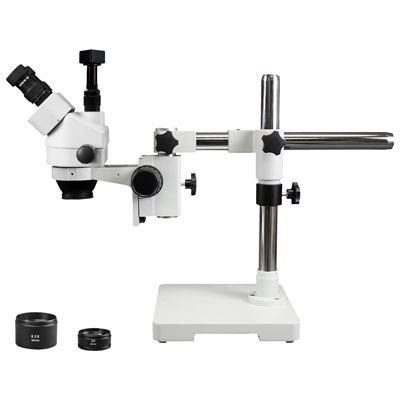
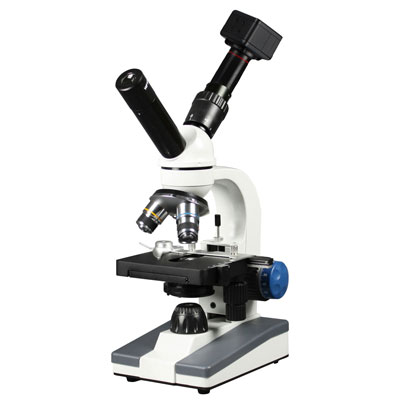
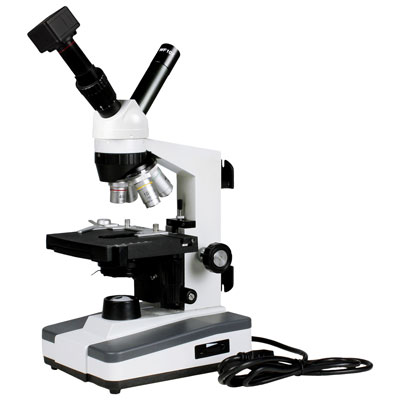

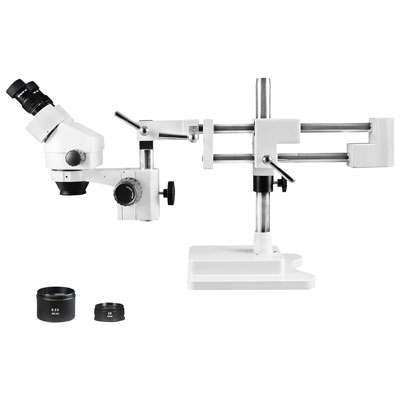

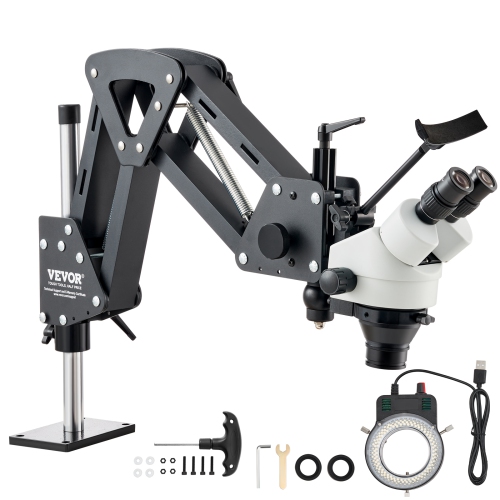
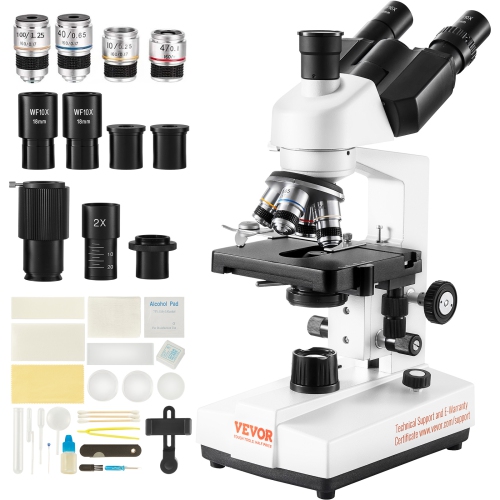
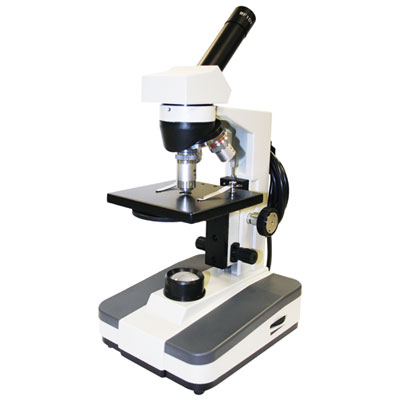
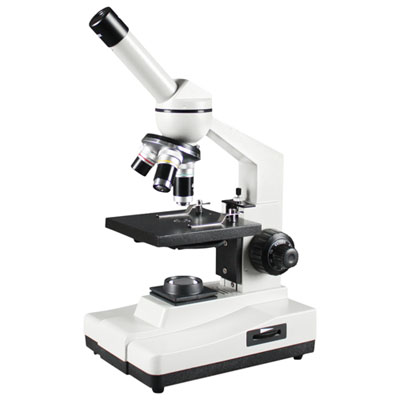
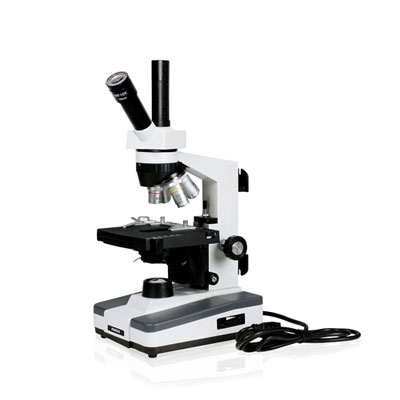
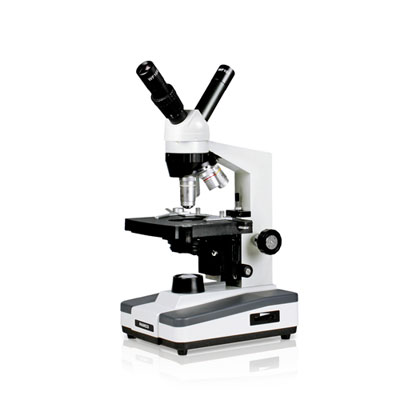
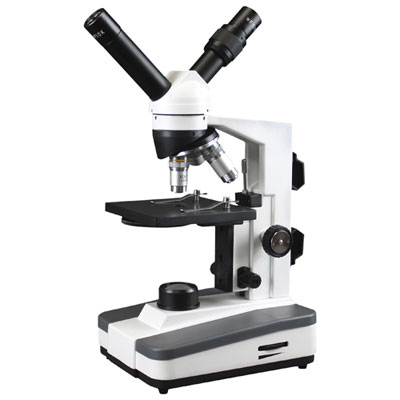
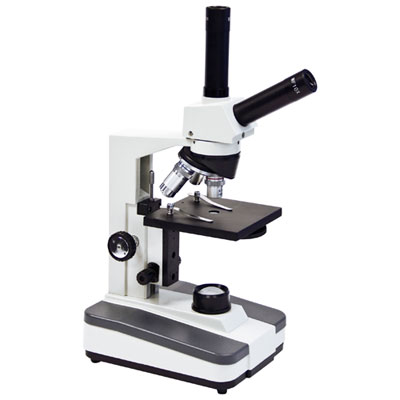
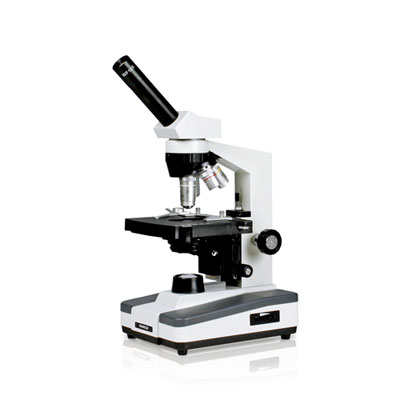
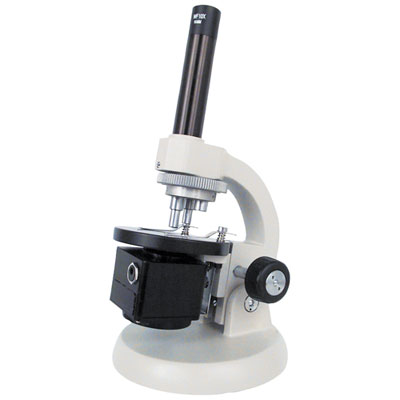
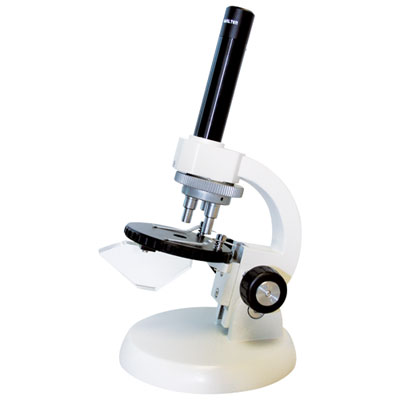
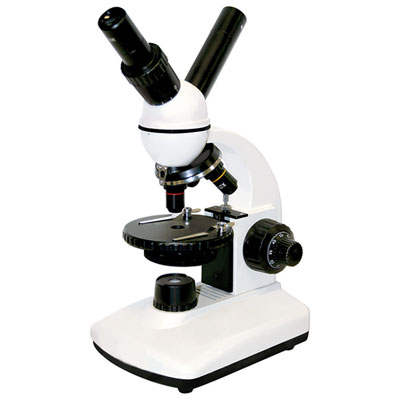

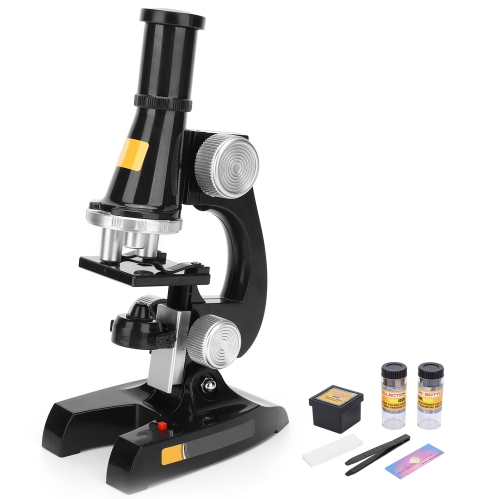
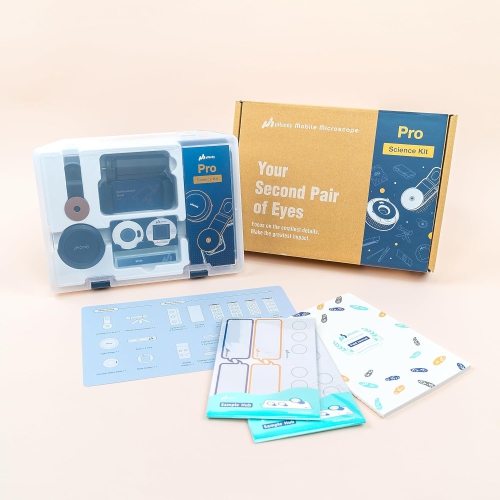
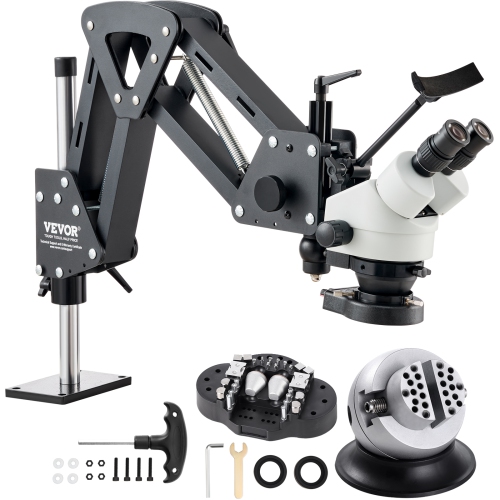
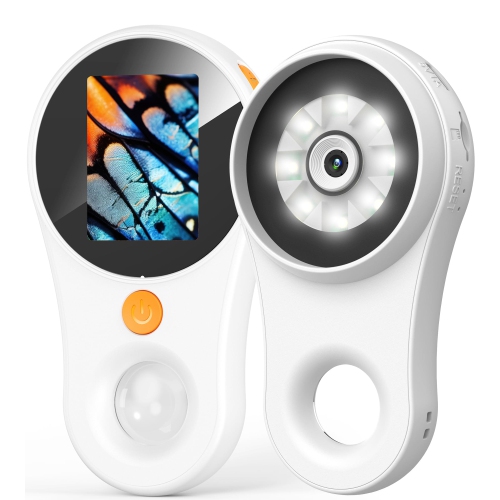
How microscope designs reveal detail for learning and inspection
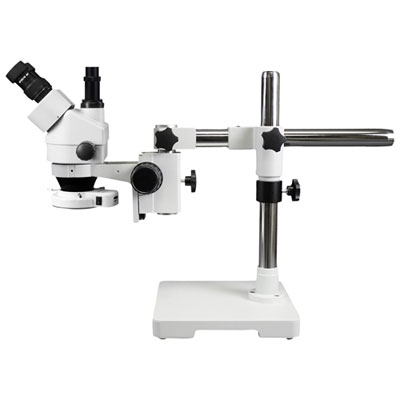
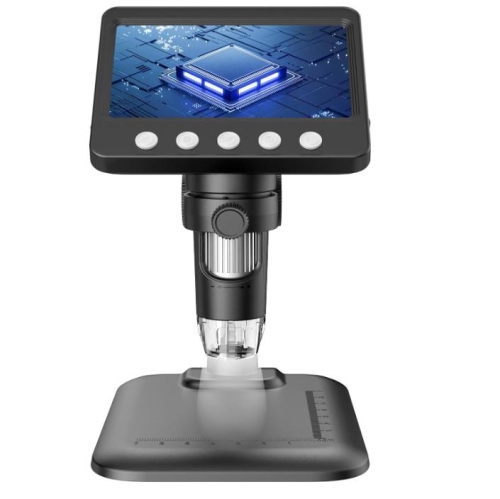
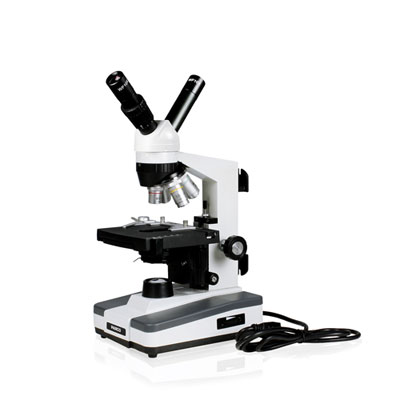
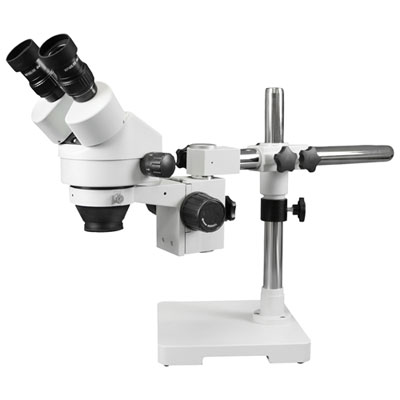
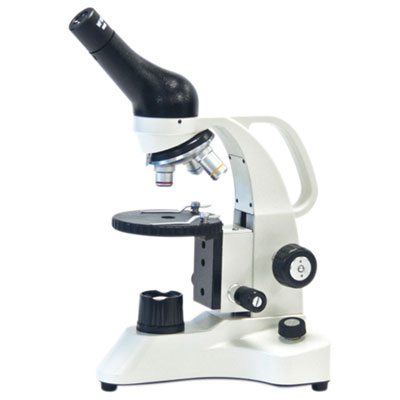
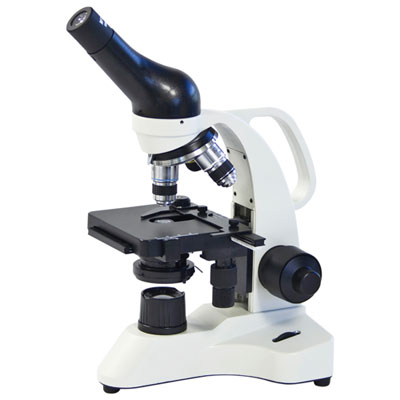
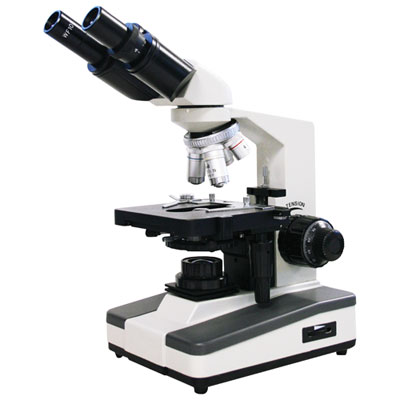
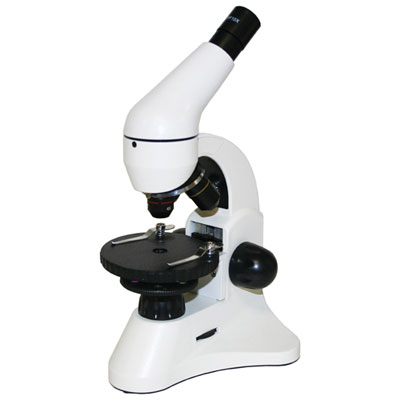
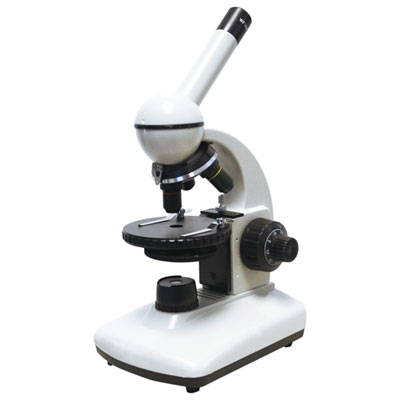
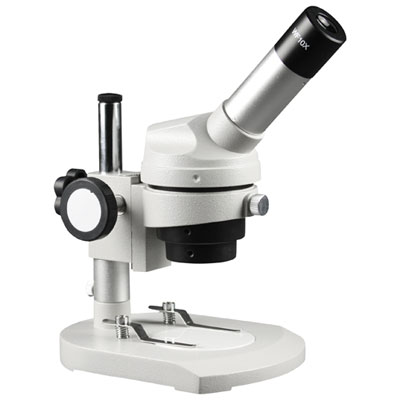
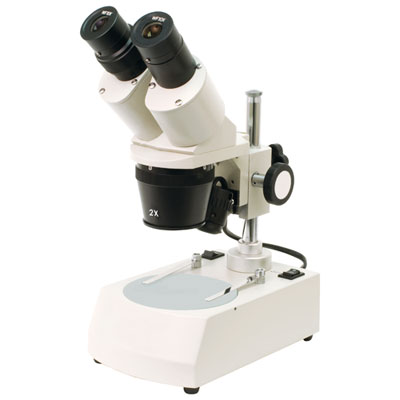
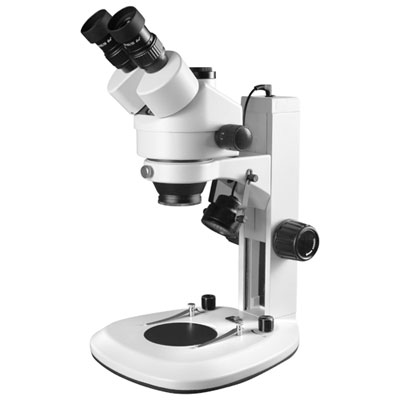
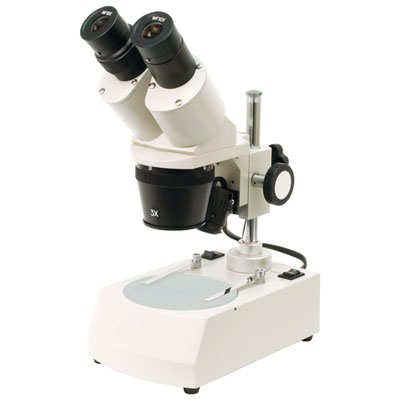
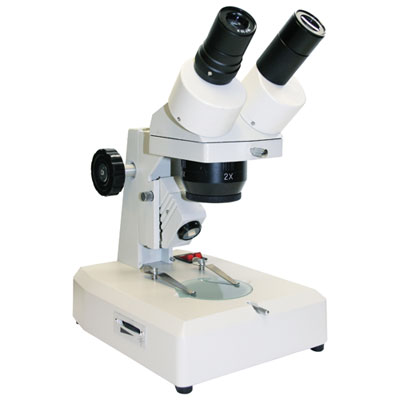
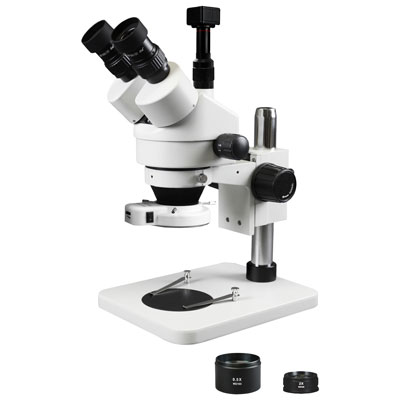
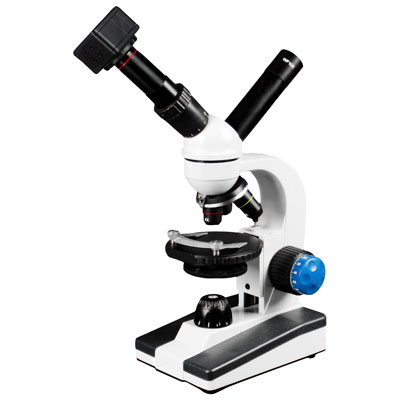
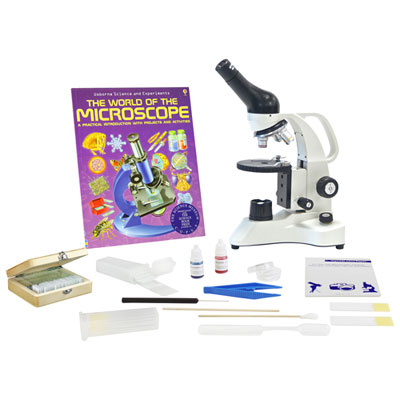
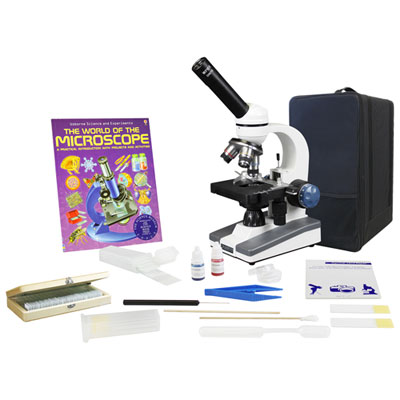
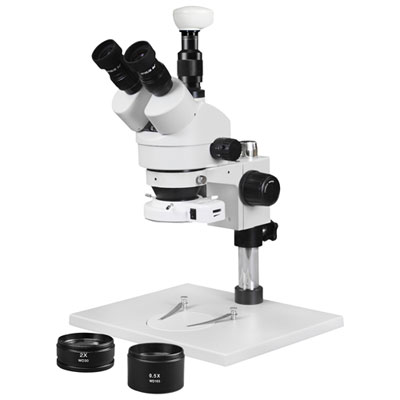
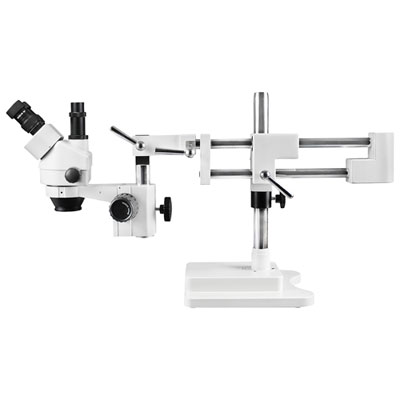
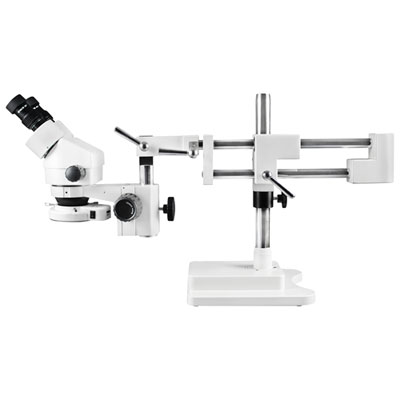
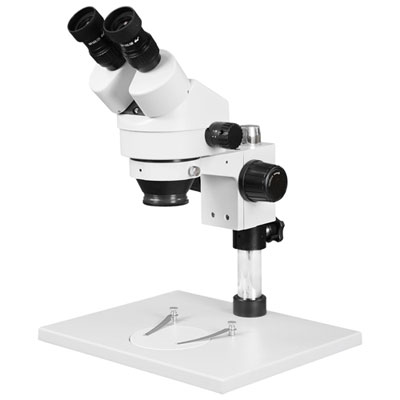
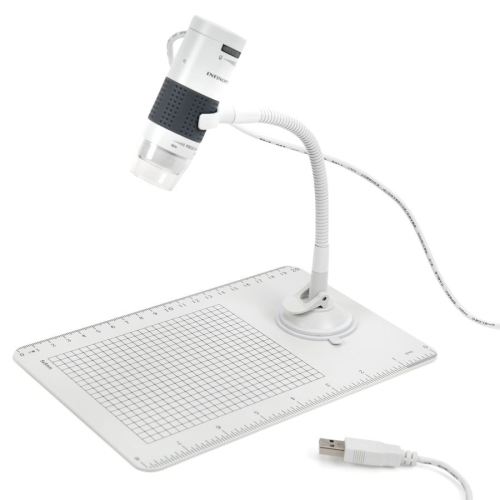
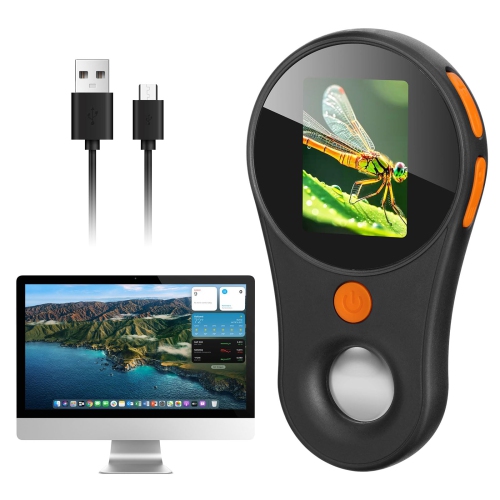
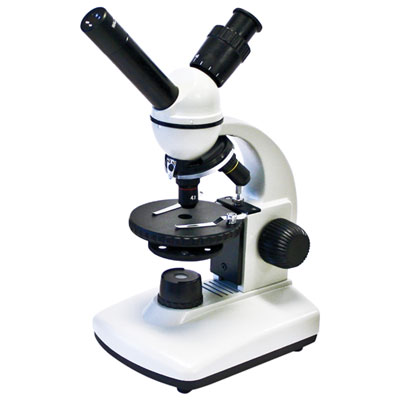
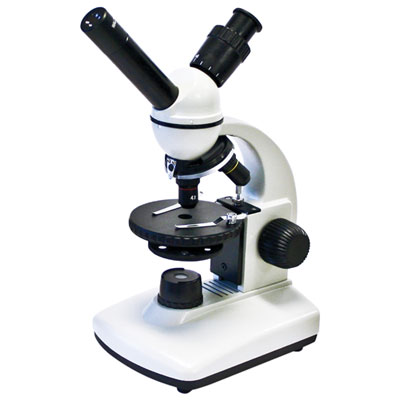
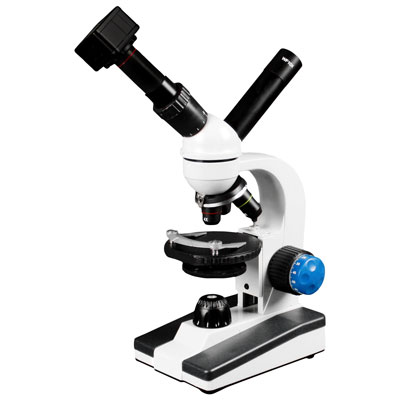
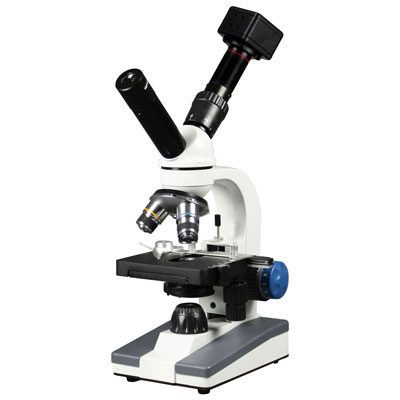
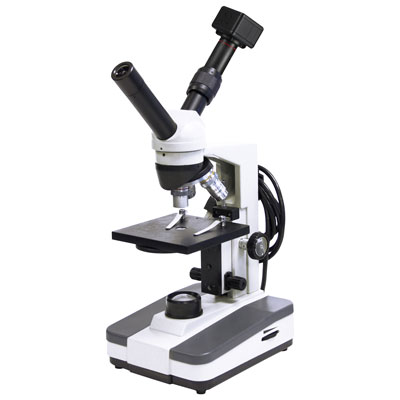
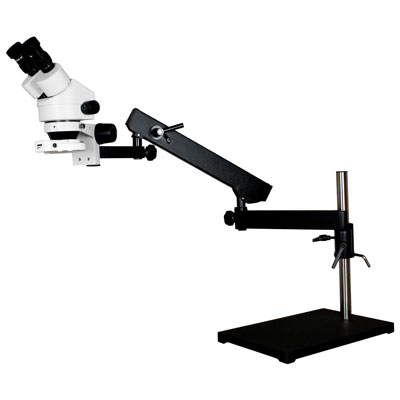
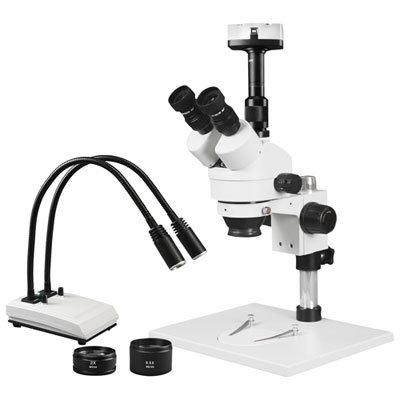
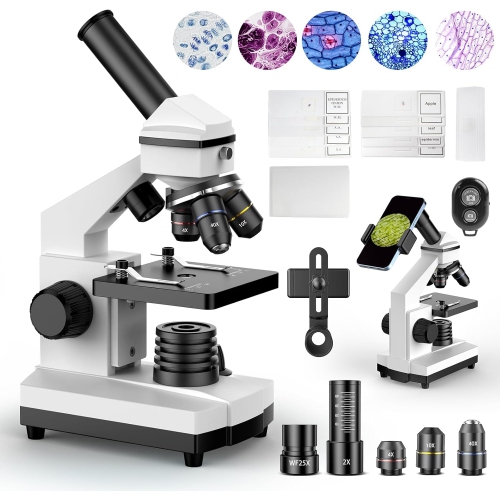
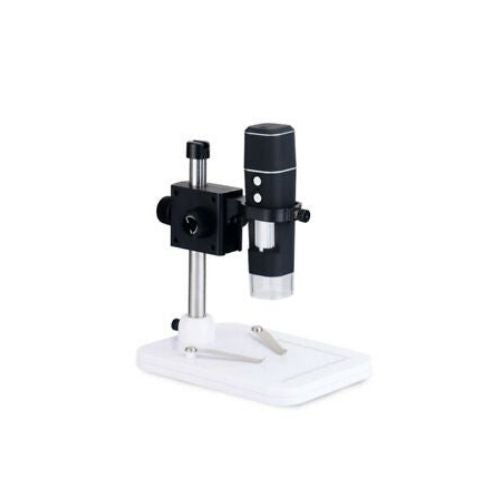
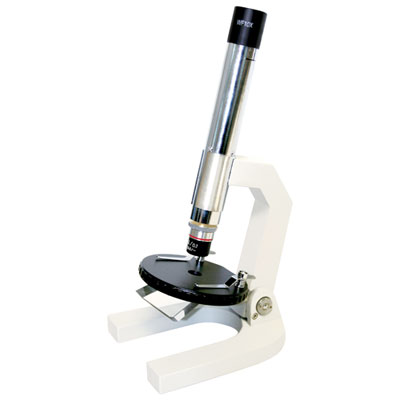
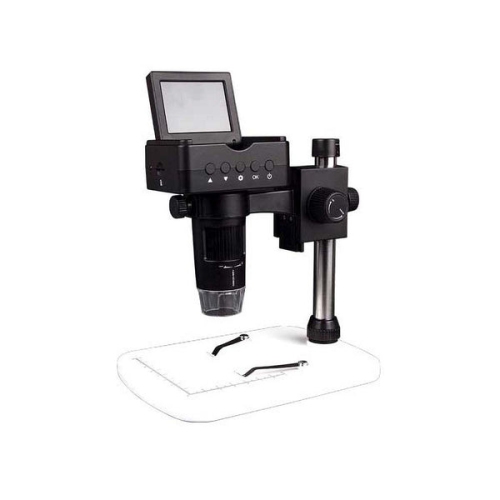
Lab microscopes bring the details of the natural and scientific world into view, revealing structures that are impossible to see clearly with the unaided eye. They are used to examine transparent specimens such as prepared slides, cells, microorganisms and tissue samples, as well as solid surfaces including plant parts, minerals, fibres and small mechanical components. A compound microscope uses multiple lenses to provide higher magnification and a two-dimensional view, making it well suited to prepared slides and laboratory observation. A stereo microscope, sometimes called a dissecting microscope, generally offers lower magnification but produces a three-dimensional view with greater depth, which can be useful for inspecting insects, leaves, circuit boards, geological samples and other objects that do not fit neatly beneath a slide. Digital microscopes add a screen or camera connection, allowing several people to view a specimen together, capture images, record video or display an observation for a class, workshop or demonstration. These different designs serve distinct purposes, so the most suitable lab microscope depends on the type of specimen, the level of detail required and whether the work is primarily individual viewing, hands-on inspection or shared presentation. For outdoor observation and portable investigation, a separate category such as Field Microscopes may be more appropriate, while lab microscopes are typically selected for a stable work surface and more controlled viewing conditions.
Magnification is only one part of microscope performance. Objective lenses provide the primary magnification and commonly include 4x for scanning, 10x for a broader view, 40x for finer detail and, on more advanced configurations, 100x oil-immersion magnification. The eyepieces add their own magnification, so a 10x eyepiece paired with a 40x objective produces 400x total magnification. Higher magnification does not automatically create a clearer image; optical quality, focus control, illumination, specimen preparation and stability all have an equally important effect. Monocular microscopes use one eyepiece and can be straightforward for individual viewing, while binocular designs allow both eyes to be used and are often more comfortable during longer observation sessions. Trinocular systems add a dedicated camera port for image capture or live display. A mechanical stage keeps a slide secure and permits precise movement in horizontal and vertical directions, which is especially helpful at high magnification when a small adjustment can shift the entire field of view. Coarse and fine focus controls make it easier to locate a specimen and then sharpen its details. Adjustable LED illumination provides consistent light with low heat, while a condenser concentrates light through the specimen and an iris diaphragm helps control brightness and contrast. When comparing lab microscopes, look for smooth stage movement, a solid base, comfortable viewing angles, accessible controls and a lens arrangement that matches the intended work. A camera connection, built-in display or image-capture software can be valuable when observations need to be saved, shared or reviewed later, but a well-made optical system remains central to producing a useful image.
Lab microscopes can support biology lessons, science clubs, classroom demonstrations, specimen identification, jewellery and material inspection, electronics work, hobby research and structured home learning. They may also be useful in professional environments where detailed visual inspection is part of a broader process, provided the microscope’s specifications and accessories match the application. For students, a microscope can turn a lesson about plant cells or pond water into a memorable hands-on experience, with a prepared slide becoming a landscape of geometric cell walls, moving organisms and layers of colour under the light. For an adult learner, it can provide a rewarding way to study leaves, fibres, insects, crystals or everyday materials during the cooler months, when indoor projects are especially appealing. A microscope can make a thoughtful gift for a curious learner, budding scientist, maker or collector, but the recipient’s age, experience and interests should guide the choice. Beginners often benefit from simple controls, durable construction and prepared slides or basic accessories, while experienced users may prefer interchangeable objectives, a mechanical stage, a trinocular head or advanced illumination controls. Accessories also influence the overall experience: slides, coverslips, specimen containers, cleaning supplies, tweezers and a suitable work light can make setup more convenient. Lab microscopes in educational and basic laboratory ranges commonly fall around $350 to $1,500 CAD, while professional and research-oriented systems can range from approximately $2,000 to more than $50,000 CAD depending on optical performance, specialized objectives, digital integration and other features. Choosing according to the actual task helps avoid paying for unnecessary magnification or overlooking practical features that make frequent viewing more comfortable and precise.
Magnification is only one part of microscope performance. Objective lenses provide the primary magnification and commonly include 4x for scanning, 10x for a broader view, 40x for finer detail and, on more advanced configurations, 100x oil-immersion magnification. The eyepieces add their own magnification, so a 10x eyepiece paired with a 40x objective produces 400x total magnification. Higher magnification does not automatically create a clearer image; optical quality, focus control, illumination, specimen preparation and stability all have an equally important effect. Monocular microscopes use one eyepiece and can be straightforward for individual viewing, while binocular designs allow both eyes to be used and are often more comfortable during longer observation sessions. Trinocular systems add a dedicated camera port for image capture or live display. A mechanical stage keeps a slide secure and permits precise movement in horizontal and vertical directions, which is especially helpful at high magnification when a small adjustment can shift the entire field of view. Coarse and fine focus controls make it easier to locate a specimen and then sharpen its details. Adjustable LED illumination provides consistent light with low heat, while a condenser concentrates light through the specimen and an iris diaphragm helps control brightness and contrast. When comparing lab microscopes, look for smooth stage movement, a solid base, comfortable viewing angles, accessible controls and a lens arrangement that matches the intended work. A camera connection, built-in display or image-capture software can be valuable when observations need to be saved, shared or reviewed later, but a well-made optical system remains central to producing a useful image.
Lab microscopes can support biology lessons, science clubs, classroom demonstrations, specimen identification, jewellery and material inspection, electronics work, hobby research and structured home learning. They may also be useful in professional environments where detailed visual inspection is part of a broader process, provided the microscope’s specifications and accessories match the application. For students, a microscope can turn a lesson about plant cells or pond water into a memorable hands-on experience, with a prepared slide becoming a landscape of geometric cell walls, moving organisms and layers of colour under the light. For an adult learner, it can provide a rewarding way to study leaves, fibres, insects, crystals or everyday materials during the cooler months, when indoor projects are especially appealing. A microscope can make a thoughtful gift for a curious learner, budding scientist, maker or collector, but the recipient’s age, experience and interests should guide the choice. Beginners often benefit from simple controls, durable construction and prepared slides or basic accessories, while experienced users may prefer interchangeable objectives, a mechanical stage, a trinocular head or advanced illumination controls. Accessories also influence the overall experience: slides, coverslips, specimen containers, cleaning supplies, tweezers and a suitable work light can make setup more convenient. Lab microscopes in educational and basic laboratory ranges commonly fall around $350 to $1,500 CAD, while professional and research-oriented systems can range from approximately $2,000 to more than $50,000 CAD depending on optical performance, specialized objectives, digital integration and other features. Choosing according to the actual task helps avoid paying for unnecessary magnification or overlooking practical features that make frequent viewing more comfortable and precise.
Top selling and popular products
-
 Your price for this item is $328.99
 -
 Your price for this item is $250
 -
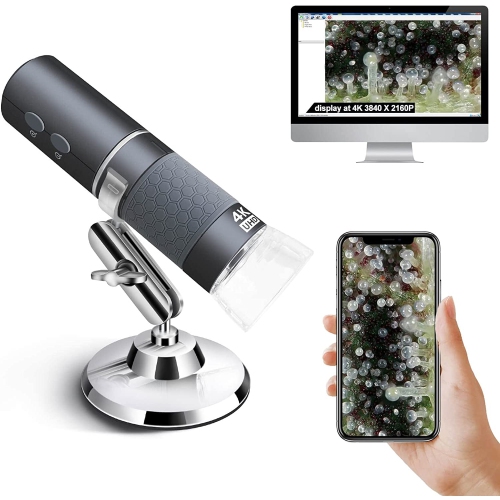 Your price for this item is $74.99
 -
 Your price for this item is $19.99
 -
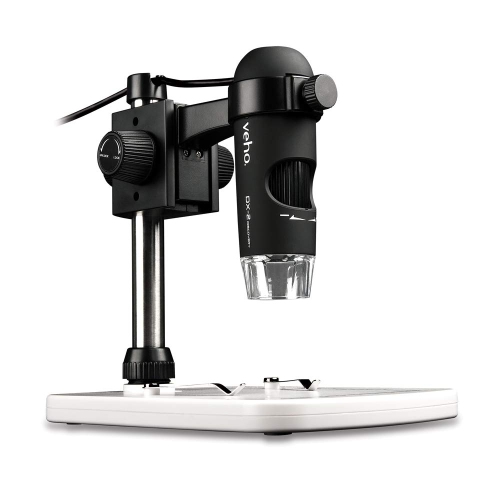 Your price for this item is $189.97
 -
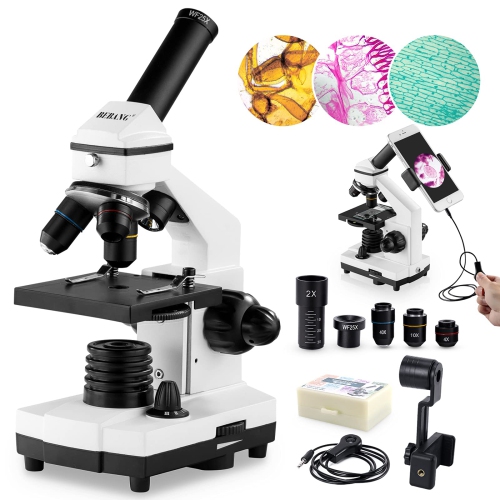 Your price for this item is $150.55
 -
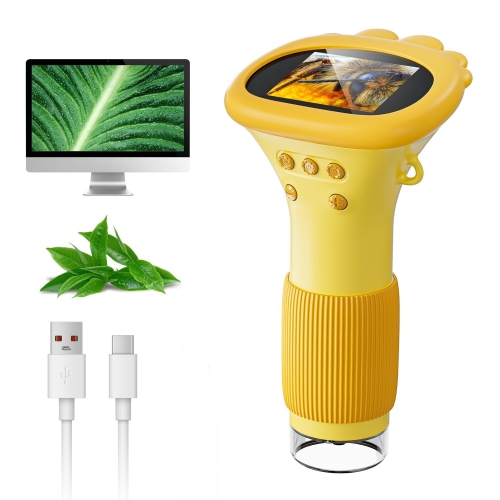 Your price for this item is $58.99
 -
 Your price for this item is $399.99
Discover more categories related to Lab Microscopes
Top Collections:
Pokemon Centers, Kindle Devices, Best Budget Office Chairs, Apple iPhones 16, Best Laptops for Writers, iPhone 15 Apple, Canon G7X Cameras, Refurbished Apple Laptops, Alarm Clock, Motorola Razr Phones
Some products may be subject to Environmental Handling Fees
(EHF) depending on your province.
Learn more about EHFs.