Ride On Car Toys
Get ready for hours of fun and adventure with our collection of ride-on car toys. Whether your little one dreams of being a race car driver or exploring the great outdoors in a rugged off-road vehicle, we have the perfect ride-on toy to fuel their imagination. From sleek sports cars to sturdy trucks, our wide selection offers something for every aspiring young driver. Designed with safety in mind and built to last, these ride-on cars are sure to provide endless entertainment for your child while also promoting motor skills development. Explore our range today and let the adventures begin!
Sort
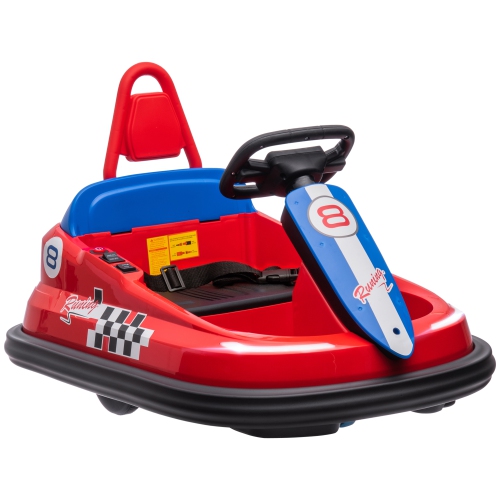
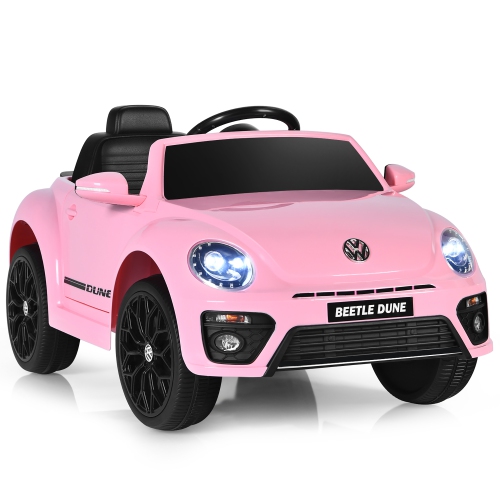
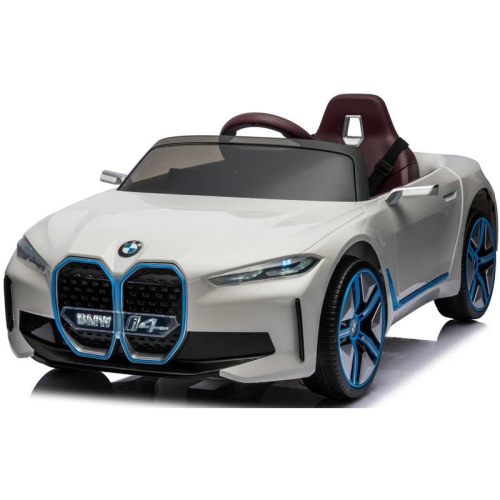
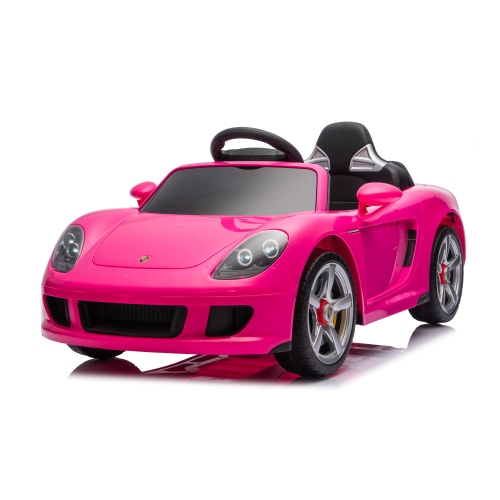
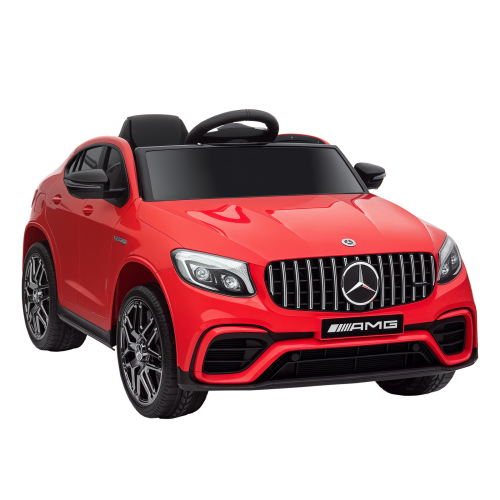
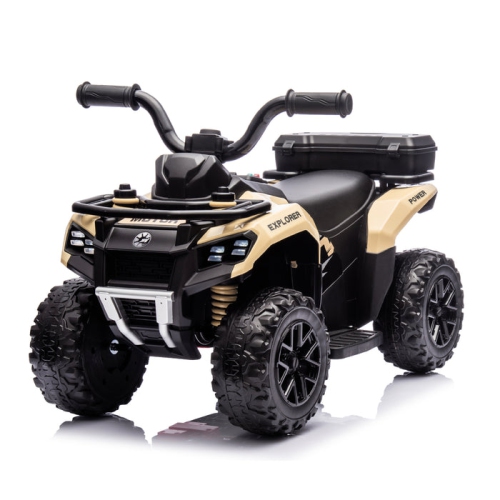
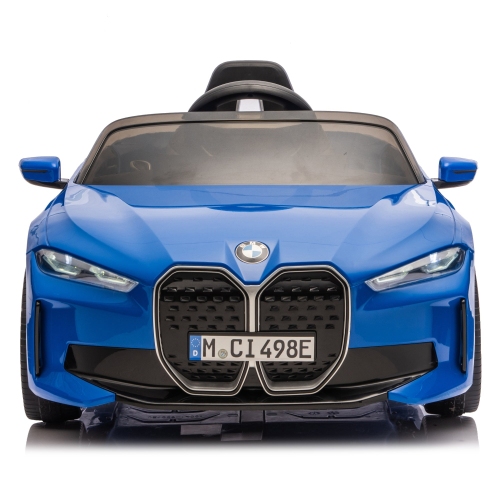
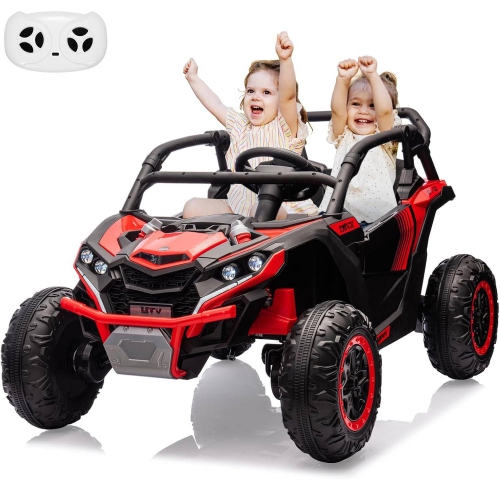
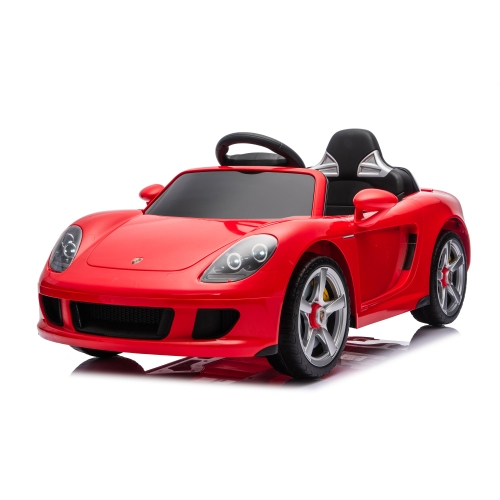
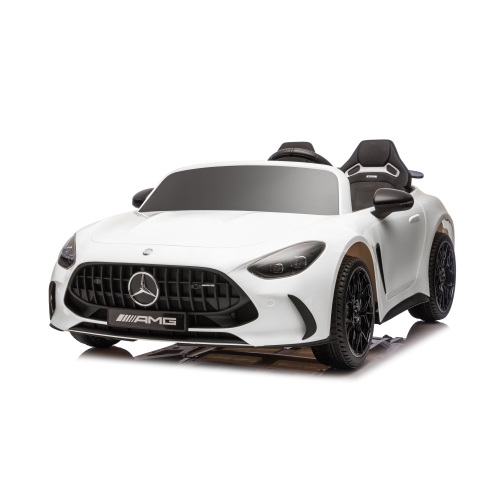
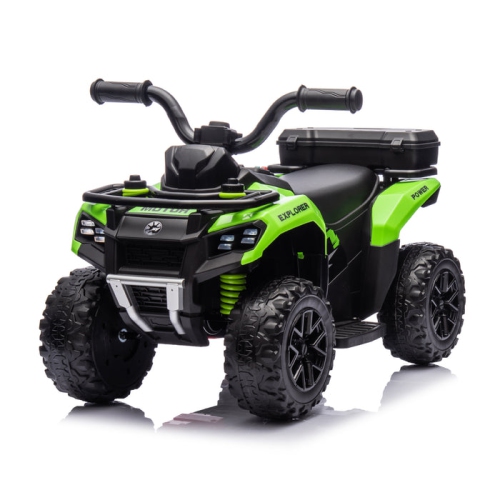
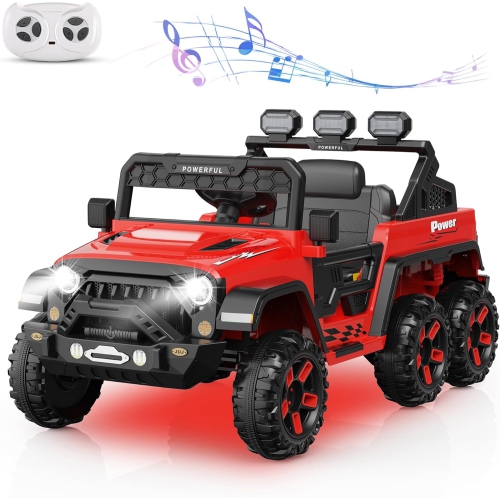
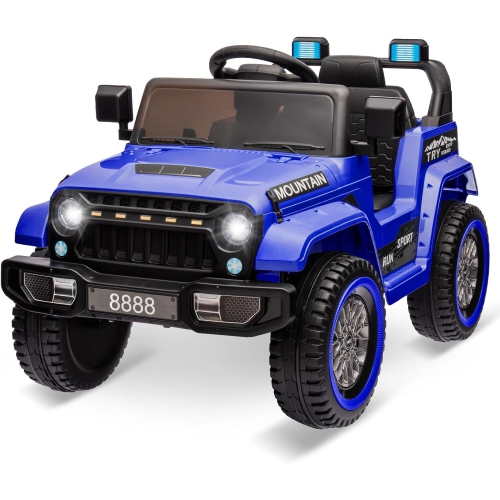
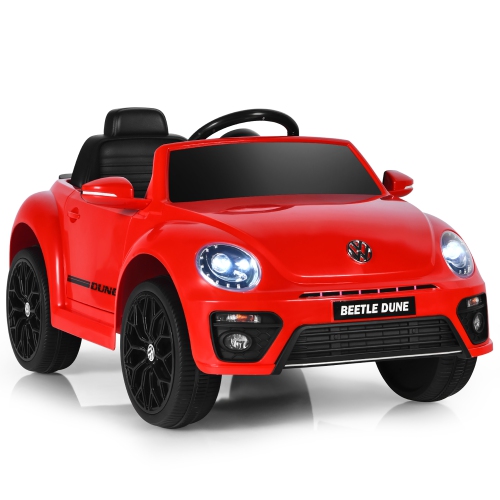
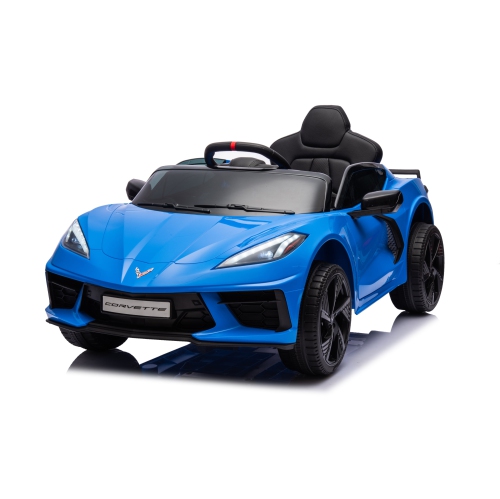
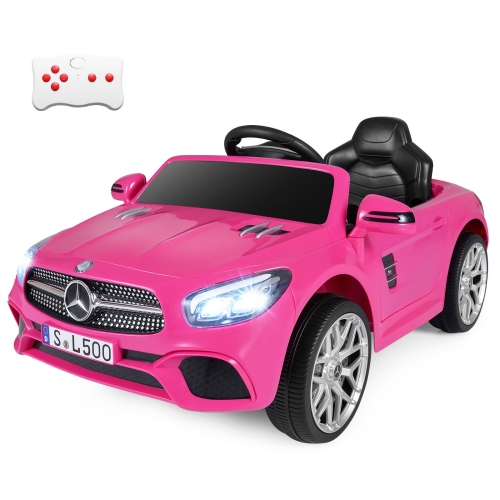
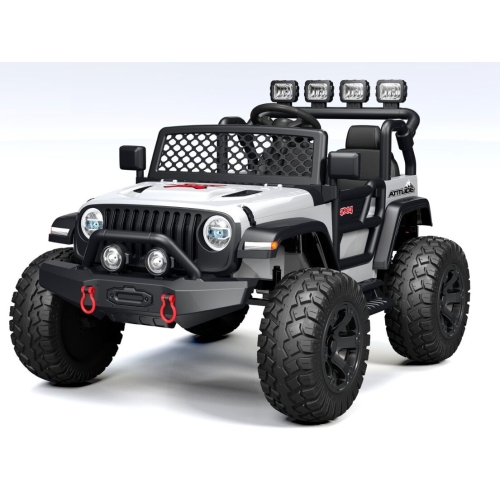
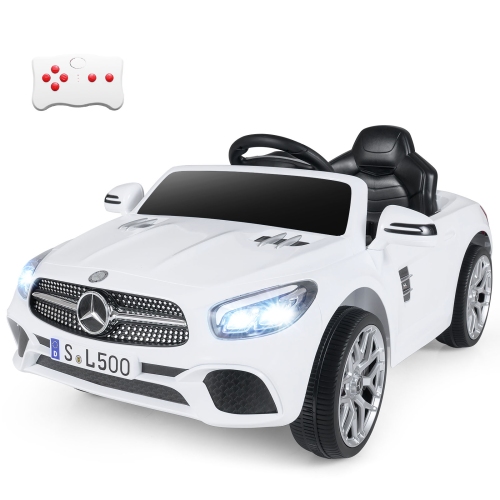
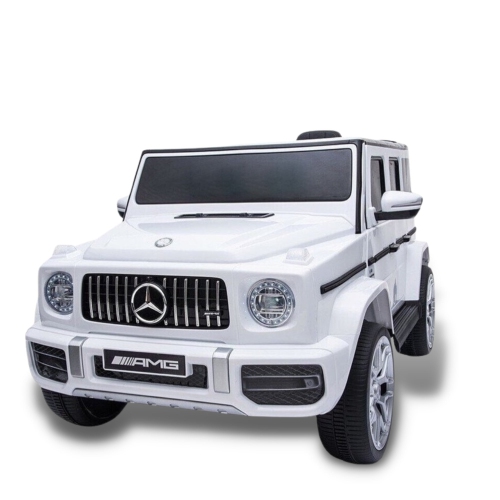
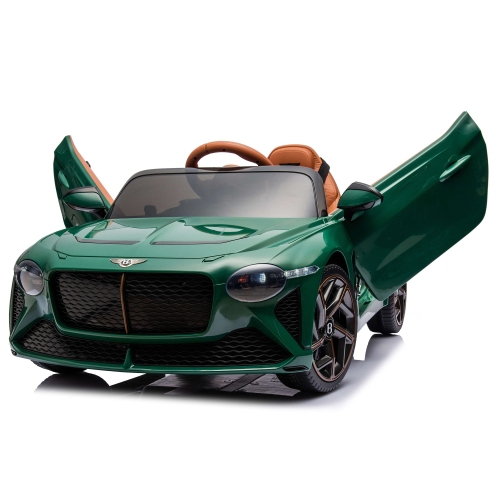
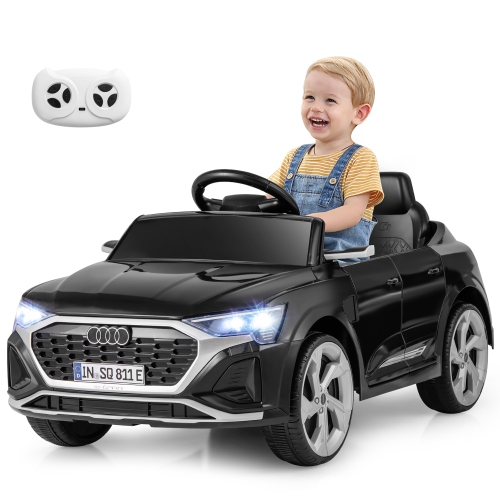
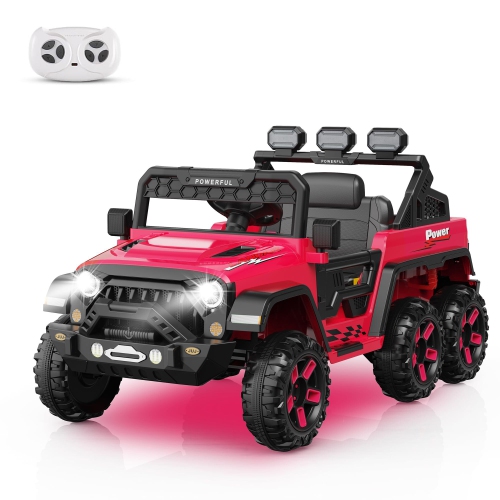
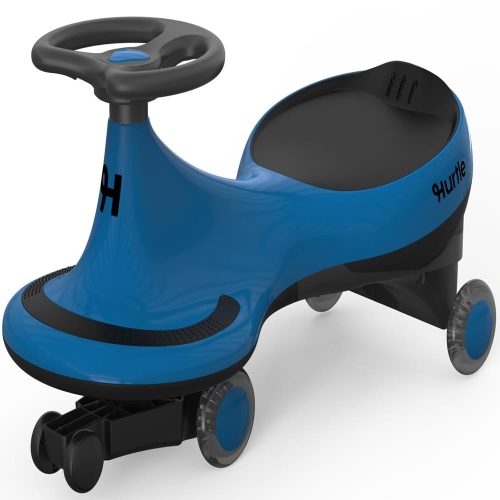
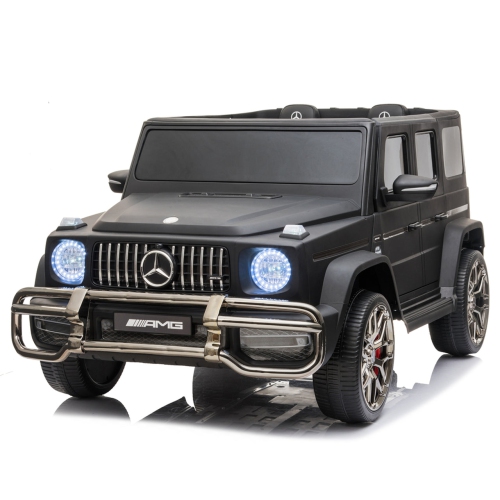
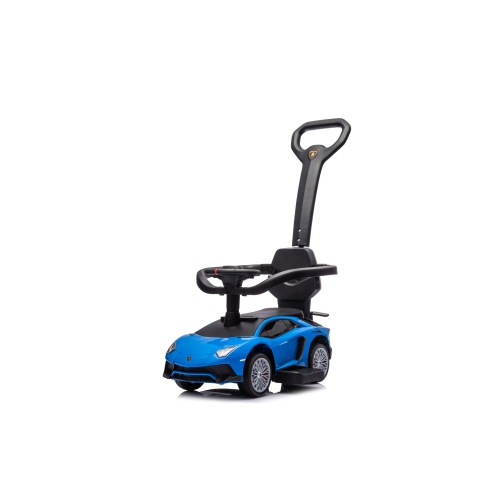
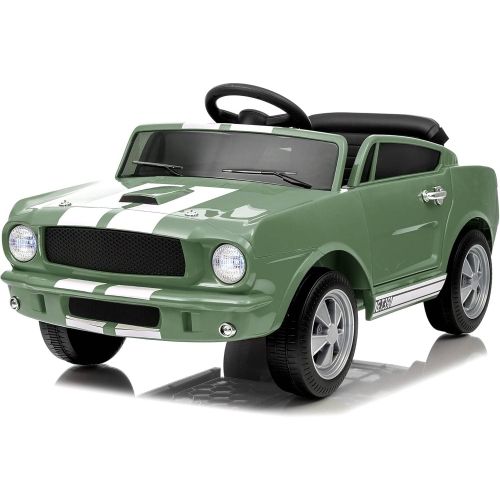
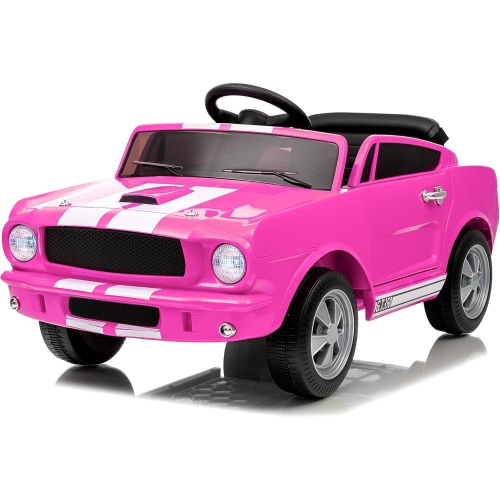
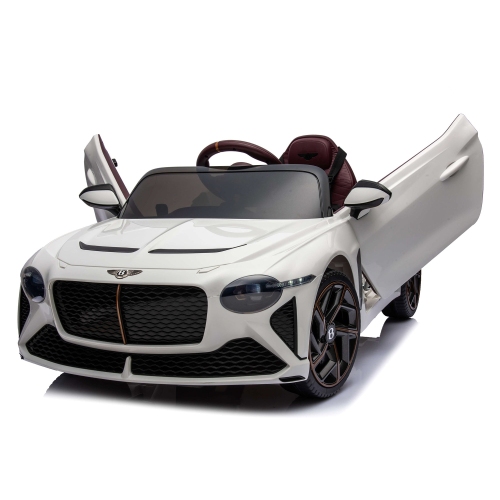
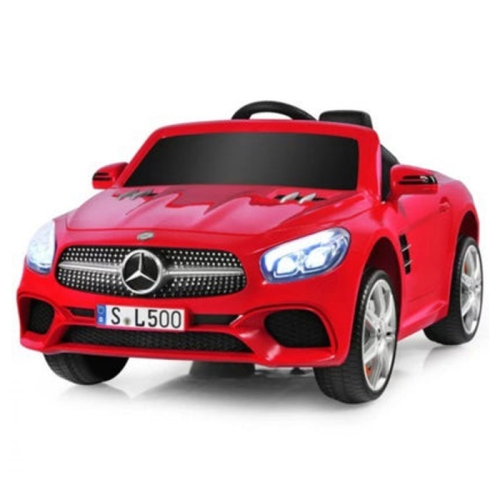
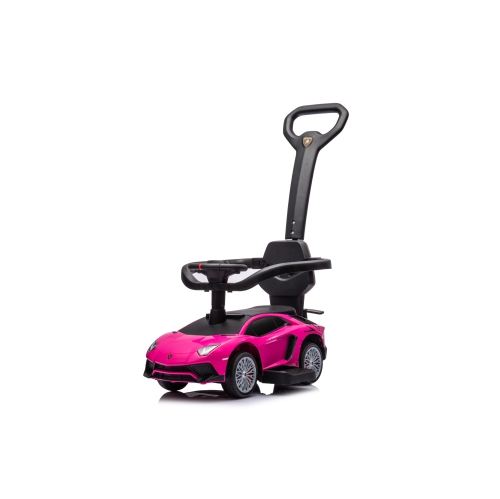
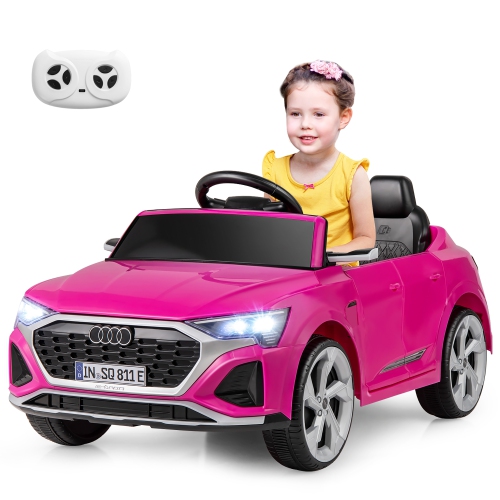
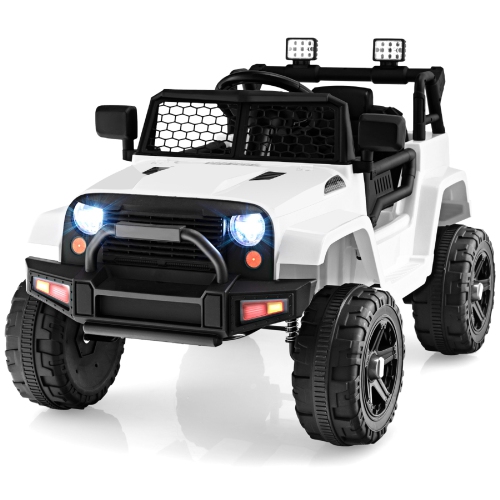
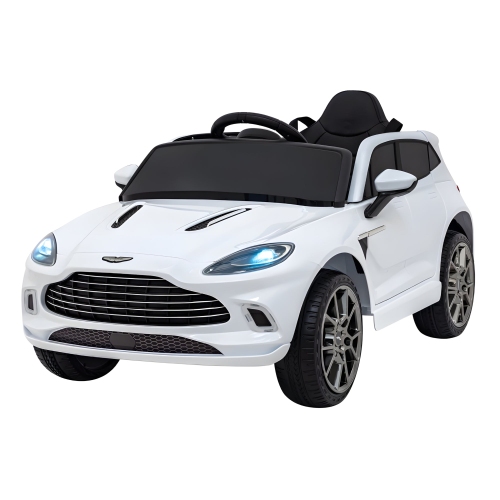
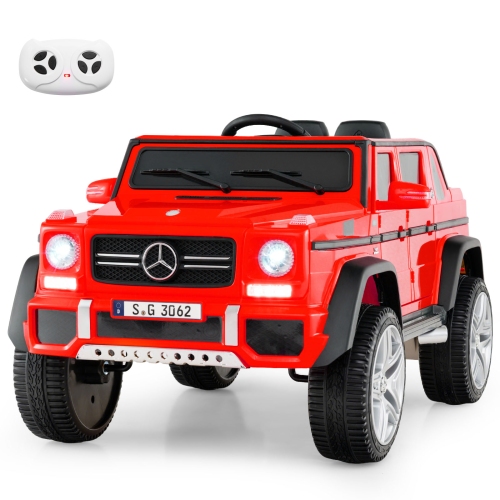
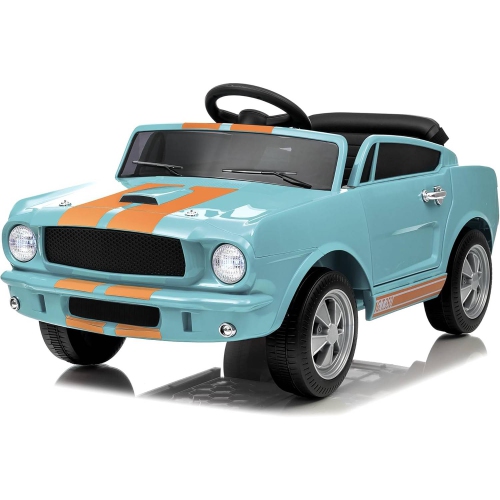
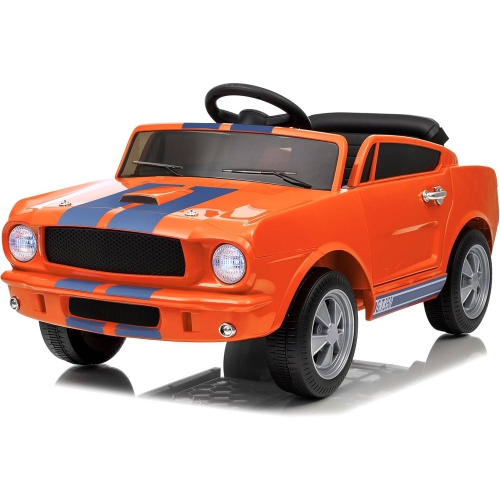
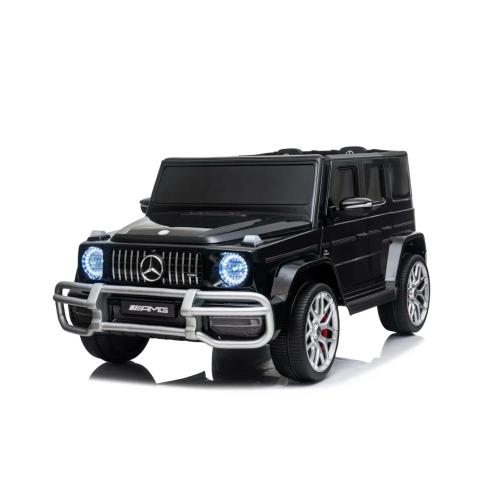
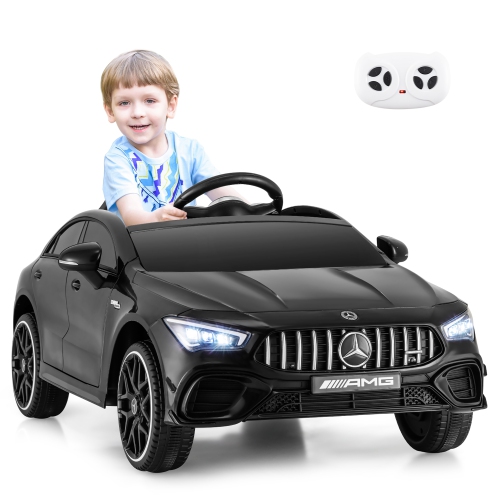
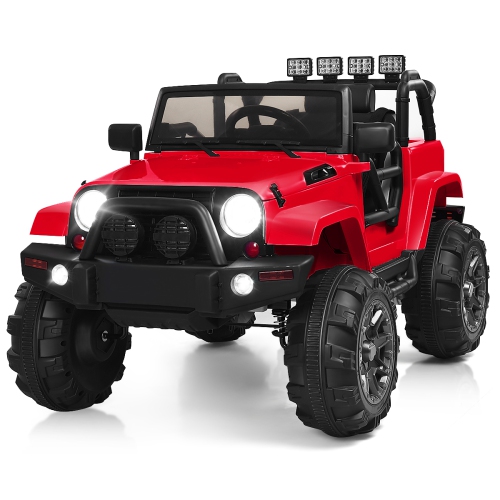
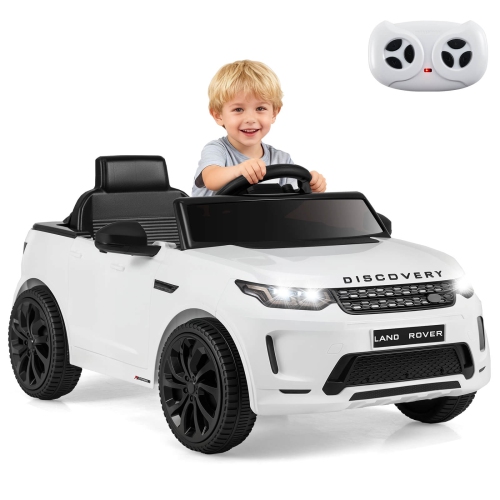
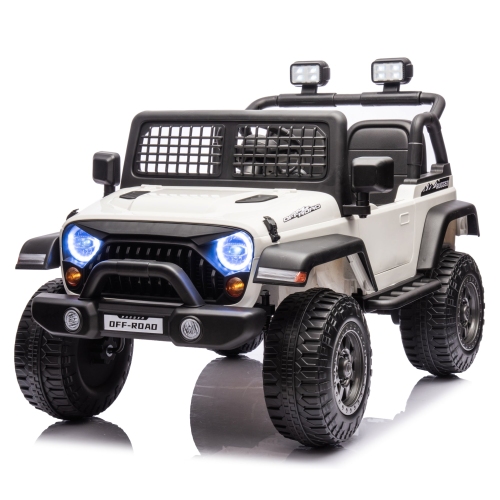
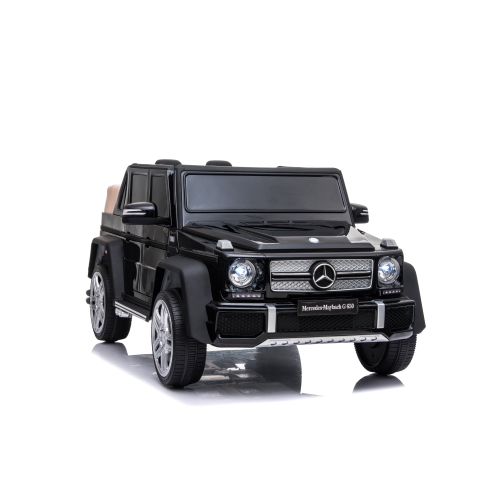
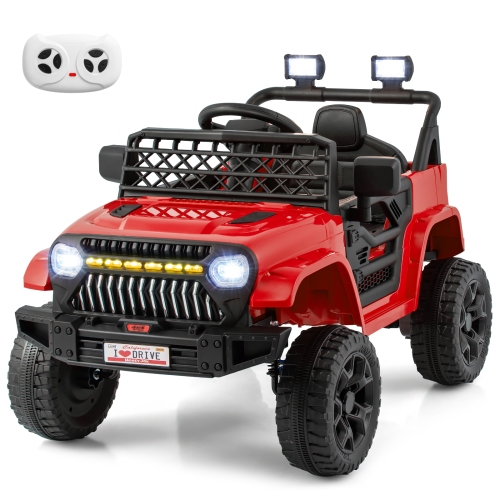
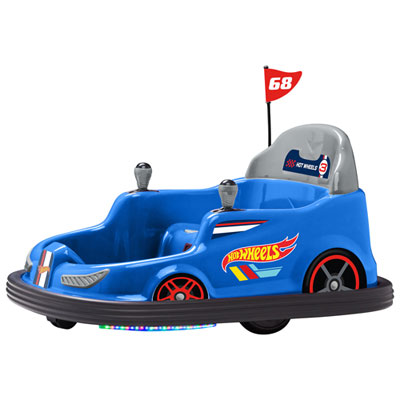
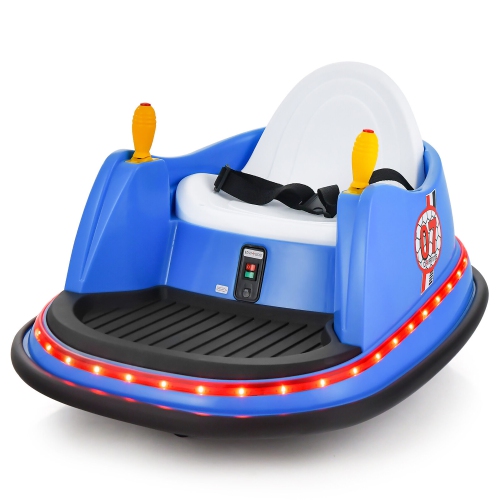
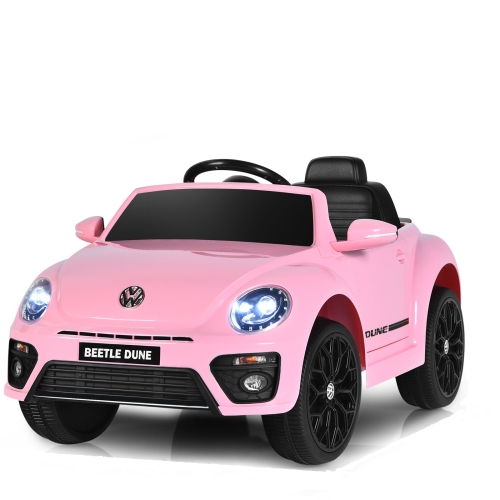
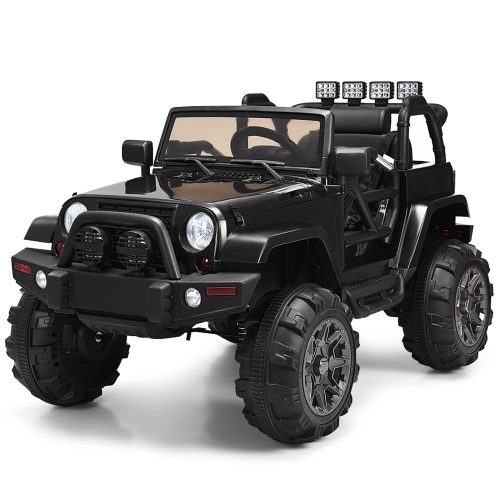
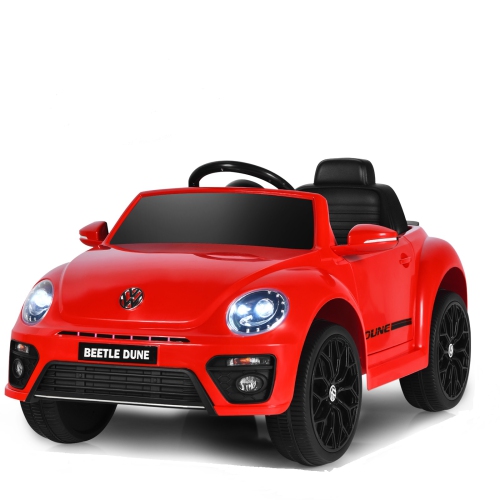
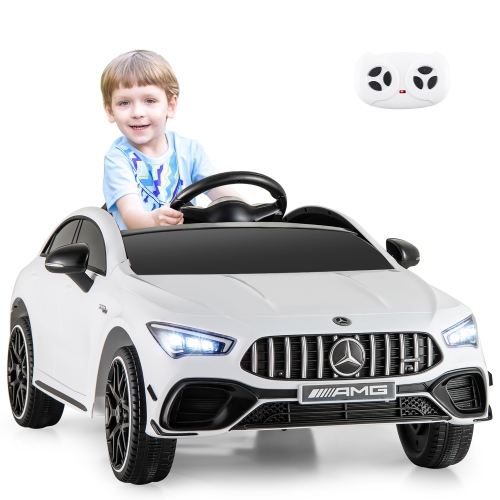
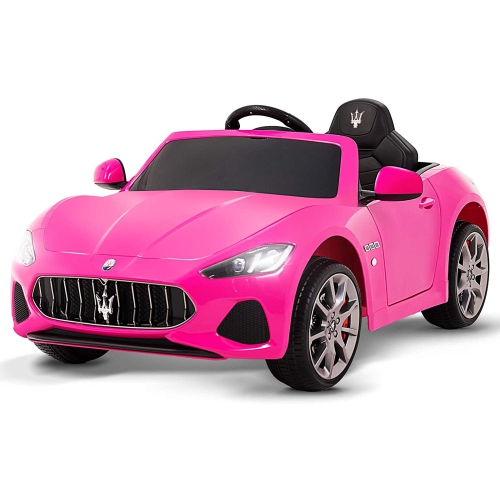
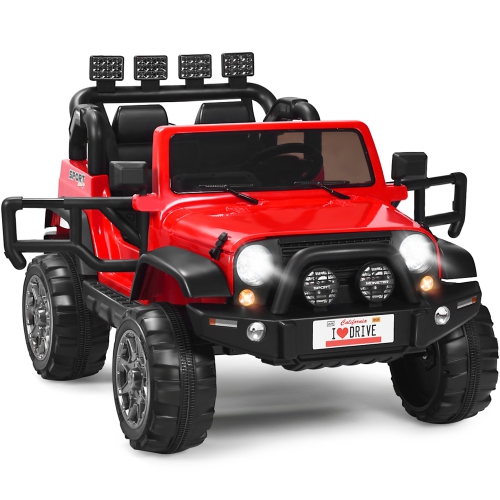
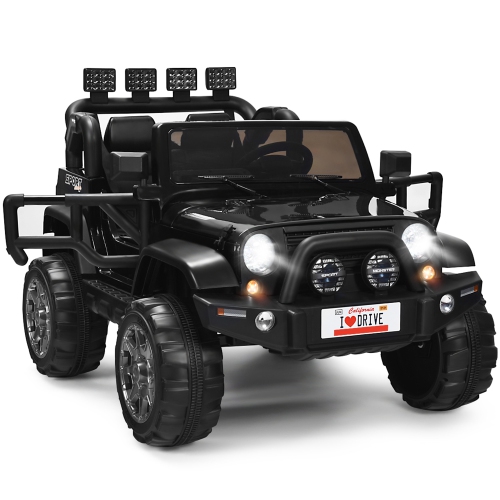
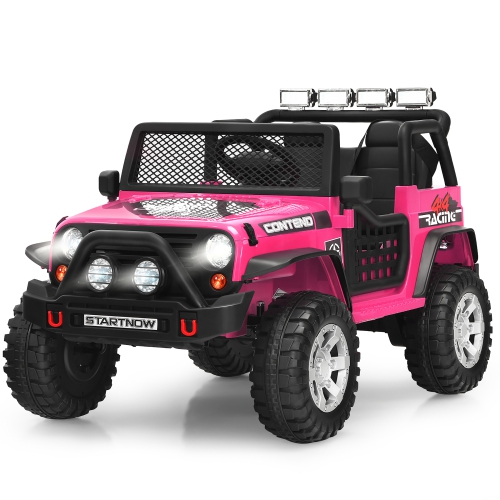
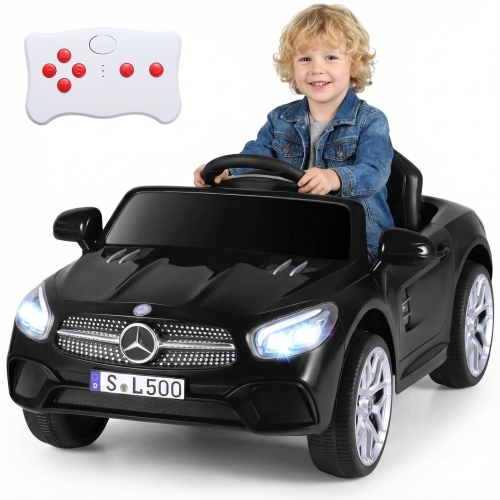
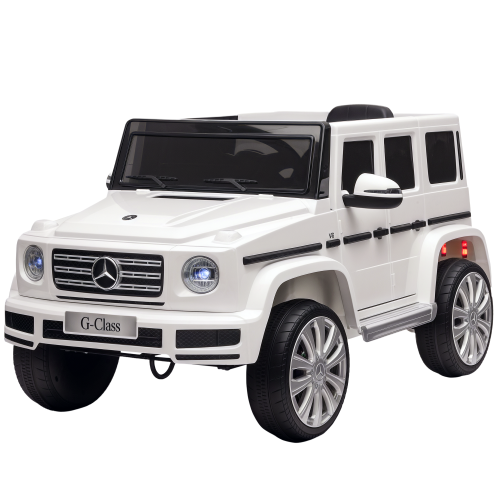
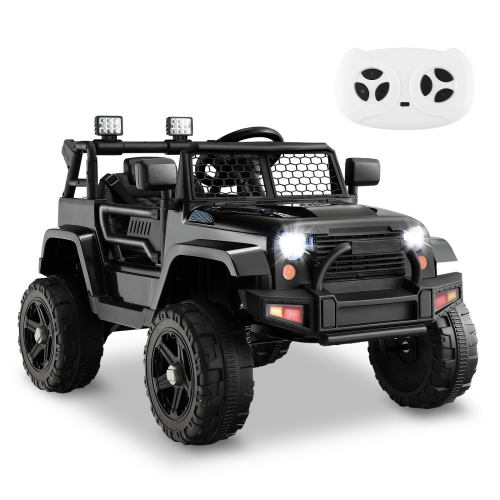
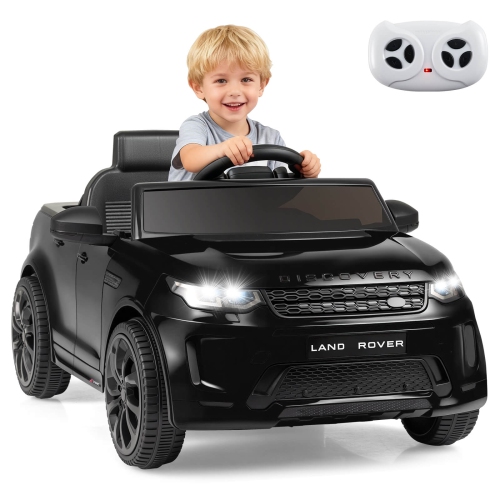
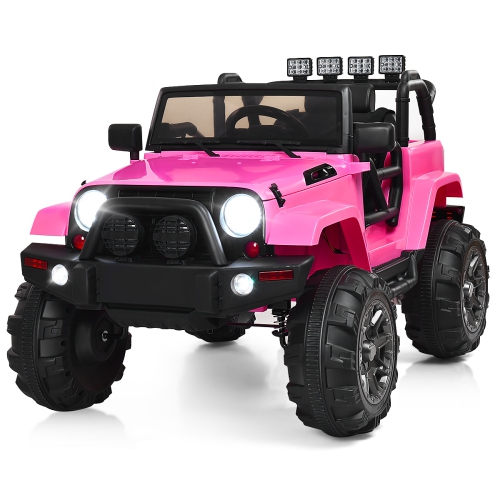
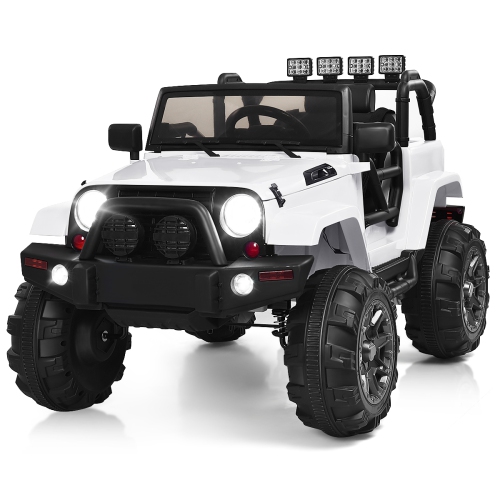
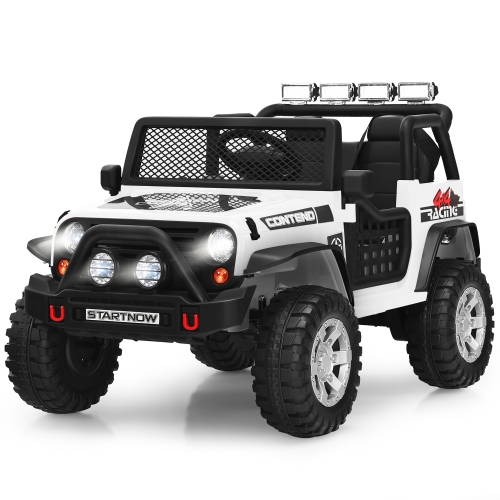
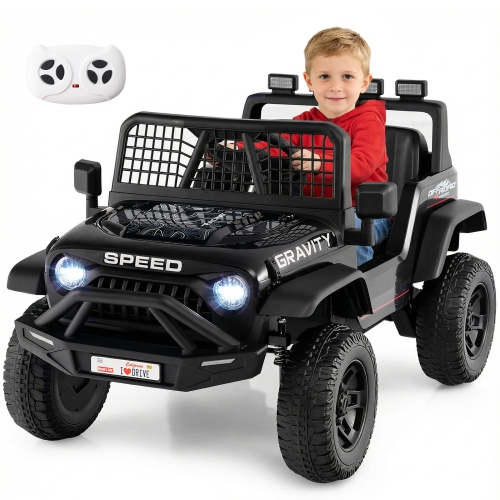
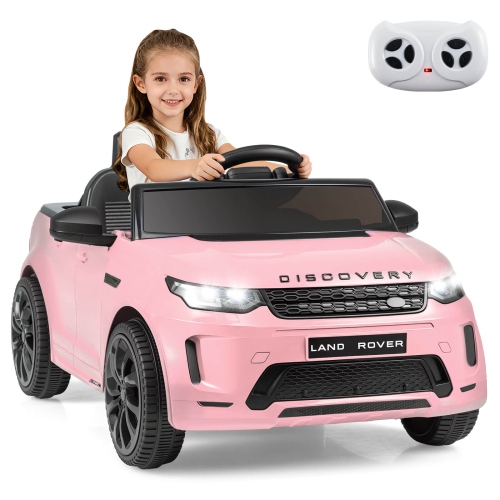
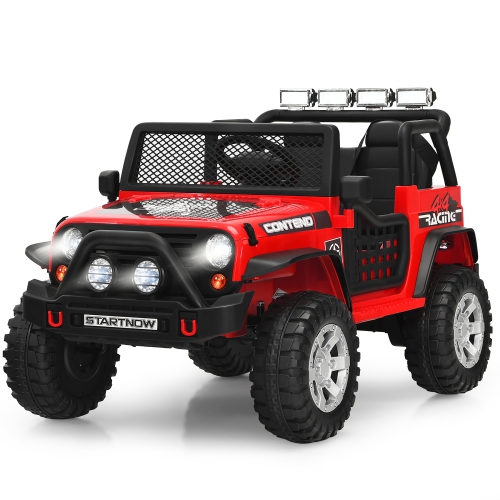
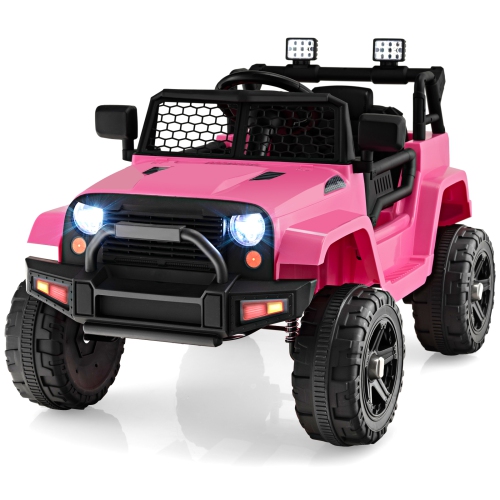
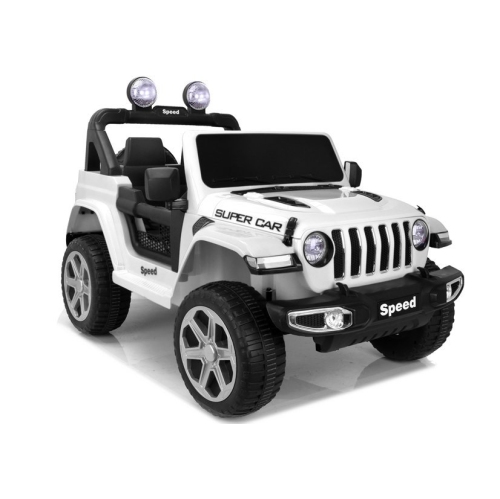
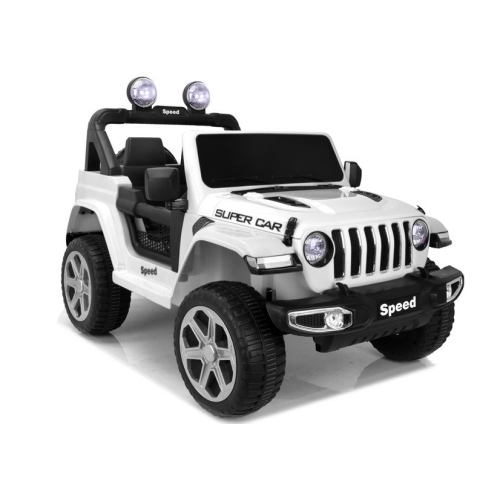
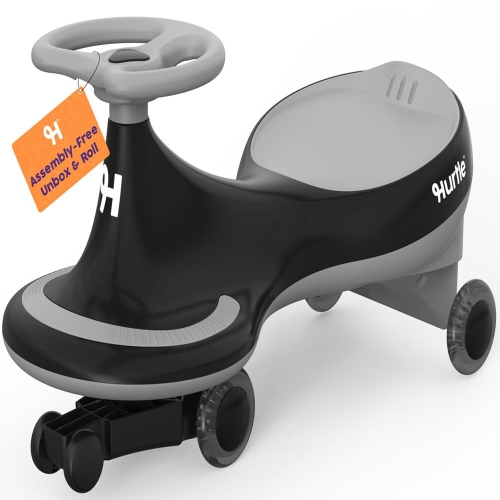
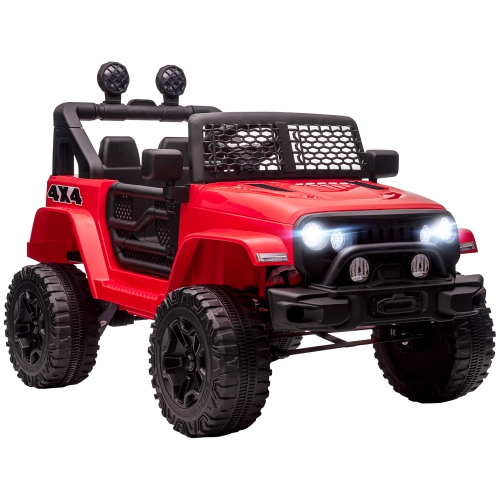
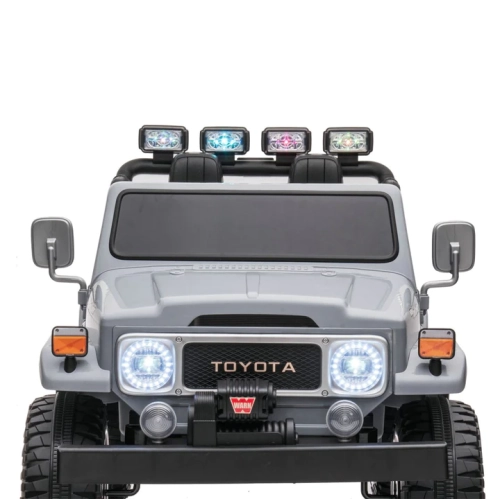
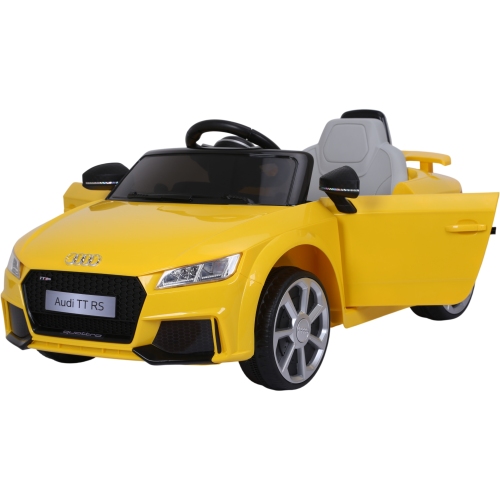
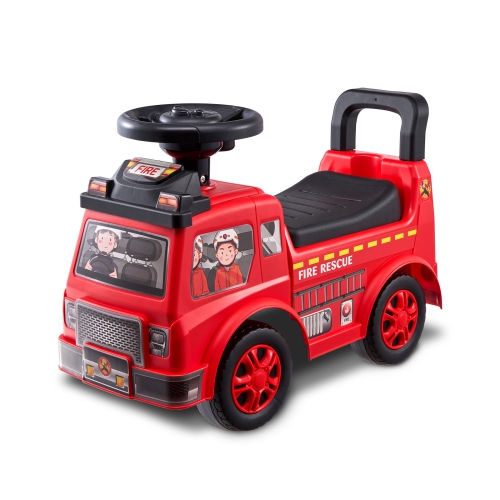
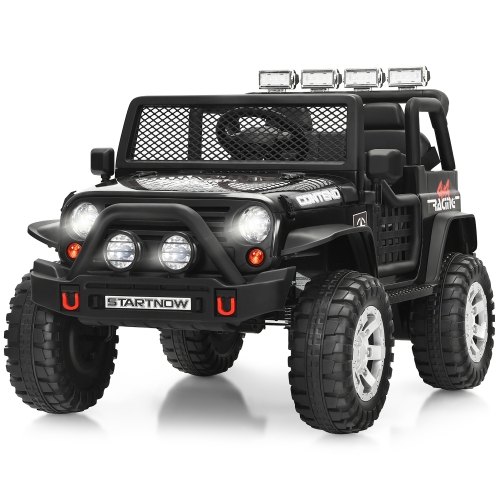

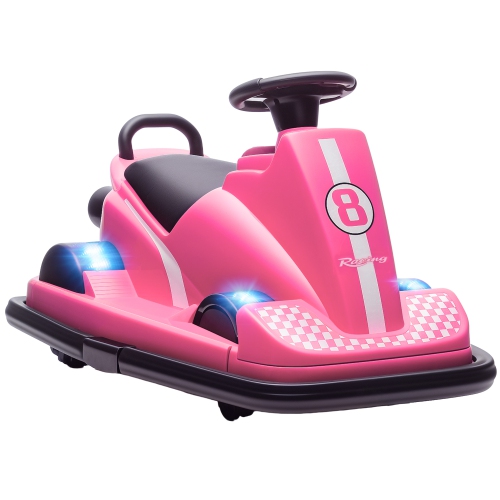
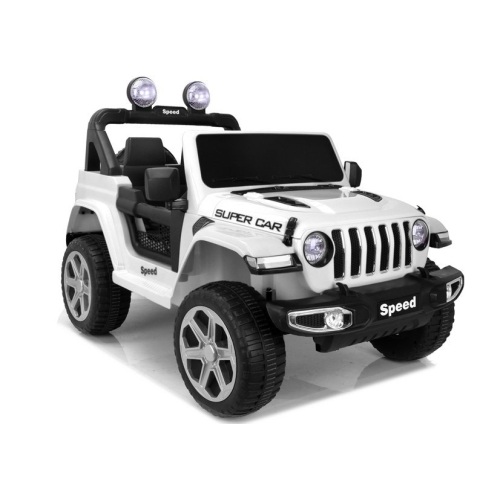
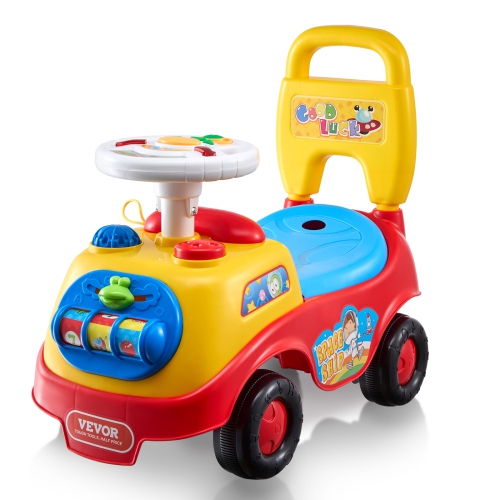
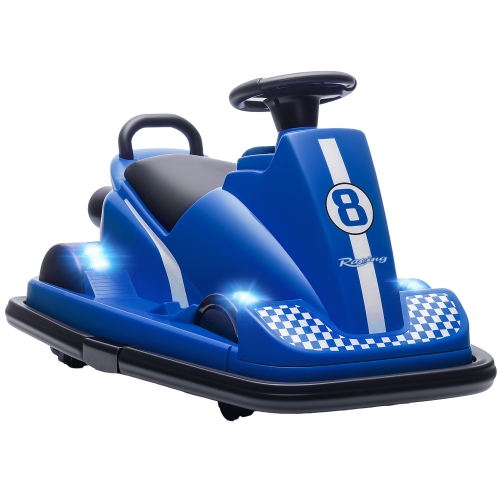
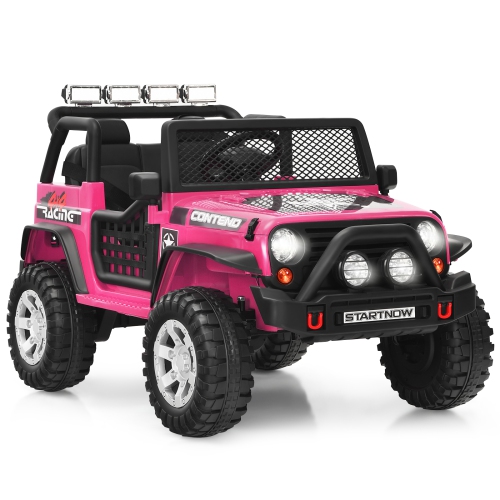
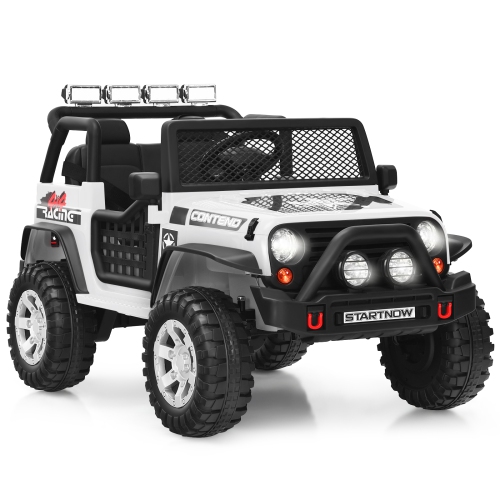
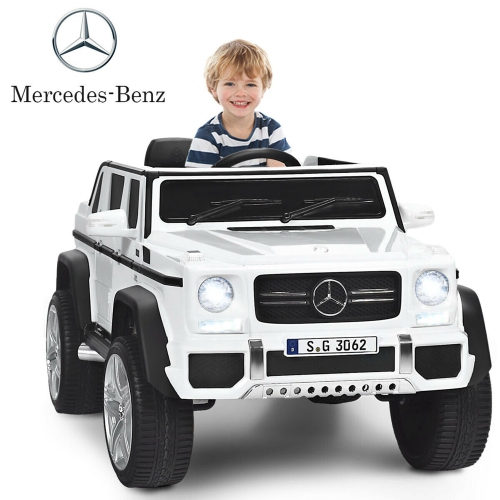
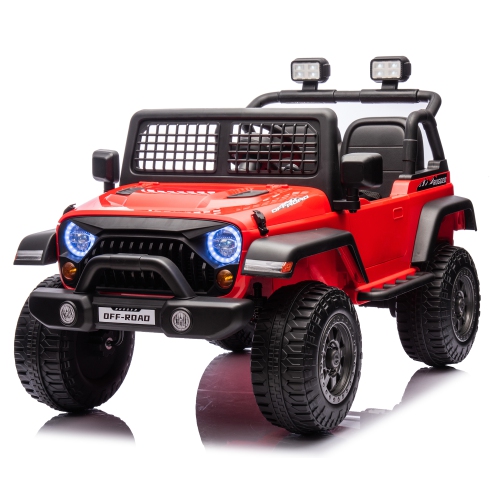

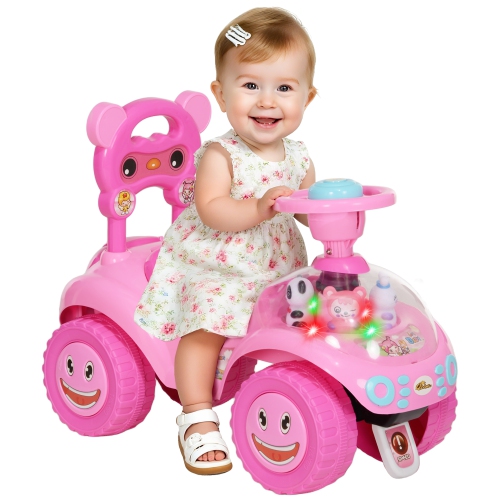
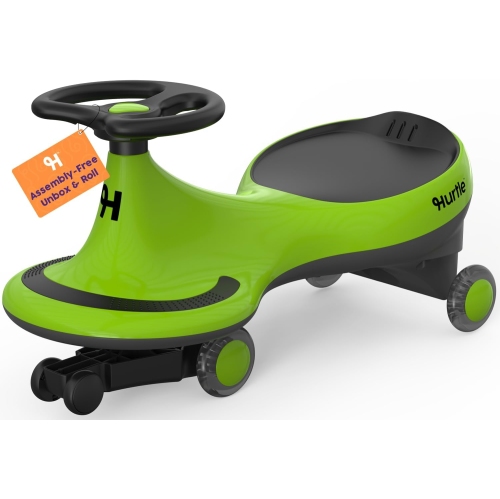
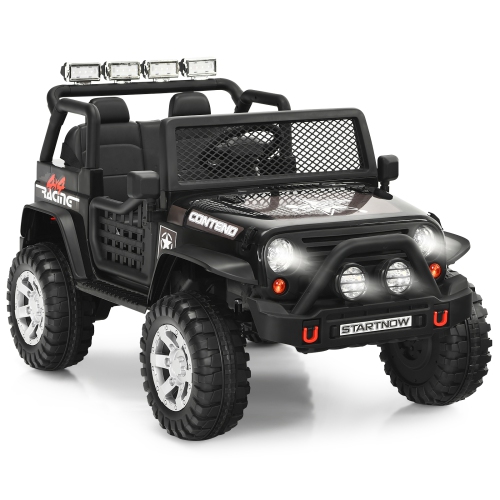
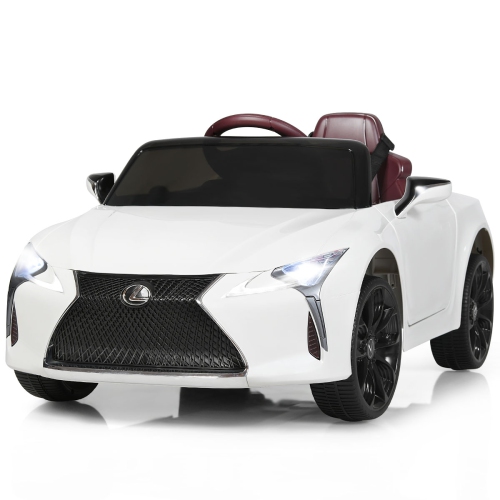
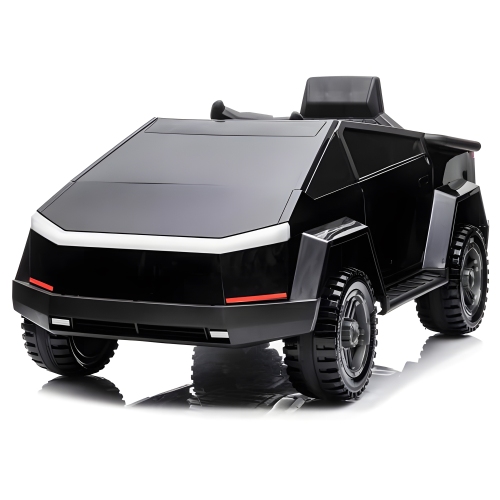
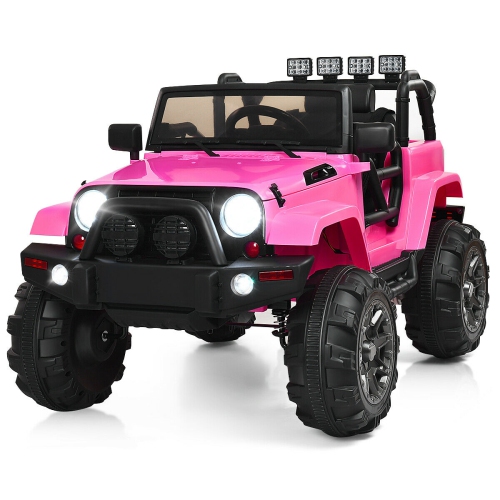
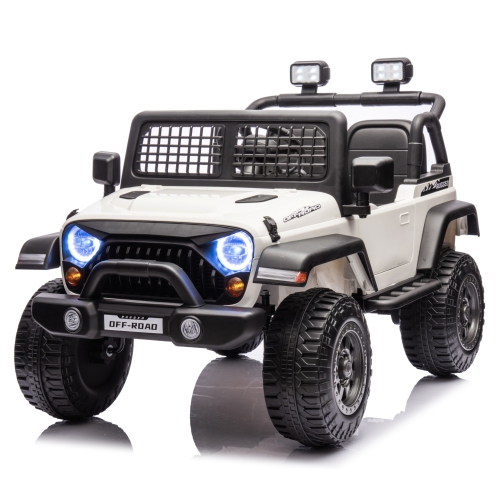
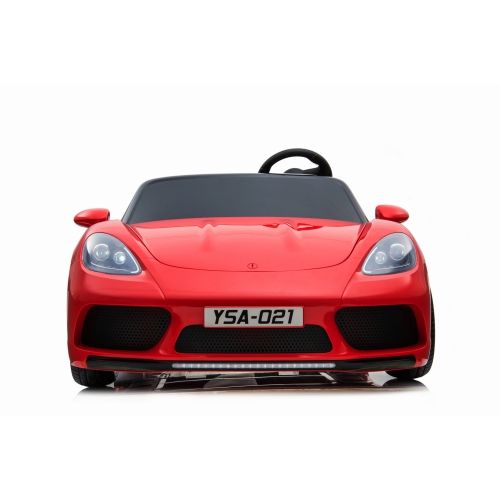
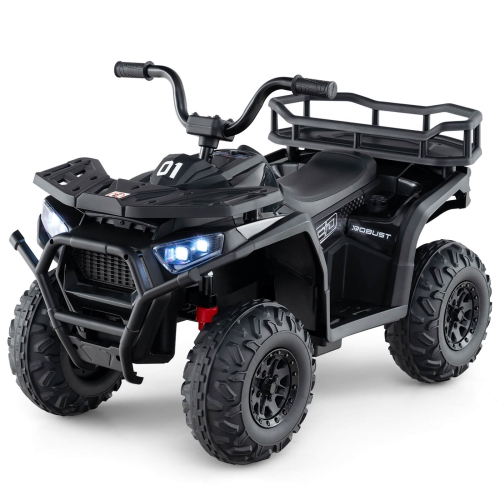
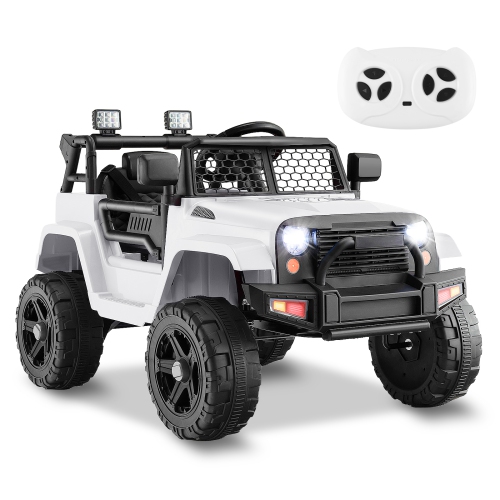
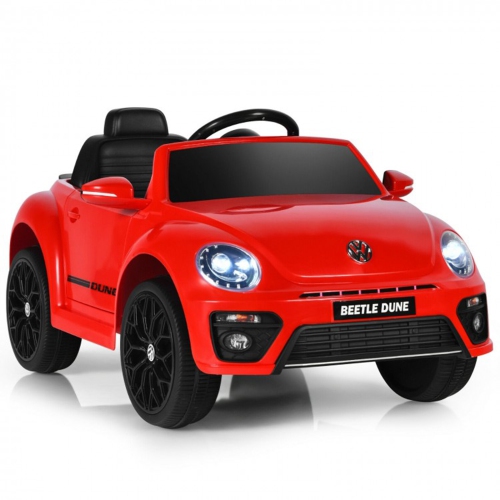
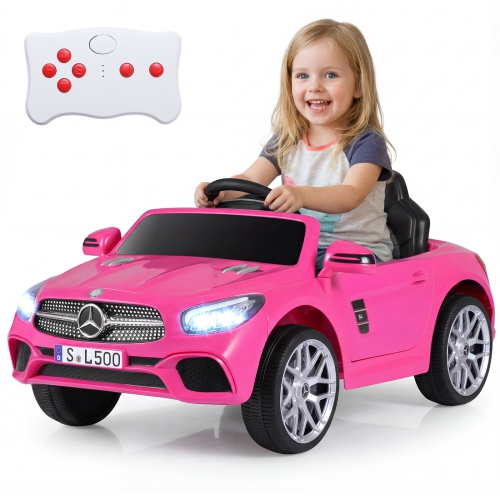
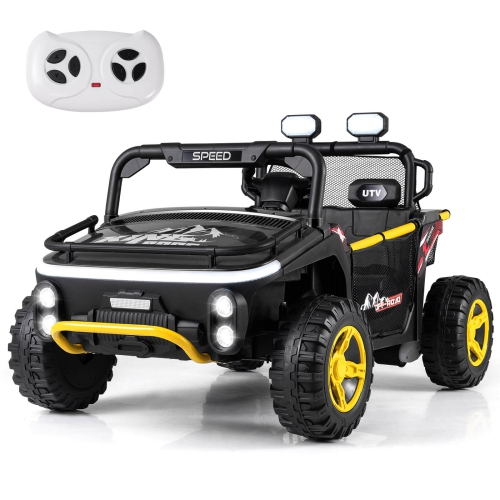
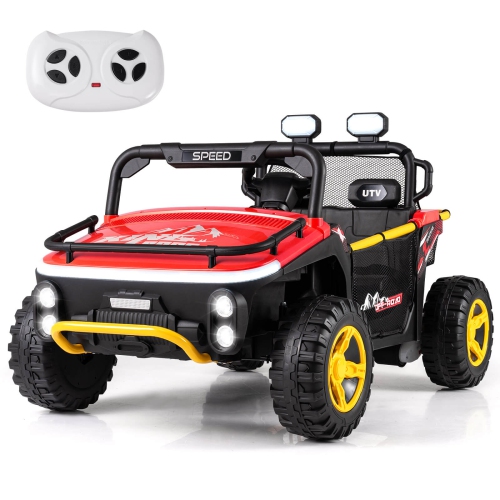
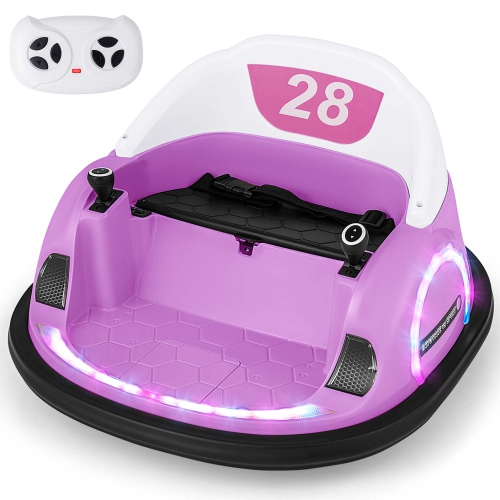
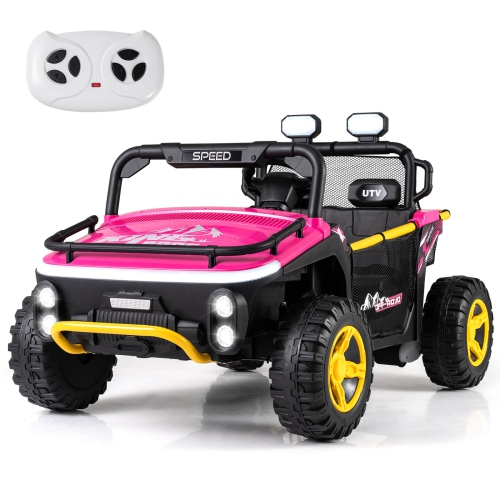
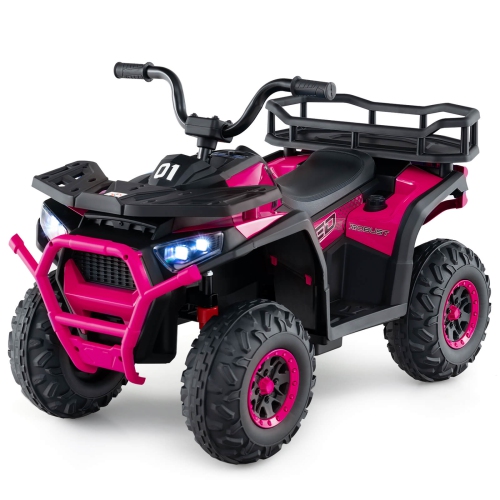
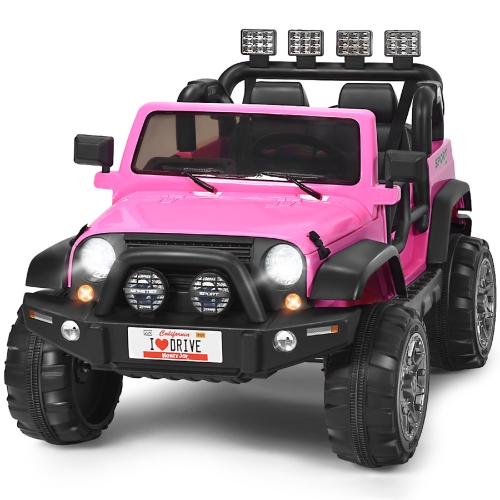
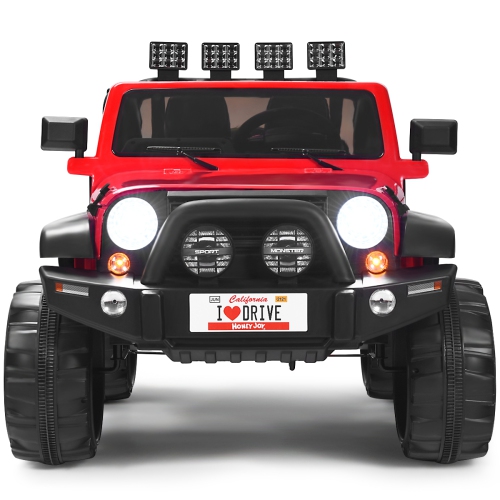
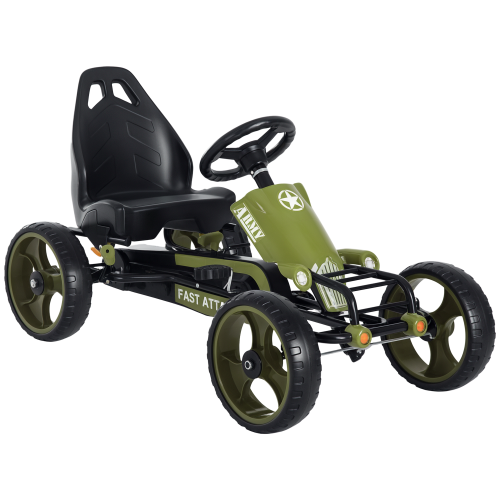
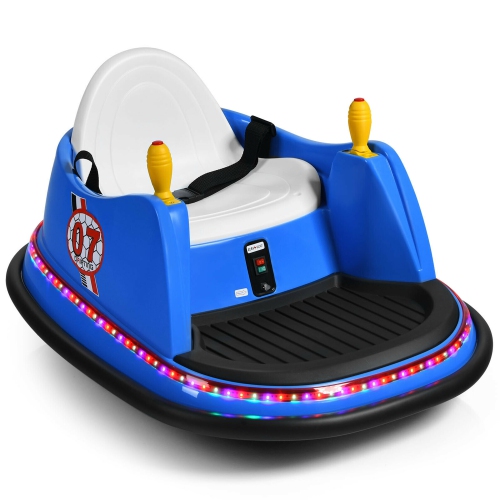
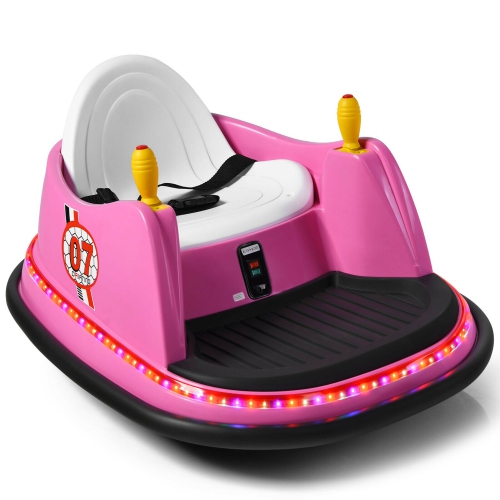
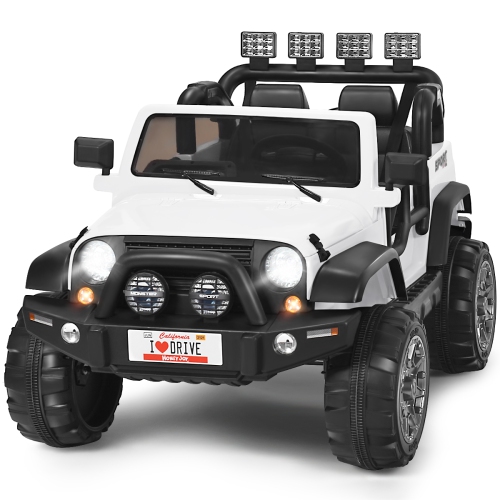
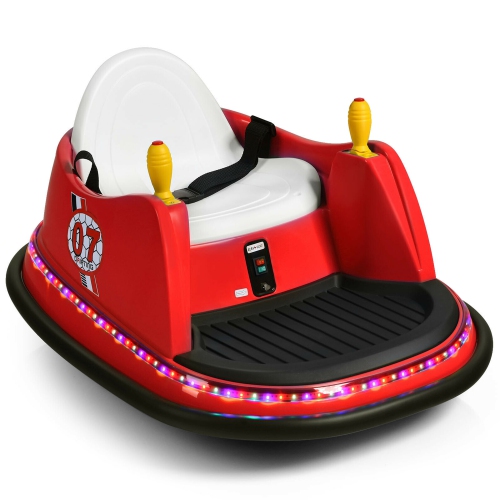
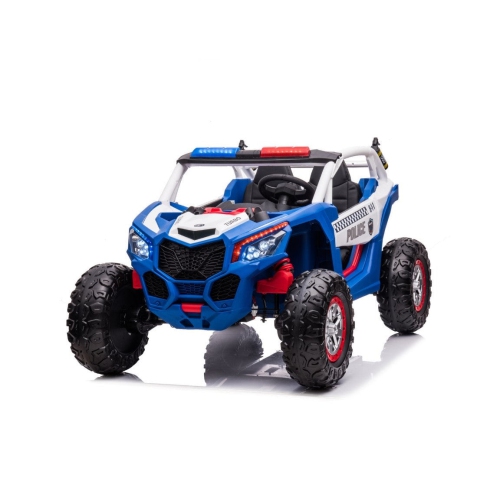
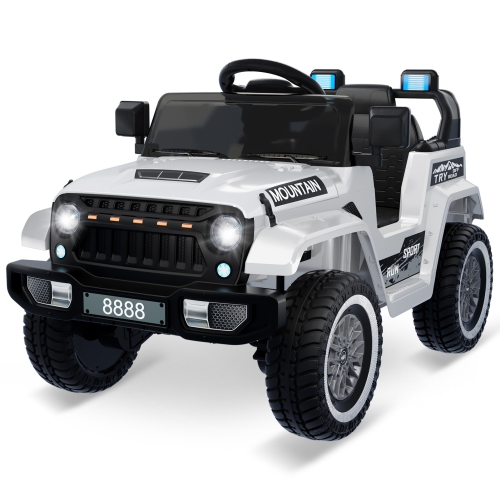
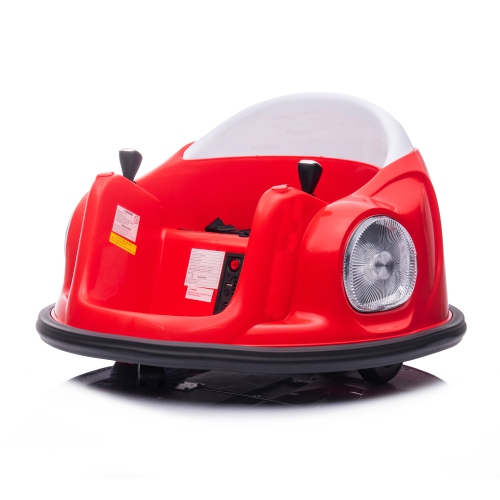
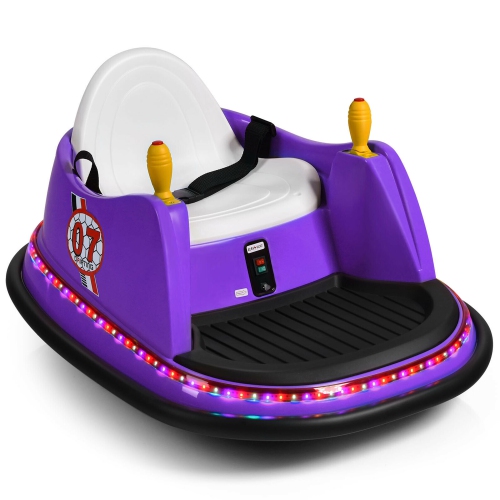
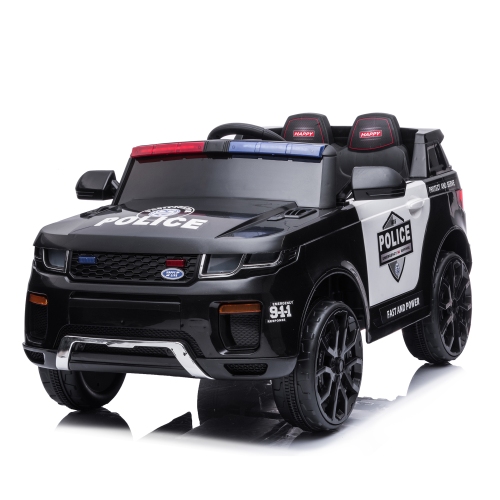
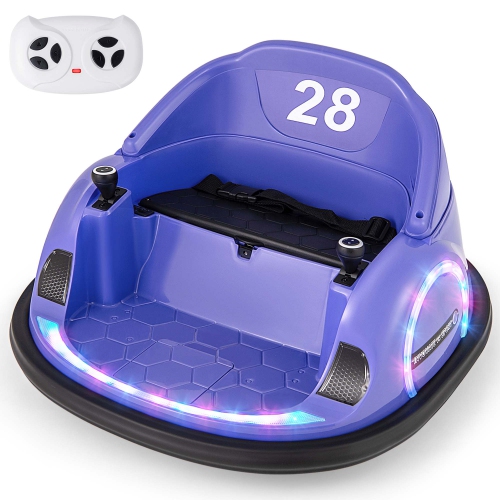
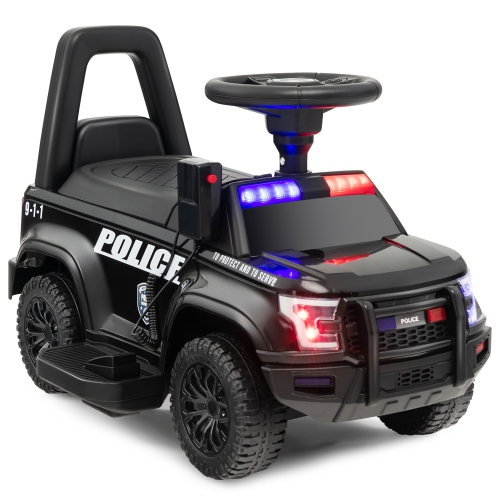
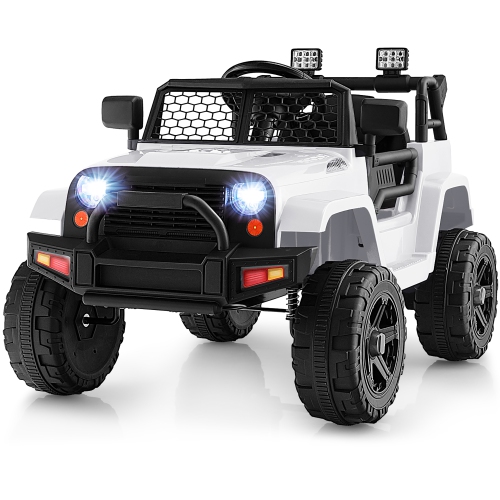
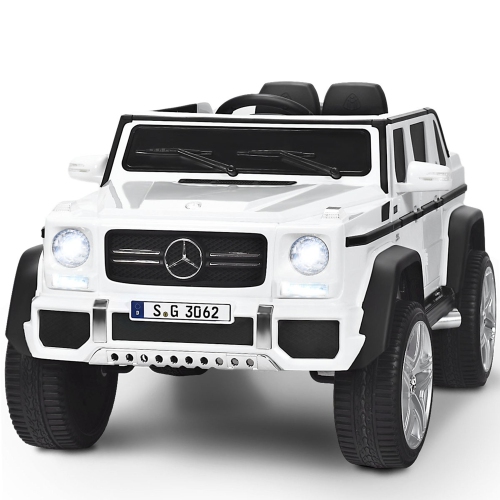
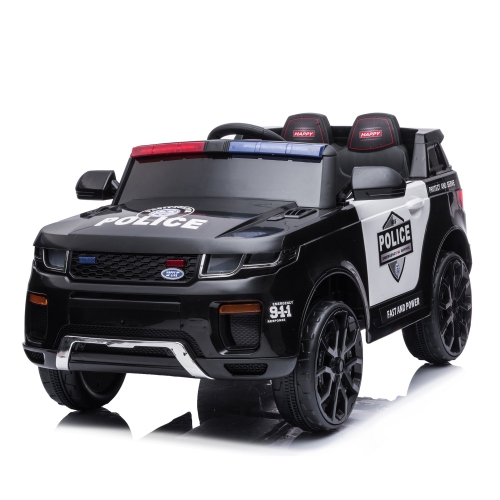
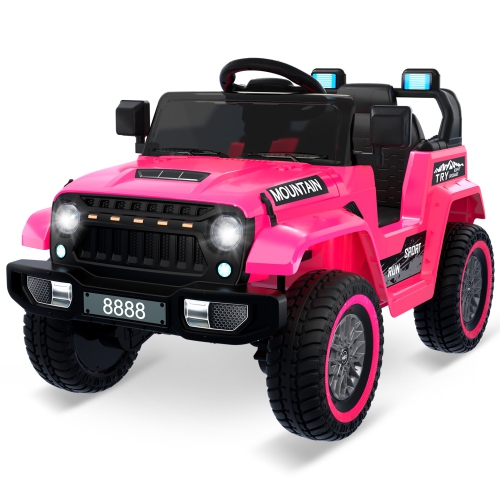
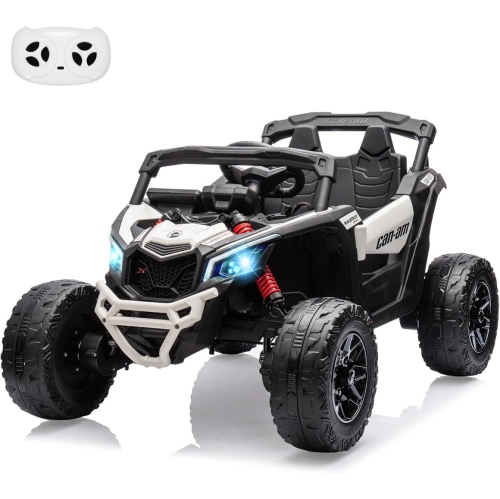
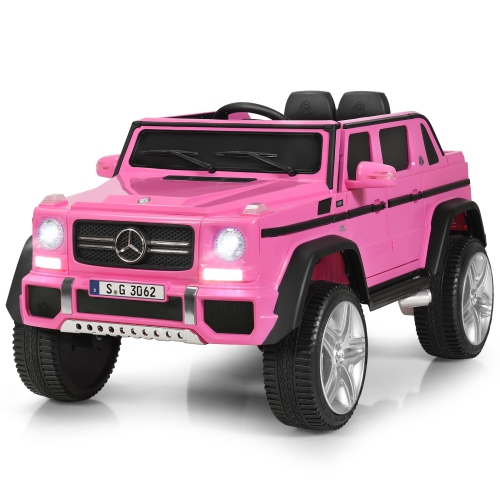
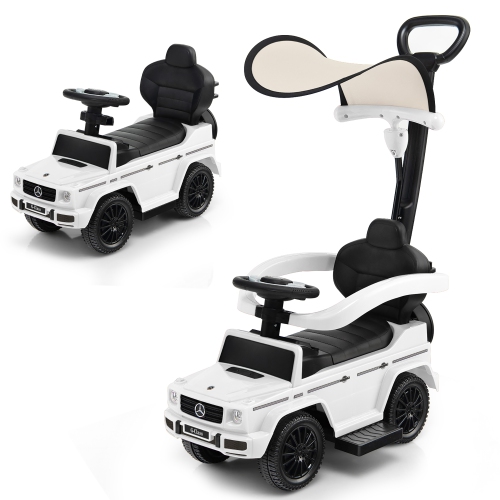
Power, play, and supervision for confident little drivers
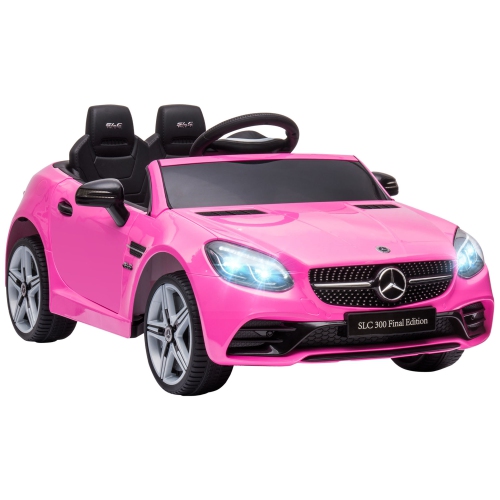
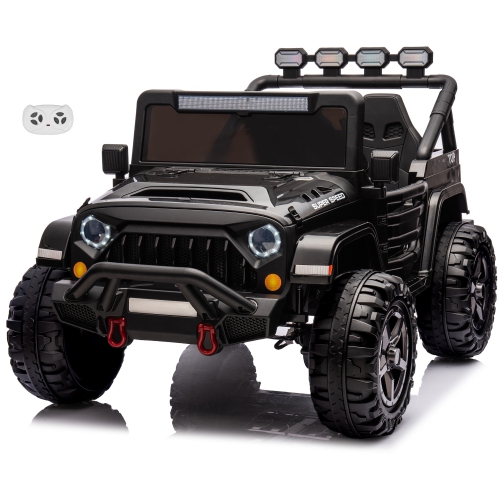
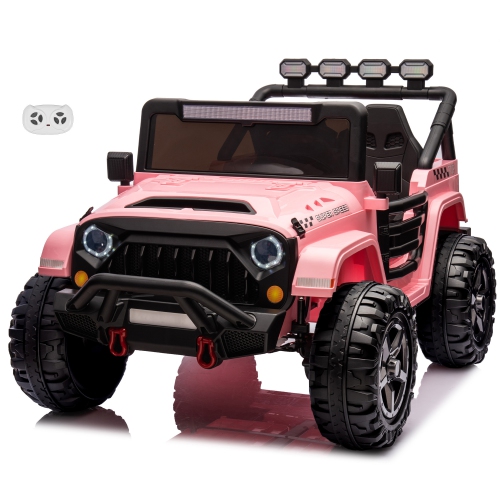
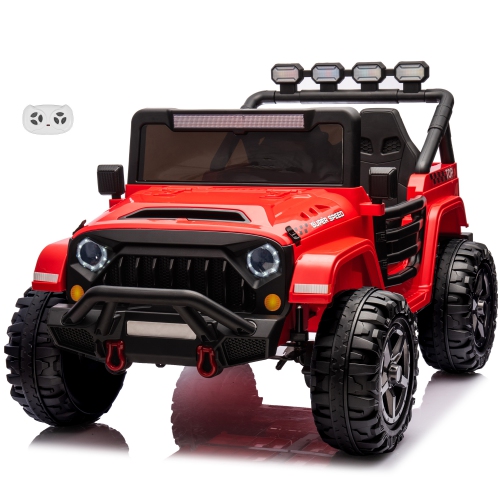
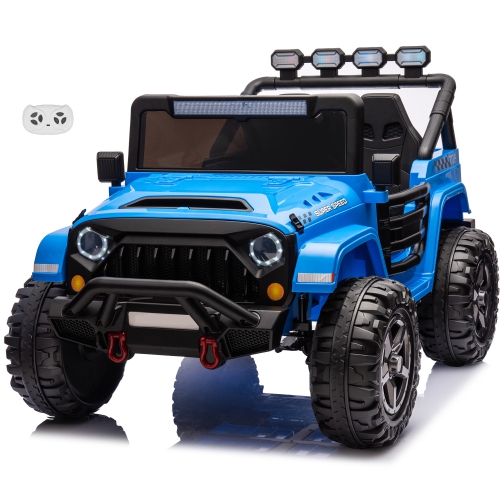
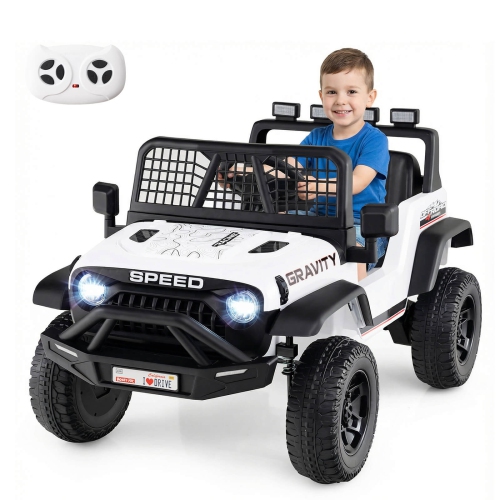
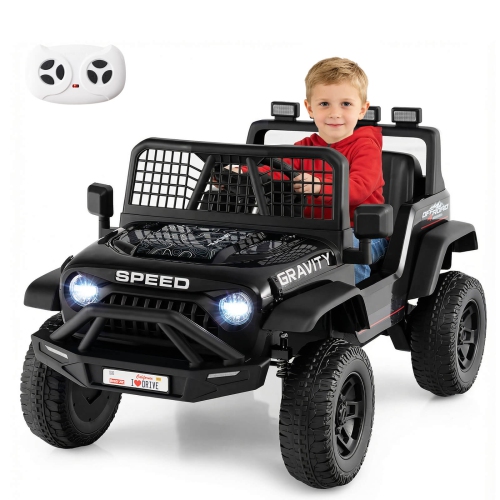
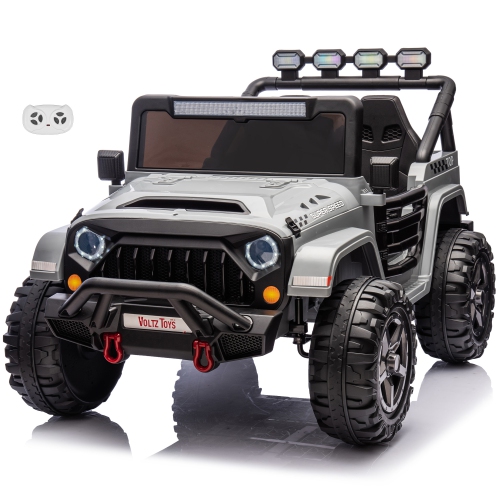
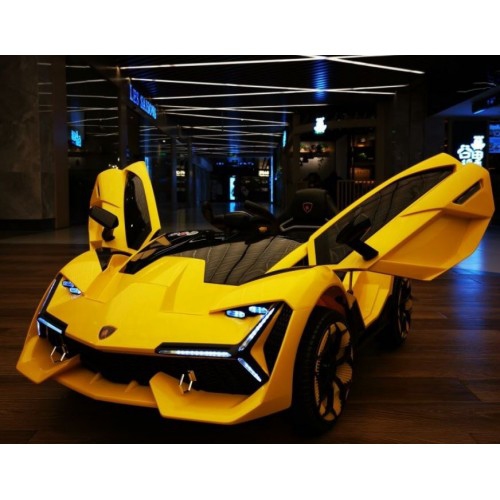
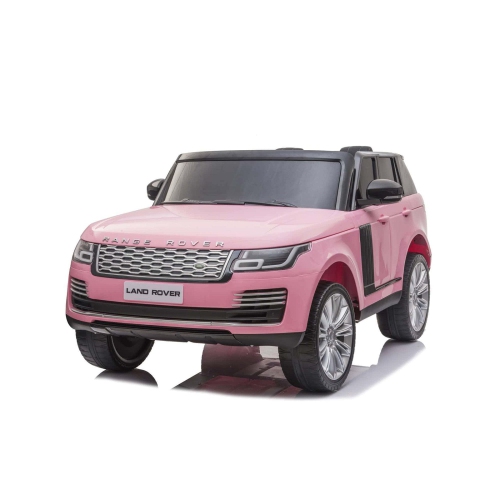
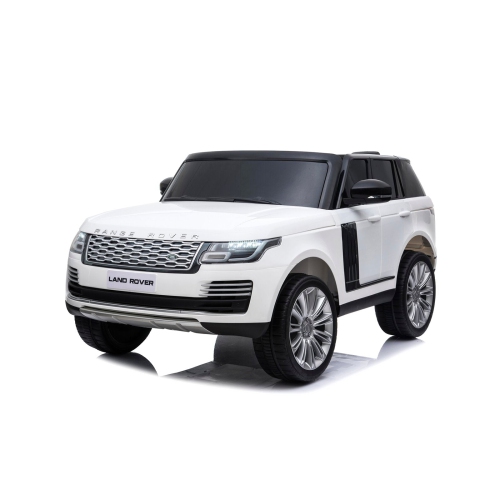
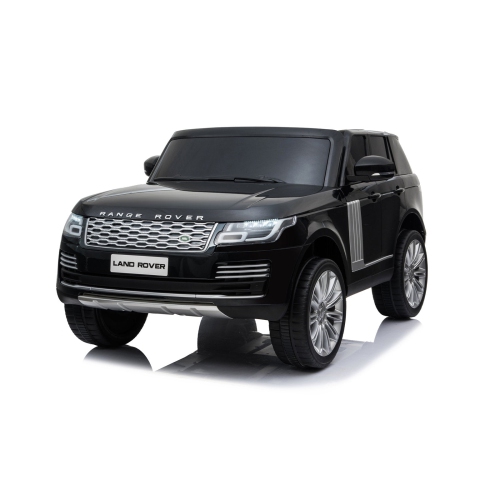
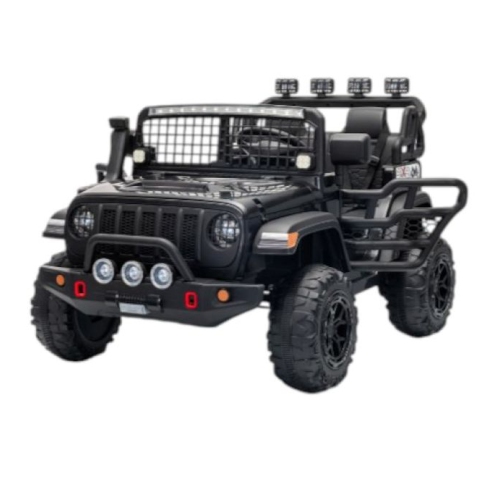
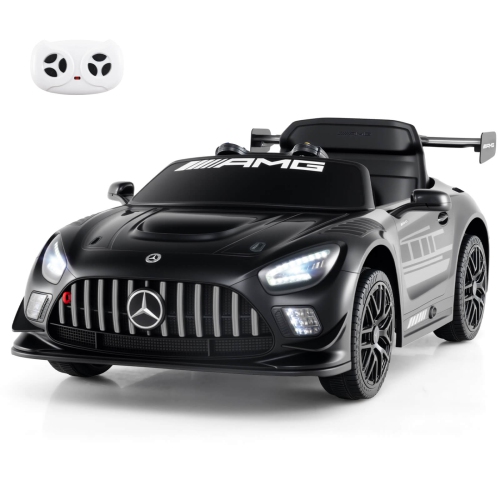
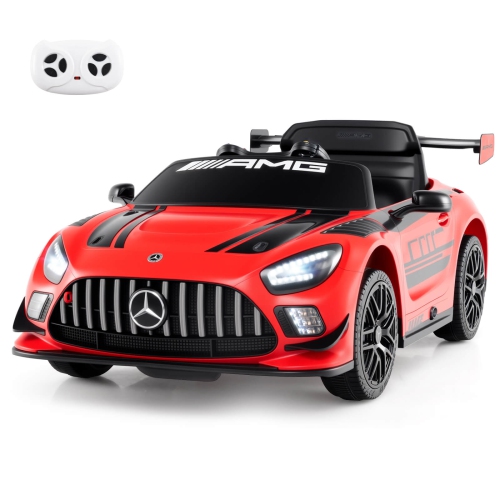
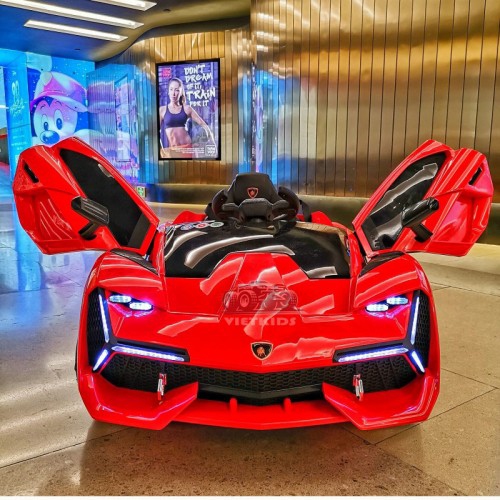
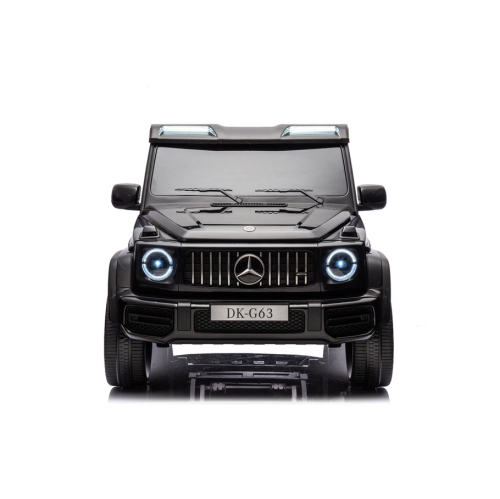
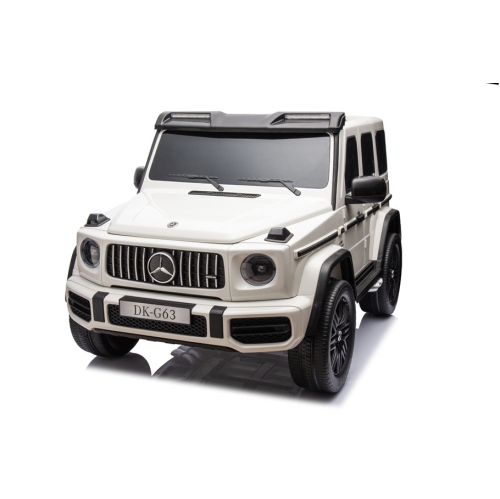
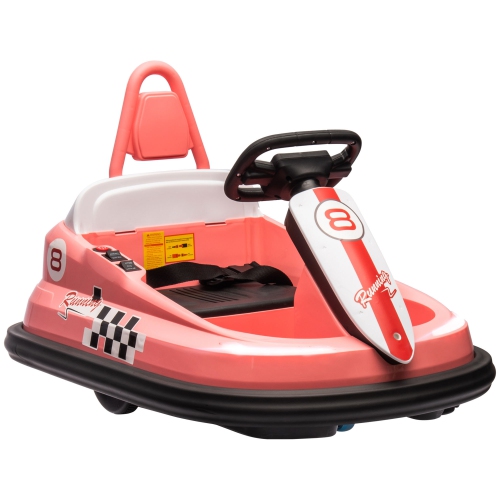
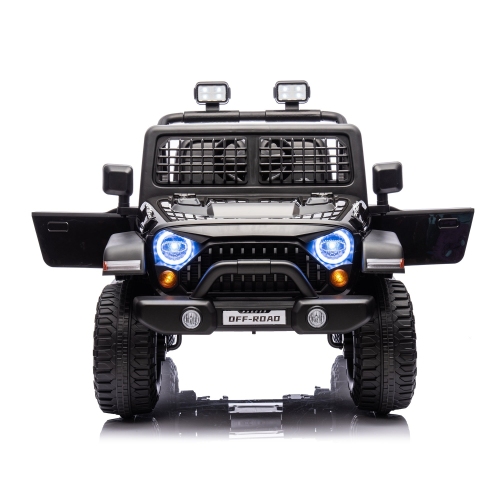
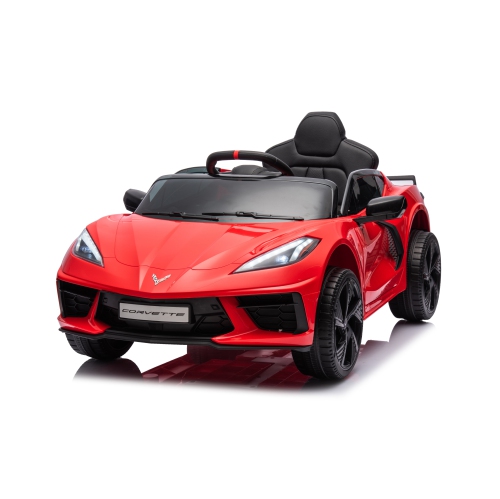
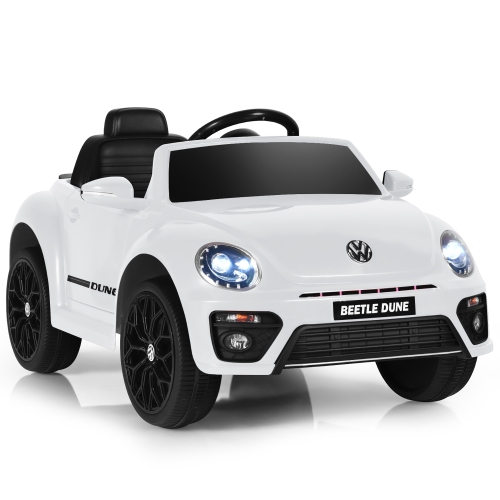
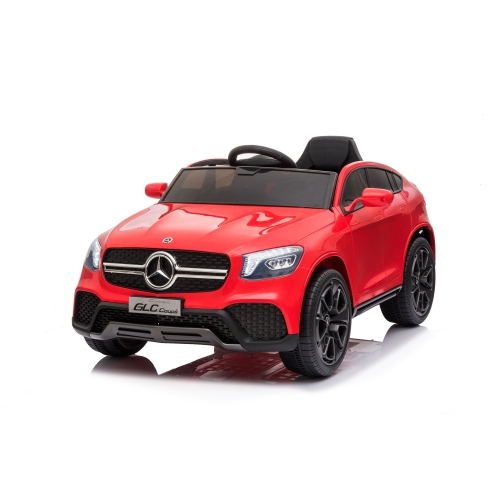
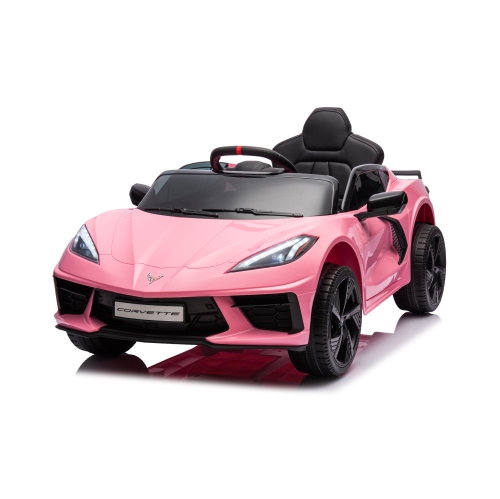
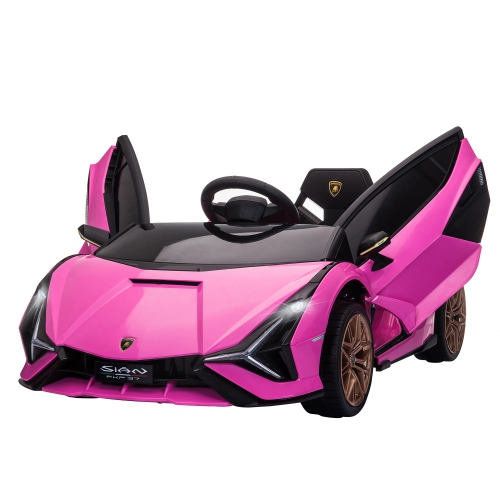
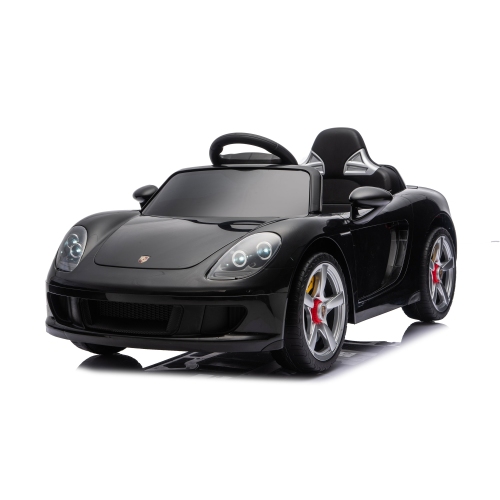
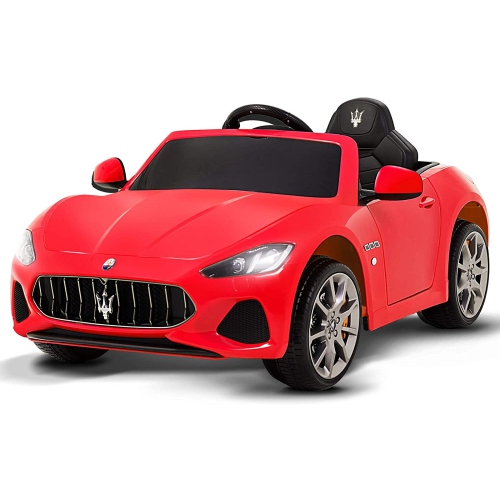
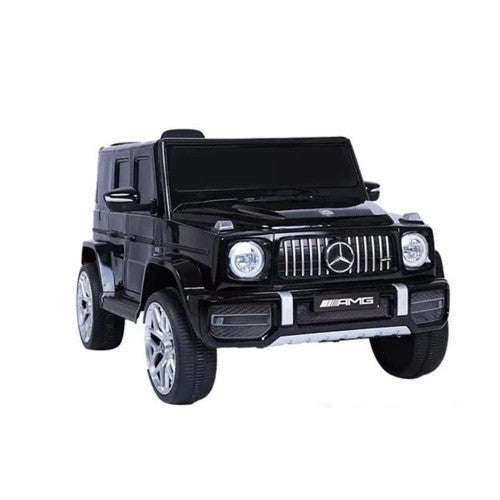
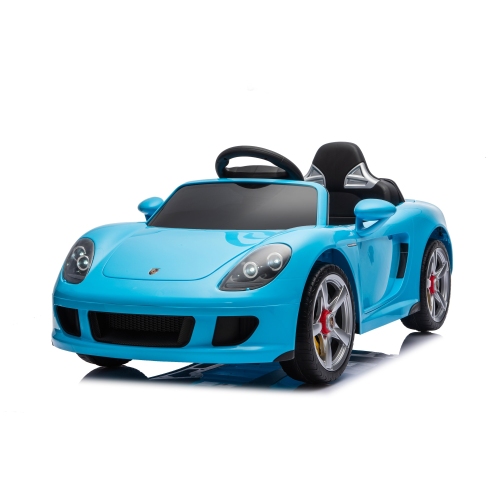
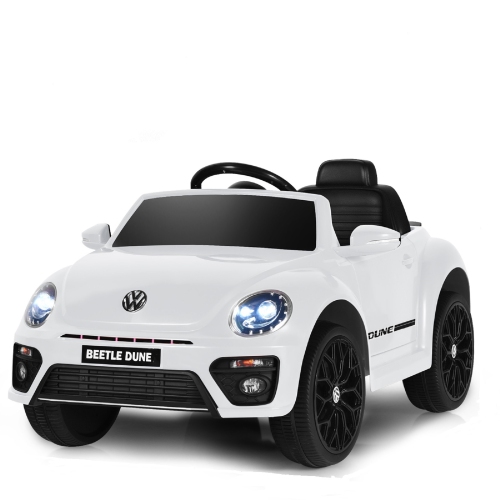
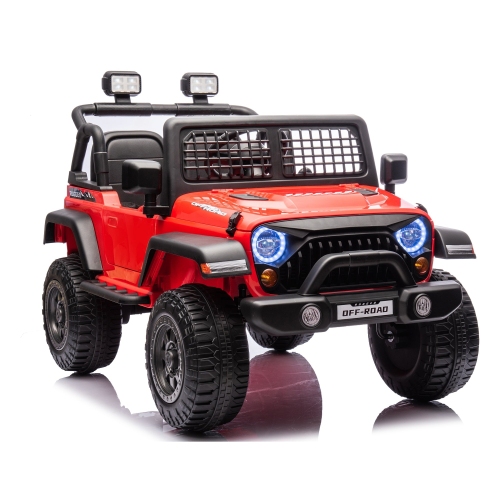
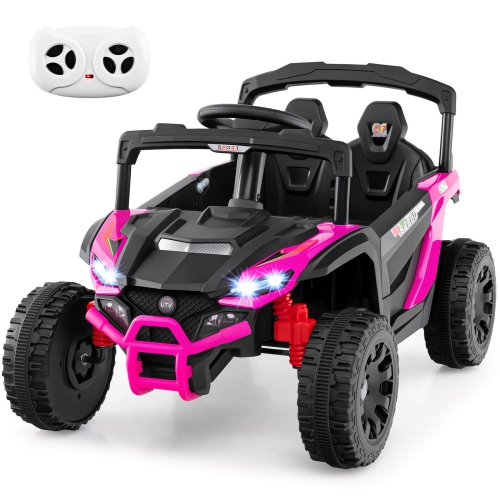
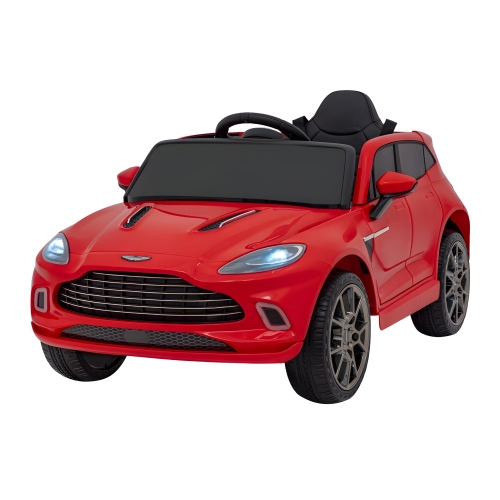
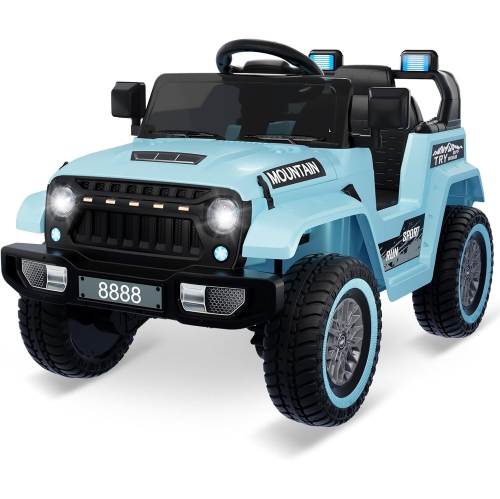
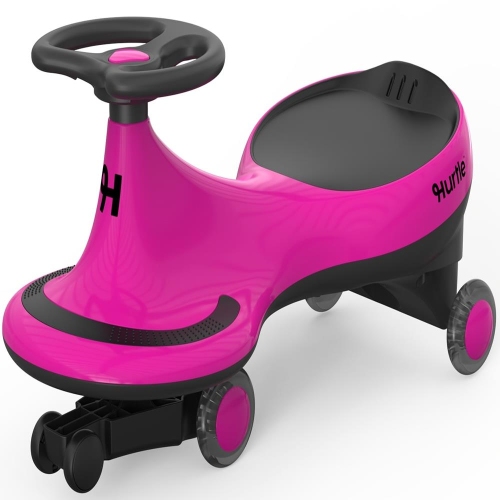
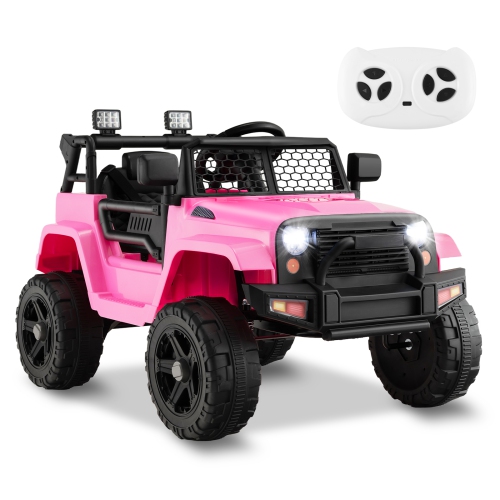
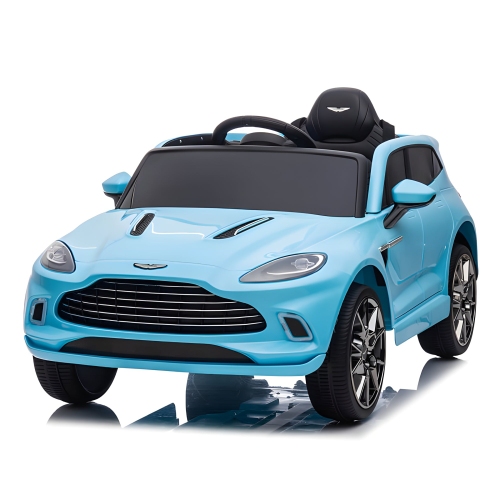
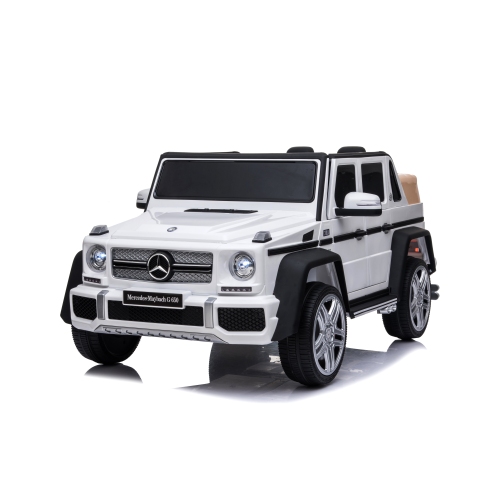
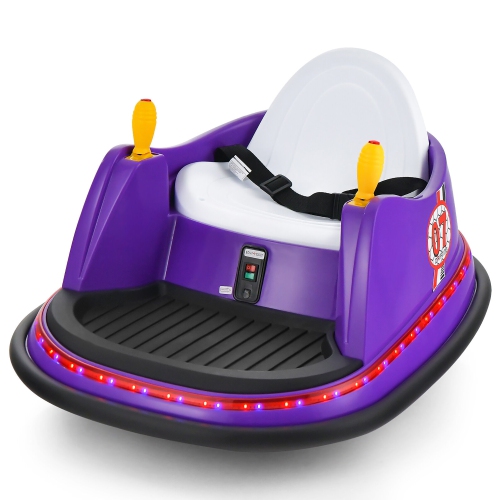
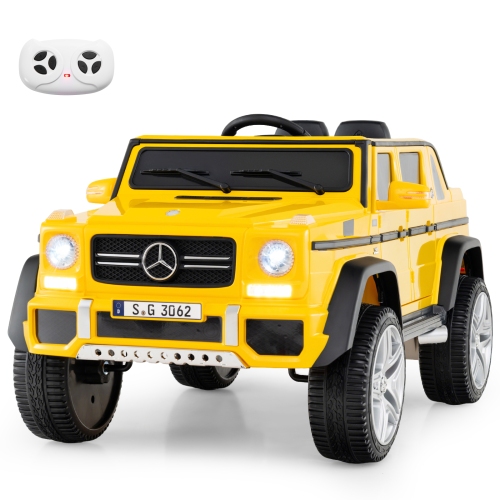
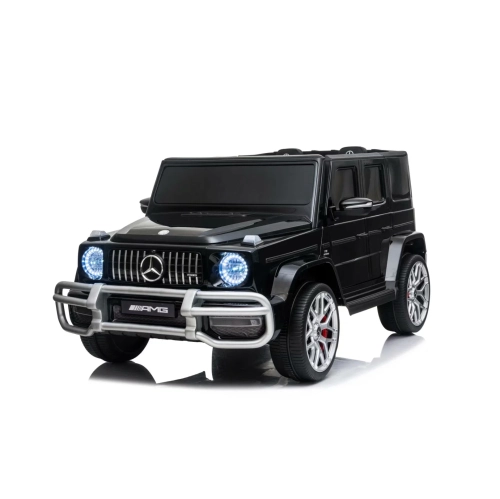
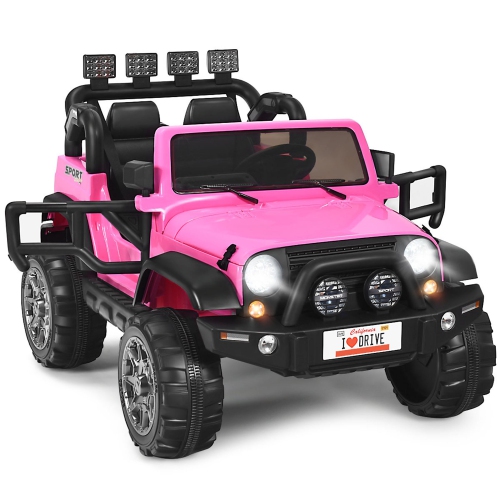
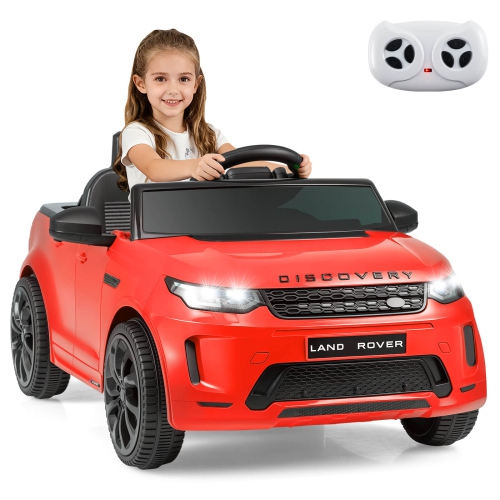
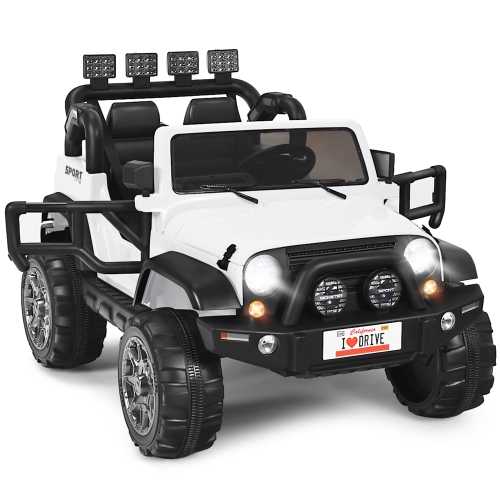
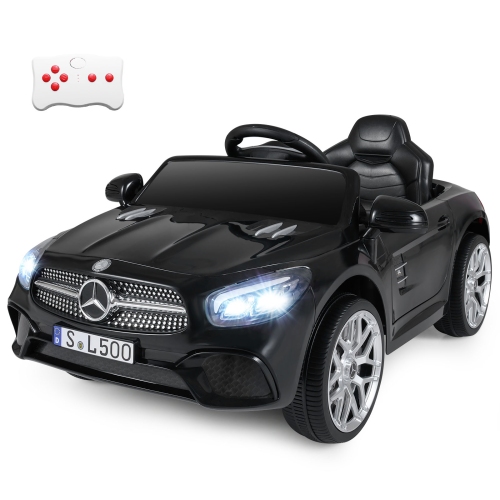
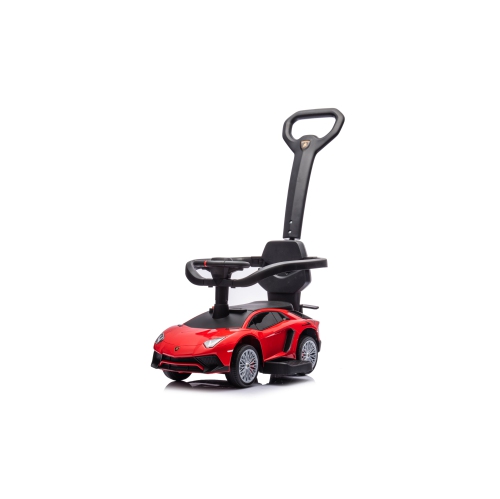
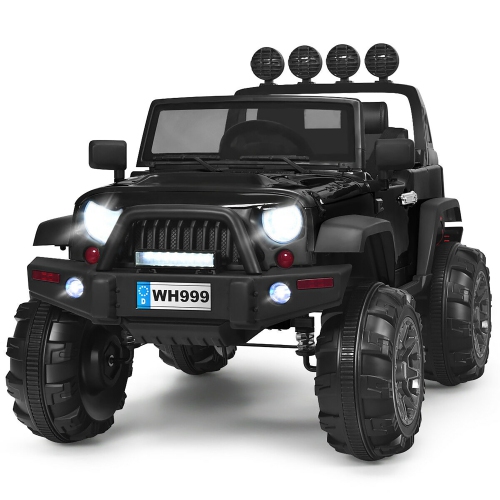
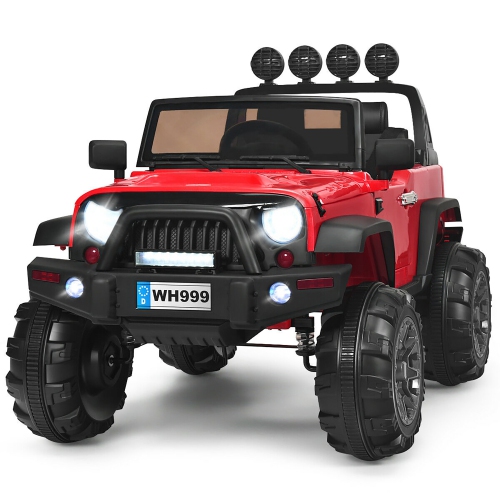
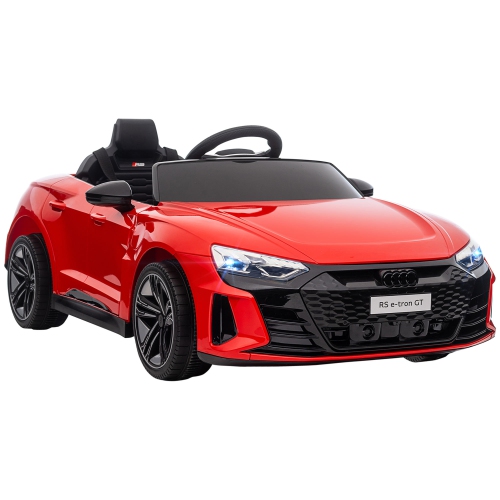
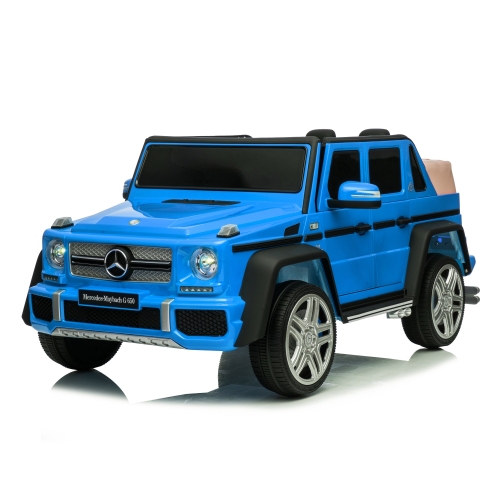
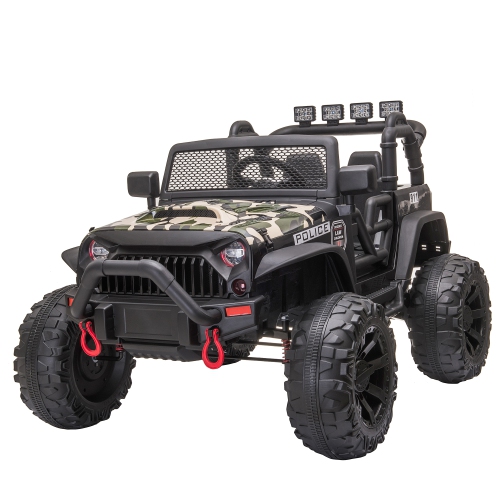
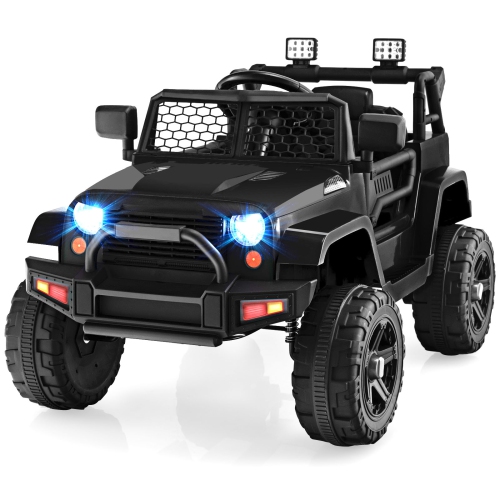
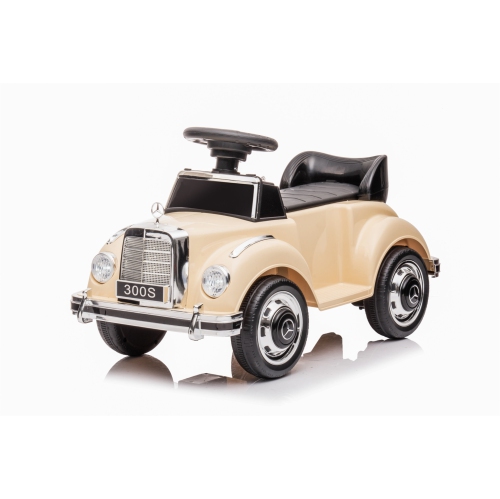
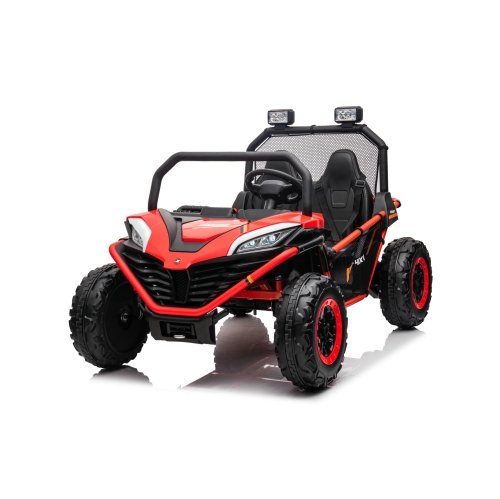
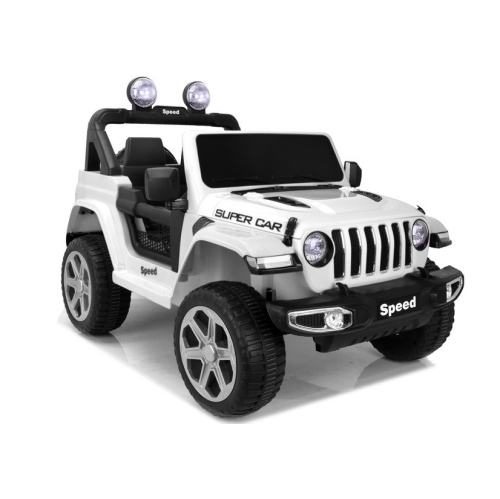
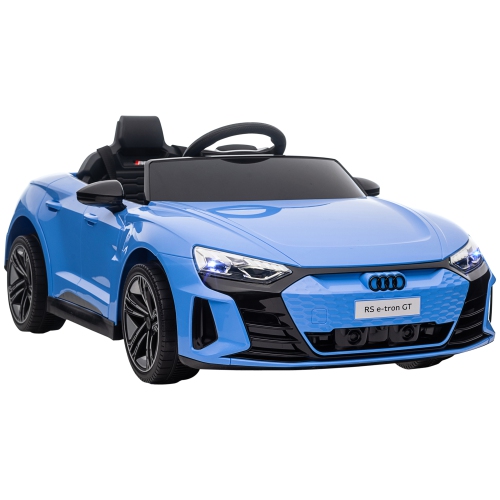
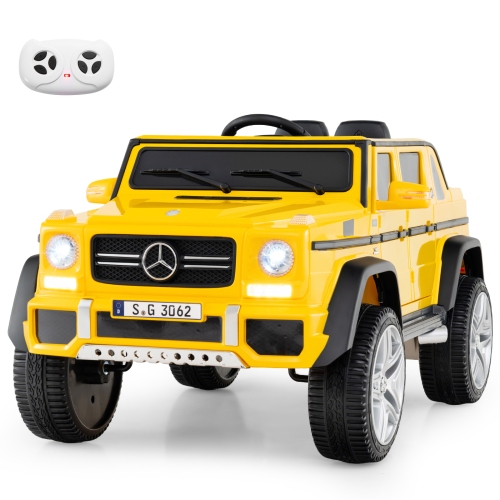
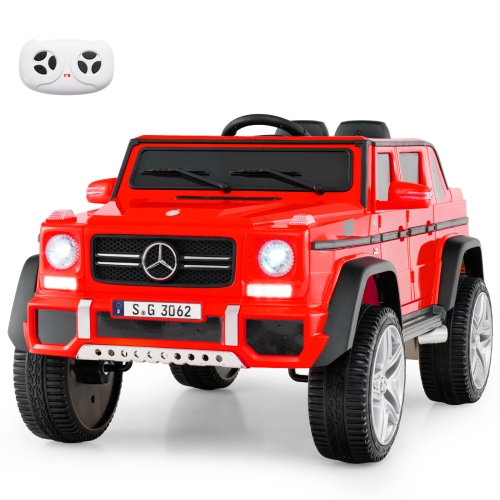
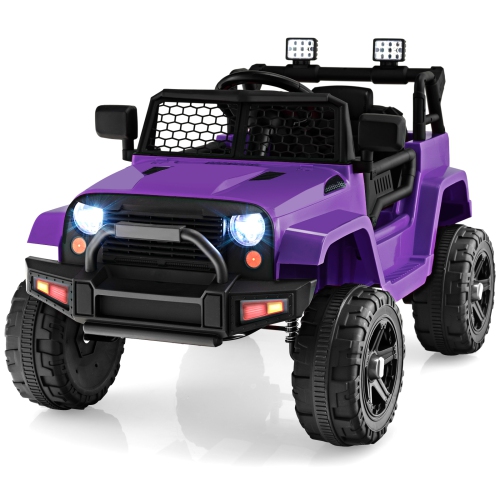
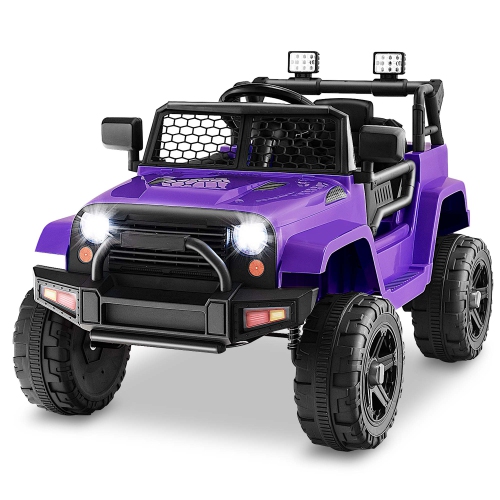
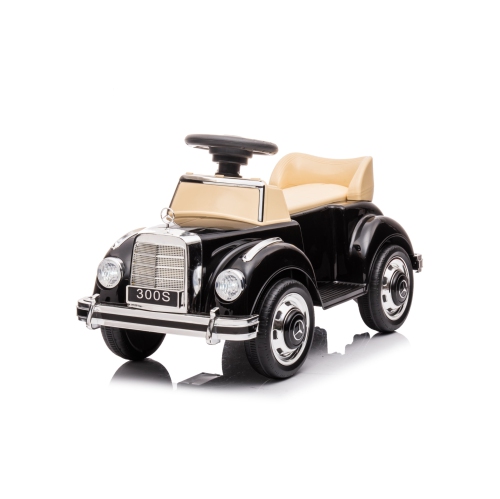
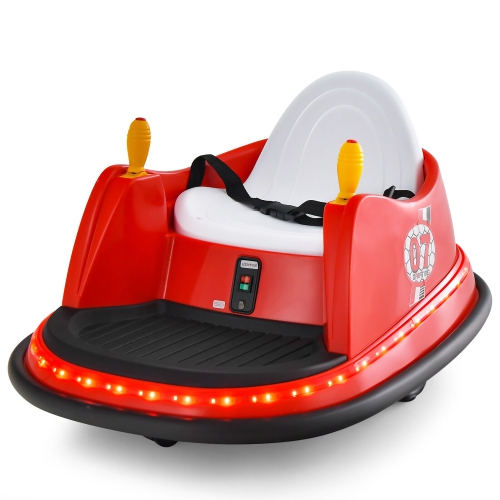
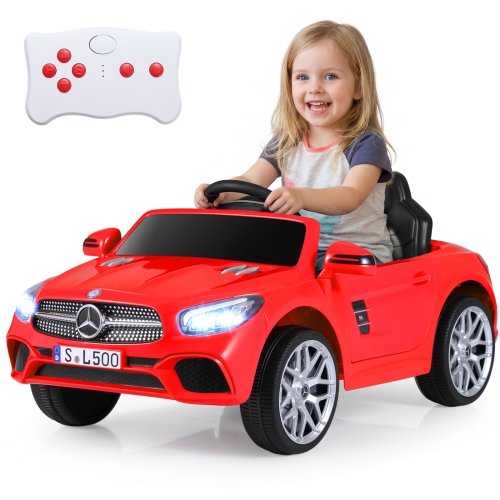
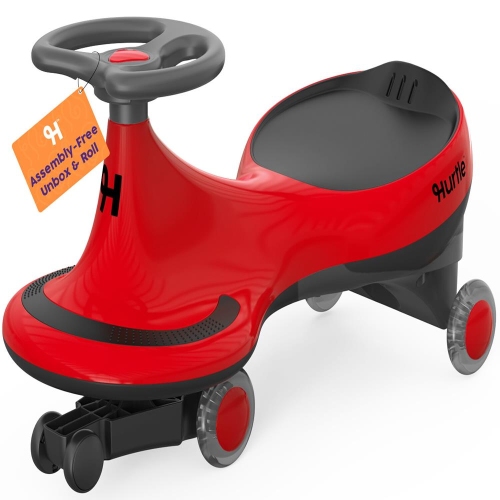
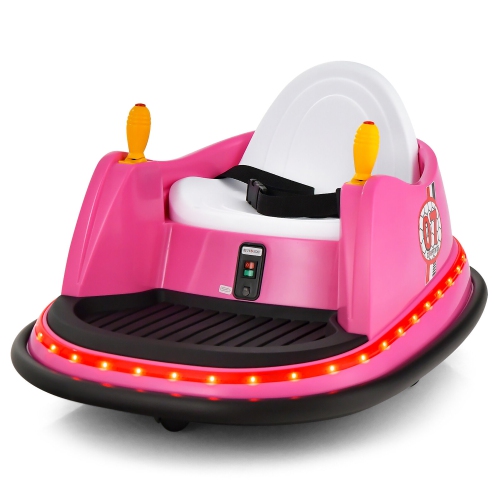
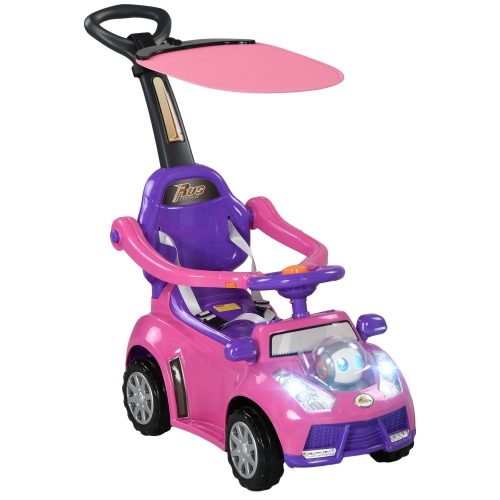
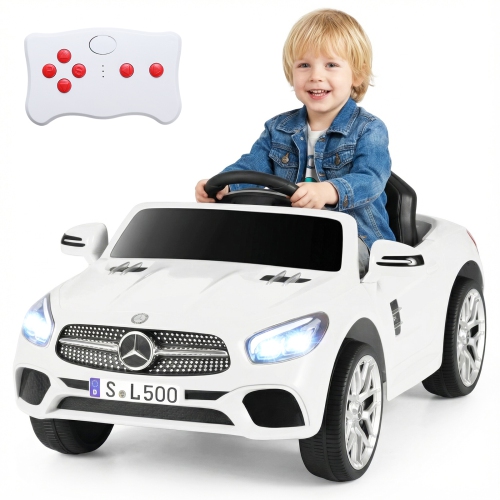
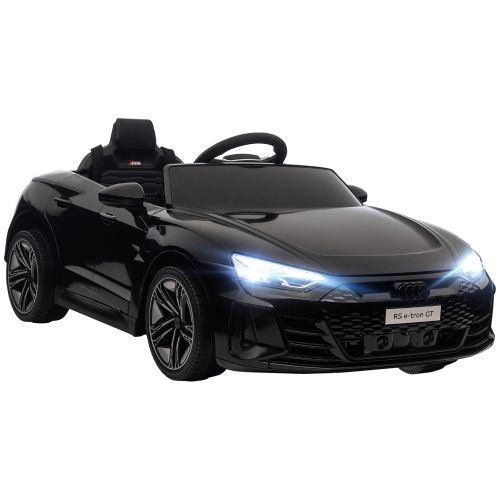
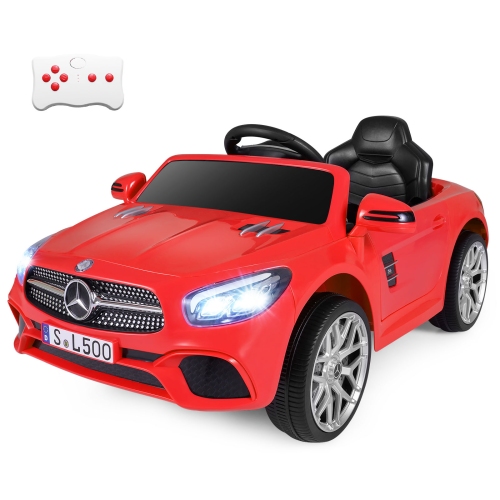
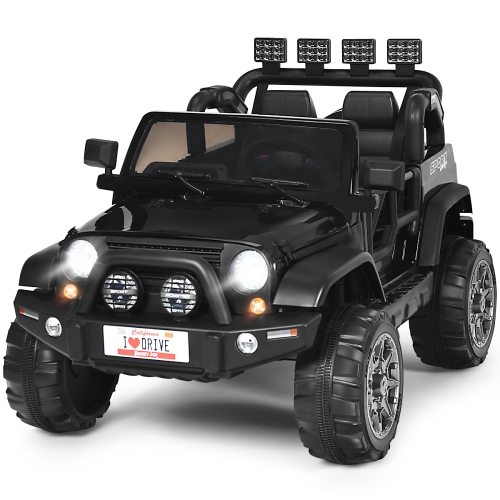
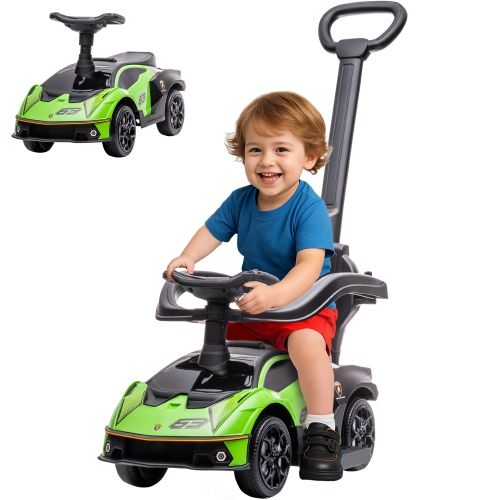
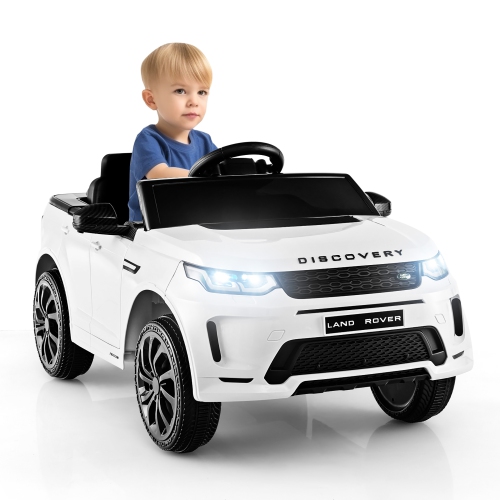
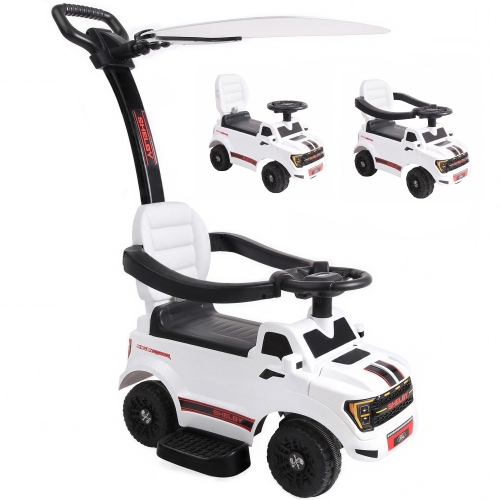
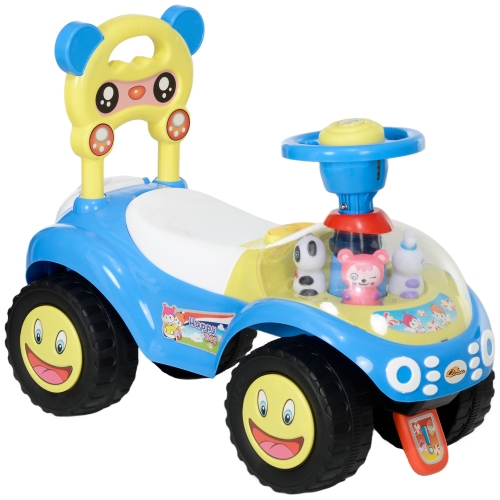
Ride On Car Toys bring imaginative play into motion, giving children a playful way to explore pretend driving, make-believe errands, and outdoor adventures. The selection generally includes foot-to-floor ride-ons for younger toddlers, push-powered vehicles that can also support early walking practice, and battery-powered cars designed for children who are ready to steer and operate a motorized toy. A manual ride-on can be a comfortable starting point for children who are still developing balance and coordination. They move by pushing against the floor with their feet, which gives children a clear sense of control and helps them practise turning, stopping, and navigating around furniture or open spaces. Battery-powered models add another layer of excitement, with features such as forward and reverse controls, working lights, sounds, music, and realistic styling that can make ordinary driveway play feel like a trip around town. These toys can be thoughtful gifts for birthdays, special occasions, or family celebrations because they offer an activity rather than a single-use novelty. They are especially appealing to children who enjoy vehicles, pretend professions, construction play, or copying the routines they see adults perform. A child may spend an afternoon delivering stuffed animals to a “shop,” driving a younger sibling’s toys to a picnic blanket, or making careful laps along a driveway while a parent walks nearby. During warmer weather, ride-on play can take place in a backyard, on a smooth patio, or across a private driveway; during cooler months, a suitable manual model may still be used indoors where there is enough open floor space and no fragile obstacles nearby.
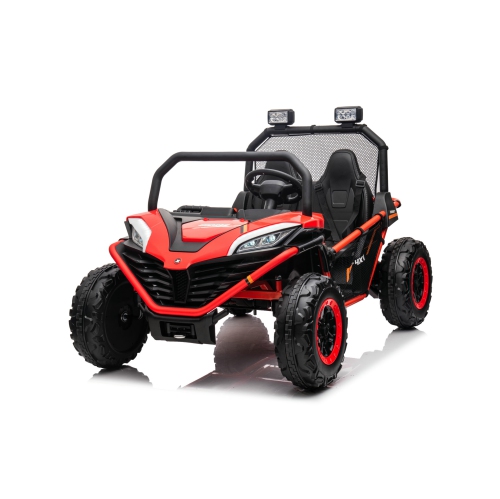
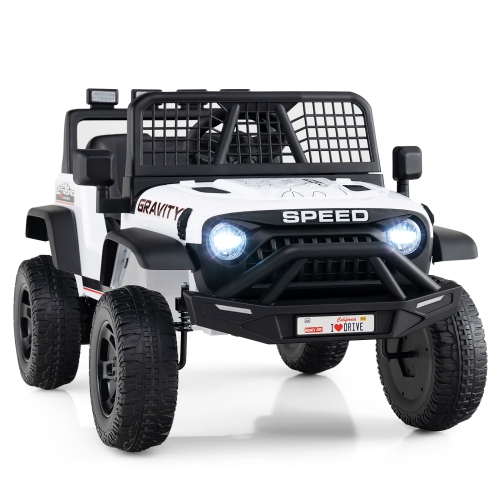
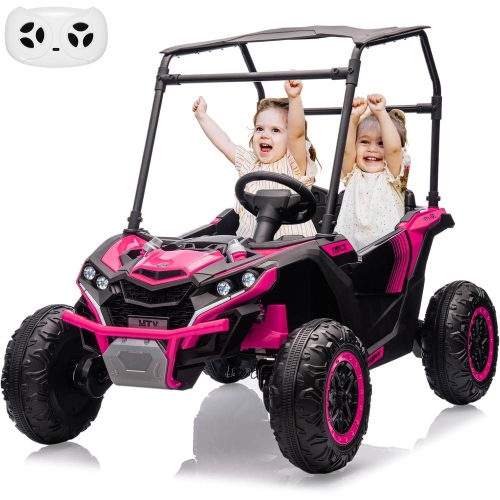
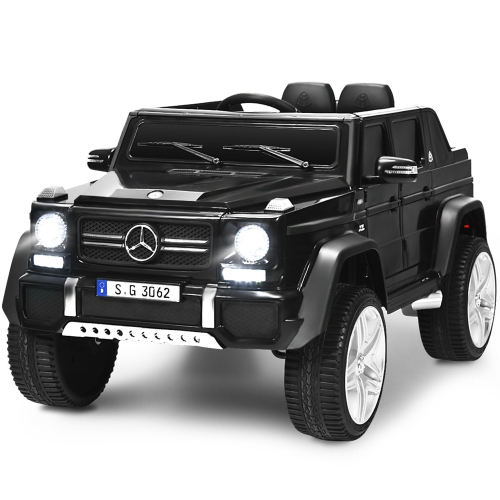
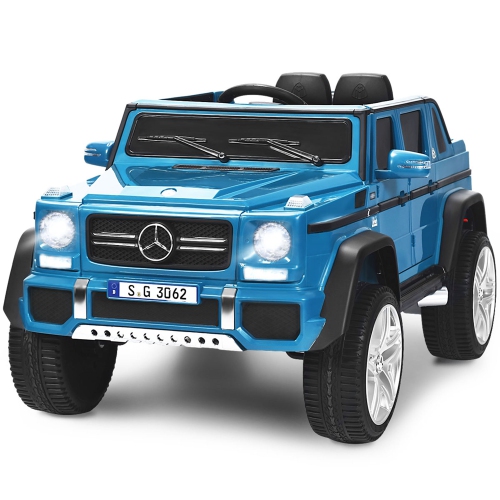
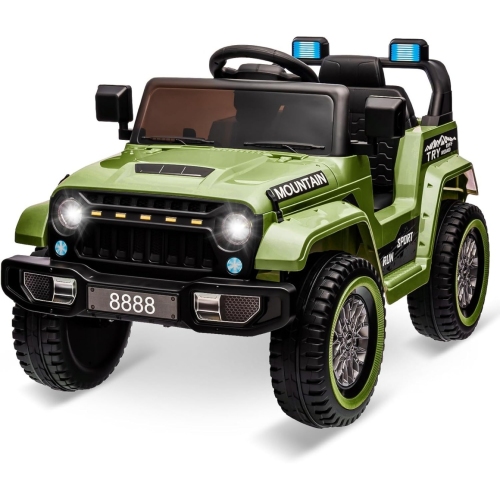
Choosing the right ride-on starts with the child’s age, size, confidence, and ability to follow simple instructions. Always check the manufacturer’s recommended age range, maximum weight capacity, dimensions, and supervision requirements rather than relying on appearance alone. Foot-to-floor models are often suited to toddlers who are learning balance and coordination, while battery-powered cars are commonly intended for preschoolers and older children. A 6V system is typically associated with gentler, lower-speed play and may suit younger users or smooth indoor and outdoor surfaces. A 12V model can provide more capability for general outdoor use on level pavement, while 24V options are often built for older or more experienced children and may offer stronger performance on grass or uneven private paths. Voltage is only one part of the decision: motor configuration, wheel design, ground clearance, suspension, seat size, and weight capacity all affect how a toy handles. Standard plastic wheels can work well on a smooth driveway, whereas treaded wheels and suspension may provide a more stable ride over firm grass or a backyard path. For children who like to play together, look for a suitable two-seat design and confirm that the combined weight remains within the stated limit. A parental remote control is also a useful feature for younger drivers, allowing an adult to stop, steer, or take over when a child approaches a garden edge, gate, slope, or other obstacle. Slow-start acceleration, a secure seat belt, a low centre of gravity, and simple controls can make the first few outings feel more manageable. Families searching for imaginative emergency-service play can also browse Ride On Police Car Toys for vehicles that fit that particular pretend-play theme.
Battery and charging details deserve attention before purchase, particularly when a ride-on will be used often. Run time varies with the battery, motor, rider weight, terrain, temperature, and driving style, so advertised figures should be treated as estimates rather than a guarantee. Repeated stops and starts, slopes, soft grass, and heavier loads can use more power than steady travel on a flat surface. Check how long a full charge takes, where the charger can be stored, and whether the battery compartment is accessible for adult maintenance. It is helpful to establish a regular charging routine after play while keeping charging equipment away from children and following the supplied instructions. Before each outing, an adult should inspect the wheels, steering, seat belt, body panels, battery connections, and controls, removing the toy from use if anything is loose, cracked, or not operating normally. Ride-on cars should be used in a clear, private area away from roads, driveways with moving vehicles, stairs, pools, ponds, steep slopes, and sudden drops. Helmets and suitable footwear add an extra layer of protection, and close adult supervision remains important even when a remote override is included. Children can enjoy longer, more confident play when the space is prepared in advance: move garden tools aside, mark the boundaries of the play area, and choose a surface that matches the vehicle’s capabilities. As the seasons shift from warm outdoor days to cooler afternoons, a ride-on car can continue to support imaginative play when families adapt the setting, shorten outdoor sessions, or choose an appropriate indoor area. The best choice is one that matches the child’s development, the available space, the expected terrain, and the level of involvement an adult can provide.
Choosing the right ride-on starts with the child’s age, size, confidence, and ability to follow simple instructions. Always check the manufacturer’s recommended age range, maximum weight capacity, dimensions, and supervision requirements rather than relying on appearance alone. Foot-to-floor models are often suited to toddlers who are learning balance and coordination, while battery-powered cars are commonly intended for preschoolers and older children. A 6V system is typically associated with gentler, lower-speed play and may suit younger users or smooth indoor and outdoor surfaces. A 12V model can provide more capability for general outdoor use on level pavement, while 24V options are often built for older or more experienced children and may offer stronger performance on grass or uneven private paths. Voltage is only one part of the decision: motor configuration, wheel design, ground clearance, suspension, seat size, and weight capacity all affect how a toy handles. Standard plastic wheels can work well on a smooth driveway, whereas treaded wheels and suspension may provide a more stable ride over firm grass or a backyard path. For children who like to play together, look for a suitable two-seat design and confirm that the combined weight remains within the stated limit. A parental remote control is also a useful feature for younger drivers, allowing an adult to stop, steer, or take over when a child approaches a garden edge, gate, slope, or other obstacle. Slow-start acceleration, a secure seat belt, a low centre of gravity, and simple controls can make the first few outings feel more manageable. Families searching for imaginative emergency-service play can also browse Ride On Police Car Toys for vehicles that fit that particular pretend-play theme.
Battery and charging details deserve attention before purchase, particularly when a ride-on will be used often. Run time varies with the battery, motor, rider weight, terrain, temperature, and driving style, so advertised figures should be treated as estimates rather than a guarantee. Repeated stops and starts, slopes, soft grass, and heavier loads can use more power than steady travel on a flat surface. Check how long a full charge takes, where the charger can be stored, and whether the battery compartment is accessible for adult maintenance. It is helpful to establish a regular charging routine after play while keeping charging equipment away from children and following the supplied instructions. Before each outing, an adult should inspect the wheels, steering, seat belt, body panels, battery connections, and controls, removing the toy from use if anything is loose, cracked, or not operating normally. Ride-on cars should be used in a clear, private area away from roads, driveways with moving vehicles, stairs, pools, ponds, steep slopes, and sudden drops. Helmets and suitable footwear add an extra layer of protection, and close adult supervision remains important even when a remote override is included. Children can enjoy longer, more confident play when the space is prepared in advance: move garden tools aside, mark the boundaries of the play area, and choose a surface that matches the vehicle’s capabilities. As the seasons shift from warm outdoor days to cooler afternoons, a ride-on car can continue to support imaginative play when families adapt the setting, shorten outdoor sessions, or choose an appropriate indoor area. The best choice is one that matches the child’s development, the available space, the expected terrain, and the level of involvement an adult can provide.
Top selling and popular products
-
 Your price for this item is $150.99
 -
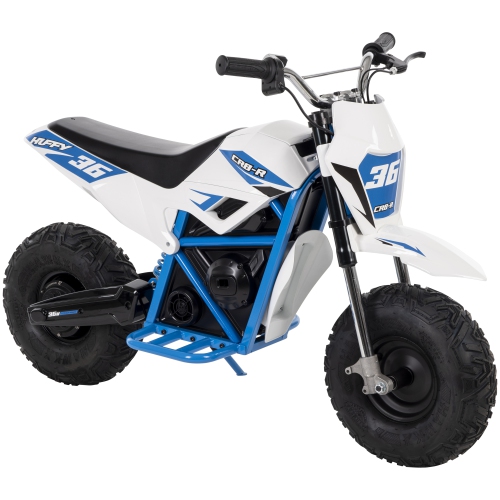 Your price for this item is $799.99
 -
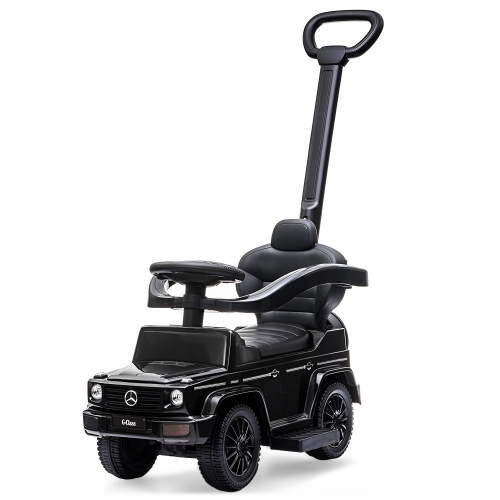 Your price for this item is $141.99
 -
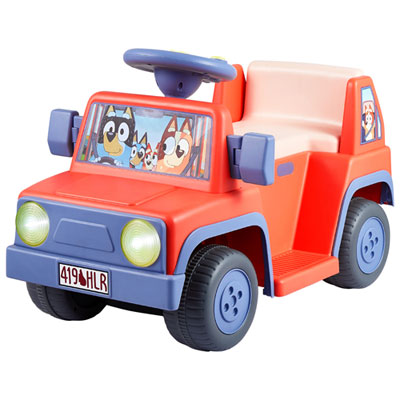 Your price for this item is $199.99
 -
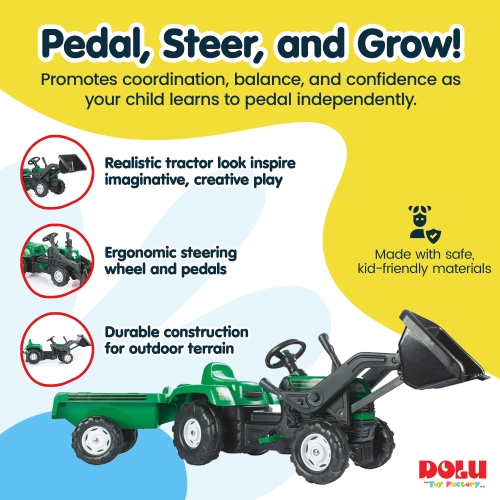 Your price for this item is $205.99
 -
 Your price for this item is $199.99
 -
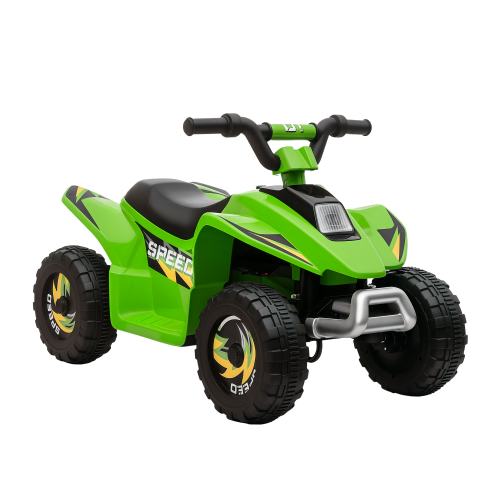 Your price for this item is $82.95
 -
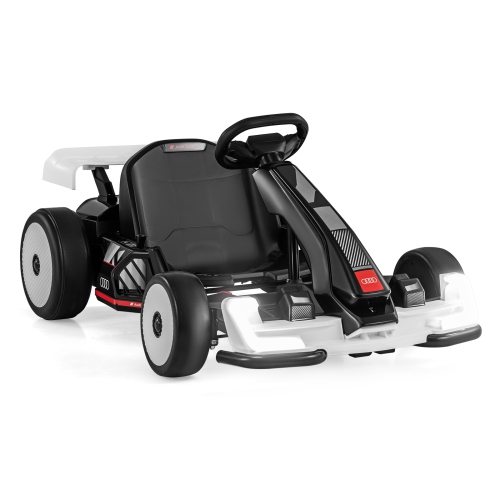 Your price for this item is $449.99
Discover more categories related to Ride On Car Toys


Top Collections:
Pokemon Centers, Kindle Devices, Best Budget Office Chairs, Canon G7X Cameras, Apple iPhones 16, Samsung Galaxy Phones, Refurbished Apple Laptops, Laptops for Students, iPhone 15 Apple, Budget Smartphones
Some products may be subject to Environmental Handling Fees
(EHF) depending on your province.
Learn more about EHFs.