Outdoor Ride On Toys
Transform your backyard into an exciting playground with our collection of outdoor ride-on toys. Let your little ones embark on thrilling adventures as they zoom around on their favorite wheels. From pedal-powered vehicles to electric scooters, our selection offers a wide range of options to suit every child's age and preference. Whether they're cruising along the sidewalk or exploring the great outdoors, these ride-on toys provide endless fun and entertainment while promoting physical activity and coordination skills.
Sort


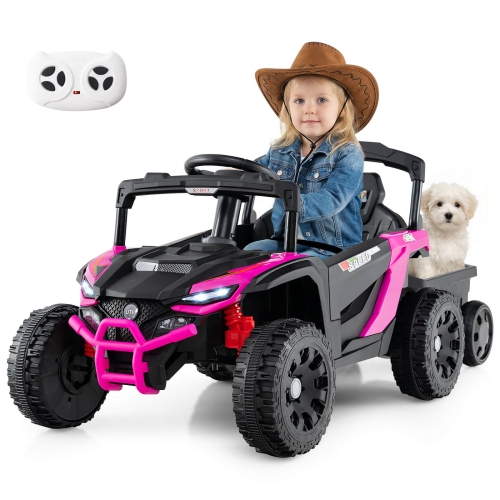

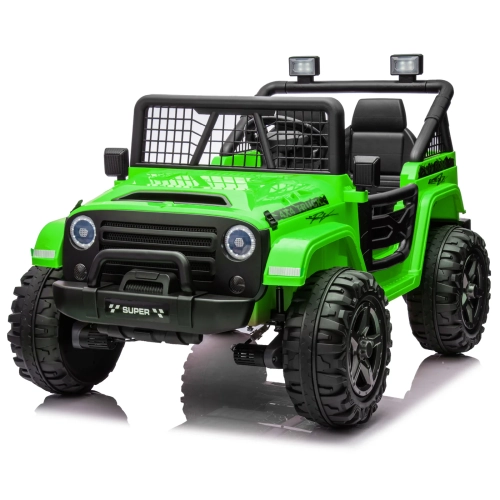
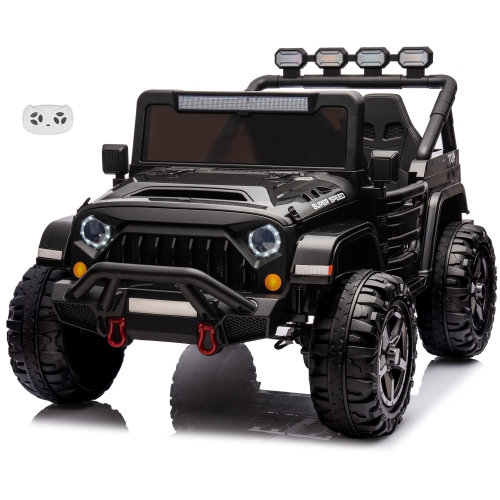

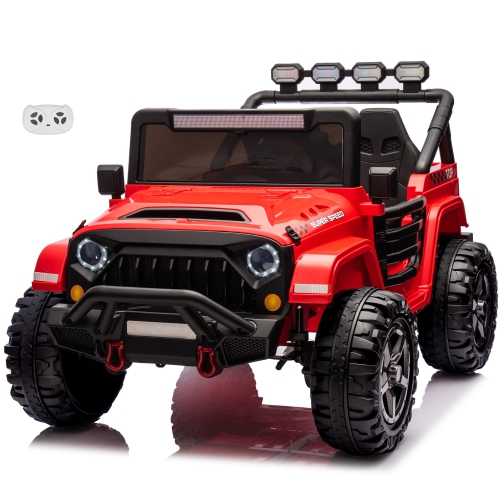
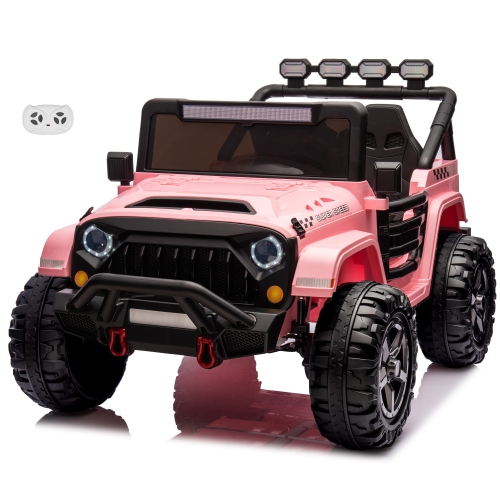
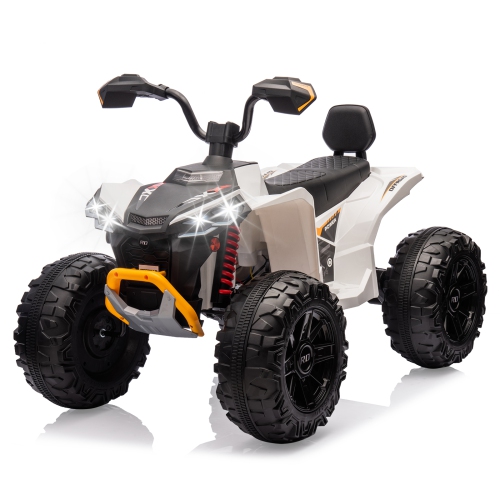


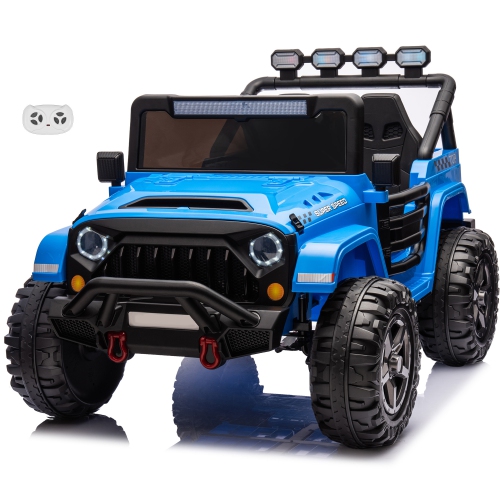

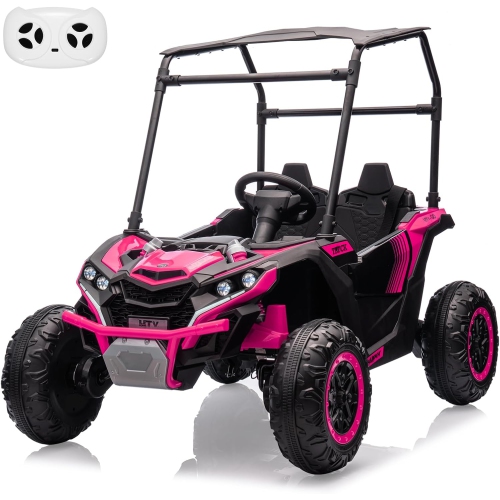


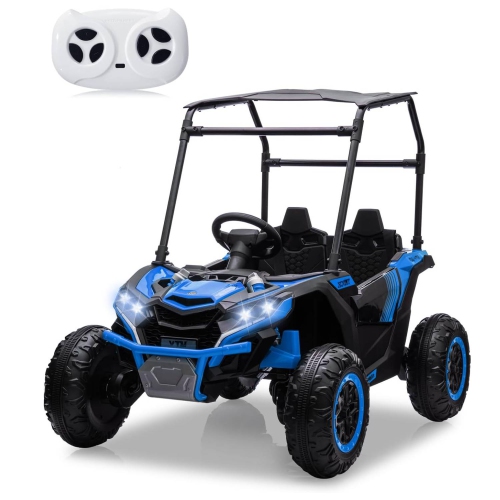
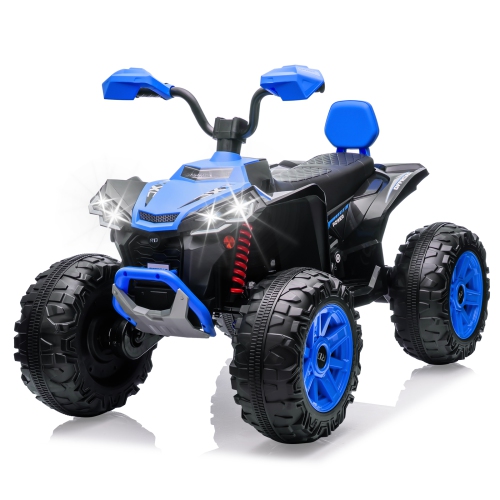
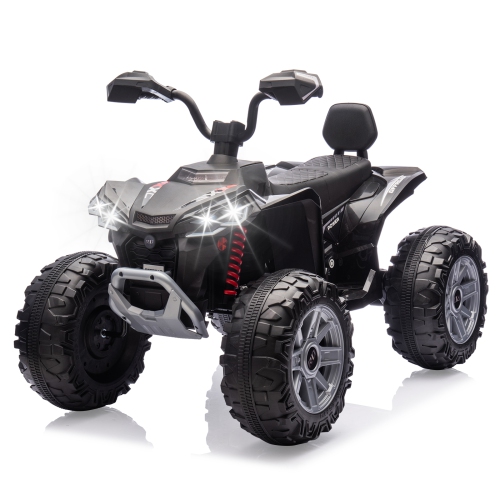
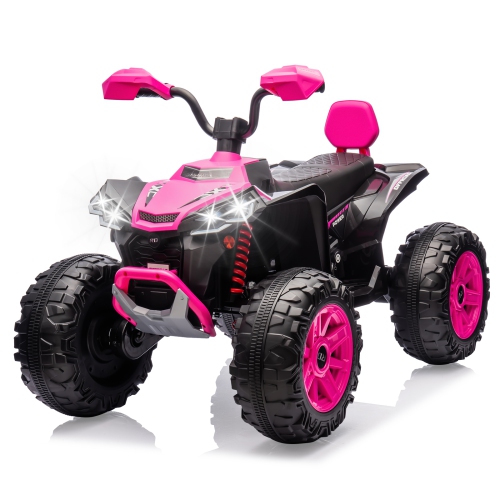












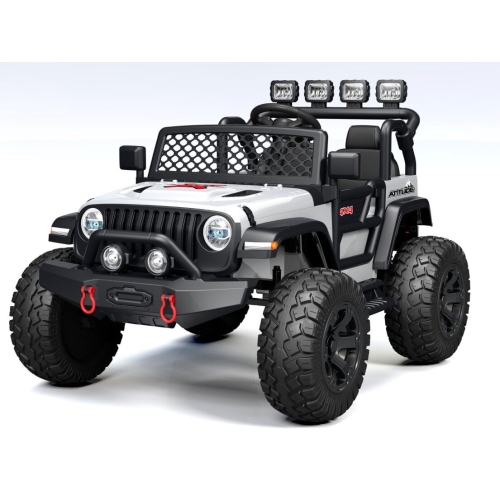
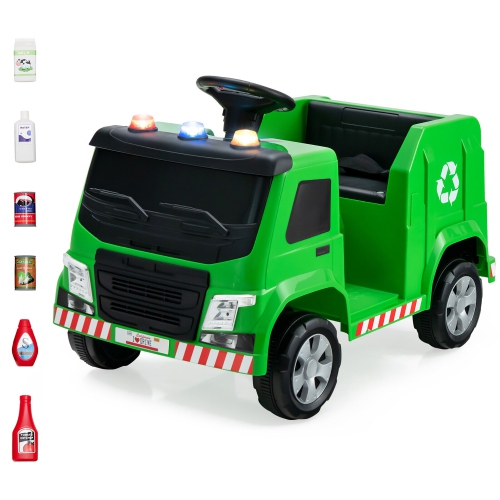

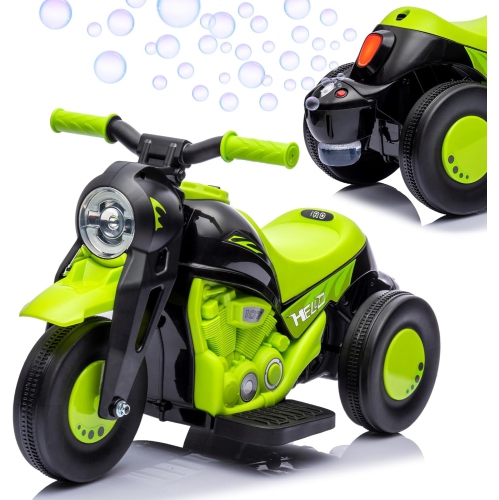
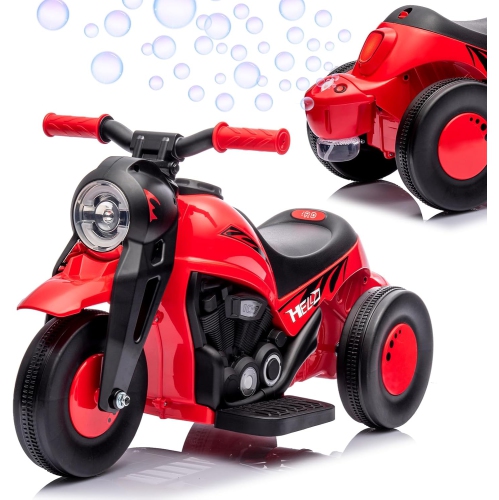


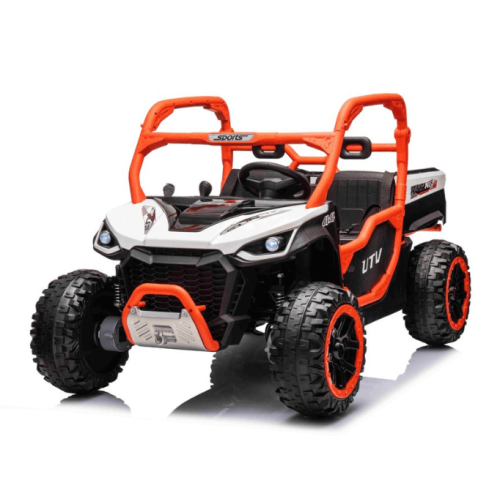
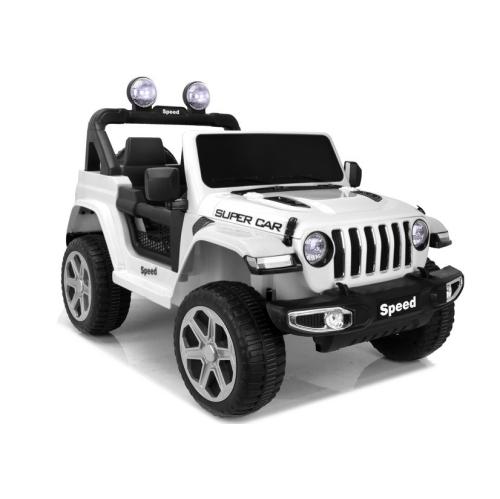
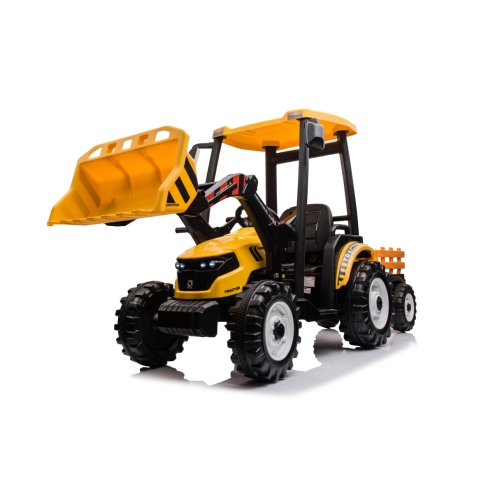


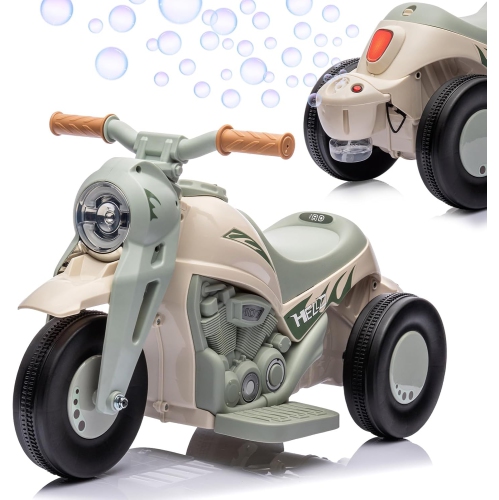


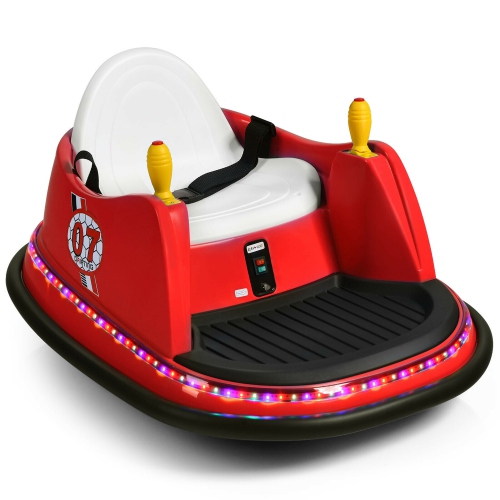


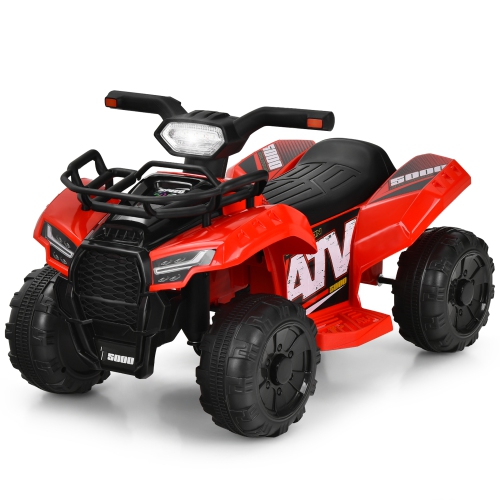

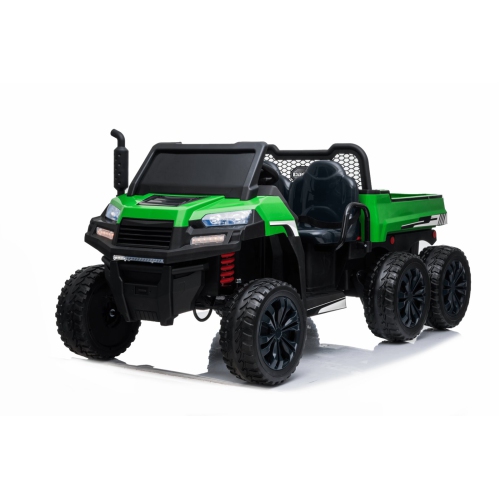
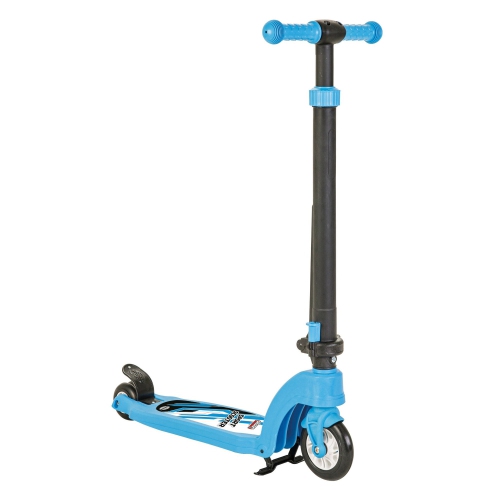
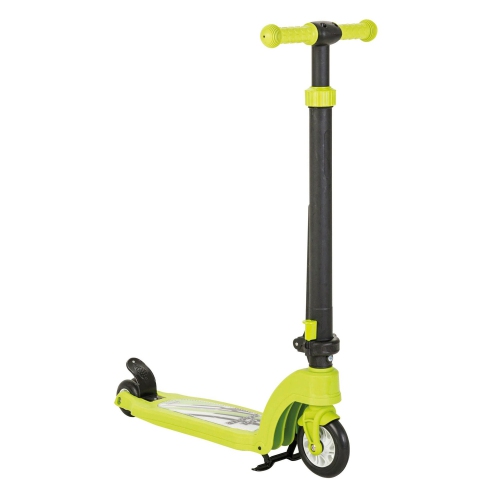


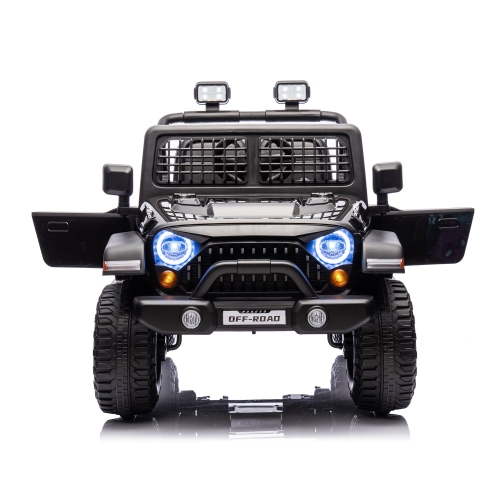
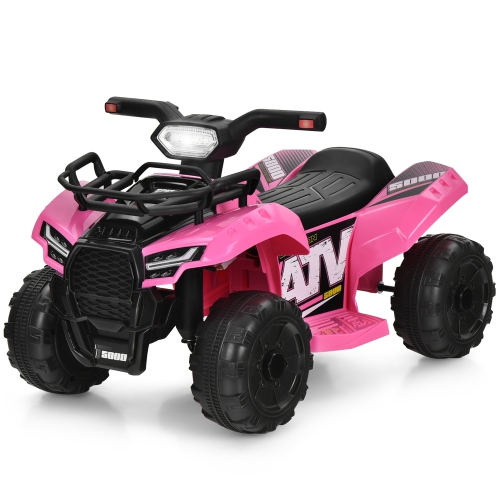
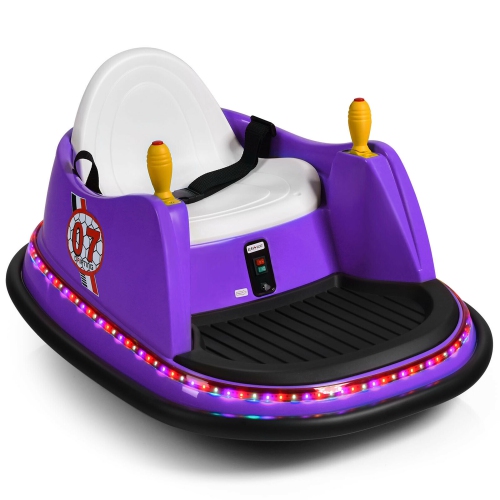








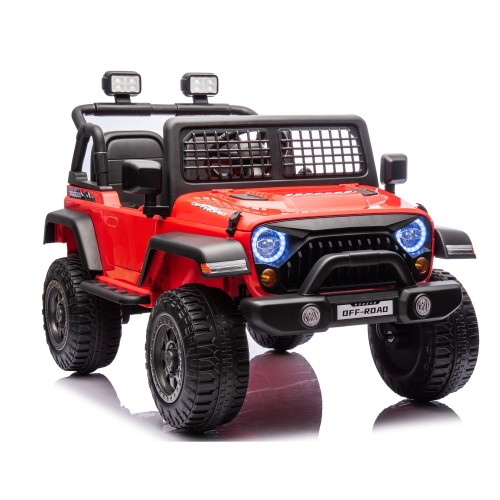
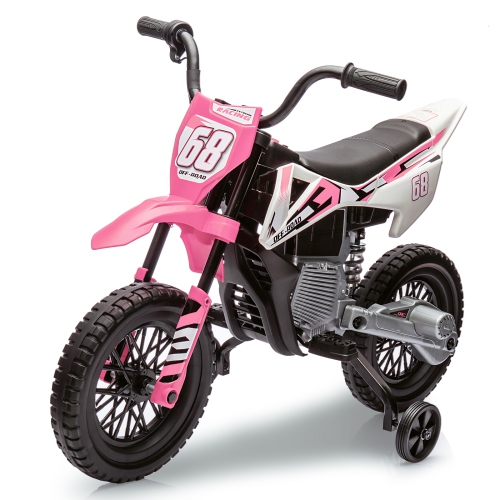


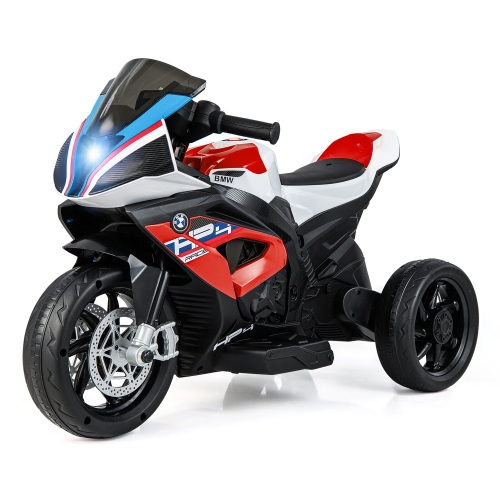
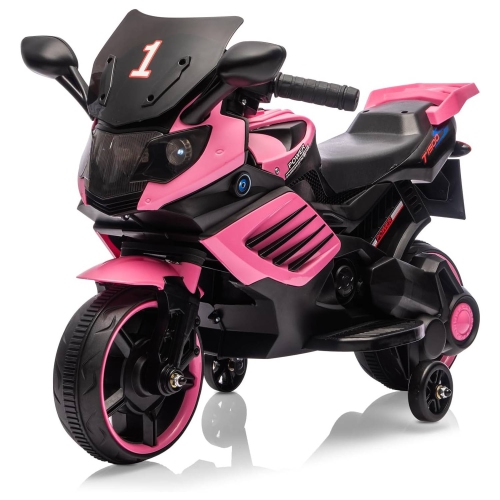






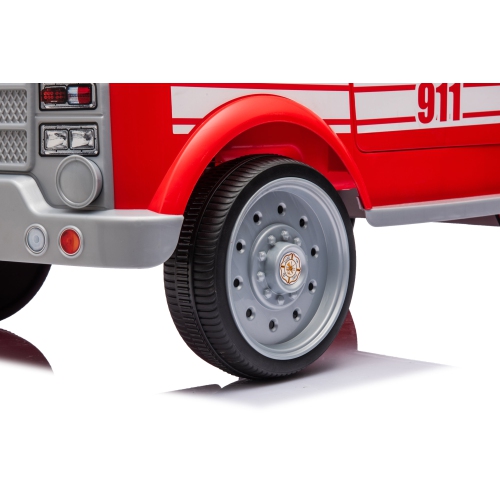
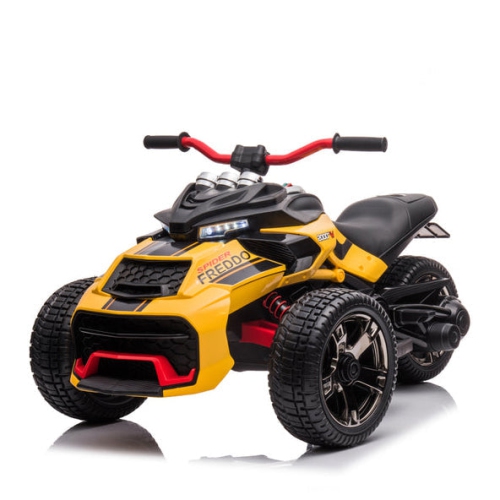
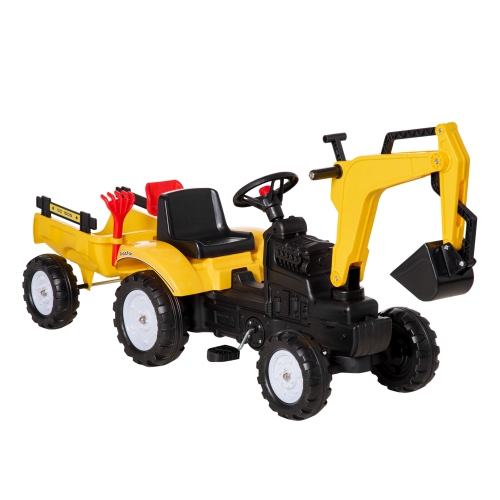

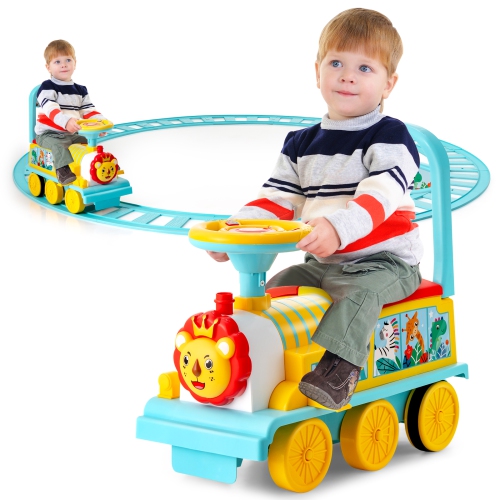

















The right ride starts with your child’s abilities
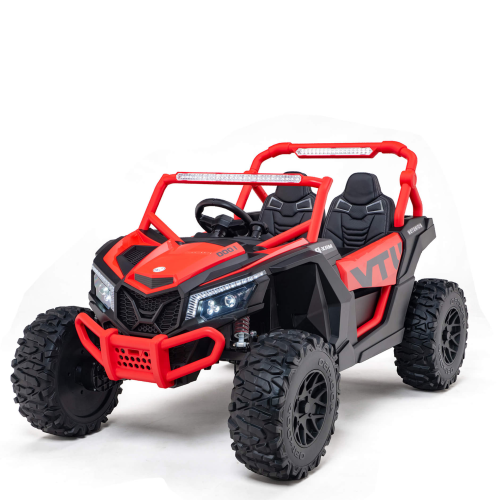
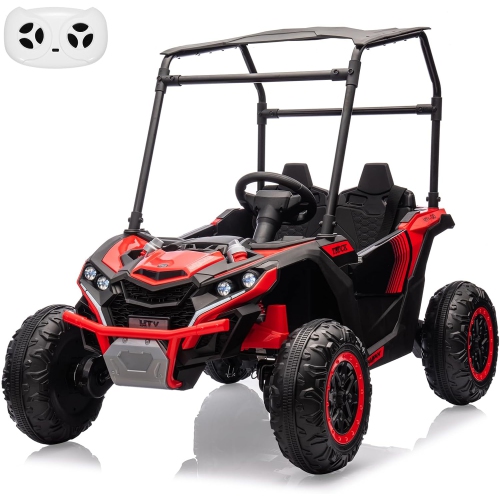
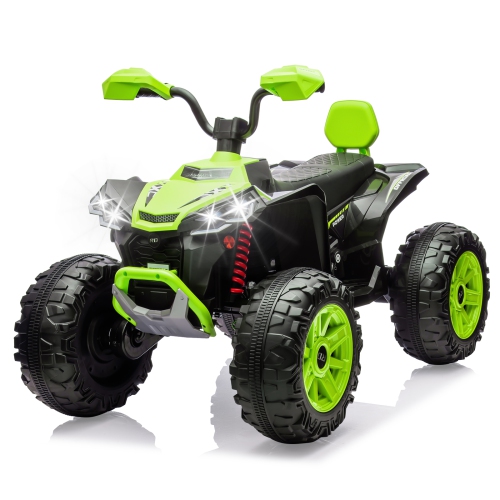
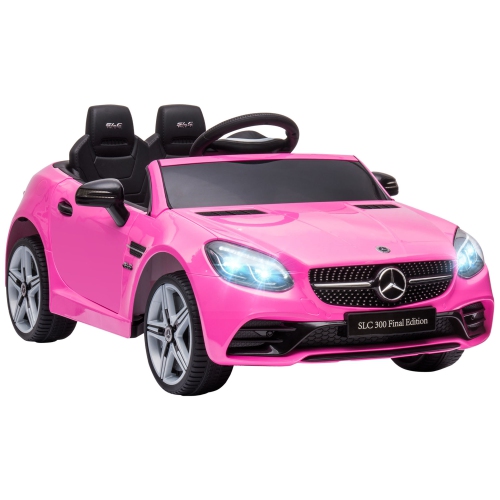
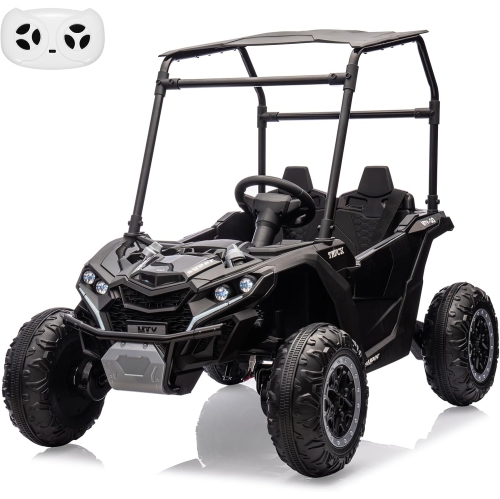
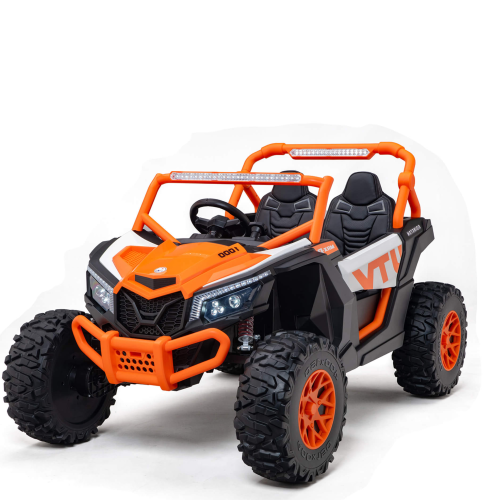
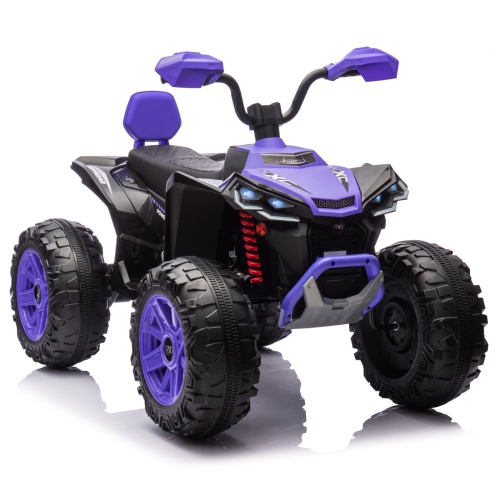
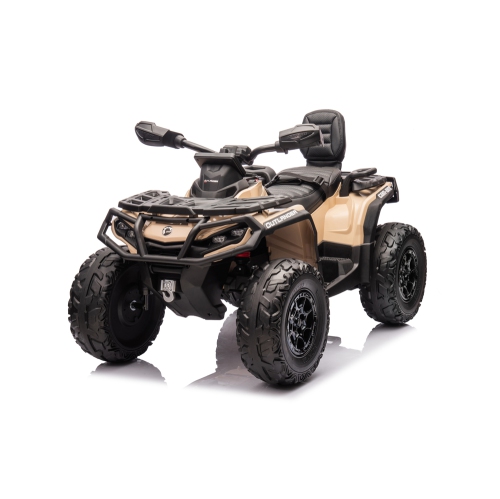
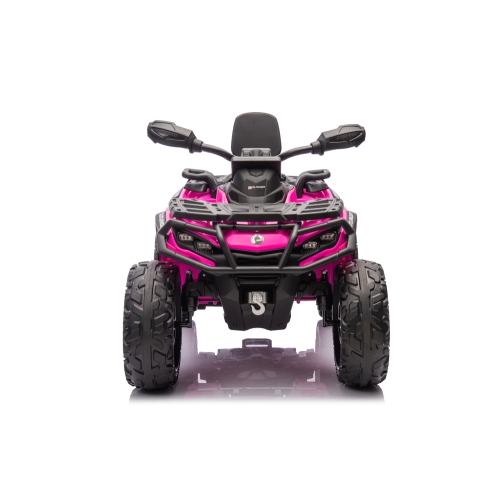
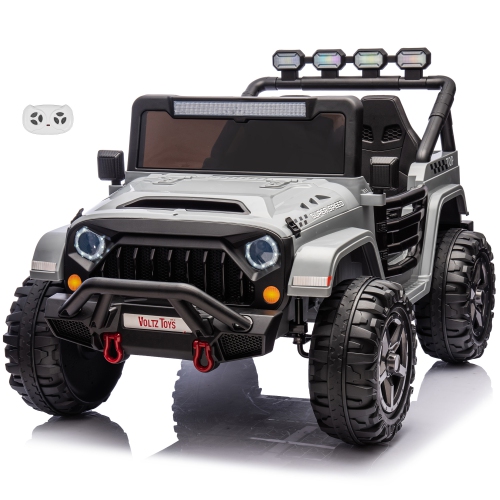
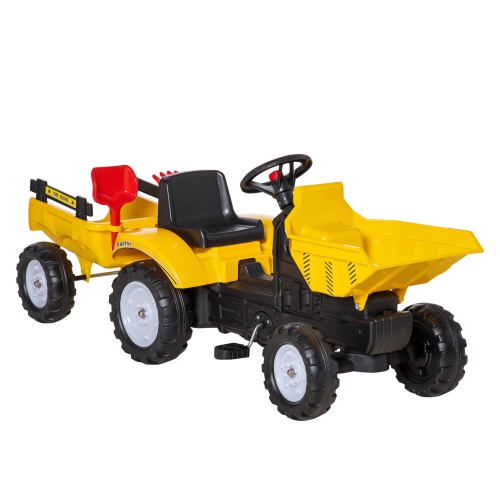
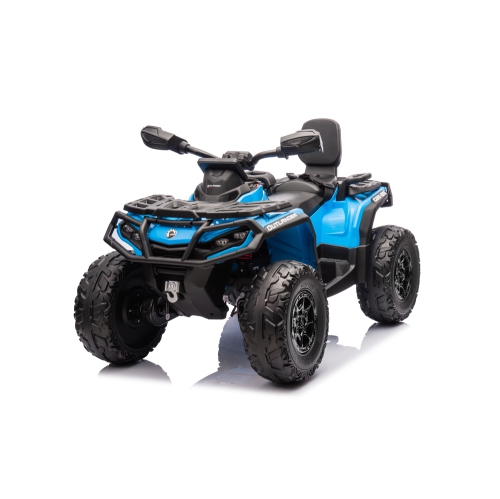
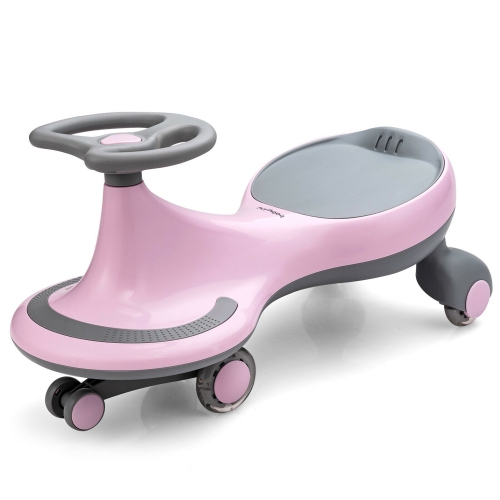
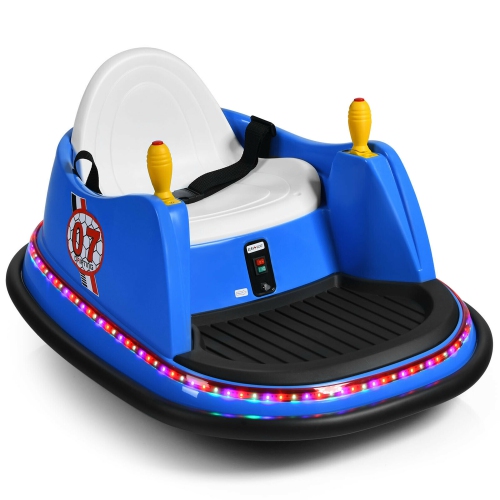
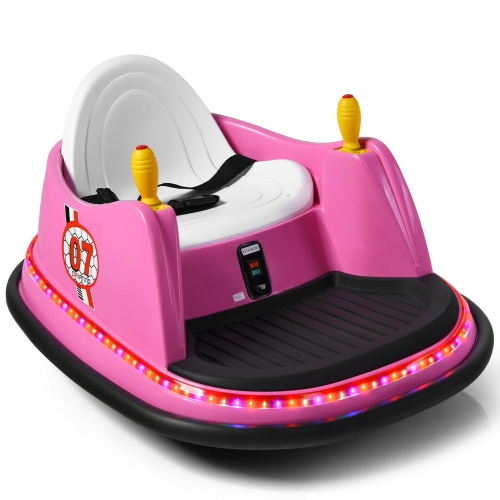
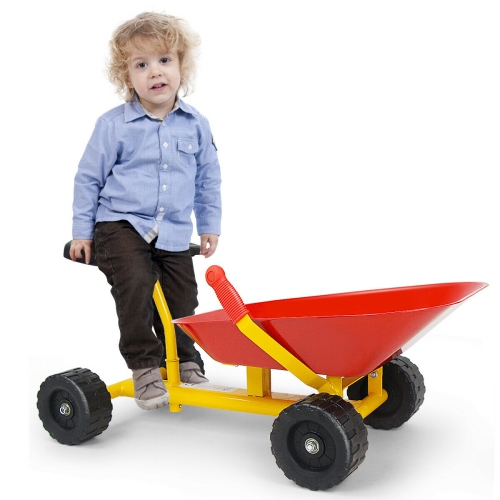
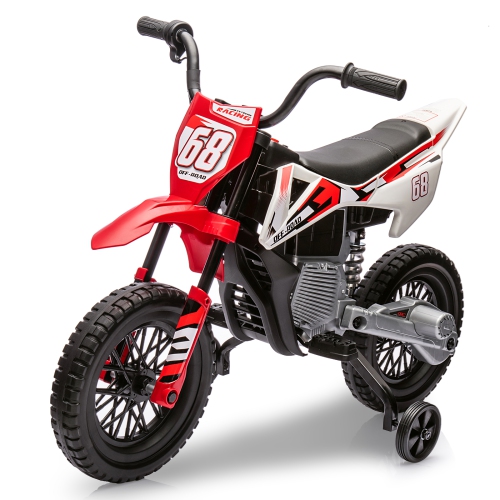
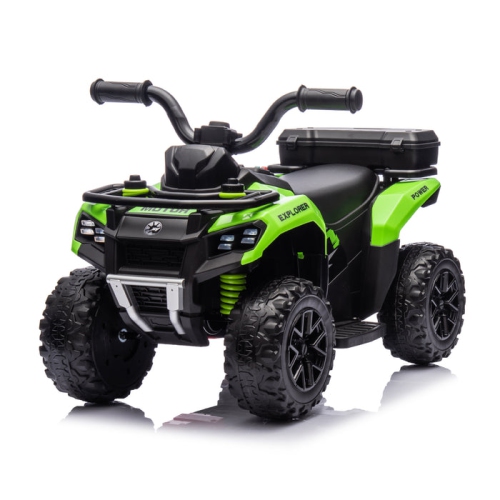
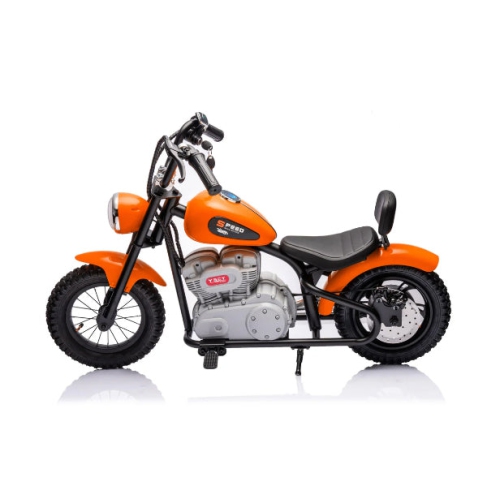
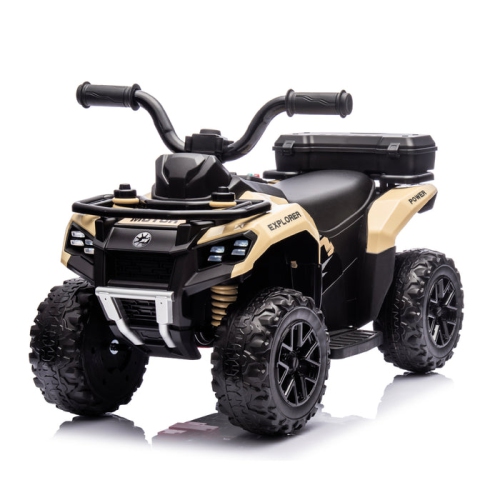
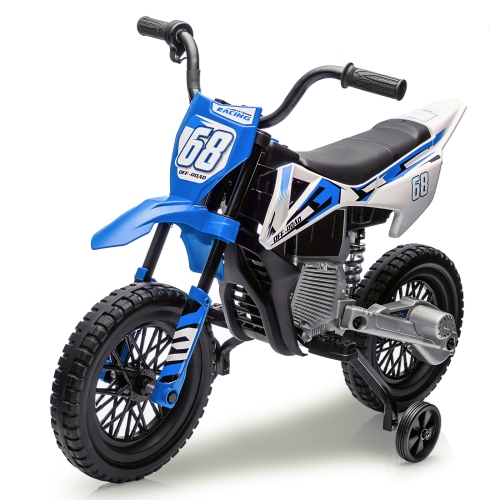
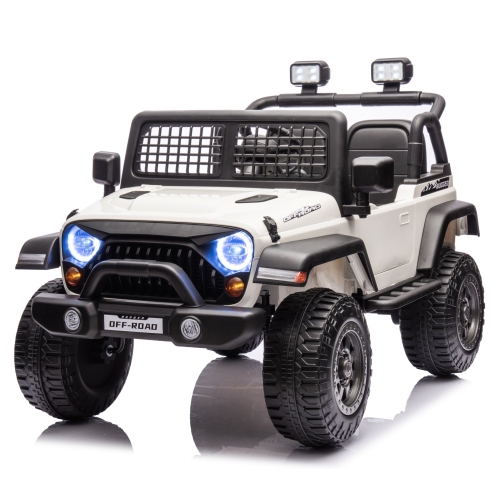
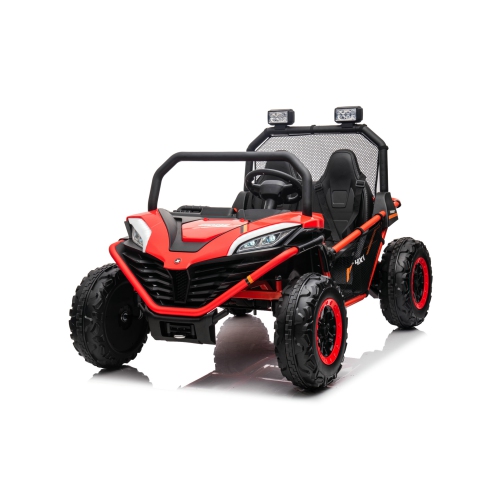
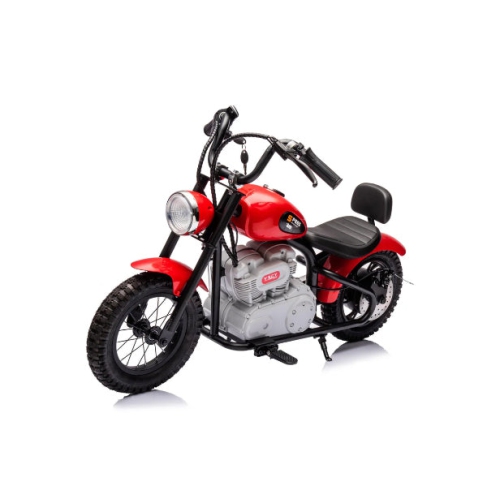
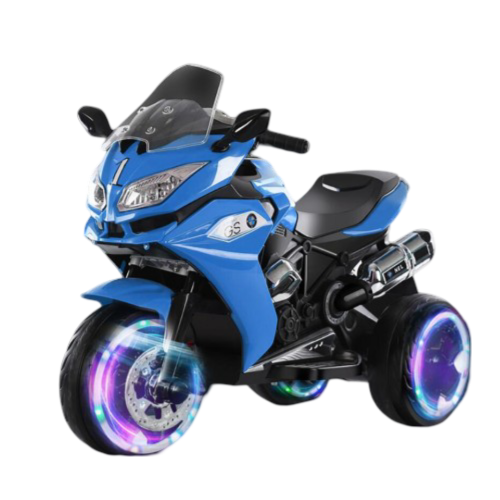
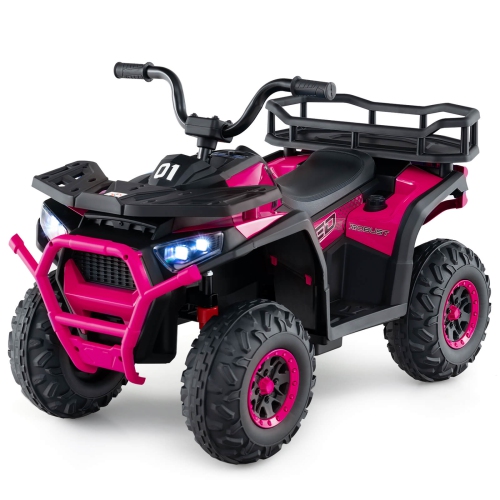
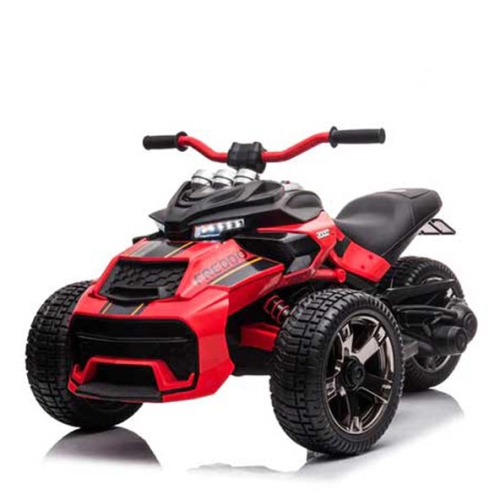
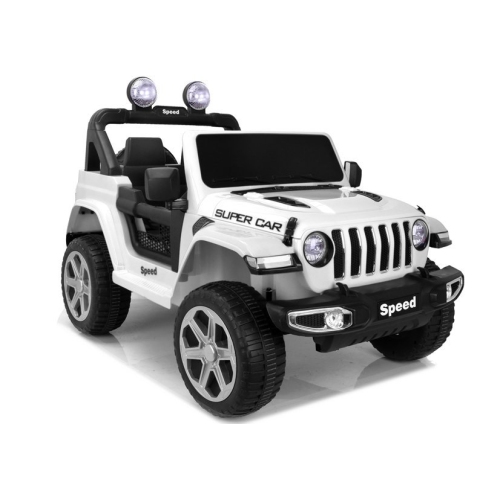
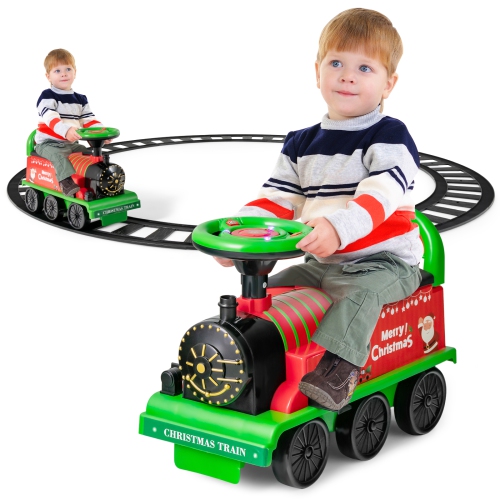
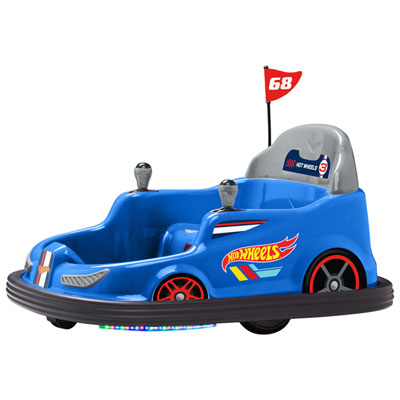
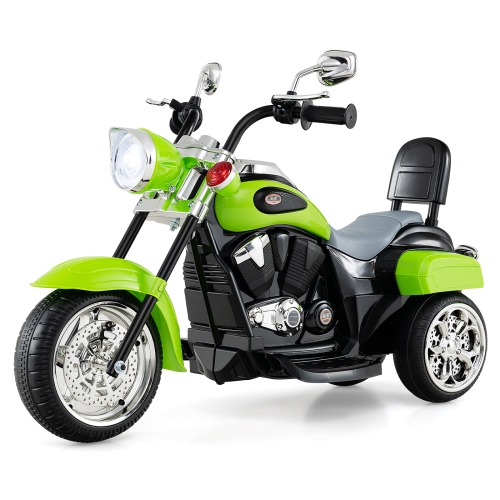
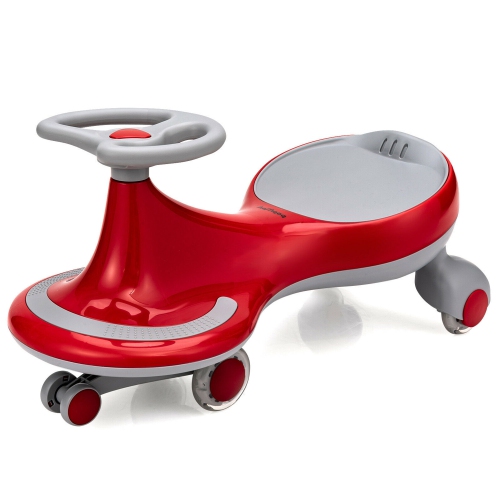
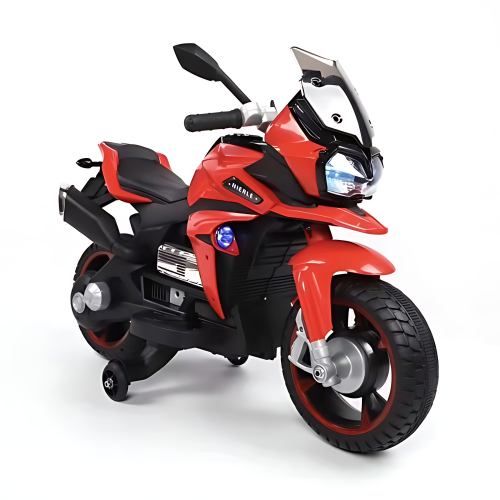
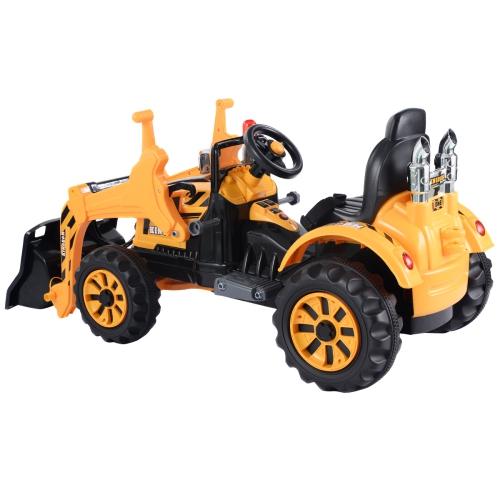
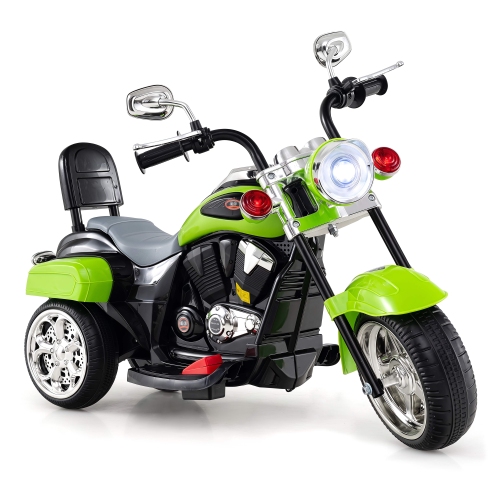
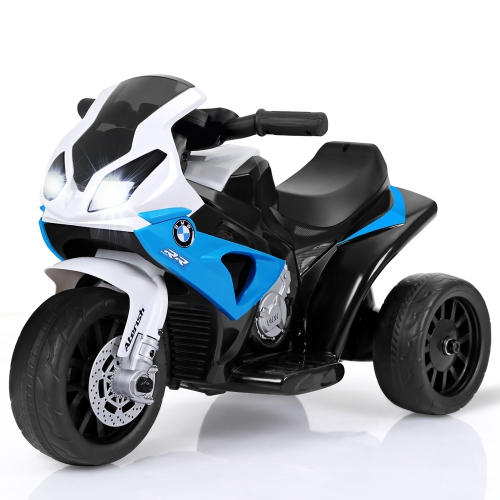
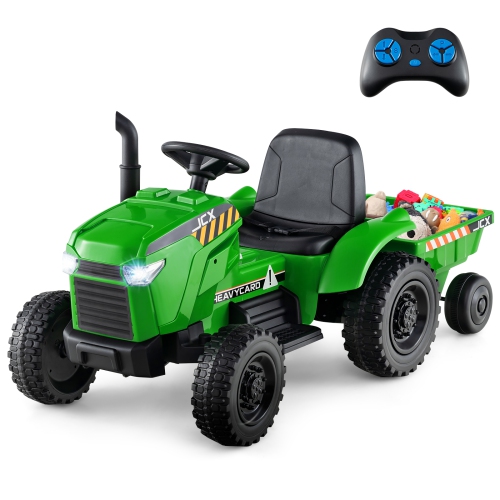
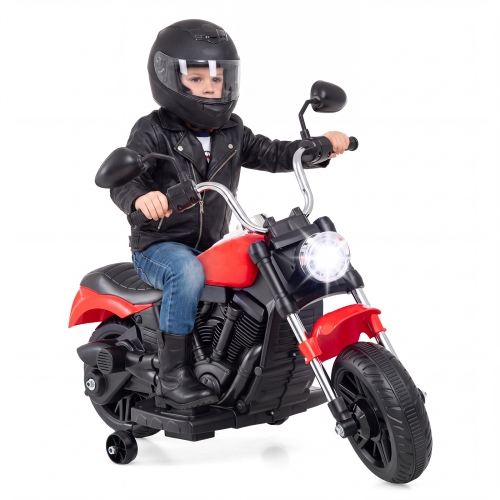
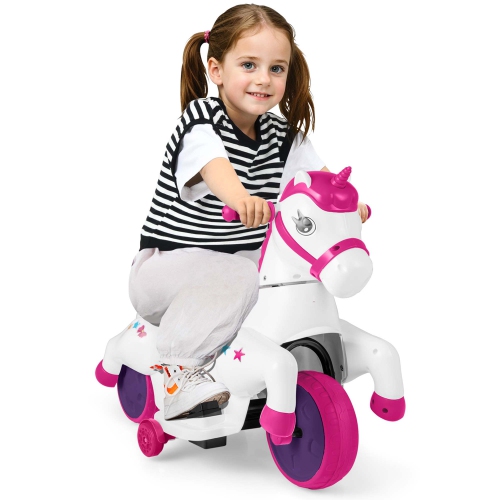
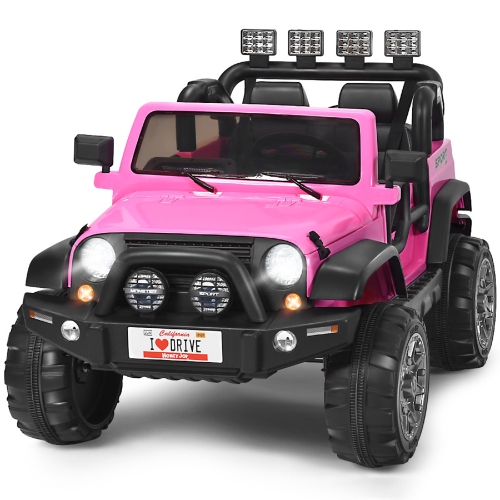
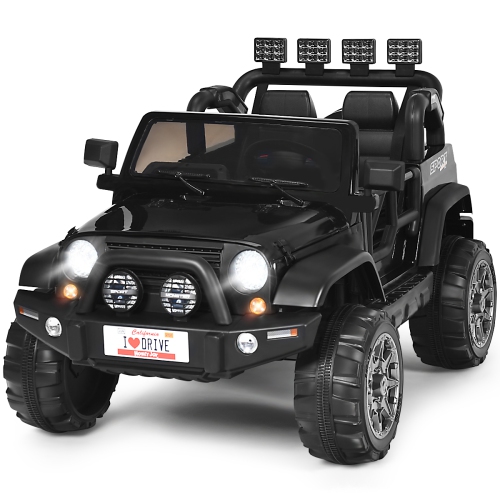
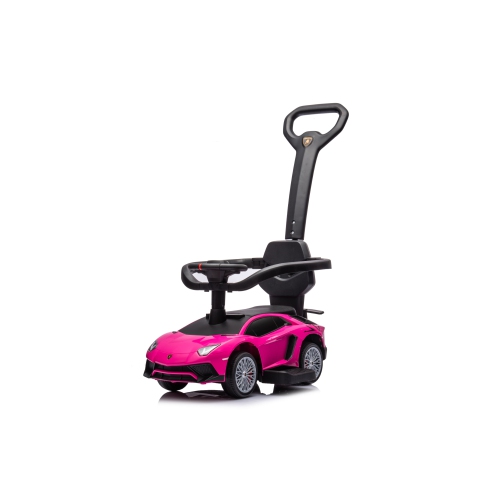
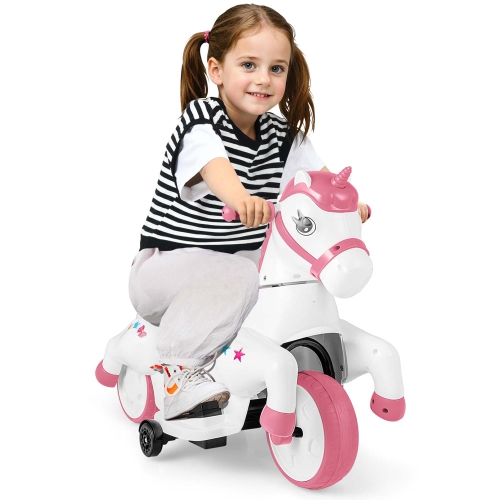
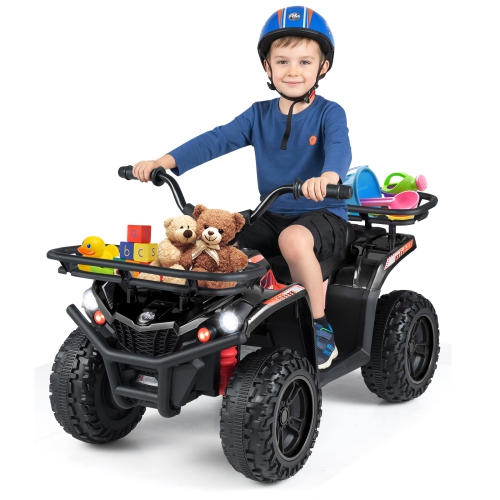
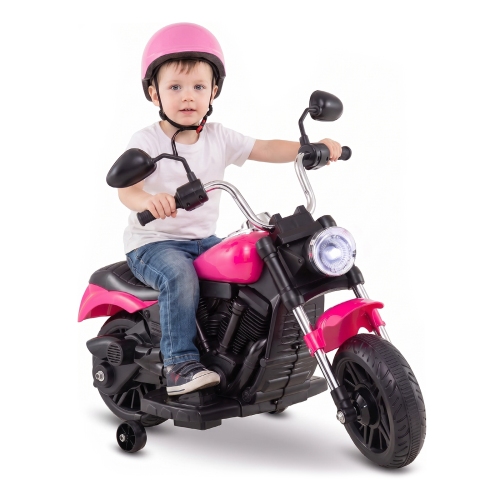
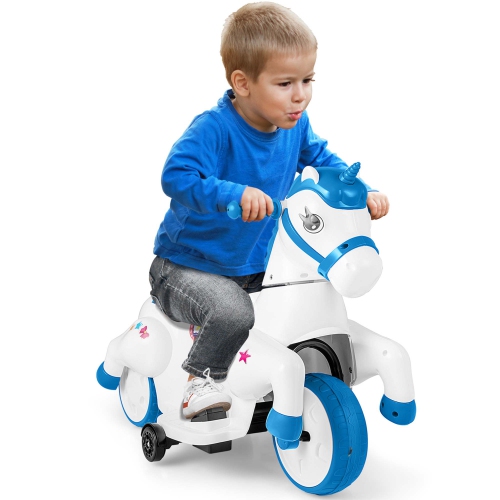
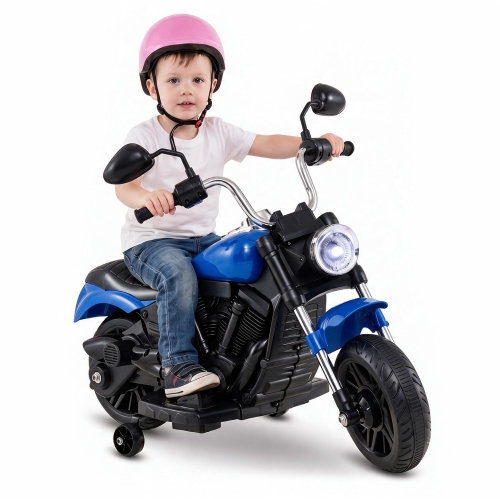
Outdoor ride-on toys are child-sized vehicles that let children move by pushing with their feet, turning pedals, steering through body movement, or using a battery-powered motor. The category includes foot-to-floor cars, push-along vehicles with adult handles, pedal tractors, and electric ride-on cars and trucks. Each style offers a different kind of play, from a toddler practising how to climb onto a seat to an older child steering around a supervised backyard course. Foot-to-floor designs give young riders a direct connection between movement and effort: feet push against the ground, the vehicle rolls forward, and a turn of the handlebars or steering wheel changes direction. Parent-push designs offer another option for children who enjoy the ride but are not ready to manage movement independently, provided the seat, footrests, and restraints are appropriate for their stage of development. Pedal-powered vehicles add the challenge of coordinating legs and steering, while battery-powered versions introduce accelerator controls and, on some designs, selectable speeds or reverse. Toddlers around ages one to three often suit simpler push or foot-powered styles, while preschoolers may be ready for pedals or age-appropriate powered models; the manufacturer’s age range, weight limit, and operating requirements remain more useful than age alone. A confident walker is not automatically ready to control a motorized vehicle, and a taller child may need more legroom without needing greater speed. Outdoor ride-on toys can support practice with coordination, spatial awareness, and taking turns, while giving imaginative play a setting that feels tangible. A pretend delivery route between two garden chairs or a carefully supervised trip across a level patio gives children a reason to steer, stop, and start again. For children drawn to creature-inspired characters rather than cars, Animal Ride On Toys offer another playful theme, with individual designs needing their own checks for outdoor suitability. The best match is a ride-on that fits both the child’s abilities and the space where play will happen.
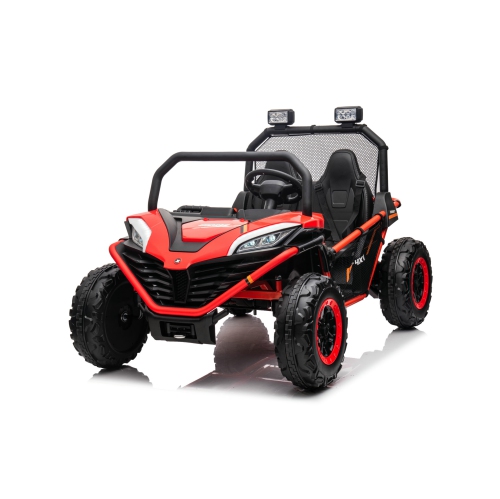
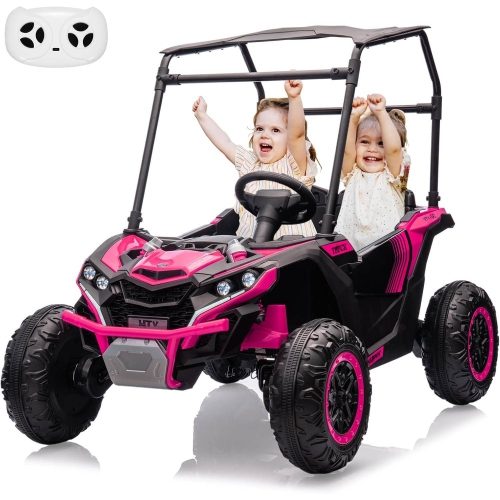
Fit and construction shape how comfortable and manageable a ride-on feels in everyday use. On a foot-to-floor toy, the rider should be able to sit securely and reach the ground as intended, without stretching or sliding forward to gain traction. A pedal vehicle needs enough room for the knees to bend through a full rotation, with controls that the child can reach comfortably. Seat dimensions matter alongside the stated weight capacity, especially when a vehicle looks roomy in photographs but has a narrow seating area or limited legroom. A two-seat design also needs to be used within its total load limit and any individual rider restrictions; an extra-looking space is not necessarily an approved passenger seat. Moulded plastic bodies are common because they can be shaped into rounded forms and wiped clean, while metal frames or axles may provide structural support in areas that carry load. Neither material alone determines durability: secure joints, well-supported wheels, sound steering connections, and replaceable wear parts also matter. Wheel construction influences the ride, too. Hard plastic wheels can feel and sound different from rubber or foam-style tires, and tread patterns do not guarantee that a toy is suitable for grass, gravel, or uneven ground. A compact ride-on may turn neatly on a smooth patio but struggle on a lawn, while a larger vehicle needs more space to complete a turn without approaching steps, furniture, or planting beds. Product dimensions are therefore worth considering in relation to gates, storage doors, and the actual riding area, not just the rider. For electric ride-ons, battery voltage is one specification rather than a complete measure of capability. A 12-volt or 24-volt label does not, by itself, establish speed, suitable age, carrying capacity, or performance on a particular surface. Motor design, gearing, rider weight, and the manufacturer’s limits all influence use. Details such as a gradual start, accessible stop controls, or an adult remote may be helpful where included, but their operation and limitations need to be understood before play begins.
Everyday enjoyment also depends on a straightforward routine for setup, supervision, and care. Outdoor ride-on toys belong in a suitable, enclosed play area away from traffic, stairs, pools, steep slopes, and other hazards, with an adult closely supervising throughout use. A driveway that opens onto a road is not a safe substitute for a contained riding space simply because it offers a smooth surface. Children need room to practise stopping and turning before navigating a more involved route, and any course should leave generous clearance around obstacles. Protective equipment should suit the type of ride-on and the manufacturer’s directions, with properly fitted helmets where appropriate, secure footwear, and clothing kept clear of moving parts. Built-in belts or adult remote controls do not replace supervision or make a toy appropriate for a child outside its stated limits. Before each ride, a quick check of wheels, steering, fasteners, seats, and battery covers can catch looseness or damage that might otherwise go unnoticed. Cleaning generally starts with removing loose dirt and wiping suitable surfaces with a soft cloth, following the care instructions rather than assuming the entire toy can be hosed down. Electrical connections, motors, and battery compartments need particular care to avoid water damage. Powered models also require an adult-managed charging routine using the specified compatible charger and the charging method described in the manual. Runtime varies with the vehicle, load, surface, and use, so planning play around the stated charging requirements is more practical than expecting every battery-powered ride-on to last equally long. A designated storage spot helps keep the toy protected and prevents it from blocking walkways; larger designs may also need enough room for an adult to access charging connections comfortably. As gifts for birthdays or other family celebrations, ride-ons are most successful when the child’s size, interests, and readiness are matched with the household’s available space and willingness to handle assembly and upkeep. A manageable vehicle that gets used for repeated little journeys can offer more satisfying play than an elaborate design that is difficult to steer, store, or maintain.
Top selling and popular products
-
 Your price for this item is $150.99
-
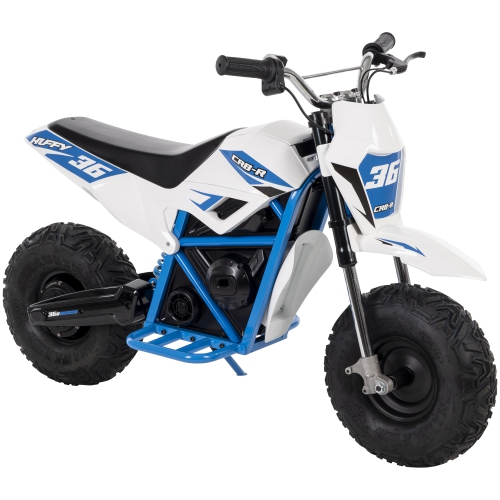 Your price for this item is $799.99
-
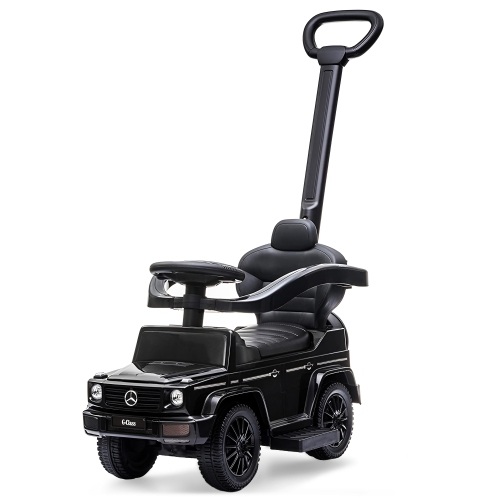 Your price for this item is $141.99
-
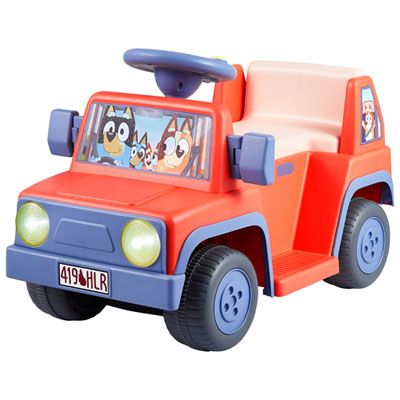 Your price for this item is $199.99
-
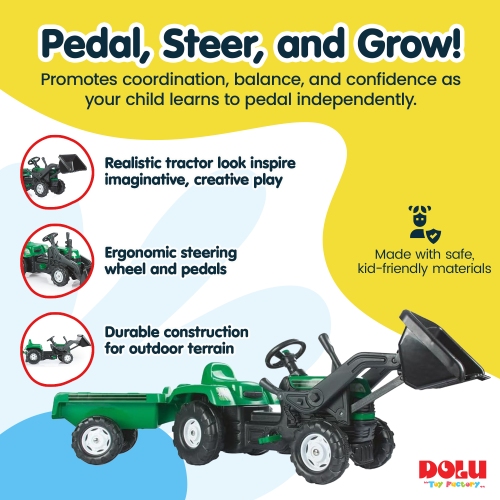 Your price for this item is $205.99
-
 Your price for this item is $199.99
-
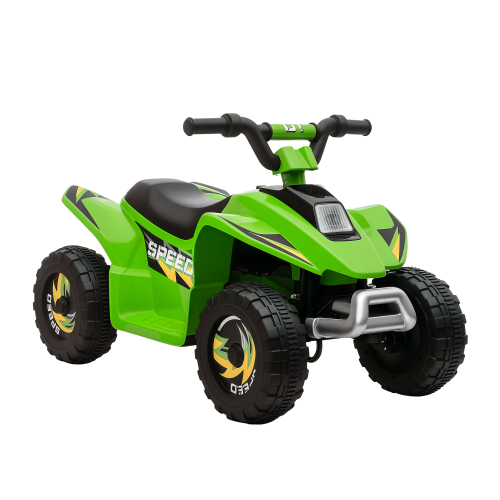 Your price for this item is $82.95
-
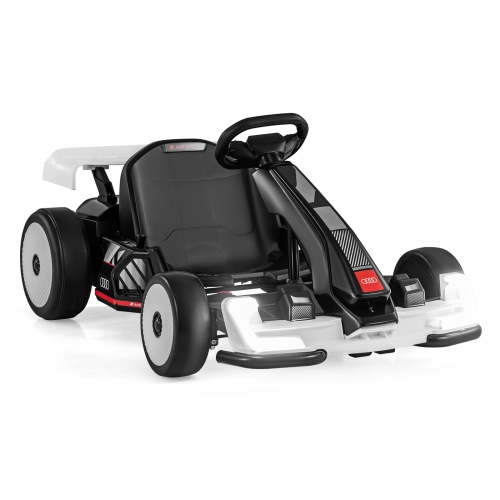 Your price for this item is $449.99
Discover more categories related to Outdoor Ride On Toys

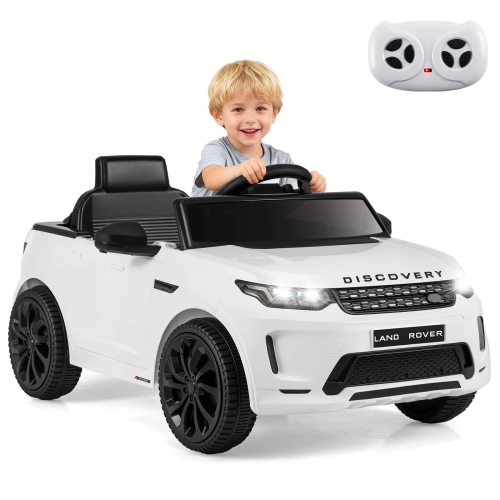
Top Collections:
Pokemon Centers, Kindle Devices, Best Budget Office Chairs, Canon G7X Cameras, Apple iPhones 16, Samsung Galaxy Phones, Refurbished Apple Laptops, Laptops for Students, iPhone 15 Apple, Budget Smartphones
Some products may be subject to Environmental Handling Fees
(EHF) depending on your province.
Learn more about EHFs.