Dinosaur Toys for Preschoolers
Dinosaur toys for preschoolers spark imagination and encourage creative play, making them a favorite choice for young explorers. These fun and engaging toys introduce little ones to the fascinating world of dinosaurs while supporting hands-on learning and interactive activities. With a variety of colorful designs and playful options, dinosaur toys for preschoolers are perfect for inspiring curiosity and providing hours of entertainment. Discover the ideal addition to any playroom or gift list with this exciting selection designed just for young children.
Sort
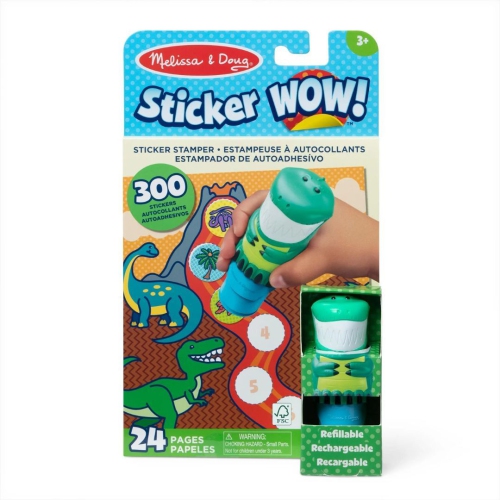
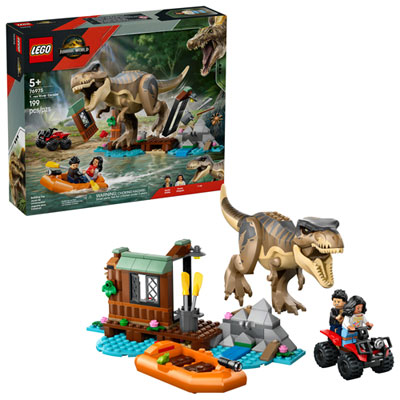


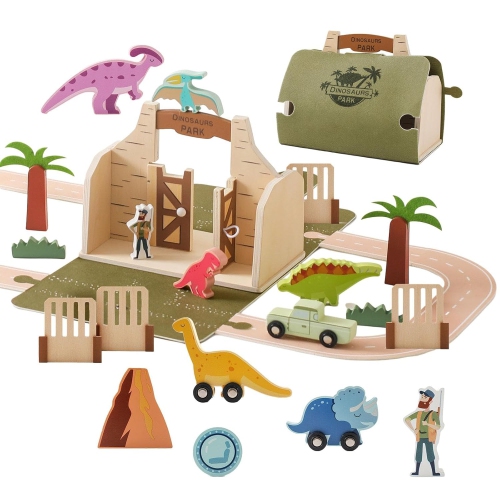


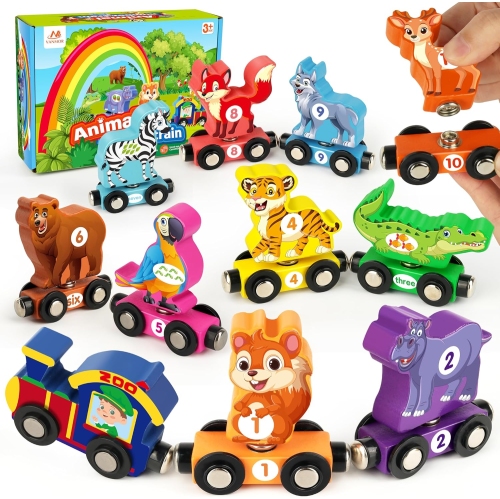

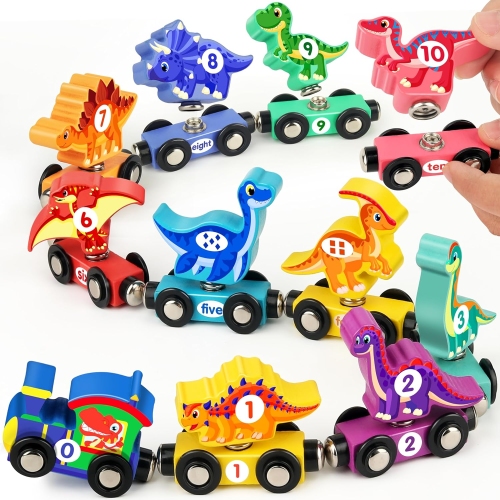
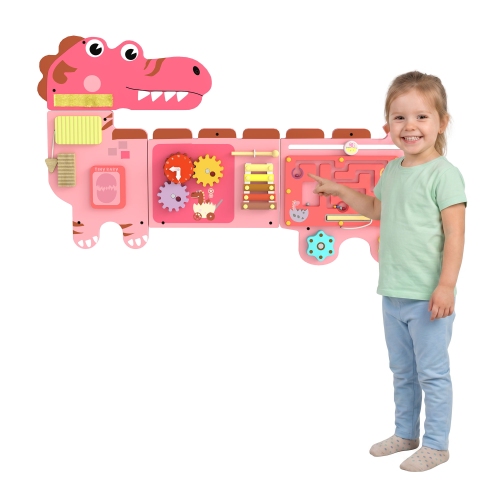
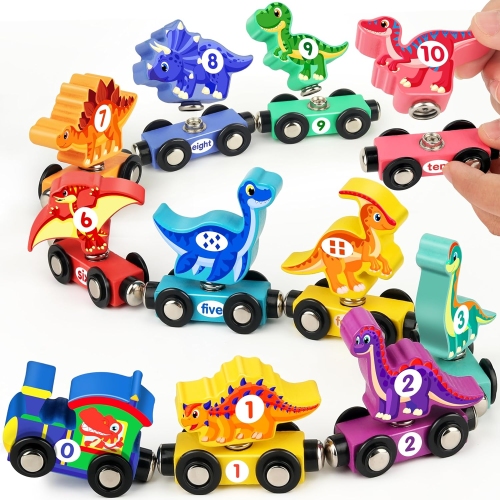
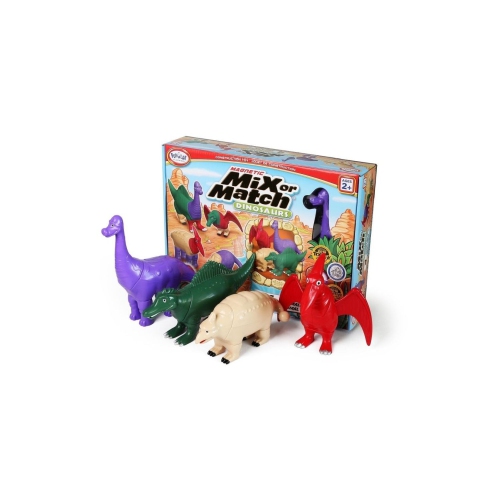


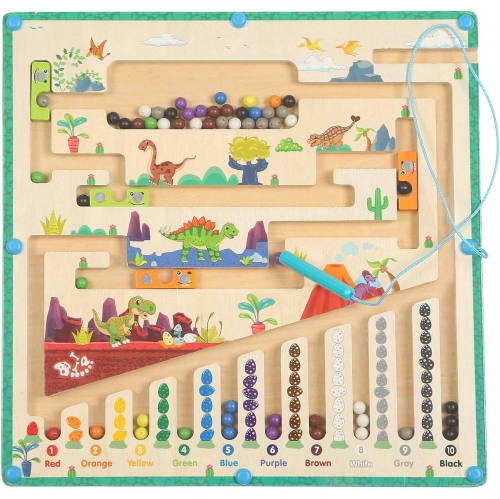
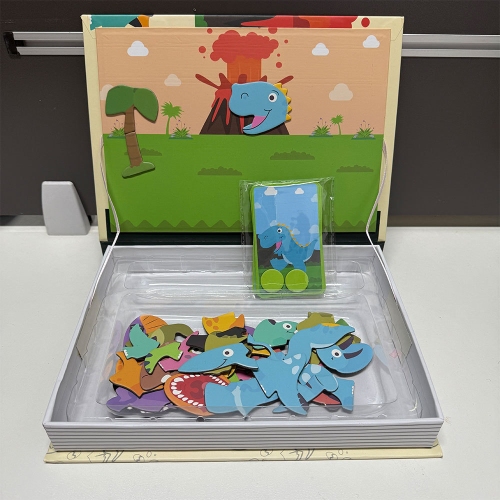
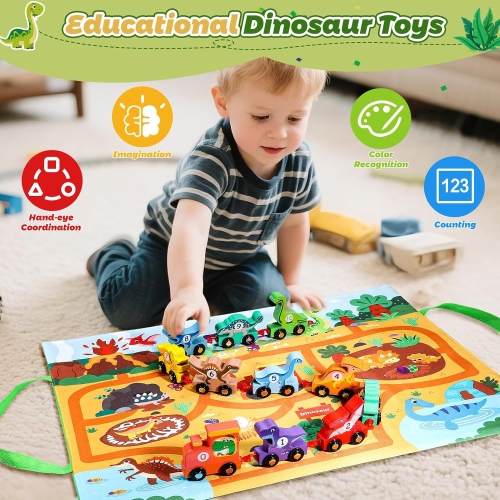
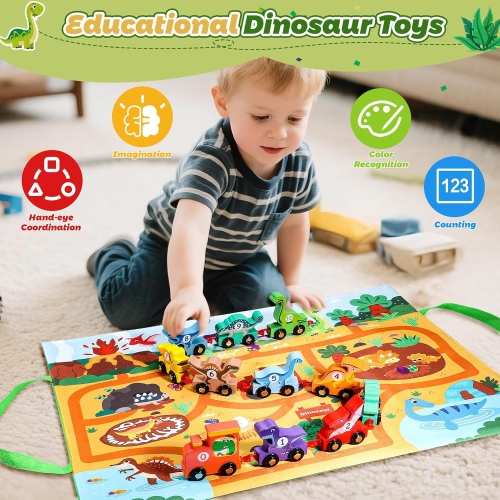
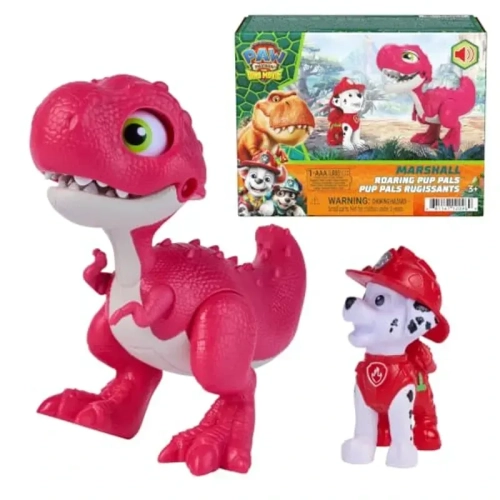
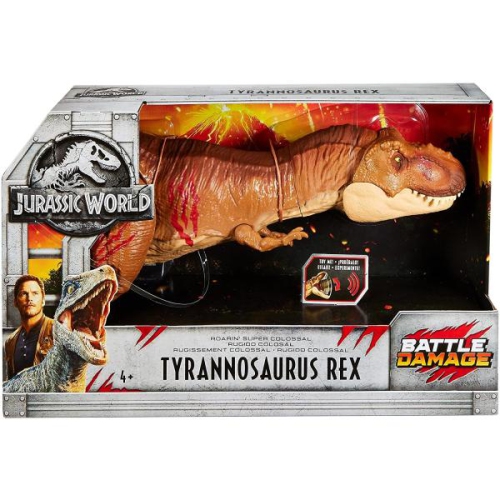

Simple dinosaur figures leave room for big adventures
Dinosaur toys for preschoolers turn a familiar fascination with towering creatures, long tails, and toothy grins into hands-on play. For children around three to five years old, useful features include easy-to-grip shapes, sturdy construction, and activities that match their interests and abilities. Simple dinosaur figures leave the story open: a long-necked dinosaur might stretch towards a pretend treetop, while a Triceratops guards a nest made from building blocks. Chunky bodies and broad feet can make figures easier to hold and stand upright, helping children arrange scenes without needing an adult to reset every character. Soft dinosaur toys offer a different kind of companionship, fitting into pretend veterinary visits, puppet-style conversations, or quiet storytelling. Dinosaur puzzles and building toys add opportunities to match shapes, connect pieces, and work towards a recognizable result, provided their complexity suits the child. Interactive dinosaur toys may introduce buttons, movement, lights, or sounds, giving children a way to explore cause and effect. A clearly marked button and an action that is easy to repeat can be more engaging at this age than a complicated sequence of controls. Sound effects are not essential, though; a simple figure can become the centre of an elaborate adventure with nothing more than a few blocks and a child's own dinosaur roar. Familiar species such as Tyrannosaurus rex, Stegosaurus, and Triceratops also give children distinctive features to notice and describe. Comparing horns, plates, tails, and necks creates natural openings for new vocabulary, while lining up a small group of dinosaurs offers practice with counting and comparison. Realistic details can support an interest in prehistoric animals, while friendly, stylized designs may appeal to children who find fierce expressions unsettling. Neither approach needs a complicated play pattern to hold a preschooler's attention. The strongest fit is often a toy that feels manageable in little hands and gives the child plenty of room to decide what happens next.
Materials, proportions, and construction shape how dinosaur toys feel in everyday use. Moulded plastic figures are often practical for frequent handling, although rigidity, weight, and surface finish vary. Some have a little flexibility in the tail or legs, while others feel firm throughout. Smooth edges and rounded details are useful considerations for hands-on pretend play, especially when a child likes to carry several dinosaurs together or move them across the floor. Wooden dinosaur toys bring a different texture and weight, with care needs that depend on their finish and construction. Plush dinosaurs may feel inviting to cuddle, but their seams, attached details, and washing instructions matter just as much as their softness. A washable fabric toy can be convenient for a child who takes a favourite companion between home and child care, though machine washing should never be assumed. The manufacturer's care directions determine whether a toy can be wiped, surface cleaned, or washed more thoroughly. Wooden pieces generally need protection from prolonged soaking, and battery-operated toys should be kept out of water unless expressly designed for that use. For toys with moving parts, hinges, wheels, or opening jaws, durability includes how well those features stand up to repeated use and whether they create pinch points. Age labels and warnings remain important even when a toy looks chunky or child-friendly. Small accessories, detachable components, and pieces that could break away deserve particular attention in homes shared with younger children. A dinosaur's overall size does not establish whether every part is suitable for a preschooler. Battery compartments should close securely, and adults should handle battery changes and keep loose batteries out of reach. Volume controls and an off switch can make electronic toys easier to fit into shared rooms and quiet activities. These practical details help distinguish a toy suited to supervised tabletop play from one intended for frequent carrying, cuddling, or floor-level adventures.
Everyday play often works best when dinosaur toys fit comfortably into activities a child already enjoys. A few figures beside wooden blocks can inspire a shelter-building project, with wide entrances for broad-bodied dinosaurs and taller openings for long necks. On a play mat, children can take turns moving their animals along a path, stopping at an imaginary watering hole, or finding a missing member of the herd. Figures with stable bases are helpful for these scenes because they spend less time toppling over. A group of dinosaurs can also support simple sorting games based on colour, size, or visible features, without turning play into a lesson that needs a correct answer at every step. For shared play, dinosaur toy sets can provide several characters for siblings or friends to use at once, although the number of pieces matters less than whether the pieces suit the children using them. A consistent scale may make it easier to build shared scenes, while a mix of sizes can invite comparisons and different storytelling roles. Storage is another everyday consideration: figures that fit into an easy-access bin are simpler to gather after play, and puzzles or construction toys benefit from a container that keeps their parts together. For visits or travel, compact, self-contained play can be useful, but portability should not come at the expense of age-appropriate piece sizes. Dinosaur toys also make thoughtful birthday gifts for preschoolers whose interests are already full of prehistoric creatures. The recipient's preferred way of playing offers a useful starting point: a child who narrates long adventures may enjoy open-ended figures, while one who likes fitting pieces together may gravitate towards puzzles or construction activities. Available play space, sound preferences, and care requirements matter alongside the dinosaur theme. A toy that is comfortable to handle, straightforward to use, and easy to put away has a better chance of becoming part of ordinary play, from a quick story before dinner to a sprawling make-believe dinosaur park on the floor.
Top selling and popular products
-
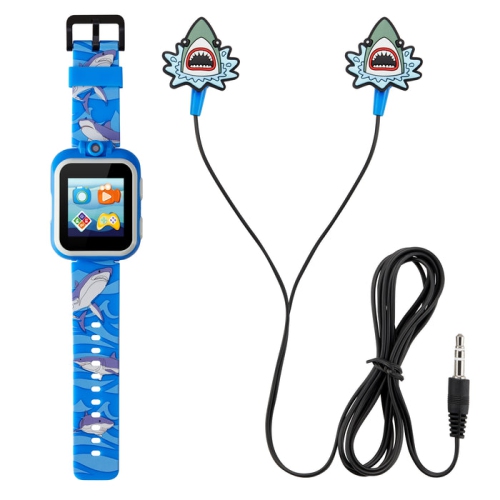 Your price for this item is $38.98
-
 Your price for this item is $19.99
-
 Your price for this item is $89.99
-
 Your price for this item is $49.99
-
 Your price for this item is $79.99
-
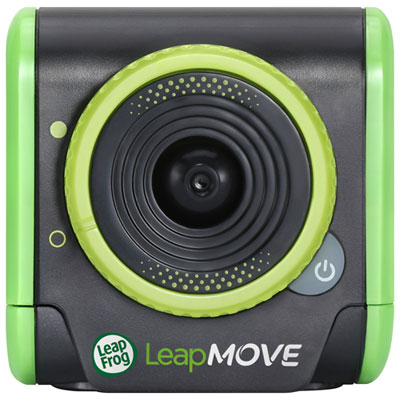 Your price for this item is $79.99
-
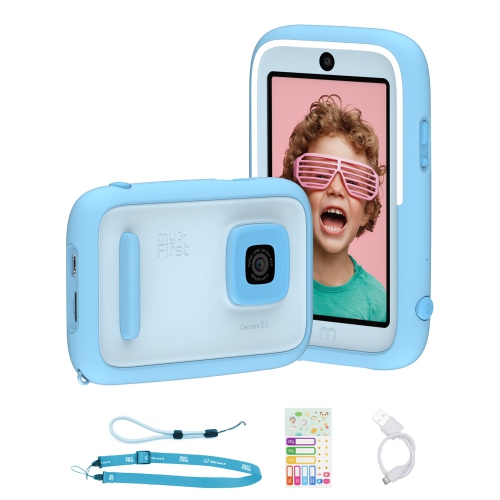 Your price for this item is $149
-
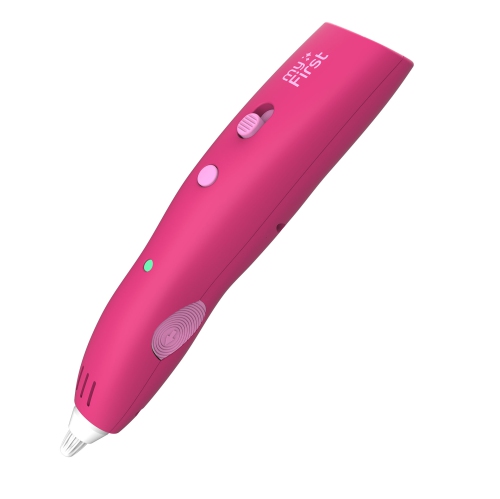 Your price for this item is $49.9
Discover more categories related to Dinosaur Toys for Preschoolers
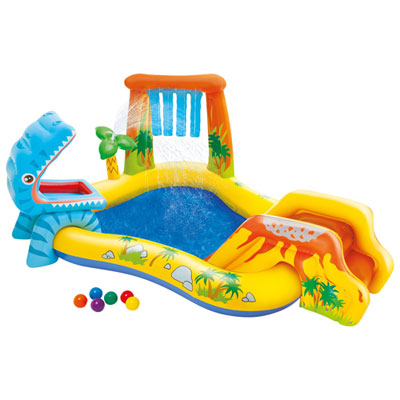


Top Collections:
Pokemon Centers, Best Budget Office Chairs, Kindle Devices, Best Cameras for Sports Photography, Pokémon 30th Celebration Cards, Best Laptops for Writers, Canon G7X Cameras, iPhone 15 Apple, Best Cell Phones Under $300, Apple iPhones 16
Some products may be subject to Environmental Handling Fees
(EHF) depending on your province.
Learn more about EHFs.