Doodling Books
Unleash your creativity with our collection of doodling books, perfect for artists of all ages and skill levels. Whether you're looking to unwind after a long day, practice your drawing techniques, or simply let your imagination run wild, these books are filled with blank pages just waiting to be transformed into works of art. From intricate patterns to whimsical designs, the possibilities are endless. Explore our selection today and start filling those pages with your unique creations!
Sort
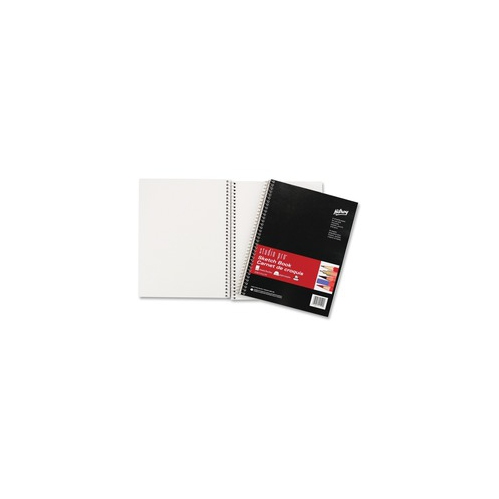
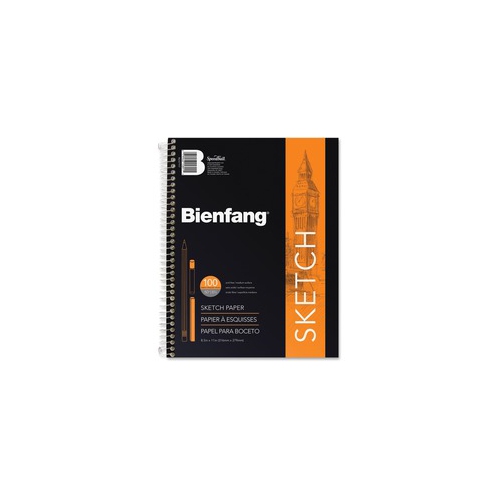
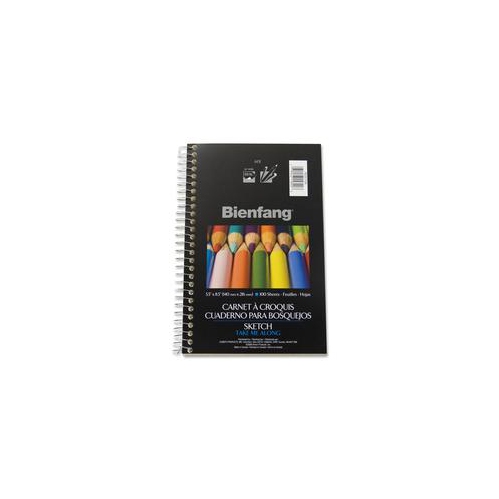
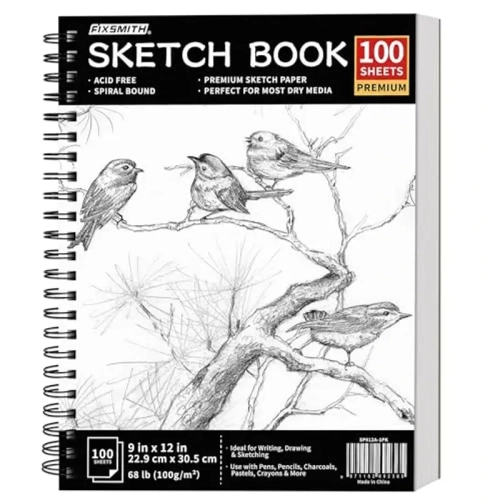




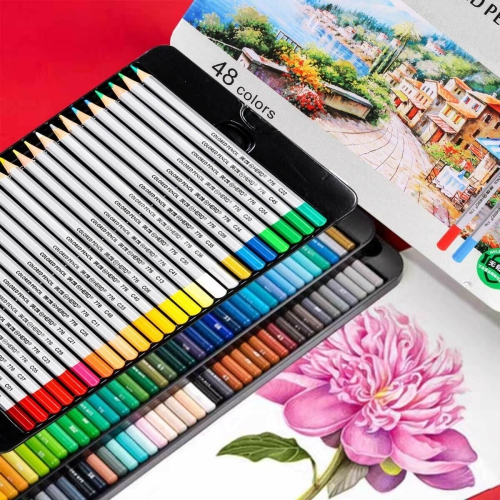
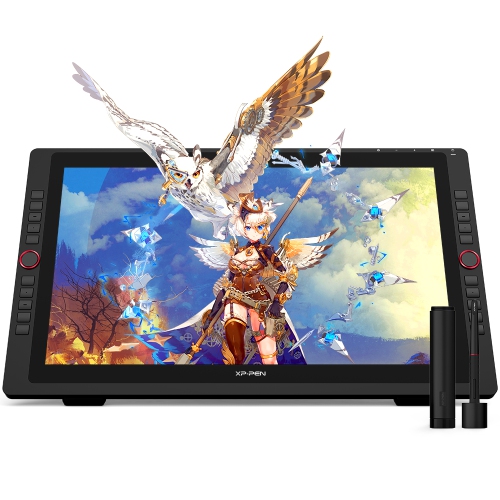
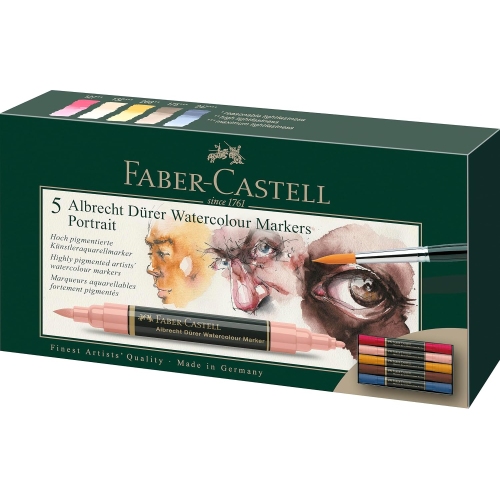
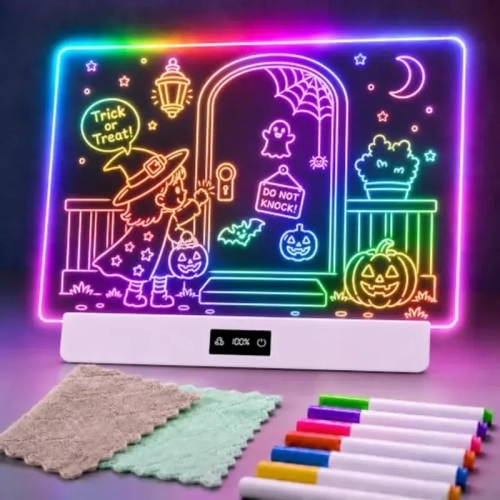
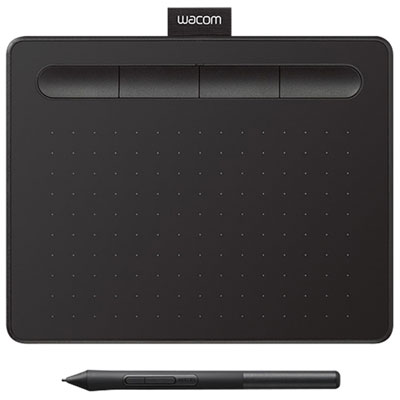
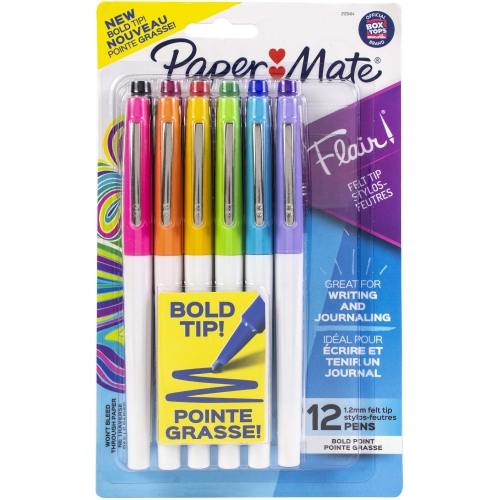
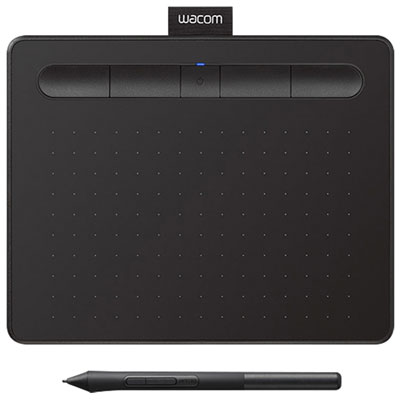
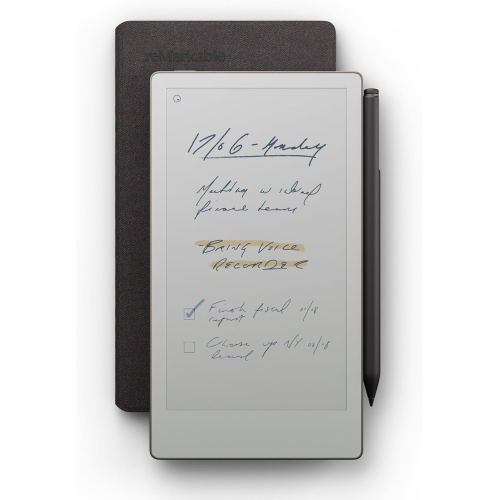


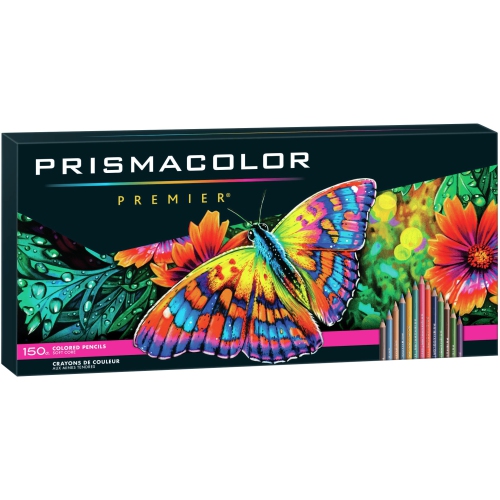
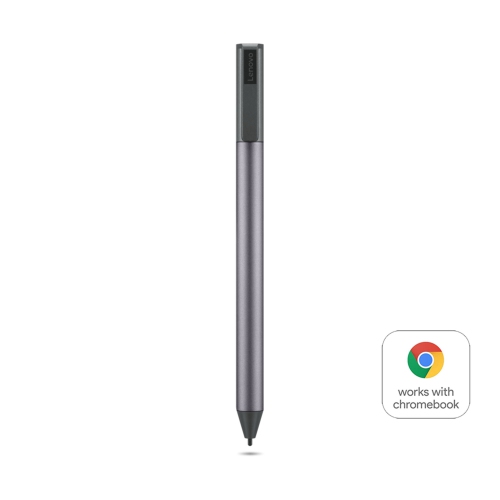
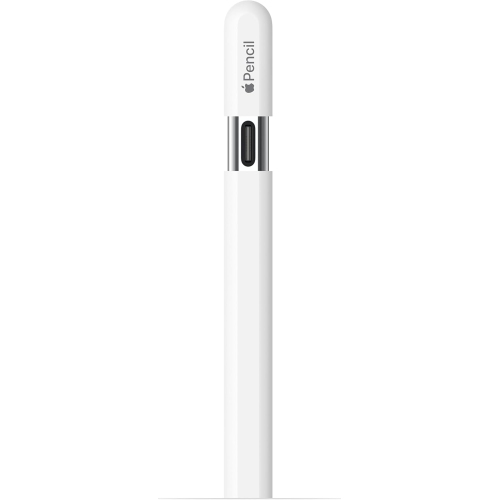
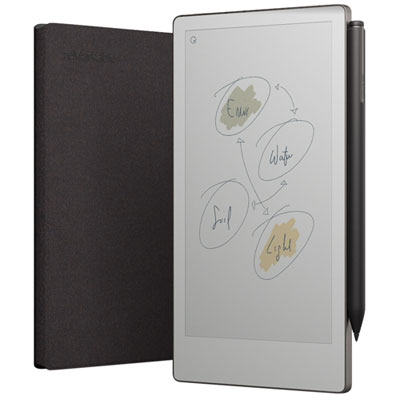
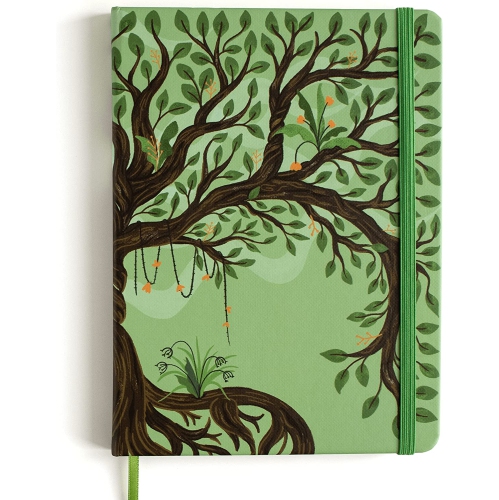
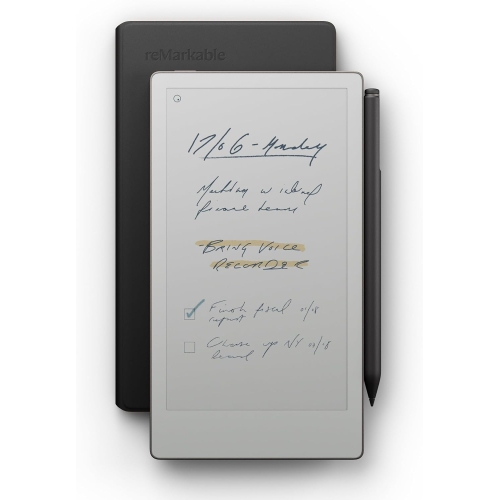


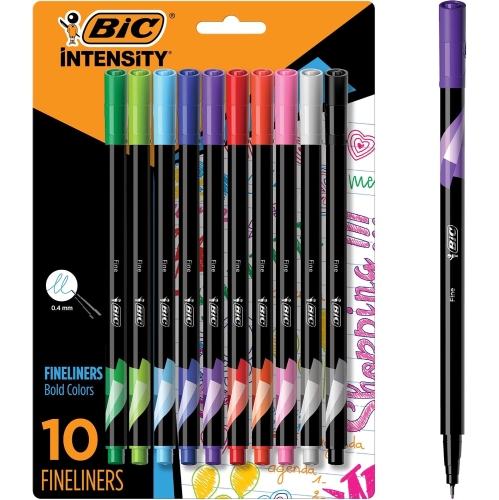


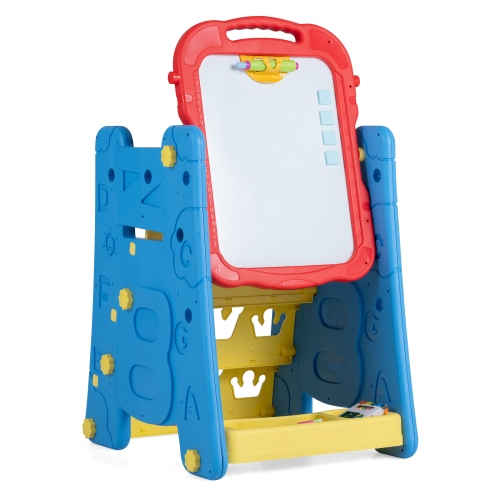
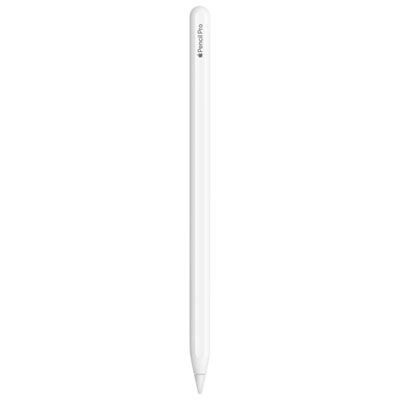
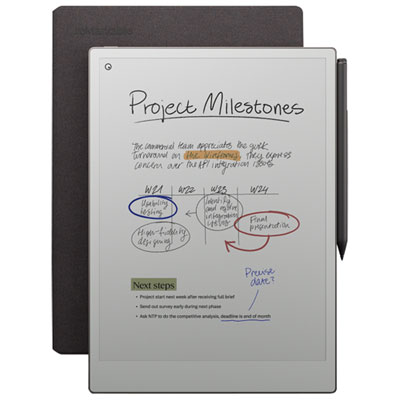


Approachable drawing ideas for every age and skill level
Doodling books offer an easy, welcoming way to make time for drawing, whether you are picking up a pen for the first time or looking for fresh ideas to add to an established creative routine. Unlike a traditional drawing course that may focus on technical accuracy, these books often break illustrations into approachable steps, simple shapes, repeating patterns, unfinished pictures, or short prompts that encourage personal interpretation. Some focus on cute everyday objects, animals, food, plants, characters, or imaginary scenes, while others centre on free-form patterns, lettering, journaling, and decorative borders. This variety makes doodling books useful for many ages and skill levels. Children can use them to practise hand control, explore storytelling, and build confidence through small drawings that feel achievable. Teens may enjoy filling spare pages between classes, decorating notebooks, or creating original artwork for cards and gifts. Adults can use a doodling book as a relaxing evening activity, a screen-free break during the cooler months, or a source of ideas when a blank page feels intimidating. Many designs can be completed with an ordinary ballpoint or fineliner, making it easy to begin without assembling a large art kit. For a smoother, more expressive experience, browse Doodle Pens to pair with a doodling book and add varied line weights, colours, and playful details. When choosing a book, consider the reader’s age, patience, drawing experience, and preferred subject matter. A child who loves creatures may be happiest with guided animal prompts, while someone who keeps a journal may prefer open-ended pages with room for notes, captions, and mixed-media touches. Pattern-focused books can suit people who enjoy repetition and detail, whereas prompt-based books may be better for anyone who likes a clear starting point but wants freedom to finish each image in their own style. Page size and binding can also affect how a book feels to use. Larger pages provide room for bold marks and colouring, while compact formats are convenient for a backpack, desk drawer, or travel bag. A book with thicker paper may be preferable when using markers or heavier ink, while lighter pages are well suited to pencils and pens. Looking at the balance between instruction and blank space can help match the format to the recipient: step-by-step examples offer reassurance for beginners, and open pages provide more creative freedom for experienced doodlers.
Doodling books can be thoughtful gifts because they are personal without requiring the recipient to follow a single artistic style. They work well for birthdays, classroom rewards, creative care packages, stocking stuffers, or quiet weekend activities shared between family members. A parent or caregiver might use one during a rainy afternoon with a child, turning each page into a small story and adding voices or details to the drawings. Friends can exchange completed pages, compare variations on the same prompt, or use simple illustrations to personalize gift tags, lunch notes, greeting cards, and journals. For someone returning to creative hobbies after a busy period, a guided doodling book provides a low-pressure place to begin; there is no expectation that every page must be perfect, and a few minutes of drawing can still feel satisfying. People who enjoy mindfulness may appreciate the steady rhythm of filling repeated shapes, tracing lines, or adding tiny details one at a time. Others may use doodling as a practical idea generator, sketching room layouts, outfit details, travel memories, recipe notes, or characters for a larger project. To make the activity more enjoyable, keep the book in an accessible spot with a small selection of pens, pencils, or coloured markers nearby. Start with short sessions and let the page develop naturally rather than trying to complete a spread in one sitting. It can also help to test colours on a spare sheet, especially when working with bold inks, and to place a scrap page underneath when drawing near the back of a book. If the book is intended as a gift, think about the recipient’s everyday interests and choose a theme that gives them familiar subjects to draw, along with enough variety to keep the activity fresh. A beginner-friendly collection of simple prompts can make a comforting introduction, while a detailed pattern book may appeal to someone who enjoys patience, precision, and richly filled pages. During the cooler months, doodling books are especially convenient for creating a warm, low-key ritual at the kitchen table, beside a reading chair, or while travelling. Whether used for playful practice, personal journaling, quiet concentration, or shared family time, they make drawing feel approachable and leave plenty of room for imagination.
Doodling books can be thoughtful gifts because they are personal without requiring the recipient to follow a single artistic style. They work well for birthdays, classroom rewards, creative care packages, stocking stuffers, or quiet weekend activities shared between family members. A parent or caregiver might use one during a rainy afternoon with a child, turning each page into a small story and adding voices or details to the drawings. Friends can exchange completed pages, compare variations on the same prompt, or use simple illustrations to personalize gift tags, lunch notes, greeting cards, and journals. For someone returning to creative hobbies after a busy period, a guided doodling book provides a low-pressure place to begin; there is no expectation that every page must be perfect, and a few minutes of drawing can still feel satisfying. People who enjoy mindfulness may appreciate the steady rhythm of filling repeated shapes, tracing lines, or adding tiny details one at a time. Others may use doodling as a practical idea generator, sketching room layouts, outfit details, travel memories, recipe notes, or characters for a larger project. To make the activity more enjoyable, keep the book in an accessible spot with a small selection of pens, pencils, or coloured markers nearby. Start with short sessions and let the page develop naturally rather than trying to complete a spread in one sitting. It can also help to test colours on a spare sheet, especially when working with bold inks, and to place a scrap page underneath when drawing near the back of a book. If the book is intended as a gift, think about the recipient’s everyday interests and choose a theme that gives them familiar subjects to draw, along with enough variety to keep the activity fresh. A beginner-friendly collection of simple prompts can make a comforting introduction, while a detailed pattern book may appeal to someone who enjoys patience, precision, and richly filled pages. During the cooler months, doodling books are especially convenient for creating a warm, low-key ritual at the kitchen table, beside a reading chair, or while travelling. Whether used for playful practice, personal journaling, quiet concentration, or shared family time, they make drawing feel approachable and leave plenty of room for imagination.
Top selling and popular products
-
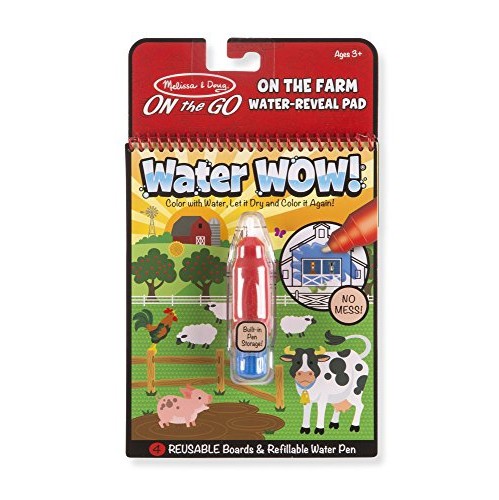 Your price for this item is $24.99
-
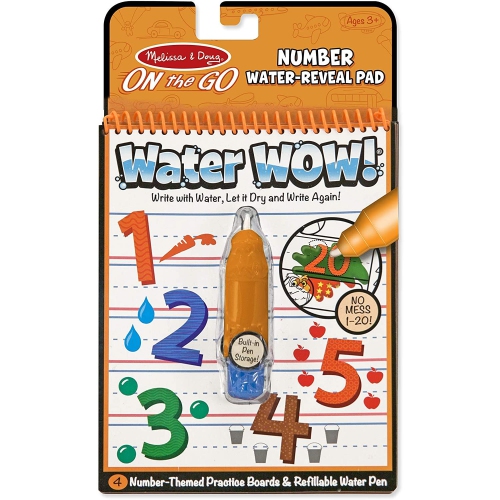 Your price for this item is $24.99
-
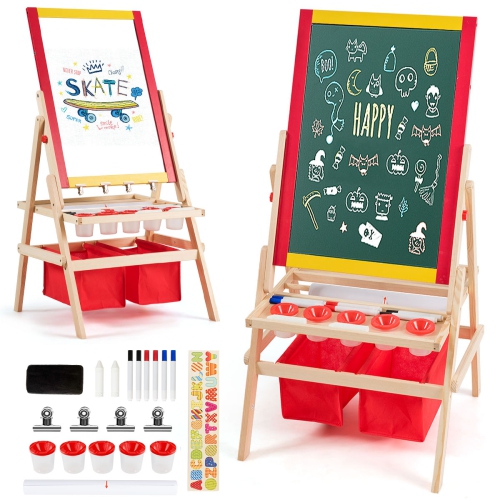 Your price for this item is $94.99
-
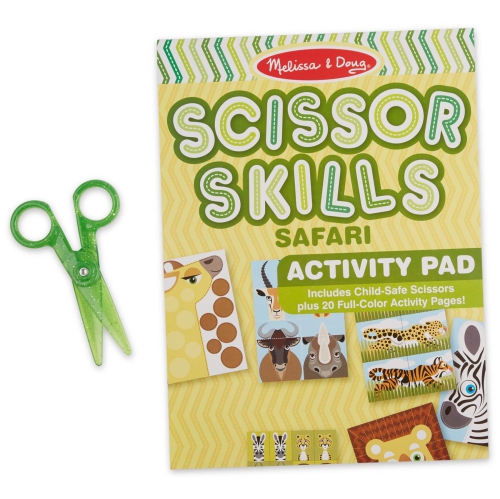 Your price for this item is $24.99
-
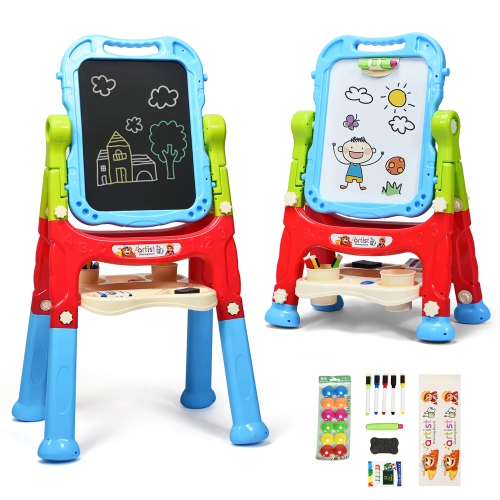 Your price for this item is $84.99
-
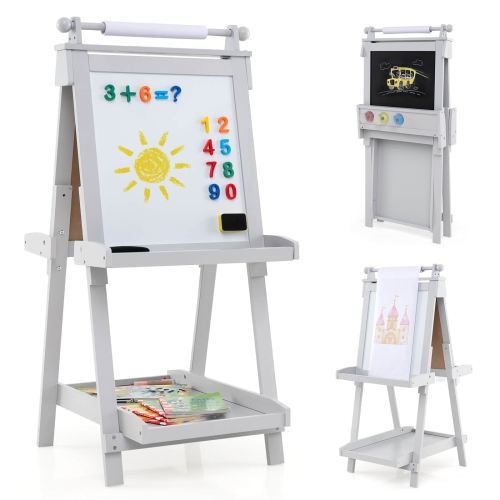 Your price for this item is $115.99
-
 Your price for this item is $12.59
-
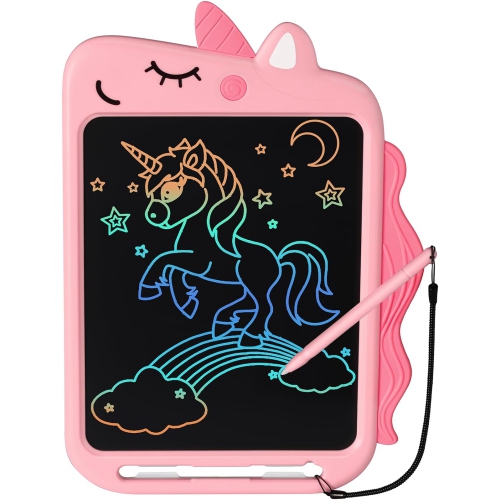 Your price for this item is $90
Discover more categories related to Doodling Books
Top Collections:
Pokemon Centers, Kindle Devices, Best Cameras for Sports Photography, Pokémon 30th Celebration Cards, Apple iPhones 16, Canon G7X Cameras, iPhone 15 Apple, Flip Phones, Samsung Galaxy Phones, Alarm Clock
Some products may be subject to Environmental Handling Fees
(EHF) depending on your province.
Learn more about EHFs.