Educational Blocks
Unlock a world of creativity and learning with educational blocks, the perfect tool for sparking imagination in children of all ages. These versatile building sets offer endless possibilities for play while promoting critical skills such as problem-solving, hand-eye coordination, and spatial awareness. Whether you're looking to inspire budding architects or simply provide hours of engaging fun, educational blocks make a fantastic addition to any playroom. Dive into a realm where learning meets play, and watch as young minds construct their way to a brighter future.
Sort
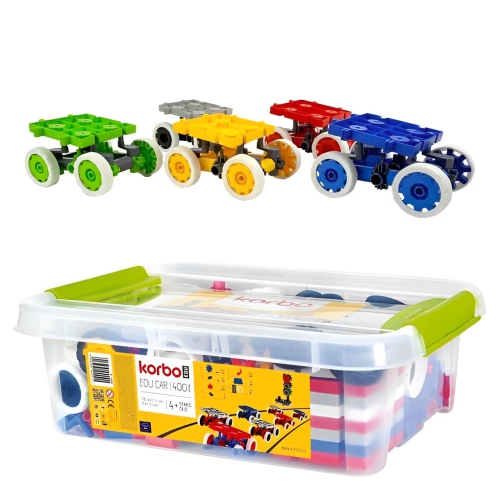
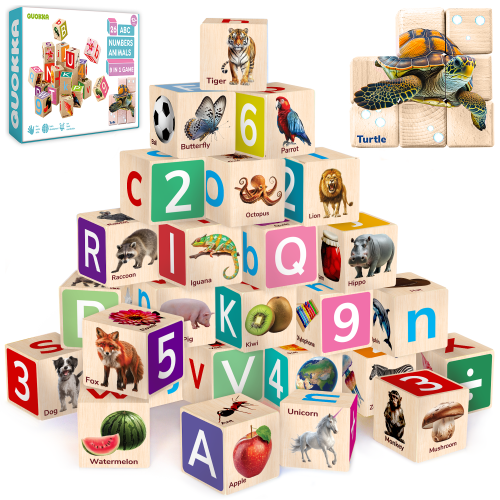

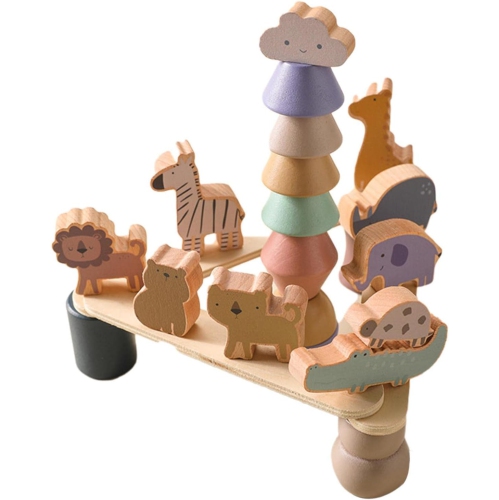
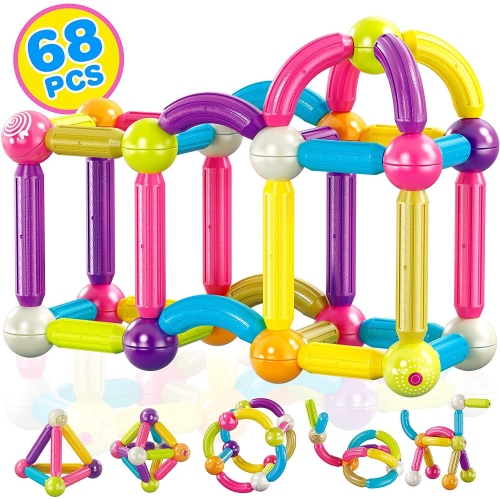
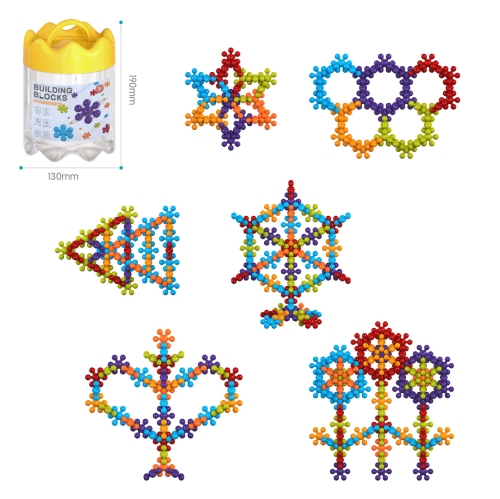

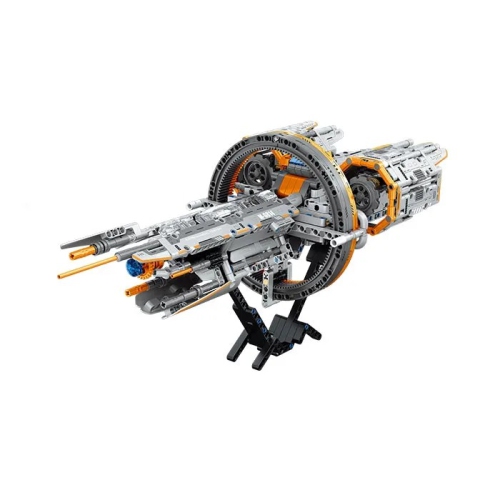
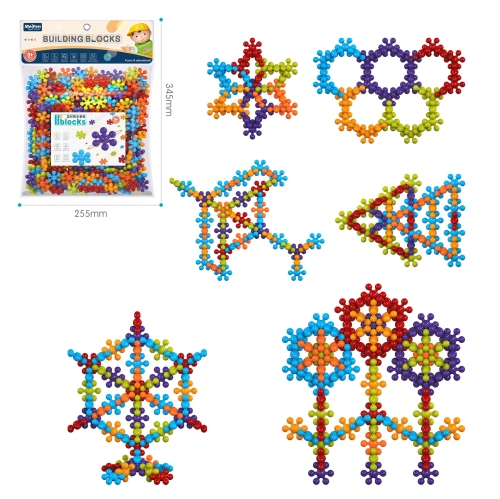
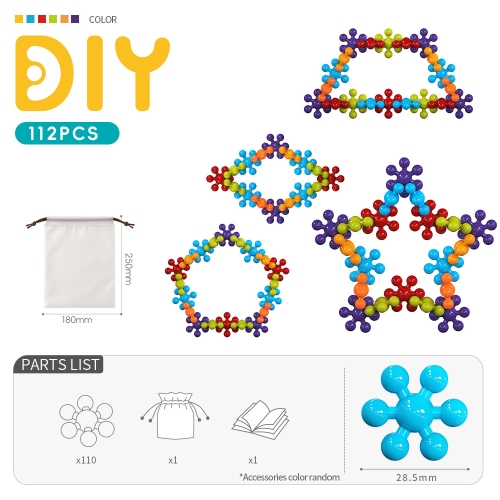
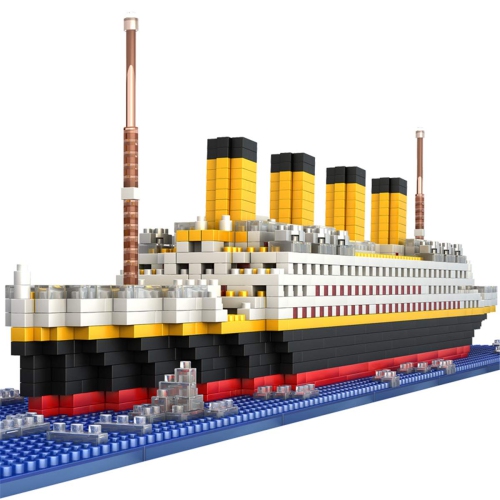
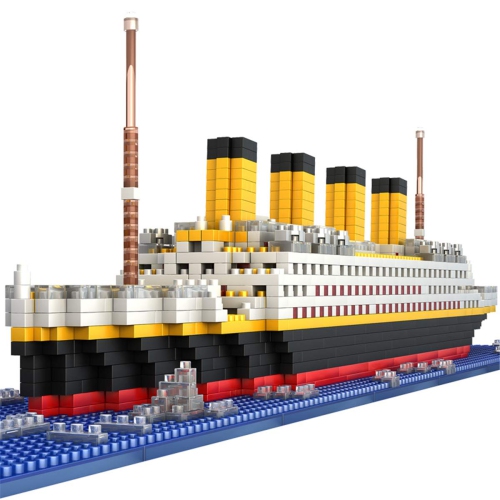
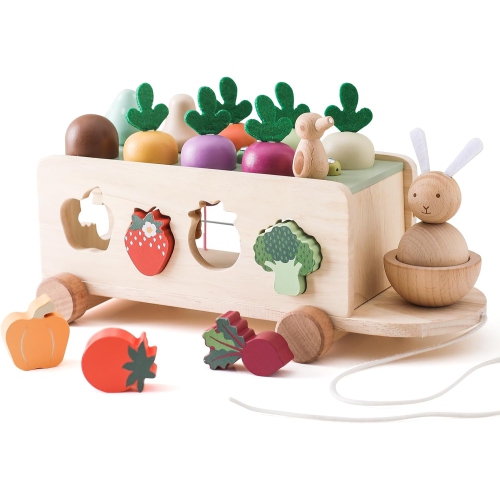
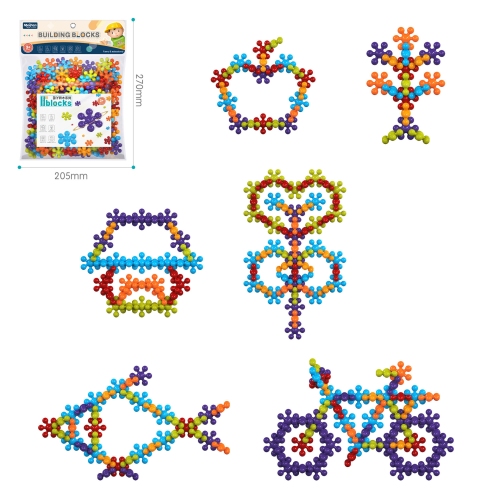
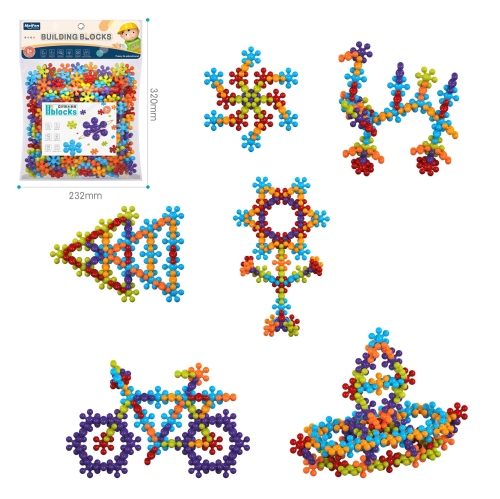

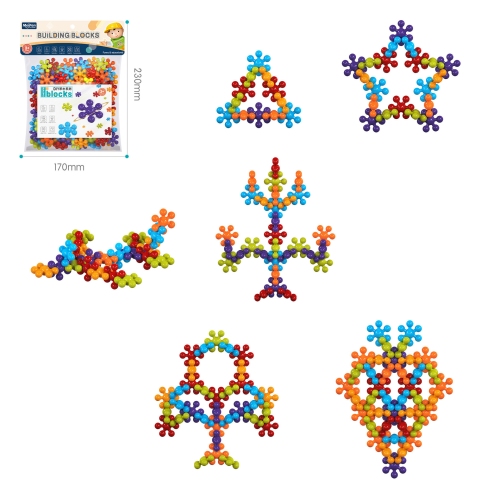
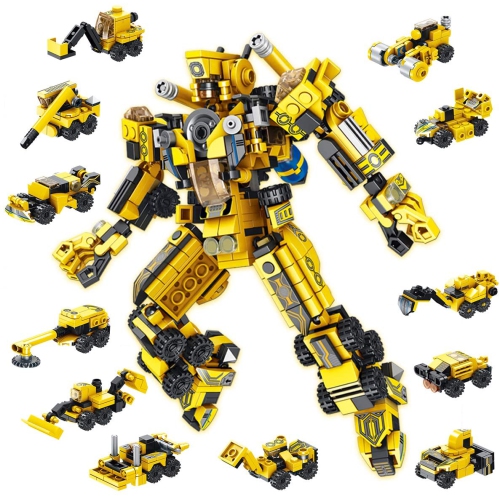
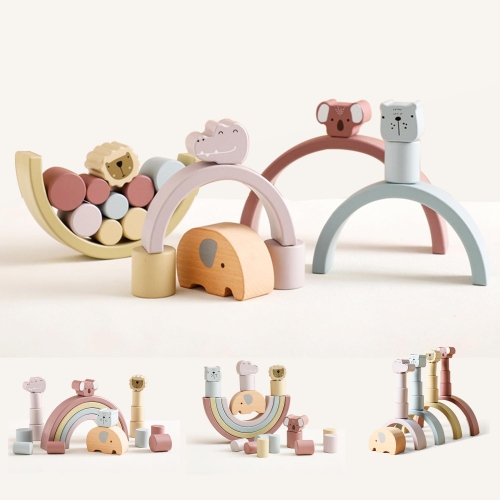


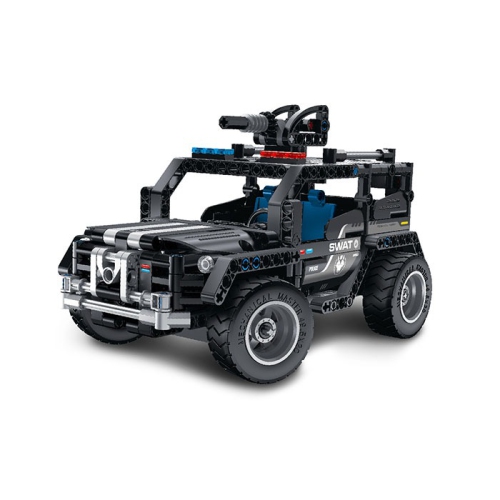
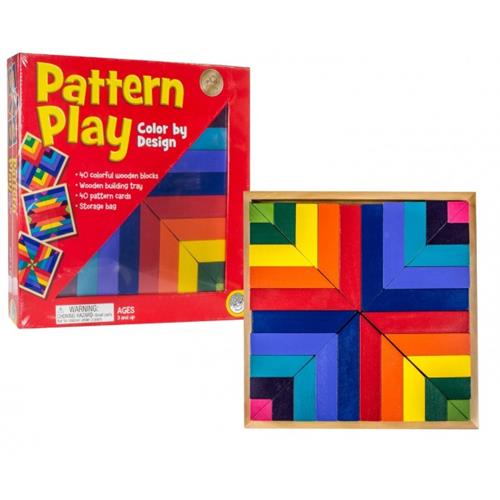

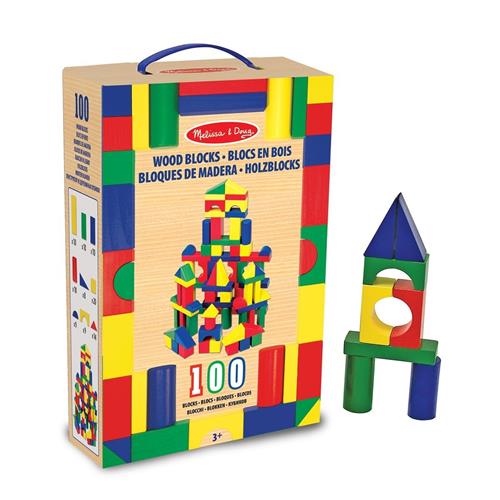
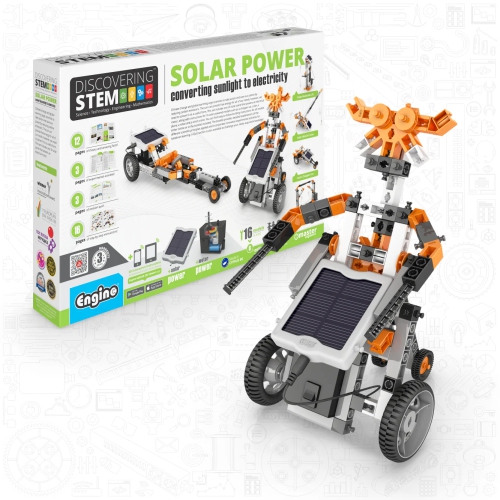
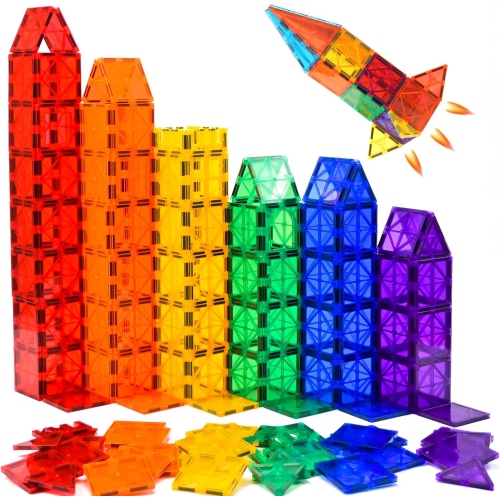

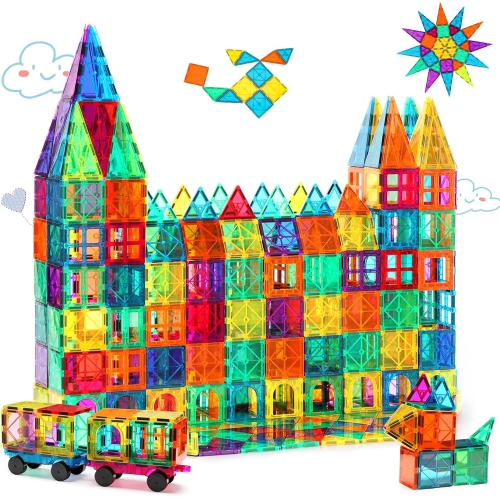




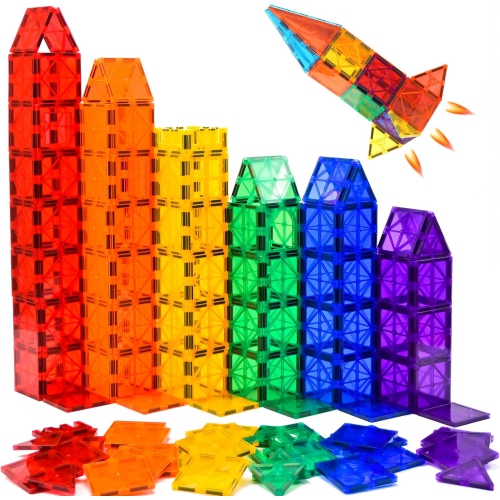
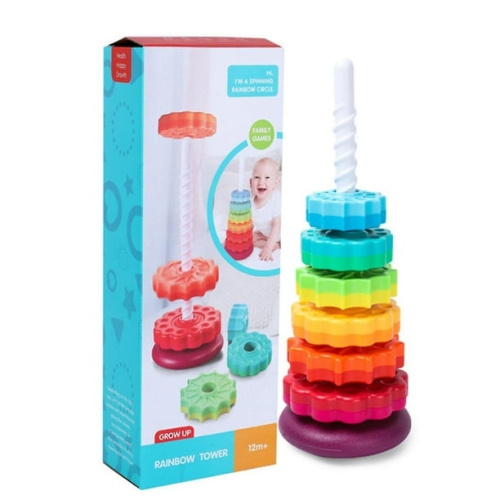
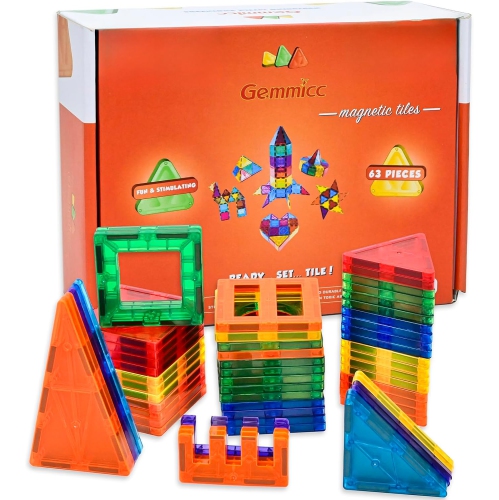
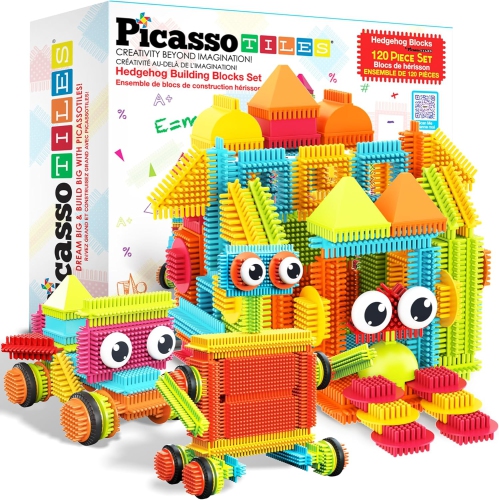
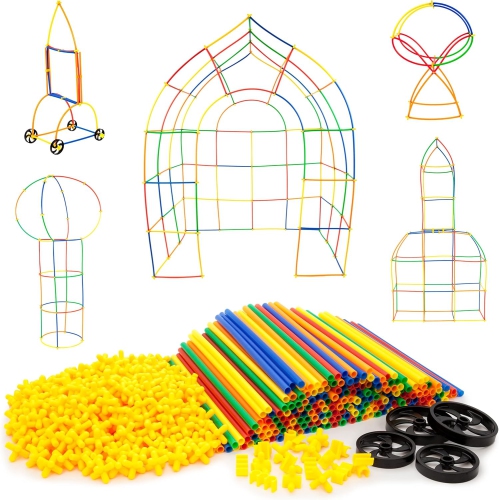
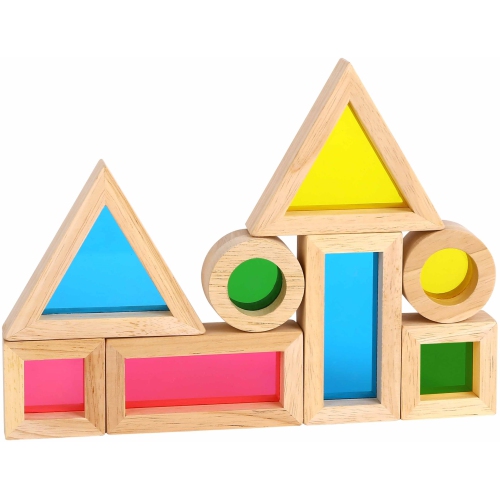

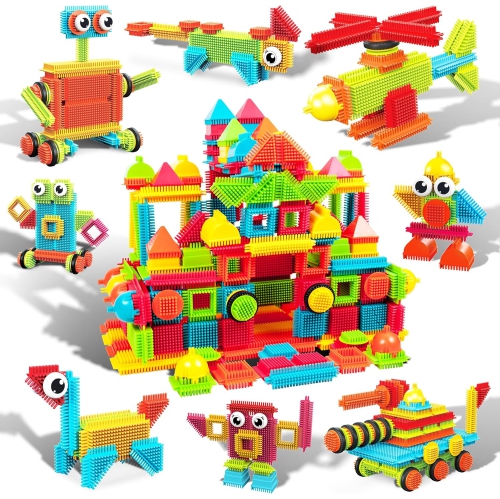
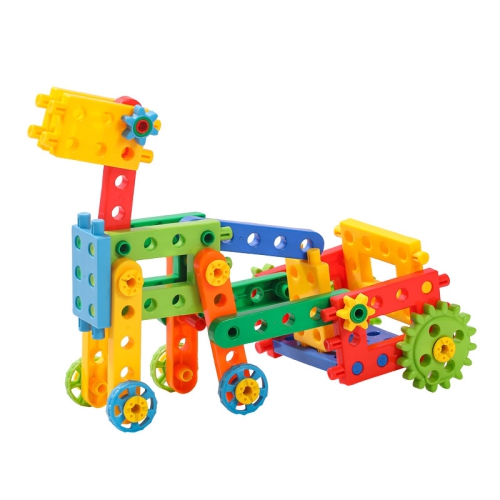

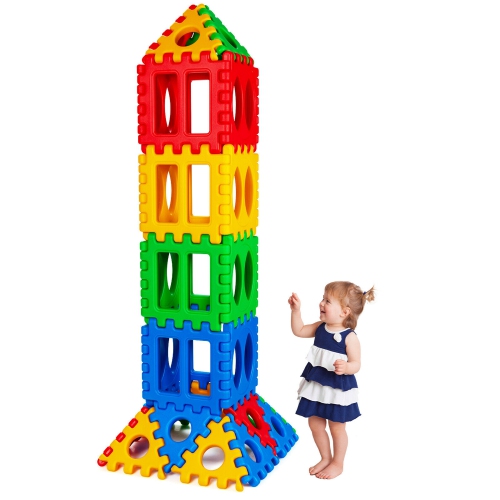
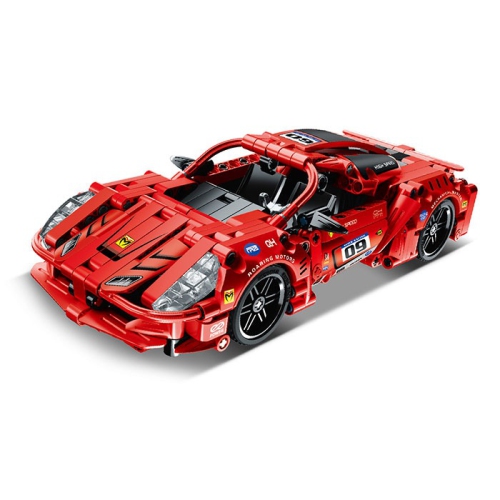

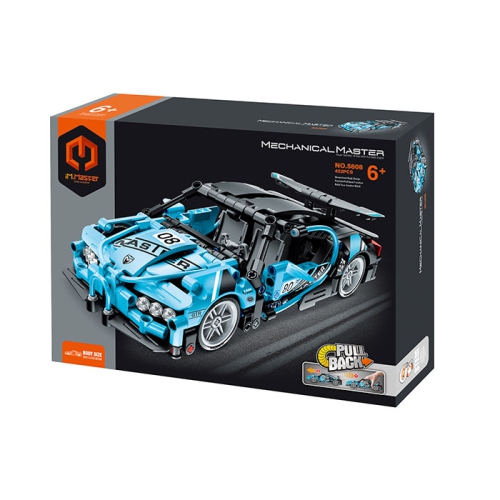

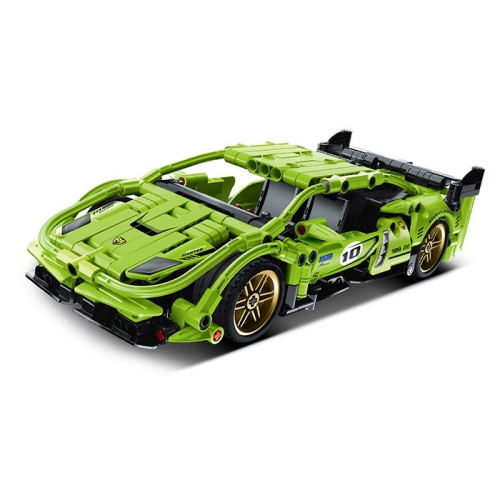

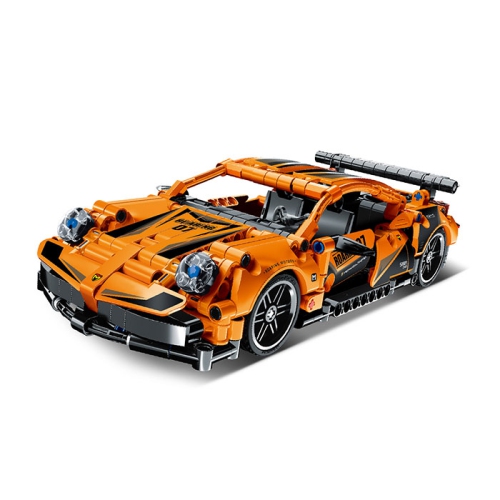
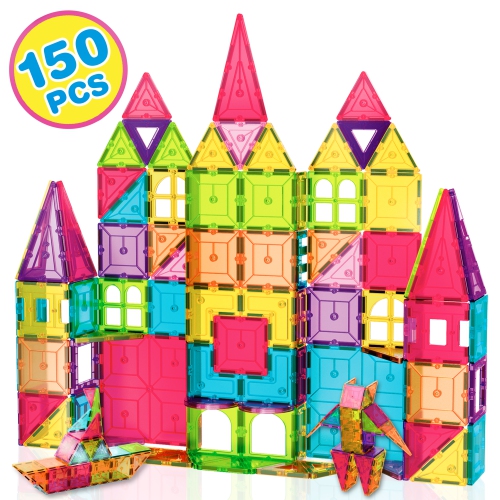
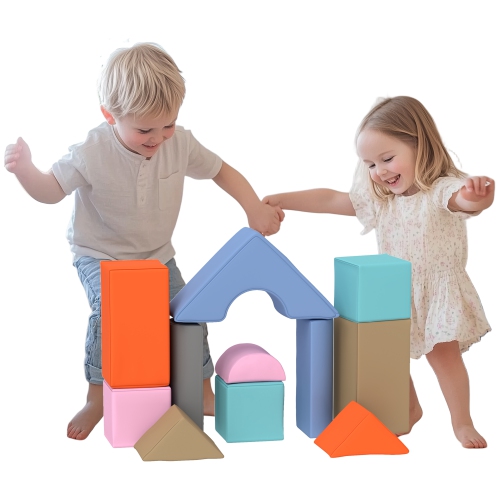
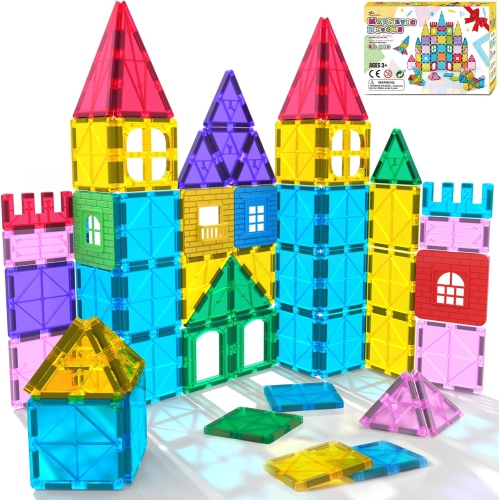
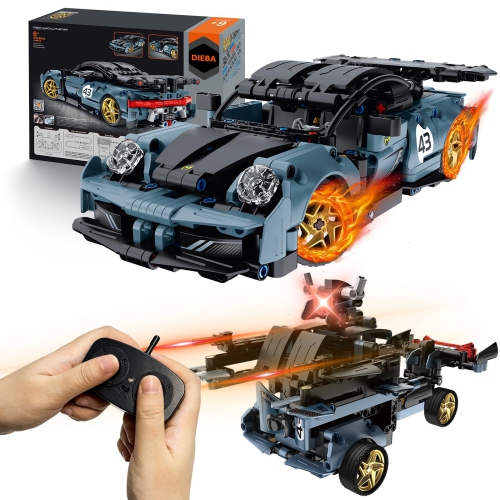

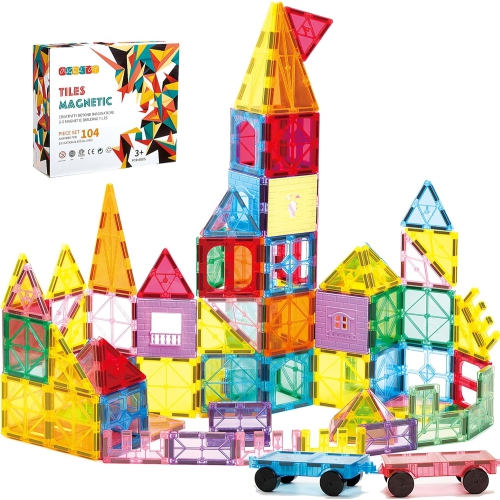
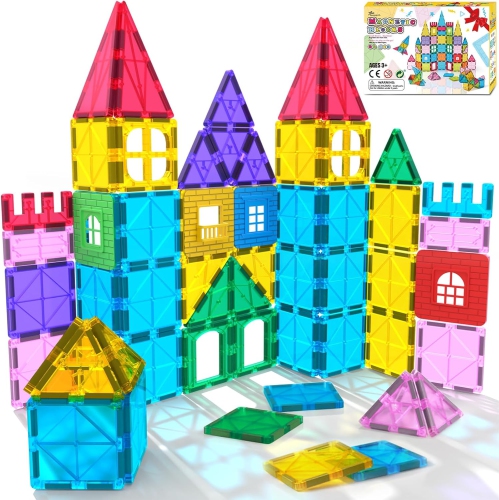
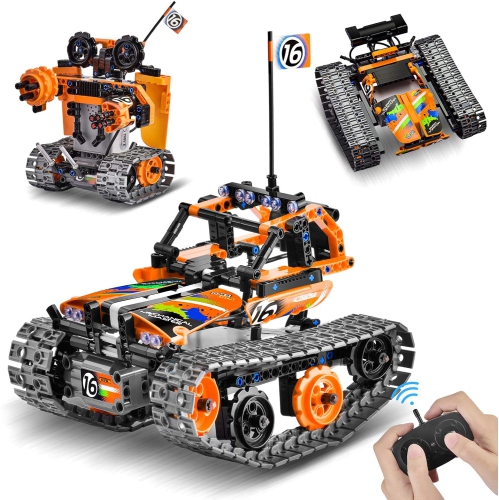
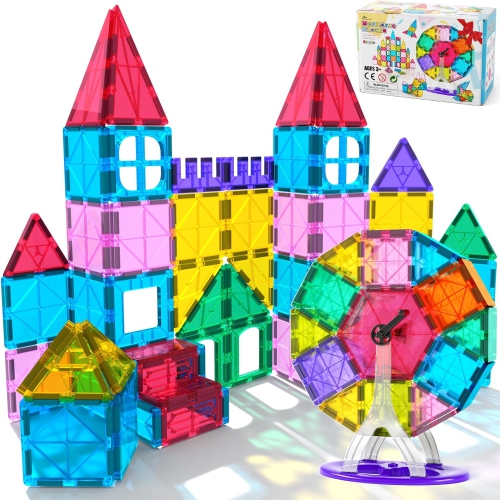

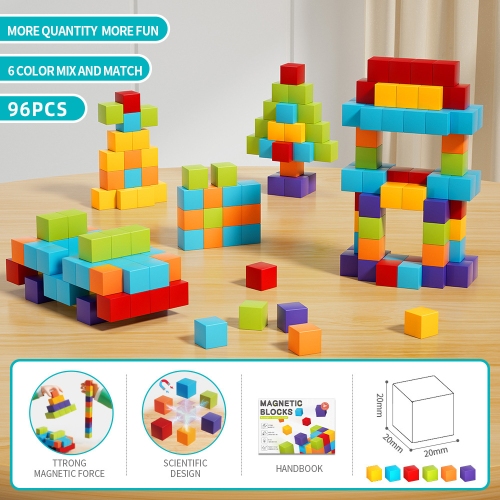
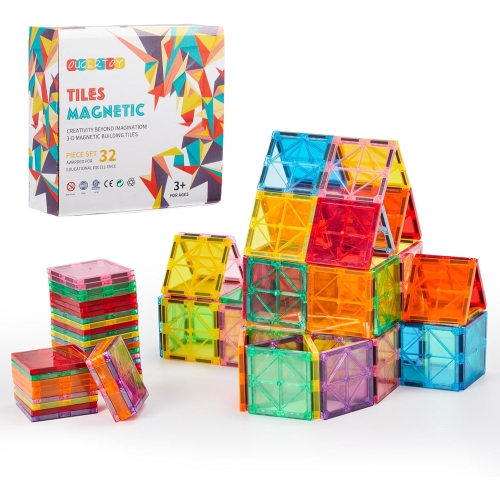


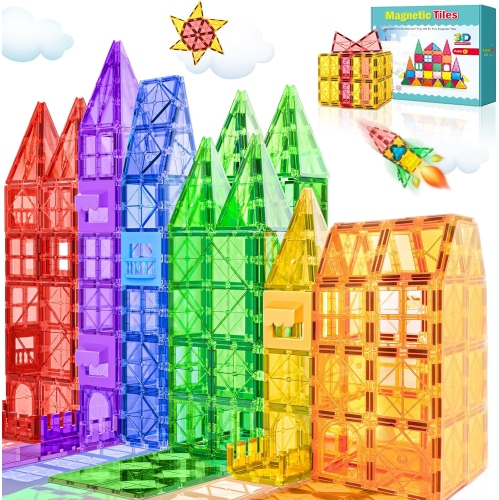

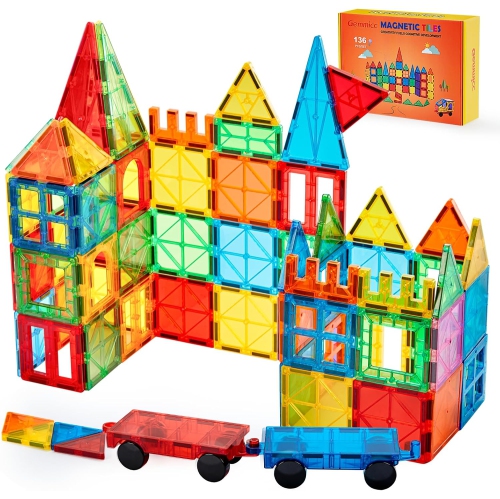
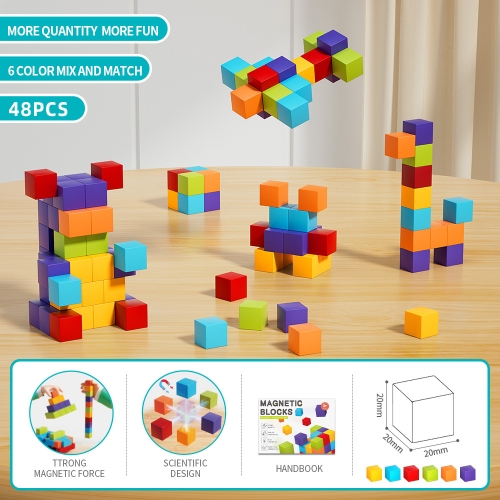
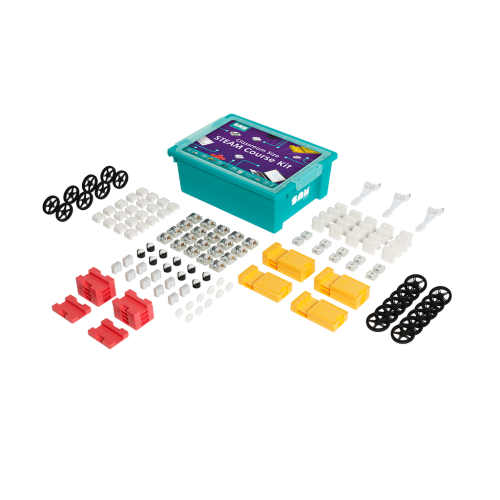
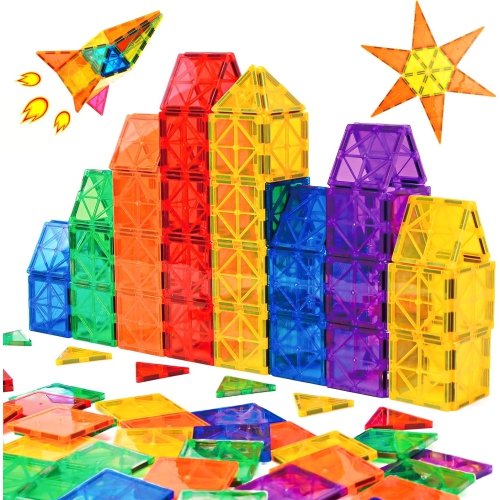
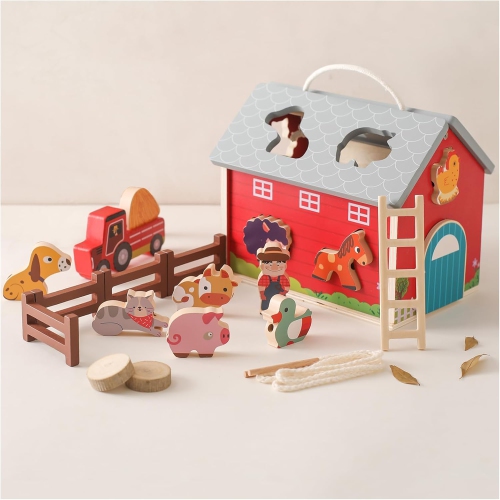
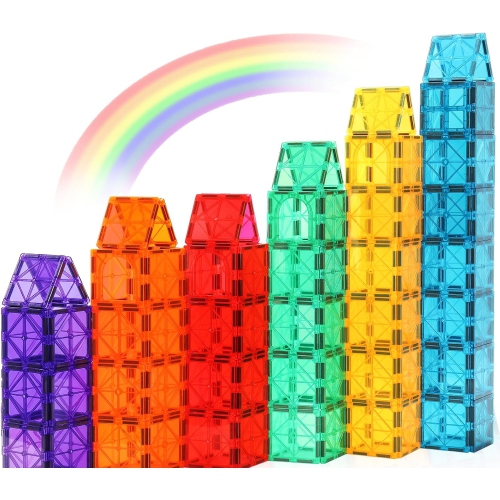
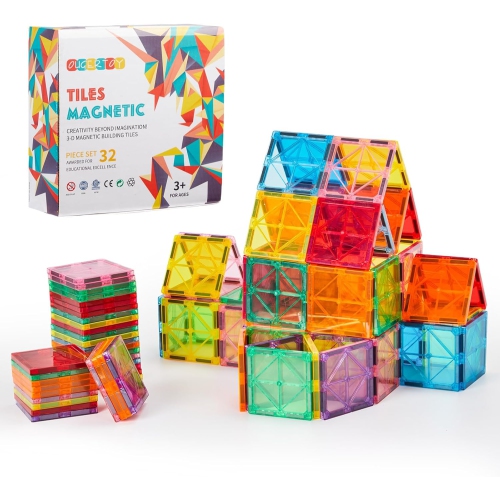
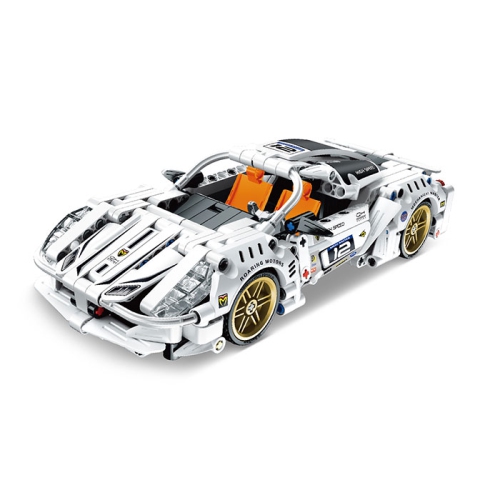
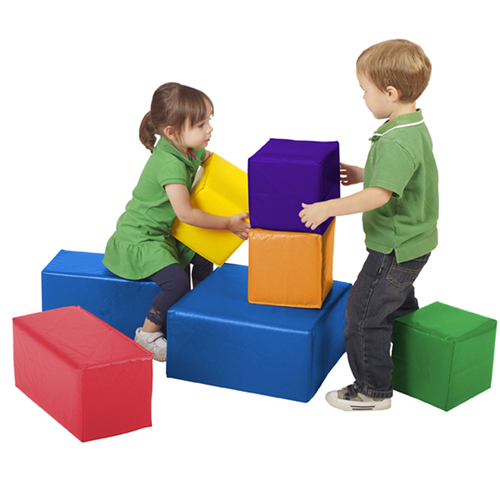
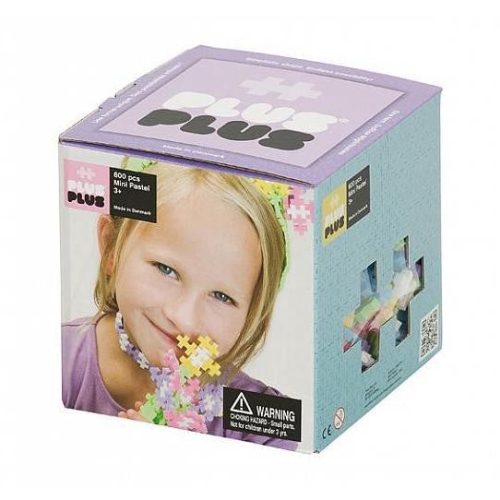
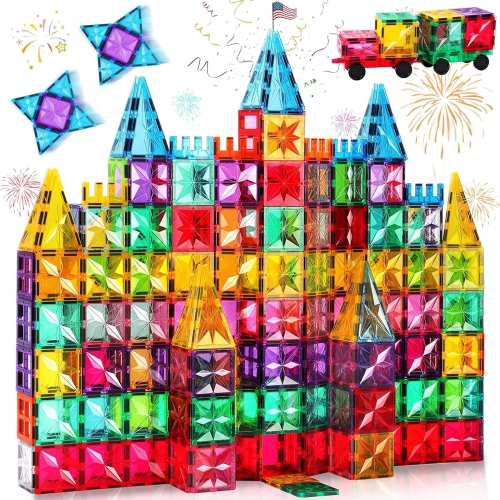
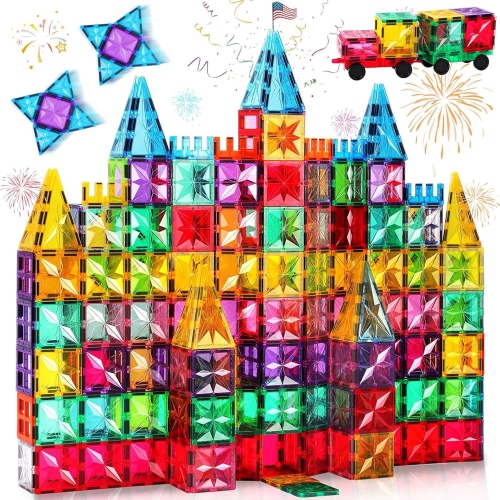
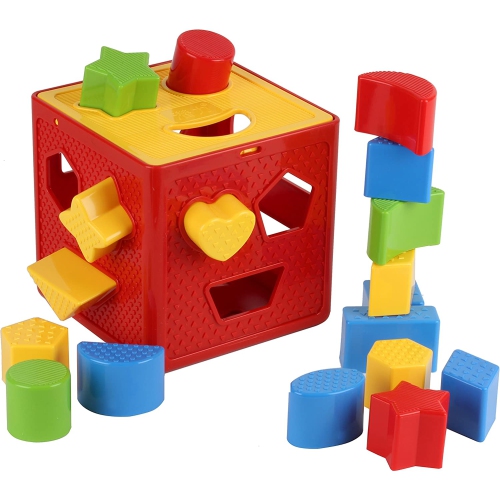

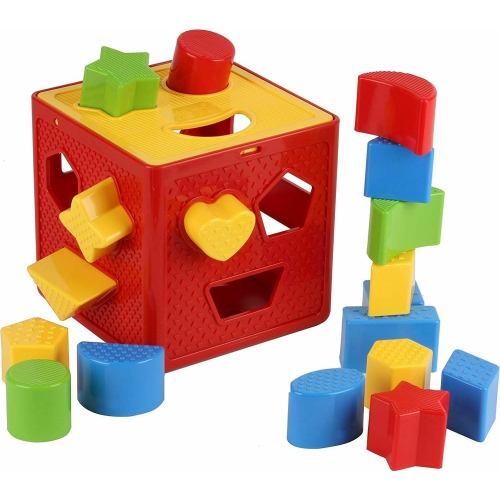
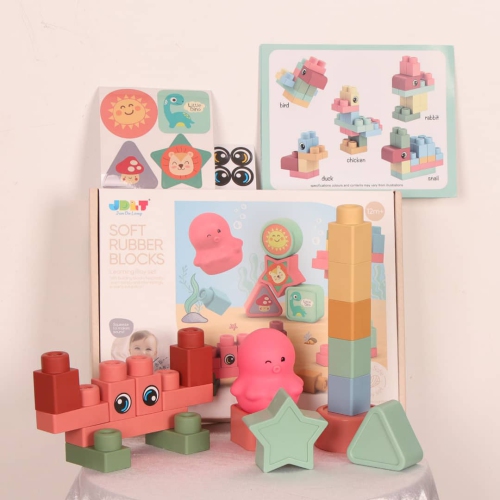
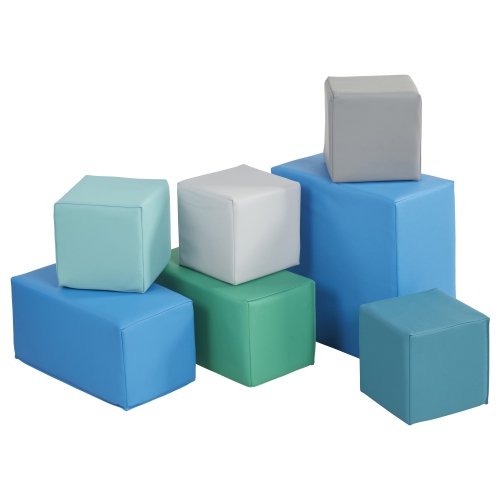
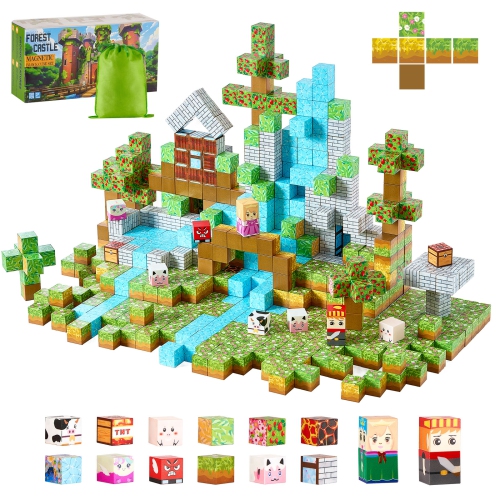
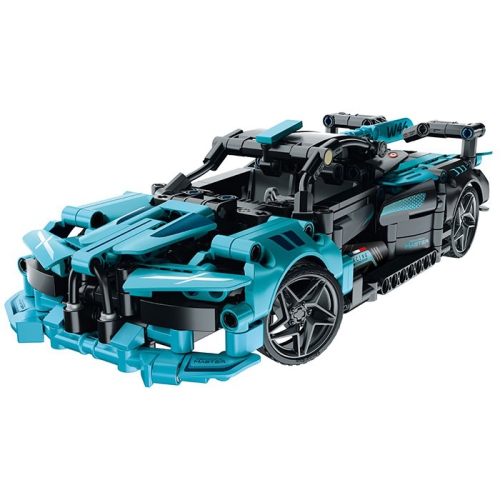
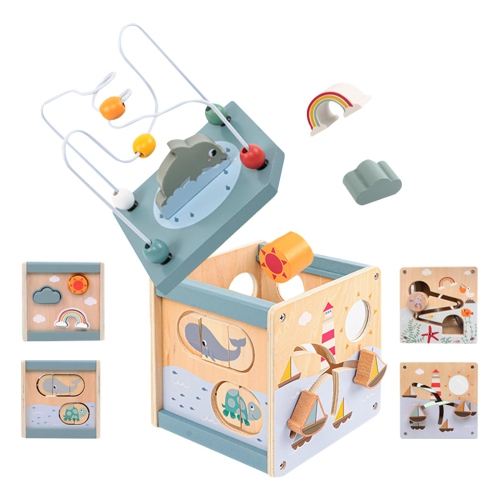

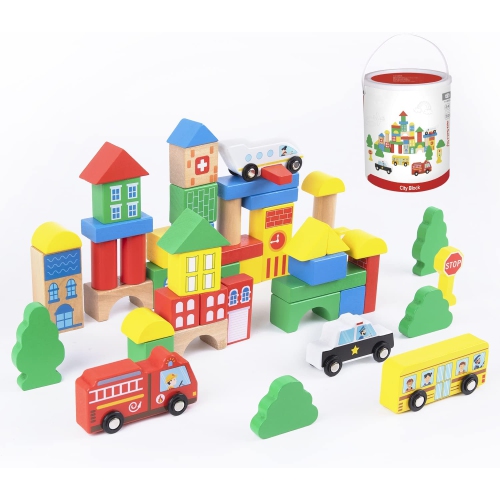
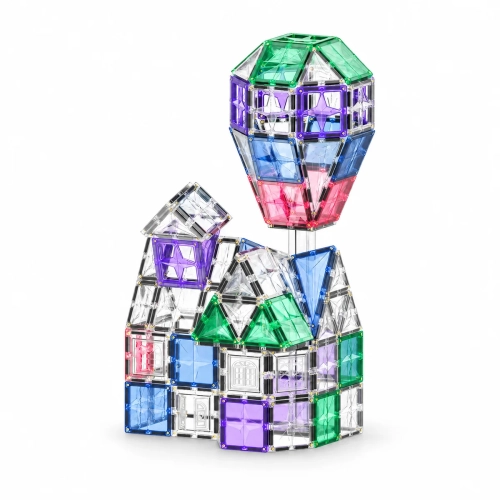
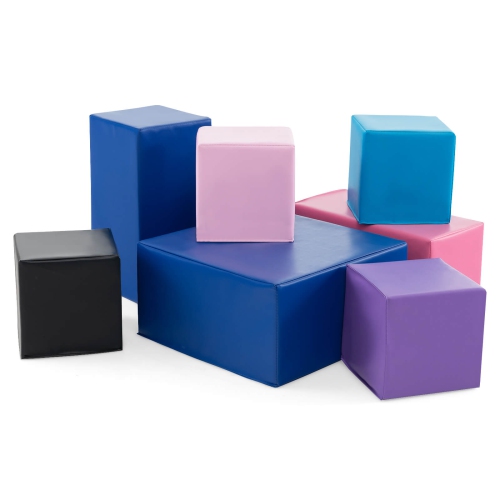

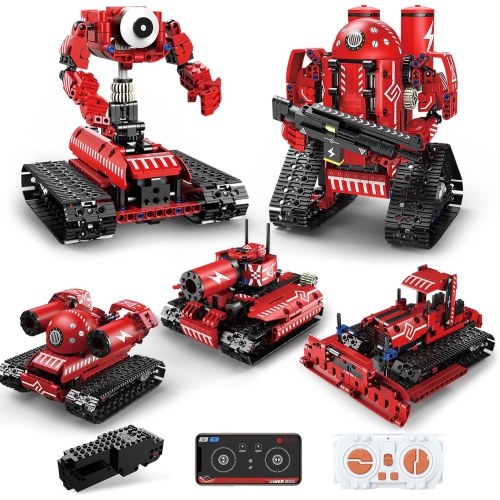
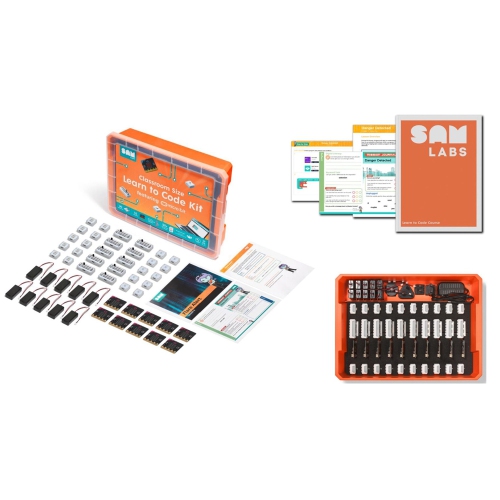

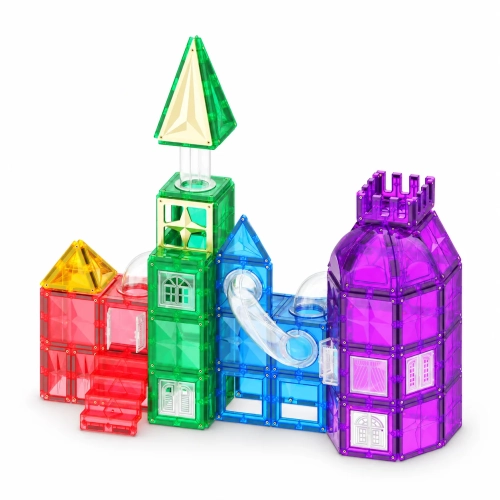
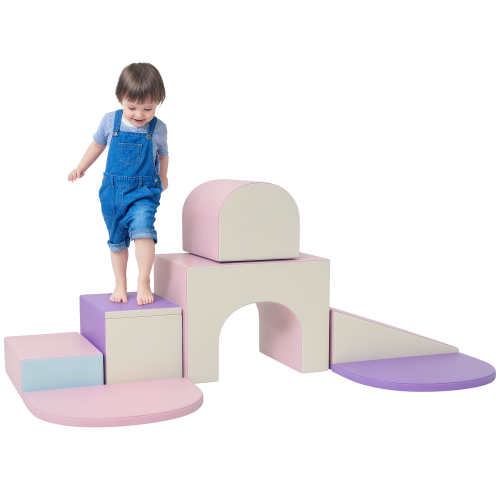
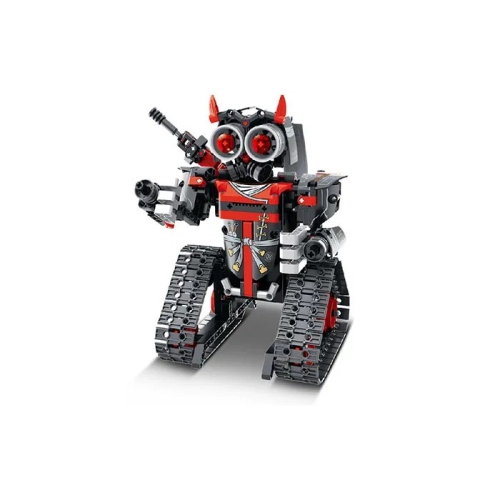
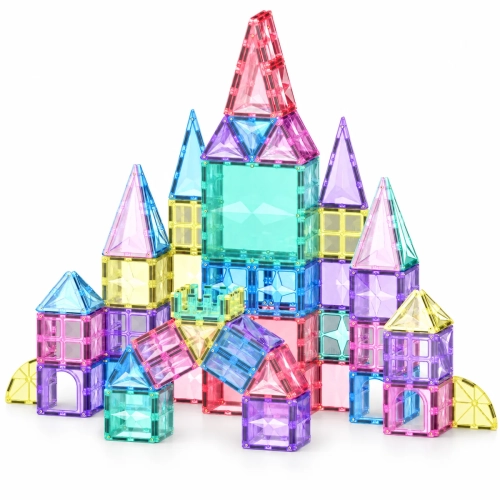
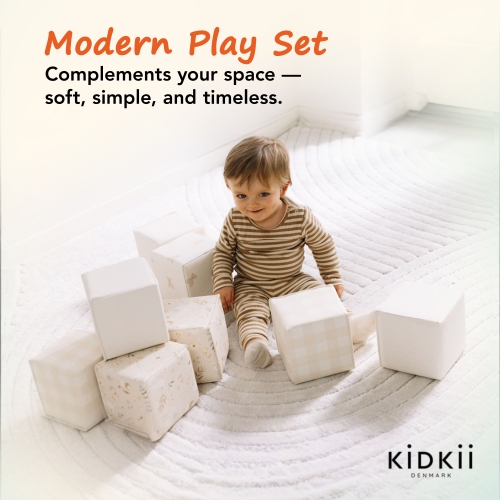
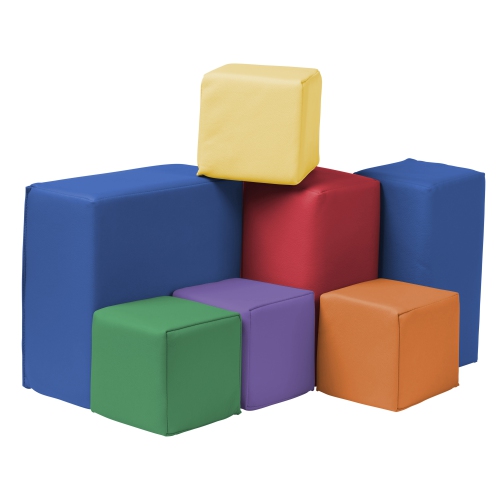
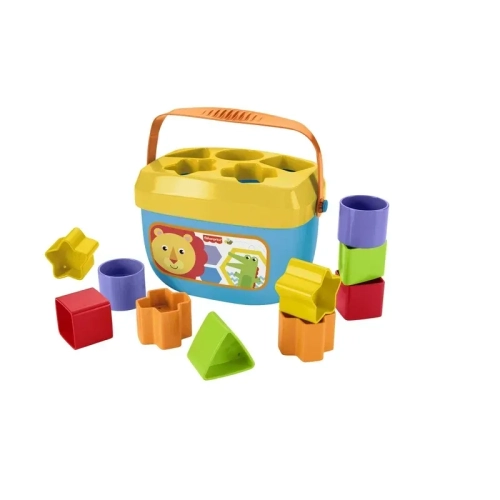
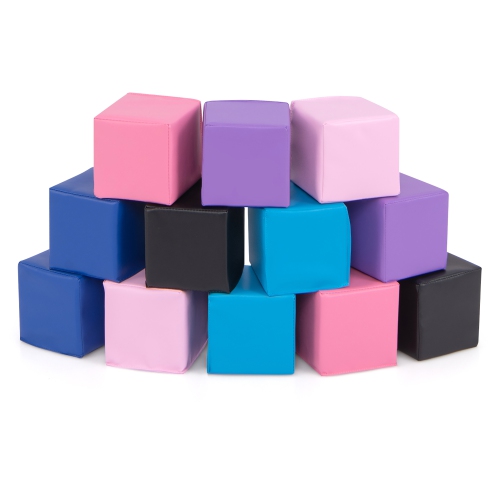
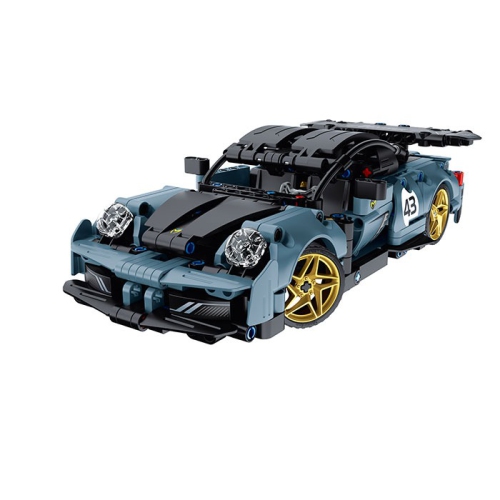

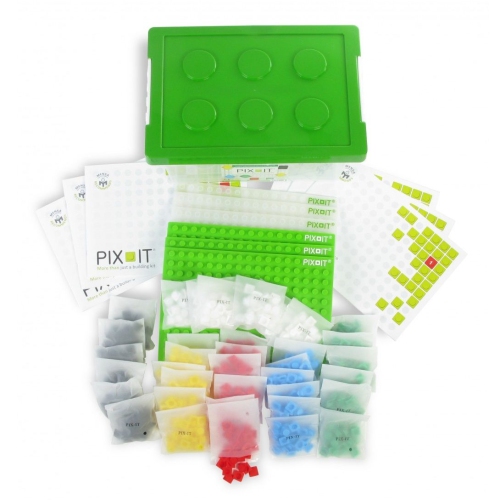
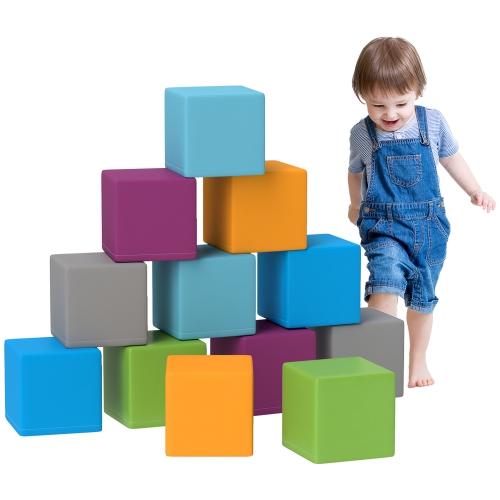
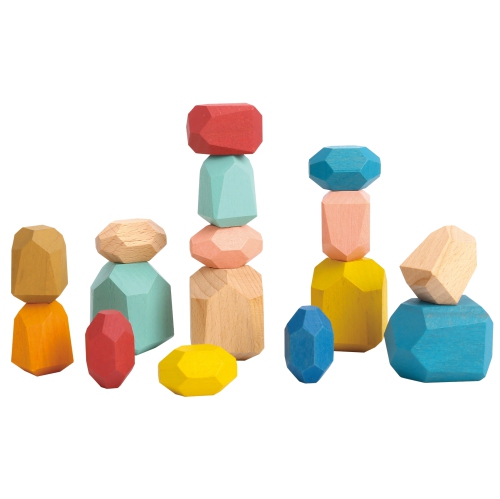
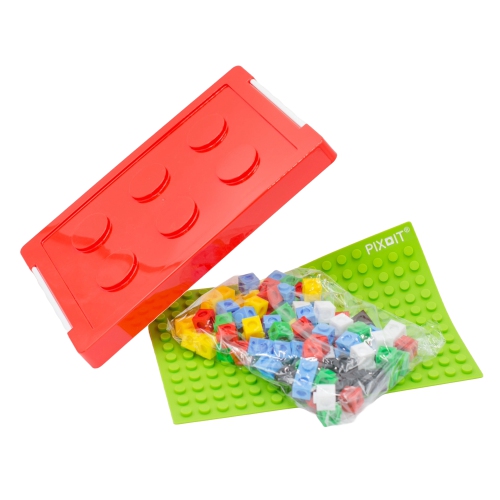

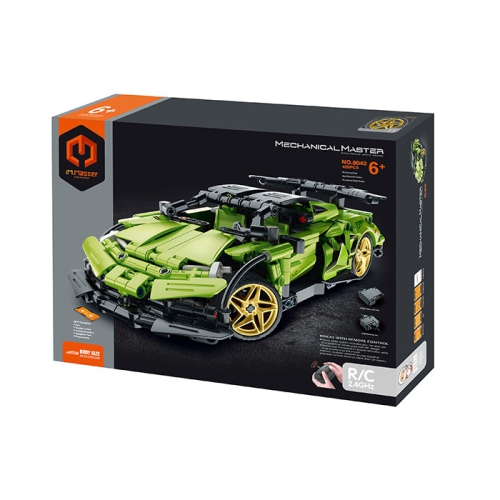
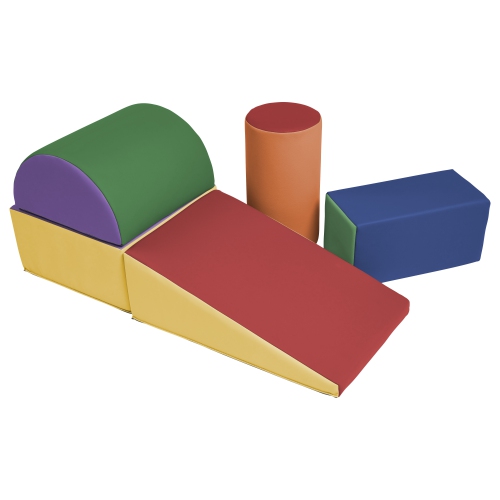
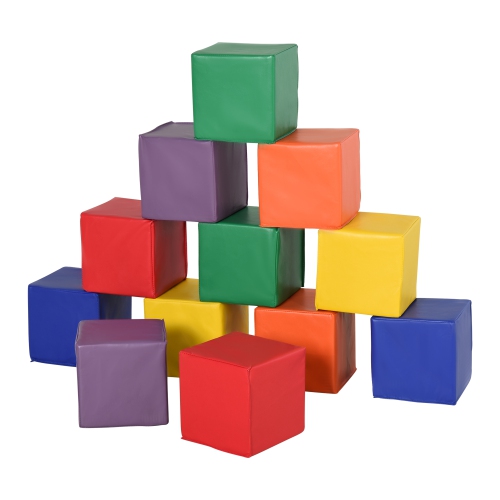
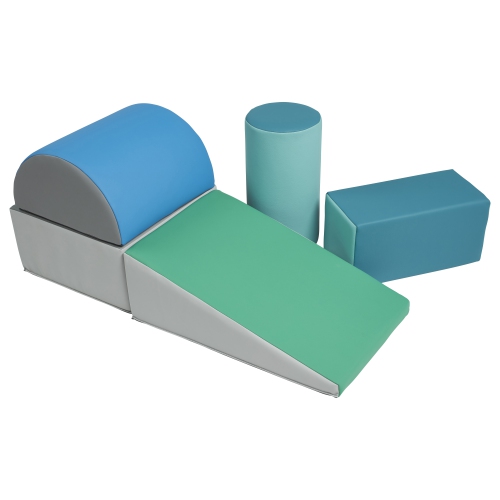
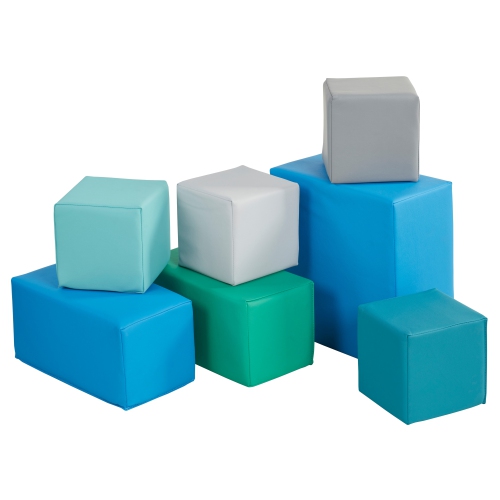
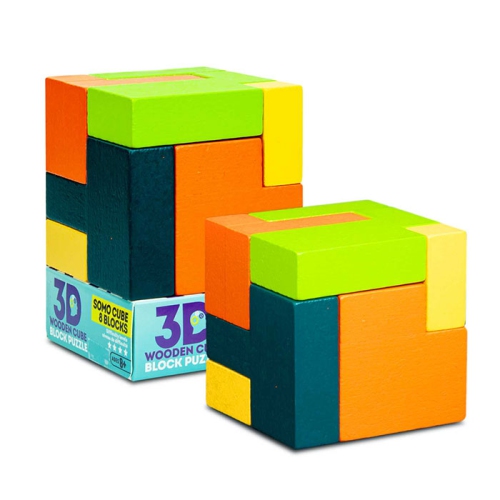

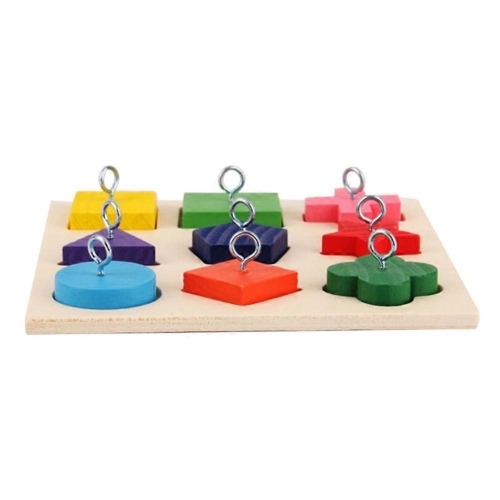
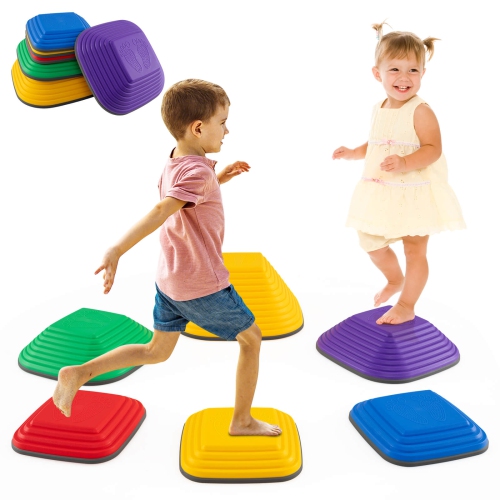
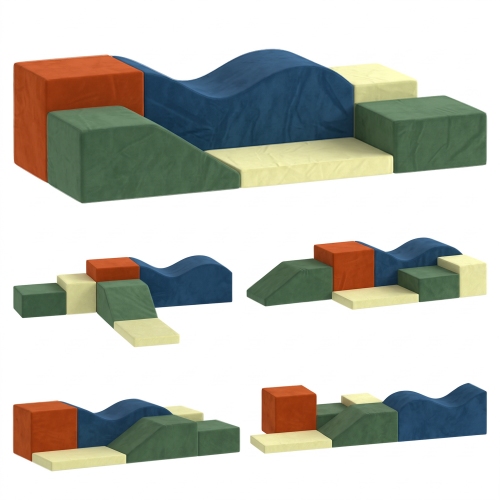

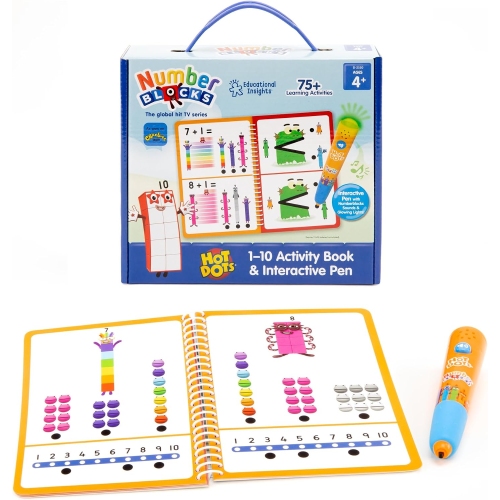
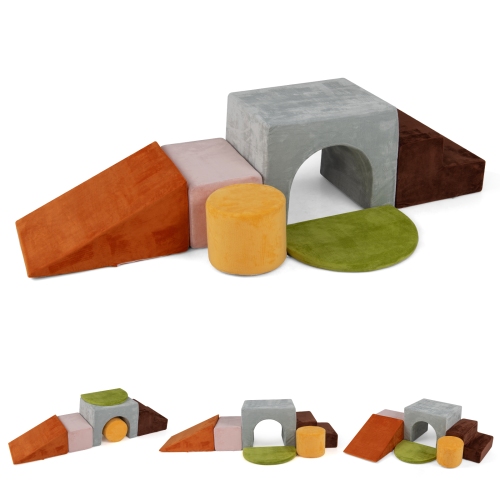
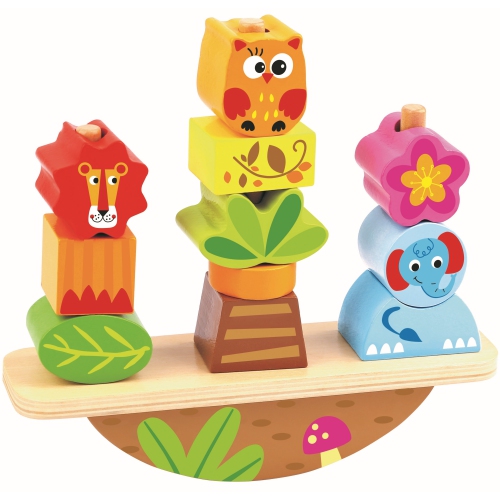
How stacking and rebuilding turn play into learning
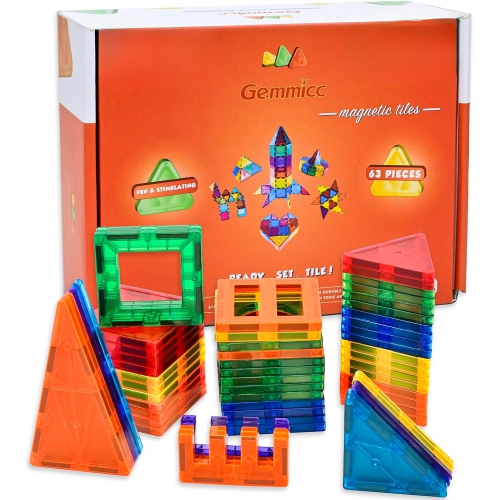
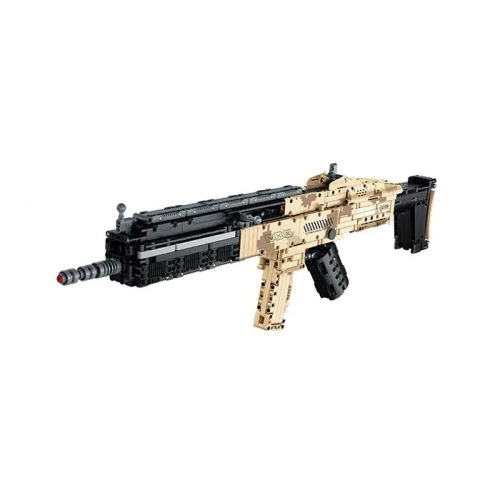
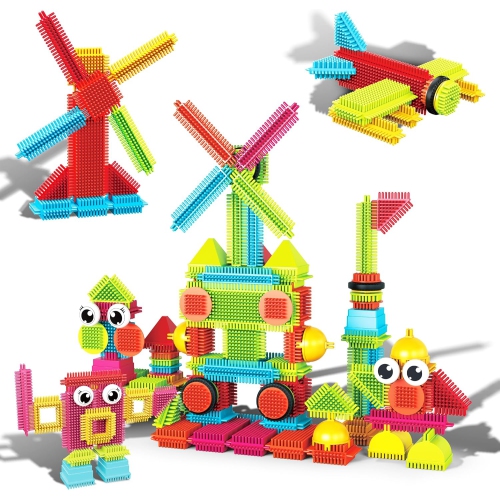
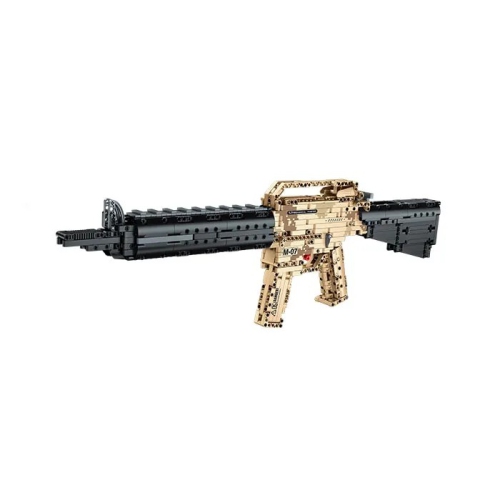
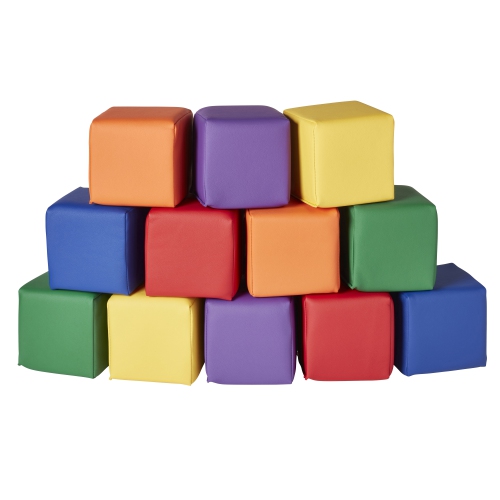
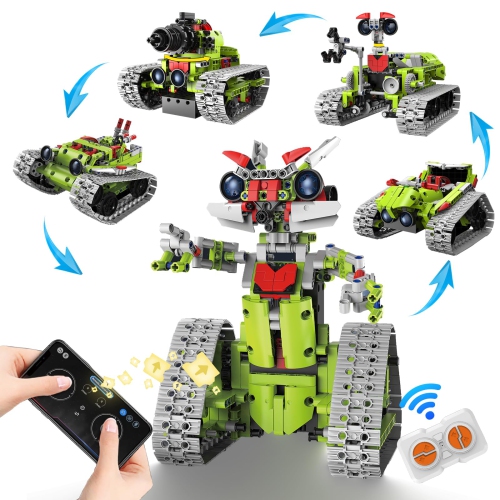
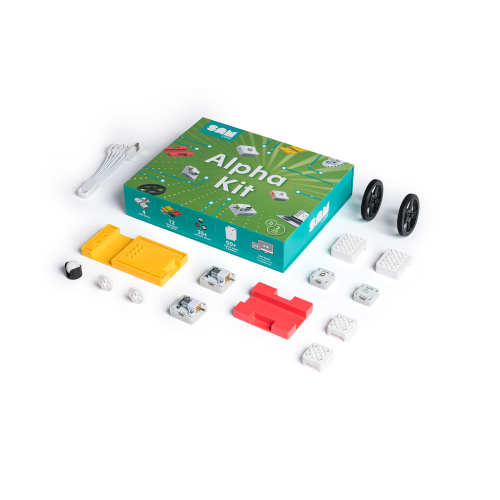
Educational blocks are hands-on learning toys that give children a way to explore shapes, colours, letters, numbers, and construction through play. Stacking, joining, sorting, and arranging pieces can support fine motor practice, spatial reasoning, and problem-solving, while leaving plenty of room for imagination. A row of rectangular blocks might become a road, a pair of upright pieces might support a bridge, and a carefully balanced tower can turn into an experiment with height and stability. These simple actions introduce ideas such as bigger and smaller, above and below, and more and fewer in a form children can touch and change. Alphabet blocks bring printed letters into everyday play, while number blocks can help connect a written symbol with a quantity. Counting three pieces before adding a fourth makes addition tangible, without requiring a worksheet or a formal lesson. Shape-based blocks also encourage children to notice how a cylinder rolls, how a flat surface supports another piece, and why a wide base often holds a taller structure. The learning comes as much from rebuilding a fallen tower as from completing it. Different block styles suit different stages of development: large, easy-to-grasp pieces offer straightforward stacking and handling, while more intricate connecting pieces call for greater finger control and planning. Age recommendations, piece dimensions, and the way blocks fit together are important considerations, particularly for children who still put toys in their mouths. A child who enjoys arranging objects by colour may use the same blocks quite differently from one who prefers building garages or inventing stories. Open-ended designs accommodate both approaches. There does not need to be a single finished result for the play to have value. Even a small arrangement of blocks can invite conversation about what a child has made, how the pieces were chosen, and what might happen if one more piece is added.
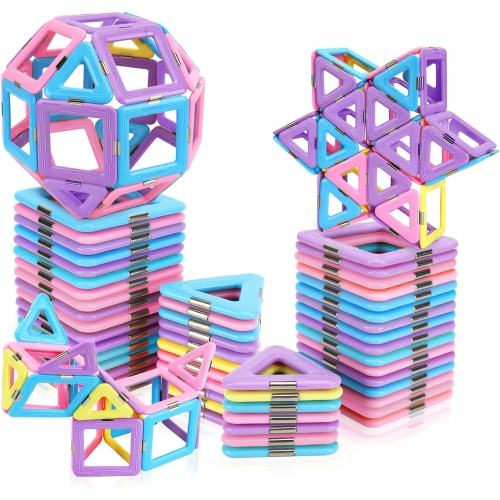
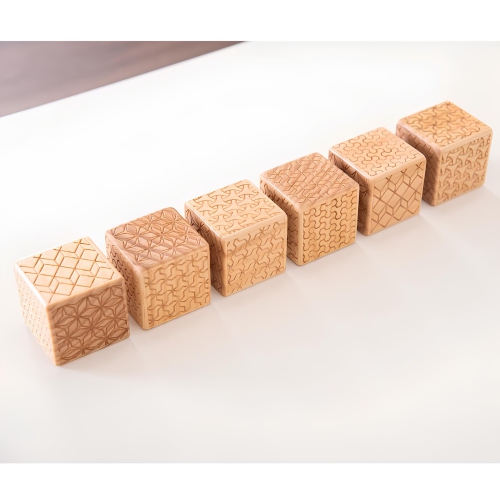
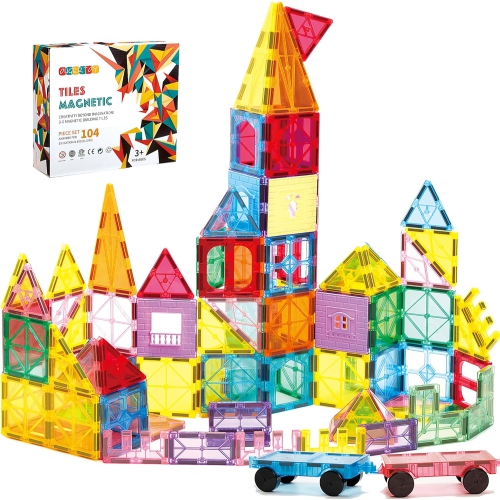
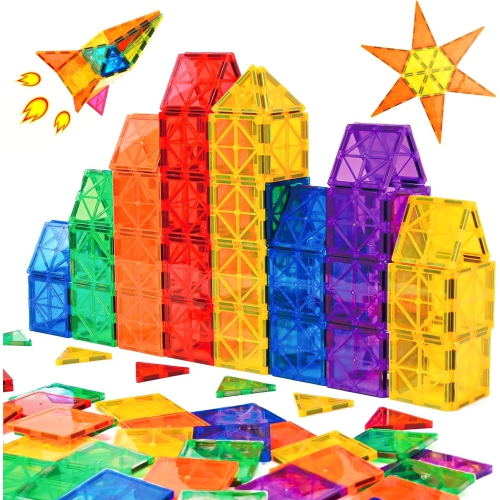
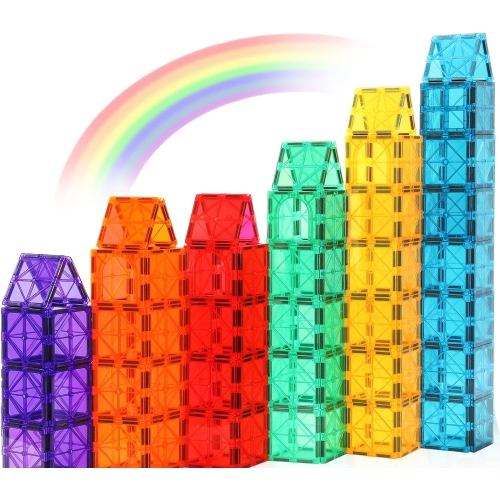
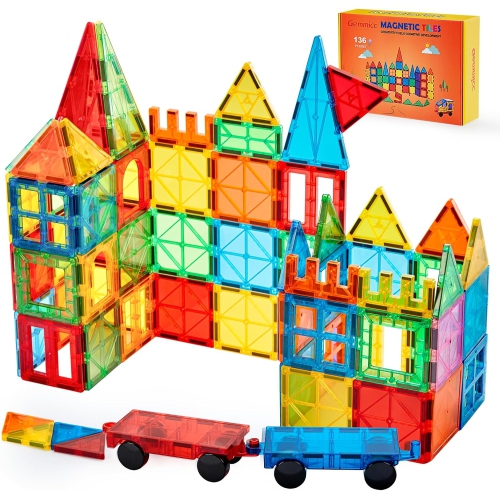
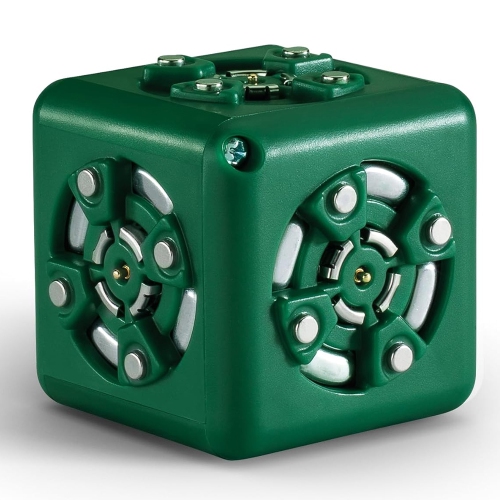
Materials and construction influence how educational blocks feel in the hand, how they behave during building, and how they hold up to repeated use. Wooden blocks often have a satisfying weight and firm edges that make balance easy to observe. Smooth surfaces, well-finished corners, and an intact finish matter more than appearance alone, especially when pieces are handled frequently. Plastic blocks can offer a lighter feel, bright colours, and connecting features that keep a structure together while it is moved. Their usefulness depends partly on fit: connections that are too tight can frustrate a child with developing hand strength, while loose connections may make a carefully built model difficult to carry. Foam blocks provide a softer, lighter option for larger constructions, though they still need inspection for torn surfaces or detached pieces. Magnetic blocks use attraction to help pieces connect, opening up possibilities for flat patterns and three-dimensional forms. They require particular attention to the manufacturer’s age guidance and the condition of the casing; any piece with a loose or exposed magnet should be taken out of use immediately. Small parts are unsuitable for children under three, and older children’s building materials should be kept separate from younger siblings’ play areas. Durability also involves how well printed letters, numbers, and colours remain visible, whether edges stay smooth, and whether pieces retain their intended shape. Care should follow the manufacturer’s directions rather than a single cleaning method for every material. Wooden pieces generally need a lightly damp cloth and prompt drying rather than soaking. Some plastic pieces can be washed, but suitability depends on their construction, particularly if they contain magnets, labels, or enclosed spaces that could trap water. Blocks should be fully dry before storage. Keeping pieces in a manageable container helps prevent damage and makes it easier to notice missing parts, cracked surfaces, or worn connections before the next play session.
Educational blocks can find a place in a family playroom, a preschool activity area, a childcare setting, or a shared learning space where children have different interests and abilities. A clear patch of floor or a stable tabletop gives building projects a useful foundation, and enough space around the structure lets children move without knocking it over accidentally. For independent play, a modest selection of pieces can make it easier to begin than a large pile with every shape mixed together. In group play, having enough basic shapes for several builders supports shared projects, whether children are making neighbouring houses or working together on one long bridge. These situations create natural opportunities to describe an idea, request a piece, take turns, and adjust a plan when someone else contributes. Adults can participate by naming a shape or describing an action without turning every construction into a test. Saying that a tower has a wide bottom and a narrow top draws attention to its structure while leaving the child in charge of what happens next. Clear markings, distinct shapes, comfortable grip sizes, and connections that match a child’s hand strength can also make block play more approachable. For gifts, the recipient’s age, interests, existing toys, and available play space are useful starting points. A child fascinated by letters may enjoy incorporating them into buildings, while one who likes vehicles may spend more time creating tunnels, roads, and parking spaces. Blocks can sit alongside books, pretend-play figures, and Educational Puzzles as part of a varied collection of hands-on activities. Storage is part of everyday usability, too: a container children can reach and carry safely makes setting up and tidying away more manageable. Sorting pieces by shape during cleanup can extend the play without adding another task. The most useful educational blocks offer an appropriate level of challenge, feel comfortable to handle, and give children enough flexibility to return with a different idea each time.
Top selling and popular products
-
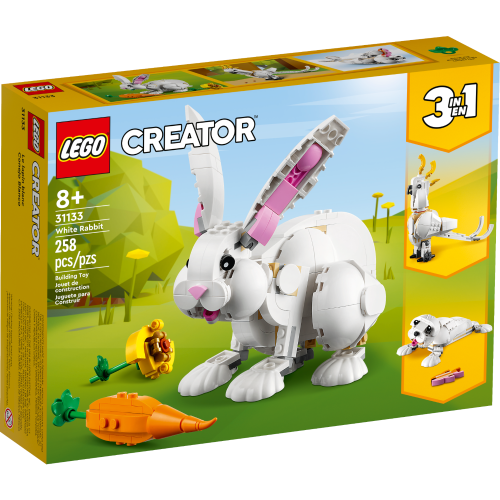 Your price for this item is $38.53
-
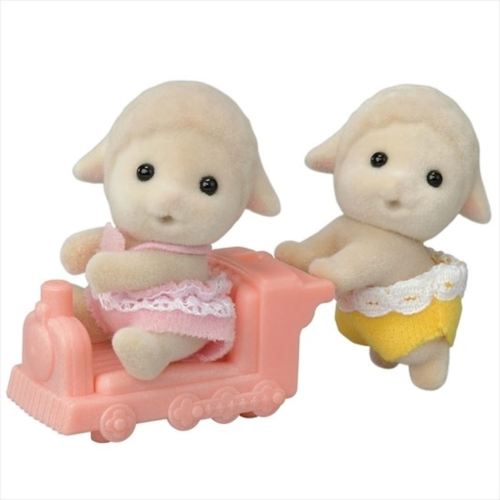 Your price for this item is $93.99
-
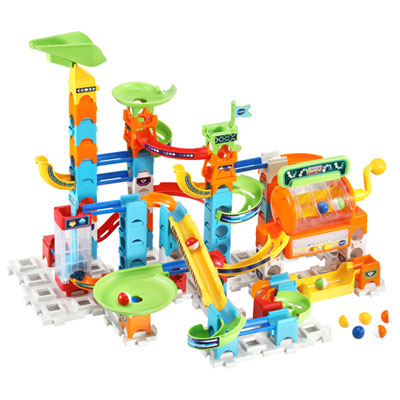 Your price for this item is $59.99
-
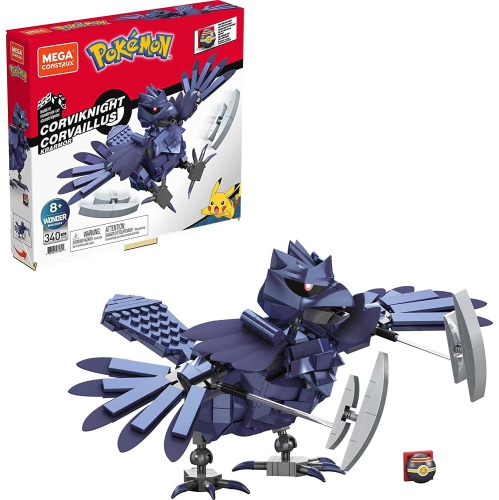 Your price for this item is $51
-
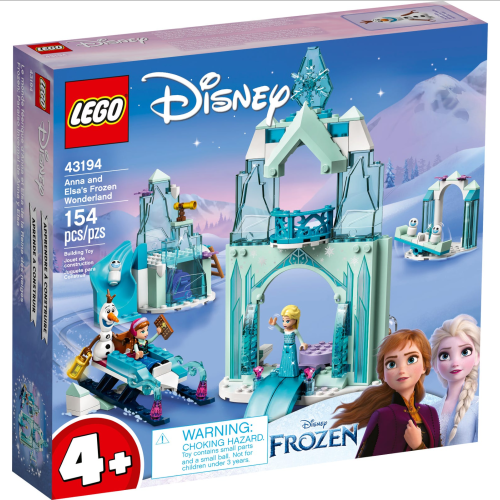 Your price for this item is $108.48
-
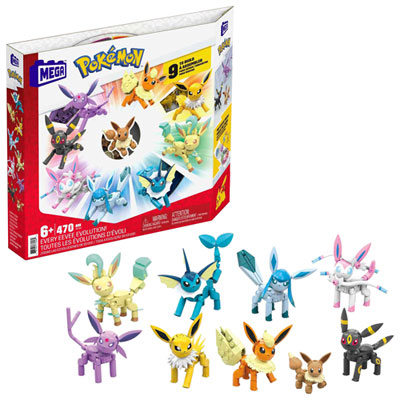 Your price for this item is $82.99
-
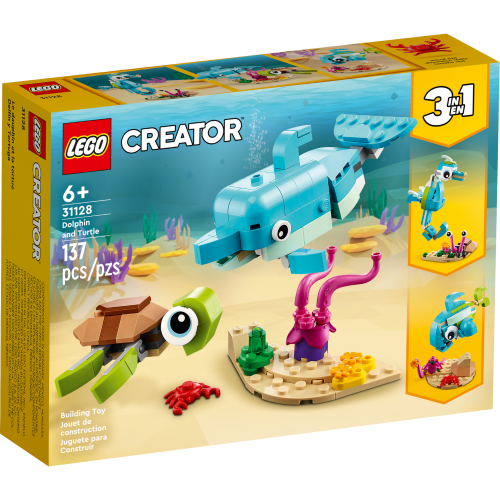 Your price for this item is $55.78
-
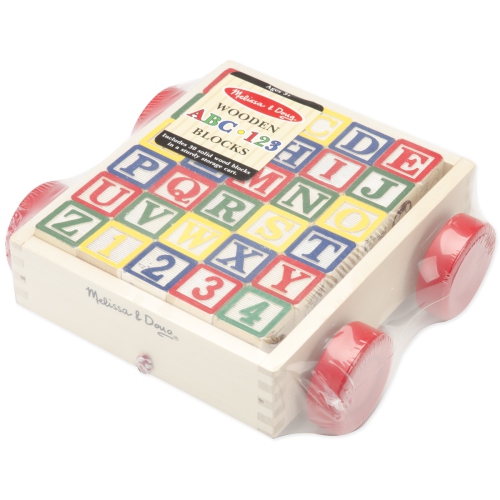 Your price for this item is $38.99
Discover more categories related to Educational Blocks
Top Collections:
Pokemon Centers, Best Cameras for Sports Photography, Kindle Devices, Samsung Galaxy Phones, Canon G7X Cameras, Pokémon 30th Celebration Cards, Refurbished Apple Laptops, iPhone 15 Apple, Laptops for Students, Budget Smartphones
Some products may be subject to Environmental Handling Fees
(EHF) depending on your province.
Learn more about EHFs.