Educational Puzzles
Looking to engage your little one's mind while having fun? Look no further than our collection of educational puzzles. These brain-teasing games are designed to stimulate your child's cognitive skills, problem-solving abilities, and hand-eye coordination. Whether they're just starting out or already a puzzle pro, our wide range of options has something for every age and skill level. They'll love the challenge of putting together intricate pieces to create a beautiful picture or solve a tricky riddle.
Sort
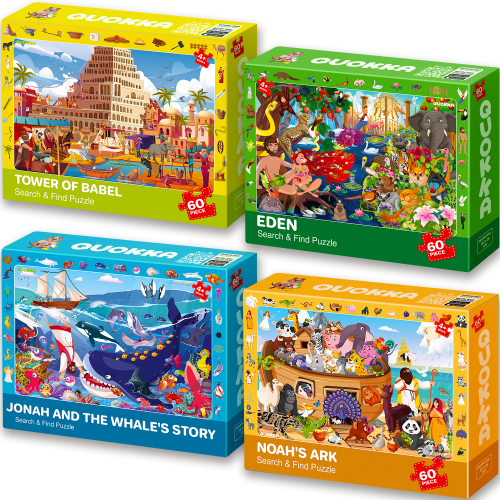
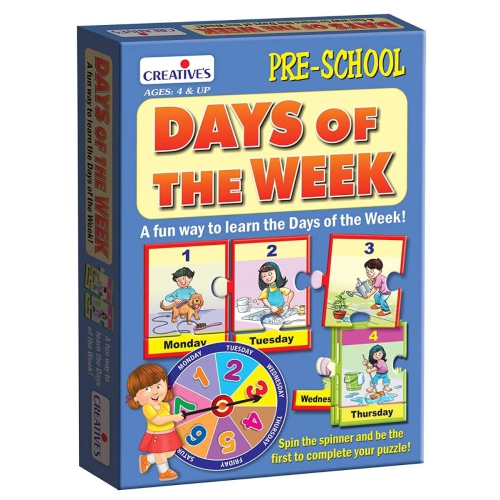
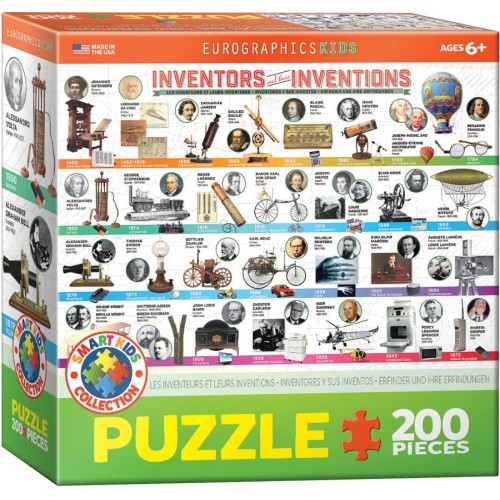
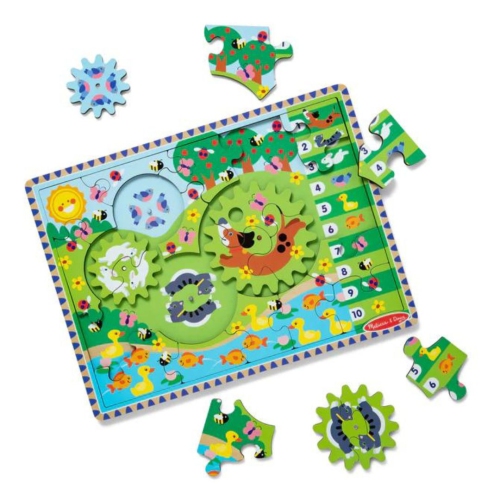
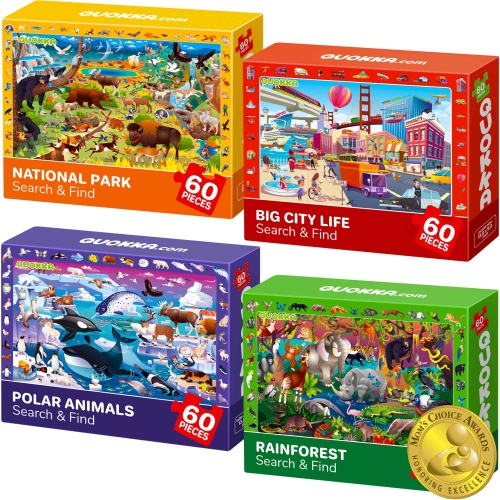
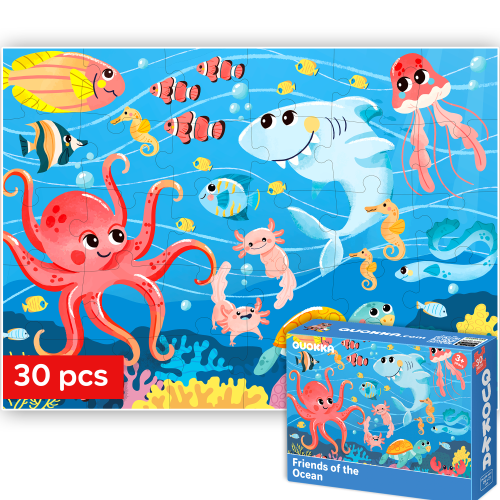
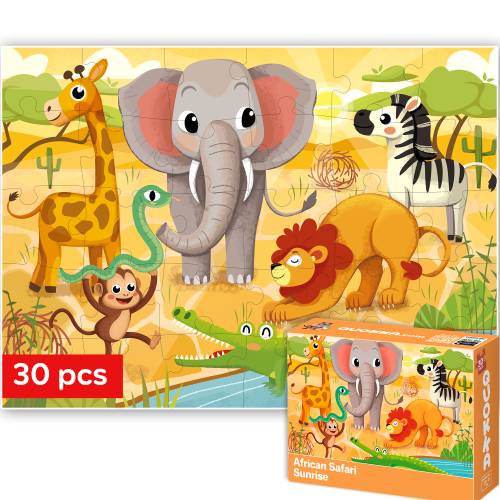
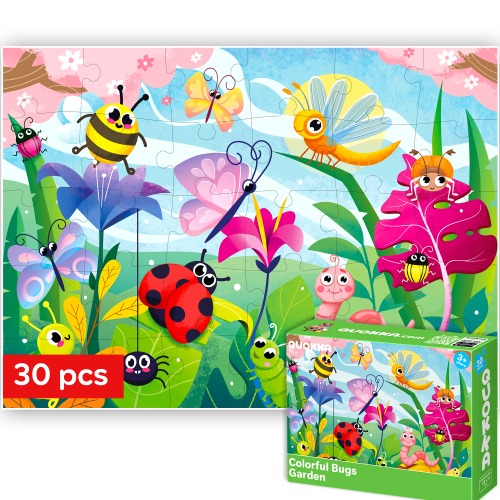
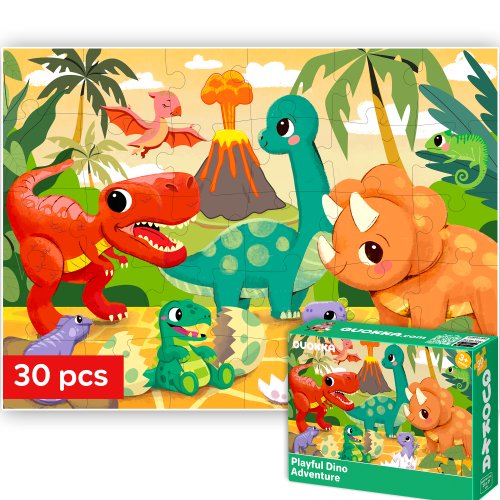
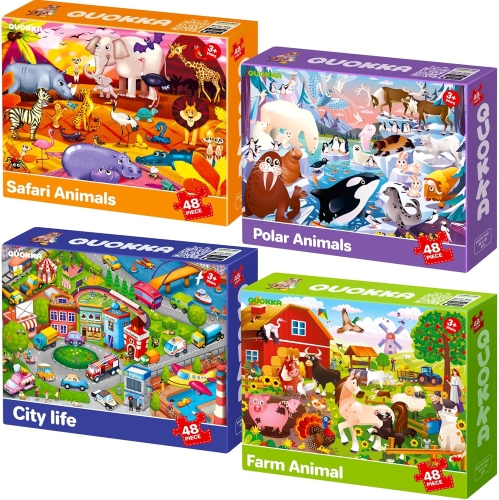
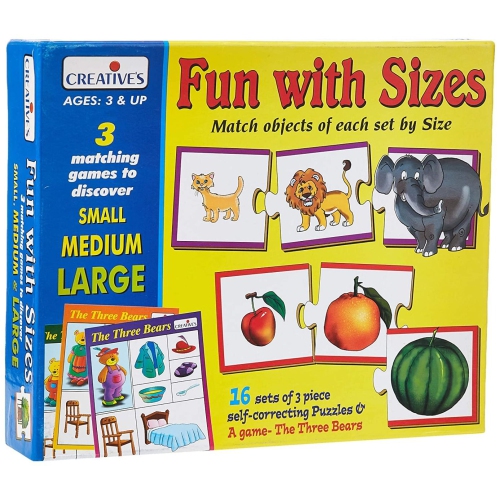
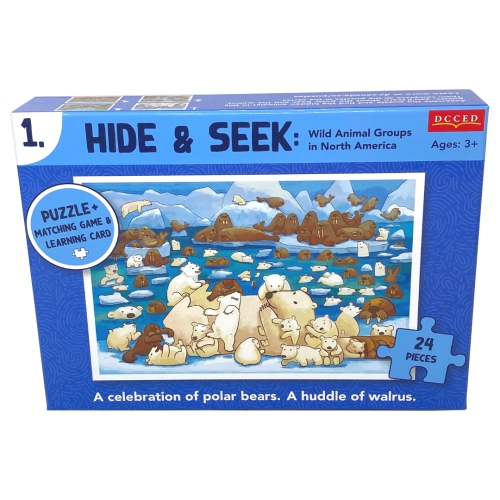
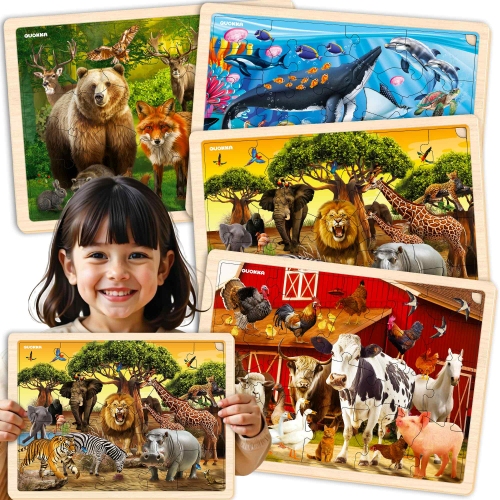
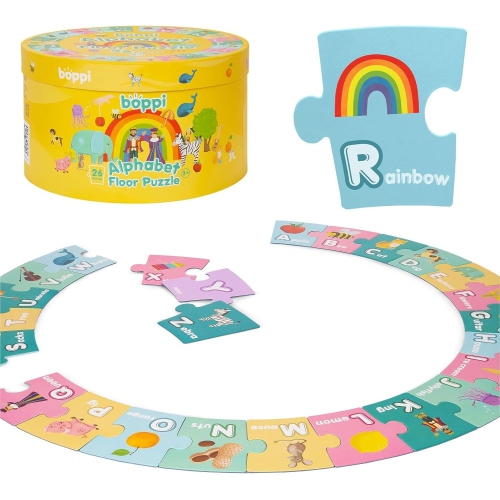
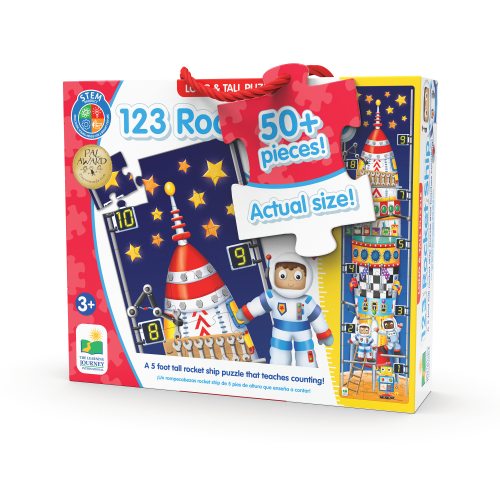
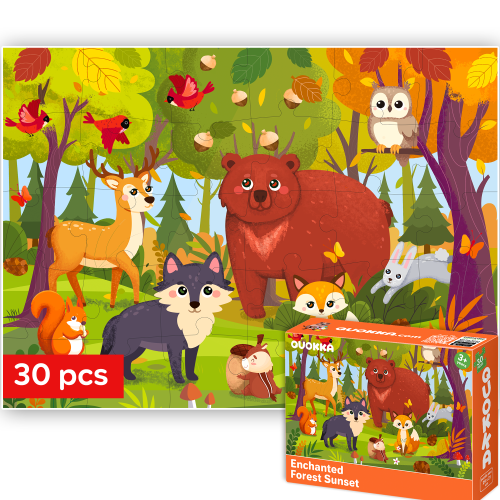
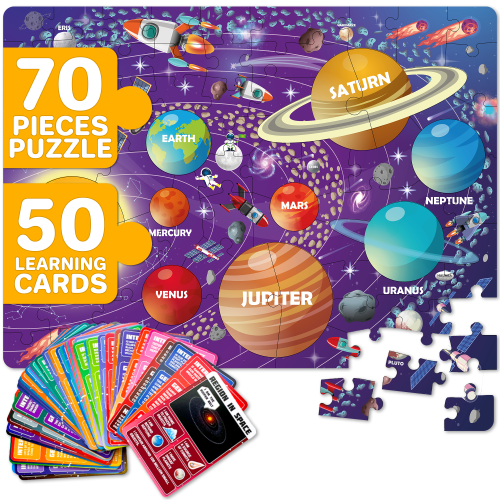
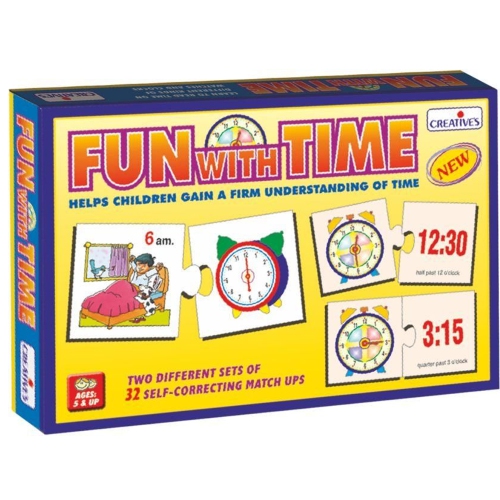
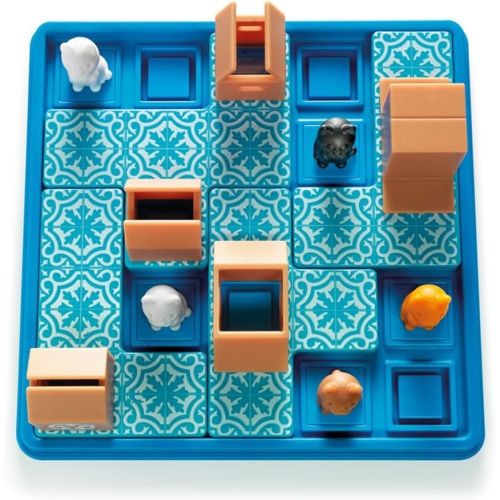
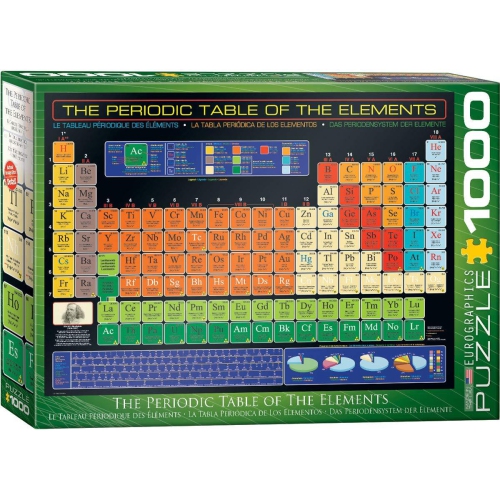
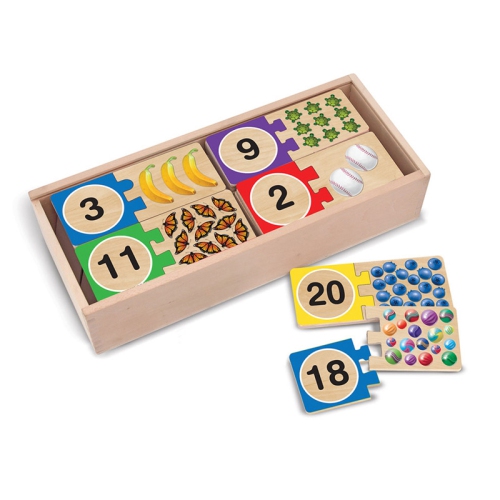
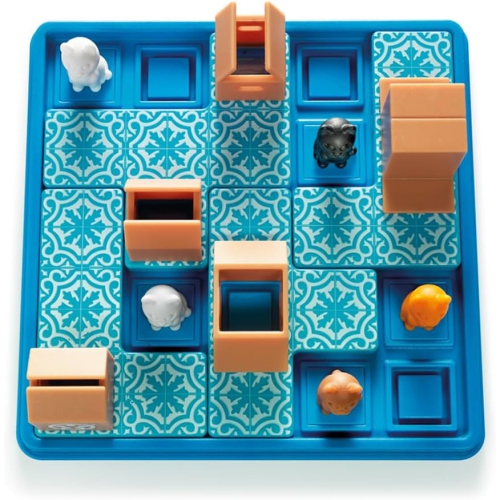
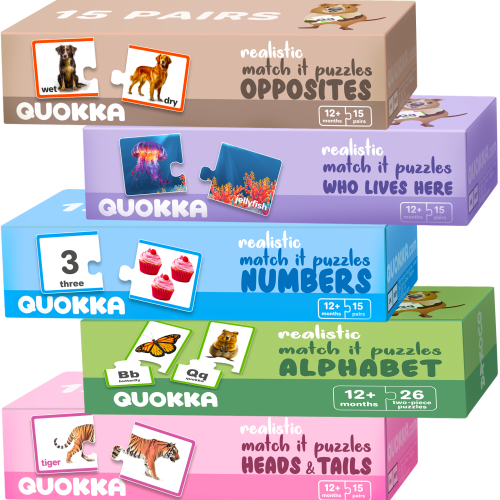
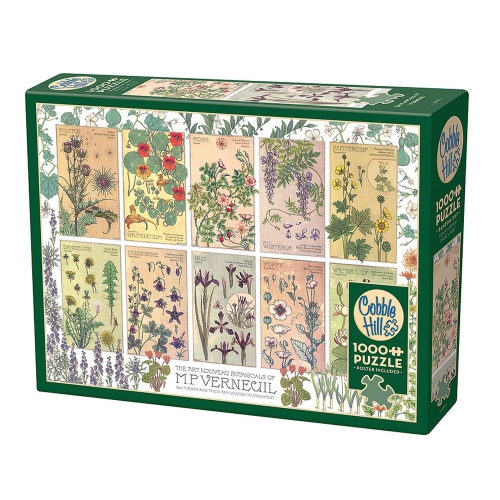
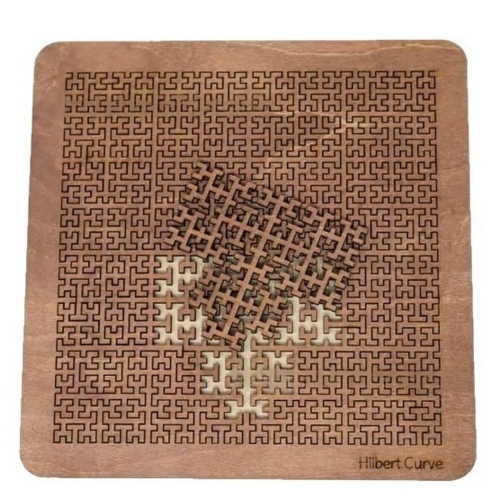
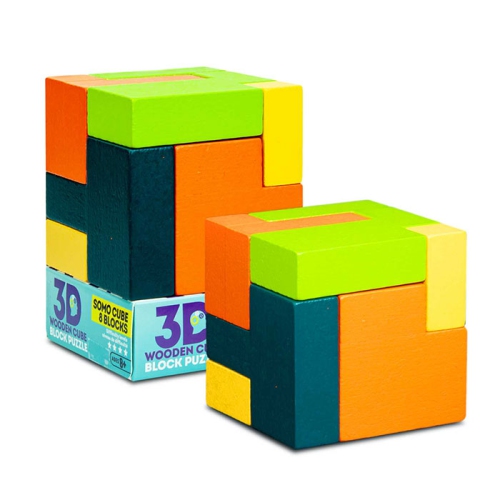
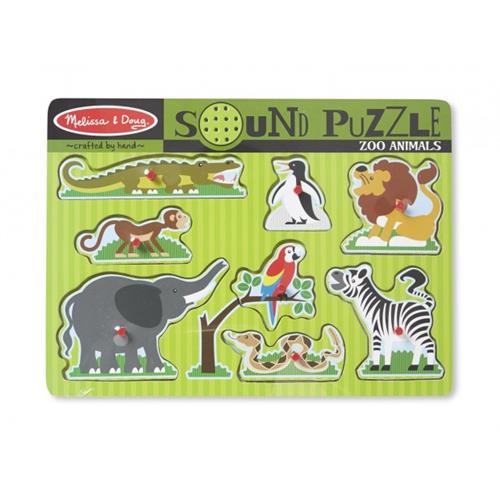
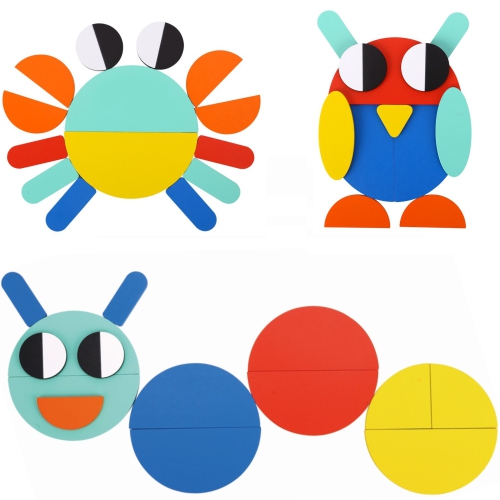
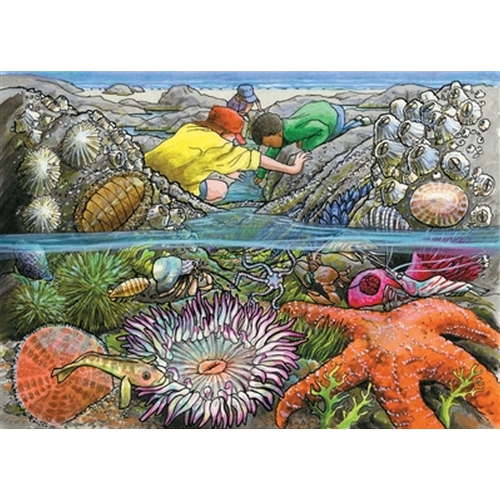
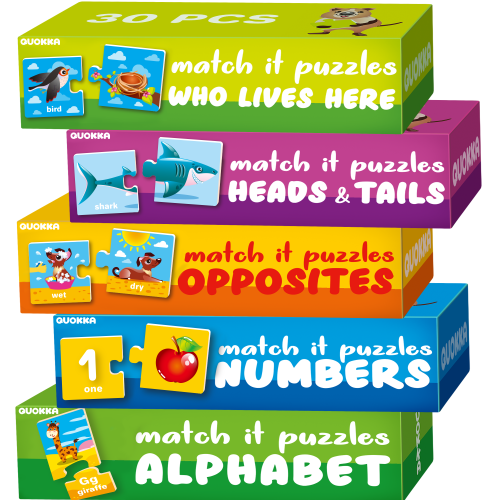
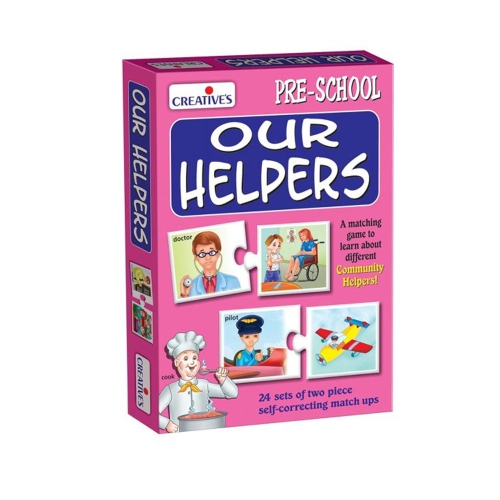
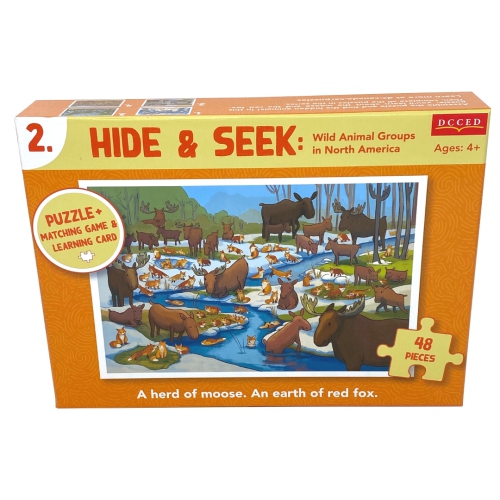
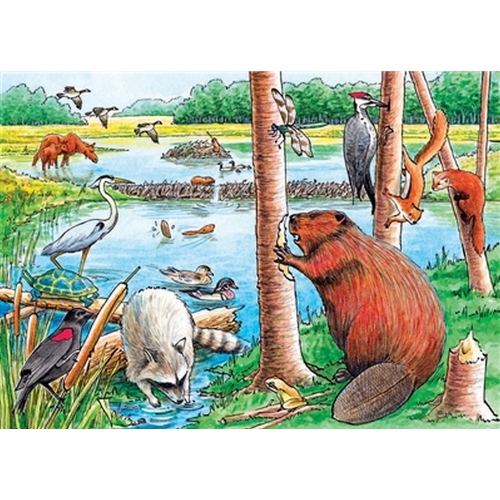
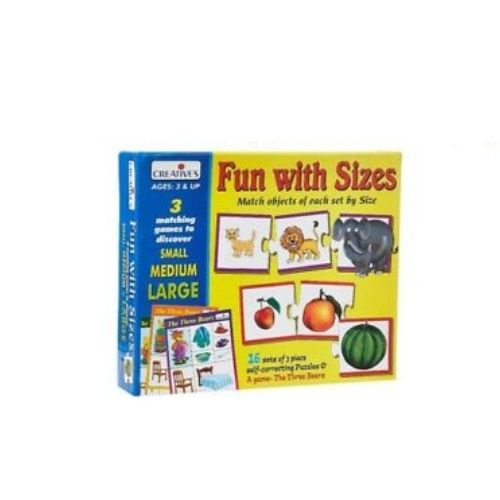
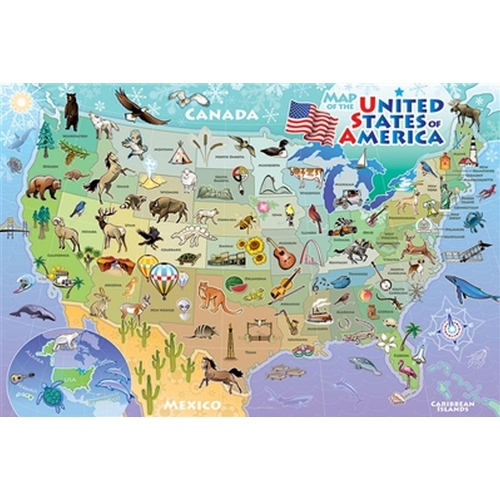
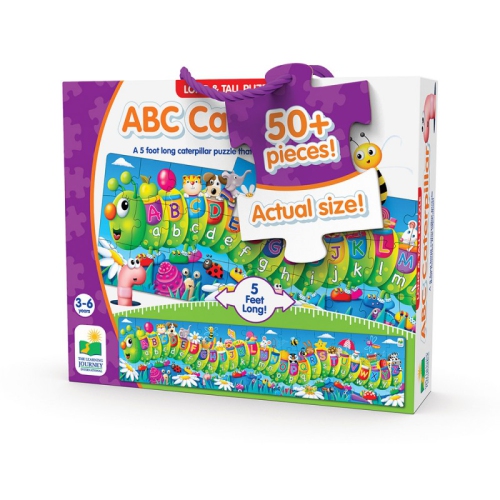
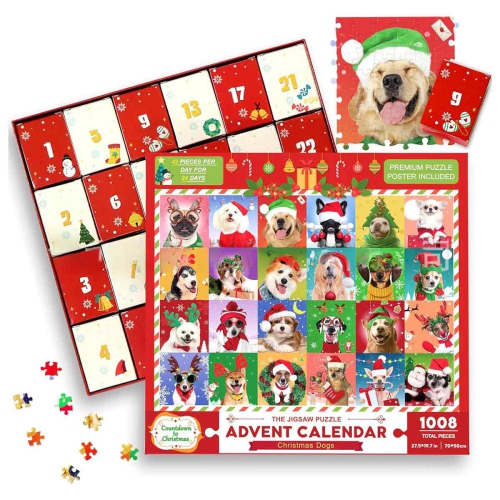
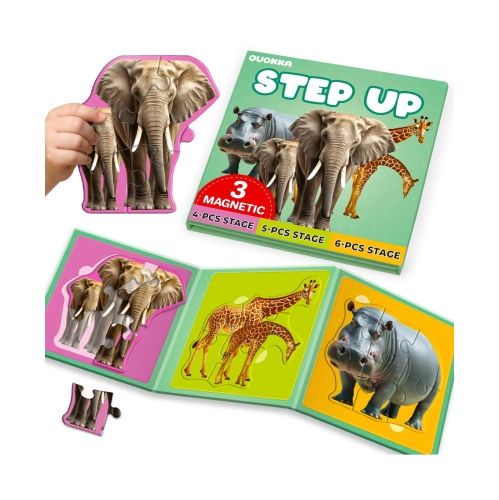
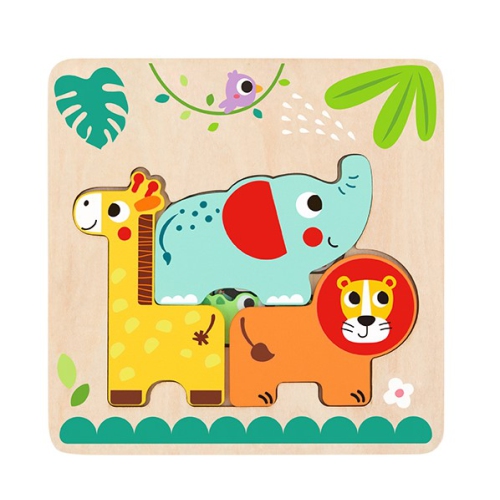
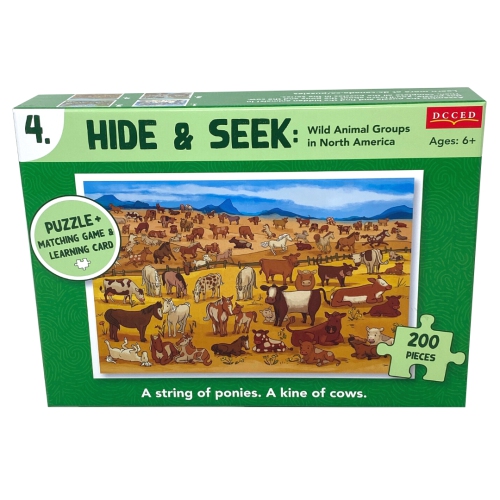
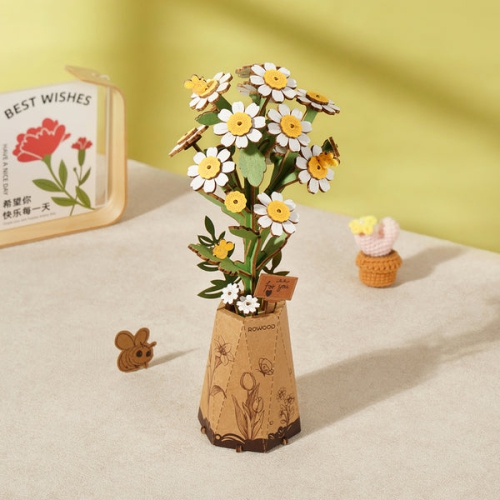
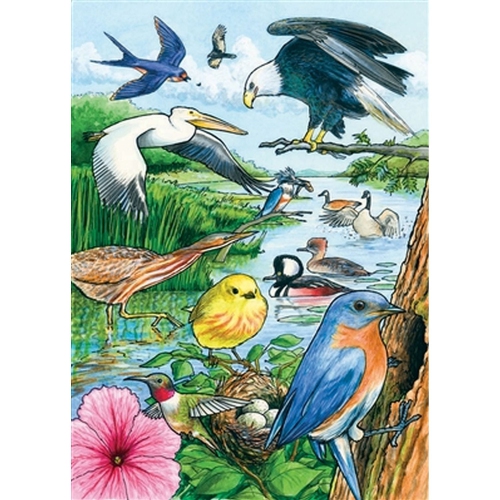
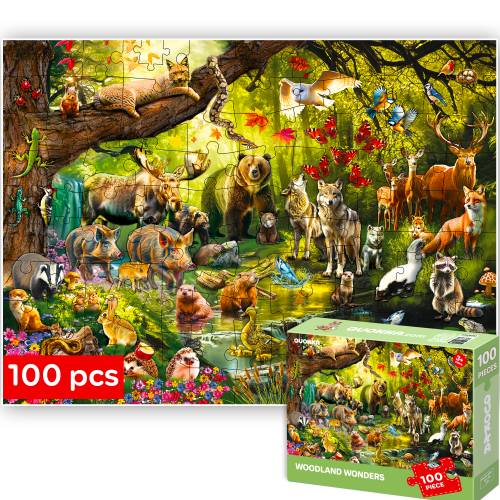
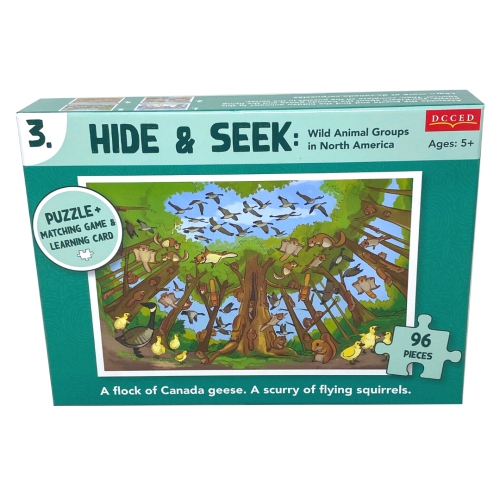
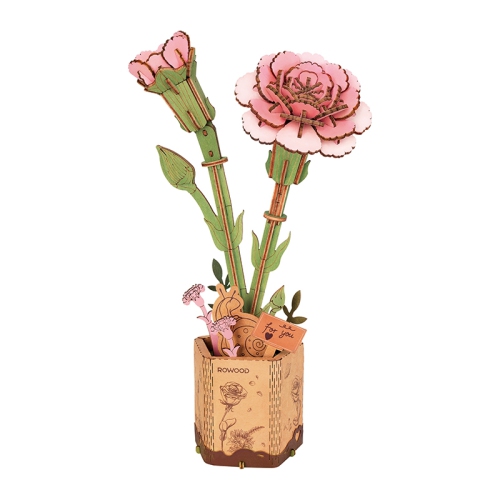
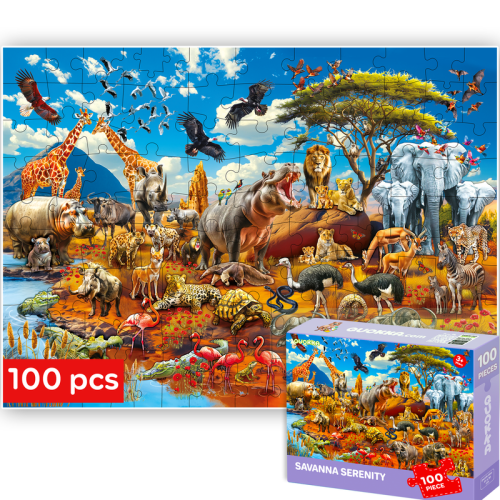
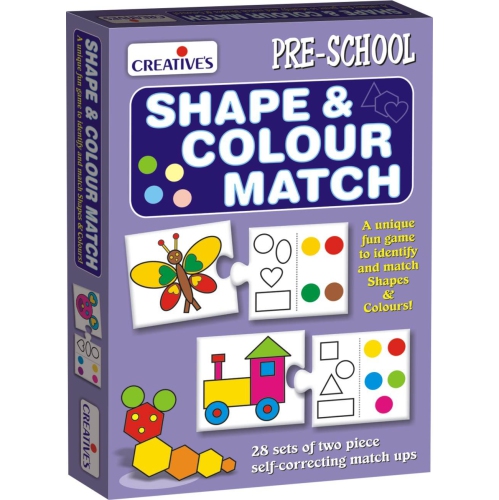
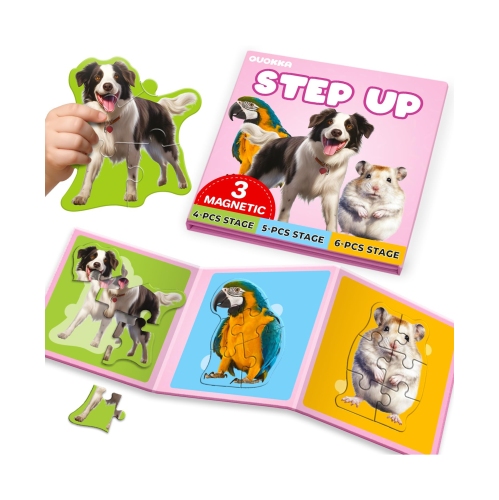
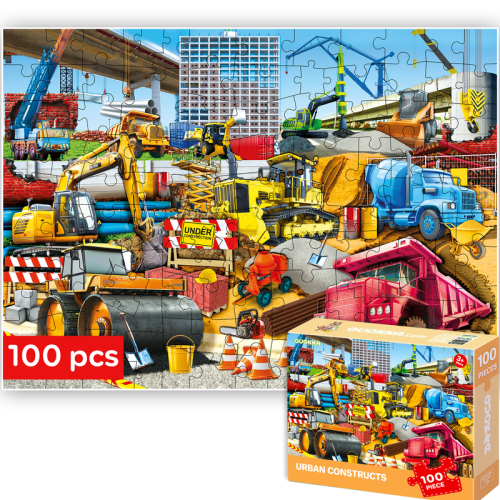
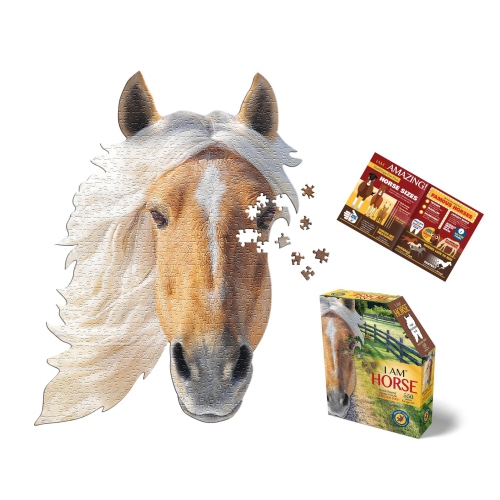
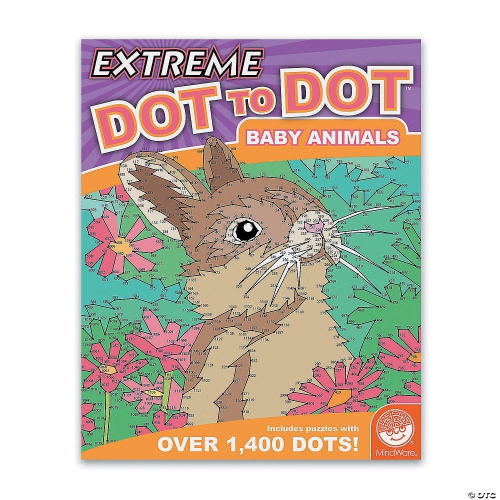
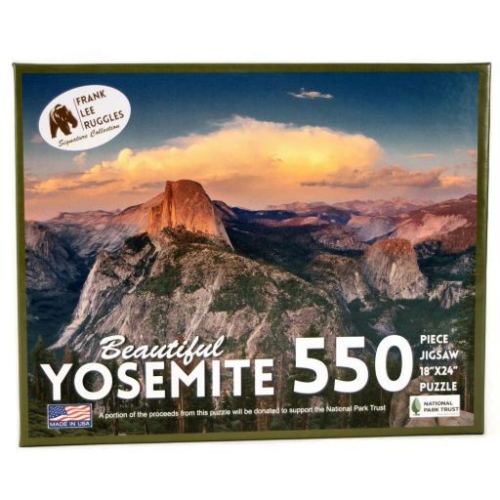
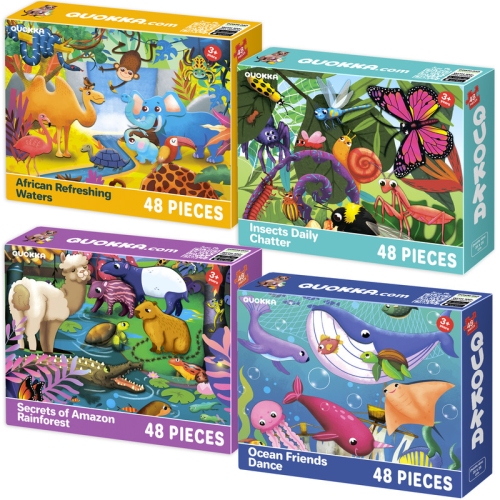
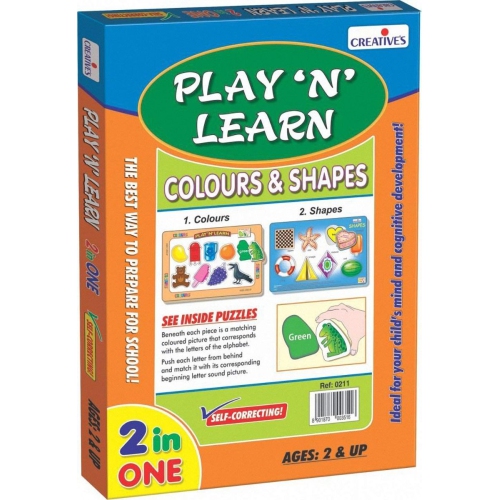
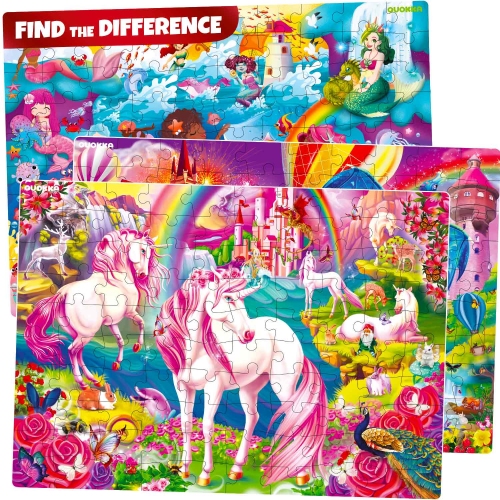
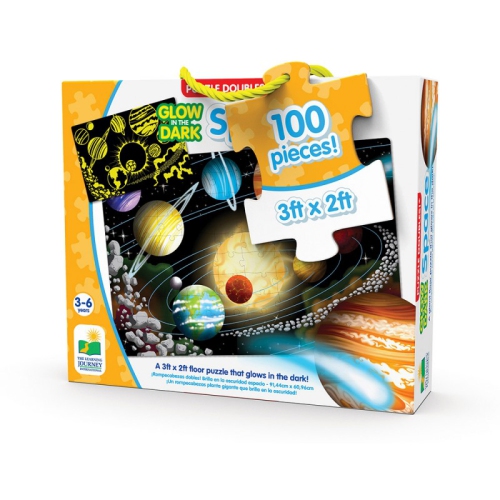
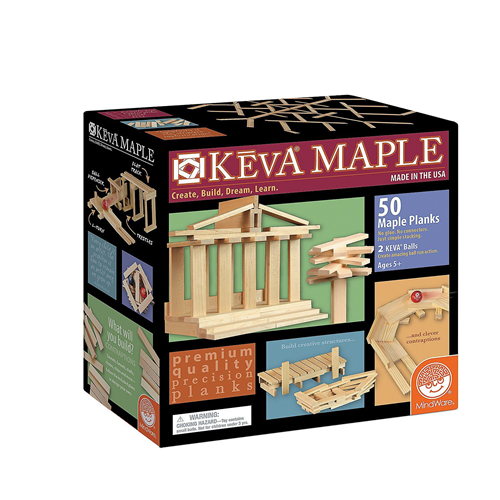
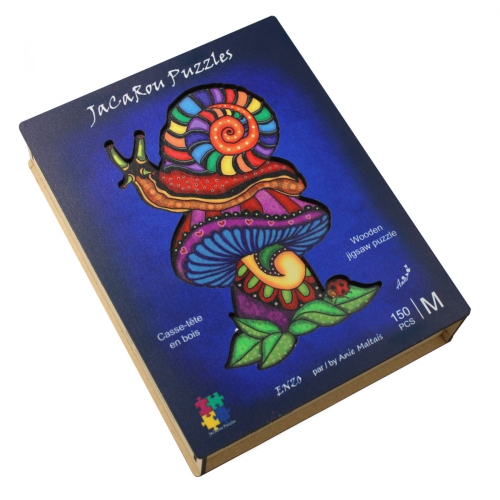
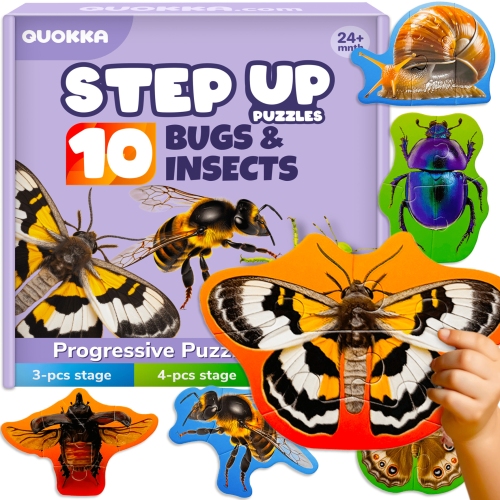
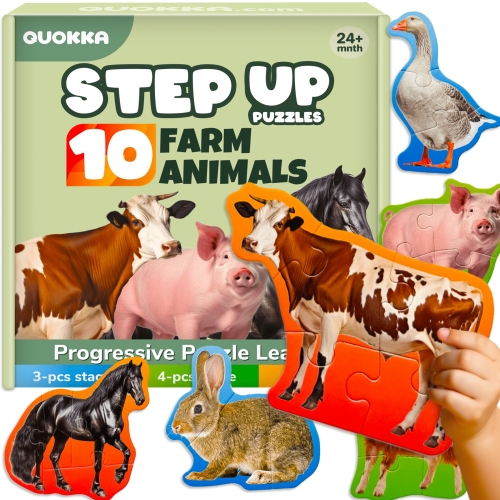
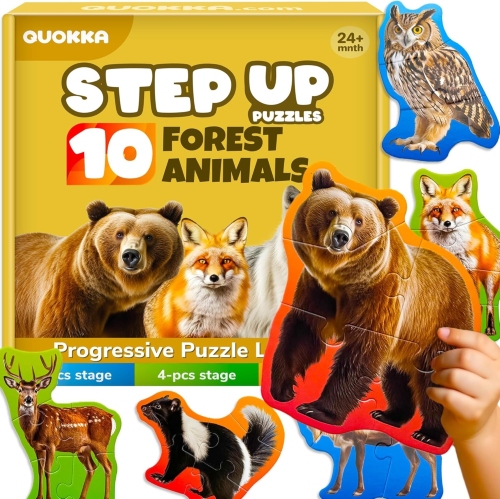
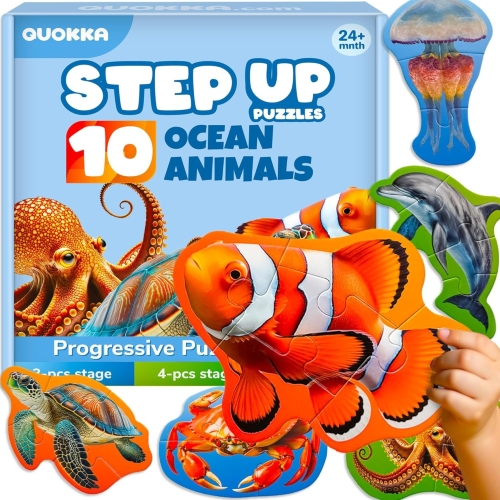
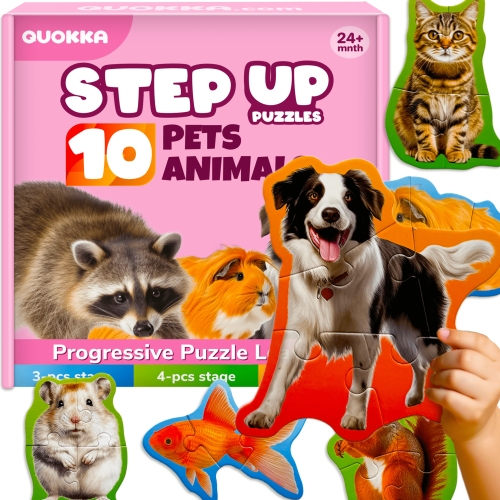
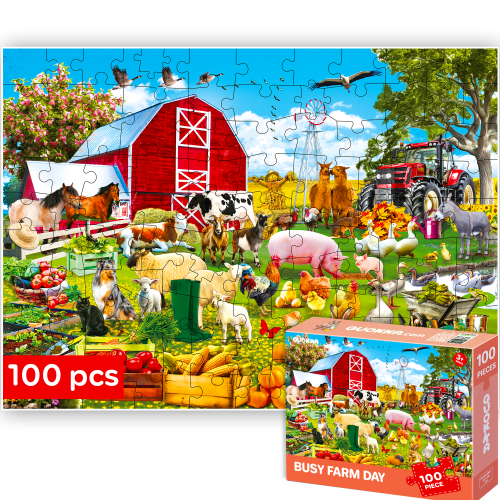
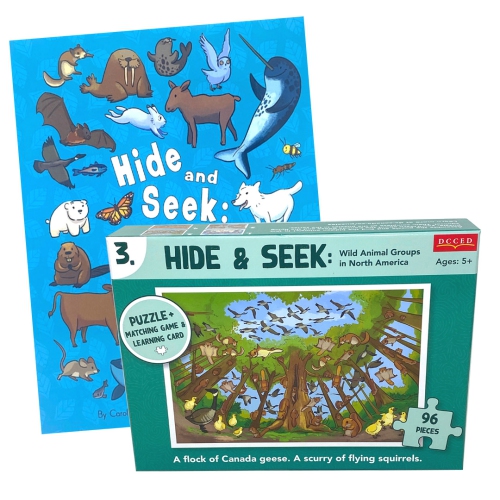
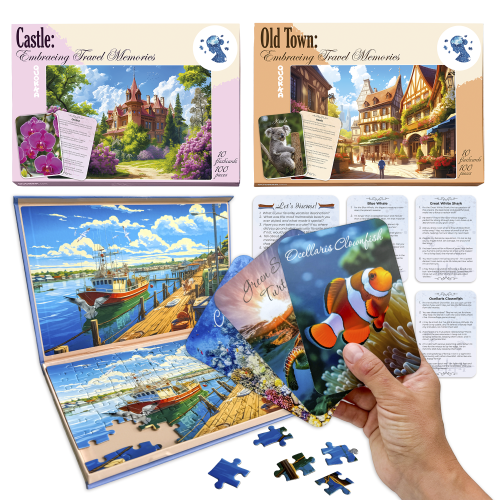
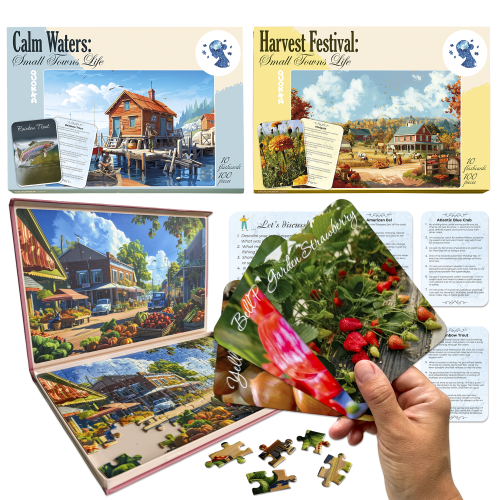
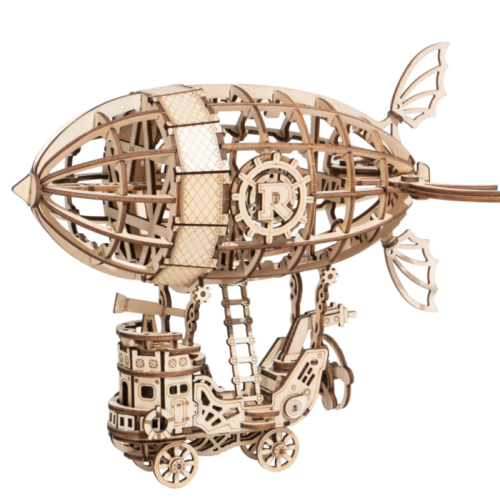
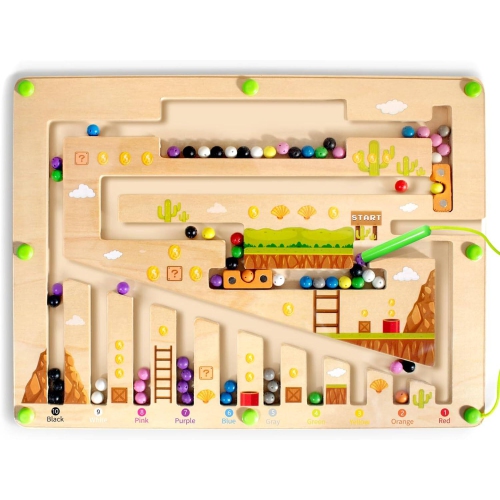
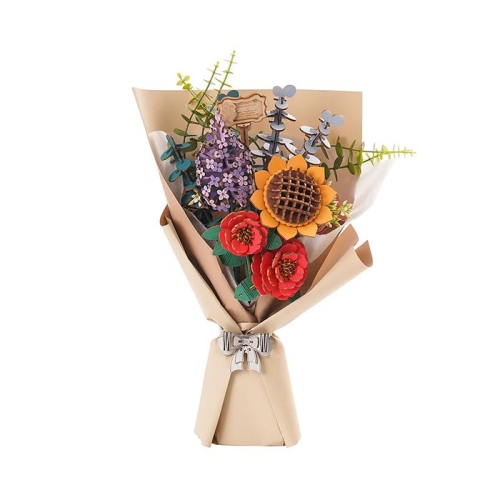
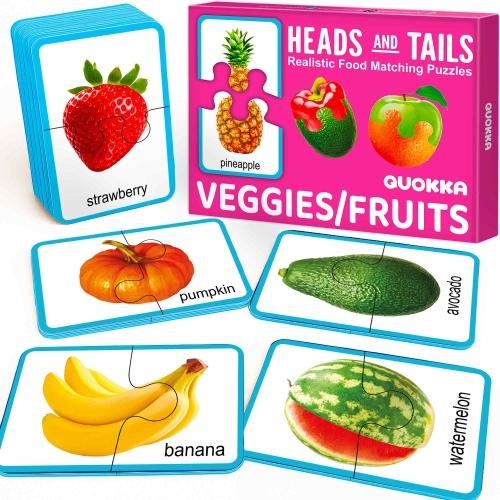
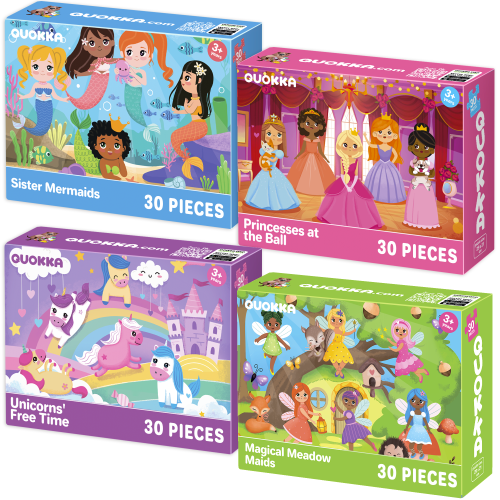
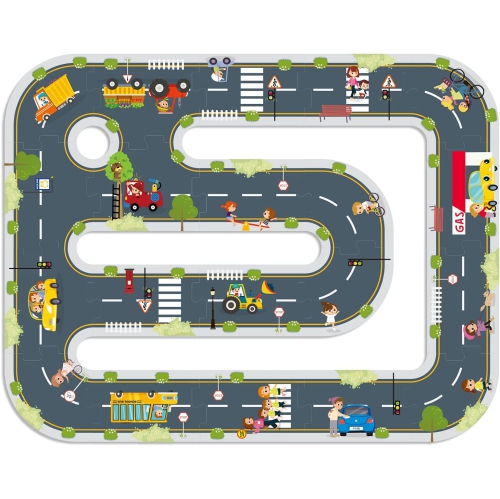
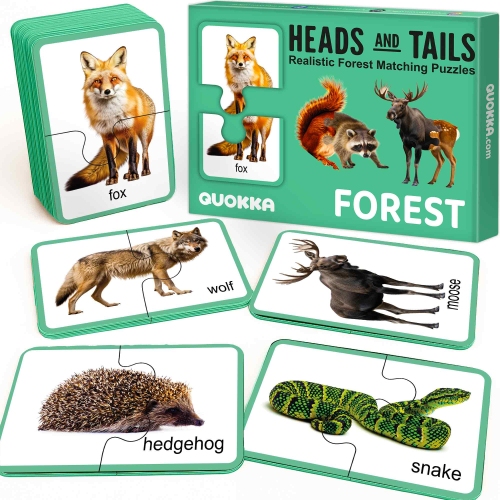
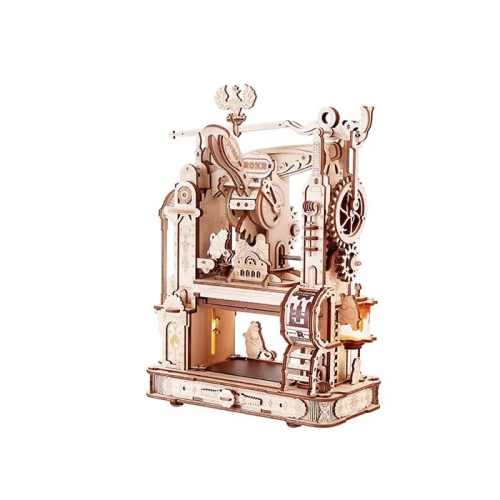
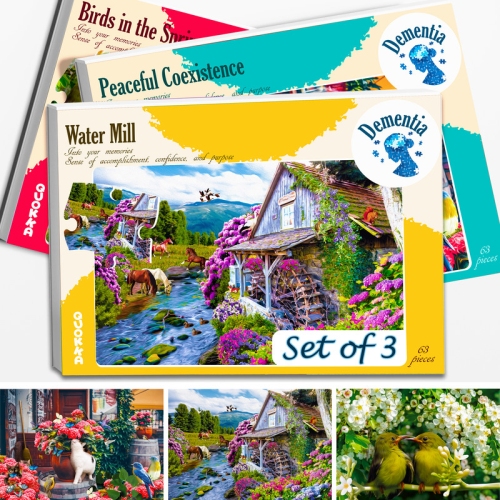
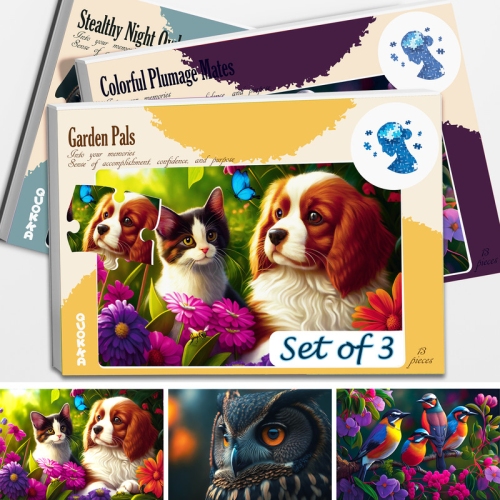
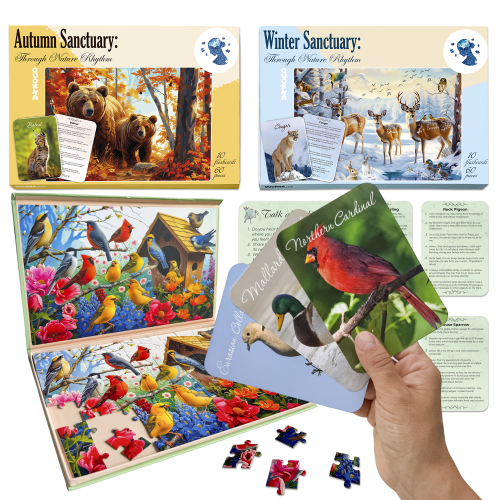
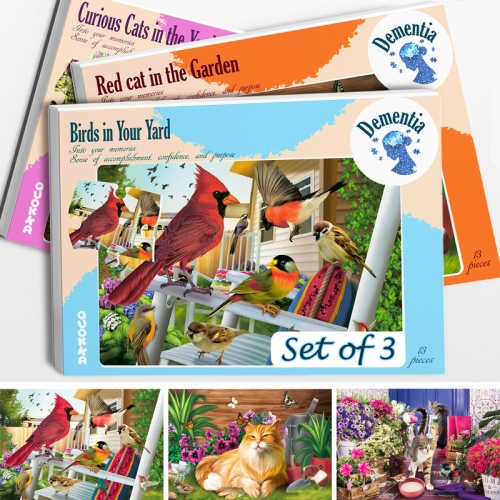
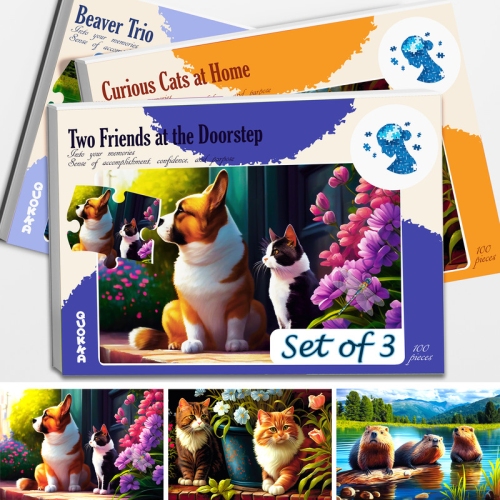
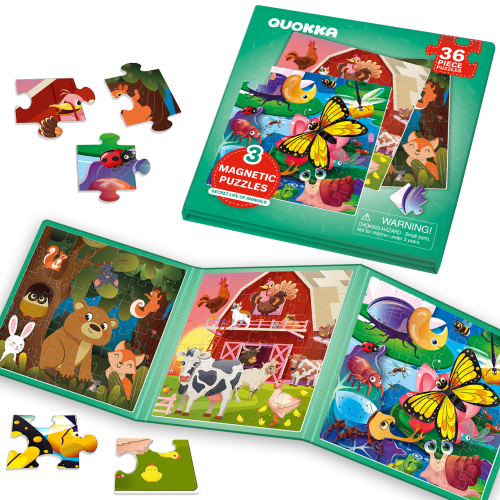
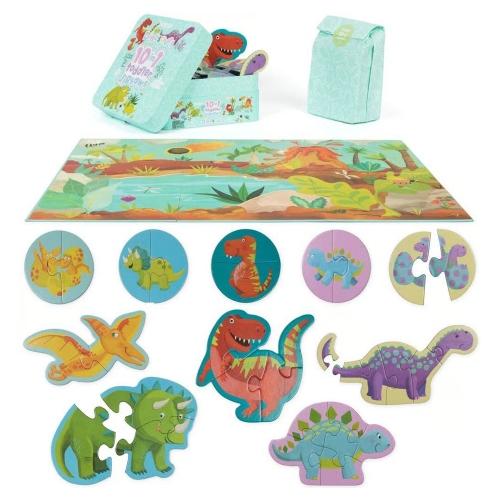
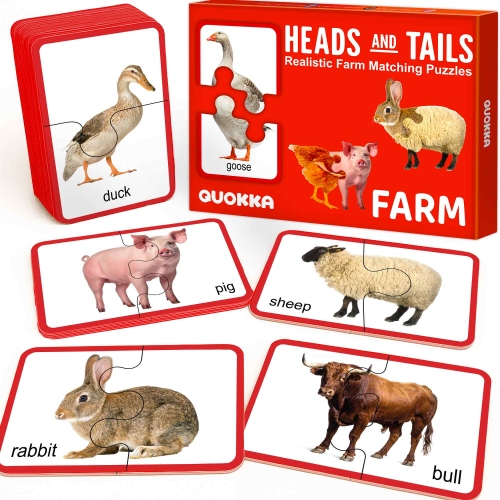
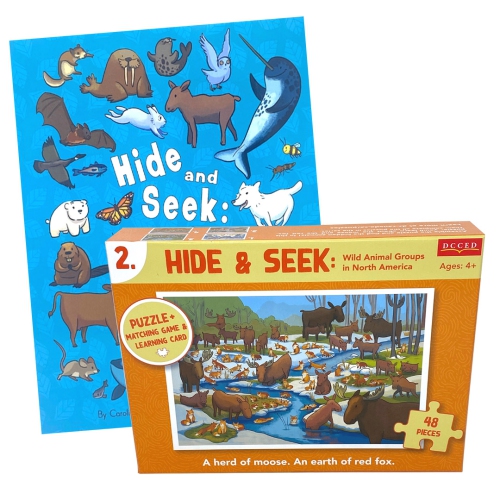
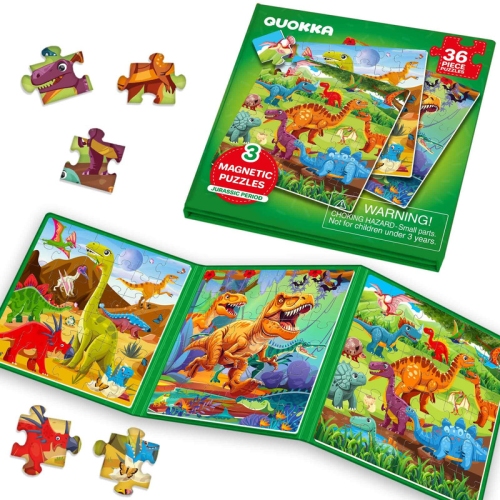
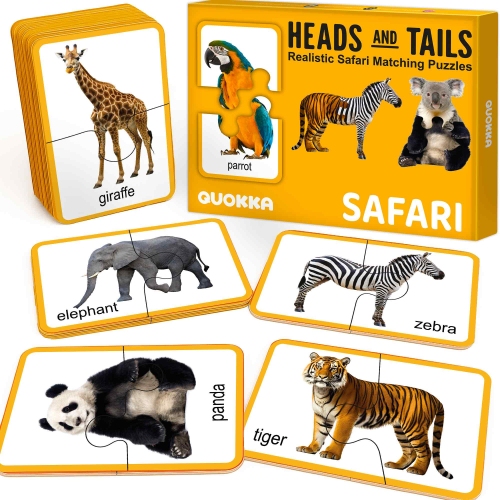
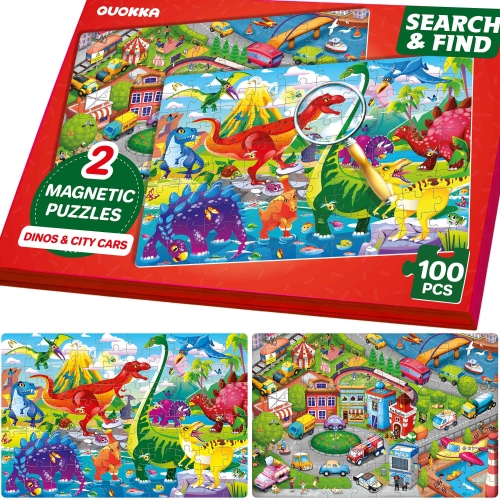
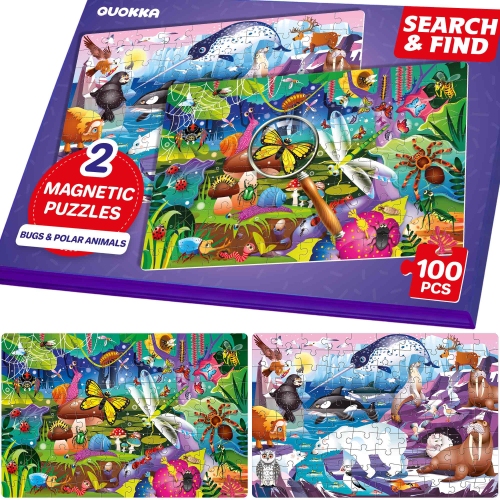
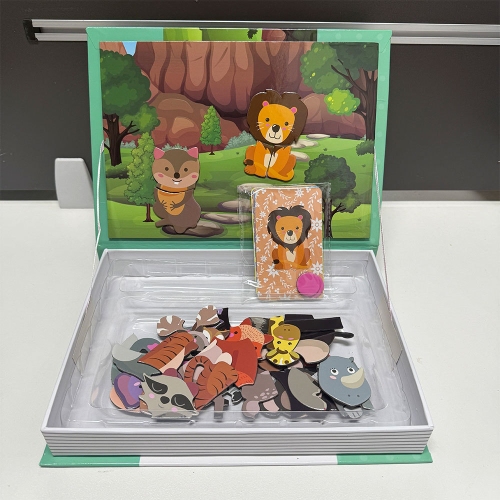
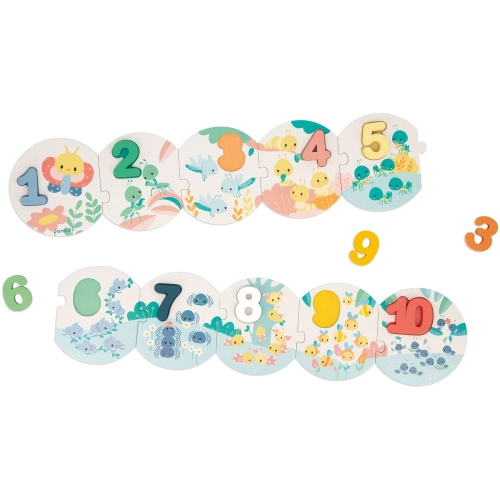
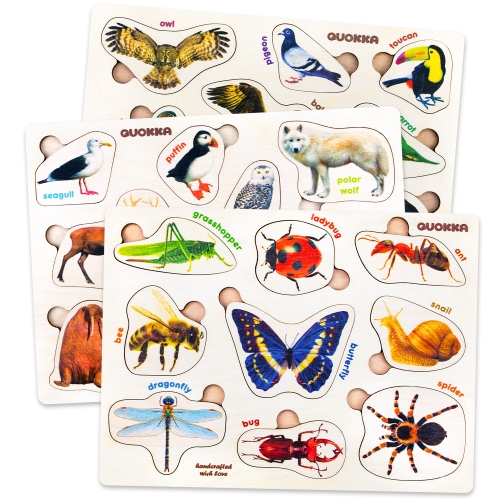
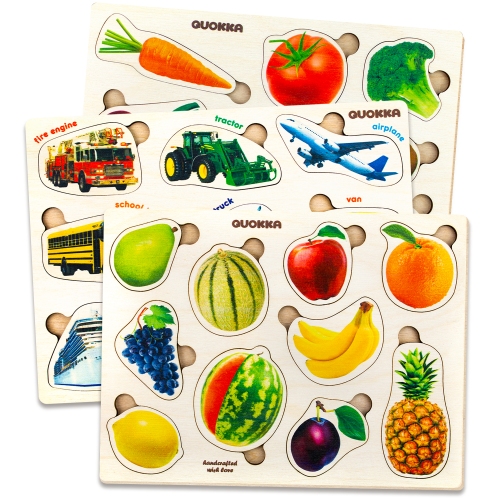
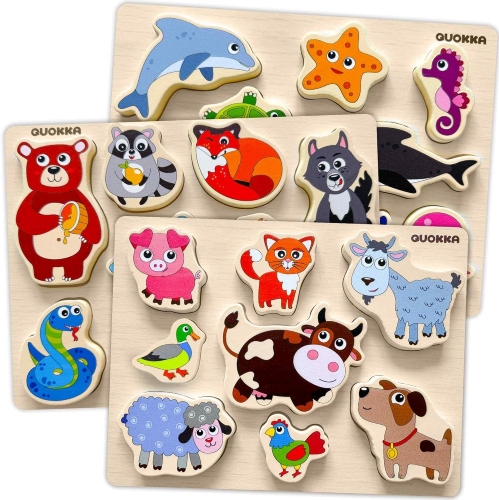
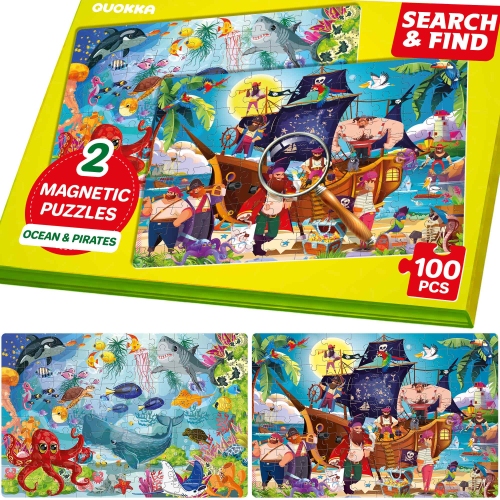
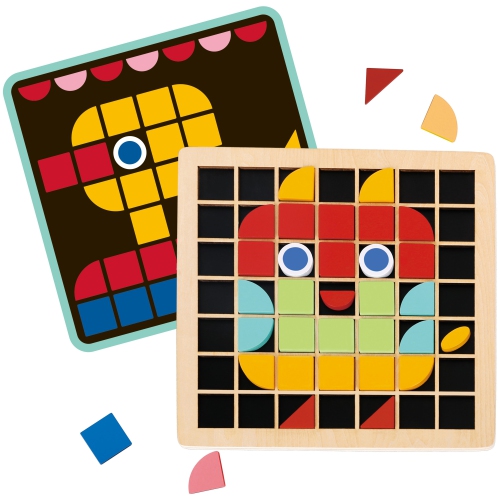
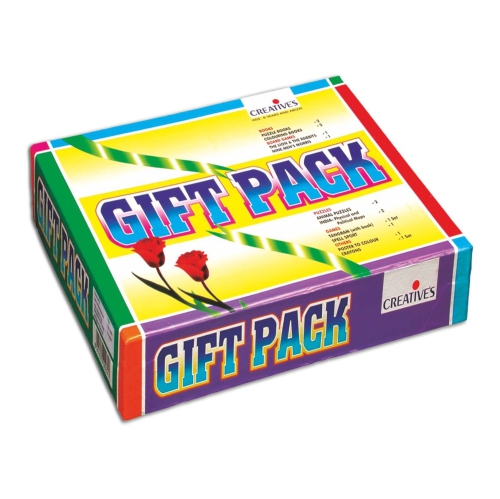
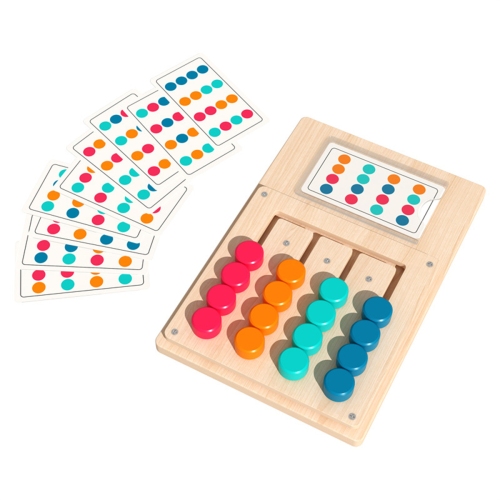
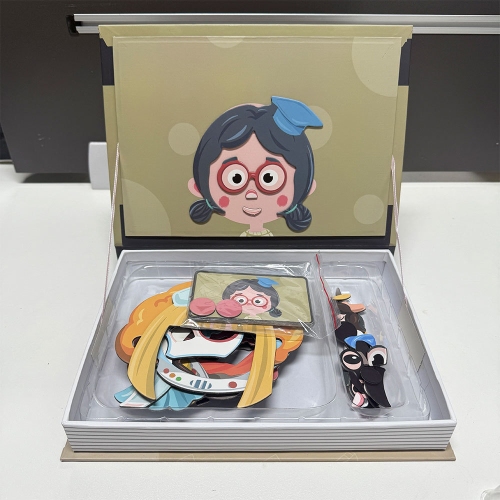
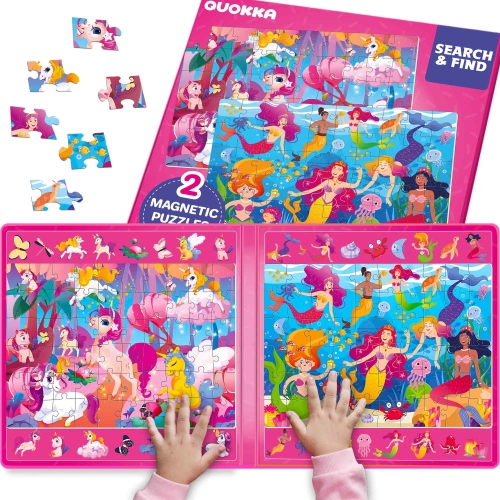
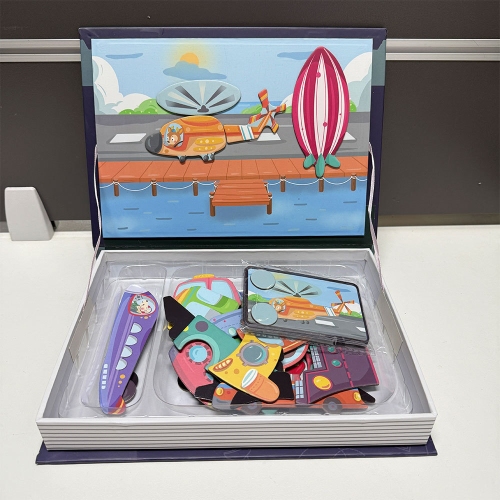
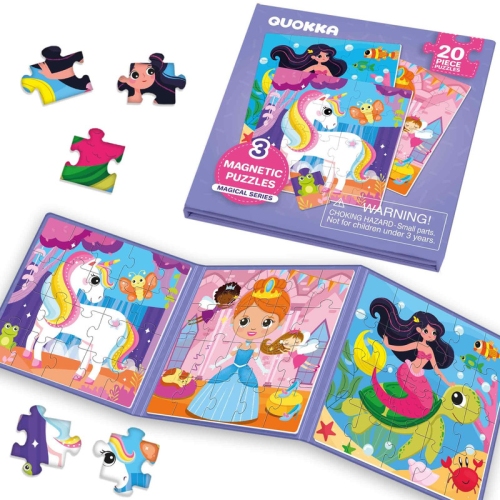
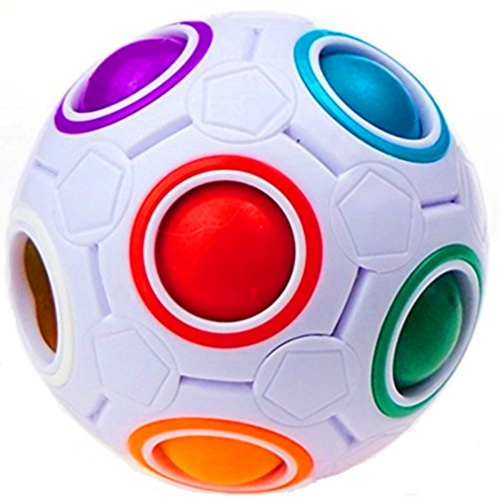
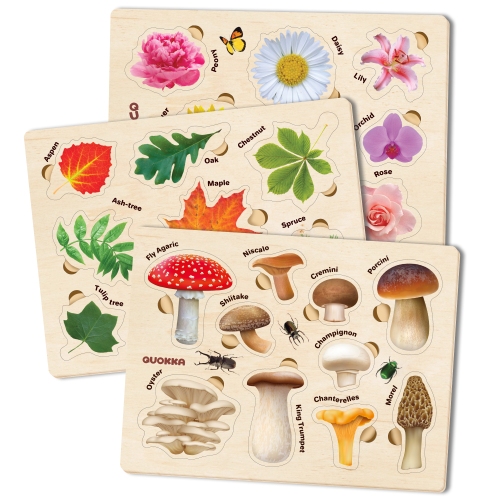
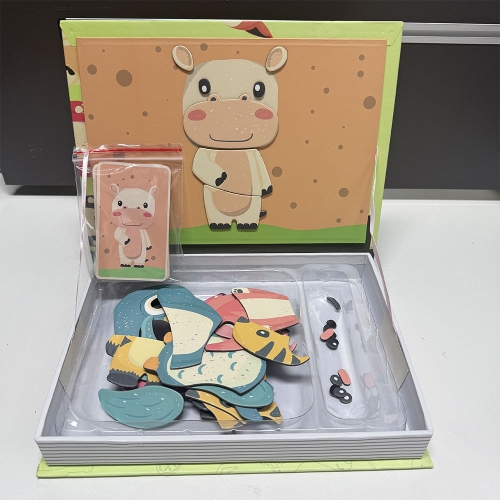
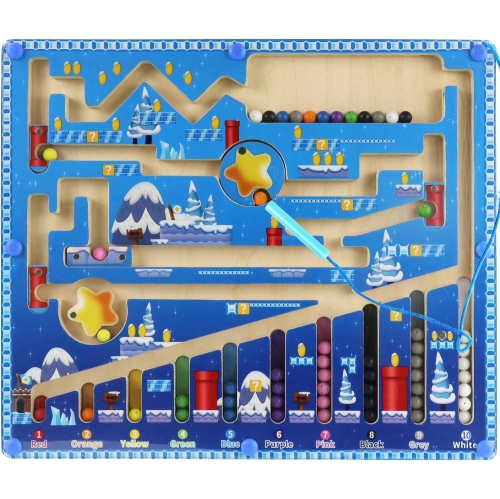
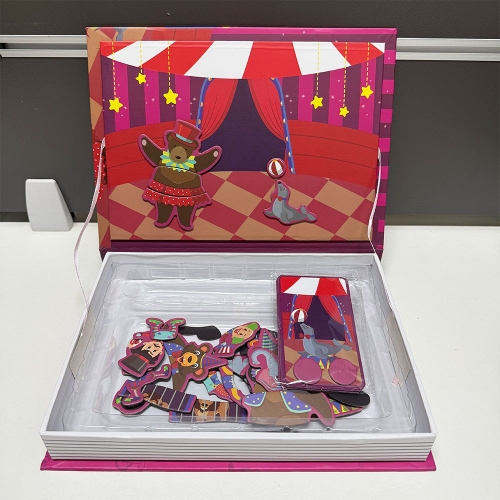
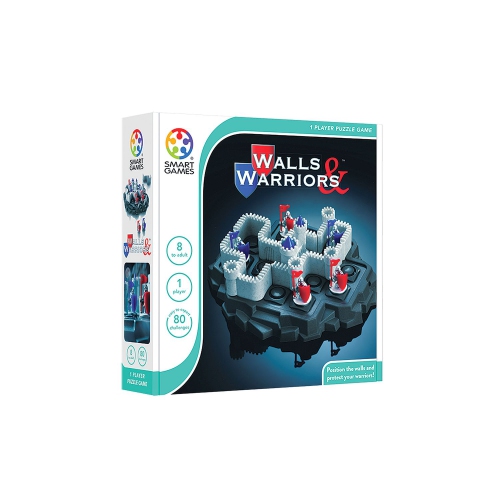
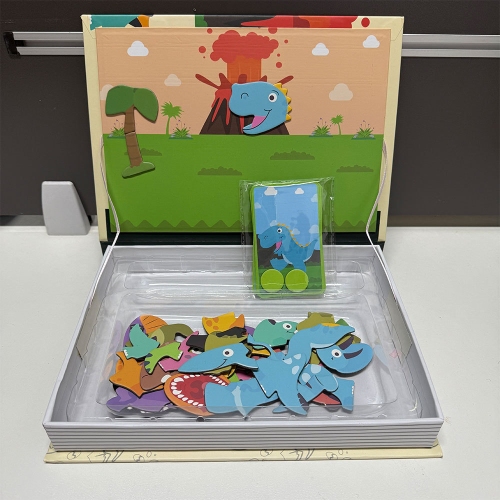
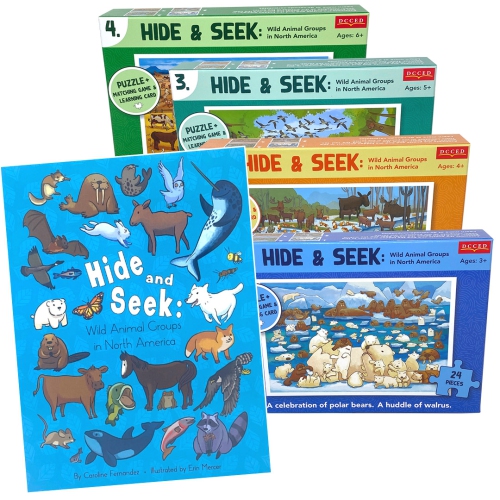
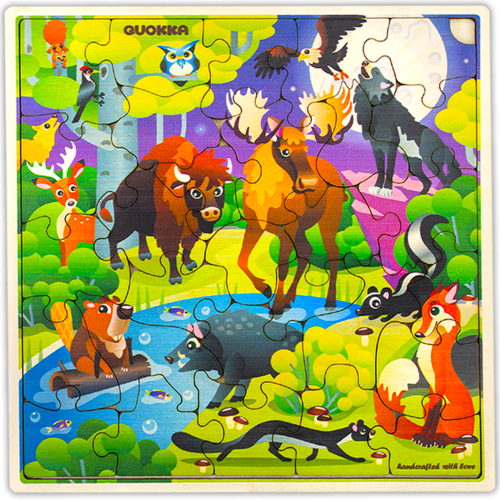
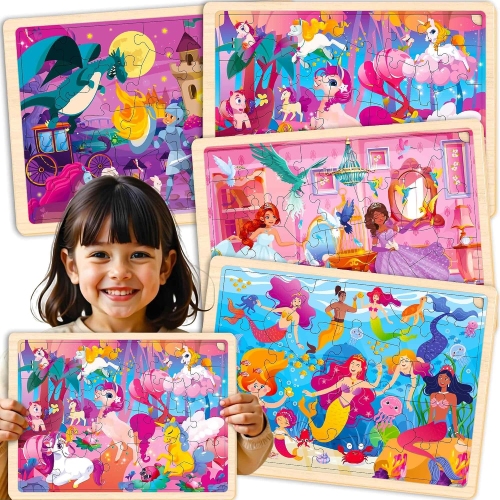
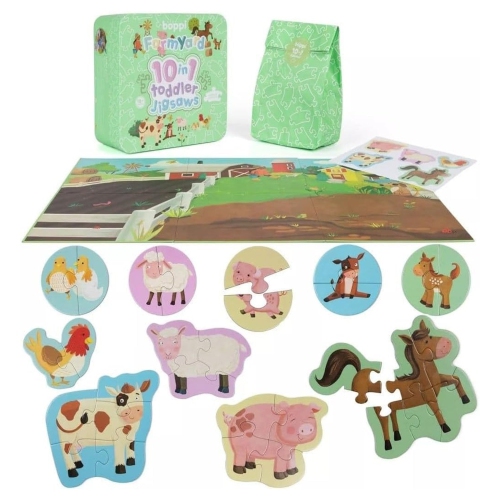
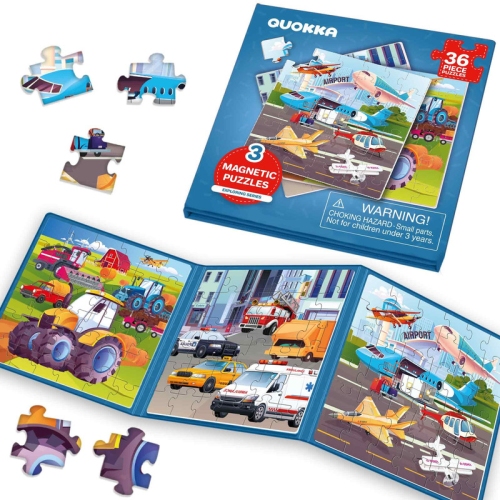
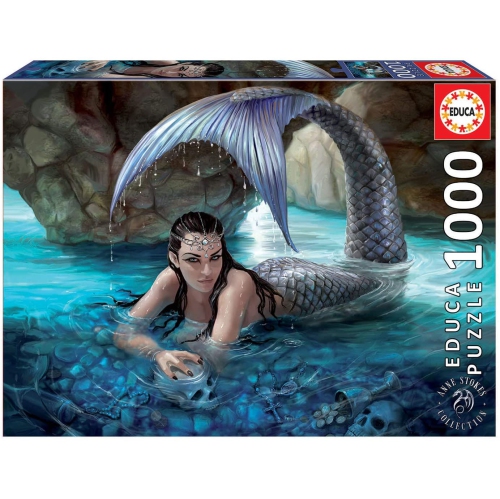

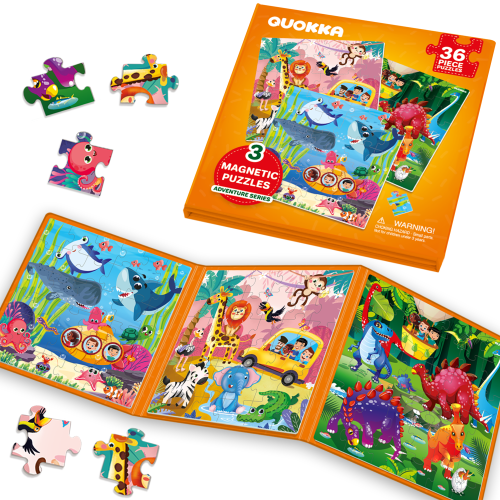
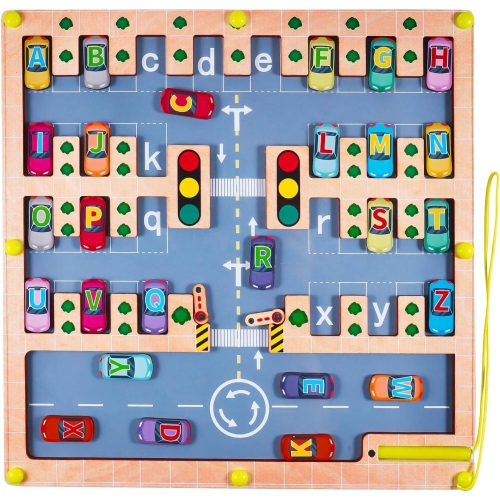
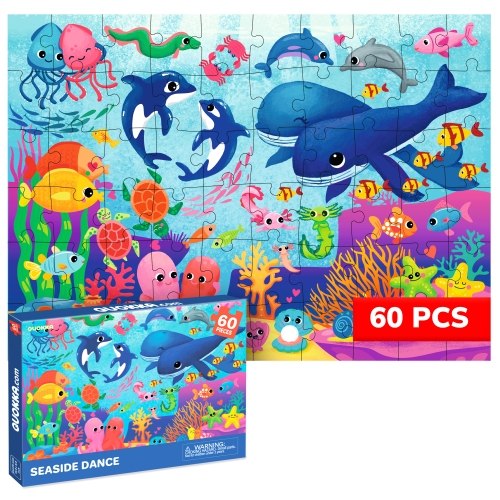
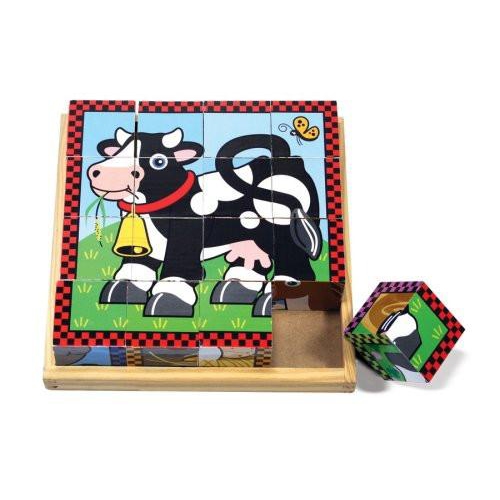

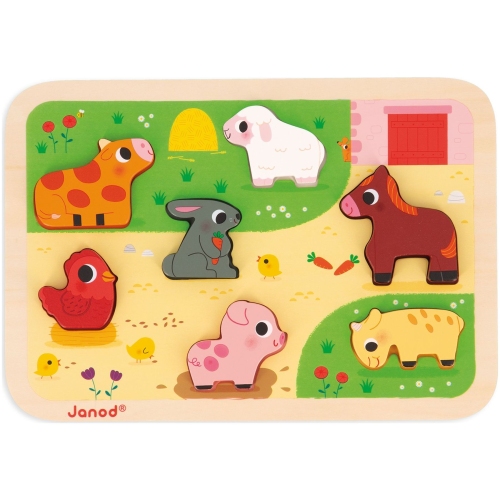
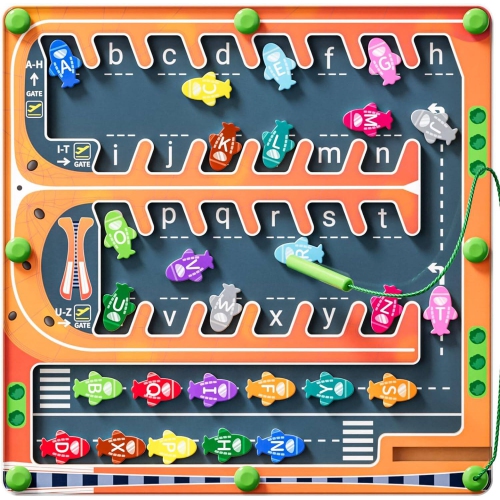
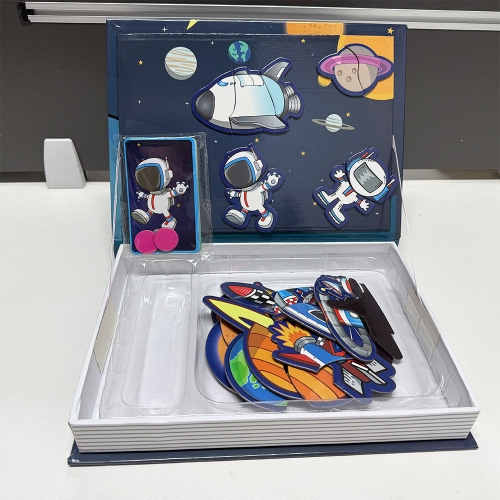
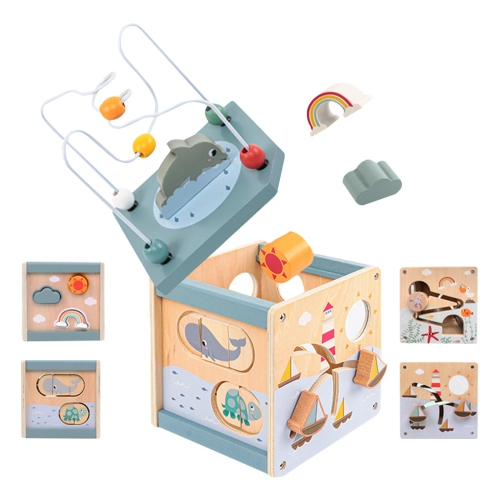
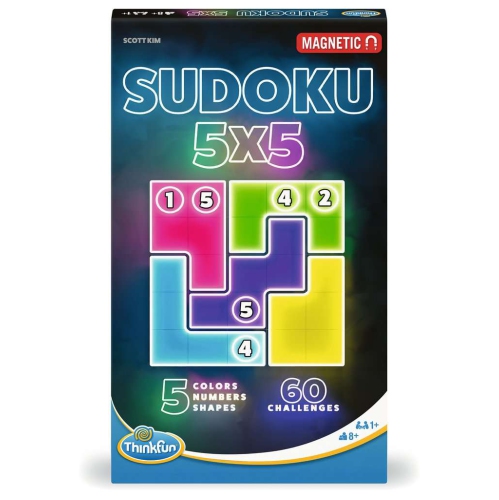
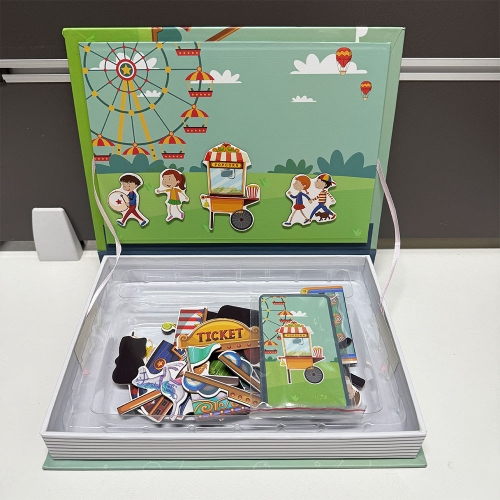
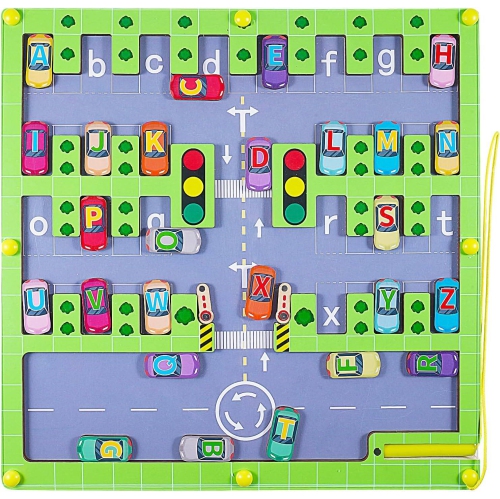
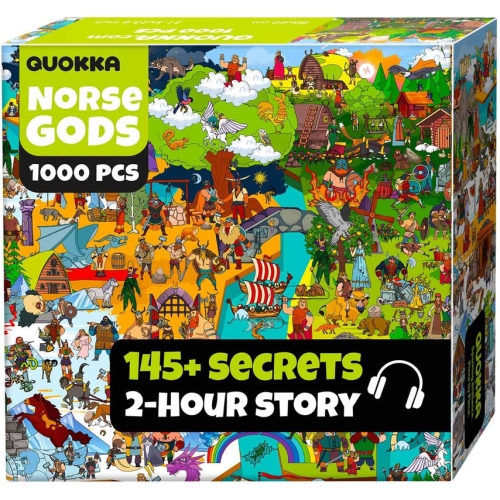
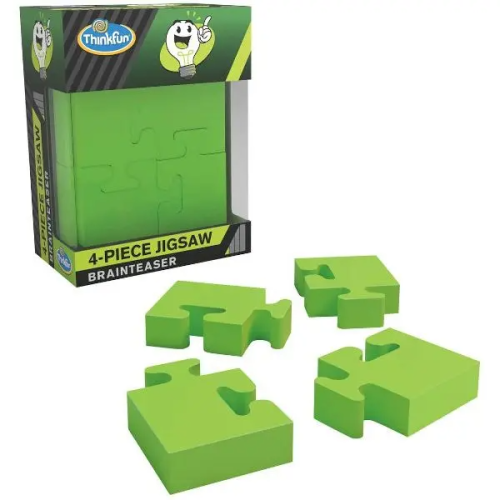
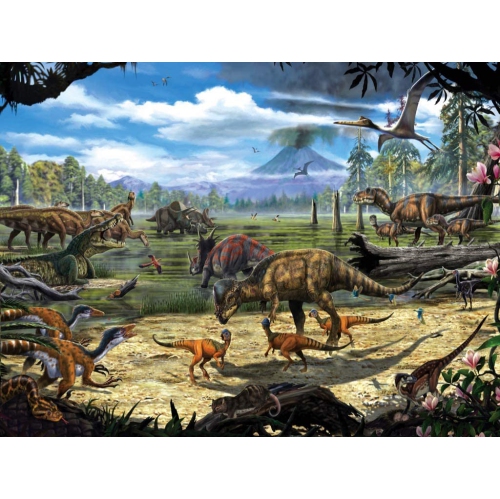
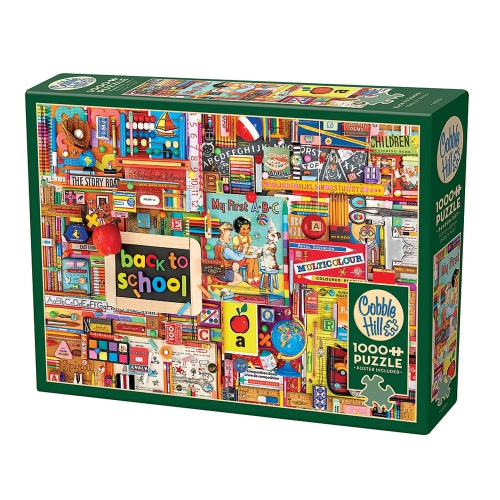
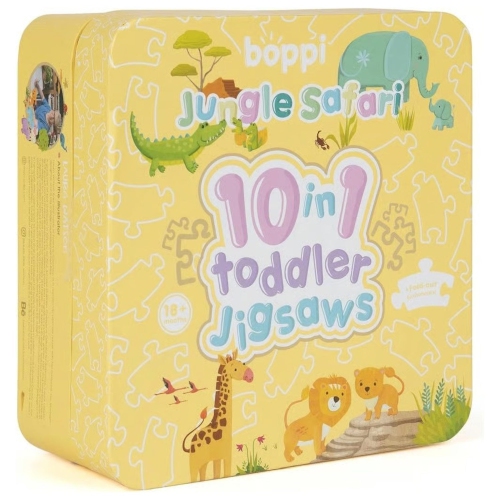
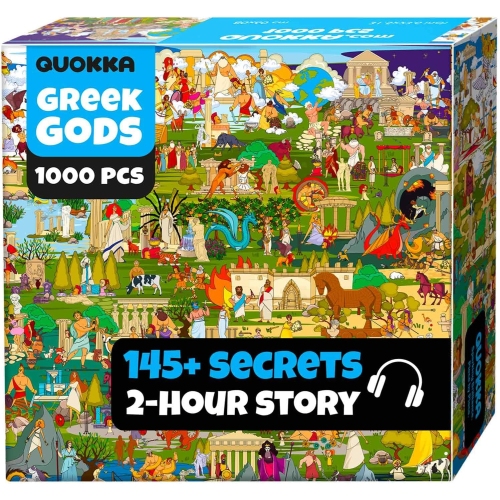

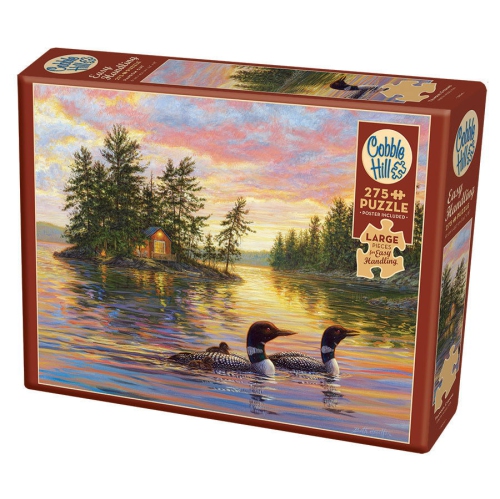
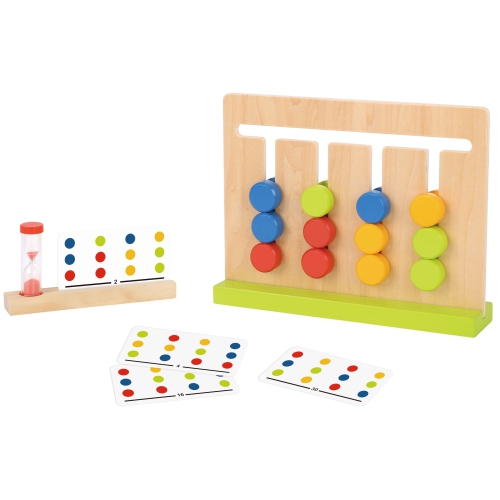
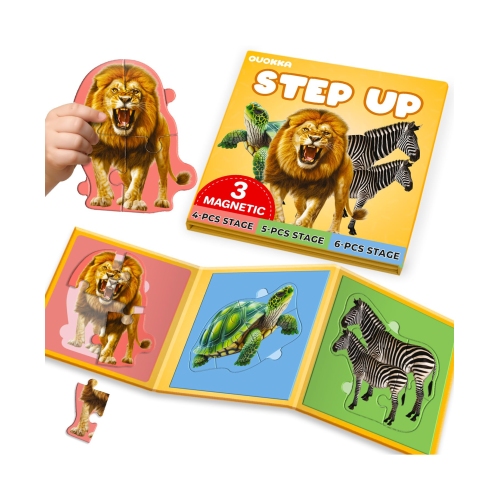
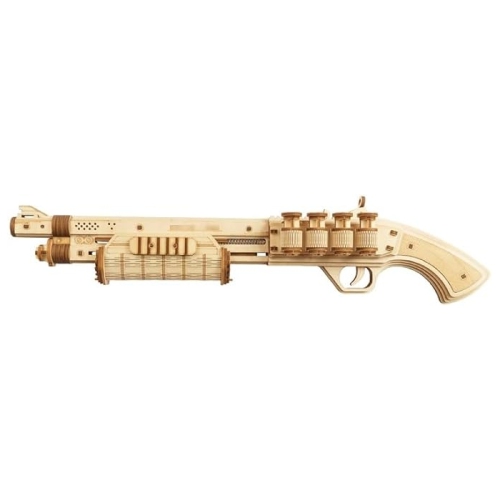
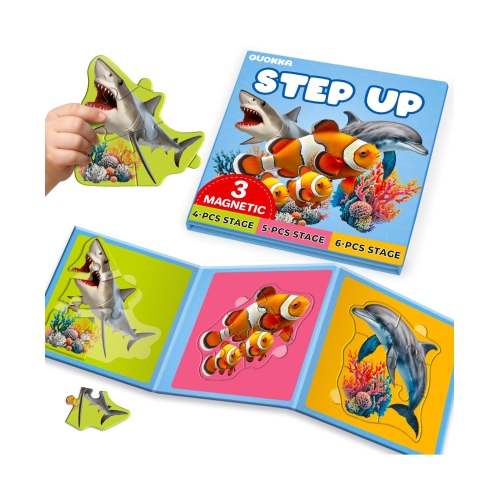
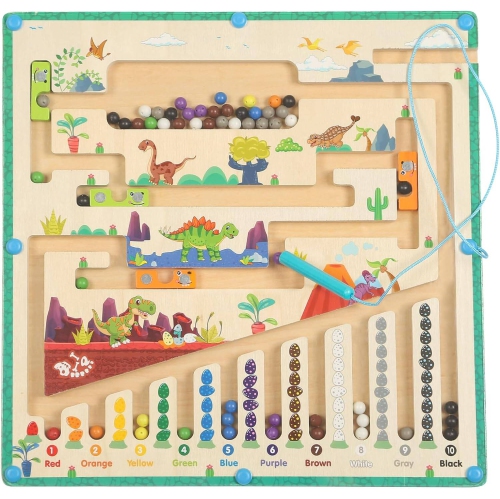



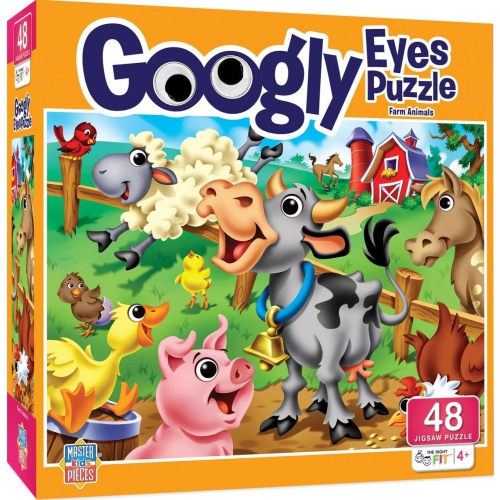
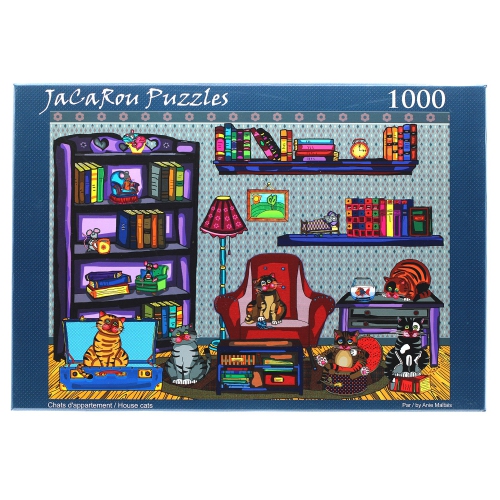
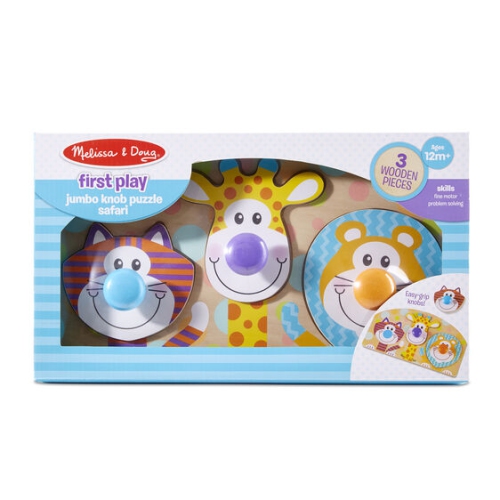

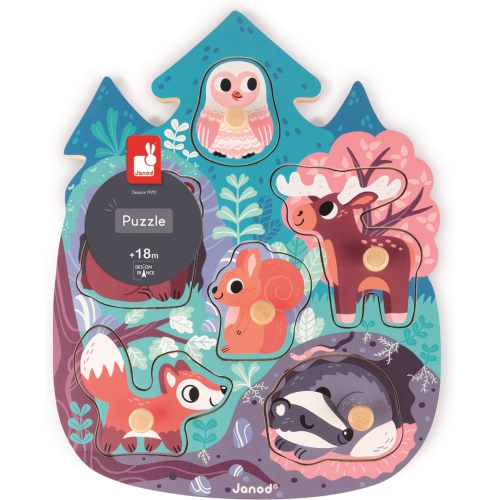
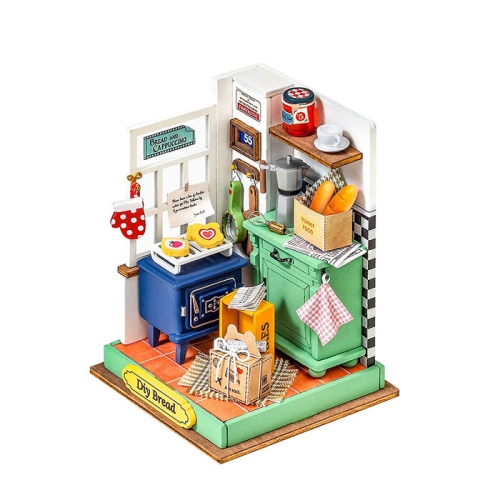
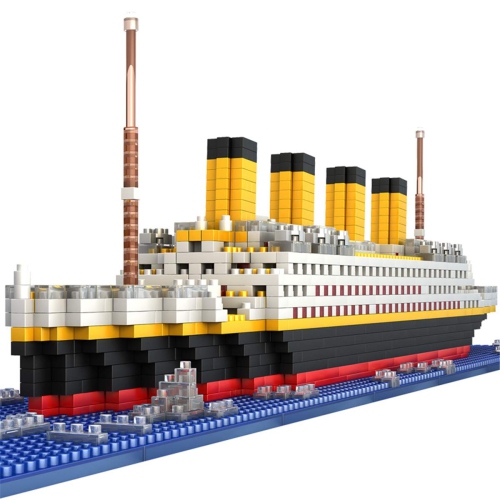
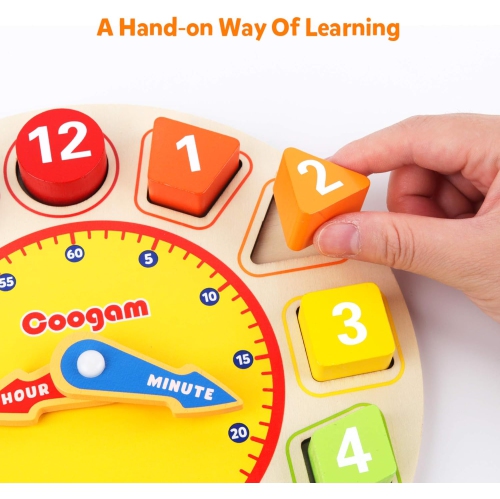
Hands-on play supports learning, focus, and growing confidence
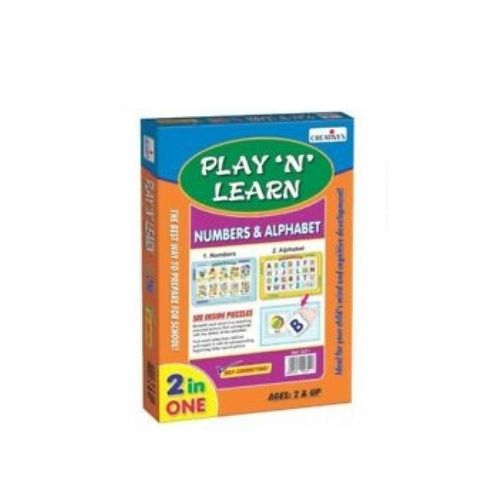
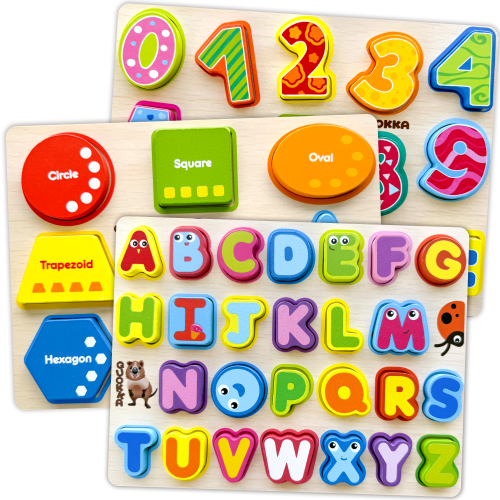
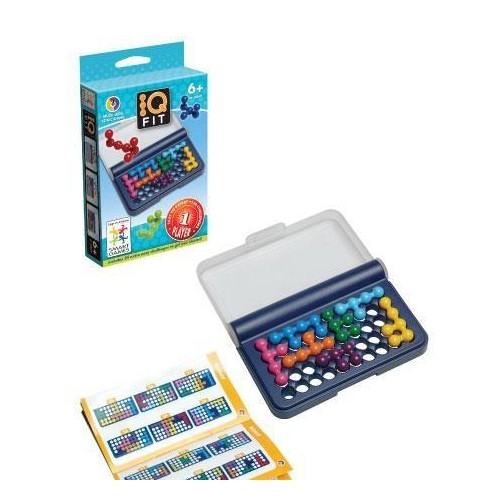
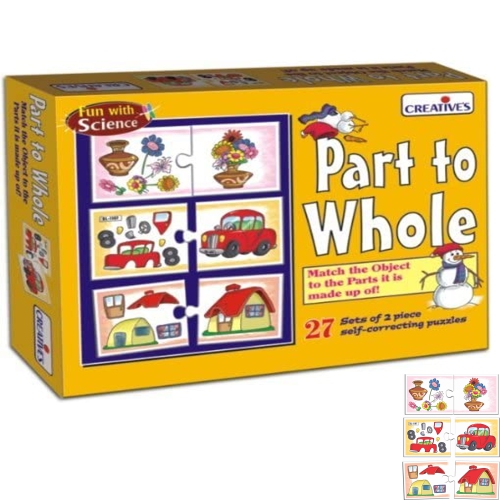
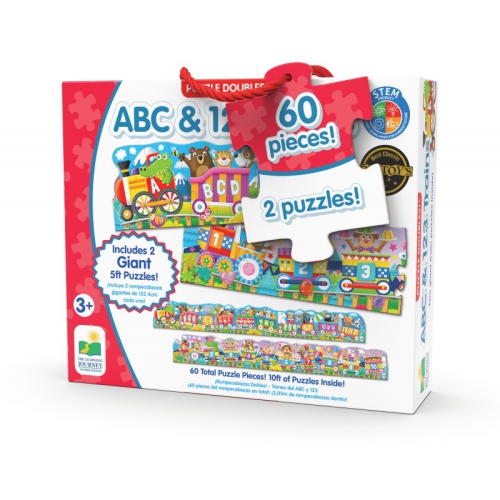
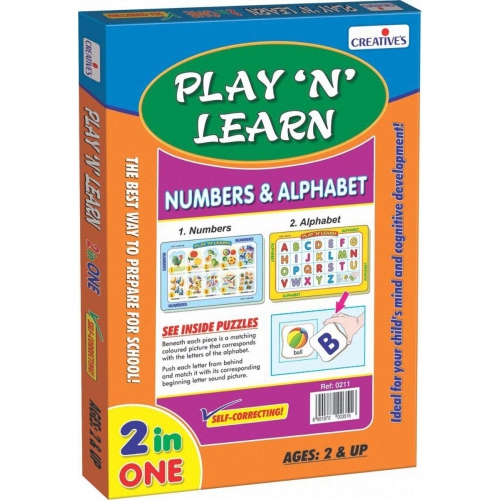
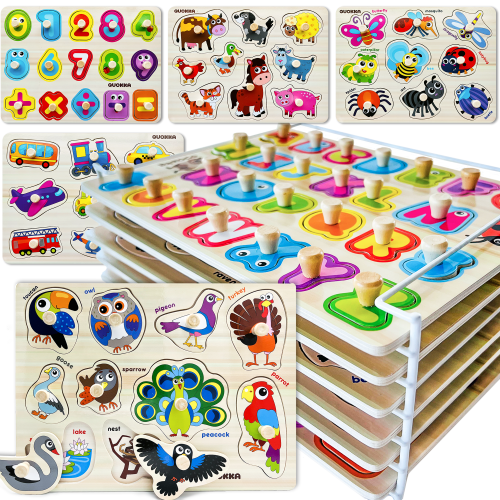
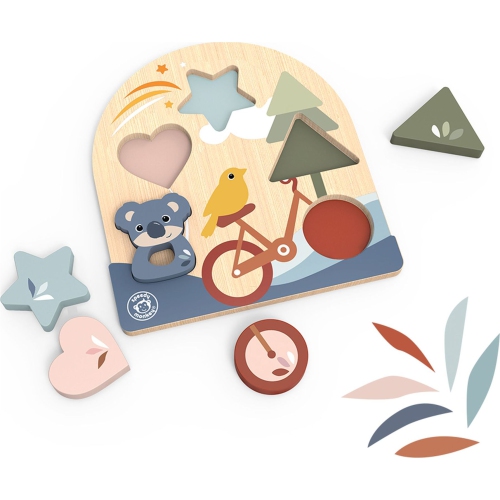
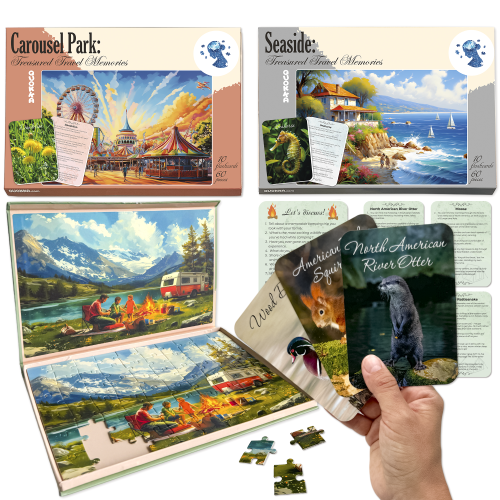
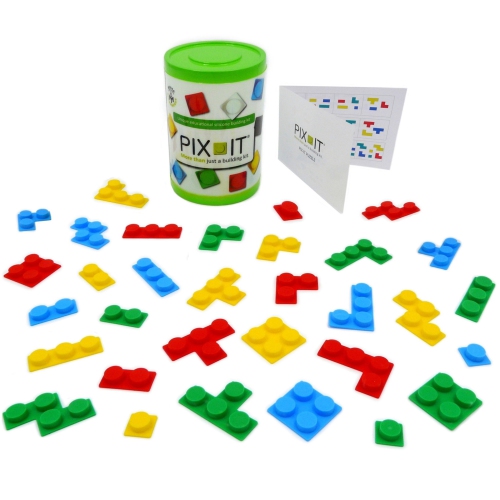
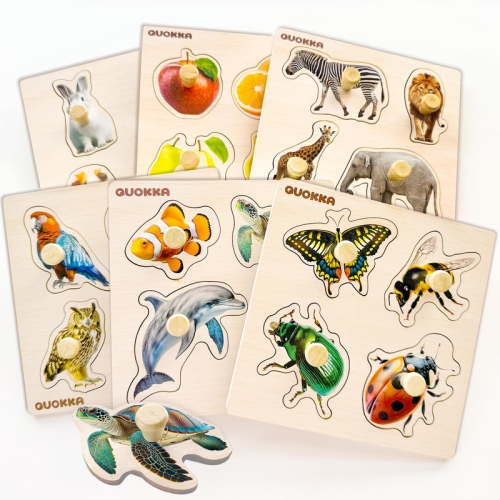
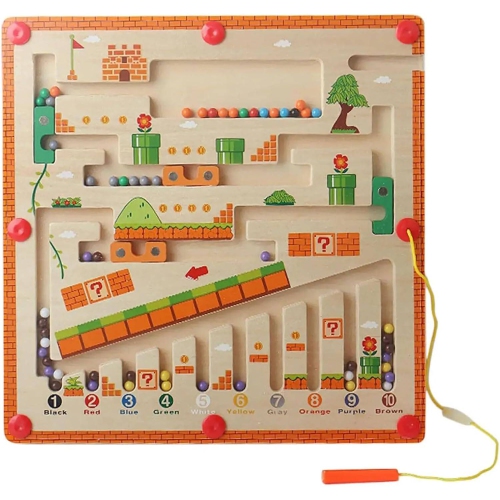
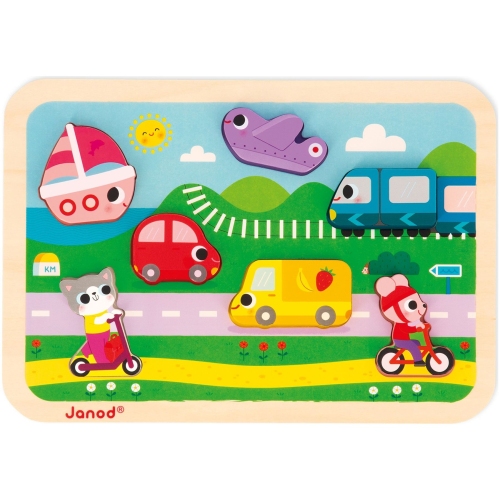
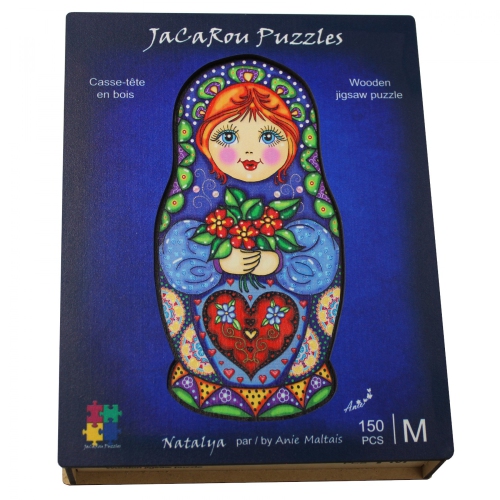
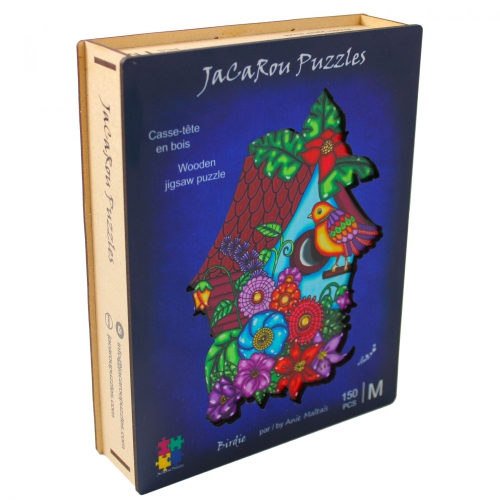
Educational puzzles bring learning into the hands of children through colourful pictures, satisfying pieces, and the small discoveries that happen while playing. A toddler may begin with a simple wooden puzzle that has chunky pieces and easy-to-grasp pegs, learning to recognize shapes, colours, animals, and familiar objects while practising how to hold, lift, rotate, and place each piece. As children grow, alphabet and number puzzles can support early literacy and numeracy by connecting symbols with sounds, words, quantities, and counting. A child who traces a letter with a fingertip, matches a number to a group of objects, or finally fits a stubborn piece into place is building more than a finished picture; they are developing hand-eye coordination, concentration, visual discrimination, and confidence. These activities can be especially useful for quiet play at home, in classrooms, daycares, libraries, and waiting areas where children benefit from a focused activity that does not rely on a screen. For more learning-focused play ideas, explore the wider selection of Educational Toys, including options that can complement a child’s interests and stage of development.
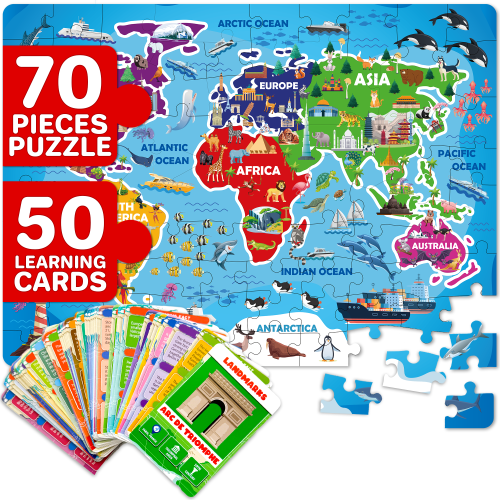
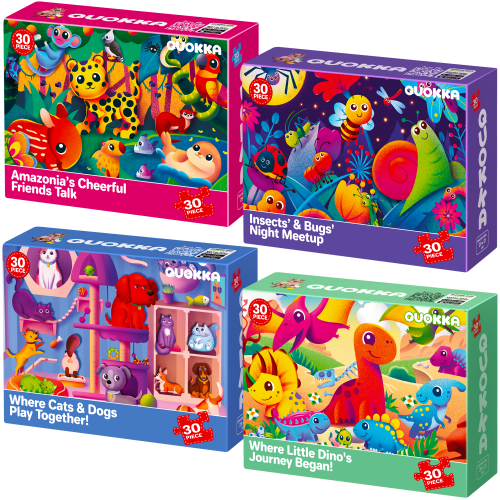
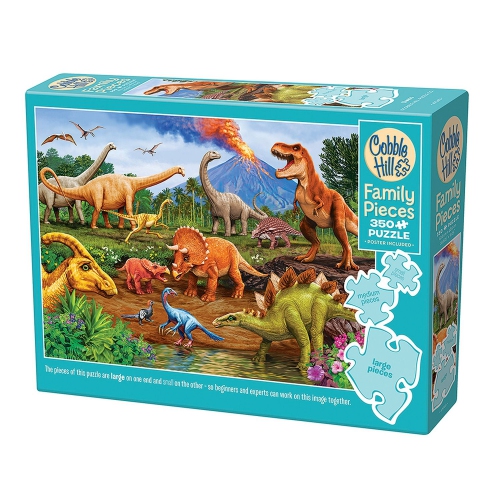
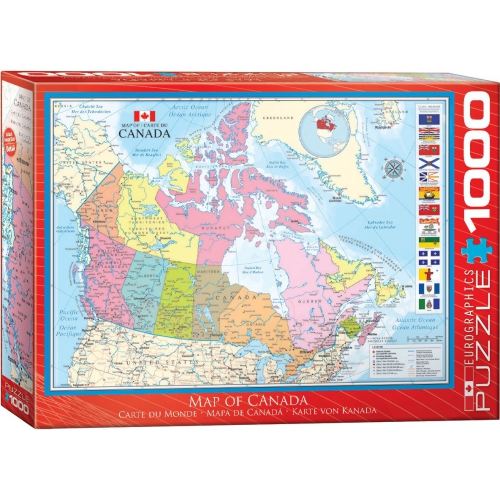
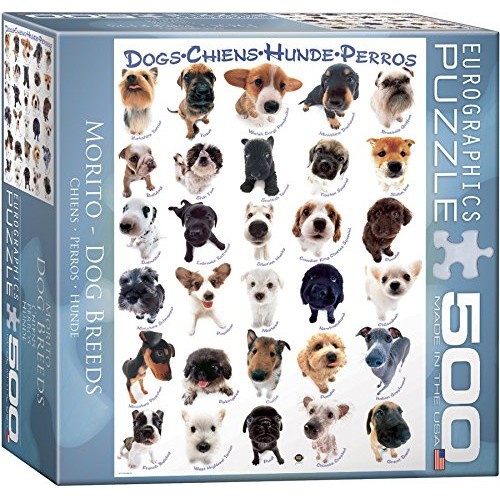
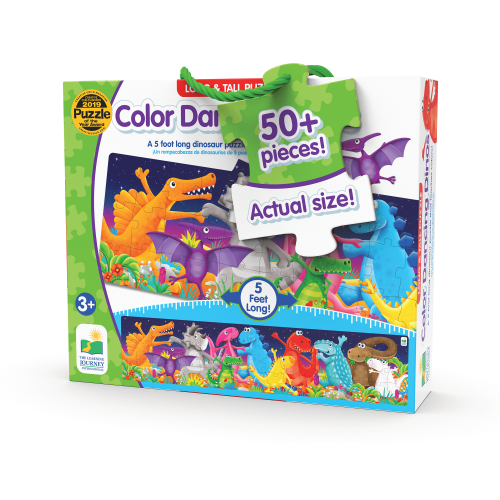
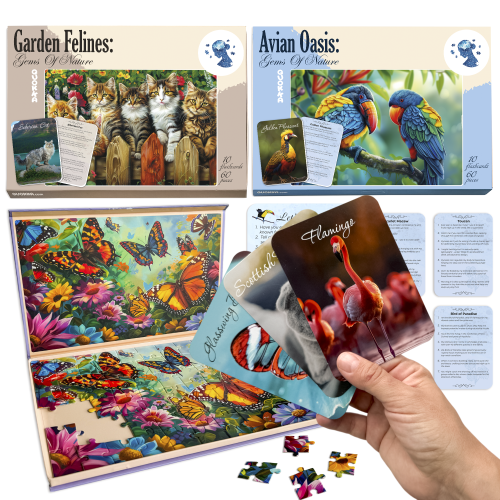
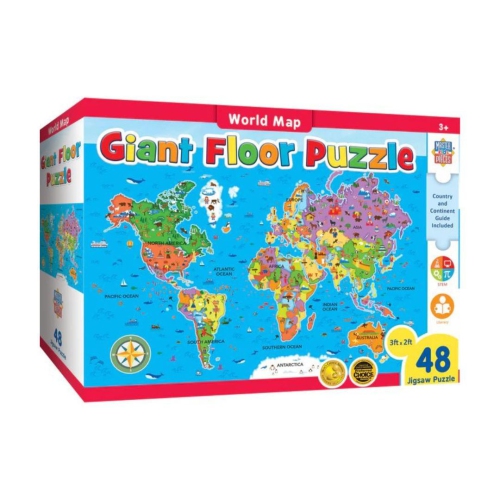
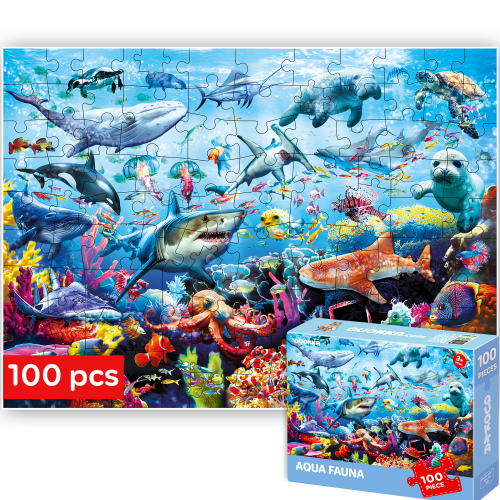
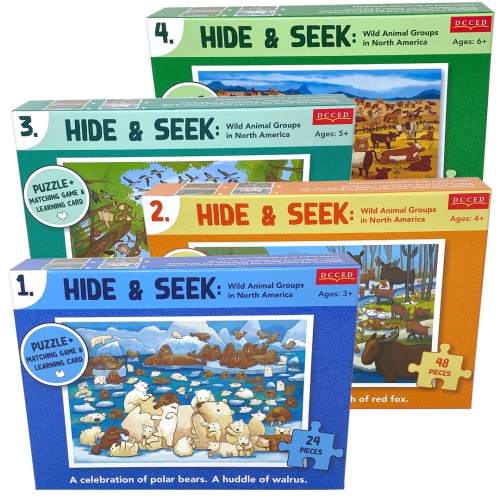
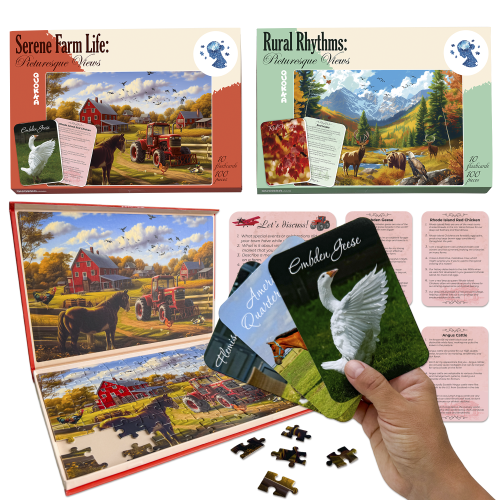
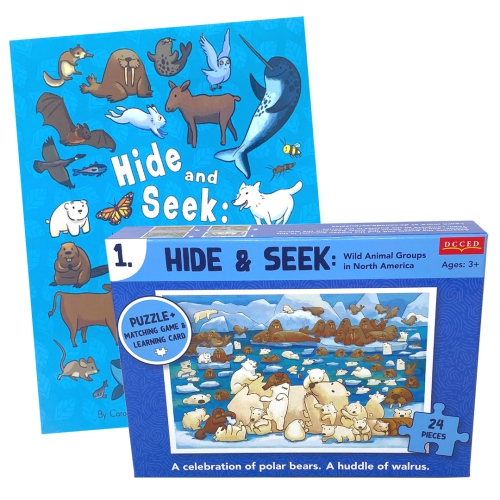
Educational puzzles also make familiar subjects more tangible. Map and geography puzzles can introduce countries, continents, oceans, provinces, territories, landmarks, and regional details in a way that encourages children to notice how places fit together. A Canadian map, for example, may lead to conversations about where family members live, how far away a community is, or why coastlines, lakes, and borders look different from one another. Animal and nature puzzles can spark curiosity about wildlife, habitats, food chains, seasons, and life cycles, turning a colourful scene into a starting point for observation and storytelling. For older children, science and STEM designs may explore the solar system, the human body, engineering concepts, or the periodic table, helping them organize complex information visually. The right level of challenge matters: younger children often do best with larger pieces, bold illustrations, and fewer parts, while experienced puzzlers may enjoy smaller pieces, detailed images, and layered information that rewards patience. Consider the child’s age range, interests, reading ability, and tolerance for frustration, as well as whether the puzzle is intended for independent play or shared problem-solving. A subject that already captures a child’s imagination—space, dinosaurs, animals, maps, machines, or numbers—can make practice feel like discovery rather than a lesson.
Puzzle play can fit naturally into many parts of family life. During the warmer seasons, a puzzle can move to a shaded table or patio for an afternoon activity, while cooler months often create an inviting opportunity to gather around a kitchen table with a cup of cocoa nearby and several minds working on the same image. Parents, grandparents, caregivers, and older siblings can offer gentle guidance without taking over, encouraging children to compare colours, find straight edges, group similar pieces, or look for matching shapes. Completing a puzzle together can support communication and turn-taking, while solo play gives children space to test ideas, make mistakes, and experience the pride of solving a problem independently. Educational puzzles can also be thoughtful gifts for birthdays, classroom celebrations, family visits, or children who enjoy hands-on challenges. Before choosing one, check the recommended age range and inspect the piece size, particularly for younger children; larger, sturdy pieces are easier for small hands to manage, while older children may appreciate more intricate designs and higher piece counts. Storage is another practical consideration, since a box or resealable container helps keep pieces together between sessions. Whether the goal is to reinforce letters and numbers, explore geography, learn about nature, or make science more approachable, an educational puzzle offers a screen-free way to practise fine motor skills, recognize patterns, understand spatial relationships, strengthen memory, and build the confidence that comes from seeing a challenging image come together one piece at a time.
Educational puzzles also make familiar subjects more tangible. Map and geography puzzles can introduce countries, continents, oceans, provinces, territories, landmarks, and regional details in a way that encourages children to notice how places fit together. A Canadian map, for example, may lead to conversations about where family members live, how far away a community is, or why coastlines, lakes, and borders look different from one another. Animal and nature puzzles can spark curiosity about wildlife, habitats, food chains, seasons, and life cycles, turning a colourful scene into a starting point for observation and storytelling. For older children, science and STEM designs may explore the solar system, the human body, engineering concepts, or the periodic table, helping them organize complex information visually. The right level of challenge matters: younger children often do best with larger pieces, bold illustrations, and fewer parts, while experienced puzzlers may enjoy smaller pieces, detailed images, and layered information that rewards patience. Consider the child’s age range, interests, reading ability, and tolerance for frustration, as well as whether the puzzle is intended for independent play or shared problem-solving. A subject that already captures a child’s imagination—space, dinosaurs, animals, maps, machines, or numbers—can make practice feel like discovery rather than a lesson.
Puzzle play can fit naturally into many parts of family life. During the warmer seasons, a puzzle can move to a shaded table or patio for an afternoon activity, while cooler months often create an inviting opportunity to gather around a kitchen table with a cup of cocoa nearby and several minds working on the same image. Parents, grandparents, caregivers, and older siblings can offer gentle guidance without taking over, encouraging children to compare colours, find straight edges, group similar pieces, or look for matching shapes. Completing a puzzle together can support communication and turn-taking, while solo play gives children space to test ideas, make mistakes, and experience the pride of solving a problem independently. Educational puzzles can also be thoughtful gifts for birthdays, classroom celebrations, family visits, or children who enjoy hands-on challenges. Before choosing one, check the recommended age range and inspect the piece size, particularly for younger children; larger, sturdy pieces are easier for small hands to manage, while older children may appreciate more intricate designs and higher piece counts. Storage is another practical consideration, since a box or resealable container helps keep pieces together between sessions. Whether the goal is to reinforce letters and numbers, explore geography, learn about nature, or make science more approachable, an educational puzzle offers a screen-free way to practise fine motor skills, recognize patterns, understand spatial relationships, strengthen memory, and build the confidence that comes from seeing a challenging image come together one piece at a time.
Top selling and popular products
-
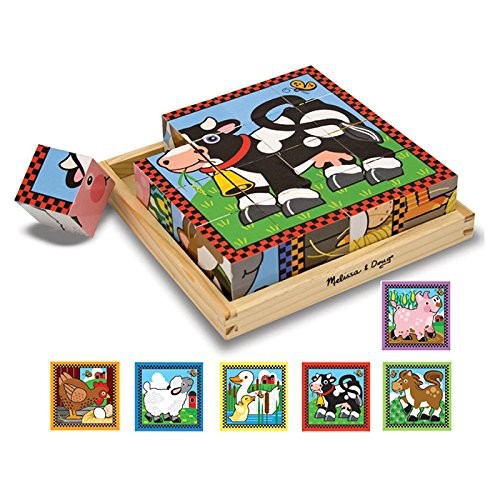 Your price for this item is $32.99
 -
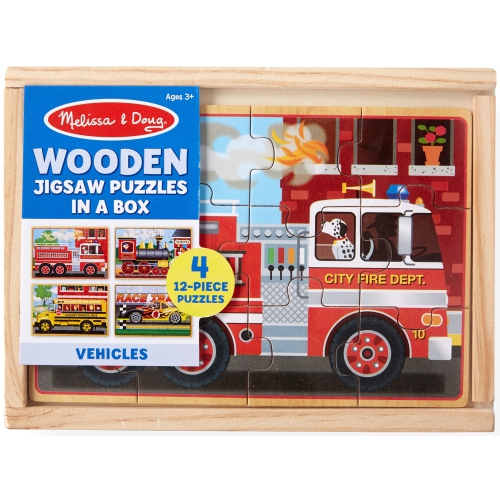 Your price for this item is $35.99
 -
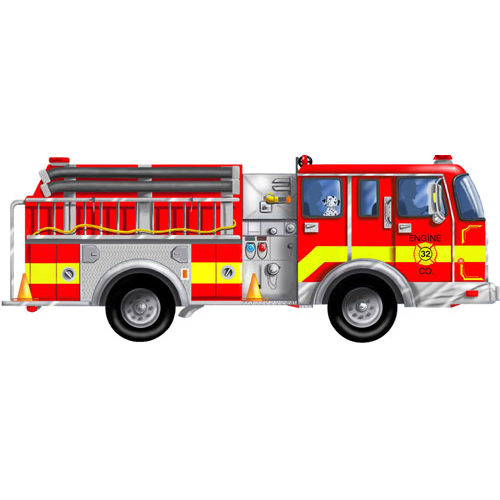 Your price for this item is $30.99
 -
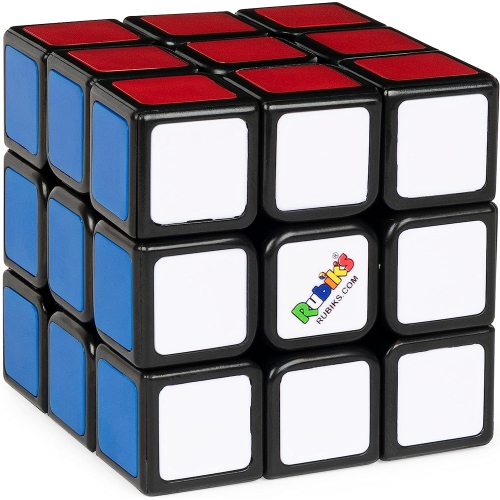 Your price for this item is $26.93
 -
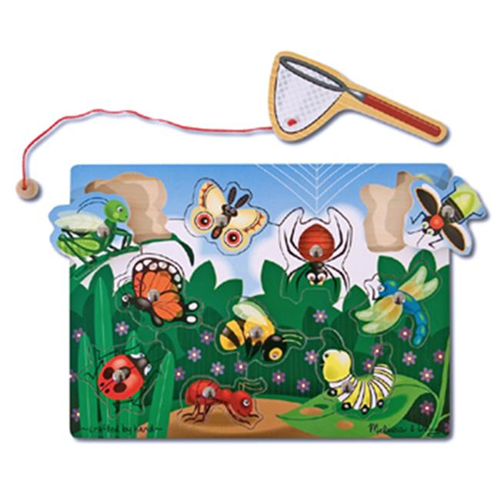 Your price for this item is $29.99
 -
 Your price for this item is $36.99
 -
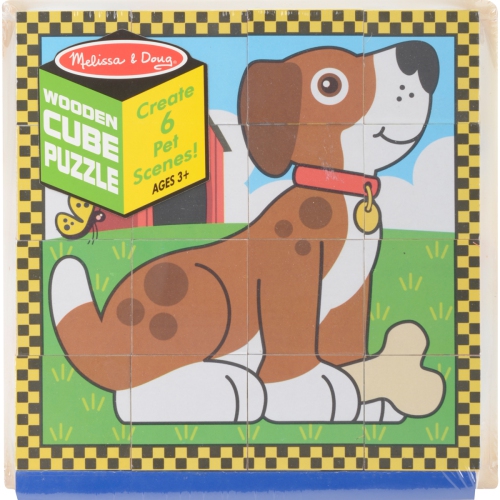 Your price for this item is $32.99
 -
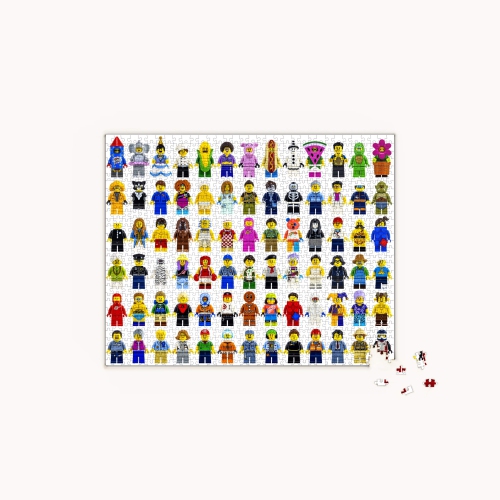 Your price for this item is $34.9
Discover more categories related to Educational Puzzles
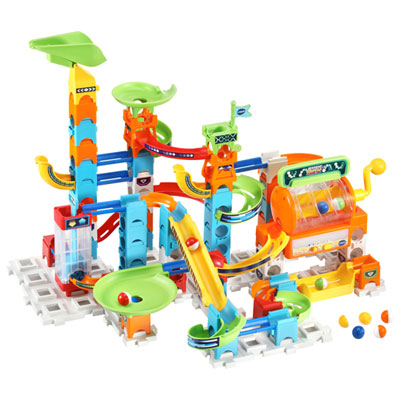
Top Collections:
Pokemon Centers, Best Cameras for Sports Photography, Kindle Devices, Samsung Galaxy Phones, Canon G7X Cameras, Pokémon 30th Celebration Cards, Refurbished Apple Laptops, iPhone 15 Apple, Laptops for Students, Budget Smartphones
Some products may be subject to Environmental Handling Fees
(EHF) depending on your province.
Learn more about EHFs.