Puzzles for Developing Skills
Unlock the potential of learning through play with a diverse selection of puzzles designed to stimulate and develop essential skills. From enhancing problem-solving abilities to boosting cognitive development, these engaging puzzles offer an interactive way for individuals of all ages to challenge their minds while having fun. Whether you're looking to improve spatial reasoning, hand-eye coordination, or critical thinking, the perfect puzzle awaits. Dive into a world where creativity meets education, and discover how these timeless activities can transform skill-building into an enjoyable experience for everyone.
Sort

![OSMO - Genius Tangram Pieces [Electronics] In Multicolor](https://multimedia.bbycastatic.ca/multimedia/products/500x500/188/18884/18884528.jpeg)
![NINTENDO Etherborn [Physical Standard Edition] - Switch At its best, it evokes hints of games like Mario galaxy; at it's worst it's a little janky in the physics](https://multimedia.bbycastatic.ca/multimedia/products/500x500/162/16241/16241410.jpeg)

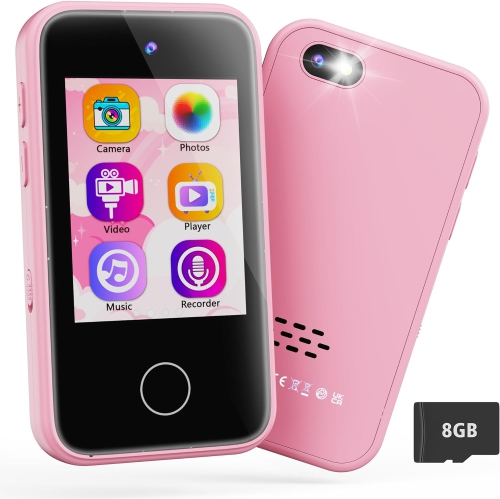
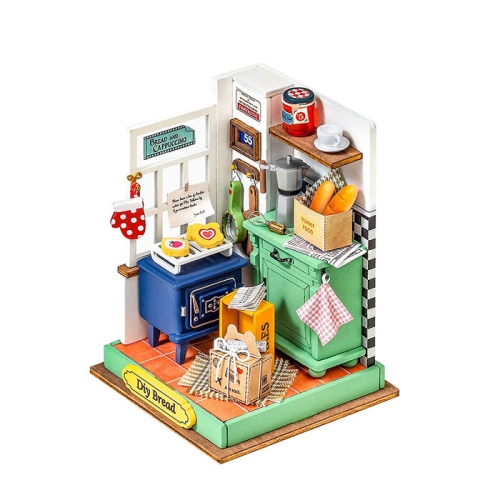
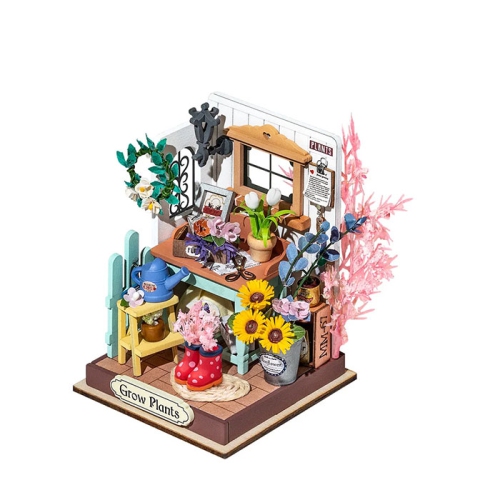
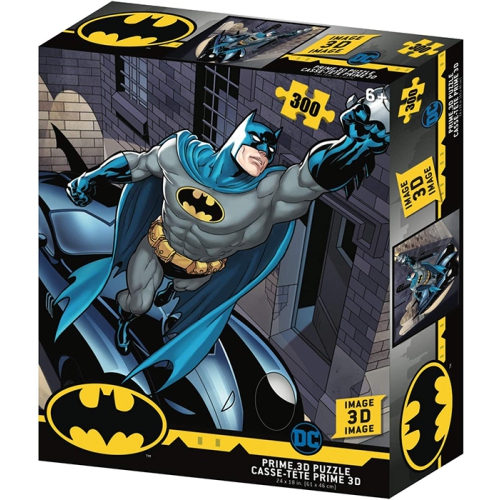



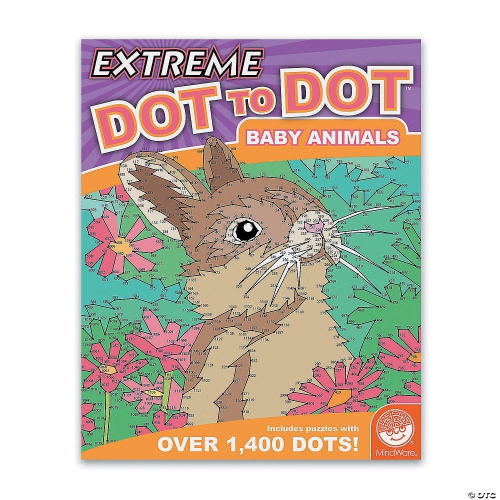
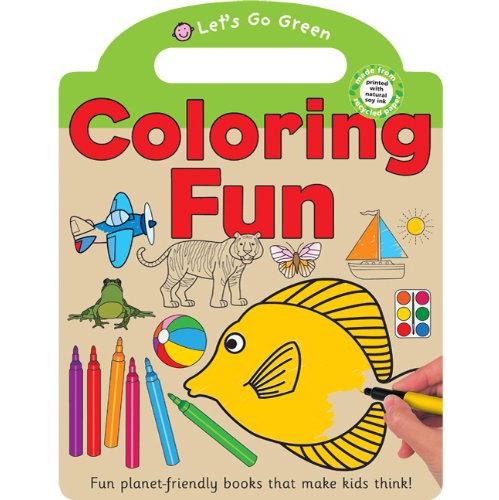

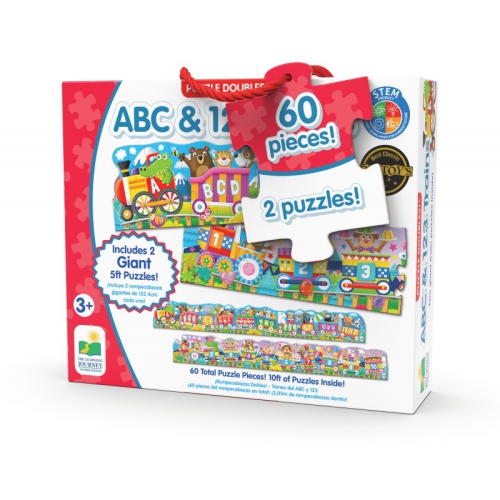
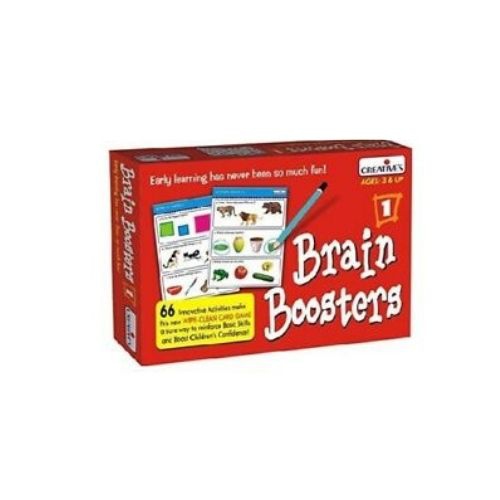

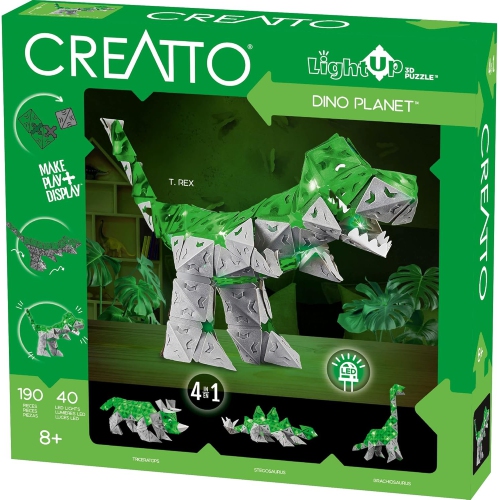
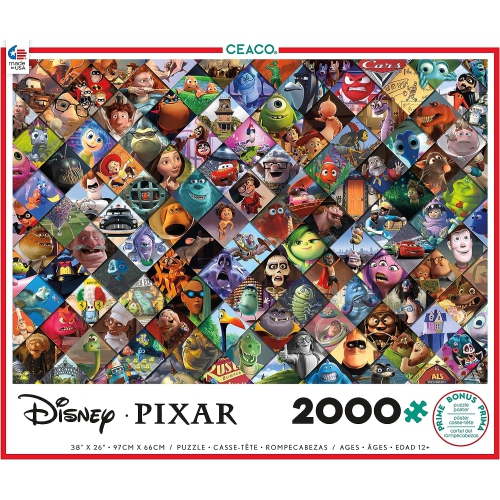
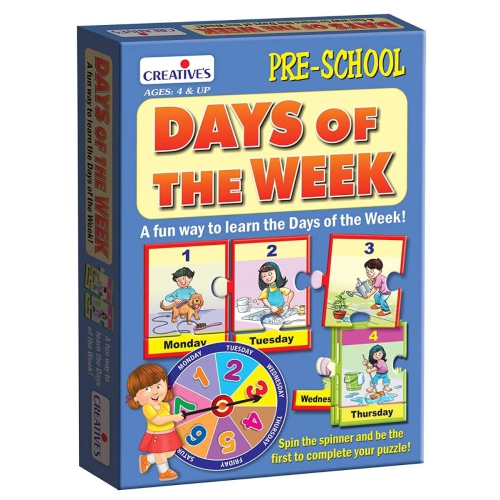
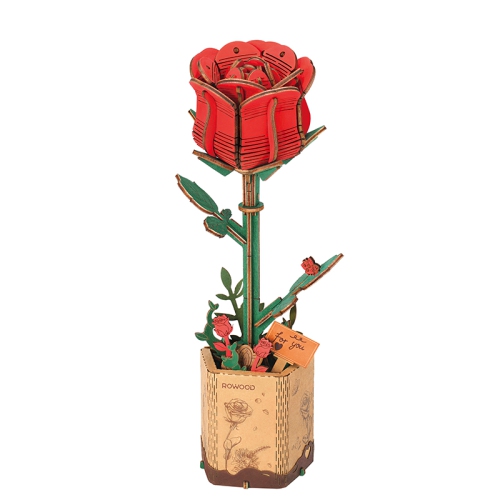
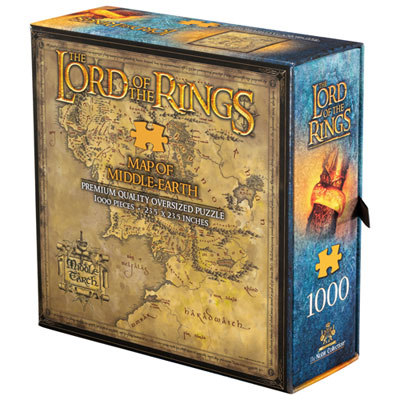

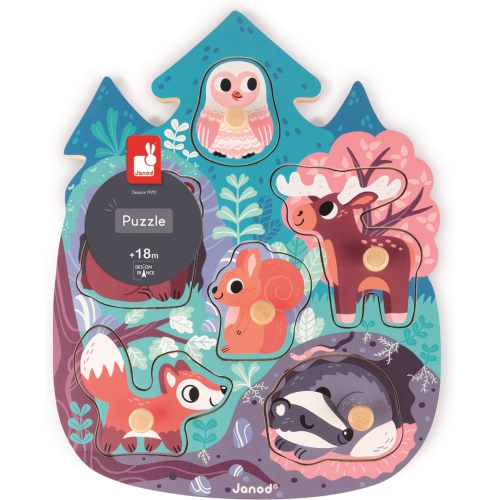

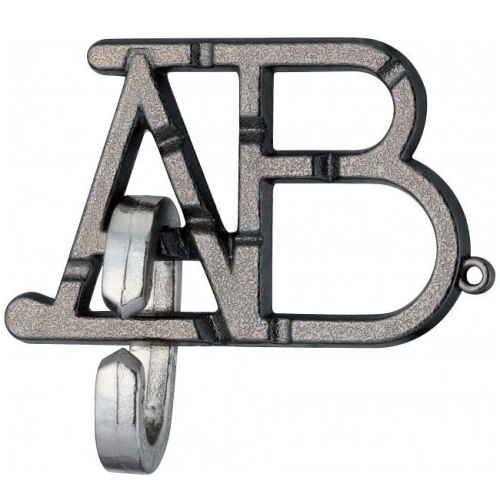
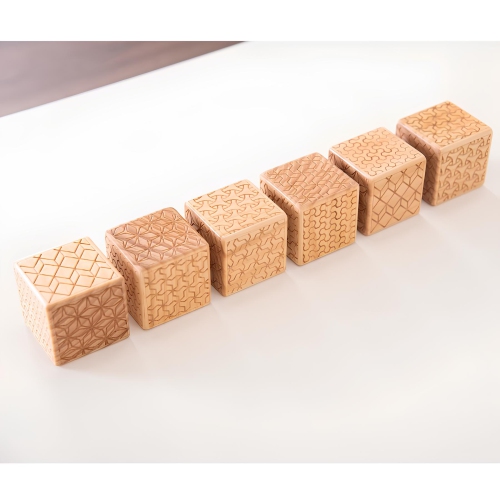
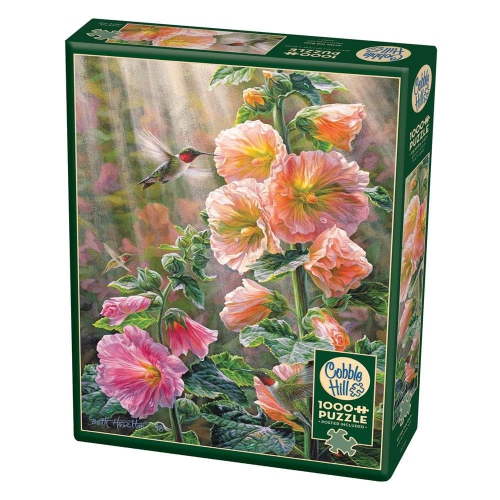
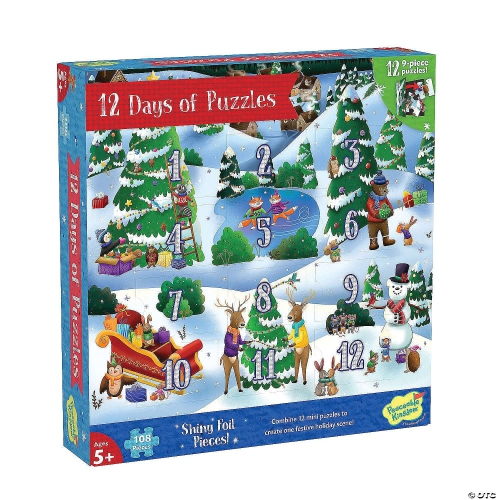
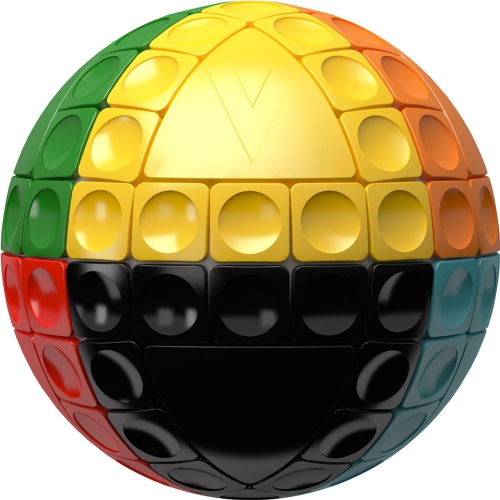

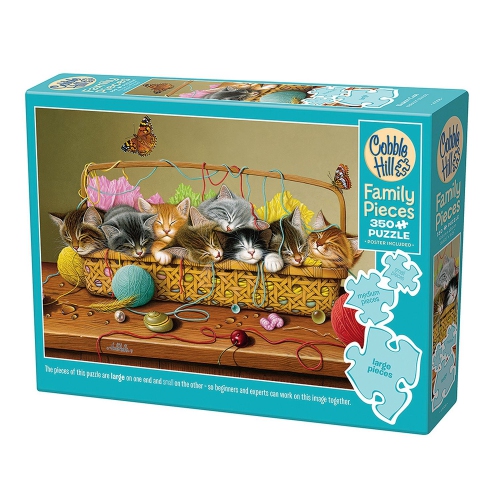
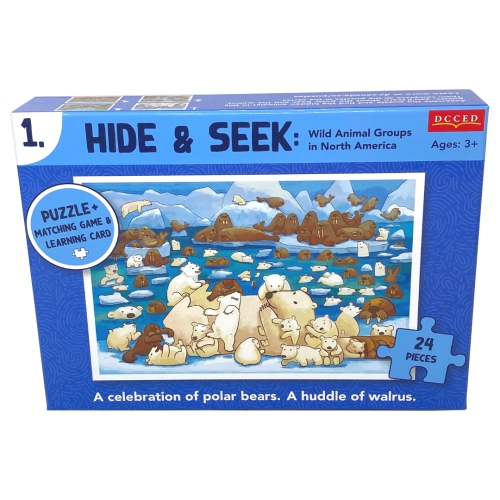
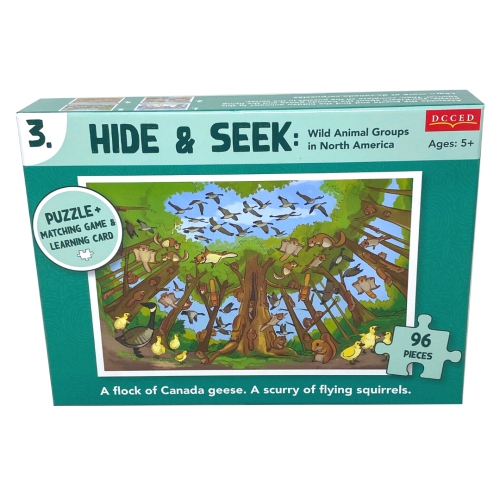
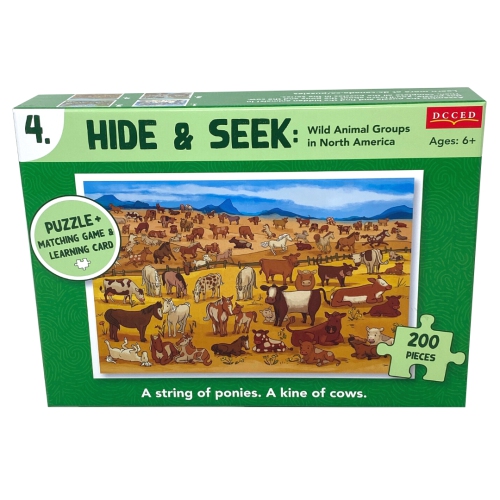
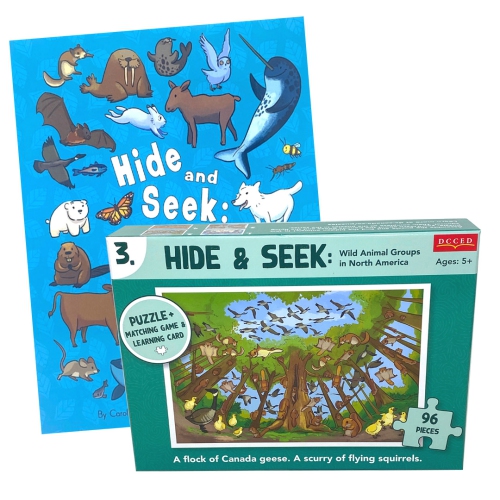
How fitting puzzle pieces puts thinking into practice
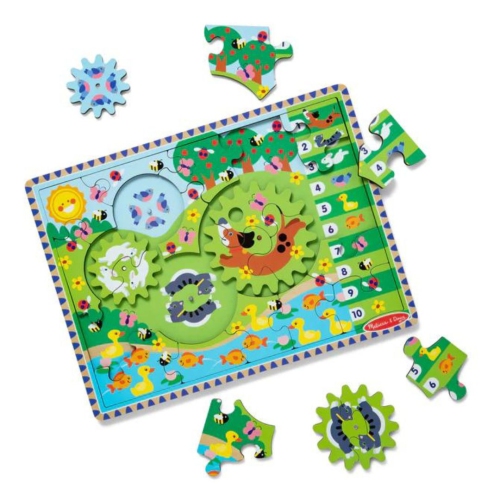
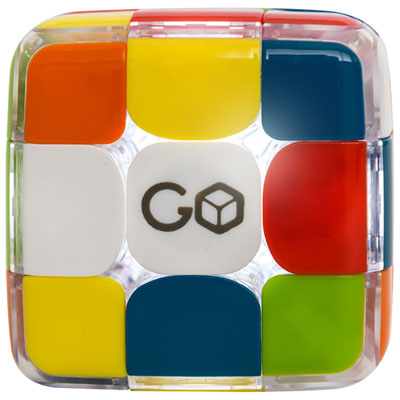
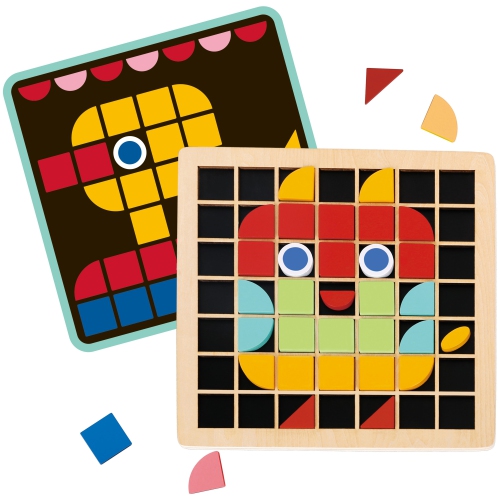
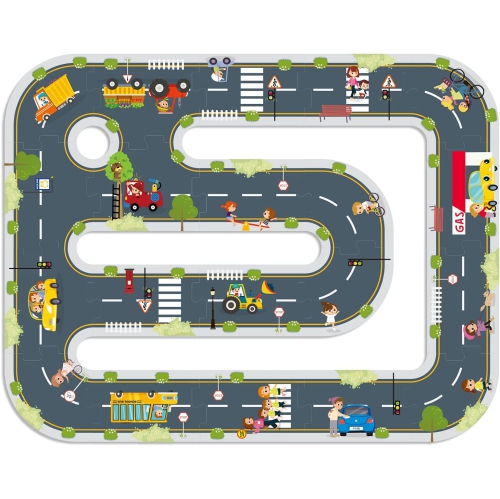
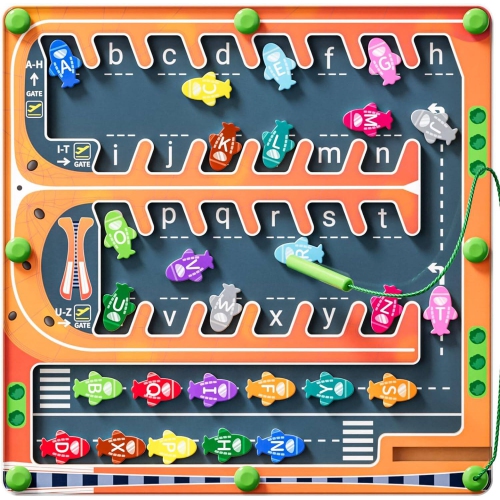
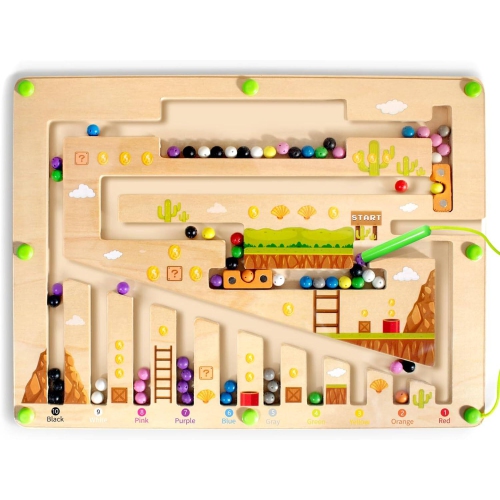
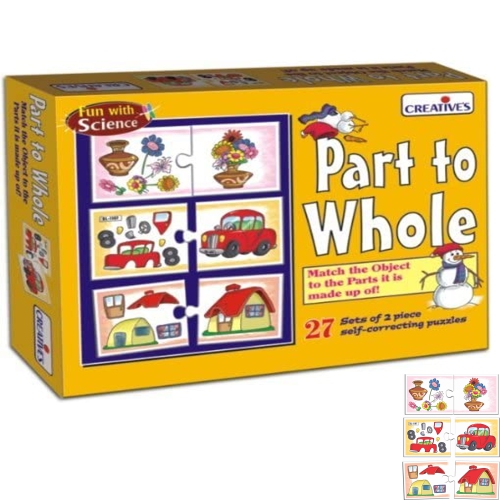
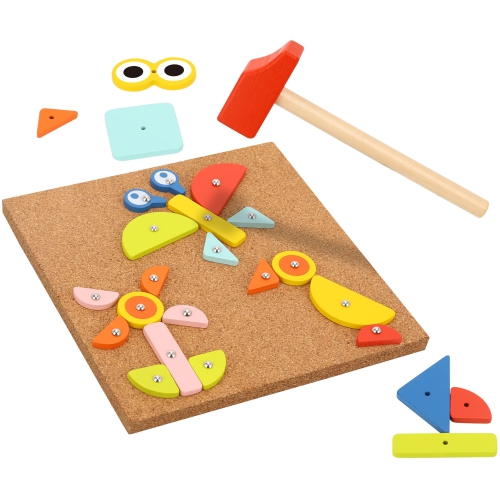
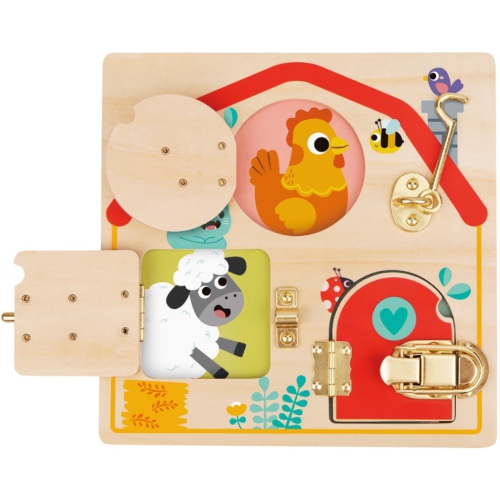
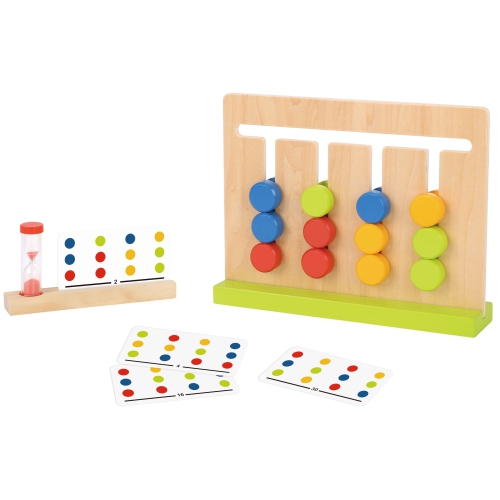
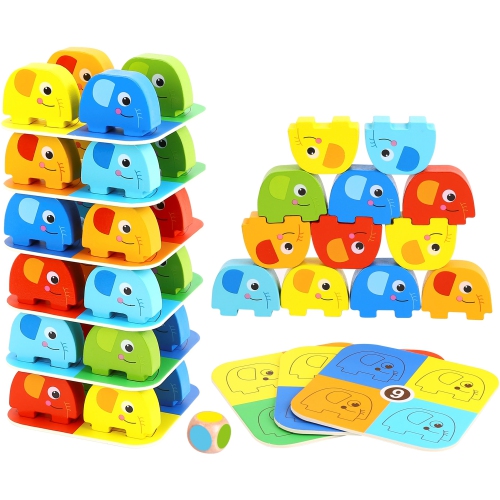
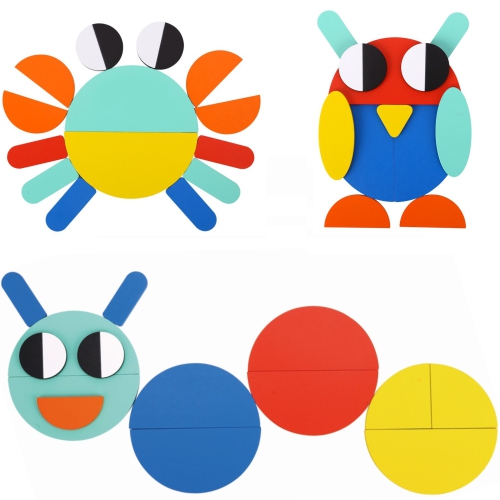
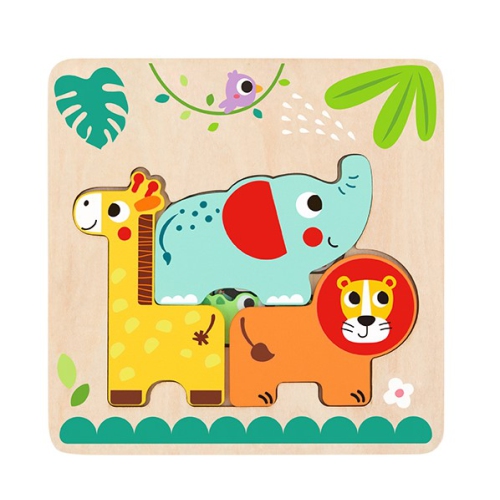
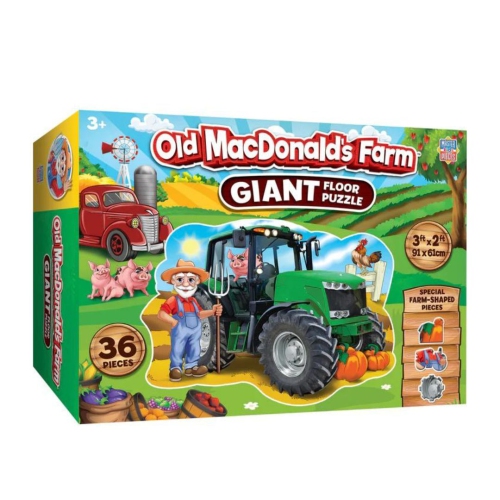
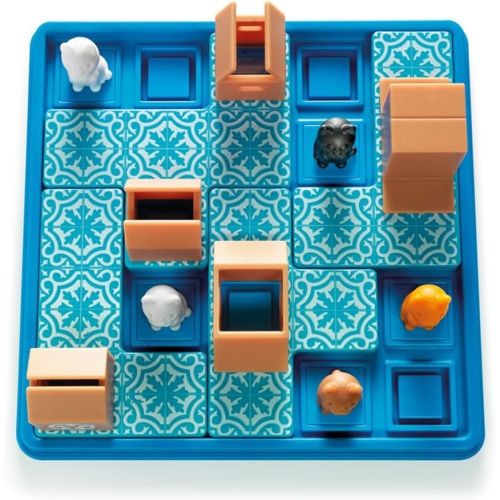
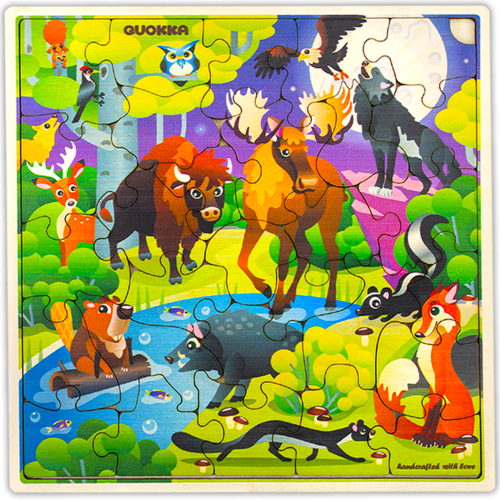
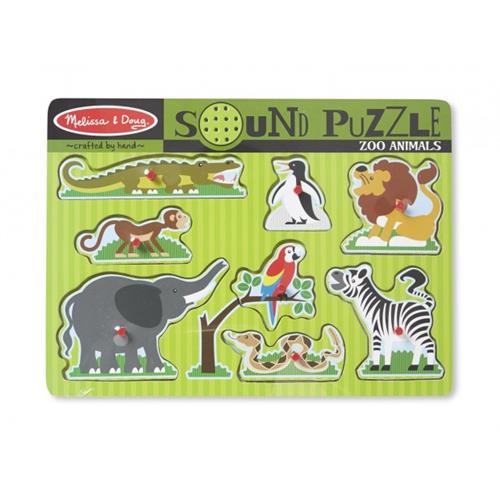
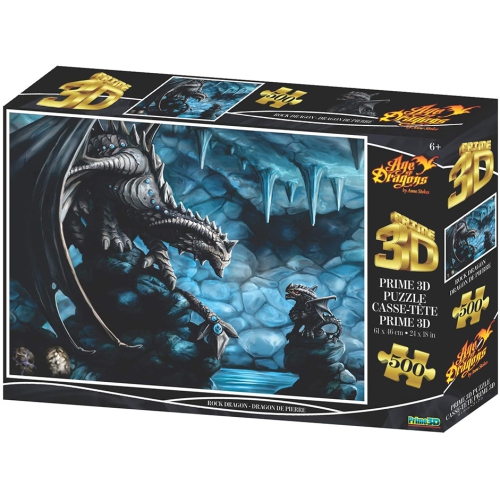
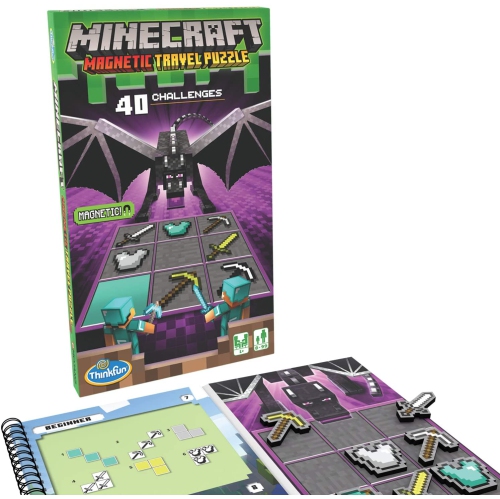
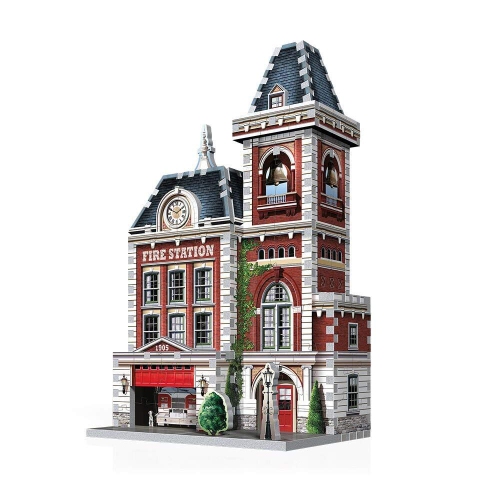
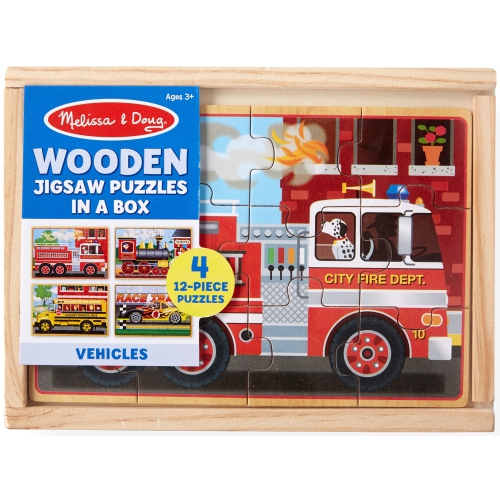
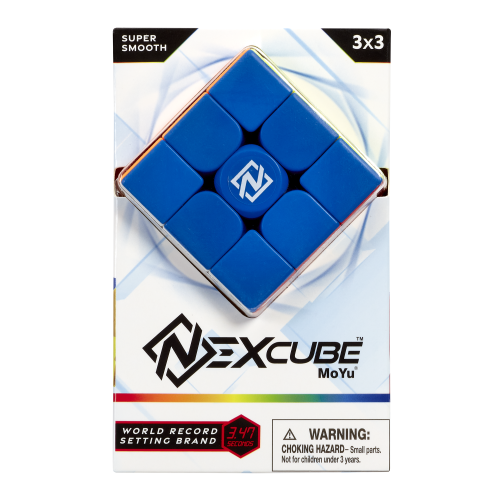
Puzzles for developing skills bring observation, movement, and reasoning together in a hands-on activity with a clear goal. Whether the task is fitting a shape into a board or assembling a detailed picture, each placement involves noticing differences, testing possibilities, and adjusting an approach. Picking up, rotating, and positioning pieces gives children practice with fine motor control and hand-eye coordination. Matching an outline to an opening exercises spatial awareness, while looking for a particular colour or detail encourages visual attention. Problem-solving happens through small decisions: a piece may show the right picture detail but need another turn, or two similar shapes may belong in different places. Remembering where a useful piece was set aside also calls on working memory during play. These are opportunities to practise skills, rather than a promise that completing puzzles will produce a particular developmental result. Different puzzle formats emphasize different kinds of thinking. Inset puzzles offer a defined space for each piece, making the relationship between shape and position easy to see. Interlocking jigsaws ask the user to consider both the image and the way neighbouring pieces connect. Three-dimensional puzzles add depth and orientation, while pattern and logic puzzles can involve sequencing, planning, or working within a set of rules. For a young child, placing a chunky circle into its matching opening can be a satisfying achievement. An older child might study the lines of a bridge to work out which pieces connect, and an adult might enjoy following a complex pattern across a larger assembly. Familiar themes can provide a useful starting point because the subject gives clues about what belongs together. Animals, vehicles, letters, and everyday scenes can also invite conversation as children name details or describe what they notice. The value lies in the process as much as the finished result: looking closely, making a choice, and trying a different fit when the first attempt does not work.
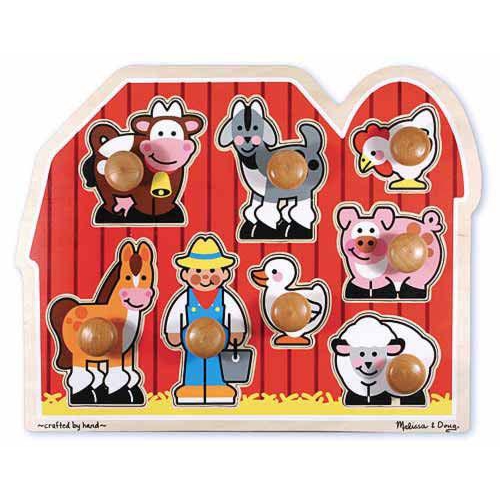
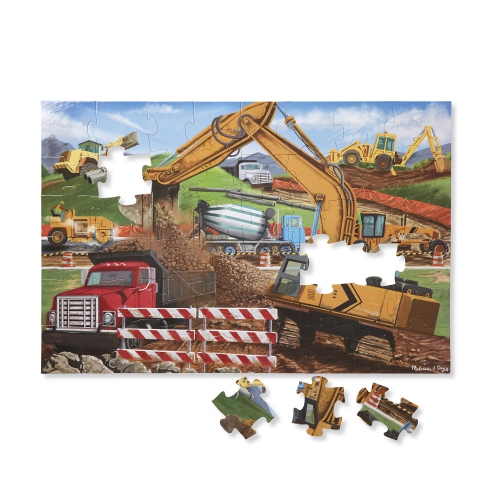
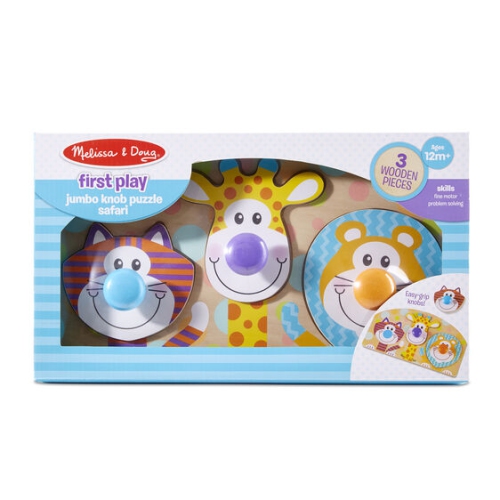
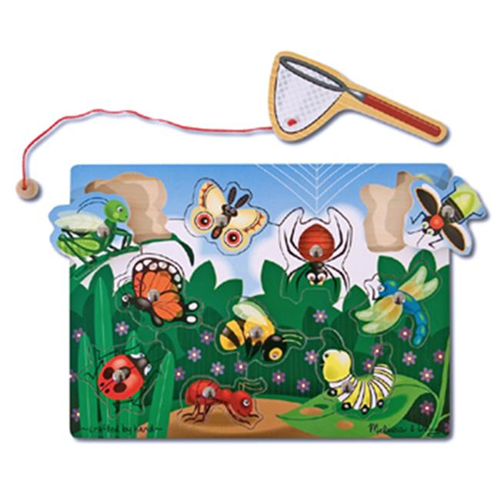
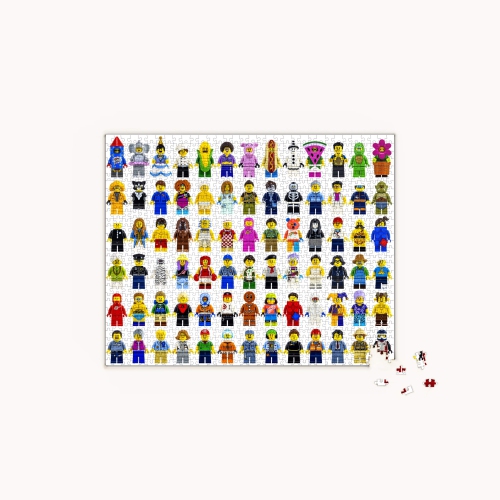
A good match between the puzzle and the person using it makes that process more inviting. Age guidance is an important starting point, particularly for safety, but piece count alone does not describe the full challenge. Piece size, image detail, contrast, shape variation, and the amount of help available all influence how approachable a puzzle feels. A picture with several distinct objects offers more visual clues than a broad area of nearly identical colour, even when both have the same number of pieces. For beginners, larger pieces and clear outlines can make successful placements easier to understand. Knobs or pegs may make pieces easier for some users to grasp, although comfort depends on the shape of the handle and the person's grip. Adults who prefer larger pieces can still enjoy detailed, age-appropriate imagery without having to manipulate very small components. Someone ready for more complexity may appreciate irregular shapes, repeating patterns, or a structure that requires thinking beyond a flat surface. The intended setting matters, too. A compact board can suit a short activity at a small table, while a larger jigsaw needs enough space for the finished picture and loose pieces. Checking completed dimensions helps avoid a project spreading beyond the usable surface. In shared play, siblings or friends can work on separate sections, explain their choices, and take turns searching for a missing detail. This creates opportunities to practise communication and cooperation without making speed the main goal. A parent or caregiver can offer a small clue, such as pointing out a straight edge, while leaving the placement to the child. Sorting by colour, shape, or picture section can make a busy layout easier to approach, though not every puzzle needs the same method. For gifts, the recipient's interests, experience, and preferred level of challenge are usually more useful than choosing the largest or most complicated format. An achievable puzzle can invite repeated use, while a more demanding one may suit someone who enjoys a project spread over several sessions.
Materials, construction, and care help determine how well a puzzle stands up to that repeated handling. Wooden puzzles often have rigid pieces that are easy to lift and turn; smooth edges and an even finish are especially important where small hands will grip them. Paperboard jigsaws vary in thickness and surface finish, and their tabs need careful handling to avoid bending or separating layers. Plastic components may suit designs with shaped or interlocking parts, but cleaning methods still depend on the manufacturer's directions. A well-made puzzle should have pieces that fit as intended without needing to be forced. A connection that resists may indicate the wrong placement, and pressing harder can damage a tab or edge. Keeping the playing surface clean and dry helps protect pieces, while storing them in their box or a suitable container reduces the chance of losing a small but essential part. Wooden and paperboard puzzles generally should not be soaked; follow the supplied care instructions for wiping or cleaning, and let cleaned components dry before putting them away. In homes, classrooms, and other shared spaces, it is worth checking regularly for cracked pieces, splinters, peeling surfaces, or loose attachments. Small pieces can present a choking hazard, so follow the labelled age restrictions and keep them away from children who mouth objects. Supervision does not make an age-inappropriate puzzle suitable for a younger child. For longer projects, a dedicated board or mat can help keep the assembly together between sessions, provided it suits the puzzle's size and format. A comfortable seat, a surface within easy reach, and lighting that makes picture details clear can make the activity more pleasant for children and adults alike. Those interested in puzzles centred on attention, patterns, and reasoning can also explore Puzzles for Mental Exercise. Across different ages and abilities, a thoughtfully chosen puzzle offers a tangible way to engage with a challenge: loose pieces gradually become an organized whole through patience, observation, and purposeful movement.
A good match between the puzzle and the person using it makes that process more inviting. Age guidance is an important starting point, particularly for safety, but piece count alone does not describe the full challenge. Piece size, image detail, contrast, shape variation, and the amount of help available all influence how approachable a puzzle feels. A picture with several distinct objects offers more visual clues than a broad area of nearly identical colour, even when both have the same number of pieces. For beginners, larger pieces and clear outlines can make successful placements easier to understand. Knobs or pegs may make pieces easier for some users to grasp, although comfort depends on the shape of the handle and the person's grip. Adults who prefer larger pieces can still enjoy detailed, age-appropriate imagery without having to manipulate very small components. Someone ready for more complexity may appreciate irregular shapes, repeating patterns, or a structure that requires thinking beyond a flat surface. The intended setting matters, too. A compact board can suit a short activity at a small table, while a larger jigsaw needs enough space for the finished picture and loose pieces. Checking completed dimensions helps avoid a project spreading beyond the usable surface. In shared play, siblings or friends can work on separate sections, explain their choices, and take turns searching for a missing detail. This creates opportunities to practise communication and cooperation without making speed the main goal. A parent or caregiver can offer a small clue, such as pointing out a straight edge, while leaving the placement to the child. Sorting by colour, shape, or picture section can make a busy layout easier to approach, though not every puzzle needs the same method. For gifts, the recipient's interests, experience, and preferred level of challenge are usually more useful than choosing the largest or most complicated format. An achievable puzzle can invite repeated use, while a more demanding one may suit someone who enjoys a project spread over several sessions.
Materials, construction, and care help determine how well a puzzle stands up to that repeated handling. Wooden puzzles often have rigid pieces that are easy to lift and turn; smooth edges and an even finish are especially important where small hands will grip them. Paperboard jigsaws vary in thickness and surface finish, and their tabs need careful handling to avoid bending or separating layers. Plastic components may suit designs with shaped or interlocking parts, but cleaning methods still depend on the manufacturer's directions. A well-made puzzle should have pieces that fit as intended without needing to be forced. A connection that resists may indicate the wrong placement, and pressing harder can damage a tab or edge. Keeping the playing surface clean and dry helps protect pieces, while storing them in their box or a suitable container reduces the chance of losing a small but essential part. Wooden and paperboard puzzles generally should not be soaked; follow the supplied care instructions for wiping or cleaning, and let cleaned components dry before putting them away. In homes, classrooms, and other shared spaces, it is worth checking regularly for cracked pieces, splinters, peeling surfaces, or loose attachments. Small pieces can present a choking hazard, so follow the labelled age restrictions and keep them away from children who mouth objects. Supervision does not make an age-inappropriate puzzle suitable for a younger child. For longer projects, a dedicated board or mat can help keep the assembly together between sessions, provided it suits the puzzle's size and format. A comfortable seat, a surface within easy reach, and lighting that makes picture details clear can make the activity more pleasant for children and adults alike. Those interested in puzzles centred on attention, patterns, and reasoning can also explore Puzzles for Mental Exercise. Across different ages and abilities, a thoughtfully chosen puzzle offers a tangible way to engage with a challenge: loose pieces gradually become an organized whole through patience, observation, and purposeful movement.
Top selling and popular products
-
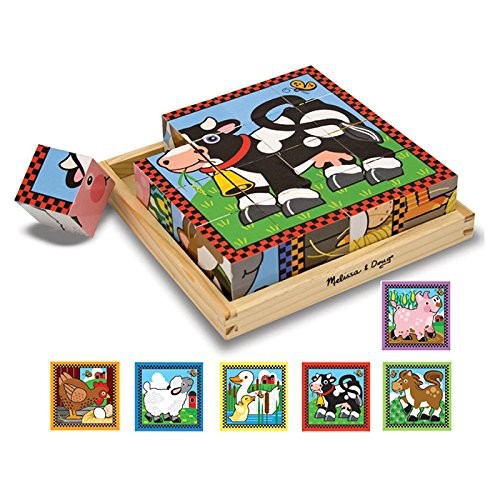 Your price for this item is $32.99
 -
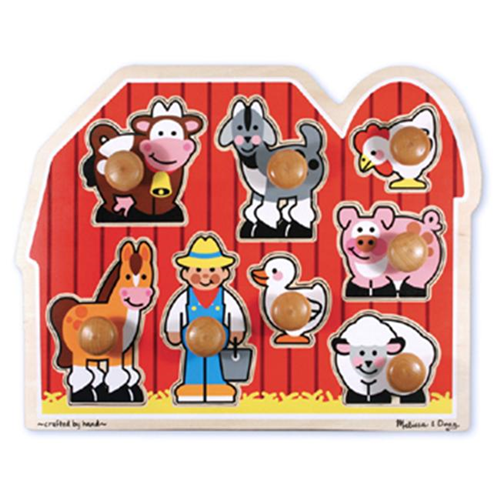 Your price for this item is $46.99
 -
 Your price for this item is $35.99
 -
 Your price for this item is $30.99
 -
 Your price for this item is $29.99
 -
 Your price for this item is $36.99
 -
 Your price for this item is $34.9
 -
 Your price for this item is $17.95
Discover more categories related to Puzzles for Developing Skills

Top Collections:
Pokemon Centers, Budget 4K TVs, Best Budget Office Chairs, Kindle Devices, Canon G7X Cameras, Apple iPhones 16, iPhone 15 Apple, Laptops for Business Work, Xiaomi Phones, Flip Phones
Some products may be subject to Environmental Handling Fees
(EHF) depending on your province.
Learn more about EHFs.