Educational Wooden Toys
Discover the enchanting world of educational wooden toys that seamlessly blend learning and play. Crafted with care and designed to inspire creativity, these timeless toys offer endless opportunities for children to develop essential skills while having fun. From building blocks that spark imagination to puzzles that challenge young minds, wooden toys are perfect for fostering problem-solving abilities, fine motor skills, and cognitive development. Made from sustainable materials, they not only provide a safe and durable play experience but also encourage a connection to nature. Explore our selection and find the perfect addition to your child's playroom, where every moment is a chance to learn and grow.
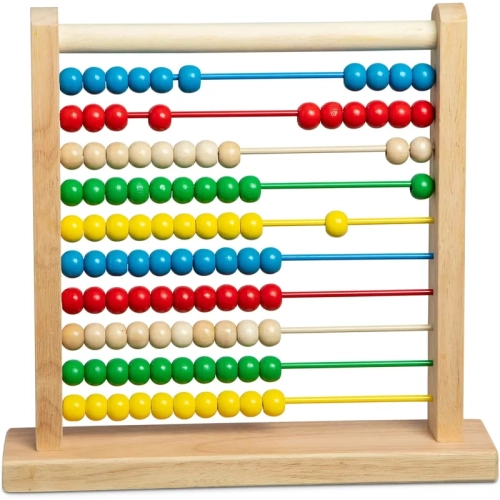
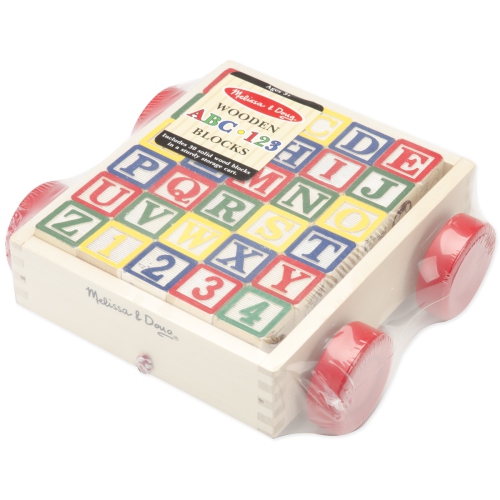
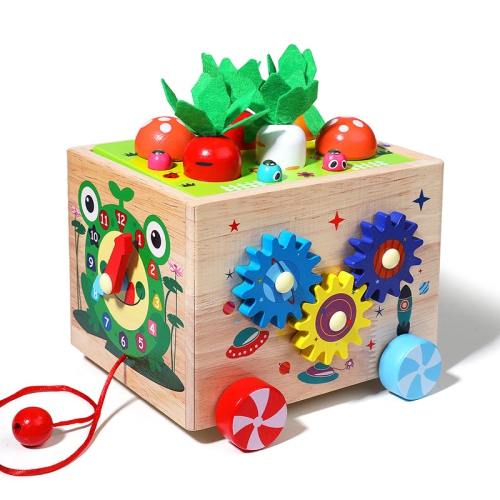
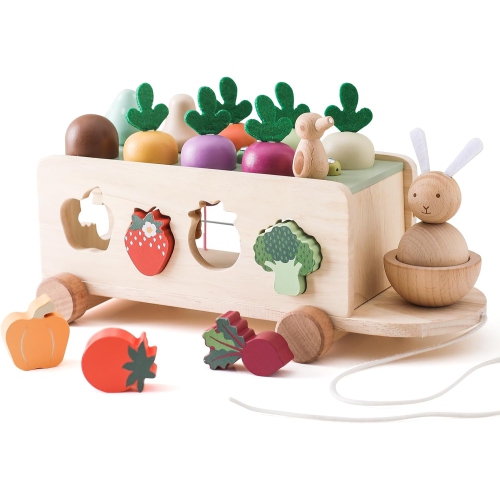
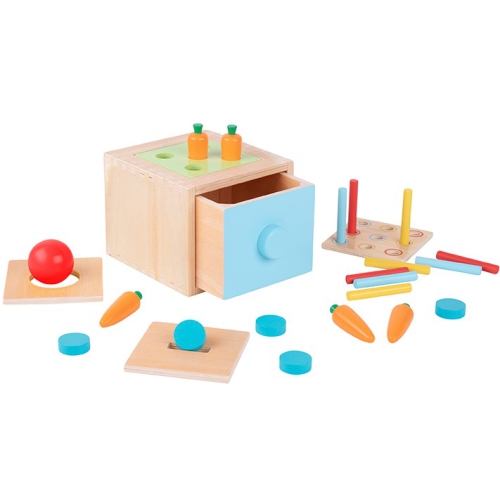
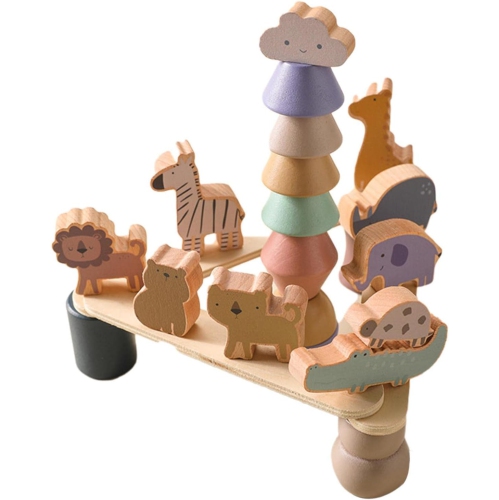
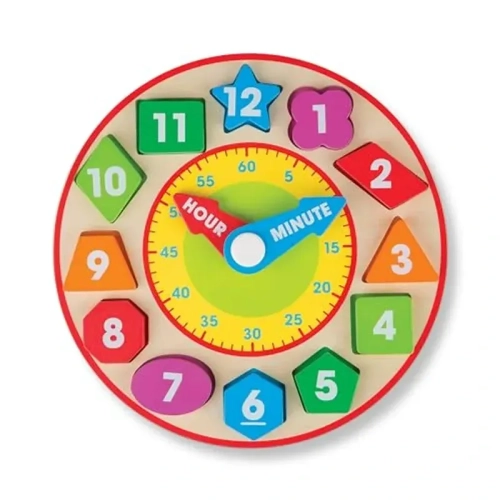

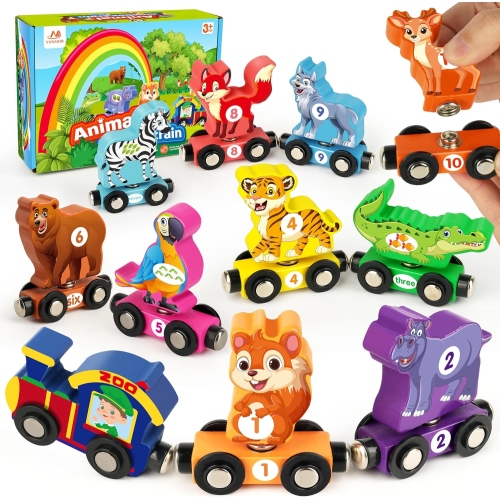
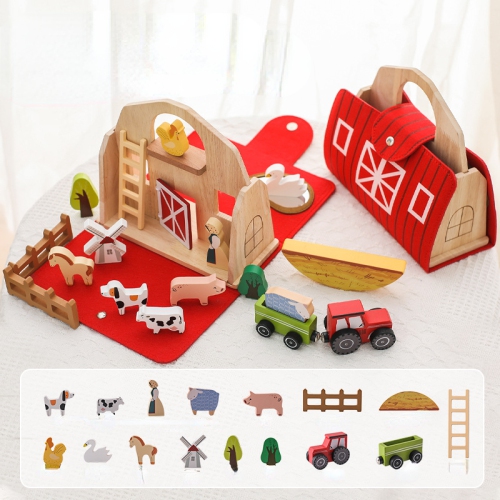
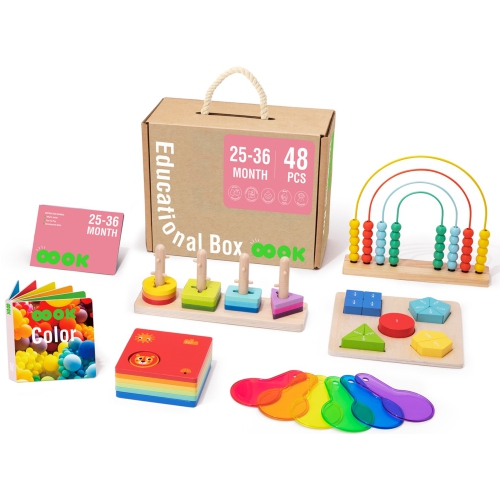
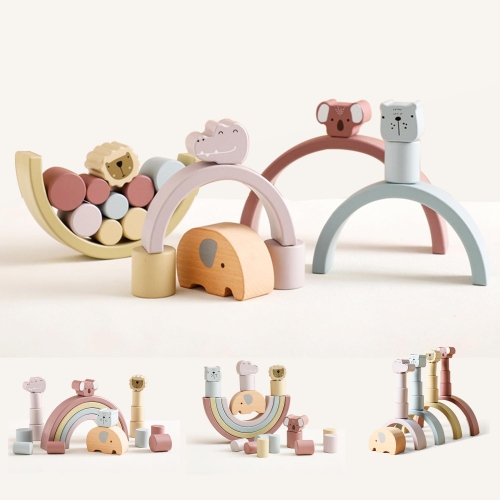
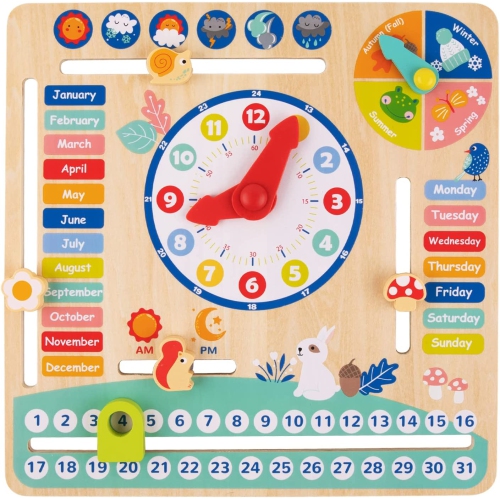
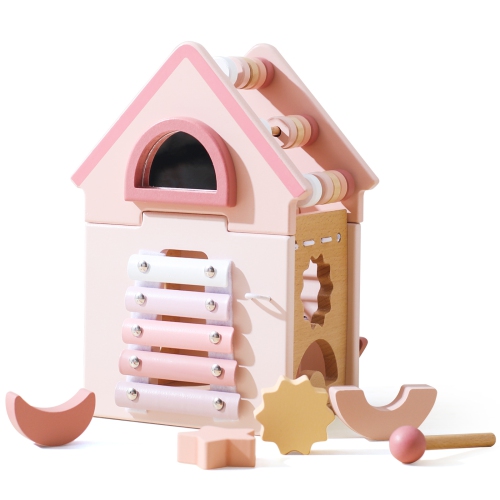
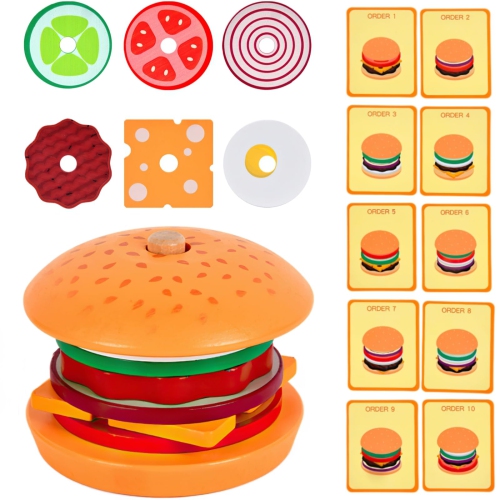

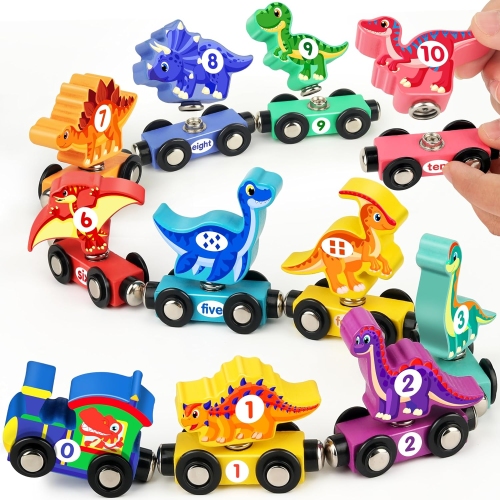
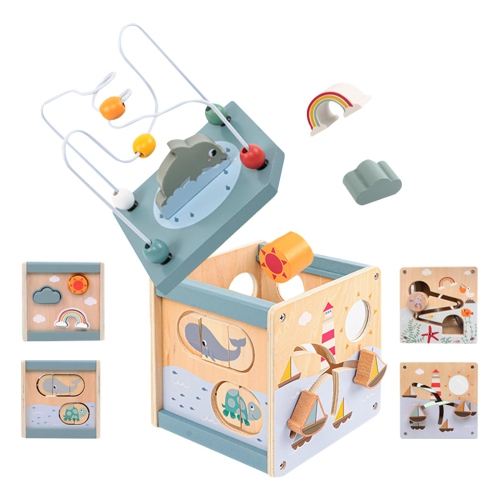
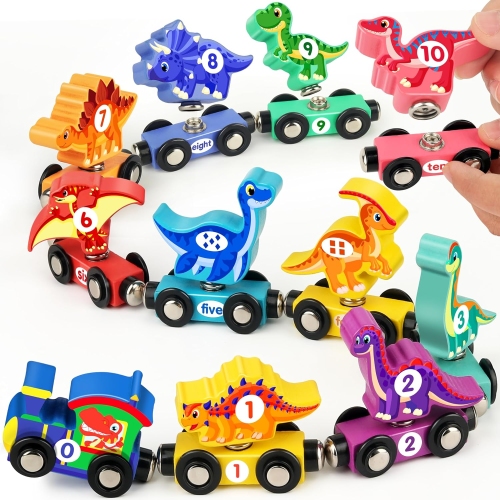
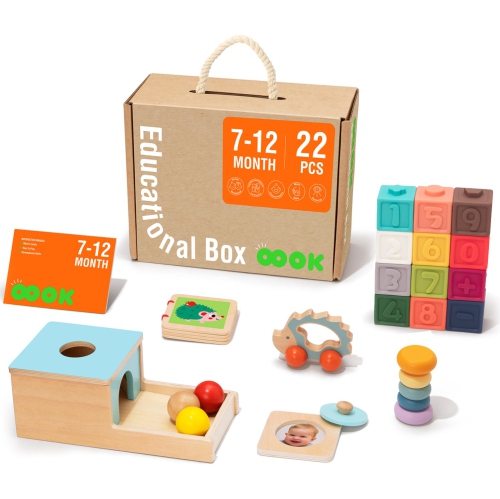
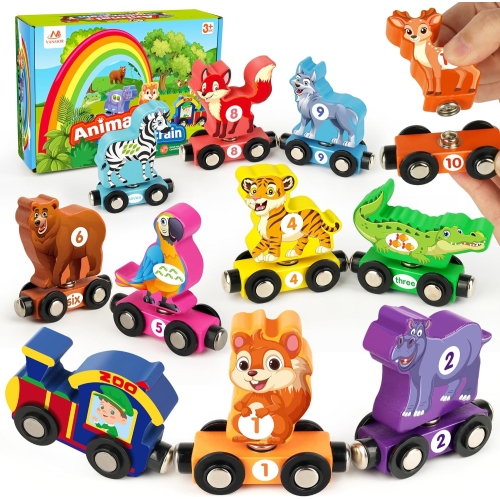
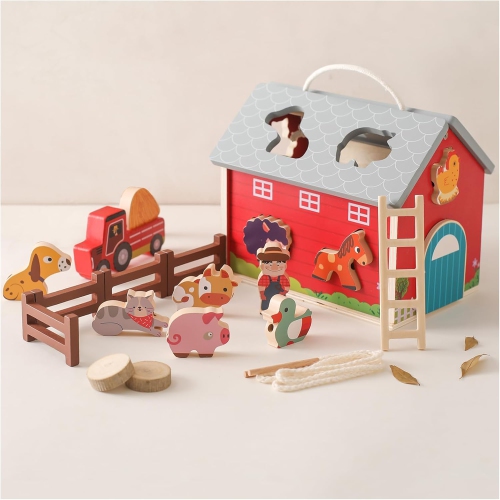

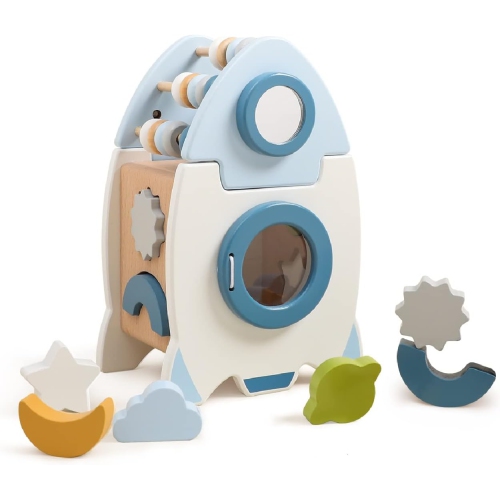
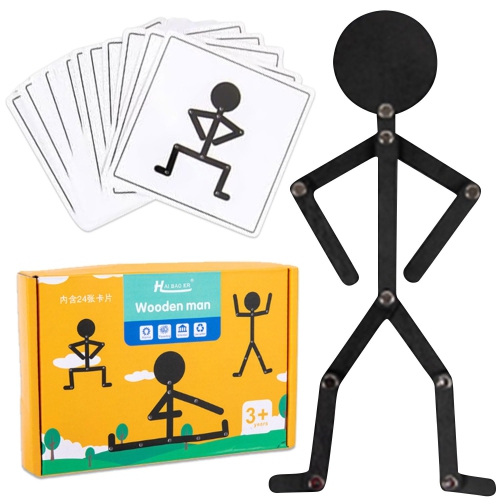
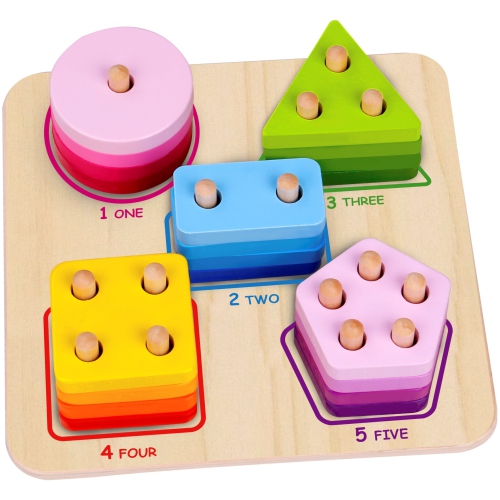
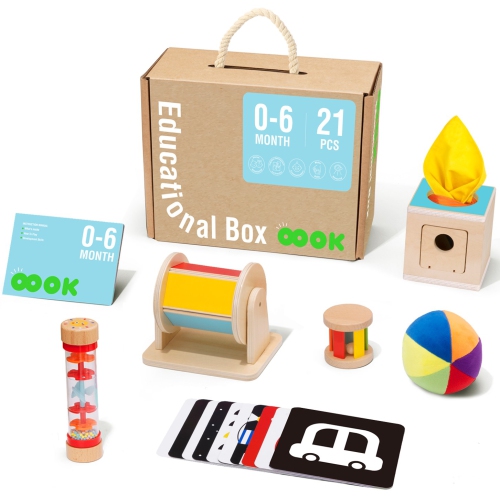
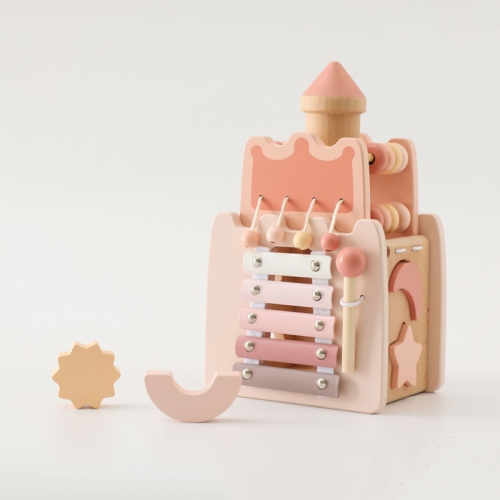
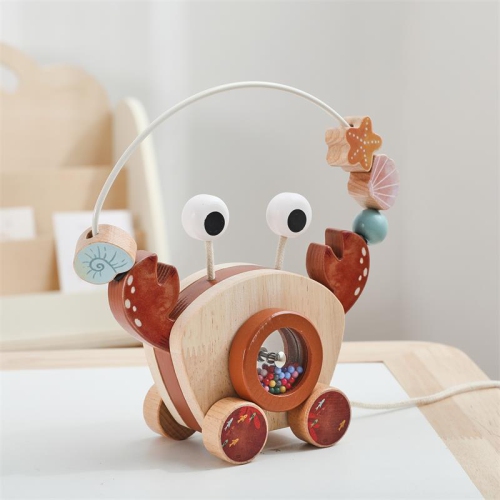
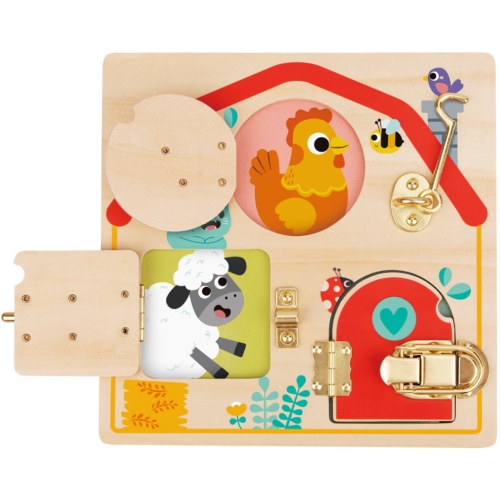

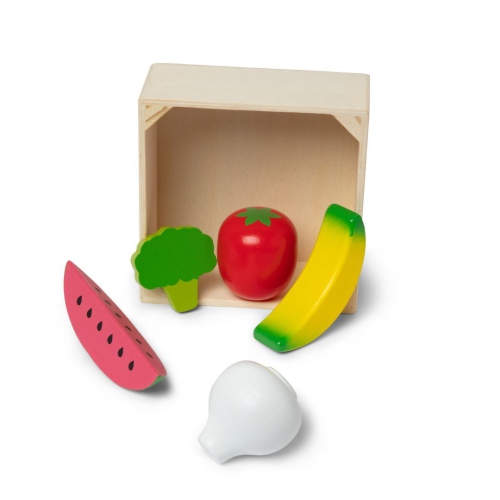
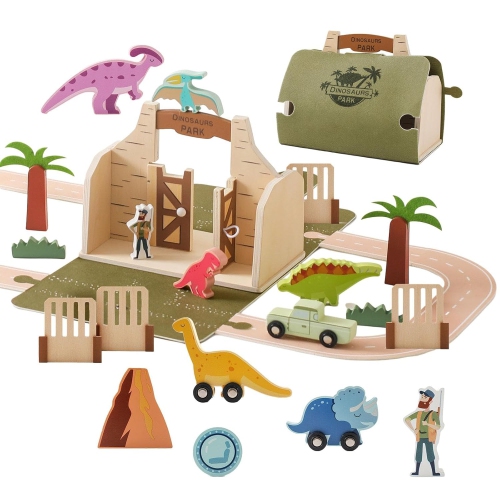
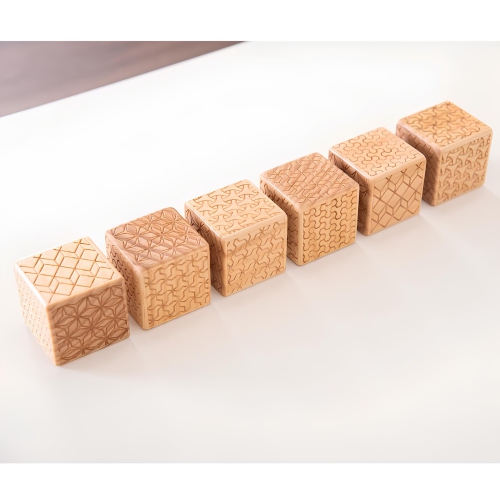
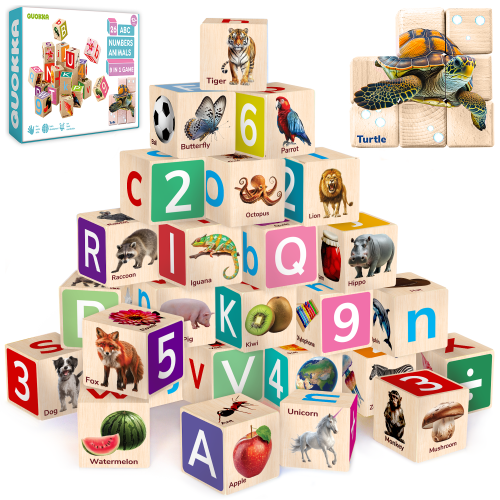
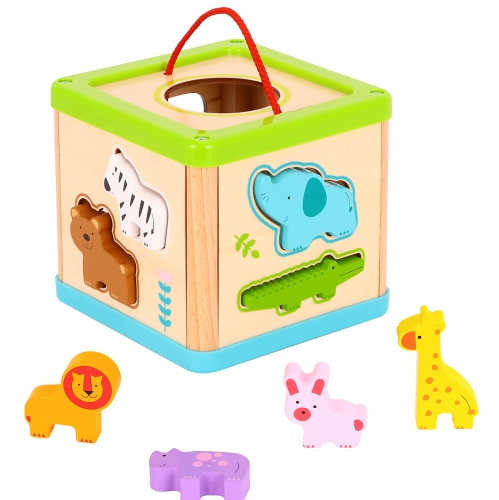
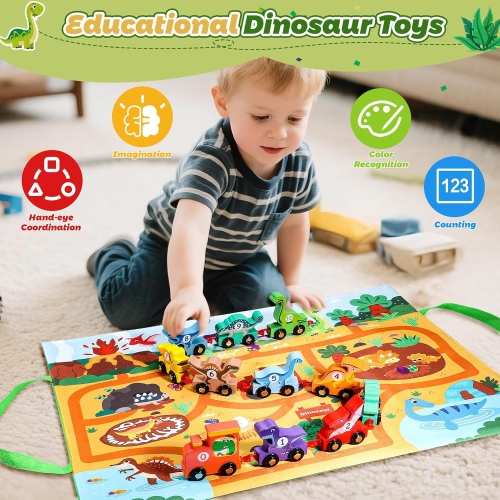
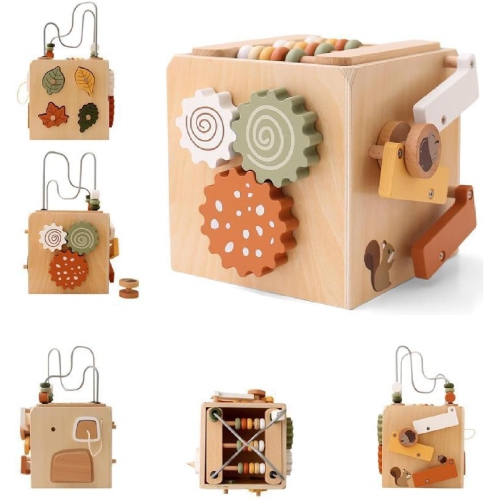
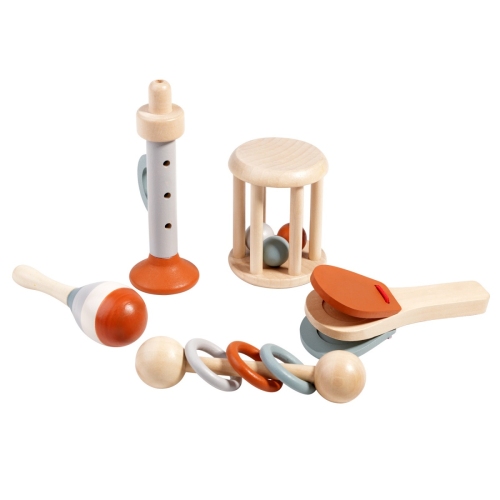

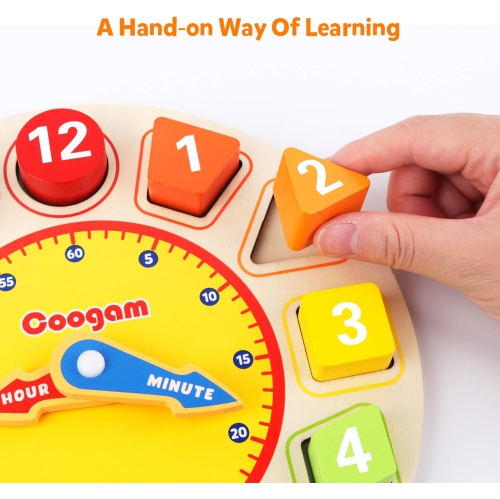
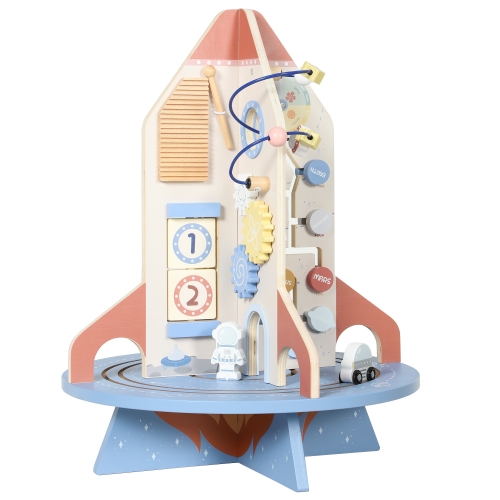
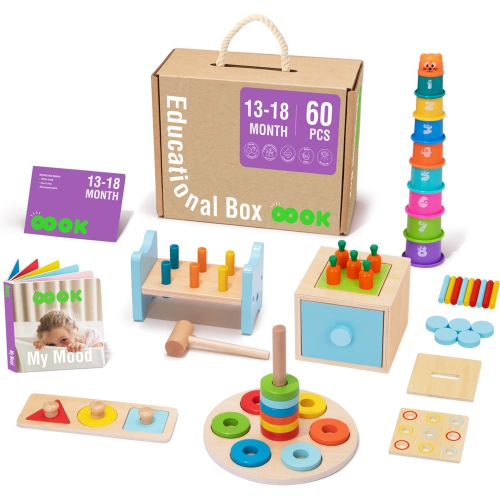
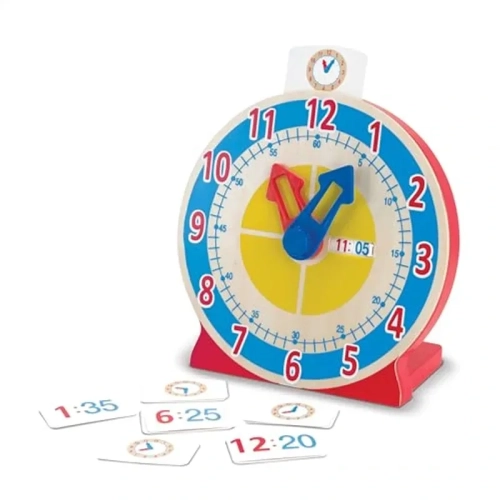

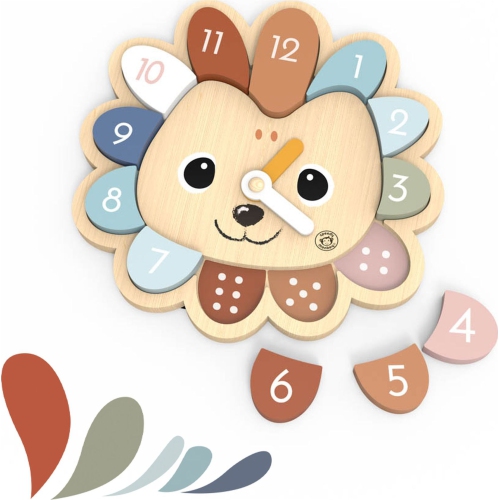
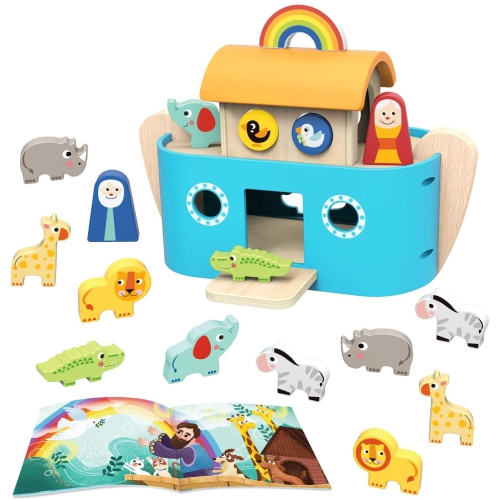
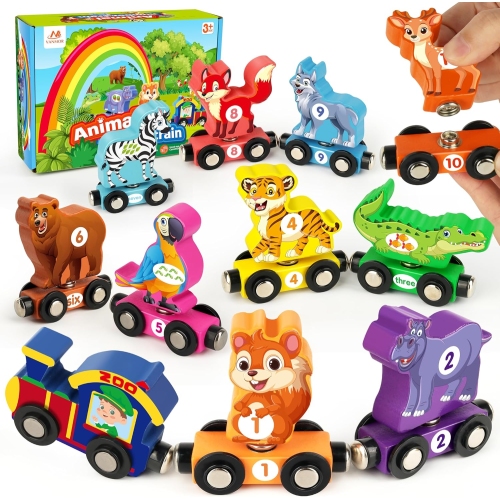
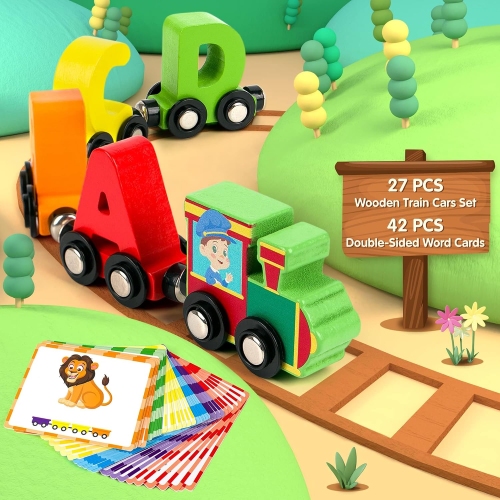
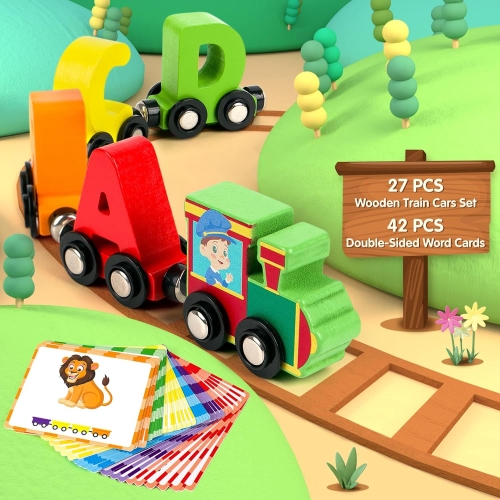
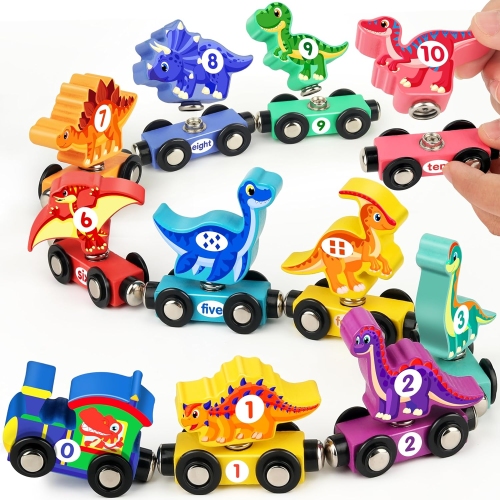
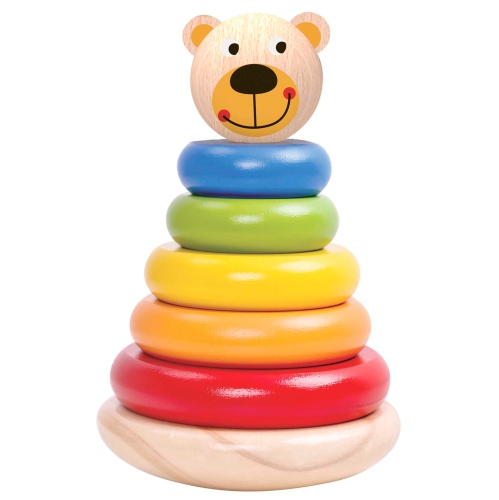
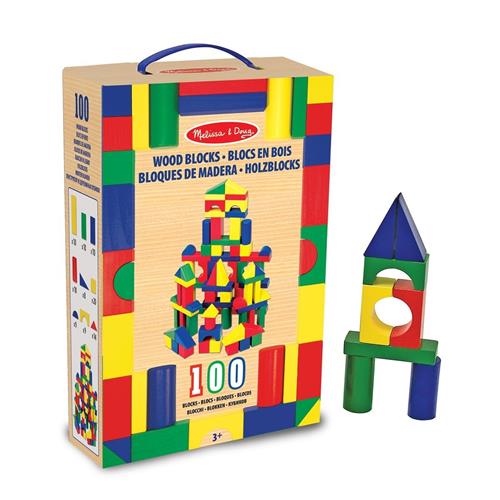
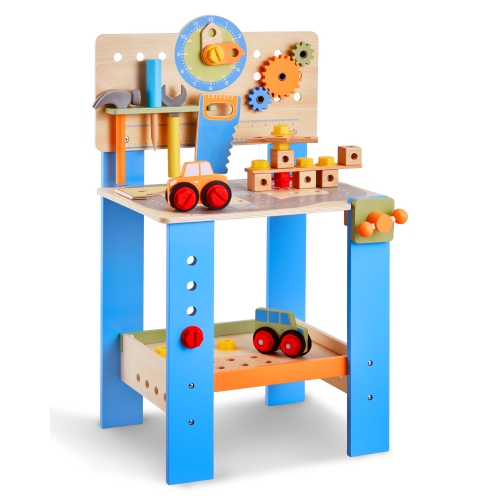
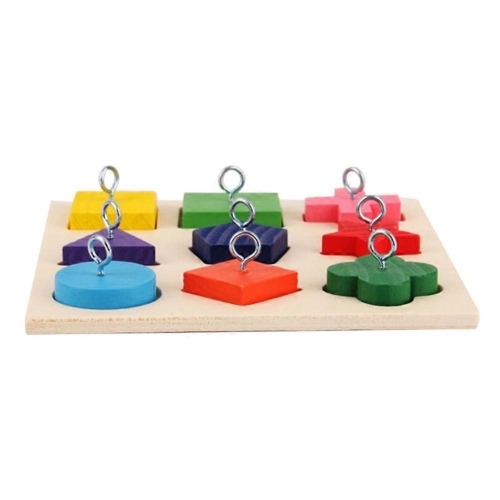
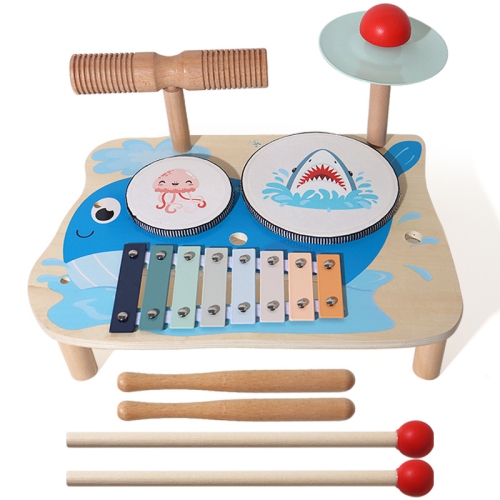
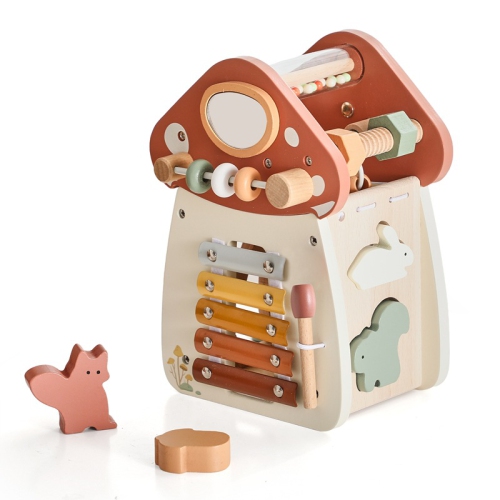
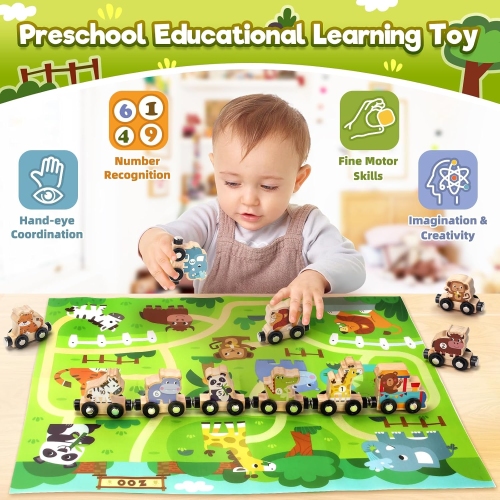
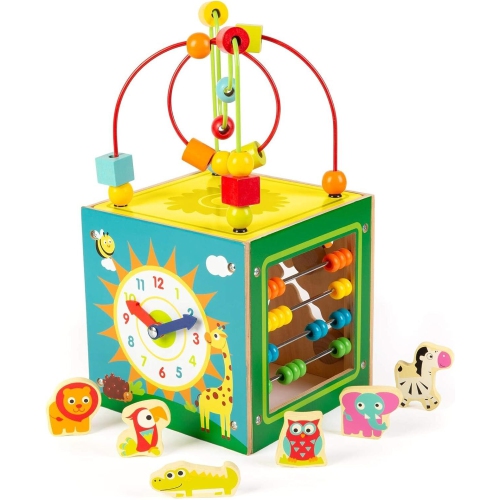
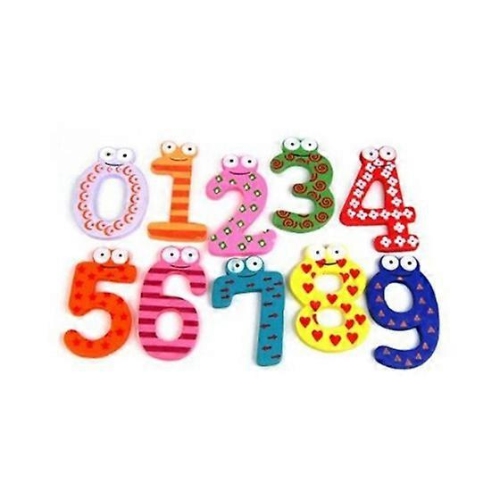


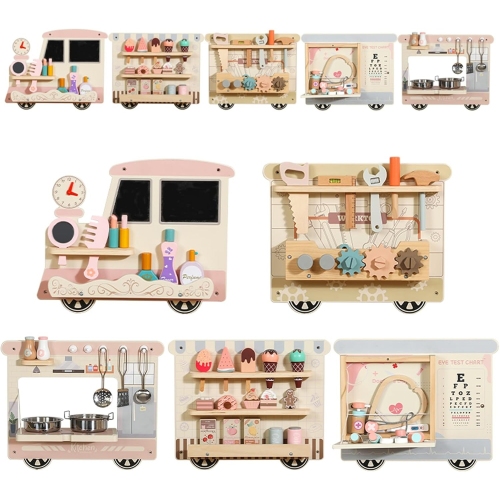
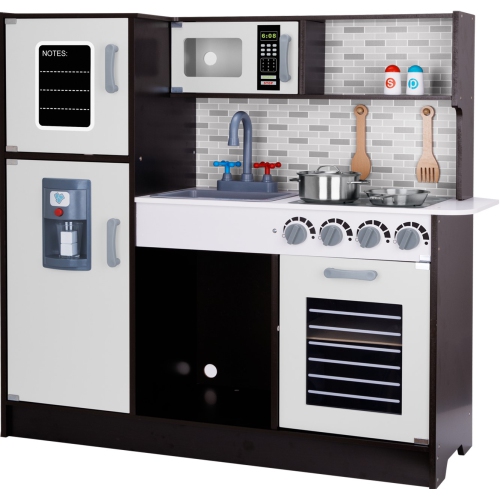
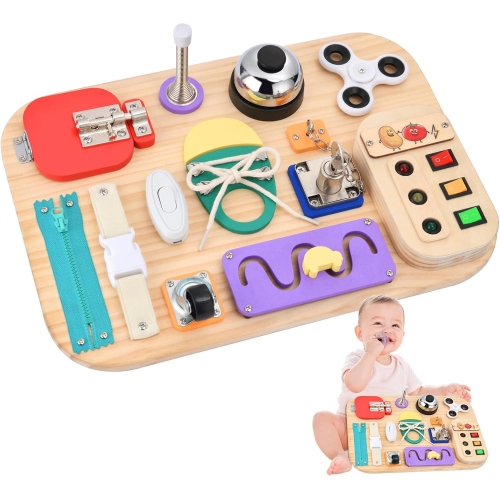
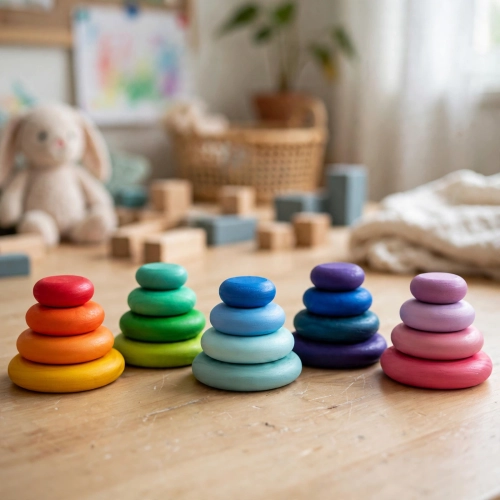
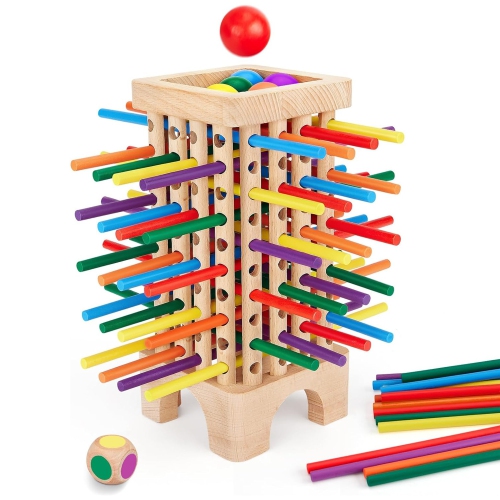
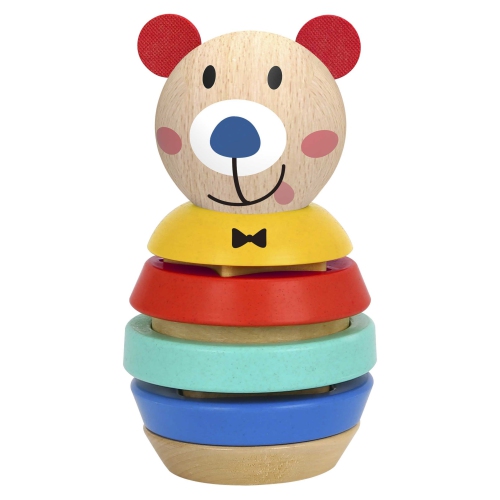
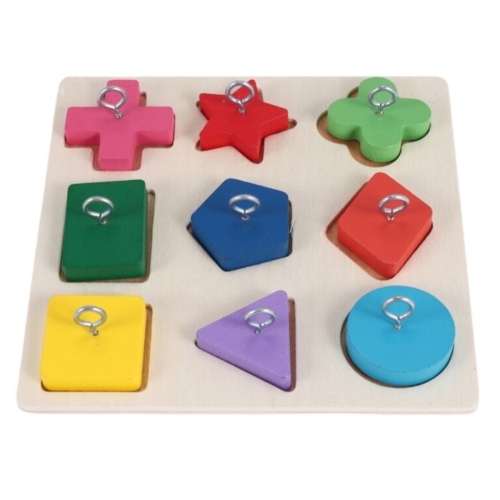
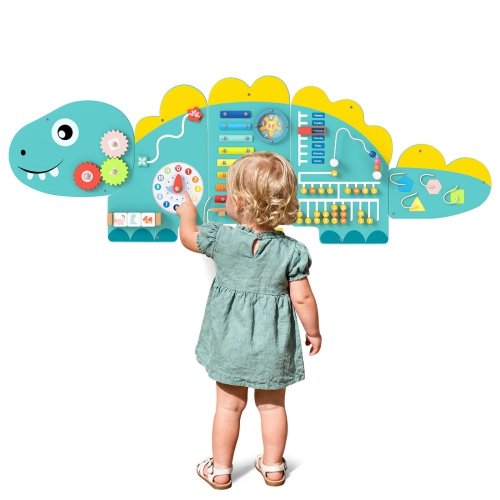
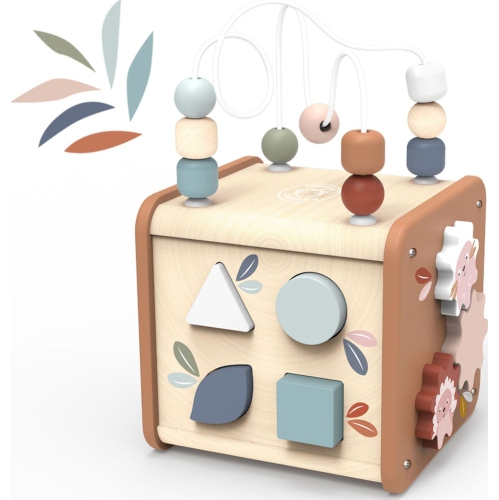
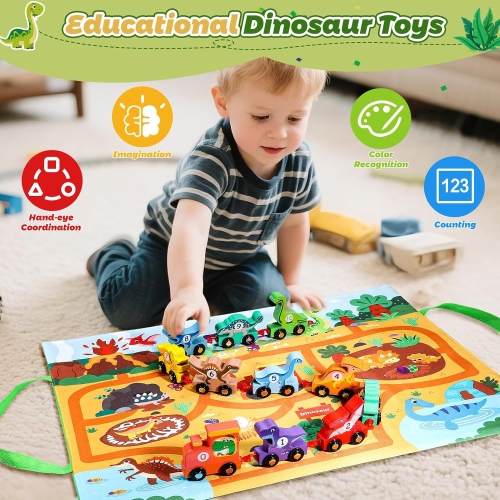

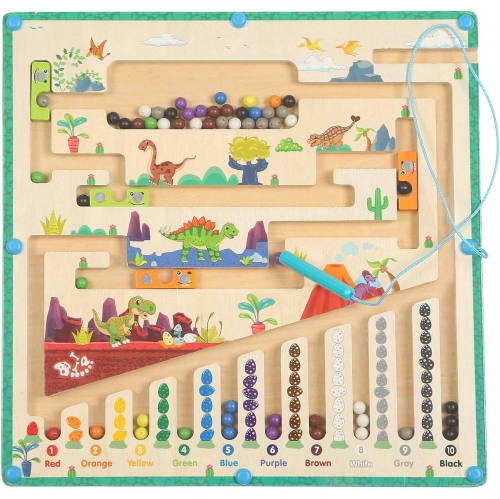
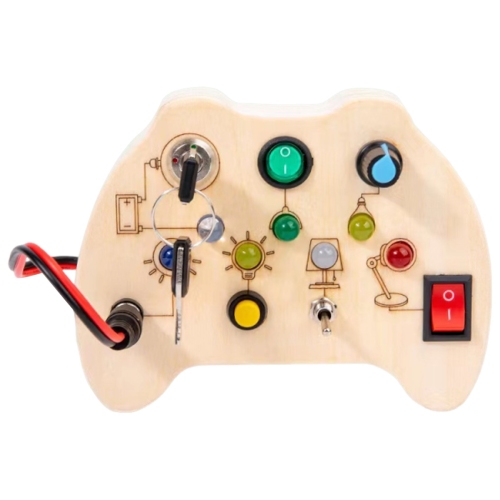
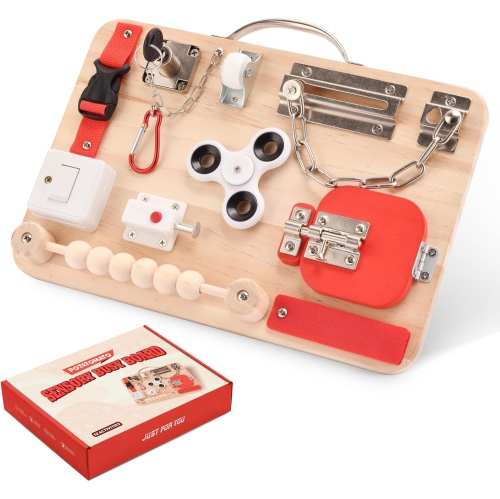

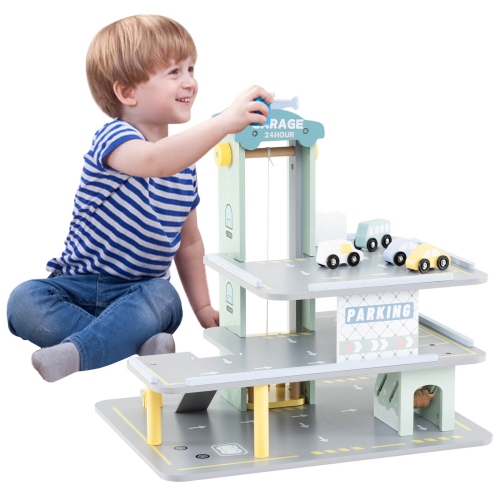
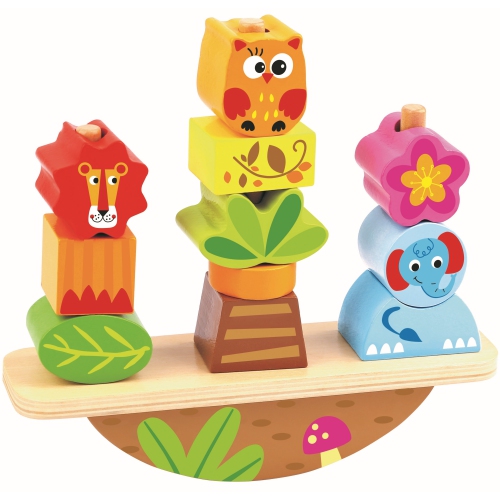
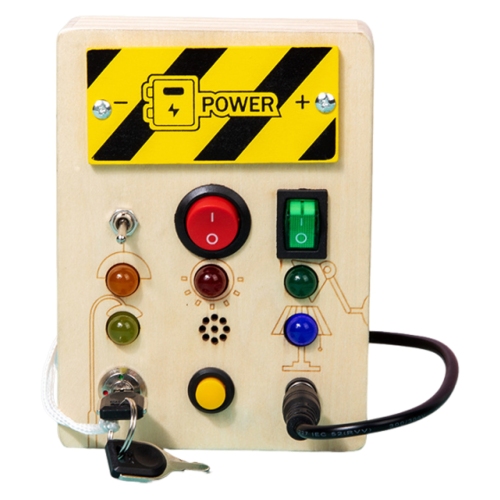

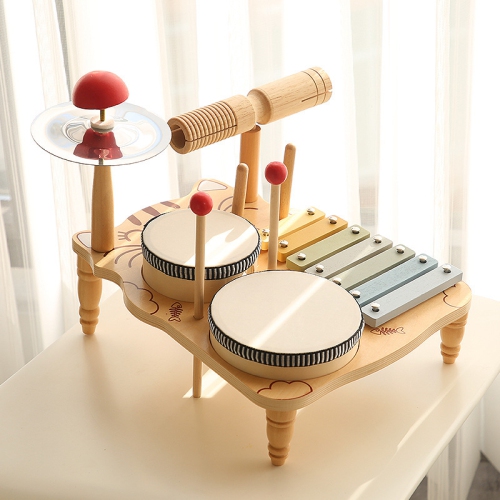
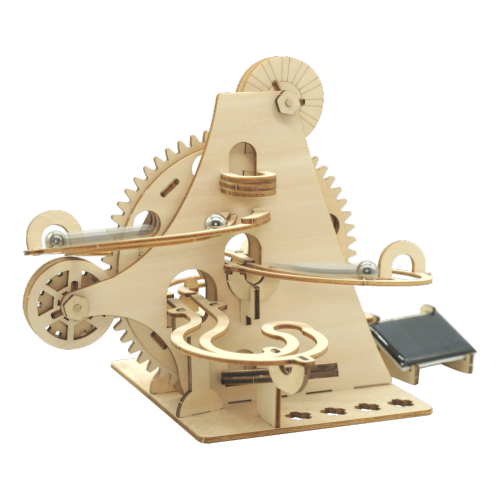
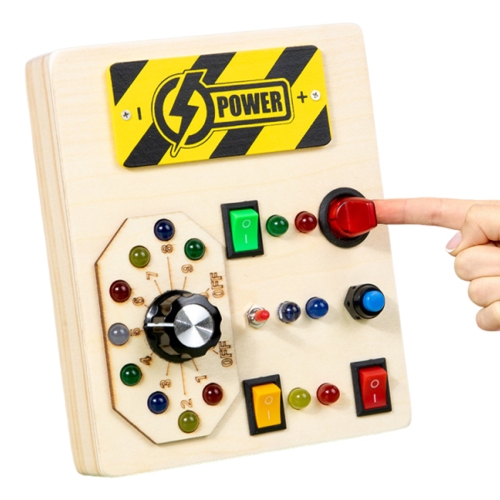
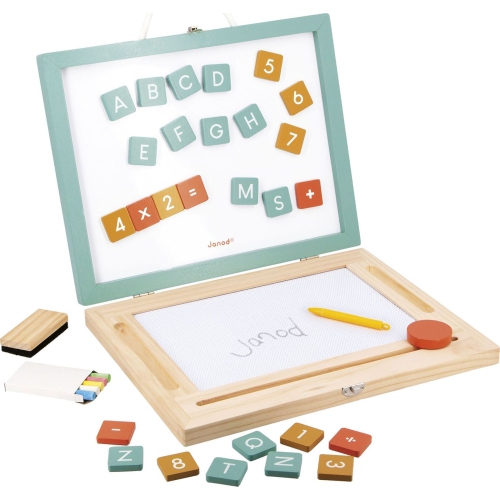
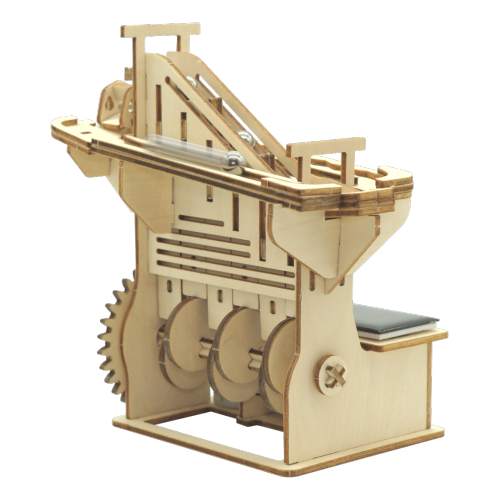
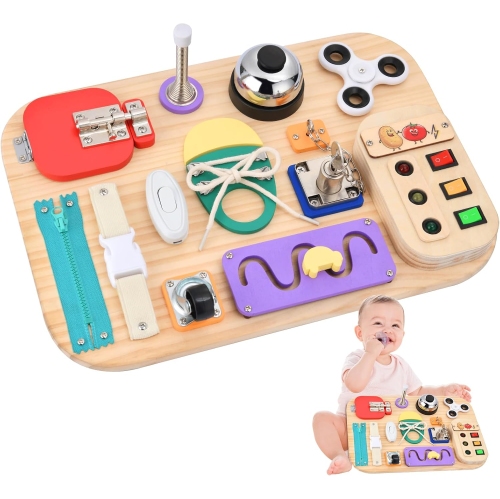
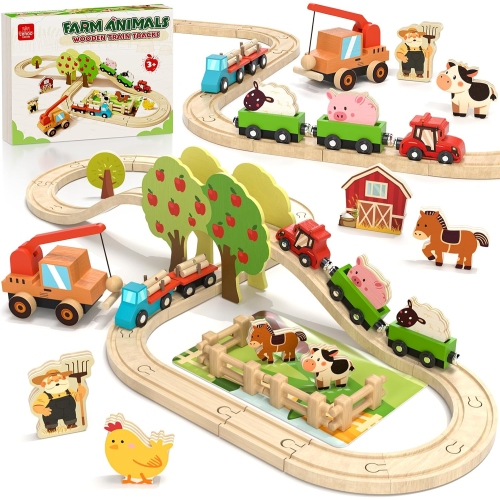
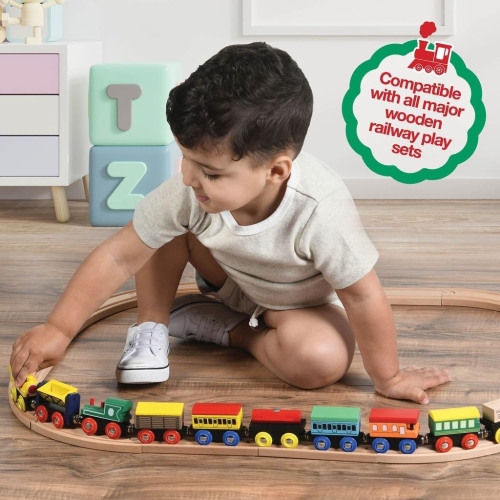
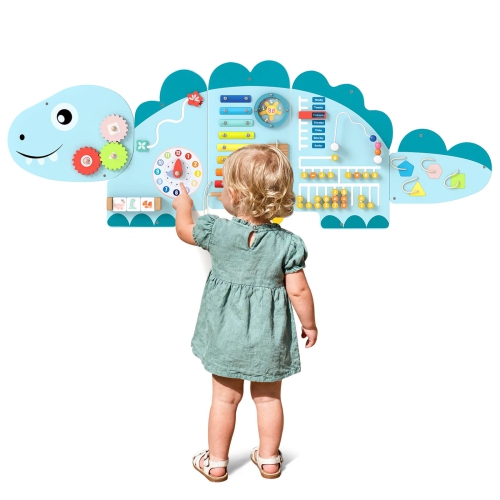
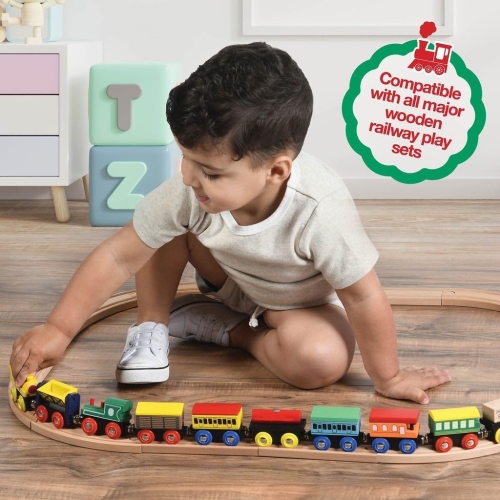
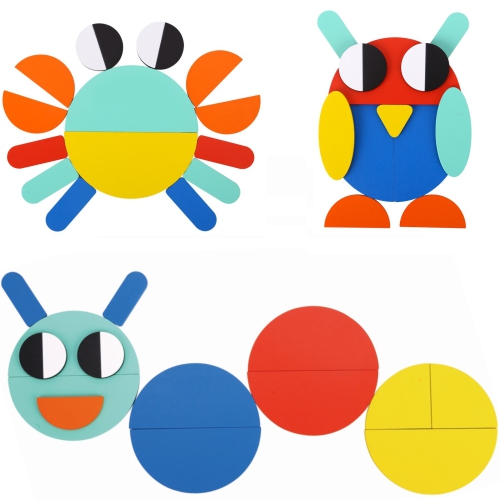
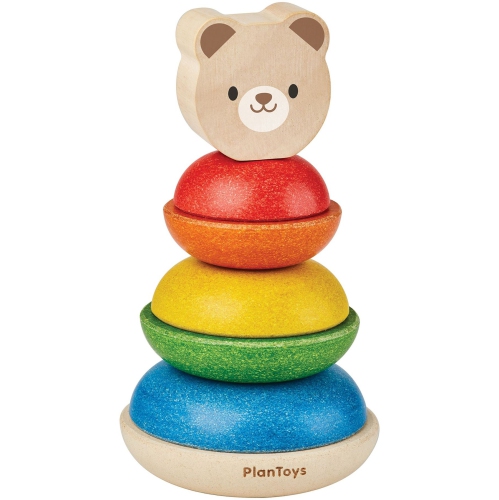
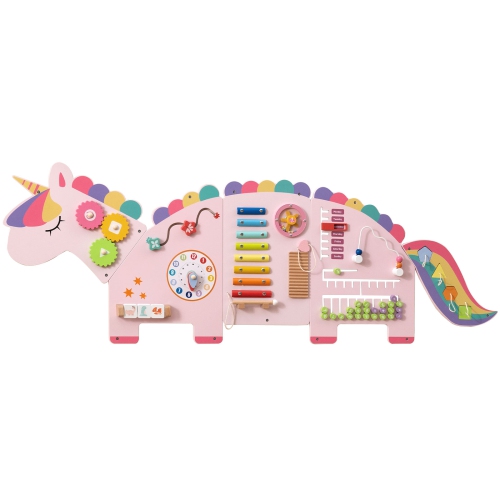
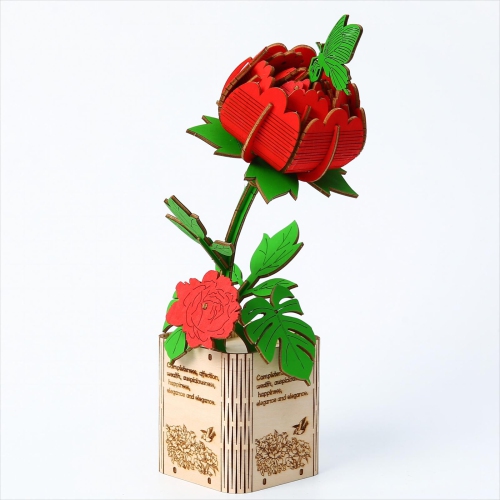
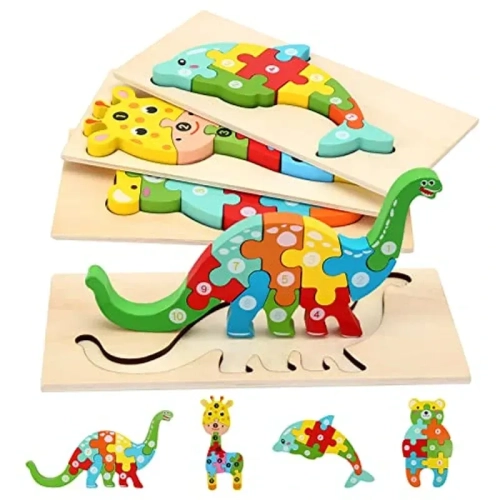
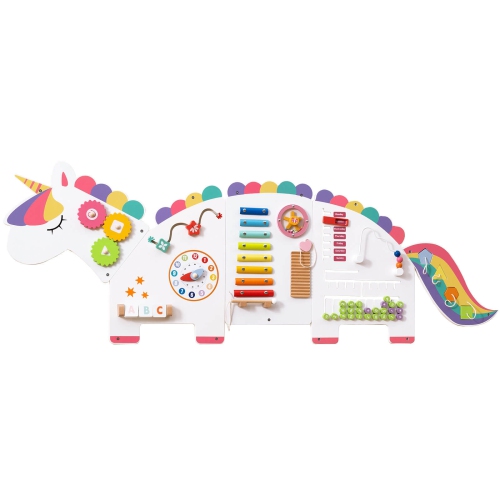
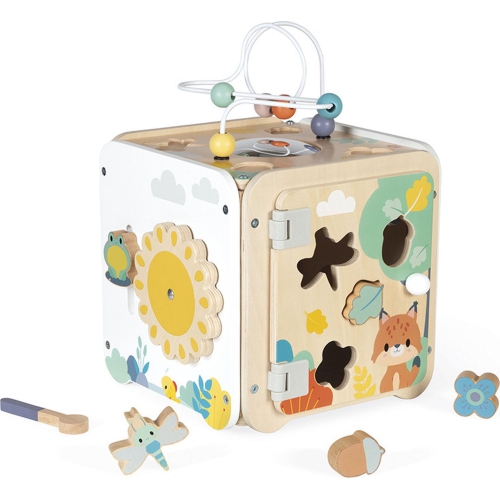

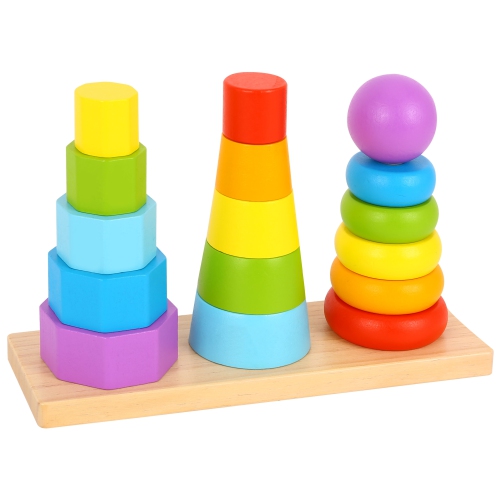
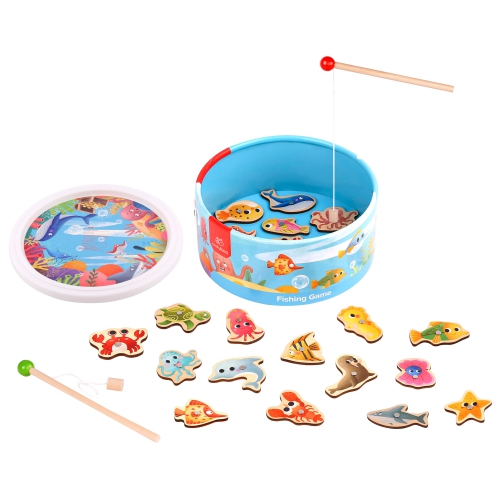
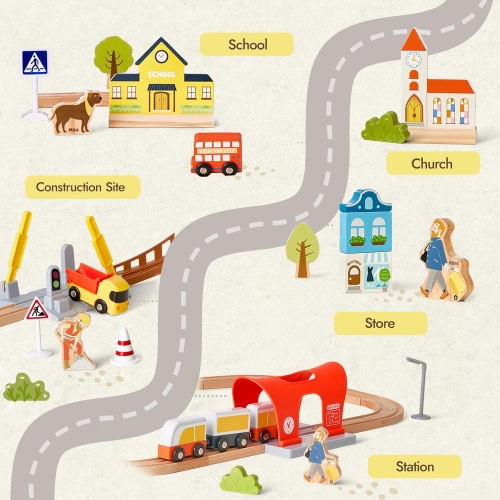
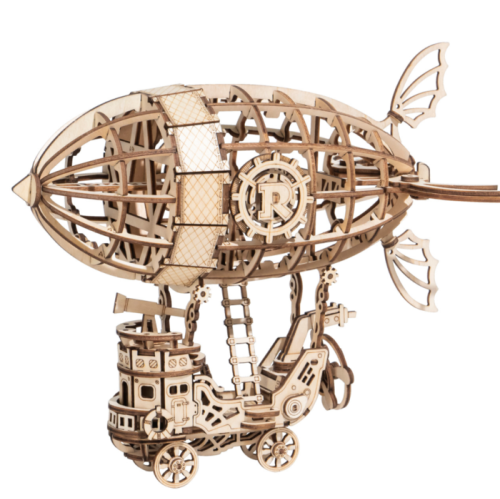
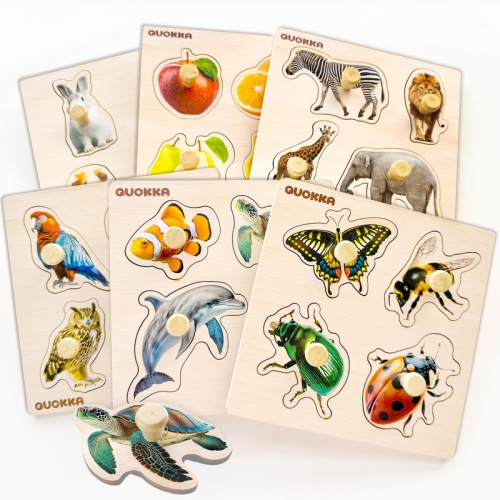
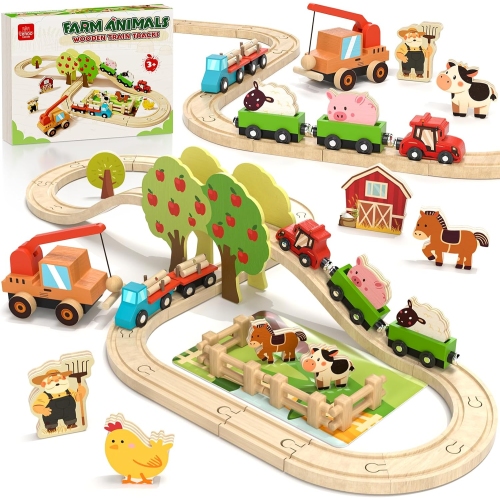
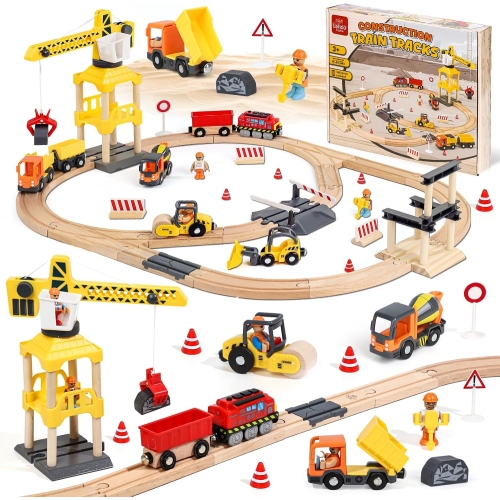
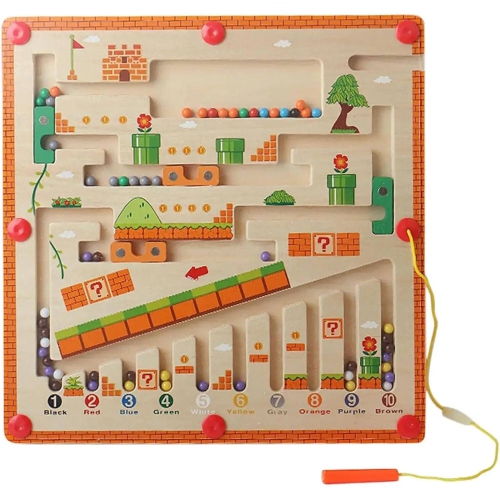

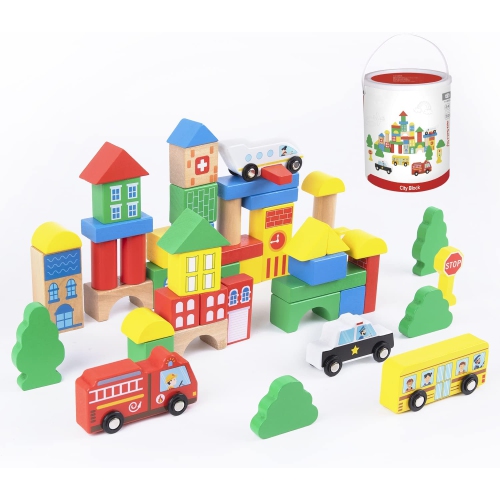
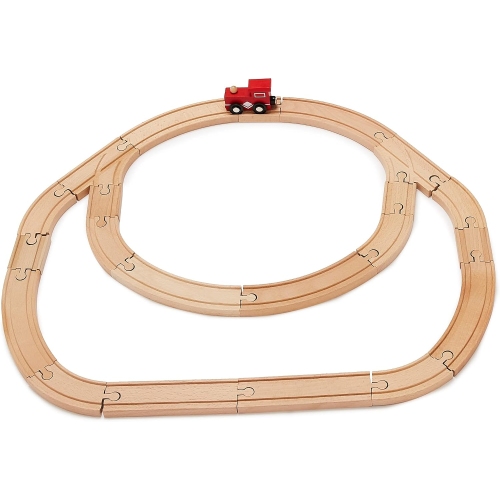
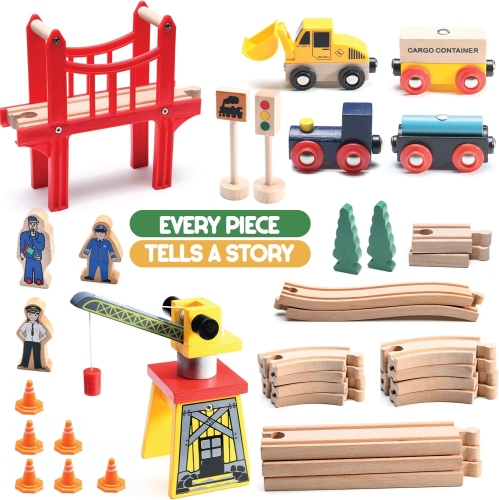
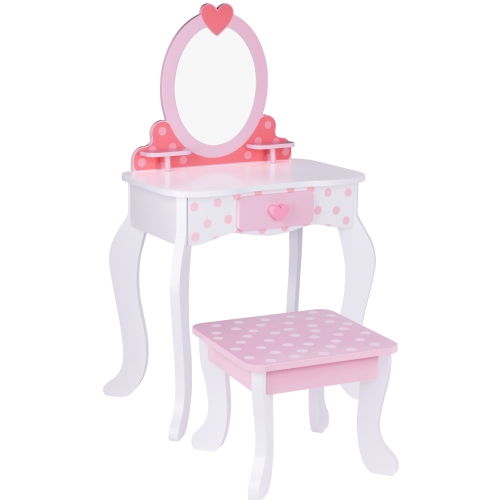
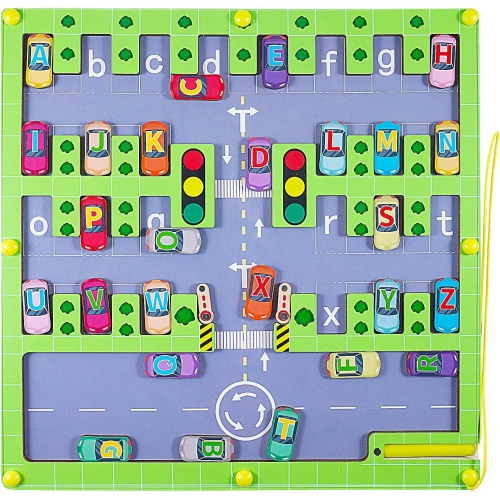
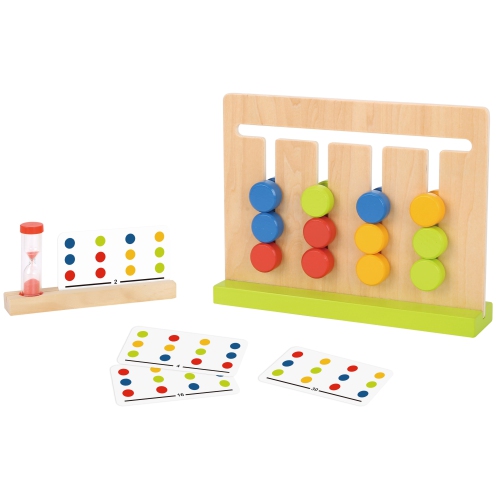
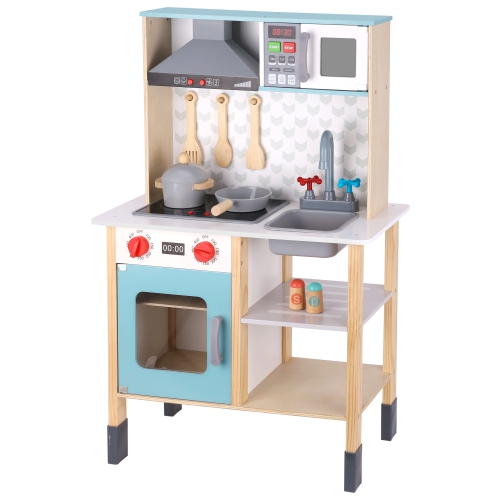
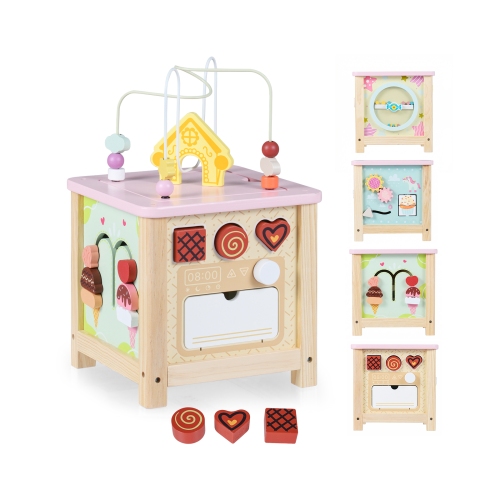

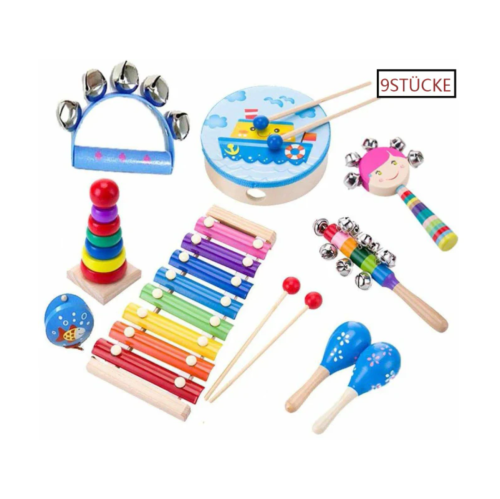
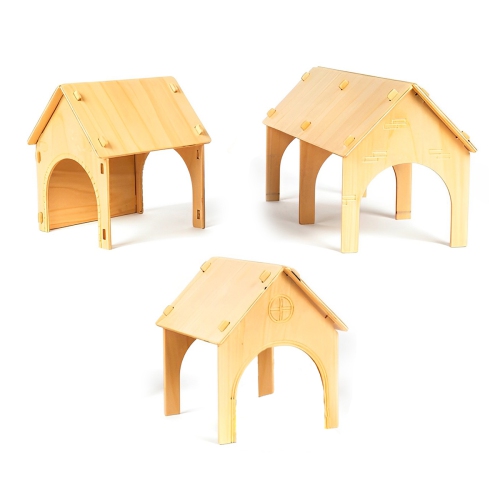

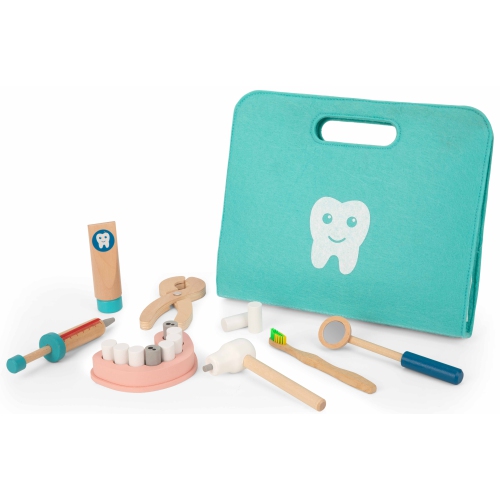
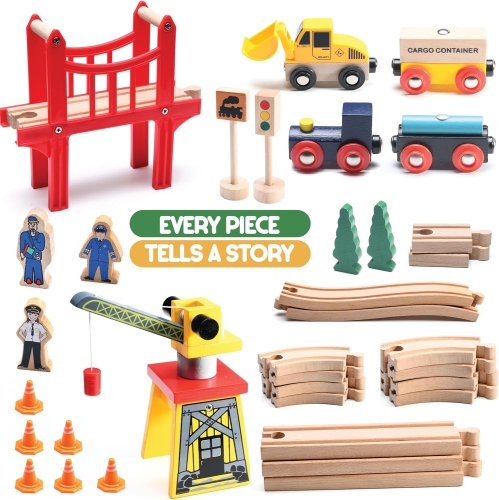
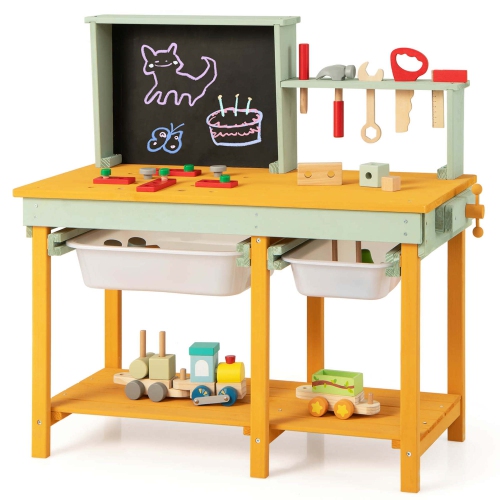

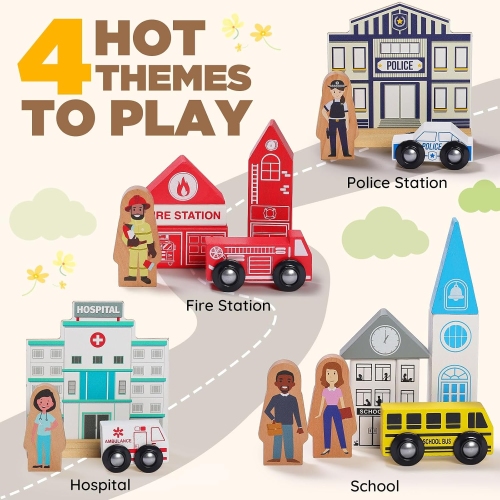

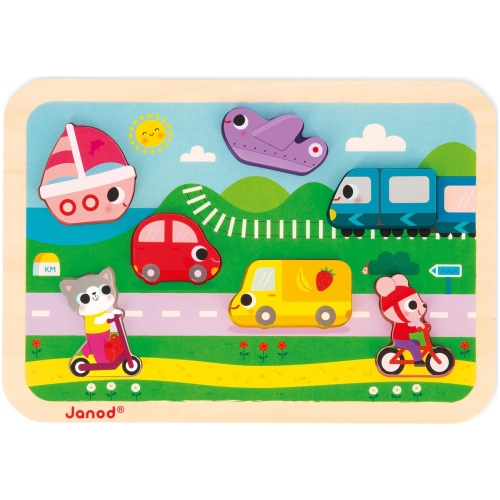


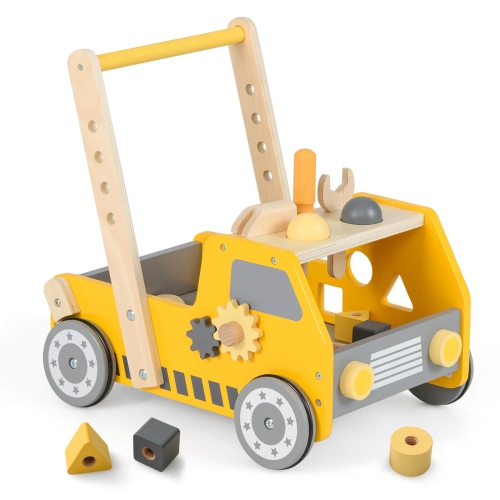
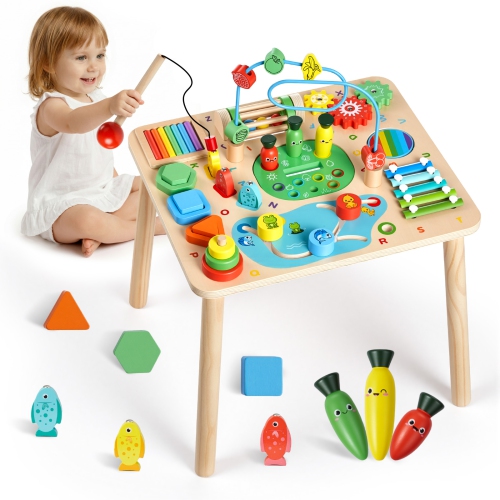
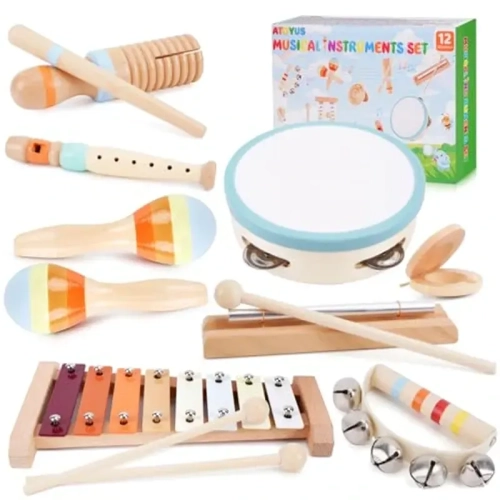

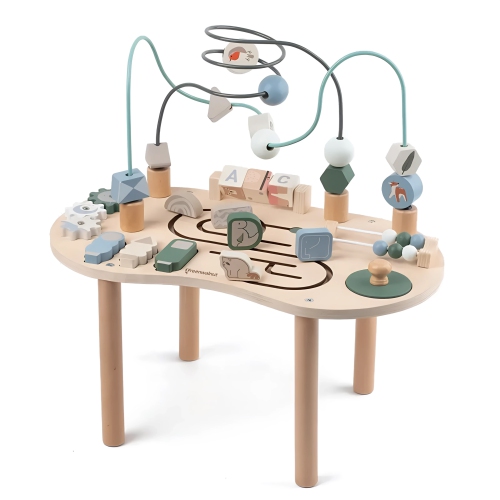
How stacking and sorting turn play into learning
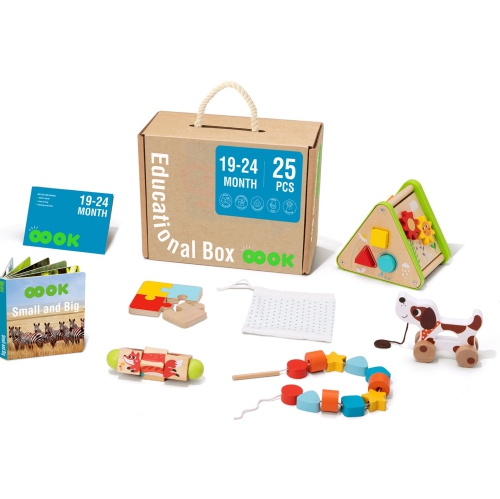
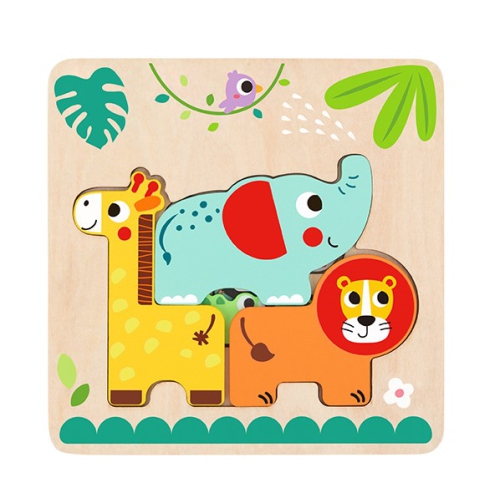
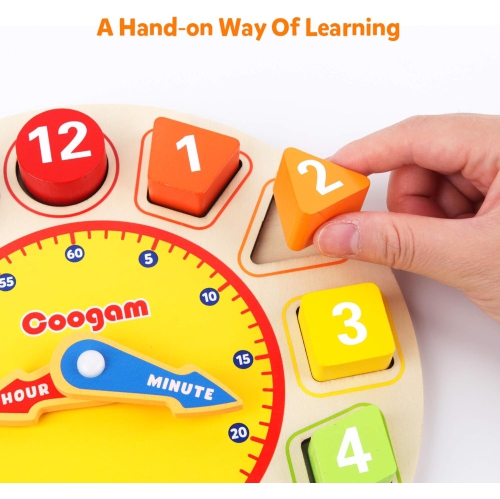
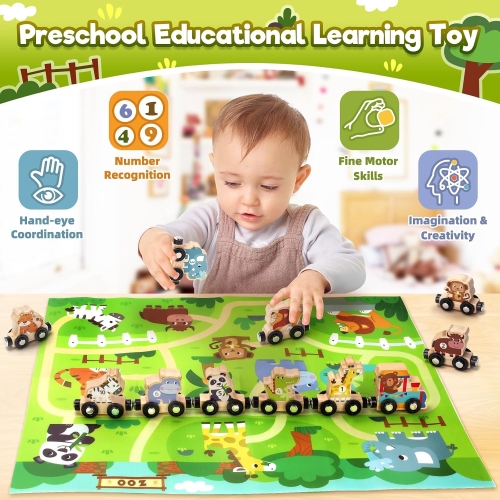
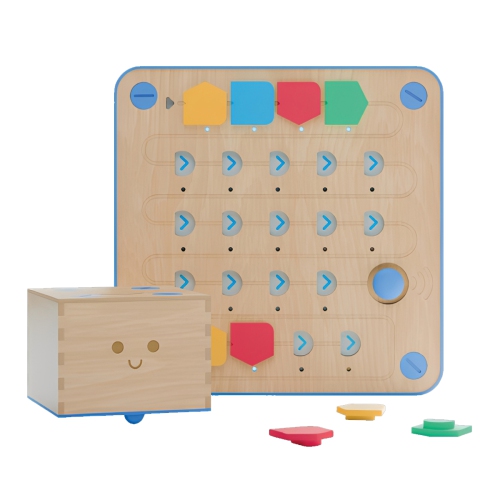
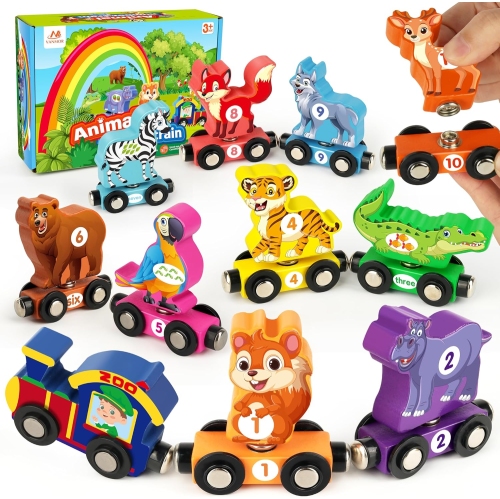
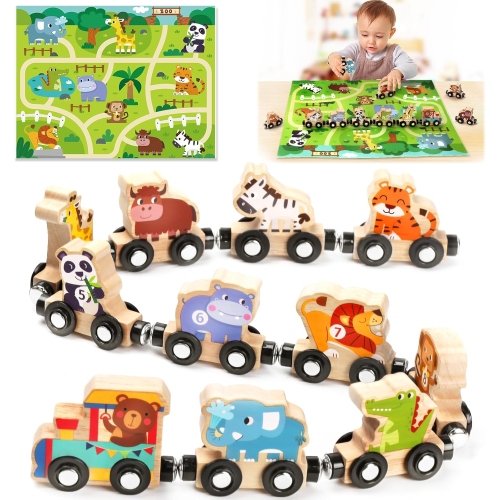
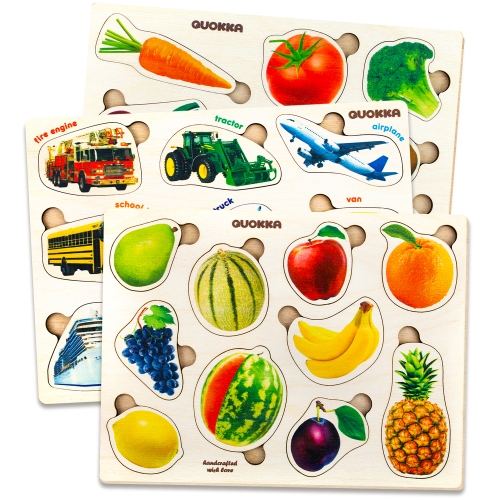
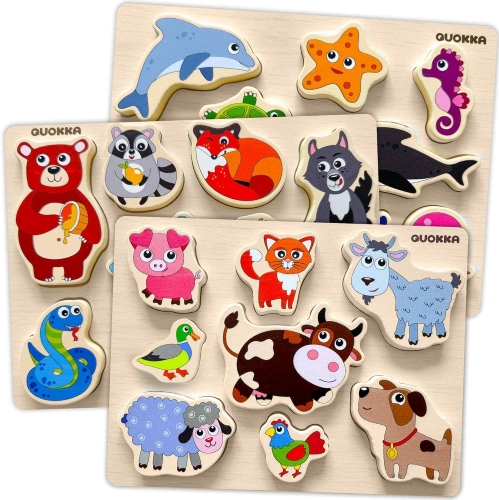
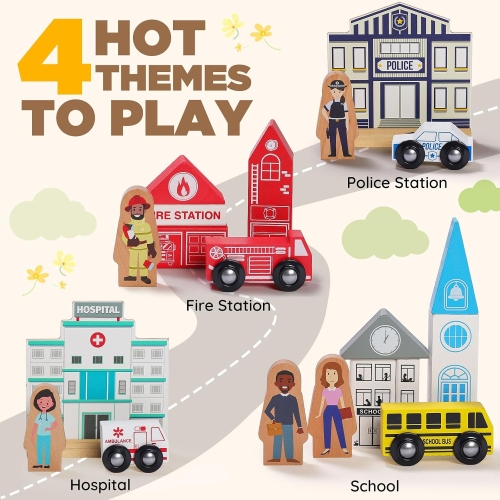
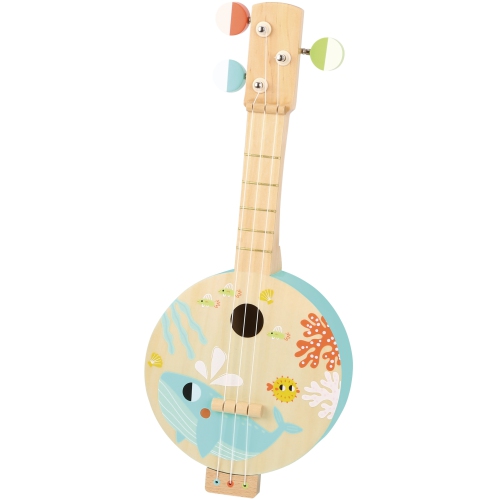
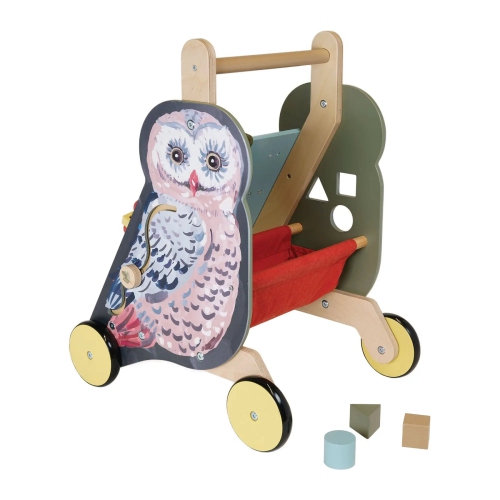
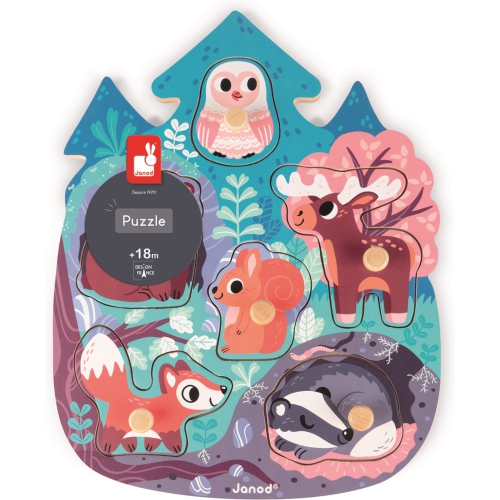
Age suitability, piece size, and the level of challenge help determine how comfortably a child can use an educational wooden toy. Manufacturer age labels and warnings should take priority over appearance or a broad category description, since toys that look similar may contain very different parts. For babies, wooden toys need to be specifically intended for that age group, with manageable weight, easy-to-hold shapes, and no accessible small parts. A wooden toy is not automatically suitable for chewing; mouthing and teething use should only follow the manufacturer’s stated purpose. Toddlers often engage well with straightforward actions such as placing, stacking, turning, and matching, particularly when pieces are large enough to grasp without frustration. A puzzle with a few clearly shaped spaces provides a different experience from one with many interlocking pieces, even if both show familiar animals. Preschoolers may be ready for more involved construction, sequencing, pretend play, and early maths activities, while older children can enjoy designs that require planning, precision, or several possible solutions. A useful challenge gives a child something to figure out without making every step dependent on adult help. Interests matter just as much as complexity: a child who loves arranging objects may spend longer sorting shapes than assembling a structure, while an enthusiastic storyteller may favour pieces that become characters or props. Physical fit also affects the experience. Handles, knobs, and pieces should suit the child’s grasp, and larger play structures need a stable position with enough surrounding room for movement. Floor play benefits from a flat surface, while tabletop activities work best when children can reach the pieces comfortably. In homes with mixed ages, small components need to stay out of reach of younger children, even when an older sibling uses them safely. Simple sorting trays or separate storage containers can keep activities manageable, make missing pieces easier to spot, and support tidying up together after play.
Materials and construction influence how wooden toys feel in the hand and how well they tolerate repeated use. Solid wood, plywood, and other wood-based materials can all appear in this category, so the material description is more useful than assuming every wooden toy has the same construction. Weight varies, too: a substantial block can feel satisfying to stack, but a lighter piece may be easier for a younger child to lift and control. Smooth surfaces, rounded edges, securely attached components, and well-fitted joints are practical qualities to consider. Painted finishes can make shapes or groups easier to distinguish, while visible wood grain adds texture and variation to the appearance. Finish information should come from the manufacturer; terms such as “natural” or “water-based” do not, on their own, establish whether a toy is appropriate for a particular age or use. Wood can withstand plenty of play, but it is not immune to dents, cracks, splinters, or damage from moisture. Care directions vary by finish and construction, though many wooden toys are best cleaned with a lightly dampened cloth and dried promptly rather than soaked or put through a dishwasher. Electronic components, fabric additions, and moving mechanisms may require different care. Regular checks for rough spots, loose pieces, damaged finishes, and weakened fastenings help identify when a toy needs to be set aside. Storage in a dry place, away from prolonged dampness or strong heat, helps preserve its condition. For gifting, the most thoughtful choice reflects the child’s age, interests, and available play space rather than simply the number of pieces. A manageable activity can suit a smaller home or a grandparent’s play cupboard, while a more expansive building set needs room to spread out and somewhere to store it afterwards. During the cooler months, wooden learning toys can become familiar companions for indoor afternoons, shared play before dinner, or a calm activity between busier parts of the day. Their lasting usefulness comes from a good match between the design and the child, with room to repeat favourite actions and discover new possibilities through play.
Top selling and popular products
-
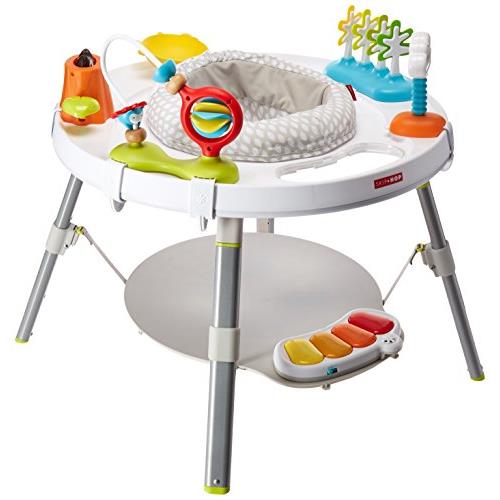 Your price for this item is $299.13
-
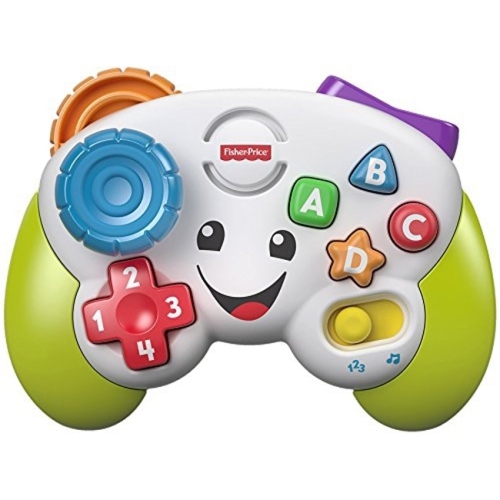 Your price for this item is $24.28
-
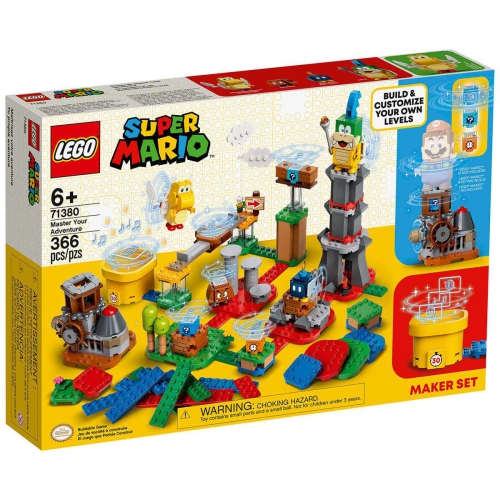 Your price for this item is $103.27
-
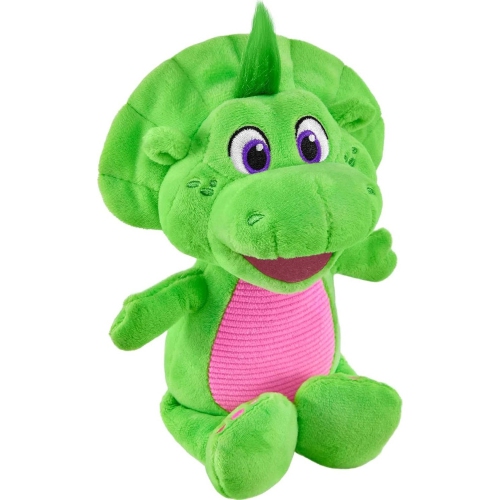 Your price for this item is $17.24
-
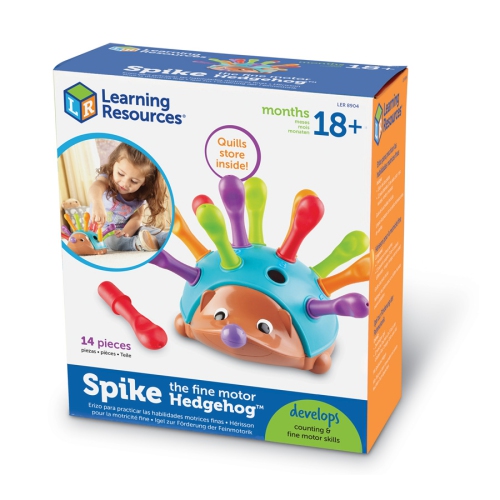 Your price for this item is $56.13
-
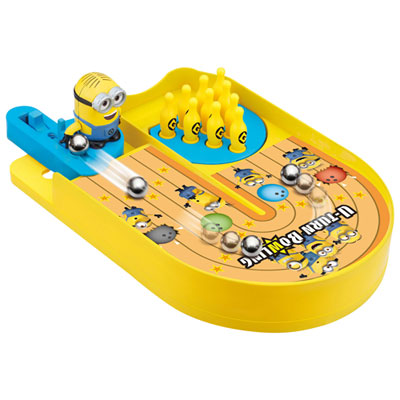 Your price for this item is $19.99
-
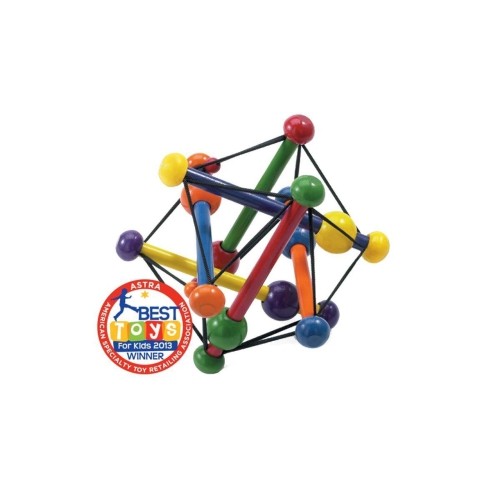 Your price for this item is $29.99
-
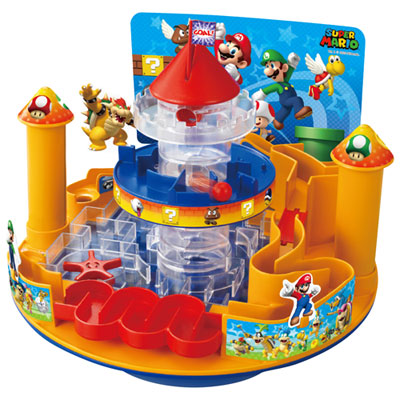 Your price for this item is $39.99