Wooden Toys
Explore the timeless charm and enduring appeal of wooden toys, where creativity meets durability in the perfect playtime companion. These toys offer a unique blend of simplicity and imagination, encouraging children to engage their senses and develop essential skills through open-ended play. Crafted from natural materials, wooden toys are not only eco-friendly but also built to withstand years of fun and exploration. Whether you're looking for classic designs or modern twists, our selection promises to inspire young minds while adding a touch of nostalgia to any playroom. Discover the endless possibilities and let your child's imagination run wild with these beautiful, sustainable toys.
Sort
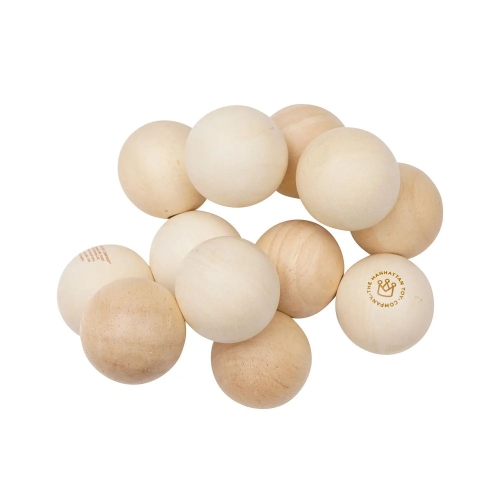
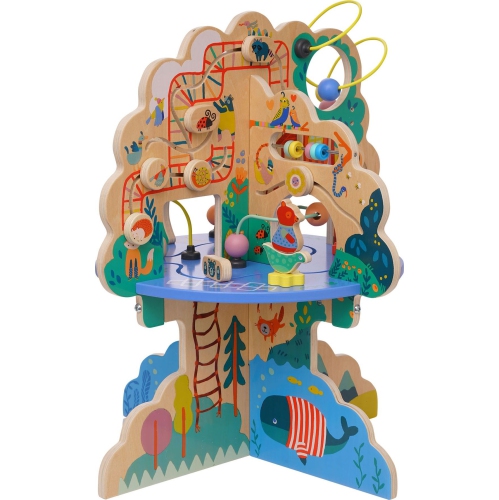
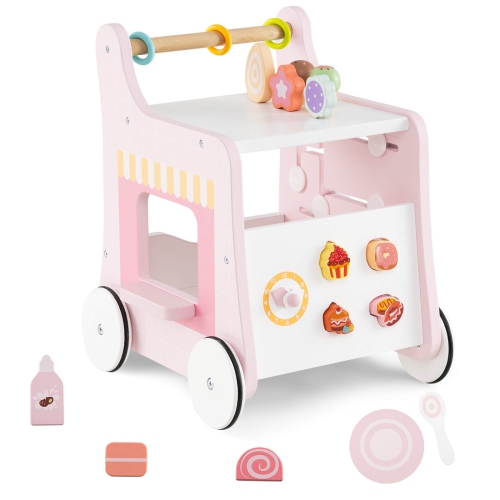
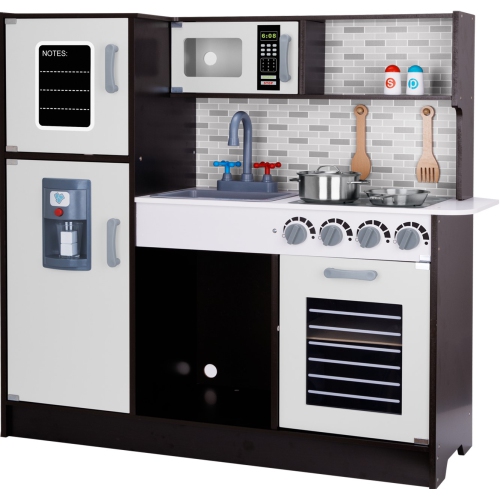
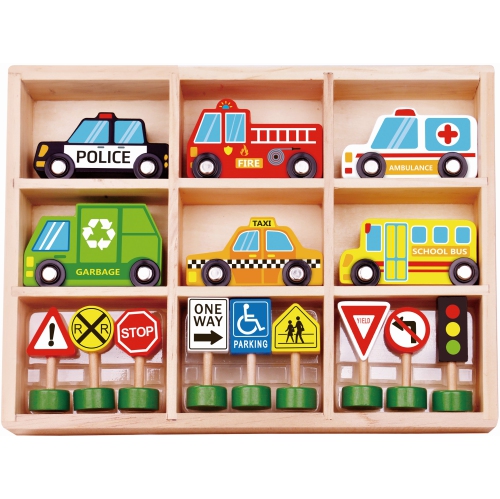
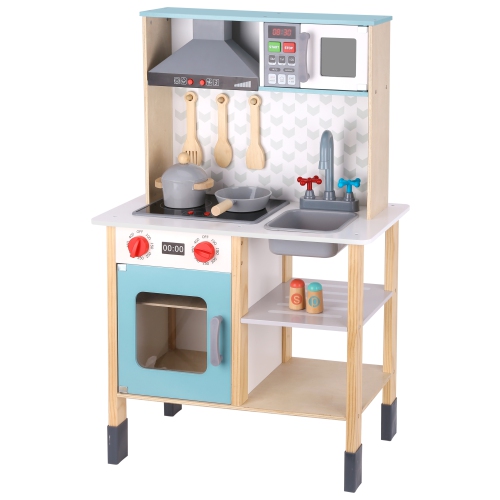
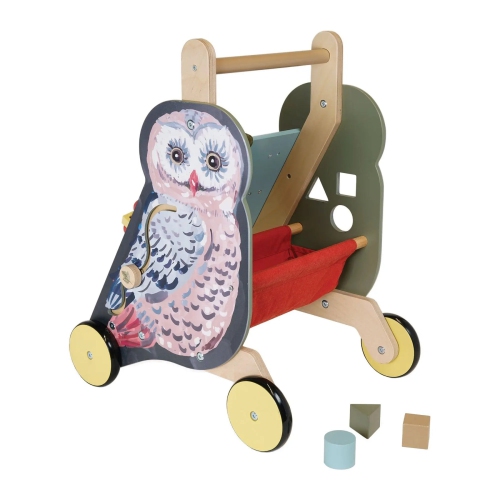
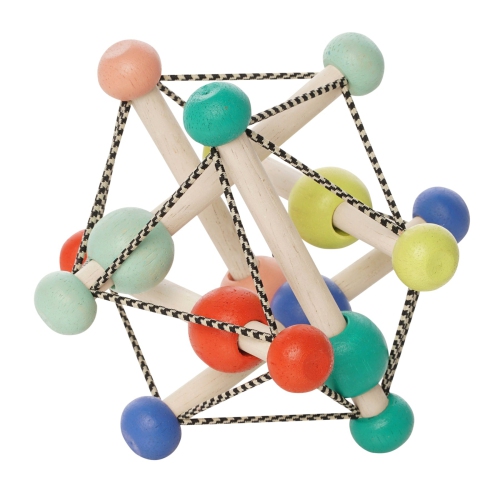
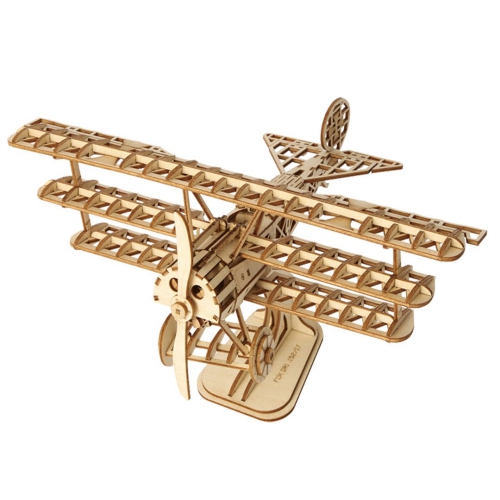
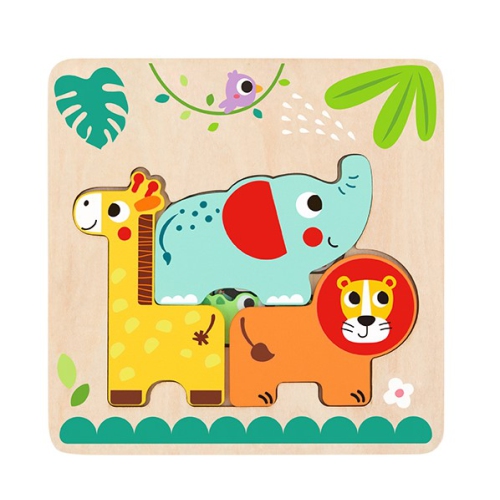
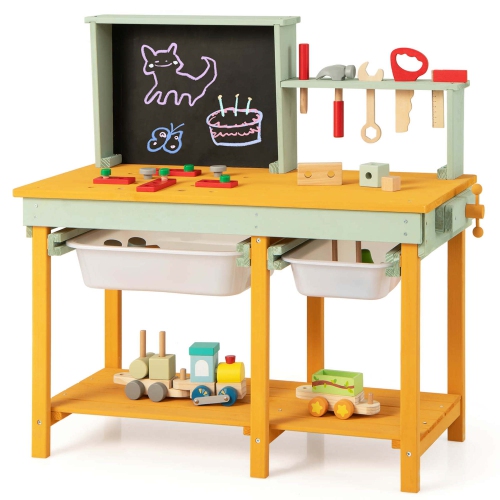
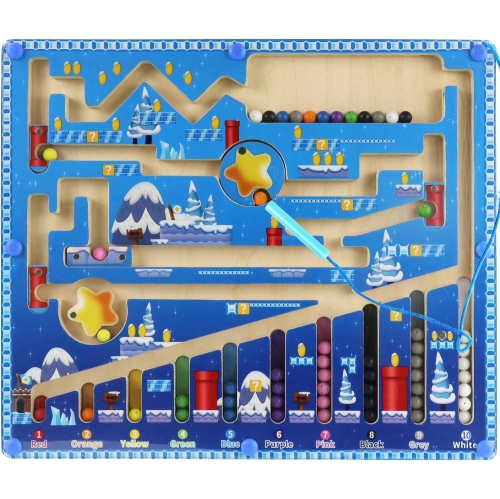


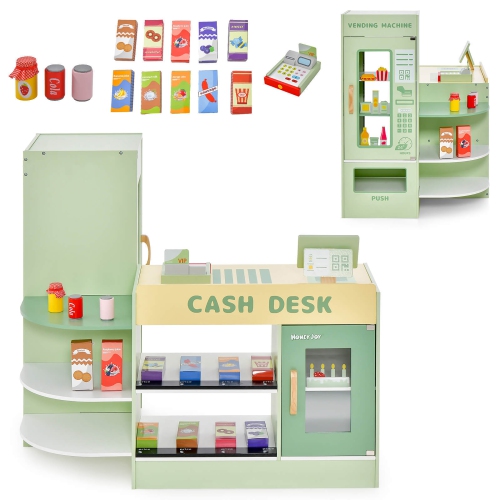
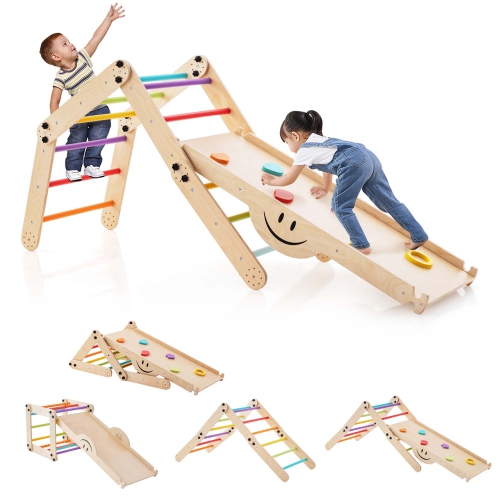
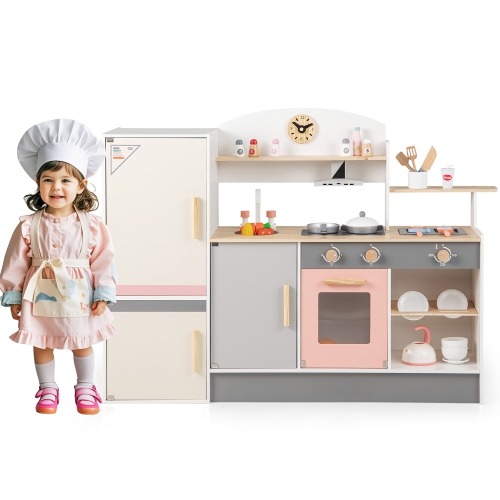
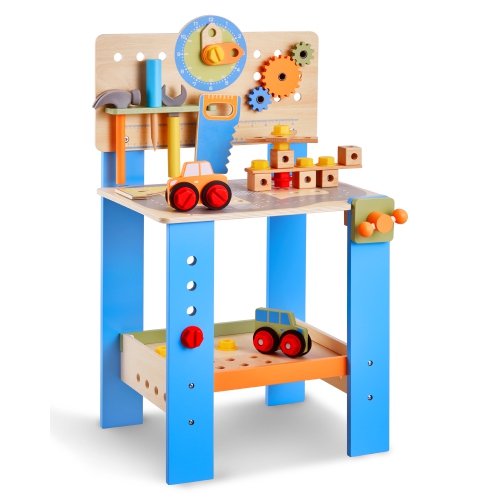

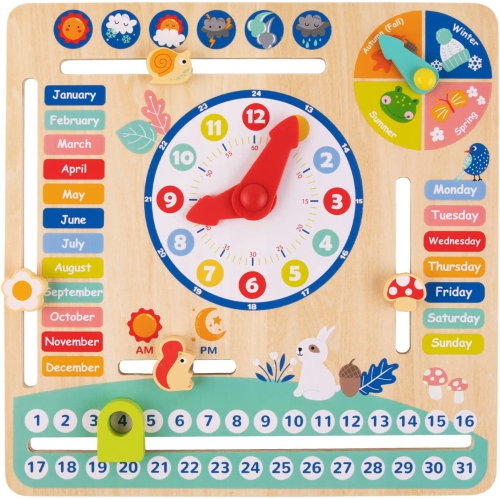
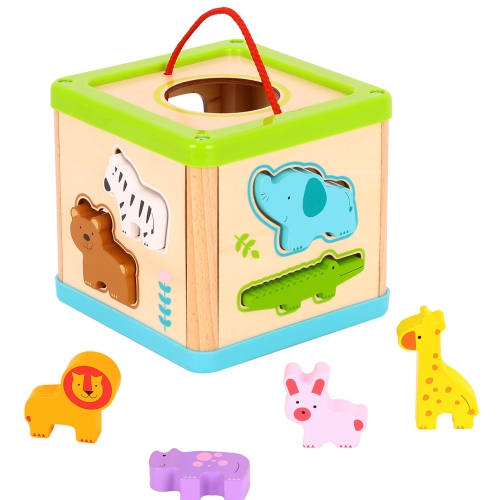
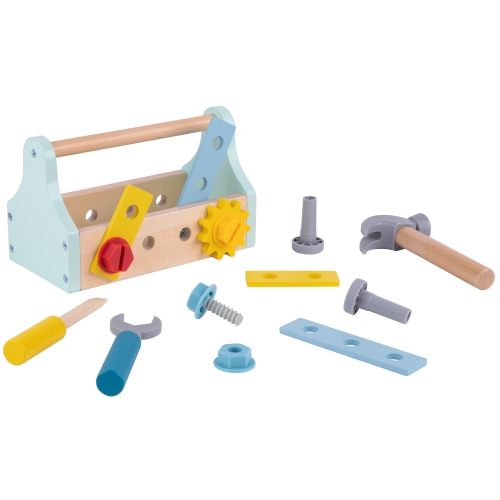
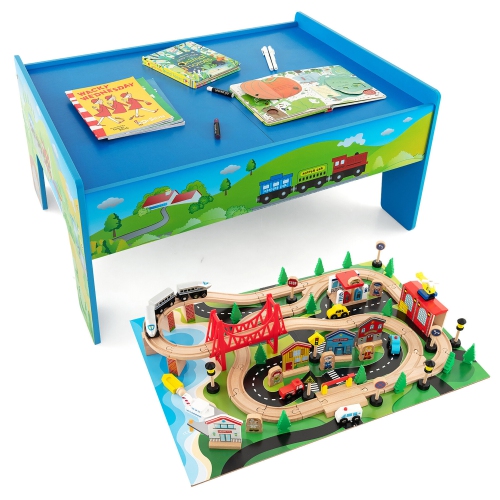
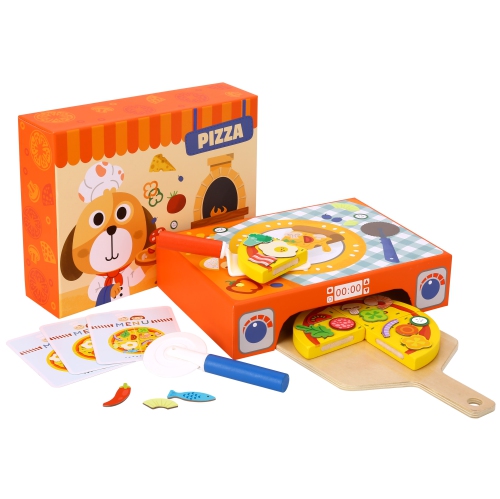
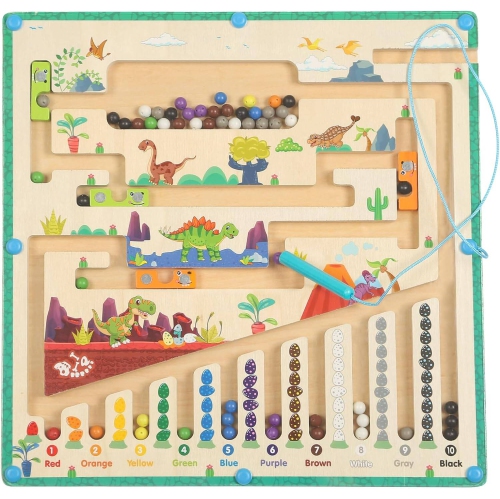
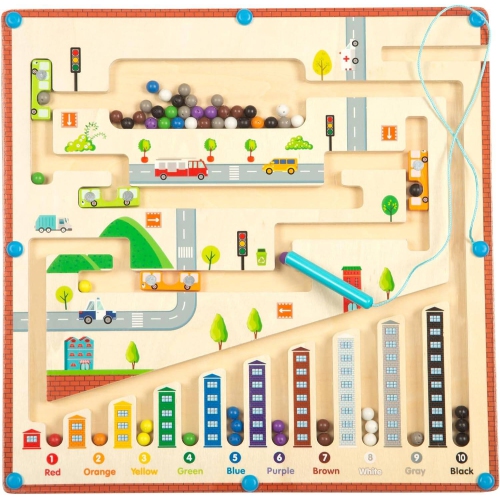
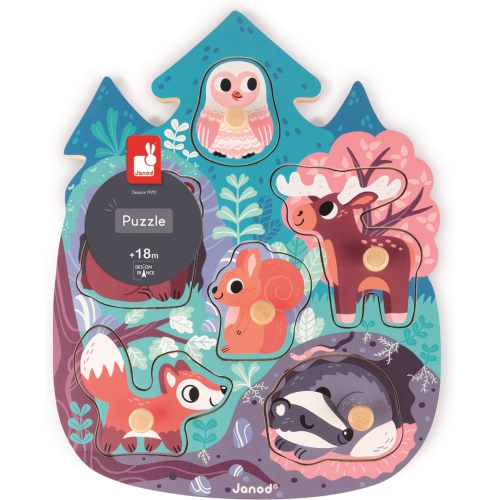
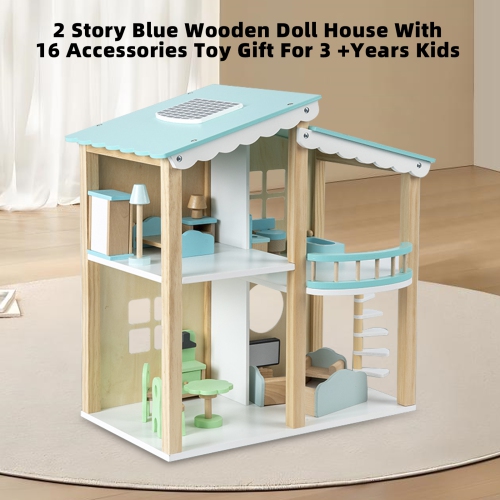
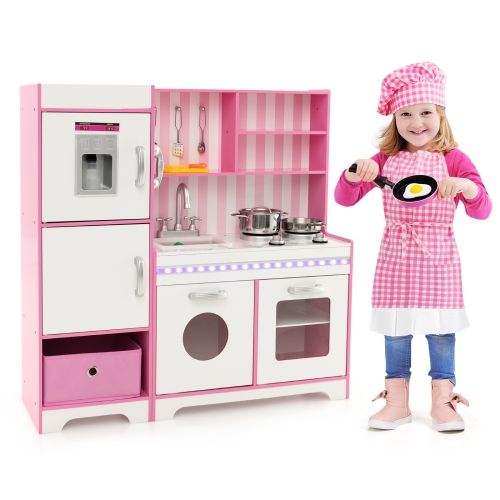
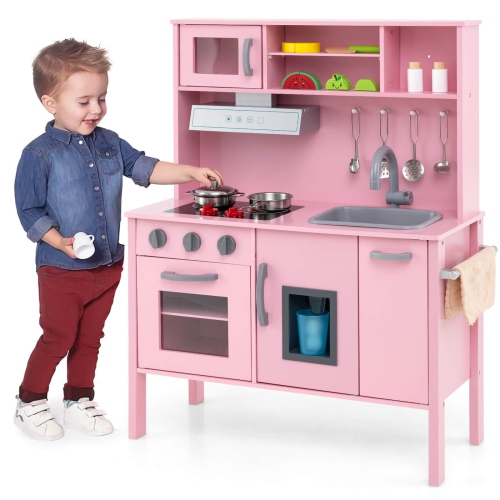
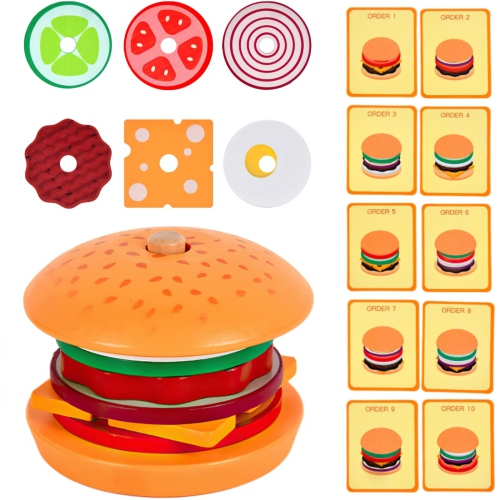
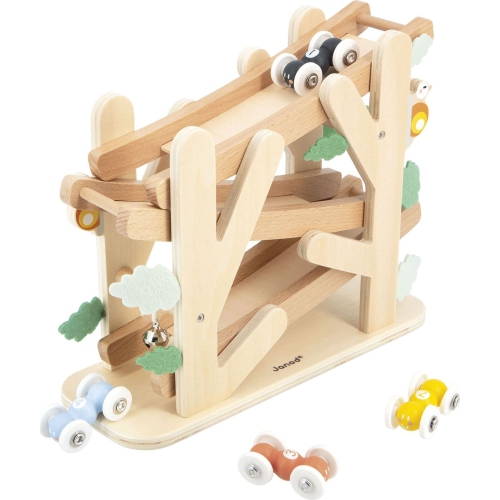

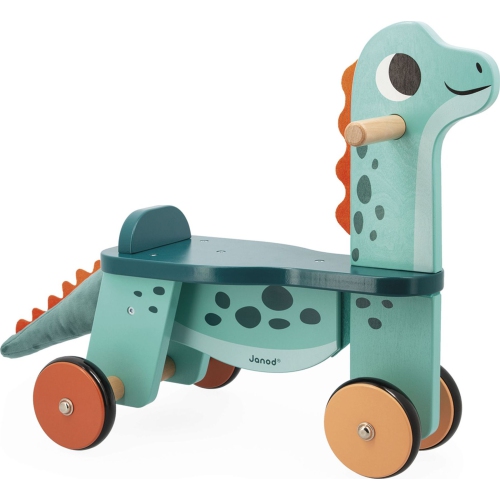
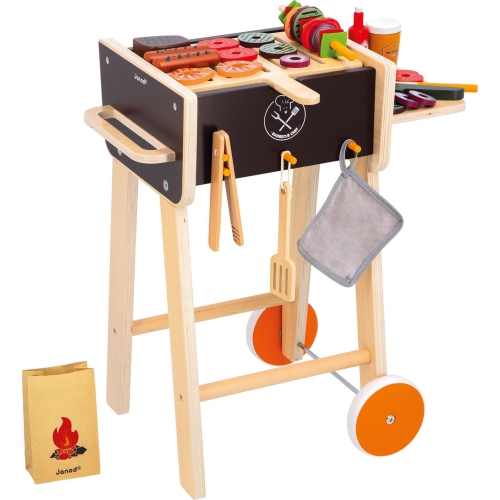
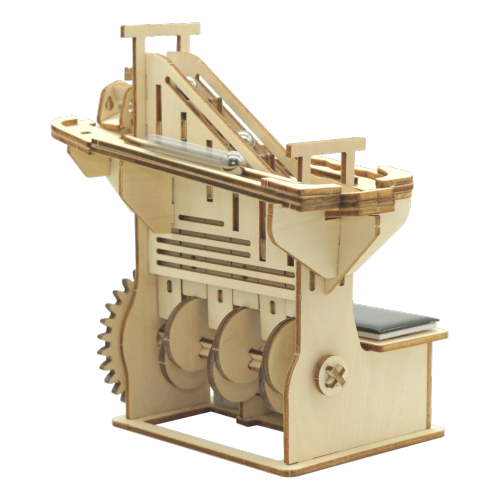
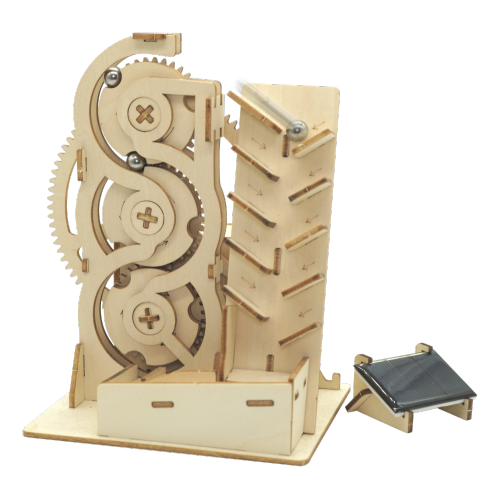
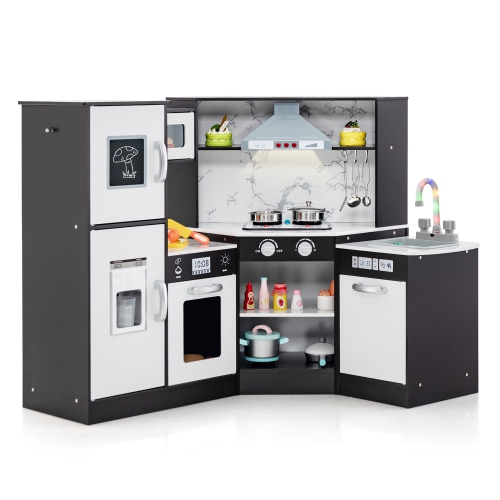
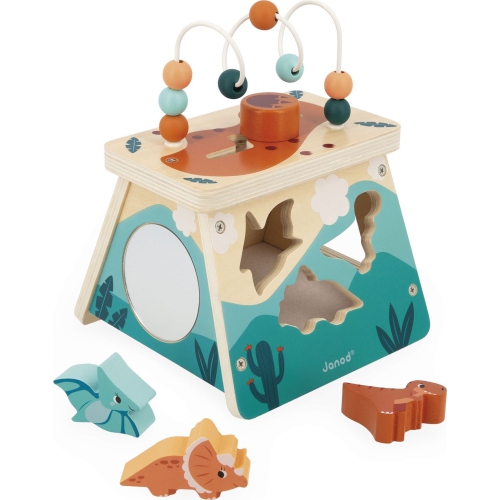
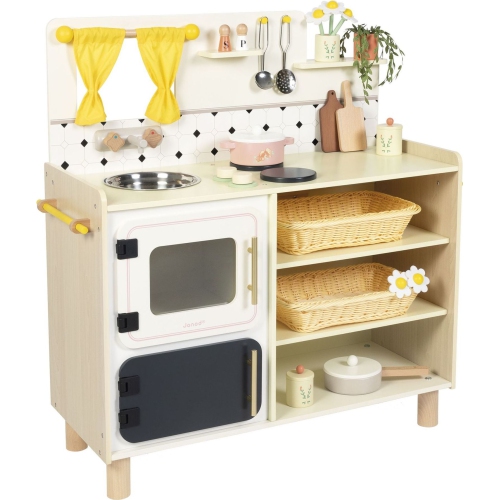
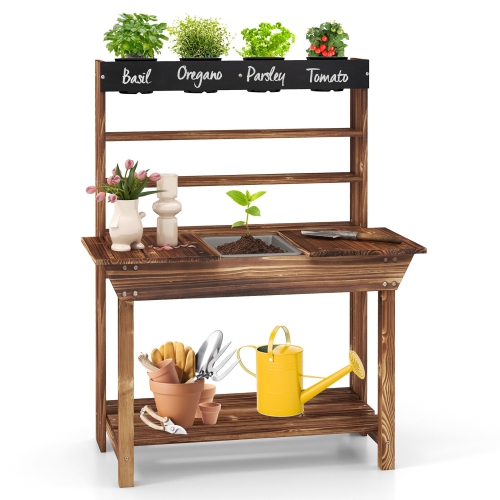
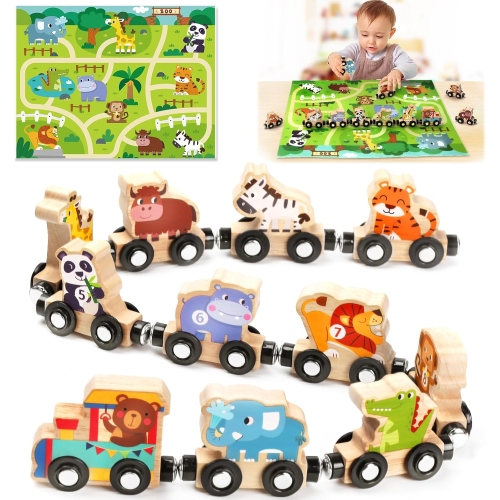
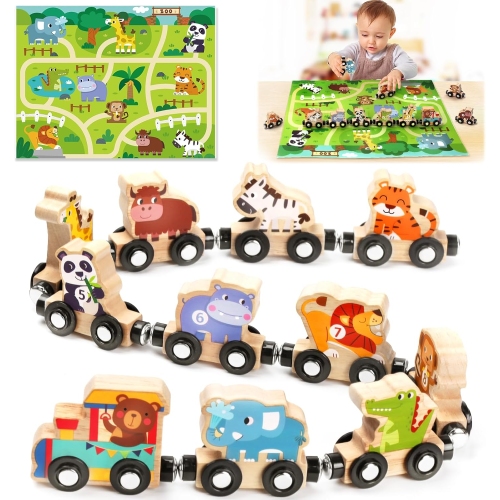
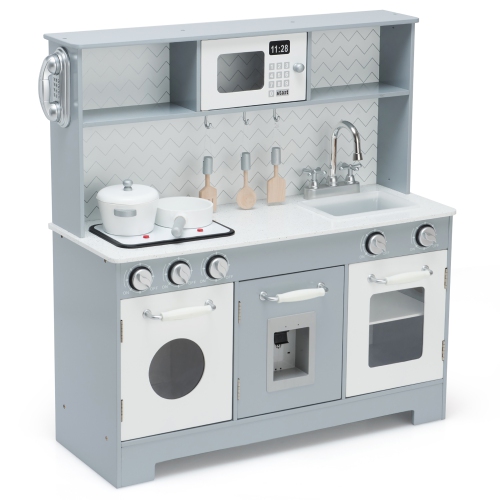
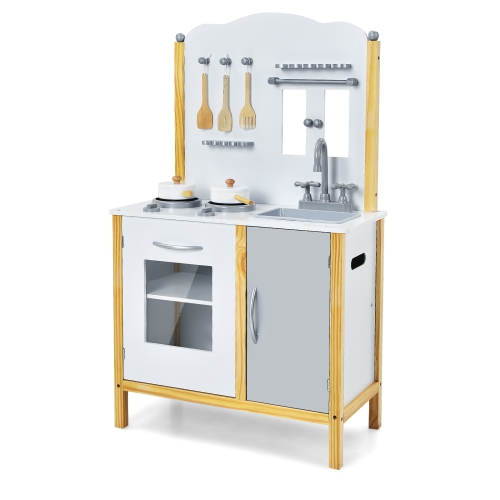
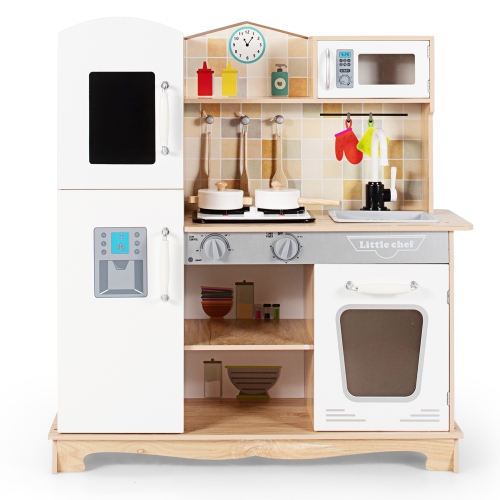

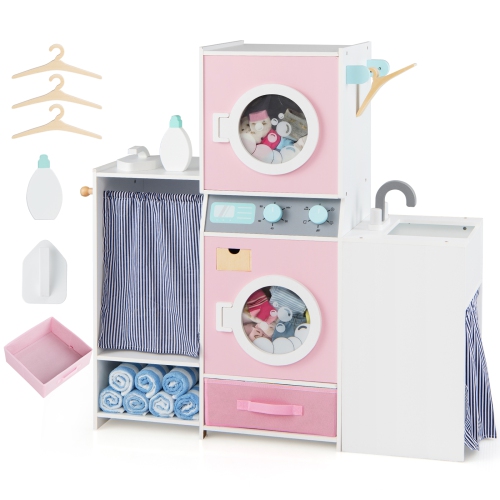
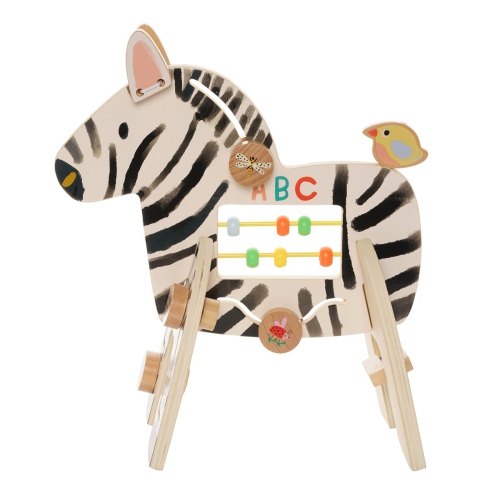
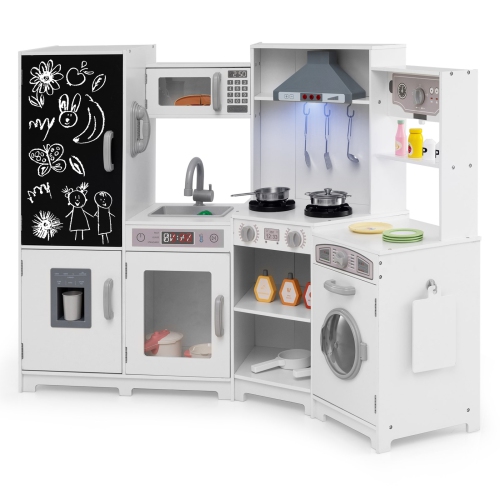
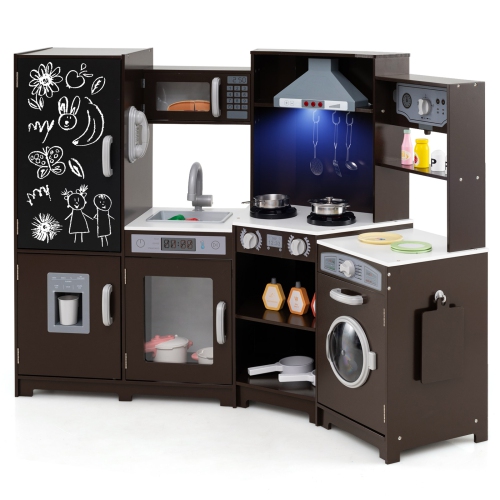
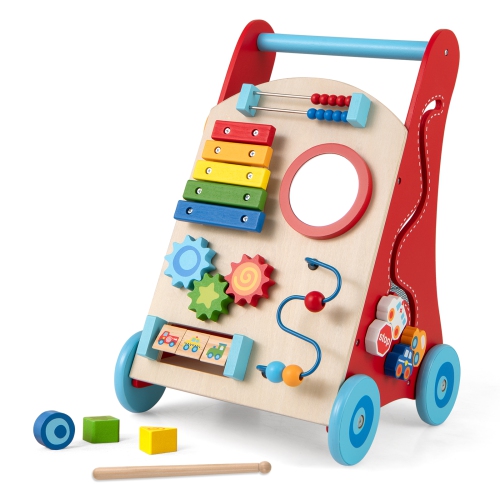
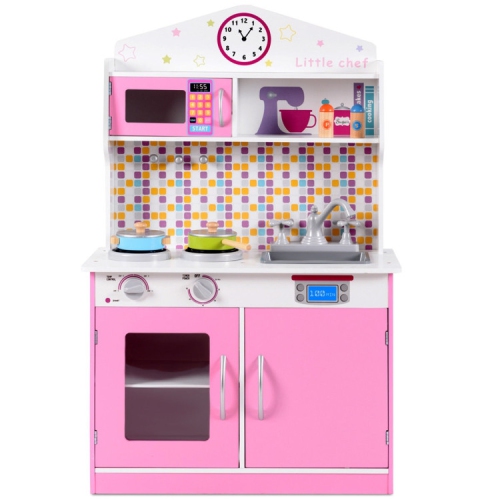
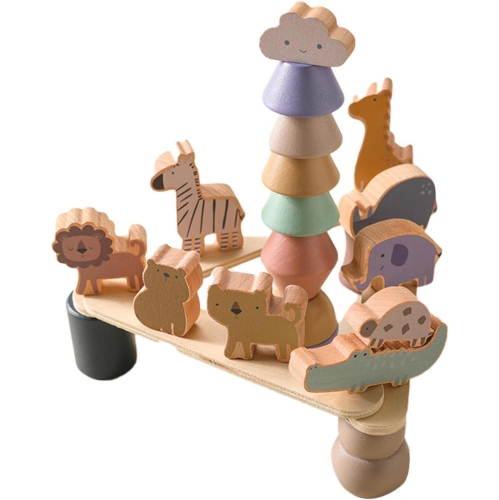
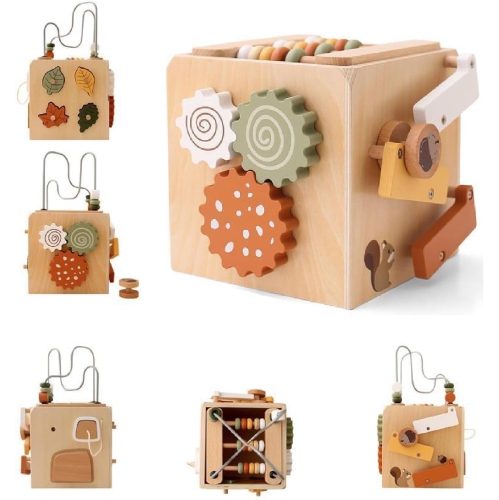
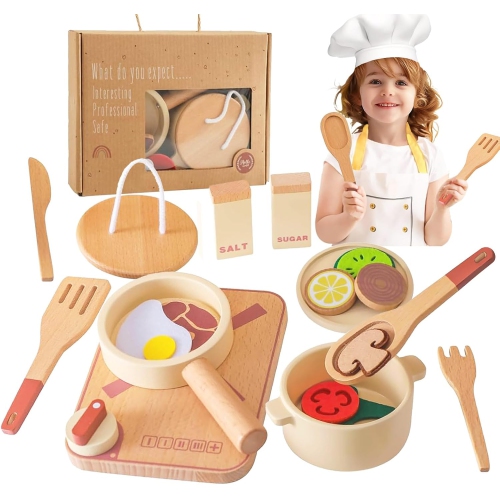
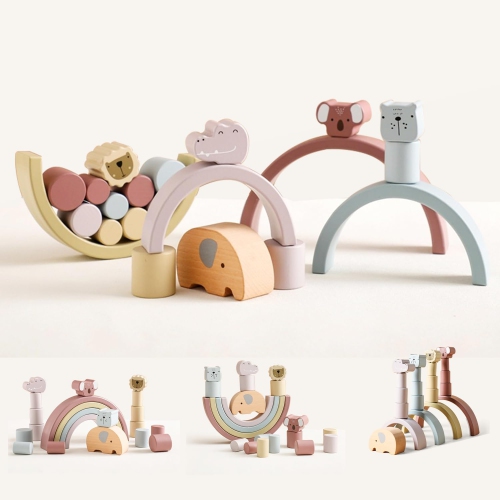

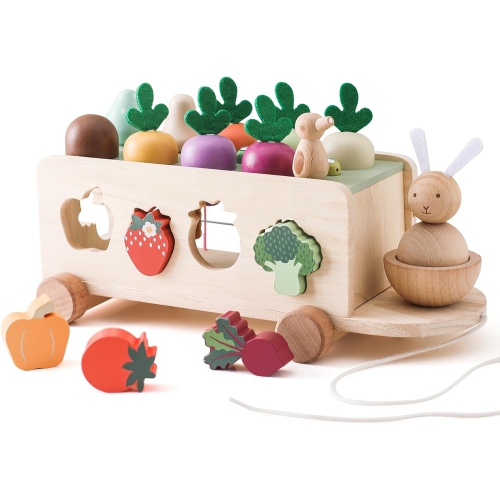
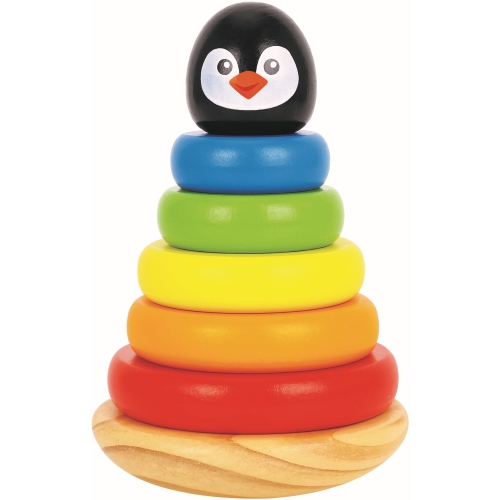
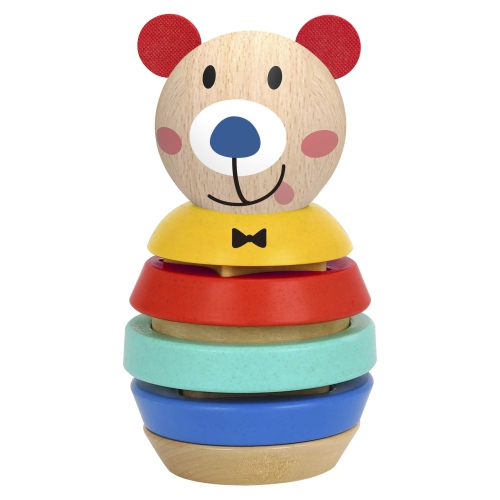
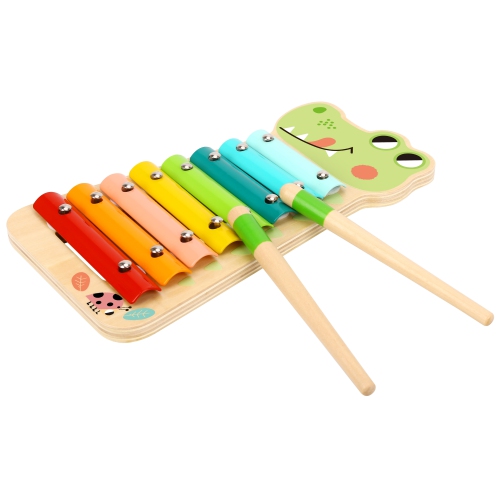
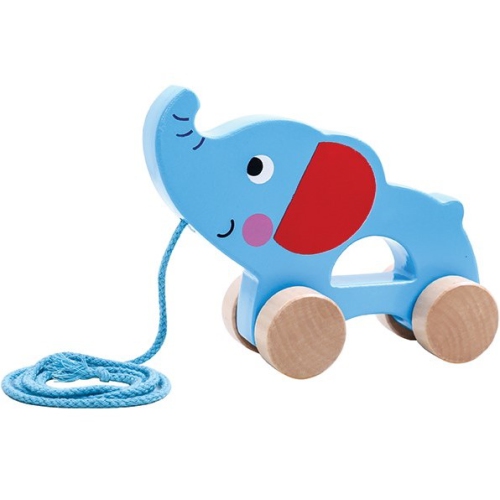
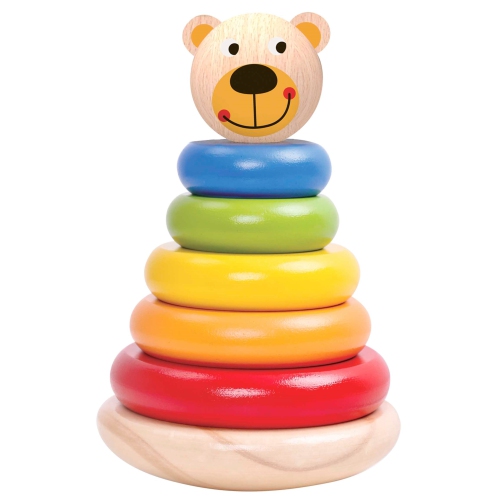
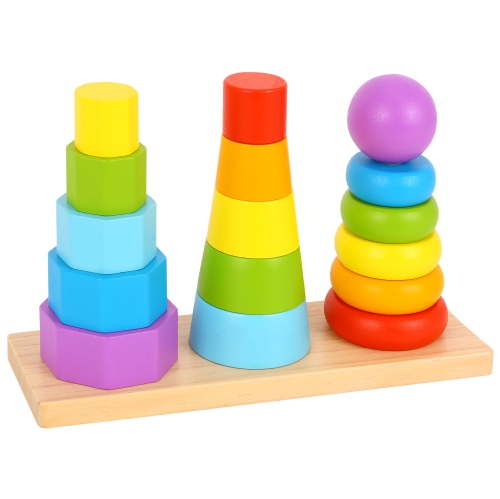
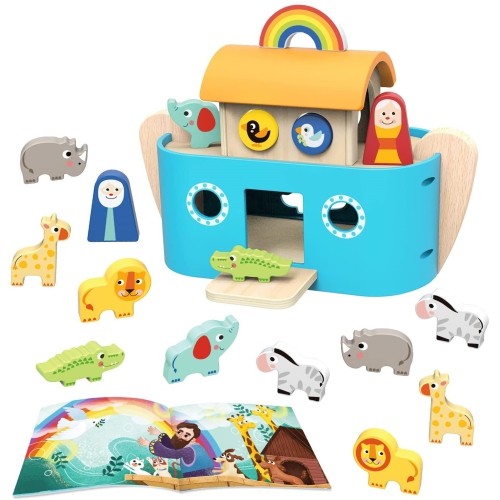
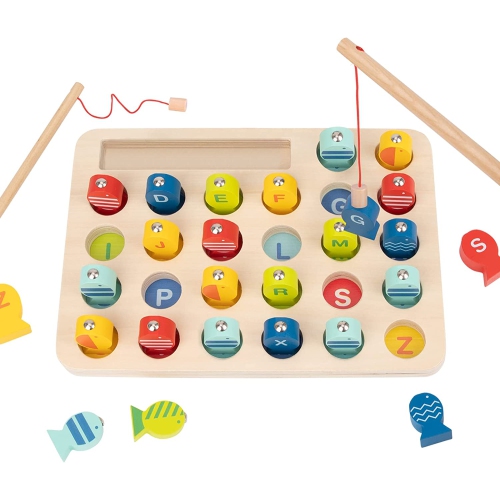
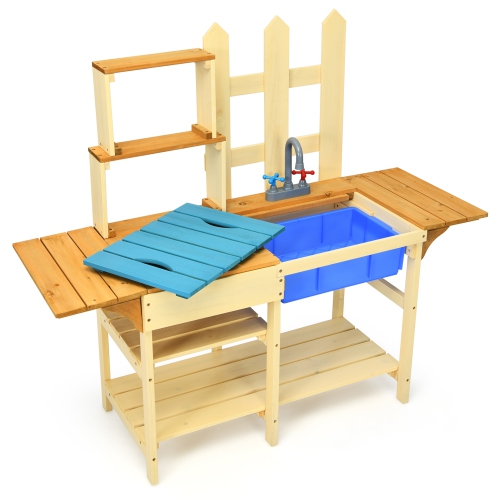
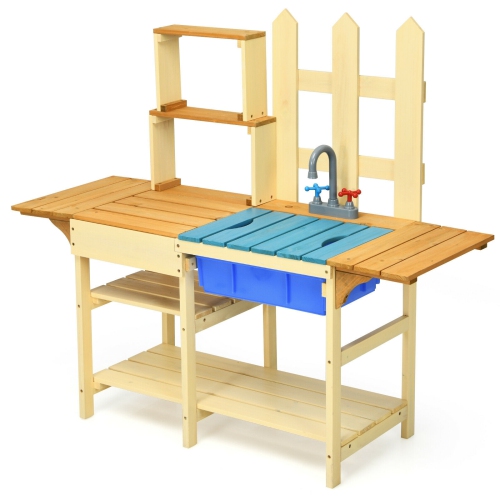
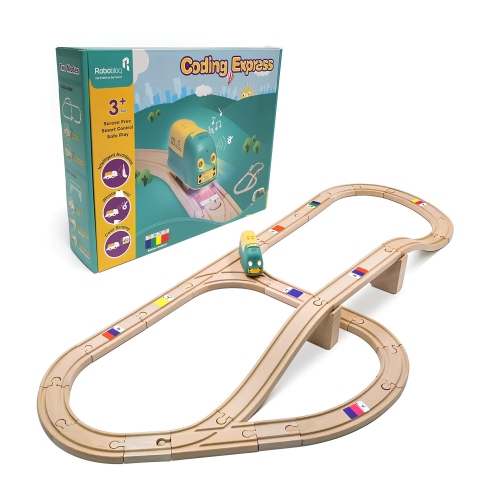
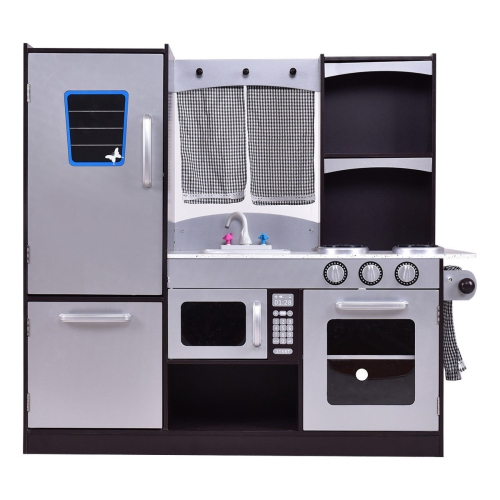
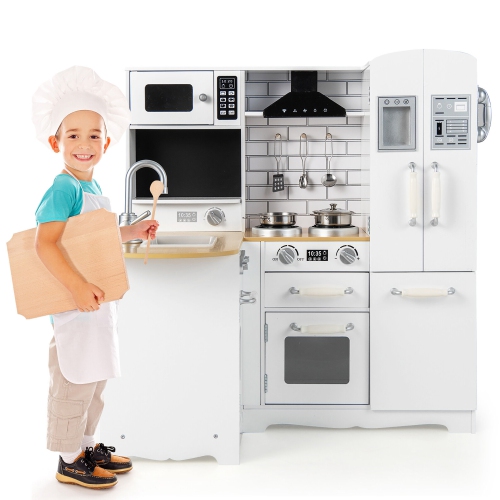

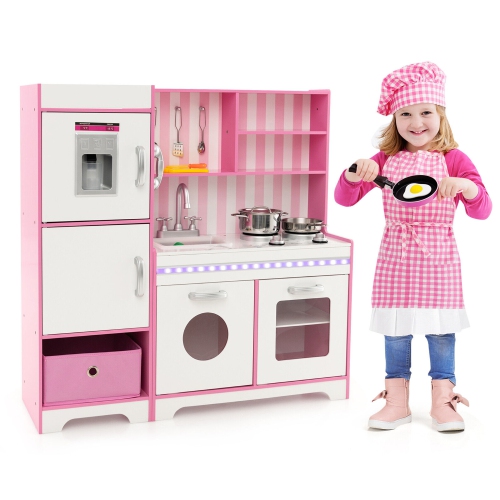
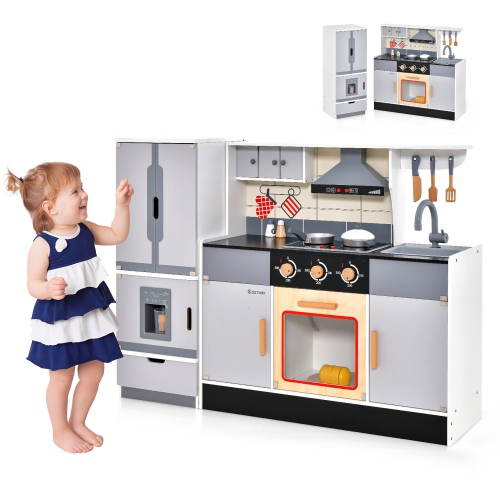
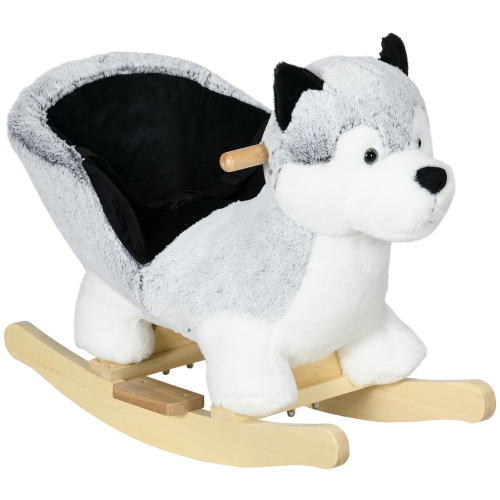
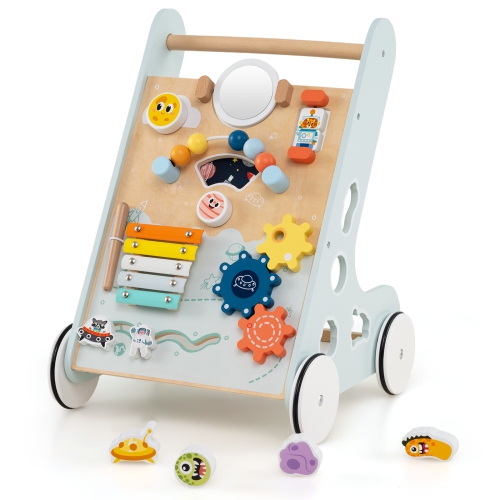
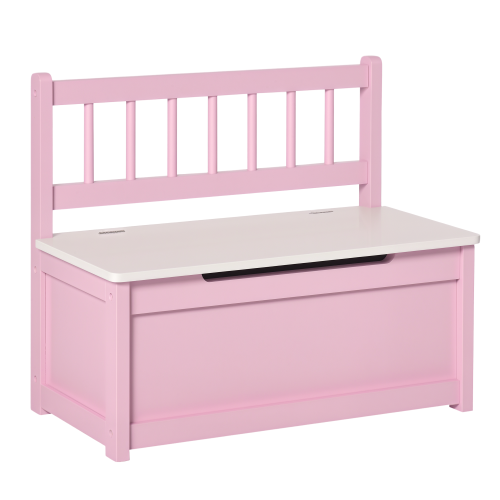
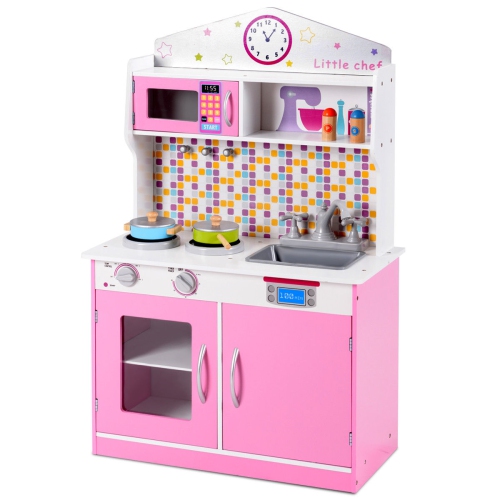
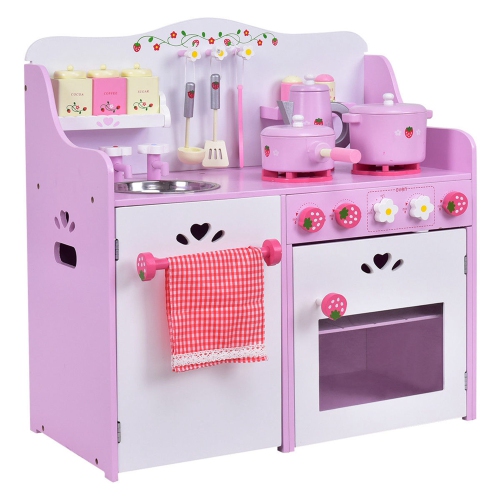
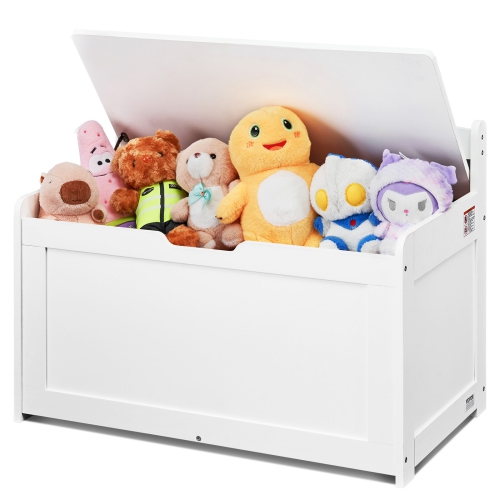
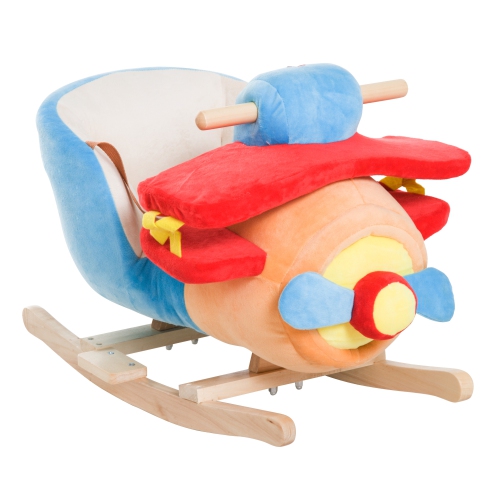
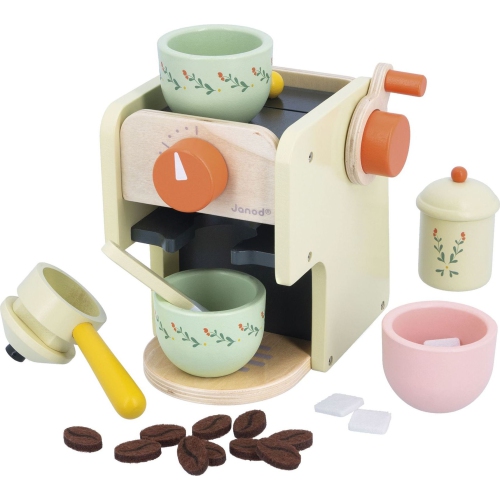
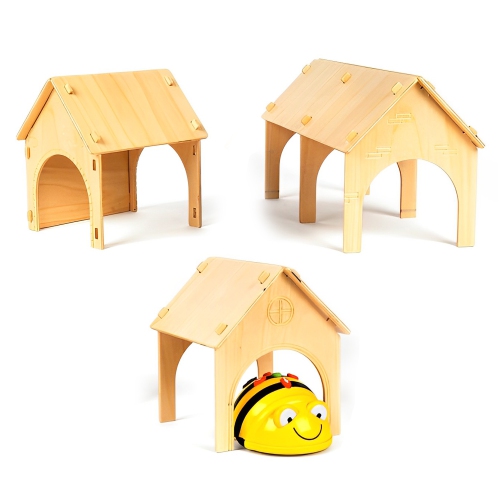
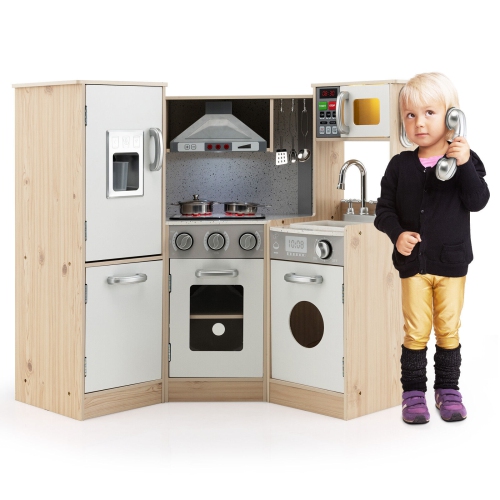

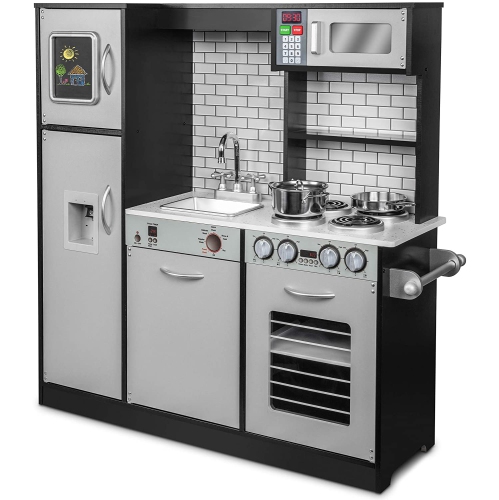
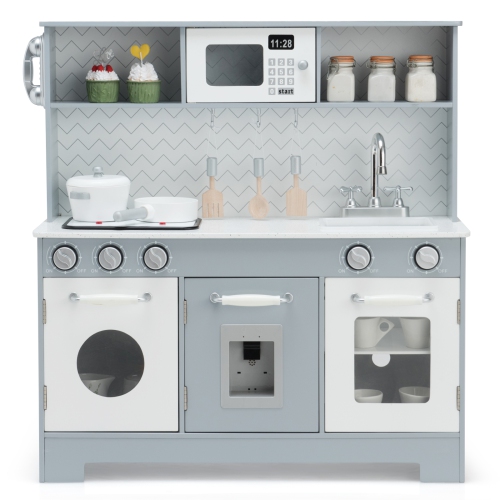
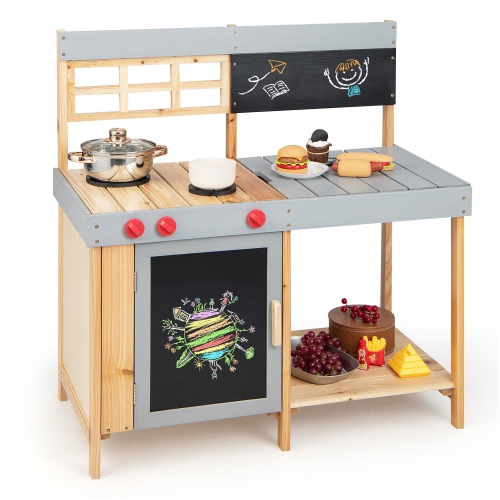
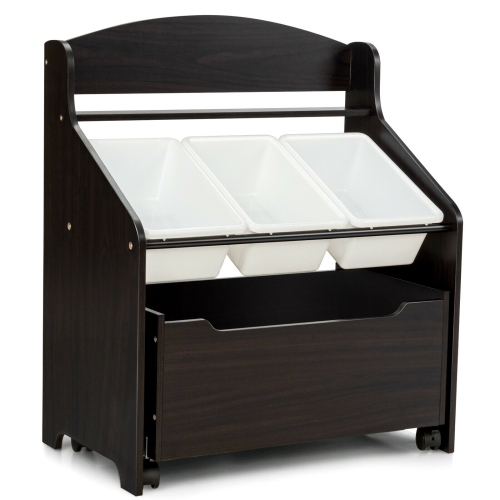
Hands-on play that grows with every new idea
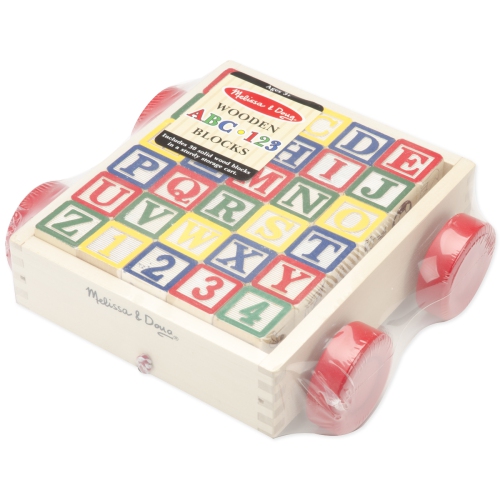
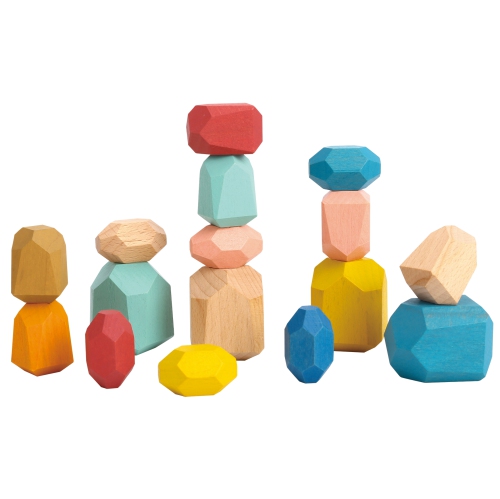
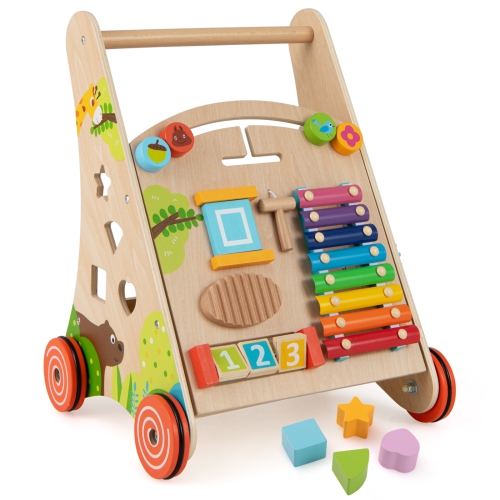
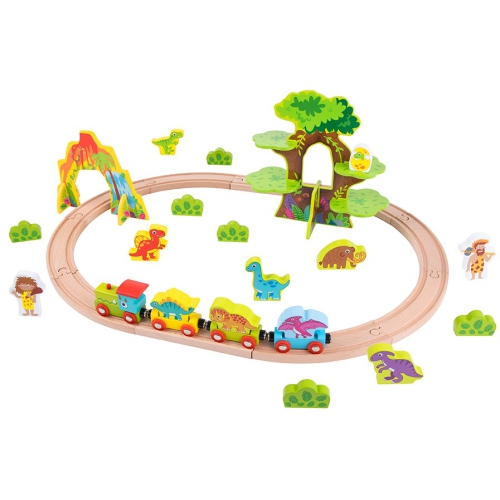
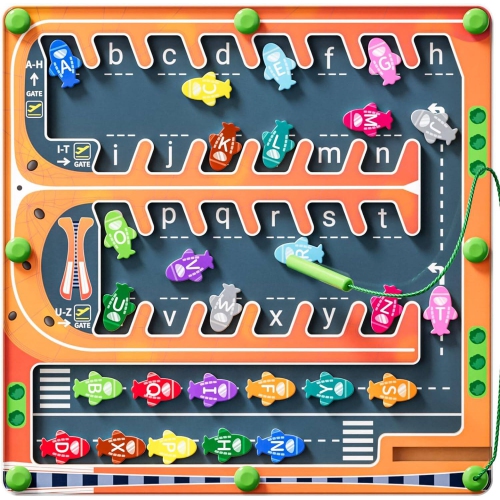
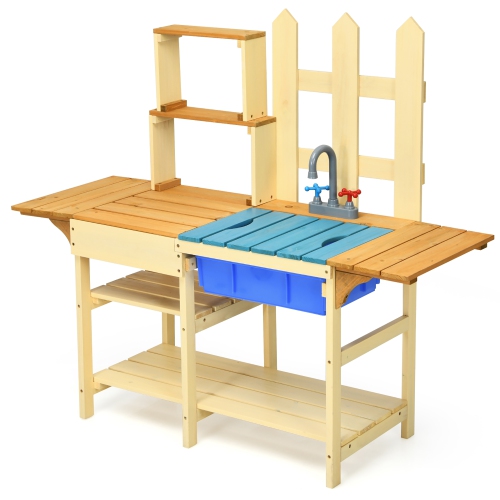
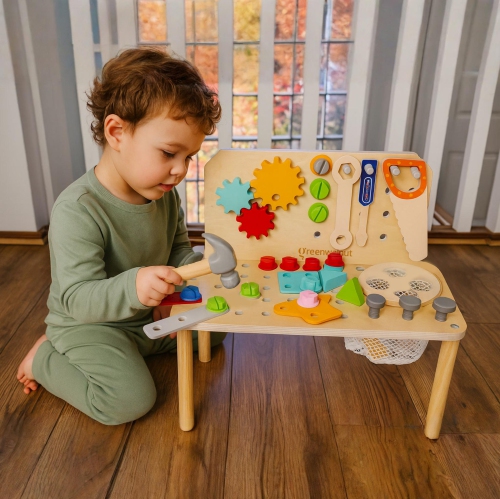
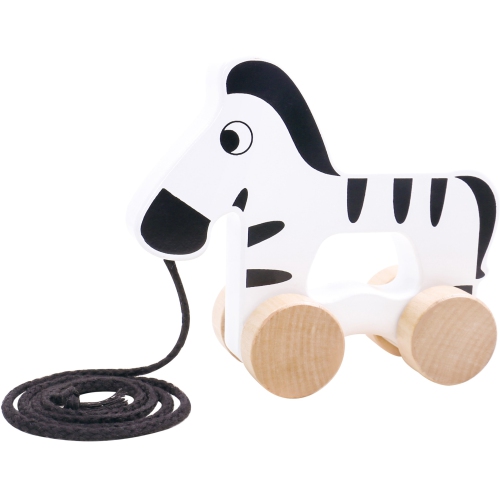
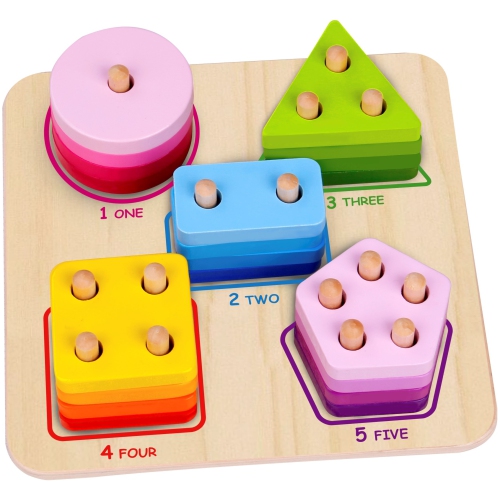
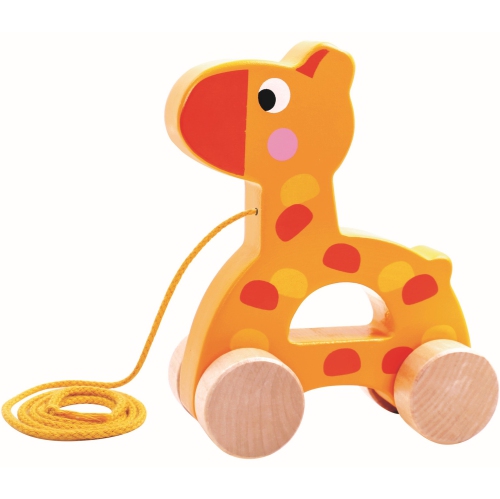
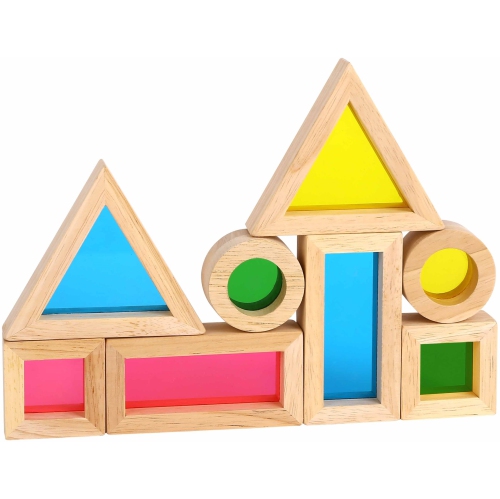
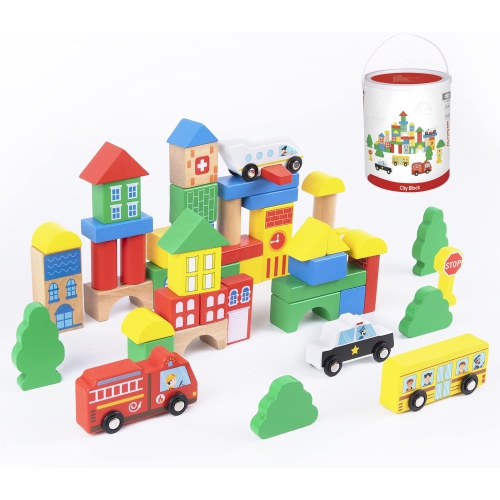
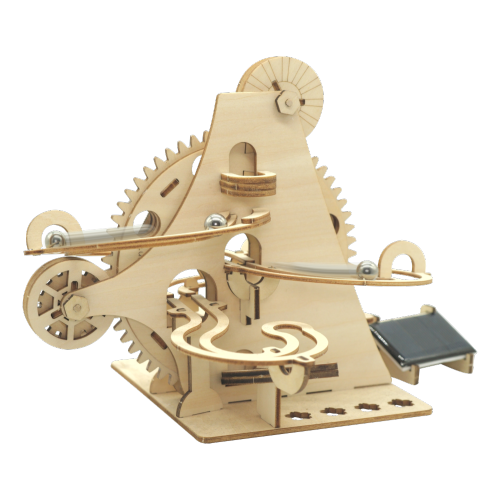
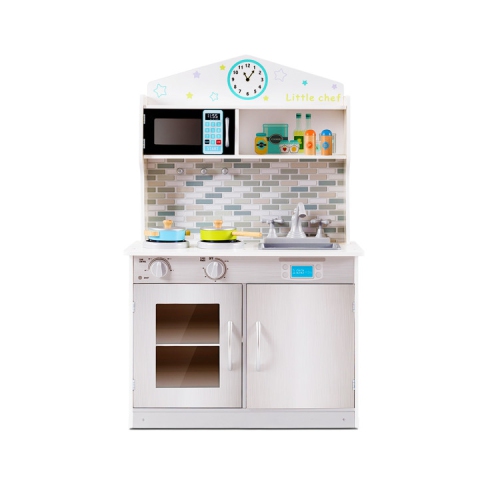
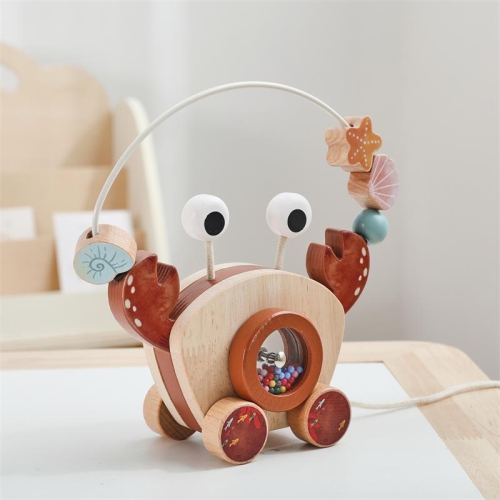
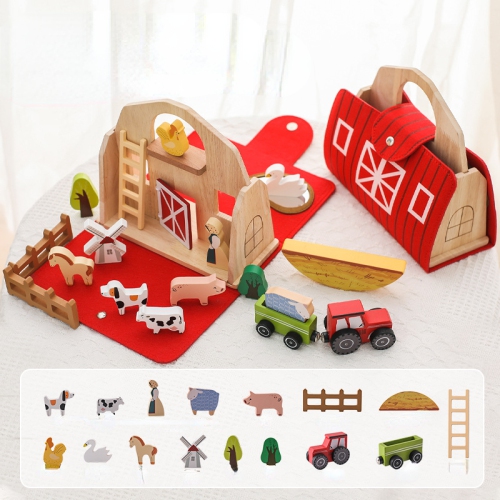
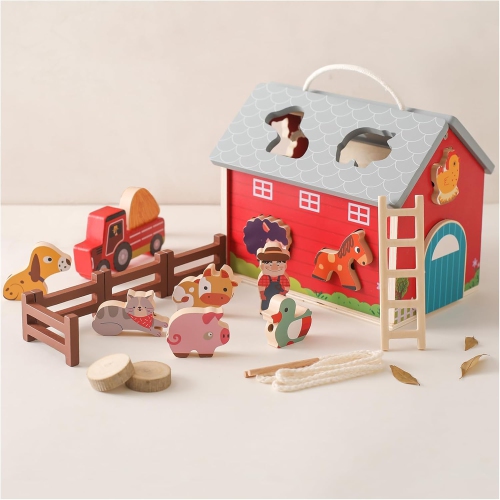
Wooden toys bring a tactile, hands-on quality to play, with pieces that feel solid in small hands and invite children to explore at their own pace. The category includes stacking toys, sorting sets, wooden puzzles, building blocks, pull-along toys, pretend-play accessories, shape sorters, bead mazes, musical toys, and open-ended pieces that can become almost anything in a child’s imagination. A set of blocks might become a tower, a bridge, a garage, or a village before being rebuilt into something completely different, while a wooden puzzle can turn a quiet afternoon into an opportunity to practise matching, concentration, and visual recognition. Many wooden toys support early learning without making play feel like a lesson. Stacking and nesting activities can help develop hand-eye coordination and an understanding of size, order, and balance. Sorting games introduce colours, shapes, numbers, and categories, while construction play encourages planning, problem-solving, and spatial reasoning. Open-ended toys are especially useful for imaginative play because they do not have to be used in only one way. Children can create their own stories, arrange objects into patterns, or combine several play sets to build a larger world. For children who enjoy animals and make-believe, explore Wooden Animal Toys for pieces that can inspire farmyard scenes, woodland adventures, or imaginary habitats. The natural grain, gentle weight, and varied shapes of wooden pieces also add a sensory dimension to play, giving children the chance to grasp, turn, stack, slide, and arrange objects while developing confidence through independent discovery.
When choosing wooden toys, start with the child’s age, interests, and stage of development. Babies and younger toddlers often benefit from larger, easy-to-grasp pieces with smooth edges and simple actions such as stacking, pushing, fitting, or pulling. For children who are beginning to recognize colours and shapes, sorting boards, nesting sets, and chunky puzzles can offer an approachable challenge. Preschoolers may enjoy pretend-play sets, building pieces, counting activities, and puzzles with more detailed images, while school-aged children may look for construction sets, strategy-based games, or creative materials that can be combined in different ways. Always check the recommended age range and inspect the size of each piece, especially when a toy will be used by children who still explore objects with their mouths. Look for sturdy construction, carefully finished surfaces, secure components, and coatings intended for children’s toys. Moving parts should operate smoothly, and pieces should be substantial enough for the intended age group. It is also worth considering how a toy will fit into everyday routines. A compact puzzle or stacking set can be convenient for a playroom shelf, a grandparent’s home, or a trip, while a larger building set may be best suited to a dedicated table or floor space. Storage matters as well: trays, boxes, or divided containers can keep small pieces together and make tidying up easier. If several children will play together, choose sets with enough pieces to encourage shared building and storytelling. If the toy is intended for quiet independent play, consider an activity that offers several levels of challenge so it can remain interesting as the child’s skills grow.
Wooden toys can make thoughtful gifts for birthdays, new babies, family celebrations, and the cooler months when indoor play becomes a larger part of the day. For a first birthday, a simple stacking or nesting toy gives a young child an engaging activity with clear, manageable actions. A preschooler may appreciate a pretend-play set that turns an ordinary corner into a kitchen, shop, campsite, or animal world, while an older child may be drawn to construction pieces that reward patience and experimentation. They are also useful gifts for siblings because many sets encourage children to build together, take turns, and create shared stories. Relatives and friends who are unsure of a child’s exact preferences can choose versatile pieces in classic forms, such as blocks, puzzles, or sorting activities, which can be revisited in different ways over time. At home, wooden toys can support a balanced play area by offering alternatives to screen-based entertainment and creating natural pauses for focused activity. A child might spend a rainy afternoon arranging a small collection into a pretend town, then return to the same pieces during the next visit from a friend and turn them into a train station or castle. During warmer weather, lightweight sets can move easily between a playroom, patio, or cottage, while during the cooler months they can provide inviting activities for a coffee table, nursery, or family room. Whether selected for a toddler learning to grasp and balance, a preschooler building elaborate stories, or a school-aged child solving a more involved puzzle, wooden toys offer approachable, imaginative ways to play, practise new skills, and make everyday moments feel special.
When choosing wooden toys, start with the child’s age, interests, and stage of development. Babies and younger toddlers often benefit from larger, easy-to-grasp pieces with smooth edges and simple actions such as stacking, pushing, fitting, or pulling. For children who are beginning to recognize colours and shapes, sorting boards, nesting sets, and chunky puzzles can offer an approachable challenge. Preschoolers may enjoy pretend-play sets, building pieces, counting activities, and puzzles with more detailed images, while school-aged children may look for construction sets, strategy-based games, or creative materials that can be combined in different ways. Always check the recommended age range and inspect the size of each piece, especially when a toy will be used by children who still explore objects with their mouths. Look for sturdy construction, carefully finished surfaces, secure components, and coatings intended for children’s toys. Moving parts should operate smoothly, and pieces should be substantial enough for the intended age group. It is also worth considering how a toy will fit into everyday routines. A compact puzzle or stacking set can be convenient for a playroom shelf, a grandparent’s home, or a trip, while a larger building set may be best suited to a dedicated table or floor space. Storage matters as well: trays, boxes, or divided containers can keep small pieces together and make tidying up easier. If several children will play together, choose sets with enough pieces to encourage shared building and storytelling. If the toy is intended for quiet independent play, consider an activity that offers several levels of challenge so it can remain interesting as the child’s skills grow.
Wooden toys can make thoughtful gifts for birthdays, new babies, family celebrations, and the cooler months when indoor play becomes a larger part of the day. For a first birthday, a simple stacking or nesting toy gives a young child an engaging activity with clear, manageable actions. A preschooler may appreciate a pretend-play set that turns an ordinary corner into a kitchen, shop, campsite, or animal world, while an older child may be drawn to construction pieces that reward patience and experimentation. They are also useful gifts for siblings because many sets encourage children to build together, take turns, and create shared stories. Relatives and friends who are unsure of a child’s exact preferences can choose versatile pieces in classic forms, such as blocks, puzzles, or sorting activities, which can be revisited in different ways over time. At home, wooden toys can support a balanced play area by offering alternatives to screen-based entertainment and creating natural pauses for focused activity. A child might spend a rainy afternoon arranging a small collection into a pretend town, then return to the same pieces during the next visit from a friend and turn them into a train station or castle. During warmer weather, lightweight sets can move easily between a playroom, patio, or cottage, while during the cooler months they can provide inviting activities for a coffee table, nursery, or family room. Whether selected for a toddler learning to grasp and balance, a preschooler building elaborate stories, or a school-aged child solving a more involved puzzle, wooden toys offer approachable, imaginative ways to play, practise new skills, and make everyday moments feel special.
Top selling and popular products
-
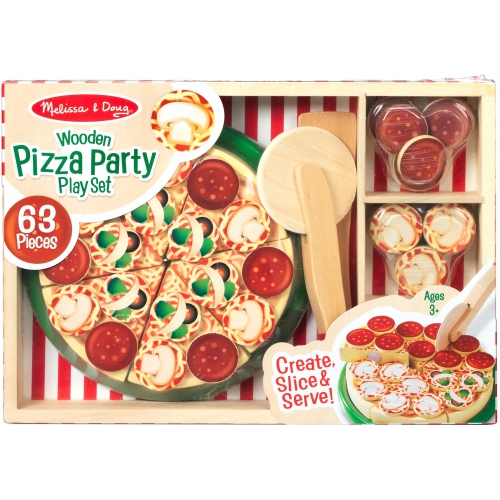 Your price for this item is $25
 -
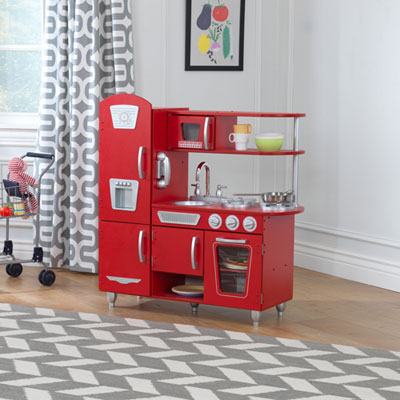 Your price for this item is $218.98
 -
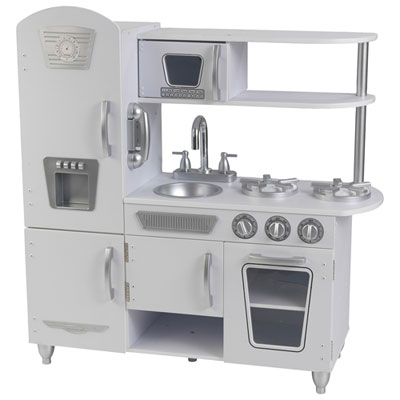 Your price for this item is $155.98
 -
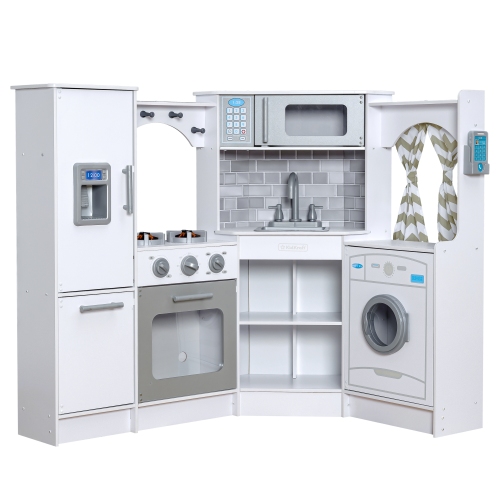 Your price for this item is $319.99
 -
 Your price for this item is $319.99
 -
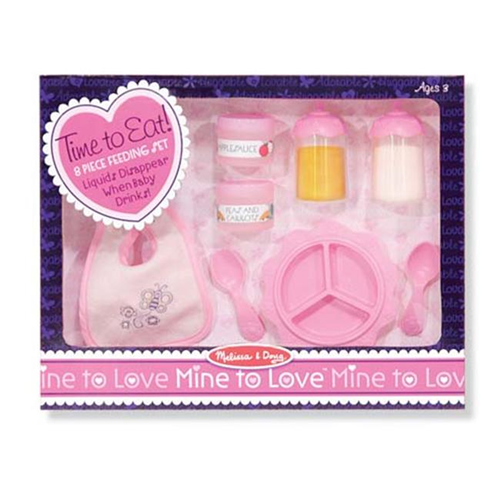 Your price for this item is $43.99
 -
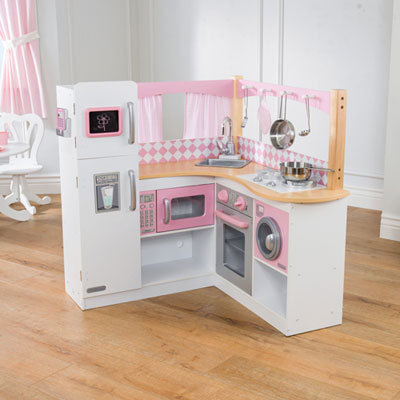 Your price for this item is $199.98
 -
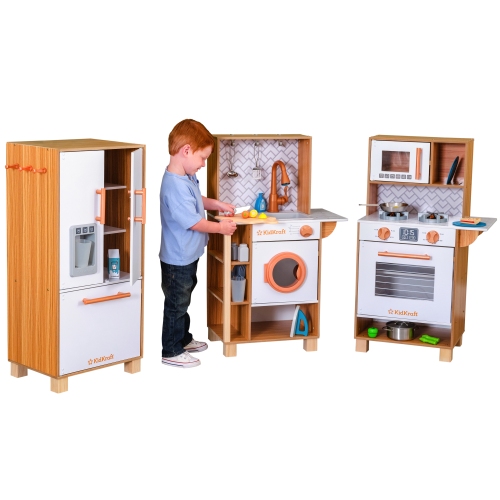 Your price for this item is $409.99
Discover more categories related to Wooden Toys
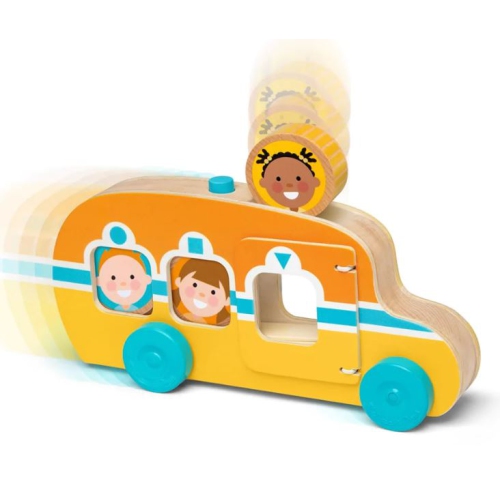
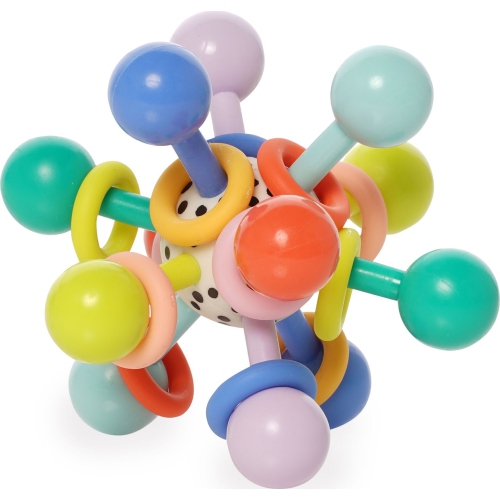
Top Collections:
Pokemon Centers, Kindle Devices, Best Budget Office Chairs, Apple iPhones 16, Best Laptops for Writers, iPhone 15 Apple, Canon G7X Cameras, Refurbished Apple Laptops, Alarm Clock, Motorola Razr Phones
Some products may be subject to Environmental Handling Fees
(EHF) depending on your province.
Learn more about EHFs.