Childrens Educational Toys
Explore the world of children's educational toys, where learning meets play in the most delightful ways. These thoughtfully designed toys offer endless opportunities for kids to develop essential skills while sparking their curiosity and imagination. From interactive puzzles to engaging science kits, each toy is crafted to inspire creativity and foster a love for discovery. Perfect for nurturing young minds, these educational toys are ideal for enhancing cognitive abilities, improving problem-solving skills, and encouraging social interaction. Let your child's adventure in learning begin with our carefully curated selection that makes education both fun and rewarding.
Sort
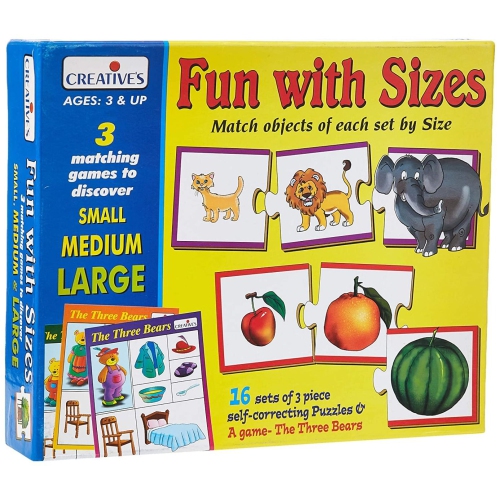
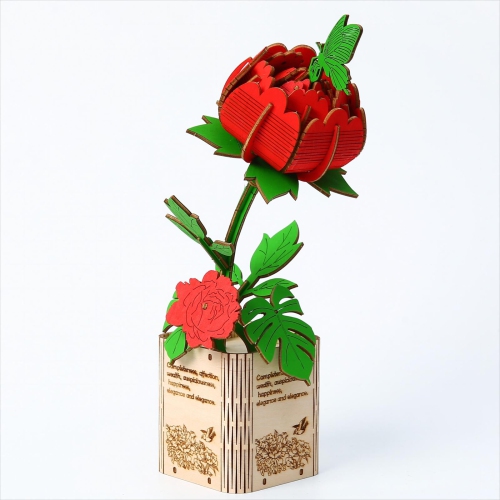
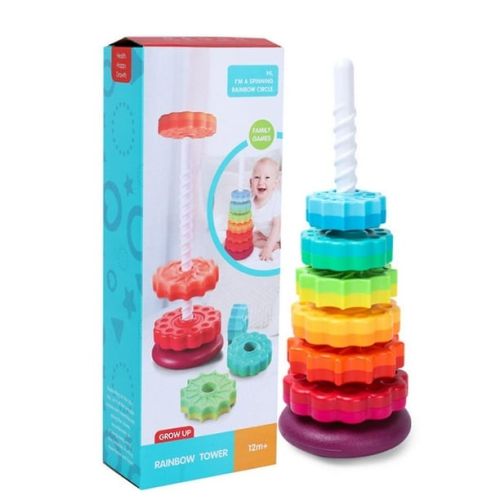
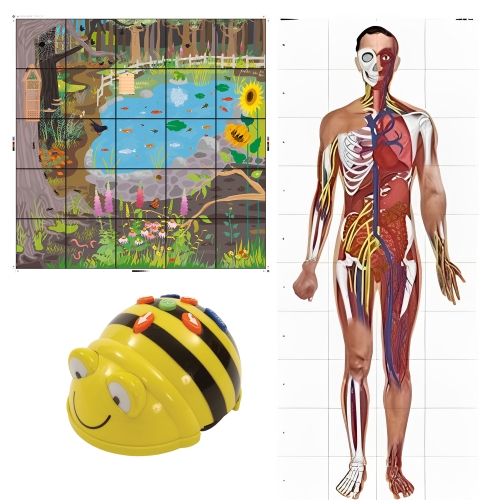
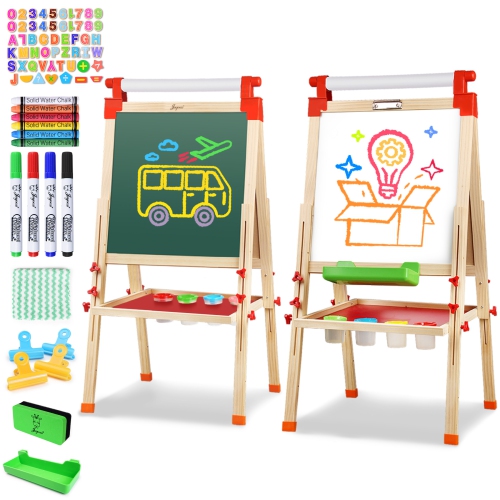
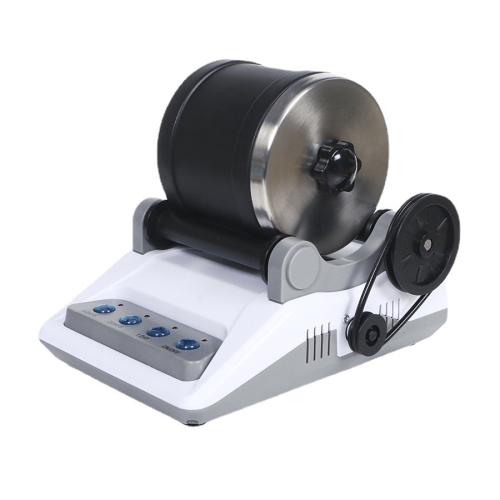
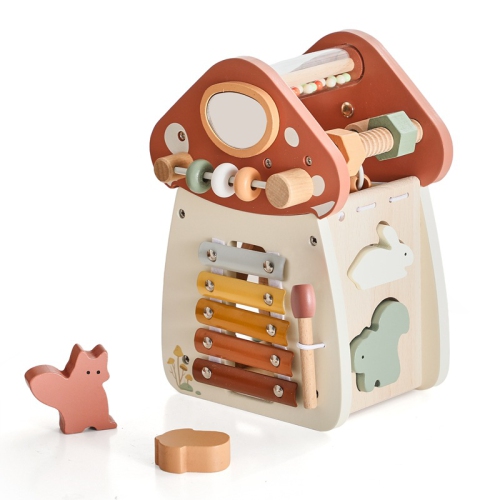
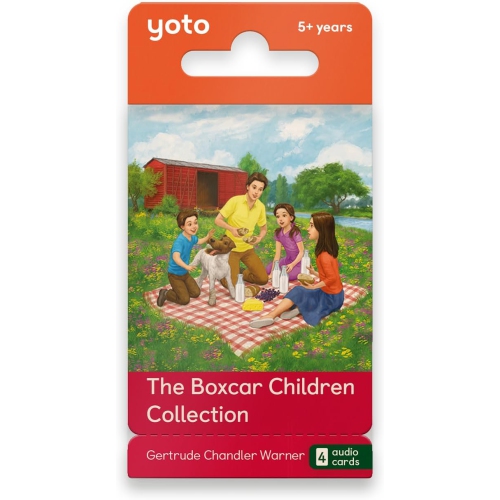
How hands-on play builds skills through trial and error
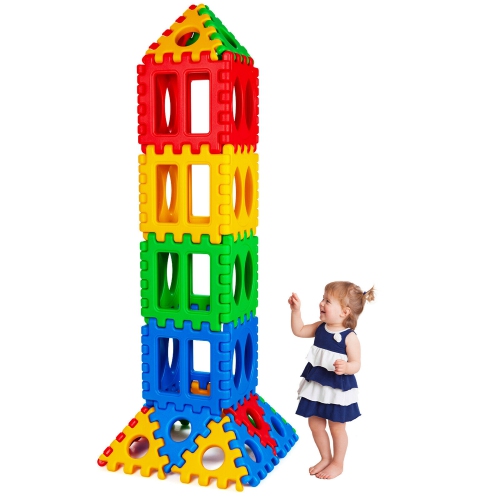
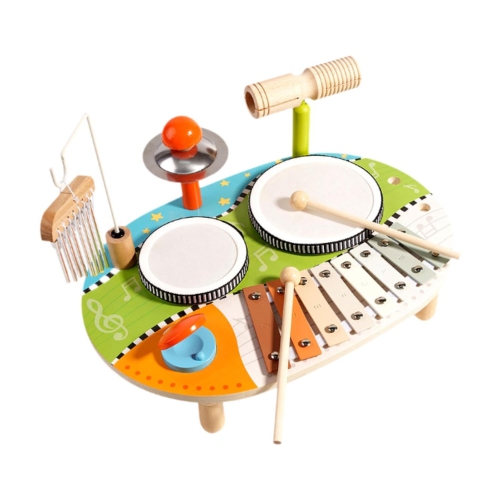
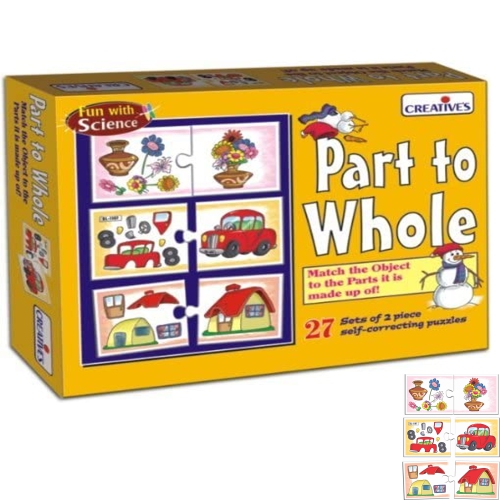
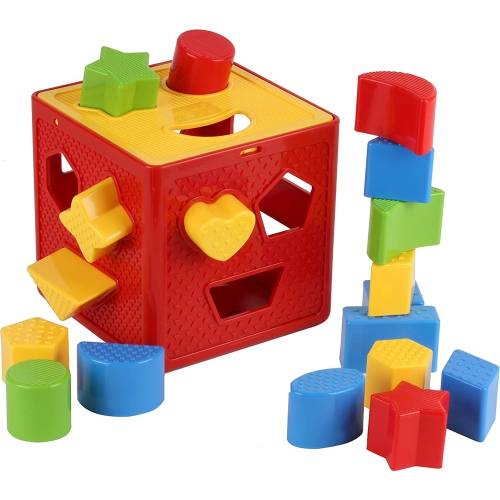
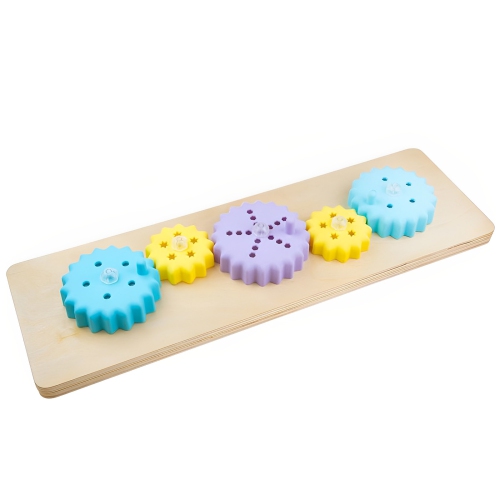
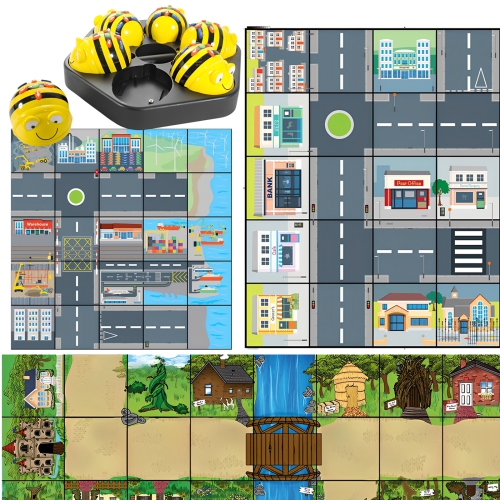
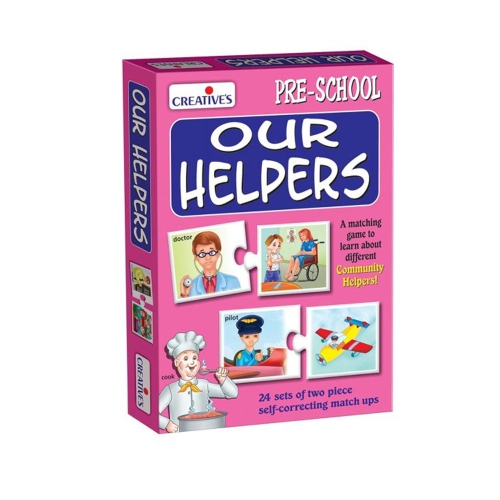
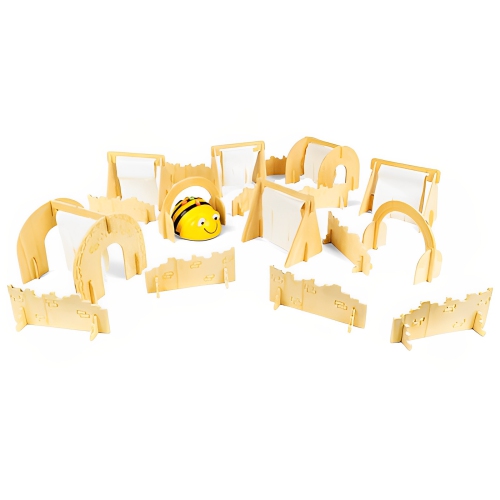
Children’s educational toys bring learning into everyday play, giving children opportunities to explore shapes, numbers, letters, patterns, and cause and effect through activities they can touch, move, and repeat. Rather than relying only on instructions or memorization, learning toys let children test an idea and see what happens: a wide base helps a tower stay upright, a matching shape fits into an opening, and a row of counters makes a number easier to understand. These experiences can support fine motor skills, spatial reasoning, early maths, and language development while leaving room for imagination. Different types of play offer different opportunities. Sorting and matching activities introduce similarities, differences, colours, and categories; puzzles encourage children to notice outlines and relationships between parts; and construction toys provide practice with balance, planning, and problem-solving. Early literacy toys can make letter shapes, sounds, and vocabulary more familiar, especially when an adult joins in to name pictures, describe actions, or tell a story. Musical play adds rhythm, listening, and repetition, while pretend play encourages conversation and gives children a way to act out familiar routines. STEM toys, which focus on science, technology, engineering, and mathematics, can introduce ideas such as movement, measurement, and simple sequences through age-appropriate experiments and building challenges. Not every learning activity needs lights, a screen, or a correct answer. Open-ended designs allow a child to sort pieces one day and use them to build an imaginary town the next. More structured activities can appeal to children who enjoy a clear goal, such as finishing a pattern or following a sequence. Both approaches have a place in a playroom, classroom, or childcare setting. The most useful match is often a toy that connects with an existing interest while offering a manageable challenge, whether that means fitting two pieces together, counting pretend purchases, or working out why a carefully built bridge keeps tipping over.
Age suitability involves more than the difficulty of an activity. Manufacturer age labels and warnings are important starting points because they address factors such as small parts and intended use, not simply how advanced a child’s skills appear to be. Toys for babies and younger toddlers need particular attention to mouthing, grip, and safe handling, while preschoolers may be ready for more involved matching, building, and pretend-play activities. School-age children often enjoy challenges with several steps, opportunities to plan their own designs, or activities that invite them to explain their reasoning. Within any age group, consider the size and weight of the pieces, the strength needed to connect or separate them, and whether the child can use the controls comfortably. Large handles, easy-to-distinguish shapes, and clear visual cues can make an activity more approachable. For sound-based learning toys, language settings, pronunciation, volume controls, and the option to turn sound off can affect how well they fit the household. English and French content may be useful for families supporting learning in either language, although features vary by design. Materials also influence the feel and practicality of a toy. Wood offers a firm, tactile surface for grasping, stacking, and fitting pieces together; plastic can suit lightweight designs and detailed moving parts; and fabric brings softness and varied textures to early play. For families drawn to solid shapes and hands-on activities, educational wooden toys offer another way to explore building, sorting, and imaginative play. Whatever the material, look for smooth edges, secure construction, and finishes intended for children’s use. Toys containing magnets require close attention to age restrictions and damaged or missing components, since swallowed magnets can cause serious harm. Battery compartments should remain securely closed, and button or coin batteries must be kept out of children’s reach. Supervision should reflect the toy’s instructions, the activity, and the children sharing the space, particularly when younger siblings could reach pieces intended for older children.
Educational toys fit naturally into short, familiar moments as well as longer stretches of play. A child might arrange shapes at the kitchen table while an adult prepares a meal nearby, practise taking turns with a sibling, or spend an afternoon adjusting a construction until it stands without support. Adult participation can add meaning without turning play into a lesson: naming a shape, counting pieces aloud, or describing how a structure changed gives children language for what they are doing. Leaving time for trial and error matters, too. A child who rotates a puzzle piece several times before finding its place is practising observation and persistence, even when the activity looks simple. For shared use, enough working space and pieces that are comfortable for several children to handle can help keep play cooperative. For quieter independent activities, clear instructions and an achievable starting point may reduce frustration. Practical details make a difference over time. Consider whether a toy needs a flat surface, how much floor or table space it occupies, and whether loose components can be stored together between sessions. A container with separate compartments can make matching pieces easier to find, while keeping instructions with the toy helps adults set up unfamiliar activities consistently. Durability depends on construction as well as material, particularly where hinges, connectors, seams, or moving parts receive repeated handling. Follow the manufacturer’s cleaning directions rather than assuming every surface can be washed or soaked. Wooden components may need wiping and prompt drying, fabric care can vary, and electronic sections should be kept away from water unless their instructions specify otherwise. Regular checks for cracks, loose parts, worn cords, and exposed batteries help identify toys that should be taken out of use. As gifts for birthdays or other family celebrations, learning toys are especially thoughtful when they reflect the recipient’s interests, abilities, and available play space. A good fit offers an inviting place to begin and enough possibilities to return to, supporting the pleasure of discovering something new through play.
Age suitability involves more than the difficulty of an activity. Manufacturer age labels and warnings are important starting points because they address factors such as small parts and intended use, not simply how advanced a child’s skills appear to be. Toys for babies and younger toddlers need particular attention to mouthing, grip, and safe handling, while preschoolers may be ready for more involved matching, building, and pretend-play activities. School-age children often enjoy challenges with several steps, opportunities to plan their own designs, or activities that invite them to explain their reasoning. Within any age group, consider the size and weight of the pieces, the strength needed to connect or separate them, and whether the child can use the controls comfortably. Large handles, easy-to-distinguish shapes, and clear visual cues can make an activity more approachable. For sound-based learning toys, language settings, pronunciation, volume controls, and the option to turn sound off can affect how well they fit the household. English and French content may be useful for families supporting learning in either language, although features vary by design. Materials also influence the feel and practicality of a toy. Wood offers a firm, tactile surface for grasping, stacking, and fitting pieces together; plastic can suit lightweight designs and detailed moving parts; and fabric brings softness and varied textures to early play. For families drawn to solid shapes and hands-on activities, educational wooden toys offer another way to explore building, sorting, and imaginative play. Whatever the material, look for smooth edges, secure construction, and finishes intended for children’s use. Toys containing magnets require close attention to age restrictions and damaged or missing components, since swallowed magnets can cause serious harm. Battery compartments should remain securely closed, and button or coin batteries must be kept out of children’s reach. Supervision should reflect the toy’s instructions, the activity, and the children sharing the space, particularly when younger siblings could reach pieces intended for older children.
Educational toys fit naturally into short, familiar moments as well as longer stretches of play. A child might arrange shapes at the kitchen table while an adult prepares a meal nearby, practise taking turns with a sibling, or spend an afternoon adjusting a construction until it stands without support. Adult participation can add meaning without turning play into a lesson: naming a shape, counting pieces aloud, or describing how a structure changed gives children language for what they are doing. Leaving time for trial and error matters, too. A child who rotates a puzzle piece several times before finding its place is practising observation and persistence, even when the activity looks simple. For shared use, enough working space and pieces that are comfortable for several children to handle can help keep play cooperative. For quieter independent activities, clear instructions and an achievable starting point may reduce frustration. Practical details make a difference over time. Consider whether a toy needs a flat surface, how much floor or table space it occupies, and whether loose components can be stored together between sessions. A container with separate compartments can make matching pieces easier to find, while keeping instructions with the toy helps adults set up unfamiliar activities consistently. Durability depends on construction as well as material, particularly where hinges, connectors, seams, or moving parts receive repeated handling. Follow the manufacturer’s cleaning directions rather than assuming every surface can be washed or soaked. Wooden components may need wiping and prompt drying, fabric care can vary, and electronic sections should be kept away from water unless their instructions specify otherwise. Regular checks for cracks, loose parts, worn cords, and exposed batteries help identify toys that should be taken out of use. As gifts for birthdays or other family celebrations, learning toys are especially thoughtful when they reflect the recipient’s interests, abilities, and available play space. A good fit offers an inviting place to begin and enough possibilities to return to, supporting the pleasure of discovering something new through play.
Top selling and popular products
-
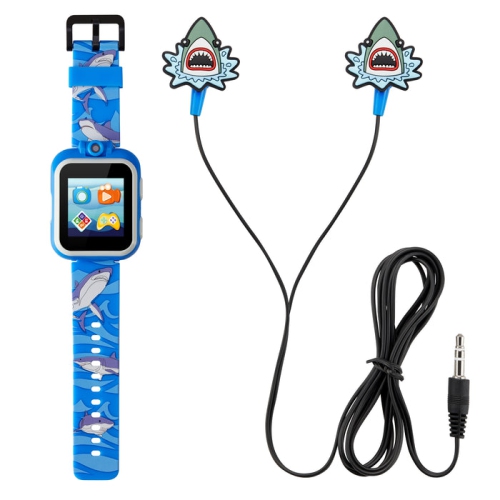 Your price for this item is $38.98
 -
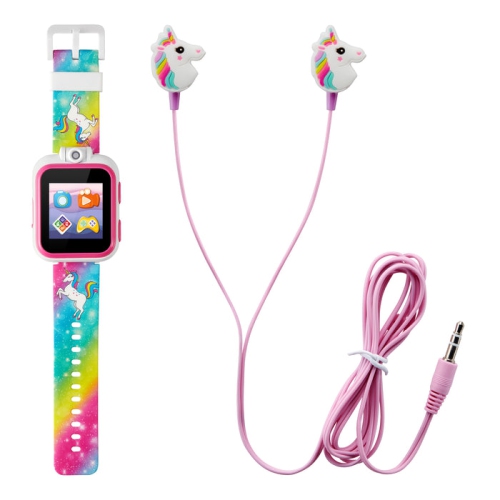 Your price for this item is $19.99
 -
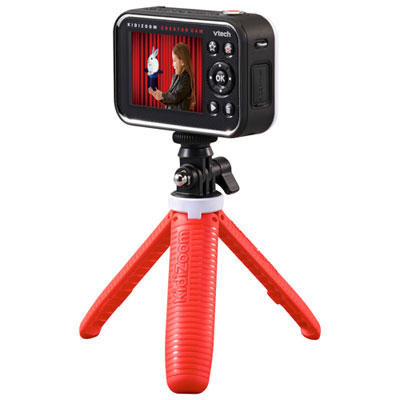 Your price for this item is $89.99
 -
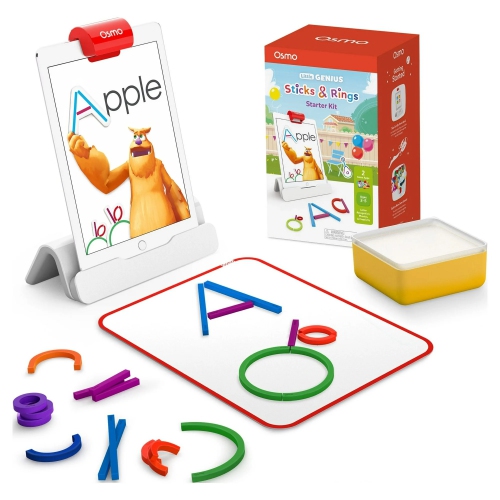
![OSMO - Genius Starter Kit - for Ipad [Electronics]](https://multimedia.bbycastatic.ca/multimedia/products/500x500/188/18884/18884576.jpeg) Your price for this item is $199.99
Your price for this item is $199.99 -
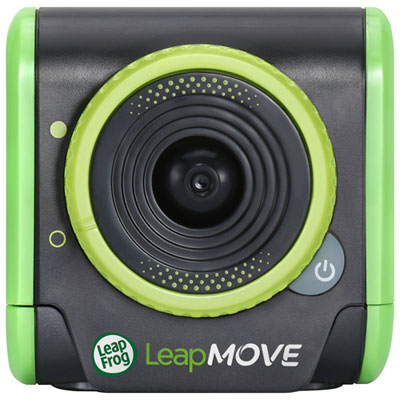 Your price for this item is $79.99
 -
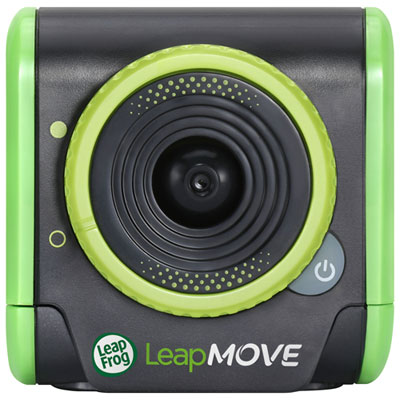 Your price for this item is $79.99
 -
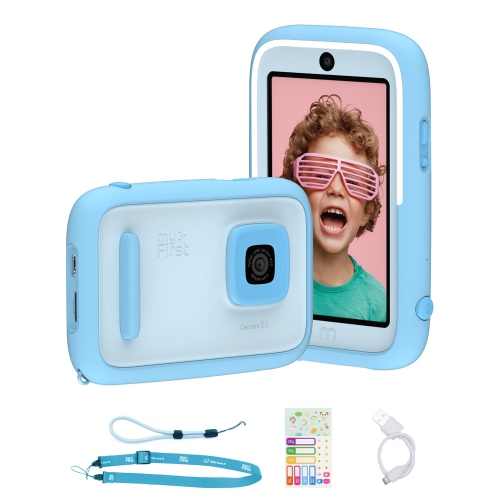 Your price for this item is $149
 -
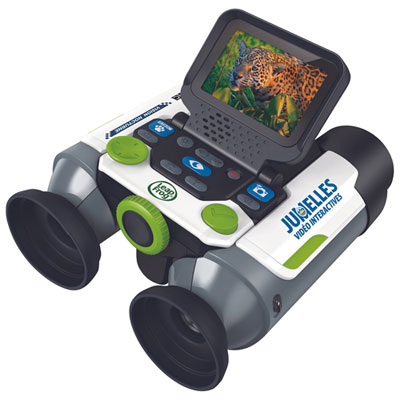 Your price for this item is $67.98
Discover more categories related to Childrens Educational Toys
Top Collections:
Pokemon Centers, Kindle Devices, Best Budget Office Chairs, Apple iPhones 16, Best Laptops for Writers, iPhone 15 Apple, Canon G7X Cameras, Refurbished Apple Laptops, Alarm Clock, Motorola Razr Phones
Some products may be subject to Environmental Handling Fees
(EHF) depending on your province.
Learn more about EHFs.