Electric Toys
Explore a world of fun and excitement with our collection of electric toys! From interactive robots to remote-controlled cars, these innovative gadgets are sure to spark creativity and imagination in children of all ages. Whether you're looking for a unique gift or simply want to add some high-tech entertainment to playtime, our selection of electric toys offers something for almost everyone. Get ready to power up playtime and discover the thrill of these electrifying toys!
Sort
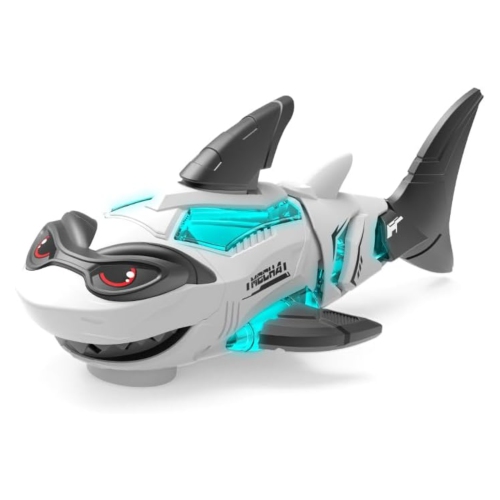


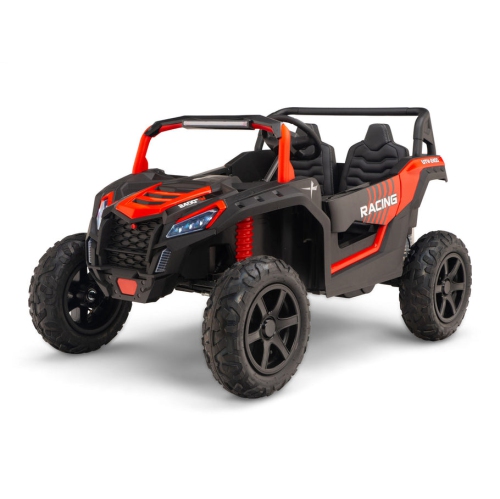


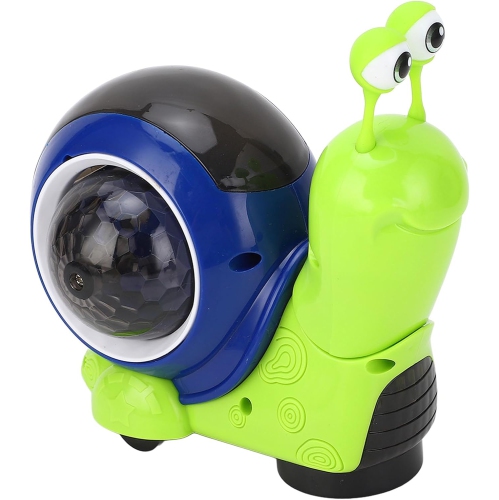

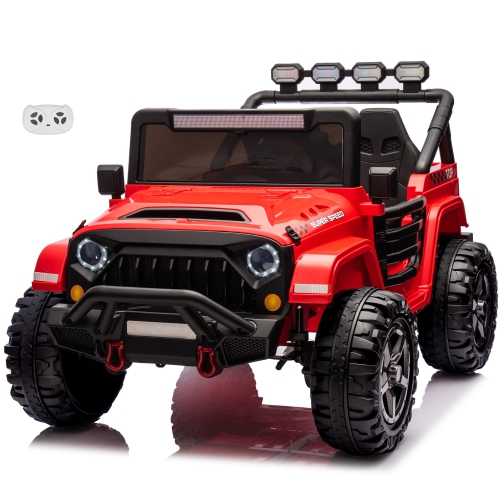
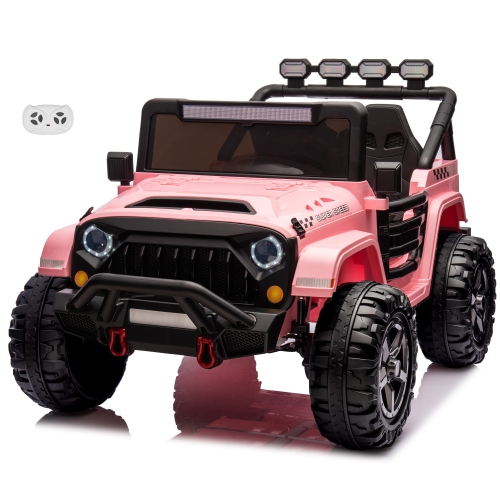
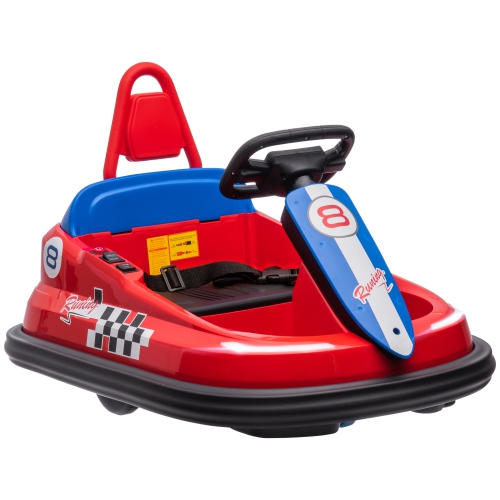
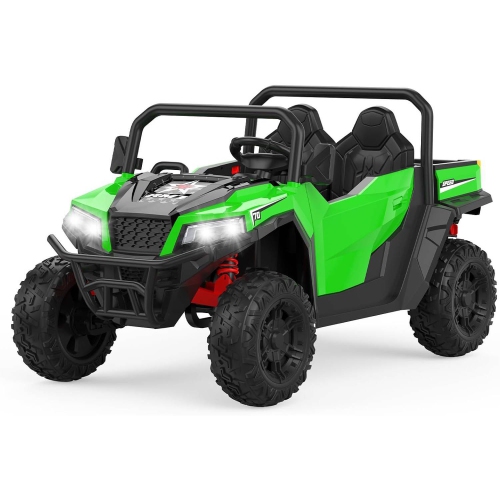
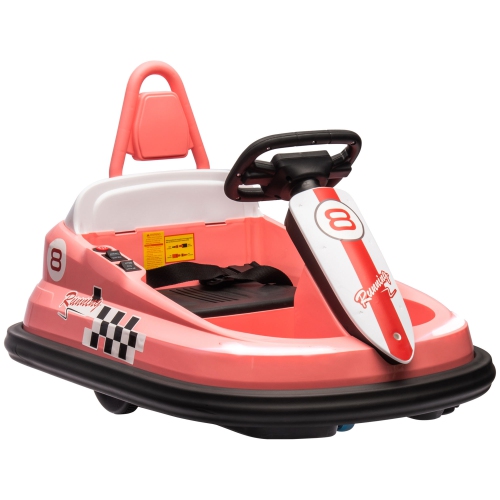
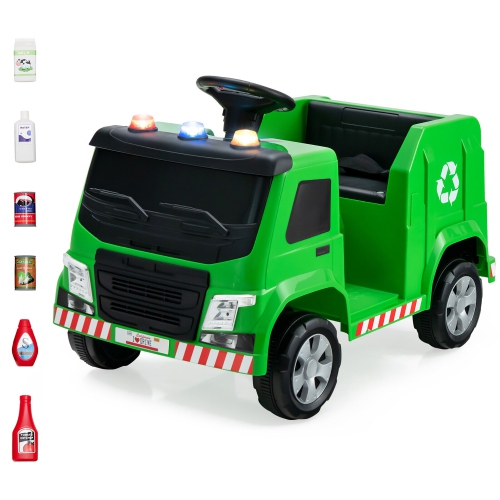
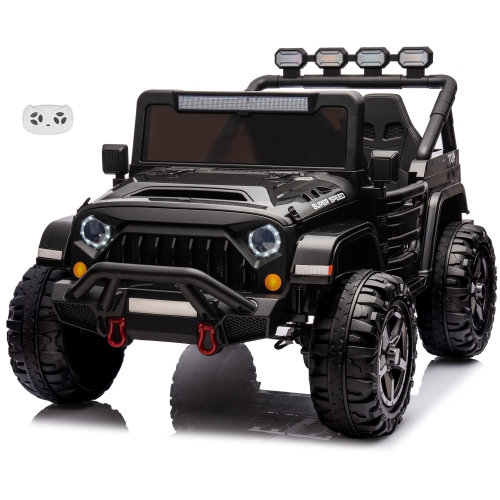

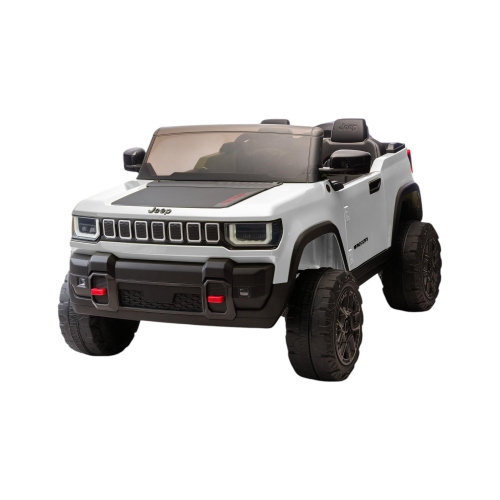
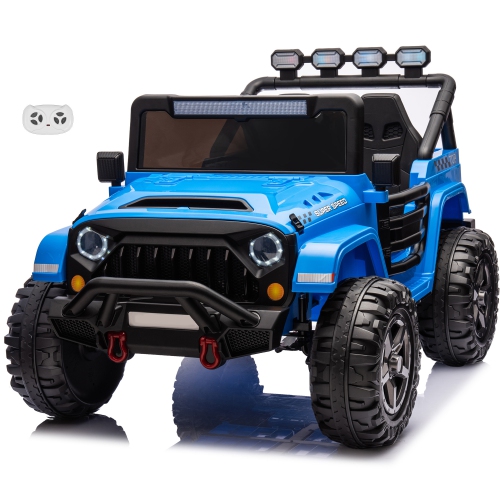

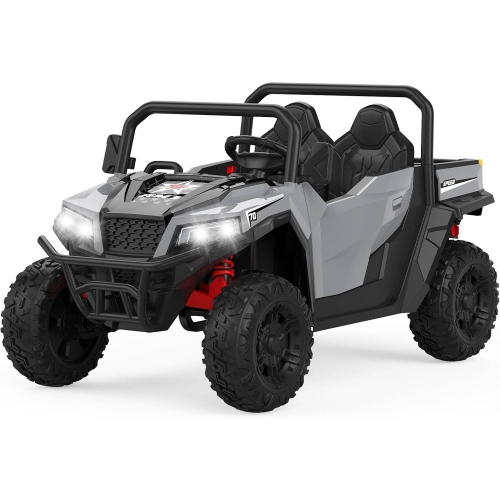

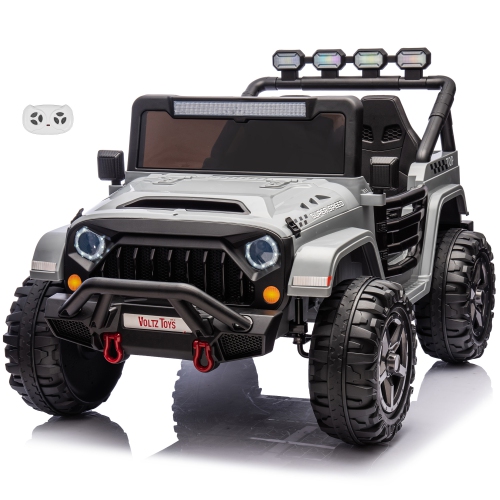


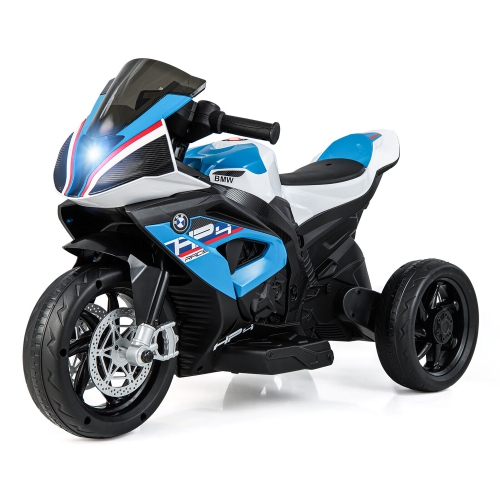
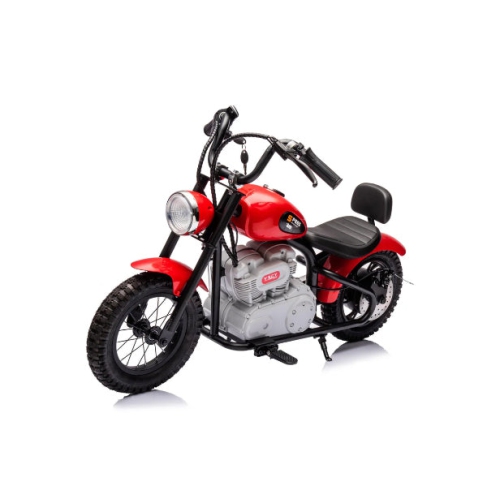

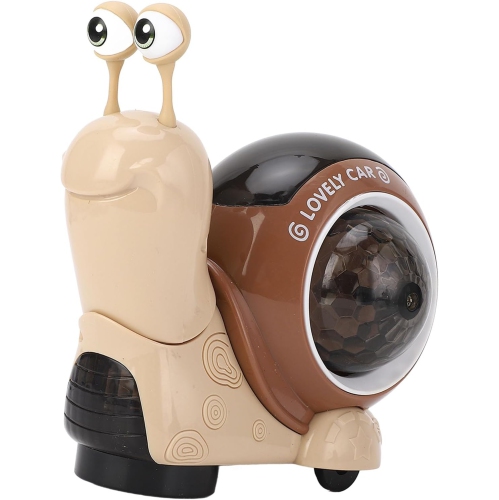

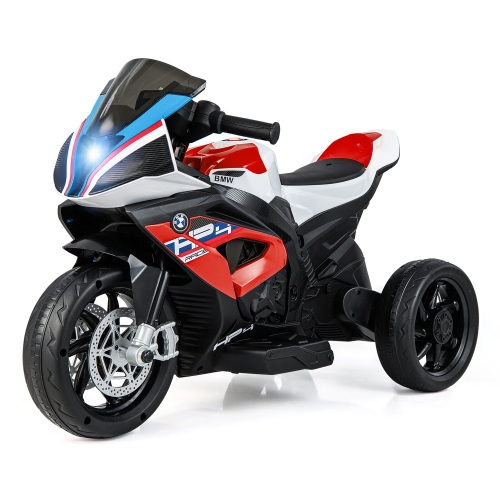


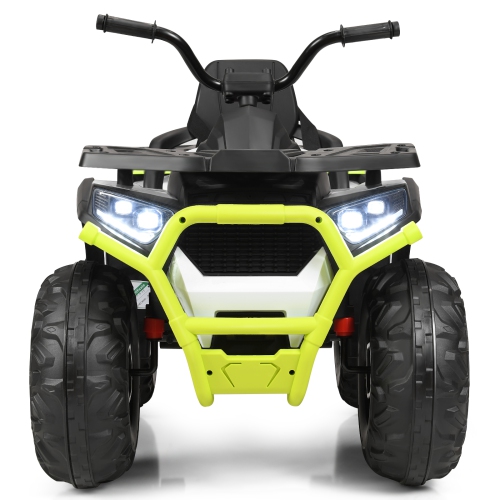
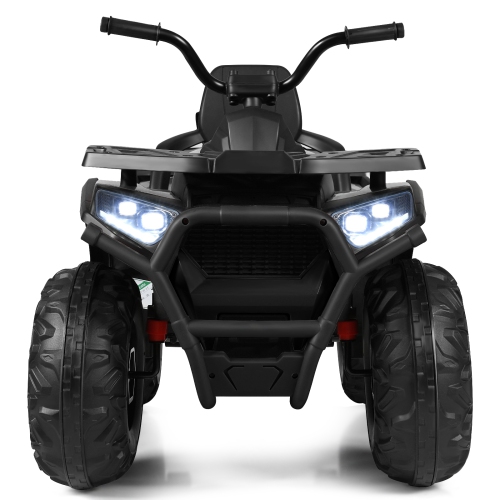



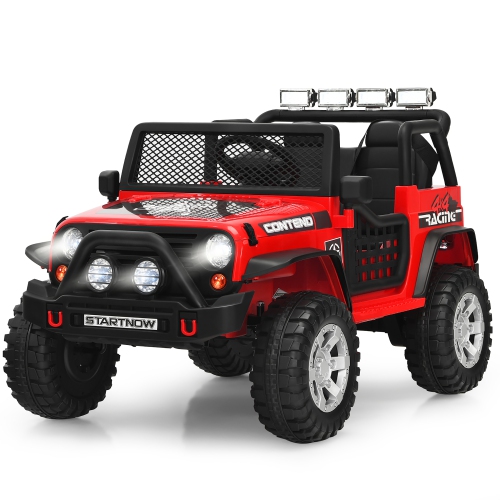
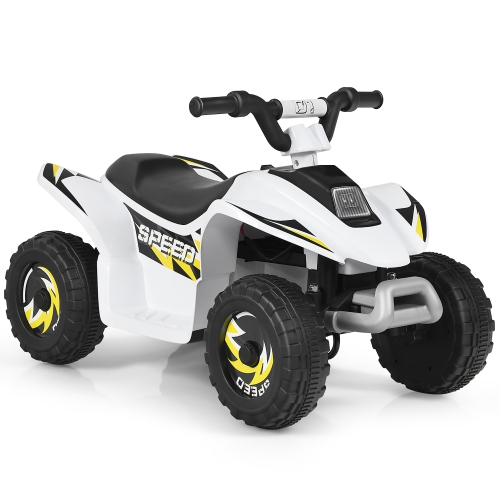
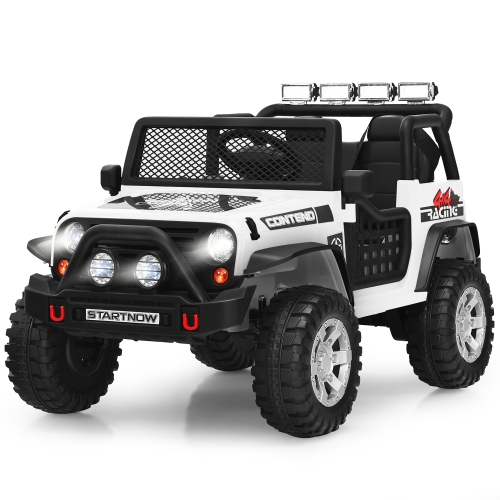
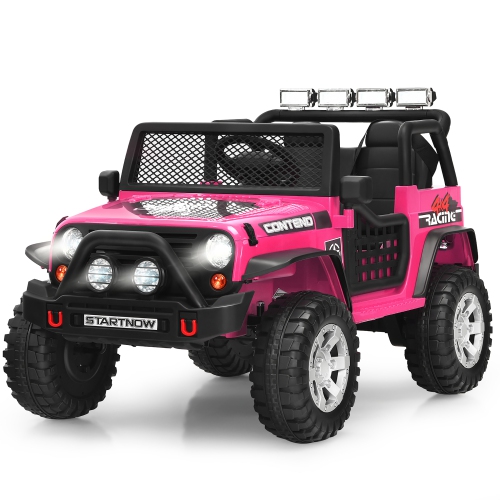
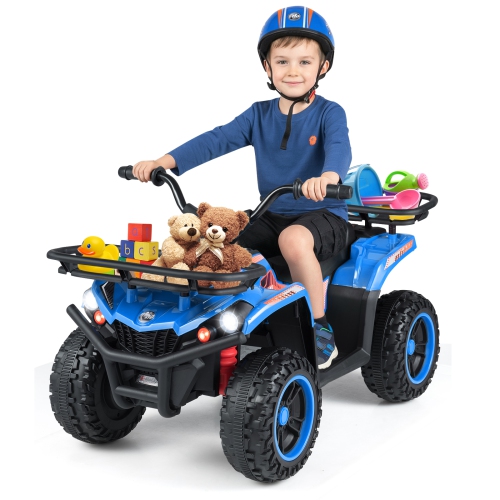


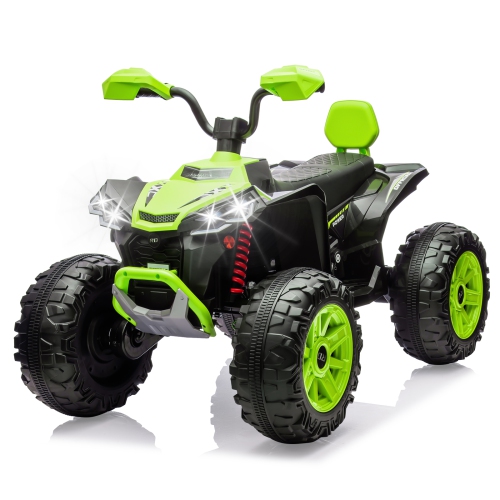


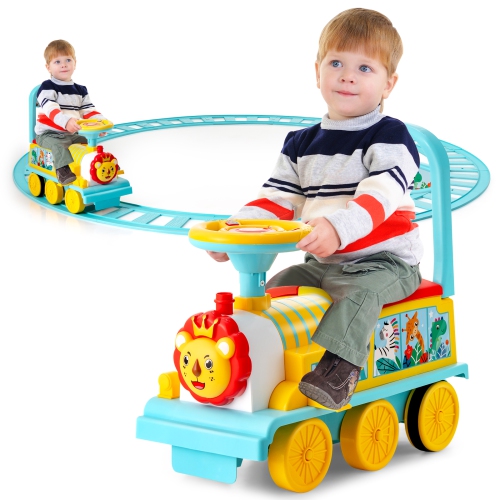


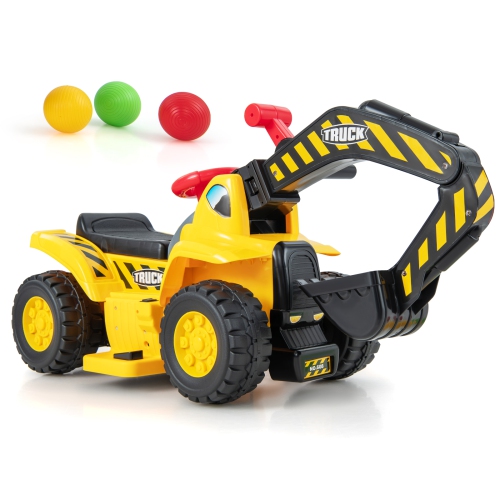

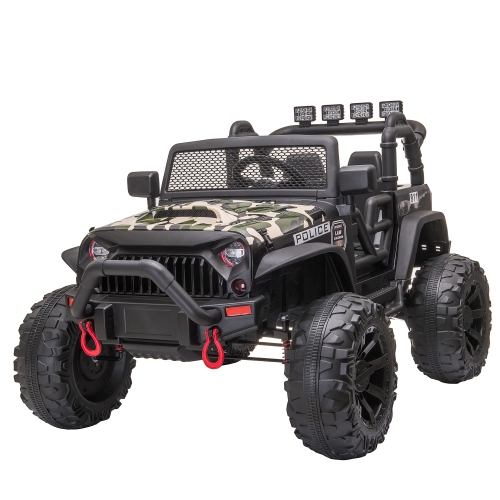
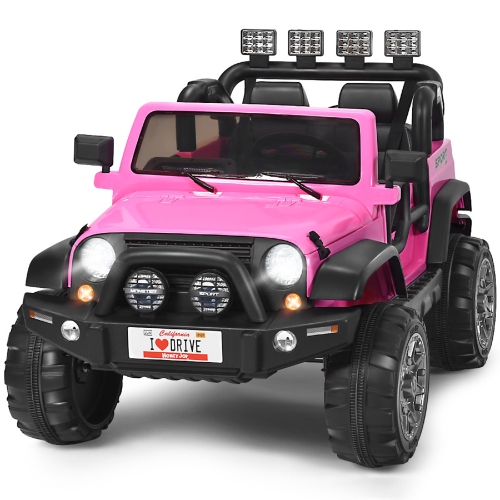
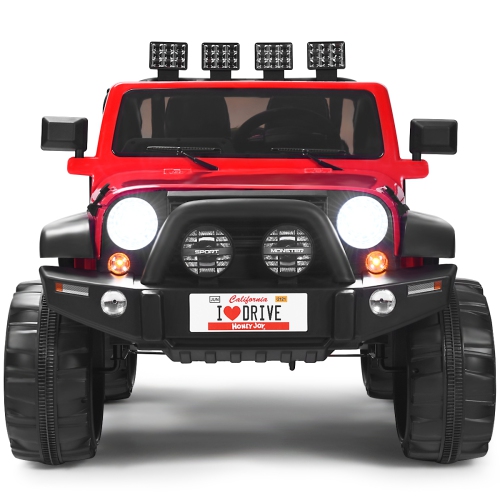
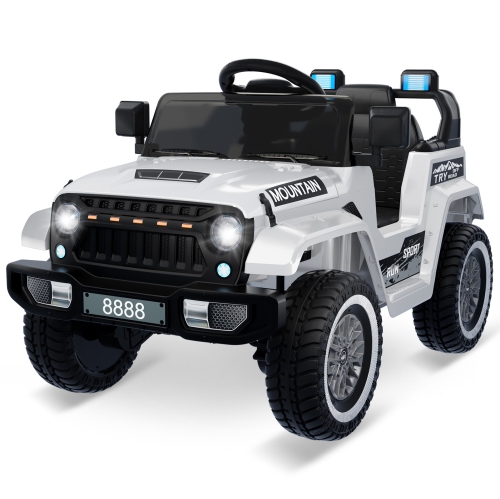





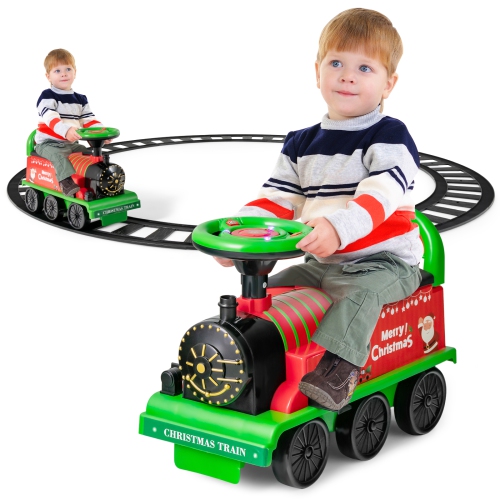


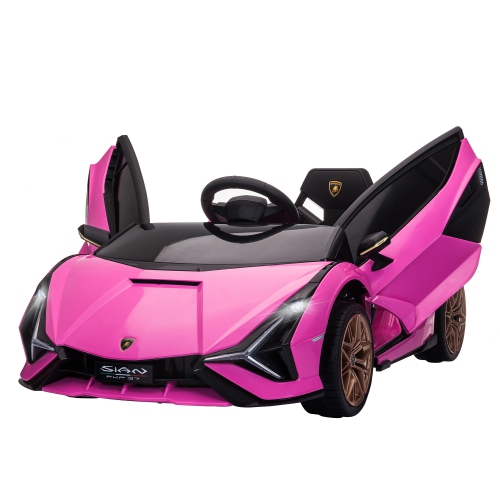
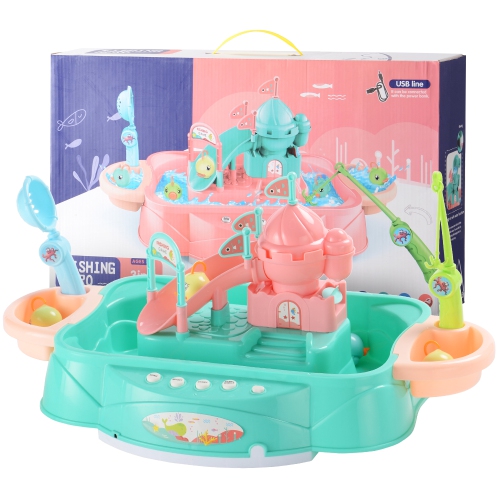

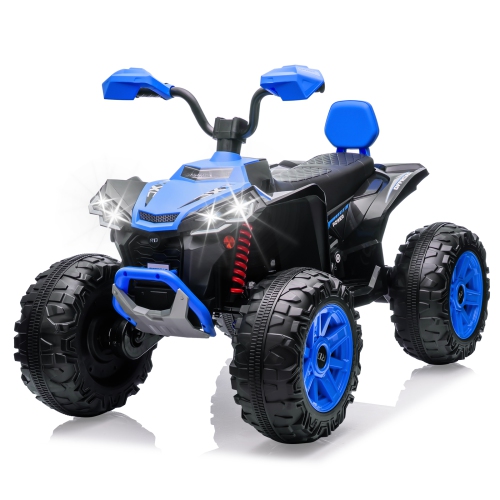














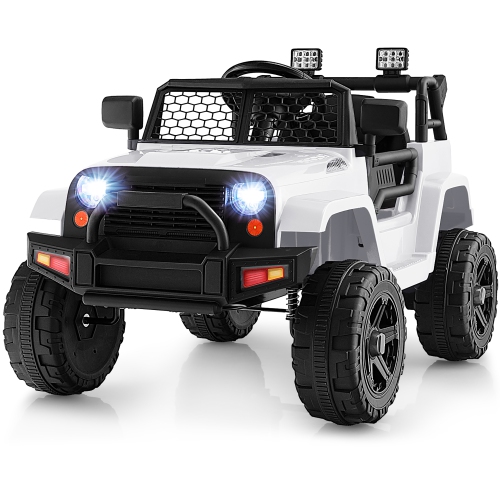

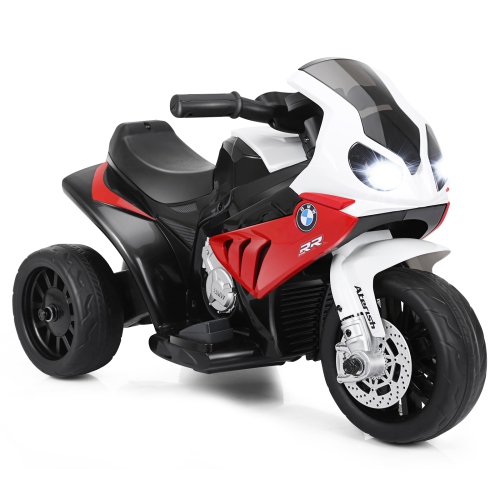

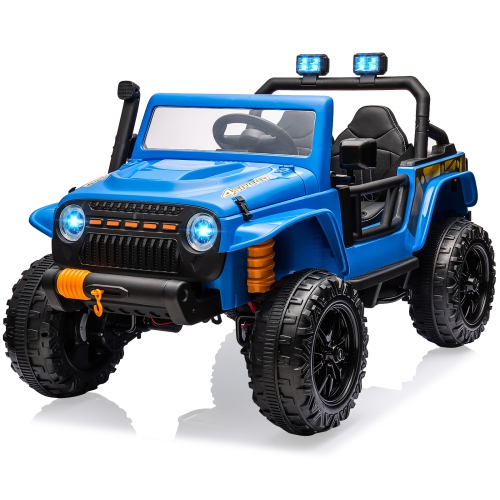


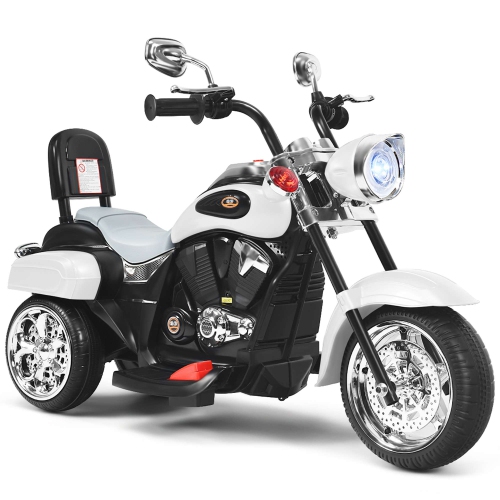




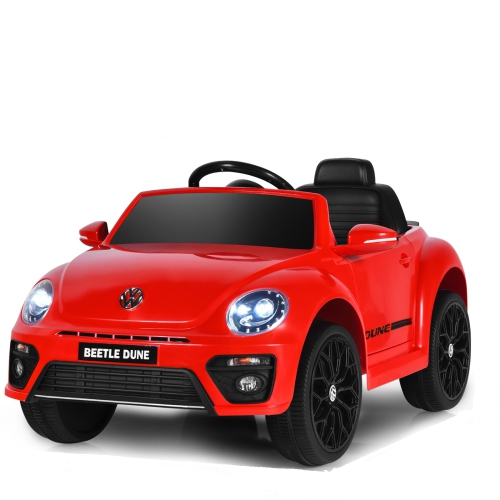
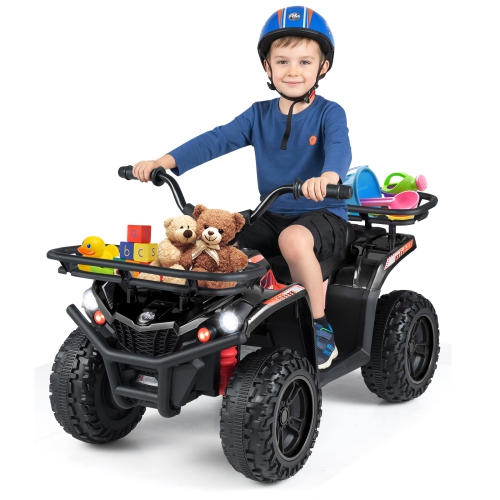

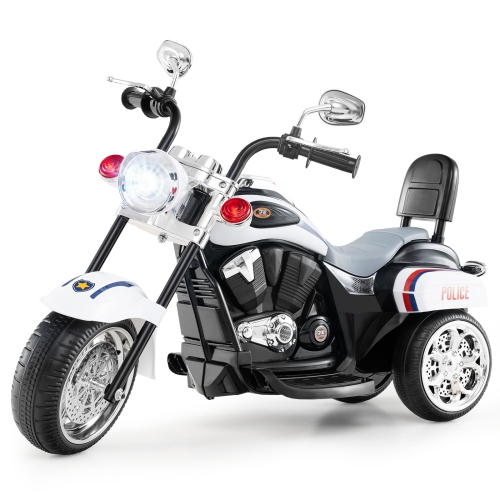
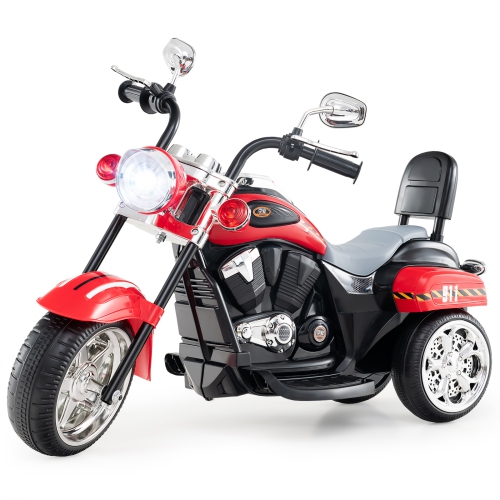









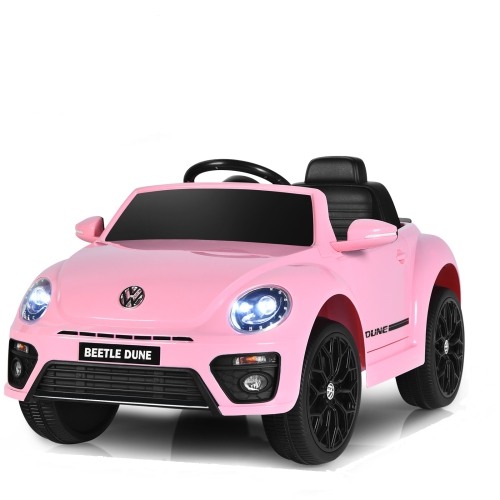


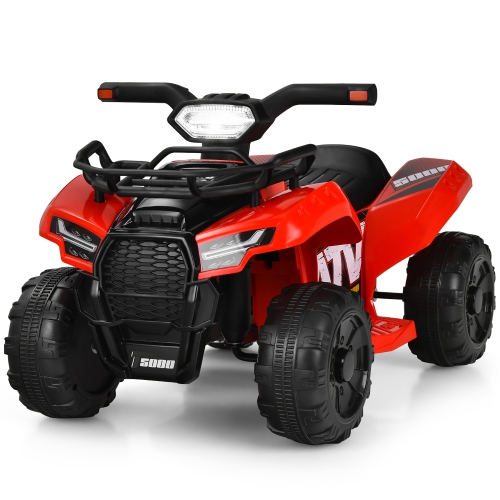

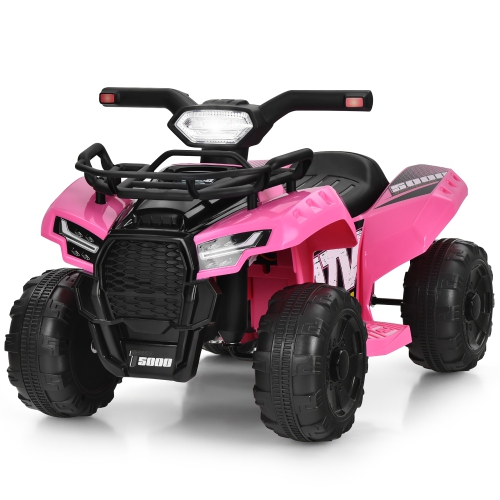
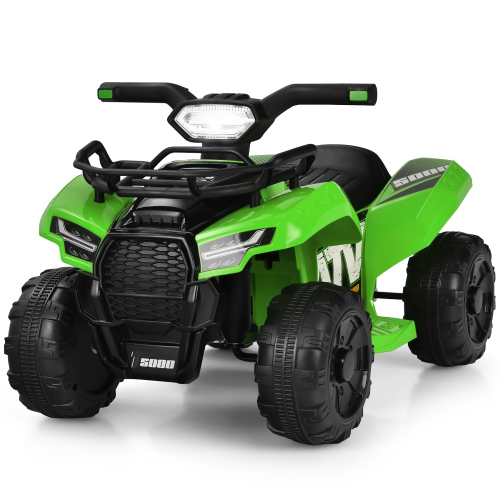
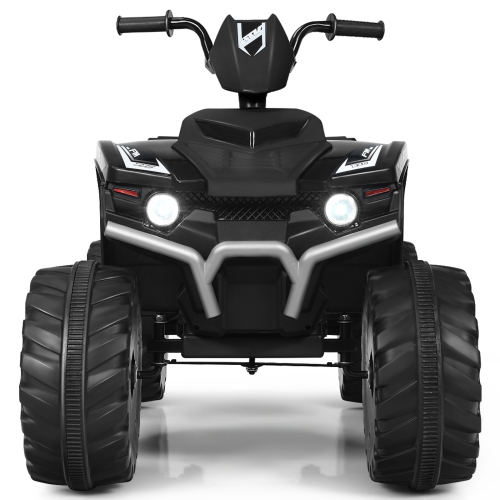
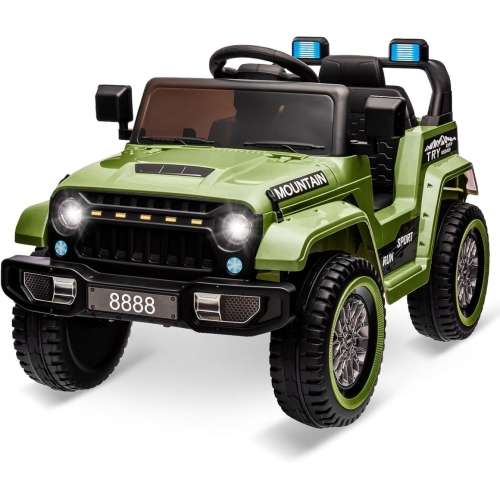


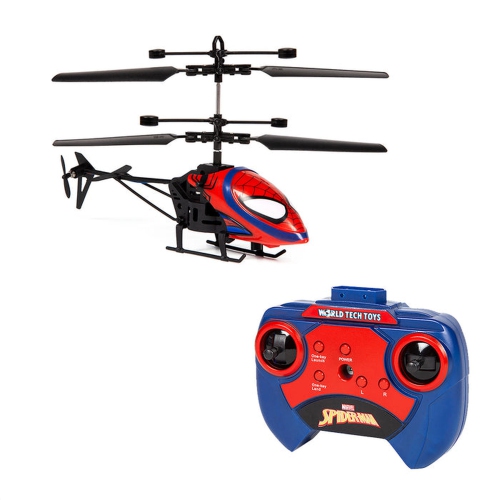

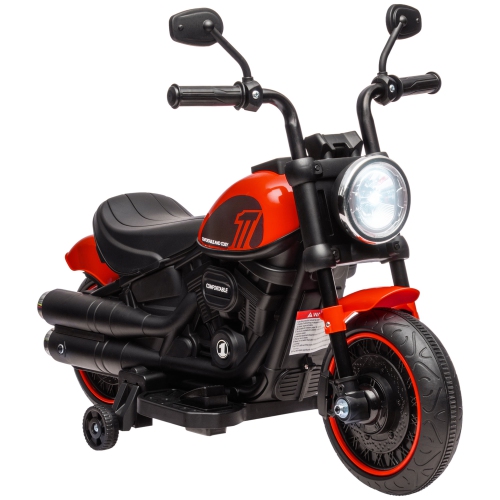


Small actions set imaginative play in motion
Electric toys bring movement, sound, light, and responsive play to familiar childhood activities. A vehicle that follows a controller, a character that responds to a button, or a building set that powers a moving mechanism can give children a different way to explore cause and effect. The appeal often lies in the connection between an action and its result: turn a dial and something spins, press a control and a toy changes direction, or arrange a sequence and watch it play out. Some electric toys are designed around imaginative storytelling, while others focus on steering, construction, music, or simple problem-solving. That variety makes intended use more meaningful than the presence of electronics alone. A child who enjoys inventing adventures may appreciate open-ended controls, while one who likes repeating and refining a task may be drawn to manoeuvring around obstacles or experimenting with moving parts. Manufacturer age recommendations remain important because they account for more than a toy’s appearance, including small components, operating complexity, and the skills needed to use it safely. Easy-to-reach buttons, comfortable controller grips, and clear responses can make play more manageable for smaller hands. More involved controls may suit children who are ready to coordinate several actions at once. Lights and sounds also shape the experience; adjustable volume or a sound-off option, where provided, can be useful in shared living spaces. For birthday gifts and other celebrations, a child’s interests and the household’s available play space offer helpful context. A compact electric toy can fit into a tabletop activity, while a larger powered toy may need a dedicated area and closer adult supervision. The most engaging choice is not necessarily the one with the most functions, but one whose features suit the child’s abilities and leave room for their own ideas. Taking turns operating a toy or creating a pretend delivery route can keep the activity social rather than centred entirely on buttons and screens.
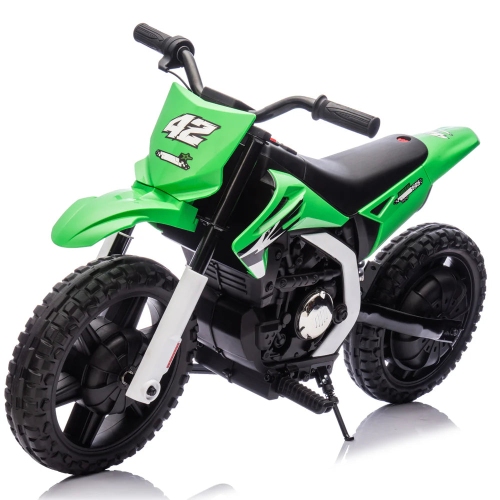
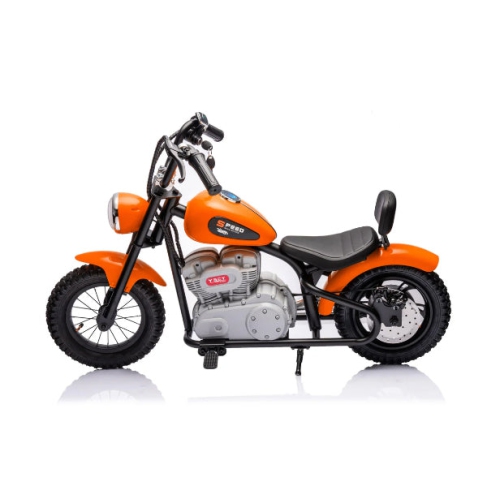
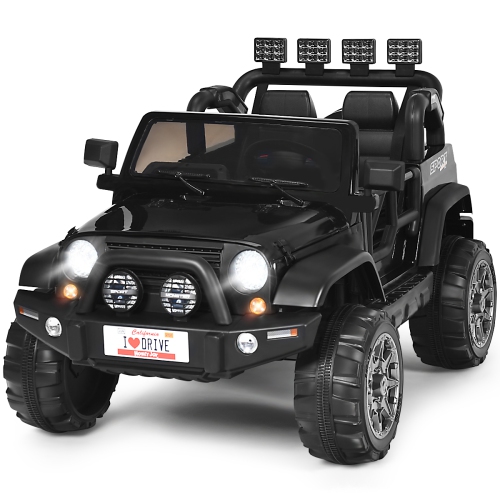
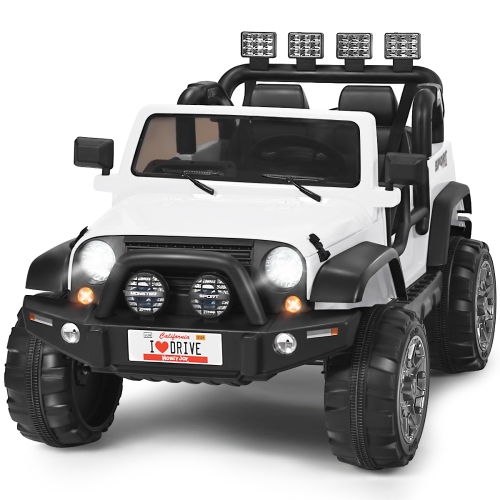
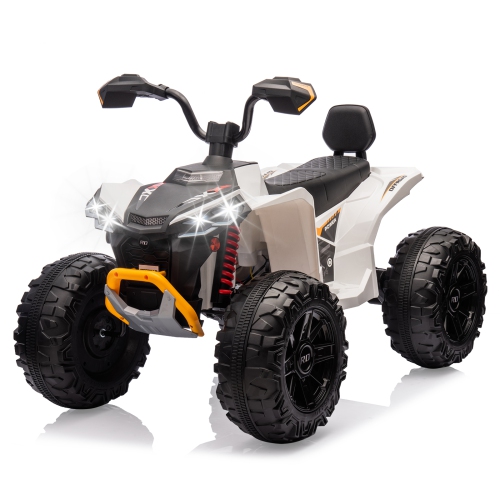
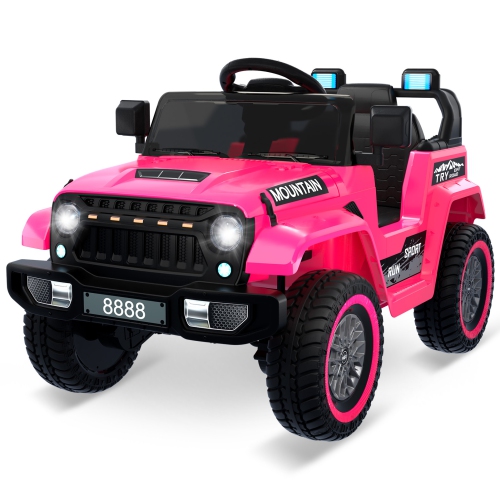
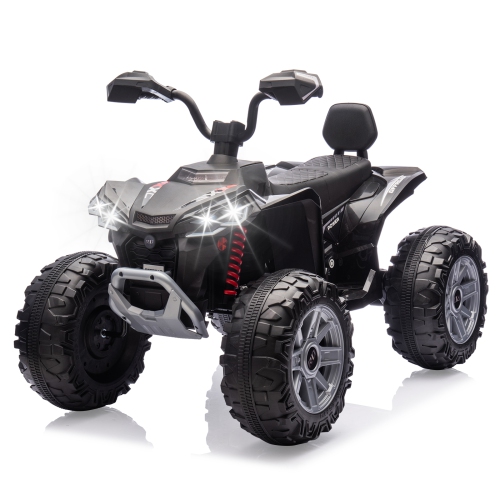
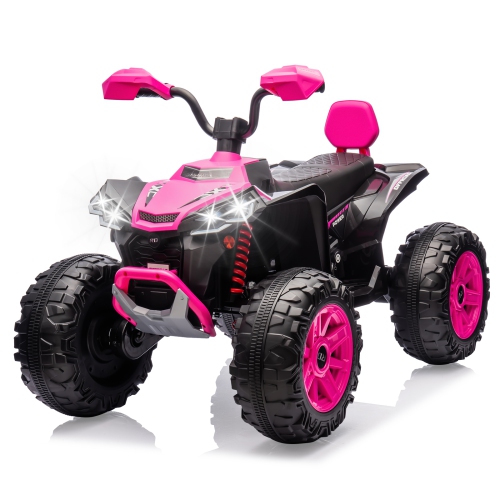
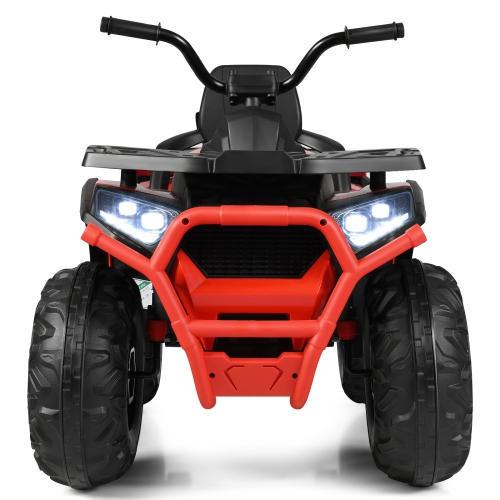
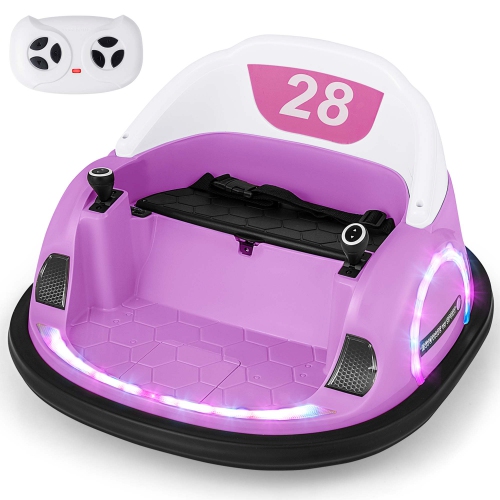
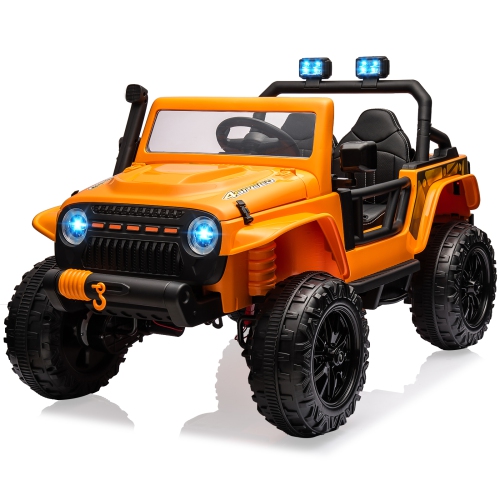
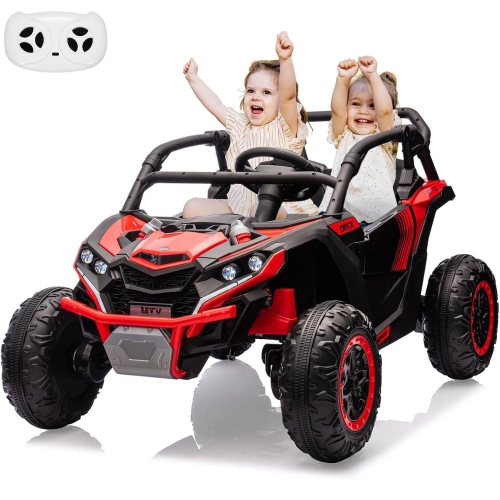
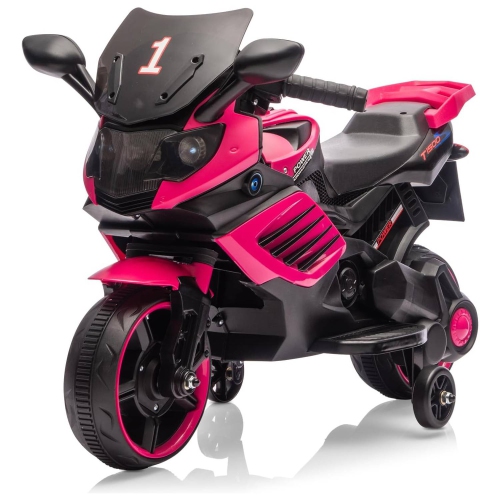
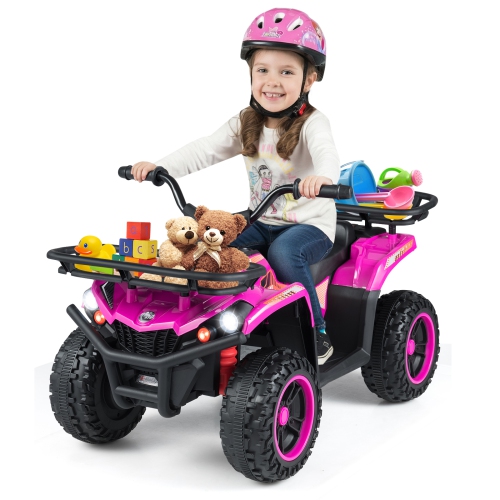
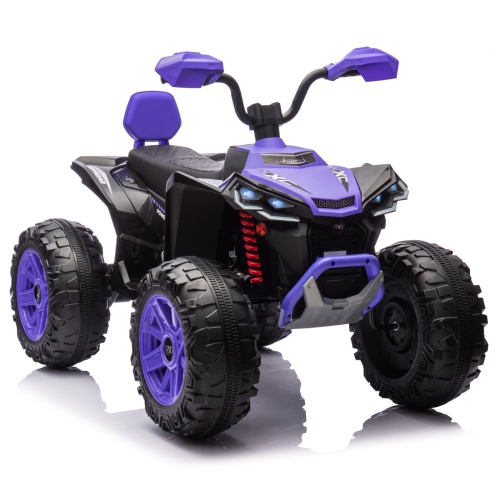
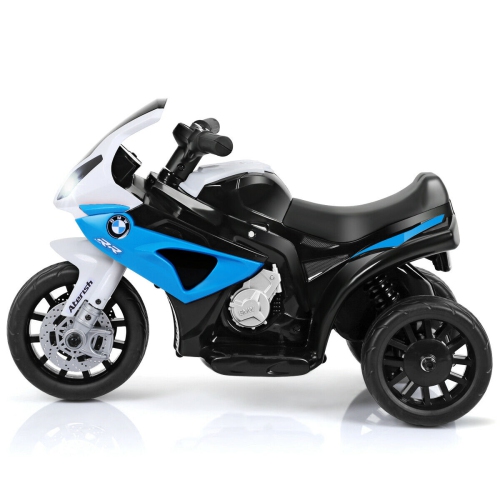
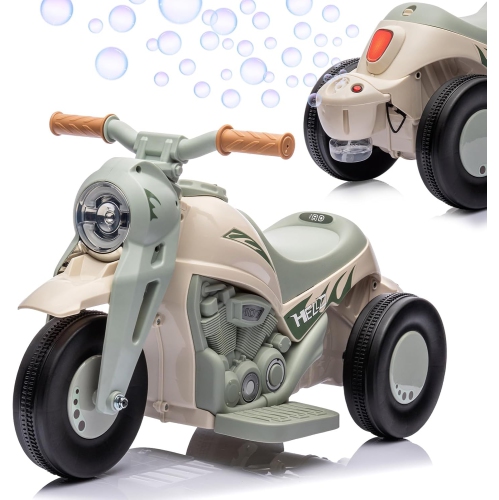
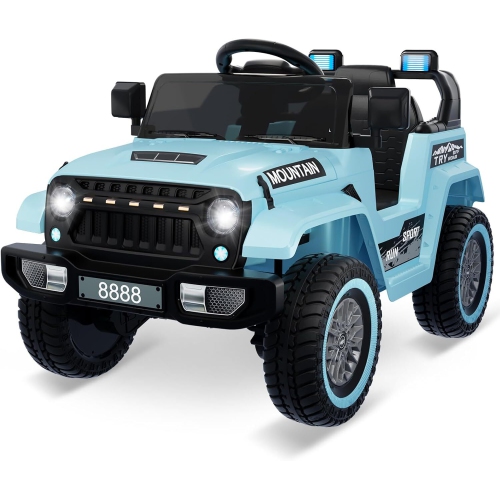
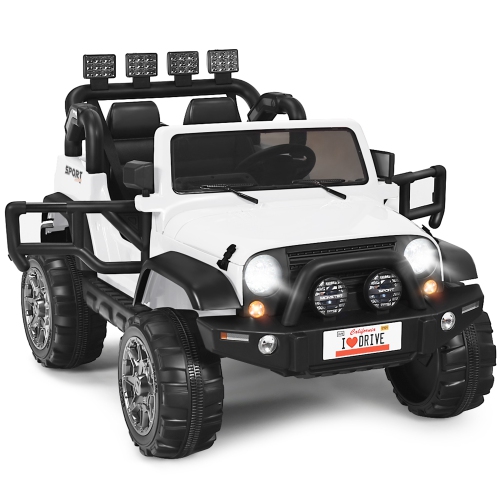
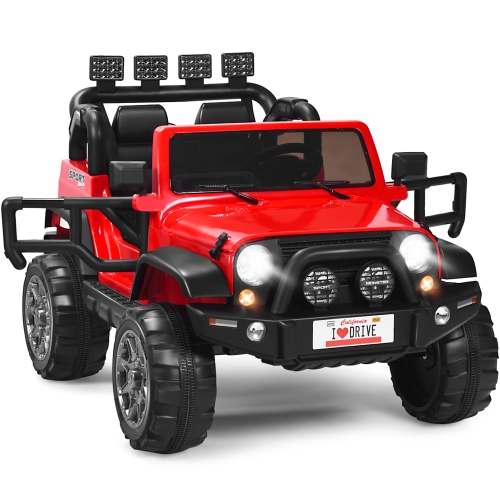
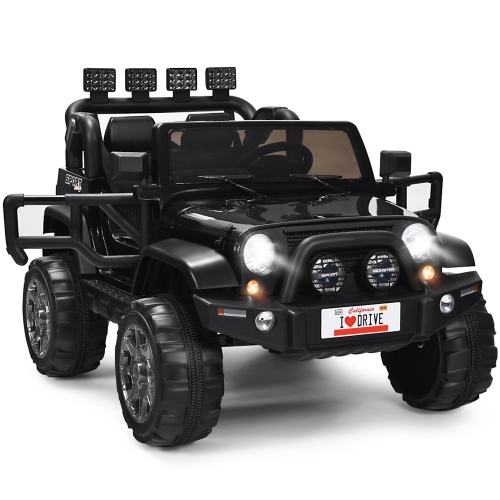
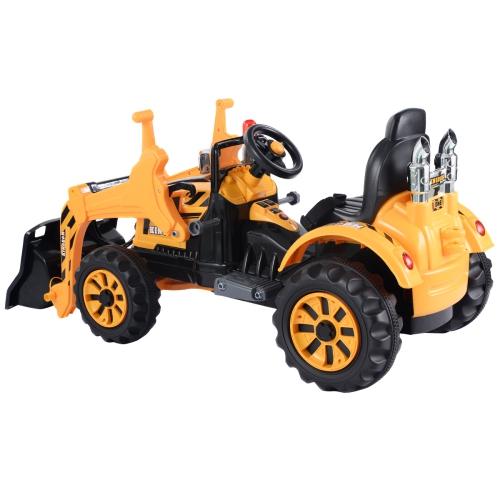
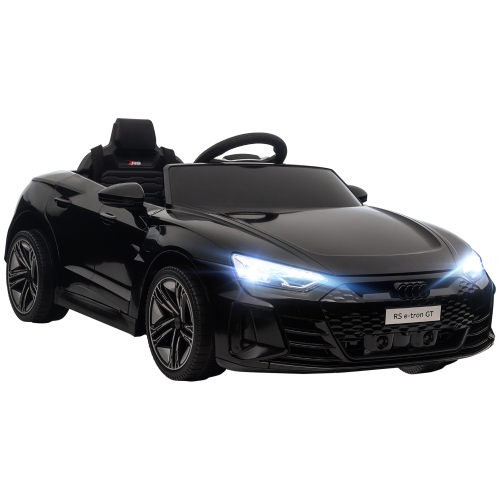
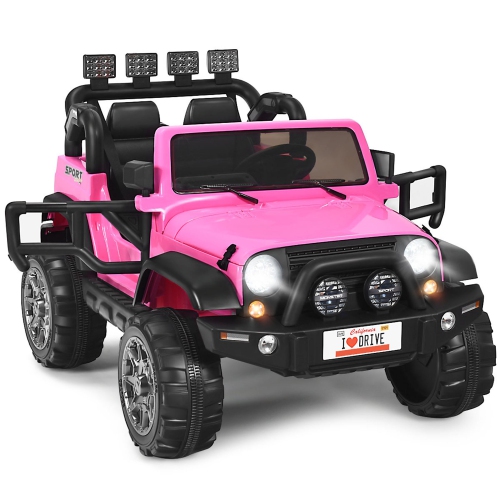
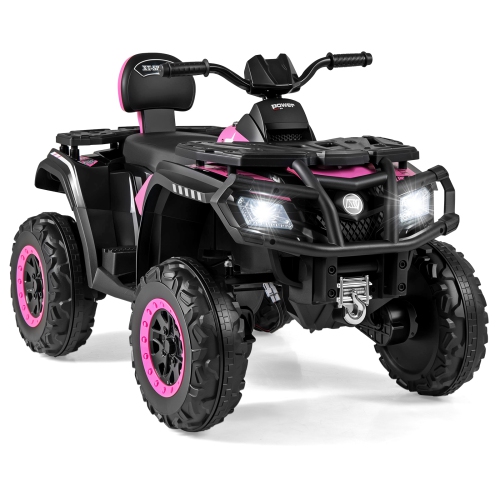
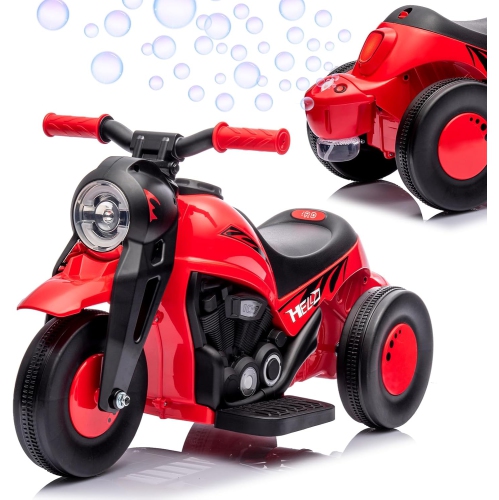
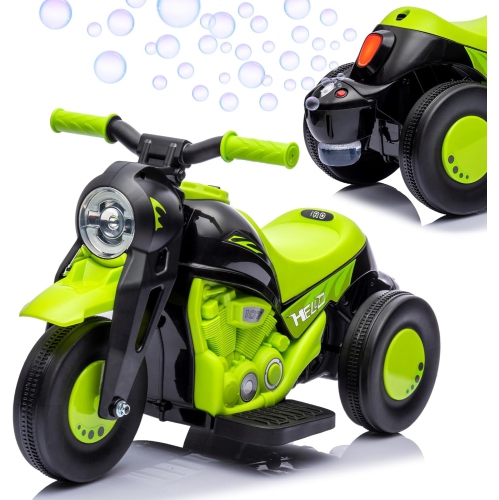
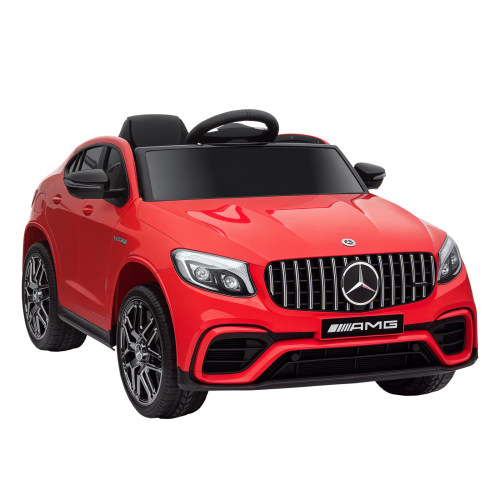
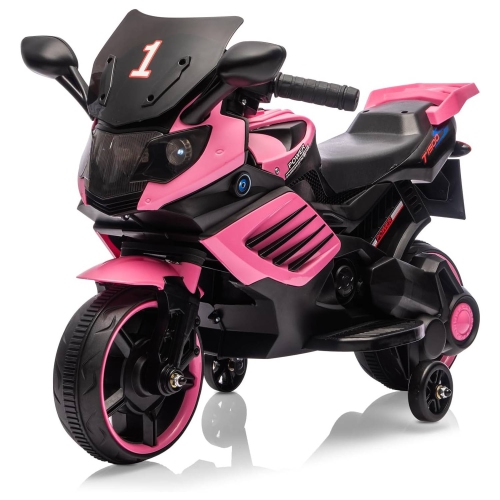
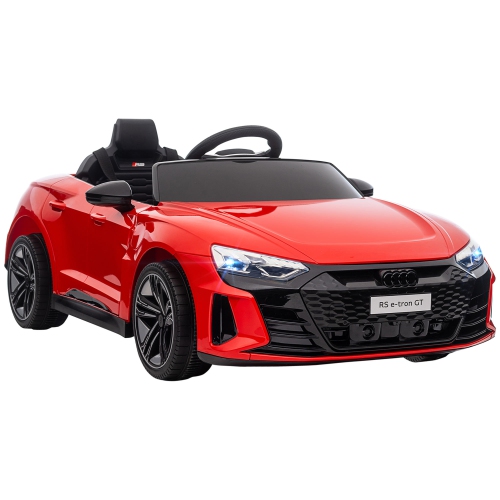
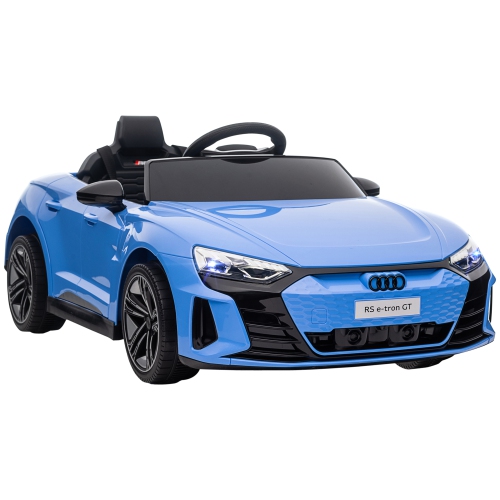
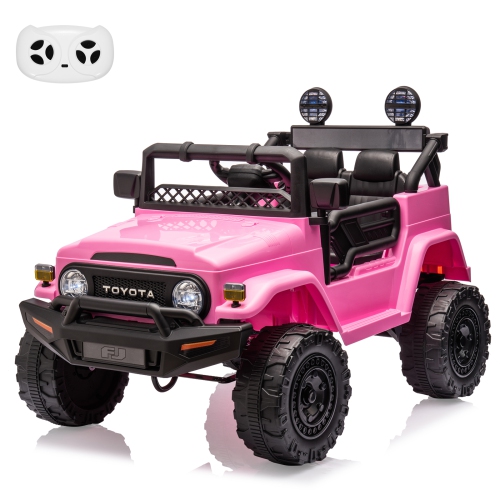
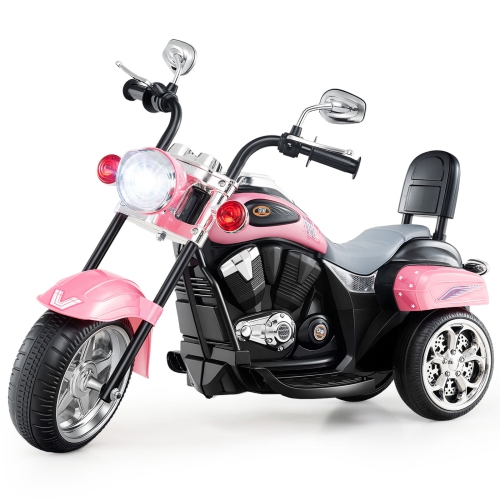
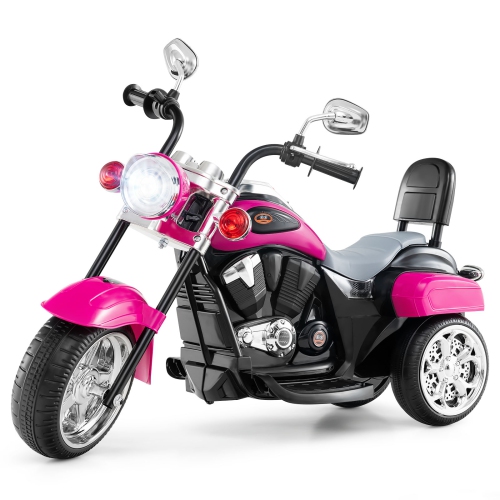
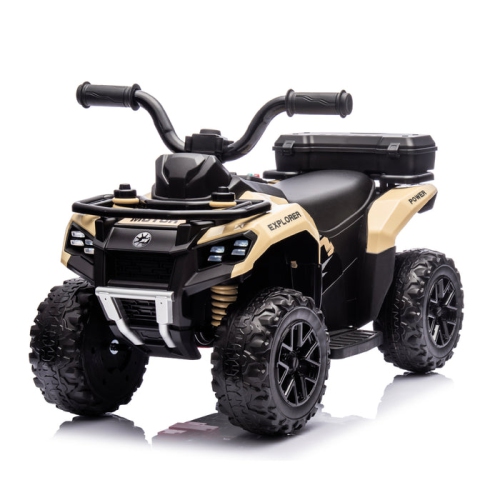
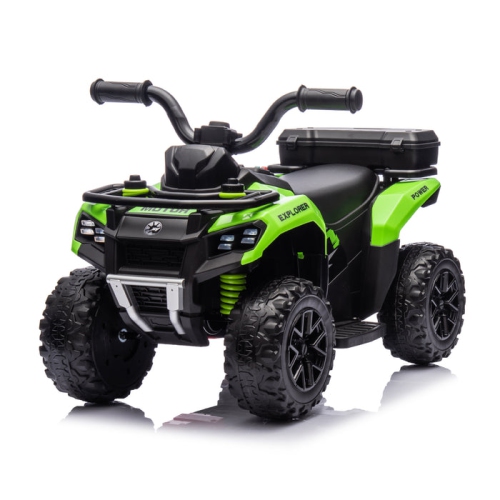
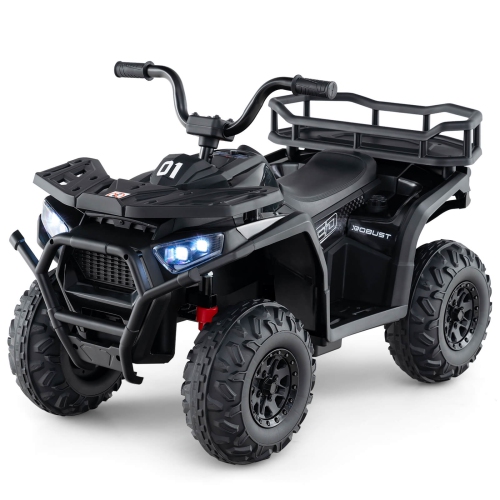
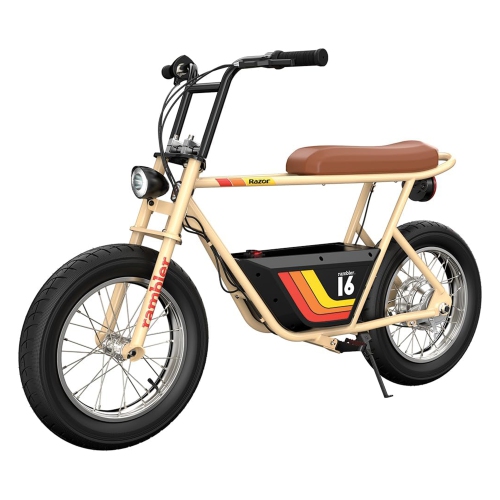
The size, construction, and movement of electric toys affect how comfortably they fit into everyday play. Moulded plastic housings are common because they can form rounded shapes and contain electronic components, while some designs also use metal supports, rubber wheels, fabric coverings, or padded seating. These materials serve different purposes, so durability depends on the complete design as well as how the toy is used. Securely attached parts, protected wiring, and accessible but firmly closed battery compartments are practical details for toys that will be handled frequently. For powered ride-on toys, fit involves more than a child being able to sit on the seat. The rider should be within the manufacturer’s stated age and weight limits and able to reach the required controls without stretching or shifting into an awkward position. Seat height, foot placement, steering effort, and the way a toy starts and stops all influence the riding experience. Designs grouped under electric motorbike toys may differ in their number of wheels, seating layout, and controls, so the manufacturer’s specifications matter more than a familiar vehicle shape. Adult supervision and protective equipment appropriate to the activity are important, and powered ride-on play belongs in a permitted area away from traffic, stairs, steep slopes, and bodies of water. Surface compatibility matters for smaller electric toys, too. A smooth floor can allow little wheels to turn freely, while a thick rug may create resistance or interrupt steering. A clear route around furniture gives a remote-controlled toy space to move without repeatedly striking chair legs or catching loose cords. Toys intended for outdoor use should be used only under the conditions stated by the manufacturer; an outdoor label does not automatically mean that electronic components can tolerate water. Matching the toy to its intended setting helps preserve its moving parts and keeps play focused on the activity rather than on overcoming a space that is too cramped or a surface that is unsuitable.
Power requirements and routine care are part of living with electric toys, particularly when several children share them or play happens in short sessions throughout the day. Some use replaceable batteries, while others have rechargeable packs and a specified charging connection. The required battery type, charger, charging time, and operating instructions should be checked before use rather than assumed from the toy’s size or appearance. Adults should handle charging and battery changes as directed, keep loose batteries out of children’s reach, and ensure that battery compartments are properly secured before play resumes. Button and coin batteries require particular caution because swallowing them can cause serious injury. Rechargeable toys should be charged only with the equipment specified by the manufacturer, and damaged cables, connectors, or battery packs should not remain in use. A simple routine can make powered play easier to manage: switch the toy off when the activity ends, return controllers and accessories to the same place, and leave charging equipment somewhere suitable for adult oversight. Cleaning also needs to respect the electronics inside. Many hard surfaces can be wiped with a soft cloth according to the care instructions, but immersing a powered toy or allowing moisture into openings can damage it. Wheels and moving joints may need occasional checks for trapped hair, thread, or debris, especially after use on rugs. Storage should protect toys from impacts and keep them away from moisture and excessive heat; longer periods without use may call for battery removal or other steps outlined in the manual. Beyond care, the household routine can help electric toys remain enjoyable. A defined play area, an agreed stopping point, and turns at the controls can reduce friction between siblings. For children with different sensory preferences or motor abilities, features such as quieter operation, larger controls, and adjustable settings may make certain designs more comfortable to use. Electric toys work best as part of varied play, offering powered movement and interactive responses alongside storytelling, building, and time spent together.
Top selling and popular products
-
 Your price for this item is $150.99
-
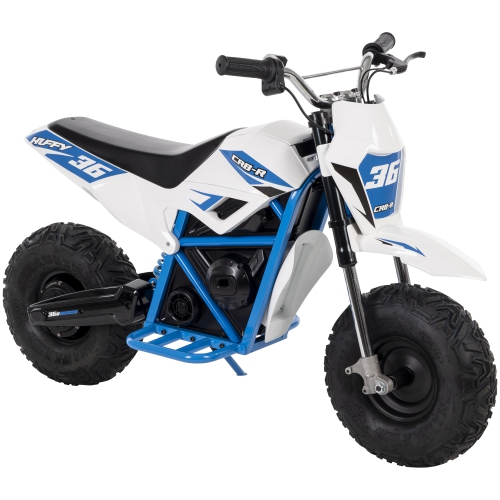 Your price for this item is $799.99
-
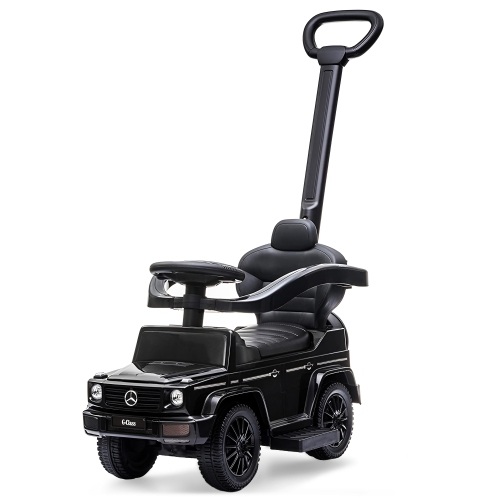 Your price for this item is $141.99
-
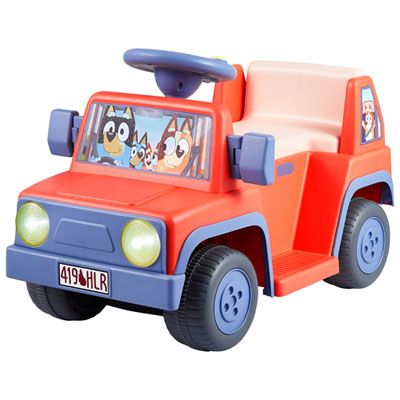 Your price for this item is $199.99
-
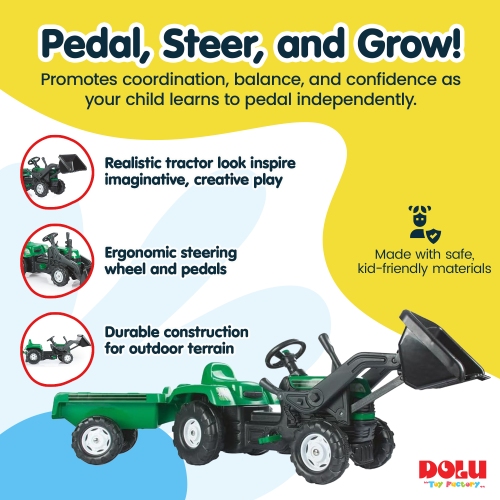 Your price for this item is $205.99
-
 Your price for this item is $199.99
-
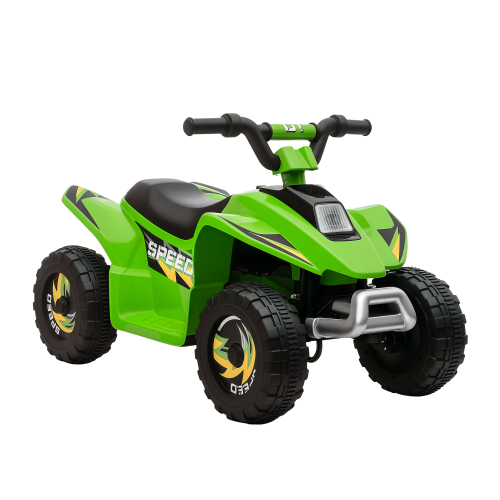 Your price for this item is $82.95
-
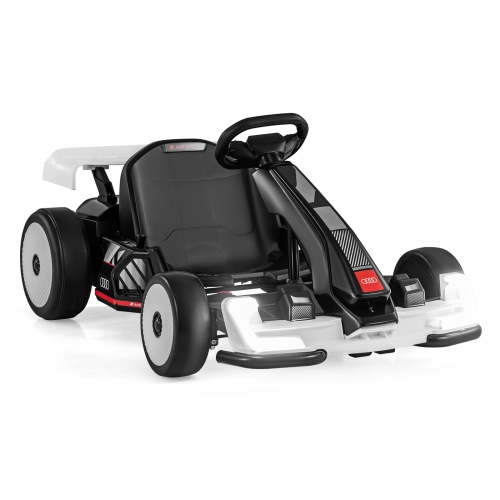 Your price for this item is $449.99
Discover more categories related to Electric Toys

Top Collections:
Pokemon Centers, Kindle Devices, Best Budget Office Chairs, Canon G7X Cameras, Apple iPhones 16, Samsung Galaxy Phones, Refurbished Apple Laptops, Laptops for Students, iPhone 15 Apple, Budget Smartphones
Some products may be subject to Environmental Handling Fees
(EHF) depending on your province.
Learn more about EHFs.