Female Action Figures
Explore a diverse collection of female action figures that celebrate powerful and inspiring characters from various genres. From superheroes and warriors to adventurers and detectives, these action figures offer a wide range of representation for enthusiasts of all ages. Whether you're looking to add iconic heroines to your collection or seeking strong role models for imaginative play, our selection of female action figures is sure to captivate and inspire.
Sort
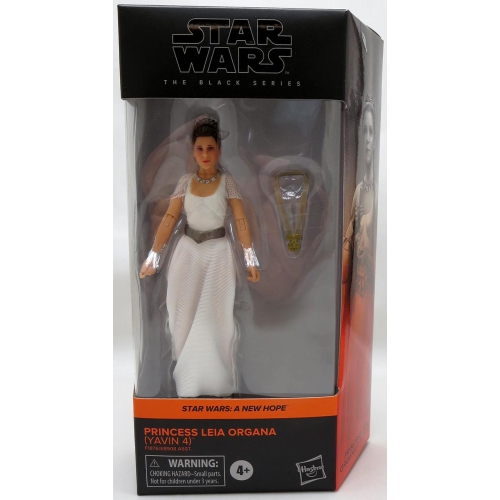
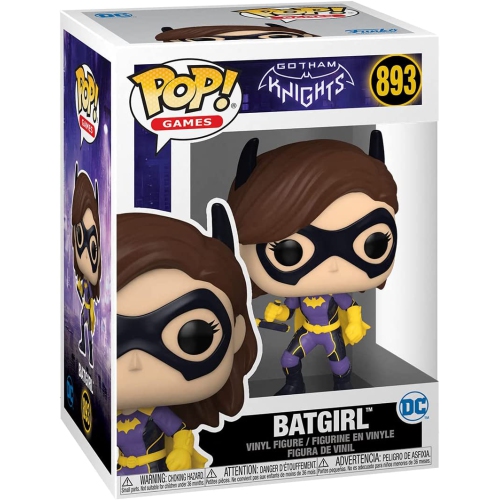
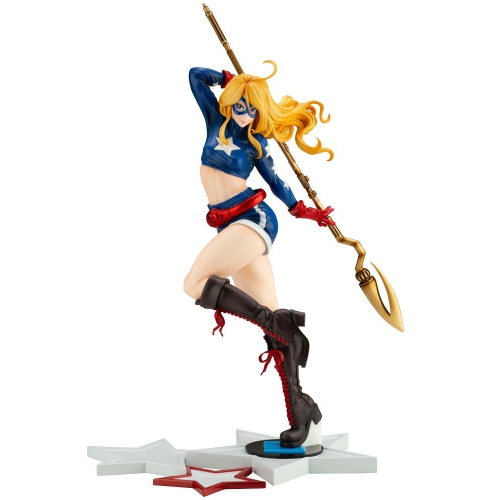
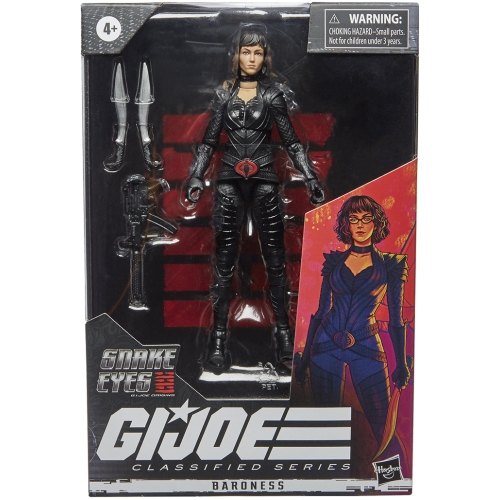

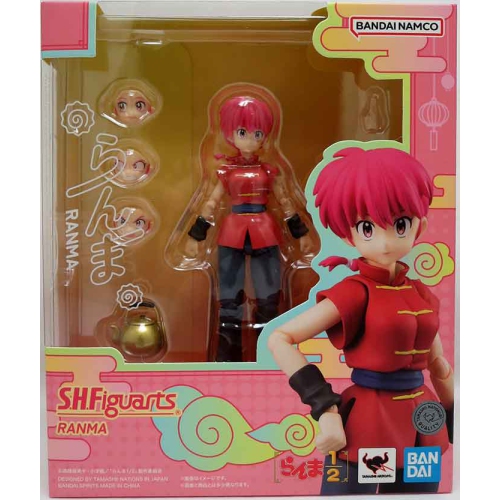
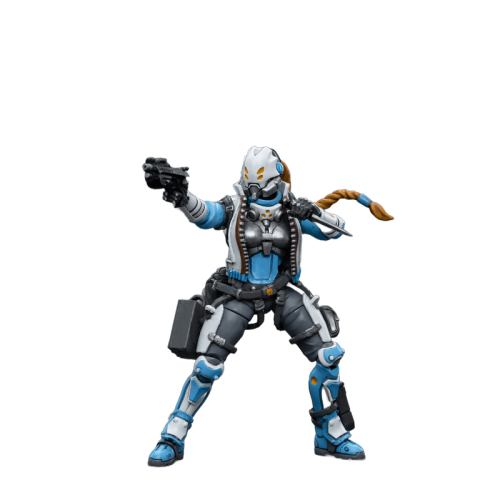
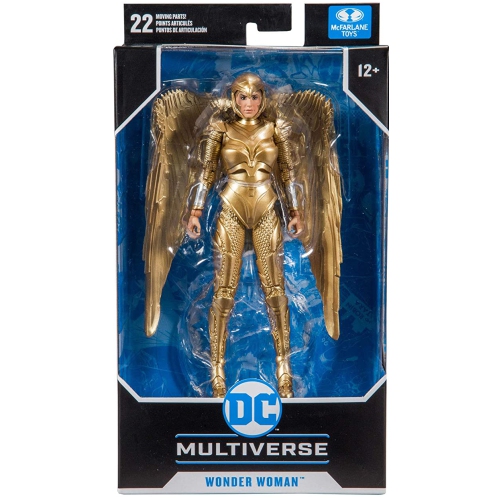
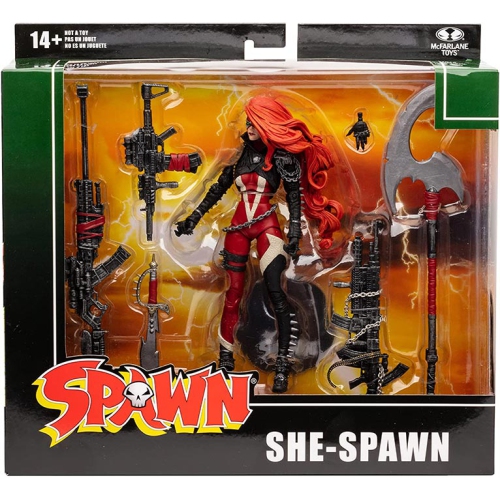

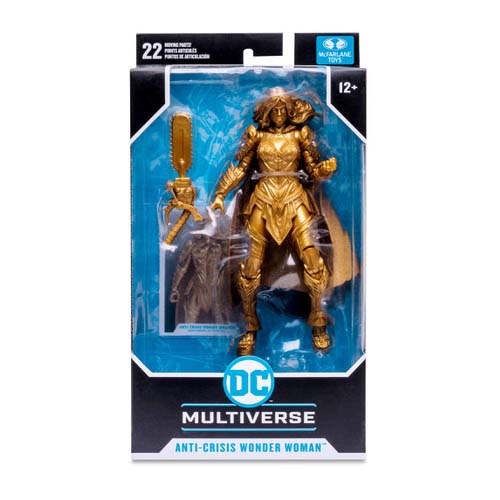
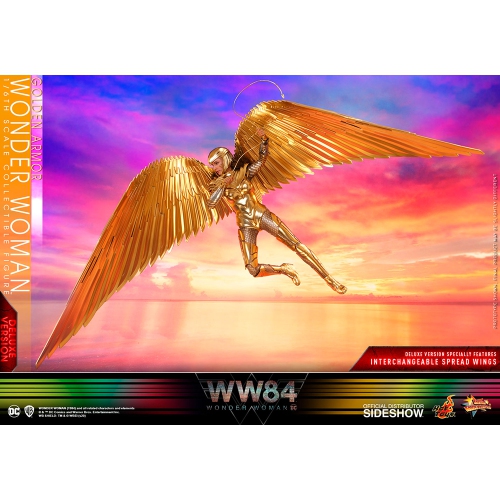
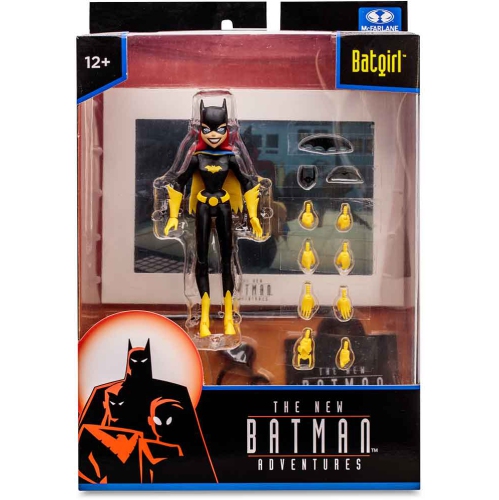
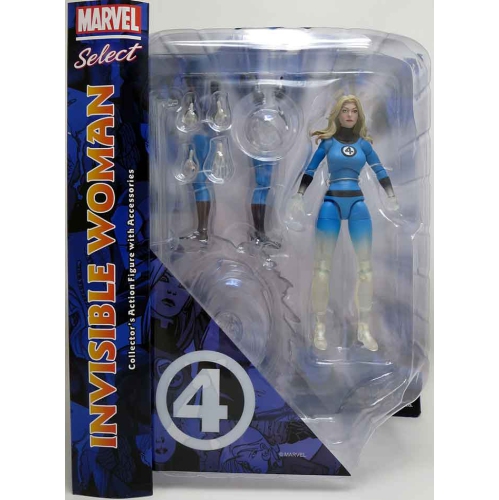
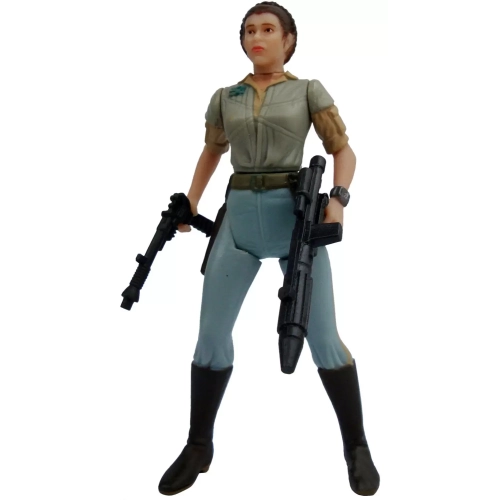
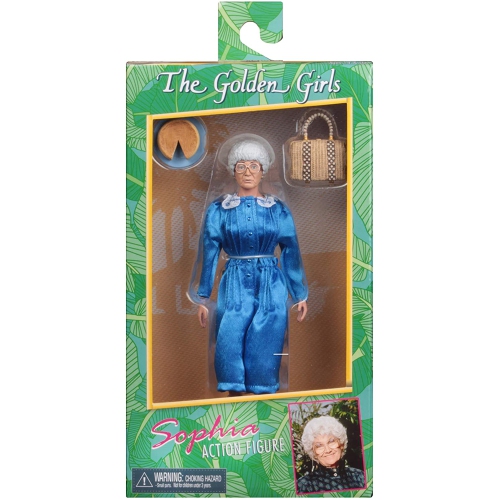
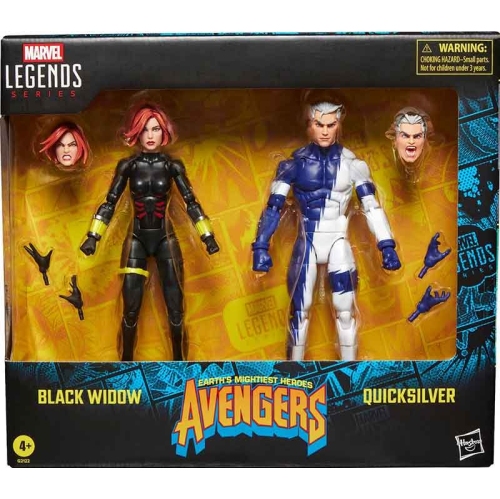

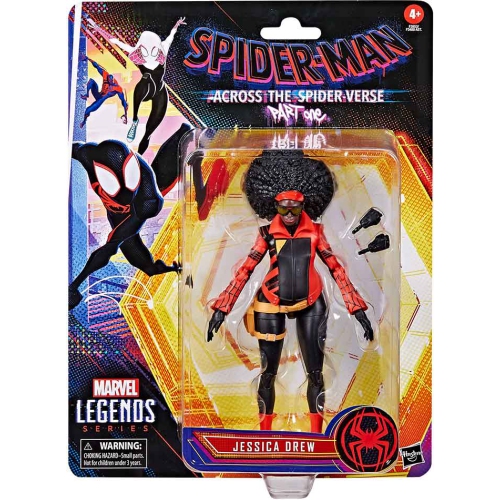
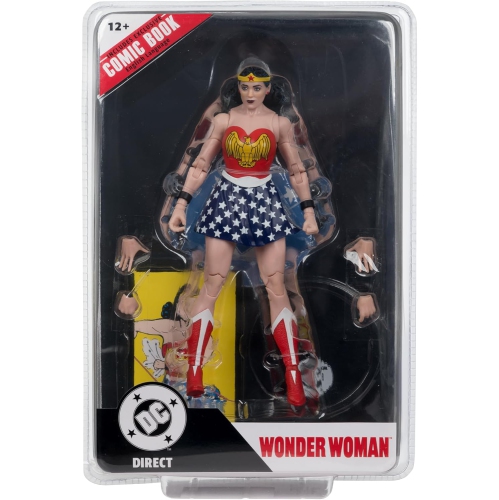
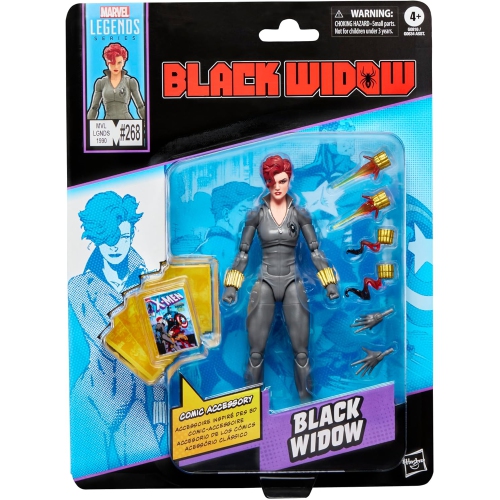
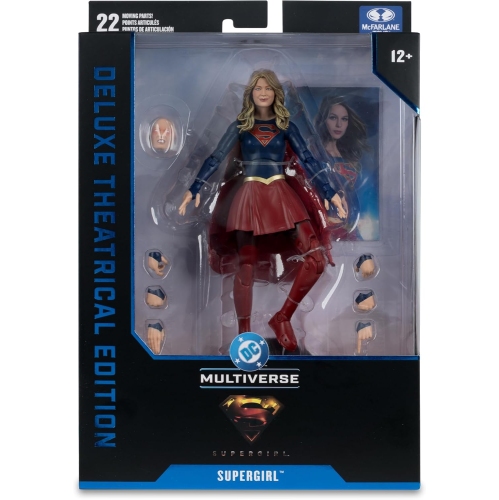
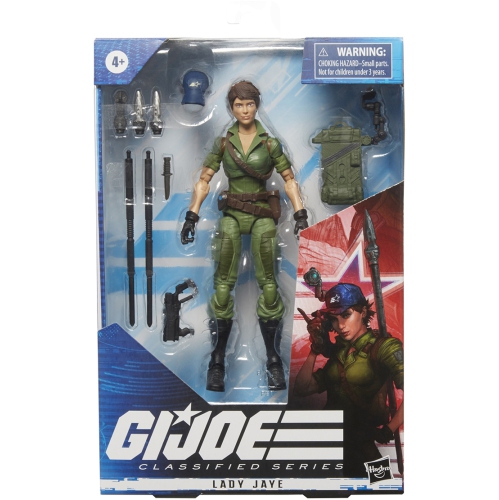
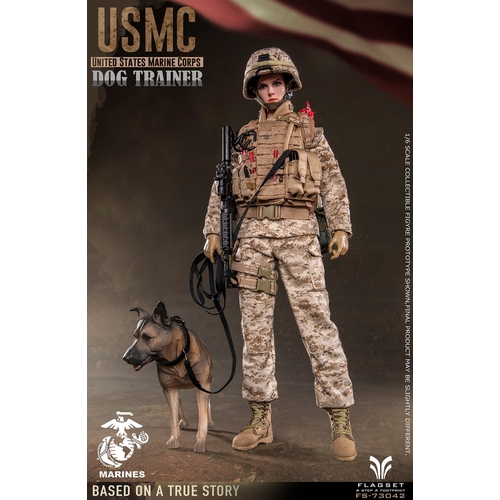
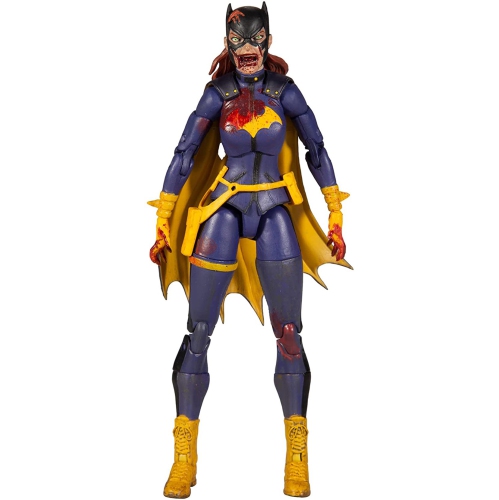
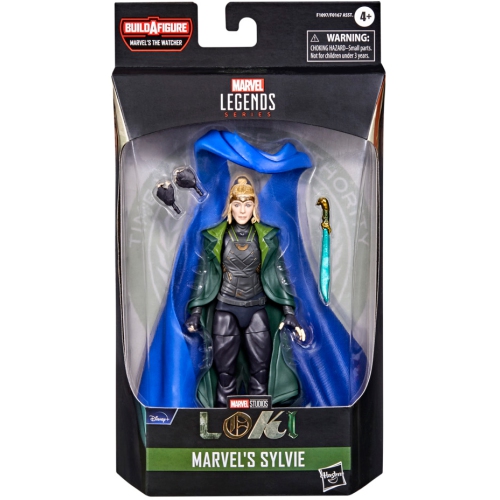
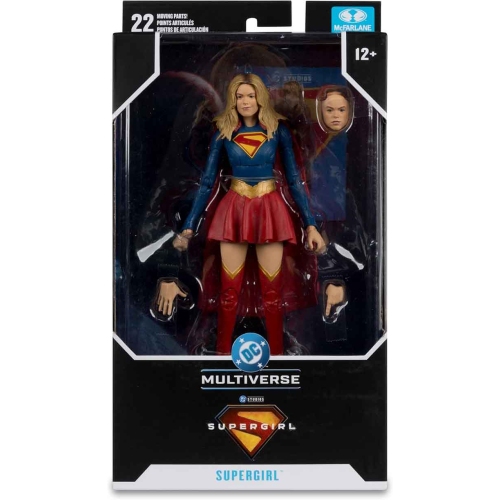
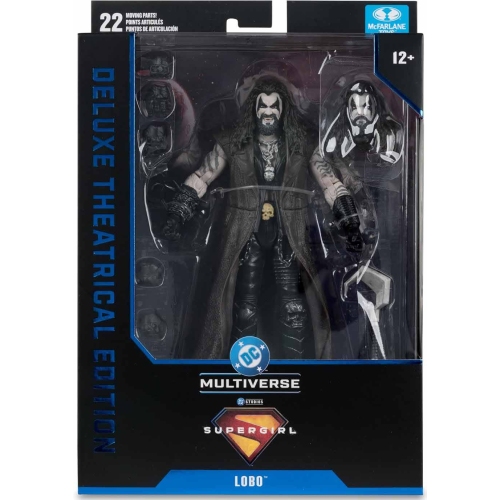
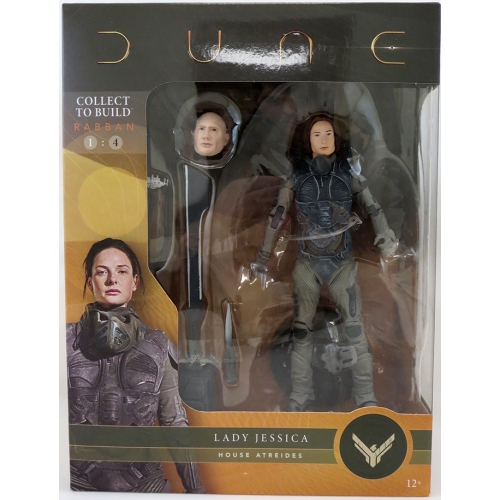
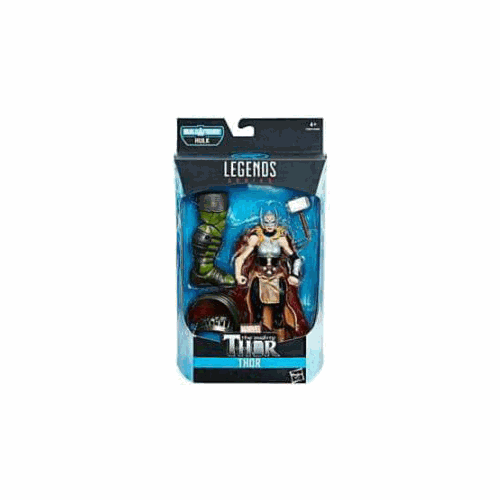
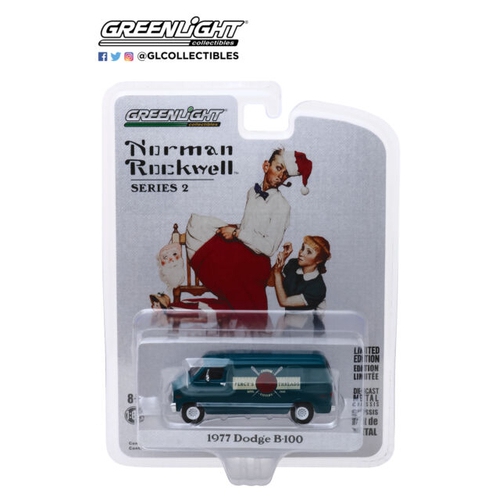

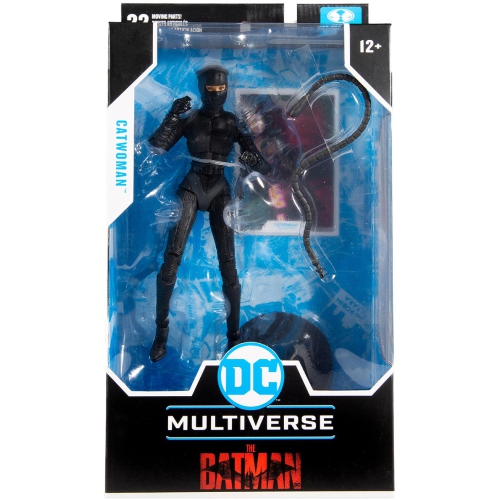
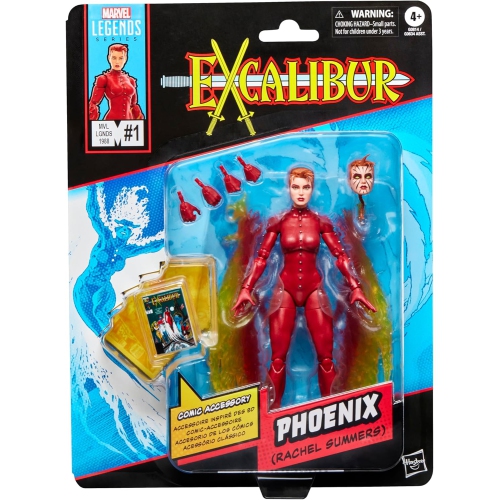


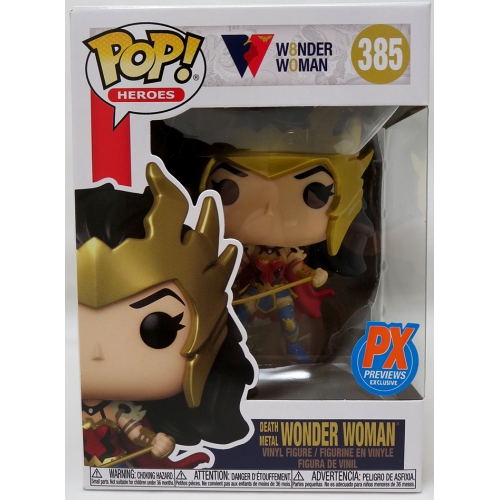
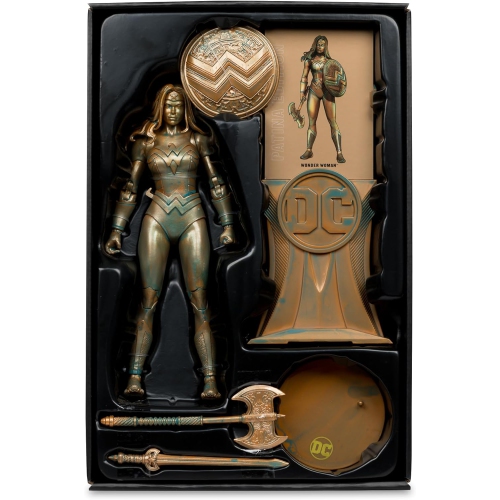
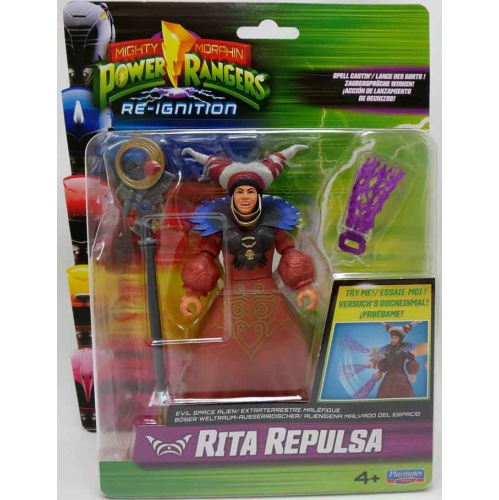
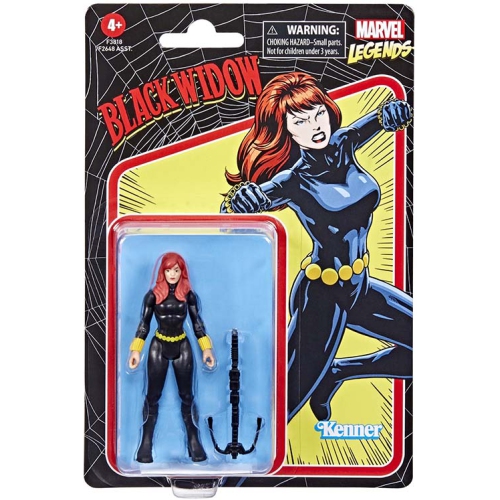
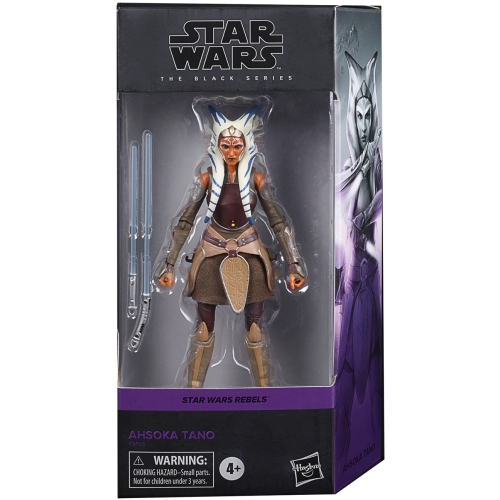
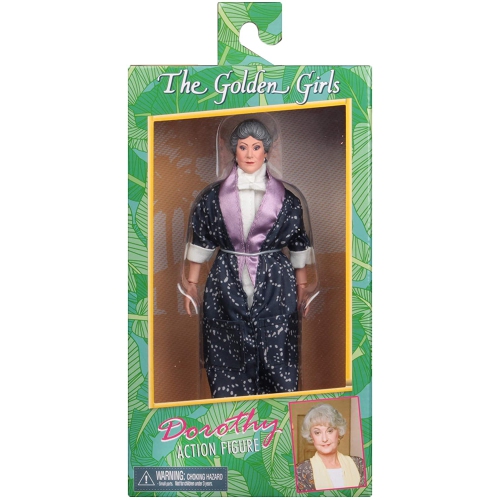

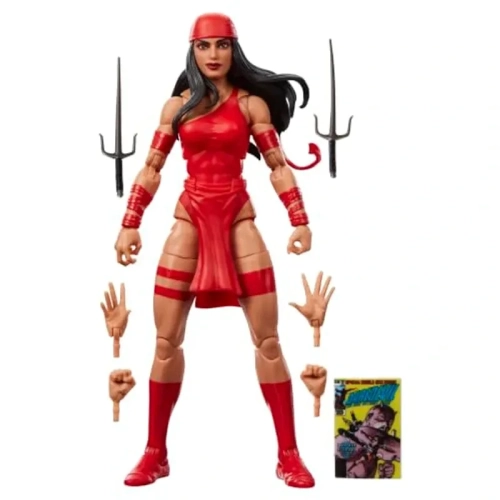

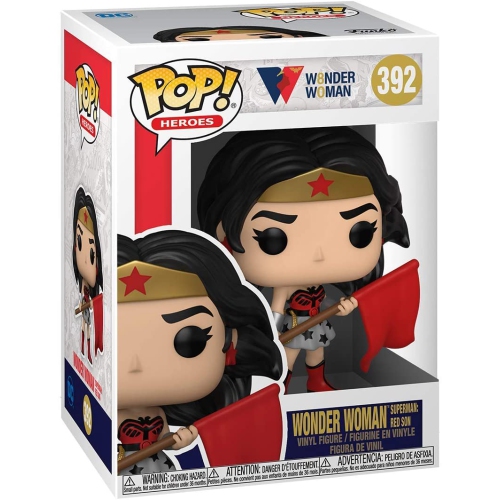
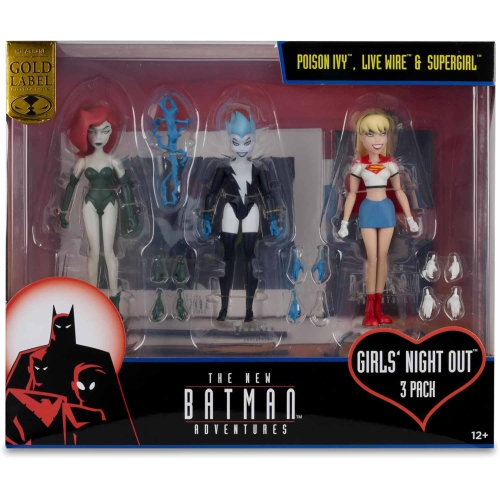
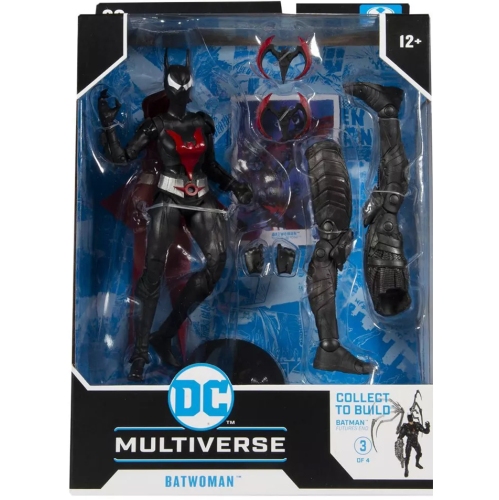
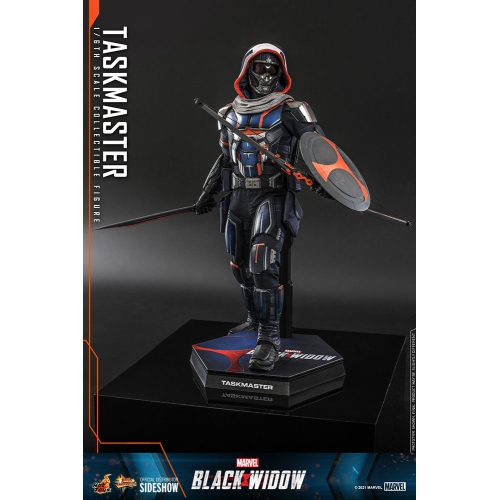
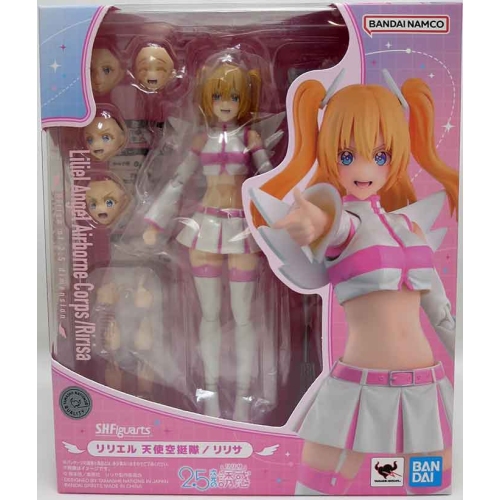
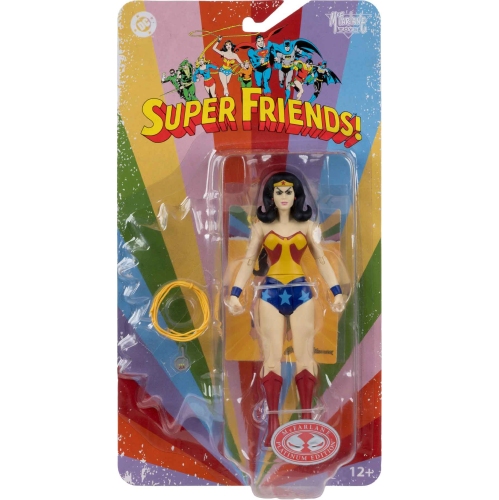
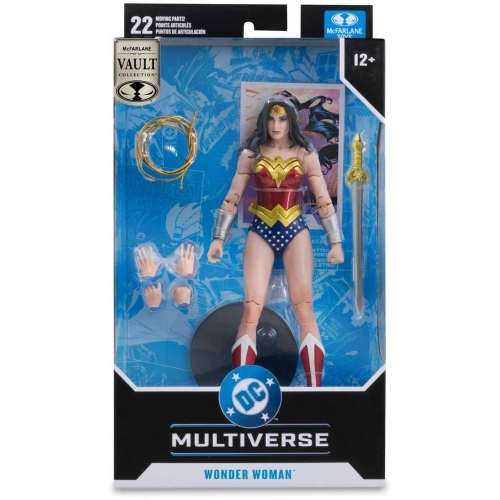

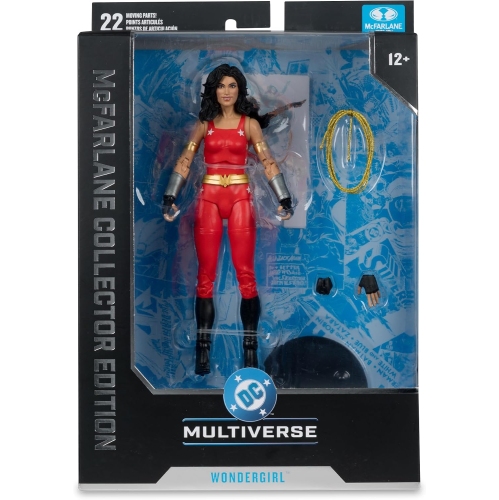
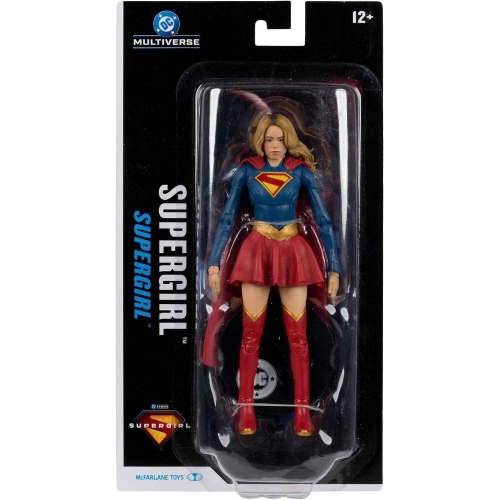
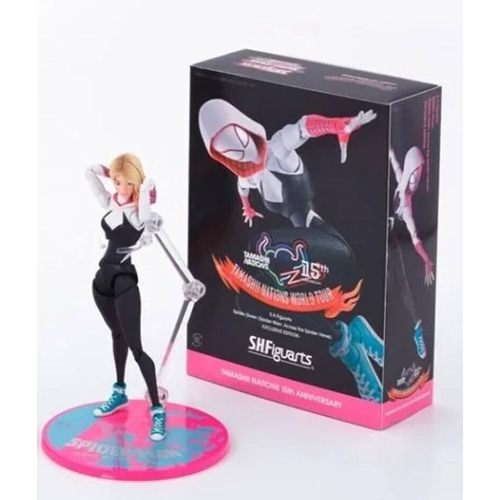
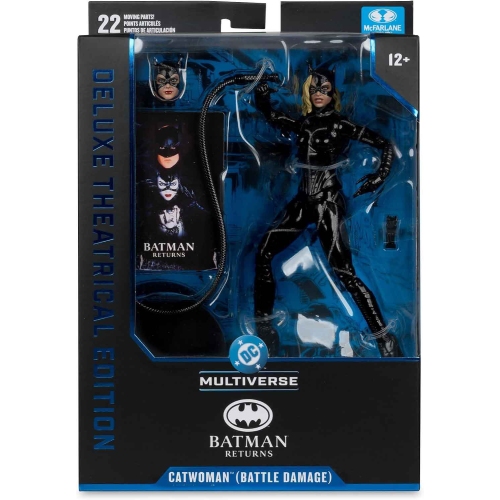

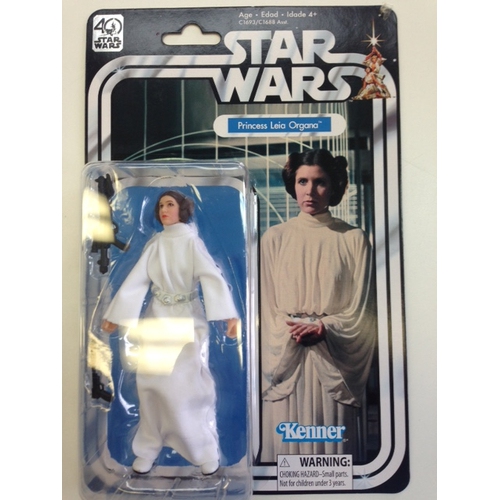
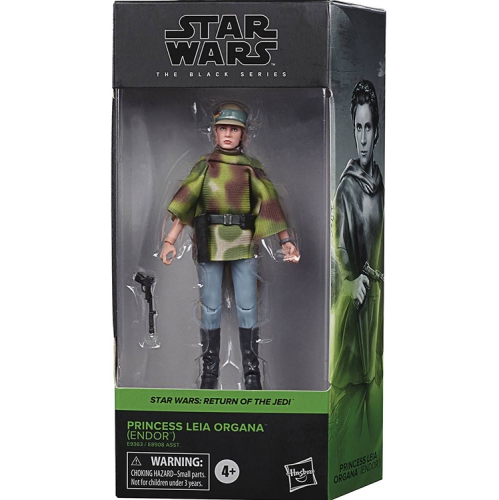
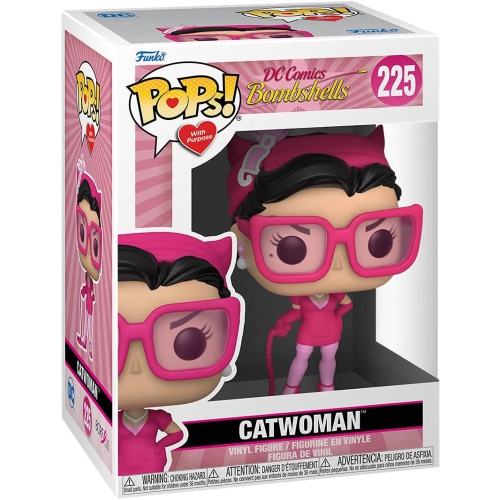
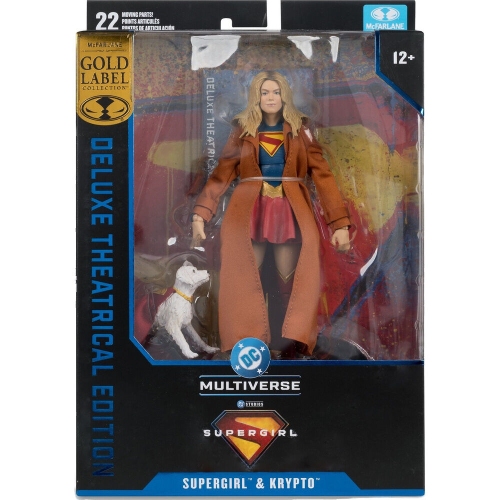
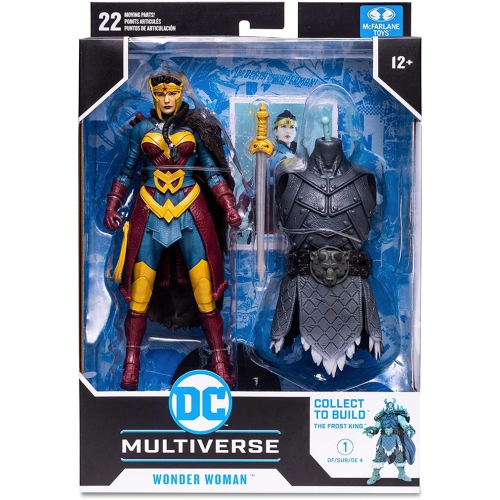
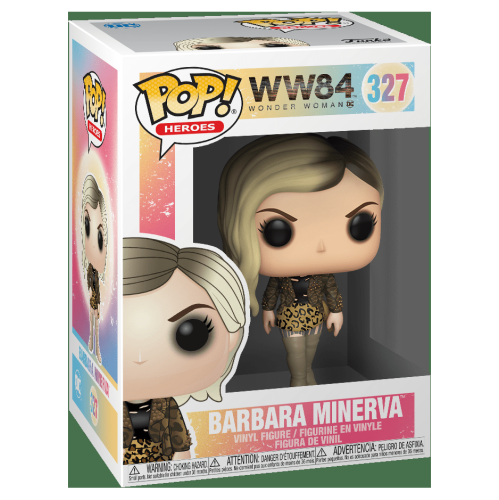
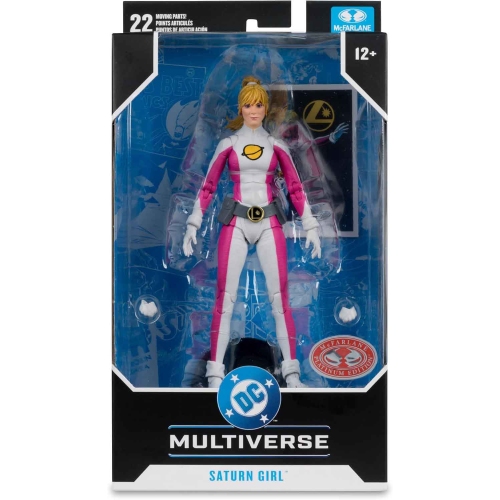
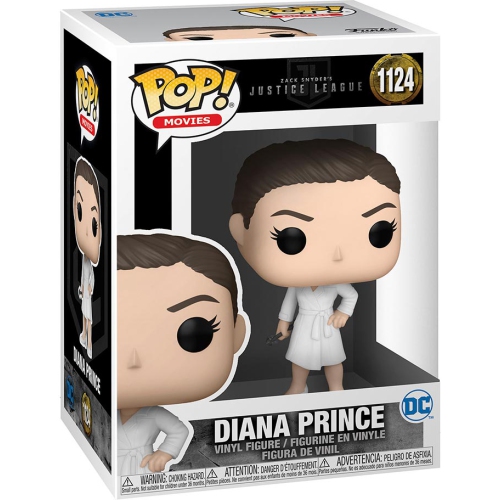
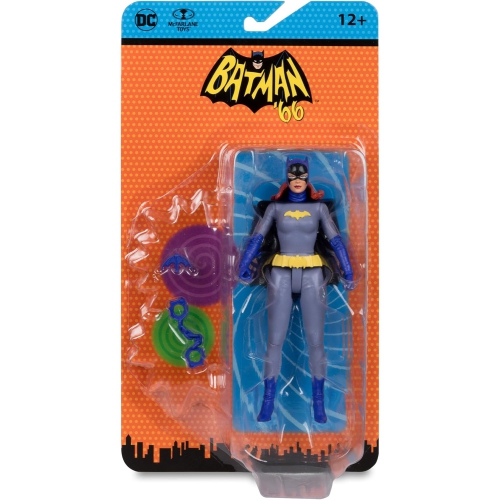

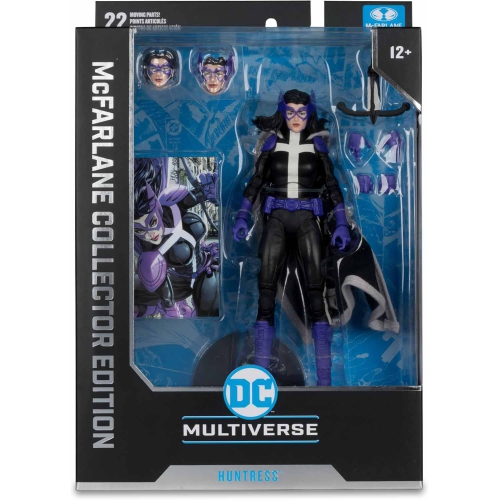

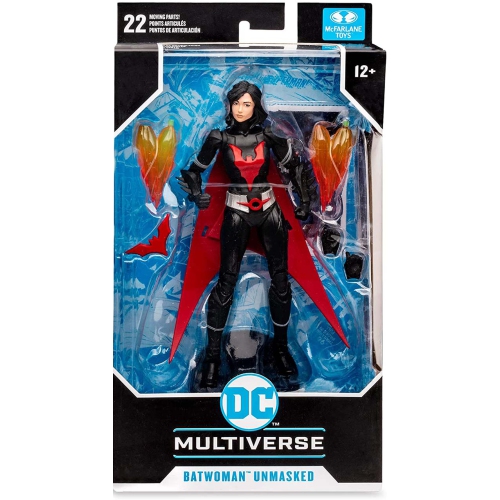
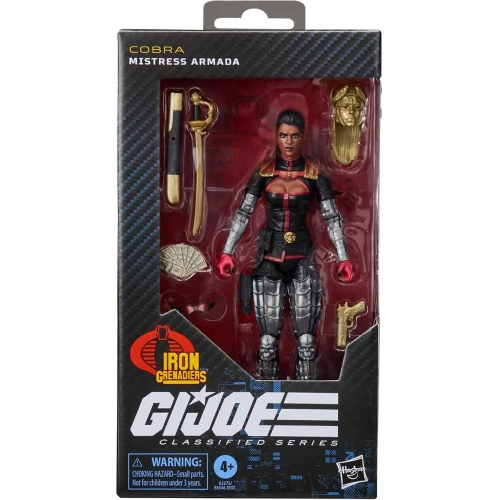
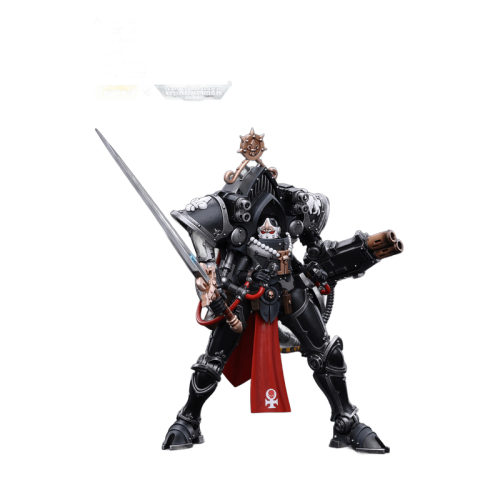
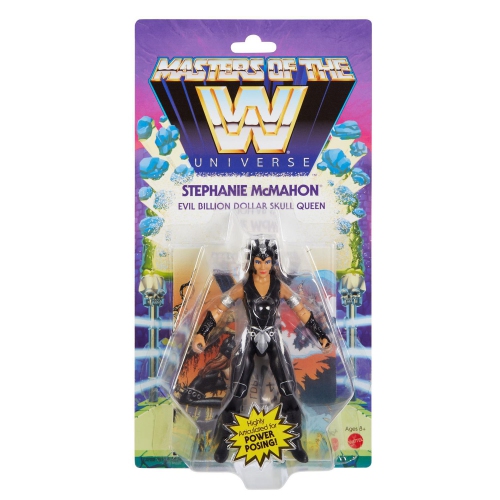
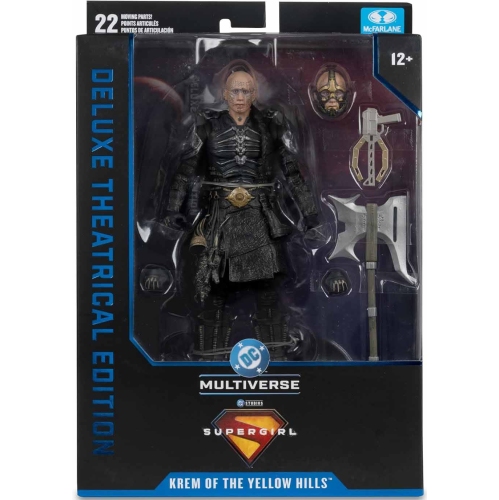

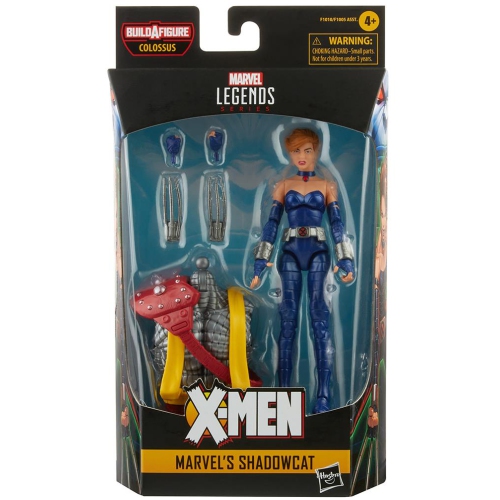
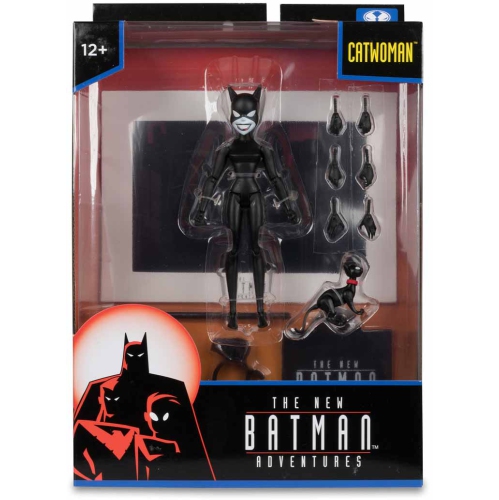
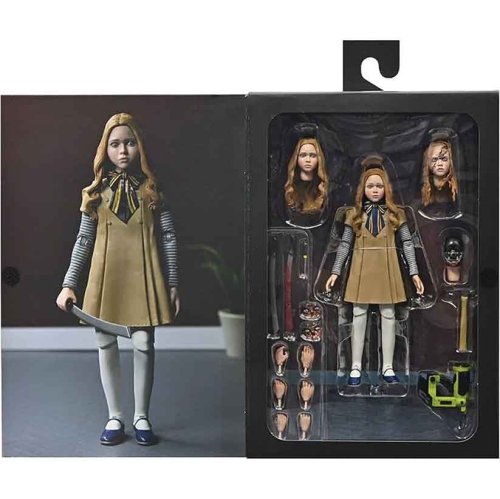
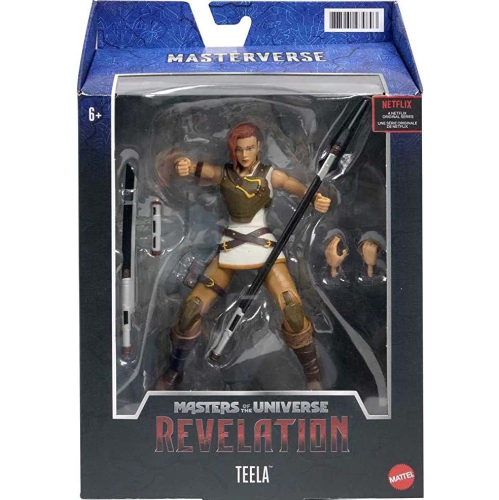
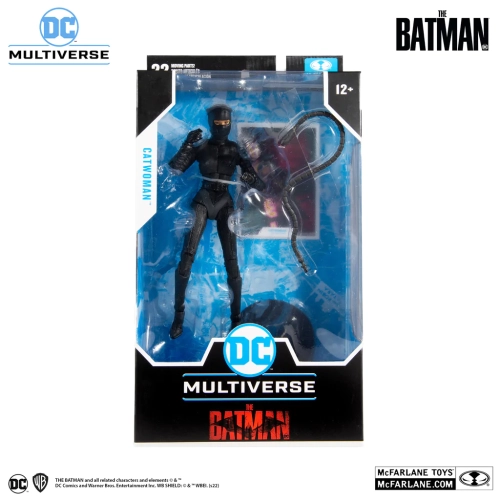
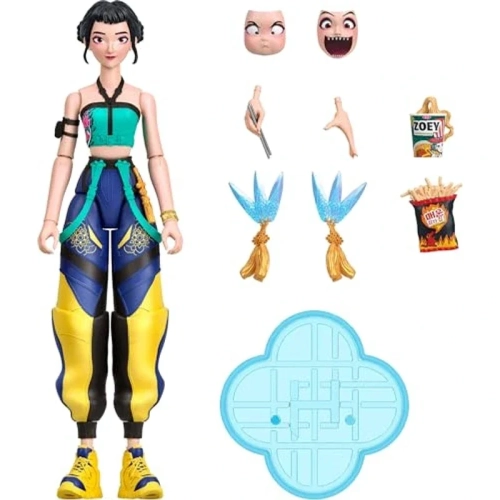
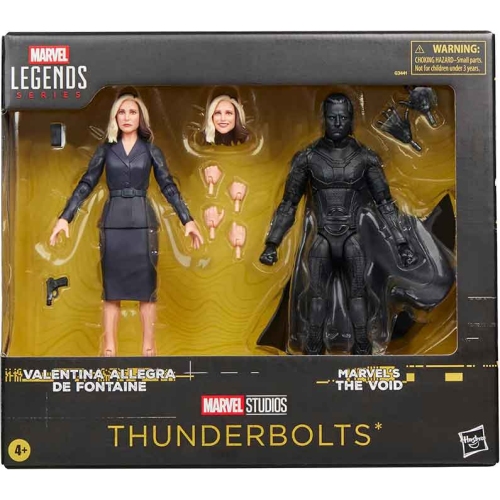

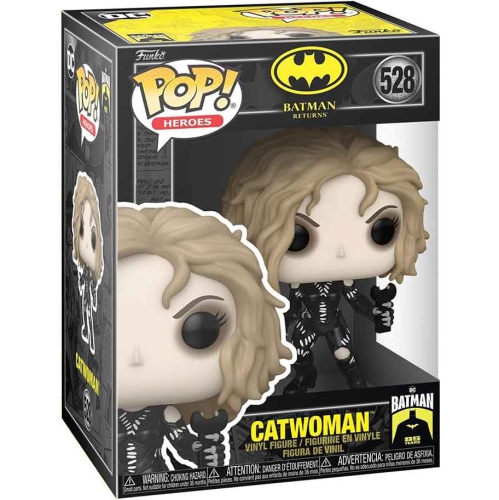
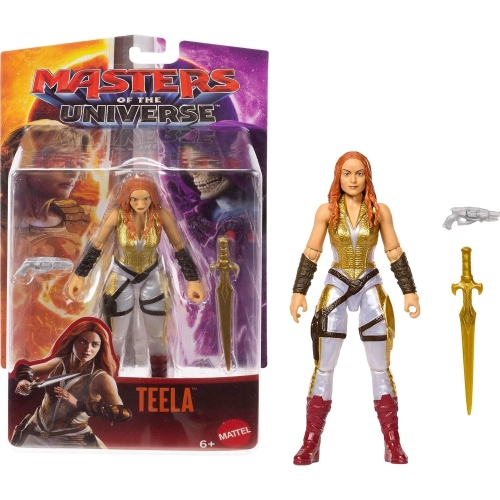

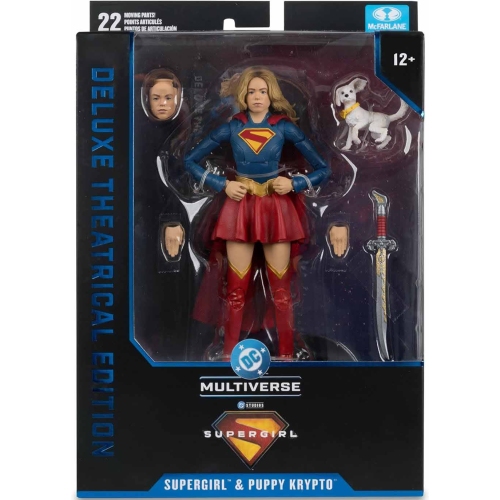
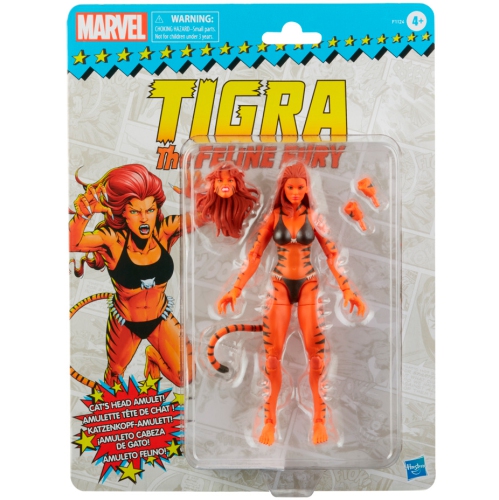


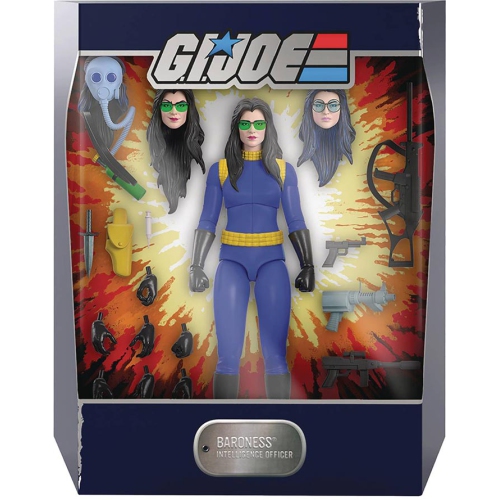

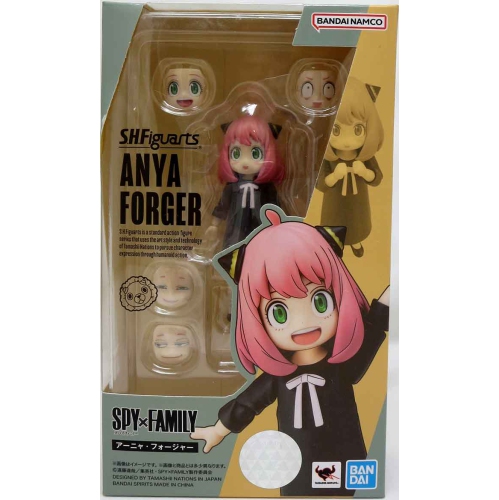
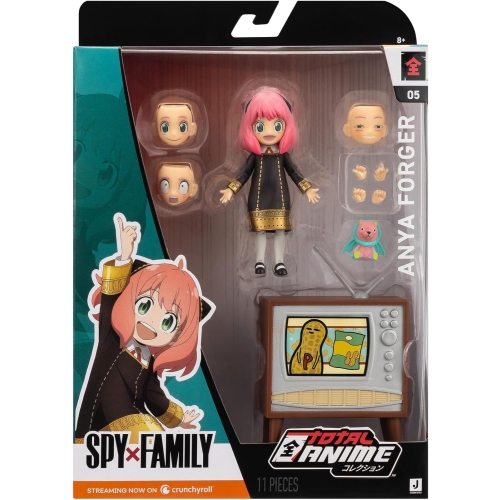
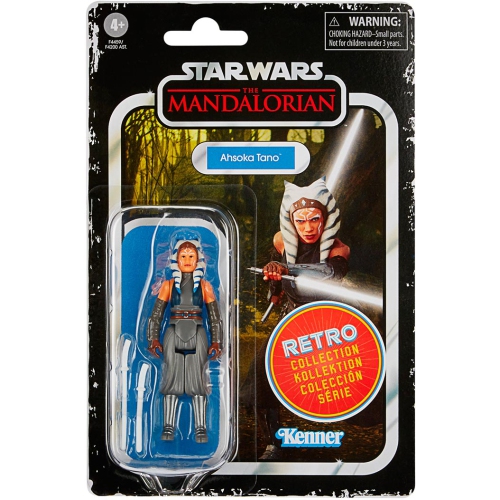

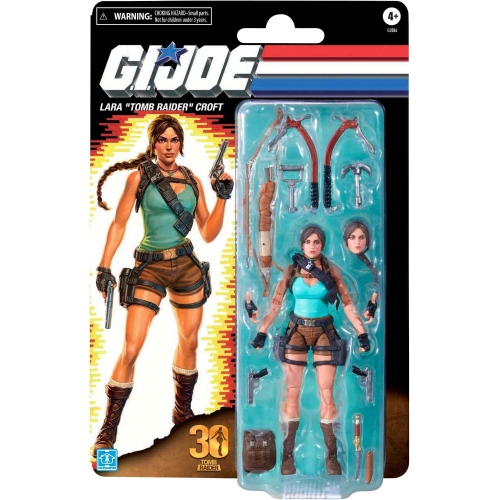
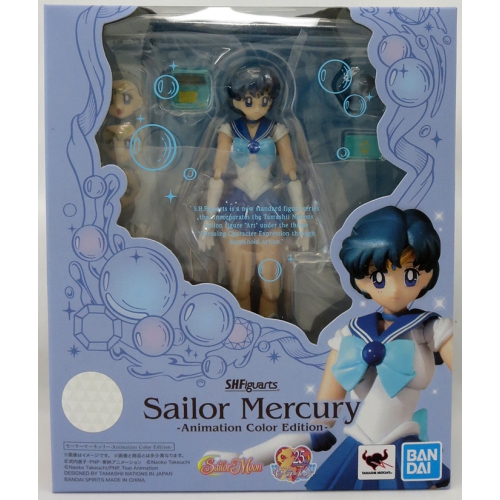
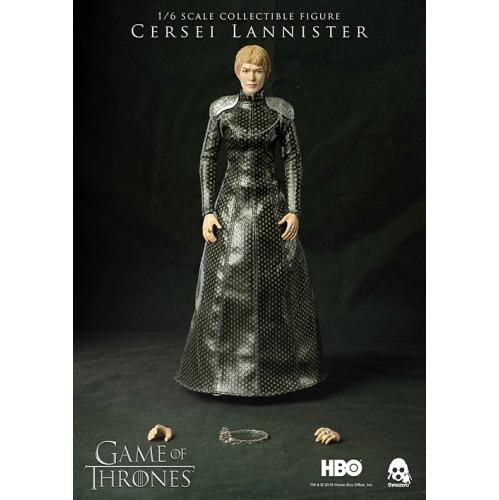
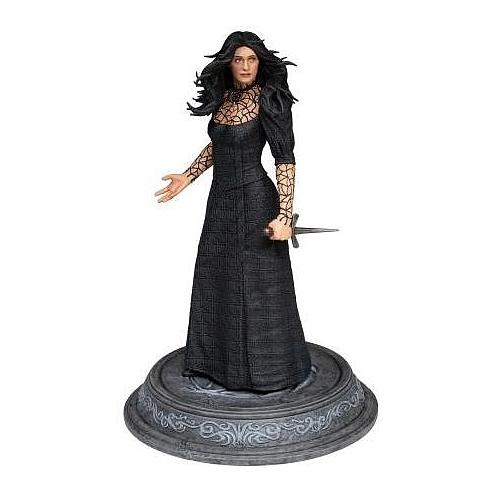
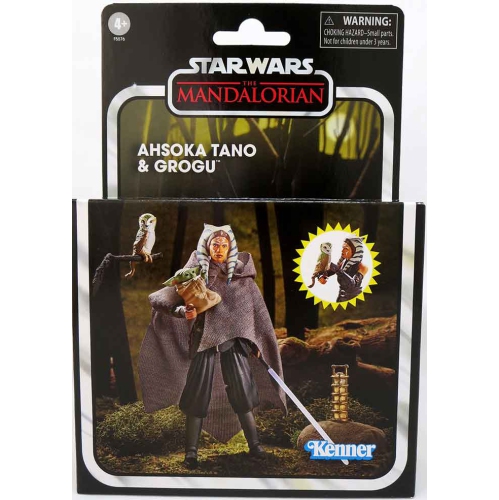
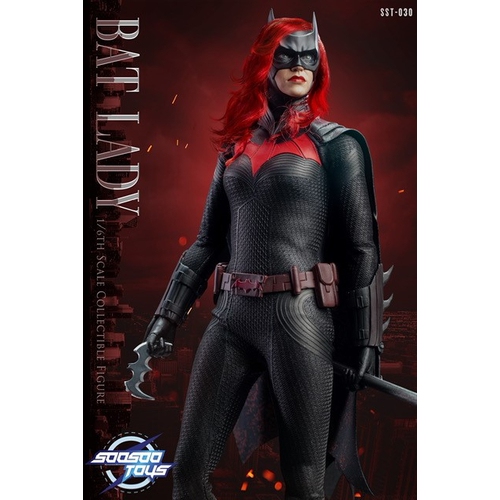
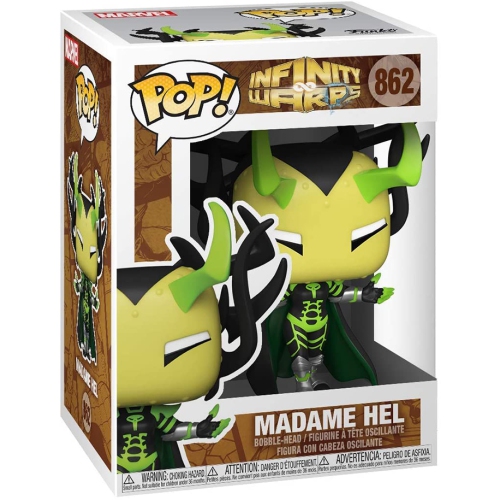
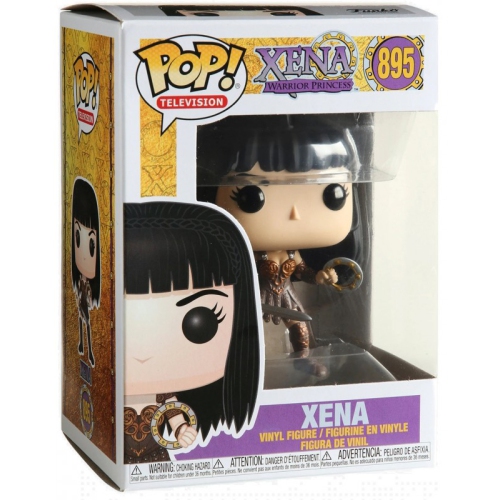

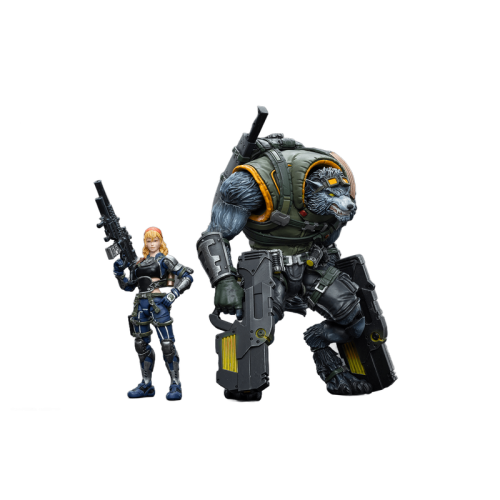
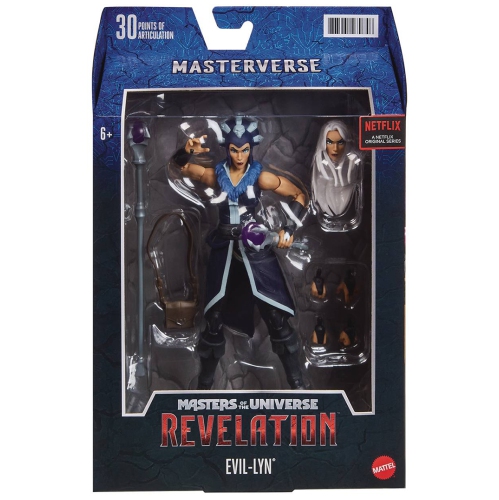

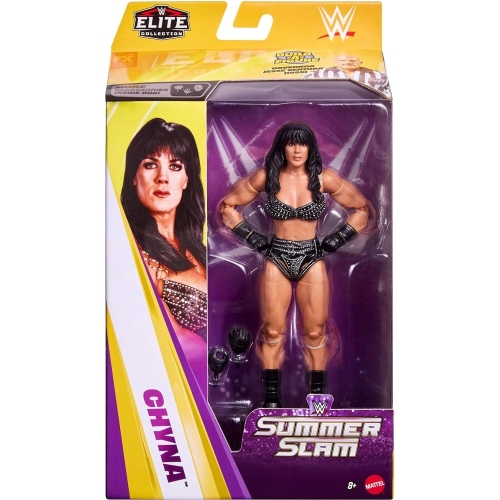
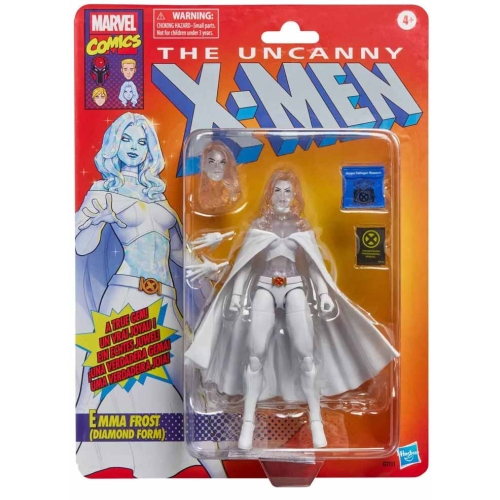
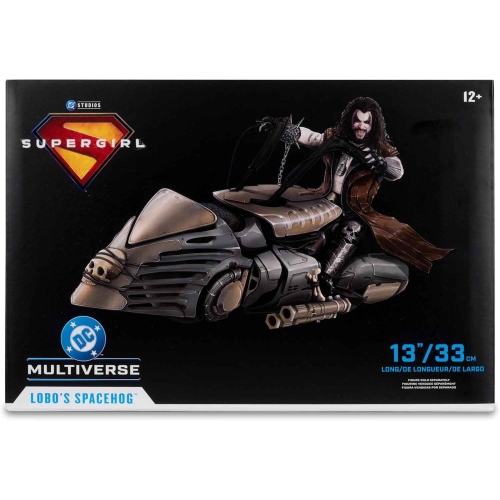
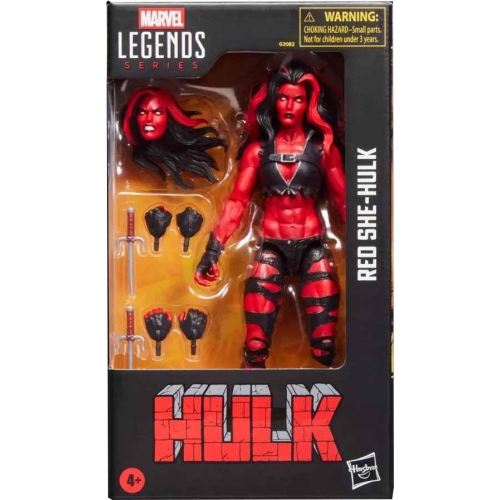
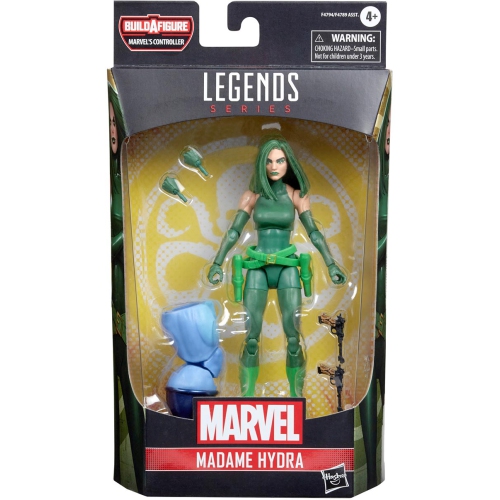
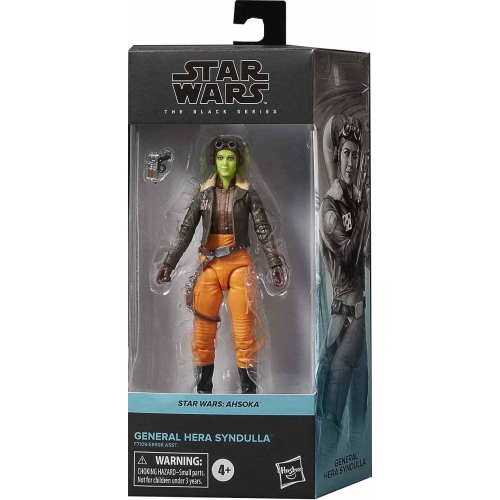

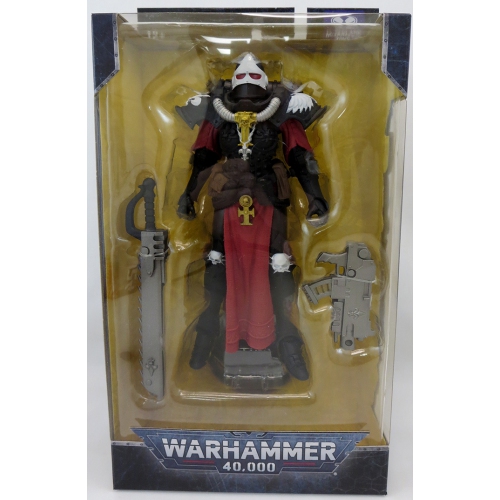
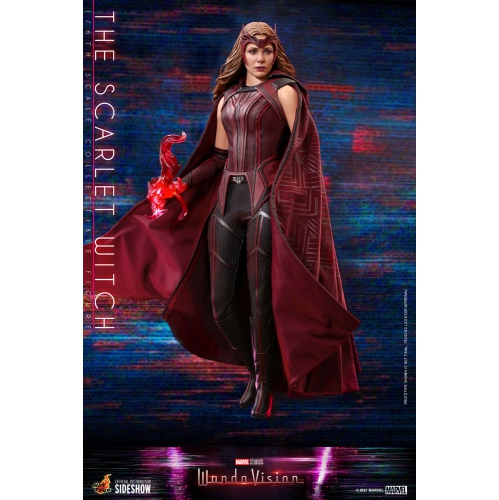

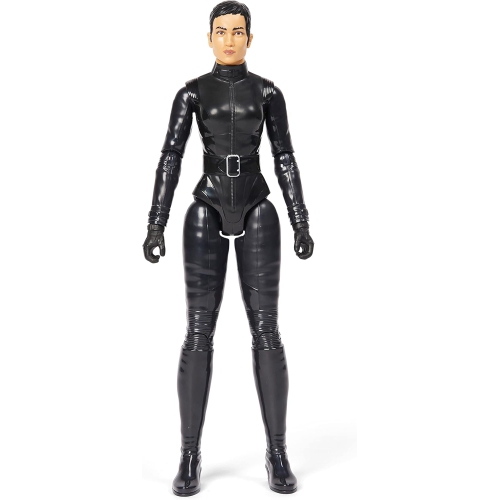
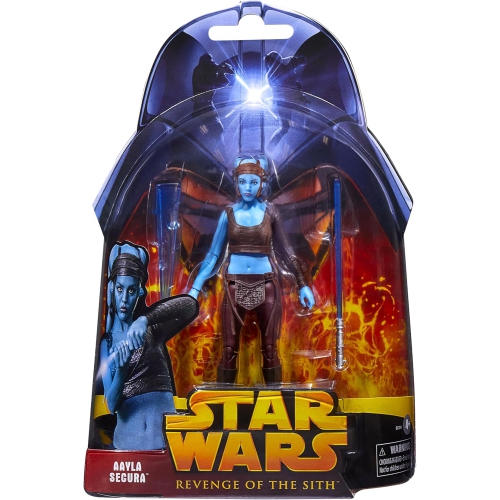
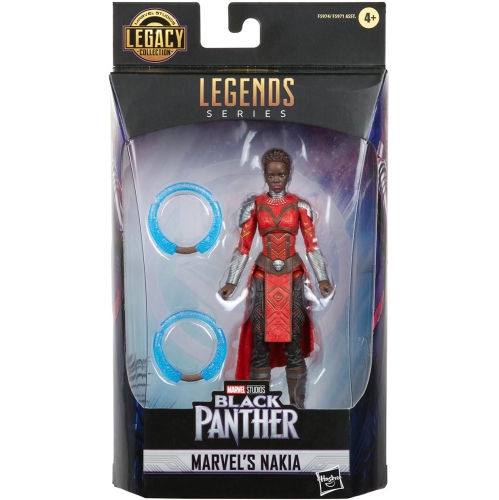
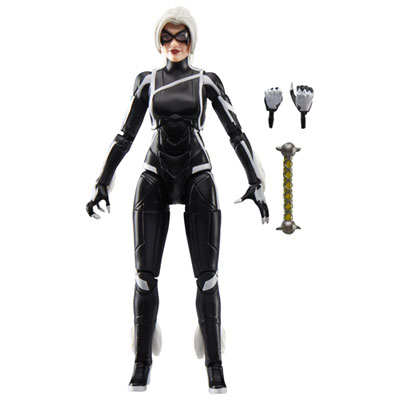
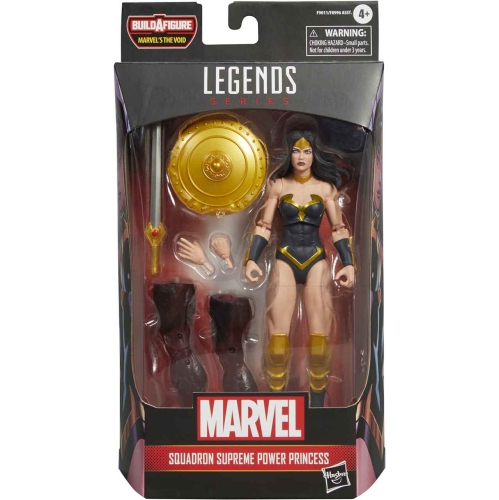
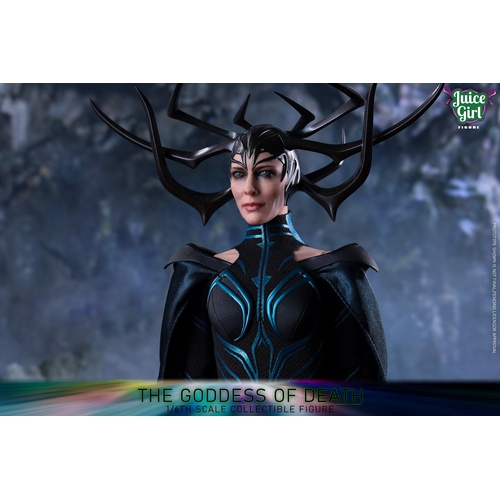
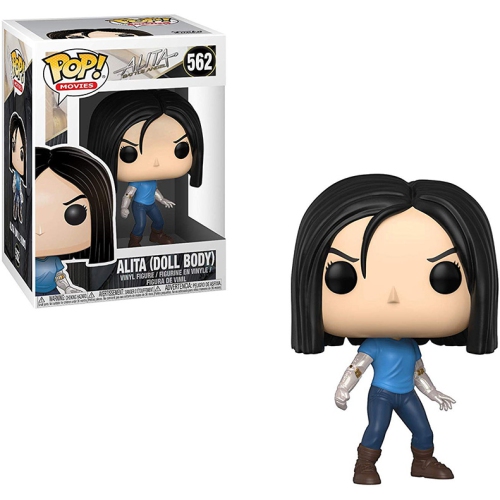
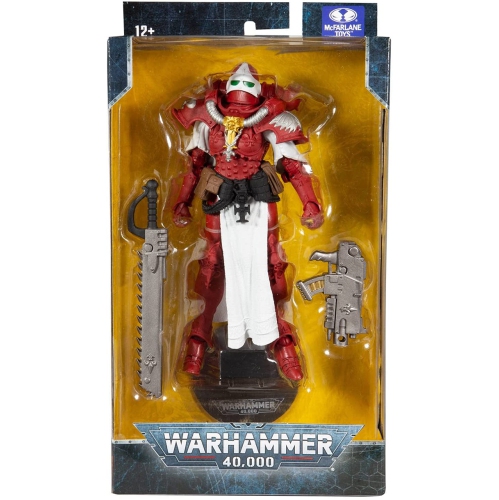
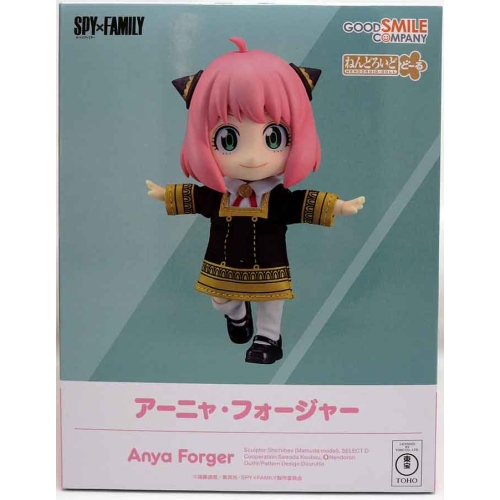
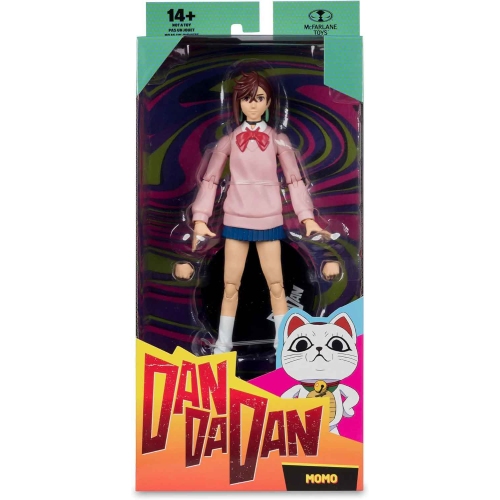

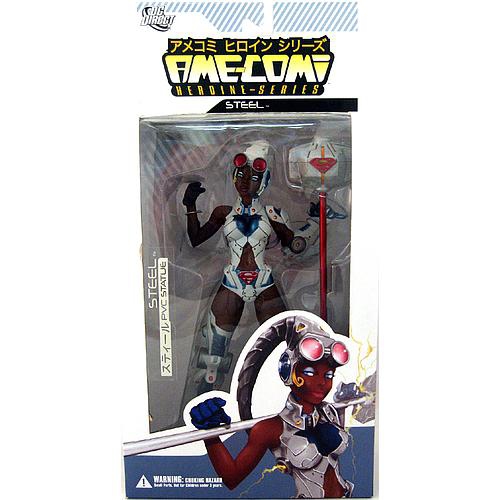

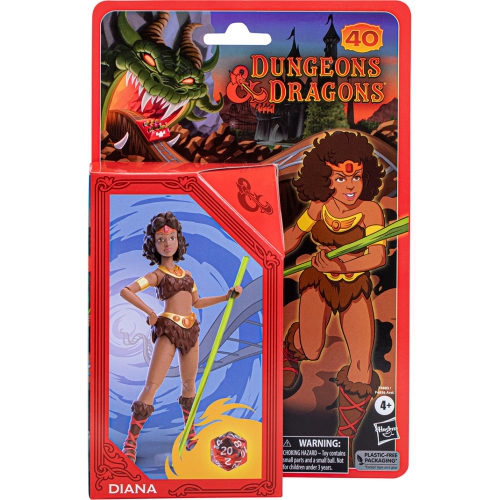

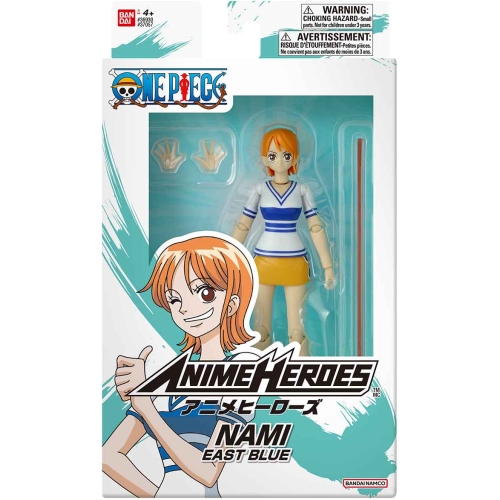

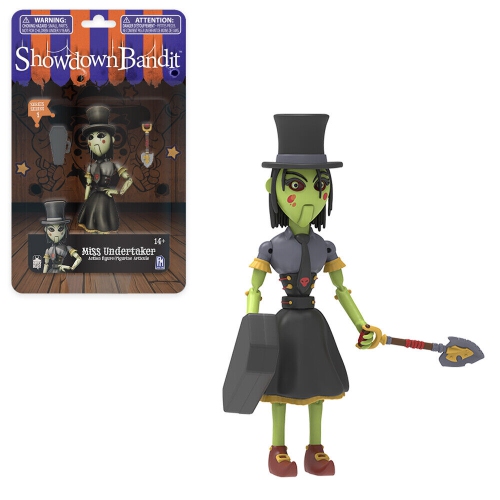
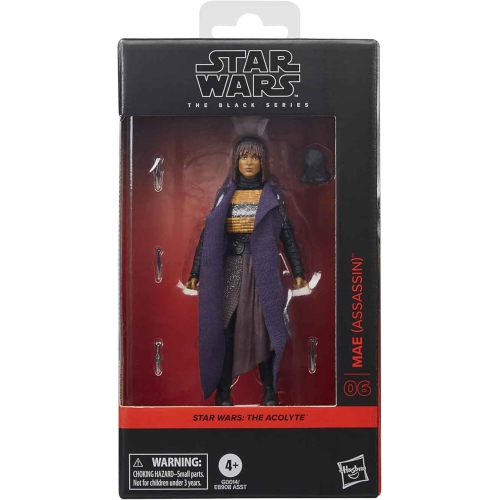
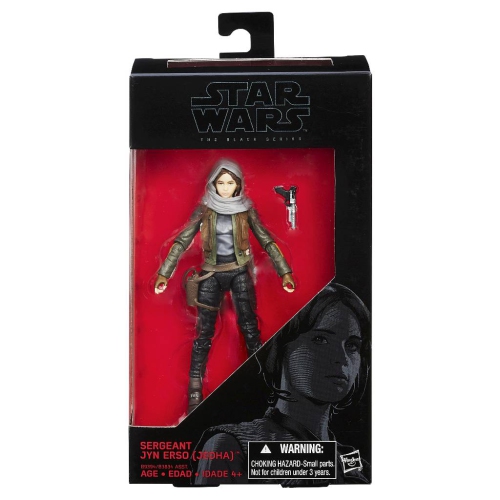

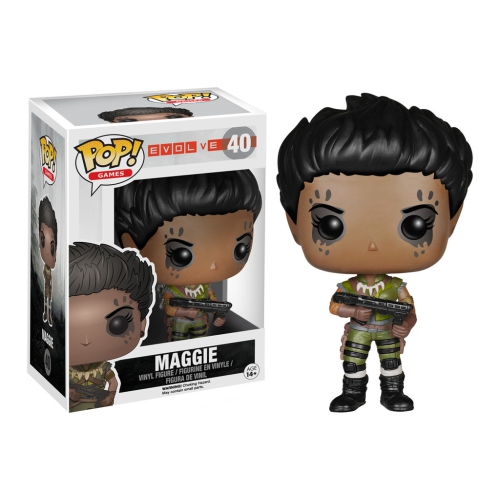
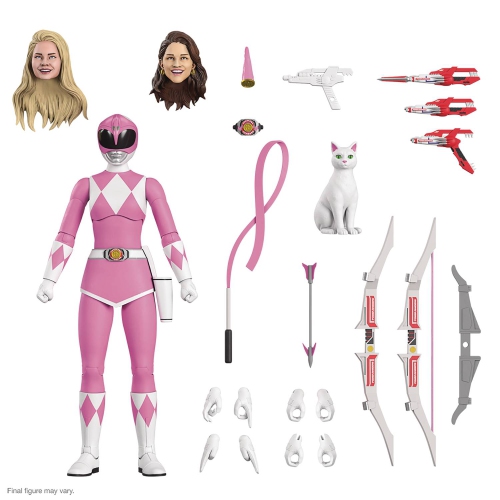
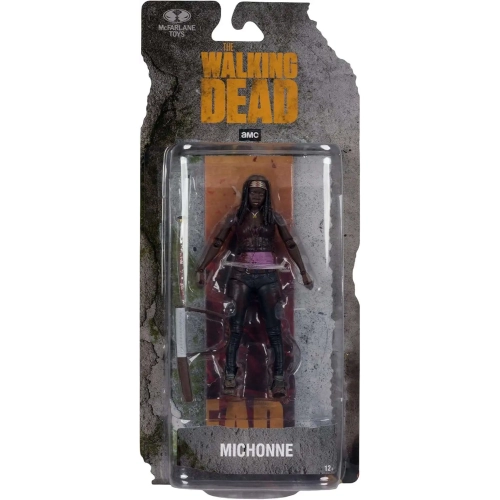
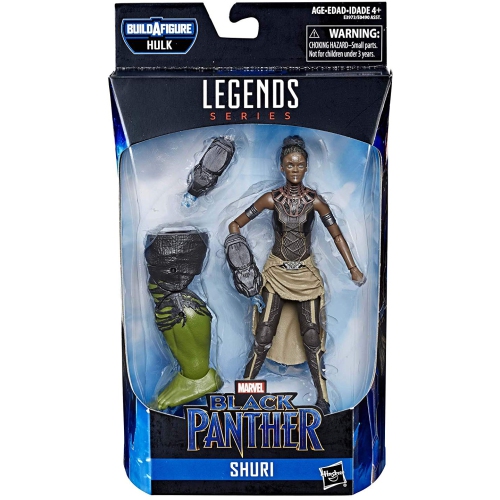
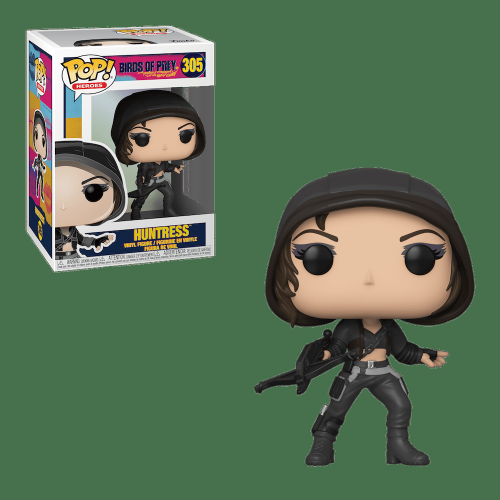


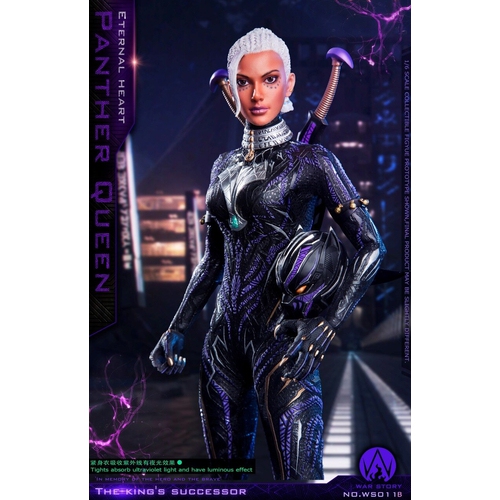
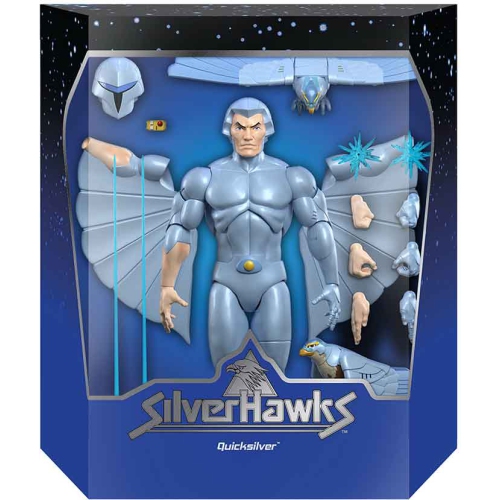
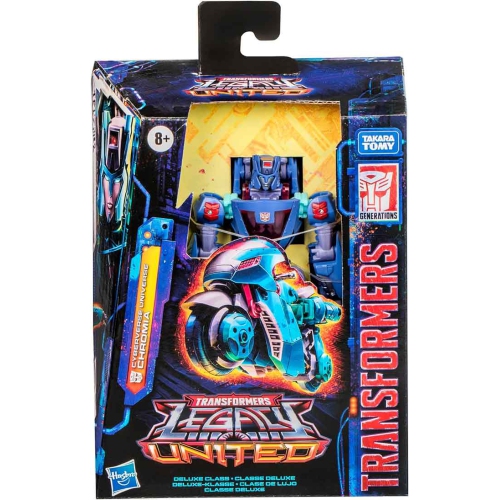
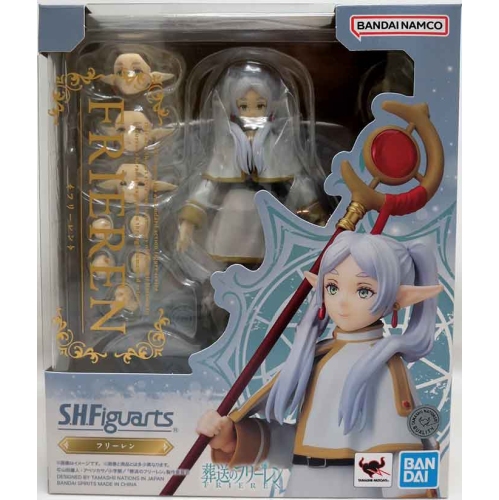
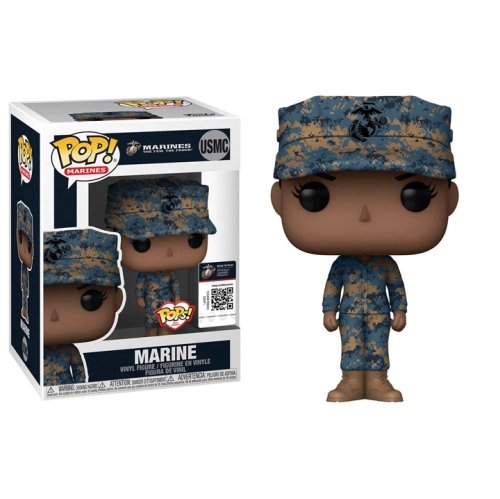

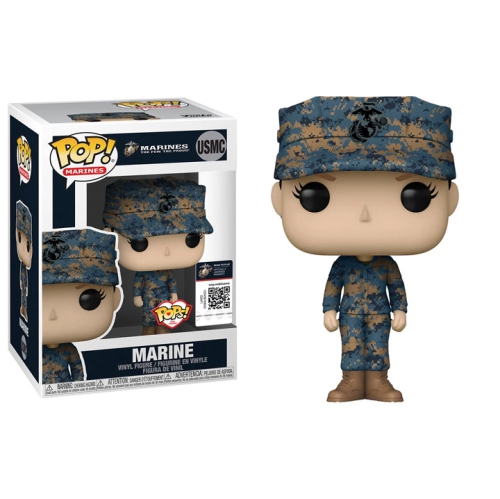
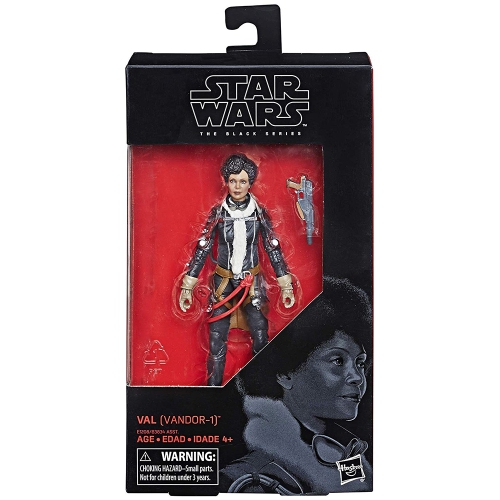
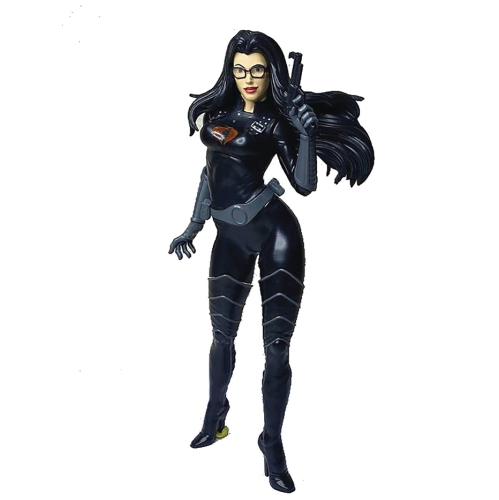
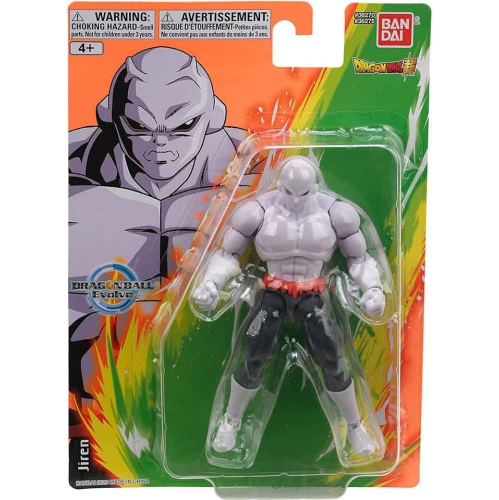

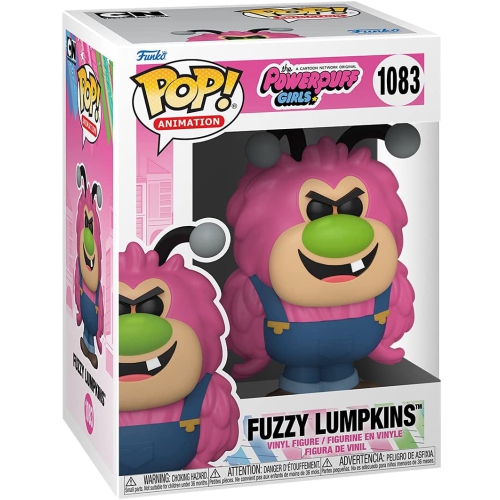
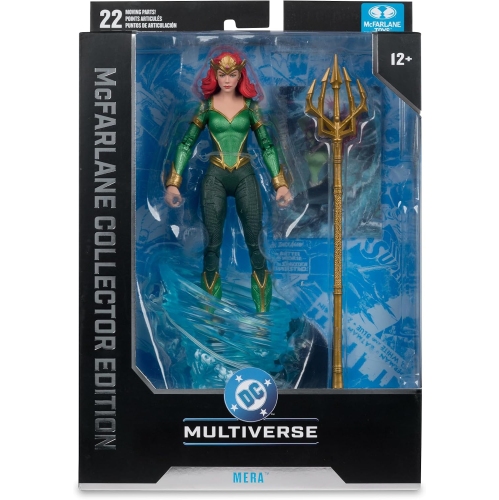
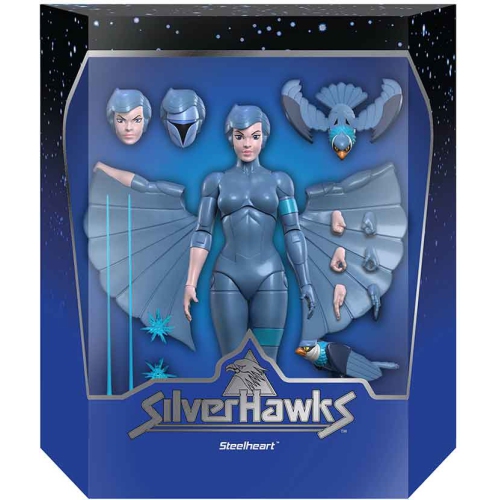
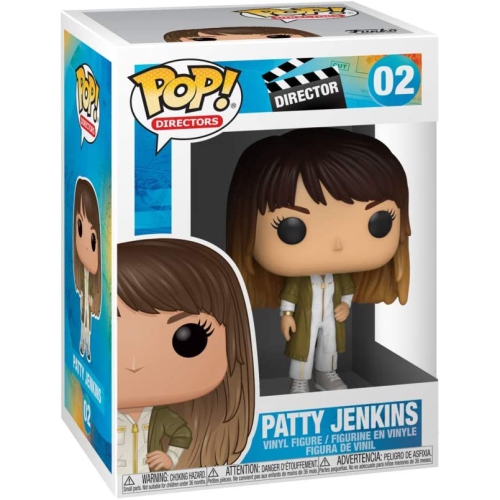


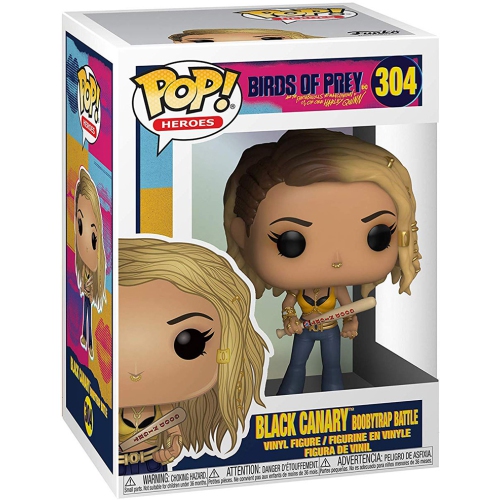
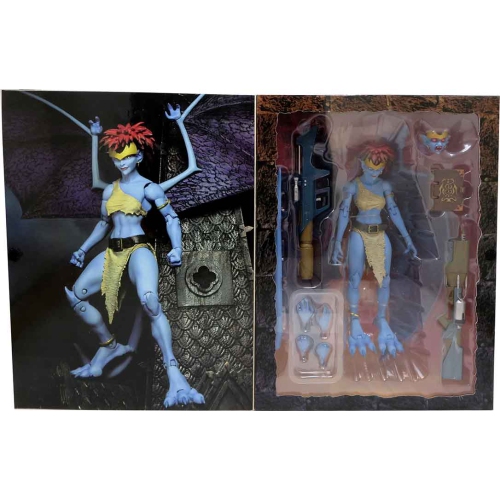
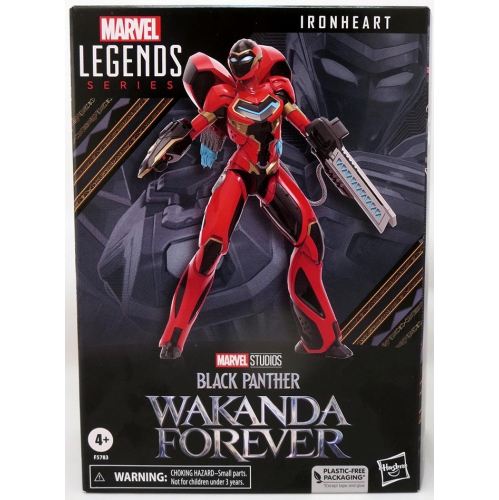

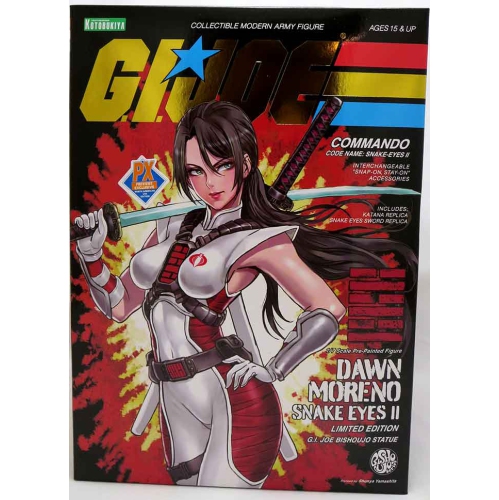
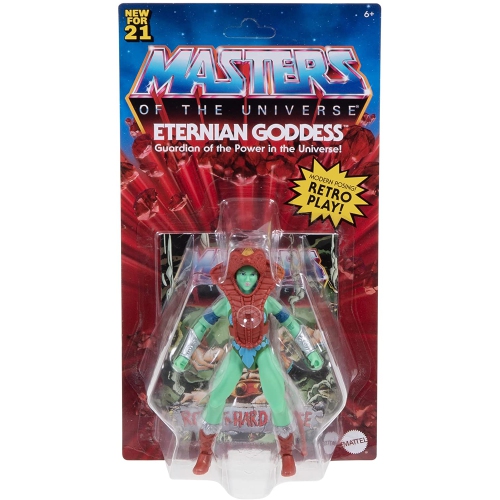
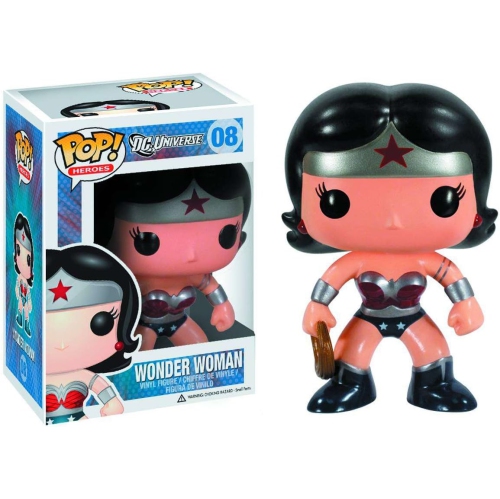
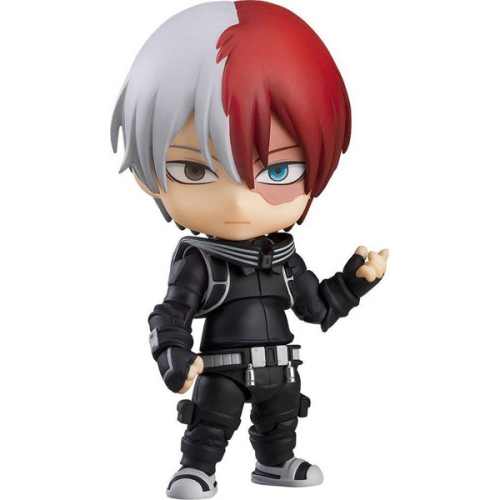
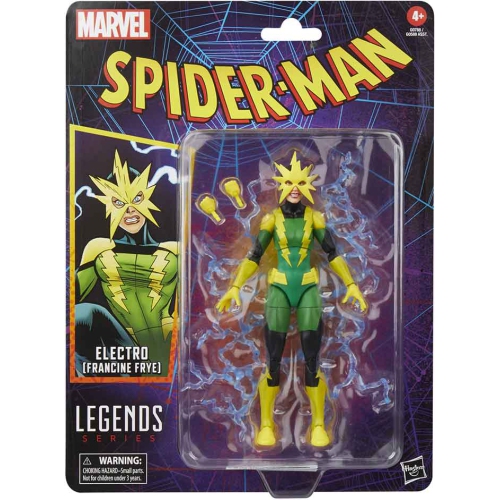
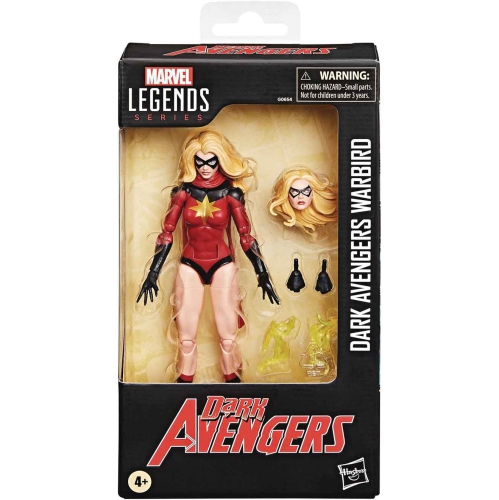
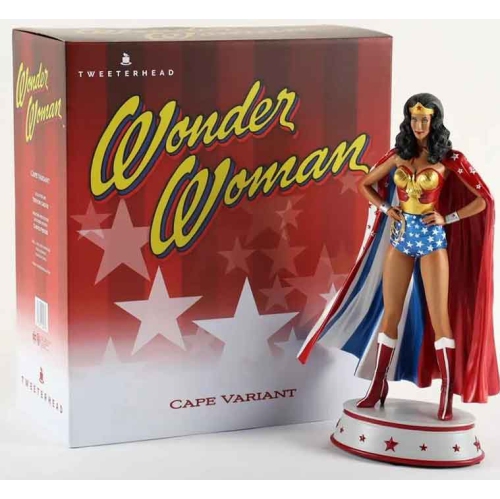
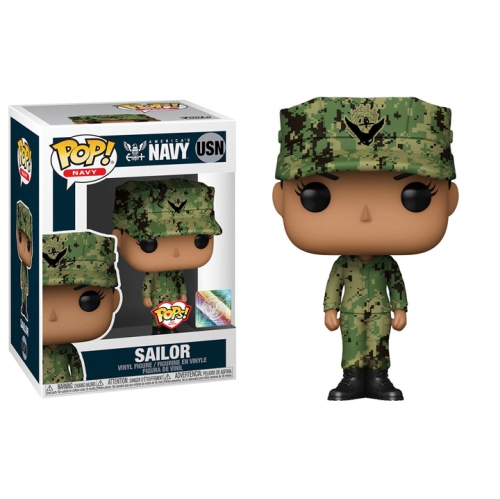
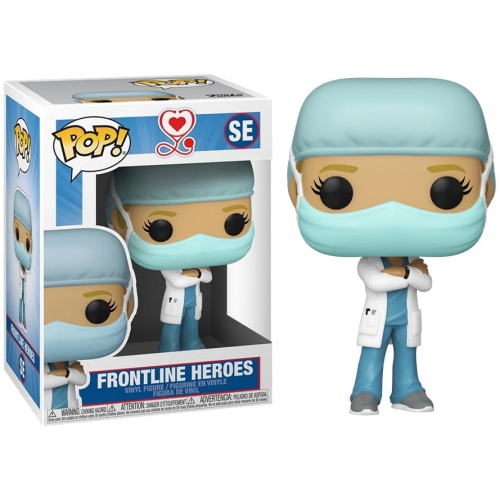
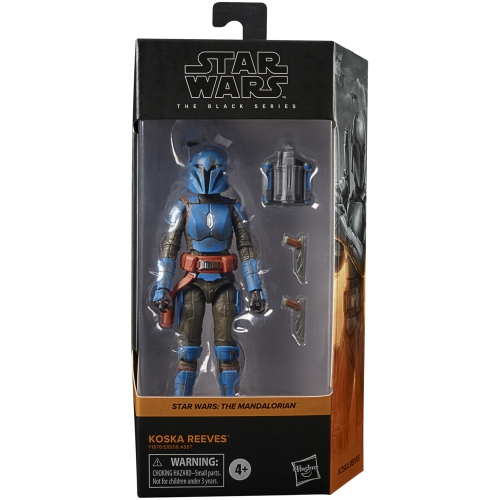
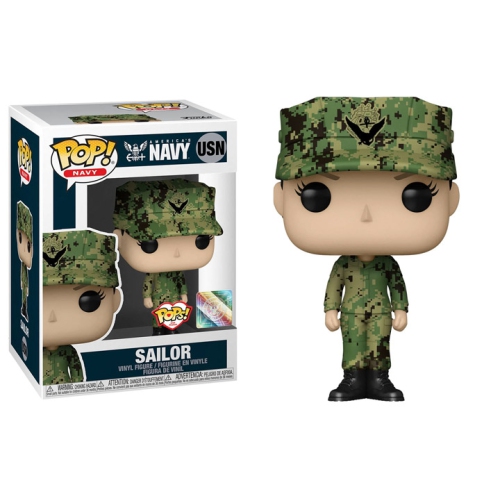

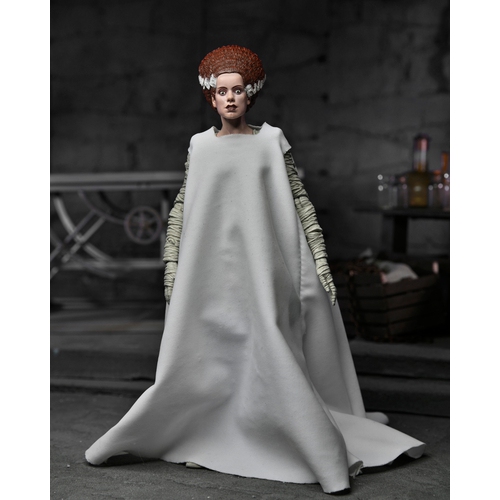
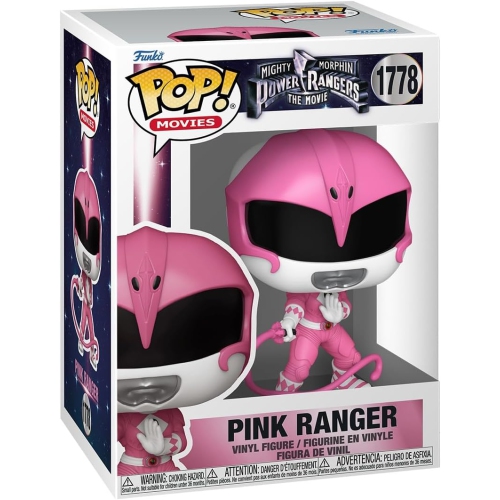
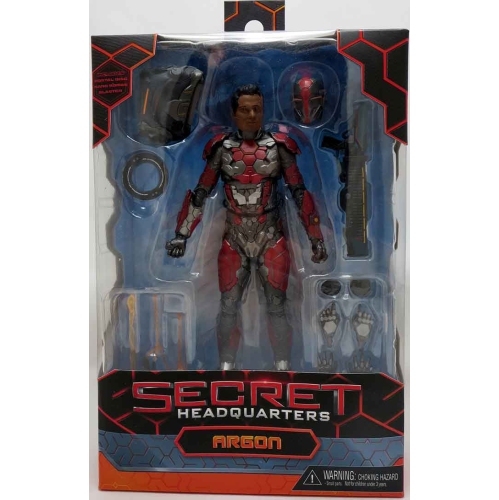

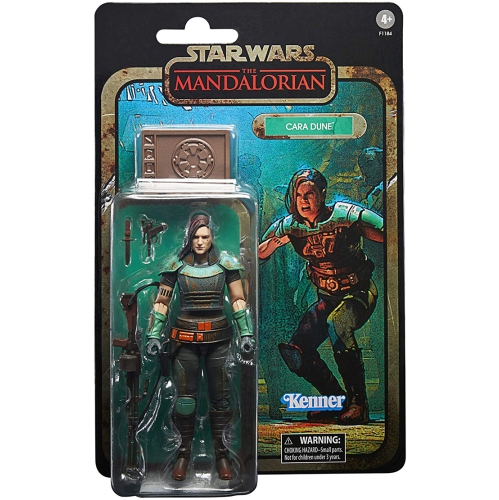
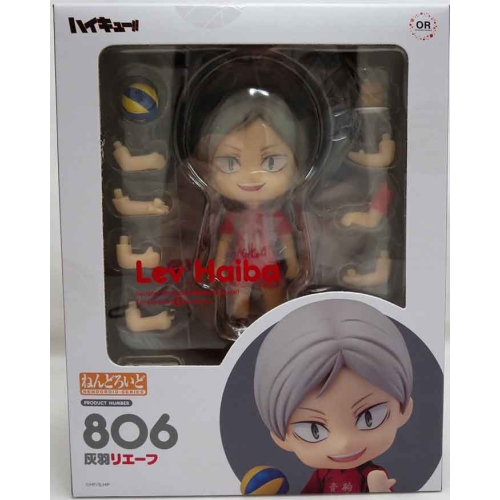
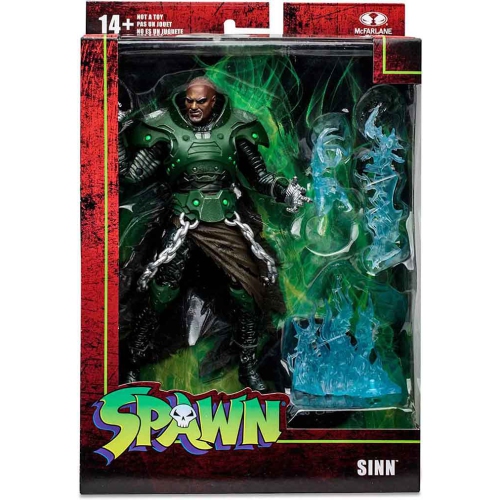
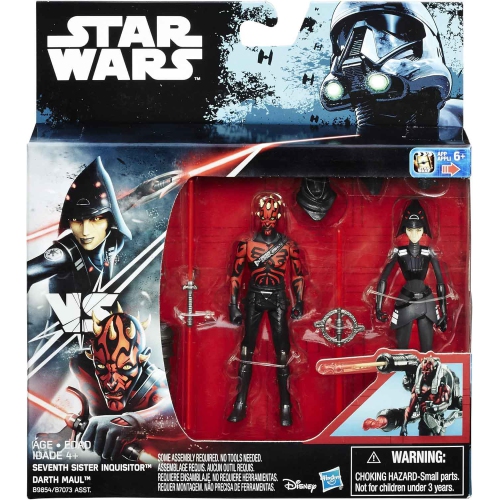
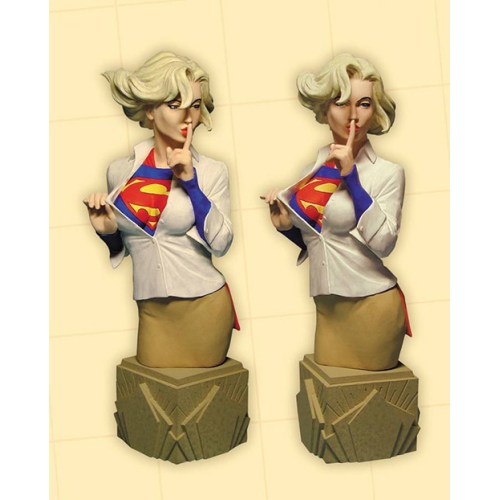
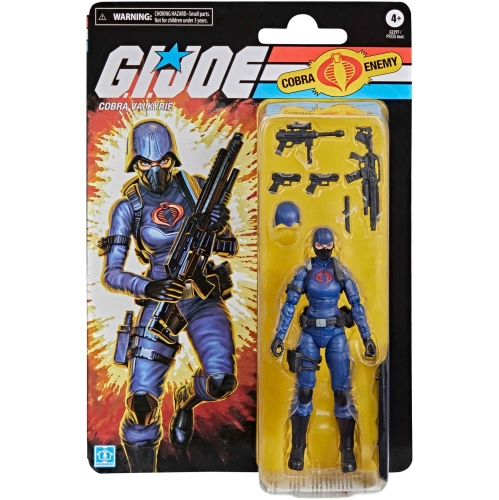
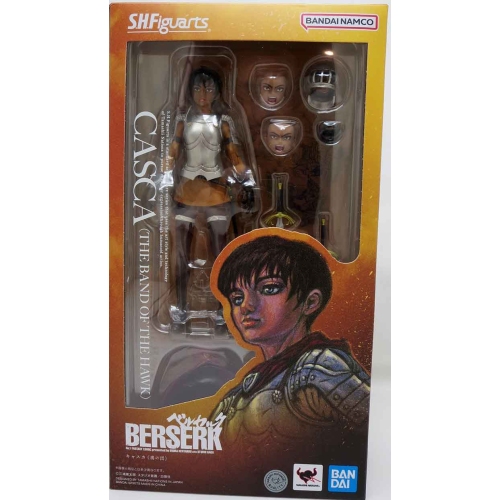

Character details and expressive poses for play or display
Female action figures are poseable character toys and collectibles depicting women from comics, films, television, animation, video games, and original fictional worlds. They range from sturdy figures designed for imaginative play to detailed collectibles intended mainly for display. Sculpted faces, distinctive costumes, articulated joints, and character-related accessories help bring each figure’s personality into focus. A determined expression or a carefully shaped cape can make a character recognizable even before the accessories are added. For children, these figures can become the heroes, rivals, leaders, and explorers in an unfolding story. For collectors, they can represent a favourite fictional universe, a memorable screen appearance, or a particular costume design. Size and scale influence how figures look together: a 6-inch figure and a 7-inch figure may each have impressive detail but will not necessarily form a proportionate group. Measurements describe physical height, while scale describes a figure’s proportions relative to the character being represented. A 1:12 scale figure, for example, represents its subject at one-twelfth of full size, although actual figure heights vary with the character. Matching scale, visual style, and costume era helps create a more cohesive display. Articulation is another defining feature. Movement at the shoulders, elbows, hips, and knees supports basic action poses, while additional joints at the wrists, ankles, torso, and neck can allow more expressive positioning. Joint design matters as much as joint count: an ankle that tilts sideways may help a figure stand naturally, while a rotating wrist can improve the angle of a held accessory. Collectors interested in a comic-inspired collection can explore the Marvel Legends Female Action Figure selection. Across female action figures, the most meaningful differences often come down to the character interpretation, the range of movement, the accessories, and whether the figure suits hands-on play or a carefully arranged shelf.
Materials and construction affect how a female action figure feels, moves, and holds up to handling. Many figures combine rigid plastic components with softer plastic sections for hair, skirts, capes, or other costume details. Rigid parts can support crisp sculpting and stable joints, while flexible pieces may allow movement around an otherwise restrictive outfit. Fabric clothing adds texture and can create a more natural drape, though small seams, fastenings, and delicate fabrics generally need gentler handling than moulded costume elements. Long sculpted hair, shoulder armour, and fitted skirts may limit movement even when the underlying body has several joints. A figure with a detailed costume is therefore not always the most flexible choice for crouching, seated, or wide-legged poses. Paintwork also contributes to the overall impression. Clean facial details, consistent colour, and well-defined costume edges can be especially noticeable when figures are displayed at eye level. Durability depends on the full design rather than a single material: thin accessory handles, projecting costume pieces, and small joint connections can be more vulnerable than the main body. For frequent play, straightforward accessories and uncomplicated construction may be easier to manage. For display, finer details and interchangeable parts may be worth the extra care they require. Manufacturer age recommendations remain important because small hands, heads, accessories, and connector pieces can present a choking hazard for young children. A collectible with intricate parts should not be assumed suitable for a child simply because it depicts a familiar character. Routine care is usually simple. A soft, dry brush can lift dust from sculpted hair and costume folds, while a clean microfibre cloth suits accessible surfaces. Cleaning products and prolonged soaking can affect finishes, fabrics, or internal metal components, so the manufacturer’s care directions take priority. Joints and removable pieces benefit from slow, controlled handling; forcing a tight connection or pulling on a thin wrist can damage an otherwise well-made figure.
The intended setting can make the choice between similar female action figures clearer. A figure for storytelling on a play mat needs to be comfortable to hold, reasonably stable, and appropriate for the child’s age. A figure destined for a desk or display cabinet may be chosen for its facial sculpt, costume finish, or ability to hold one expressive pose. Accessories contribute to both uses. Alternate hands can change a gesture from an open-palmed stance to a firm grip, while interchangeable facial expressions can shift the mood of a display. A stand can support a running or airborne pose, although compatibility depends on the figure’s attachment points and the stand’s design. Foot pegs and waist supports are not universal, and a base intended for one figure may not securely support another. The footprint matters, too: a wide stance, extended arm, or flowing cape can take up considerably more shelf space than the figure’s height suggests. A little space between figures keeps silhouettes readable and reduces accidental knocks when one is moved. Direct sunlight can fade colours over time, and prolonged contact between some painted or flexible surfaces may leave marks, making thoughtful placement useful for longer-term display. Small accessories are easier to keep together in labelled compartments, with removable costume pieces stored without bending or pressure. Packaging may also matter to collectors who appreciate the artwork or prefer to keep their figures boxed; the space required for a boxed collection differs substantially from an open shelf arrangement. As gifts, female action figures can suit birthdays, personal milestones, and other celebrations, particularly when the character has a clear connection to the recipient’s interests. Familiarity with a favourite story, preferred scale, and existing collection can be more useful than choosing solely by the number of accessories. For someone building a first collection, a recognizable character with manageable parts offers an approachable starting point. For an established collector, a different costume interpretation or a figure that complements an existing group may feel more personal. Whether used for imaginative adventures, character photography, or display, female action figures combine recognizable storytelling with the tactile appeal of a character that can be posed, arranged, and enjoyed over time.
Top selling and popular products
-
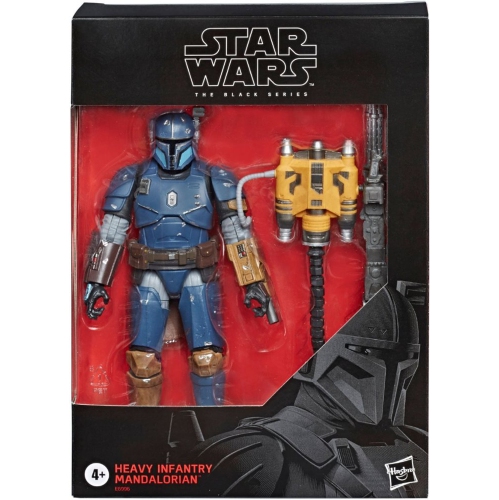 Your price for this item is $35.64
-
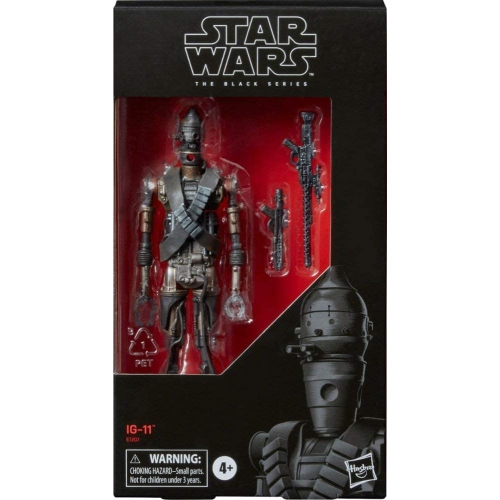 Your price for this item is $42
-
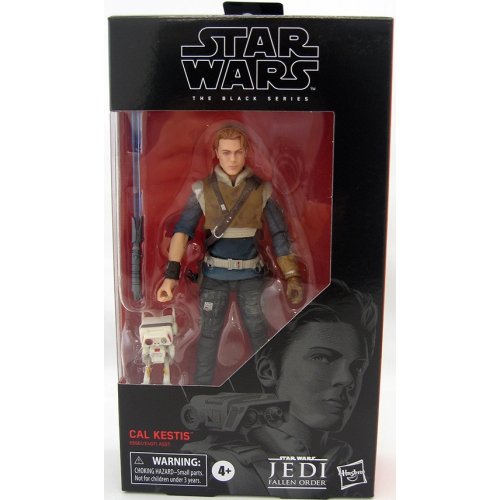 Your price for this item is $41.39
-
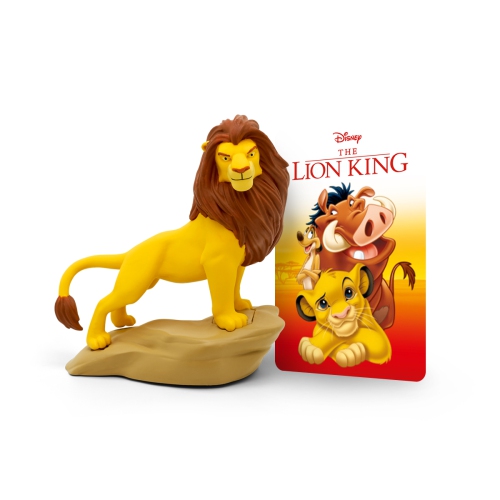 Your price for this item is $29.99
-
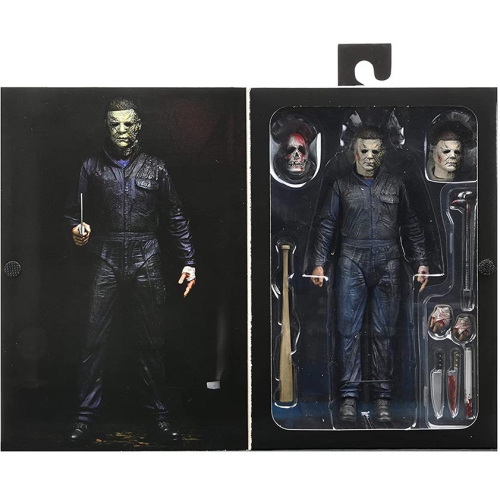 Your price for this item is $81
-
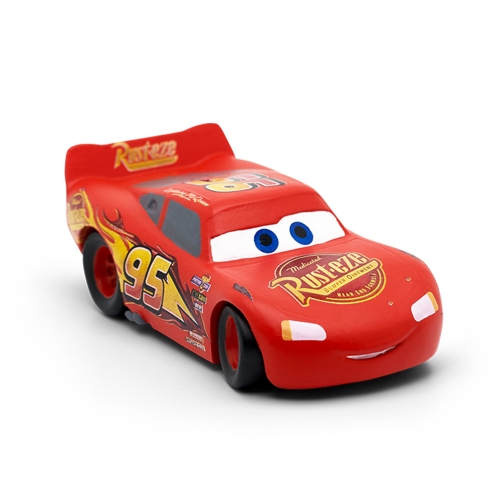 Your price for this item is $29.99
-
 Your price for this item is $46
-
 Your price for this item is $73.59
Discover more categories related to Female Action Figures
Top Collections:
Best Black Friday Deals This Year, Best Black Friday Deals On Electronics, Kindle Devices, Dyson Airwrap, Best Cameras for Sports Photography, Best Budget Office Chairs, Canon G7X Cameras, PS5 Pro Consoles, Best Black Friday Deals On Apple Products, XBOX One S Consoles
Some products may be subject to Environmental Handling Fees
(EHF) depending on your province.
Learn more about EHFs.