Female Jedi Action Figures
Female Jedi Action Figures bring the power and excitement of the galaxy’s most iconic heroes to your collection. Perfect for fans of all ages, these figures capture the strength and spirit of legendary Jedi characters. Whether you’re looking to expand your display or searching for the perfect gift, Female Jedi Action Figures offer a wide range of options to celebrate your favorite characters from across the Star Wars universe. Explore detailed designs and dynamic poses that make every figure a standout addition to any collection.
Sort
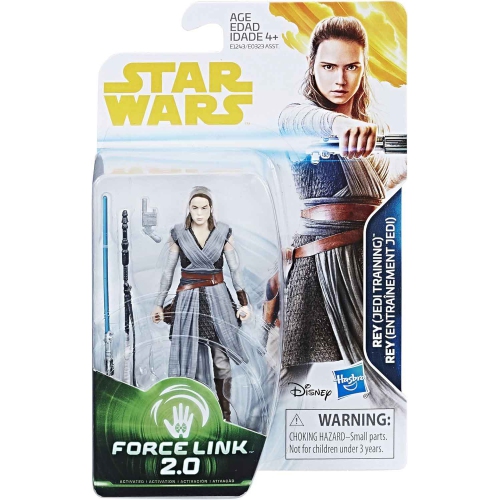
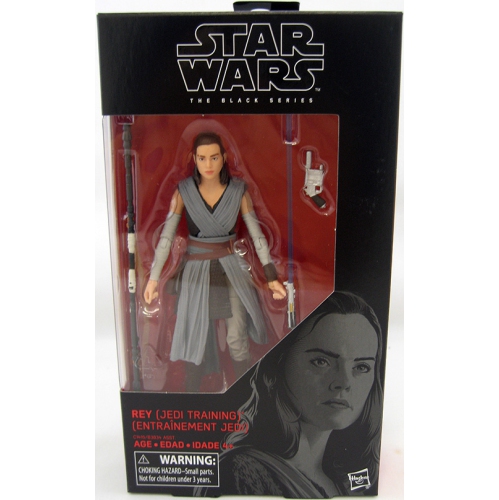
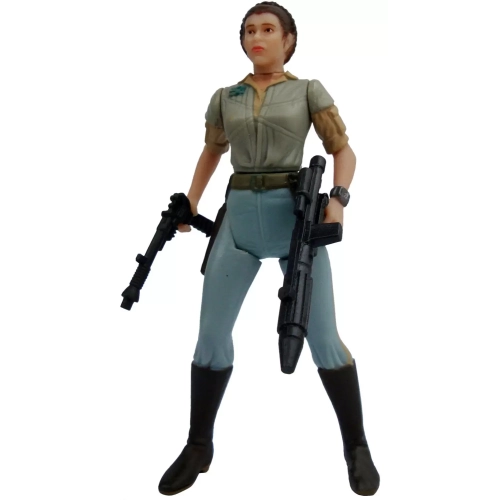
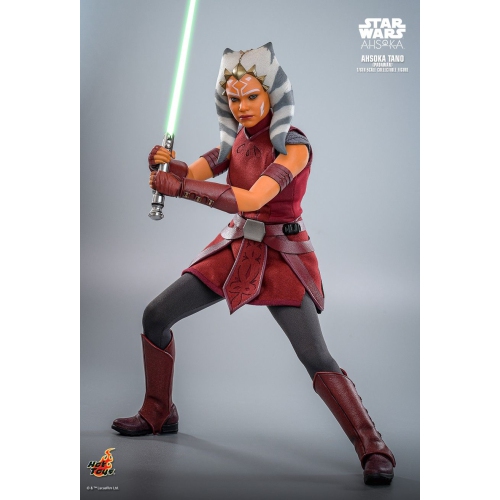
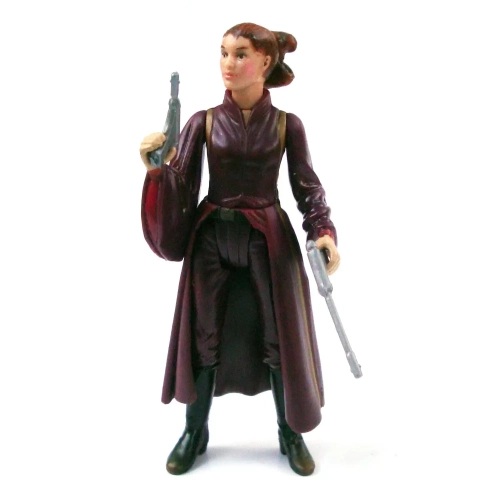
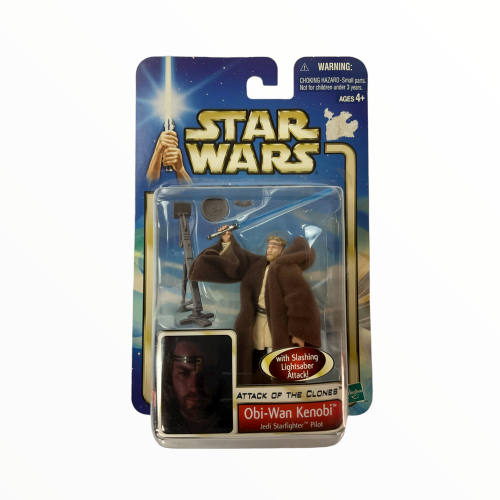


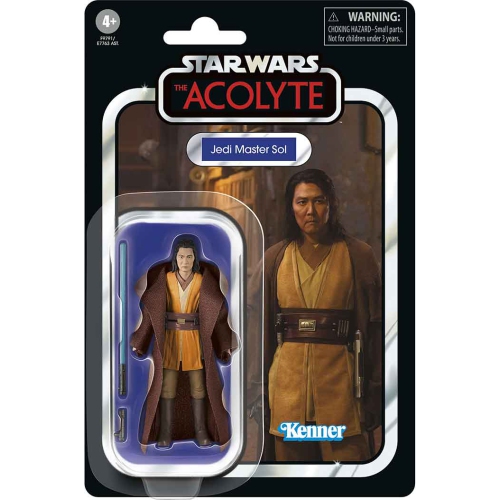
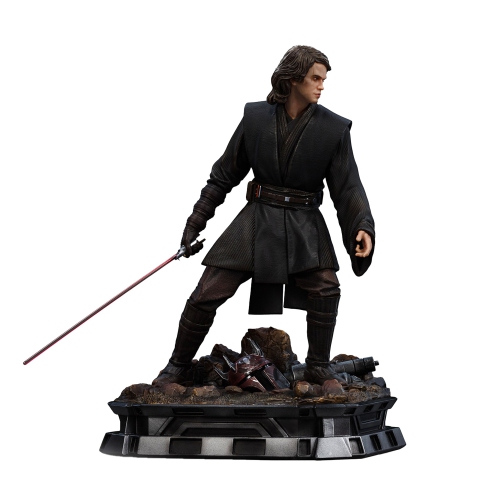
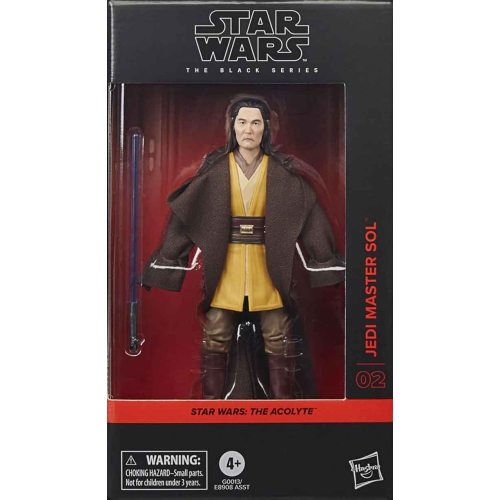
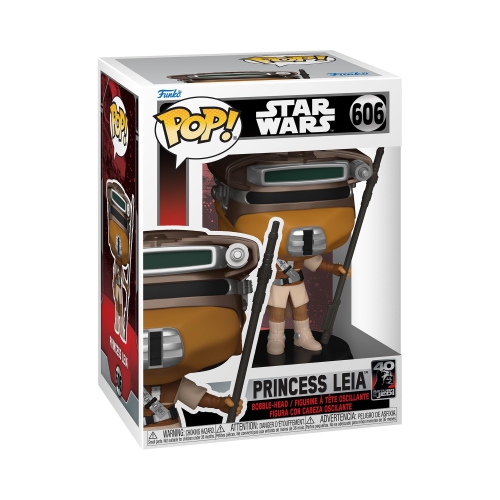
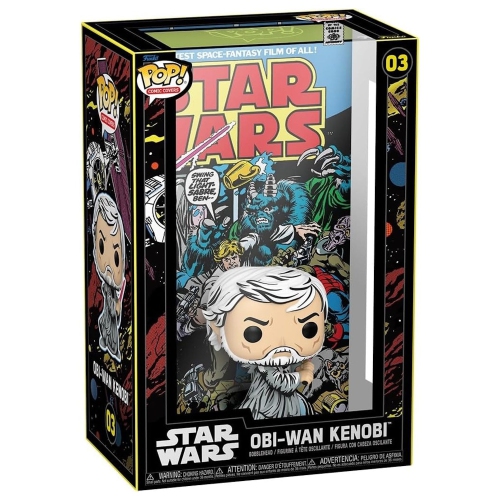

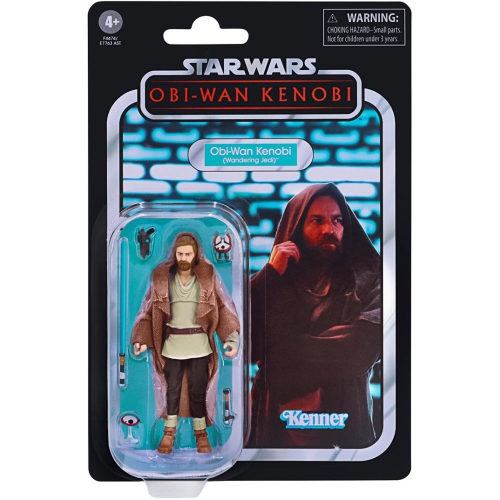
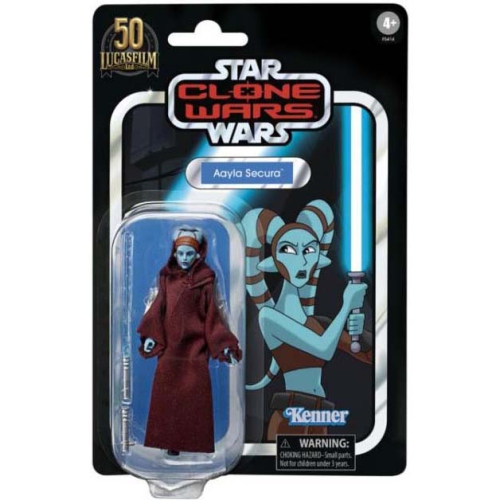

How each Jedi’s story takes shape on a shelf
Female Jedi action figures depict women from across the Jedi stories, from apprentices in training robes to seasoned Jedi with distinctive armour, hairstyles, or lightsabers. A figure can capture a character as she appears at different points in her story, so two versions of the same Jedi may look quite different on a shelf. The cut of a tunic, the markings on a face, or the shape of a lightsaber hilt can matter as much to a fan as the size of the figure. Two common action figure scales are 3.75-inch and 6-inch. Those measurements describe the scale of the line rather than the exact height of every figure, since characters can be taller or shorter than one another. A 3.75-inch figure takes up less room and can fit neatly into a group scene with a vehicle, training area, or other scenery made to a similar scale. The larger surface of a 6-inch figure gives sculptors more room to show details such as boot straps, folds in a robe, and a character’s expression. It also makes those details easier to pick out when a figure sits at the back of a shelf. Even figures in the same nominal scale may differ slightly in proportion, particularly when they come from different lines. Comparing the listed height is useful when a figure needs to fit beneath a low shelf or alongside an existing collection. The space around the figure matters, too: a flared cloak or a lightsaber held out to one side can take up more room than the figure itself. When building a scene with several characters, compare the scale of female Jedi figures with those on the Star Wars Male Action Figure page so their proportions look right together.
Most action figures use moulded plastic for the body, with finishes that distinguish details such as a matte tunic, polished armour, or a translucent lightsaber blade. Robes and capes can be sculpted in rigid plastic, made from a softer material, or sewn from fabric, and each construction changes the way a figure looks and moves. A sculpted robe holds its folds in a standing pose, while a fabric cloak can drape differently when the figure kneels or turns. A softer plastic overlay can preserve the outline of a layered costume without restricting the hips as much as a rigid piece might. Articulation also varies. Simple joints at the shoulders and hips suit straightforward poses and imaginative play, while elbows, knees, wrists, and ankles offer more ways to recreate a scene. The location and range of those joints matter more than the total count when a particular pose is the goal. For a two-handed lightsaber stance, the shoulders need to bring the arms forward and the wrists need to line up so both hands can reach the hilt. For a one-knee training pose, the cut of the robe and the bend in the ankles can determine whether the figure balances. Accessories affect the fit as well. An interchangeable hand may be shaped to grasp a hilt, while an open palm may be intended for a gesture. Even when two figures are the same height, their hands, hilt sizes, and foot pegs aren’t necessarily compatible. For a figure that will be handled often, a simpler design with fewer removable parts means fewer pieces to keep track of. Small accessories, thin blades, and narrow pegs warrant a gentler touch. Moving a joint slowly and holding it close to the point of movement puts less strain on it than pulling from the end of a hand or foot. If a joint resists, a simpler pose is better than forcing it past its range.
Female Jedi action figures suit different kinds of fans, from children making up a training session on the living room floor to adult collectors arranging characters by story, costume, or scale. For a child who likes to take a figure from room to room, a design with a securely fitted accessory can be easier to manage than one with several tiny pieces. The stated age recommendation and small-parts warnings matter when the figure is a gift, especially if younger children share the play space. For a collector, the best clue may be what is already on display. Someone with a row of figures in one scale may appreciate another that fits in without changing the arrangement, while someone who follows one Jedi’s story might prefer a costume from an earlier or later chapter. Packaging can be part of the appeal for a collector who keeps figures boxed, whereas someone who enjoys posing them may care more about interchangeable hands, cloak movement, or how steadily the feet sit on a shelf. For opened figures, a flat surface away from busy edges is a good place to start. A low riser can bring a smaller figure into view behind taller ones, and a compatible stand can help hold a pose with an uneven stance or an extended arm. A soft, dry brush can lift dust from hair, armour grooves, and folds in clothing without snagging delicate details. Harsh cleaners and vigorous rubbing can damage paint or mark clear plastic, and prolonged exposure to direct sunlight can fade colours. When a display changes, keeping spare hands and hilts in a small labelled container makes them easier to match to the right figure later. That little bit of organization is especially handy when several Jedi share a shelf and their smallest accessories look nearly identical at a glance.
Top selling and popular products
-
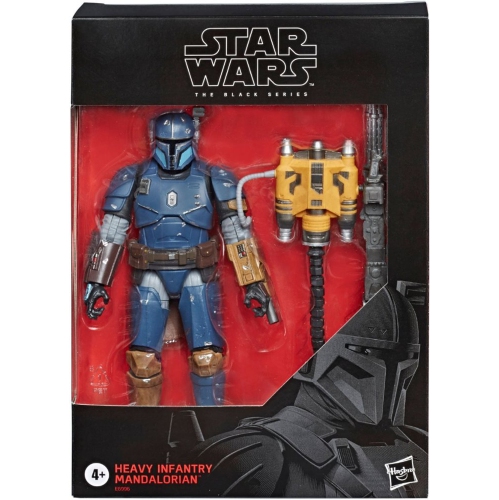 Your price for this item is $35.64
-
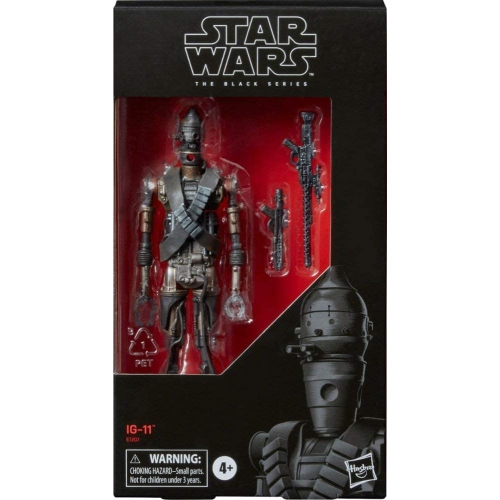 Your price for this item is $42
-
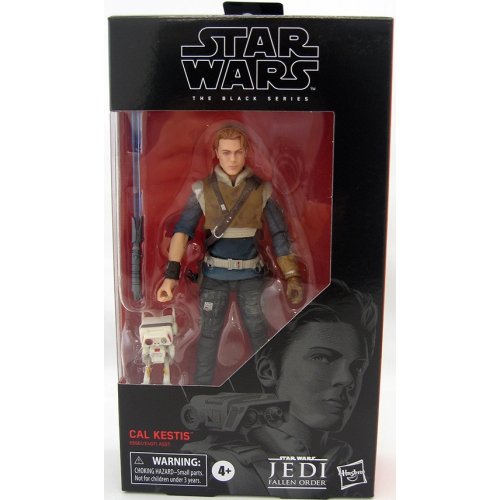 Your price for this item is $41.39
-
 Your price for this item is $29.99
-
 Your price for this item is $81
-
 Your price for this item is $29.99
-
 Your price for this item is $46
-
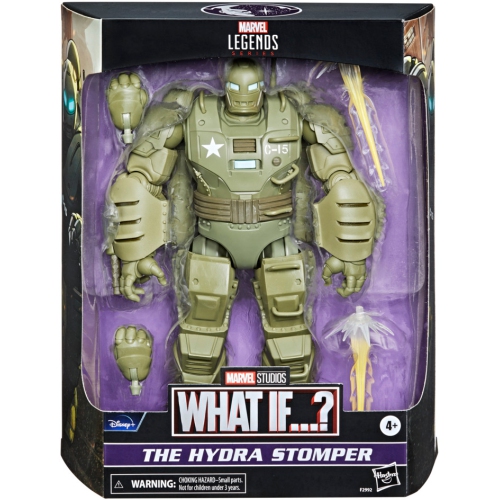 Your price for this item is $73.59
Discover more categories related to Female Jedi Action Figures

Top Collections:
Best Black Friday Deals This Year, Best Black Friday Deals On Electronics, Kindle Devices, Dyson Airwrap, Best Cameras for Sports Photography, Best Budget Office Chairs, Canon G7X Cameras, PS5 Pro Consoles, Best Black Friday Deals On Apple Products, XBOX One S Consoles
Some products may be subject to Environmental Handling Fees
(EHF) depending on your province.
Learn more about EHFs.