Field Microscopes
Explore the wonders of the natural world with these field microscopes. Designed to provide a portable and powerful magnification experience, these field microscopes are perfect for outdoor enthusiasts, scientists, and curious minds alike. Whether you're studying insects, plants, or geological formations, our selection of field microscopes will help you get up close and personal with the intricate details that make our planet so fascinating.
Sort
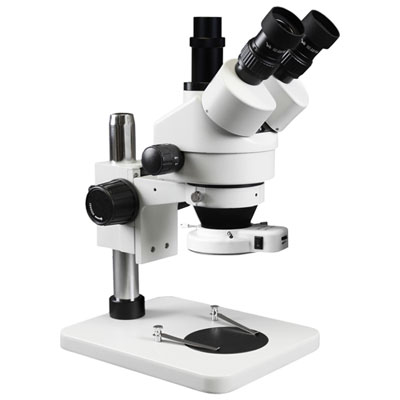
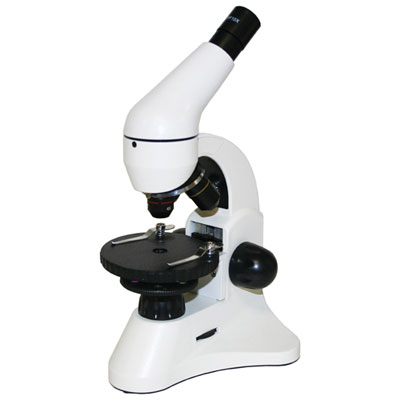
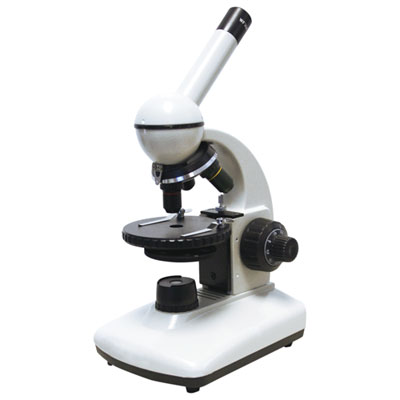
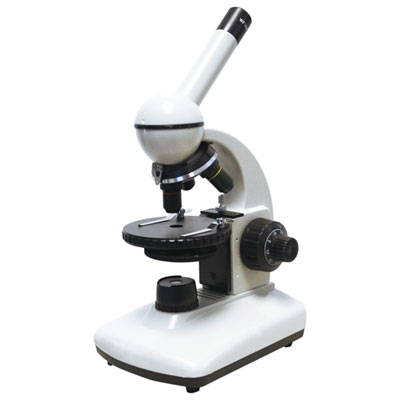
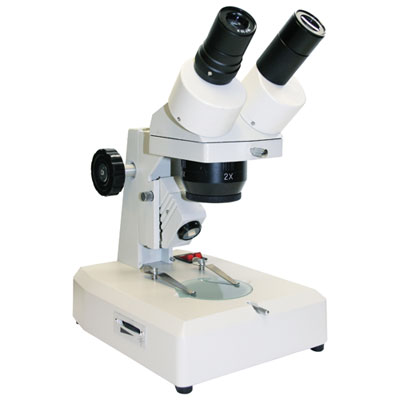
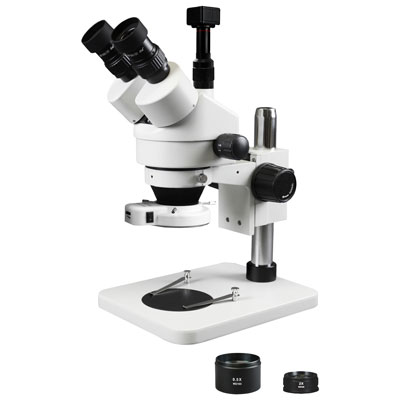

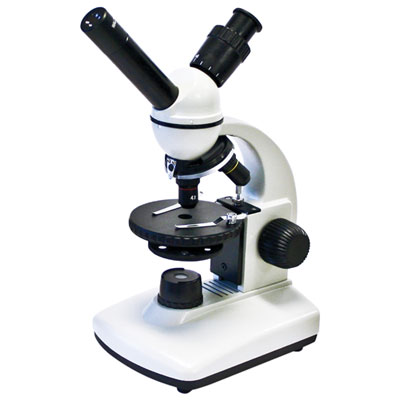
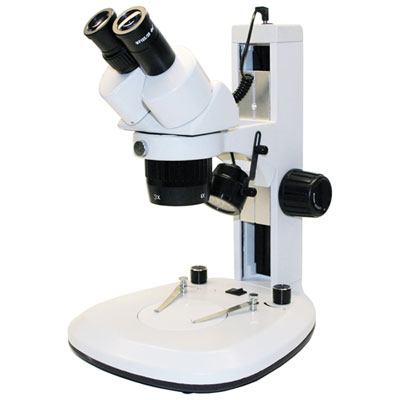
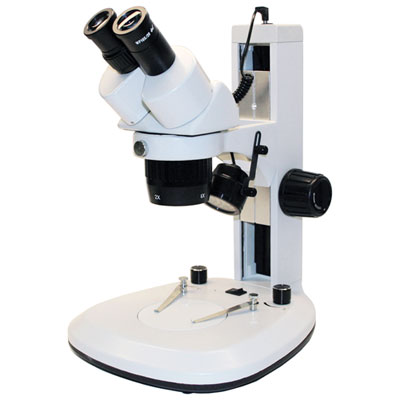
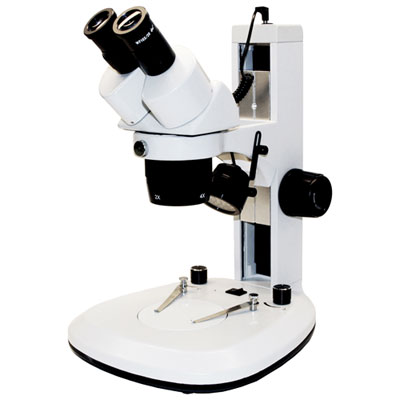
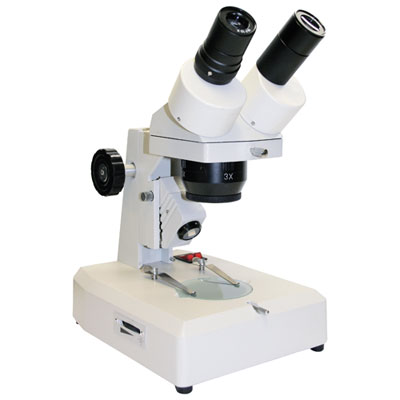
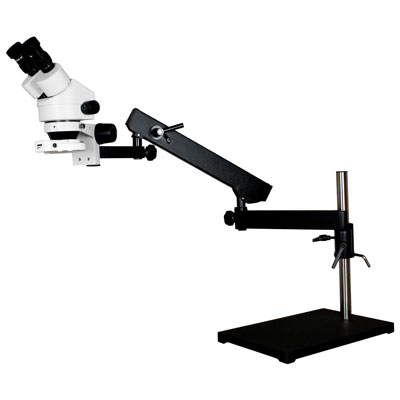
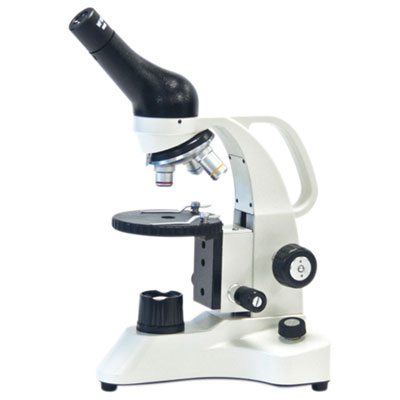
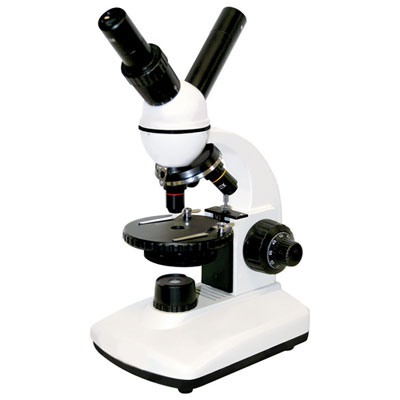
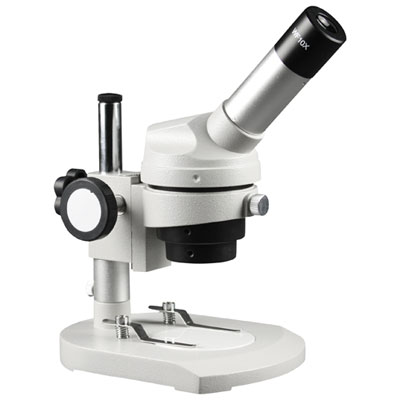
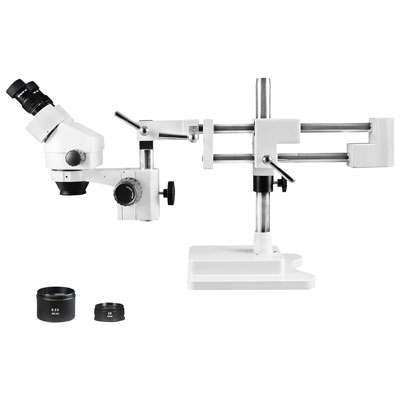
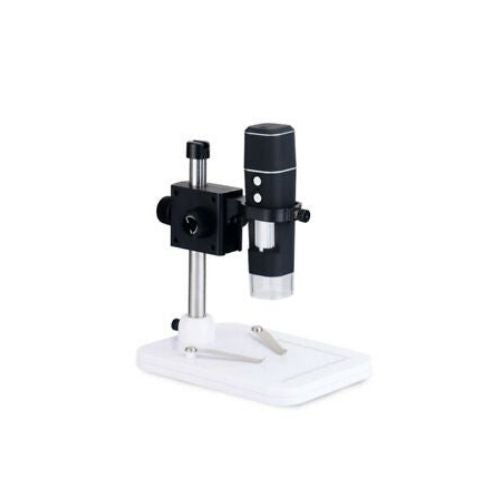
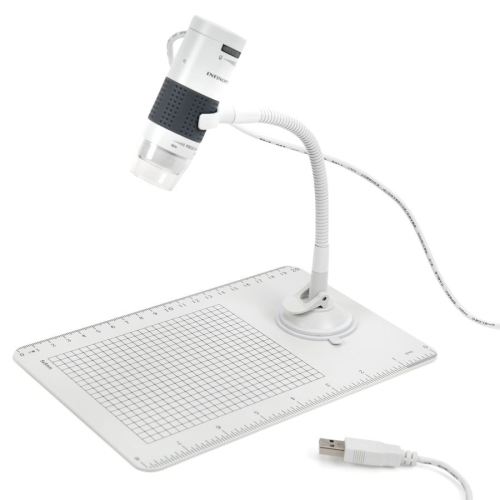
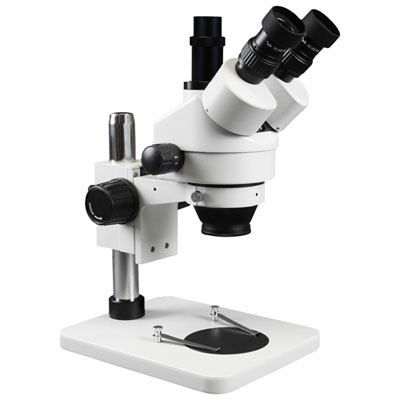
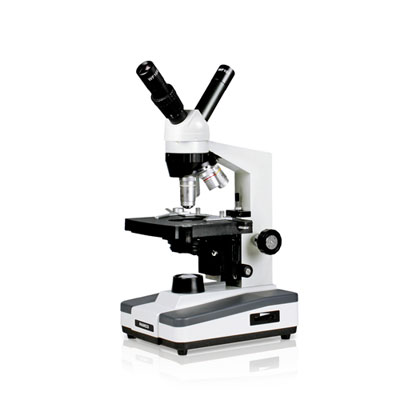
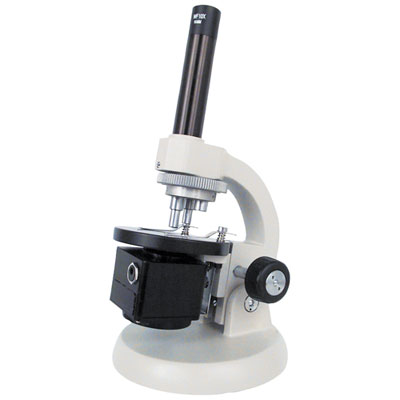
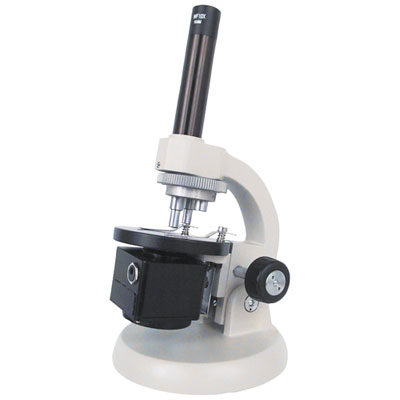
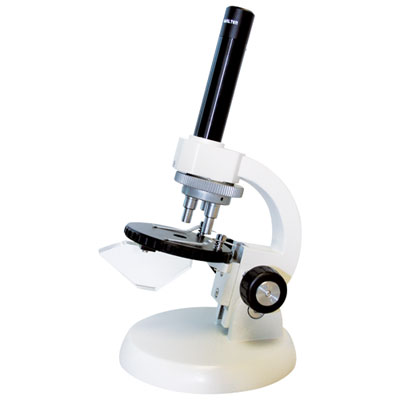
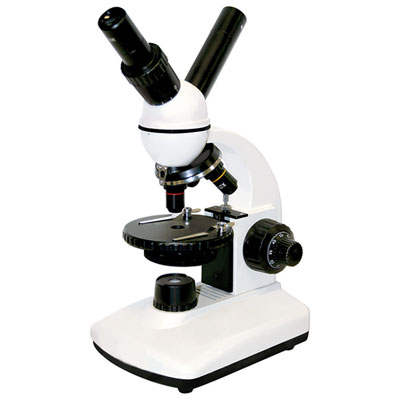
Portable tools for close-up observation beyond the laboratory
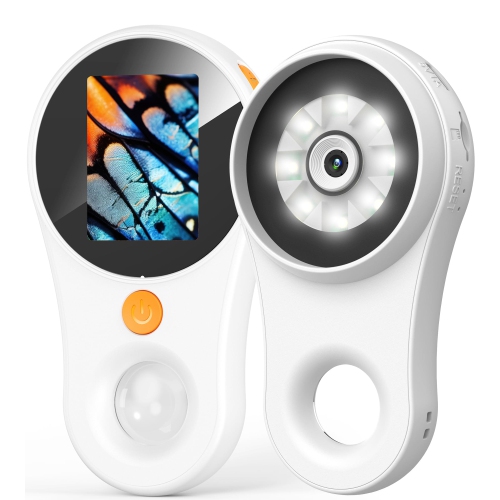
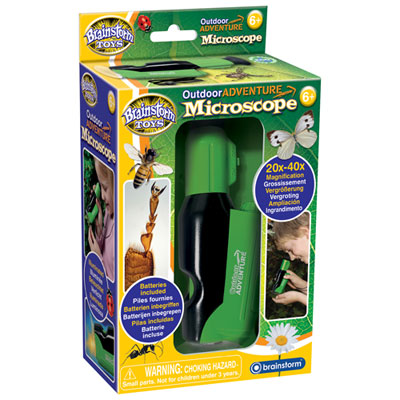
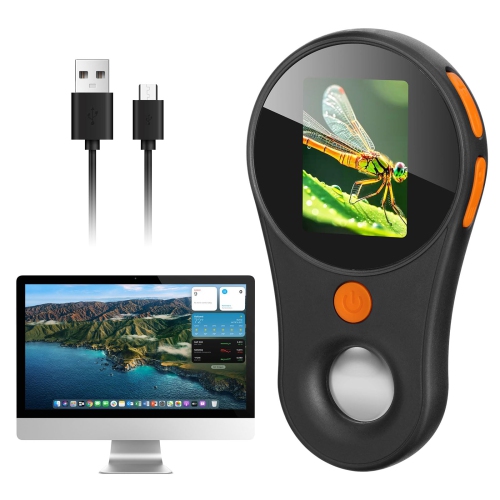
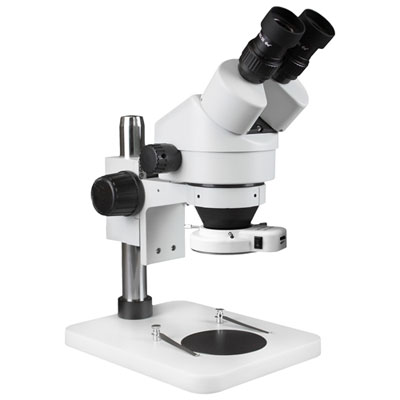
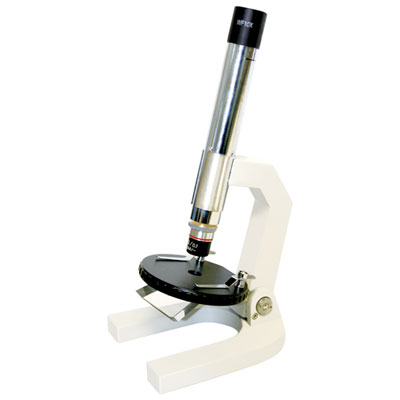
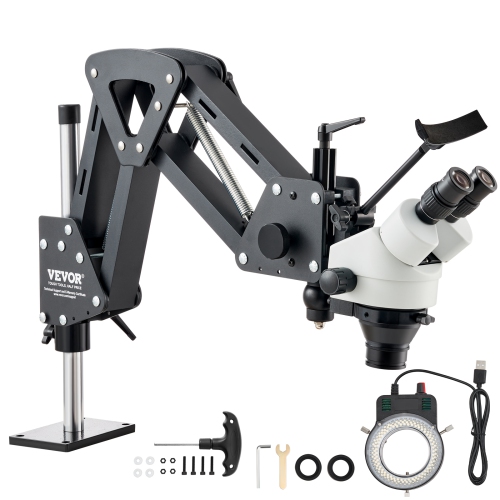
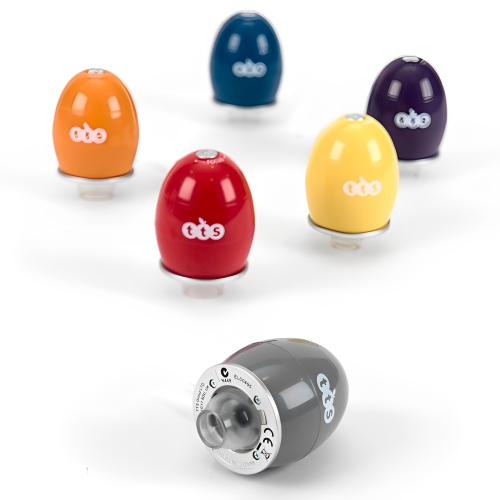
Field microscopes are compact optical instruments designed for examining samples away from a traditional laboratory or classroom bench. Their lightweight construction makes them practical for outdoor exploration, field research, nature study, teaching activities, and on-site inspections where a full-size microscope would be difficult to carry. A portable microscope can turn a quiet patch of woodland, shoreline, garden, or work area into an opportunity for close observation. Fine details that are easy to miss with the naked eye—leaf veins, insect wings, grains of sand, fibres, mineral surfaces, pollen, soil particles, or small aquatic organisms—can become clear and engaging through the eyepiece. Many field microscopes are small enough to fit in a backpack, equipment case, or coat pocket, while still providing useful magnification for everyday samples. Typical magnification ranges may begin around 20x and extend to 100x, 200x, 400x, or beyond depending on the optical design and viewing method. Lower magnification is helpful for scanning a larger surface, following the structure of a leaf, or viewing an insect without losing its overall shape. Higher magnification is better suited to small features and prepared specimens, although it generally requires steadier handling and a carefully positioned sample. Portable LED illumination is another important feature because outdoor locations rarely provide a convenient electrical outlet. Battery-powered lighting can brighten the viewing area under a tree, at a campsite, beside a pond, or during an indoor activity when natural light is limited. Some models are designed for direct viewing through an eyepiece, while others use a built-in camera or connect to a compatible device for digital viewing, image capture, or group sharing. The best choice depends on how samples will be examined, how much equipment needs to be carried, and whether the experience is intended for one observer or several people at once.
When comparing field microscopes, start with the type and size of samples that will be viewed most often. A student collecting leaves during a nature activity may value a simple, lightweight design with easy controls, bright illumination, and enough magnification to reveal surface texture and plant structures. Someone examining rocks, fibres, coatings, or small components on location may prefer a sturdier housing, a stable base, a wider viewing area, and smooth focus adjustment. A compact microscope that slips into a field kit is convenient for quick observations, but a slightly larger model may offer a more comfortable eyepiece, better stability, or additional magnification options. Weight matters when equipment is carried over trails or between several observation sites, while durability matters when the microscope is used around soil, water, packed gear, or changing outdoor conditions. Look for a protective body, secure sample support, and controls that are easy to operate without excessive force. Illumination should be bright and consistent, with accessible battery controls and a light source that does not create distracting glare. It is also worth considering whether the microscope is intended for transparent prepared slides, opaque objects, or both. Transmitted light passes through thin or transparent samples, while reflected light illuminates the surface of an object from above; models with both options provide more flexibility for outdoor specimens. Magnification alone does not determine image quality. Clear optics, dependable focus, appropriate lighting, and a steady viewing platform all contribute to a useful result. For digital models, check how the display connects, whether images can be saved, and how comfortably a group can view the live image. For hands-on learning, straightforward controls may be more valuable than extra features. A field notebook, small sample containers, prepared slides, and a soft carrying case can also make outdoor observations more organized, though samples should be handled responsibly and returned to their surroundings whenever appropriate.
Field microscopes can suit a broad range of users, from curious children and families to students, educators, hobbyists, collectors, gardeners, naturalists, and professionals who need basic visual inspection away from a laboratory. They can support biology lessons by helping learners compare plant surfaces, inspect soil, or observe water samples collected from a safe source. During a walk in the woods, a portable microscope may reveal the delicate scales on a moth wing or the branching pattern of moss; near a shoreline, it can bring grains of sand and tiny shell fragments into sharper focus. Gardeners can use one to look closely at leaf texture, while rock and mineral enthusiasts can study crystal patterns and surface details. Birders and wildlife observers may find a field microscope useful for examining feathers, small natural materials, or collected observations without disturbing animals. In educational settings, a digital viewing option can let several students follow the same sample, turning individual discovery into a shared activity. These instruments can also be thoughtful gifts for a young learner who enjoys collecting natural objects, a teacher building an outdoor science kit, or an adult hobbyist who likes to combine travel with close observation. During the cooler months, field work may move indoors to a bright table, workshop, classroom, or kitchen counter, where leaves, fabric, coins, rocks, and prepared slides can continue to provide interesting subjects. For users who need a larger, more stationary setup with dedicated laboratory features, explore Lab Microscopes as another category. Whether it is used on a field trip, at a cottage, in a classroom, or beside a workbench, a field microscope is most rewarding when its portability, lighting, magnification, and viewing style match the way the observer plans to explore. A dependable compact design can make close-up discovery feel accessible, practical, and ready to take wherever the next sample is found.
When comparing field microscopes, start with the type and size of samples that will be viewed most often. A student collecting leaves during a nature activity may value a simple, lightweight design with easy controls, bright illumination, and enough magnification to reveal surface texture and plant structures. Someone examining rocks, fibres, coatings, or small components on location may prefer a sturdier housing, a stable base, a wider viewing area, and smooth focus adjustment. A compact microscope that slips into a field kit is convenient for quick observations, but a slightly larger model may offer a more comfortable eyepiece, better stability, or additional magnification options. Weight matters when equipment is carried over trails or between several observation sites, while durability matters when the microscope is used around soil, water, packed gear, or changing outdoor conditions. Look for a protective body, secure sample support, and controls that are easy to operate without excessive force. Illumination should be bright and consistent, with accessible battery controls and a light source that does not create distracting glare. It is also worth considering whether the microscope is intended for transparent prepared slides, opaque objects, or both. Transmitted light passes through thin or transparent samples, while reflected light illuminates the surface of an object from above; models with both options provide more flexibility for outdoor specimens. Magnification alone does not determine image quality. Clear optics, dependable focus, appropriate lighting, and a steady viewing platform all contribute to a useful result. For digital models, check how the display connects, whether images can be saved, and how comfortably a group can view the live image. For hands-on learning, straightforward controls may be more valuable than extra features. A field notebook, small sample containers, prepared slides, and a soft carrying case can also make outdoor observations more organized, though samples should be handled responsibly and returned to their surroundings whenever appropriate.
Field microscopes can suit a broad range of users, from curious children and families to students, educators, hobbyists, collectors, gardeners, naturalists, and professionals who need basic visual inspection away from a laboratory. They can support biology lessons by helping learners compare plant surfaces, inspect soil, or observe water samples collected from a safe source. During a walk in the woods, a portable microscope may reveal the delicate scales on a moth wing or the branching pattern of moss; near a shoreline, it can bring grains of sand and tiny shell fragments into sharper focus. Gardeners can use one to look closely at leaf texture, while rock and mineral enthusiasts can study crystal patterns and surface details. Birders and wildlife observers may find a field microscope useful for examining feathers, small natural materials, or collected observations without disturbing animals. In educational settings, a digital viewing option can let several students follow the same sample, turning individual discovery into a shared activity. These instruments can also be thoughtful gifts for a young learner who enjoys collecting natural objects, a teacher building an outdoor science kit, or an adult hobbyist who likes to combine travel with close observation. During the cooler months, field work may move indoors to a bright table, workshop, classroom, or kitchen counter, where leaves, fabric, coins, rocks, and prepared slides can continue to provide interesting subjects. For users who need a larger, more stationary setup with dedicated laboratory features, explore Lab Microscopes as another category. Whether it is used on a field trip, at a cottage, in a classroom, or beside a workbench, a field microscope is most rewarding when its portability, lighting, magnification, and viewing style match the way the observer plans to explore. A dependable compact design can make close-up discovery feel accessible, practical, and ready to take wherever the next sample is found.
Top selling and popular products
-
 Your price for this item is $328.99
 -
 Your price for this item is $250
 -
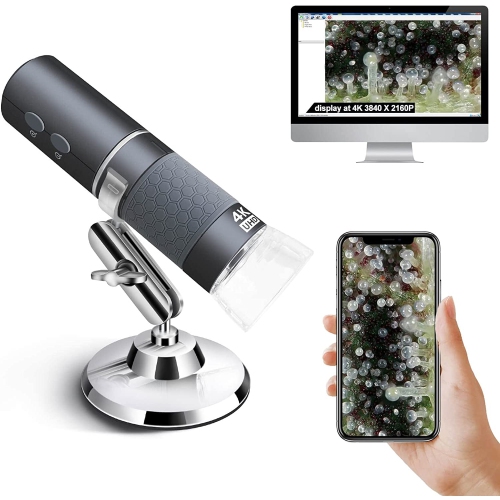 Your price for this item is $74.99
 -
 Your price for this item is $19.99
 -
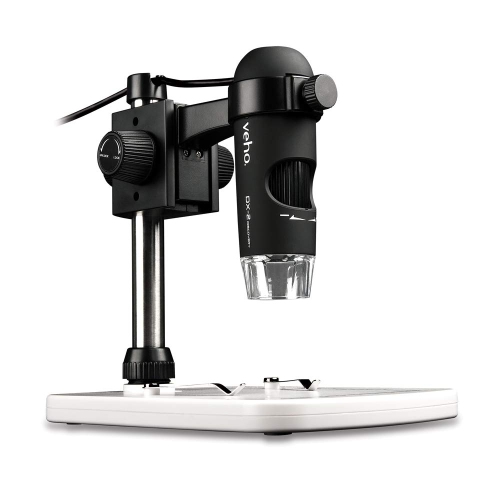 Your price for this item is $189.97
 -
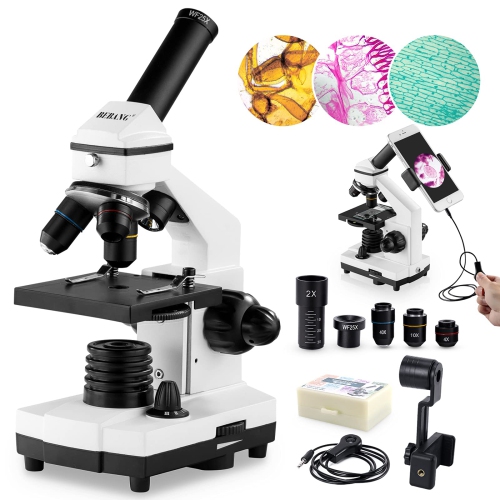 Your price for this item is $150.55
 -
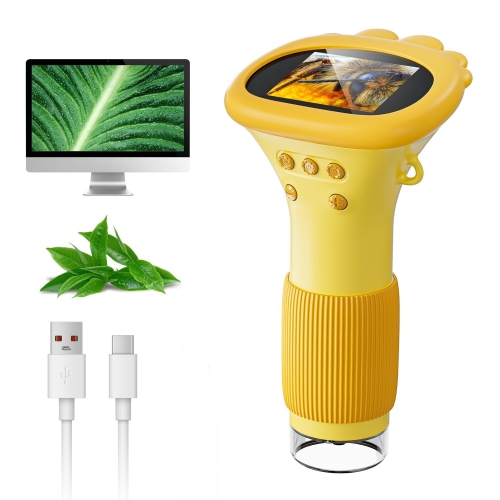 Your price for this item is $58.99
 -
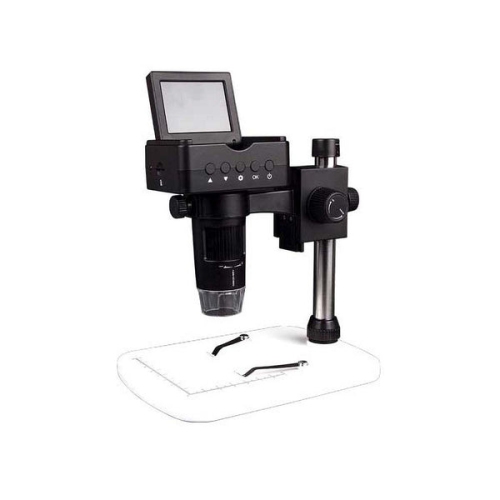 Your price for this item is $399.99
Discover more categories related to Field Microscopes
Top Collections:
Pokemon Centers, Kindle Devices, Best Budget Office Chairs, Apple iPhones 16, Best Laptops for Writers, iPhone 15 Apple, Canon G7X Cameras, Refurbished Apple Laptops, Alarm Clock, Motorola Razr Phones
Some products may be subject to Environmental Handling Fees
(EHF) depending on your province.
Learn more about EHFs.