Food Toys for Baby
Food toys are a great way to introduce babies to the world of food. They can help babies learn about different tastes, textures, and colors. Food toys also provide an opportunity for parents to interact and bond with their babies as they explore the world of food together. Here are some great options for you.
Sort
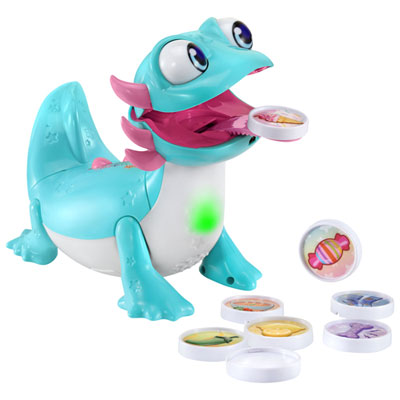
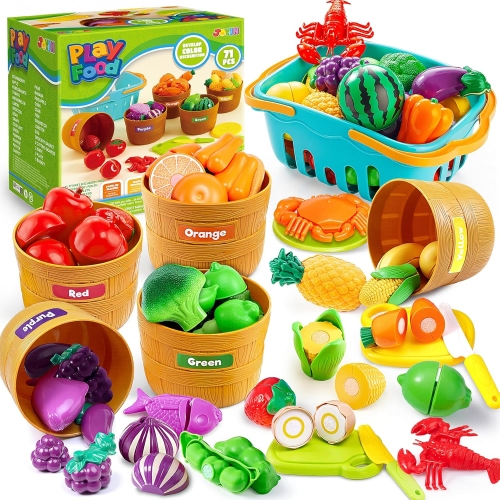
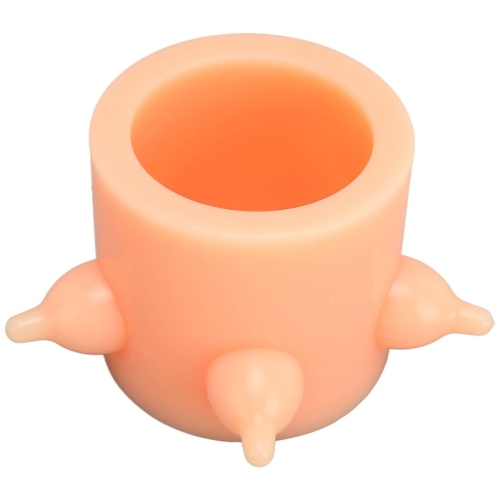
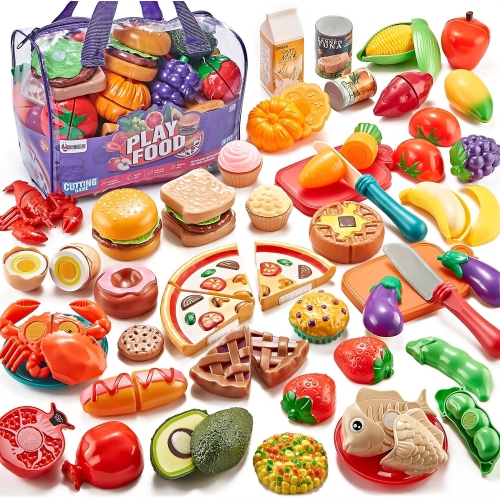
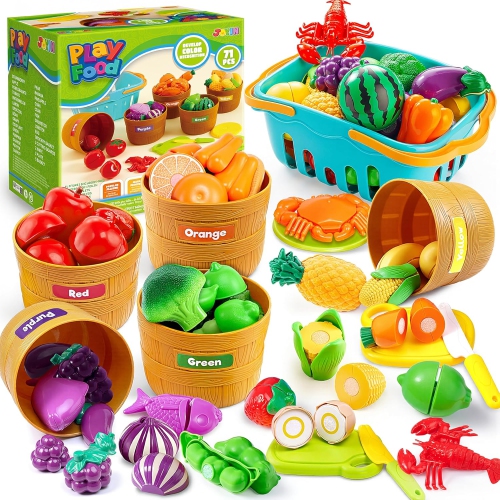
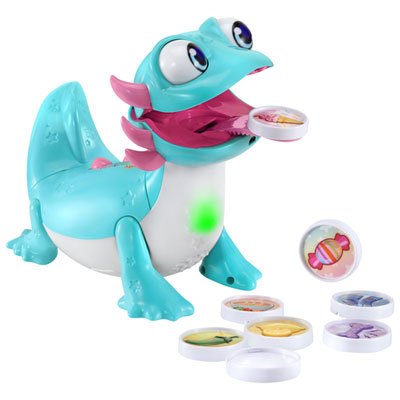
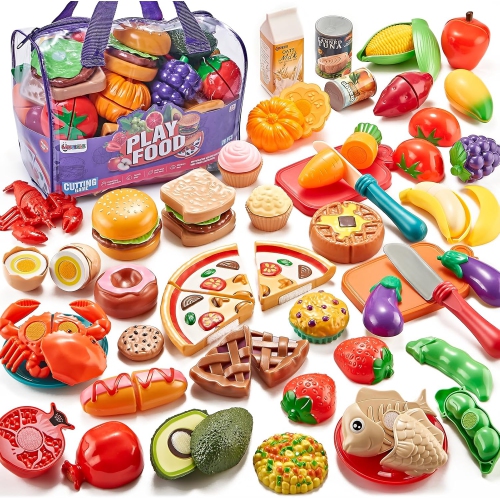
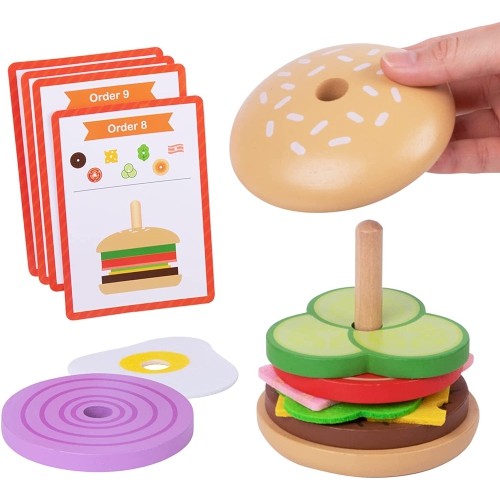
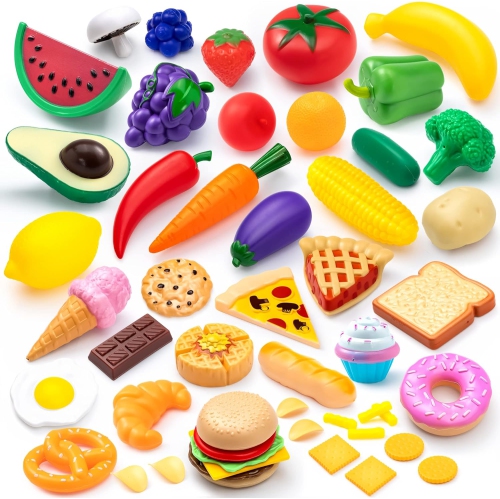
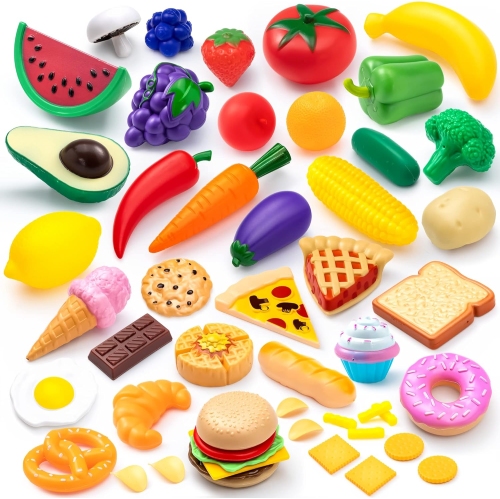
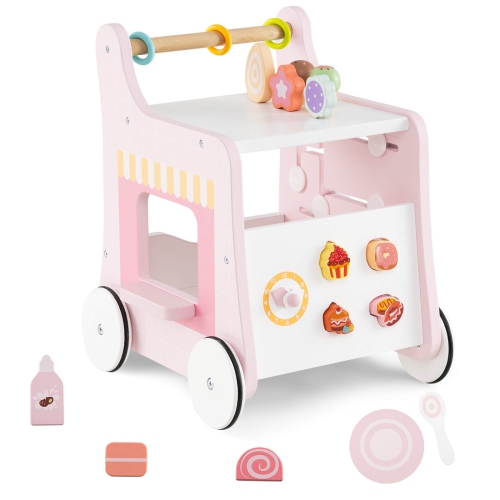
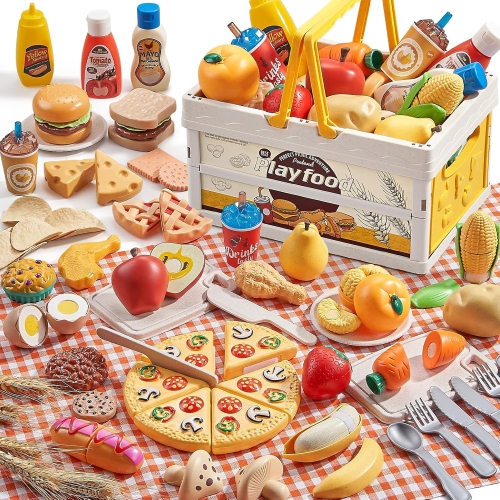
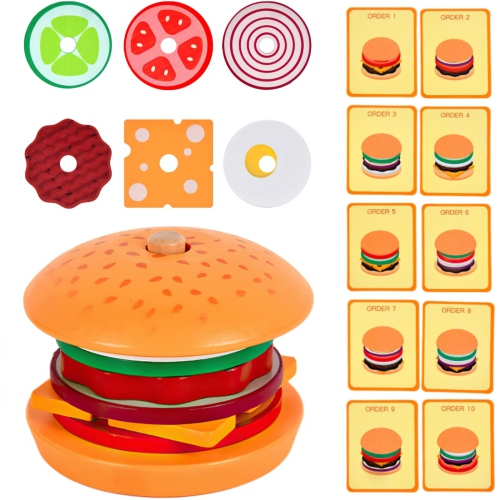
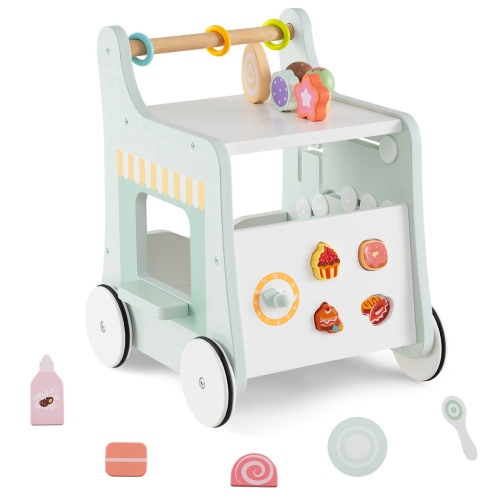
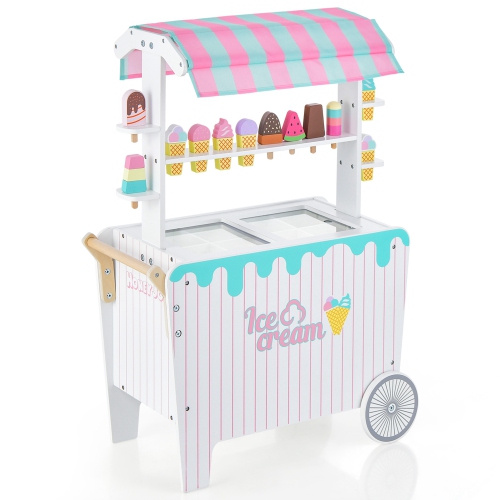
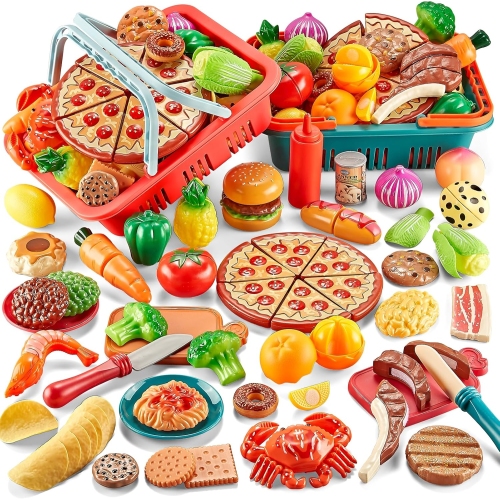
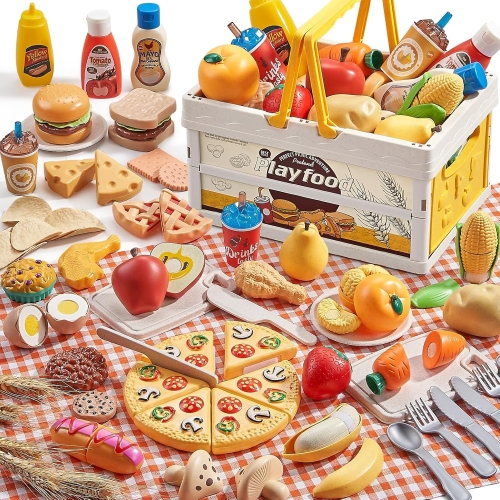
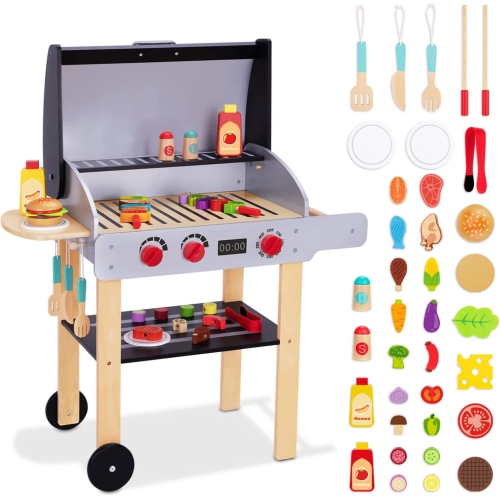
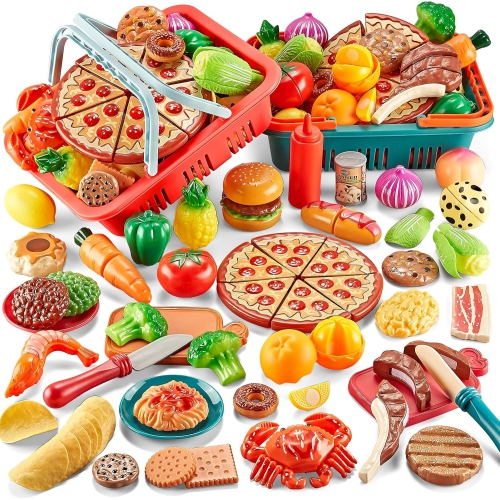
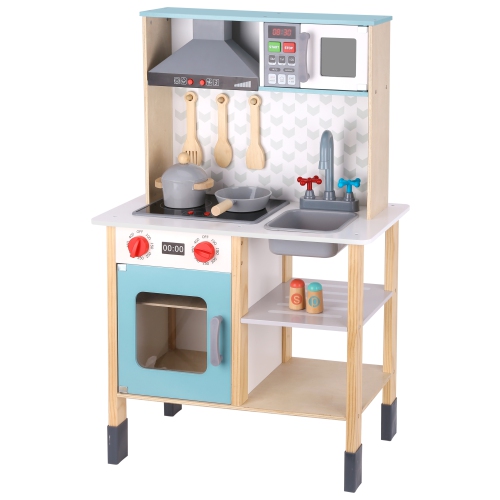
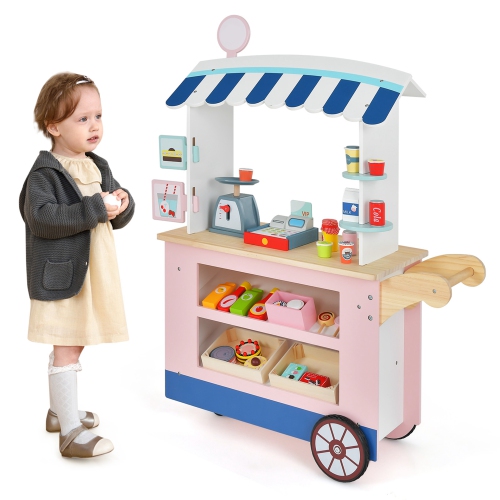
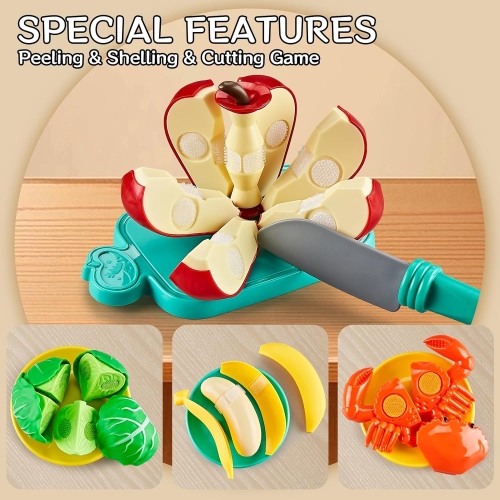
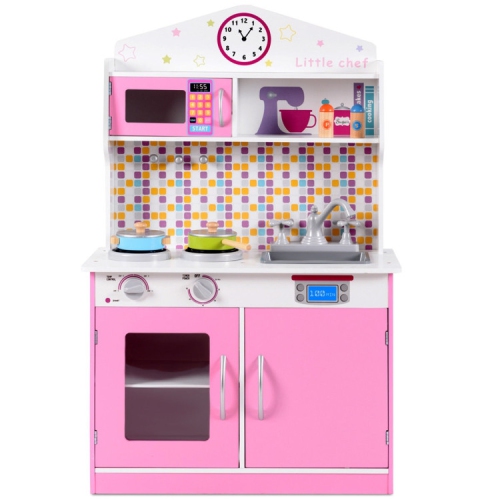
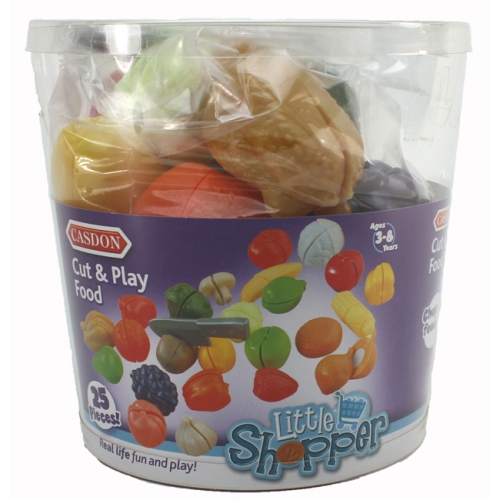
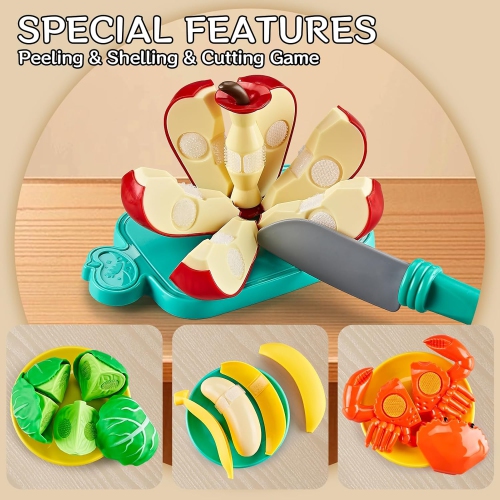
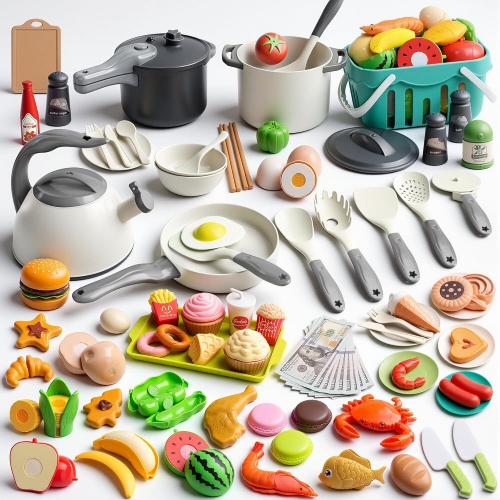
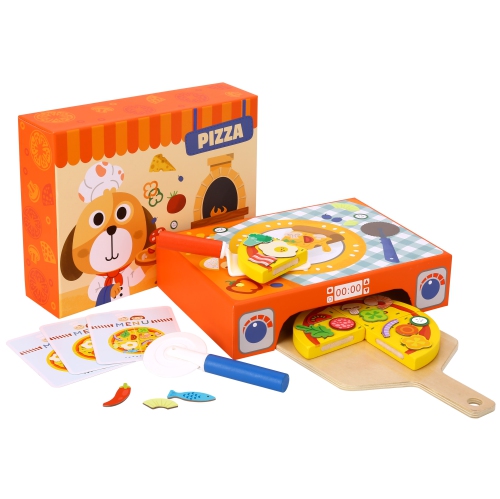
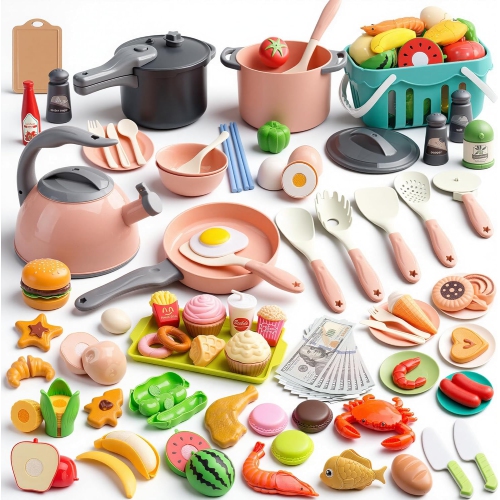
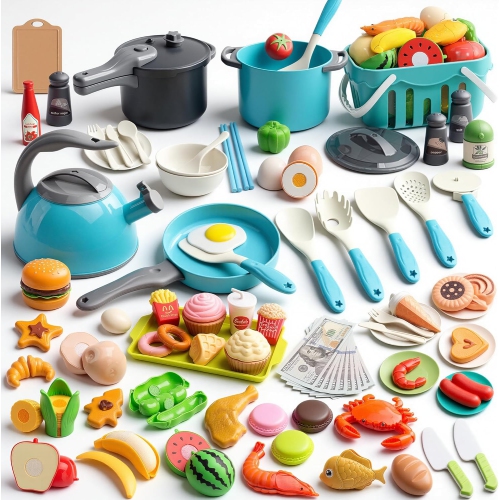
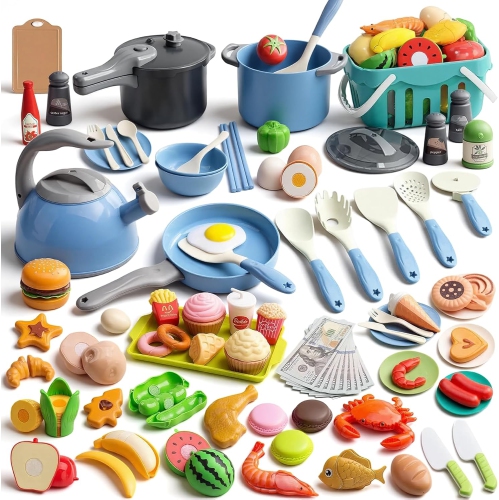
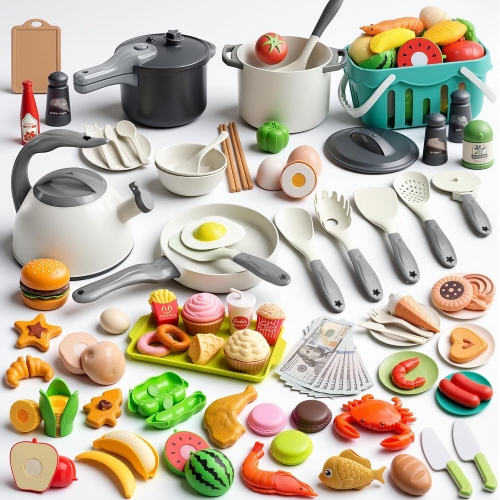
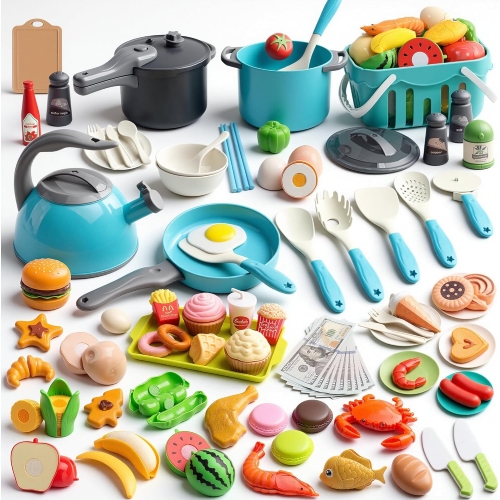
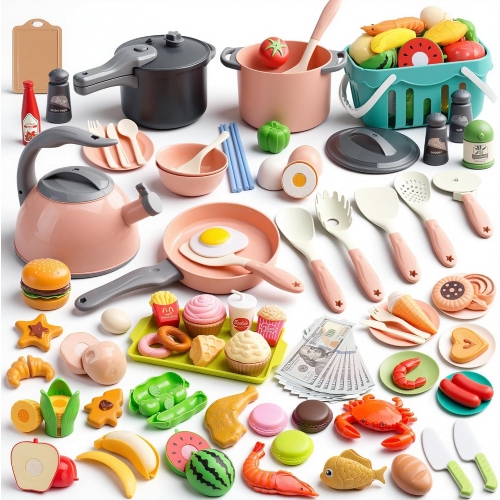
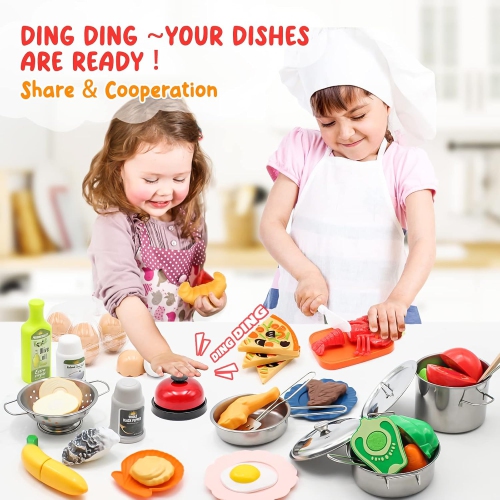
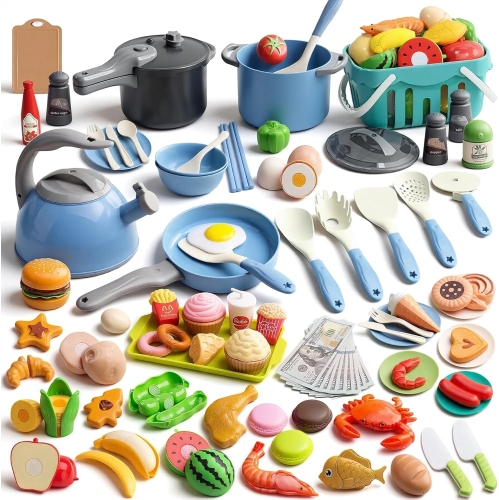
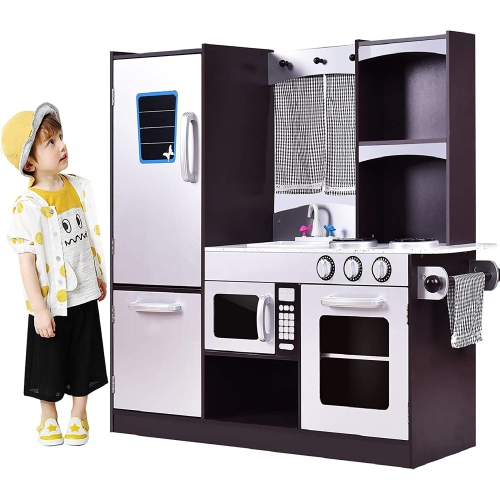
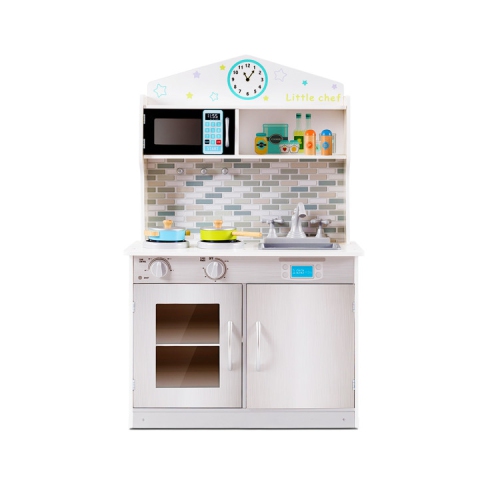
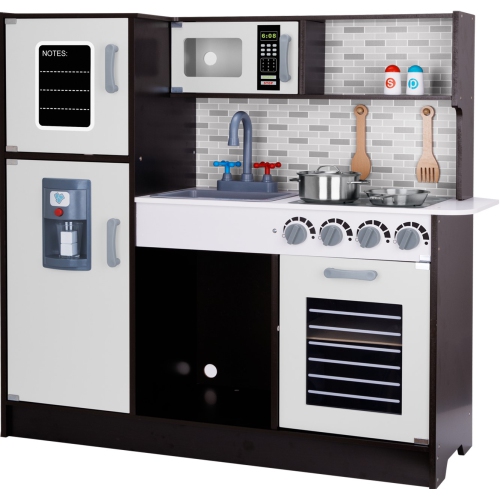
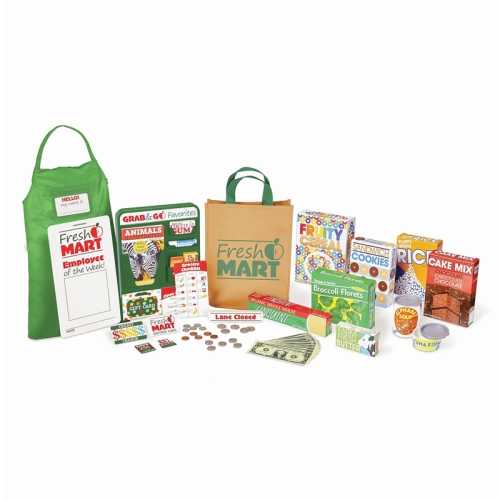
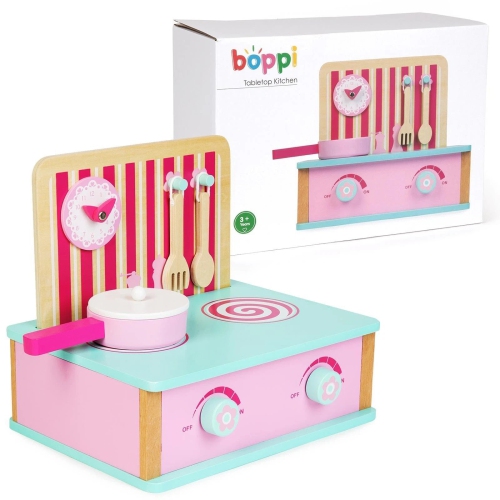
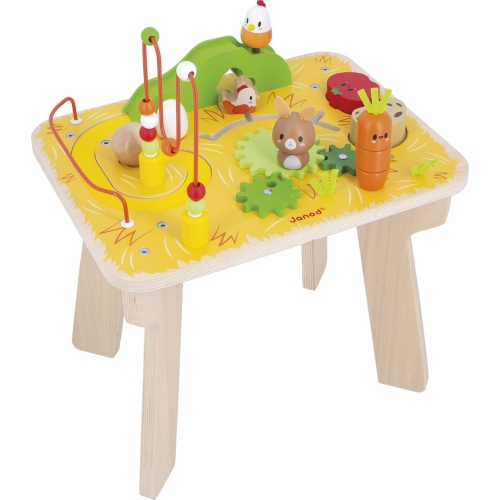
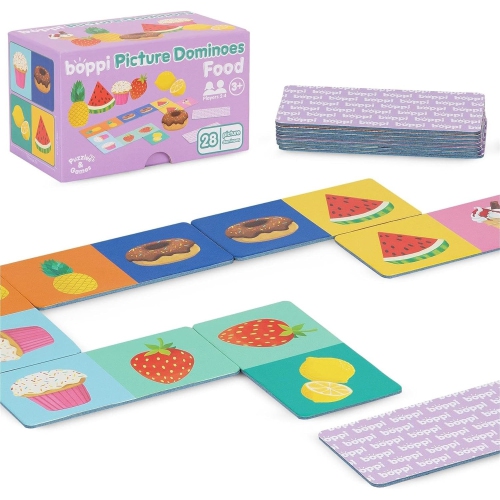
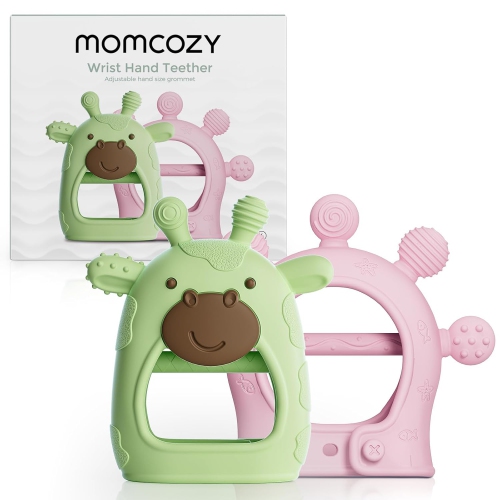
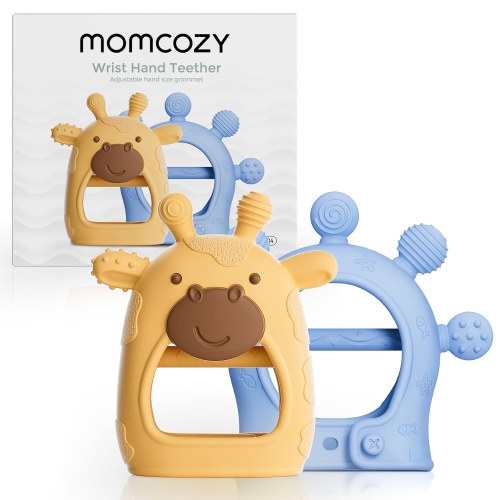
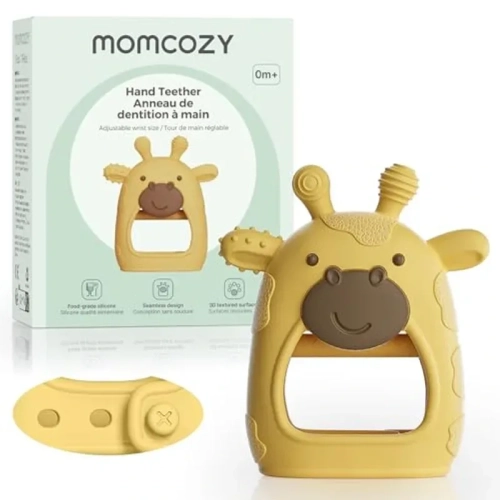
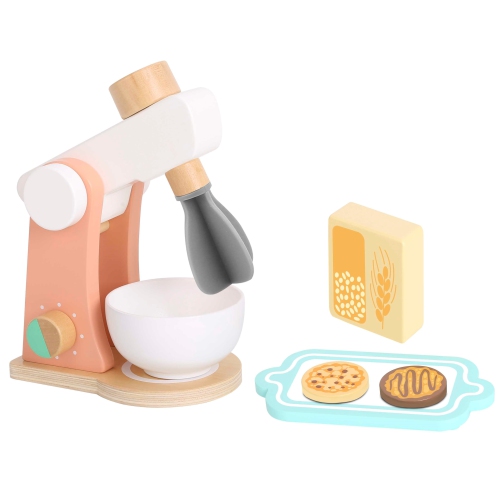
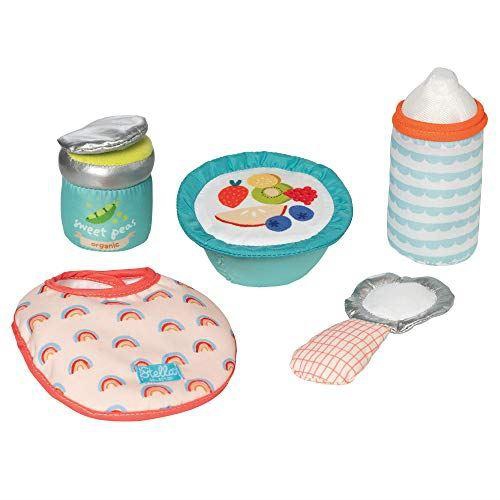
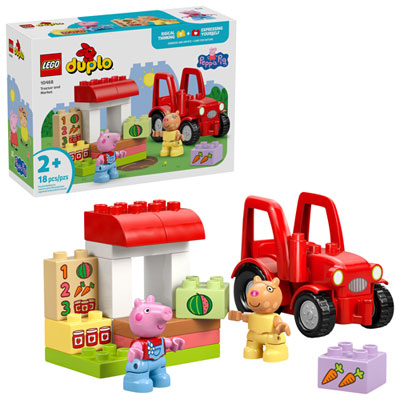
Pretend food play builds skills through imaginative exploration
Food toys for baby offer a playful way for little ones to explore familiar foods, colours, shapes, and everyday routines. Designed for sensory discovery and pretend play, these toys may include soft plush fruits and vegetables, flexible silicone treats, textured pieces, stacking shapes, or chunky wooden food sets made for small hands. Babies often learn by touching, squeezing, mouthing, dropping, and picking up objects, so food-themed toys can give them plenty of opportunities to practise early coordination in an engaging format. A soft fruit with stitched details may be easy for a young baby to grasp, while a silicone piece can provide a satisfying texture for tiny fingers to press and investigate. Older babies and toddlers may enjoy placing pretend food into a bowl, pulling apart connected pieces, arranging colourful snacks, or pretending to serve a meal. These simple actions support fine motor development, hand-eye coordination, and an understanding of cause and effect without making play feel like a lesson. Food toys can also help babies become familiar with the names and appearance of common foods as parents and caregivers talk through play: “Here is the red apple,” “The banana goes in the cup,” or “Let’s share the carrots.” Repetition, colour, texture, and movement all contribute to a rich play experience that can grow with a child’s abilities. Since babies develop at different rates, check the recommended age range and choose toys that match the child’s current stage. For babies who still mouth many of their toys, look for sturdy, easy-to-clean designs with no loose parts, sharp edges, or small detachable pieces. Toys should always be used with active adult supervision, especially when they include components intended for stacking, connecting, or imaginative food preparation.
Material is an important consideration when choosing food toys for a baby. Plush and fabric toys are often lightweight and soft, making them comfortable for younger babies to hold, cuddle, and explore. Look for securely stitched seams, embroidered details rather than glued-on decorations, and care instructions that suit the way the toy will be used. Silicone food toys are flexible, easy for little hands to squeeze, and often simple to wipe clean after being handled during meals or play. Their varied surfaces can add an extra sensory element, particularly when a child is learning to distinguish smooth, ridged, bumpy, and flexible textures. Wooden food toys may appeal to families looking for a more structured option for older babies and toddlers who are ready to build, sort, stack, or take pretend cooking a step further. Choose pieces with a smooth finish, rounded edges, and a size that is appropriate for the child’s age. Some sets include connections that allow pieces to be separated and joined again, which can make pretend slicing or food preparation more interactive, while others focus on sorting, stacking, or serving. The best choice depends on the child’s stage, interests, and play space. A baby who is still working on grasping may get more use from a few large, soft pieces than from a detailed set with several components. A toddler who enjoys copying household routines may appreciate a wider variety of pretend foods for a play kitchen, tea set, or toy table. Cleaning and storage also matter in busy homes: washable surfaces, smooth shapes, and a dedicated basket or bin can make it easier to keep play areas tidy. Food toys should be kept separate from real food, and adults should inspect them regularly for wear, cracks, peeling finishes, or loose components.
Food toys for baby can be thoughtful gifts for a new baby, first birthday, shower celebration, or growing toddler who is beginning to show interest in family routines. They are easy to pair with other playroom essentials and can suit a range of personalities, from a baby who enjoys quiet sensory exploration to a toddler who loves serving pretend snacks to everyone nearby. They can also be a useful addition to a home where an older sibling has a play kitchen, as simple food pieces give younger children a way to join in while developing their own skills. When selecting a gift, consider whether the child is likely to mouth the toy, whether the family prefers plush, silicone, or wood, and whether the available play area can accommodate a larger collection. Neutral food shapes and familiar everyday items can work well when you are unsure of a child’s preferences, while bright colours and playful textures may appeal to babies who are drawn to visual and tactile details. For families browsing related age-based selections, Toys for Baby Boy can provide another way to explore baby-friendly play options. During the warmer part of the year and through the cooler months, food toys can be used indoors, on a play mat, or packed for visits with family, provided small pieces are kept secure and the toy is cleaned as needed. Whether used for a few minutes of supervised floor play or longer pretend meals with a growing toddler, these toys encourage children to handle objects, imitate familiar actions, and express themselves through play. A well-chosen food toy should feel inviting, durable, and appropriately simple, giving babies room to explore at their own pace while helping caregivers create everyday moments of connection.
Material is an important consideration when choosing food toys for a baby. Plush and fabric toys are often lightweight and soft, making them comfortable for younger babies to hold, cuddle, and explore. Look for securely stitched seams, embroidered details rather than glued-on decorations, and care instructions that suit the way the toy will be used. Silicone food toys are flexible, easy for little hands to squeeze, and often simple to wipe clean after being handled during meals or play. Their varied surfaces can add an extra sensory element, particularly when a child is learning to distinguish smooth, ridged, bumpy, and flexible textures. Wooden food toys may appeal to families looking for a more structured option for older babies and toddlers who are ready to build, sort, stack, or take pretend cooking a step further. Choose pieces with a smooth finish, rounded edges, and a size that is appropriate for the child’s age. Some sets include connections that allow pieces to be separated and joined again, which can make pretend slicing or food preparation more interactive, while others focus on sorting, stacking, or serving. The best choice depends on the child’s stage, interests, and play space. A baby who is still working on grasping may get more use from a few large, soft pieces than from a detailed set with several components. A toddler who enjoys copying household routines may appreciate a wider variety of pretend foods for a play kitchen, tea set, or toy table. Cleaning and storage also matter in busy homes: washable surfaces, smooth shapes, and a dedicated basket or bin can make it easier to keep play areas tidy. Food toys should be kept separate from real food, and adults should inspect them regularly for wear, cracks, peeling finishes, or loose components.
Food toys for baby can be thoughtful gifts for a new baby, first birthday, shower celebration, or growing toddler who is beginning to show interest in family routines. They are easy to pair with other playroom essentials and can suit a range of personalities, from a baby who enjoys quiet sensory exploration to a toddler who loves serving pretend snacks to everyone nearby. They can also be a useful addition to a home where an older sibling has a play kitchen, as simple food pieces give younger children a way to join in while developing their own skills. When selecting a gift, consider whether the child is likely to mouth the toy, whether the family prefers plush, silicone, or wood, and whether the available play area can accommodate a larger collection. Neutral food shapes and familiar everyday items can work well when you are unsure of a child’s preferences, while bright colours and playful textures may appeal to babies who are drawn to visual and tactile details. For families browsing related age-based selections, Toys for Baby Boy can provide another way to explore baby-friendly play options. During the warmer part of the year and through the cooler months, food toys can be used indoors, on a play mat, or packed for visits with family, provided small pieces are kept secure and the toy is cleaned as needed. Whether used for a few minutes of supervised floor play or longer pretend meals with a growing toddler, these toys encourage children to handle objects, imitate familiar actions, and express themselves through play. A well-chosen food toy should feel inviting, durable, and appropriately simple, giving babies room to explore at their own pace while helping caregivers create everyday moments of connection.
Top selling and popular products
-
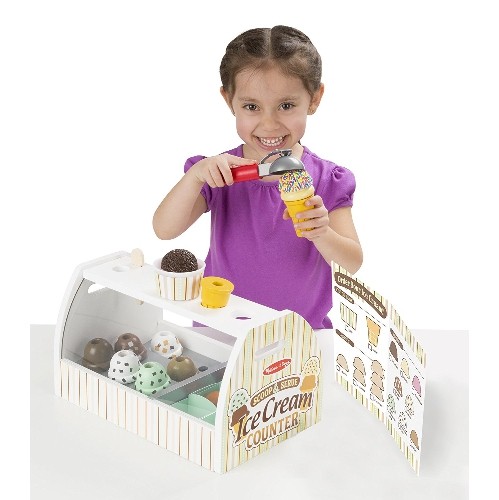 Your price for this item is $103.99
 -
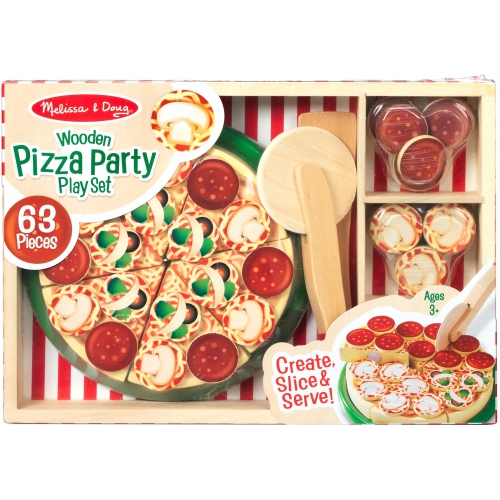 Your price for this item is $25
 -
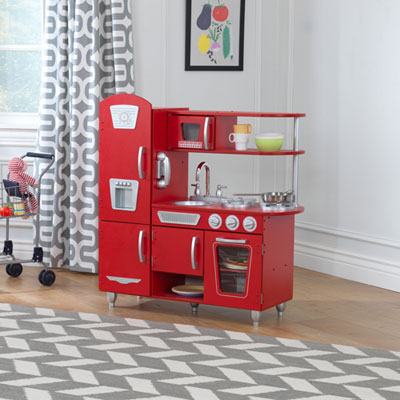 Your price for this item is $218.98
 -
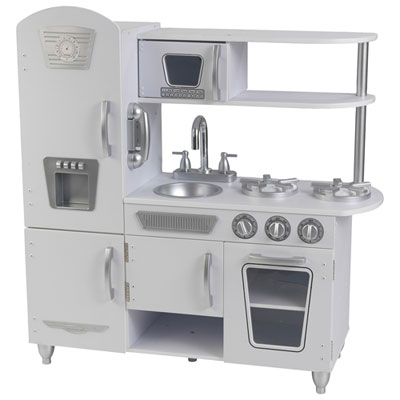 Your price for this item is $155.98
 -
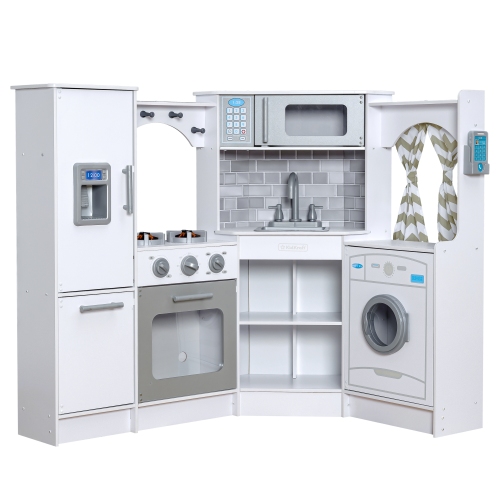 Your price for this item is $319.99
 -
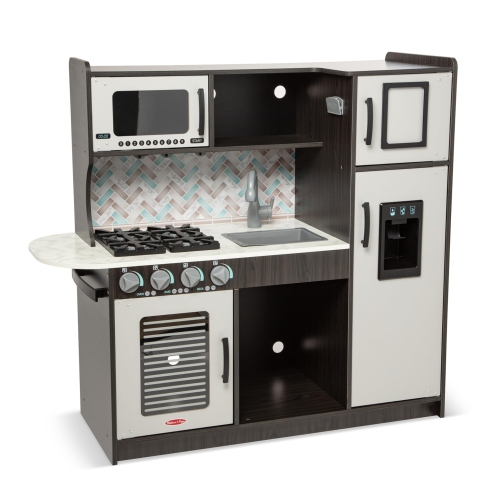 Your price for this item is $239.97
 -
 Your price for this item is $319.99
 -
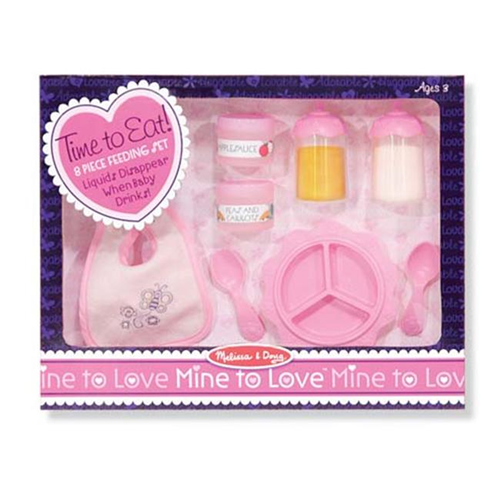 Your price for this item is $43.99
Discover more categories related to Food Toys for Baby
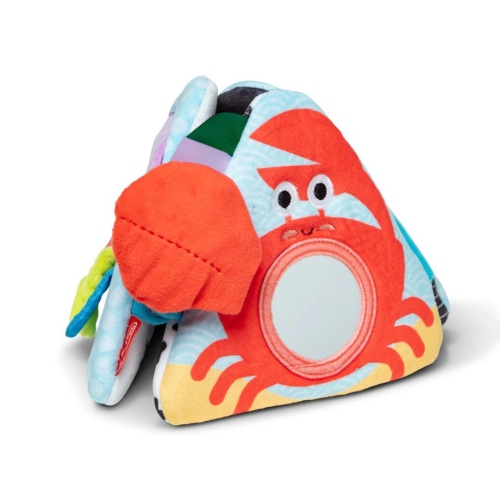
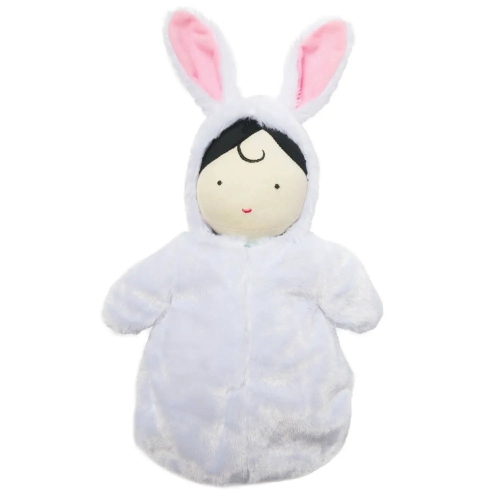
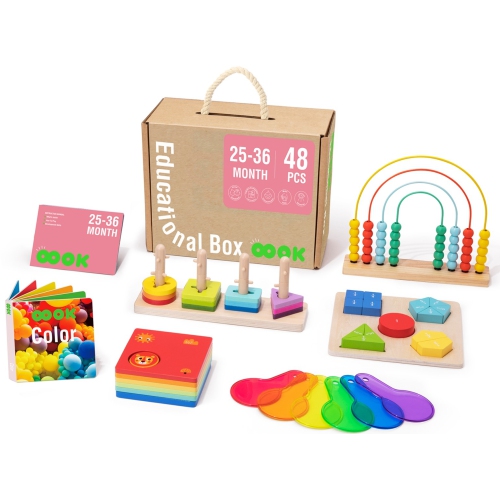
Top Collections:
Pokemon Centers, Best Cameras for Sports Photography, Kindle Devices, Samsung Galaxy Phones, Canon G7X Cameras, Pokémon 30th Celebration Cards, Refurbished Apple Laptops, iPhone 15 Apple, Laptops for Students, Budget Smartphones
Some products may be subject to Environmental Handling Fees
(EHF) depending on your province.
Learn more about EHFs.