Games for Teens
Dive into a world of fun and excitement with our collection of games designed specifically for teenagers. Whether they're into action-packed adventures, strategic challenges, or immersive simulations, we have something to cater to every gaming preference. From popular titles to hidden gems, explore a diverse range of gaming experiences that will keep teens engaged and entertained for hours on end.
Sort
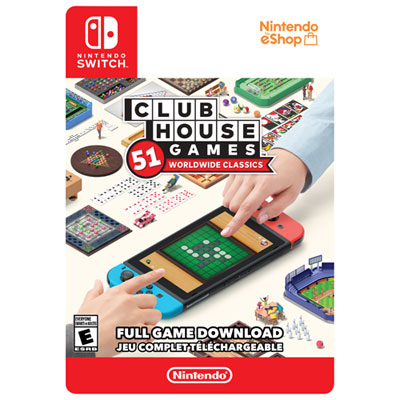


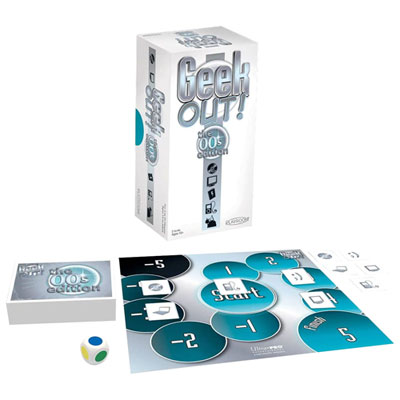


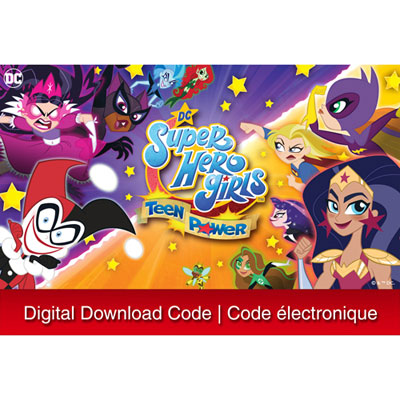
![NINTENDO Dc Super Hero Girls: Teen Power [ Switch]](https://multimedia.bbycastatic.ca/multimedia/products/500x500/165/16590/16590782.jpeg)


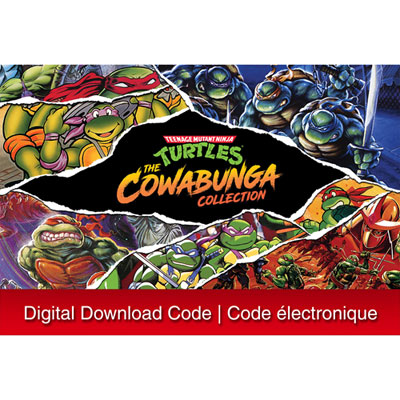
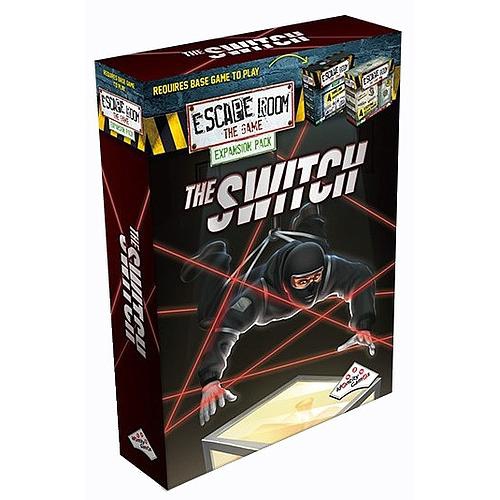
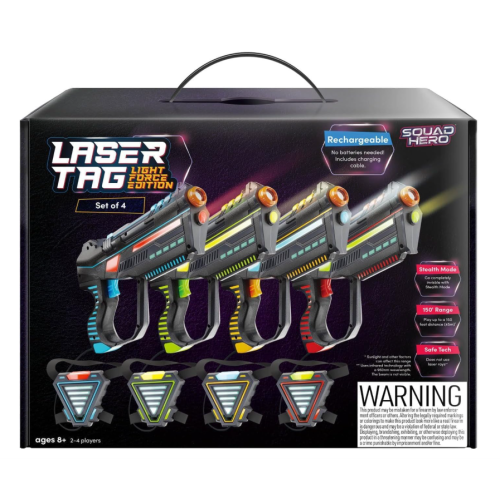

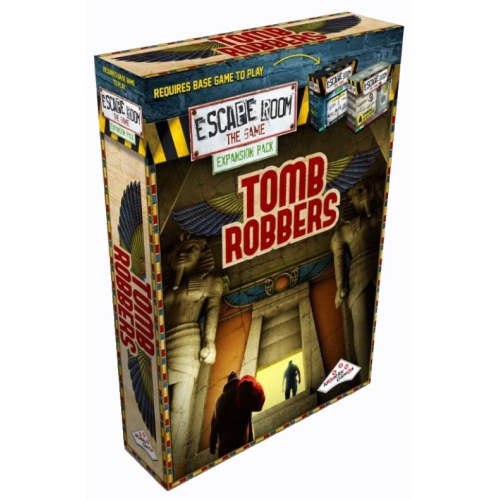
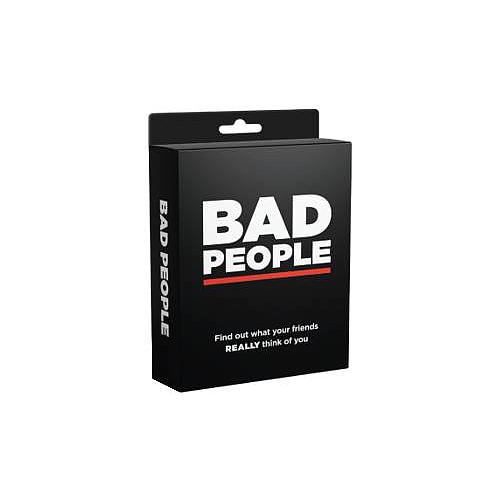
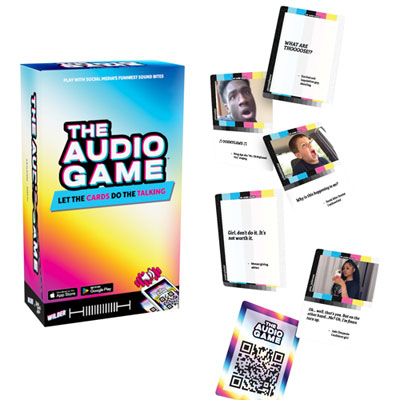

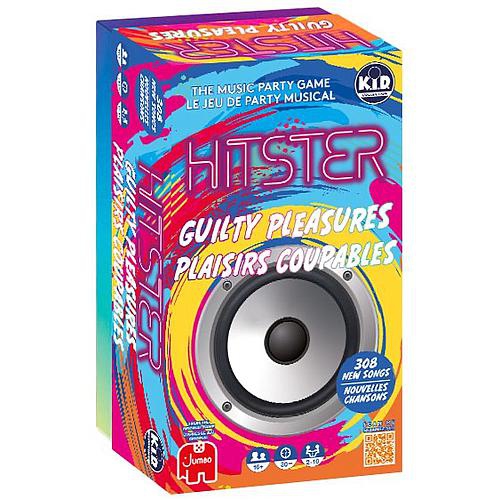
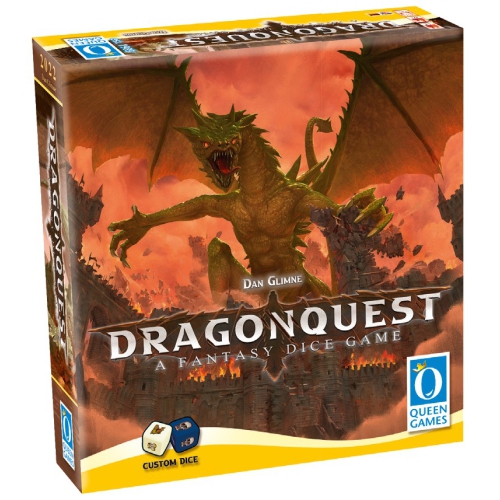
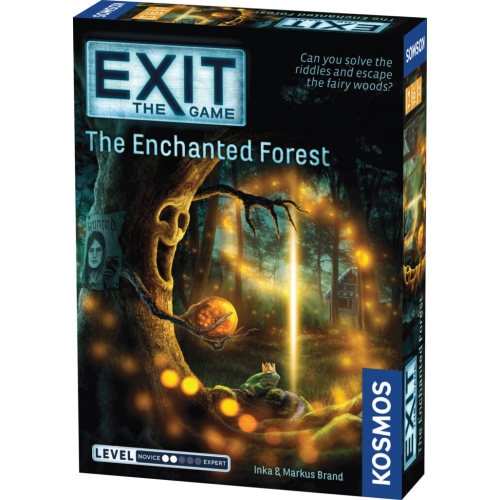


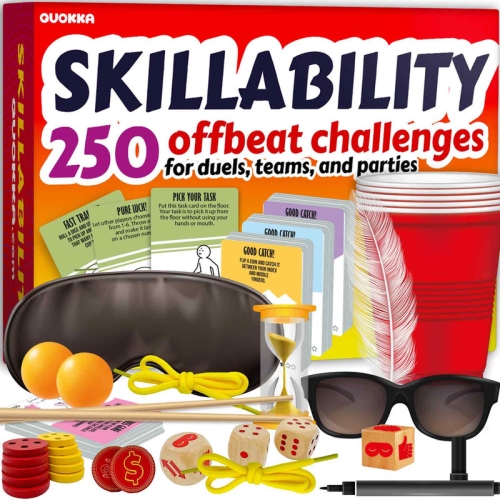
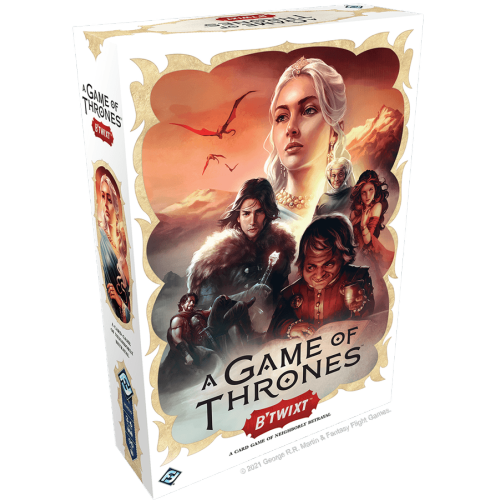
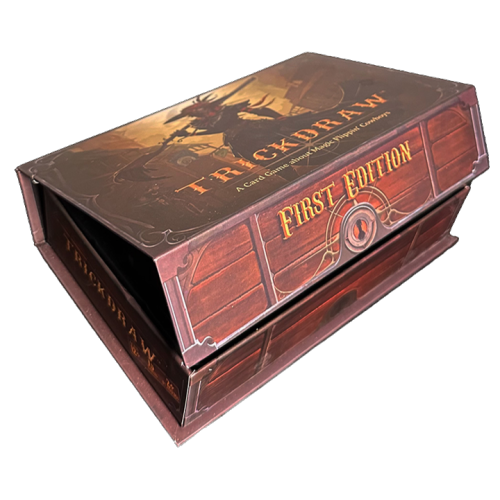

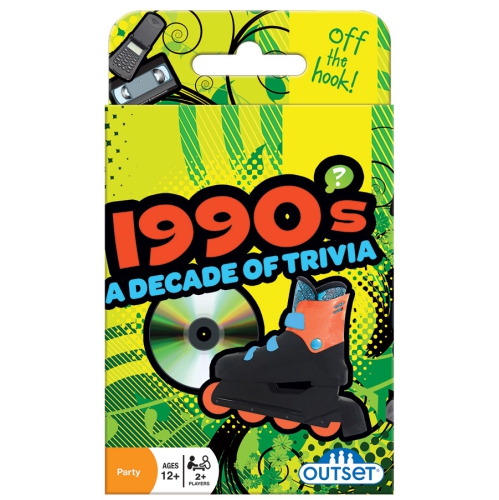



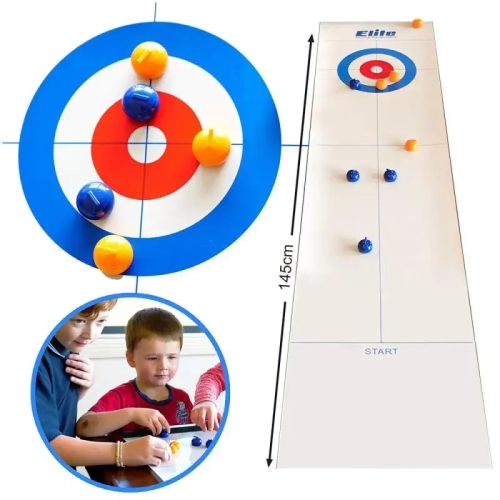
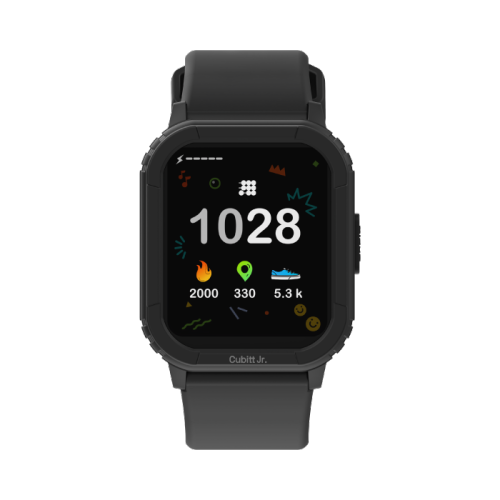
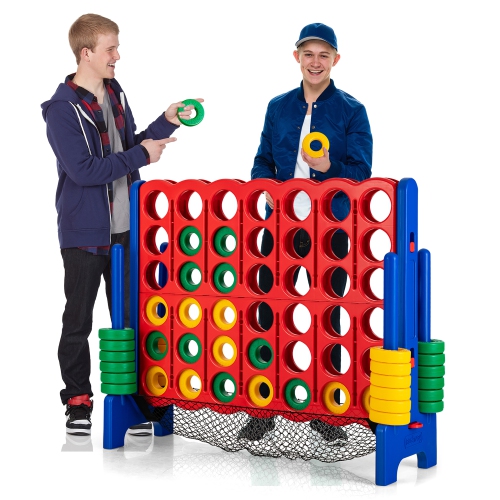
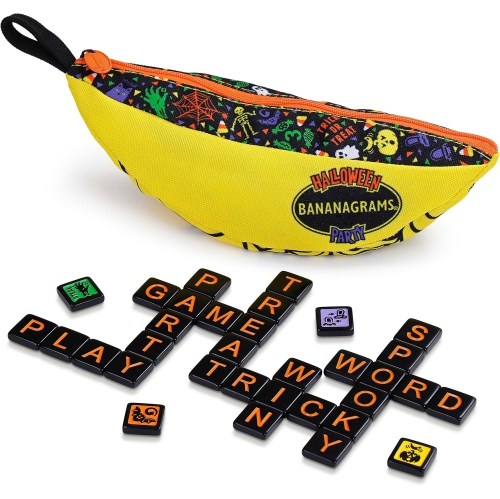
![FUNBOX MEDIA Pretty Girls Game Collection [Playstation 4]](https://multimedia.bbycastatic.ca/multimedia/products/500x500/165/16590/16590781.jpeg)
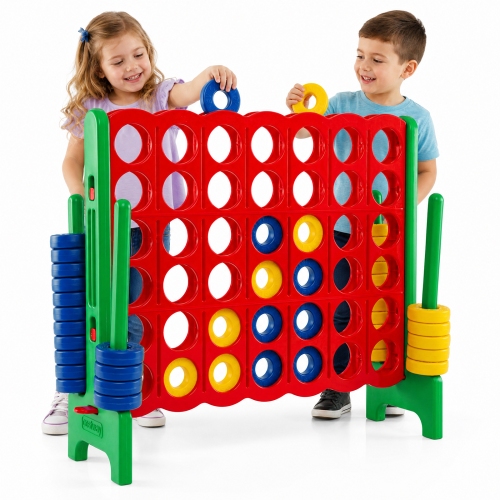
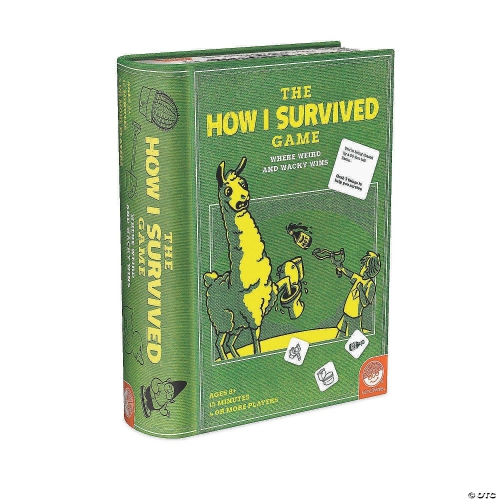
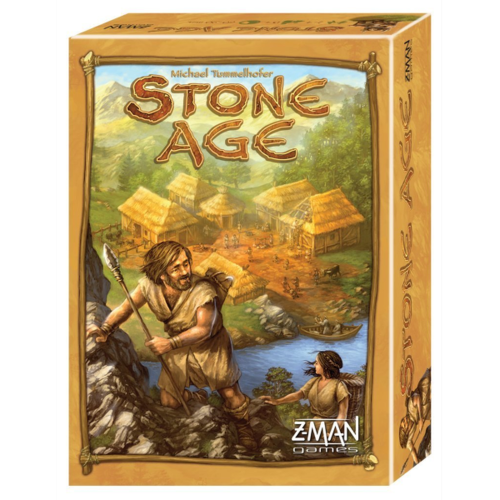
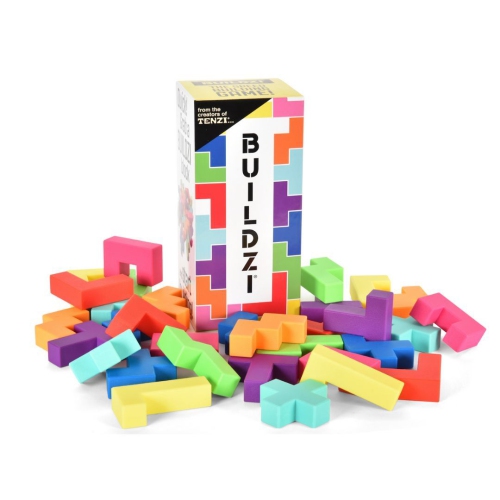
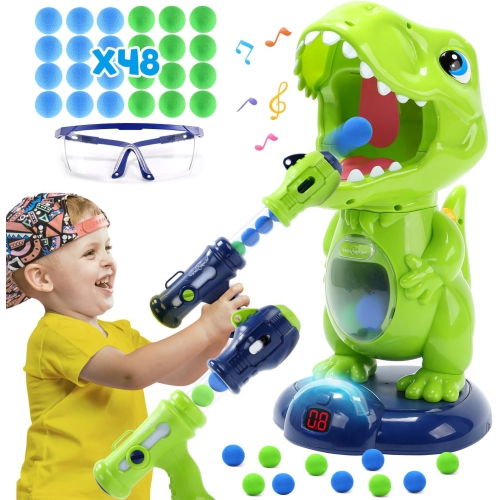
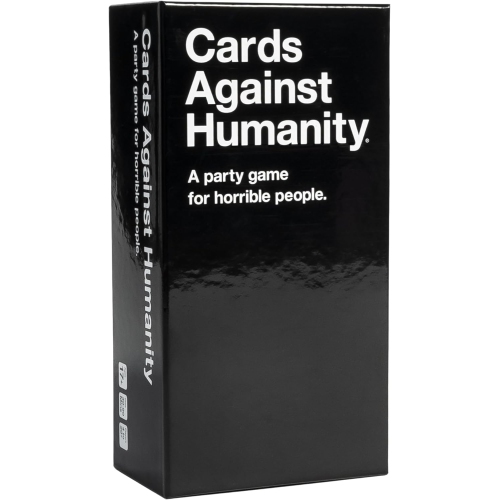
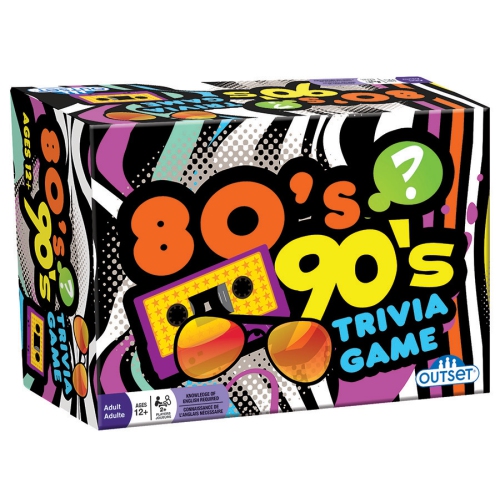
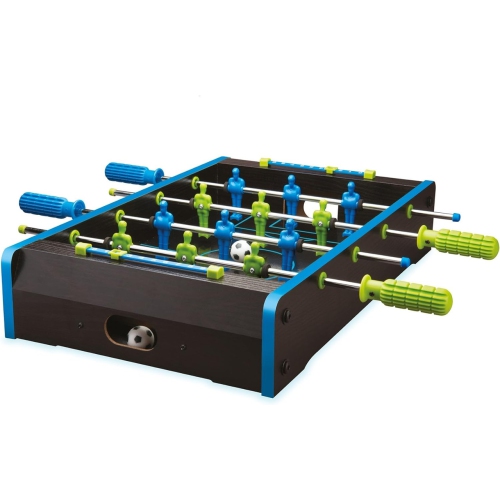
![ELECTRONIC ARTS Skate 3 [Playstation 3]](https://multimedia.bbycastatic.ca/multimedia/products/500x500/148/14828/14828139.jpeg)


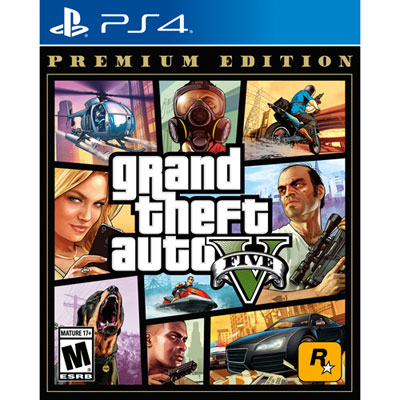
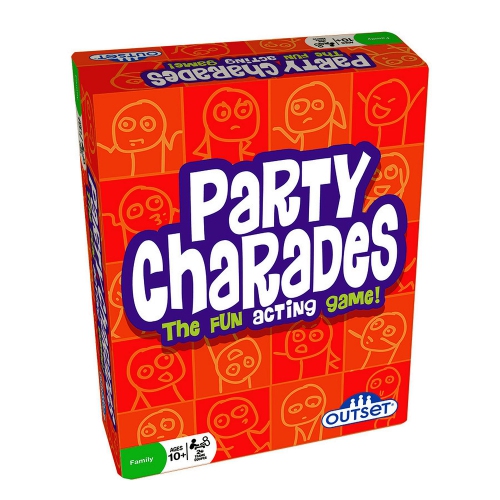

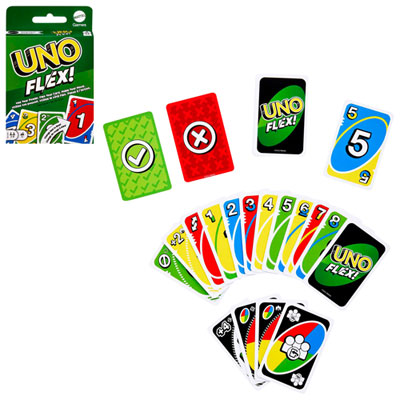
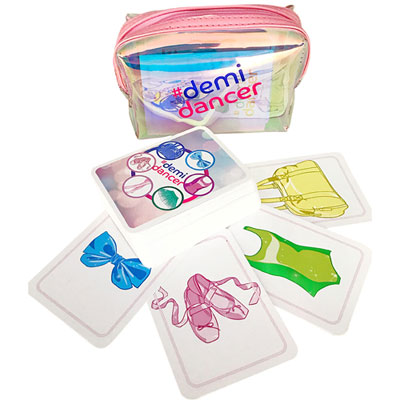
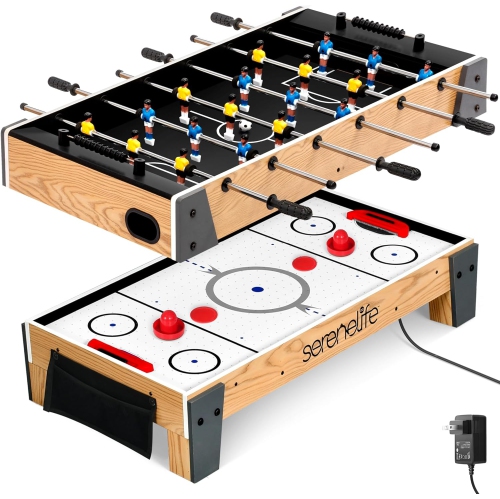
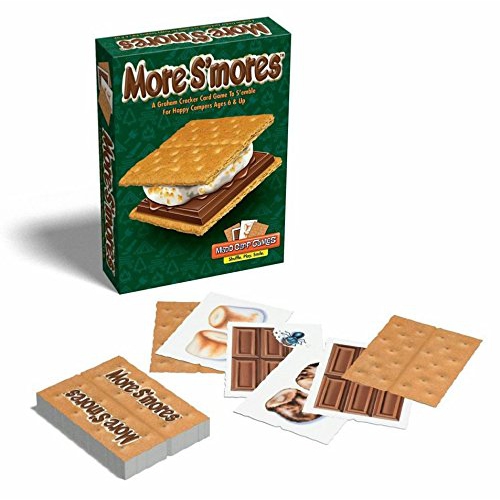
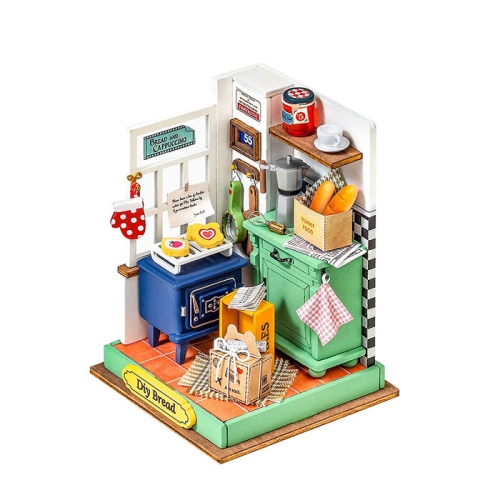
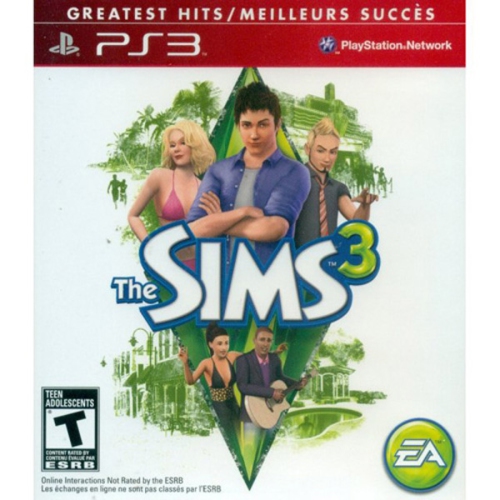
![ELECTRONIC ARTS The Sims 3 [Playstation 3]](https://multimedia.bbycastatic.ca/multimedia/products/500x500/148/14828/14828300.jpeg)
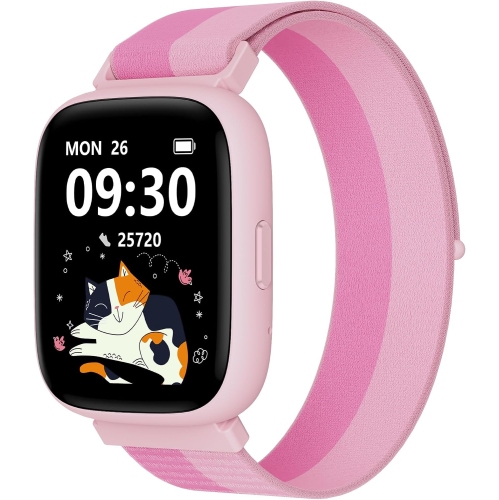

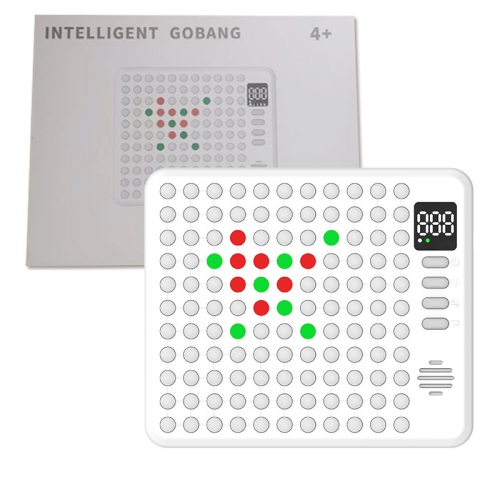

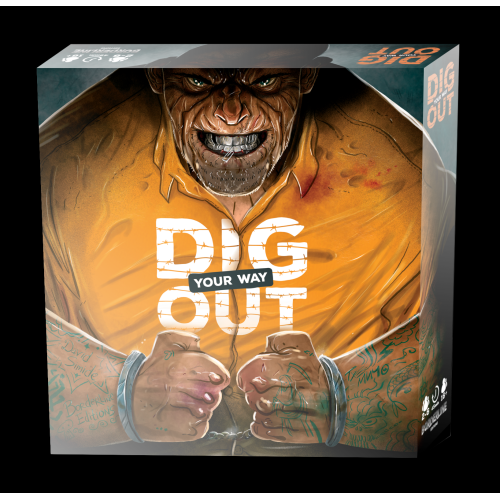
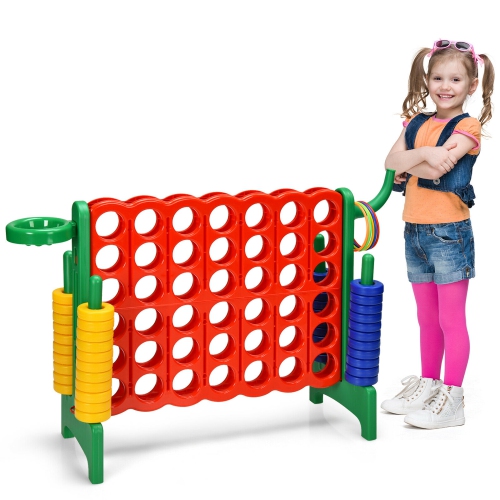
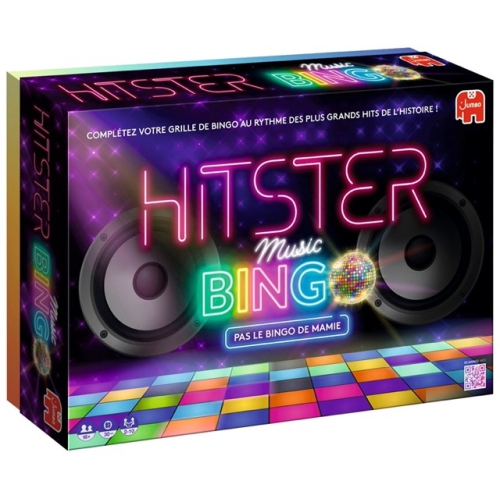




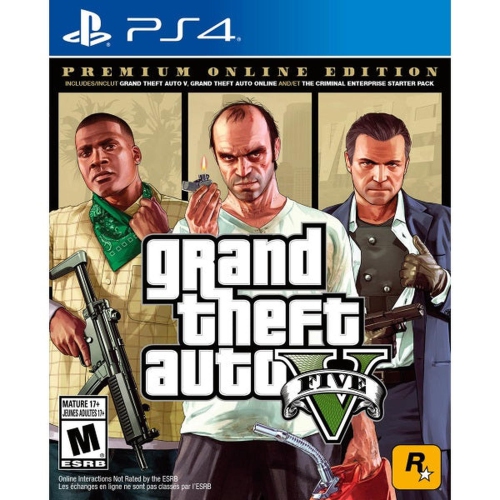
![ROCKSTAR Grand Theft Auto V - Premium Edition [Xbox One] Great](https://multimedia.bbycastatic.ca/multimedia/products/500x500/139/13916/13916426.jpeg)
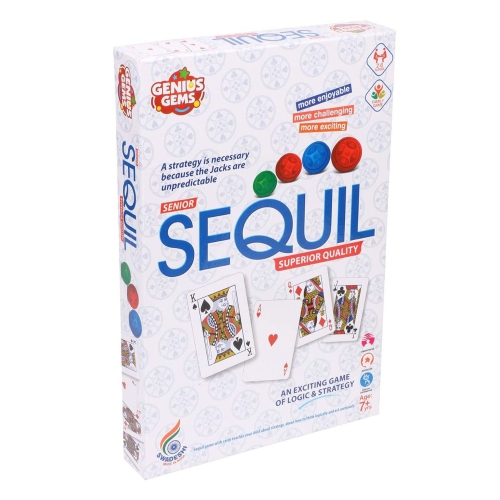
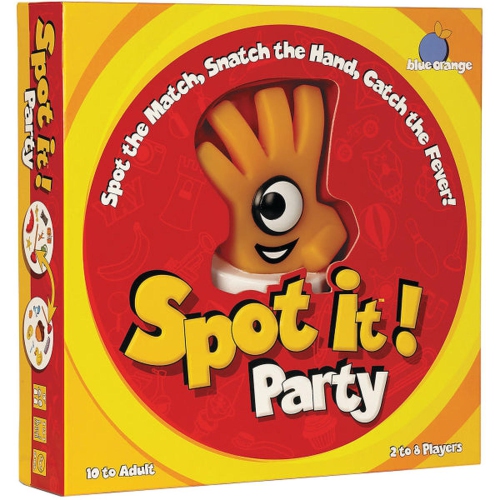
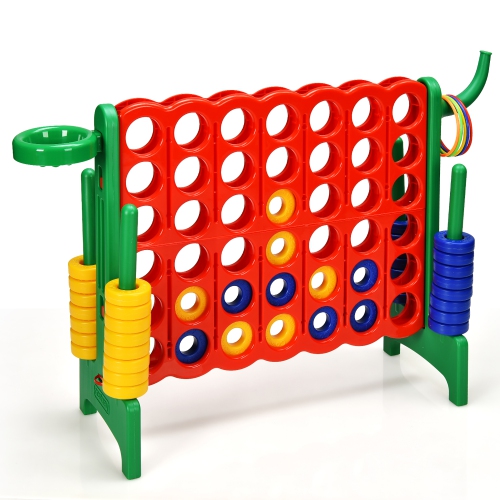
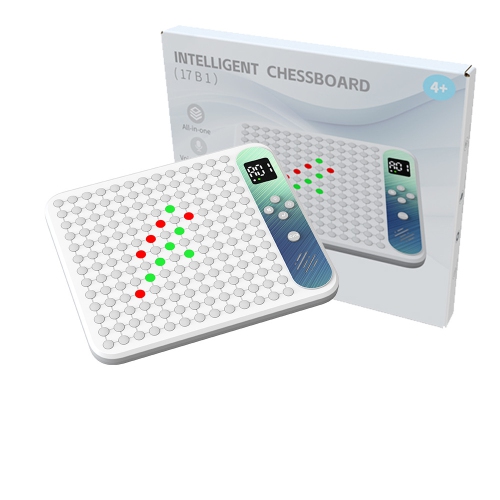
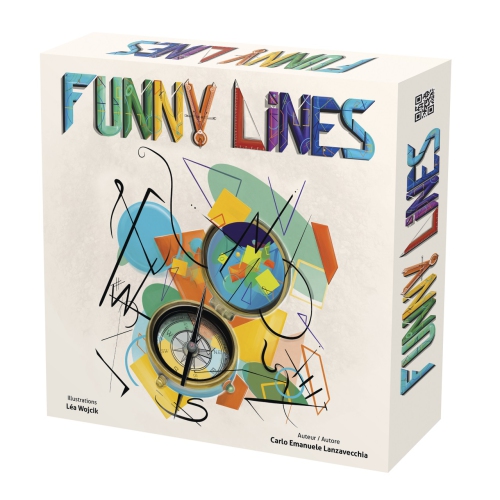
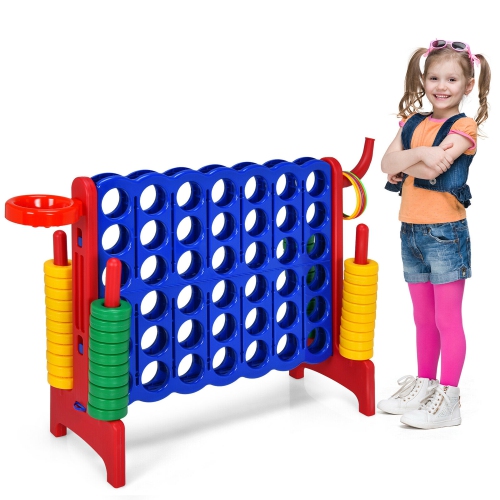
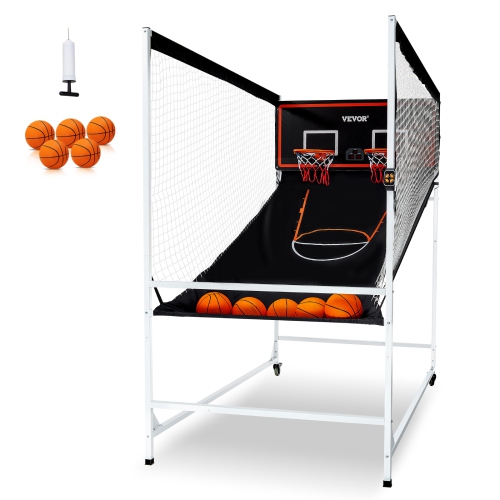
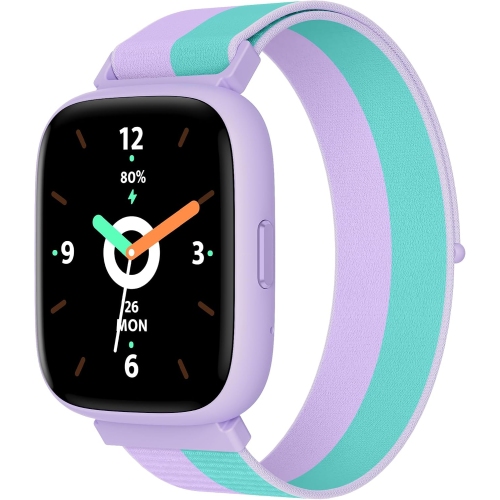

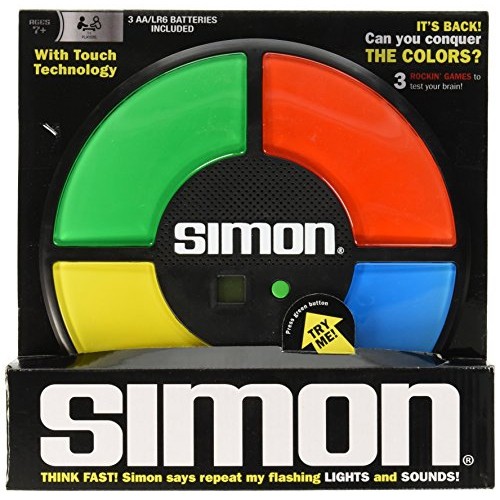
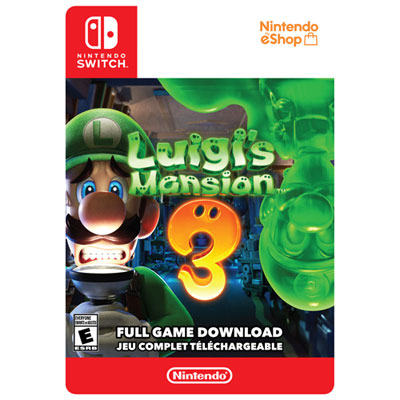
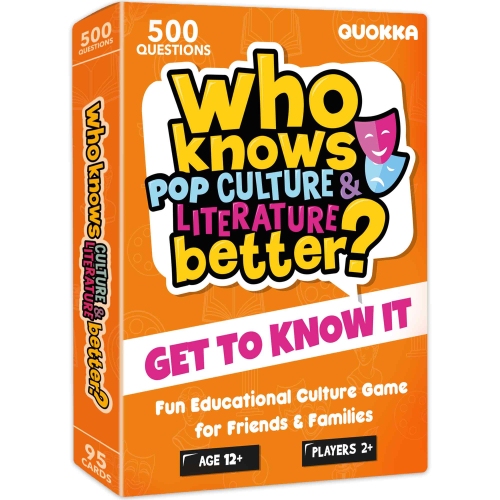

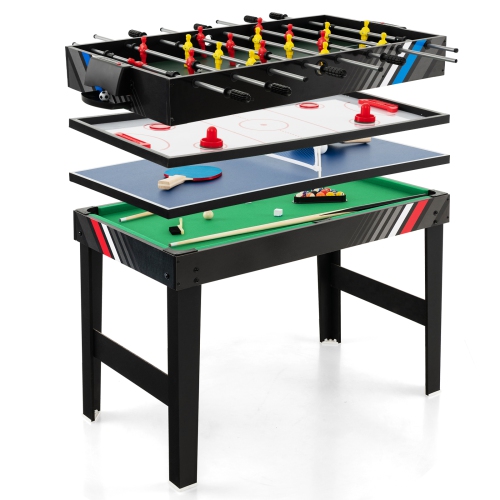
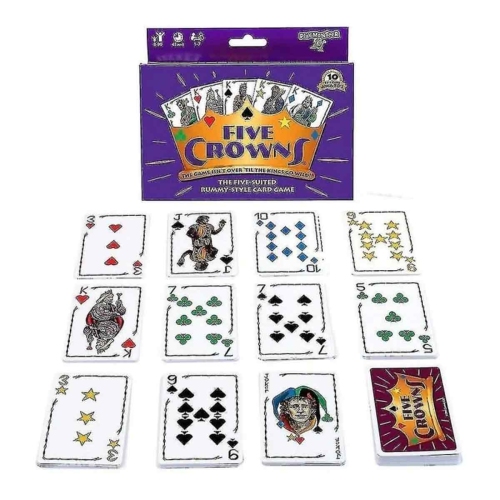

![THUNDERGLYPH GAMES Hats [Board Games, 2-4 Players]](https://multimedia.bbycastatic.ca/multimedia/products/500x500/193/19383/19383506.jpeg)
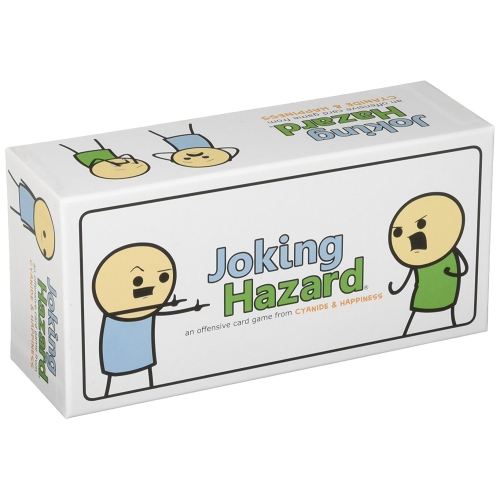
![FUNBOX MEDIA Pretty Girls Game Collection 3 [Playstation 4]](https://multimedia.bbycastatic.ca/multimedia/products/500x500/194/19476/19476955.jpeg)
![RIDLEY'S GAMES This And That Game, Mash UPS - [Board Game]](https://multimedia.bbycastatic.ca/multimedia/products/500x500/194/19478/19478022.jpeg)
![BANDAI NAMCO Naruto Shippuden: Ultimate Ninja Storm 4 [Playstation 4] Great game !](https://multimedia.bbycastatic.ca/multimedia/products/500x500/148/14880/14880690.jpeg)
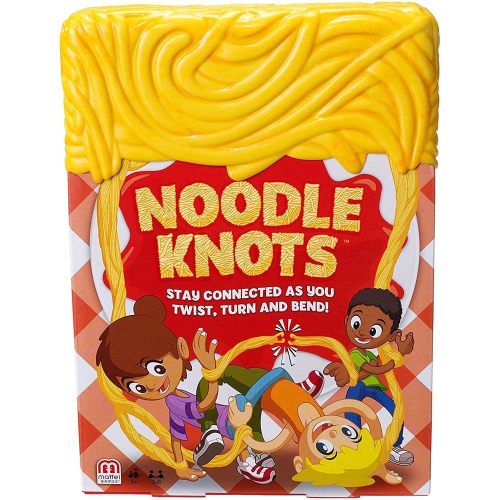
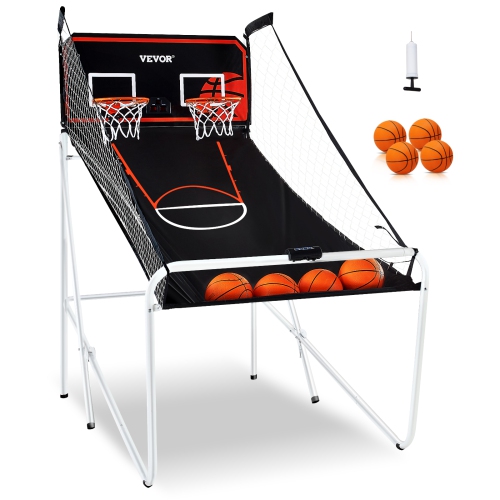
![NINTENDO Super Smash Bros. for Wii U [ Wii U] Bought this for my nephews and they love it](https://multimedia.bbycastatic.ca/multimedia/products/500x500/148/14828/14828259.jpeg)
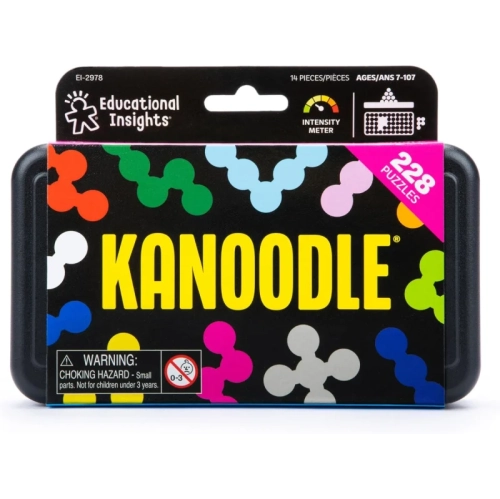
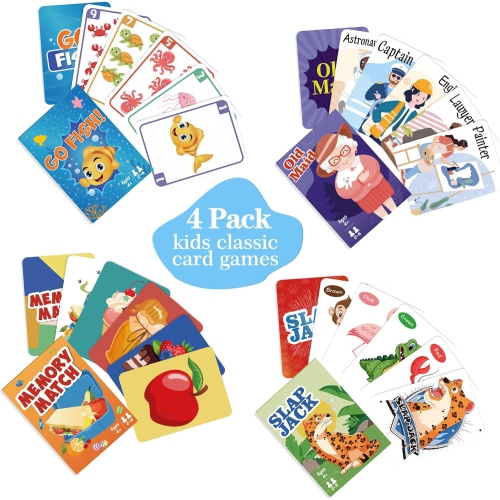
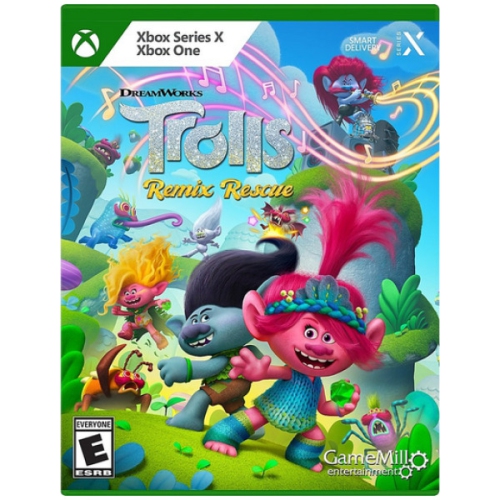
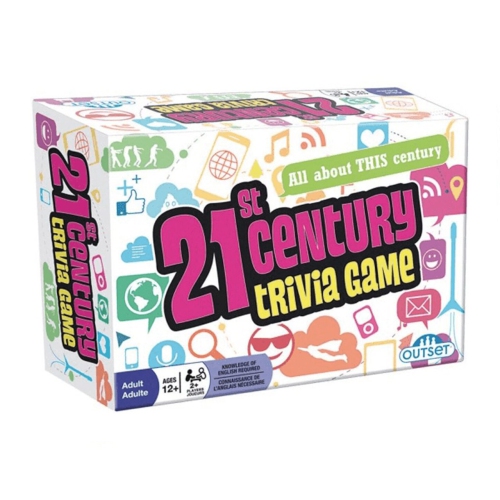
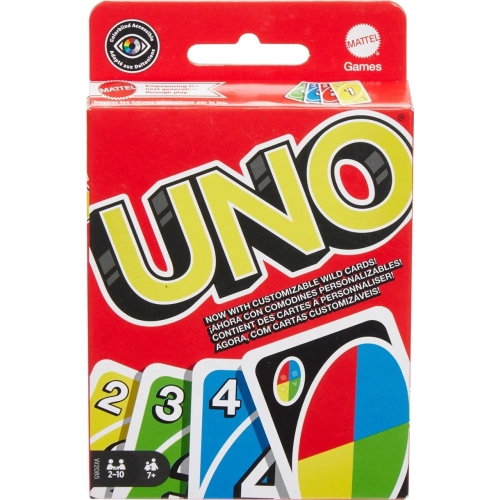
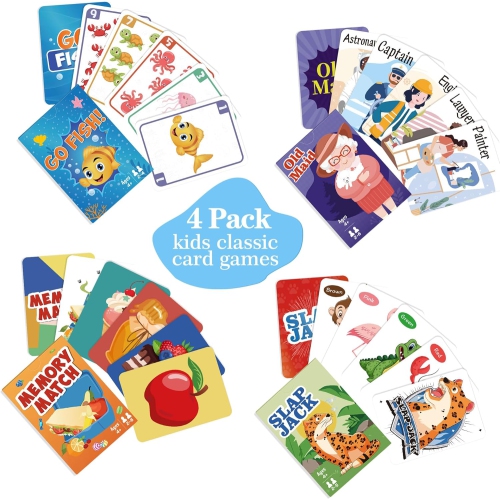
![FUNBOX MEDIA Pretty Girls Game Collection 4 [Playstation 4]](https://multimedia.bbycastatic.ca/multimedia/products/500x500/193/19382/19382950.jpeg)
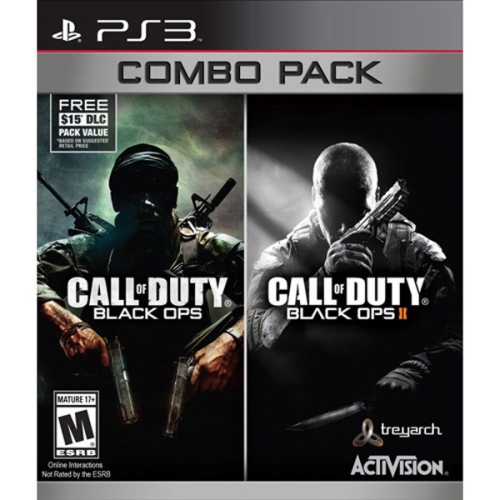
![GS2 GAMES Bibi And Tina At The Horse Farm [Playstation 4]](https://multimedia.bbycastatic.ca/multimedia/products/500x500/193/19384/19384117.jpeg)
![MCMILLER GAMES Fish Fight – Funny Flopping Outdoor Summer Pool Beach Party Game [4+ Players]](https://multimedia.bbycastatic.ca/multimedia/products/500x500/201/20129/20129839.jpeg)
![FUNBOX MEDIA Hentai Vs. Evil [Playstation 4]](https://multimedia.bbycastatic.ca/multimedia/products/500x500/165/16590/16590505.jpeg)

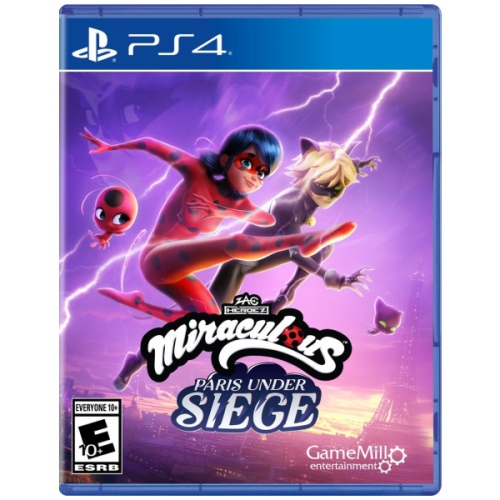
![UBISOFT Just Dance 2016 [Nintendo Wii] Kids love it to play, best price & affordable to buy](https://multimedia.bbycastatic.ca/multimedia/products/500x500/148/14828/14828268.jpeg)
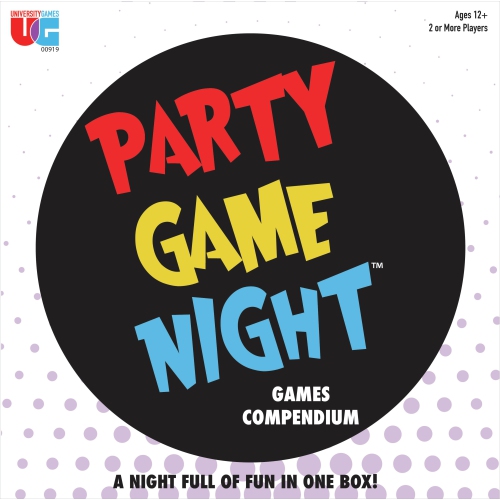
![BRAIN GAMES Deductio [Board Game, 2-4 Players]](https://multimedia.bbycastatic.ca/multimedia/products/500x500/198/19814/19814650.jpeg)
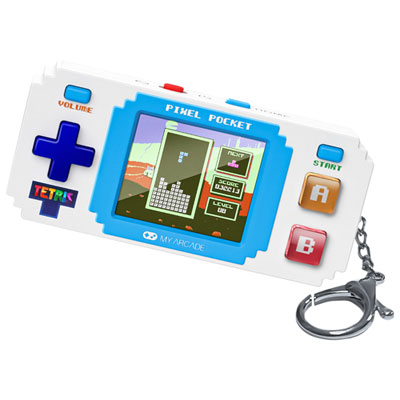
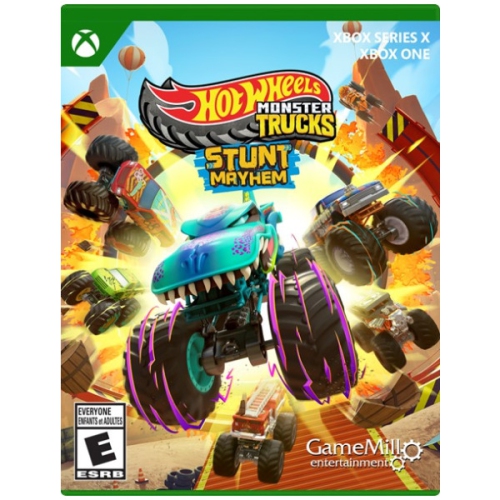

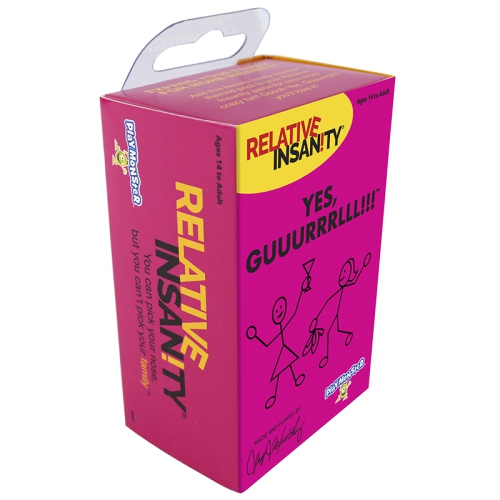
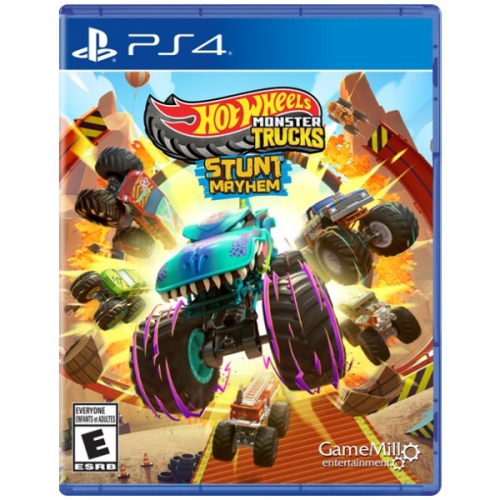
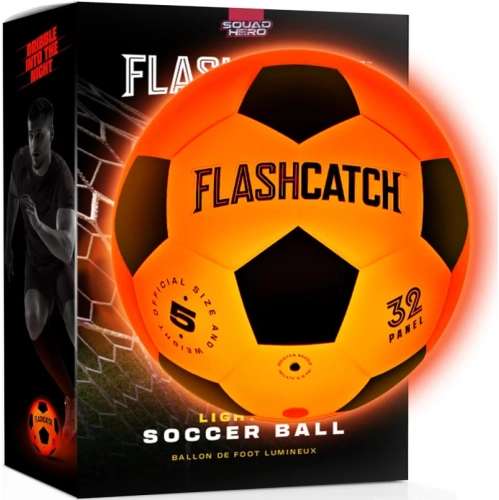

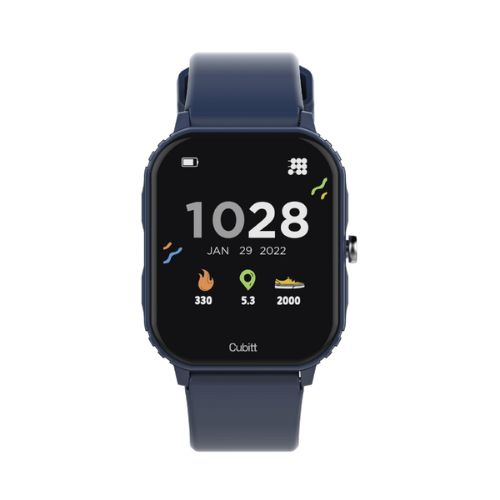
![NINTENDO Xenoblade Chronicles 3D [New 3Ds] This game is simply amazing, any fan of JRPG will love this](https://multimedia.bbycastatic.ca/multimedia/products/500x500/148/14828/14828319.jpeg)
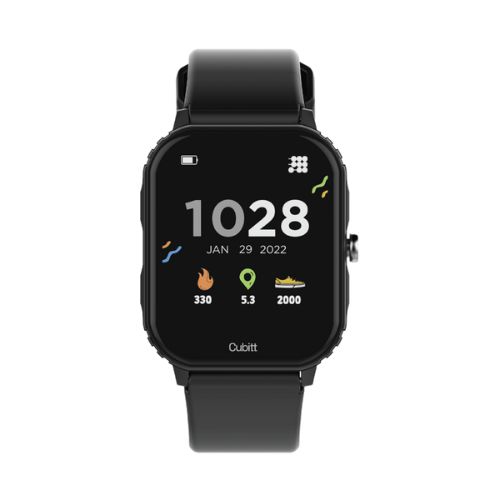
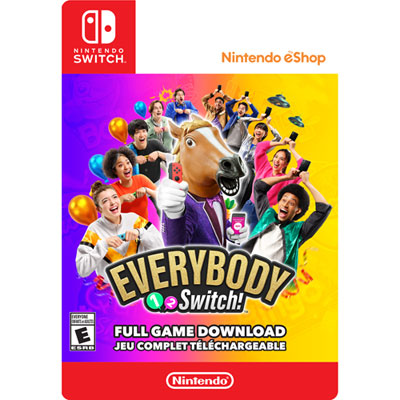
![PLAYSTATION Battle Princess Madelyn [ 4]](https://multimedia.bbycastatic.ca/multimedia/products/500x500/148/14828/14828263.jpeg)
![GS2 GAMES Math Masters [Board Game, 2-4 Players]](https://multimedia.bbycastatic.ca/multimedia/products/500x500/198/19839/19839386.jpeg)
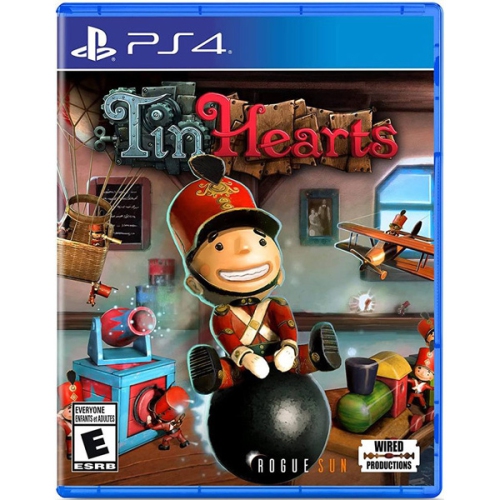
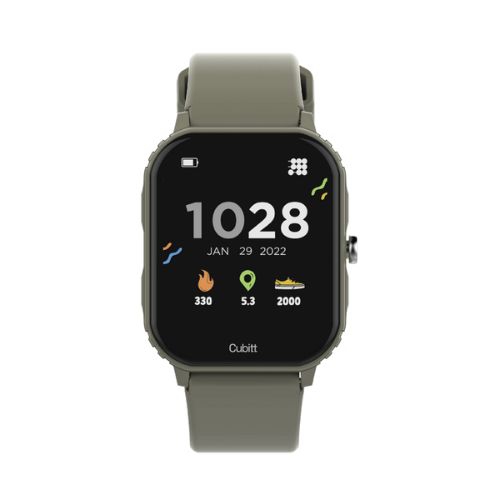
![NINTENDO New Pokémon Snap [ Switch] Absolutely love this game, great for all ages](https://multimedia.bbycastatic.ca/multimedia/products/500x500/156/15612/15612896.jpeg)
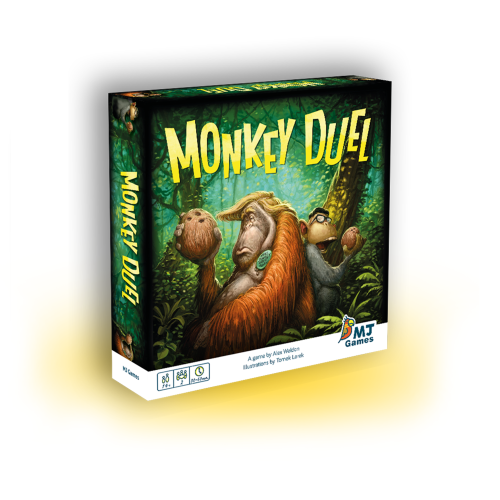
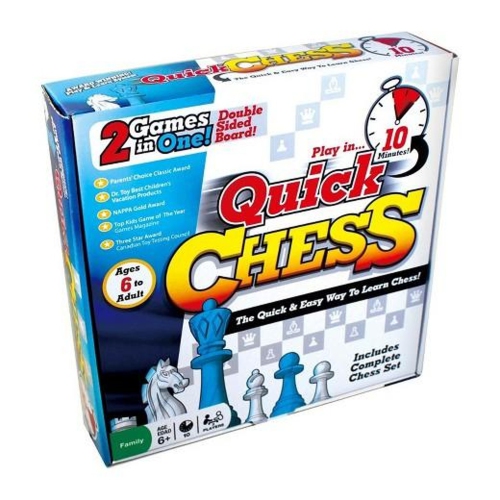
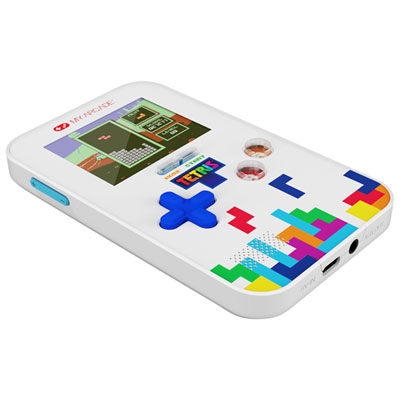
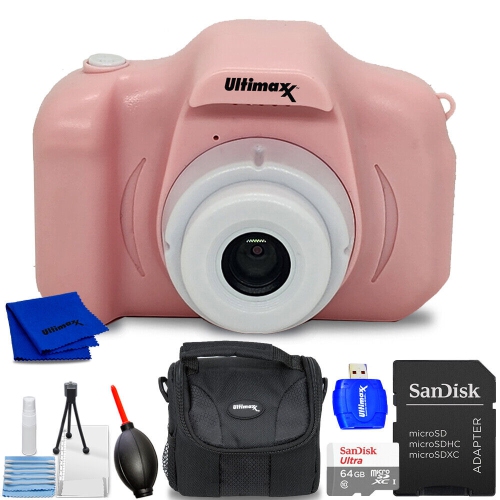

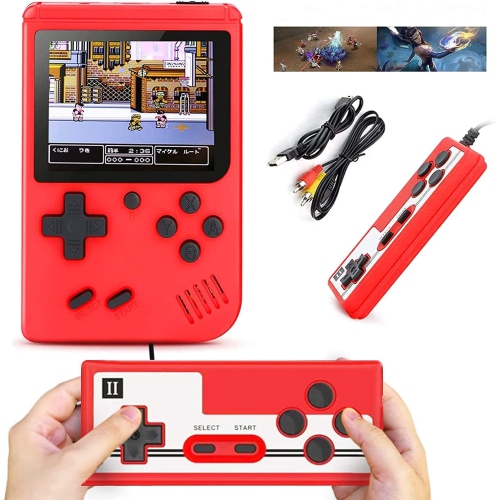
![SQUARE ENIX Marvel's Avengers for Playstation 4 [Videogames] Ps 4 Best game](https://multimedia.bbycastatic.ca/multimedia/products/500x500/165/16558/16558362.jpeg)
![GAMEMILL Pickleball Smash [Playstation 5] great](https://multimedia.bbycastatic.ca/multimedia/products/500x500/193/19384/19384334.jpeg)
![FUNBOX MEDIA Bishoujo Battle: Double Strike [Playstation 4]](https://multimedia.bbycastatic.ca/multimedia/products/500x500/161/16176/16176915.jpeg)
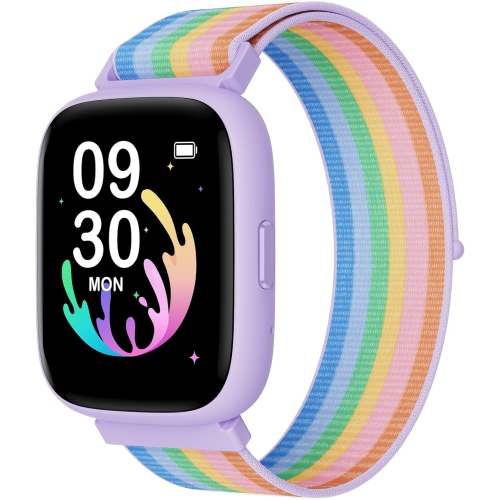
![LUCKY DUCK GAMES Zombie Tsunami [Board Game, 3-6 Players]](https://multimedia.bbycastatic.ca/multimedia/products/500x500/150/15088/15088273.jpeg)
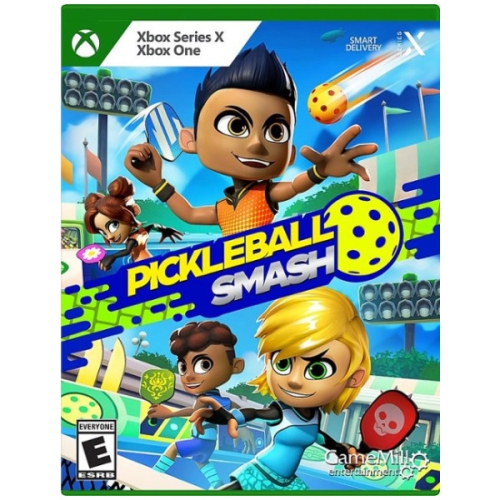
![ELECTRONIC ARTS Need for Speed: Heat for Playstation 4 [Videogames] I love I love I love](https://multimedia.bbycastatic.ca/multimedia/products/500x500/177/17701/17701646.jpeg)
![PERP GAMES Death Or Treat [Playstation 5]](https://multimedia.bbycastatic.ca/multimedia/products/500x500/194/19477/19477053.jpeg)
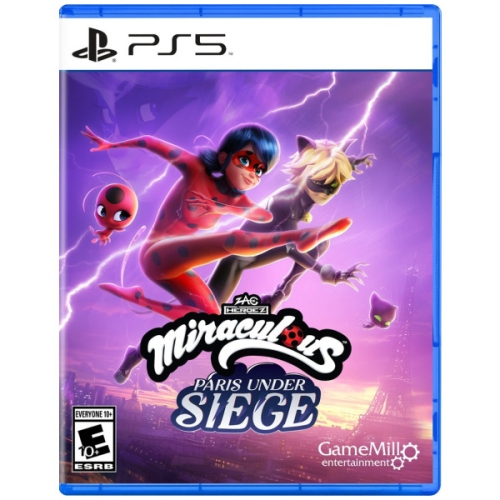

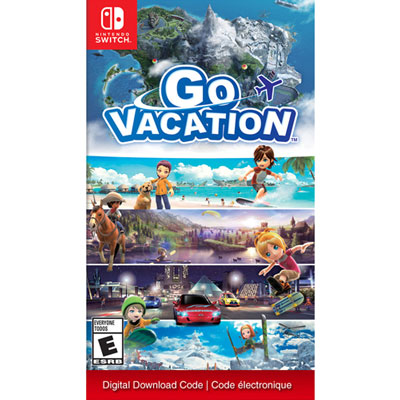
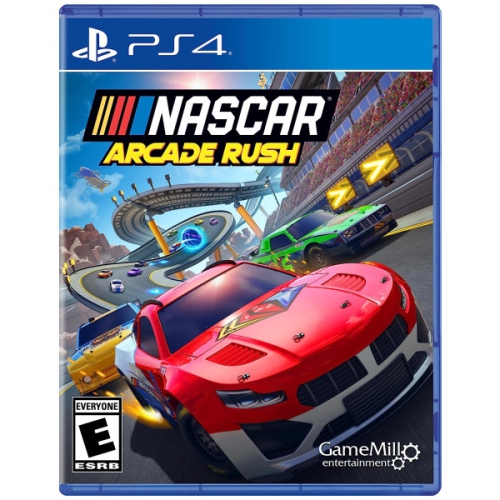
![NAUGHTY DOG Uncharted: The Nathan Drake Collection [Playstation 4] I love this game series the best](https://multimedia.bbycastatic.ca/multimedia/products/500x500/152/15268/15268955.jpeg)
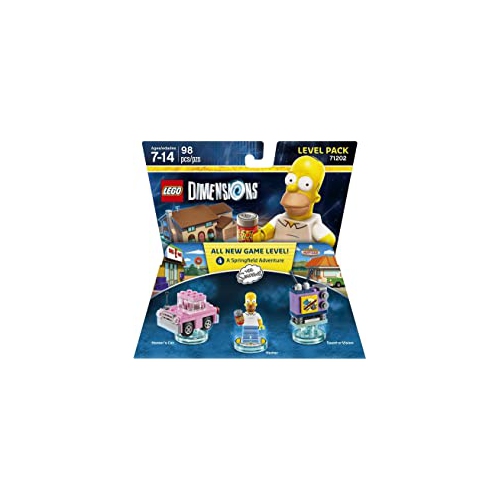
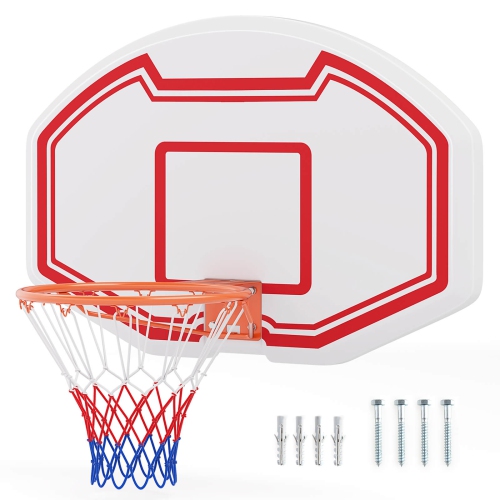
![TESURA GAMES Kemono Heroes [Playstation 5]](https://multimedia.bbycastatic.ca/multimedia/products/500x500/194/19476/19476954.jpeg)
![RED ART GAMES Inked: A Tale Of Love [Playstation 4]](https://multimedia.bbycastatic.ca/multimedia/products/500x500/171/17150/17150171.jpeg)
![GS2 GAMES Hidden Objects Collection: Volume 6 - Shopper Clutter - 15 In 1 [Playstation 5]](https://multimedia.bbycastatic.ca/multimedia/products/500x500/193/19384/19384108.jpeg)
Games that turn teen gatherings into memorable shared moments
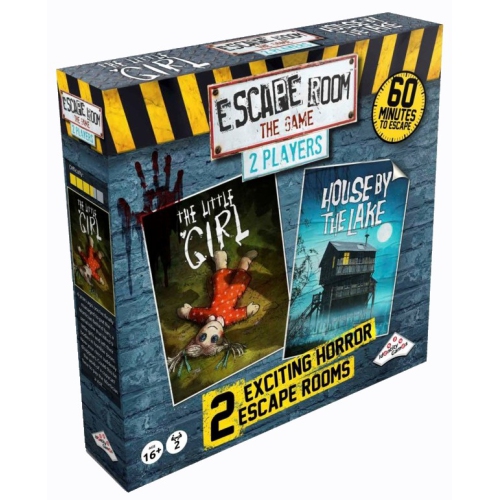
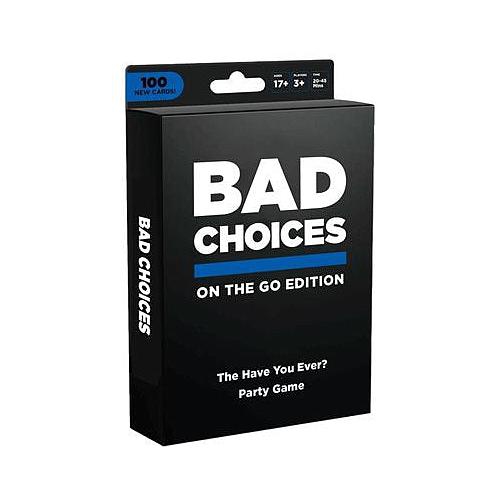
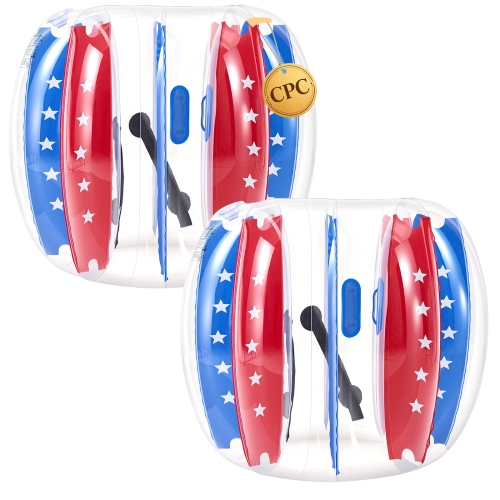
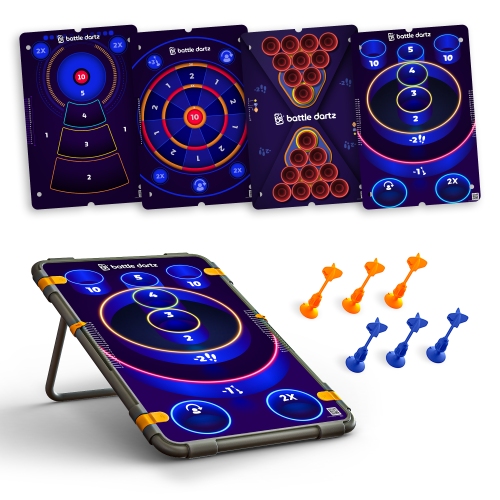
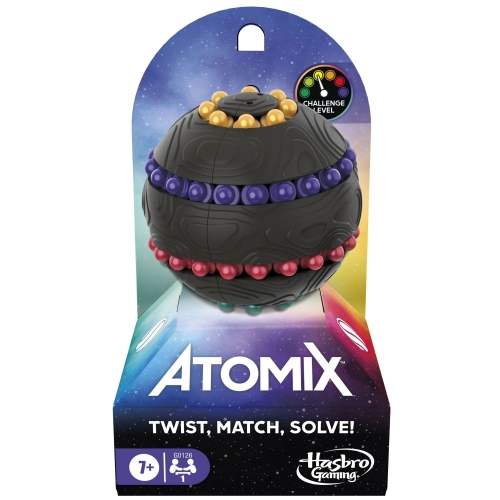
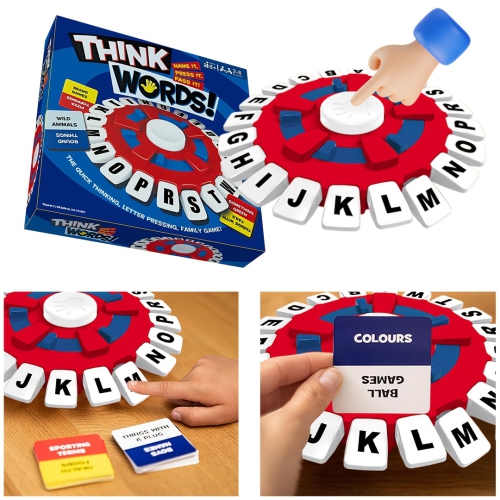
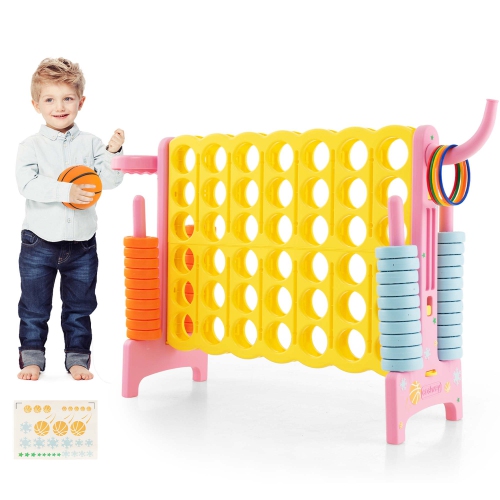
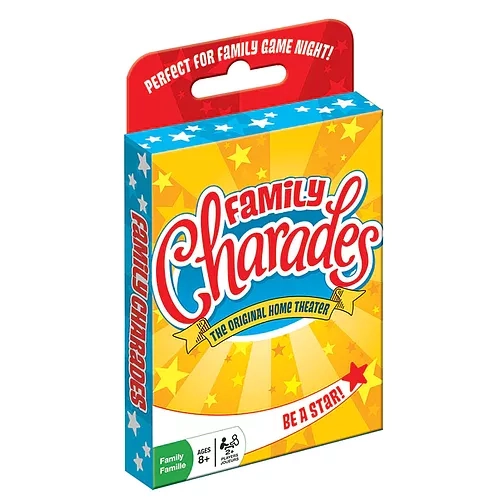
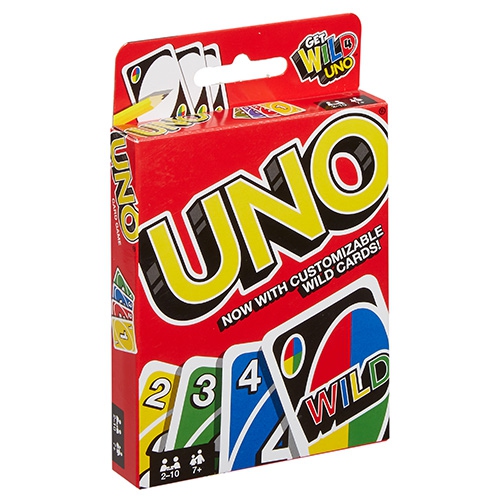
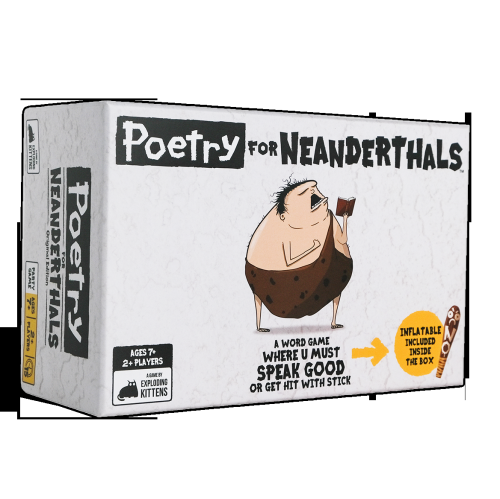
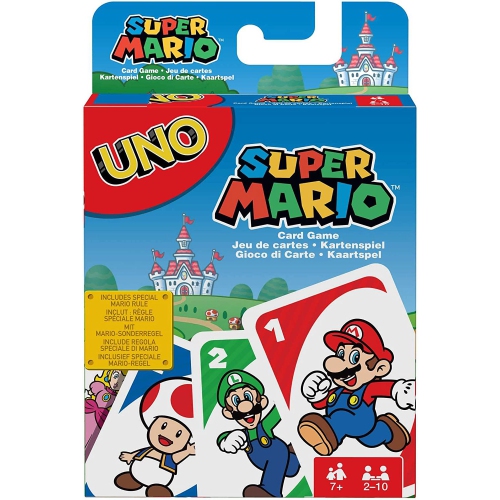
Games for teens can turn an ordinary afternoon into a lively gathering, whether the group is gathered around a kitchen table, sharing a console, or spreading out in the backyard during the warmer months. The best choices give teenagers room to make decisions, express their sense of humour, and enjoy a little friendly competition without making every player feel as though they need years of experience. Party games are a popular fit for sleepovers, family gatherings, and casual weekends because they are usually easy to explain and encourage plenty of conversation. Word and clue-based games invite players to make clever connections, while guessing games built around funny prompts often lead to the kind of unexpected answers that have everyone laughing long after the round ends. Fast-paced card games can add energy to a quiet room, particularly when turns move quickly and players must choose whether to play safely or take a risk. For groups that enjoy a more active experience, games involving movement, quick reactions, or soft objects can bring a playful sense of chaos to a recreation room or open outdoor space. When choosing a game for teens, consider the group’s size, attention span, and preferred pace. A compact game with short rounds works well when friends are dropping in and out, while a longer strategy game may be better for a dedicated game night with players who enjoy planning several moves ahead. Checking the recommended age range and reading the player count can also help ensure the game suits the intended audience rather than leaving someone watching from the sidelines.
Cooperative games are another strong choice for teenagers, especially when the goal is to spend time together rather than focus entirely on winning. In a cooperative experience, players might solve puzzles, manage limited resources, complete a shared mission, or build a story by combining their ideas. These games can be especially rewarding for siblings and close friends because success depends on communication: one person may notice a pattern, another may remember an important rule, and someone else may take the lead when the group needs to make a quick decision. Competitive games have their own appeal, offering the excitement of a close score, a surprise comeback, or a last-turn change in fortune. Look for options that balance competition with accessible rules and keep eliminated players involved whenever possible. Social deduction games, for example, encourage players to read clues, explain their choices, and pay attention to changing alliances, while trivia and quiz-based games can suit teens with different interests when questions cover a broad range of subjects. Digital games can provide another way to connect, from creative building and exploration to two-player adventures that reward timing and teamwork. Before purchasing, check the required platform, number of local or online players, internet requirements, and whether additional accessories are needed. For online play, families may also wish to review privacy settings, communication features, and age ratings so the experience matches their comfort level. A game does not need to be complicated to be memorable; some of the most replayable choices fit in a small box, take only a few minutes to learn, and create a new set of stories every time friends sit down together.
Games for teens also make thoughtful gifts because they can be enjoyed immediately and shared with friends, siblings, or relatives. They are a practical option for birthdays, holiday gatherings, graduation celebrations, and those quieter evenings during the cooler months when everyone is looking for something to do indoors. For a teen who enjoys making things, consider creative games that involve designing worlds, building structures, inventing characters, or shaping a story through play. For someone who likes a challenge, strategy games with resource management, deduction, planning, or pattern recognition can provide satisfying depth without relying on a screen. Teens who prefer a relaxed social setting may appreciate light card games, conversation-based activities, or quick party formats that let players join for one round and step away without interrupting the entire session. Families shopping for younger siblings as well can explore Games for Kids for age-appropriate choices. Storage and portability are worth considering too: a small box is easy to bring to a friend’s house, while a larger set may be better suited to a permanent game shelf or family room. If the game includes many cards, tokens, pieces, or accessories, a well-organized storage solution can make setup less frustrating and help keep the evening moving. The most successful choice usually reflects the teen’s personality and the way they like to spend time—laughing loudly with a group, collaborating with one trusted friend, competing across several rounds, or getting completely absorbed in an imaginative world.
Cooperative games are another strong choice for teenagers, especially when the goal is to spend time together rather than focus entirely on winning. In a cooperative experience, players might solve puzzles, manage limited resources, complete a shared mission, or build a story by combining their ideas. These games can be especially rewarding for siblings and close friends because success depends on communication: one person may notice a pattern, another may remember an important rule, and someone else may take the lead when the group needs to make a quick decision. Competitive games have their own appeal, offering the excitement of a close score, a surprise comeback, or a last-turn change in fortune. Look for options that balance competition with accessible rules and keep eliminated players involved whenever possible. Social deduction games, for example, encourage players to read clues, explain their choices, and pay attention to changing alliances, while trivia and quiz-based games can suit teens with different interests when questions cover a broad range of subjects. Digital games can provide another way to connect, from creative building and exploration to two-player adventures that reward timing and teamwork. Before purchasing, check the required platform, number of local or online players, internet requirements, and whether additional accessories are needed. For online play, families may also wish to review privacy settings, communication features, and age ratings so the experience matches their comfort level. A game does not need to be complicated to be memorable; some of the most replayable choices fit in a small box, take only a few minutes to learn, and create a new set of stories every time friends sit down together.
Games for teens also make thoughtful gifts because they can be enjoyed immediately and shared with friends, siblings, or relatives. They are a practical option for birthdays, holiday gatherings, graduation celebrations, and those quieter evenings during the cooler months when everyone is looking for something to do indoors. For a teen who enjoys making things, consider creative games that involve designing worlds, building structures, inventing characters, or shaping a story through play. For someone who likes a challenge, strategy games with resource management, deduction, planning, or pattern recognition can provide satisfying depth without relying on a screen. Teens who prefer a relaxed social setting may appreciate light card games, conversation-based activities, or quick party formats that let players join for one round and step away without interrupting the entire session. Families shopping for younger siblings as well can explore Games for Kids for age-appropriate choices. Storage and portability are worth considering too: a small box is easy to bring to a friend’s house, while a larger set may be better suited to a permanent game shelf or family room. If the game includes many cards, tokens, pieces, or accessories, a well-organized storage solution can make setup less frustrating and help keep the evening moving. The most successful choice usually reflects the teen’s personality and the way they like to spend time—laughing loudly with a group, collaborating with one trusted friend, competing across several rounds, or getting completely absorbed in an imaginative world.
Top selling and popular products
-
 Your price for this item is $14.99
 -
 Your price for this item is $34.99
 -
 Your price for this item is $15
 -
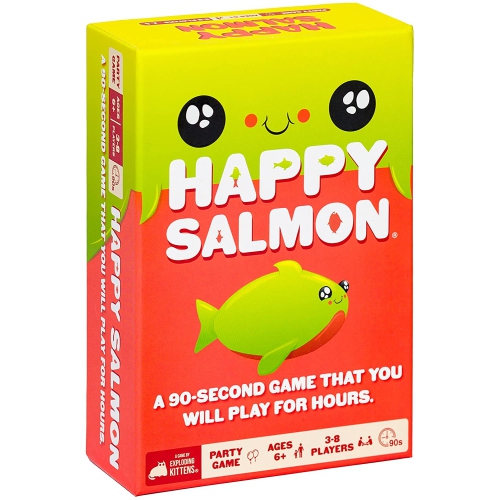 Your price for this item is $21.99
 -
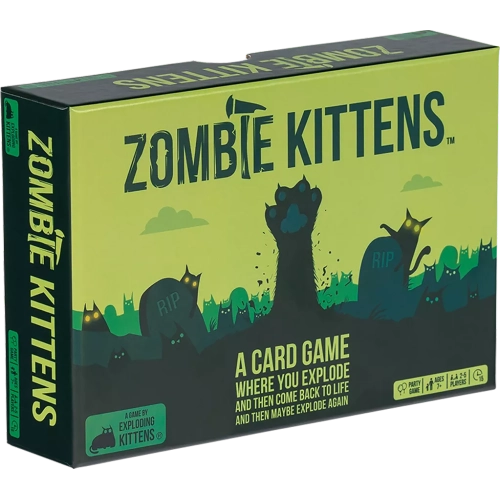 Your price for this item is $34.99
 -
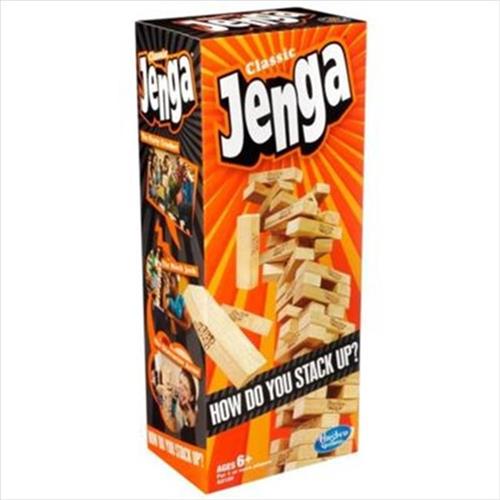 Your price for this item is $24.99
 -
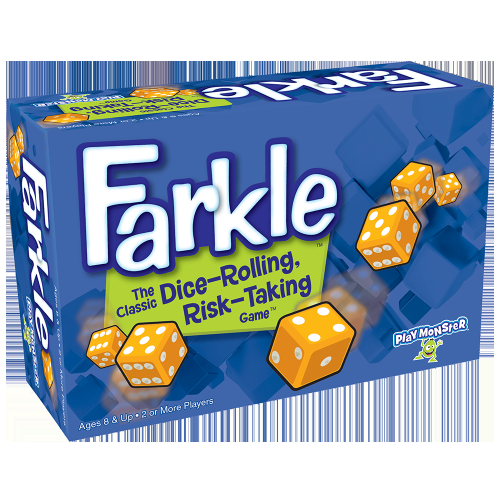 Your price for this item is $17.8
 -
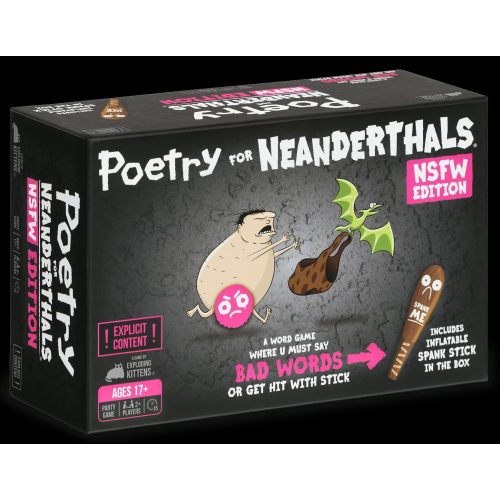 Your price for this item is $31.99
Discover more categories related to Games for Teens
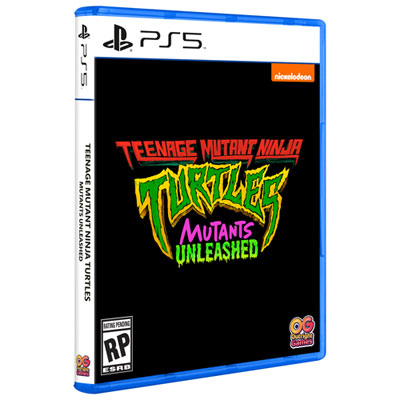
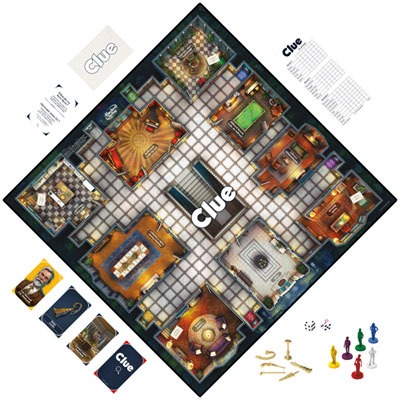
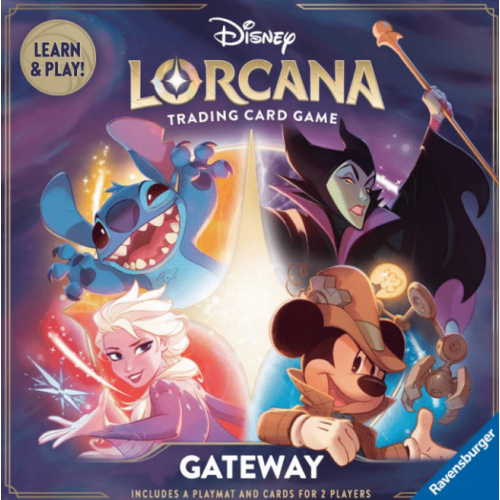
Top Collections:
Pokemon Centers, Kindle Devices, Best Budget Office Chairs, Canon G7X Cameras, Apple iPhones 16, Samsung Galaxy Phones, Refurbished Apple Laptops, Laptops for Students, iPhone 15 Apple, Budget Smartphones
Some products may be subject to Environmental Handling Fees
(EHF) depending on your province.
Learn more about EHFs.