Switch Games for Teens
Switch Games for Teens offer an exciting way to enjoy immersive adventures, challenging puzzles, and fast-paced action right from home or on the go. Whether you're looking for captivating stories, competitive multiplayer experiences, or creative challenges, the selection of Switch Games for Teens provides plenty of options to suit every interest. Discover popular titles that are perfect for solo play or sharing with friends and family, making every gaming session memorable. Explore the latest releases and timeless favorites designed to keep teens entertained and engaged.
Sort

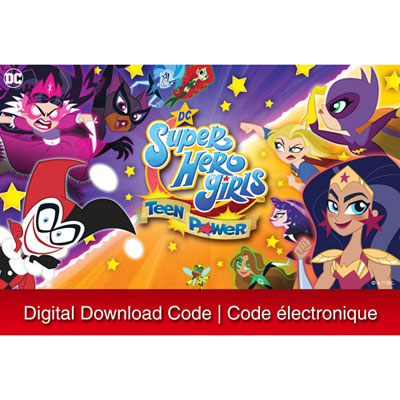


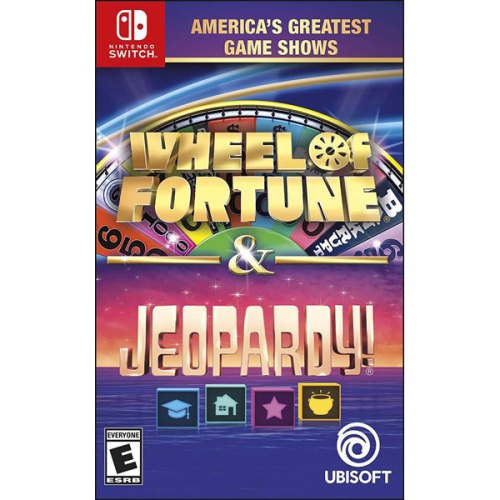


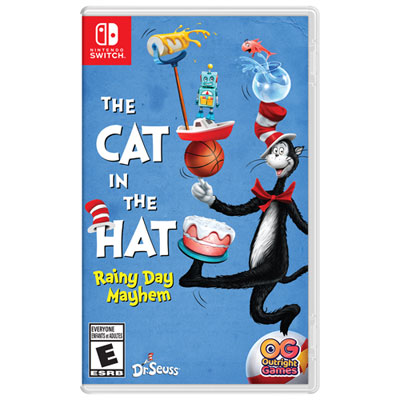


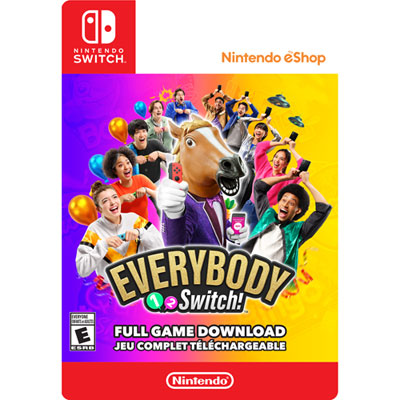


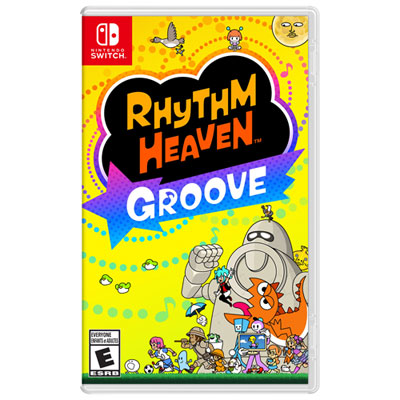
A teen’s play style matters more than age alone
Switch games for teens span open-world adventures, cooperative platformers, competitive action, sports, racing, puzzles and story-driven role-playing games. The strongest match depends on what a teenager enjoys doing: exploring at their own pace, mastering a difficult course, solving problems with a friend or following characters through a detailed story. Open-world adventures make room for curiosity, with branching paths, hidden challenges and opportunities to set personal goals rather than follow a fixed sequence. Role-playing games often add character progression, equipment choices and tactical decisions that develop over longer sessions. Cooperative puzzle platformers put the emphasis on timing and communication, whether two players are moving obstacles for each other or coordinating jumps across a tricky gap. Competitive games offer a different rhythm, with repeatable matches that reward practice and make familiar courses or arenas feel fresh when opponents change. Racing and sports games can suit teens who enjoy clear objectives and friendly rivalries, while creative and puzzle-based games appeal to players who prefer experimenting without constant pressure. Age suitability matters across every genre. An ESRB Teen rating indicates content generally suitable for ages 13 and older, but the accompanying descriptors give a clearer picture of language, violence and other themes. Games with lower age ratings can still have sophisticated puzzles, demanding mechanics and plenty of appeal for older players. A content rating is not a difficulty rating, and colourful artwork does not necessarily mean a game is simple. For a younger teen, readable instructions, clear objectives and adjustable challenge settings may matter more than a large number of modes. An experienced player may be drawn to deeper combat systems, branching stories or difficult optional challenges. Some teens enjoy settling into one substantial adventure; others prefer a game they can return to for a few matches between other activities. That variety makes personal interests a more useful starting point than age alone.
How a game fits into everyday play is just as important as its genre. Single-player games can provide a focused experience without needing to arrange a session with anyone else, and clear save points or flexible pause options help when play needs to stop unexpectedly. Longer adventures may suit teens who enjoy returning to an unfolding story, while short races, individual puzzles and self-contained stages work well for smaller gaps in the day. Local multiplayer brings friends or siblings into the same space, but the details differ between games. Same-screen co-op and split-screen competition share one system, whereas local wireless play connects nearby systems and may require separate copies of the game. Controller requirements and supported player counts also vary. A game described as multiplayer might focus on online matches rather than shared play on the couch, so those distinctions matter for a birthday gathering or a regular two-player session. Cooperative games can let players work towards a shared goal, although some require both partners to keep pace with demanding timing or movement challenges. Adjustable rules, practice modes and flexible difficulty settings can help make competition enjoyable when players have different experience levels. Online features may require an internet connection, an account and a separate membership, depending on the game. Communication tools, parental controls and account permissions also shape the experience, particularly for younger teens playing with people outside their household. Accessibility features deserve attention too. Subtitles, clear text, remappable controls, camera adjustments and options that reduce time pressure can make a meaningful difference when included. Handheld play adds another consideration: menus and important on-screen details need to remain comfortable to read on a smaller display. A busy interface that works well on a television may feel different during a portable session. For teens who alternate between solo time and group play, a game with several well-developed modes can offer useful variety without requiring everyone to enjoy exactly the same challenge.
Physical format, system compatibility and care also affect how easily a game becomes part of a teenager’s routine. A physical game card offers something tangible to unwrap, lend or keep on a shelf, while a digital edition is tied to the purchasing account and uses storage space on the system or a compatible memory card. Download sizes, updates and additional content requirements vary, and some boxed releases include a download code rather than a game card. Compatibility information identifies the supported hardware and play modes; not every game is designed for every system configuration. Games built around motion controls or particular controller arrangements may have additional requirements, especially on handheld-only hardware. For physical copies, the small plastic card is best kept in its case when not in use, with the contact area left untouched and protected from spills, dust and unnecessary handling. A dedicated slot in a carrying case helps prevent a loose card from disappearing into a backpack pocket. The condition of the game card does not determine where progress is saved: local save data is stored on the system rather than on the card itself. Account settings and supported backup features therefore matter when changing systems or protecting progress in a long adventure. For a gift, familiarity with the recipient’s favourite genres, preferred play style and existing collection is often more useful than choosing solely by cover art. A teen who loves carefully planning each move may appreciate a tactical challenge more than fast reflex-based action, while someone who regularly hosts friends may get more use from approachable local multiplayer. Language options and text demands can also influence enjoyment, particularly in dialogue-heavy games. The broader Games for Teens collection offers another place to explore interests beyond a single platform. Within a Switch collection, lasting appeal can come from replayable challenges, expressive character choices, inventive puzzles or simply a shared activity that friends keep returning to. The most satisfying fit gives a teenager the kind of experience they genuinely enjoy, with a format and feature set that suit how they play.
Top selling and popular products
-
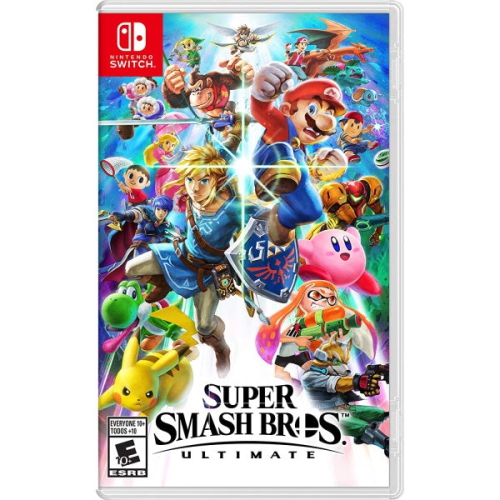 Your price for this item is $89.95
-
 Your price for this item is $89.95
-
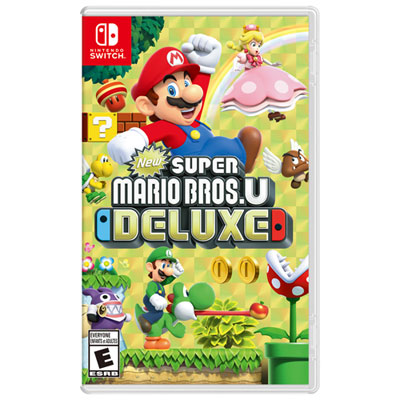 Your price for this item is $79.99
-
 Your price for this item is $85
-
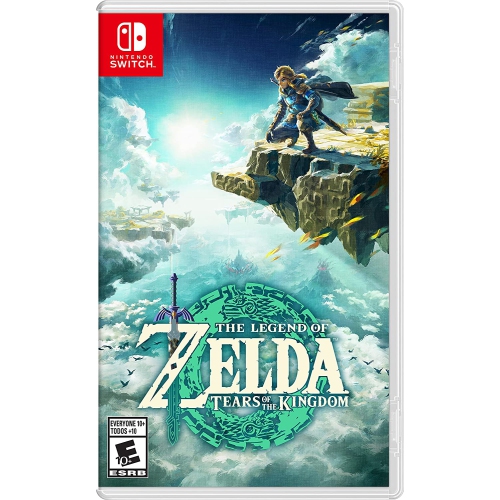 Your price for this item is $109.99
-
 Your price for this item is $99.99
-
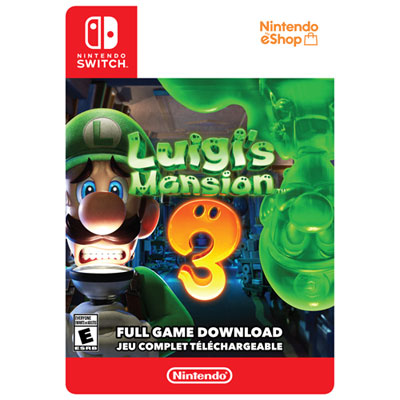 Your price for this item is $84.99
-
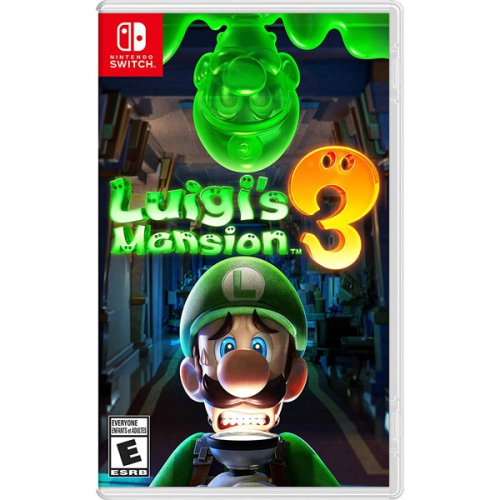 Your price for this item is $87.75
Discover more categories related to Switch Games for Teens
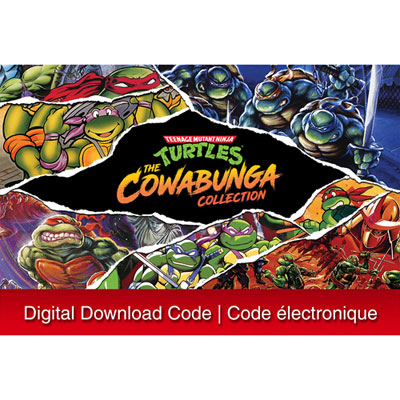
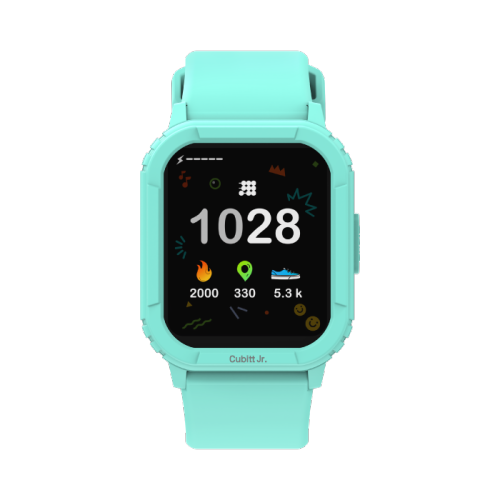
Top Collections:
Pokemon Centers, Kindle Devices, Best Black Friday Deals This Year, Pokémon 30th Celebration Cards, Best Black Friday Deals On Electronics, Best Cameras for Sports Photography, Best Black Friday Deals On Apple Products, Canon G7X Cameras, iPhone 15 Apple, Candle Warmer Lights
Some products may be subject to Environmental Handling Fees
(EHF) depending on your province.
Learn more about EHFs.