Board Games for Teens
Looking for engaging and entertaining activities for the teens in your life? Dive into the world of board games designed specifically with teenagers in mind. From strategic challenges to hilarious party games, our collection offers a wide range of options to keep them entertained for hours on end. Whether they prefer cooperative gameplay or competitive showdowns, these board games are sure to bring laughter and fun to any gathering. Discover the perfect game to spark their competitive spirit and foster social connections among friends and family.
Sort




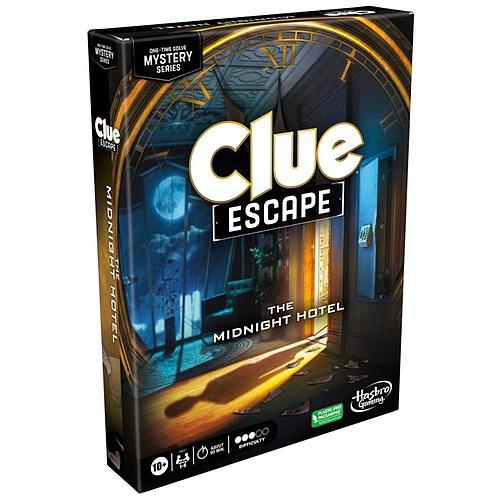
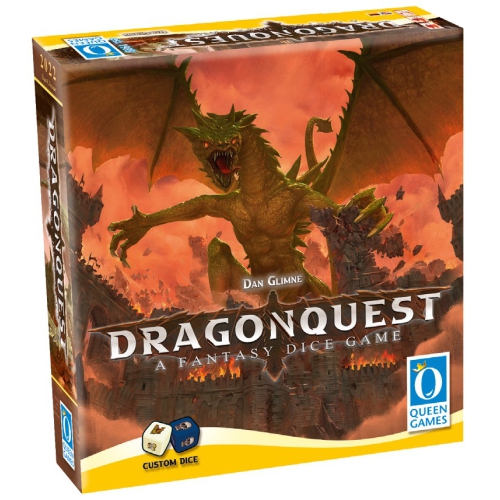
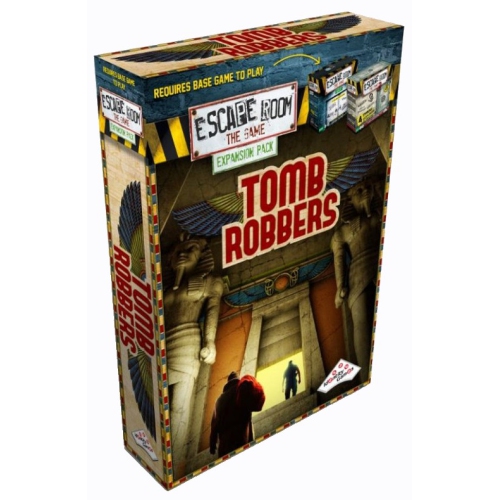
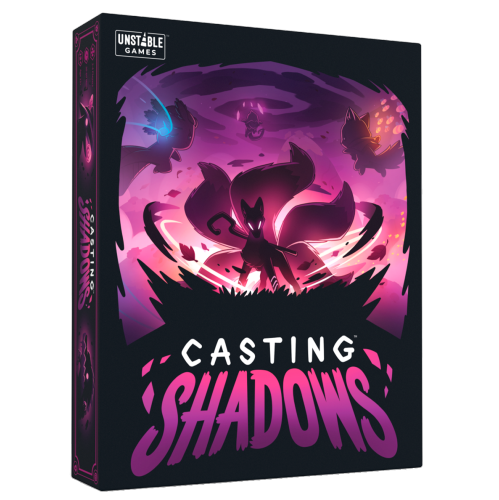











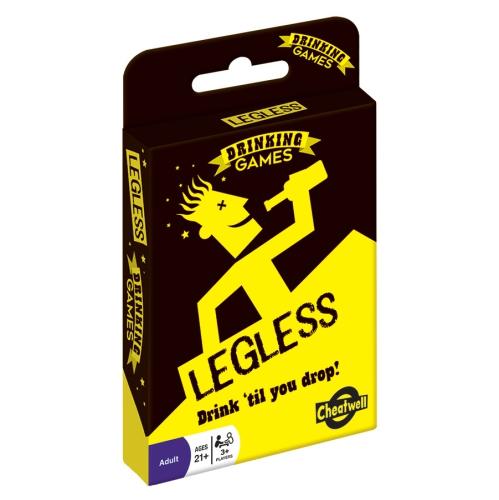


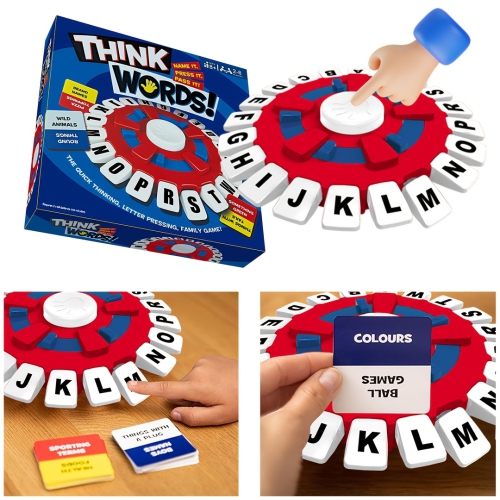
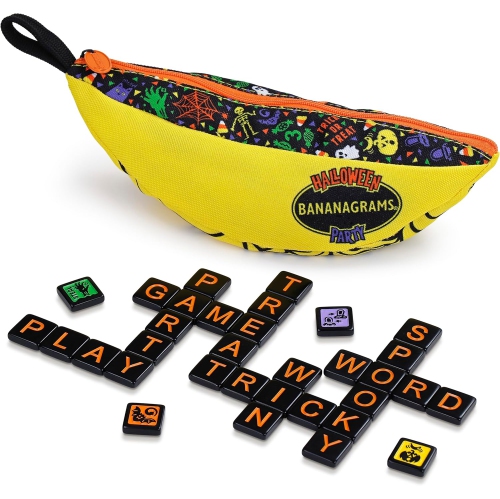
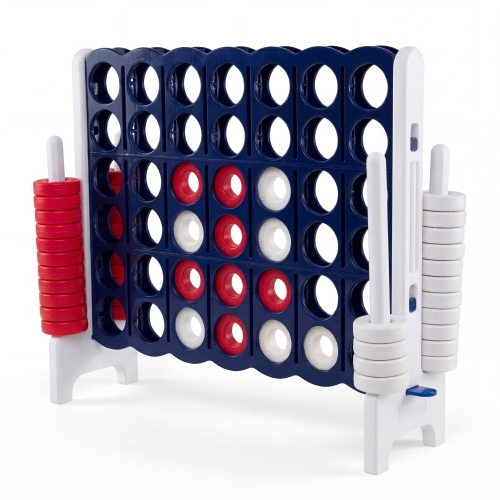
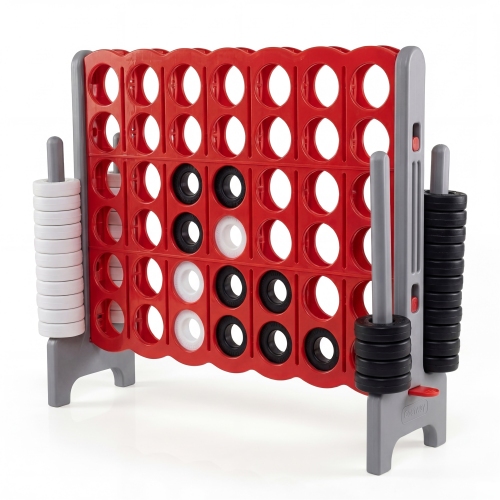
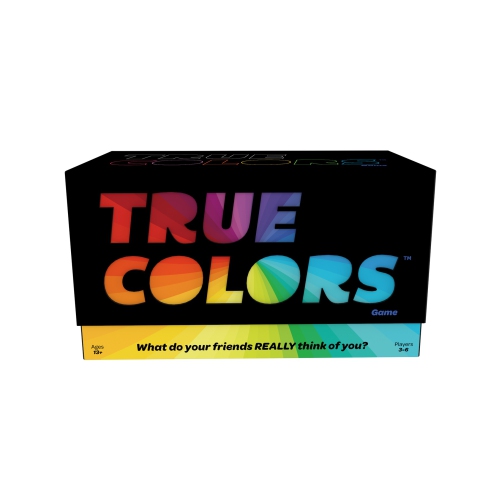
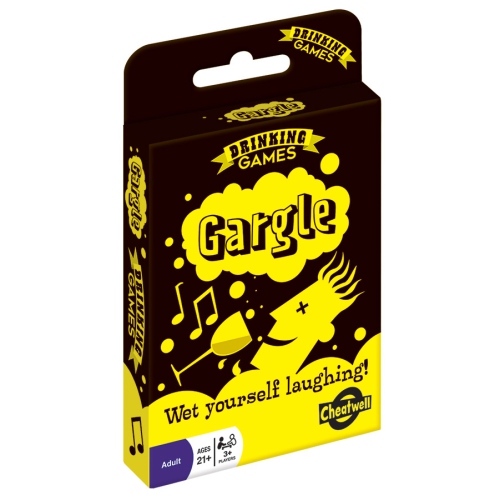
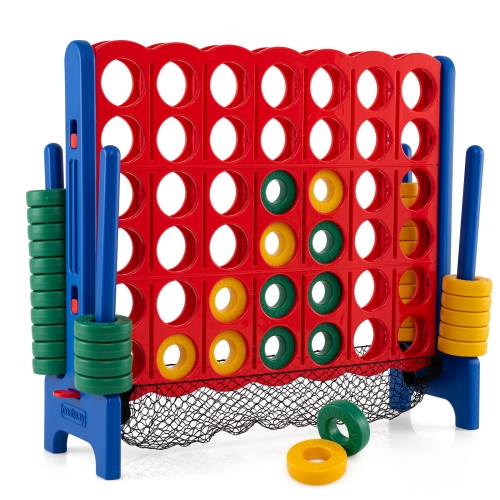



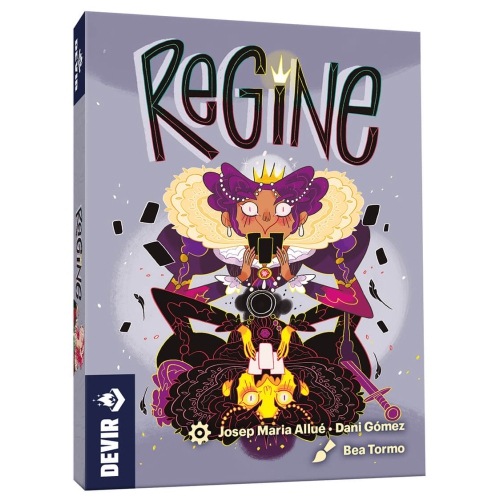
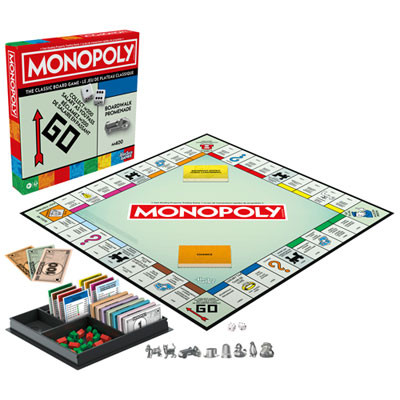
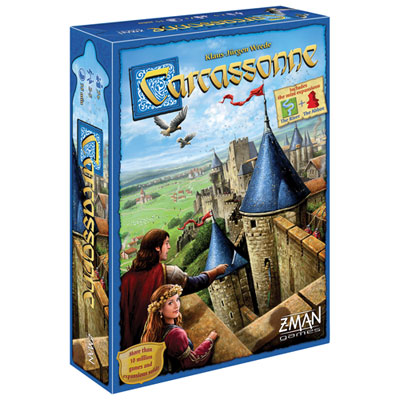
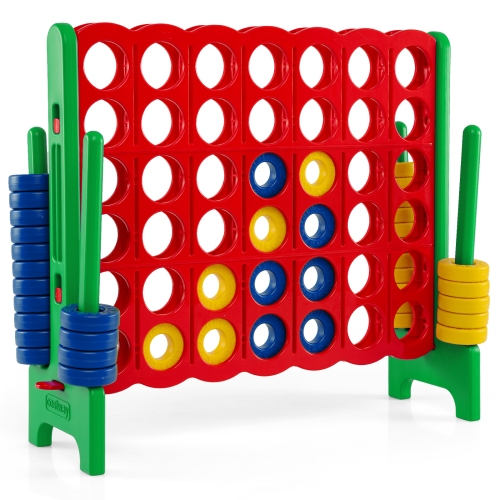


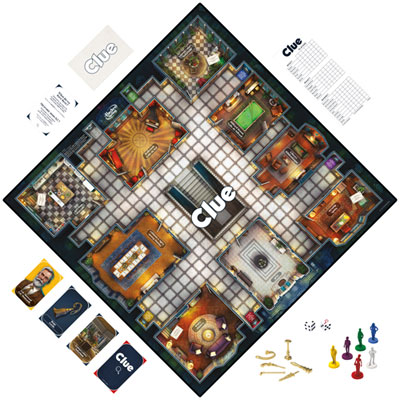

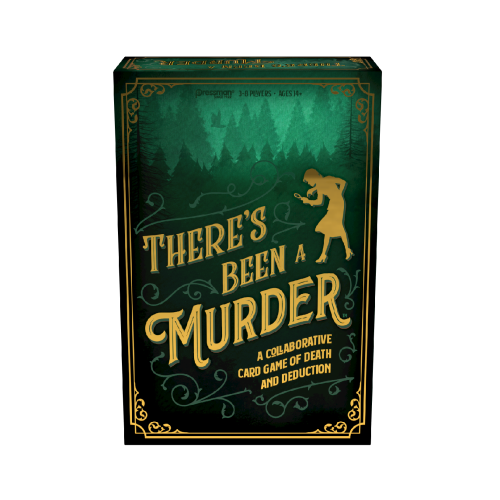
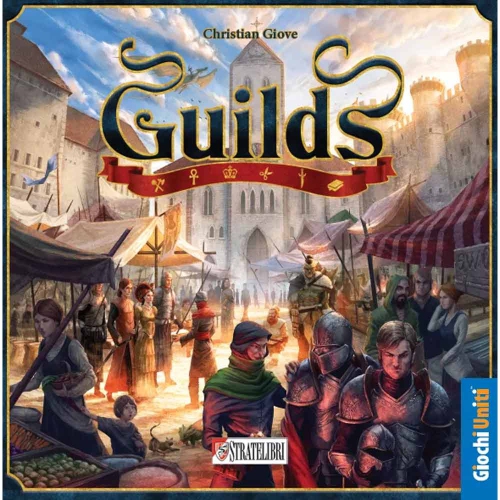
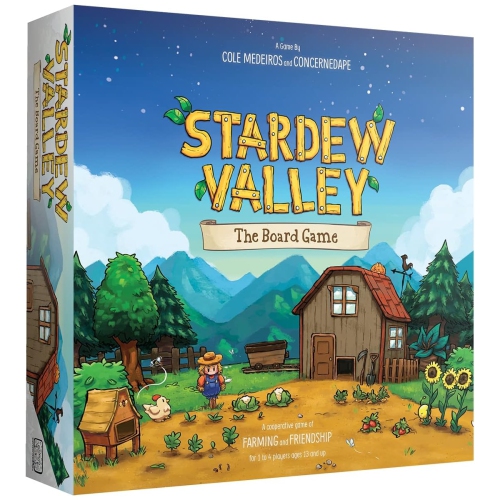







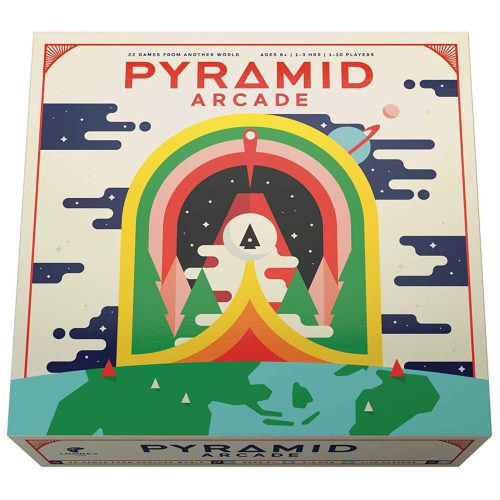
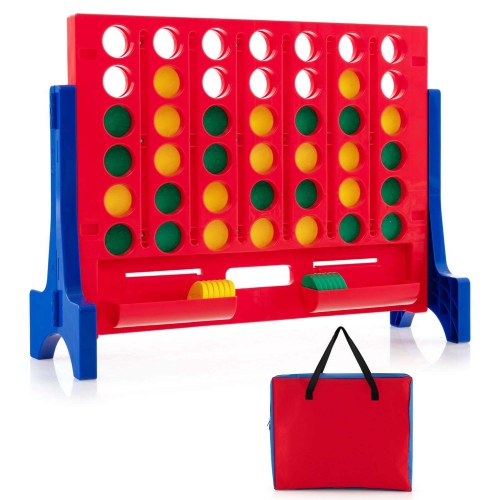
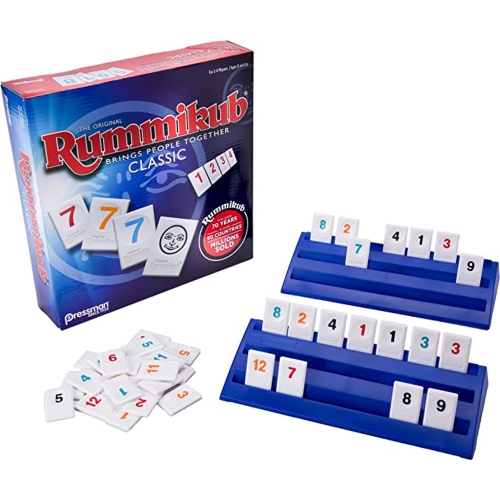
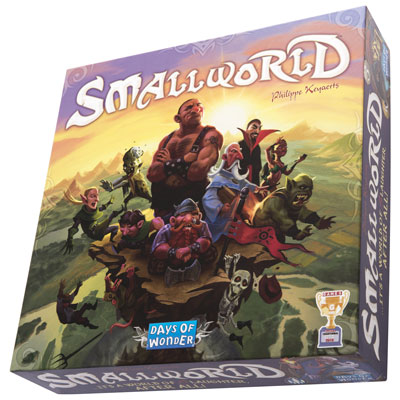



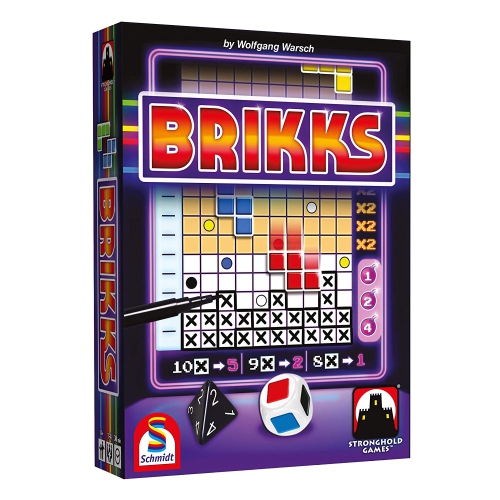

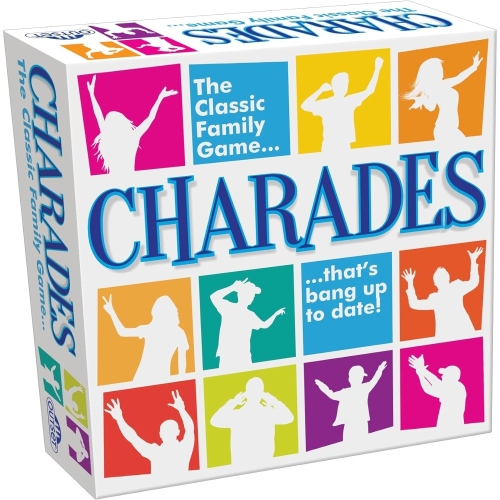
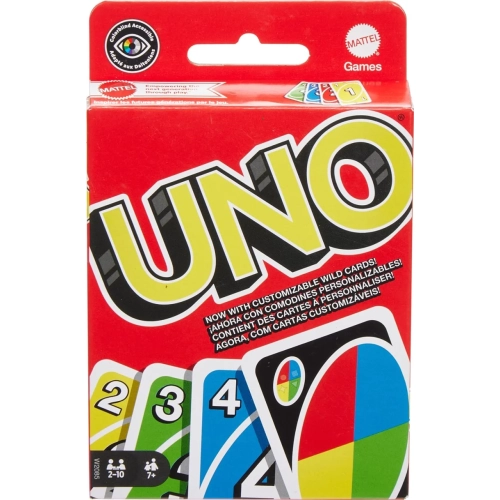
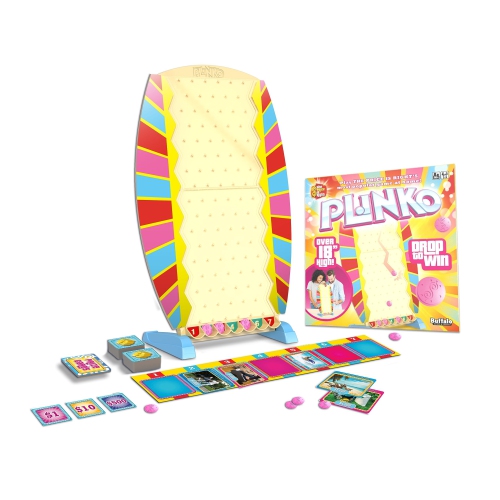



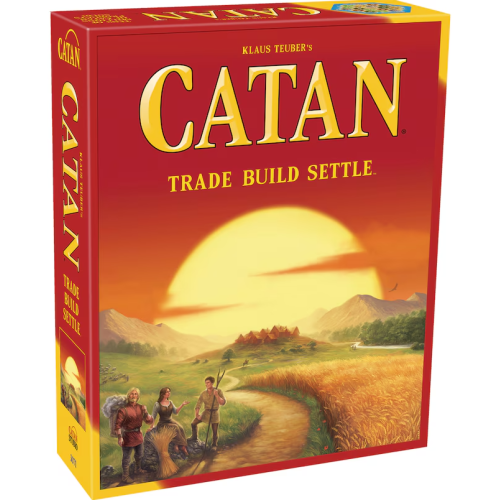
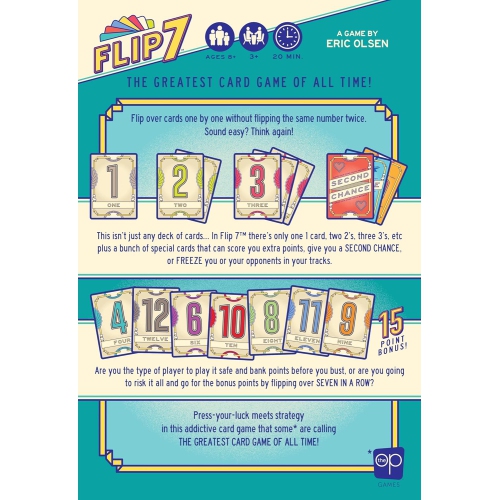
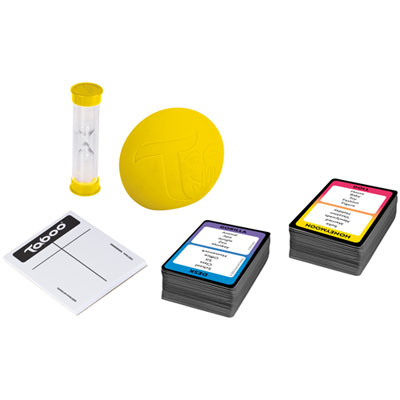
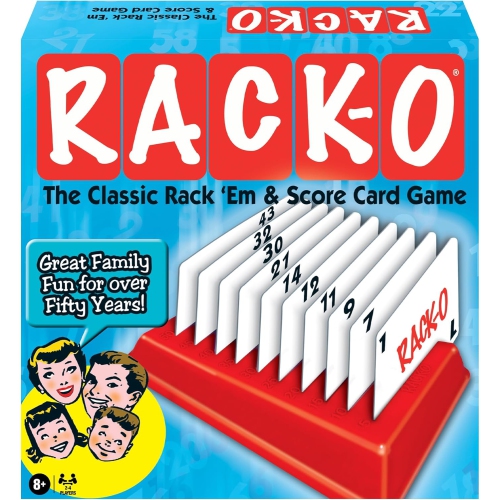

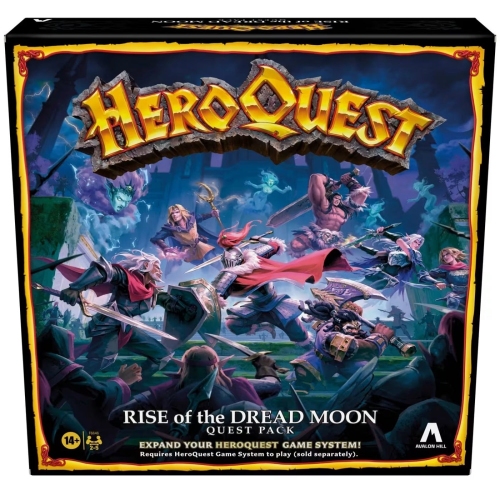
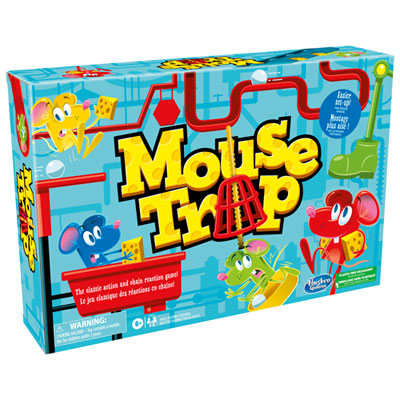
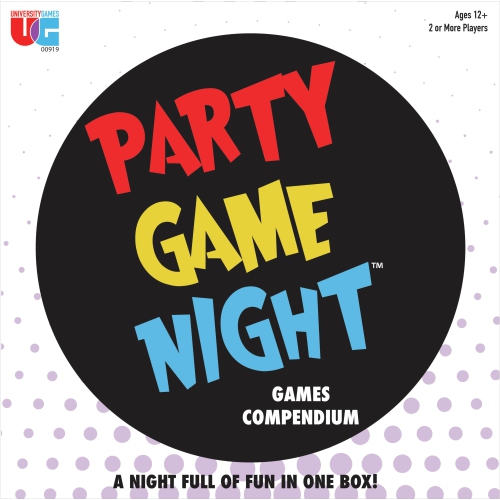
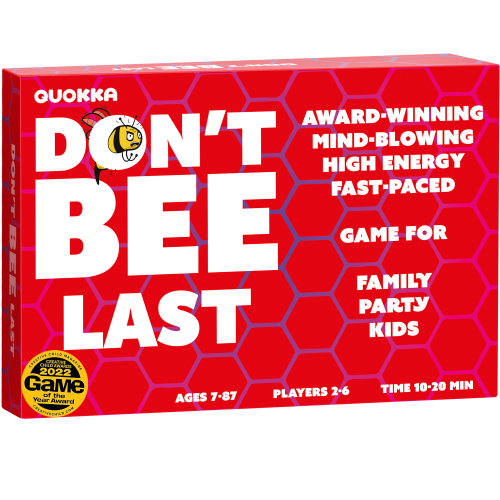
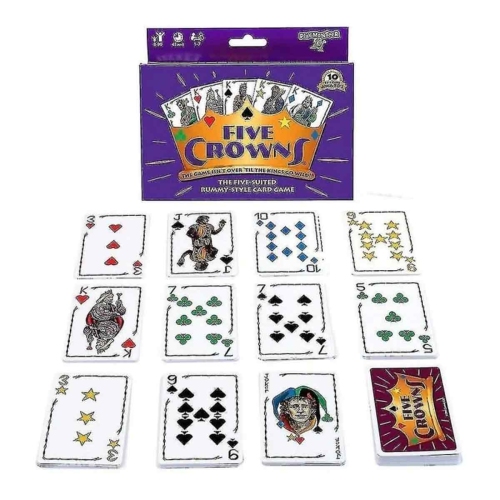



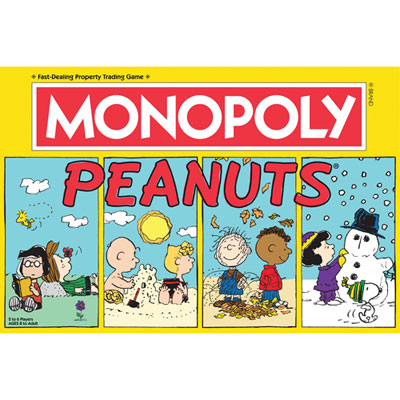

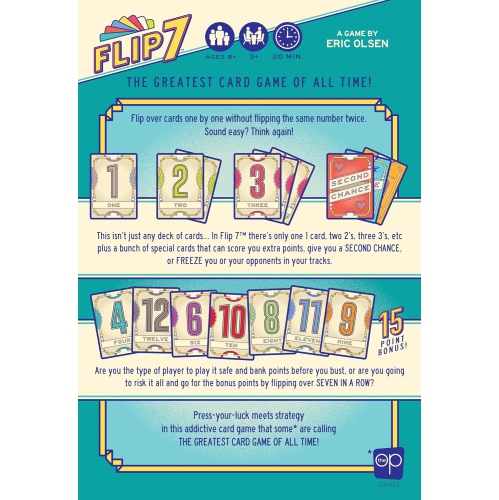
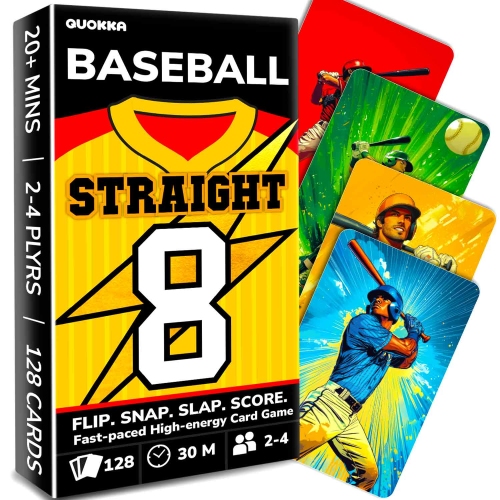

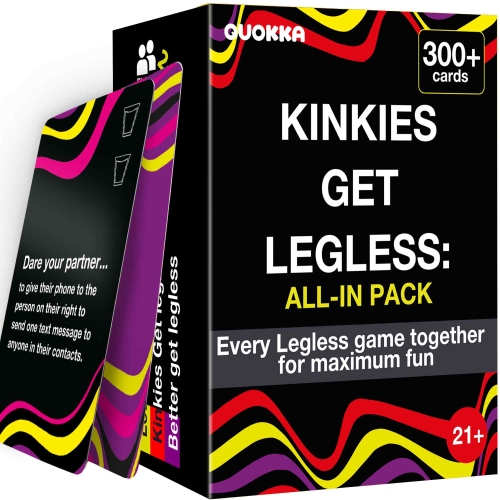
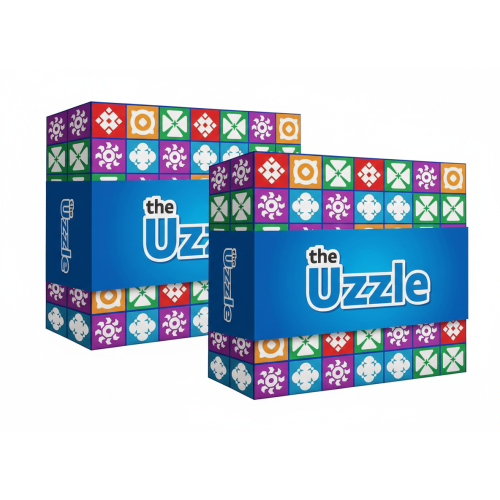
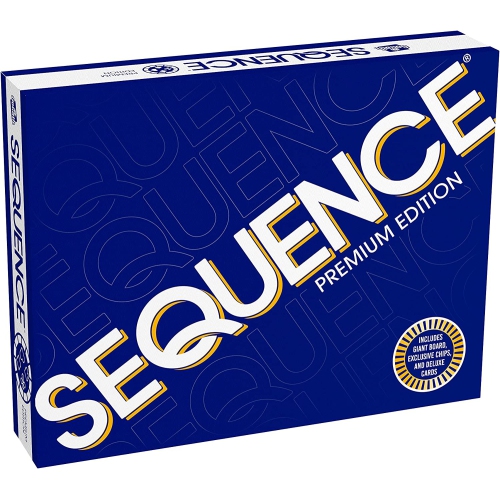
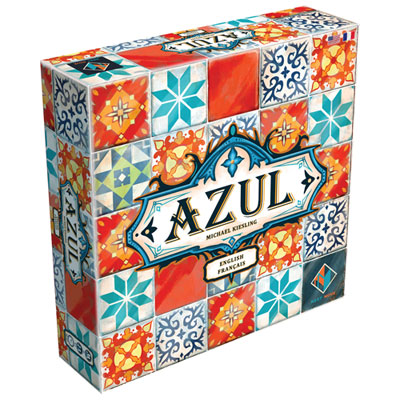
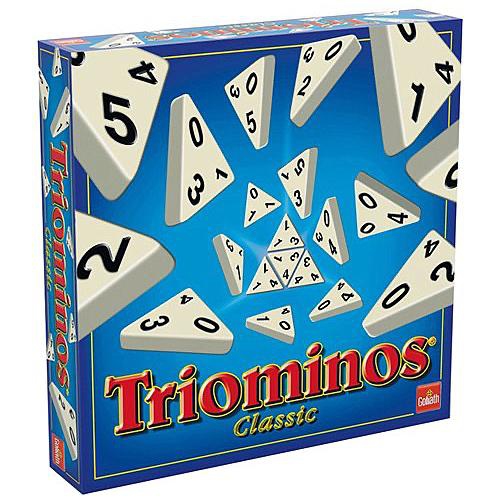
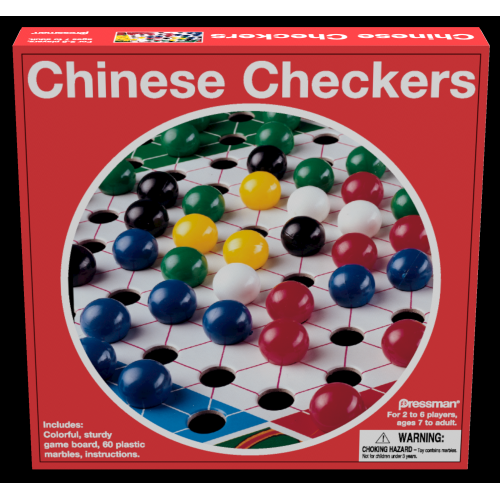
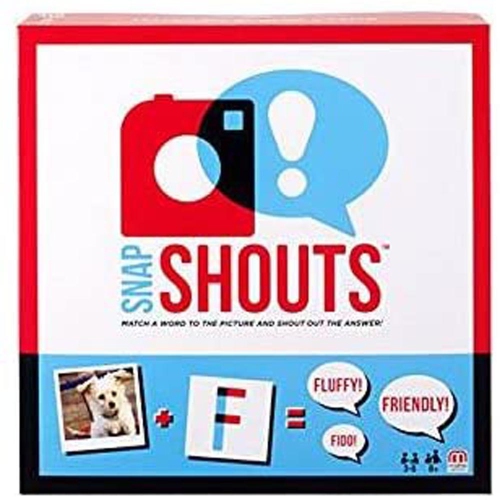

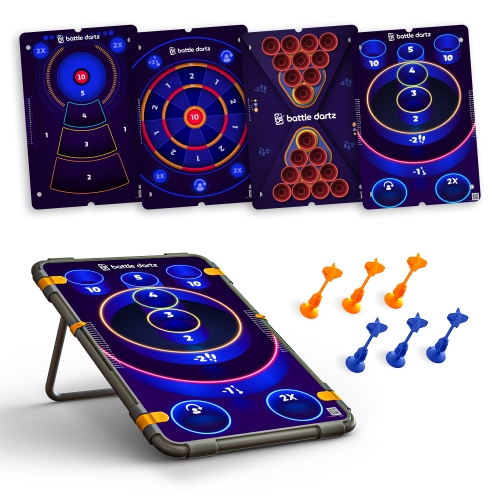

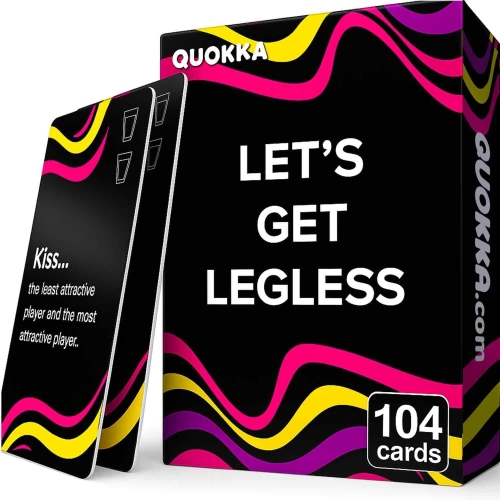
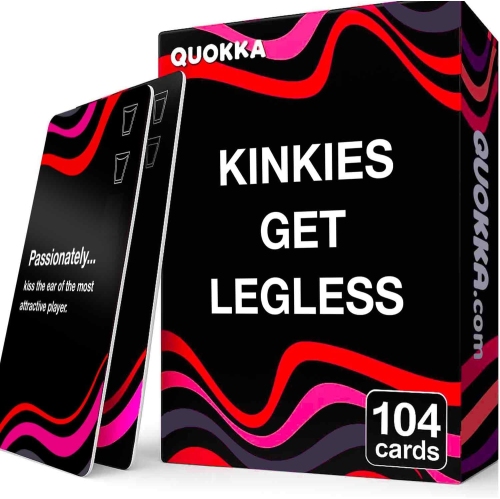
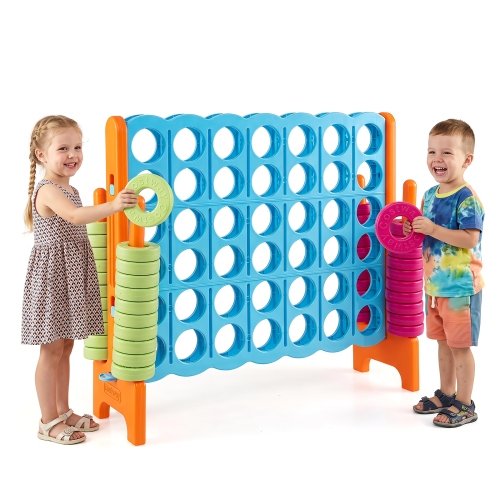
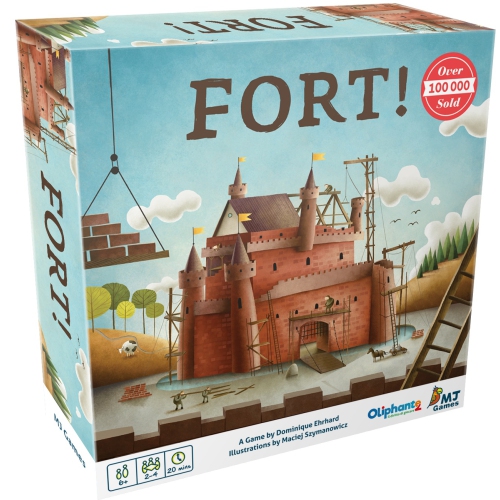
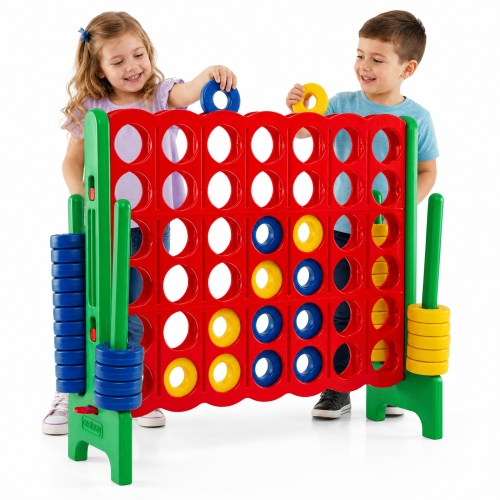
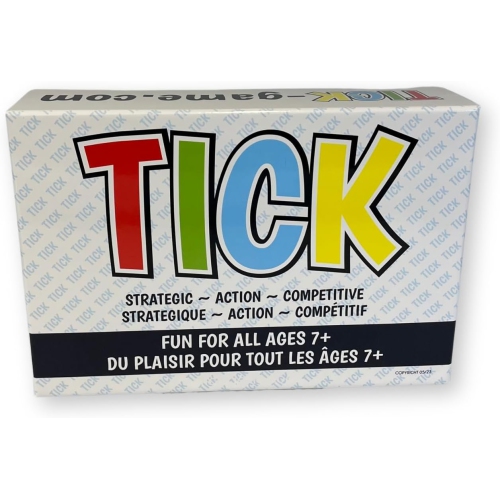
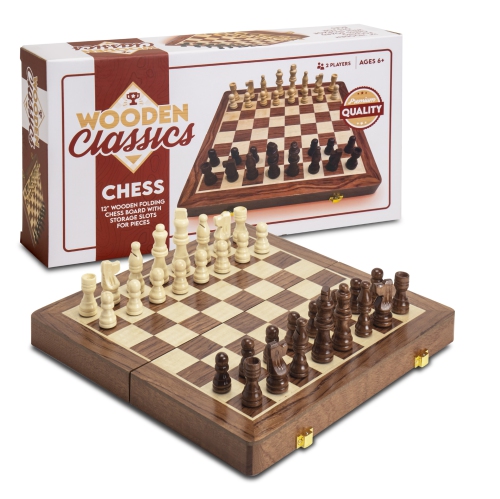

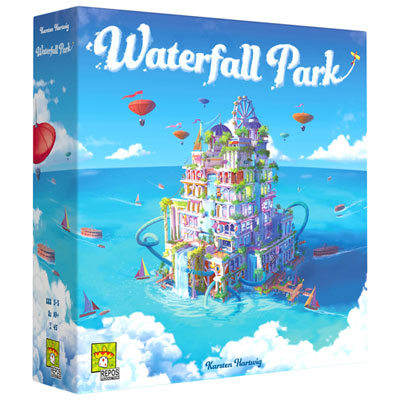
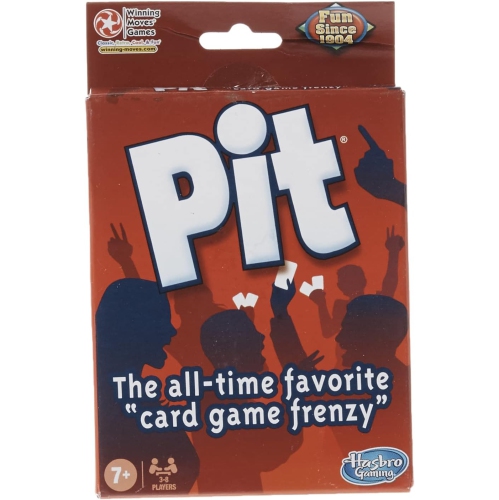
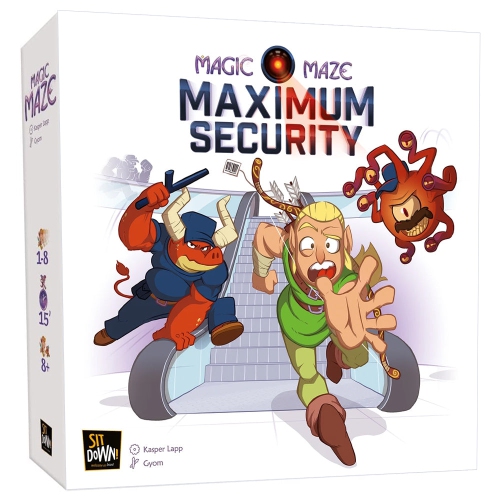
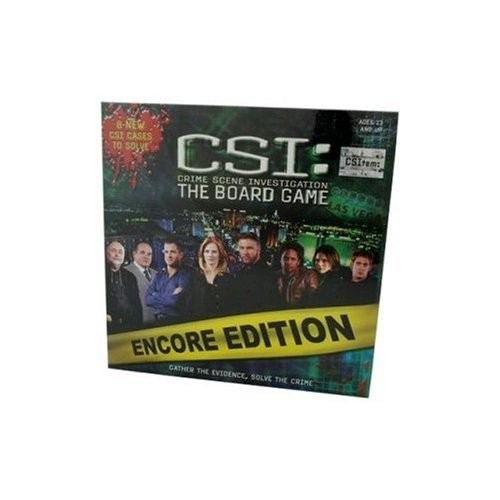
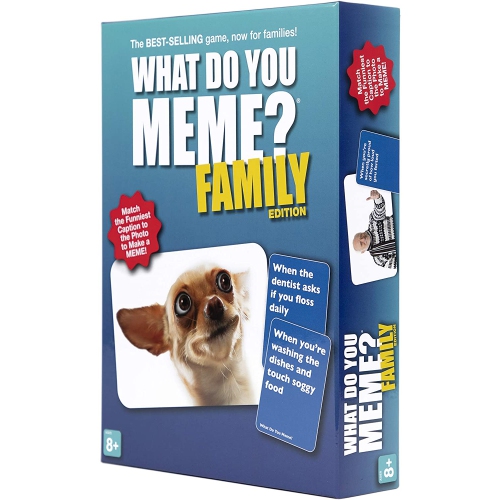
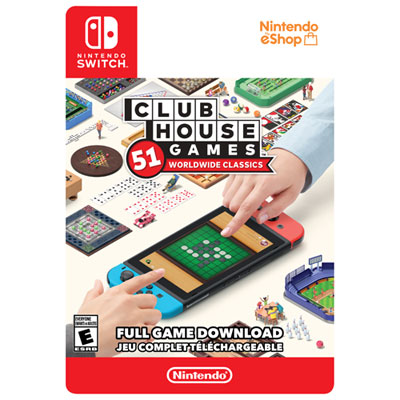
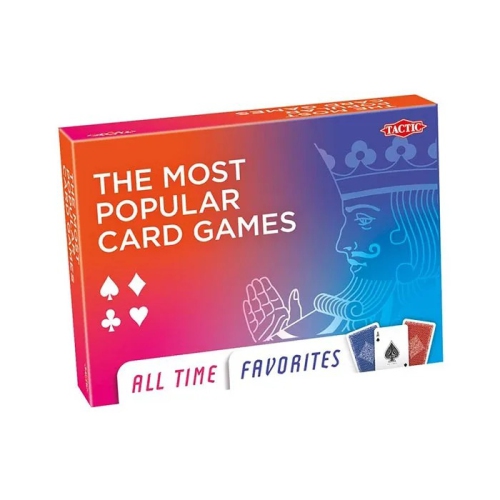
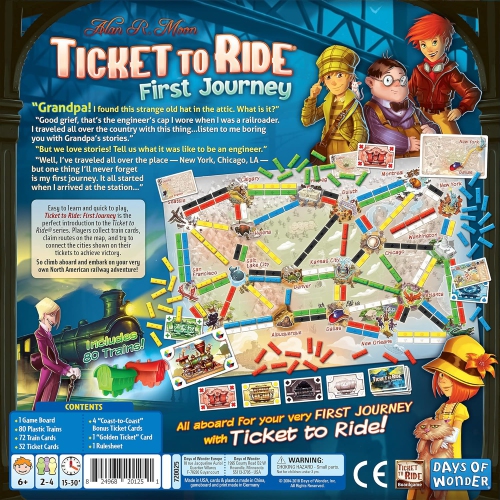
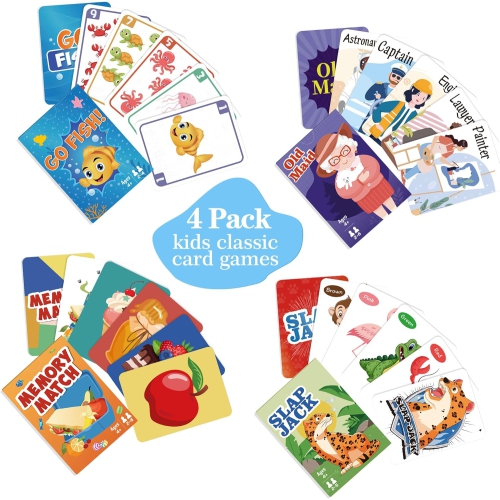
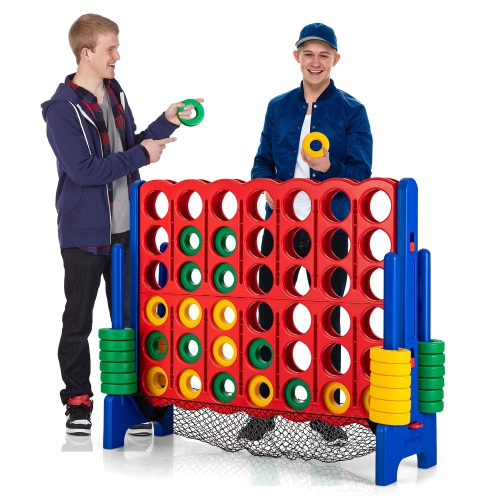
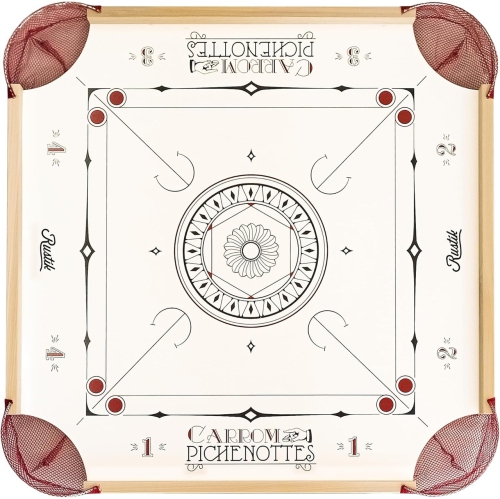
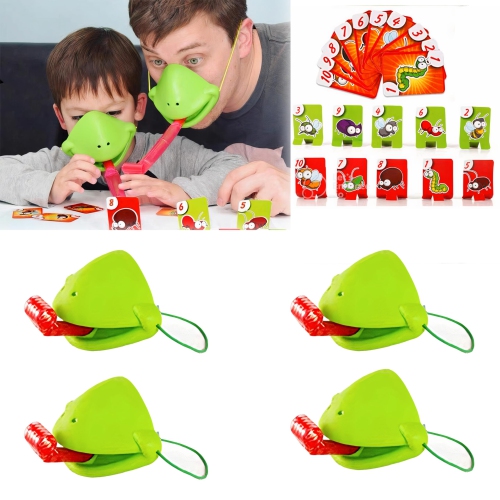
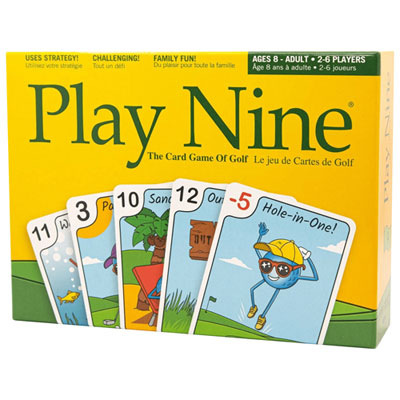
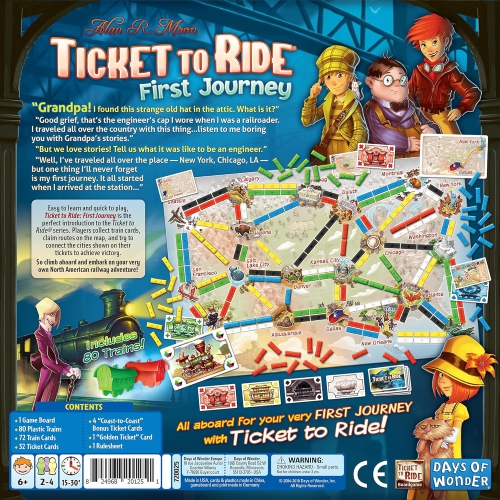
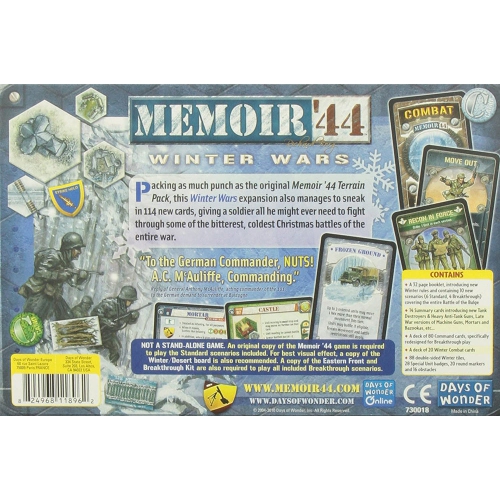

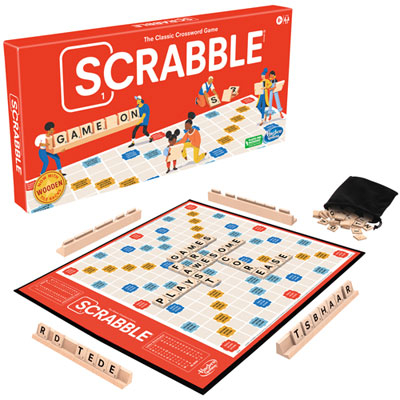

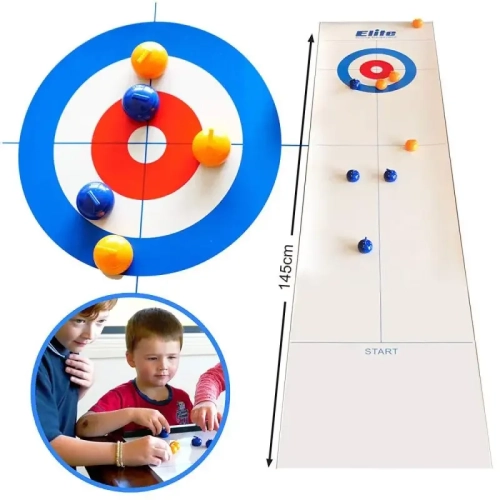
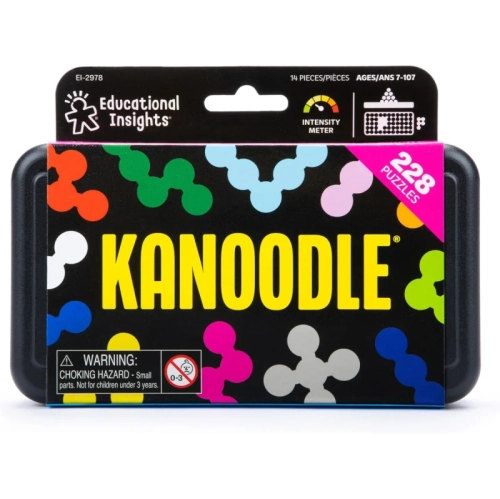


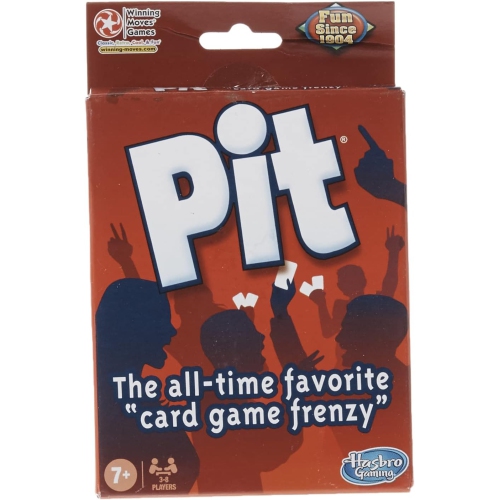
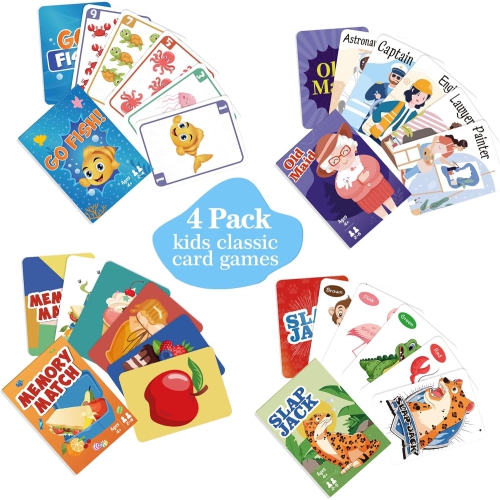
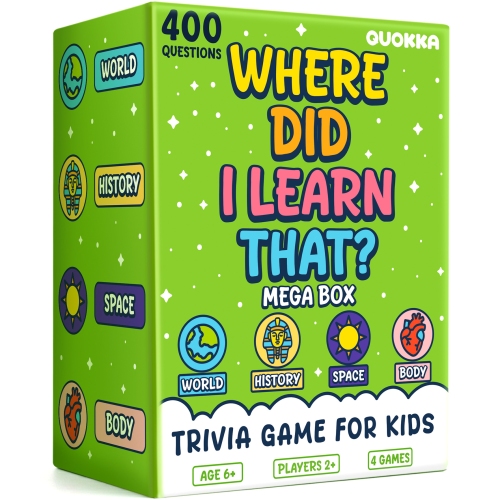
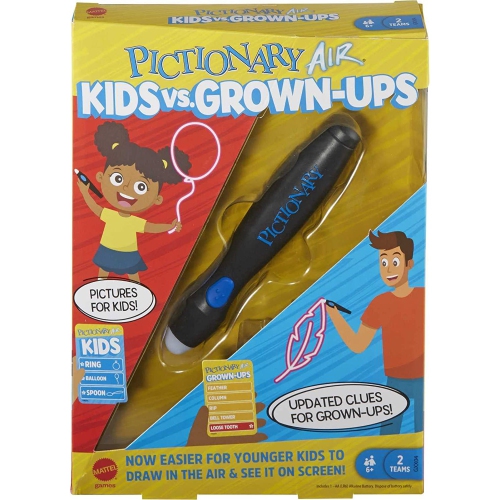
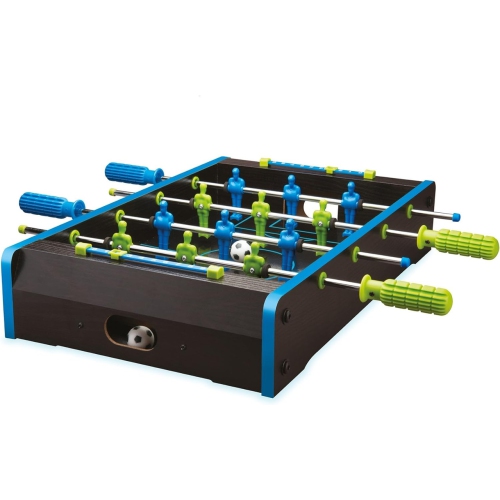
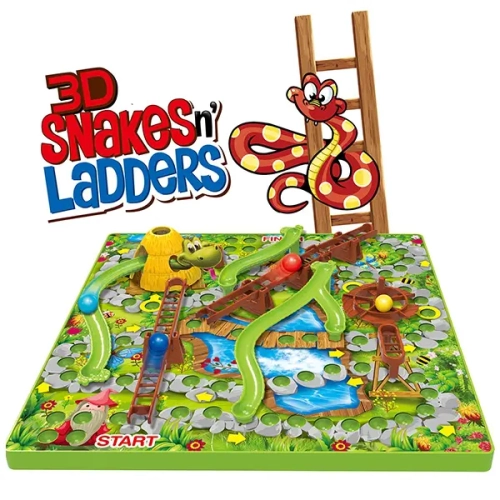
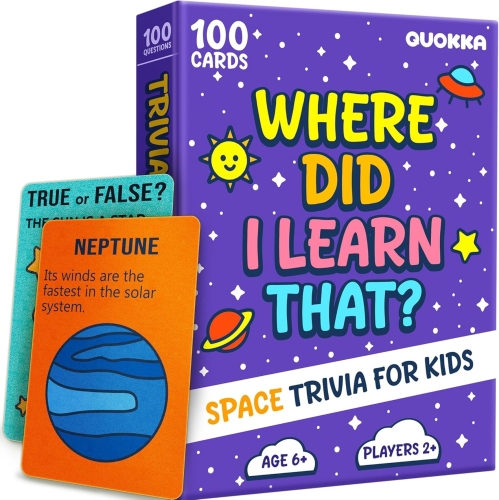
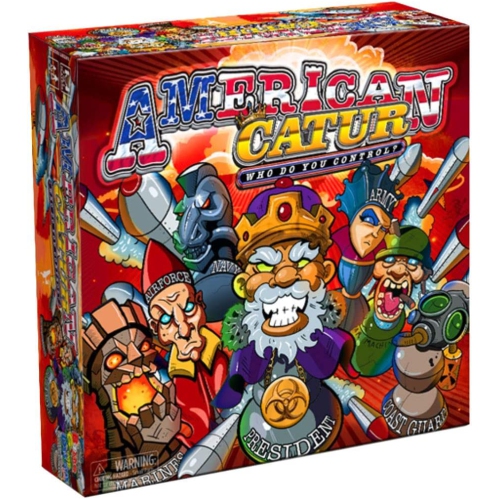
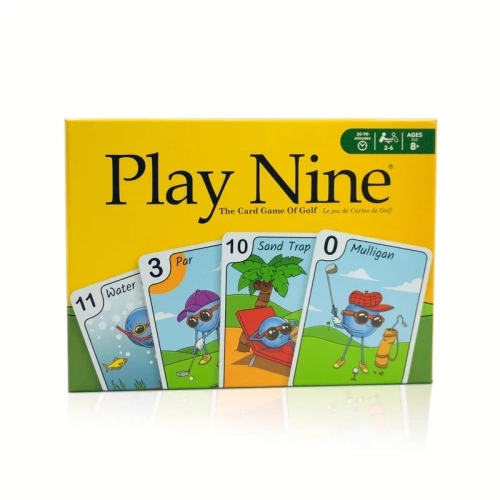
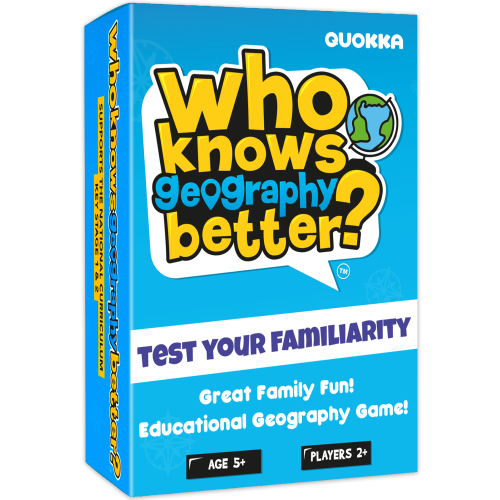
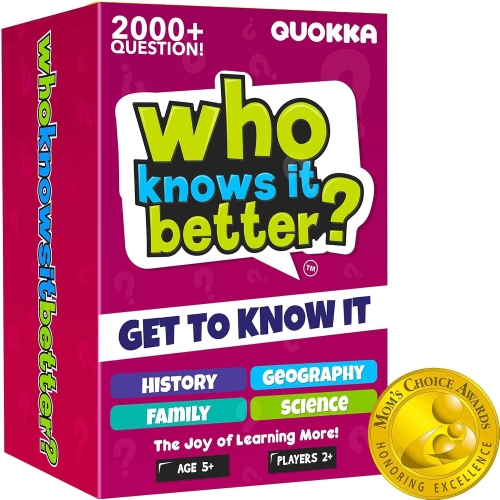
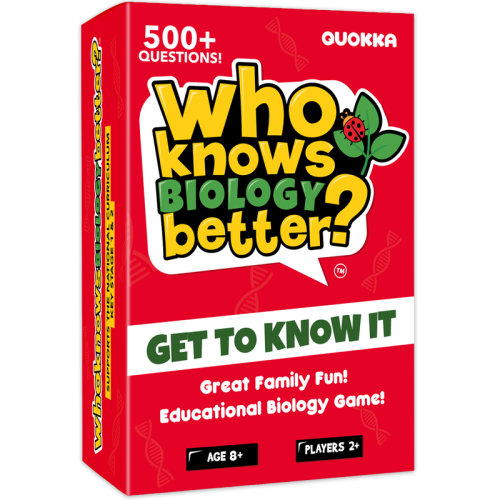
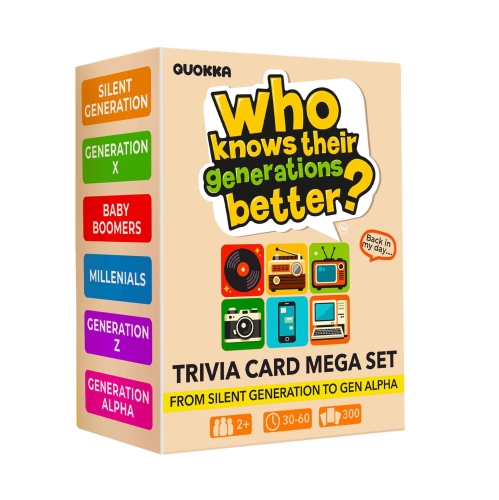
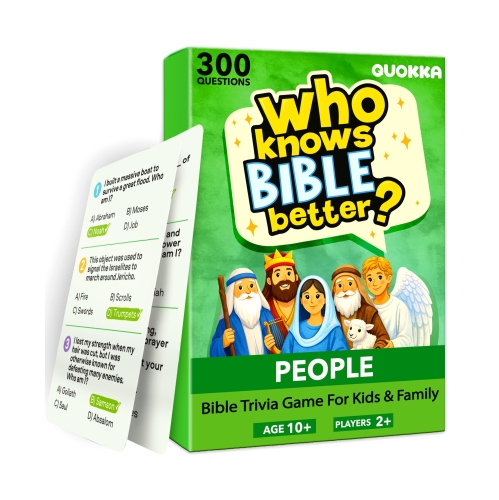

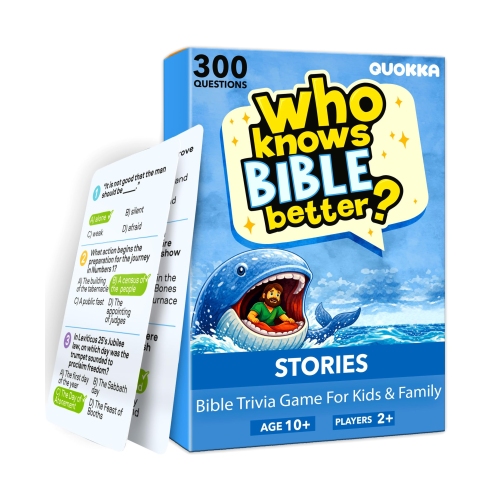
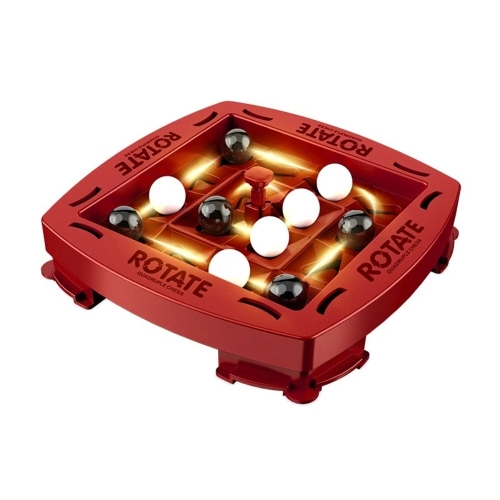
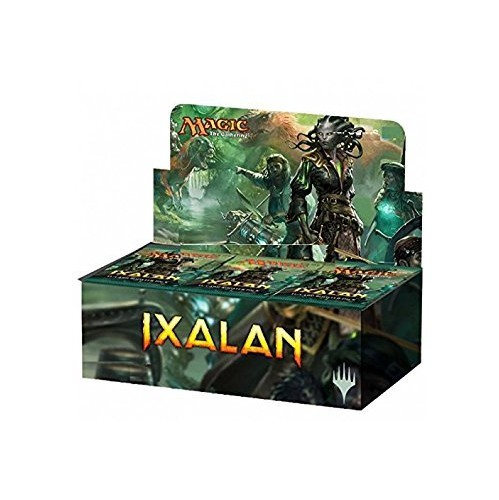
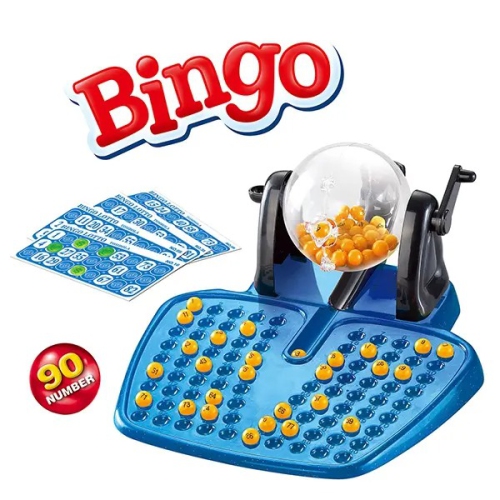
Games worth replaying fit the people around the table
Board games for teens combine face-to-face interaction with the satisfaction of solving a problem, taking a calculated risk, or pulling off a clever move. Popular formats include quick party games, approachable strategy games, cooperative challenges, and story-driven adventures. Each offers a different kind of shared experience: a lively guessing game keeps a large group talking, while a strategy game gives a smaller group room to plan, negotiate, and change tactics. Word and deduction games appeal to teens who enjoy making connections and reading between the lines. Drawing and bluffing games put more emphasis on imagination, quick thinking, and the unexpected answers that become running jokes among friends. For players who like building towards a goal, games based on collecting resources, placing tiles, or creating routes offer visible progress from turn to turn. Cooperative board games give everyone a shared objective, making discussion and teamwork part of the action rather than leaving each player to compete alone. These formats suit different occasions, from a short game after dinner to an afternoon gathering with friends or a regular family game night. The strongest match depends less on how complicated a game looks and more on what the group enjoys doing together. Teens who love debate may appreciate negotiation, while those who prefer a quieter challenge may enjoy arranging pieces or working out the best sequence of moves. A clear objective and meaningful choices help a game feel engaging without requiring a long rules explanation. Replay value often comes from changing layouts, varied objectives, shuffled cards, or decisions that lead to different outcomes each time. Humour, friendly competition, and moments of discovery all have their place, but not every group needs all three. A game that gets played repeatedly is usually one whose pace, theme, and level of interaction fit the people around the table. That fit matters whether the players are close friends, siblings, or classmates getting to know one another.
Player count, playing time, and complexity are useful starting points when comparing board games for teenagers. Check the recommended player range rather than assuming every game works equally well for two people and a full table. Some designs depend on several competing viewpoints, while others create a satisfying back-and-forth with just two players. Team-based formats can bring a larger gathering together, especially when everyone has a role in discussing clues or making decisions. For casual get-togethers, short rounds make it easier for someone to join between games or leave without interrupting a long session. A longer strategy or adventure game suits a group that enjoys settling in, learning a system, and seeing a plan develop. The stated playing time is a useful estimate, although a first session may take longer while players learn the rules. Consider how much reading, arithmetic, negotiation, or memory a game involves, along with whether turns move quickly enough to hold everyone’s attention. A game with a few simple actions can still offer plenty of depth when those actions interact in interesting ways. Simultaneous choices and shared discussions help keep players involved between turns, while lengthy individual turns may suit a more patient group. Competitive games also differ in how they handle setbacks. Some allow a player to recover from an early mistake; others remove participants before the game ends. For a social gathering, keeping everyone involved until the final round can be especially valuable. Age recommendations and content descriptions help families assess reading demands and themes, including suspense or conflict. Accessibility deserves attention too: clearly printed text, distinct symbols, and information that does not rely on colour alone can make play easier to follow. Physical fit matters as much as the rules. A compact playing area works well on a small table, whereas a sprawling board, individual player areas, and several piles of components need more room. Exploring Tabletop Games for Teens offers another way to consider the mix of cards, dice, boards, and hands-on play that different groups enjoy.
Materials and construction affect how a board game feels in use and how well it stands up to repeated play. Common components include folding cardboard boards, printed cards, punchboard tokens, wooden pieces, and moulded plastic figures or markers. Firm boards that lie flat, legible printing, and pieces that are easy to distinguish make setup and play more comfortable. Cards handled throughout every round benefit from careful shuffling, while frequently used tokens need enough thickness to be picked up without bending. Storage is part of durability: compartments or resealable bags help keep small pieces together, and separating decks makes the next session easier to start. Keep drinks away from the playing area, handle paper components with clean, dry hands, and follow any supplied care directions. Most cardboard and printed paper components should be kept dry rather than wiped with a wet cloth. Returning pieces to the box without forcing the lid helps prevent bent boards and crushed inserts. For games with an ongoing story or several sessions of connected play, organized storage also makes it easier to preserve progress. Board games make thoughtful gifts for teens when the choice reflects their interests and the people they are likely to play with. Someone who enjoys puzzles may appreciate deduction and pattern recognition, while an outgoing host may prefer a format that welcomes conversation and a larger group. A teen who enjoys imaginative stories may be drawn to exploration, character roles, and decisions that shape what happens next. Consider the likely setting as well: a gift for two siblings has different requirements from one intended for a group of friends. Straightforward setup and an easy-to-reference rulebook help a new game reach the table without turning the first session into a lengthy explanation. Whether intended for friendly rivalry, shared problem-solving, or an easygoing evening together, a well-matched board game gives teens a reason to put their attention on the same activity and make the experience their own.
Top selling and popular products
-
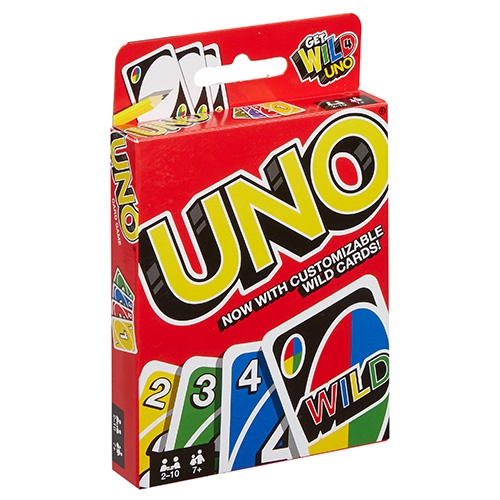 Your price for this item is $14.99
-
 Your price for this item is $34.99
-
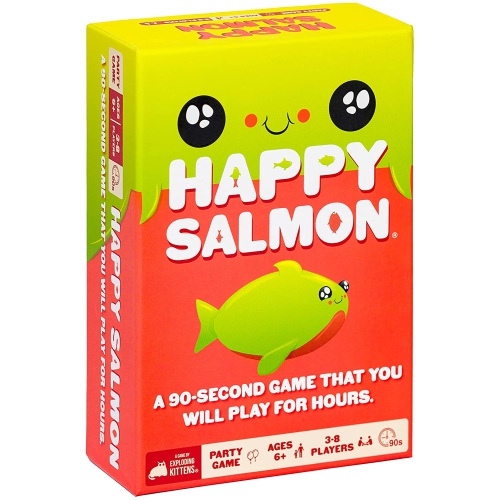 Your price for this item is $21.99
-
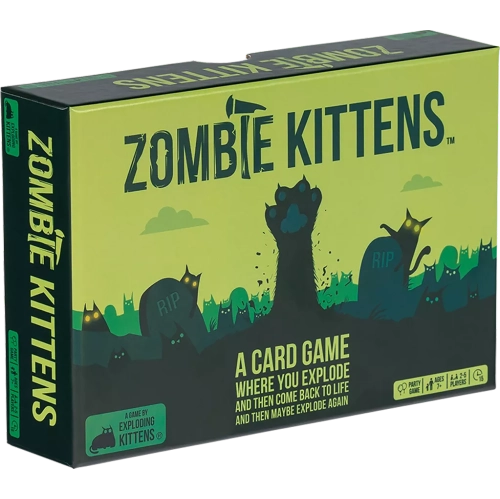 Your price for this item is $34.99
-
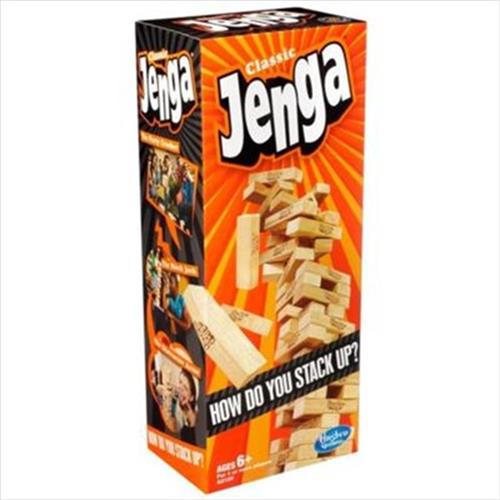 Your price for this item is $24.99
-
 Your price for this item is $31.99
-
 Your price for this item is $29.99
-
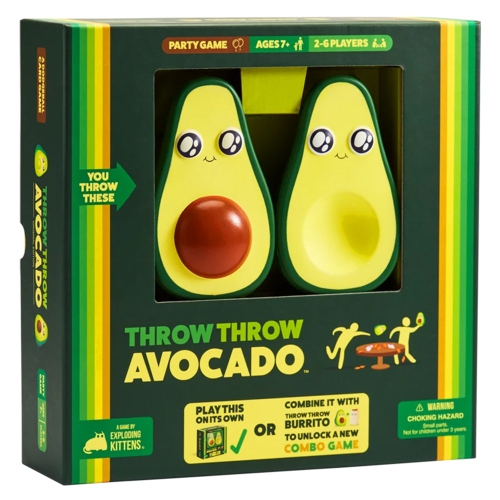 Your price for this item is $44.99
Discover more categories related to Board Games for Teens

Top Collections:
Pokemon Centers, Kindle Devices, Best Black Friday Deals This Year, Pokémon 30th Celebration Cards, Best Black Friday Deals On Electronics, Best Cameras for Sports Photography, Best Black Friday Deals On Apple Products, Canon G7X Cameras, iPhone 15 Apple, Candle Warmer Lights
Some products may be subject to Environmental Handling Fees
(EHF) depending on your province.
Learn more about EHFs.