Grocery Store Playsets
Grocery Store Playset options bring imaginative shopping adventures to life for kids of all ages. Perfect for encouraging creative role-play, these playsets transform any space into a bustling market scene. Whether used for solo fun or group activities, a Grocery Store Playset offers endless opportunities for children to explore, learn, and enjoy hours of entertainment. Discover a variety of styles and designs that make pretend play more engaging than ever.
Sort
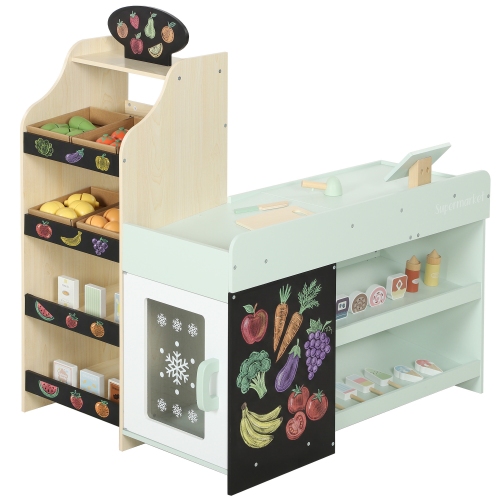
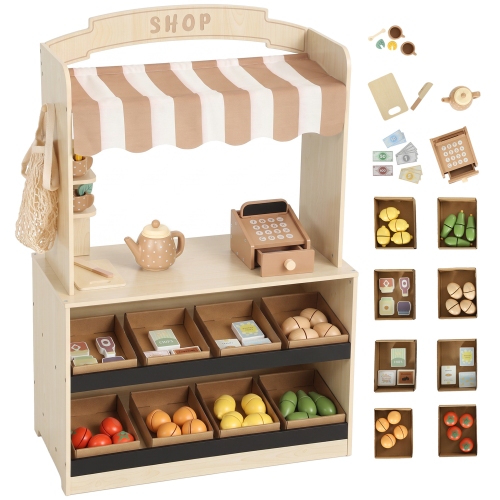
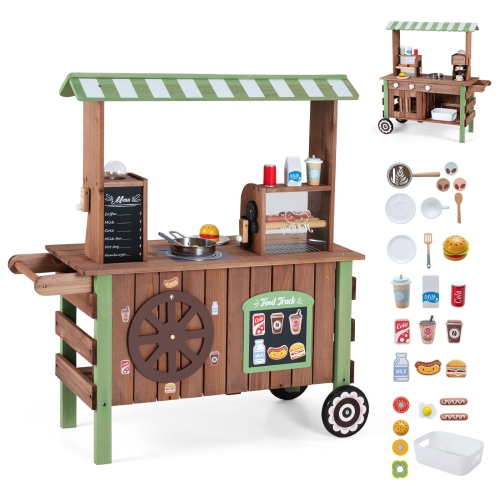
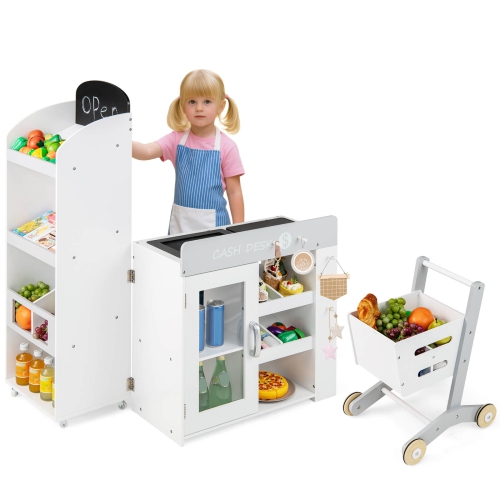
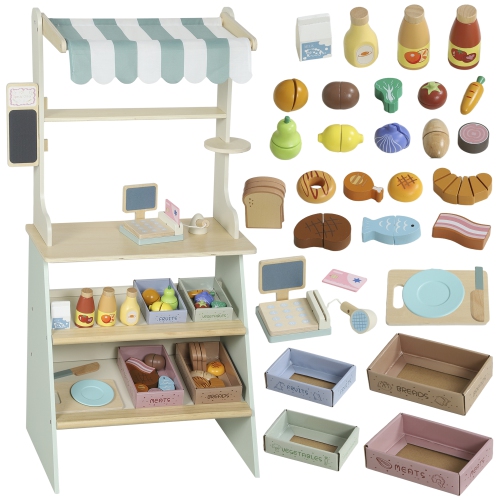
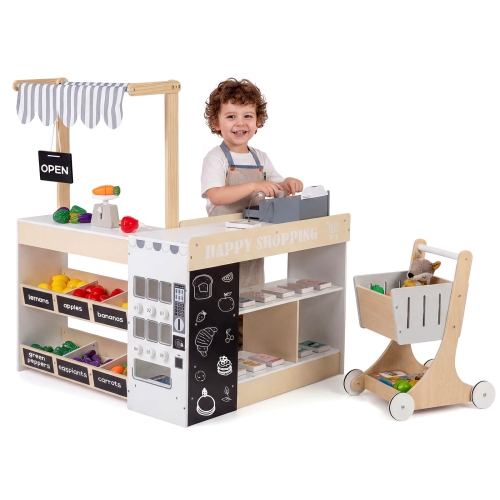
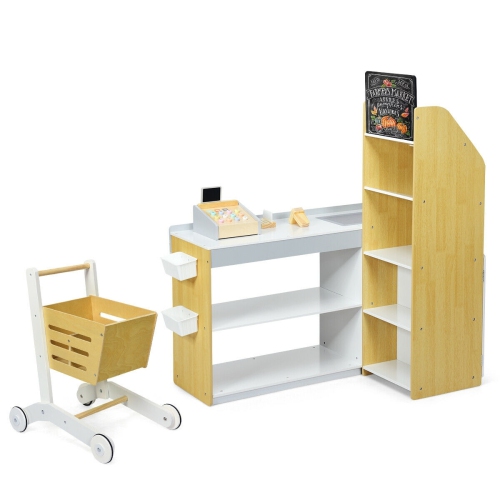
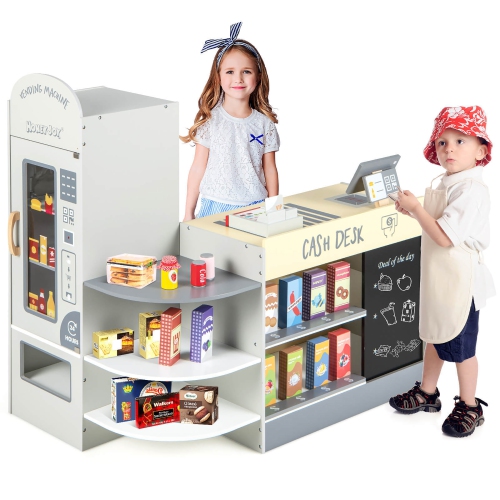
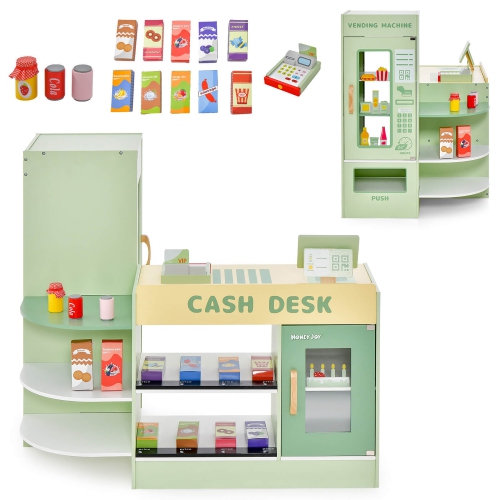
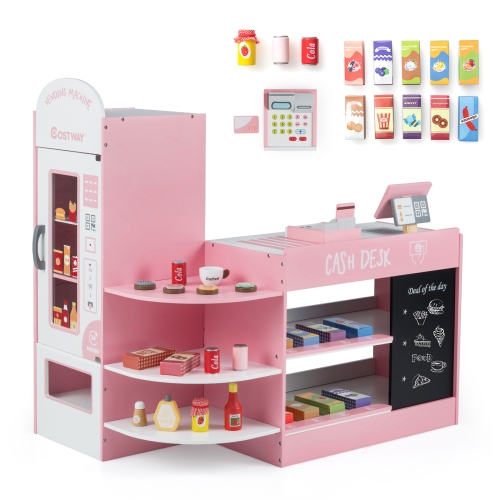
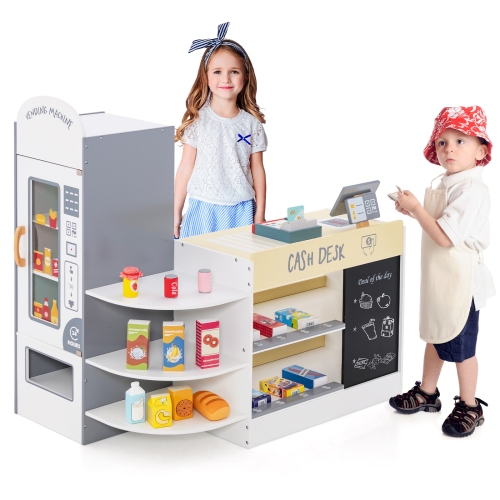
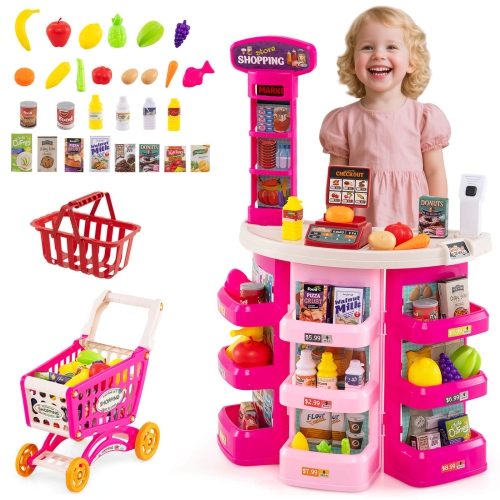
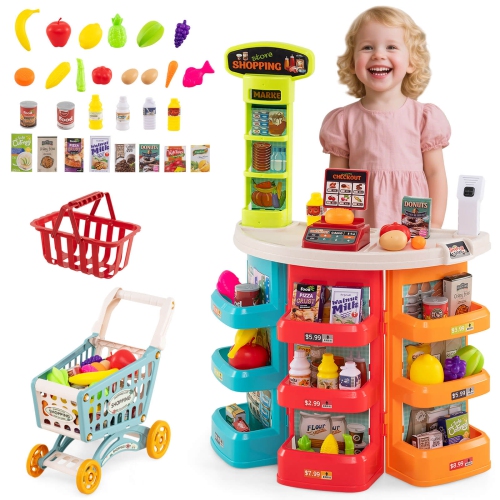
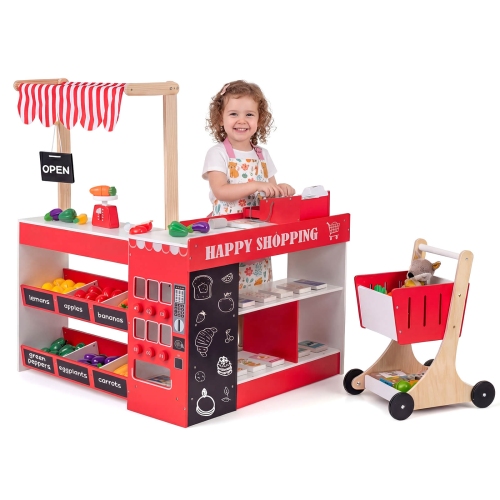
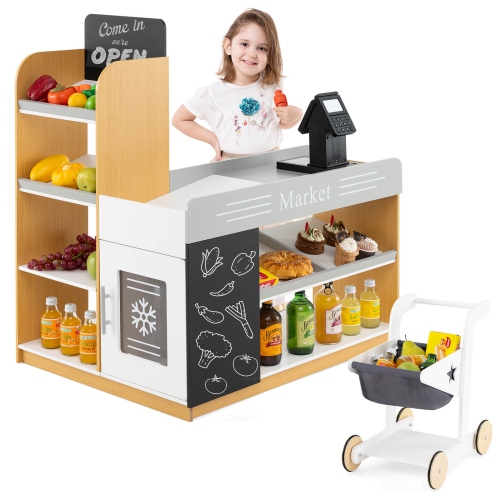
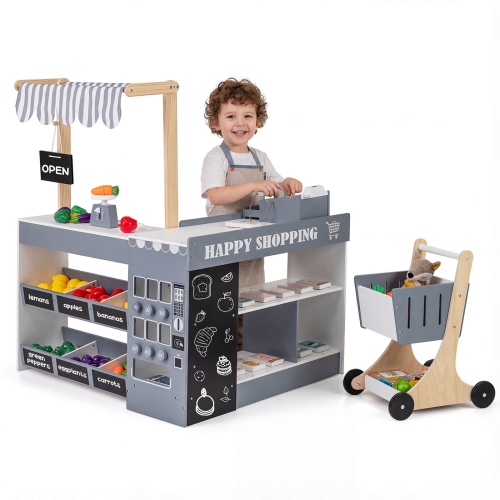

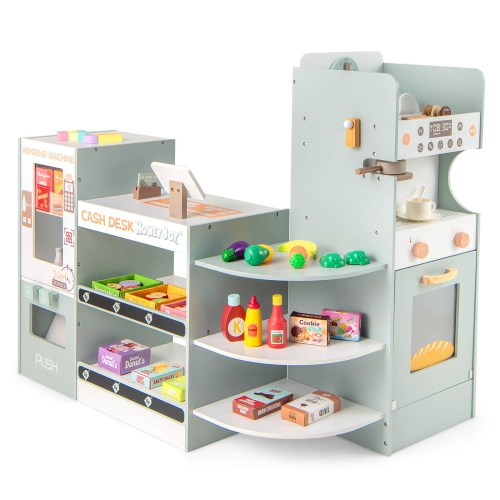
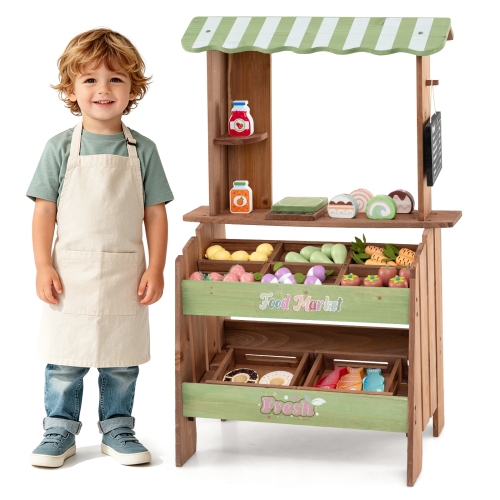
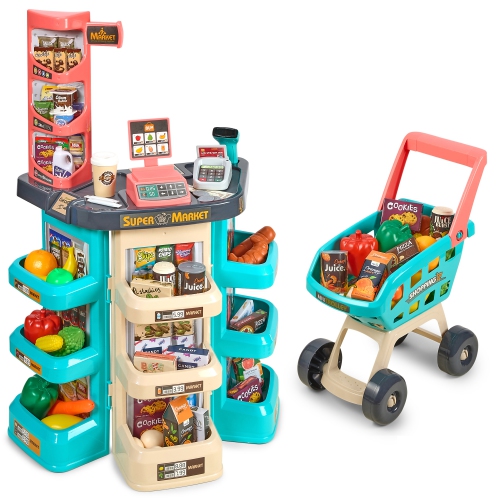
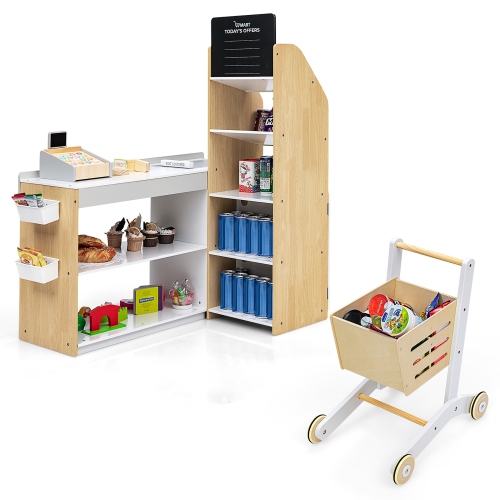
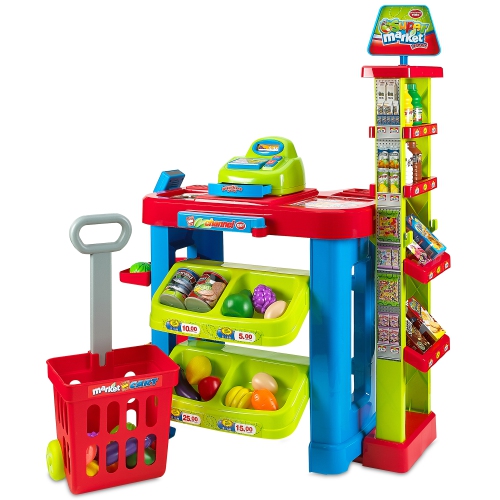
Everyday shopping routines spark stories at the till
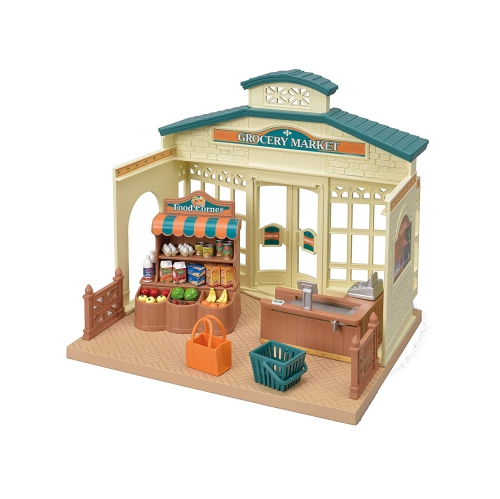
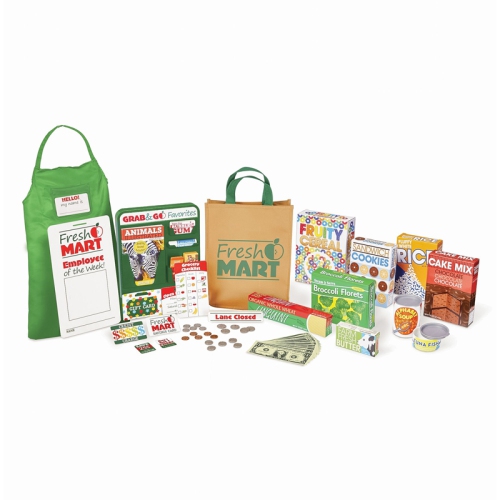
Grocery store playsets bring the familiar routines of shopping into children’s pretend play, with designs ranging from wooden market stands and compact countertop shops to plastic checkout stations with interactive features. Their layouts often include a display area for play food, a counter for serving customers, and shelves or bins that keep the shop organized. Some focus on the market stall experience, while others recreate a supermarket checkout with a pretend scanner, conveyor belt, or cash register. These different formats give children ways to act out what they see on a grocery trip: gathering ingredients, sorting produce, packing a bag, and taking turns at the till. A child playing independently might arrange a colourful fruit display and shop on behalf of a favourite stuffed animal. With siblings or friends, the same setup can become a busy neighbourhood shop, with one child stocking shelves while another helps a customer find what they need. This kind of open-ended play leaves room for conversation, counting, matching, and storytelling without requiring a fixed sequence or a winning score. Play food can be grouped by colour, shape, or food type, while shopping lists introduce a reason to recognize pictures, make marks on paper, or practise familiar words. The most suitable level of detail depends on the child’s age and interests. Larger accessories and straightforward layouts may be easier for younger children to handle, while children who enjoy more involved role-play may appreciate separate shopping and checkout areas. Manufacturer age recommendations remain important, particularly when a set includes small accessories, detachable pieces, or battery-powered features. Grocery store playsets can make thoughtful birthday gifts for children who enjoy pretend cooking, helping with household routines, or inventing everyday stories. They also suit shared play spaces where the shopkeeper and customer roles give children a natural starting point for playing together, while leaving the direction of the game up to them.
Materials, construction, and dimensions help determine how a grocery store playset fits into everyday life. Wooden designs may use solid wood, engineered wood, or a combination of materials, so the construction details are more informative than appearance alone. Smooth edges, well-finished surfaces, secure shelf supports, and firmly attached fittings matter in a shop that will be stocked, emptied, and rearranged repeatedly. Plastic designs often allow for moulded compartments, lightweight accessories, and detailed checkout features, although their weight and sturdiness vary. Fabric awnings, paper shopping lists, and cardboard food packaging add texture and realism but may need different care from the main structure. For any material, durability depends partly on how the set is assembled and used. Follow the assembly instructions, check fittings periodically, and keep counters and shelves within any stated load limits. A play counter is not a climbing frame, and a stable position on a level surface helps keep the setup suitable for its intended use. Measurements deserve attention beyond whether the assembled shop fits against a wall. Children need space to stand behind the counter, reach the display, and move around the customer side without blocking a doorway or a frequently used path. Counter height and shelf depth also affect comfort: a display that looks appealing to an adult may be difficult for a smaller child to reach. In a shared room, a compact footprint or accessible storage can make the difference between a playset that is used regularly and one that feels awkward to keep out. Care should follow the manufacturer’s directions. Many finished surfaces can be wiped with a soft, lightly dampened cloth, but soaking may damage wood-based panels, printed details, or electronic components. Wash removable accessories only as directed, allow cleaned pieces to dry before storing them, and keep moisture away from battery compartments. Battery access, where applicable, should remain secured as designed and be handled by an adult.
The accessories and layout shape the experience as much as the main shop structure. A broad display area invites children to arrange a market stall, while divided compartments make sorting and tidying part of the play. A checkout with sound or light effects can give immediate feedback during pretend scanning, but an unpowered counter can be just as engaging for a child who prefers to supply the dialogue and sound effects. It is worth distinguishing decorative features from working play functions: a printed conveyor belt offers a different experience from one that moves, and a pretend register may have a simple opening drawer rather than electronic controls. Included accessories vary, so the contents described for each set help clarify how complete the setup will feel at the start. When combining a shop with existing pretend food or shopping accessories, check dimensions rather than assuming everything will fit. Oversized play food may not pass through a checkout area, and a basket that suits one display may be too wide for another shelf. Compatibility also includes age suitability, especially in households where children of different ages share a play space. Storage can support more satisfying play by making it easy to see what belongs where. Open bins, reachable shelves, and a designated place for loose accessories let children reset the shop between stories instead of searching through an unrelated toy box. For children who already enjoy wooden kitchen playsets, a grocery setup adds another stage to the same make-believe routine: choosing ingredients, carrying them home, preparing a meal, and serving guests. The connection works without every piece matching in colour or style, provided the scale and handling suit the children using them. A well-suited grocery store playset offers enough structure to feel recognizable and enough flexibility to become something new, whether that is a small fruit shop, a family supermarket, or a make-believe shop taking orders for an afternoon gathering.
Top selling and popular products
-
 Your price for this item is $219.97
-
 Your price for this item is $57.99
-
 Your price for this item is $57.99
-
 Your price for this item is $28.98
-
 Your price for this item is $95.19
-
 Your price for this item is $32.99
-
 Your price for this item is $85.99
-
 Your price for this item is $65.99
Discover more categories related to Grocery Store Playsets
Top Collections:
Best Black Friday Deals This Year, Best Black Friday Deals On Electronics, Kindle Devices, Dyson Airwrap, Best Cameras for Sports Photography, Best Budget Office Chairs, Canon G7X Cameras, PS5 Pro Consoles, Best Black Friday Deals On Apple Products, XBOX One S Consoles
Some products may be subject to Environmental Handling Fees
(EHF) depending on your province.
Learn more about EHFs.