Spine Models
Explore a diverse selection of spine models designed to enhance your understanding of the intricate structure and functions of the human spine. From detailed anatomical replicas to interactive educational tools, these spine models offer a hands-on approach to learning about spinal health and anatomy. Whether you're a student, healthcare professional, or simply curious about the complexities of the spine, these models provide a visual aid that can help you grasp key concepts with clarity and precision. Dive into our collection of spine models and discover the perfect resource to elevate your knowledge and study of spinal anatomy.
Sort
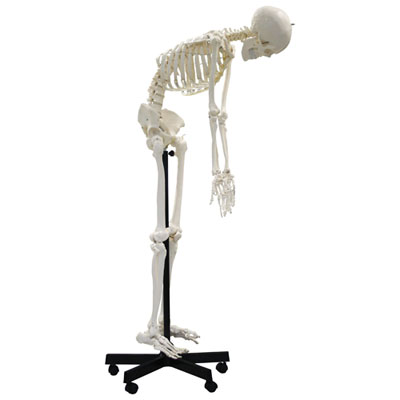
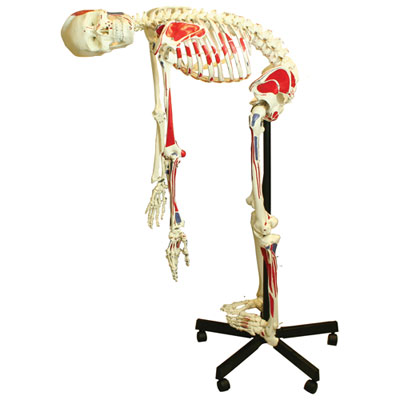
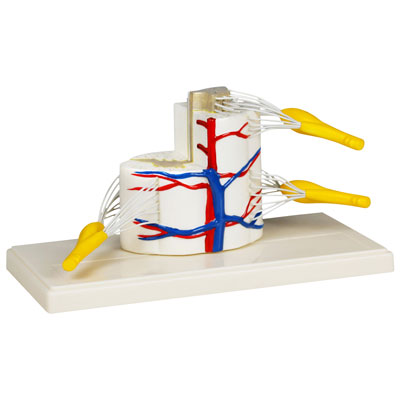
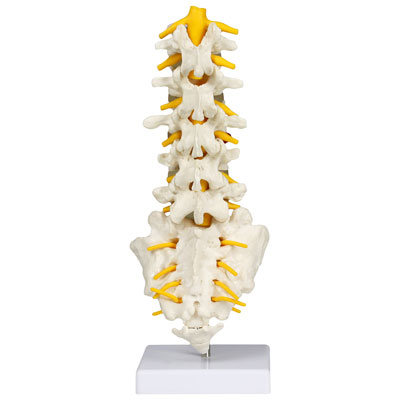
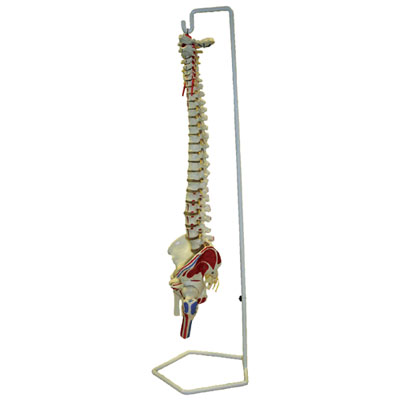
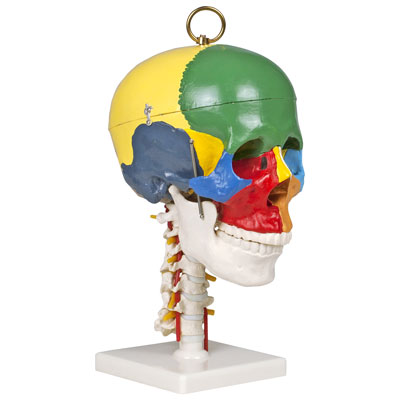
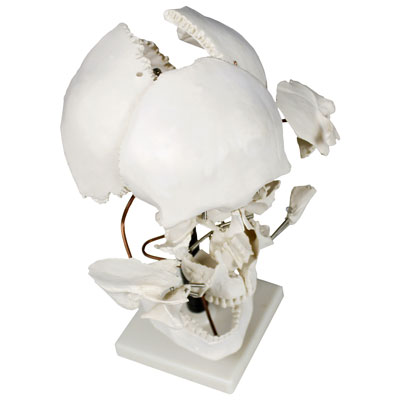
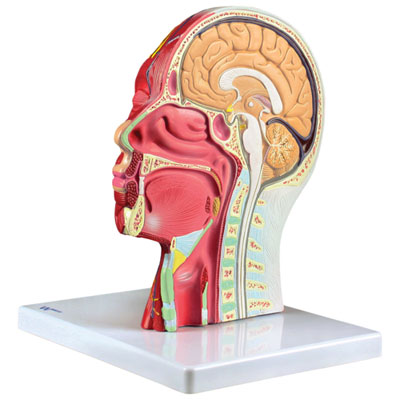
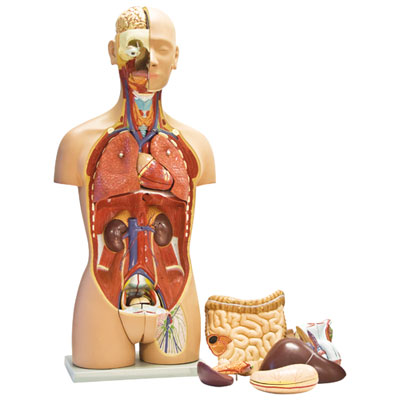
A hands-on way to understand spinal anatomy and movement
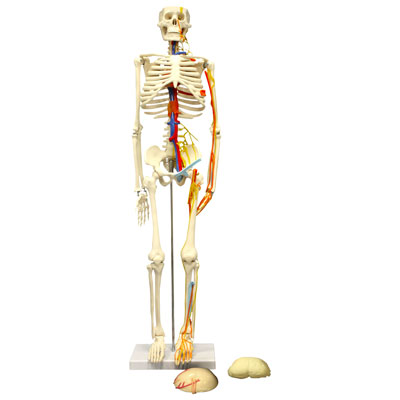
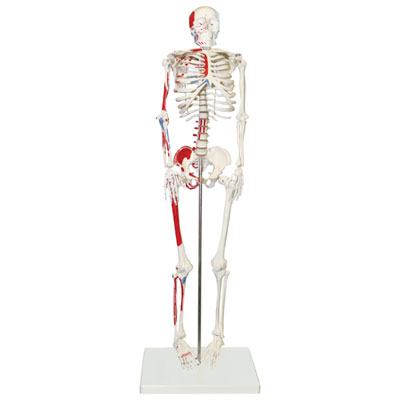
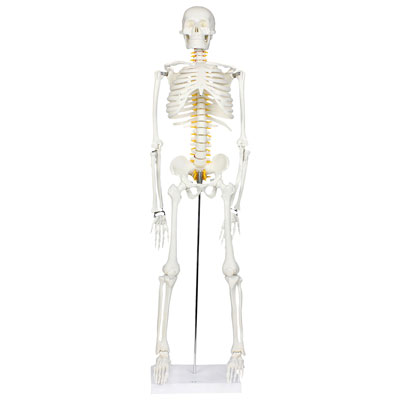
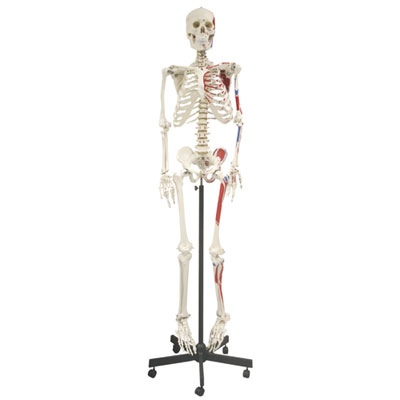
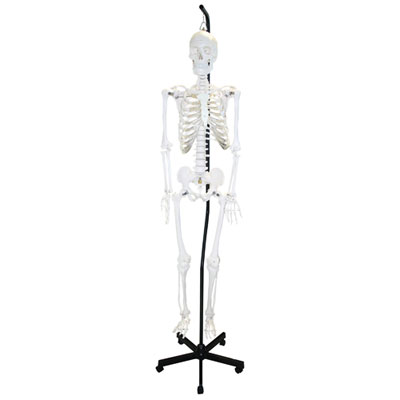
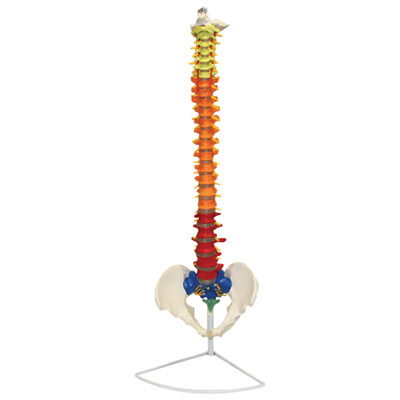
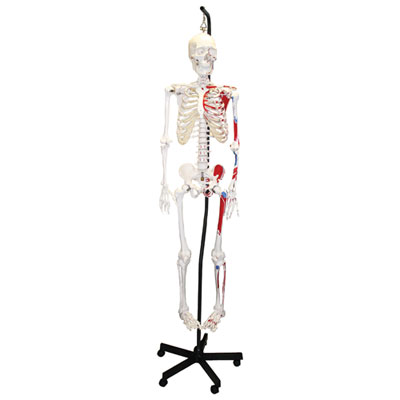
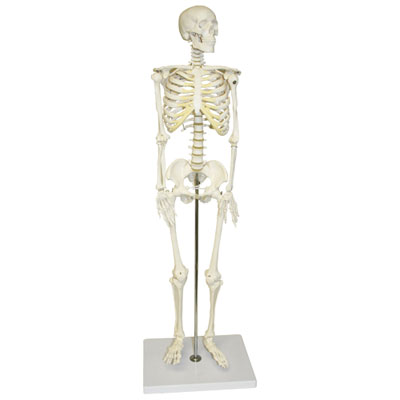
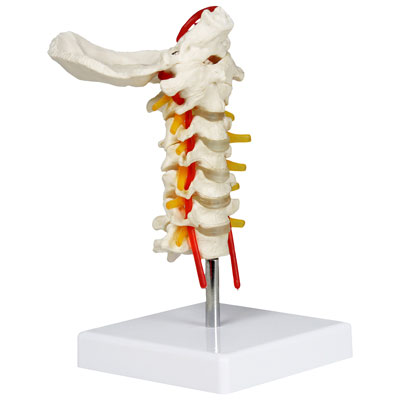
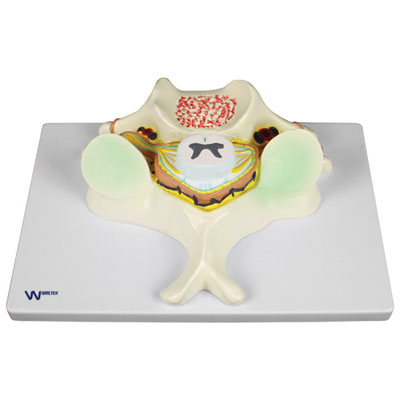
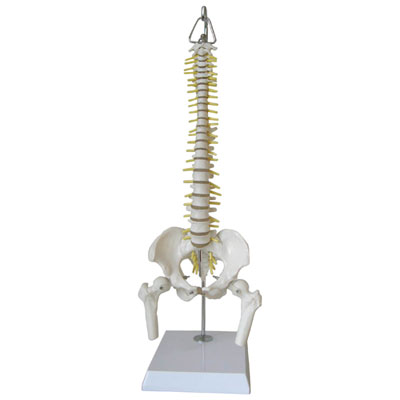
Spine models are three-dimensional anatomical teaching tools that make the structure and movement of the vertebral column easier to see, handle and explain. Unlike a flat textbook illustration, a physical model can show how the cervical, thoracic and lumbar regions connect with the sacrum, pelvis and skull, while helping learners follow the path of the spinal cord, nerve roots and vertebral arteries. Many full-size designs include flexible joints, visible intervertebral discs and emerging spinal nerves so users can demonstrate alignment, flexion, extension and rotation. Others focus on a smaller area, such as the cervical spine from C1 to C7, the thoracic vertebrae or the lumbar spine with the sacrum. These regional models are useful when the lesson or consultation centres on a particular part of the back. For a broader anatomy display, a spine model can be paired with Human Skeleton Models to show how the vertebral column relates to the ribs, shoulder girdle, pelvis and limbs. The most suitable style depends on the intended setting: a classroom may benefit from a durable, easy-to-handle model with clearly differentiated vertebrae, while a clinic may prefer a detailed design that supports patient conversations about posture, nerve pathways and treatment plans.
Medical, nursing, physiotherapy, chiropractic and kinesiology students can use spine models to reinforce lessons about spinal anatomy and biomechanics. Turning a model in the hands can make the differences between a normal curve, excessive movement and restricted motion more apparent than memorizing labels on a page. Educators may use a flexible spine to demonstrate the role of the discs during compression, bending and rotation, or to compare the relative position of the vertebrae in neutral and flexed postures. Functional and dynamic models use pliable materials or articulated components to imitate some of the behaviour of intervertebral discs under load, making them helpful for demonstrations about movement and force. Pathology models take another approach by presenting changes associated with conditions such as herniated discs, degenerative disc disease, spinal stenosis or osteoporosis. These displays should be understood as educational representations rather than diagnostic tools, but they can give patients and learners a clear visual reference during discussions. In a consultation, being able to point to the lumbar region and show where a disc sits can make unfamiliar terminology less intimidating. In a study group, a removable or colour-coded component can turn a dense anatomy lesson into a practical exercise as students identify landmarks, trace nerve routes and explain how the regions work together.
When choosing a spine model, consider the level of detail, the area of anatomy required and how often the model will be handled. A full spine is a strong choice for an introductory anatomy course, general classroom display or clinic that discusses several regions, while a cervical or lumbar model may be more useful for focused instruction. Flexible designs are well suited to demonstrations of range of motion, but they should be stored in a position that does not place unnecessary strain on joints or connecting parts. Rigid bone-mimicking models can provide a more substantial training aid for advanced instruction, including demonstrations that simulate drilling or cutting, when the design is specifically made for that purpose. Look for clearly marked vertebrae, securely attached discs, visible nerve roots and a stable base if the model will remain on a desk or examination-room counter. Size also matters: a larger model is easier for a group to view, while a compact version can fit neatly in a student’s study space or travel between classrooms. Construction is another practical consideration, particularly for busy learning environments where models may be passed from one person to another. Spine models can also be thoughtful gifts for anatomy students, aspiring health professionals, science-minded learners or educators building a hands-on teaching collection. During the cooler months, when more study and indoor learning take place, an accurate model can add a tactile element to revision sessions and help turn a quiet desk into a small anatomy lab. Whether used to introduce the vertebral column, explain spinal mechanics or support a detailed lesson on pathology, the right model should present information clearly, withstand its intended use and match the user’s knowledge level.
Medical, nursing, physiotherapy, chiropractic and kinesiology students can use spine models to reinforce lessons about spinal anatomy and biomechanics. Turning a model in the hands can make the differences between a normal curve, excessive movement and restricted motion more apparent than memorizing labels on a page. Educators may use a flexible spine to demonstrate the role of the discs during compression, bending and rotation, or to compare the relative position of the vertebrae in neutral and flexed postures. Functional and dynamic models use pliable materials or articulated components to imitate some of the behaviour of intervertebral discs under load, making them helpful for demonstrations about movement and force. Pathology models take another approach by presenting changes associated with conditions such as herniated discs, degenerative disc disease, spinal stenosis or osteoporosis. These displays should be understood as educational representations rather than diagnostic tools, but they can give patients and learners a clear visual reference during discussions. In a consultation, being able to point to the lumbar region and show where a disc sits can make unfamiliar terminology less intimidating. In a study group, a removable or colour-coded component can turn a dense anatomy lesson into a practical exercise as students identify landmarks, trace nerve routes and explain how the regions work together.
When choosing a spine model, consider the level of detail, the area of anatomy required and how often the model will be handled. A full spine is a strong choice for an introductory anatomy course, general classroom display or clinic that discusses several regions, while a cervical or lumbar model may be more useful for focused instruction. Flexible designs are well suited to demonstrations of range of motion, but they should be stored in a position that does not place unnecessary strain on joints or connecting parts. Rigid bone-mimicking models can provide a more substantial training aid for advanced instruction, including demonstrations that simulate drilling or cutting, when the design is specifically made for that purpose. Look for clearly marked vertebrae, securely attached discs, visible nerve roots and a stable base if the model will remain on a desk or examination-room counter. Size also matters: a larger model is easier for a group to view, while a compact version can fit neatly in a student’s study space or travel between classrooms. Construction is another practical consideration, particularly for busy learning environments where models may be passed from one person to another. Spine models can also be thoughtful gifts for anatomy students, aspiring health professionals, science-minded learners or educators building a hands-on teaching collection. During the cooler months, when more study and indoor learning take place, an accurate model can add a tactile element to revision sessions and help turn a quiet desk into a small anatomy lab. Whether used to introduce the vertebral column, explain spinal mechanics or support a detailed lesson on pathology, the right model should present information clearly, withstand its intended use and match the user’s knowledge level.
Top selling and popular products
-
 Your price for this item is $123.95
 -
 Your price for this item is $51.99
 -
 Your price for this item is $31.94
 -
 Your price for this item is $82.13
 -
 Your price for this item is $250
 -
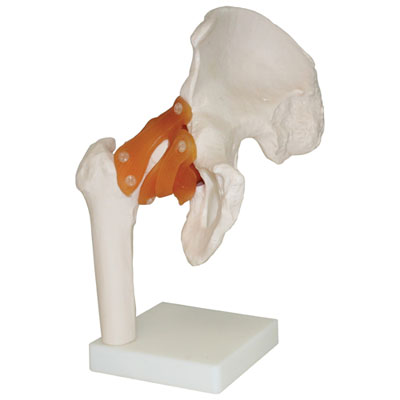 Your price for this item is $149
 -
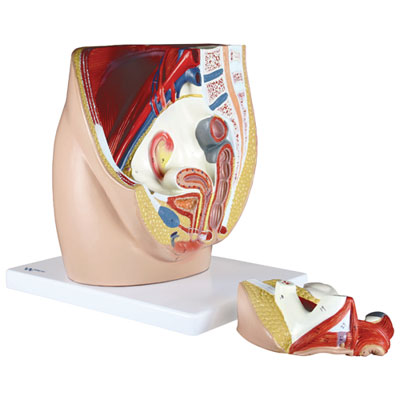 Your price for this item is $225
 -
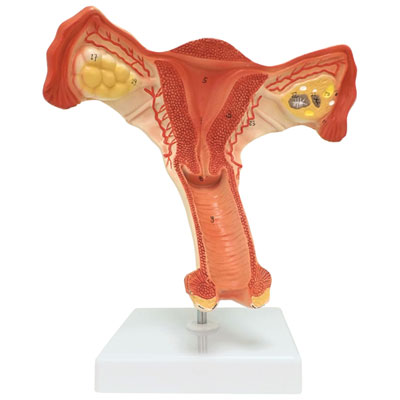 Your price for this item is $150
Discover more categories related to Spine Models
Top Collections:
Pokemon Centers, Kindle Devices, Best Budget Office Chairs, Apple iPhones 16, Best Laptops for Writers, iPhone 15 Apple, Canon G7X Cameras, Refurbished Apple Laptops, Alarm Clock, Motorola Razr Phones
Some products may be subject to Environmental Handling Fees
(EHF) depending on your province.
Learn more about EHFs.