Kid's Tool Benches
Transform your child's playtime into an exciting adventure of creativity and learning with a kids' tool bench. Designed to inspire young minds, these playsets offer a perfect blend of fun and education, encouraging imaginative role-play while developing essential motor skills. Whether your little one is pretending to be a master builder or simply exploring the world of tools, a kids' tool bench provides endless opportunities for discovery and growth. With vibrant colors and interactive elements, these benches are sure to capture their attention and keep them engaged for hours. Dive into the world of hands-on learning and watch as your child's confidence and curiosity flourish!
Sort
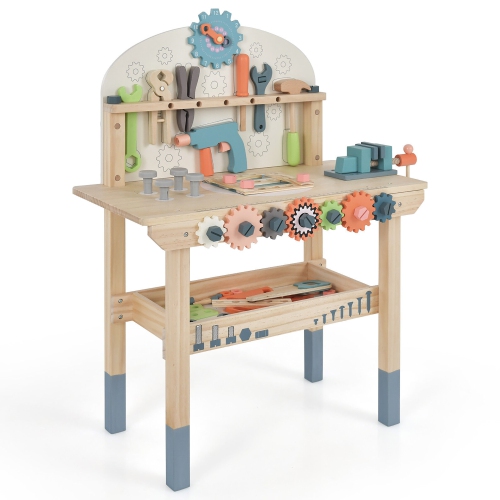
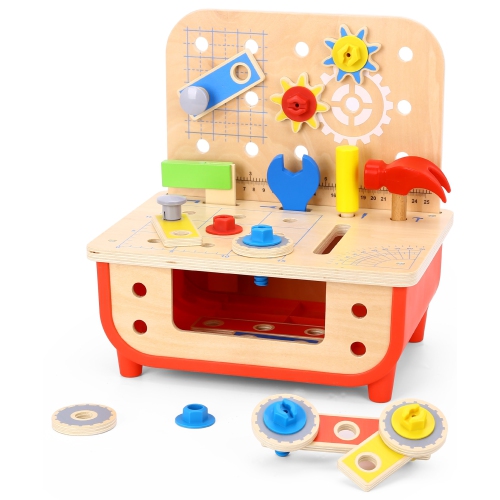

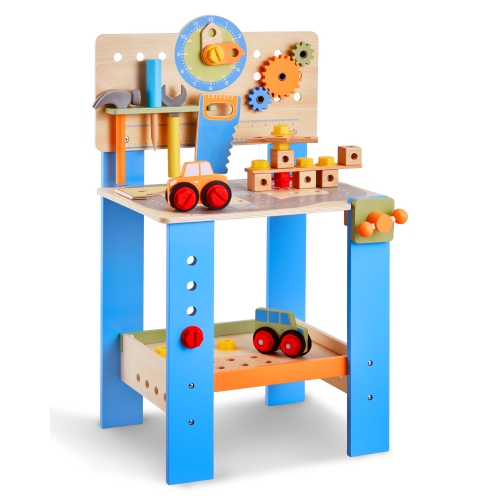

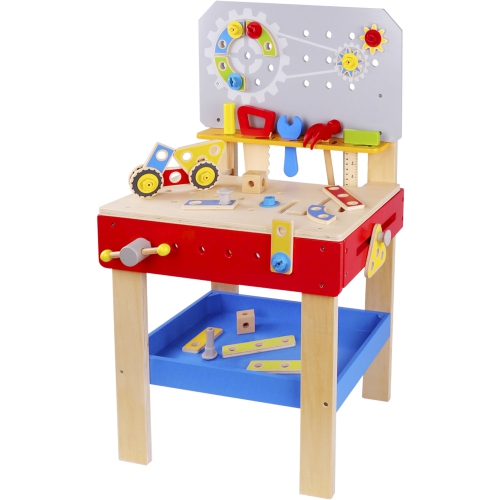
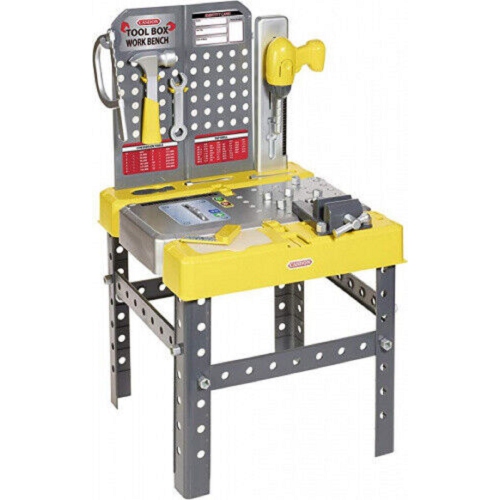
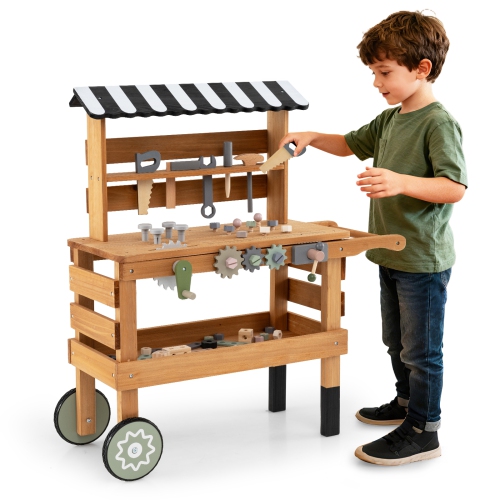
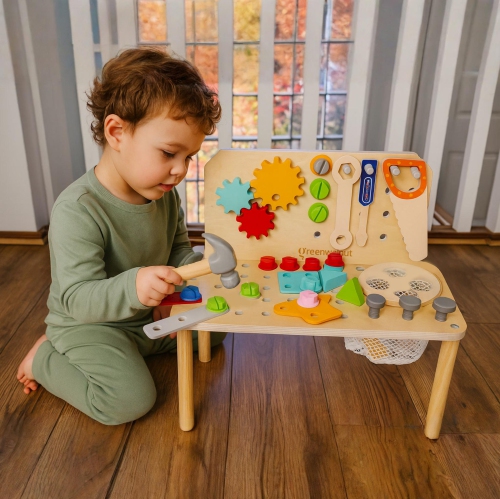
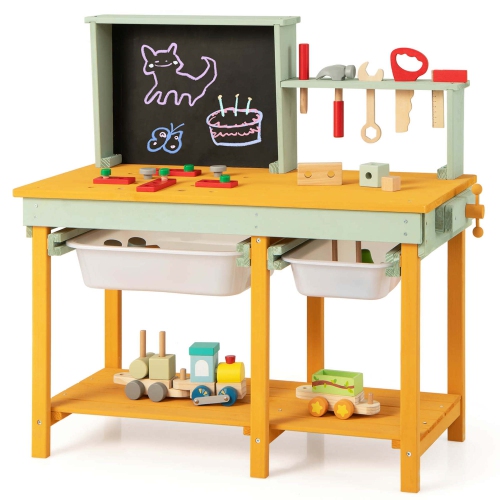
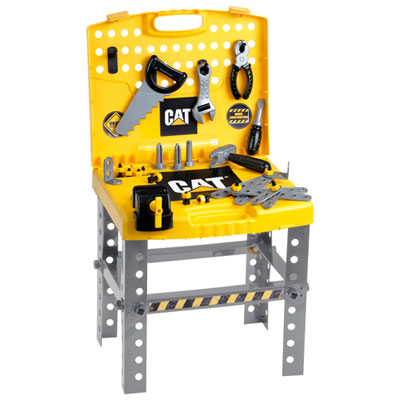
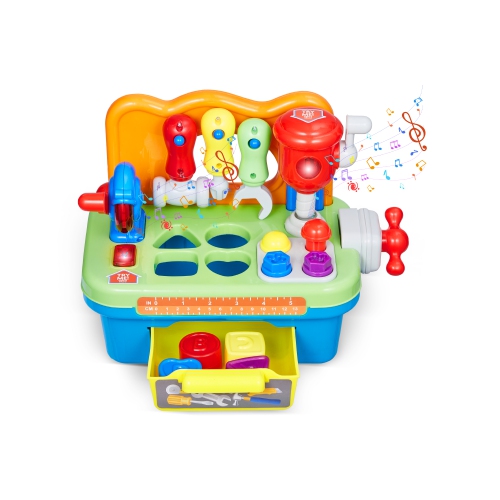
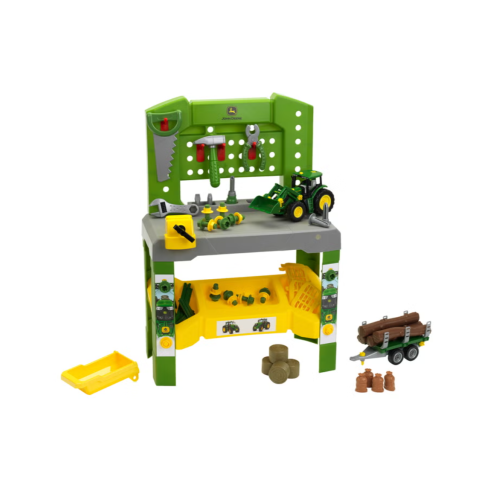

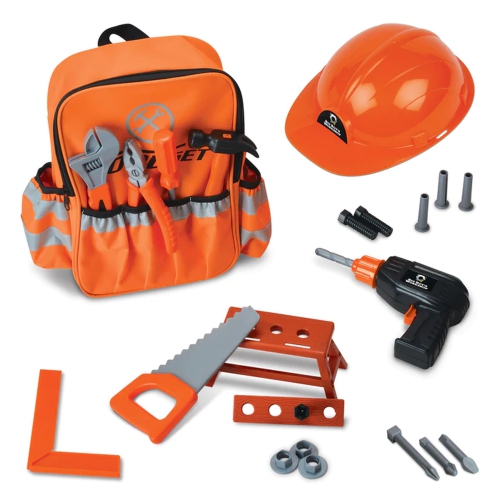
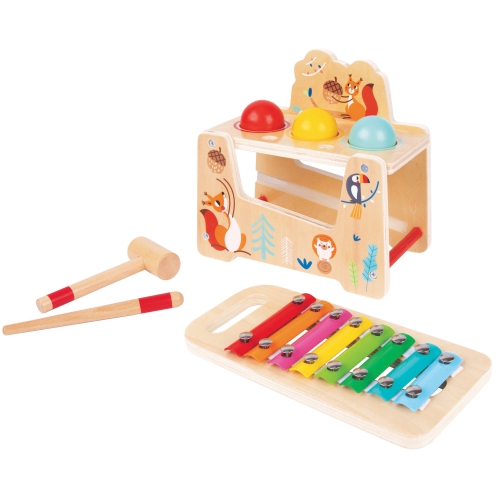
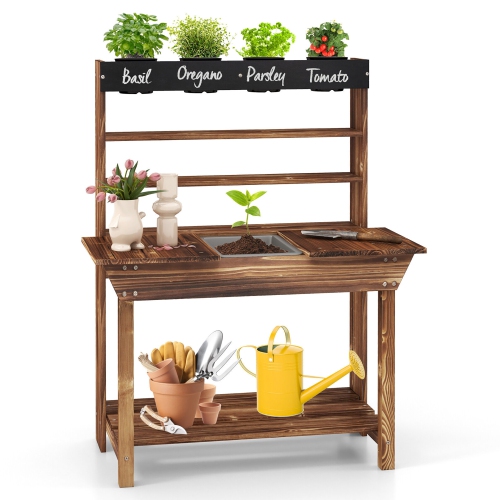
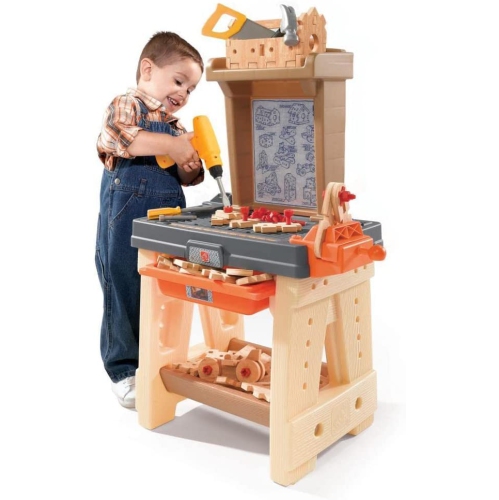

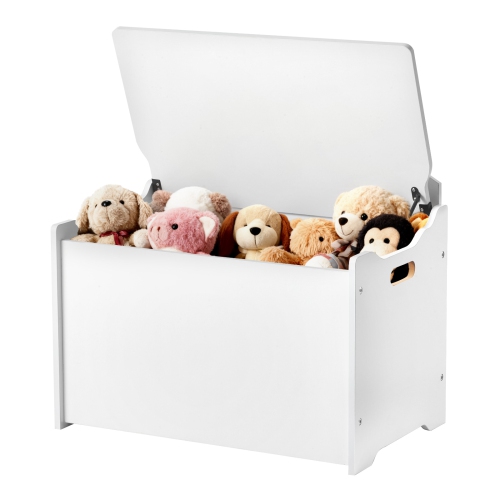
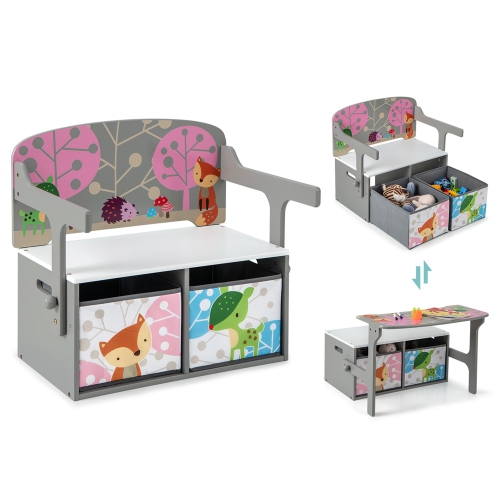
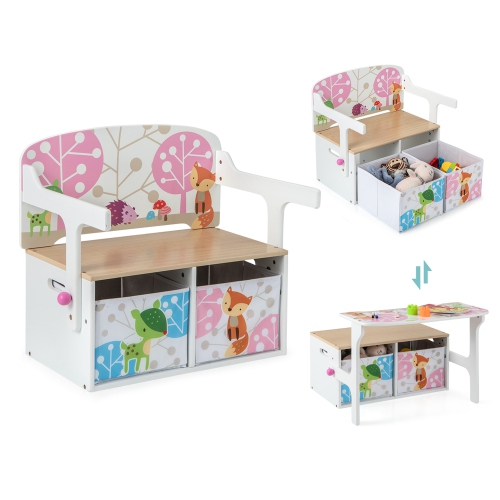
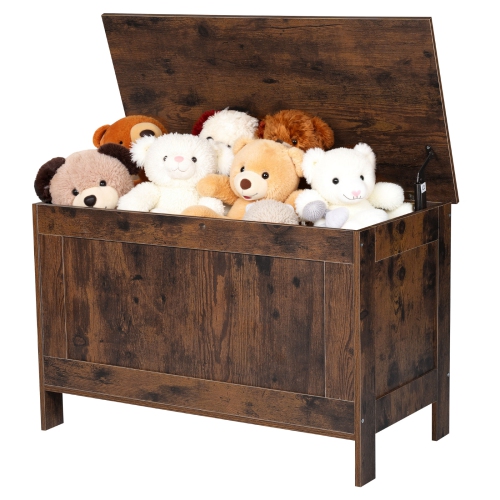
Small hands tackle big ideas in a pretend workshop
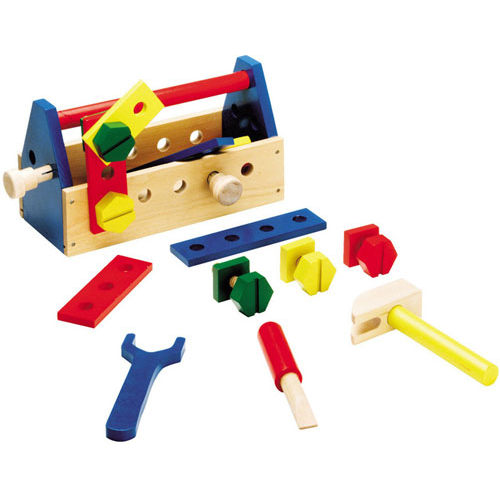
Kids’ tool benches are child-sized play stations that bring the familiar details of a workshop into pretend play, with a work surface, toy tools, and space for make-believe repairs and building projects. A child might tighten a chunky bolt, tap a peg into place, or announce that a favourite toy needs a tune-up. These simple activities give small hands something purposeful to do while leaving room for stories, experimentation, and repeated practice. Unlike a real workbench, a toy tool bench is intended for play rather than actual construction, and its tools and accessories should suit the age group identified by the manufacturer. Designs range from compact tabletop setups and portable cases to freestanding benches with shelves, tool racks, and built-in play features. A tabletop format can suit a shared activity space, provided it sits securely on a suitable surface, while a freestanding workshop gives children a dedicated place to return to their projects. Folding designs may be practical where the same room serves several purposes, though their hinges and locking mechanisms need adult attention during setup and storage. Wooden benches often have a substantial feel and familiar furniture-like details; plastic benches are often lighter and may include moulded compartments, bright colours, or moving parts. Neither material alone determines quality: stable construction, smooth edges, secure fittings, and well-matched accessories matter more than appearance. For families comparing these formats, the Tool Workbench Kids collection offers another way to browse the theme. The appeal is not limited to children who already love tools. A pretend workshop can interest children who enjoy sorting, assembling, taking things apart, or copying everyday household tasks. It can also provide a setting for collaborative play, with one child acting as the builder and another bringing over the next part. The most engaging setup is often one that matches a child’s interests without making every activity depend on lights, sounds, or a fixed sequence of actions.
Fit and layout shape how comfortably children can use a play workbench. The work surface should be within easy reach, with enough room for a child to stand naturally, move their arms, and handle the supplied tools without stretching across the bench. Overall dimensions tell only part of the story: a tall backboard may add height without raising the work surface, and projecting handles or side trays may take up more floor space than expected. In a playroom or shared living area, clearance around the bench helps keep drawers, storage bins, and walkways usable. A broad base and secure assembly are important, but no toy bench should be treated as something to climb on or use as a step. Age recommendations also deserve close attention because bolts, nuts, pegs, and detachable tool parts vary considerably in size. Small components can pose a choking hazard, especially in homes where a younger sibling shares the space. Larger, easy-grip handles and straightforward actions may suit children developing hand control, while more involved assembly pieces can hold the interest of children ready to match shapes, follow simple patterns, or plan a pretend build. A toy vice, for example, adds interest when its handle is manageable and the child can understand how turning it changes the opening. Tool racks with clearly defined spaces can make it easier to find a missing hammer and put it away afterwards. Storage beneath the work surface keeps play pieces close by, although deep bins may need sorting trays to prevent smaller accessories from disappearing beneath larger tools. Sound effects and battery-powered toy drills can add another layer of make-believe, but quieter, manually operated features can be just as absorbing. Where electronic features are included, a securely fastened battery compartment and adherence to the manufacturer’s battery instructions are essential. Toy tools should remain separate from real tools, and adult supervision should reflect the child’s age, the accessories involved, and the way the bench is being used.
Materials and construction influence how a kids’ workbench holds up to repeated tapping, twisting, and tidying. Wooden surfaces benefit from smooth finishes, neatly joined sections, and edges that feel comfortable against hands and forearms. Plastic components should have smooth seams and enough rigidity for their intended use, with particular attention to the points where legs, shelves, and backboards connect. Mixed-material designs may combine a wooden frame with plastic fasteners or accessories, so care instructions can differ between parts of the same set. Routine cleaning generally starts with the manufacturer’s directions; a lightly dampened cloth may be suitable for many hard surfaces, while soaking wooden pieces or allowing moisture into battery-operated tools can cause damage. After cleaning, parts should be dry before returning them to enclosed storage. Periodic checks for loose assembly hardware, cracks, splinters, or damaged accessories help keep the play area ready for use, and any broken piece should be taken out of play. Durability also depends on how well the bench suits the household. A lightweight portable format may fit a home where toys move between rooms, while a larger stationary bench may make more sense in a dedicated play area. For a gift, the recipient’s age, available space, and interest in hands-on activities are more useful starting points than the number of accessories in the box. Compatibility matters when adding play pieces later, since toy bolts, holes, and connectors are not necessarily interchangeable between sets. A manageable selection of tools can support plenty of varied play: matching a screwdriver to a toy screw, lining up parts by size, or working with a sibling to finish an imaginary repair. These actions offer opportunities to practise coordination, descriptive language, turn-taking, and simple problem-solving without needing to turn playtime into a lesson. With a comfortable layout and accessories that children can handle confidently, a pretend tool bench can become a familiar spot for small projects, shared stories, and the satisfaction of putting everything back in its place.
Top selling and popular products
-
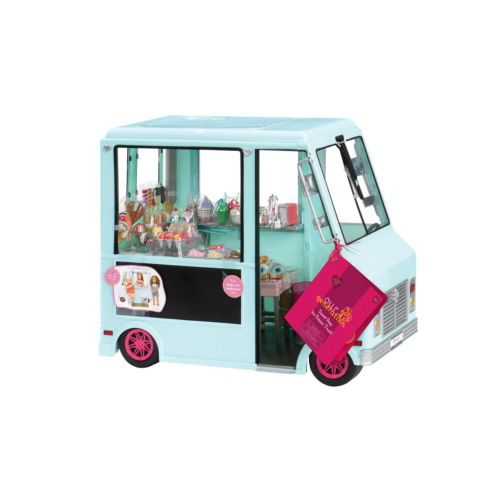 Your price for this item is $219.97
-
 Your price for this item is $64
-
 Your price for this item is $57.99
-
 Your price for this item is $57.99
-
 Your price for this item is $28.98
-
 Your price for this item is $152.98
-
 Your price for this item is $95.19
-
 Your price for this item is $85.99
Discover more categories related to Kid's Tool Benches
Top Collections:
Pokemon Centers, Best Cameras for Sports Photography, Kindle Devices, Samsung Galaxy Phones, Canon G7X Cameras, Pokémon 30th Celebration Cards, Refurbished Apple Laptops, iPhone 15 Apple, Laptops for Students, Budget Smartphones
Some products may be subject to Environmental Handling Fees
(EHF) depending on your province.
Learn more about EHFs.