Large Play Kitchens
For little ones with big imaginations, large play kitchens offer endless opportunities for creative play and role-playing fun. These realistic and interactive playsets are designed to spark creativity and keep children engaged for hours on end. With features like spacious countertops, realistic appliances, and ample storage space, large play kitchens provide the perfect setting for children to cook up imaginary meals, host pretend dinner parties, and explore their culinary skills in a safe and enjoyable way. Whether they're aspiring chefs or simply love to mimic what they see in the kitchen, a large play kitchen is sure to be a hit with kids of all ages.
Sort






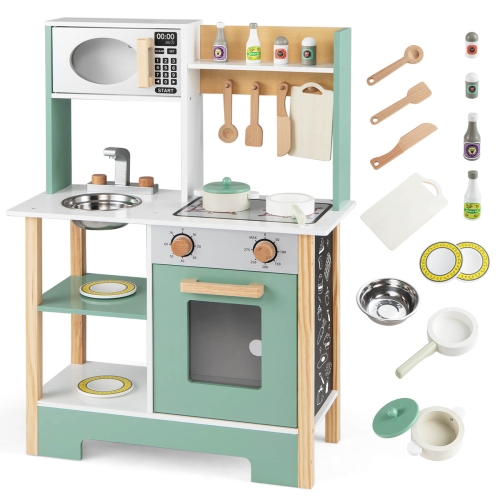

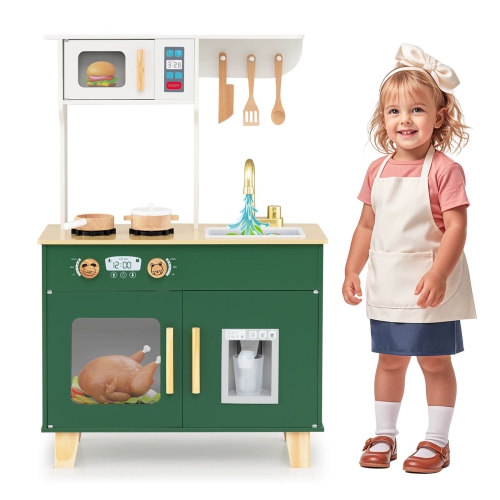
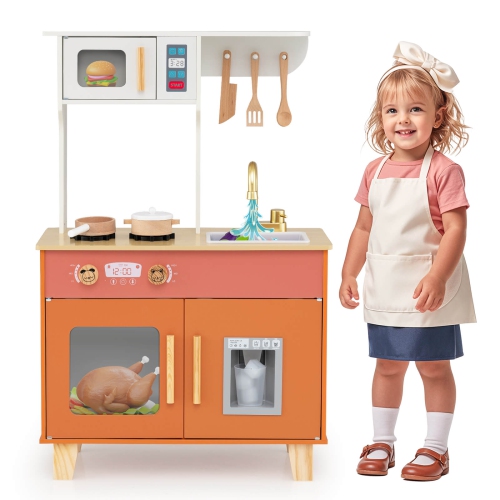
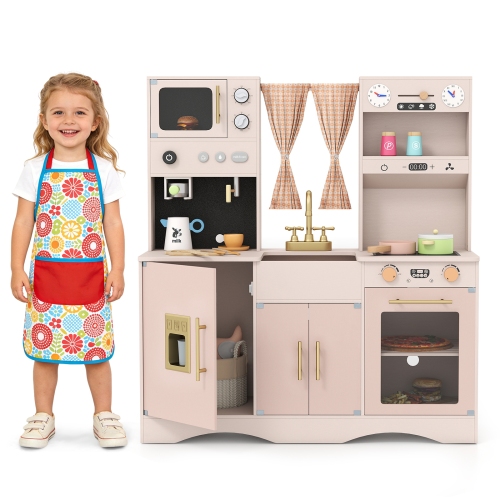
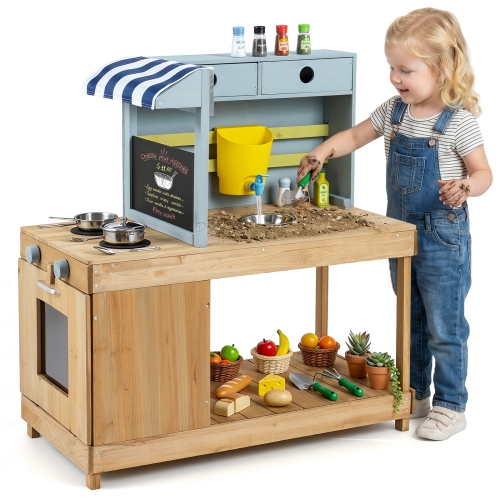

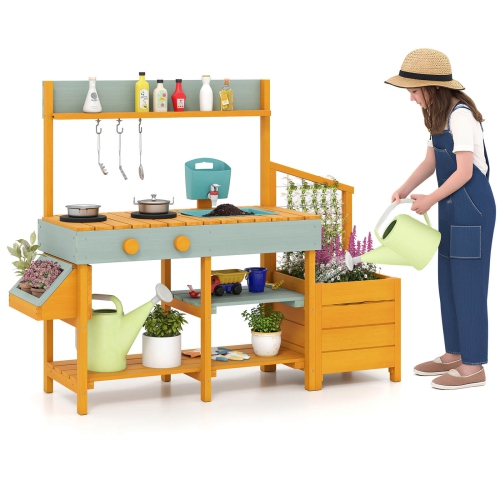
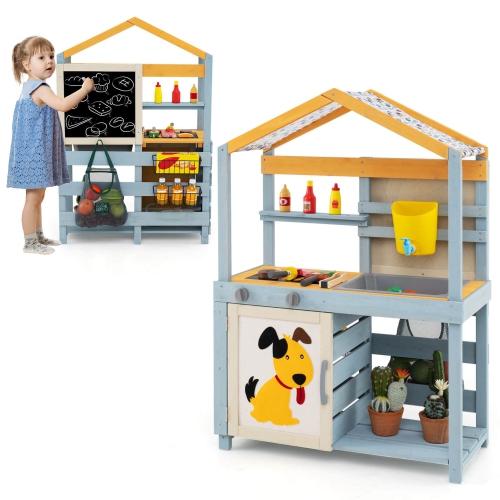
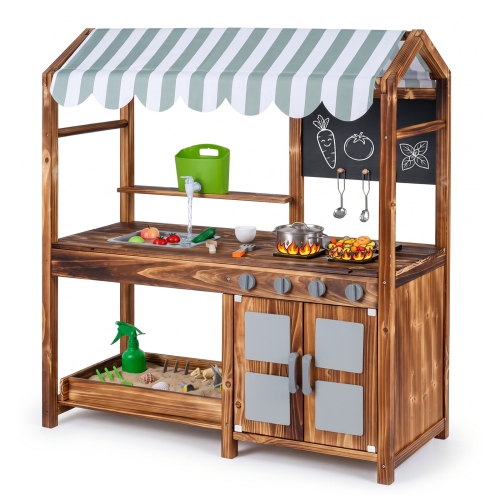
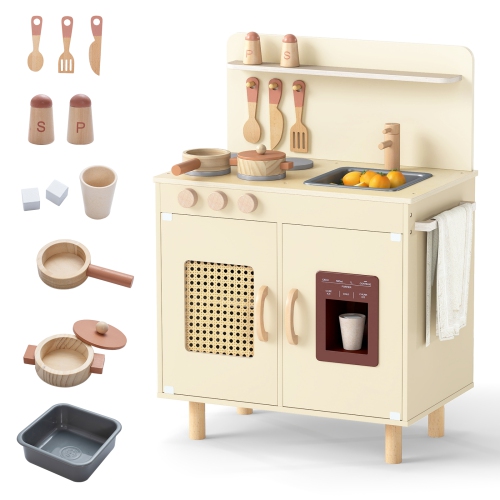
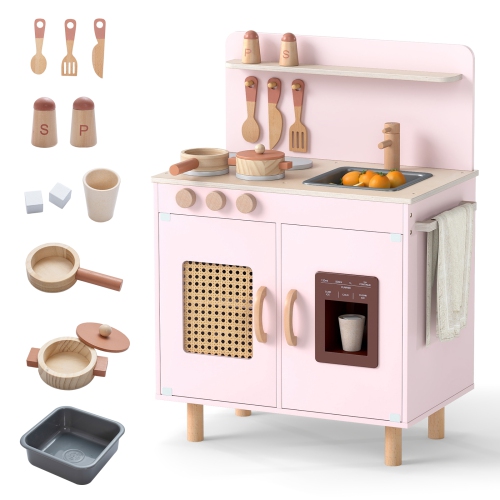
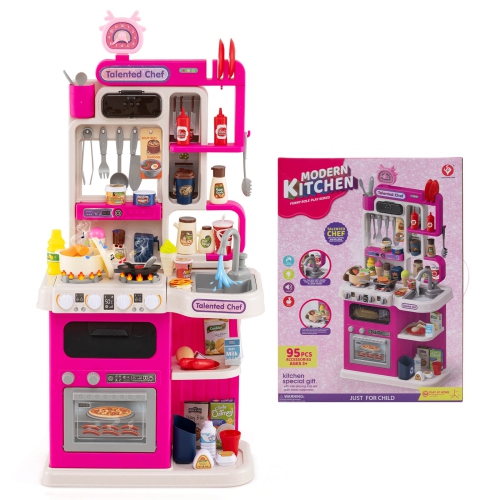
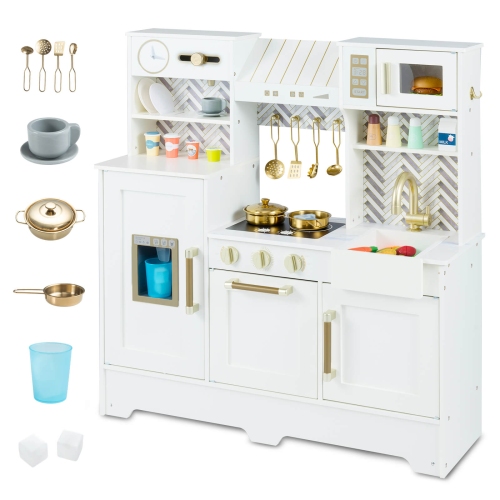


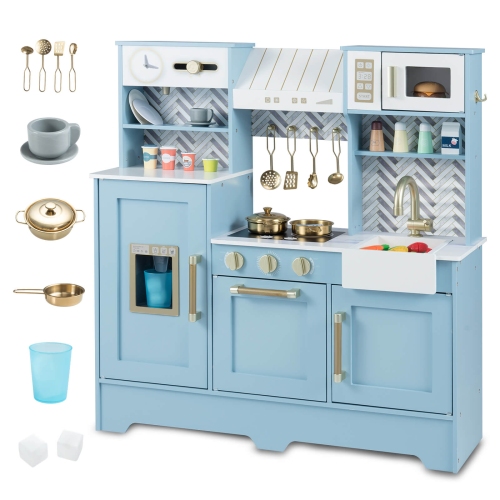

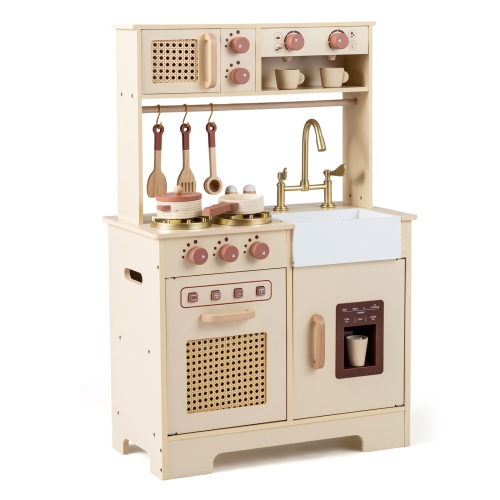
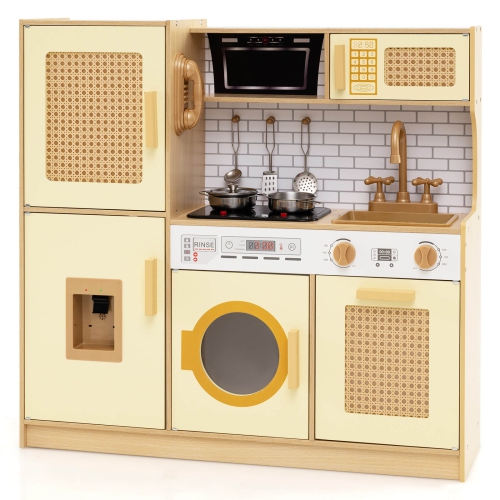
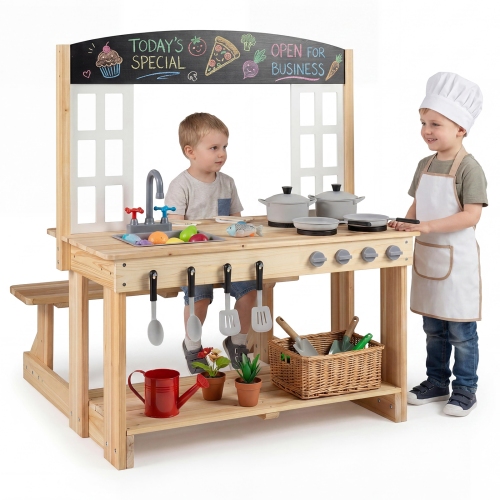
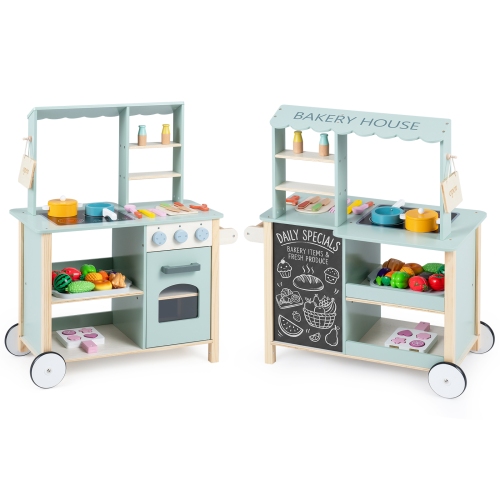
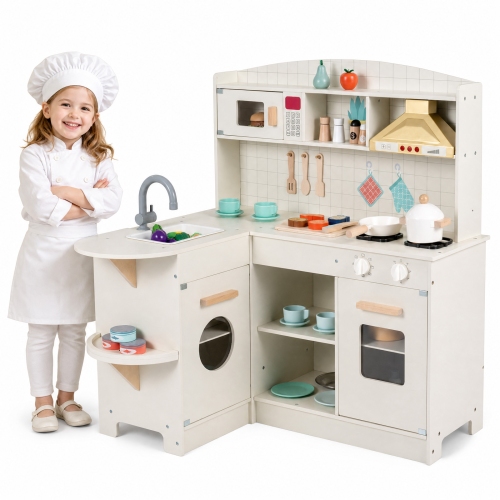
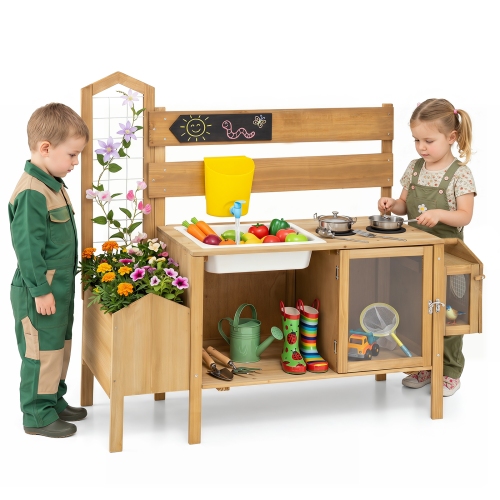
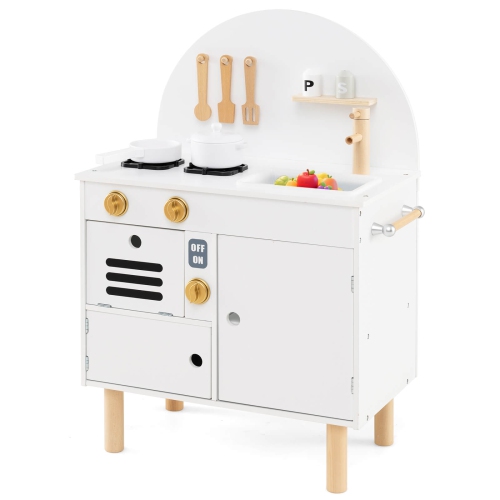
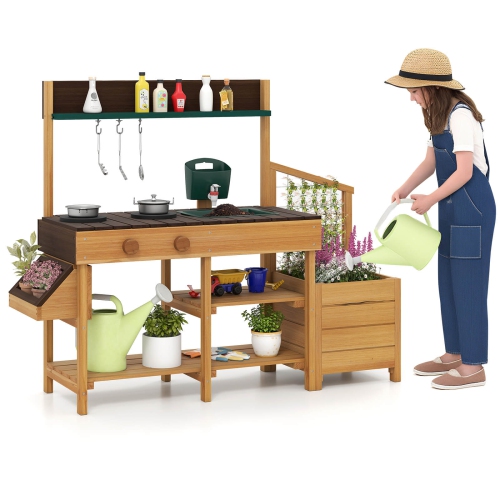
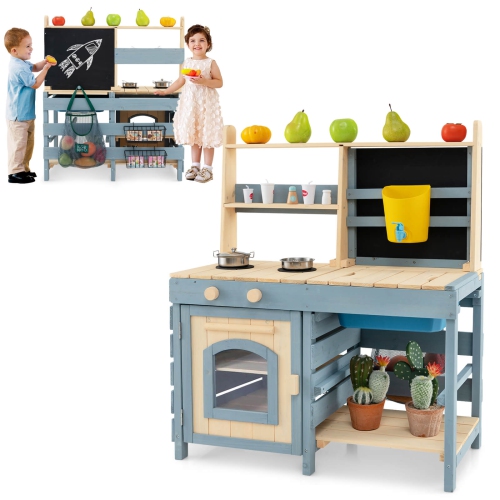
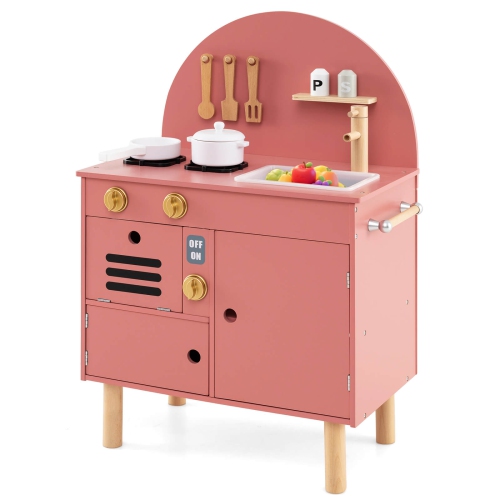
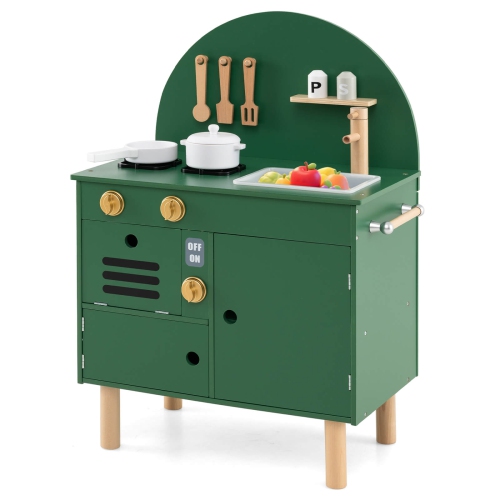

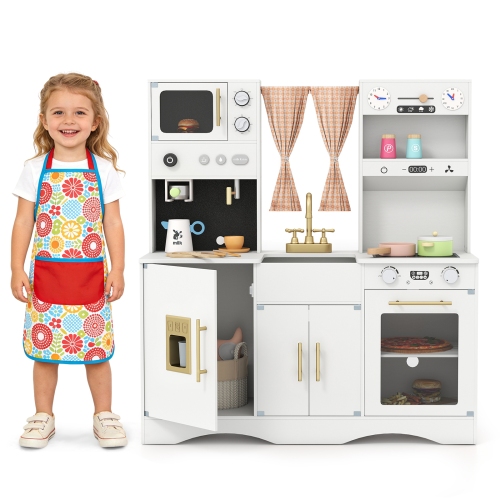
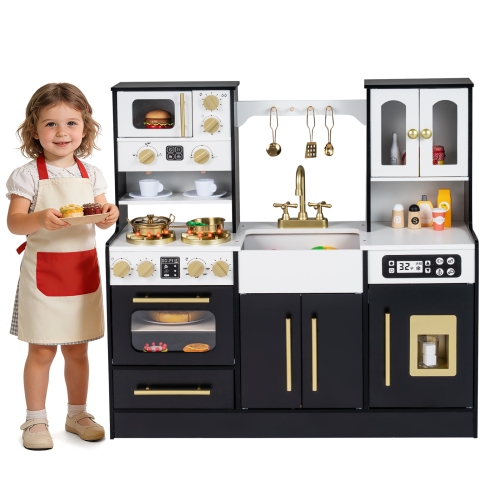

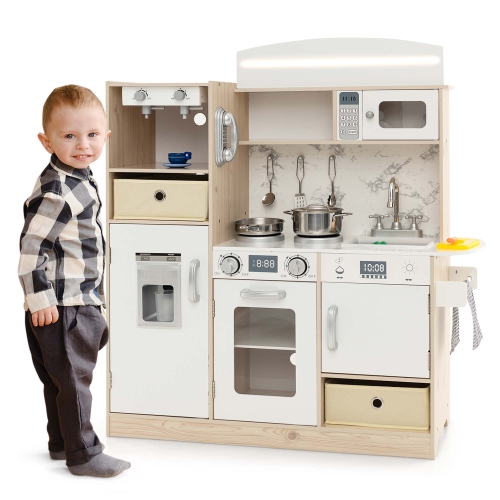

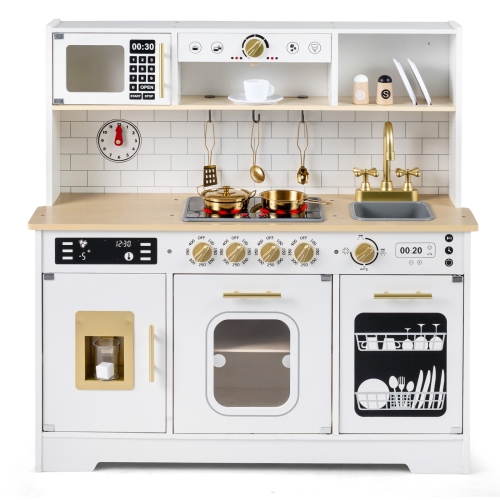
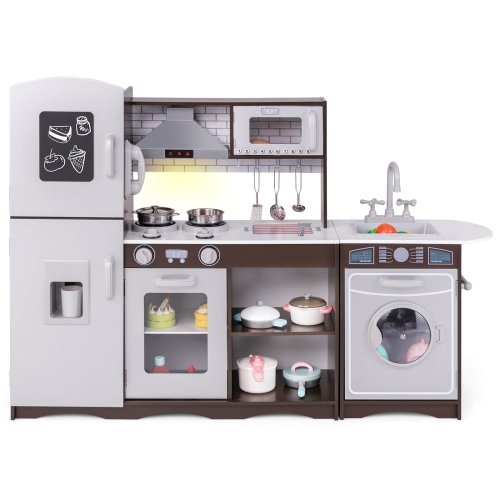
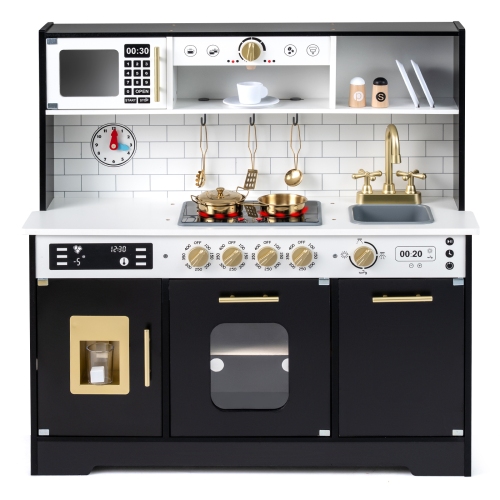


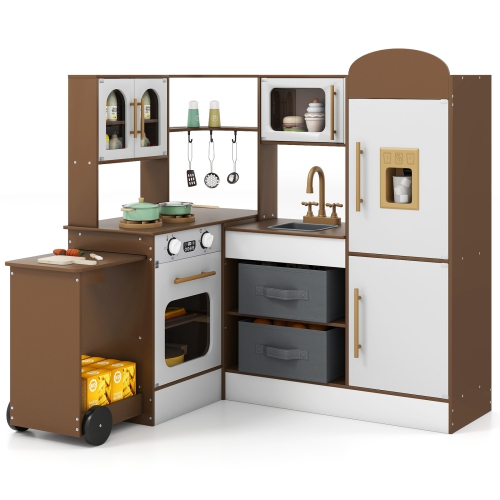
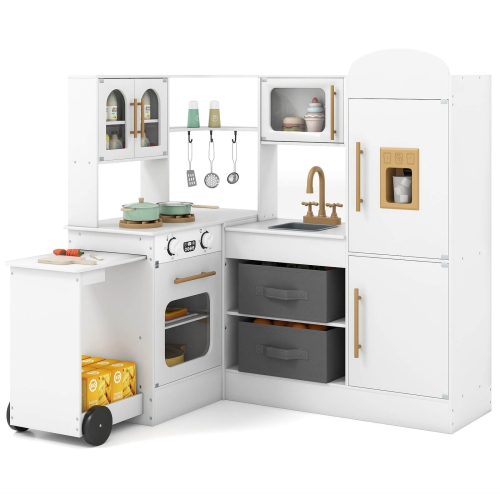
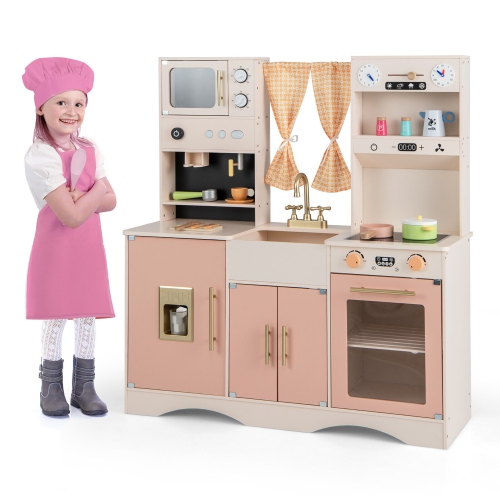
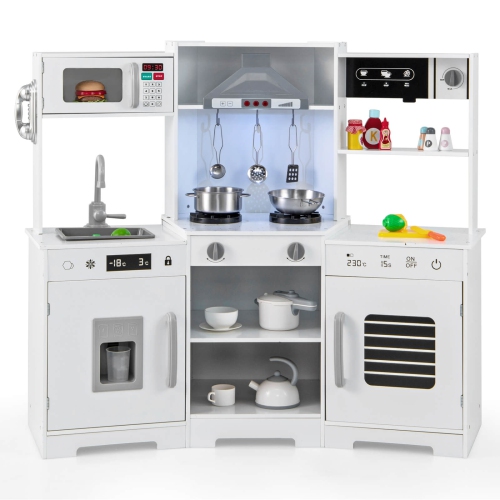
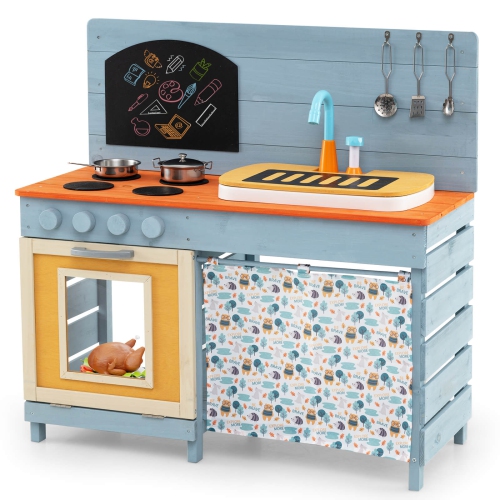
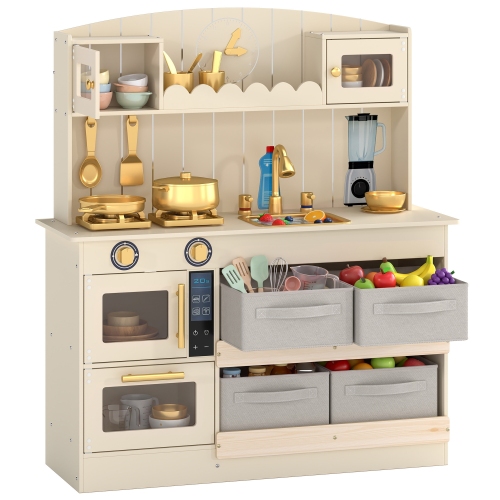

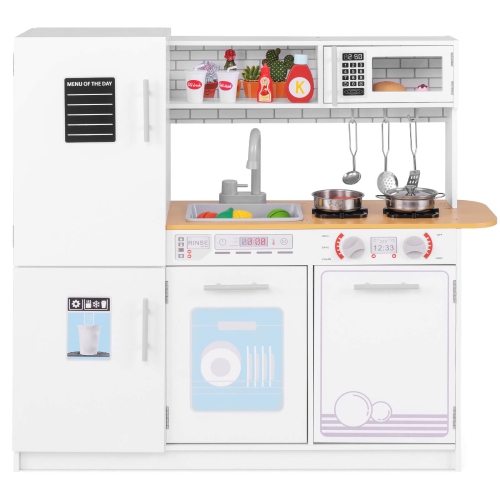
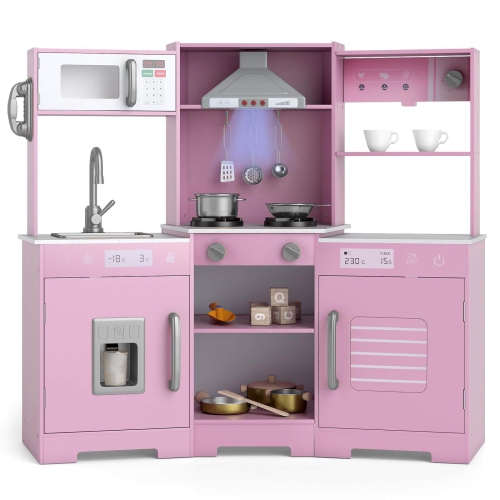
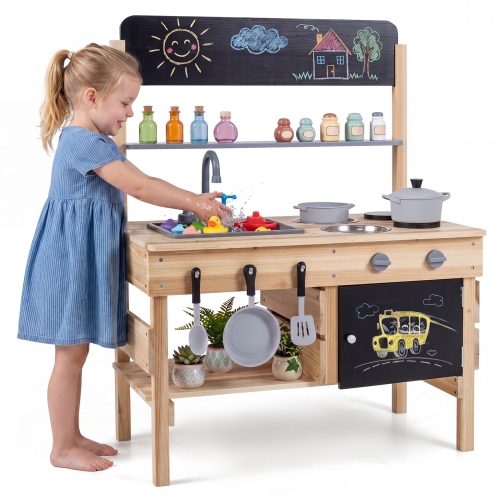
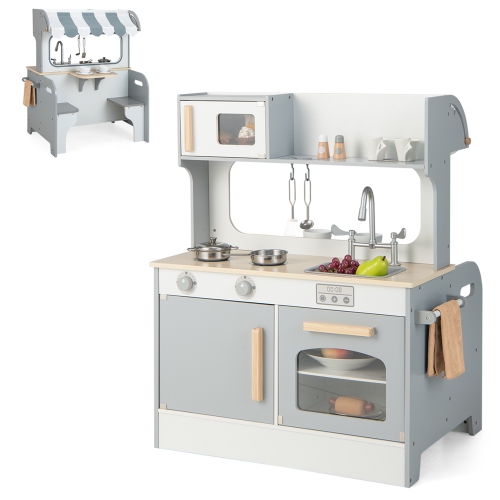
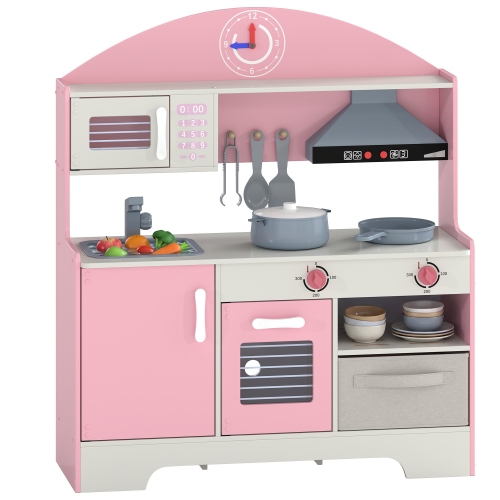
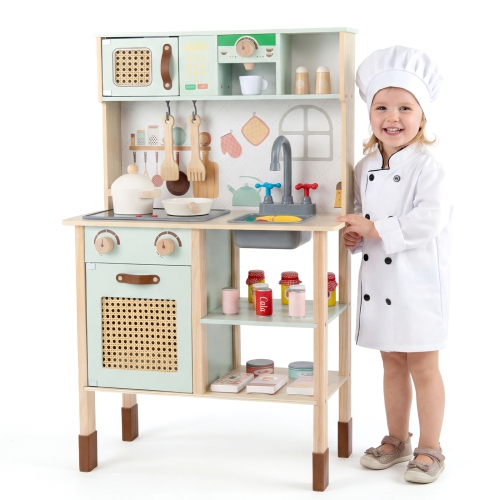


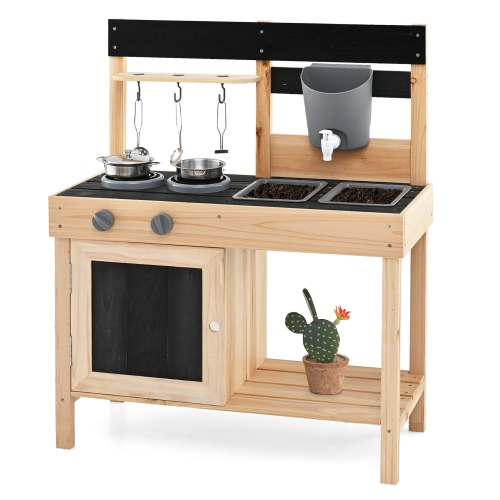
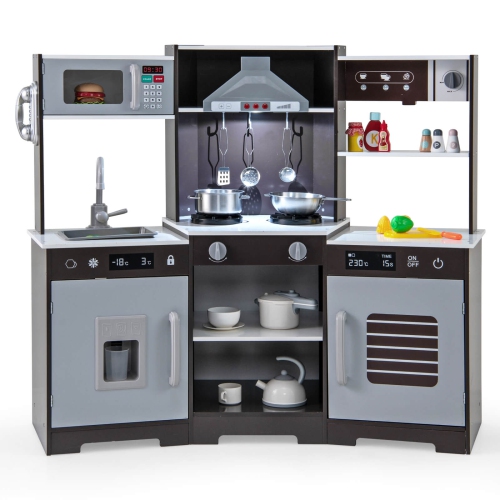
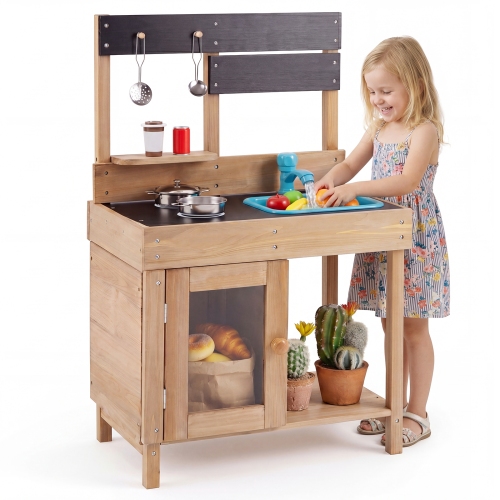
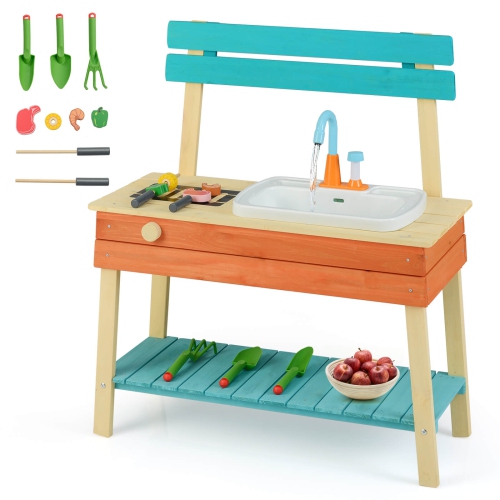

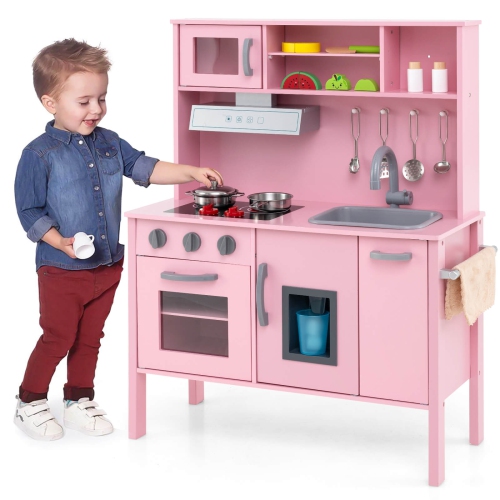
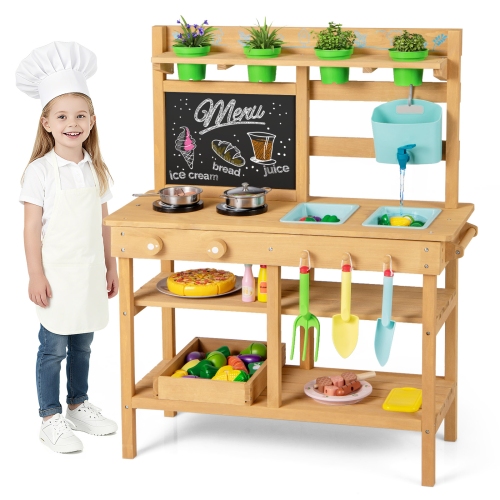
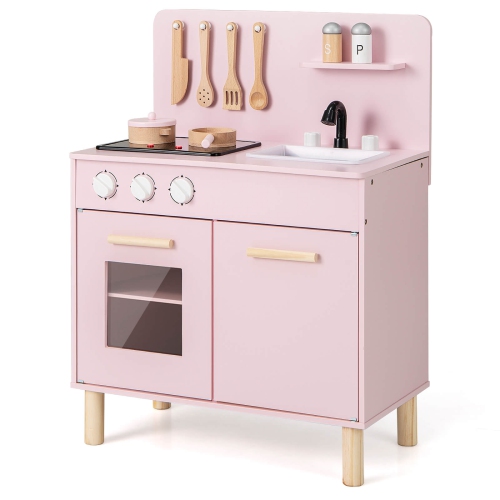
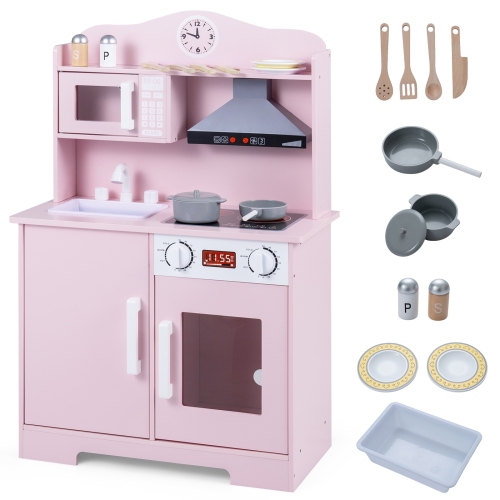
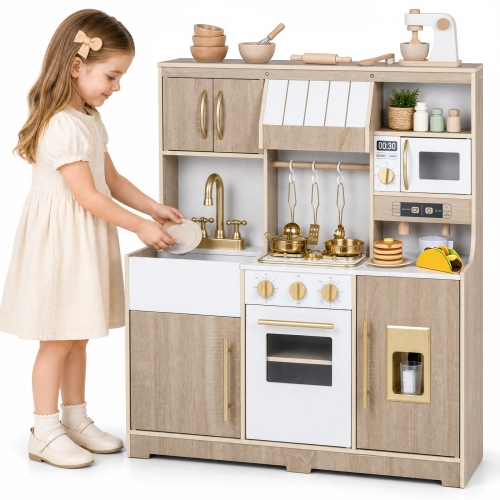
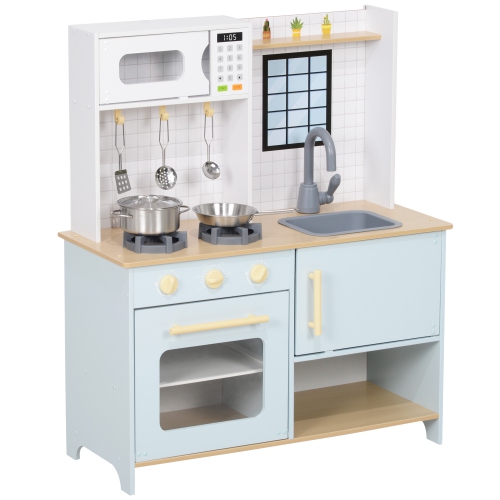
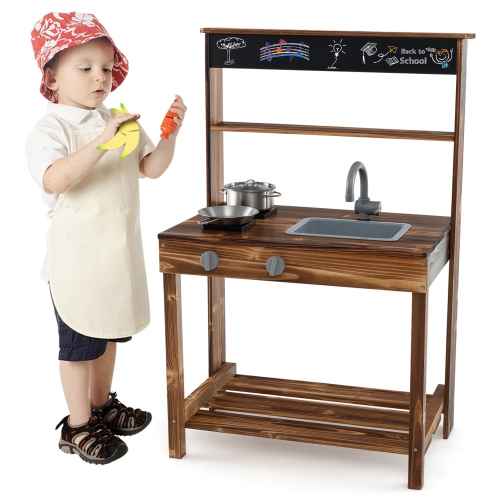
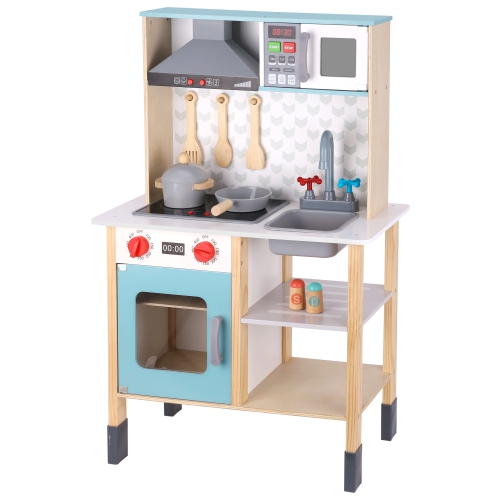
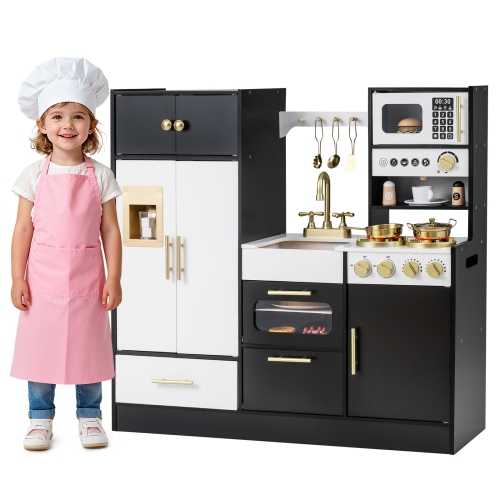
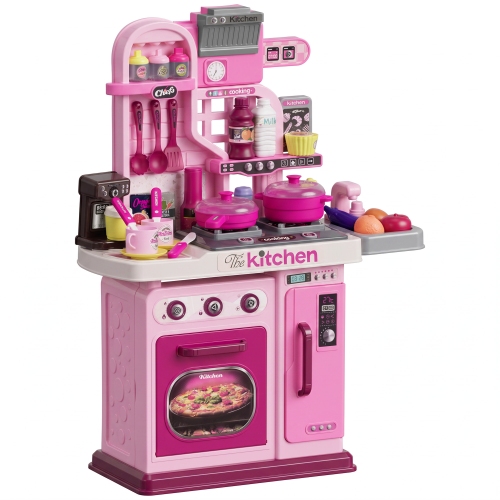
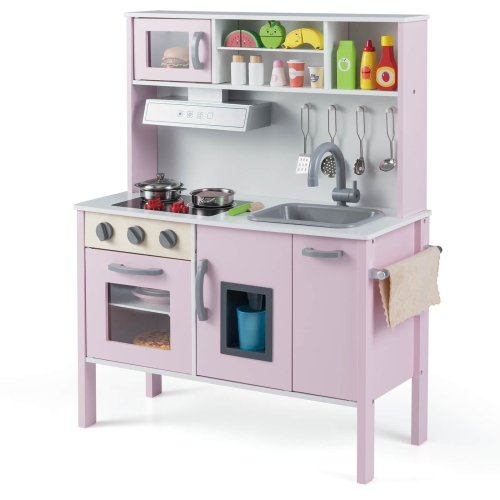
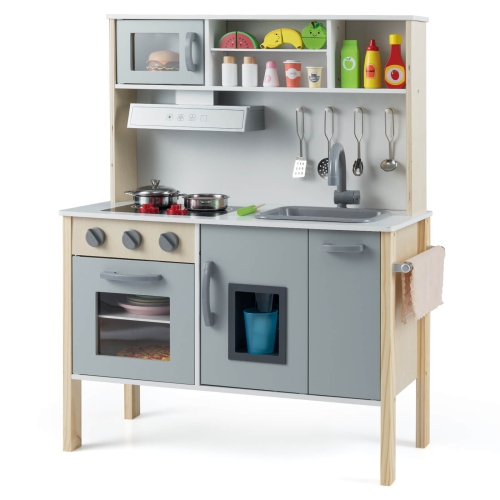
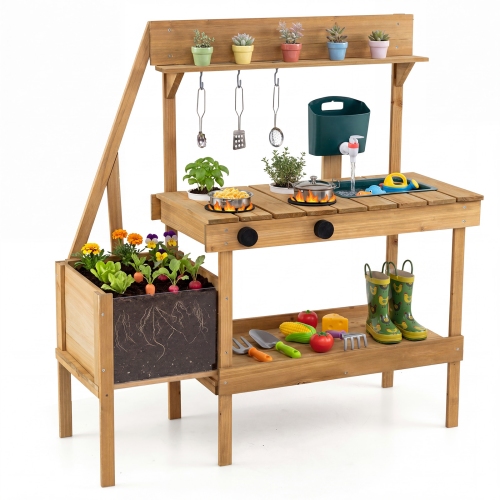
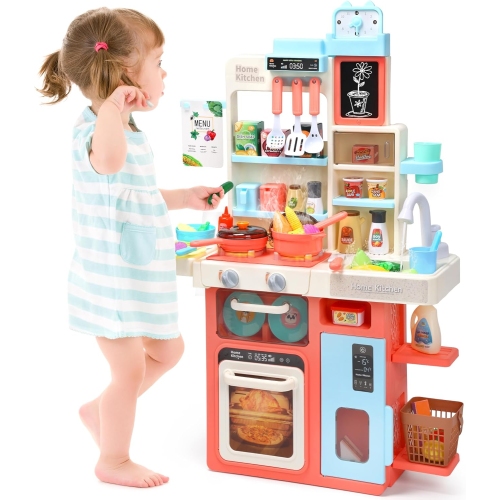
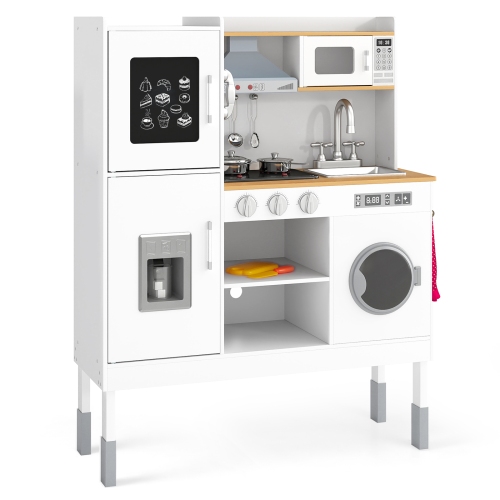
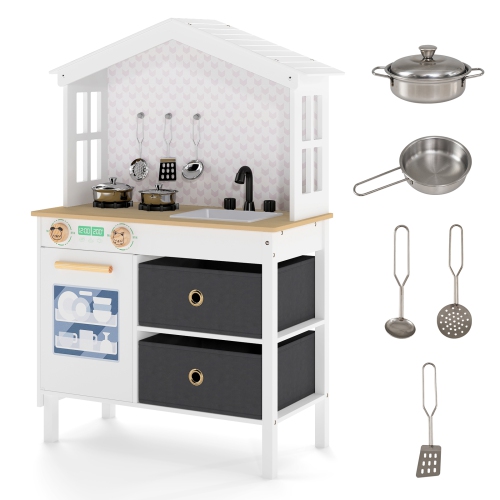
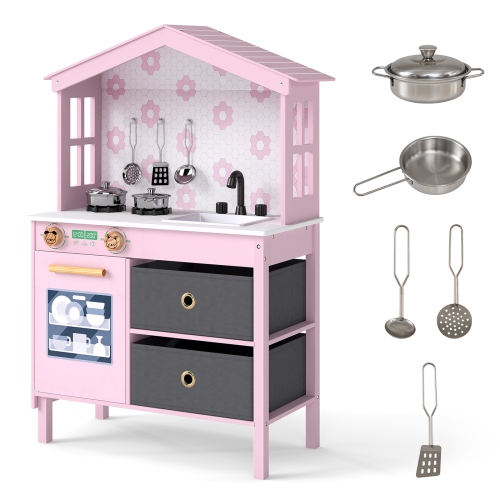

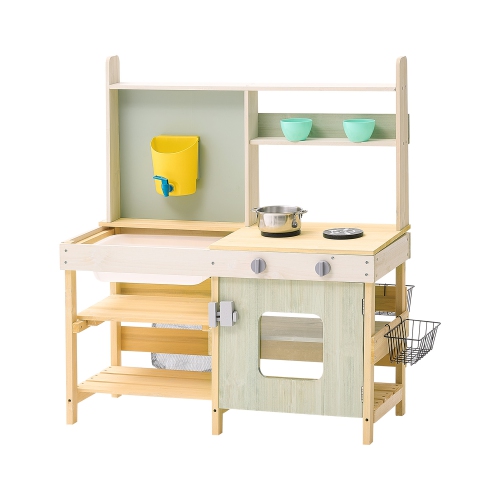
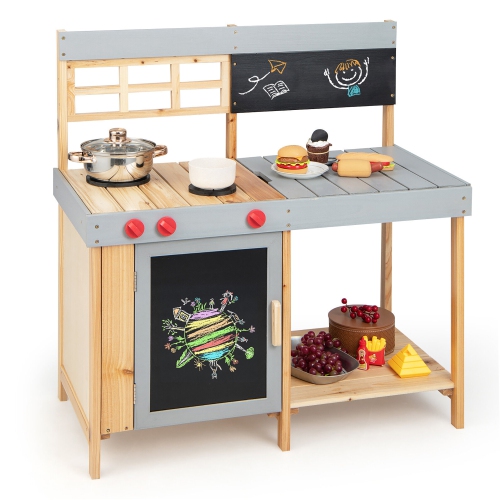
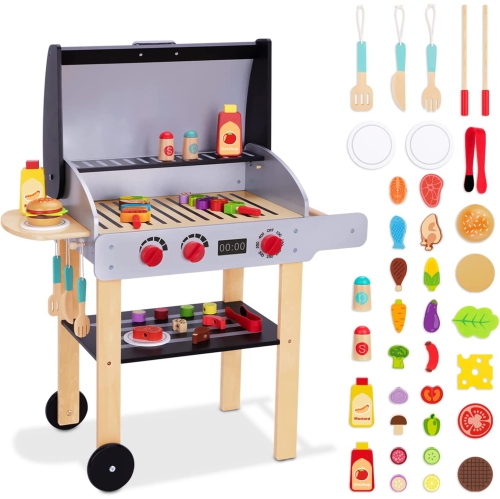
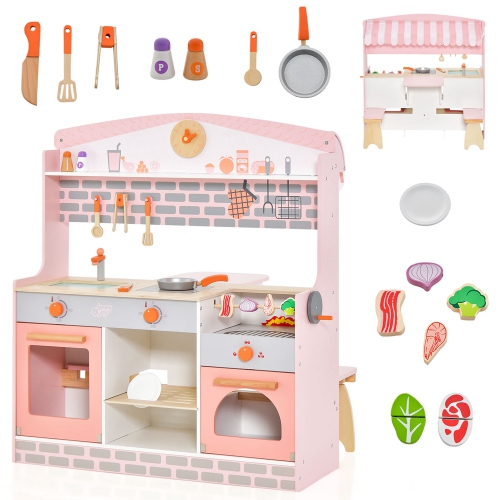
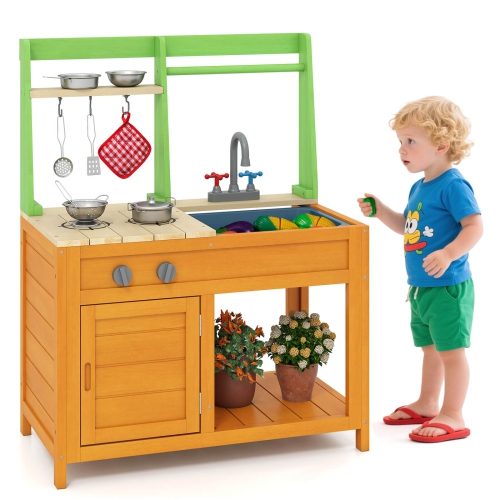
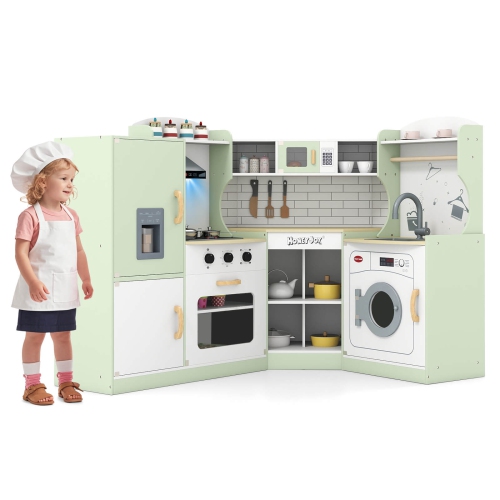
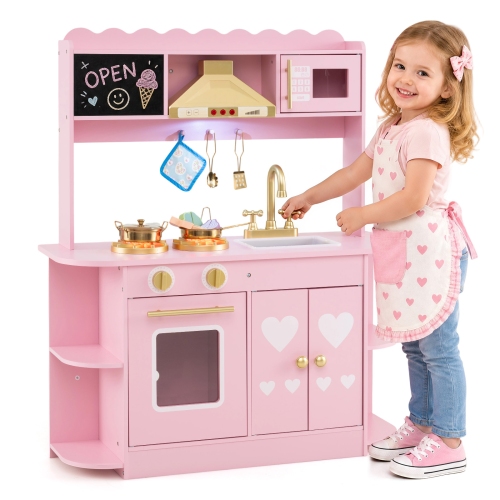
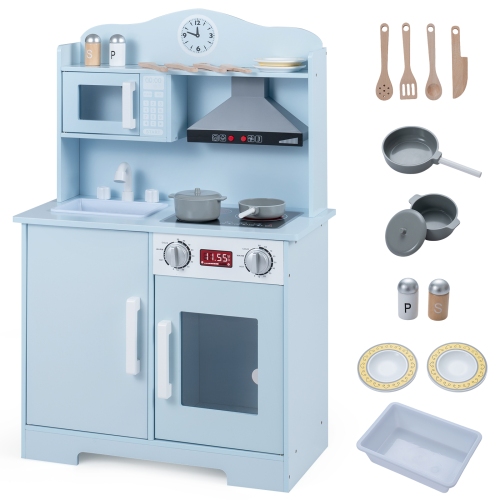
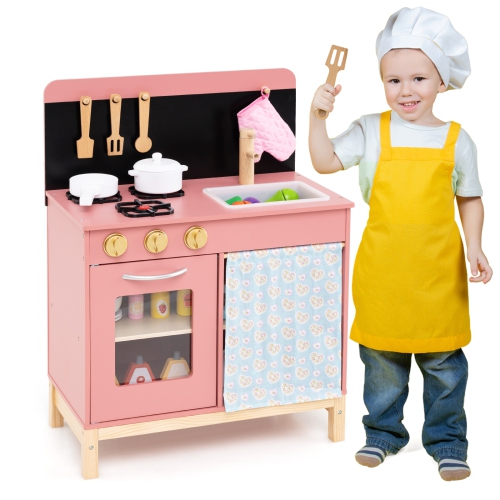
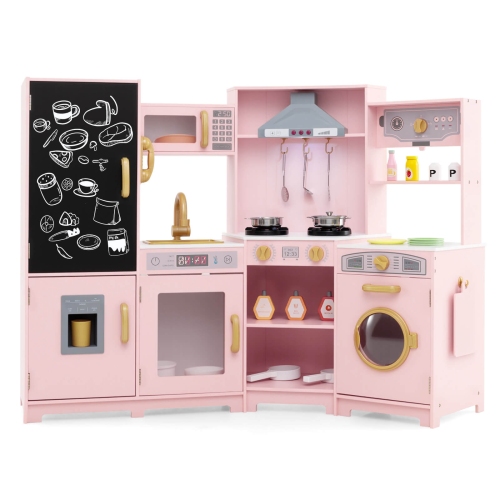
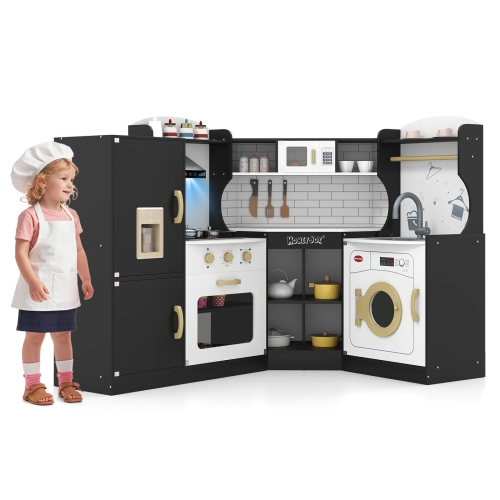


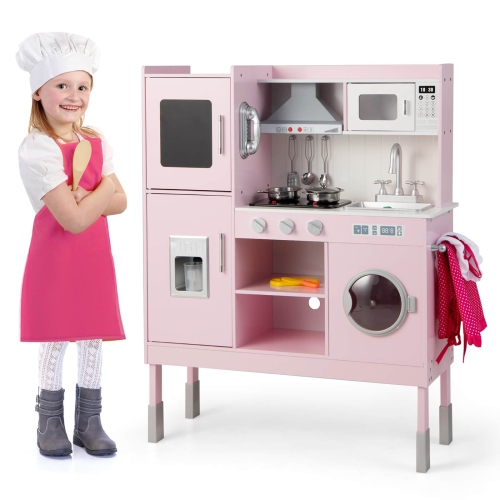
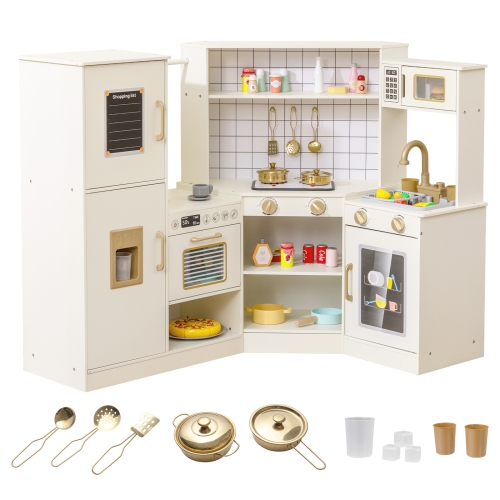

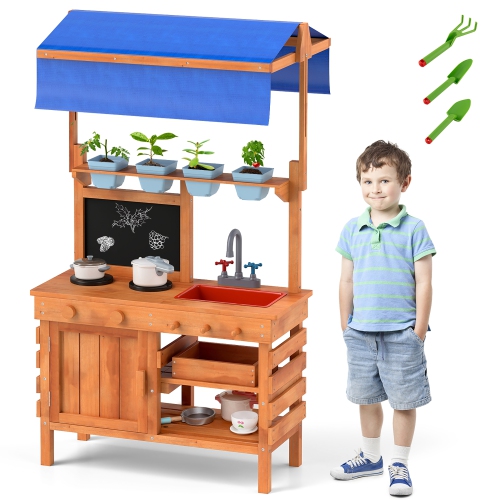

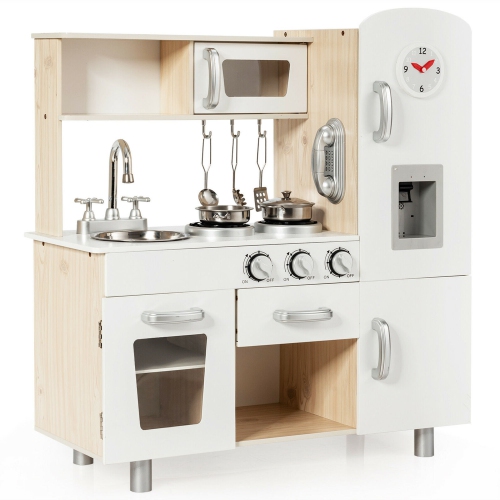

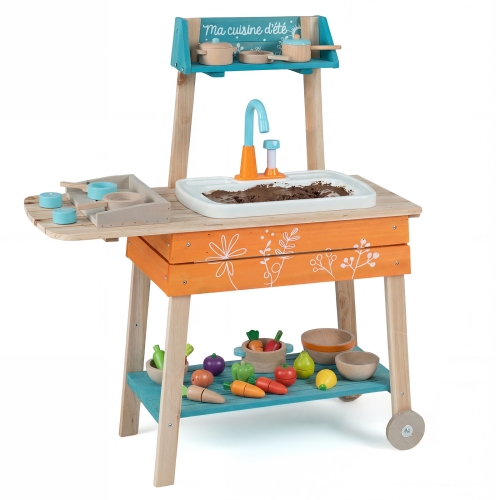

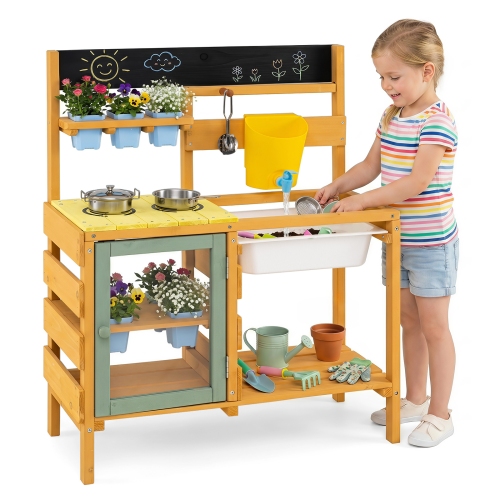
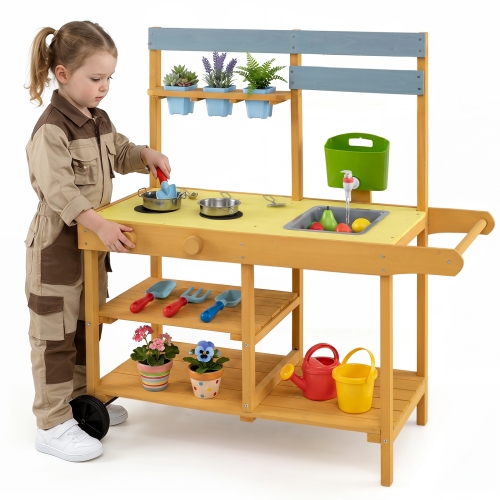
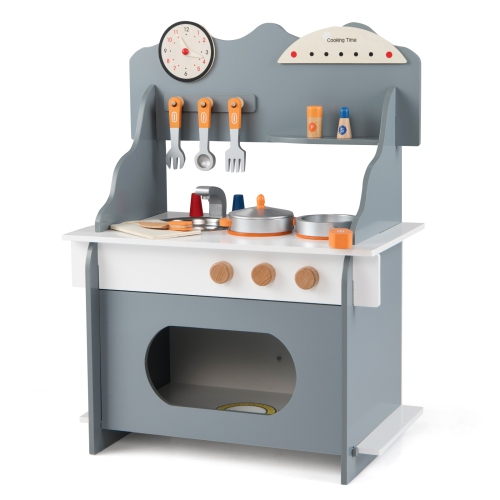
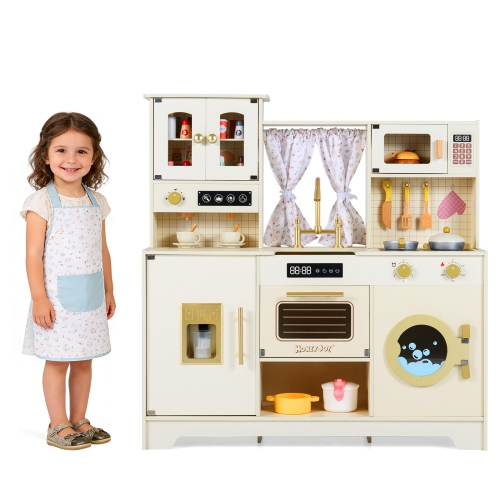
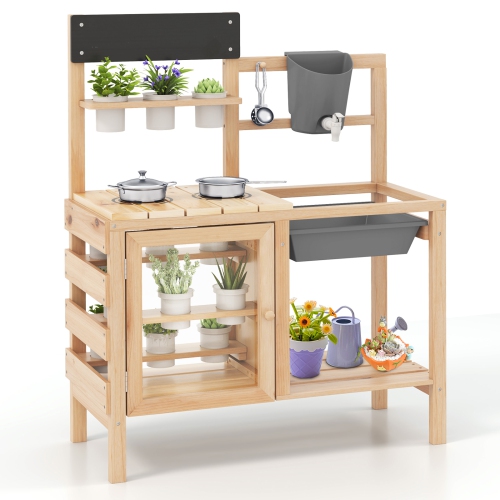
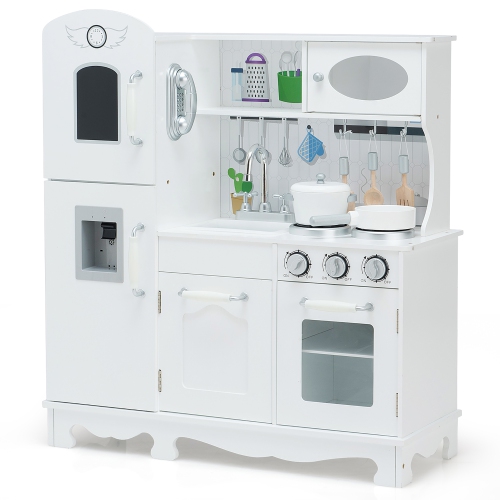
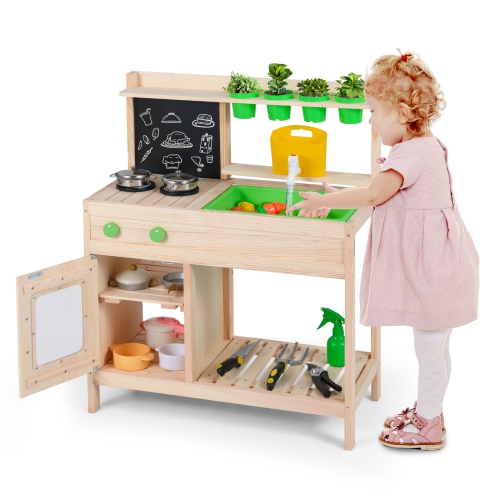
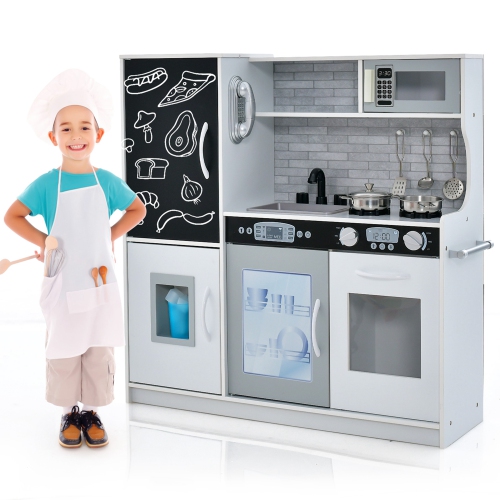
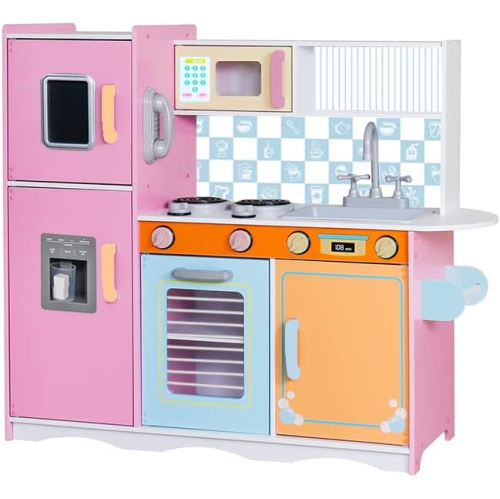
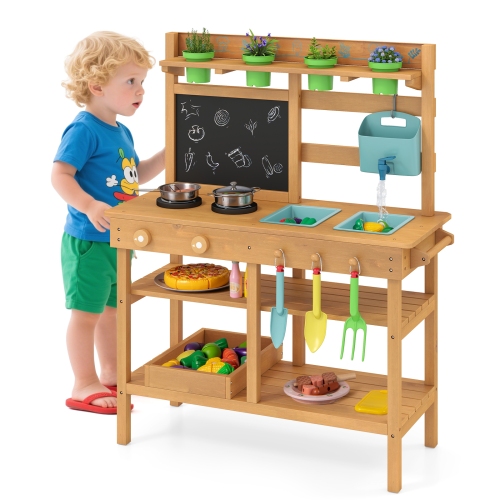
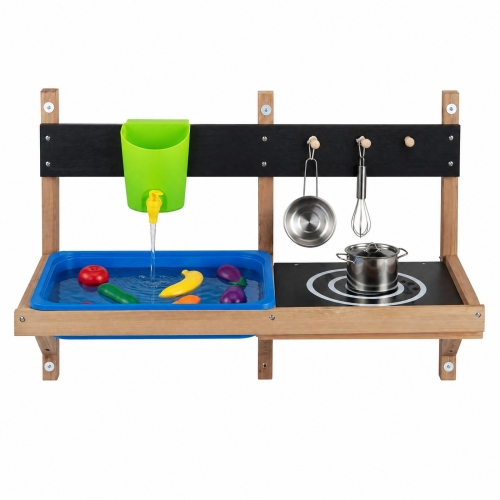


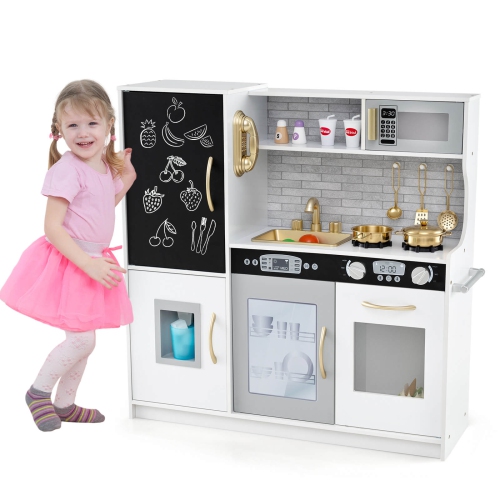
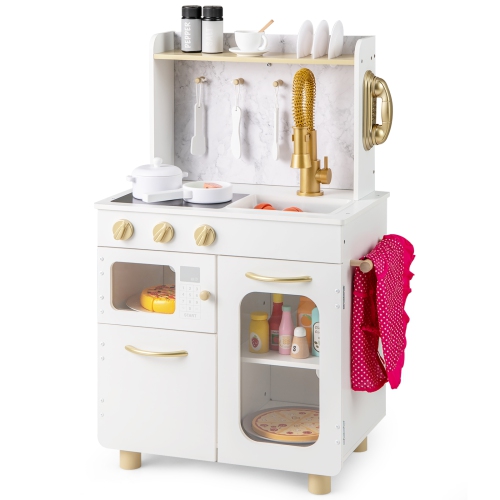
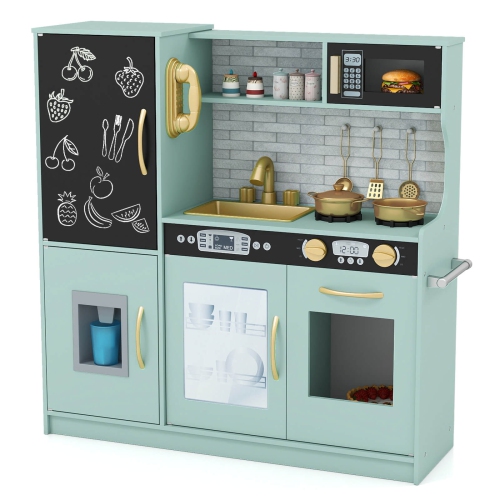

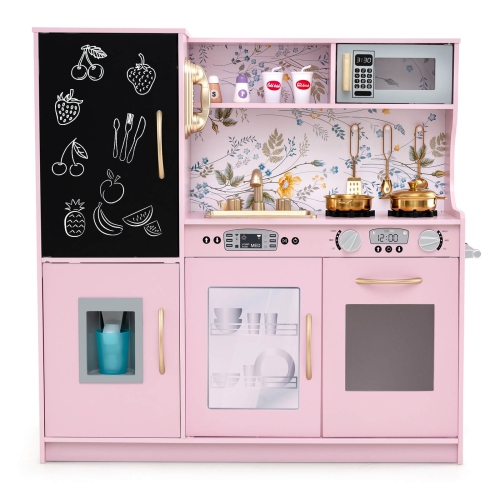
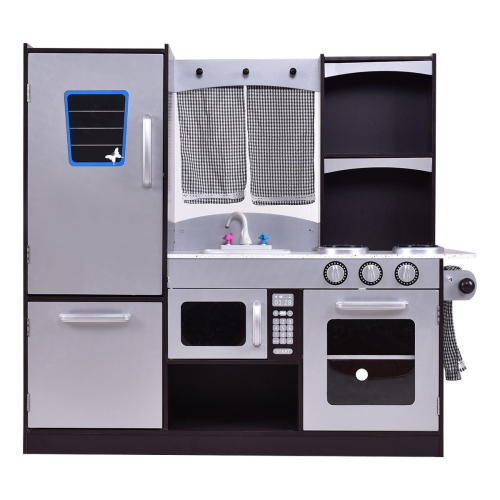
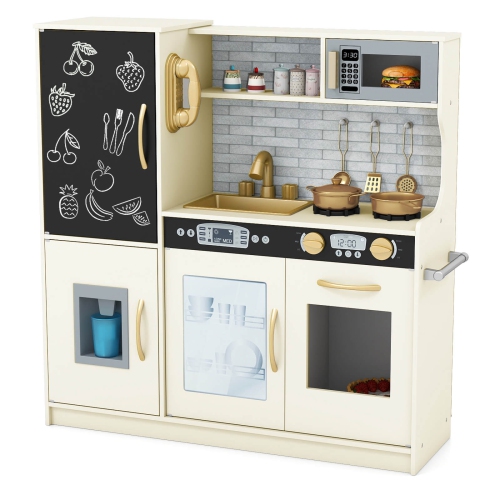


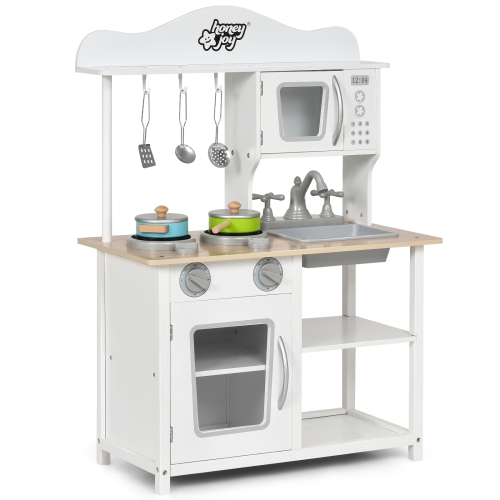
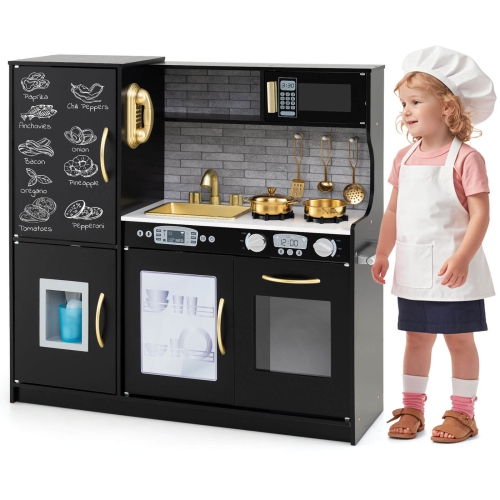

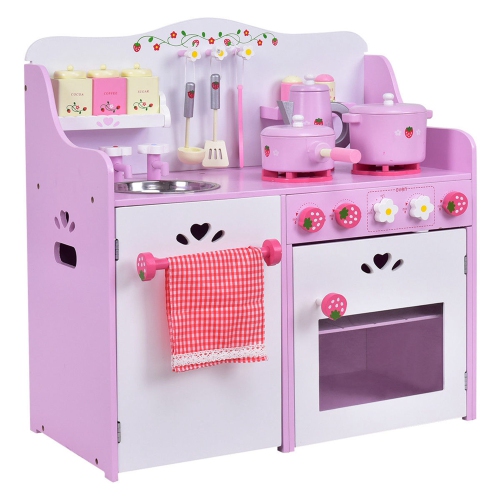
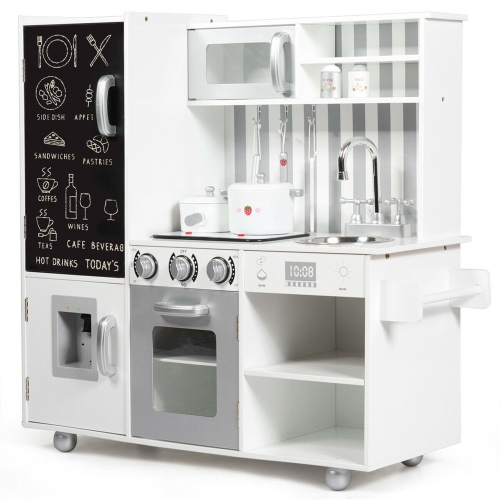

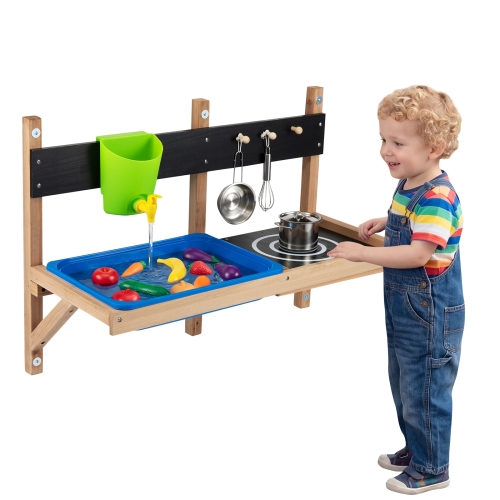
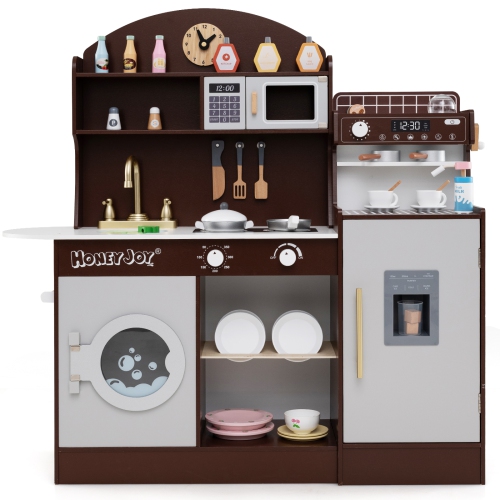
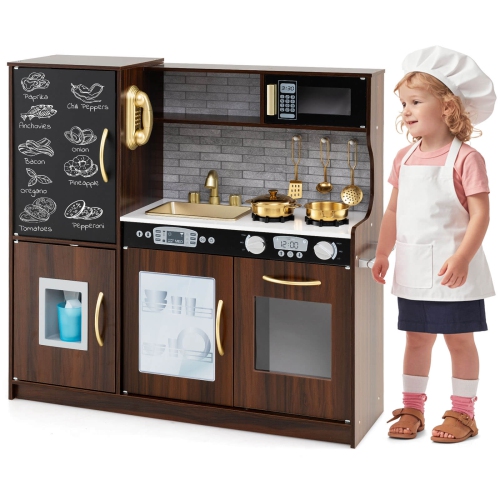
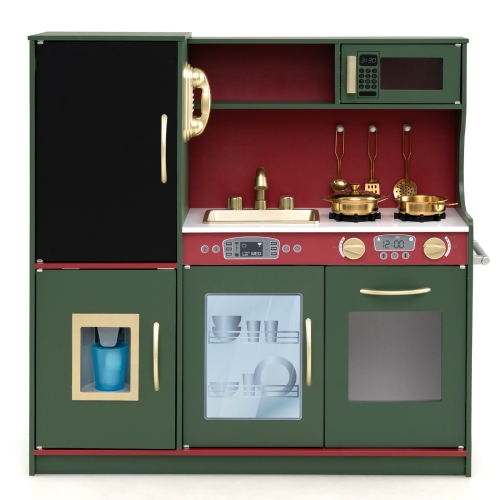

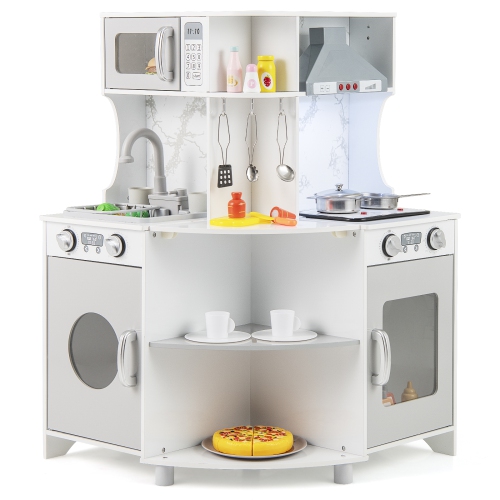
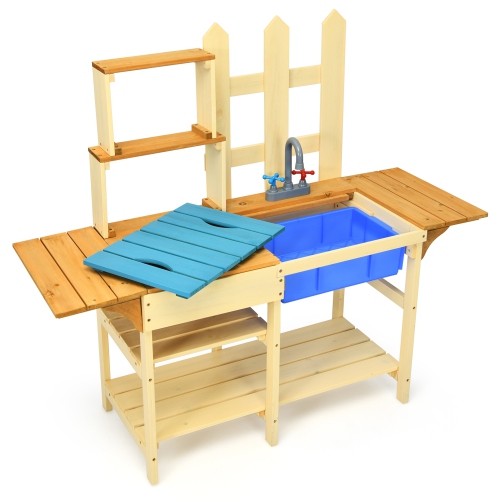
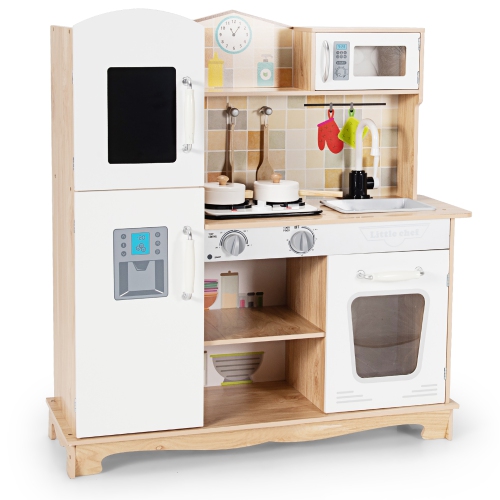
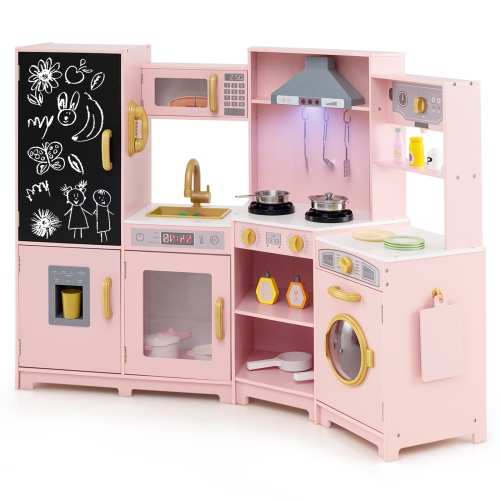
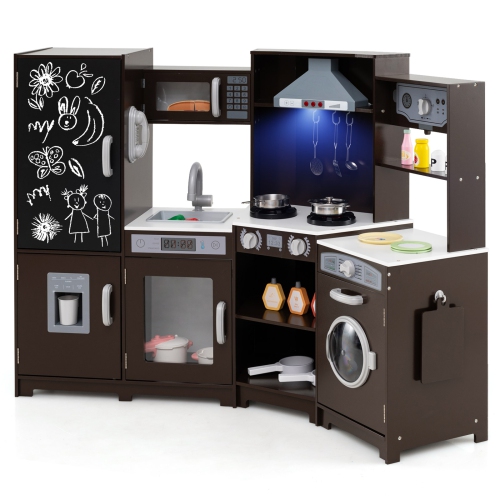
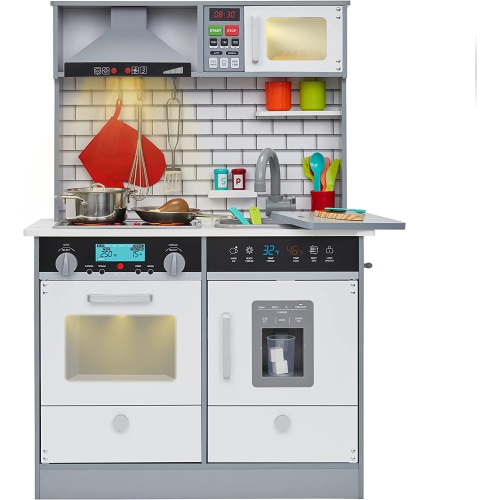

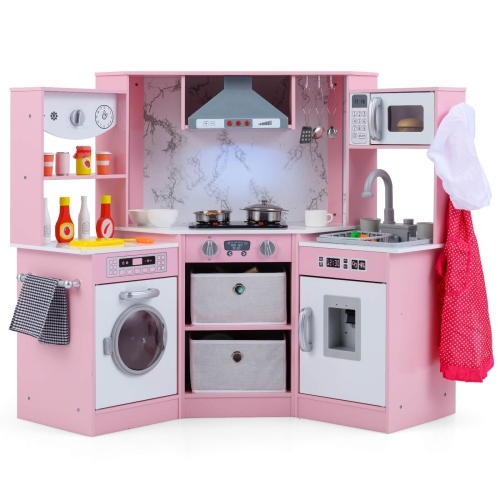
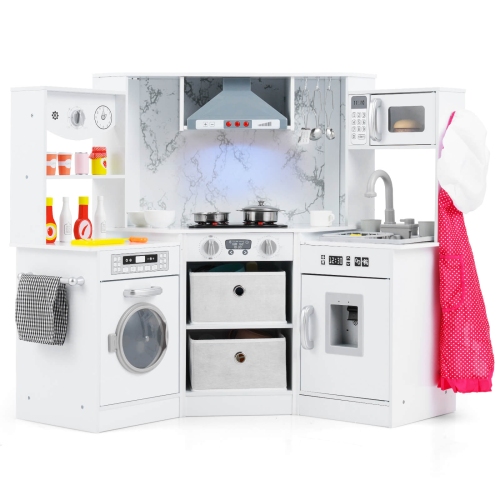
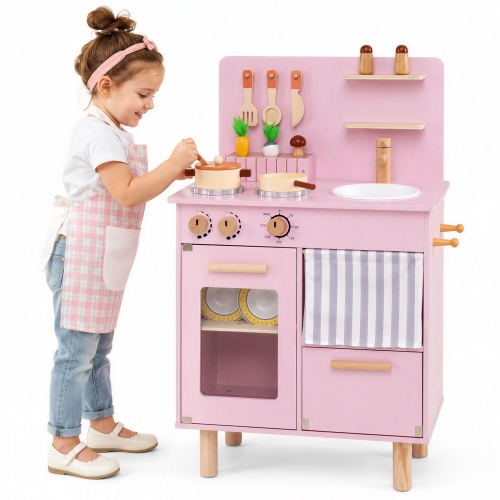
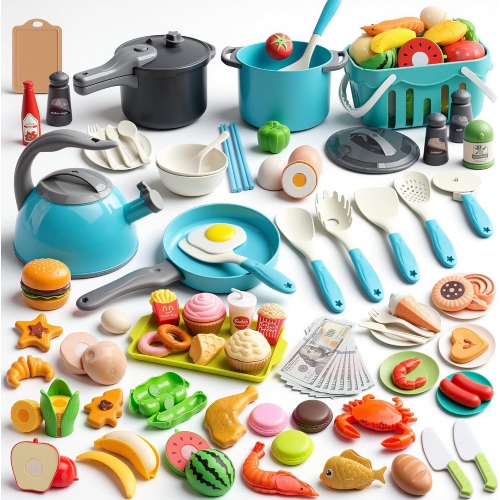
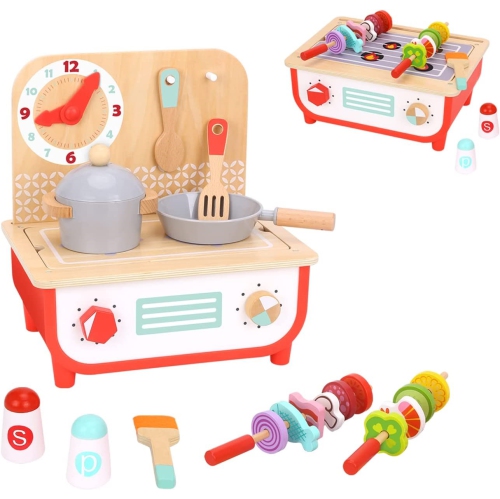
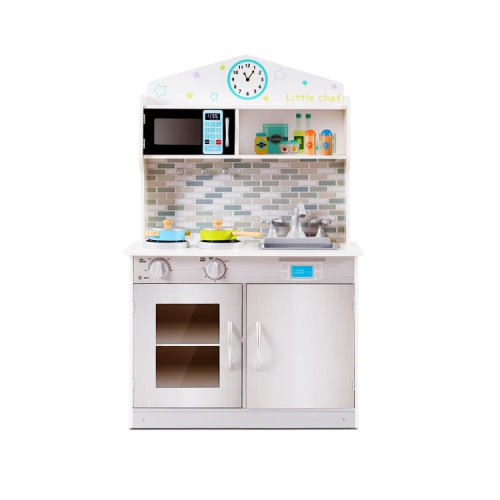

More room for little cooks to play together
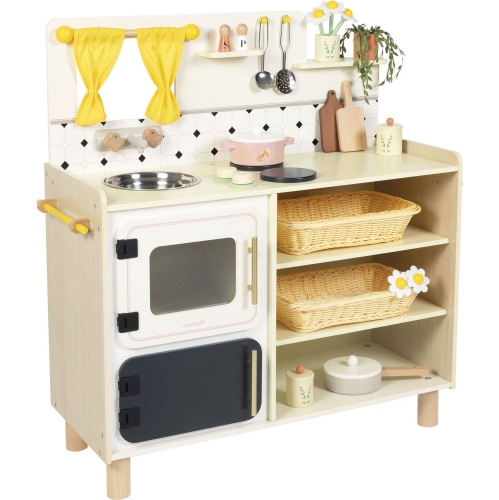
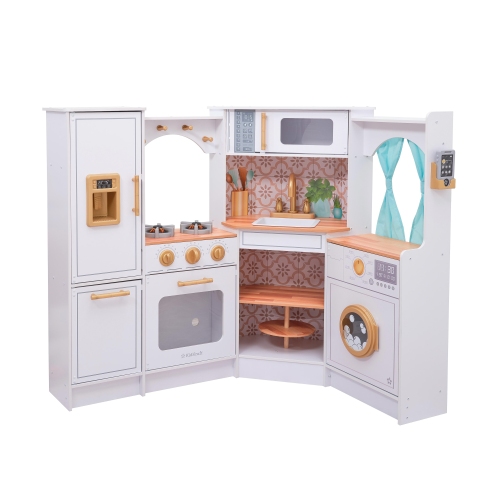
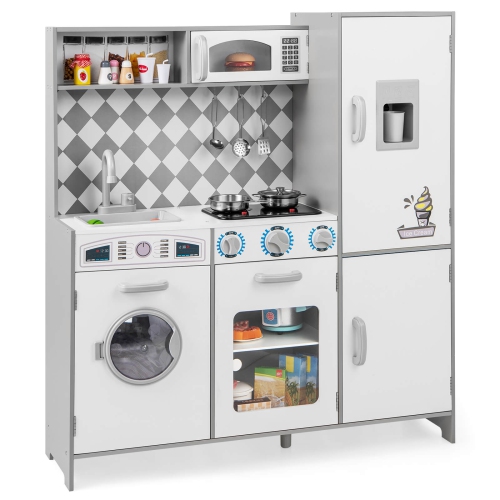
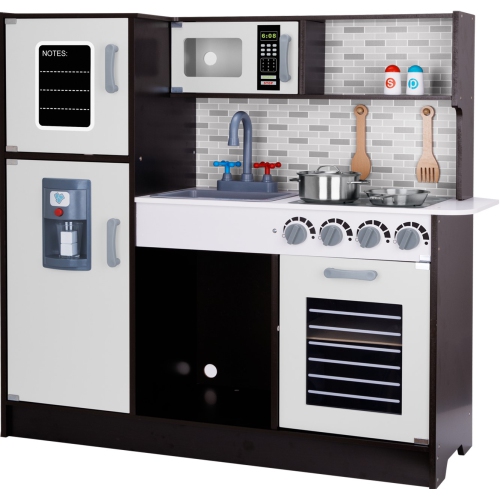
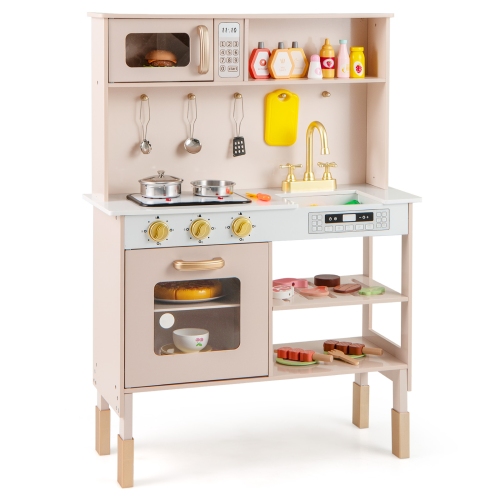
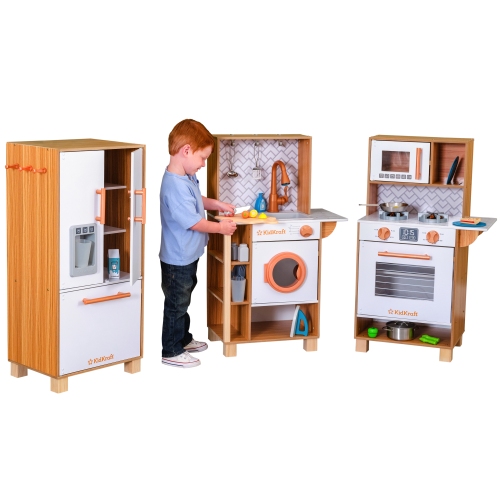
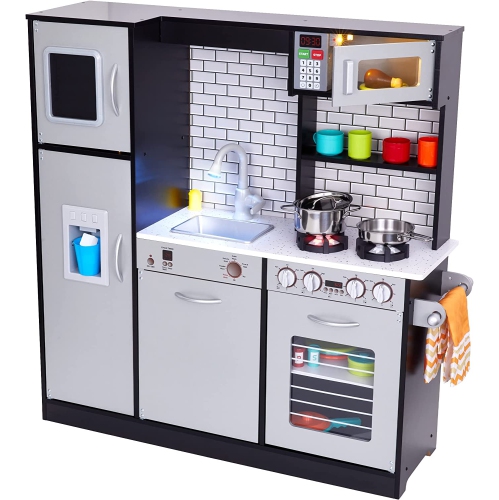
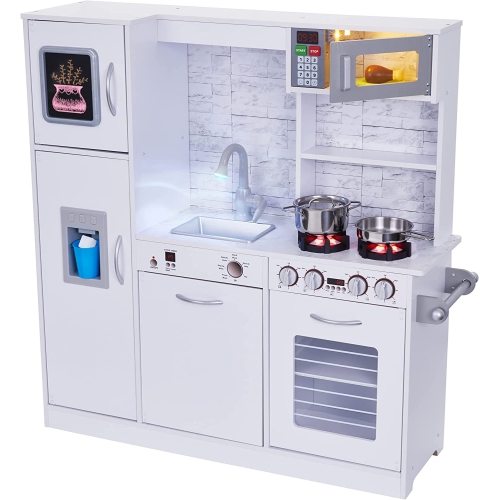
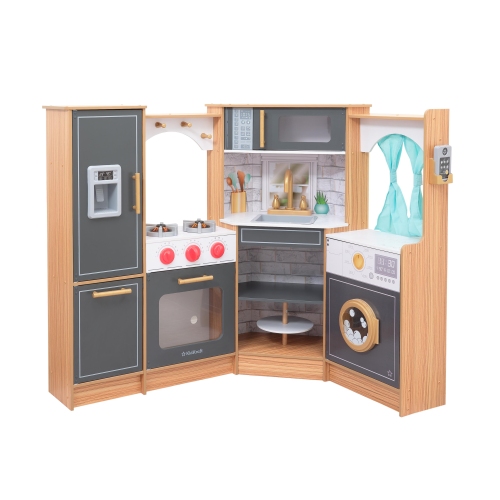
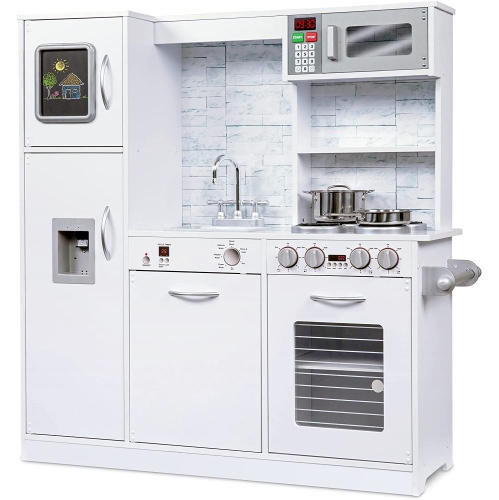
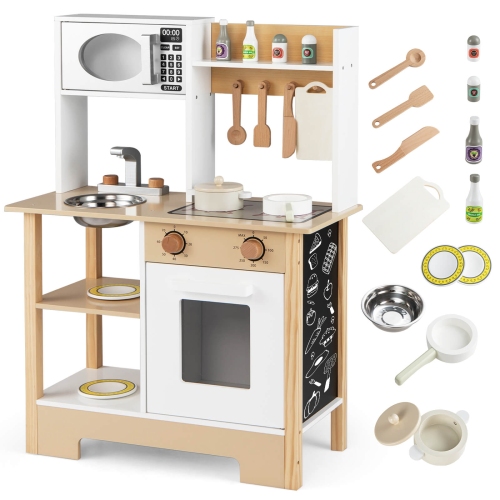
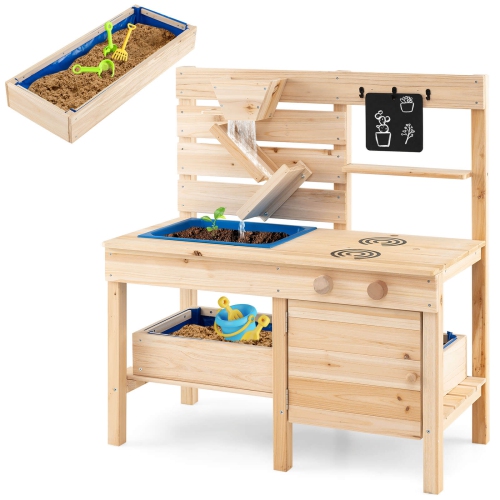
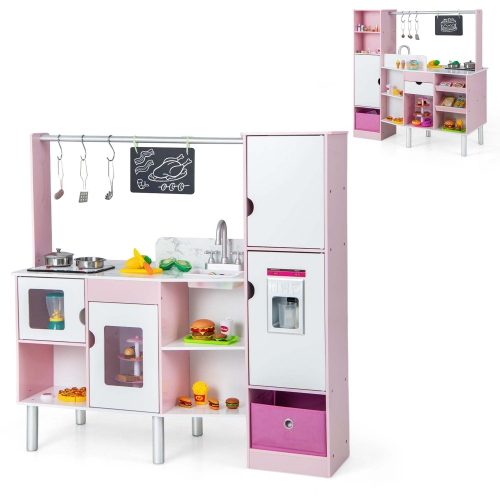
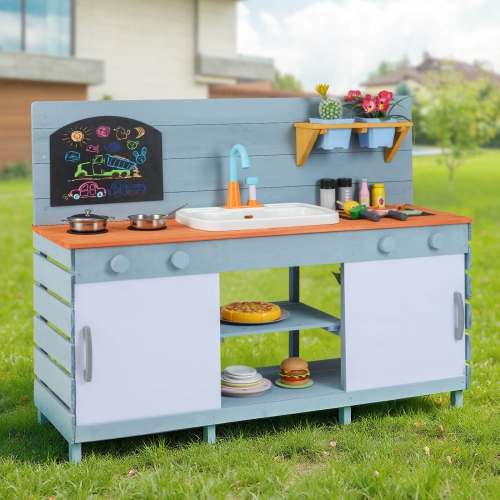
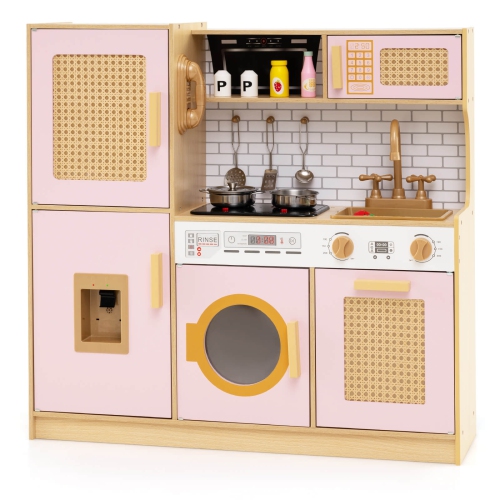
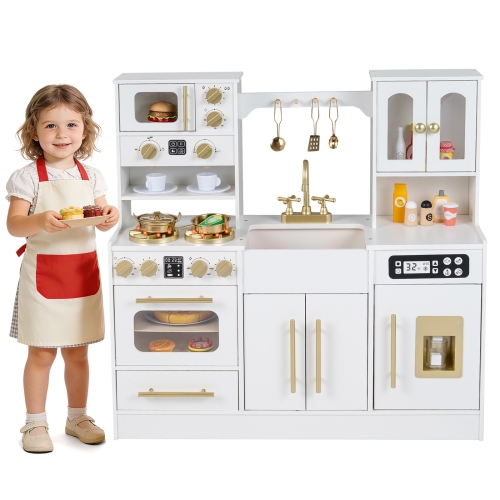
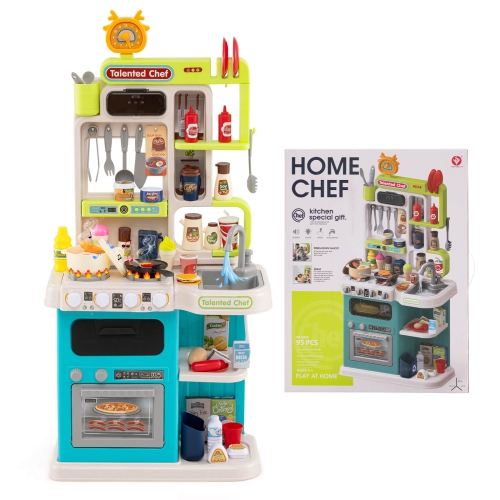
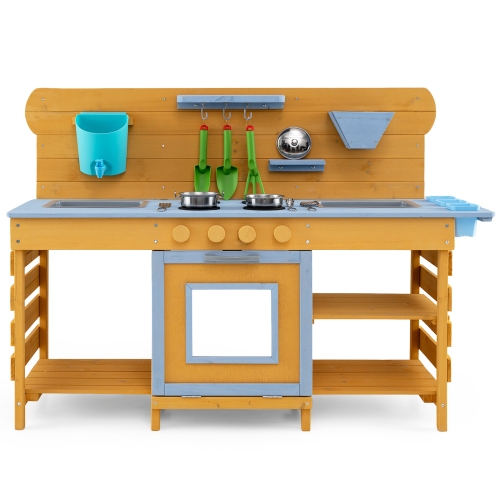
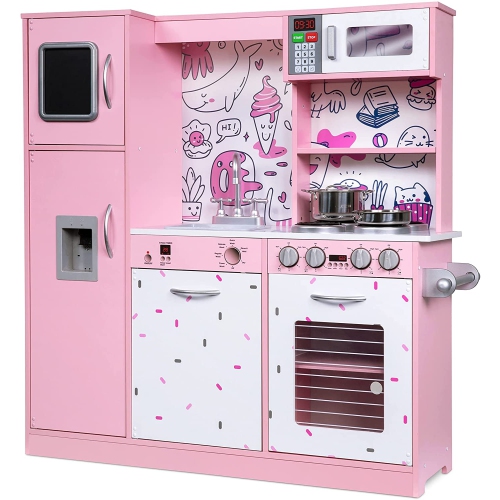
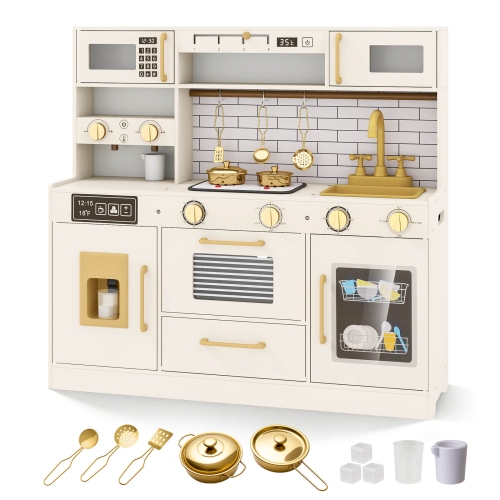
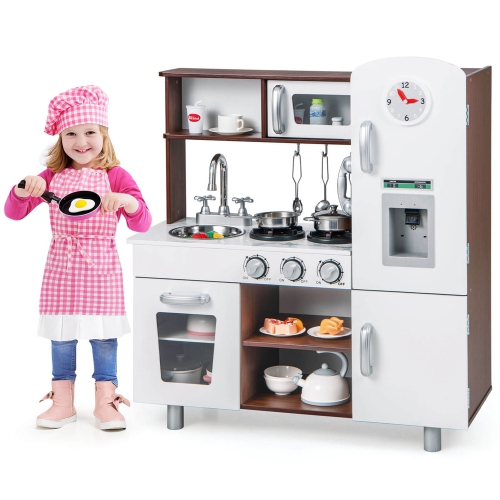
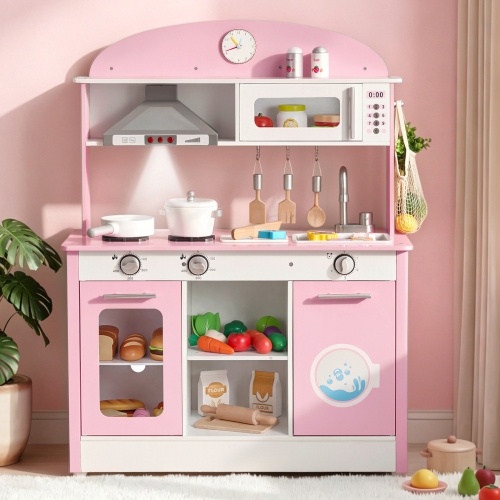
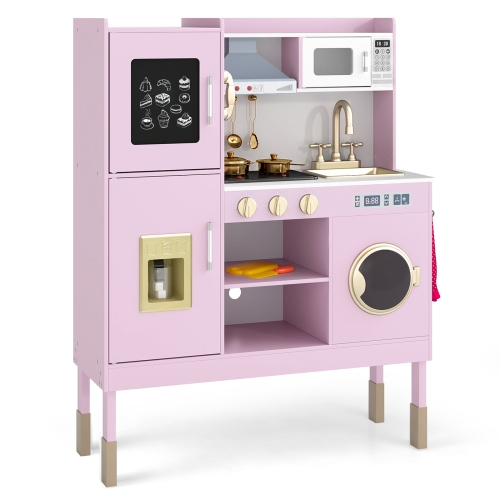
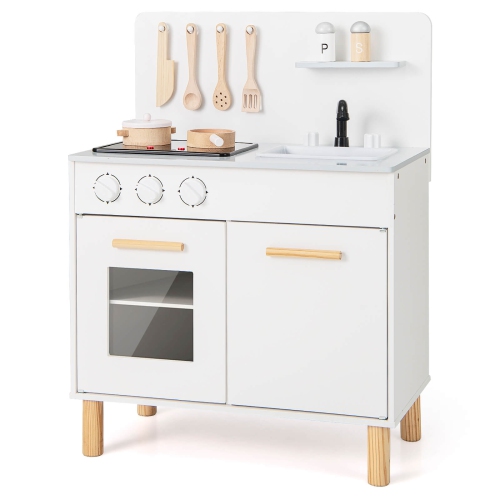
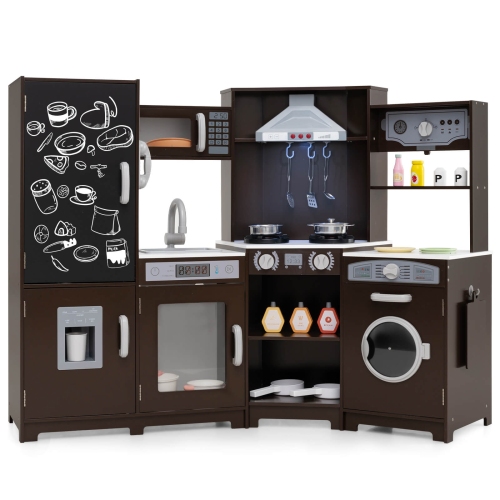
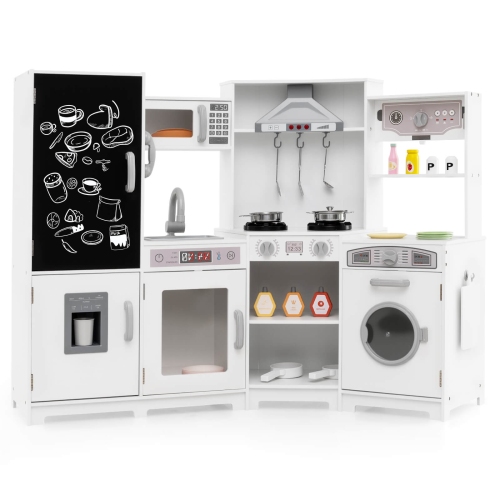
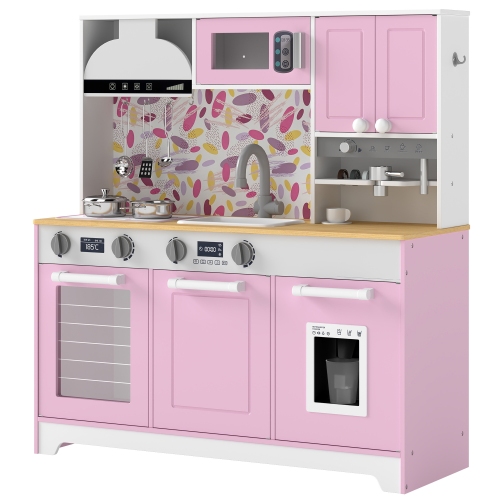
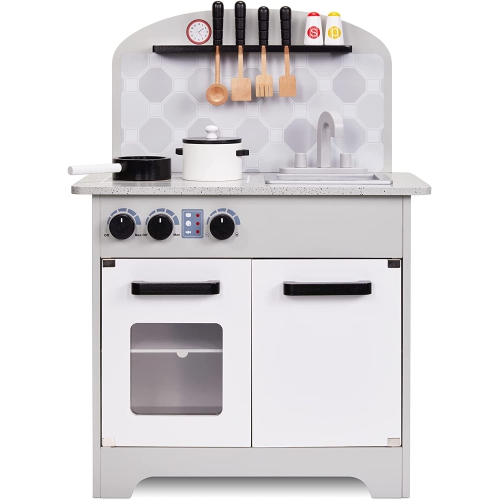
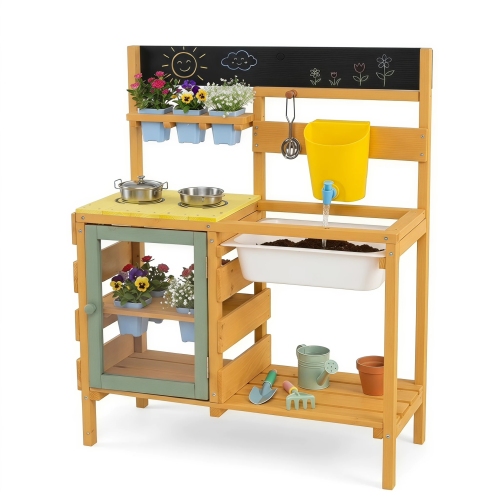
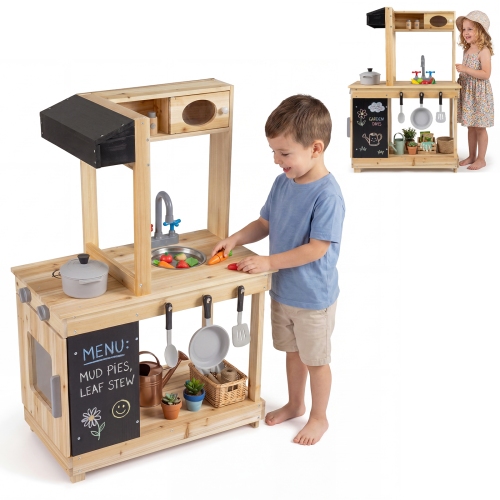
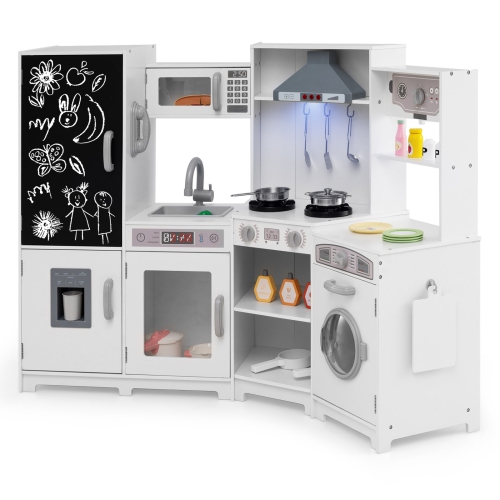
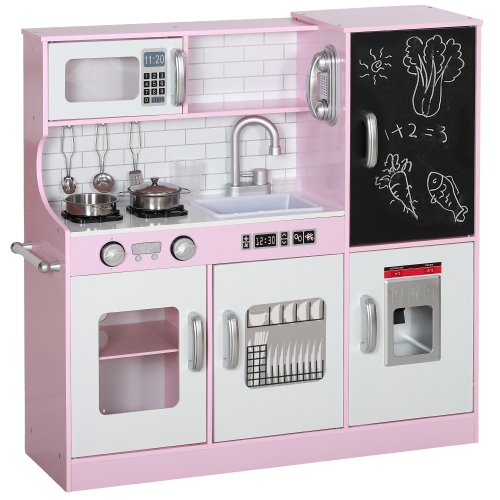
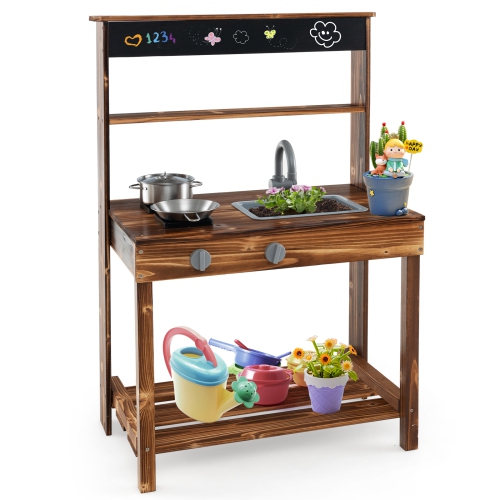
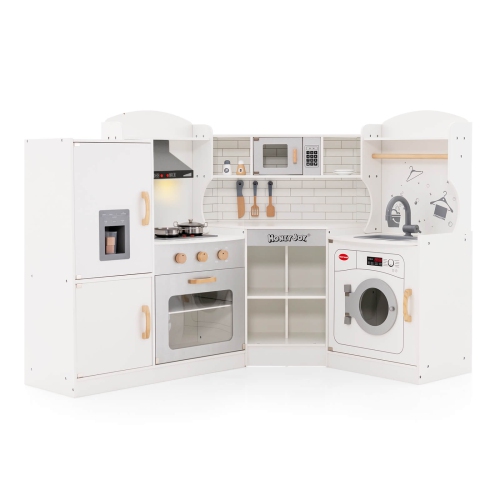
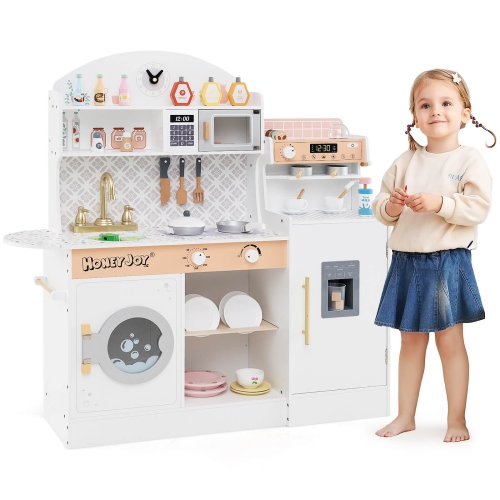
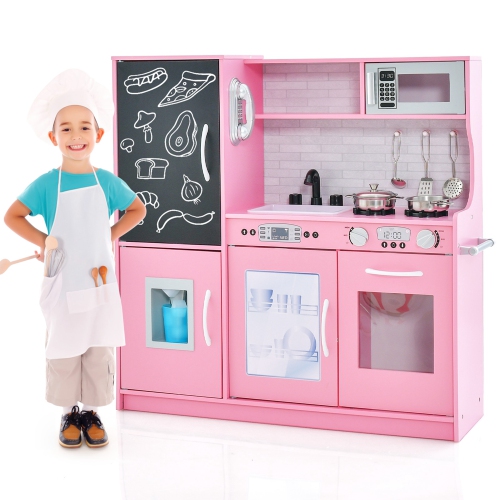
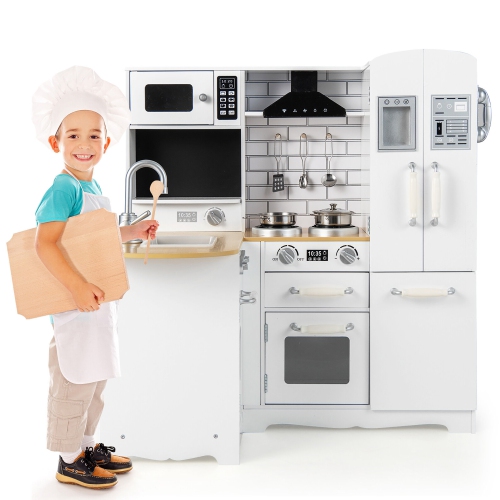
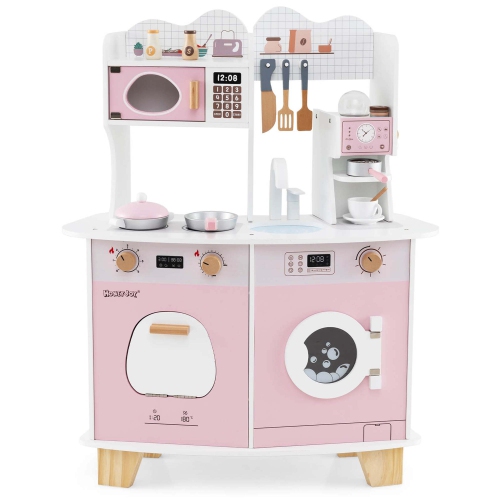
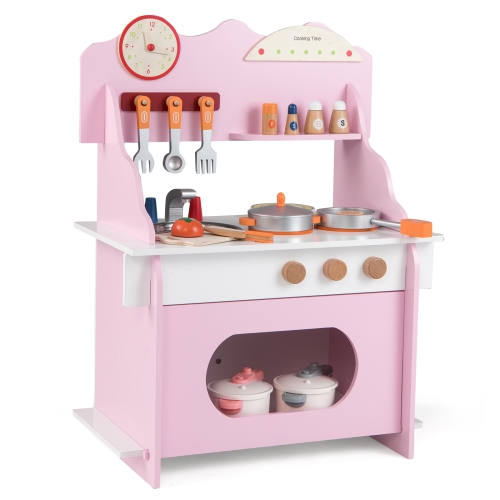
Large play kitchens are child-sized pretend kitchen sets with room for make-believe cooking, serving, and tidying up. Compared with compact designs, they generally offer a wider worktop, more appliance-style compartments, or several connected play areas, giving children space to spread out their ingredients and build a story around a meal. A pretend breakfast might start with food coming out of the fridge, move to a pot on the hob, and finish with plates lined up for a family of stuffed animals. That extra room can be useful for siblings and friends, with one child stirring while another sets the table or takes an order. Common features include a play sink, oven, cupboard storage, and turning knobs, while some designs add a microwave, refrigerator, washing machine, or pretend ice dispenser. Lights and sound effects can add to the experience, but simple details such as opening doors and accessible shelves also give children plenty to do. These are toys for imaginative play rather than functioning cooking appliances, and their appeal comes from letting children act out familiar routines at their own scale. Pretend food preparation gives children opportunities to practise everyday vocabulary, sort ingredients by colour or shape, and negotiate shared roles. A large kitchen playset can become a family café, a bakery counter, or the place where a carefully prepared imaginary soup needs just one more stir. The most suitable features depend on the child’s interests: generous counter space suits elaborate pretend meals, while several separate stations can make shared play less crowded. For children who enjoy copying everyday household tasks, a sink and a place to put dishes away may be just as engaging as a light-up burner. During the cooler months, a roomy pretend kitchen can provide a familiar setting for indoor play, with different stories unfolding from the same cupboards, counters, and accessories. Its usefulness depends less on having every possible feature than on providing a comfortable, inviting space children can use independently within their age and ability.
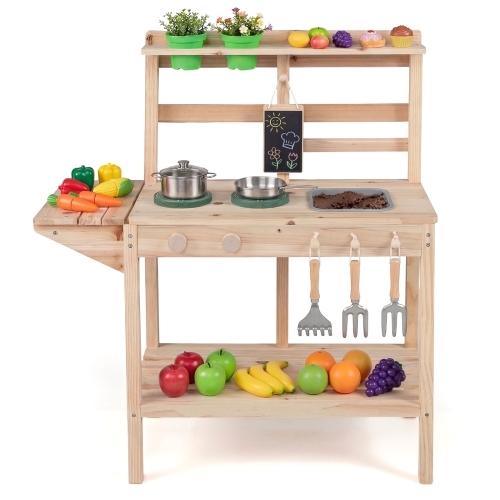
The footprint of a large play kitchen matters as much as its height, particularly when it shares a living room, bedroom, or playroom with other furniture. Straight layouts sit along a wall and keep the play surface facing into the room, making it easier to see and reach the main features. Corner and L-shaped layouts use adjoining walls and can divide the activity between two work surfaces, although they still need clear floor space in front. Modular designs, where the manufacturer permits different arrangements, offer flexibility to position separate sections in a line or around a corner. Measurements should account for more than the closed cabinet: an oven door may fold down into the play area, a fridge door needs room to swing, and children need somewhere to stand, kneel, and pass each other. A layout that fits neatly between a sofa and a bookcase may still feel cramped once two children start cooking together. Counter height is another useful point of comparison. Children should be able to reach the main work surface comfortably without climbing, while frequently used accessories belong within easy reach rather than on a high shelf. Age recommendations remain important even when a kitchen’s dimensions seem suitable, since small accessories and moving components may be intended for older children. Material choices also influence the feel and day-to-day use of the set. Wooden and wood-based kitchens often have rigid panels and a furniture-like appearance, while moulded plastic designs can have rounded shapes and surfaces that are straightforward to wipe. Construction varies within both groups, so secure fittings, well-supported doors, and a stable base matter more than material alone. For a closer look at that material category, Wooden Kitchen Playsets includes designs that can complement a dedicated playroom or a shared family space. Painted panels, natural-looking finishes, and simple cabinet styling can help a larger toy sit comfortably alongside household furniture without making appearance the only consideration. A kitchen that looks right in the room should also leave enough usable space for the play it invites.
Daily enjoyment often comes down to practical details: where the pretend groceries go, how easily a spill wipes away, and whether the doors stay aligned after repeated opening and closing. Built-in cupboards, cubbies, hooks, and shelves can keep play food and utensils close to the action, while larger compartments make tidying up easier for small hands. Storage is particularly helpful when a play kitchen has a permanent place in a shared room, since accessories can be put away without dismantling the whole scene. The size and number of included accessories vary, and some kitchens are supplied without play food or cookware, so the contents description is worth checking. Accessories should suit the kitchen’s scale and the youngest child who can access the play area; a pretend pot needs to sit comfortably on the burner, and small pieces require particular attention to age guidance. For care, follow the manufacturer’s cleaning directions and remove everyday marks promptly with the recommended method. Many surfaces can be wiped with a soft, lightly dampened cloth and dried afterwards, but wooden or wood-based panels should not be soaked. A removable play sink is not necessarily designed for water play, and electronic features should be kept dry. Where lights or sounds use batteries, the battery compartment should remain properly secured, with replacement handled by an adult. Assembly also affects durability: fittings should be tightened as directed, doors checked for smooth movement, and any supplied anchoring hardware installed according to the instructions. Play kitchens are not climbing structures, and children should not sit or stand on counters, shelves, or open doors. For a birthday or another gift-giving occasion, a large pretend kitchen can be a thoughtful choice for a child who enjoys role play, especially when the household has agreed on its size and location. Allowing time for assembly helps make that first play session welcoming, with a clear counter, a few age-appropriate accessories, and space for another little cook to join in.
Top selling and popular products
-
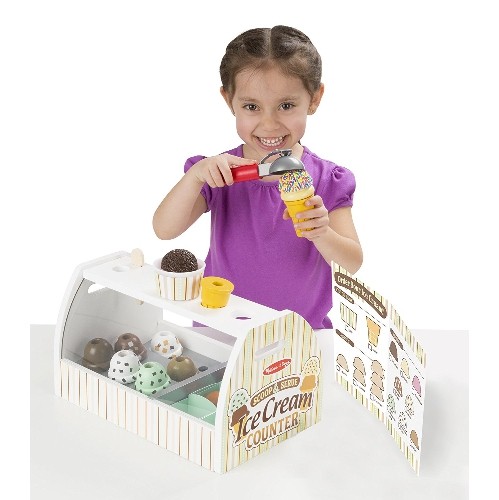 Your price for this item is $103.99
-
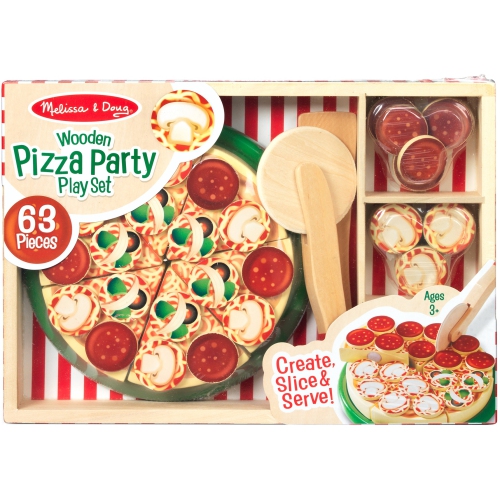 Your price for this item is $25
-
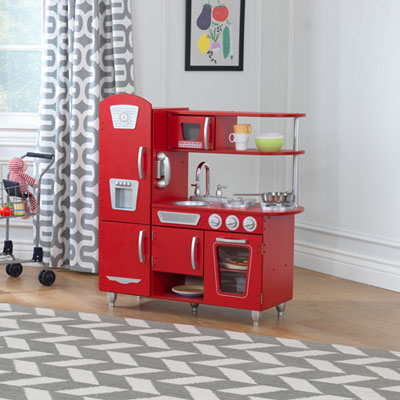 Your price for this item is $149.98
-
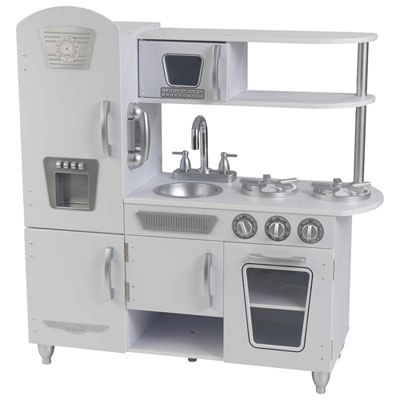 Your price for this item is $155.98
-
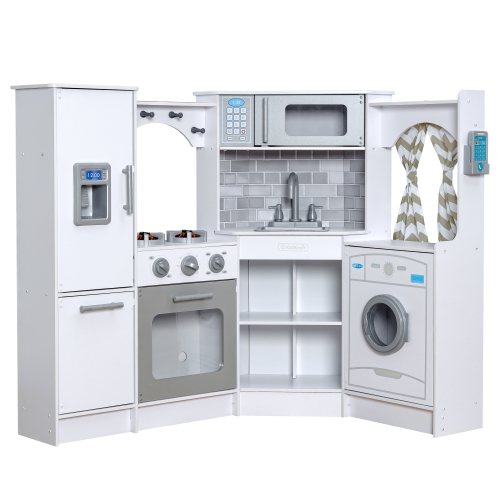 Your price for this item is $319.99
-
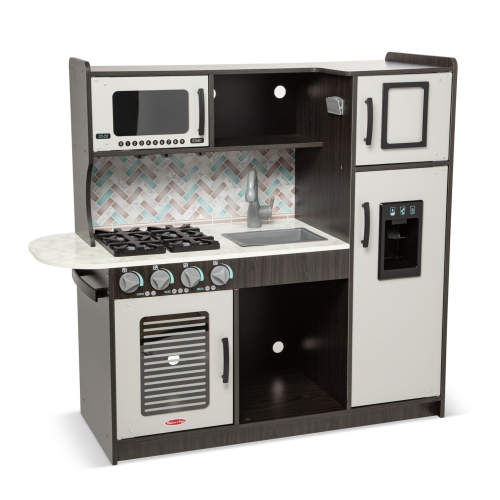 Your price for this item is $239.97
-
 Your price for this item is $319.99
-
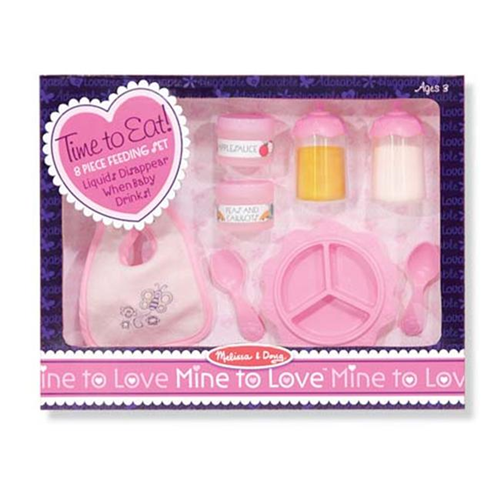 Your price for this item is $43.99
Discover more categories related to Large Play Kitchens
Top Collections:
Pokemon Centers, Kindle Devices, Best Budget Office Chairs, Canon G7X Cameras, Apple iPhones 16, Samsung Galaxy Phones, Refurbished Apple Laptops, Laptops for Students, iPhone 15 Apple, Budget Smartphones
Some products may be subject to Environmental Handling Fees
(EHF) depending on your province.
Learn more about EHFs.