Lego for Kids
Explore a world of creativity and imagination with our collection of building block sets for kids. From colorful bricks to intricate sets, these toys are designed to spark innovation and problem-solving skills in children of all ages. Whether your little one is a beginner builder or a seasoned architect, there's a Lego set here to inspire hours of fun and learning. Dive into our selection and watch as your child brings their wildest ideas to life, one brick at a time.
Sort
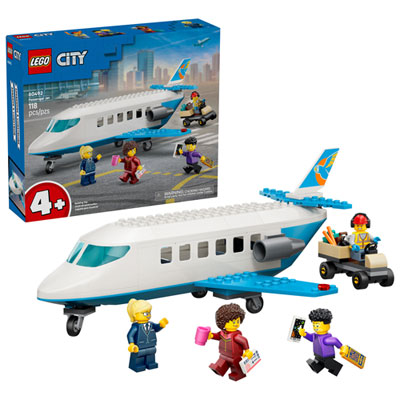
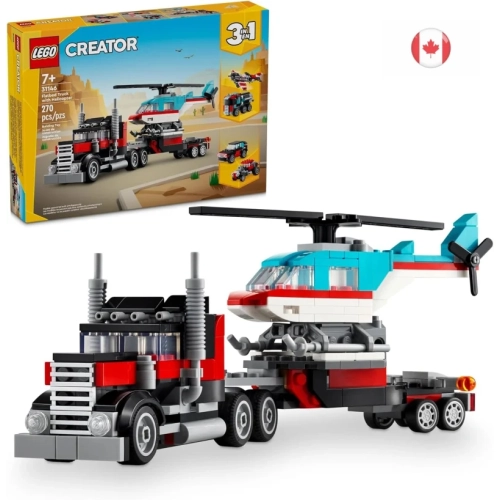
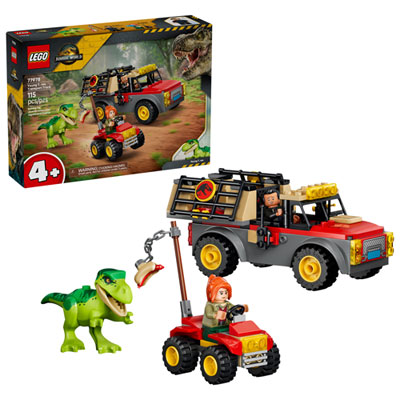
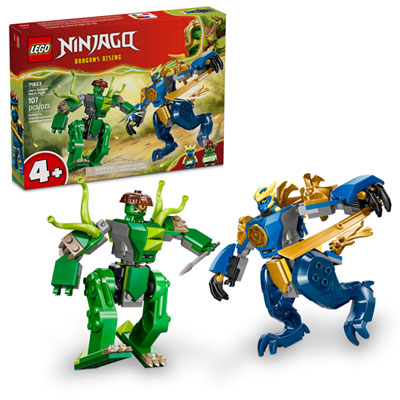
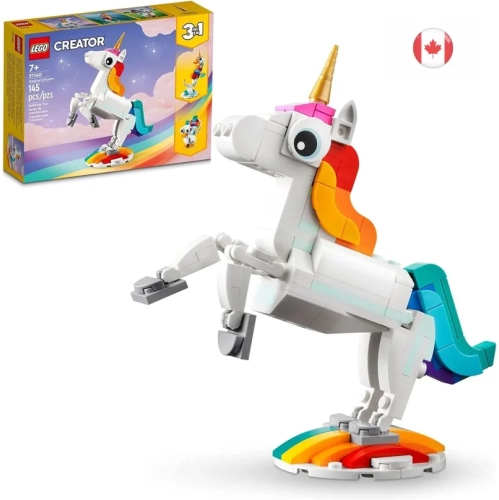
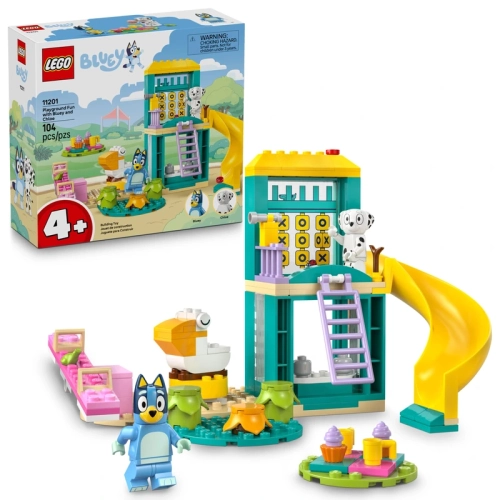
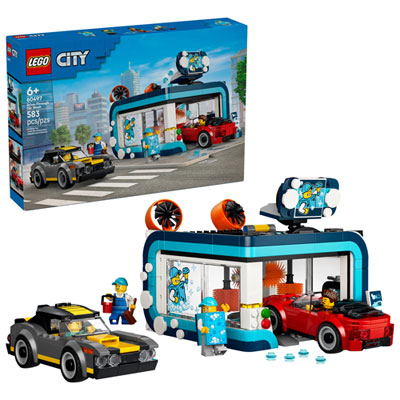
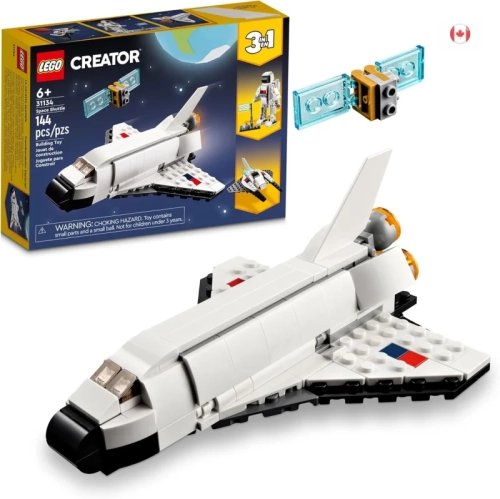

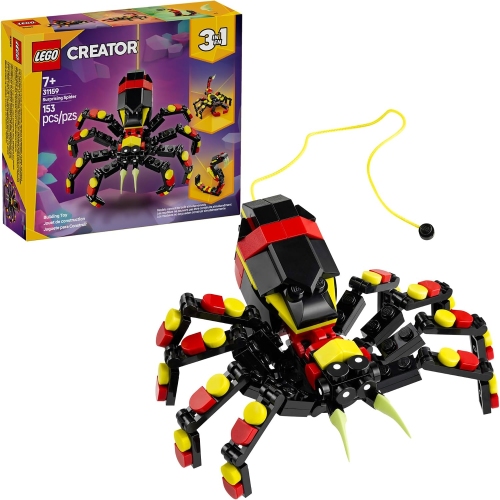
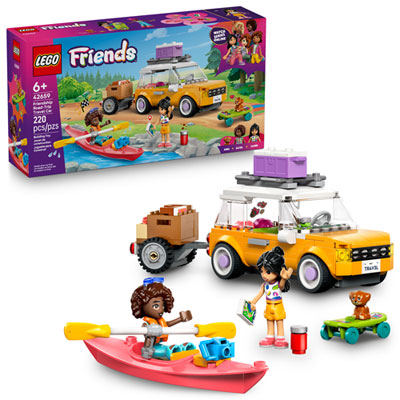
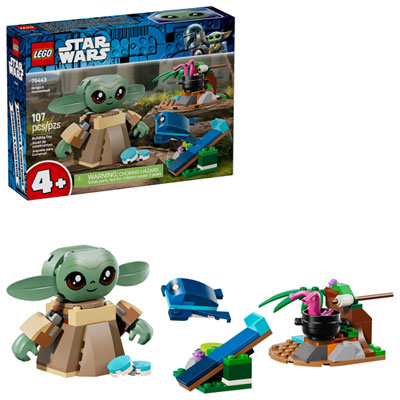
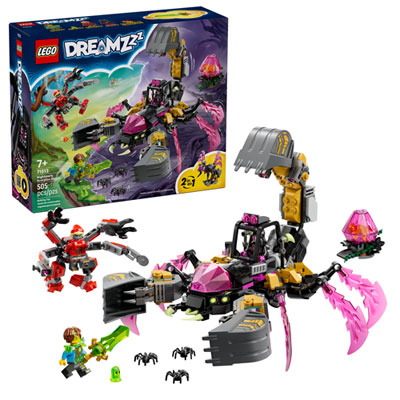
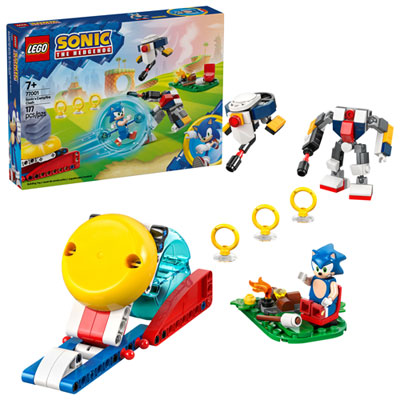
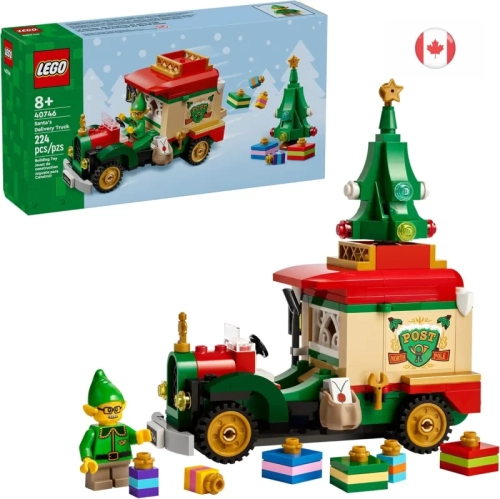

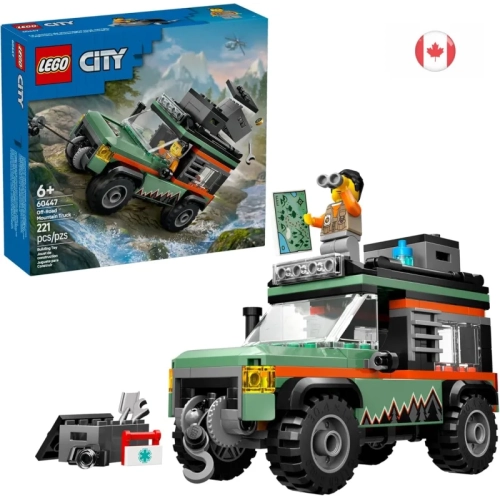
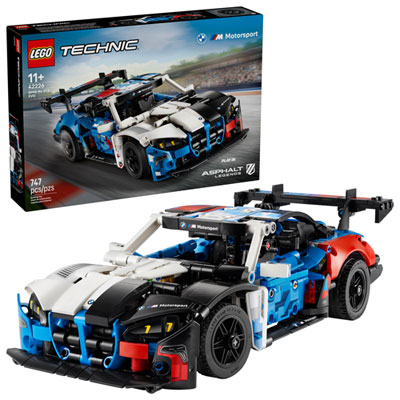
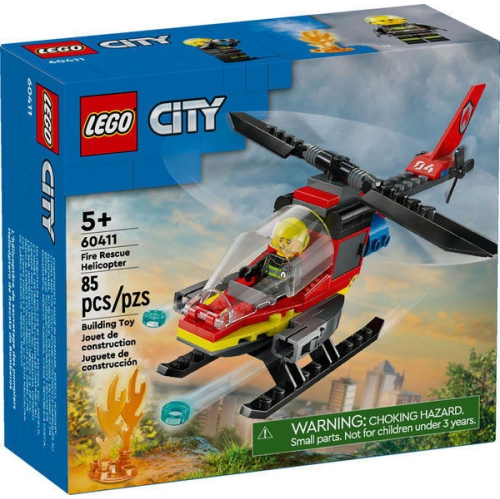
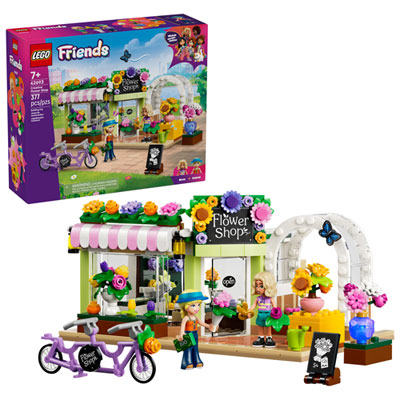
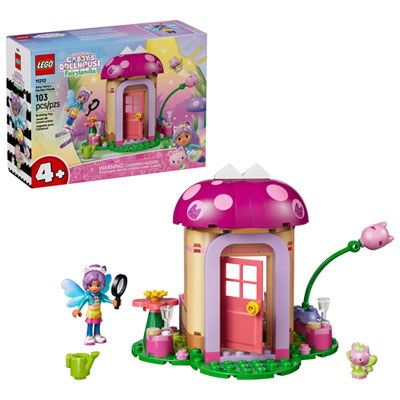
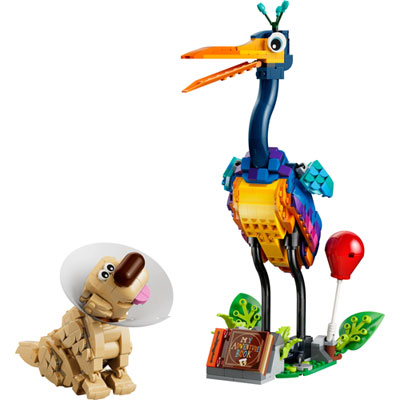
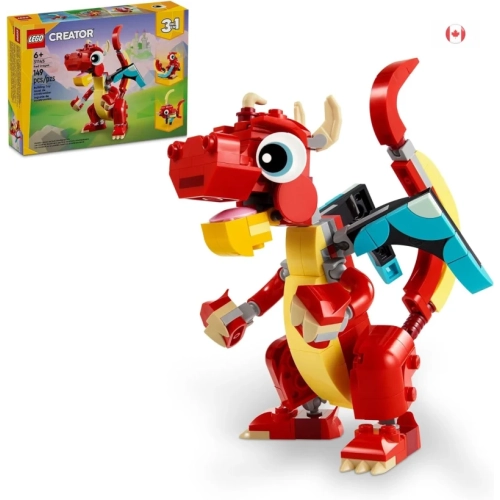
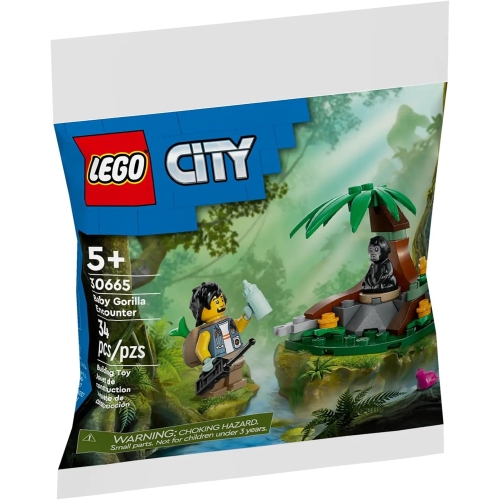
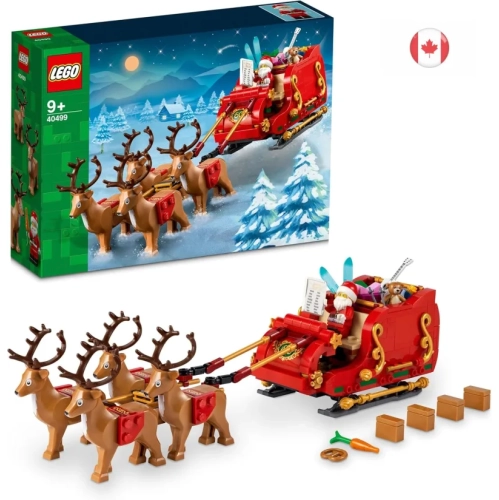
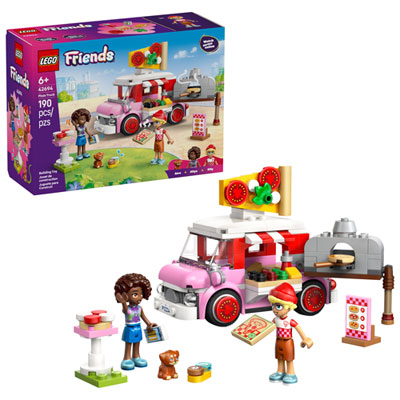
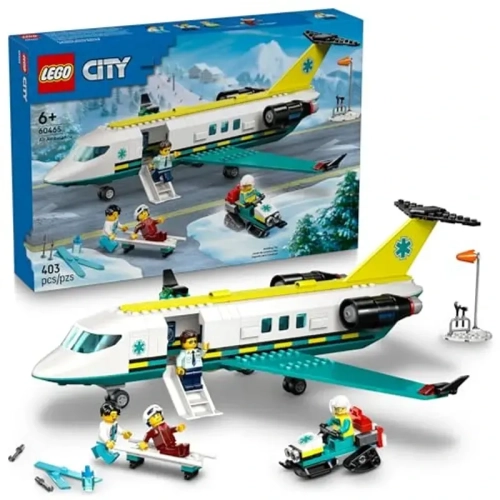
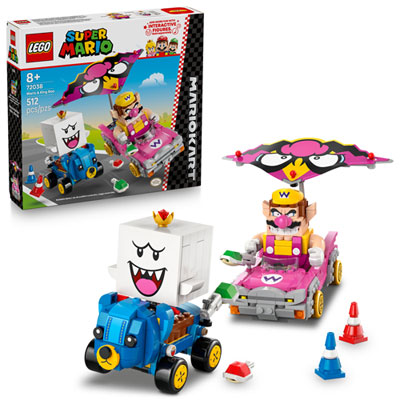
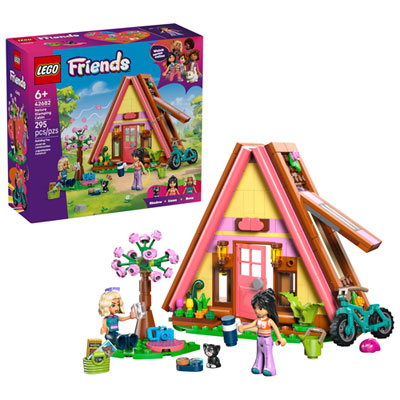
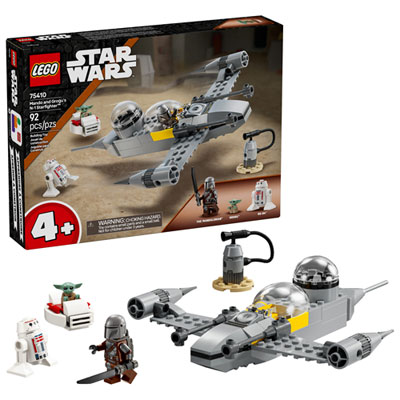
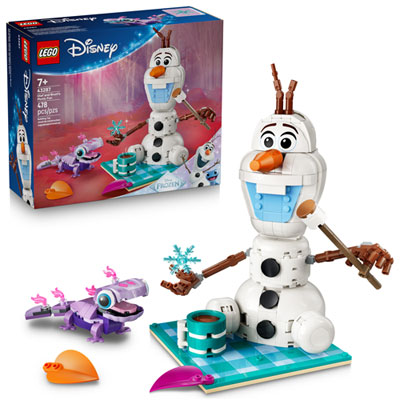
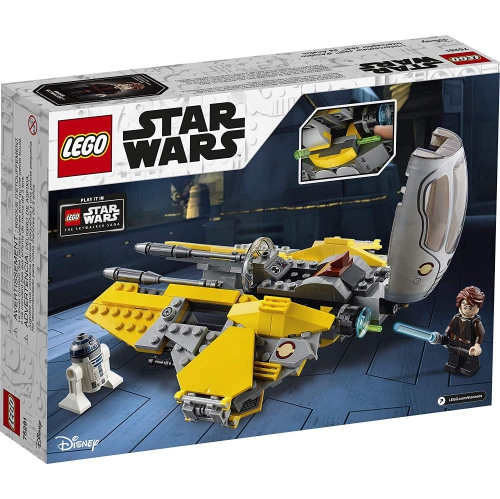
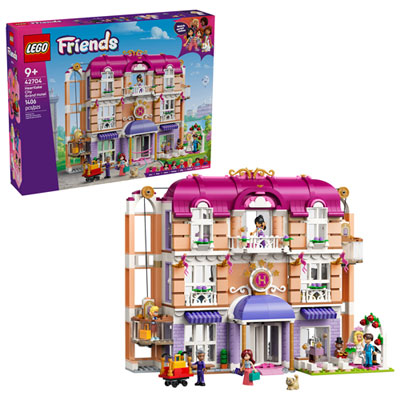
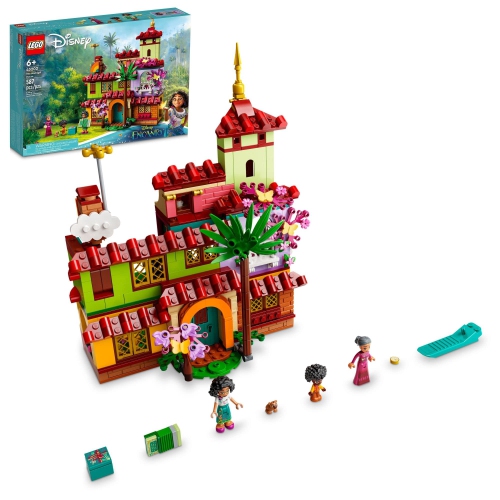
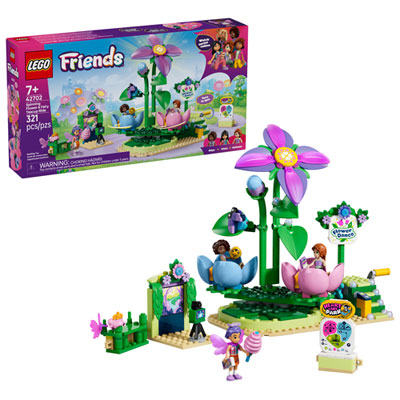
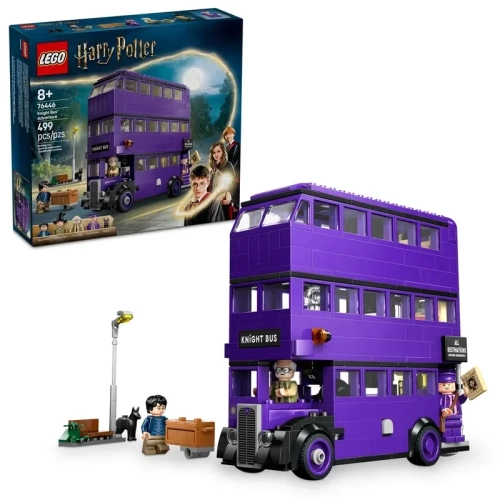
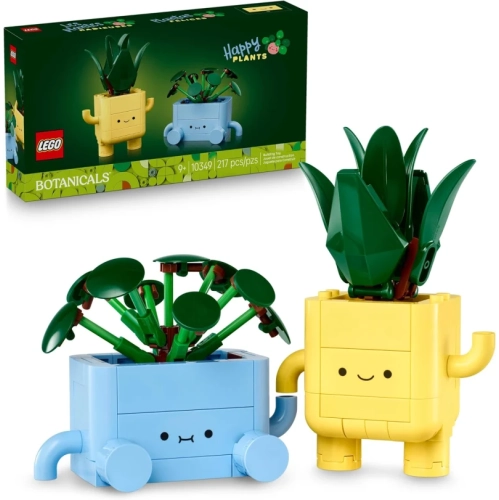
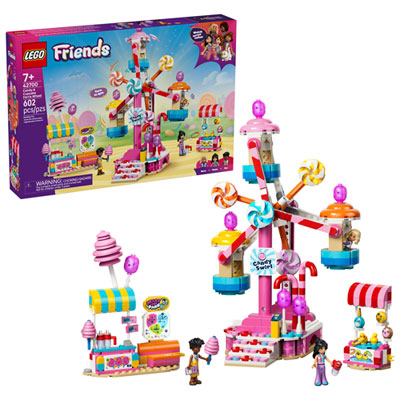
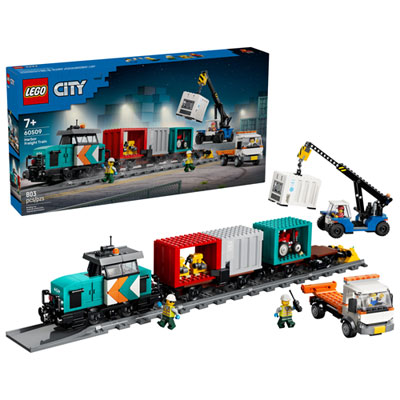
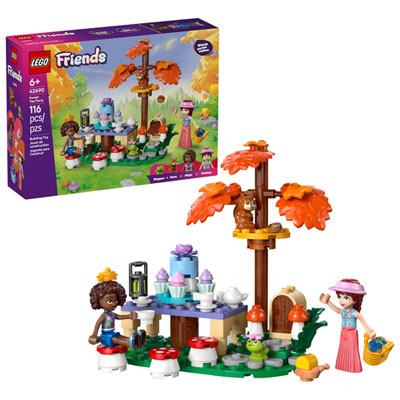
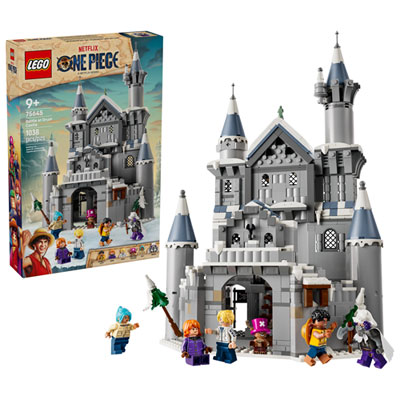
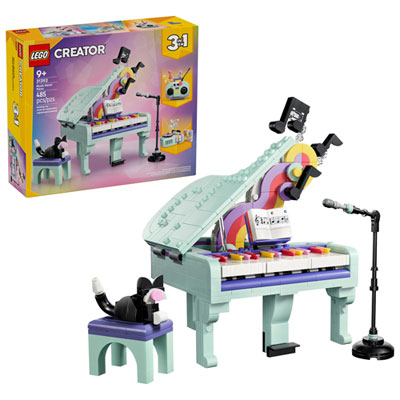
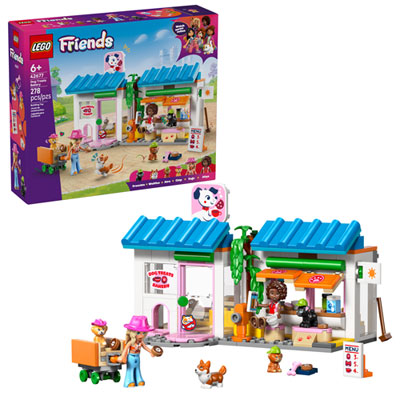
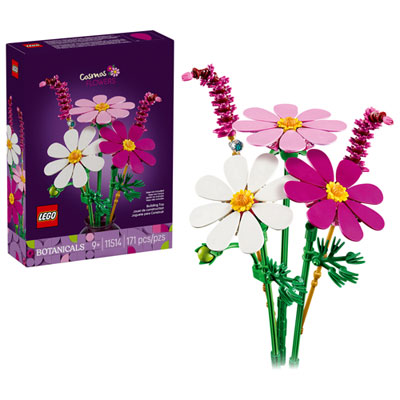
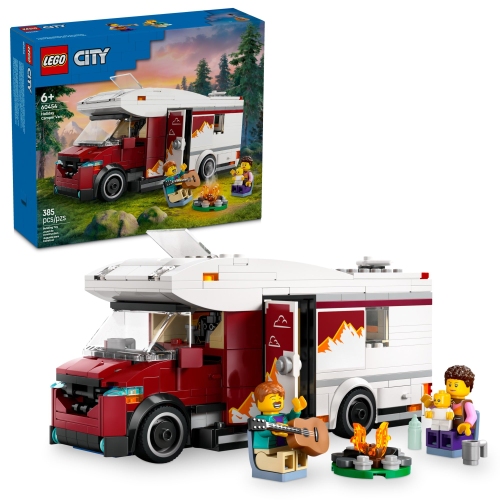
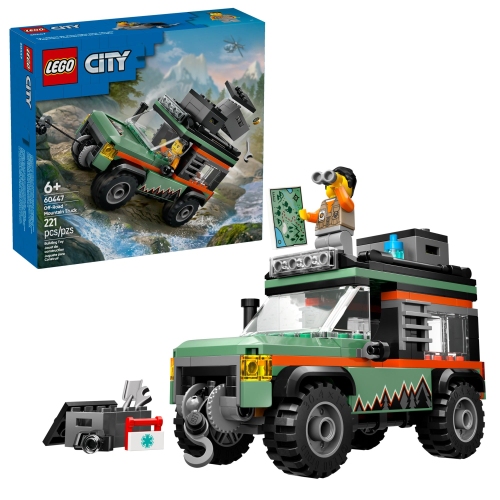
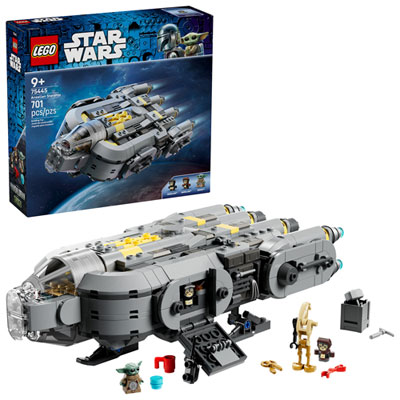
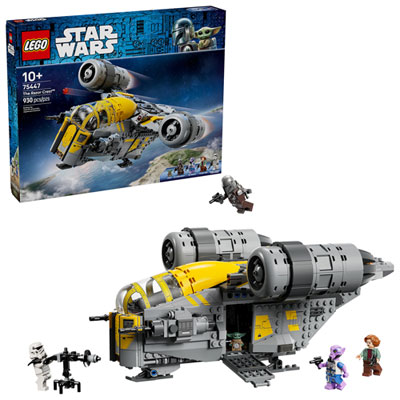
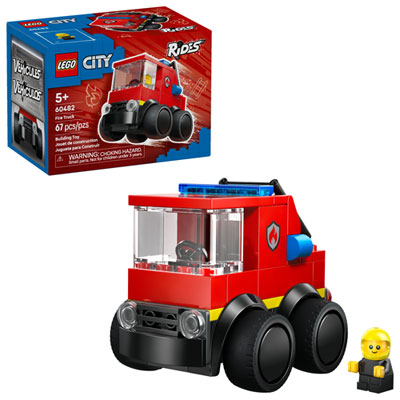
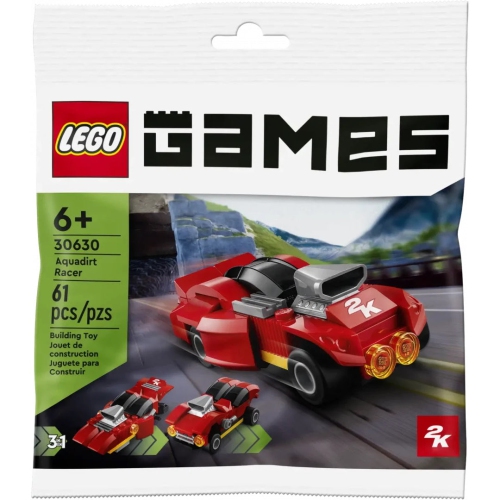
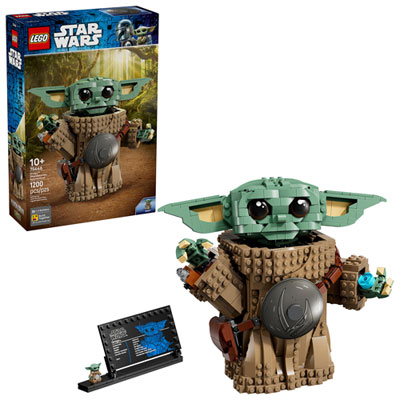
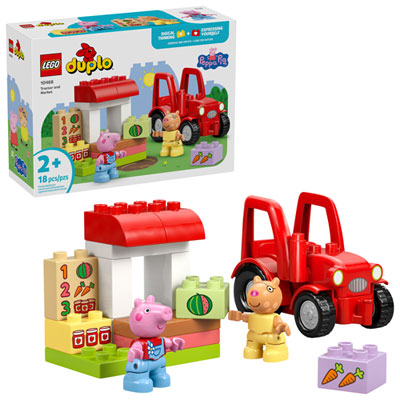
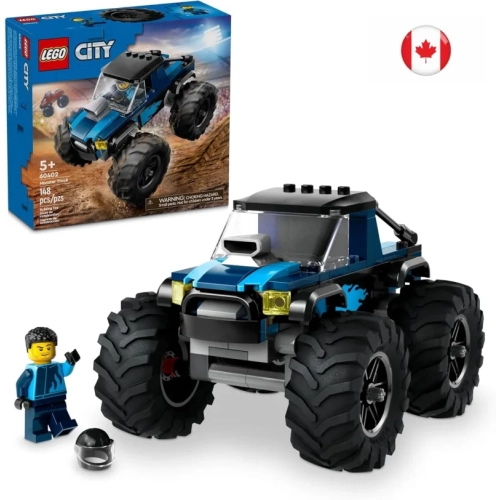
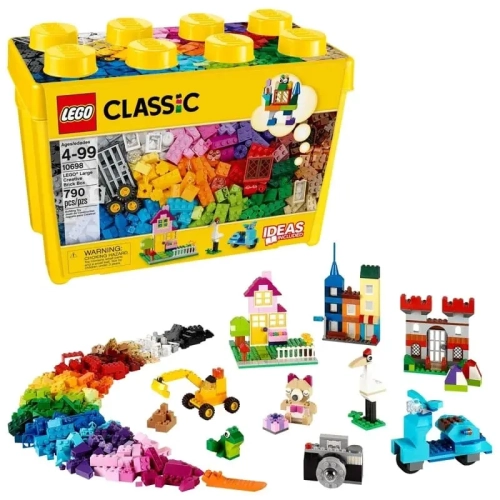
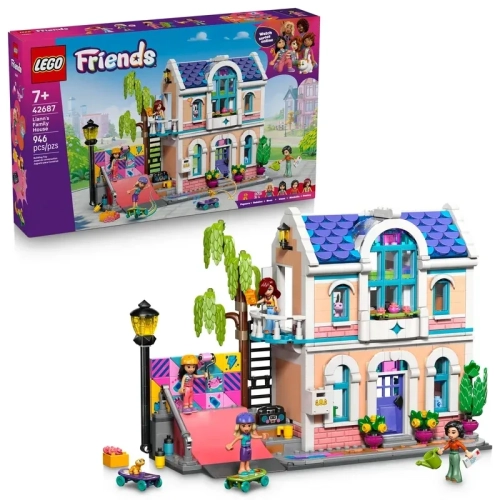
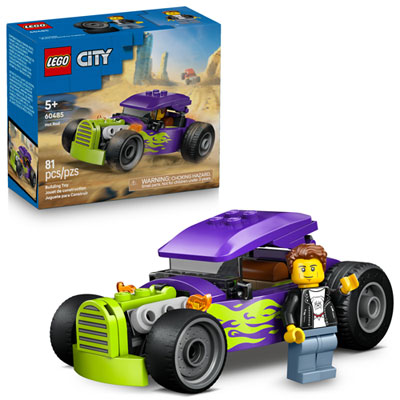
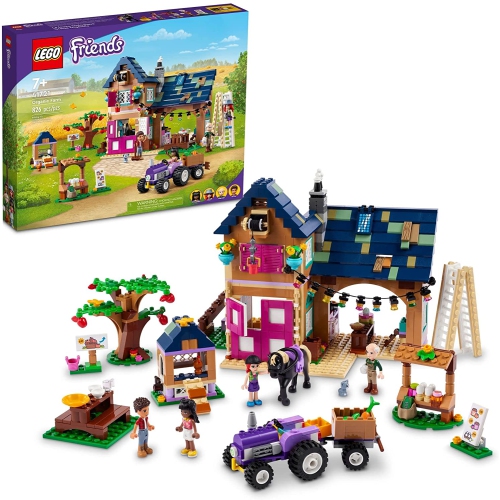
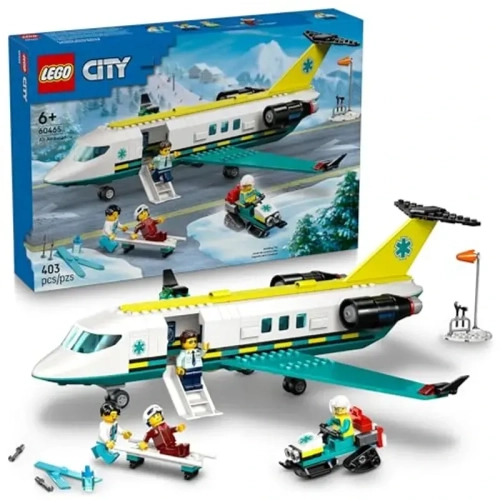
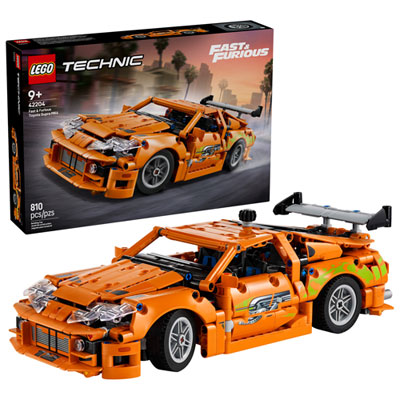
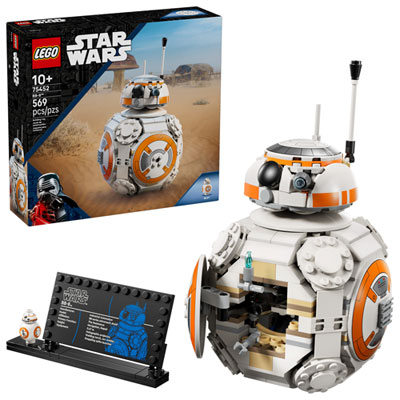
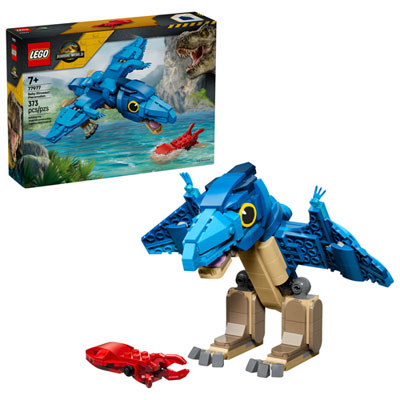
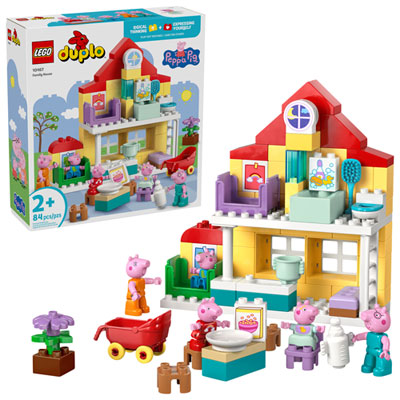
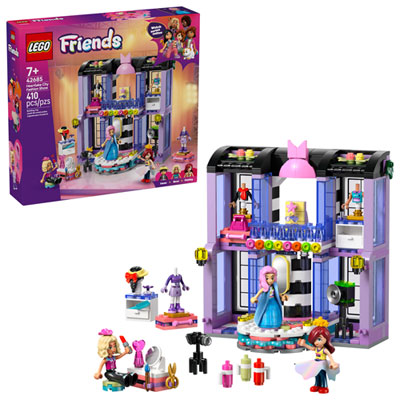
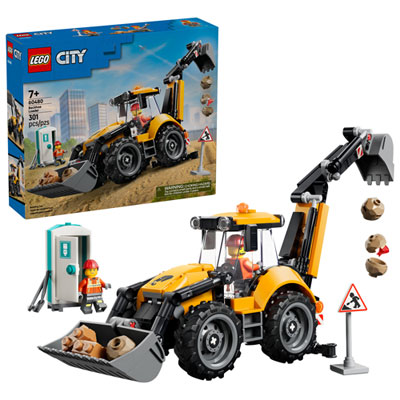
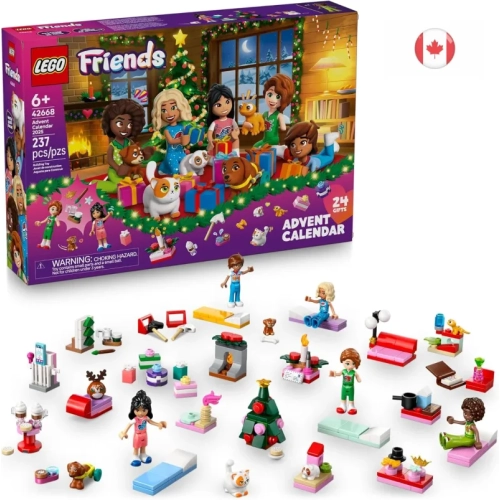
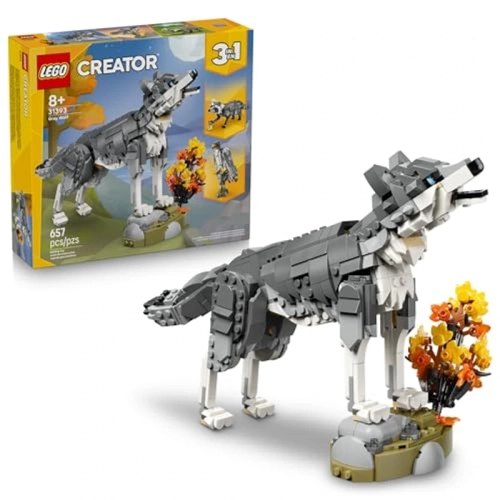
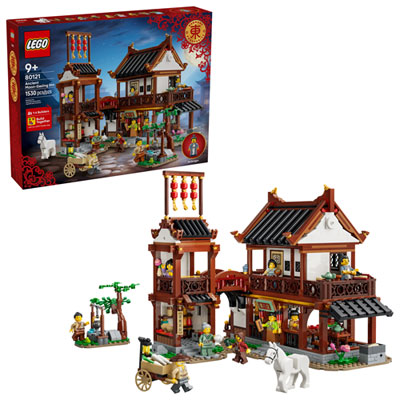
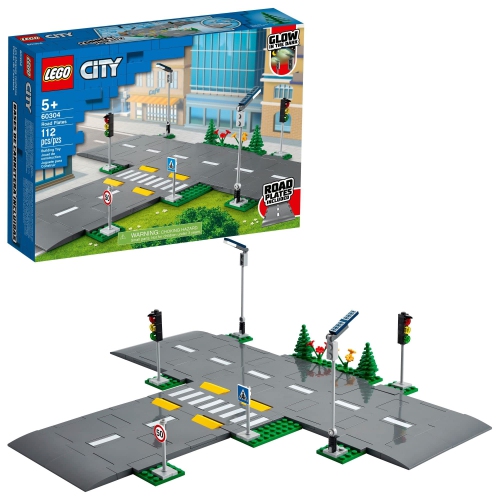
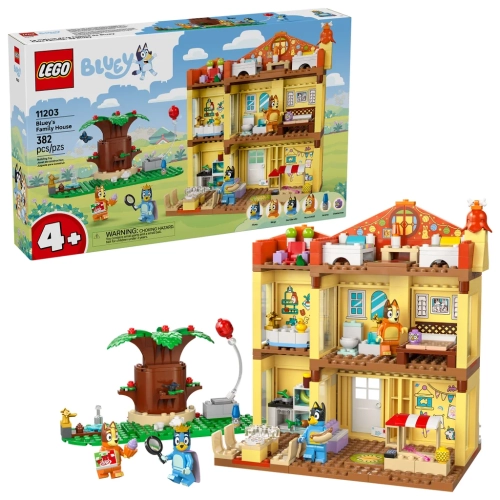
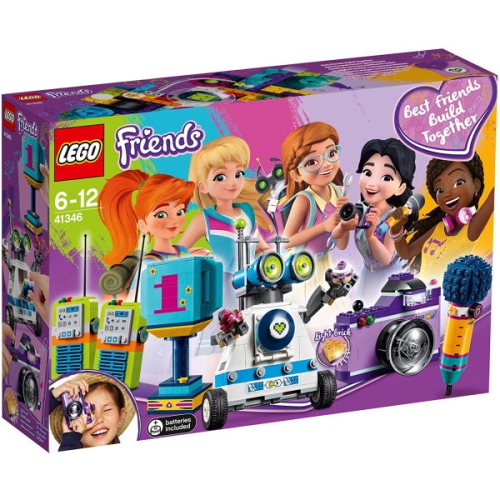
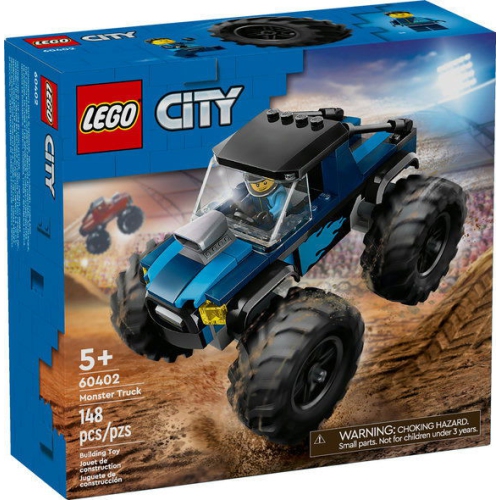
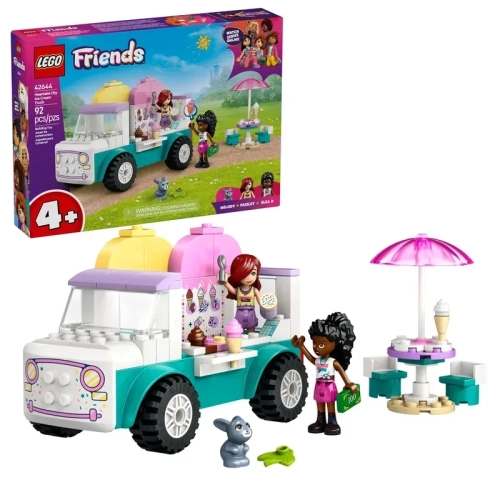
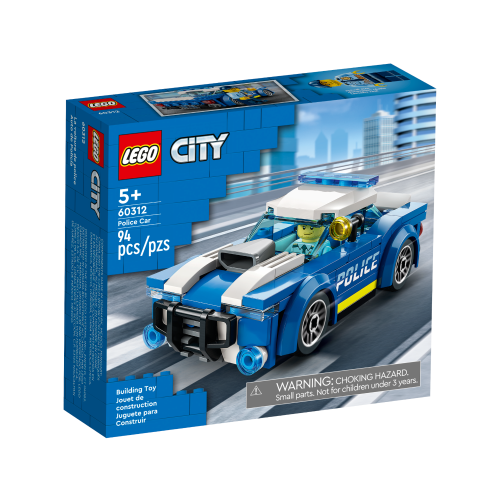
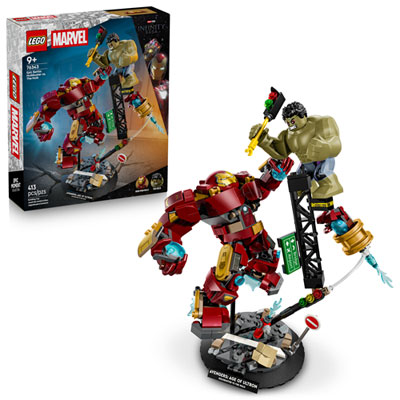
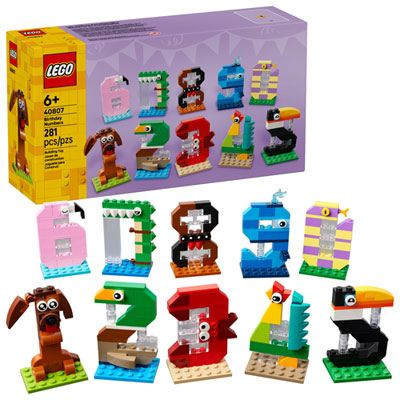
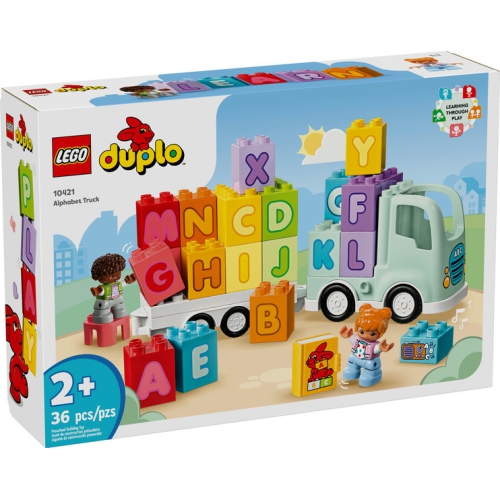
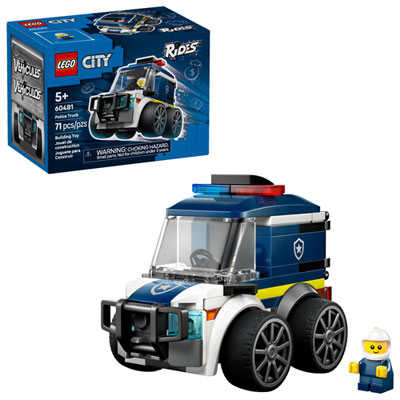
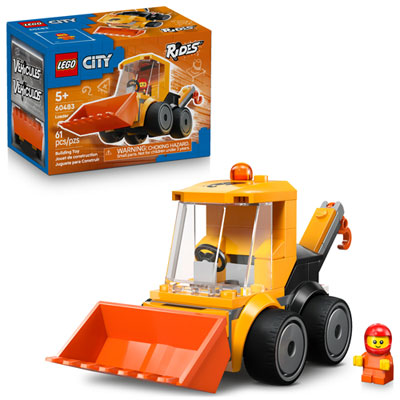
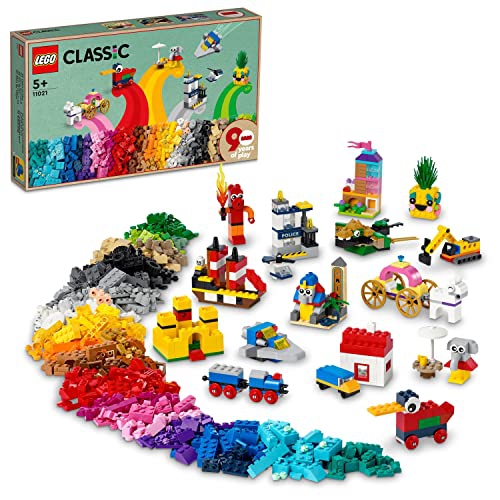
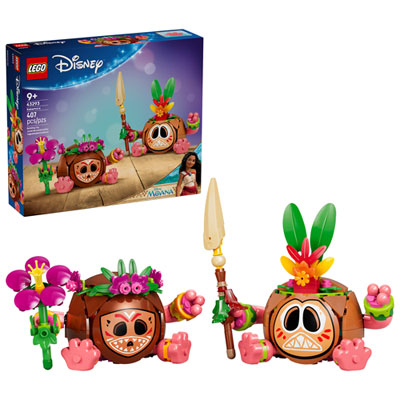
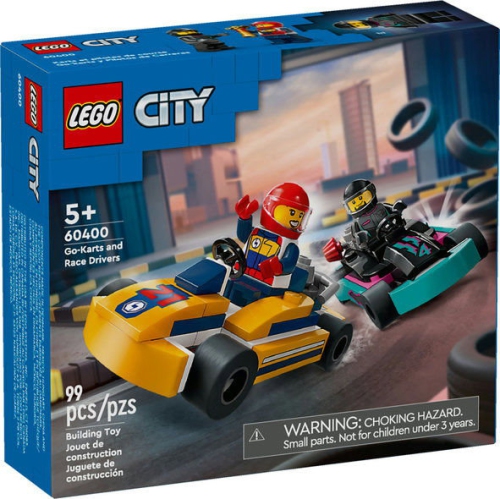
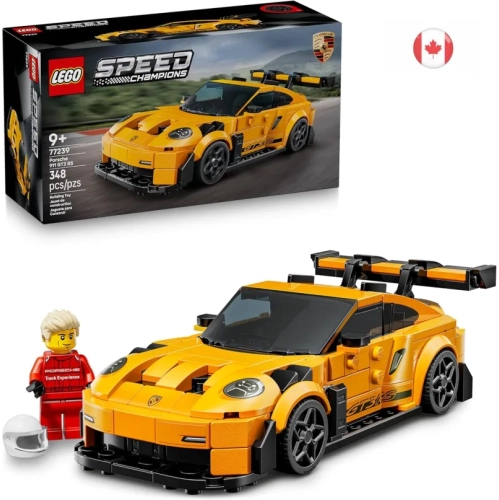
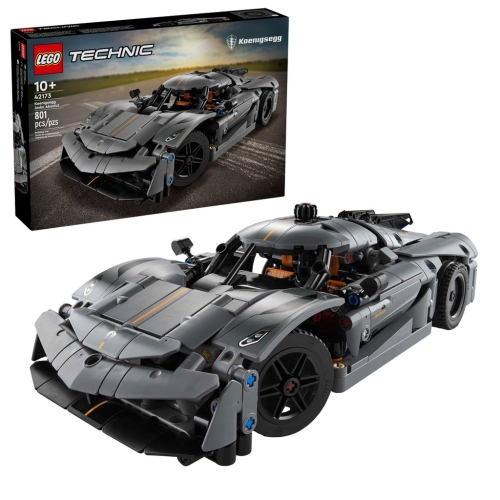
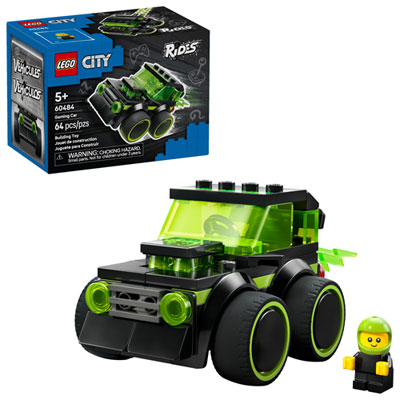
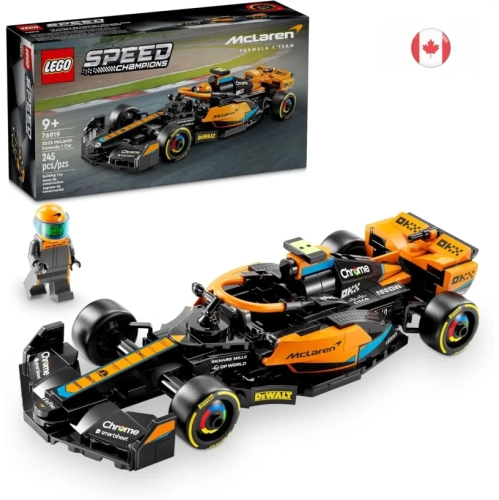
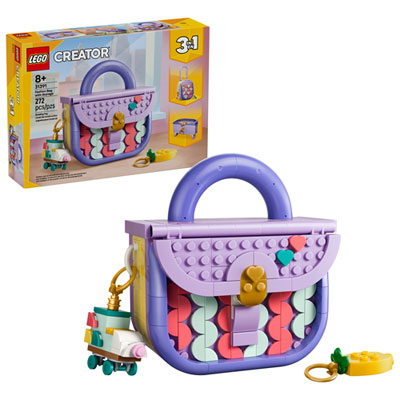
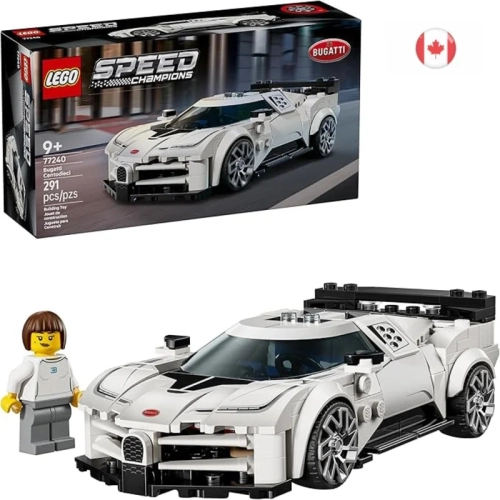
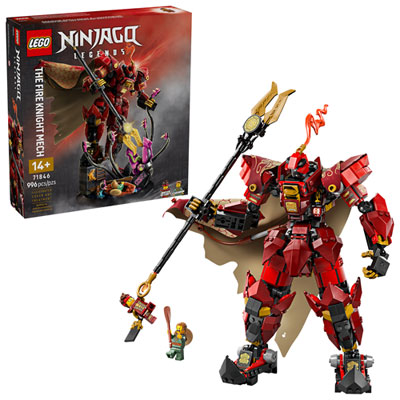
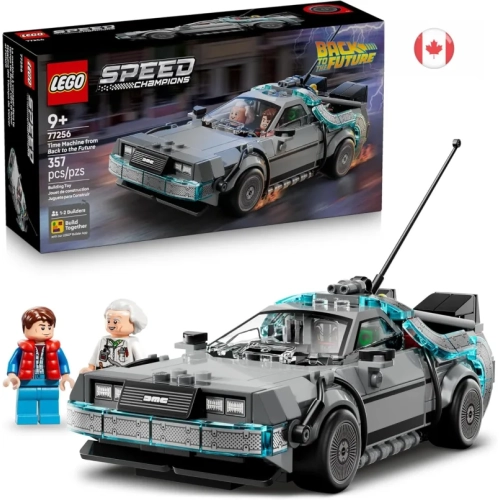
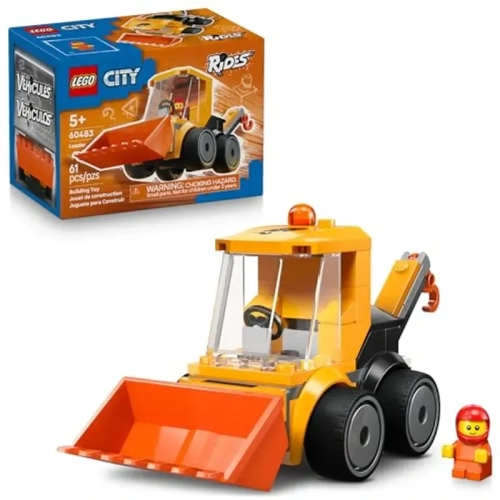
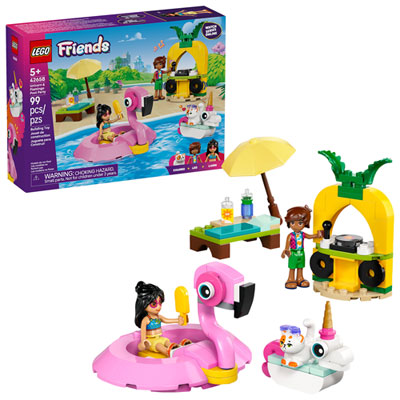
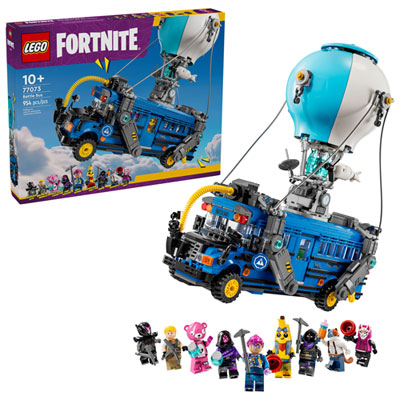
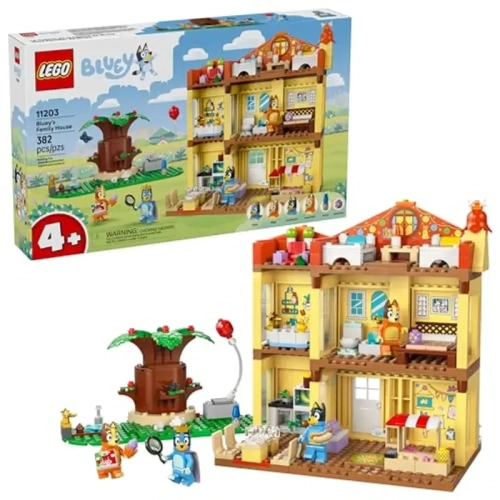
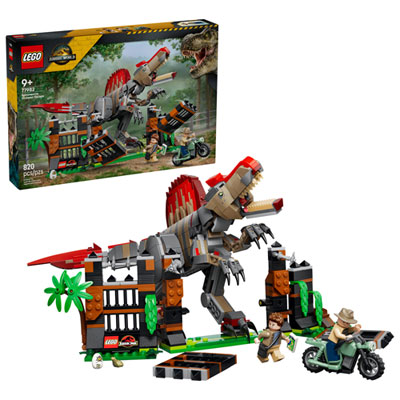
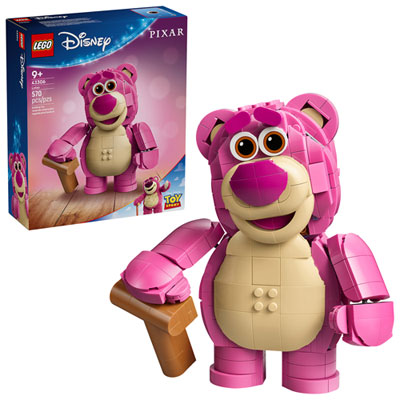
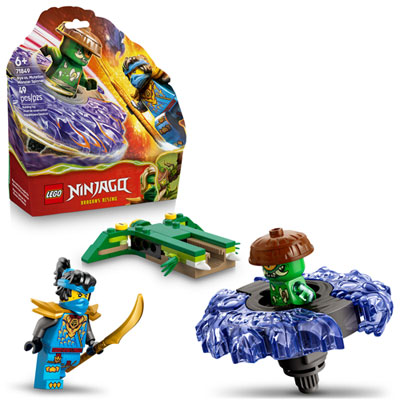
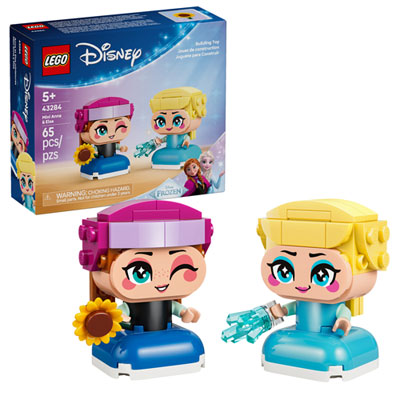
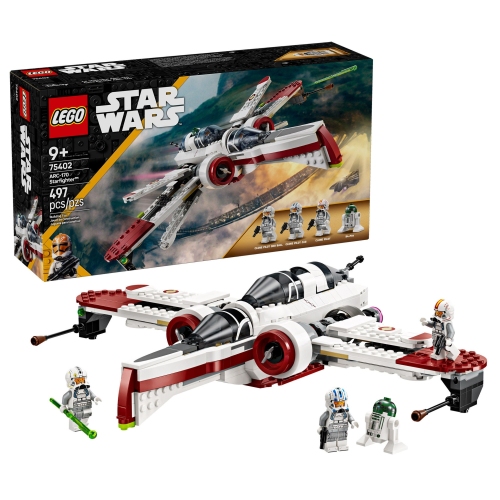
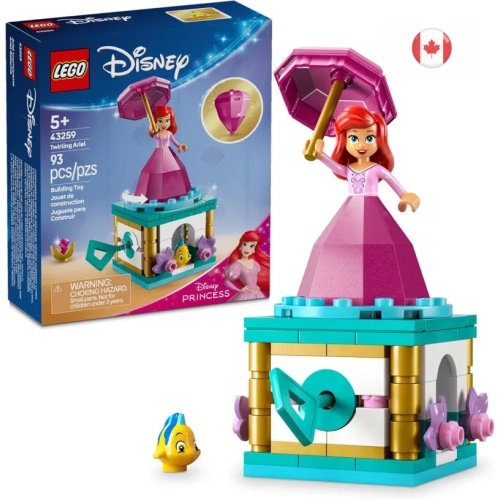
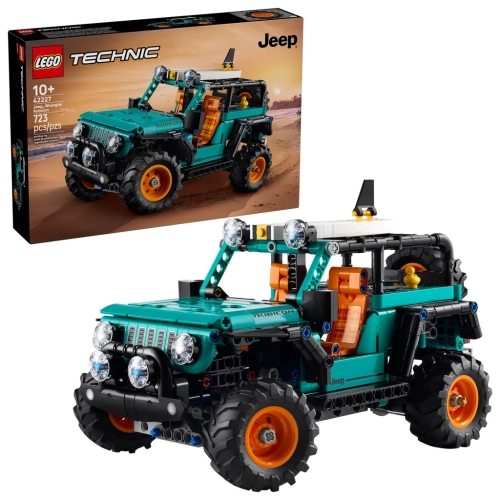
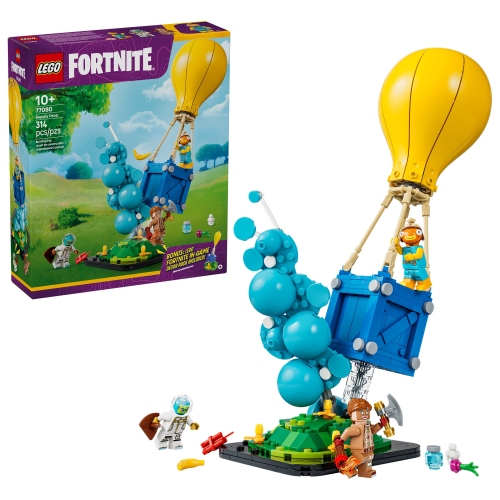
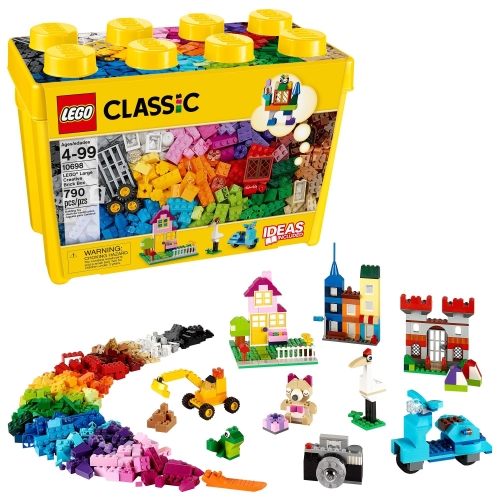
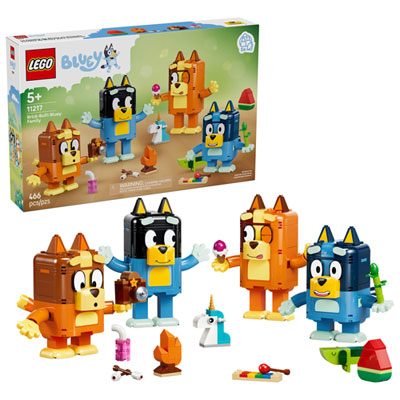
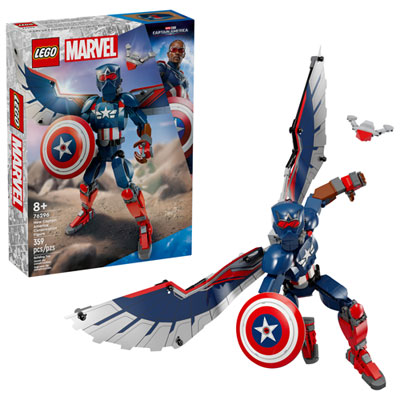
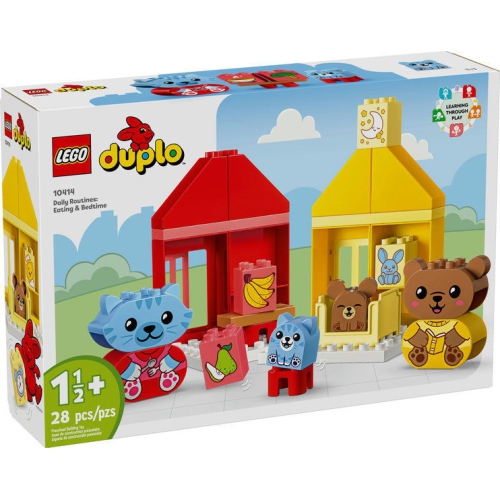
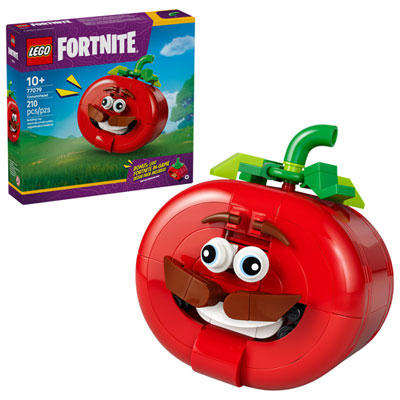
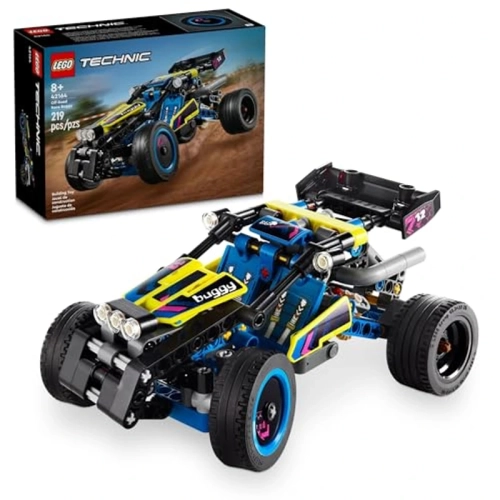
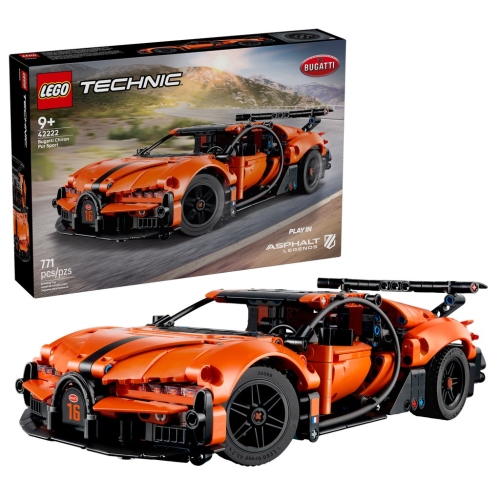
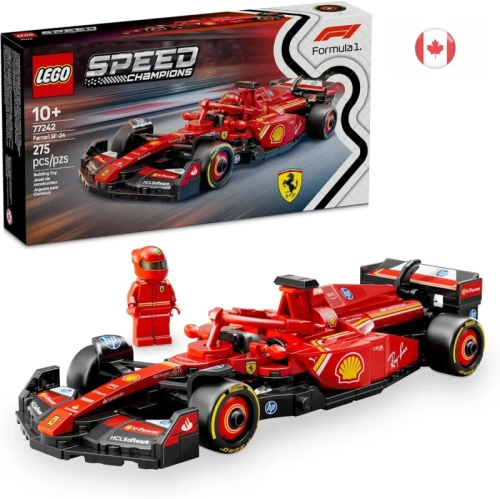
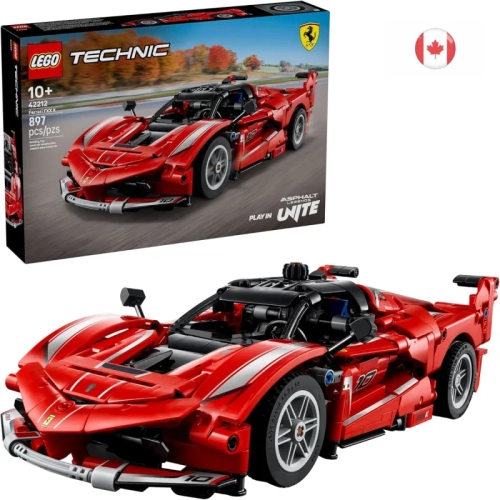
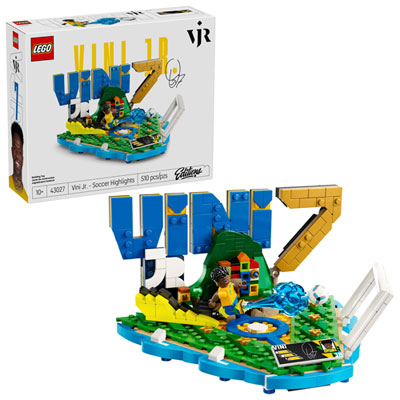
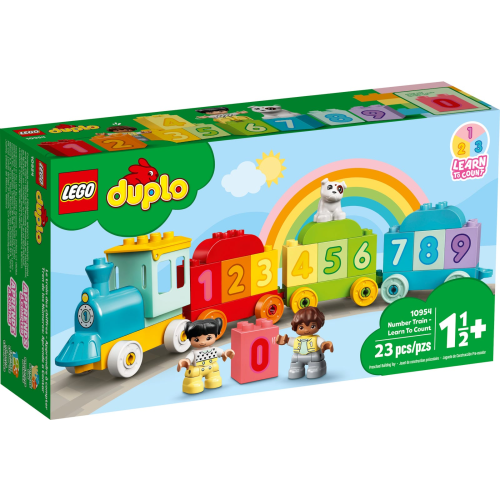
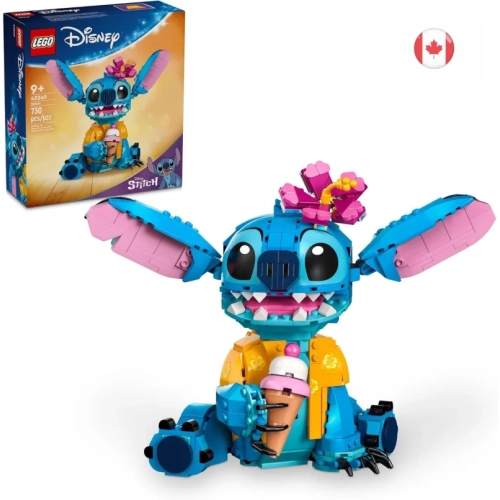
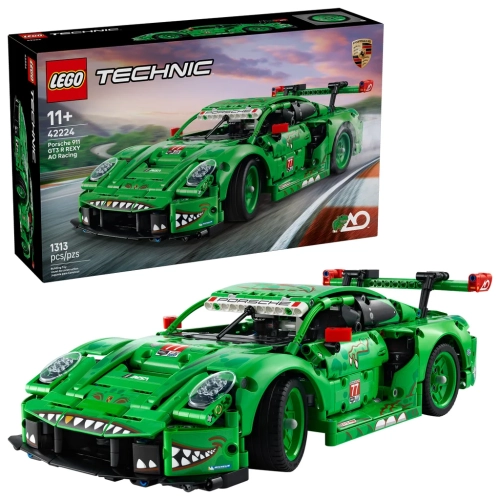
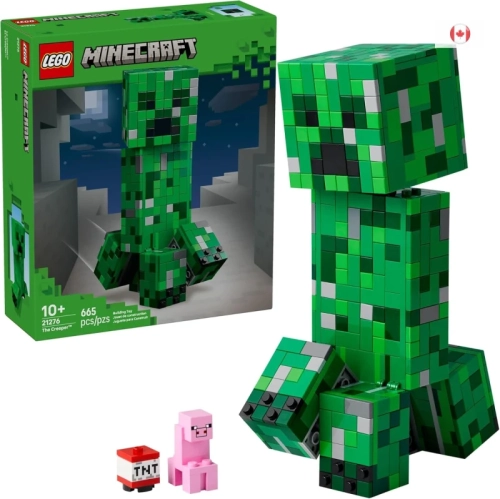
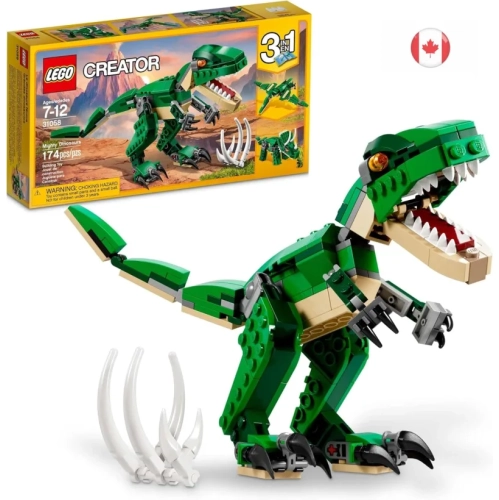
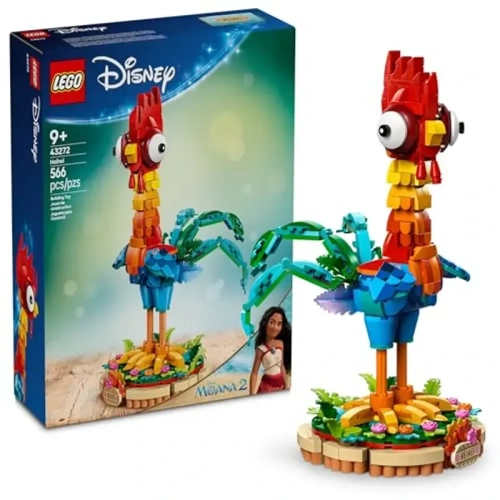
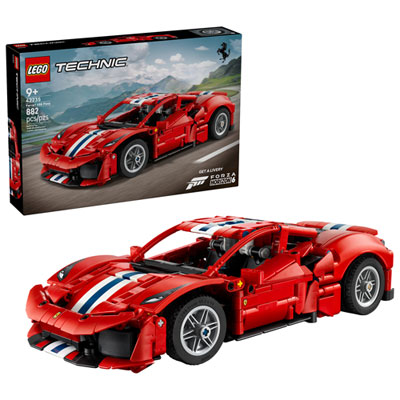
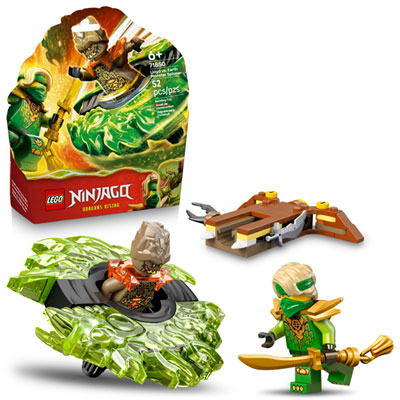
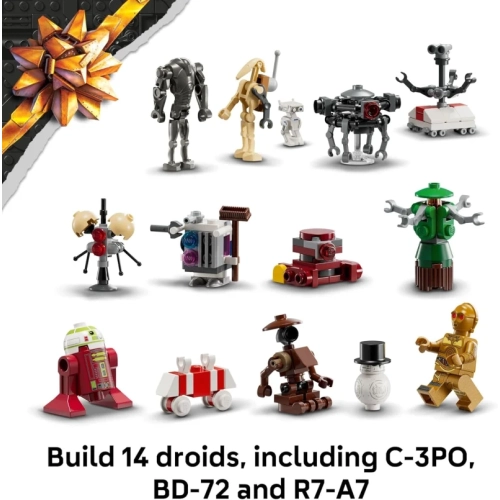
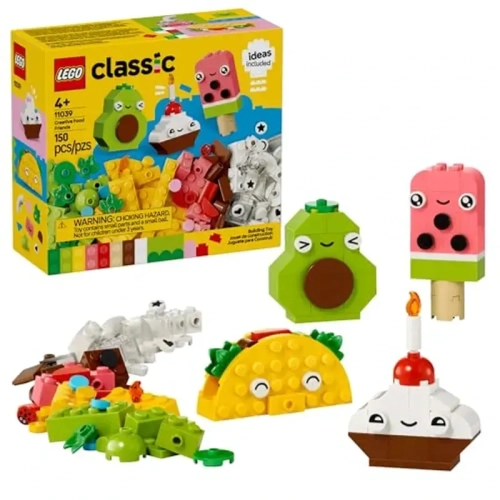
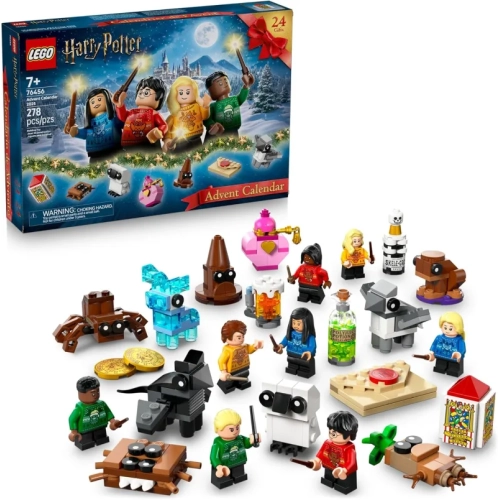
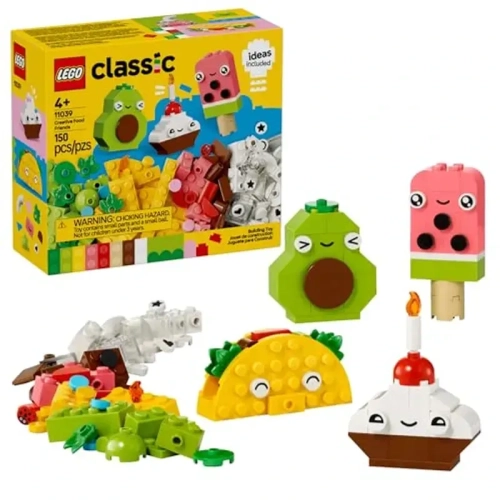
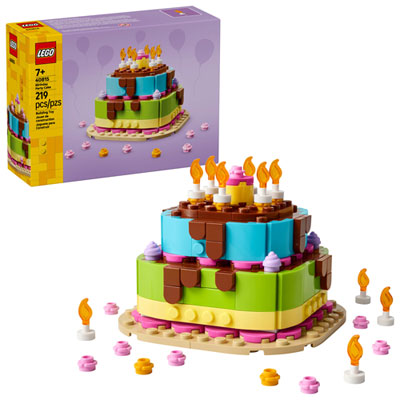
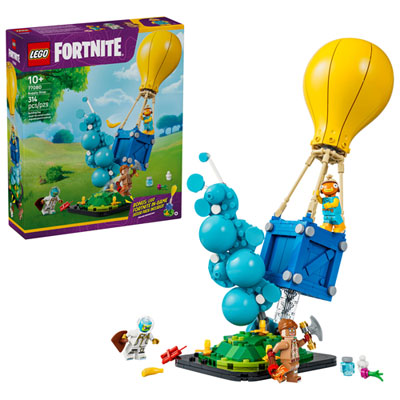
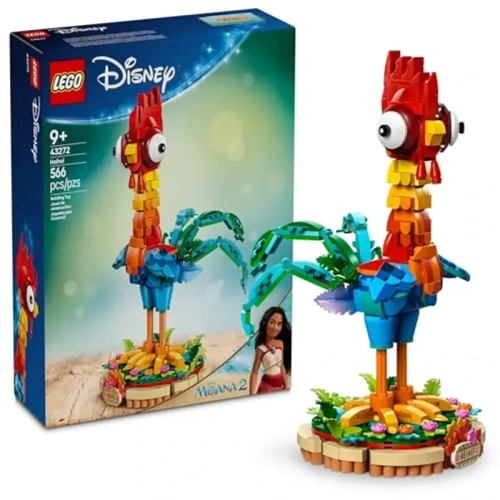
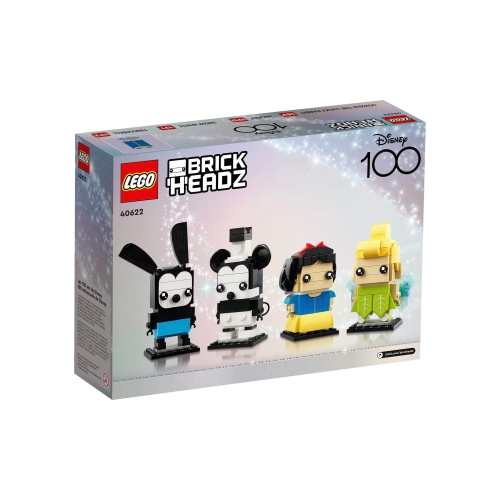
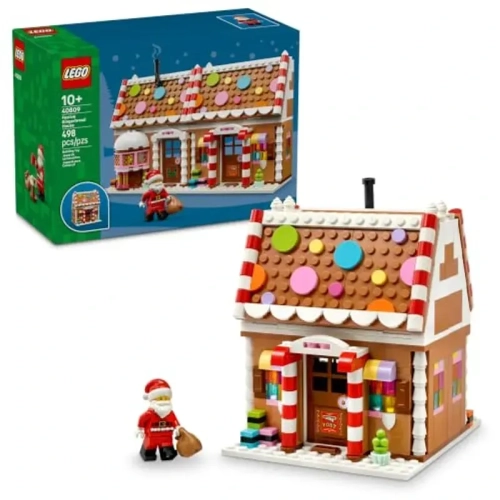

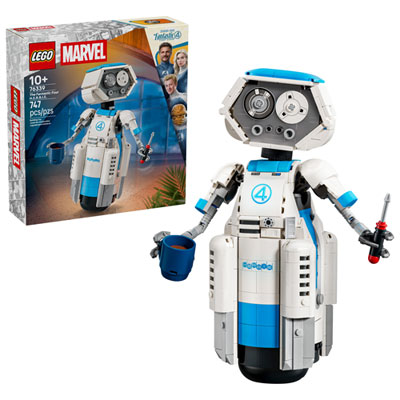
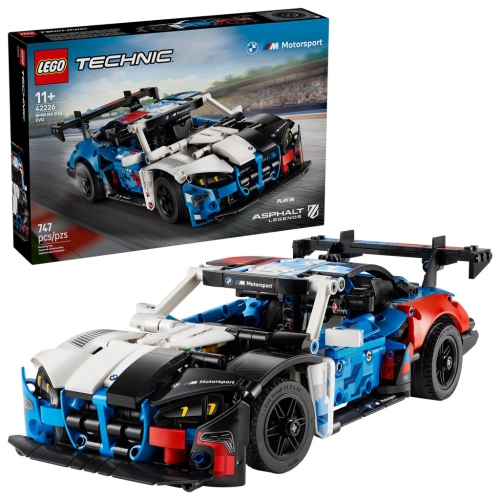
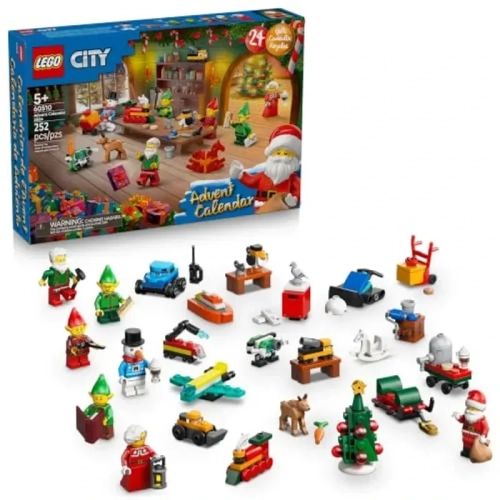
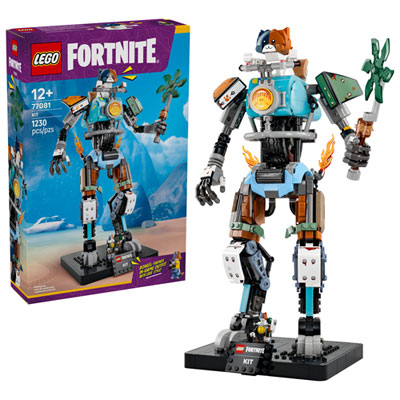
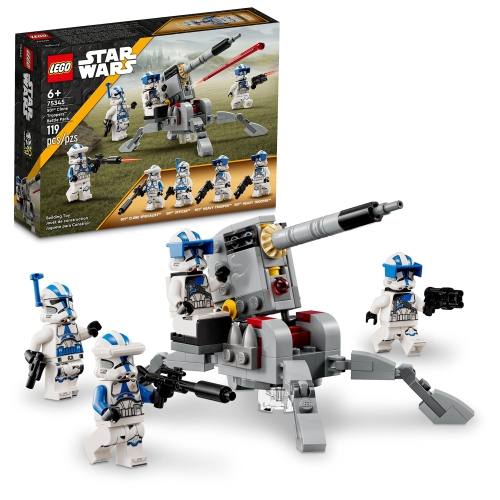
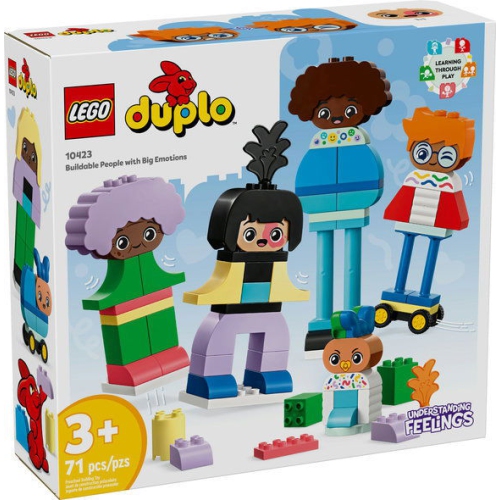
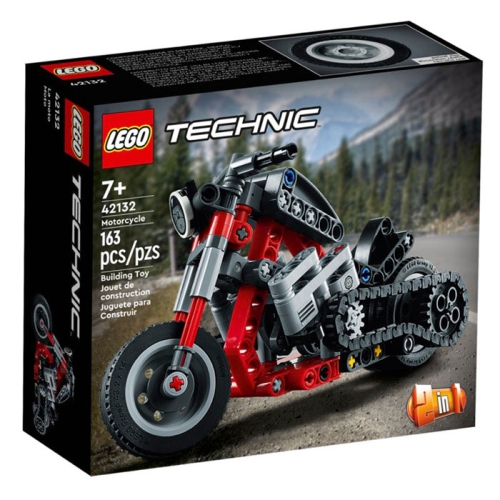
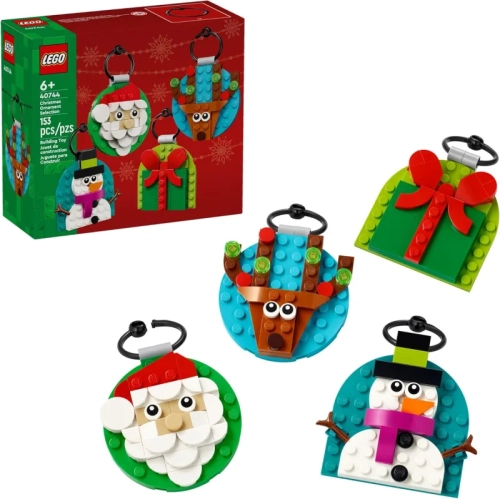
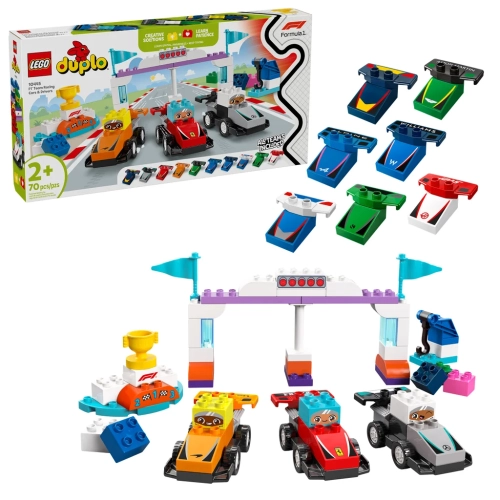
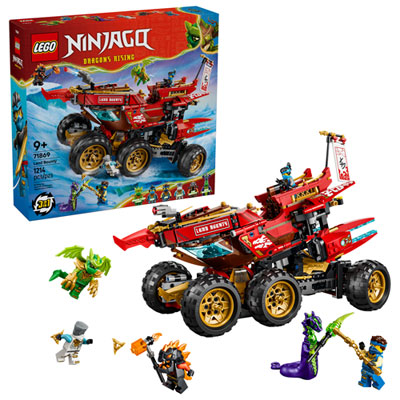
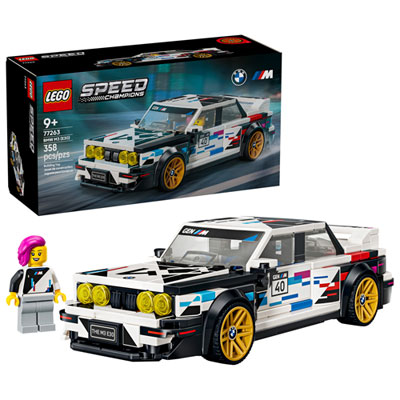
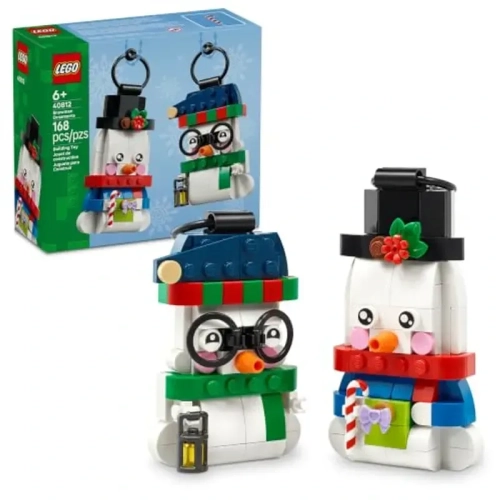
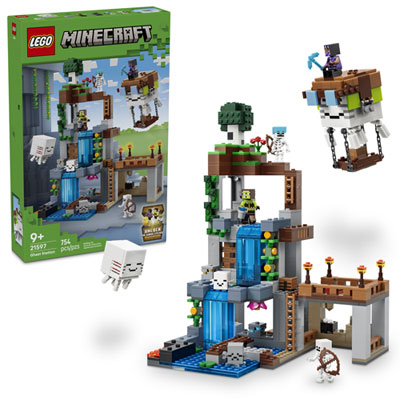
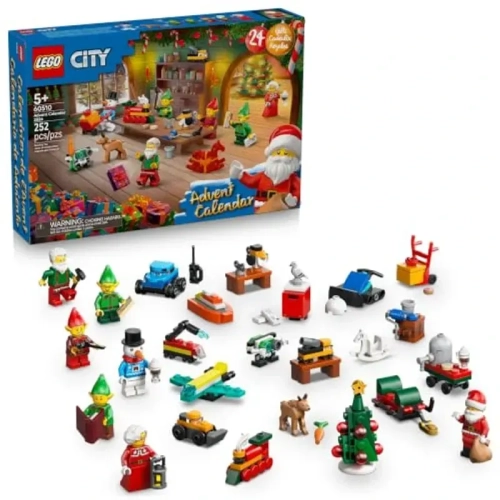
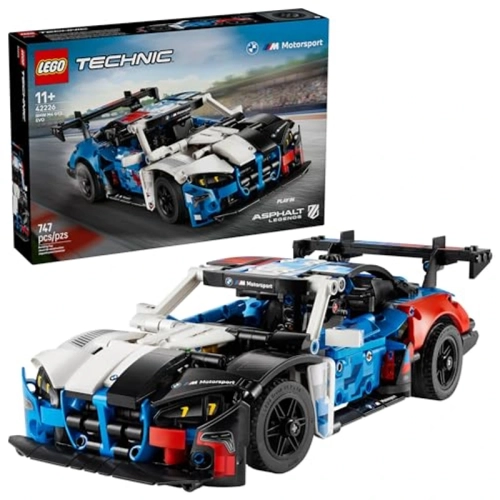
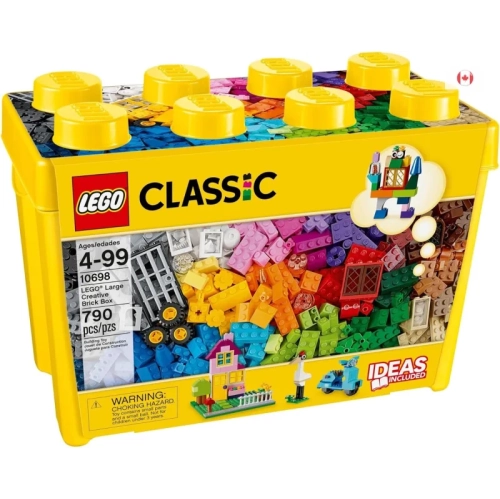
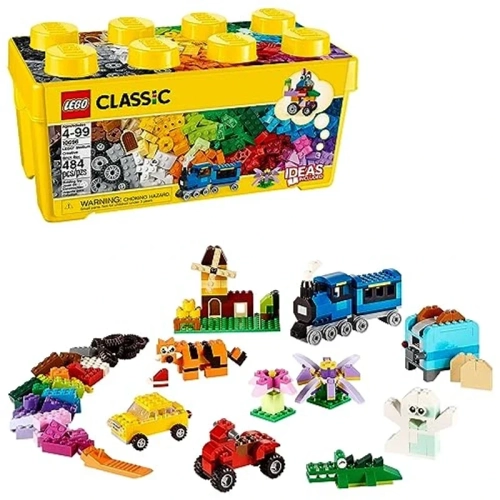
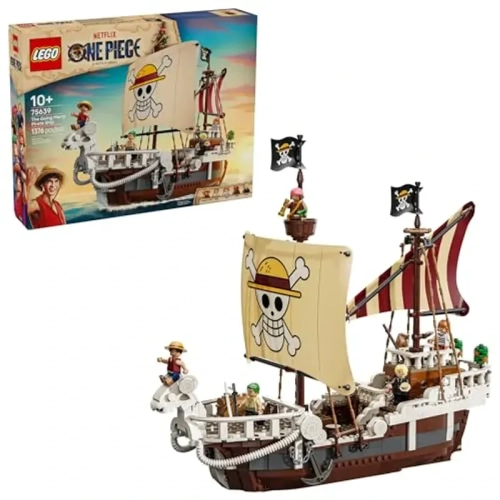
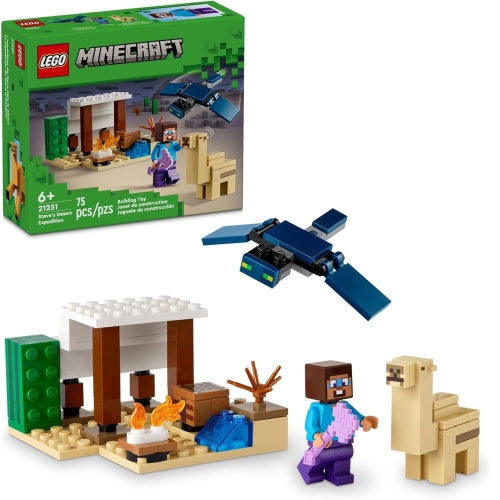
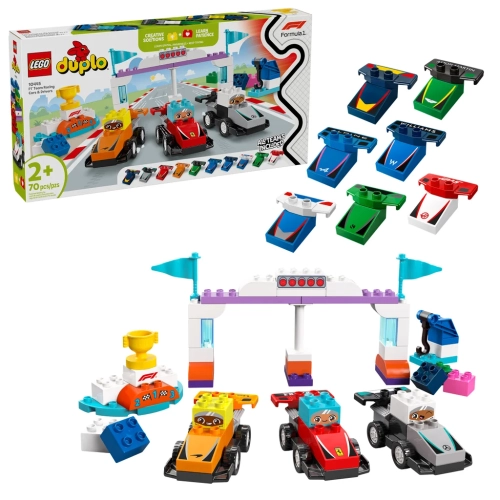
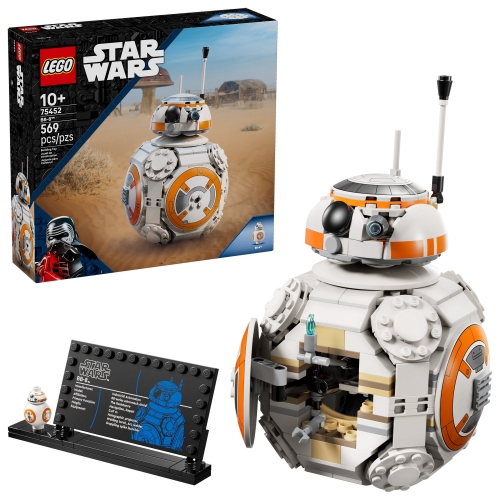
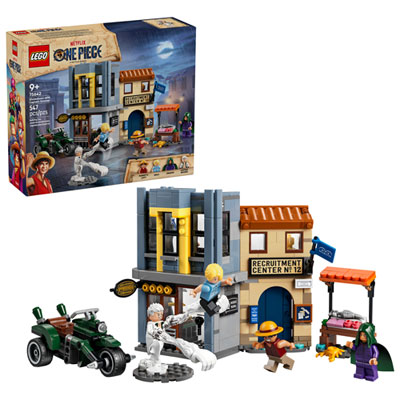

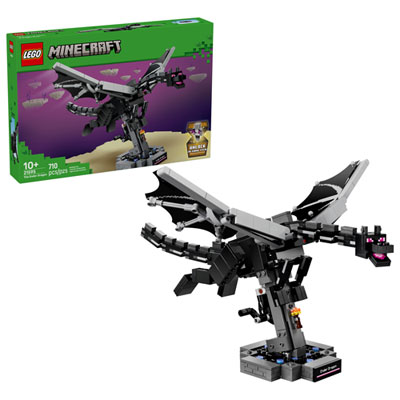
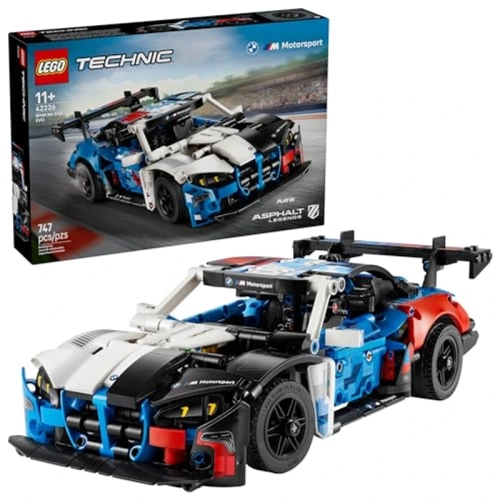

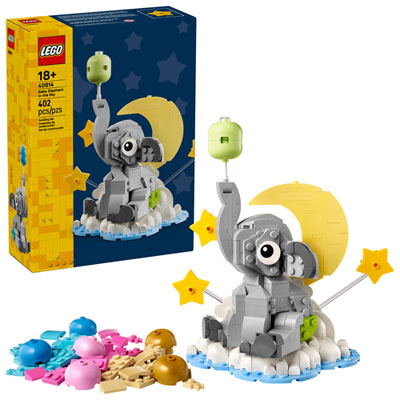
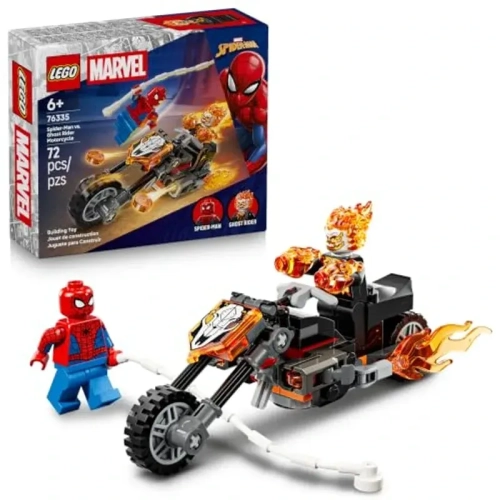
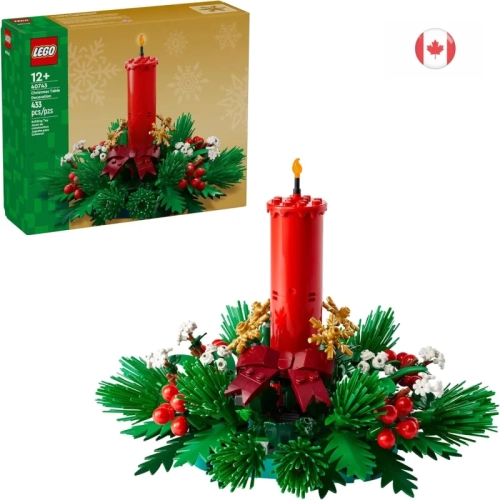
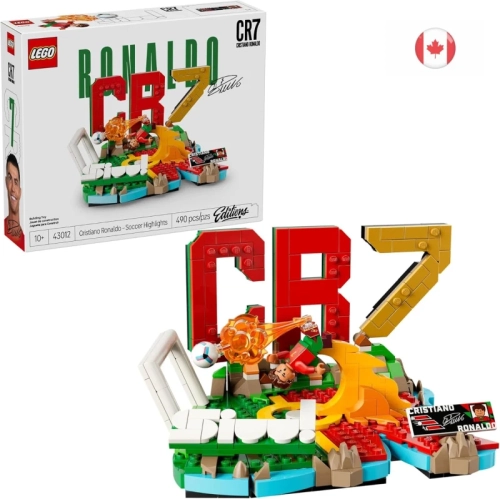
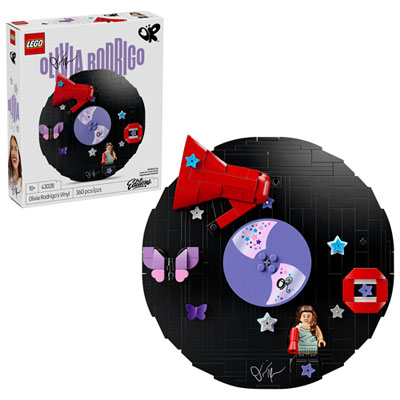
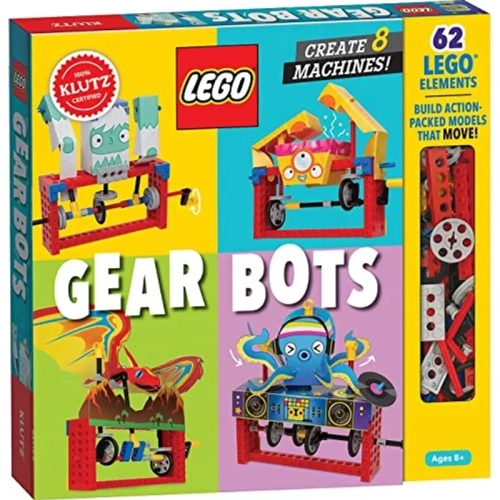
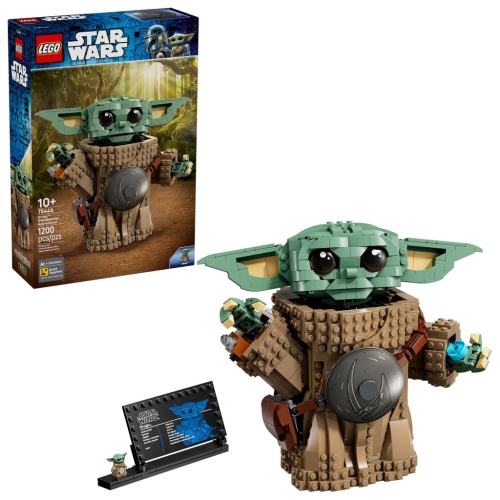
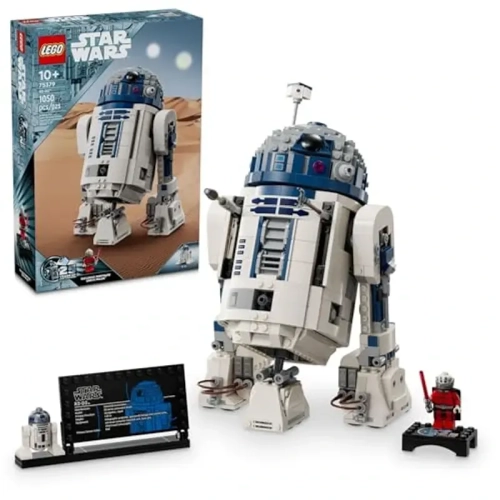
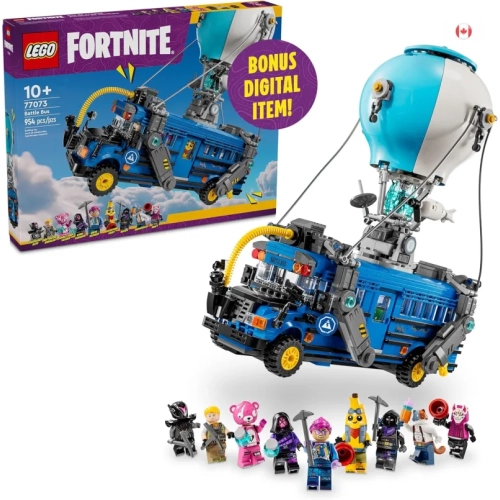
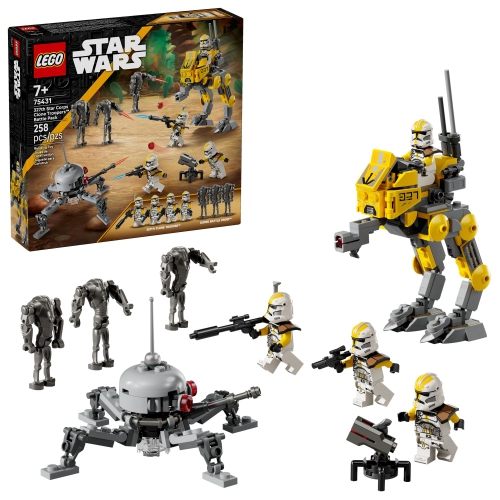
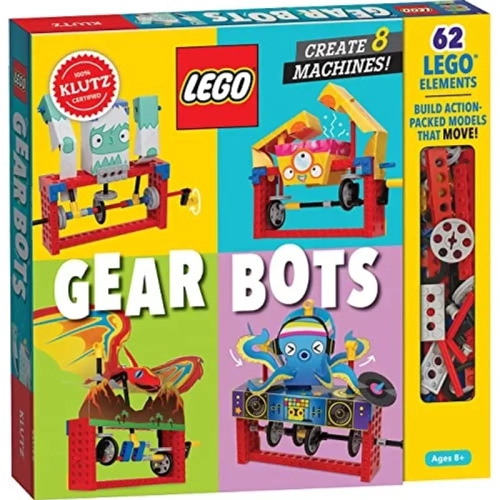
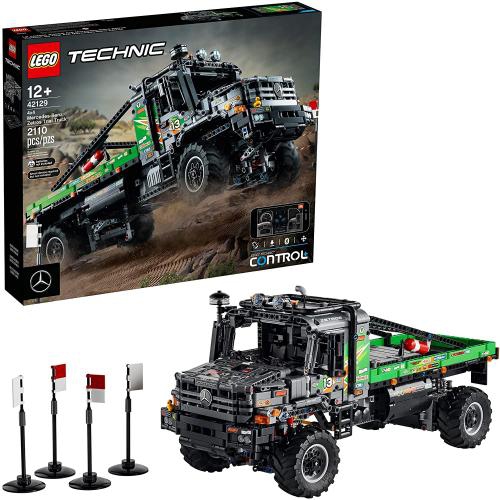

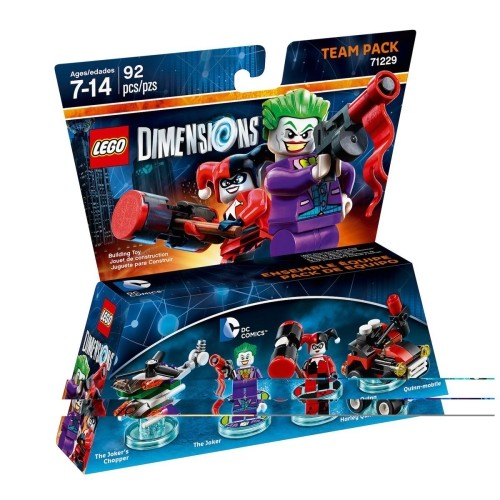
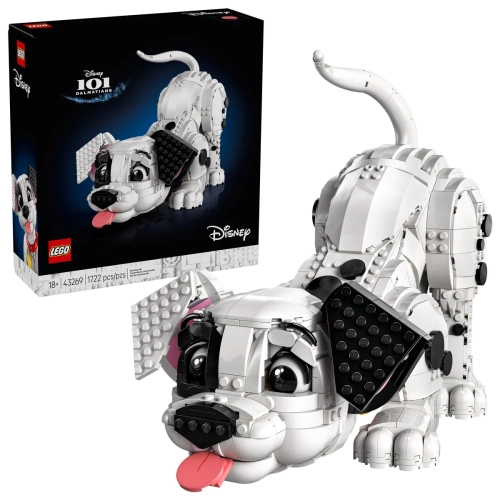
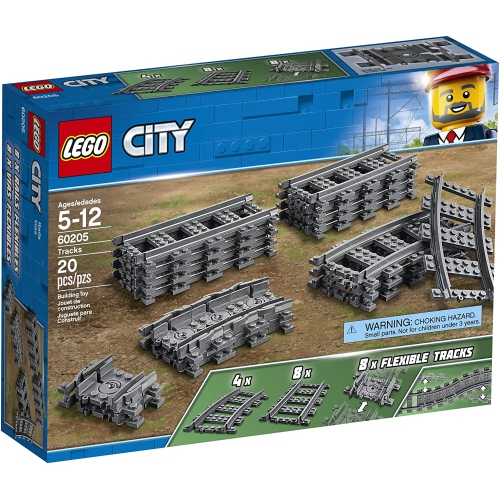
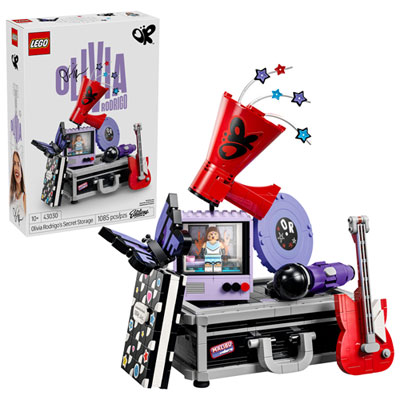


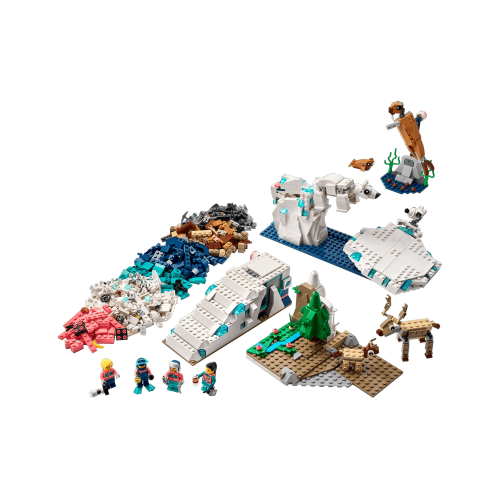
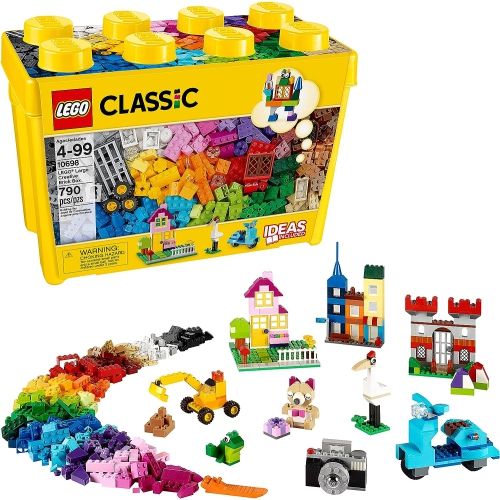
The fun doesn’t stop when the build is finished
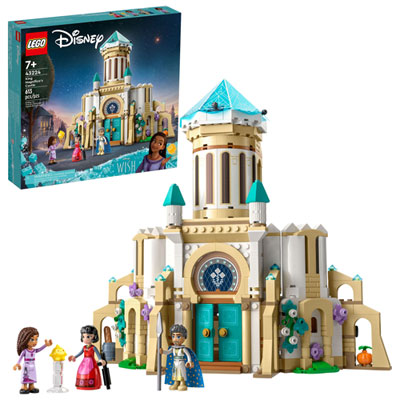
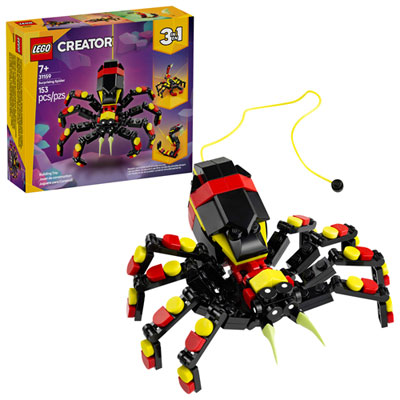
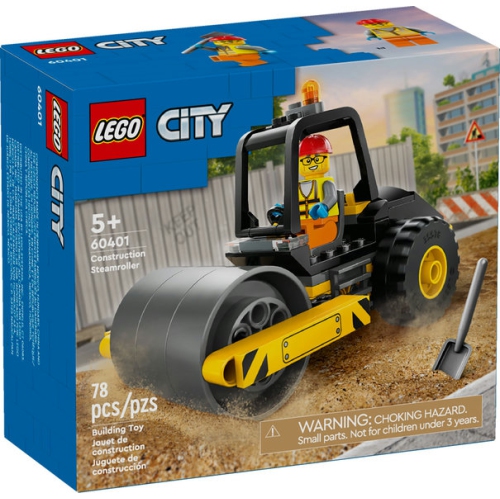
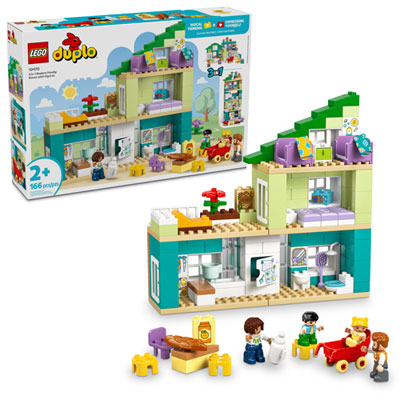
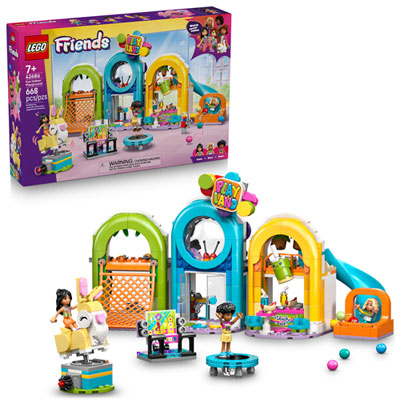
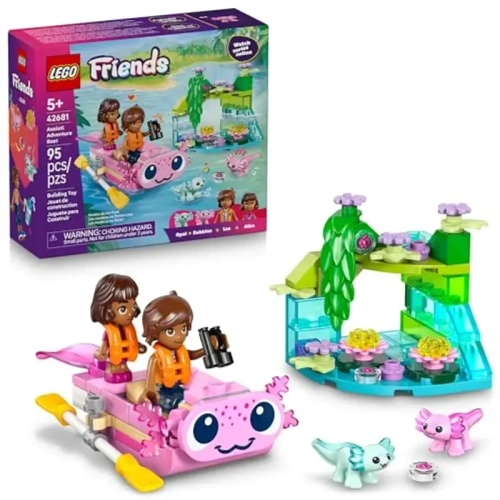
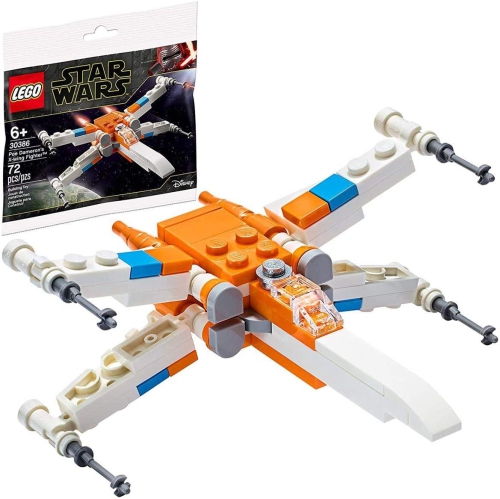
Building sets for kids turn a handful of bricks into something children can imagine, assemble, take apart, and make again. A simple stack can become a house, a garage, or a home for a favourite animal, while a more detailed construction can give an older child an absorbing project with a satisfying finished result. These toys combine hands-on activity with imaginative play: following illustrated instructions involves matching shapes and colours, noticing how pieces connect, and working through a sequence, while free building leaves room for inventions that do not need to resemble anything on the box. Age suitability matters more than the size of the finished model alone. Sets intended for preschool children generally use larger pieces and simpler connections, while those for school-age builders may include smaller elements, more assembly stages, and details that require greater finger control. The age recommendation on the packaging is a useful starting point, considered alongside a child’s experience, patience, and interests. A child who enjoys making up stories may be drawn to buildings, animals, or character-based scenes; another may prefer vehicles, moving parts, or structures that invite experiments with balance. Piece count offers some indication of the scope of a project, but it does not tell the whole story: several small, similar pieces can be more demanding to identify and position than a larger collection of straightforward bricks. The appeal of Lego Sets also extends beyond completing the original build. A finished vehicle can become part of a pretend delivery route, and a collection of rooms can grow into a neighbourhood with its own stories. Some children enjoy following the instructions closely before making changes; others prefer to spread out the pieces and invent from the beginning. Both approaches give building toys a place in everyday play, with opportunities to practise spatial thinking, coordination, and problem-solving without making every play session feel like a lesson.
Materials, connections, and care influence how comfortably a building set fits into a child’s routine. Many construction bricks are made from rigid moulded plastic, with shaped studs and sockets that hold compatible pieces together. A secure connection helps a model stay intact during ordinary handling, although narrow towers, long unsupported sections, and decorative details can still come apart when moved. This is part of what makes the format adaptable: a damaged-looking wall can often be rebuilt, and a design that keeps tipping over can become a practical experiment in making a wider base. Pieces should connect as intended without excessive force; parts from different building systems are not automatically interchangeable, even when they look similar. Larger pieces can be easier for small hands to grasp, while tiny tiles, hinges, and decorative elements may suit children who already have experience with detailed construction. Small parts present a choking hazard and must be kept away from children under three, with the packaging’s age guidance and safety warnings followed for each set. In a household with siblings of different ages, separate storage and a building surface beyond a younger child’s reach can help keep small pieces contained. A tray is useful for catching loose parts, and shallow containers make it easier to see pieces without emptying an entire collection onto the floor. Sorting by shape, colour, or function can support different play styles: one child may want all the wheels together, while another works most comfortably with colours grouped separately. Care instructions vary, particularly when a set includes powered components, stickers, or other special elements. Washable plastic pieces may be cleaned with mild soap and lukewarm water when the manufacturer’s instructions permit, then dried thoroughly before storage. Heat, harsh cleaners, and rough treatment can affect parts or surface details. Keeping instructions with the set and giving completed builds a stable place to rest can make it easier to return to a project, rebuild a favourite design, or use the same pieces in a new creation.
Building toys can make thoughtful gifts for birthdays, family celebrations, and milestones because the choice can reflect both a child’s interests and the way they like to spend their time. A first-time builder may appreciate a manageable project with clear steps and an appealing subject, while a child who already spends hours constructing elaborate scenes may enjoy added detail or a different kind of building challenge. A large set is not necessarily the most satisfying gift: completing a smaller model independently can be more rewarding than needing help with every stage of a complicated one. For children who like pretend play, a build that supports a story may remain engaging after assembly, whereas those who enjoy mechanical details may be more interested in testing movement and changing how parts fit together. Shared building offers another kind of experience. At a table with a parent, grandparent, sibling, or friend, one person can find pieces while another checks the illustrated steps, with roles changing as the model takes shape. This gives children a concrete reason to describe what they need, listen to another idea, and agree on what comes next. Independent play has its own appeal, especially for a child who enjoys concentrating on a small section at a time and seeing visible progress. Projects do not have to be completed in one sitting; a dedicated tray or shelf can preserve the work between sessions. Building materials can also be useful in supervised group activities, where children might contribute separate structures to a shared town or work together on a bridge wide enough for a toy vehicle. The most useful format depends on whether the child wants a model to display, a scene to play with, or a collection of pieces to rearrange repeatedly. Over time, a familiar construction can gain an extra room, a new set of wheels, or an entirely different purpose, keeping the focus on what the child wants to make next.
Top selling and popular products
-
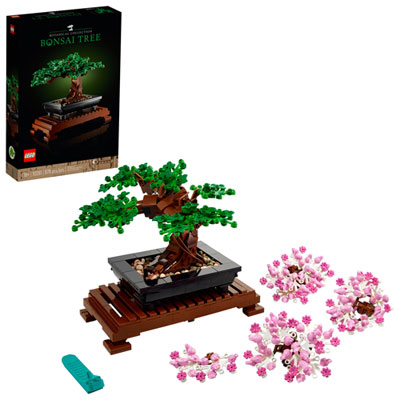 Your price for this item is $69.99
-
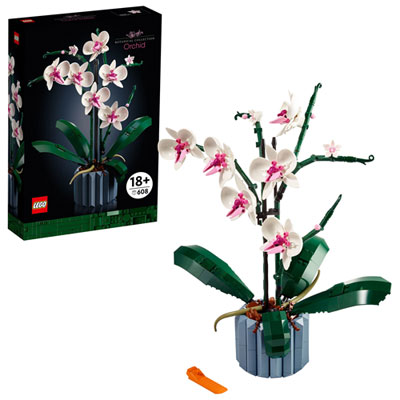 Your price for this item is $69.99
-
 Your price for this item is $79.99
-
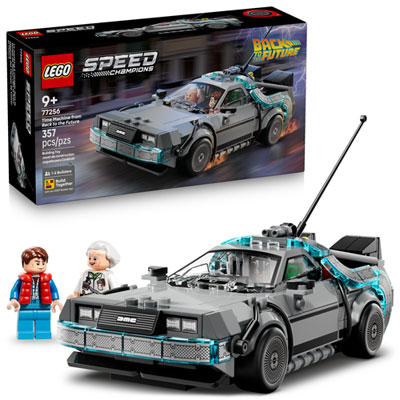 Your price for this item is $34.99
-
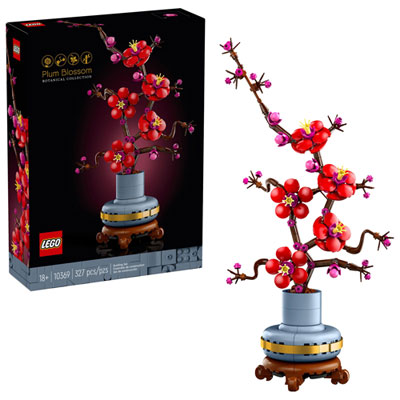 Your price for this item is $34.99
-
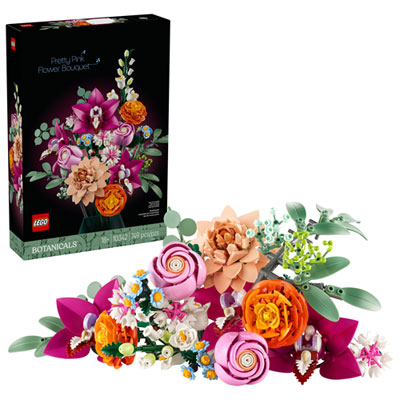 Your price for this item is $64.99
-
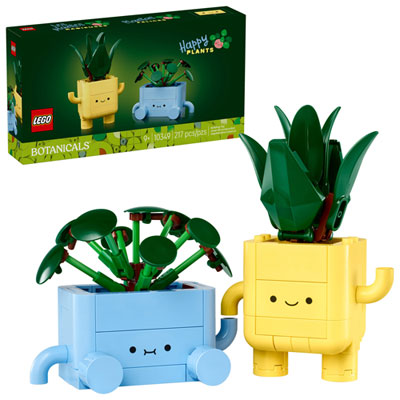 Your price for this item is $24.99
-
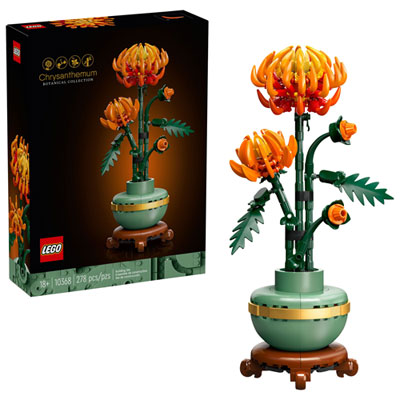 Your price for this item is $31.99
Discover more categories related to Lego for Kids

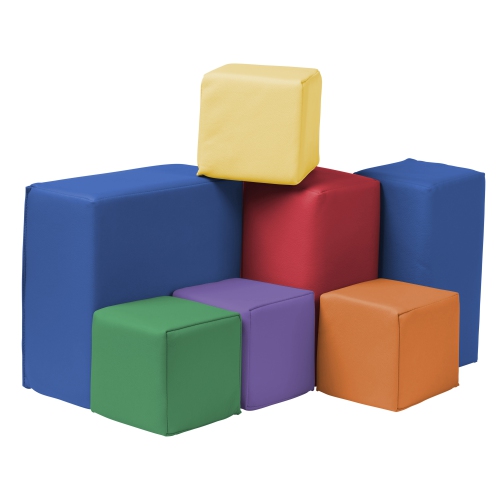
Top Collections:
Best Black Friday Deals This Year, Best Black Friday Deals On Electronics, Kindle Devices, Pokemon Centers, Best Black Friday Deals On Apple Products, Best Cameras for Sports Photography, Dyson Airwrap, Pokémon 30th Celebration Cards, Apple iPhone 17 Pro, Canon G7X Cameras
Some products may be subject to Environmental Handling Fees
(EHF) depending on your province.
Learn more about EHFs.